
17 moments
Birth at Afshana
· Afshana, Bukhara Region, Uzbekistan
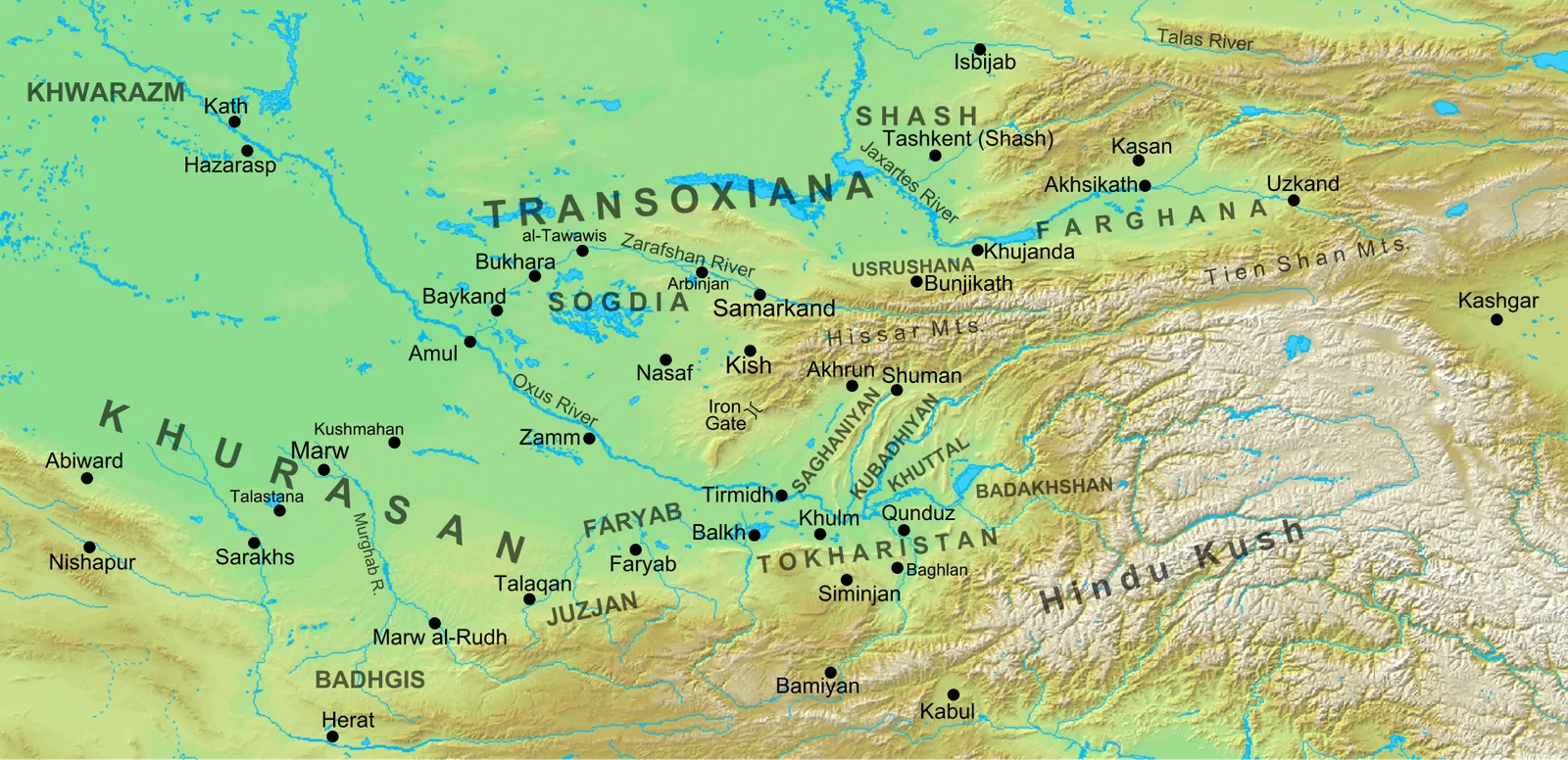
Wikimedia Commons · Creative Commons Attribution-ShareAlike 3.0 Unported · file Avicenna was born in the village of Afshana near Bukhara, beginning a life that would later take him among the courts of Central Asia and Iran. The year is circa 980; coordinates represent modern Afshana.
Departure from Bukhara
· Bukhara, Uzbekistan
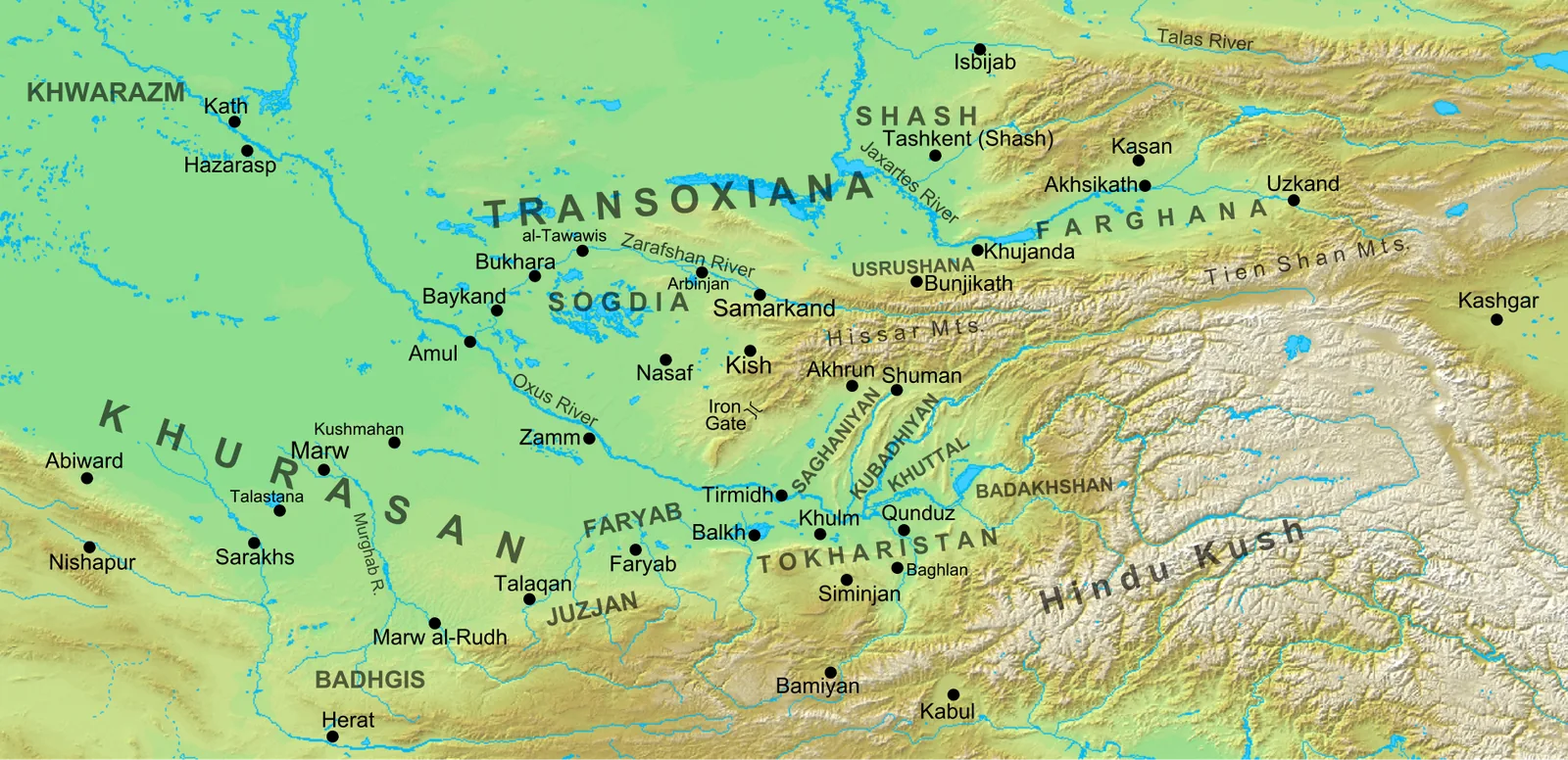
Wikimedia Commons · Creative Commons Attribution-ShareAlike 3.0 Unported · file After the Qarakhanid takeover, Avicenna fled the Samanid capital where he had been educated and had held employment connected with the ruling administration.
Service at Gurganj
· Gurganj (Konye-Urgench), Daşoguz Province, Turkmenistan
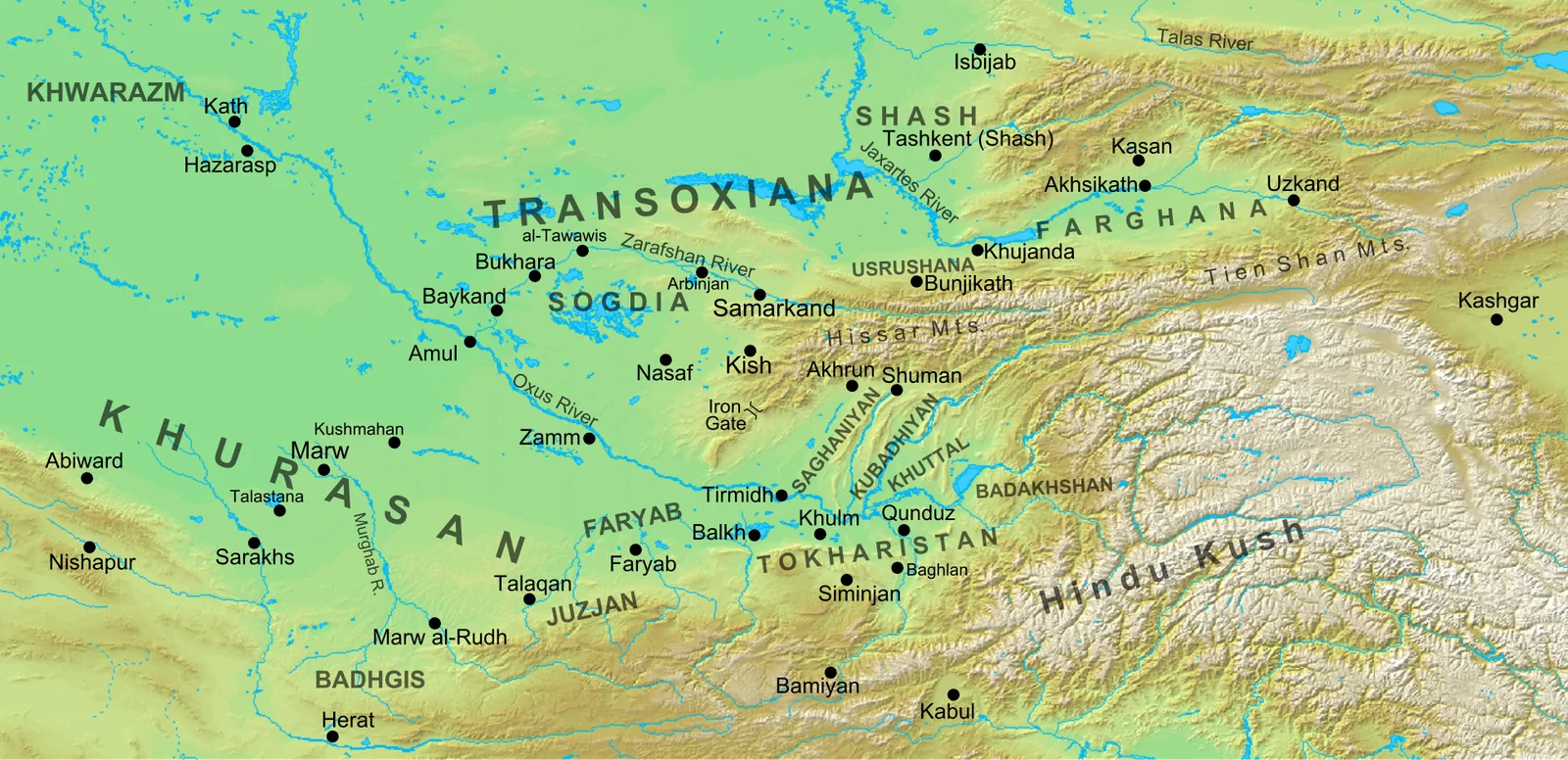
Wikimedia Commons · Creative Commons Attribution-ShareAlike 3.0 Unported · file Avicenna moved north to Gurganj in Khwarazm and entered the service of the Ma'munid ruler, an important early court appointment after leaving Bukhara. Arrival is dated approximately to 999; the source gives a possible residence span of 999–1012.
Westward journey through Abiward
· Abiward, Ahal Province, Turkmenistan
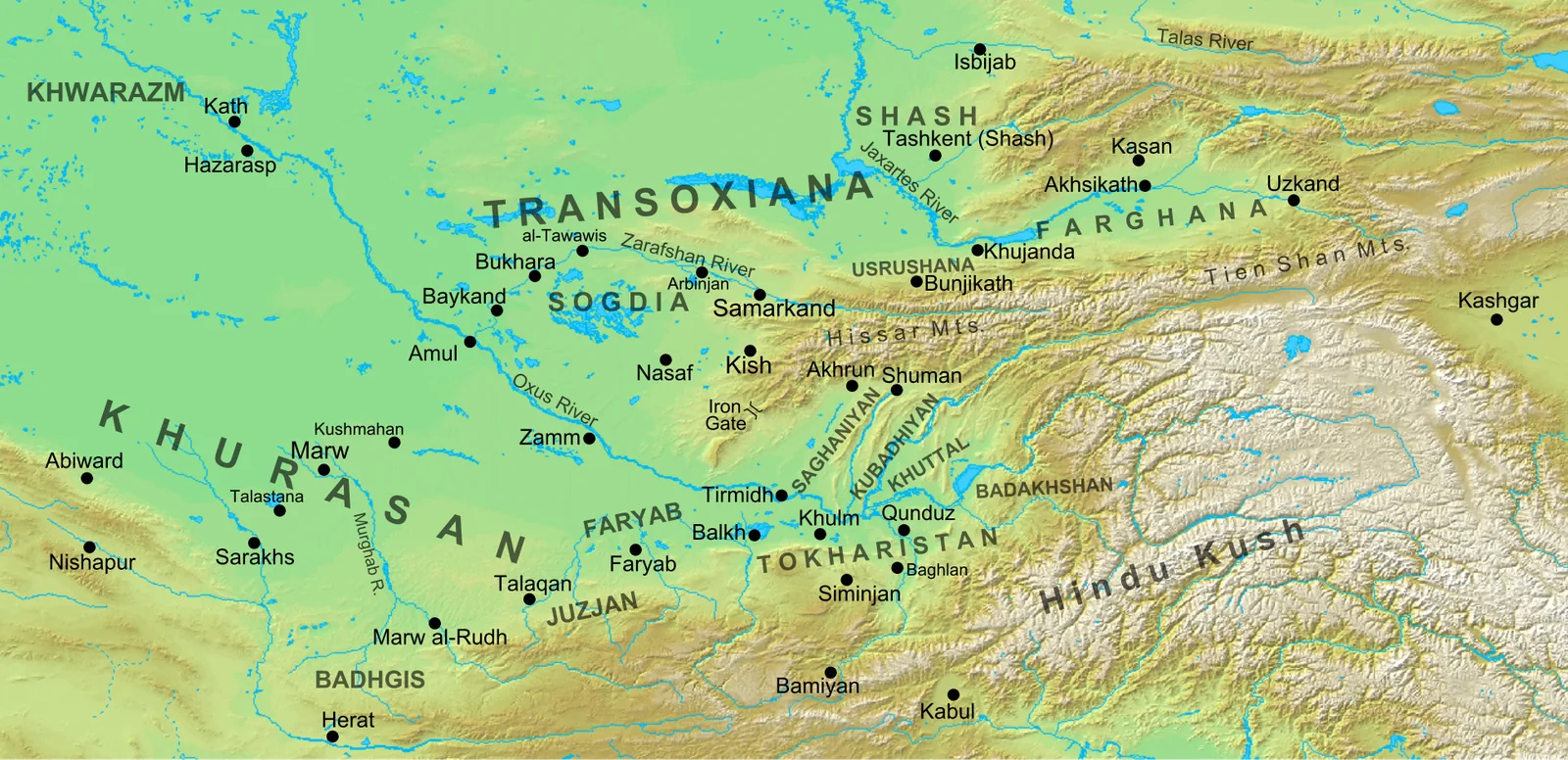
Wikimedia Commons · Creative Commons Attribution-ShareAlike 3.0 Unported · file Abiward was one of the documented stops on Avicenna's westward journey from Gurganj toward Gorgan. The journey began in 1012; the individual stop is not more precisely dated.
Westward journey through Jajarm
· Jajarm, North Khorasan Province, Iran
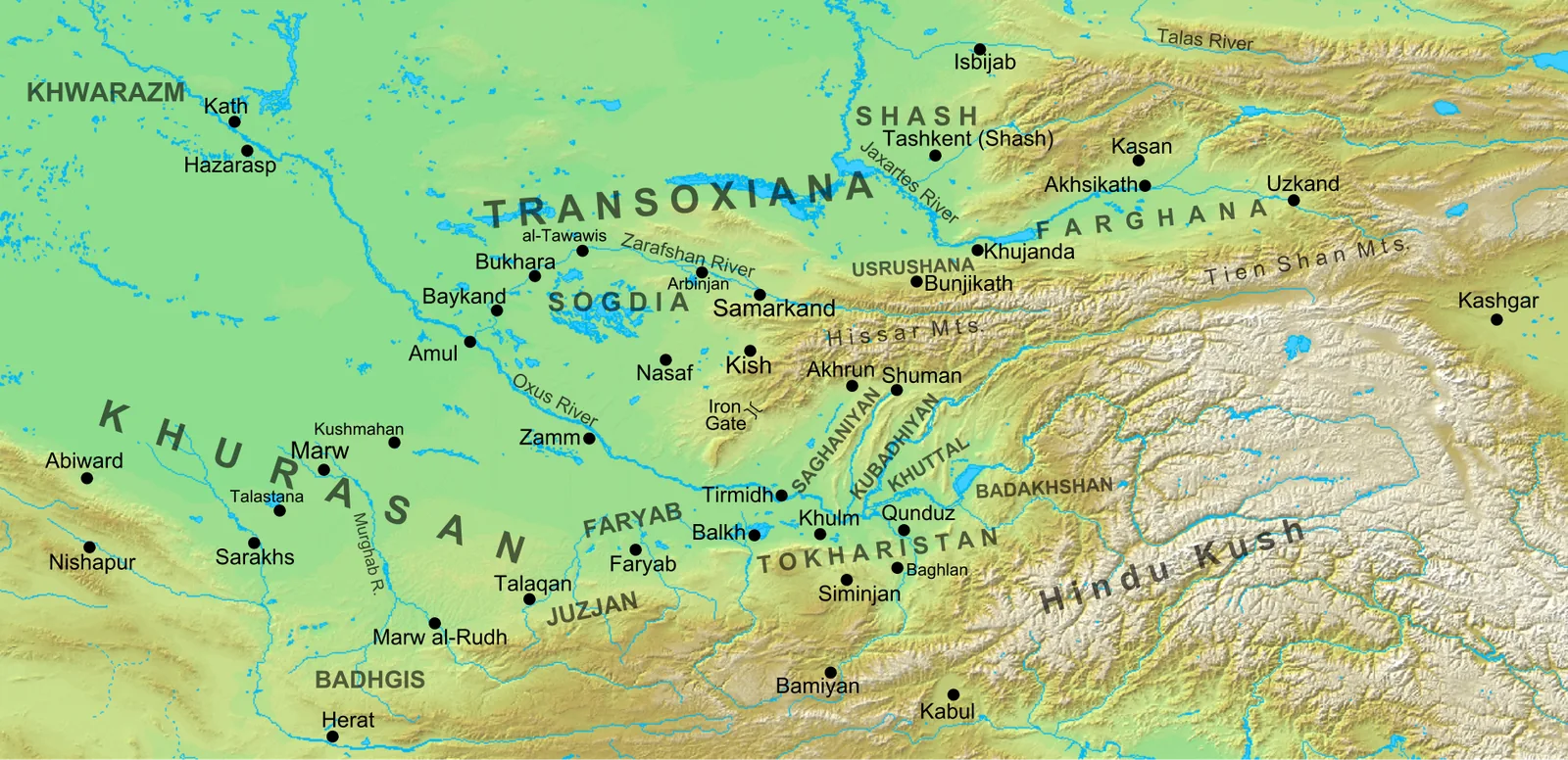
Wikimedia Commons · Creative Commons Attribution-ShareAlike 3.0 Unported · file Jajarm was the last specifically named stop in the surviving itinerary before Avicenna reached Gorgan. The journey began in 1012; the individual stop is not more precisely dated.
Westward journey through Nasa
· Nasa (Nisa), near Ashgabat, Turkmenistan
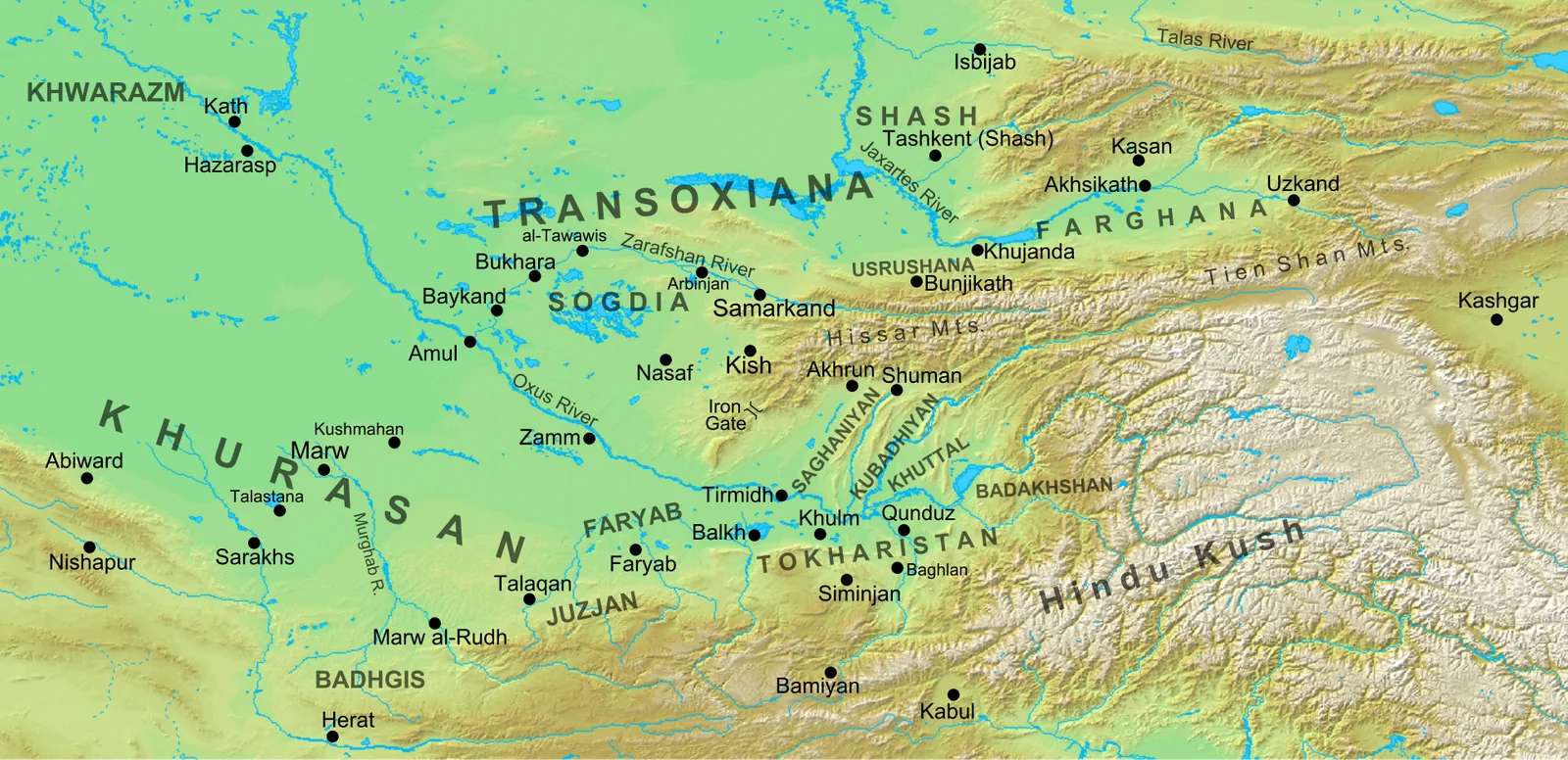
Wikimedia Commons · Creative Commons Attribution-ShareAlike 3.0 Unported · file Leaving Gurganj, Avicenna began the westward journey across Khurasan that brought him to Gorgan. The journey began in 1012; the individual stop is not more precisely dated. Coordinates use the Nisa archaeological-site locality as a representative point for historical Nasa.
Westward journey through Samangan
· Samangan, Torbat-e Jam County, Razavi Khorasan Province, Iran
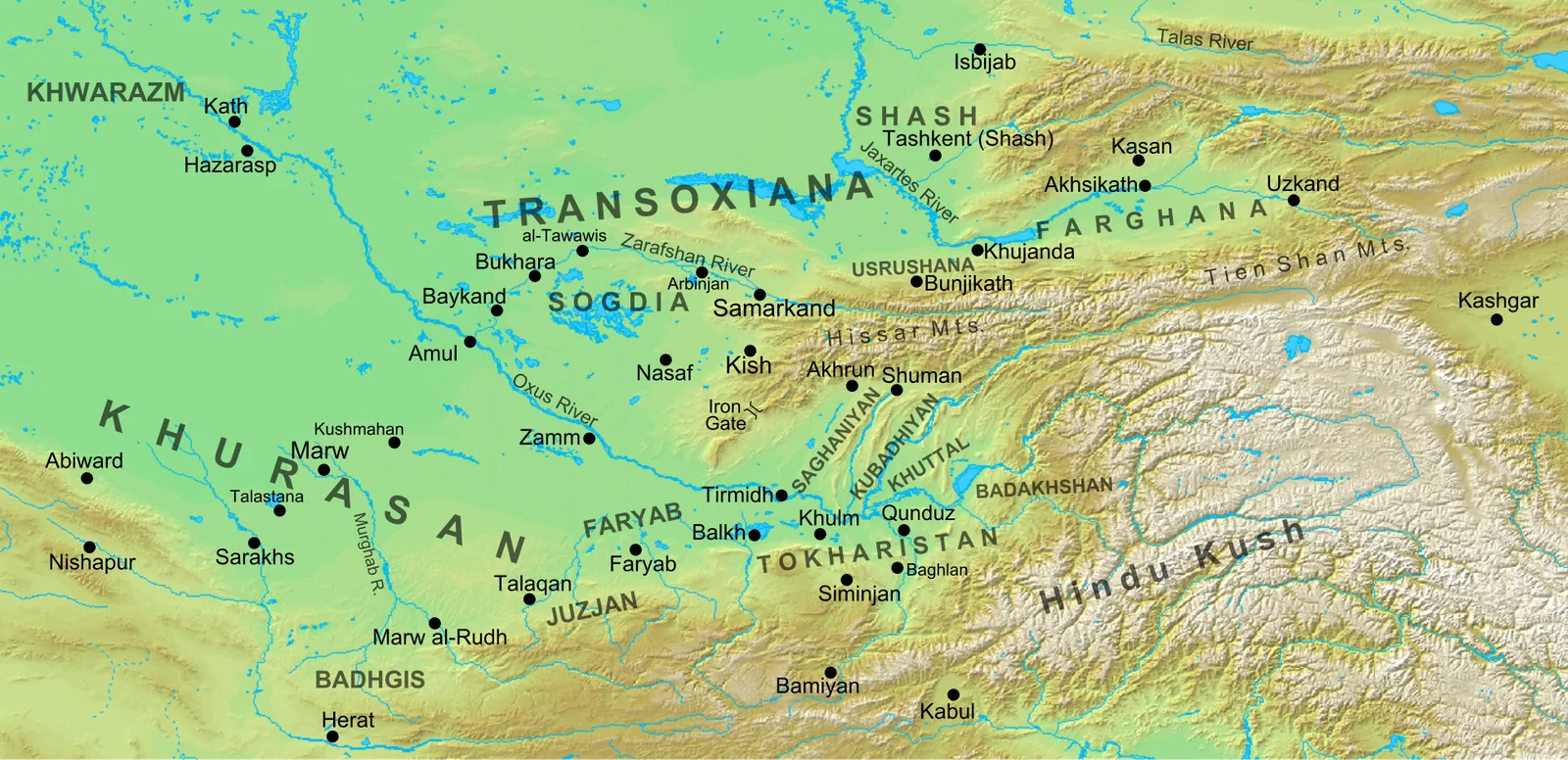
Wikimedia Commons · Creative Commons Attribution-ShareAlike 3.0 Unported · file Samangan was among the places Avicenna passed through while traveling west after leaving Gurganj. The journey began in 1012; the individual stop is not more precisely dated. Coordinates represent modern Samangan, the linked historical-place identification.
Westward journey through Tus
· Tus, Razavi Khorasan Province, Iran
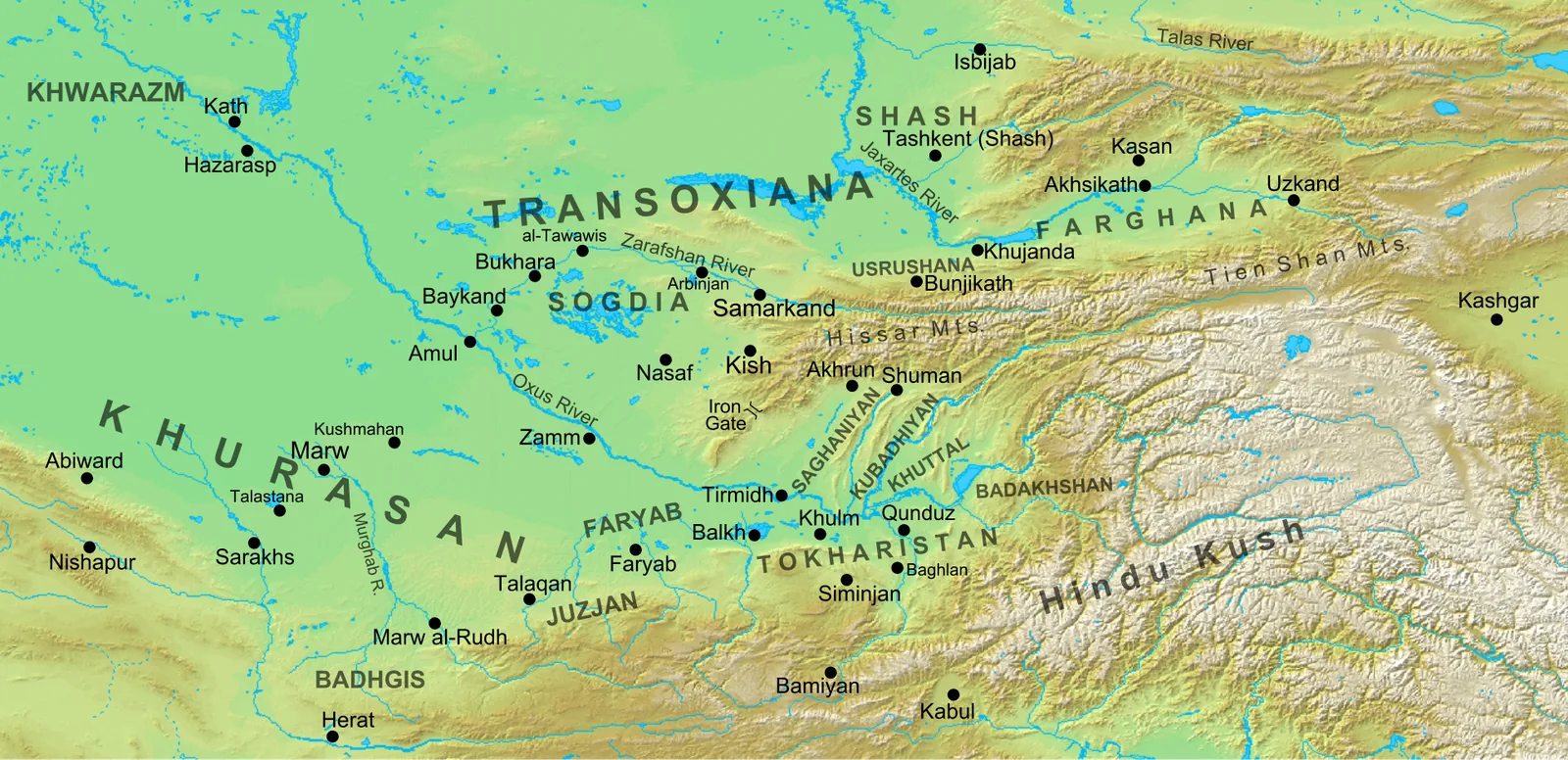
Wikimedia Commons · Creative Commons Attribution-ShareAlike 3.0 Unported · file Tus was a documented waypoint in Avicenna's travel from Khwarazm toward the Caspian-side city of Gorgan. The journey began in 1012; the individual stop is not more precisely dated.
Arrival and residence at Gorgan
· Gorgan, Golestan Province, Iran
Avicenna reached Gorgan seeking patronage, met his future pupil and companion al-Juzjani there, and briefly lived in the house of a private patron. The source dates the residence approximately from 1013 to 1014.
Court service at Ray
· Ray, Tehran Province, Iran
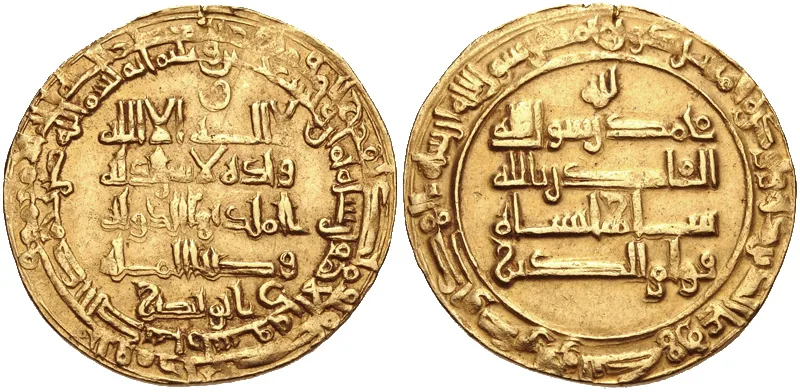
Wikimedia Commons · GNU Free Documentation License, Version 1.2 or later; Creative Commons Attribution-ShareAlike 3.0 Unported · file At Ray, Avicenna entered the service of Majd al-Dawla and Sayyida Shirin and treated the ruler, extending his role as court physician and political adviser. The source gives an approximate residence span of 1014–1015.
Arrival and vizierate at Hamadan
· Hamadan, Hamadan Province, Iran
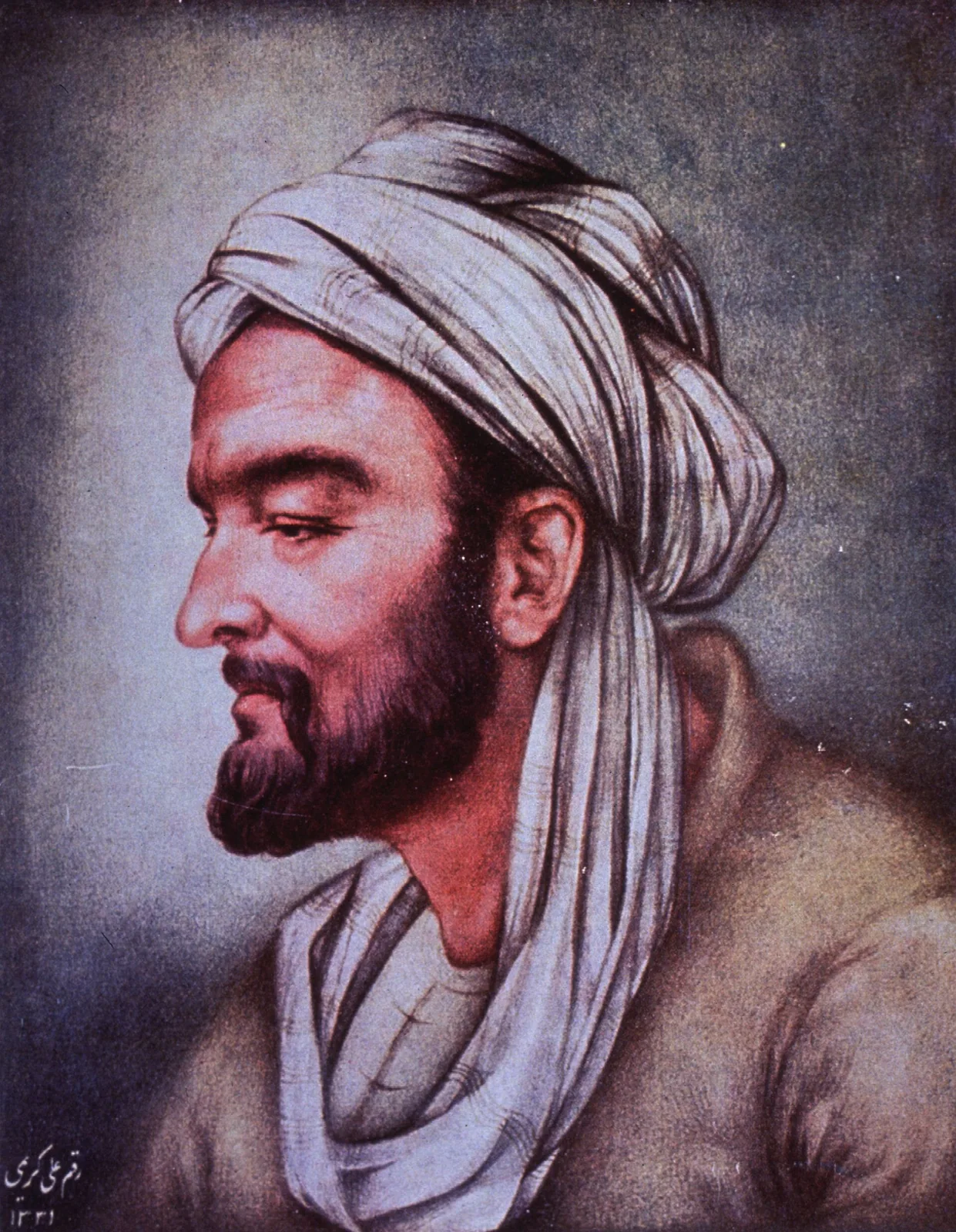
Wikimedia Commons · No known copyright restrictions · file Avicenna arrived at Hamadan to treat Shams al-Dawla and became the ruler's vizier, combining medical and administrative work until Shams al-Dawla's death in 1021. The source dates Avicenna's Hamadan period approximately 1015–1024.
Journey from Ray to Qazvin
· Qazvin, Qazvin Province, Iran
When Shams al-Dawla attacked Ray in April 1015, Avicenna left Ray for Qazvin before continuing to Hamadan. The travel followed the attack on Ray after April 1015; no more precise date for the Qazvin stop is supplied.
Imprisonment at Fardajan
· Fardajan fortress, near Hamadan, Iran
Suspected of treachery because of his correspondence with Ala al-Dawla, Avicenna was imprisoned for four months in the fortress of Fardajan outside Hamadan. The imprisonment ended in 1023. The precise site of Fardajan is uncertain; coordinates are a representative point southeast of Hamadan.
Settlement at Isfahan
· Isfahan, Isfahan Province, Iran
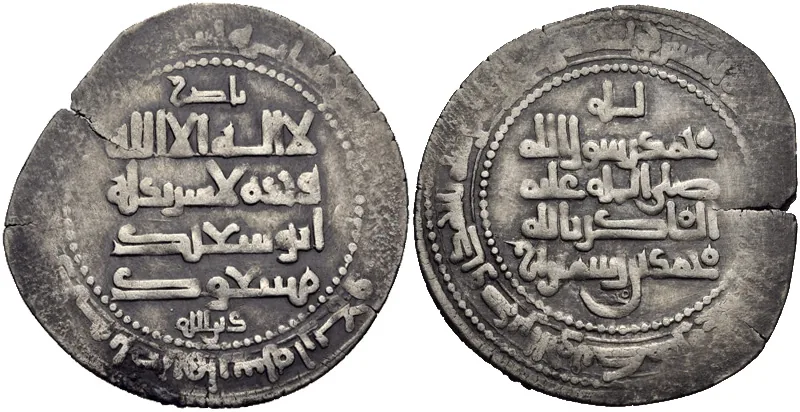
Wikimedia Commons · GNU Free Documentation License, Version 1.2 or later; Creative Commons Attribution-ShareAlike 3.0 Unported · file After release and departure from Hamadan, Avicenna settled at Isfahan in Ala al-Dawla's employ; this became the most stable and productive final phase of his life. The settlement date is approximately 1024; the source gives a residence span of approximately 1024–1037.
Refuge in Khuzistan during Ghaznavid occupation
· Khuzistan, Iran
During the Ghaznavid occupation of Isfahan, Avicenna relocated with Ala al-Dawla to Khuzistan and remained there until Mahmud of Ghazni died about two months later. The source identifies only the broader Khuzistan region; coordinates are a representative regional point.
Campaign near Isfahan
· Near Isfahan, Isfahan Province, Iran
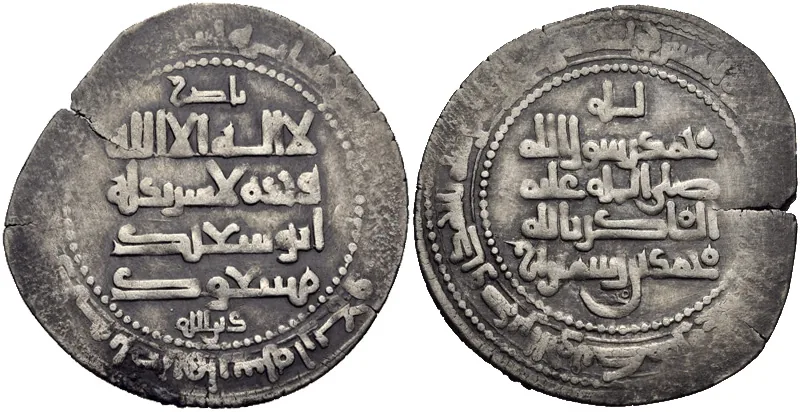
Wikimedia Commons · GNU Free Documentation License, Version 1.2 or later; Creative Commons Attribution-ShareAlike 3.0 Unported · file In his final year, Avicenna accompanied Ala al-Dawla on a military expedition near Isfahan, during which he contracted severe colic. The battle site is not specified; coordinates represent Isfahan, the nearest named place in the evidence.
Death and burial at Hamadan
· Hamadan, Hamadan Province, Iran
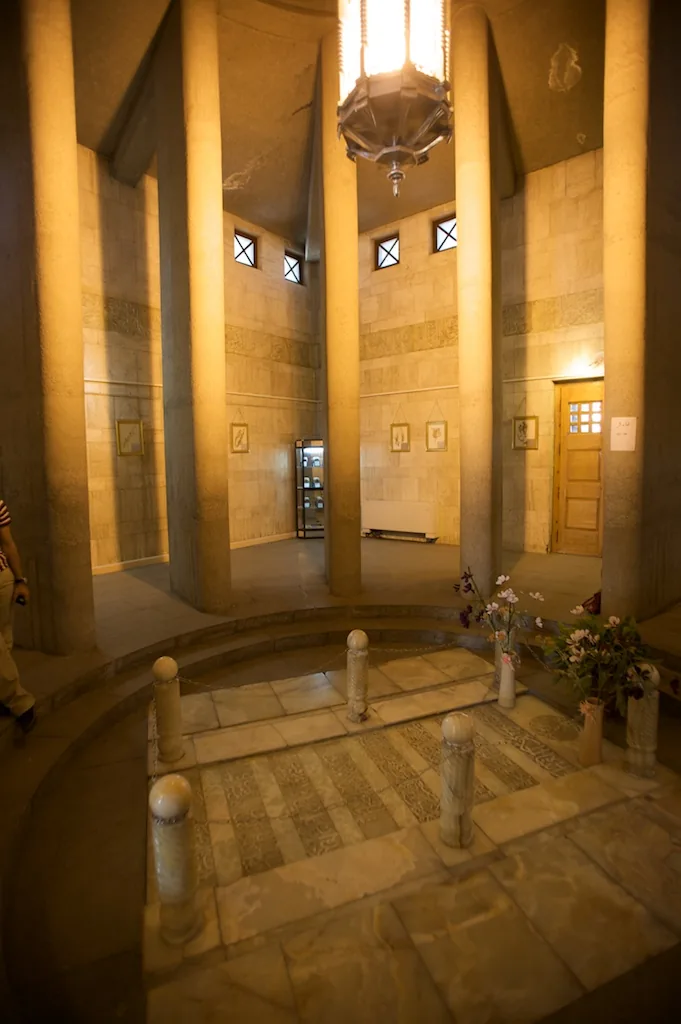
Wikimedia Commons · Creative Commons Attribution 2.0 Generic · file Avicenna died at Hamadan shortly after falling ill while traveling with Ala al-Dawla and was buried there. The exact death day, 22 June 1037, is supplied by the English Wikipedia article; the quoted scholarly biography supports Hamadan as the place of death and burial.