
5 moments
Birth in Nishapur
· Nishapur, Razavi Khorasan Province, Iran
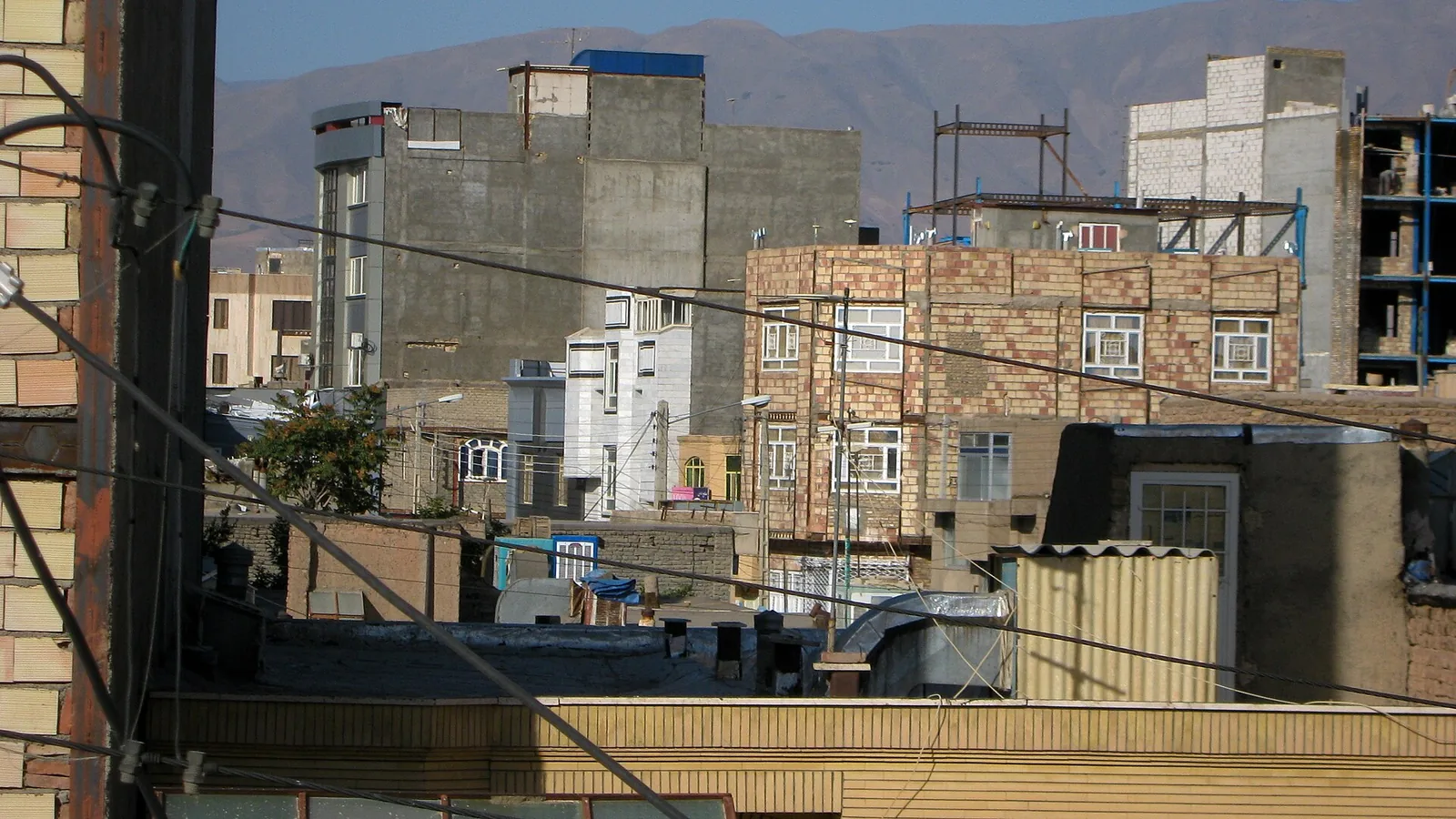
Wikimedia Commons · CC0 1.0 Universal Public Domain Dedication · file Omar Khayyam was born in Nishapur, the major Khorasan city that remained central to his life and intellectual identity. The article states that modern scholars derived the exact birth date, 18 May 1048, from Bayhaqi's horoscope report.
Library visit in Bukhara
· Ark of Bukhara, Bukhara, Uzbekistan
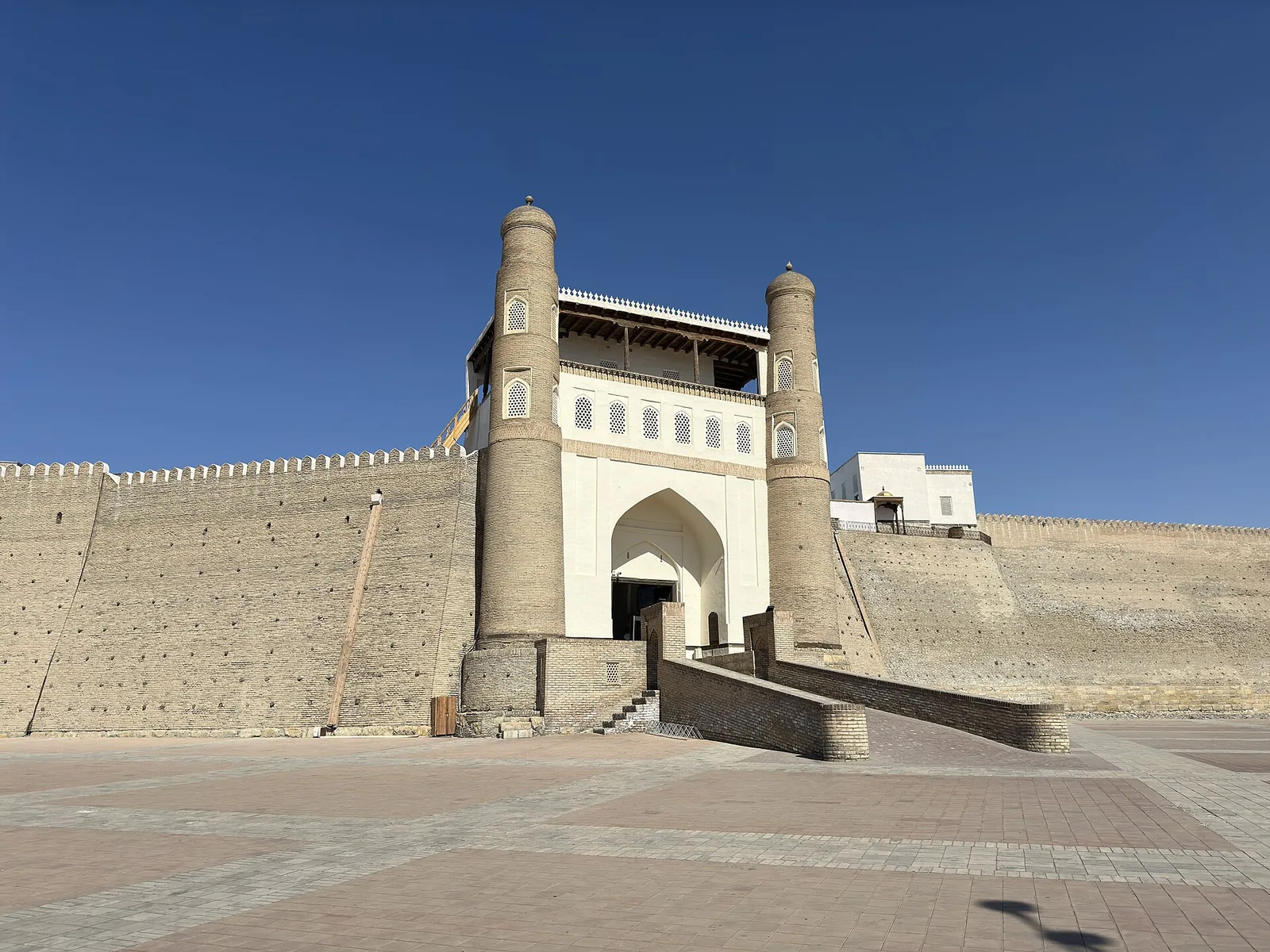
Wikimedia Commons · CC0 1.0 Universal Public Domain Dedication · file After his studies in Nishapur, Khayyam traveled to Bukhara and used the renowned library of the Ark. The date is approximate; coordinates identify the Ark of Bukhara, the library site named in the source.
Move to Samarkand
· Samarkand, Uzbekistan
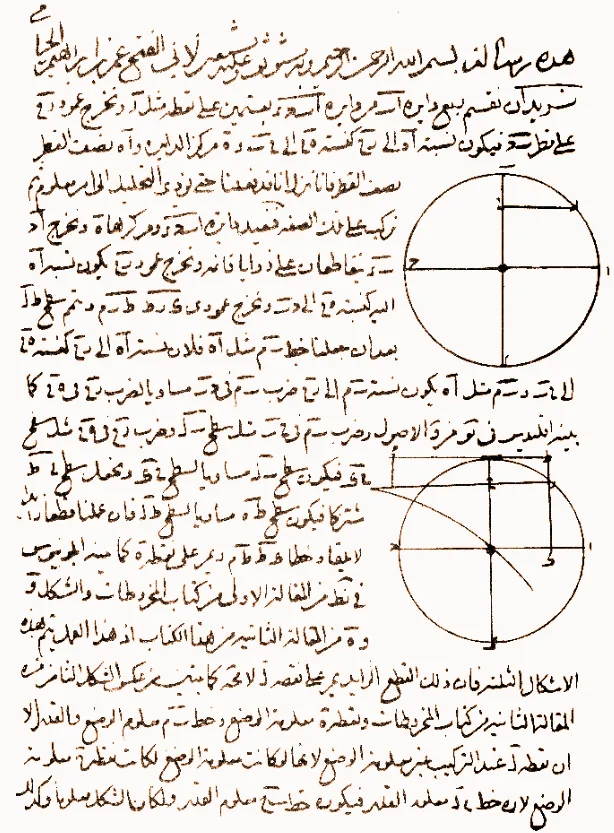
Wikimedia Commons · This work has been released into the public domain by its author, Xashaiar at English Wikipedia. This applies worldwide. · file Khayyam moved to Samarkand, where he began composing his Treatise on Algebra under the patronage of Abu Tahir Abd al-Rahman ibn Alaq. The source dates the move approximately to 1070; settlement-level coordinates are used.
Observatory work in Isfahan
· Isfahan, Isfahan Province, Iran
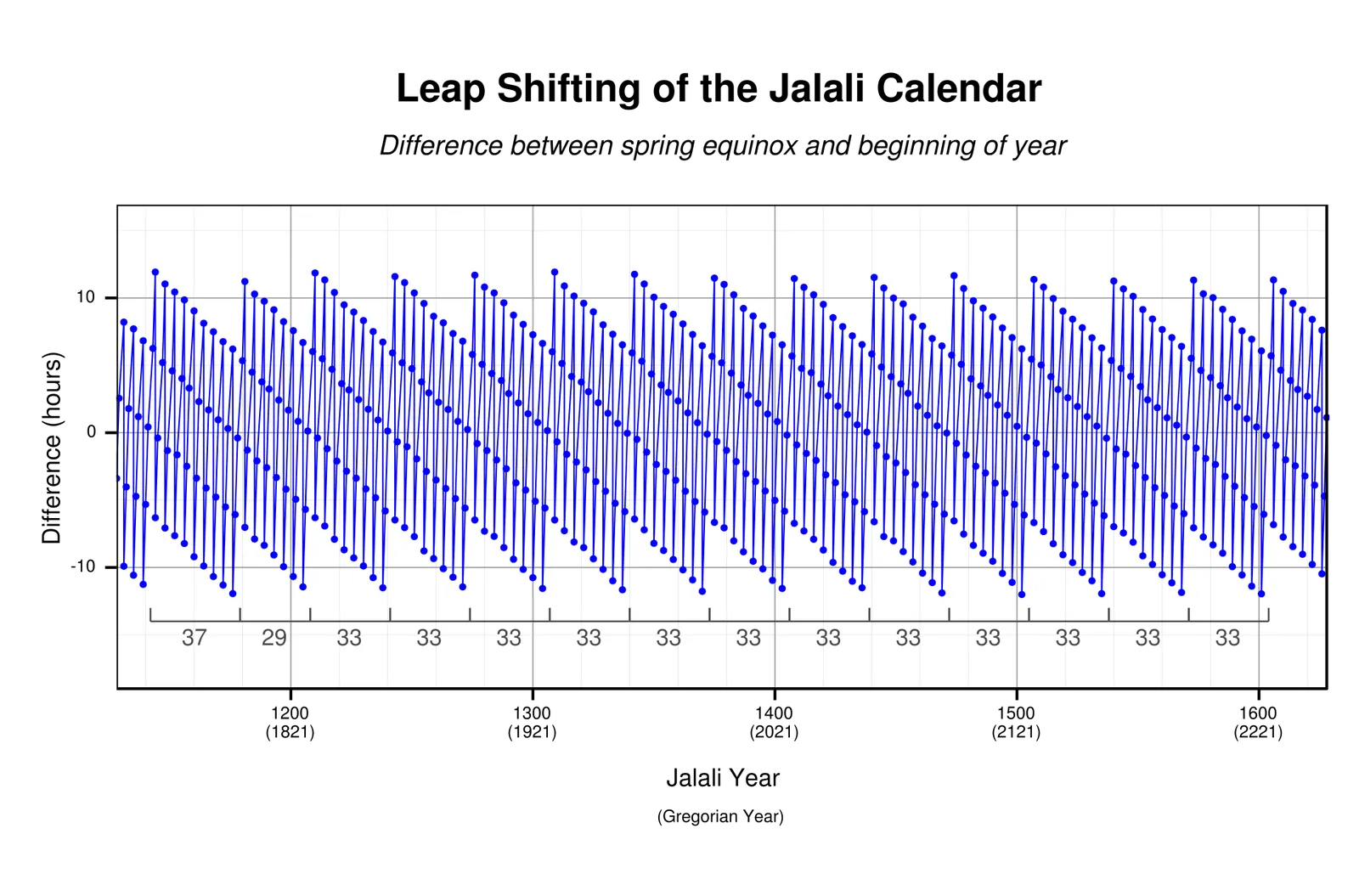
Wikimedia Commons · Creative Commons Attribution-Share Alike 4.0 International · file Khayyam was commissioned to establish the Isfahan observatory and lead its scientific program of astronomical observations for calendar revision. The article states that the observatory undertaking probably began with its opening in 1074; the exact observatory location is not securely identified, so city coordinates are used.
Death in Nishapur
· Nishapur, Razavi Khorasan Province, Iran
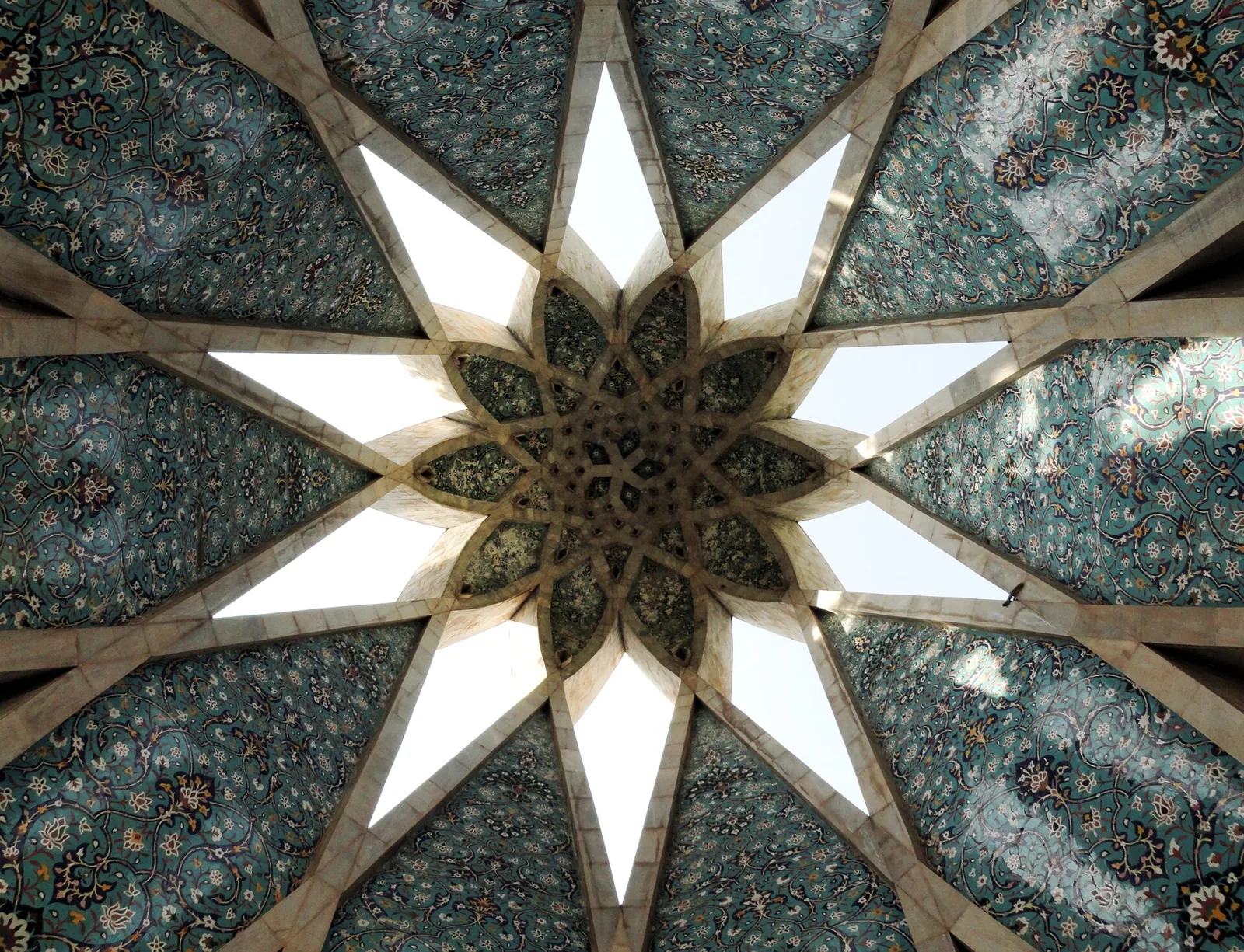
Wikimedia Commons · Creative Commons Attribution 3.0 Unported · file Khayyam died in his hometown of Nishapur, where he was buried. Coordinates represent Nishapur rather than the modern mausoleum, whose present structure postdates Khayyam.