
15 moments
Completed his Cremona boyhood
· Cremona, Lombardy, Italy
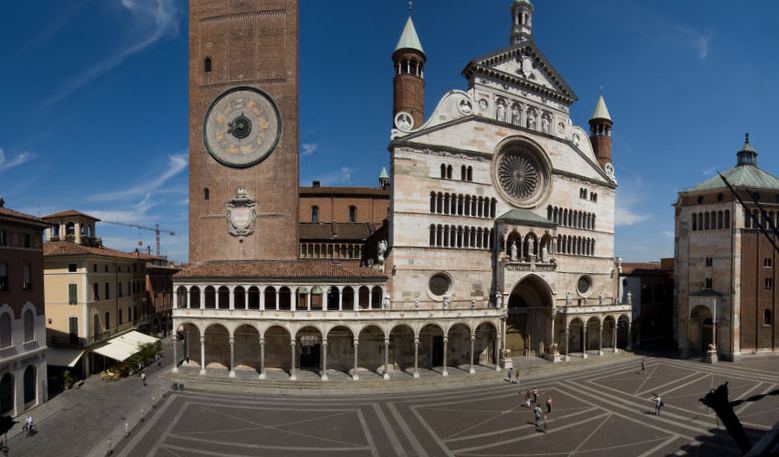
Wikimedia Commons · I, the copyright holder of this work, release this work into the public domain. This applies worldwide. · file Virgil spent his formative years studying in Cremona and assumed the toga virilis there in his fifteenth year. The ancient life associates the ceremony with 55 BC but does not preserve a securely established day.
Continued his studies in Rome
· Rome, Lazio, Italy
Virgil proceeded from Milan to Rome, where the traditional biography places his advanced studies and brief consideration of rhetoric and law. Only 'shortly afterwards' is supported; 55 BC represents the traditional educational sequence rather than an exact arrival year.
Moved to Milan
· Milan, Lombardy, Italy
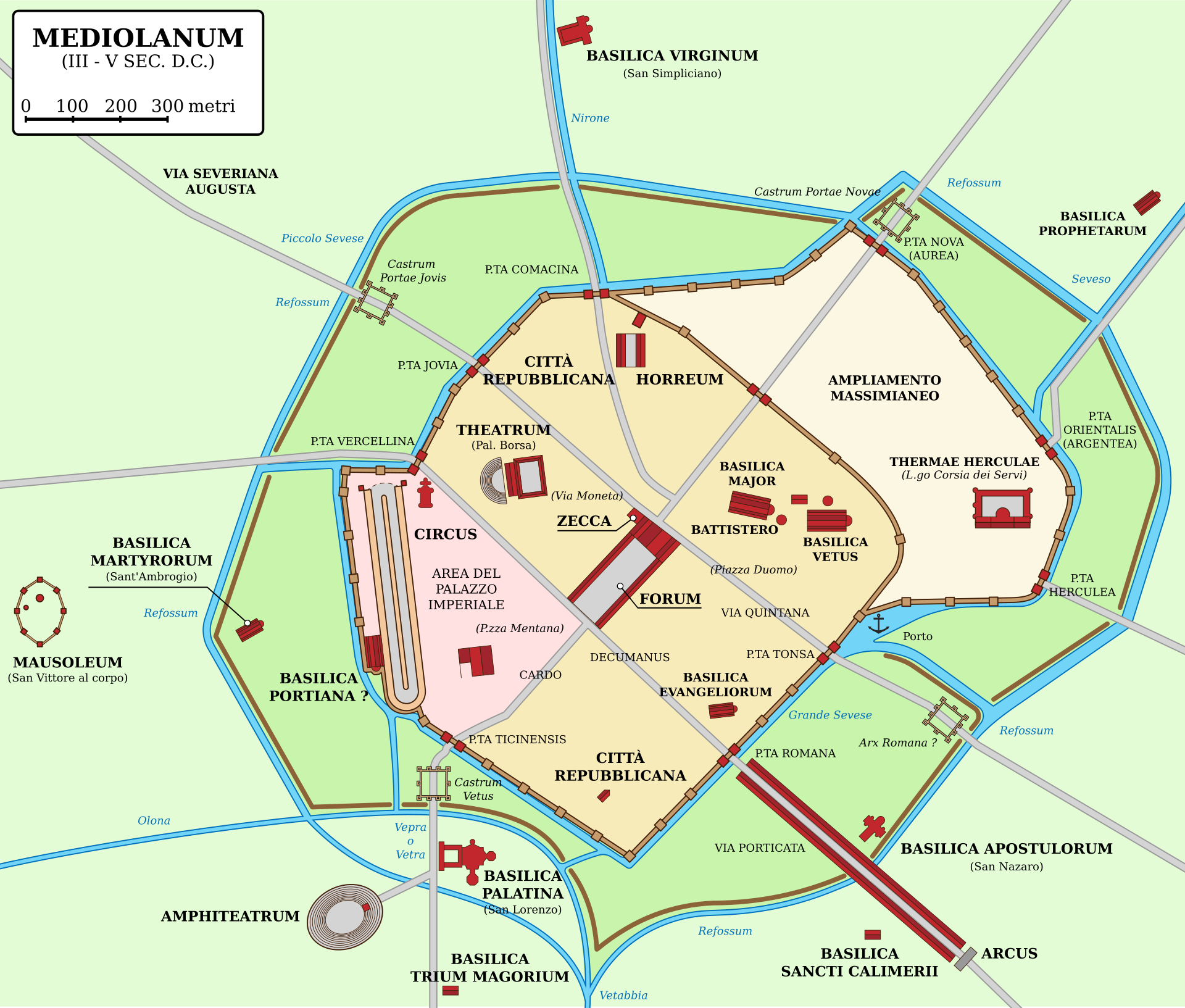
Wikimedia Commons · Creative Commons Attribution-Share Alike 3.0 Unported · file After leaving Cremona, Virgil continued his education at Mediolanum, modern Milan. The move followed his assumption of the toga virilis in 55 BC; its precise date is not preserved.
Lived among the Mantuans during confiscations
· Mantua, Lombardy, Italy
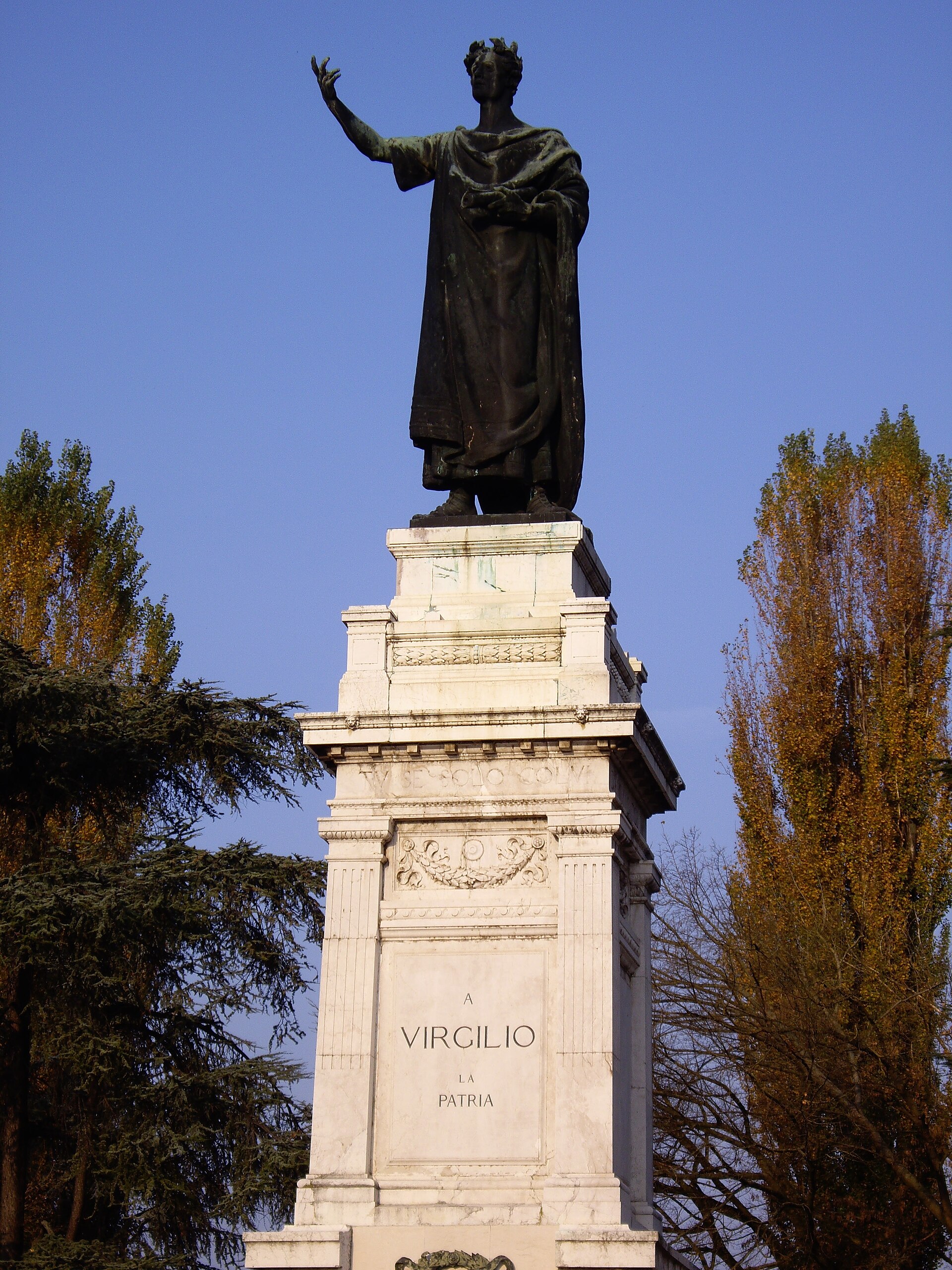
Wikimedia Commons · Creative Commons Attribution 2.0 Generic · file A late biographical-commentary tradition places Virgil among the Mantuans when land was confiscated for veterans after Philippi. This belongs to an interpolated ancient commentary tradition. Modern scholarship questions the biographical reconstruction of Virgil's supposed dispossession.
Finished the Eclogues in Rome
· Rome, Lazio, Italy
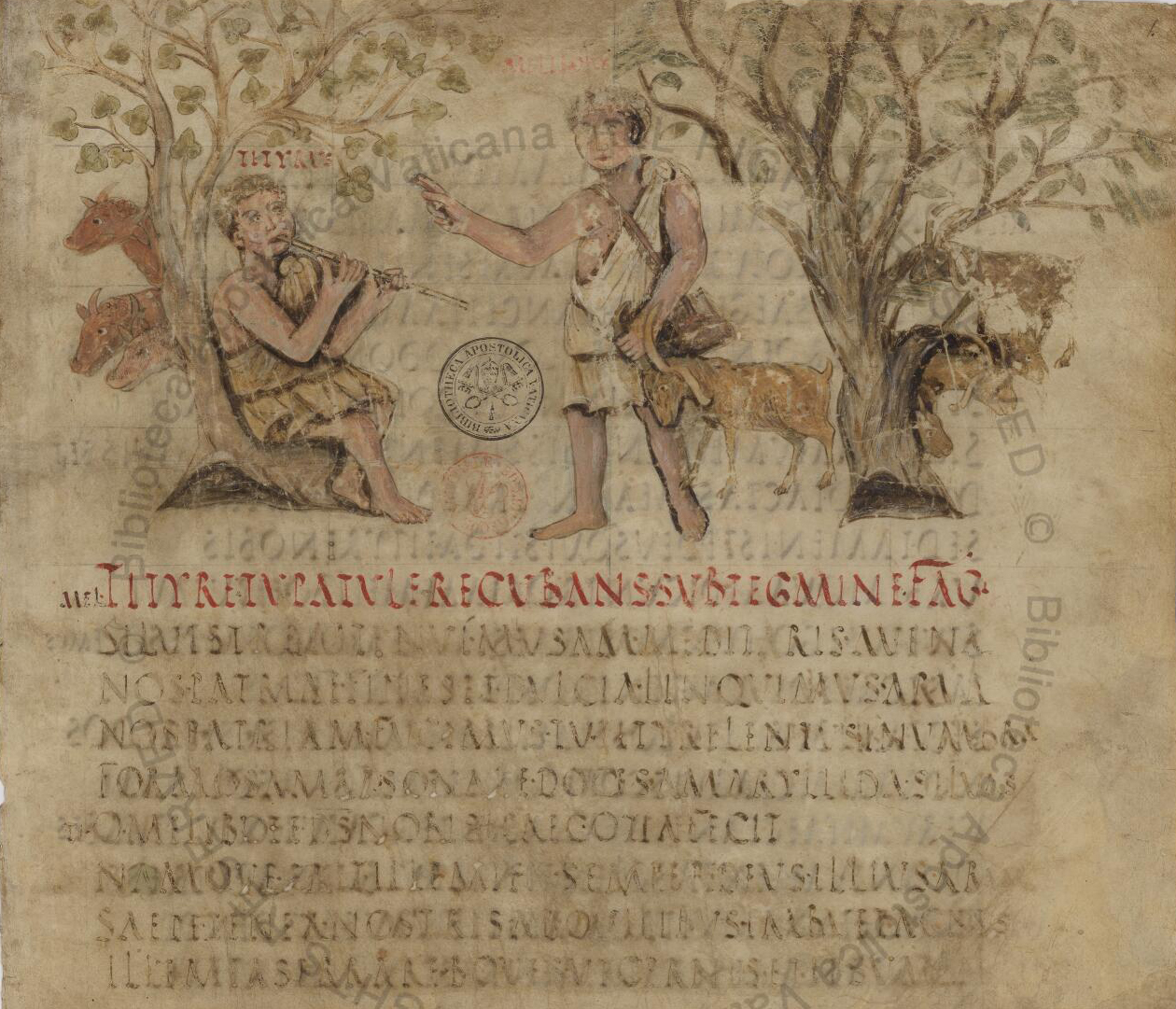
Wikimedia Commons · Public domain · file During a documented Roman residence, Virgil completed and published the Eclogues, establishing his standing in the literary circle associated with Maecenas. The source qualifies the publication year as probable.
Departed Rome for Brundisium
· Rome, Lazio, Italy
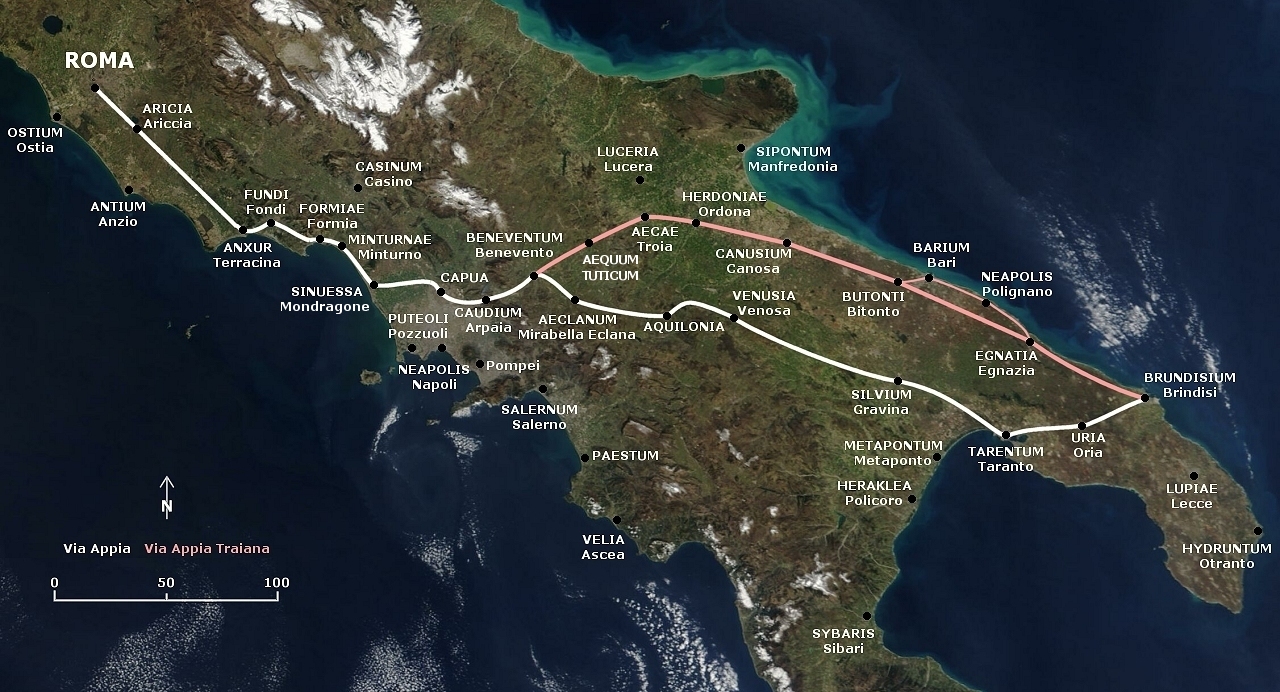
Wikimedia Commons · I, the copyright holder of this work, release this work into the public domain. This applies worldwide. · file Virgil joined Horace, Maecenas, and others on the celebrated journey from Rome to Brundisium connected with high-level negotiations between the triumviral factions. Some older accounts date the journey to 37 BC; the cited article dates it to spring 36 BC.
Joined Horace at Sinuessa
· Sinuessa archaeological site, near Mondragone, Campania, Italy
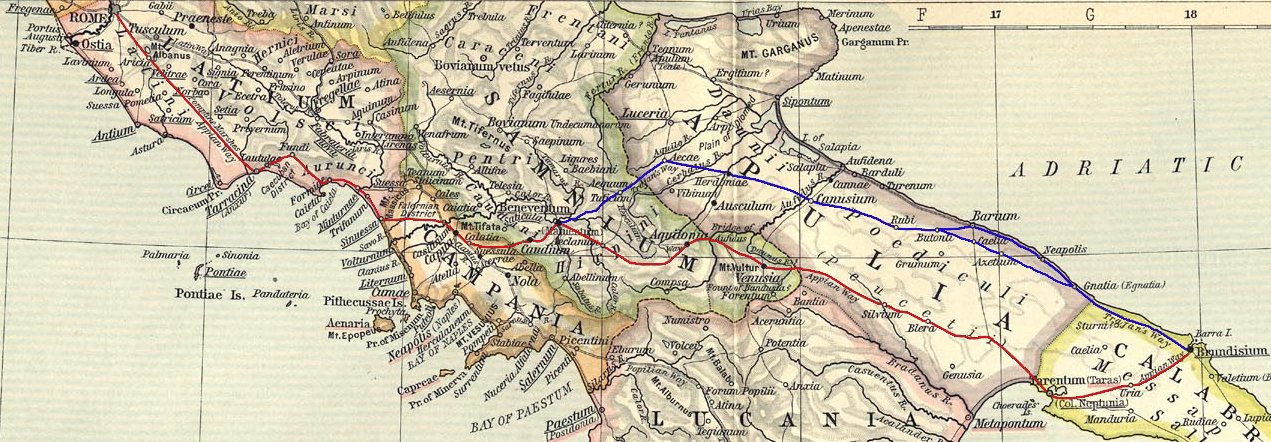
Wikimedia Commons · This work is in the public domain in its country of origin and other countries and areas where the copyright term is the author's life plus 70 years or fewer. · file Horace's first-person travel narrative records meeting Virgil, Plotius, and Varius at the coastal colony of Sinuessa. The coordinates represent the generally accepted archaeological location of ancient Sinuessa.
Reached Brundisium with Horace's party
· Brindisi, Apulia, Italy
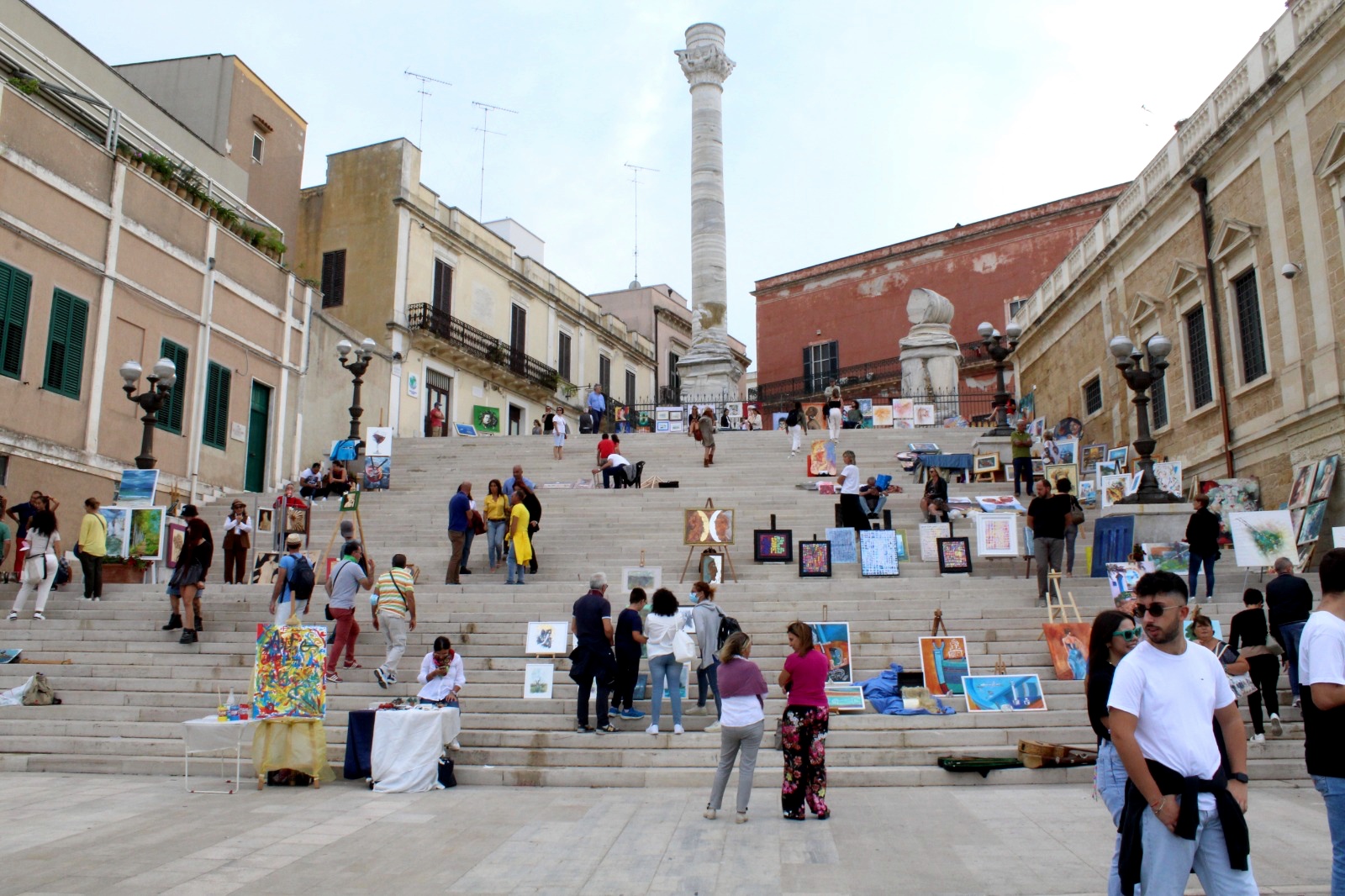
Wikimedia Commons · Creative Commons Attribution-ShareAlike 4.0 International · file Virgil completed the journey to Brundisium with Horace, Maecenas, and their companions. The port was a principal Roman gateway to Greece and the eastern Mediterranean. The source describes the entire Rome-to-Brundisium journey in Virgil's company; intermediate membership changes do not include Virgil leaving the party.
Rested at Capua
· Ancient Capua, Santa Maria Capua Vetere, Campania, Italy
Continuing south with Horace's party, Virgil stopped at Capua and rested because of poor health while Maecenas exercised. The coordinates represent ancient Capua at modern Santa Maria Capua Vetere, not the modern city of Capua.
Completed the Georgics at Naples
· Naples, Campania, Italy
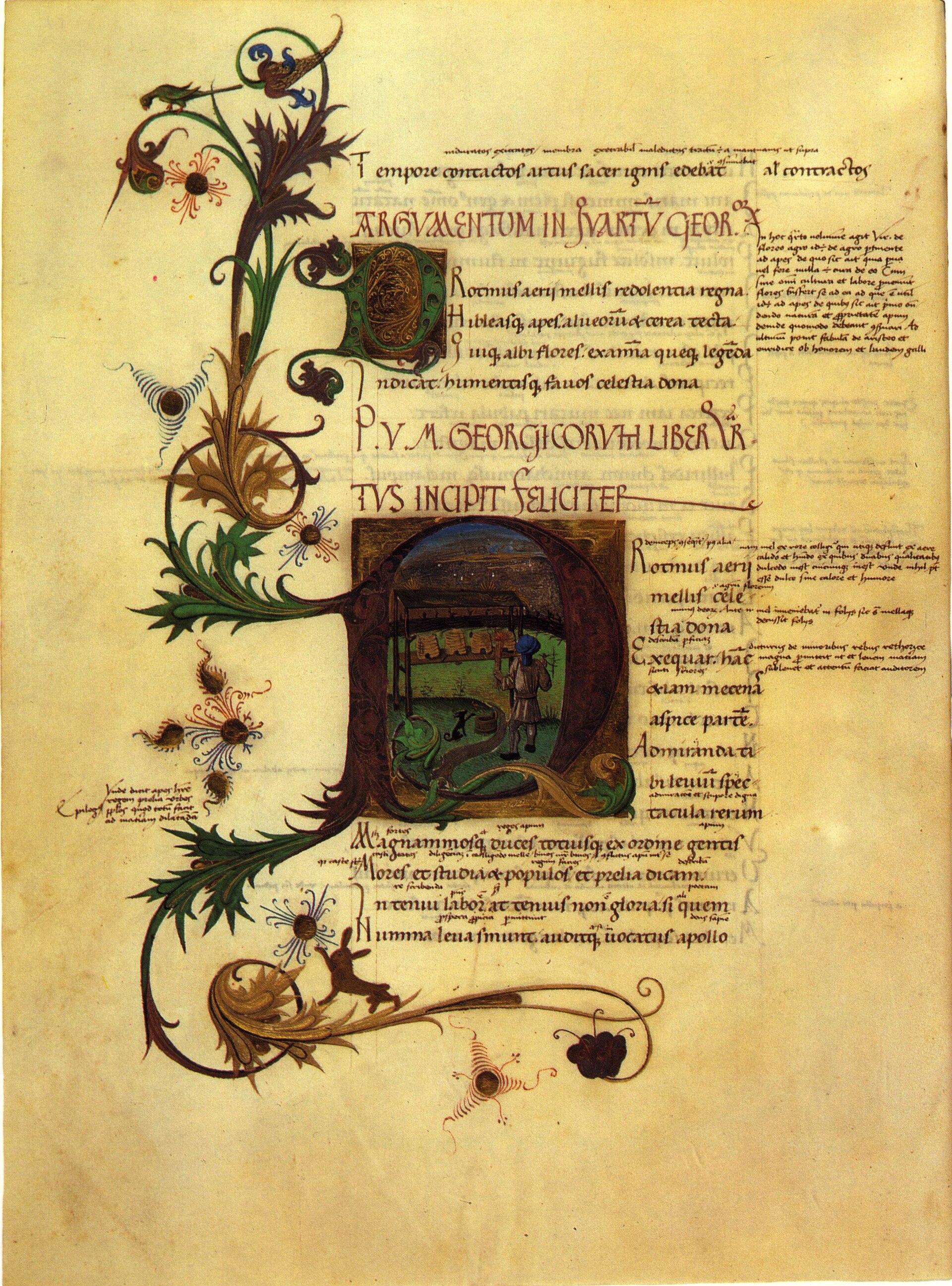
Wikimedia Commons · Public domain · file The transmitted biographical tradition associates the seven-year composition of the Georgics with Naples, where Virgil often lived and worked. The Naples wording is bracketed as an interpolation. The date follows the traditional 37–30 BC composition period rather than a precisely dated completion event.
Read the Georgics at Atella
· Ancient Atella archaeological site, Sant'Arpino, Campania, Italy
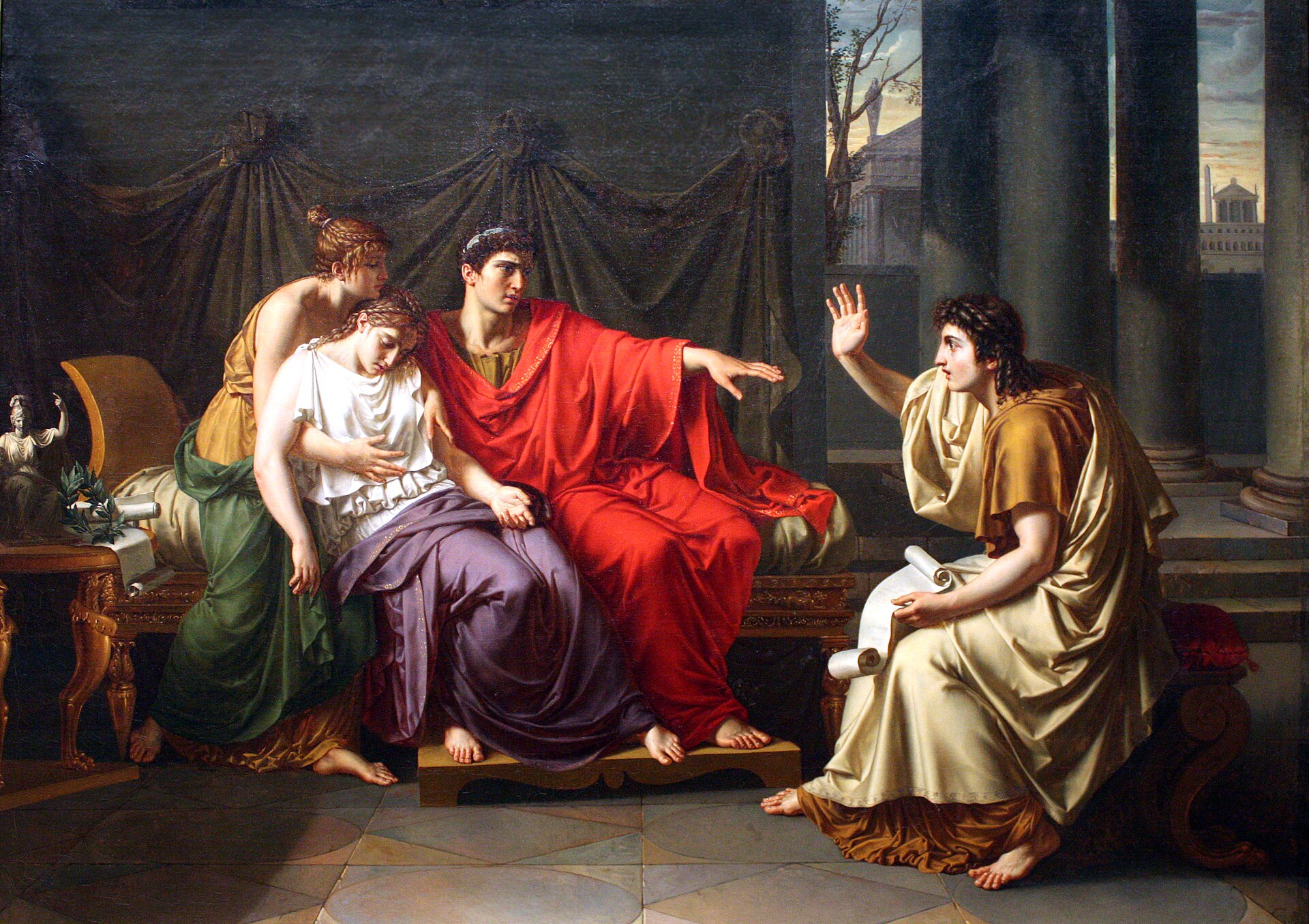
Wikimedia Commons · Public domain · file Virgil read the Georgics to Augustus for four successive days while the ruler rested at Atella after returning from the Actian campaigns; Maecenas substituted when Virgil's voice failed. The ancient biography gives no explicit year. About 29 BC is conventionally inferred from Augustus's post-Actium return.
Buried beside the road to Pozzuoli
· Virgil's Tomb, Piedigrotta, Naples, Campania, Italy
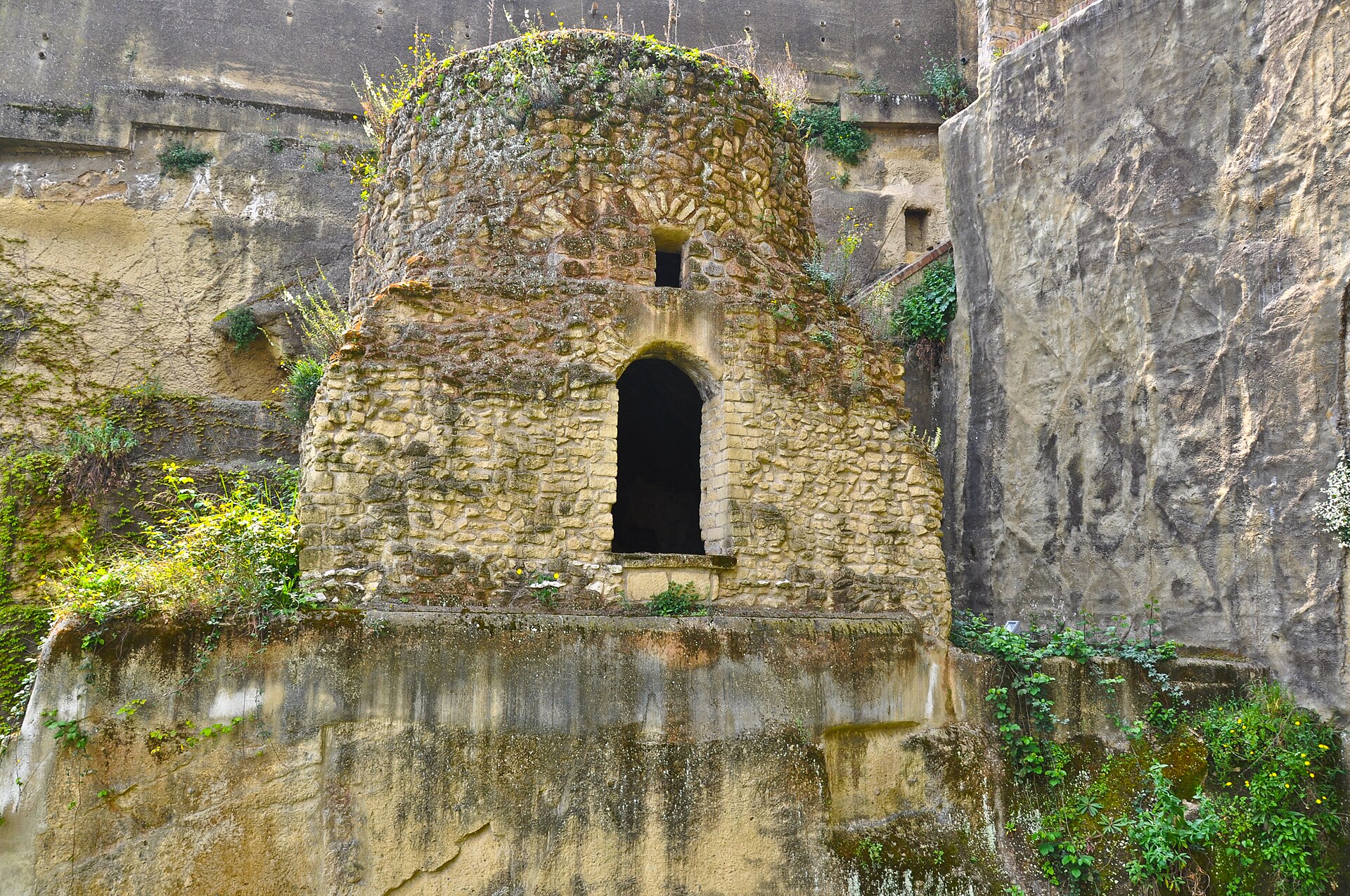
Wikimedia Commons · Creative Commons Attribution-ShareAlike 2.0 Generic · file After Virgil's death, his remains were carried to Naples and interred beside the Via Puteolana. The monument traditionally identified as his tomb stands at Piedigrotta. The burial tradition is ancient, but the surviving structure called Virgil's Tomb cannot be identified with complete archaeological certainty.
Landed gravely ill at Brundisium
· Brindisi, Apulia, Italy
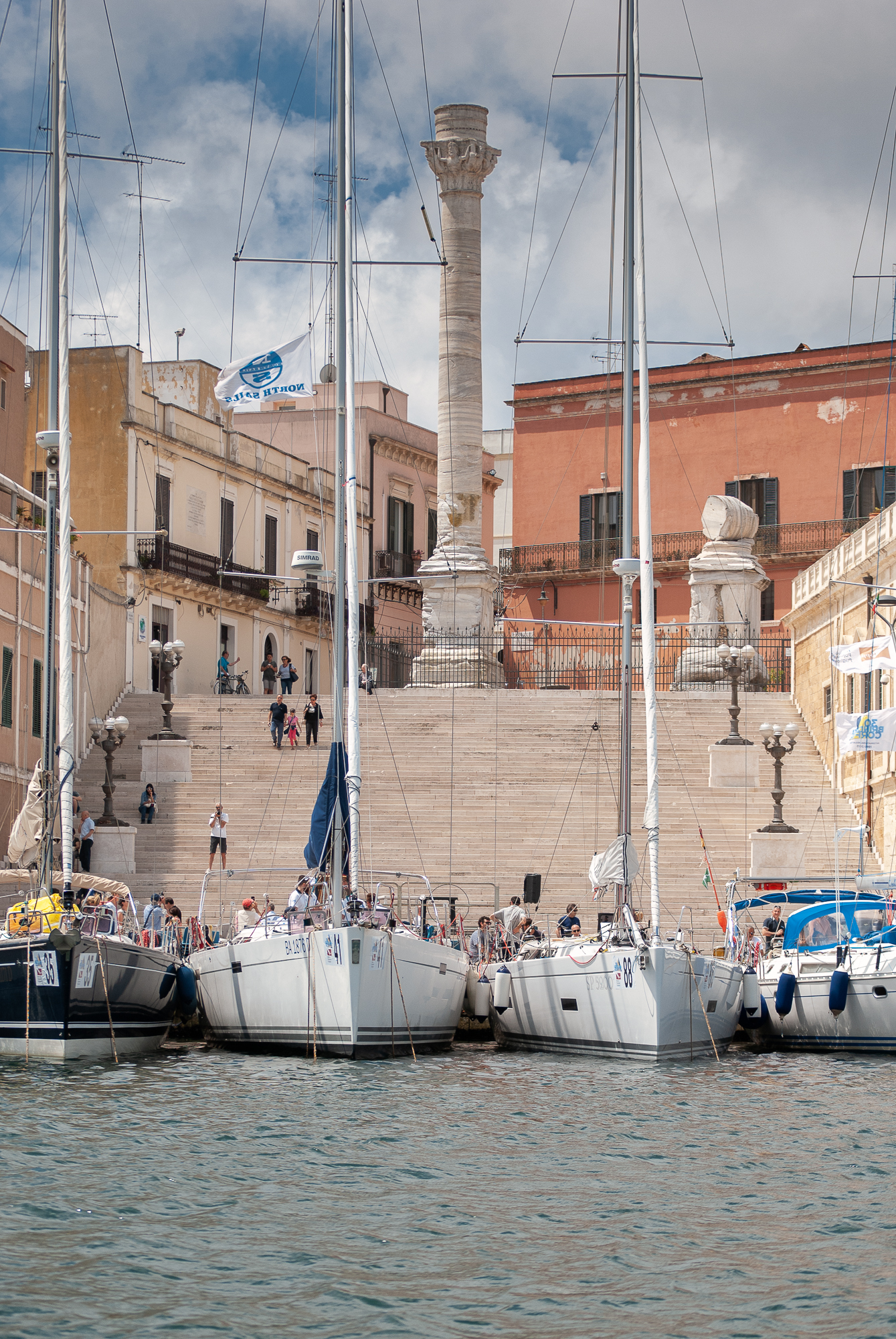
Wikimedia Commons · Creative Commons Attribution-ShareAlike 4.0 International · file Virgil crossed back to Italy and landed at Brundisium with his illness significantly worsened, beginning the final days of his life. The arrival preceded his death by only a few days, but its exact date is not preserved.
Met Augustus in Athens
· Athens, Attica, Greece
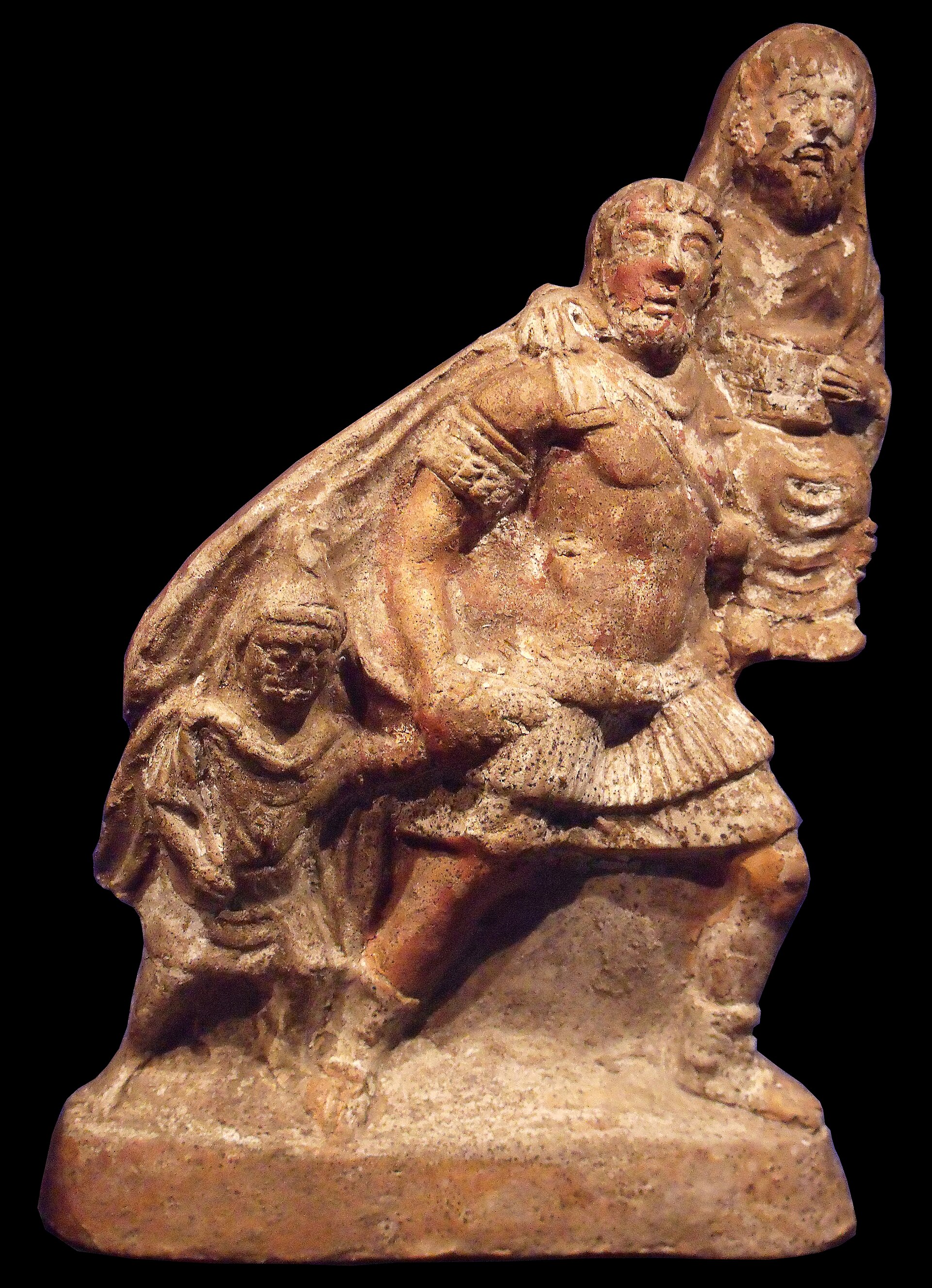
Wikimedia Commons · Creative Commons Attribution-ShareAlike 3.0 Unported; GNU Free Documentation License, version 1.2 or later · file During his final journey to revise the Aeneid in Greece, Virgil encountered Augustus in Athens and decided to return to Italy with him. The meeting is part of the traditional ancient biography; no month or day is preserved.
Visited Megara and fell ill
· Megara, Attica, Greece
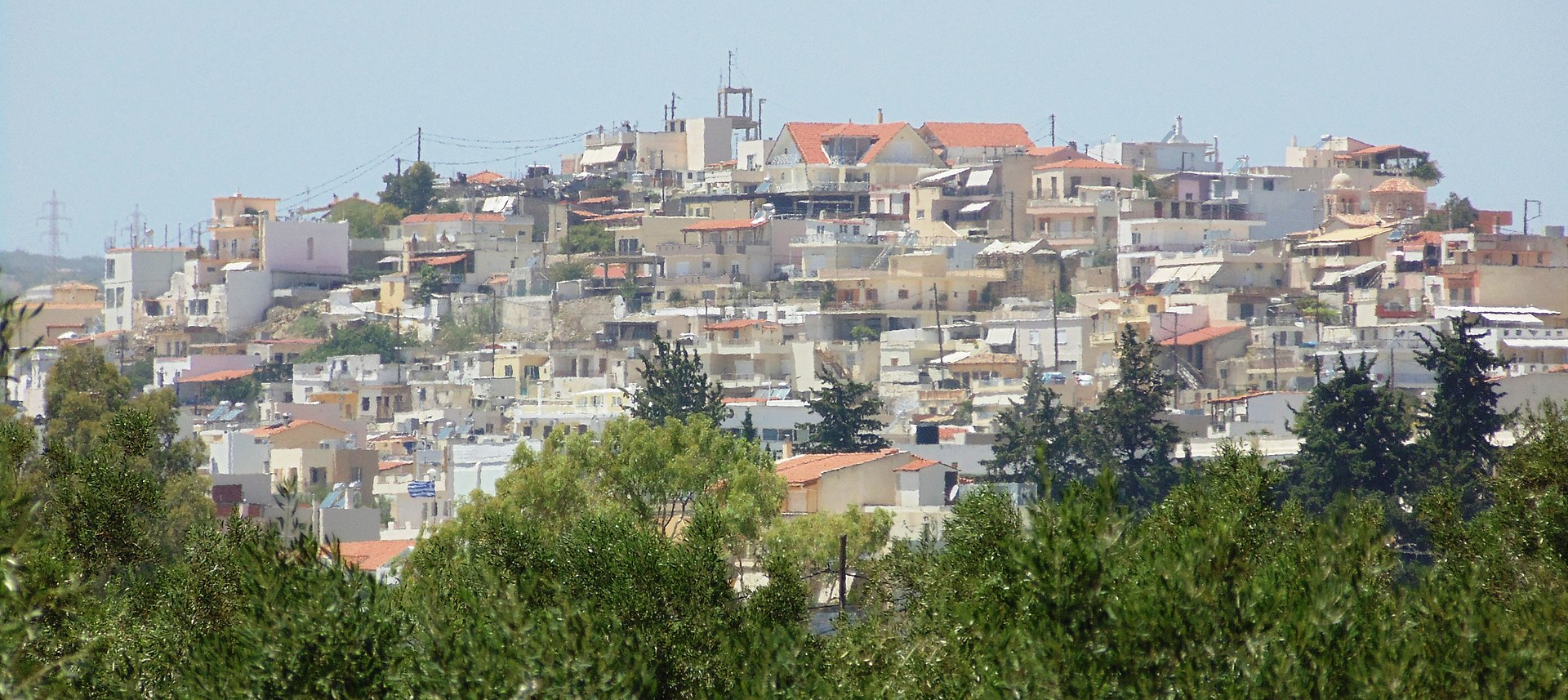
Wikimedia Commons · Creative Commons CC0 1.0 Universal Public Domain Dedication · file On an excursion from Athens, Virgil visited nearby Megara, where exposure to intense heat was said to have brought on the illness that worsened during his return voyage. The ancient tradition does not identify a specific site within Megara or provide a more precise date.