
13 moments
Birth at Amaseia
· Amasya (ancient Amaseia), Türkiye
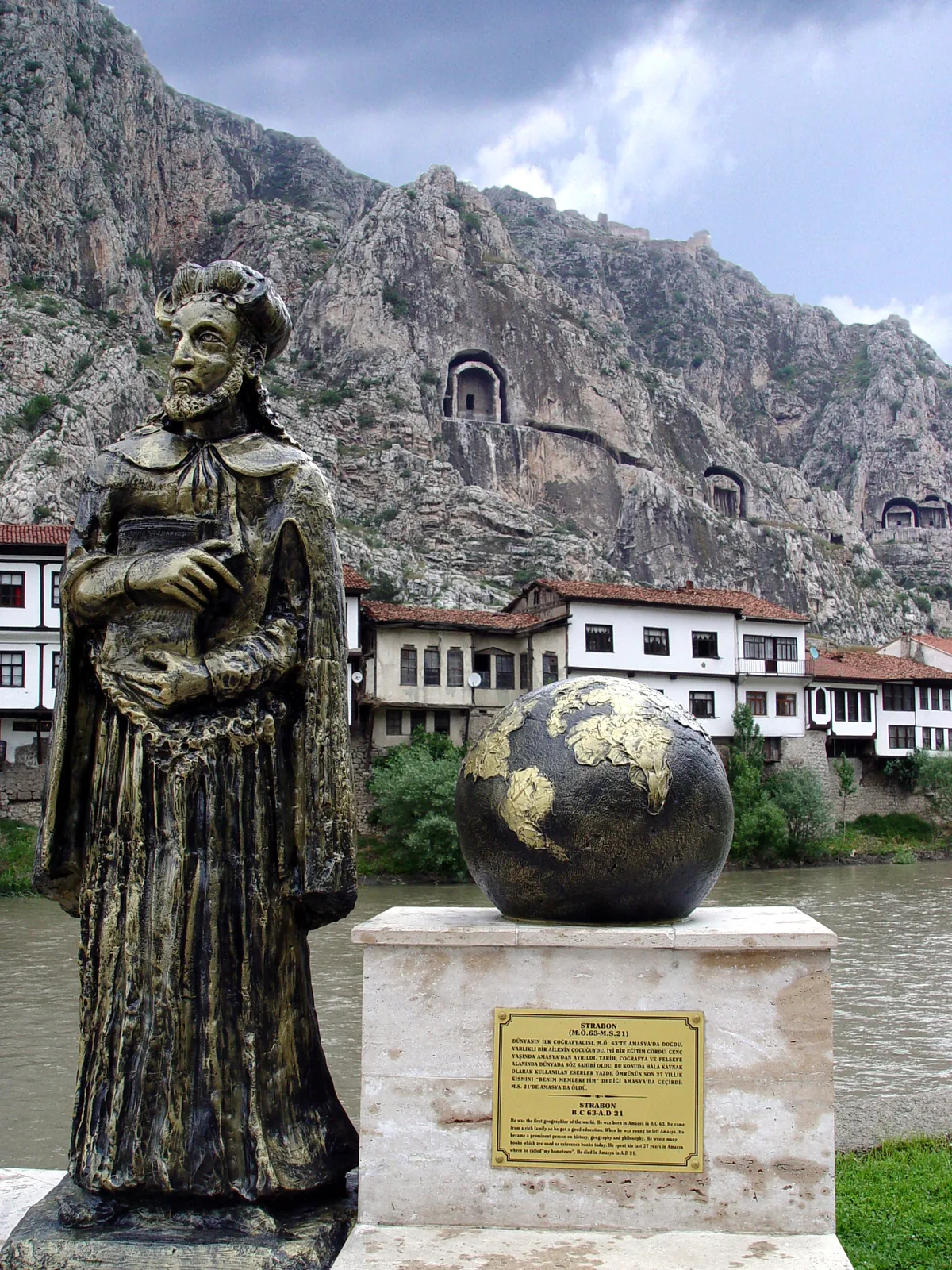
Wikimedia Commons · CC BY-SA 3.0 · file Strabo was born at Amaseia in Pontus, the city now called Amasya. This is the geographic starting point of his life and later self-identification as an Amaseian writer. The year is approximate; the source gives around 64 BC, while the article infobox gives 64 or 63 BC.
First journey to Rome
· Rome, Italy
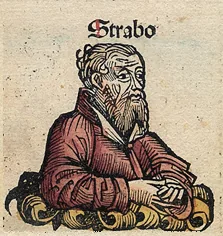
Wikimedia Commons · Public domain · file Strabo travelled to Rome by way of Corinth, beginning the documented Roman phase of his education and intellectual life.
Witnessed Selurus's execution
· Rome, Italy
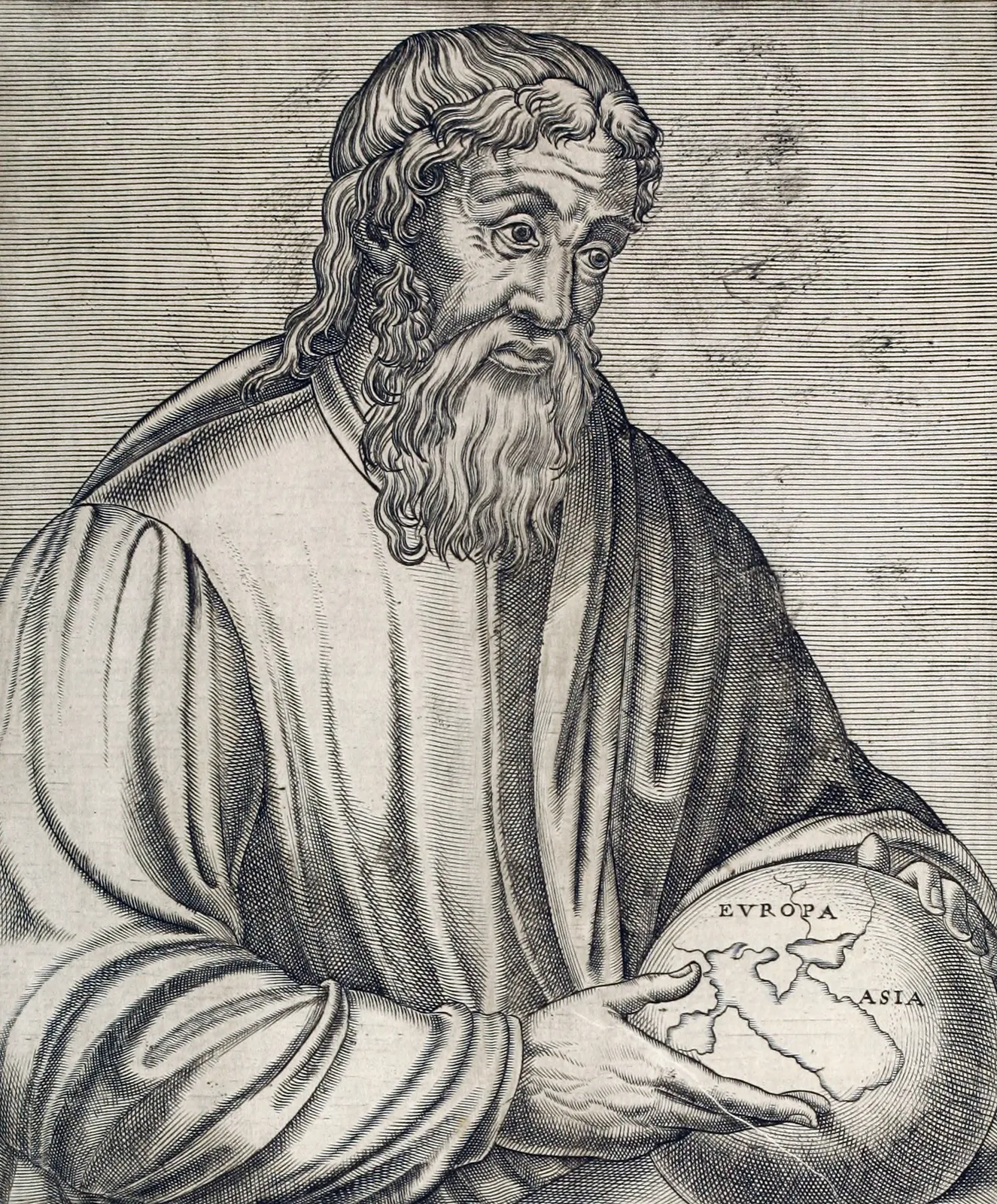
Wikimedia Commons · Public domain · file Strabo was in Rome when the Sicilian brigand Selurus was executed, an event the editor identifies as one he witnessed.
Rome and the Temple of Ceres
· Temple of Ceres, Rome, Italy
Strabo was in Rome around the year in which the Temple of Ceres burned; his notice of a painting formerly there is used to date his presence. The source dates the visit as about 31 BC; the coordinate is a representative location for the ancient Temple of Ceres in the Forum Boarium area.
Landing at Gyaros
· Gyaros, Cyclades, Greece
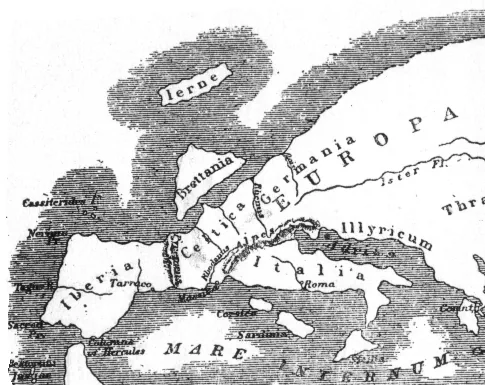
Wikimedia Commons · Public domain · file On a voyage through the Cyclades, Strabo's ship anchored at Gyaros. He described seeing its fishing village and taking a local fisherman aboard when departing. The accompanying editorial introduction dates this voyage to 29 BC.
Nile ascent to Syene
· Syene (Aswan), Egypt
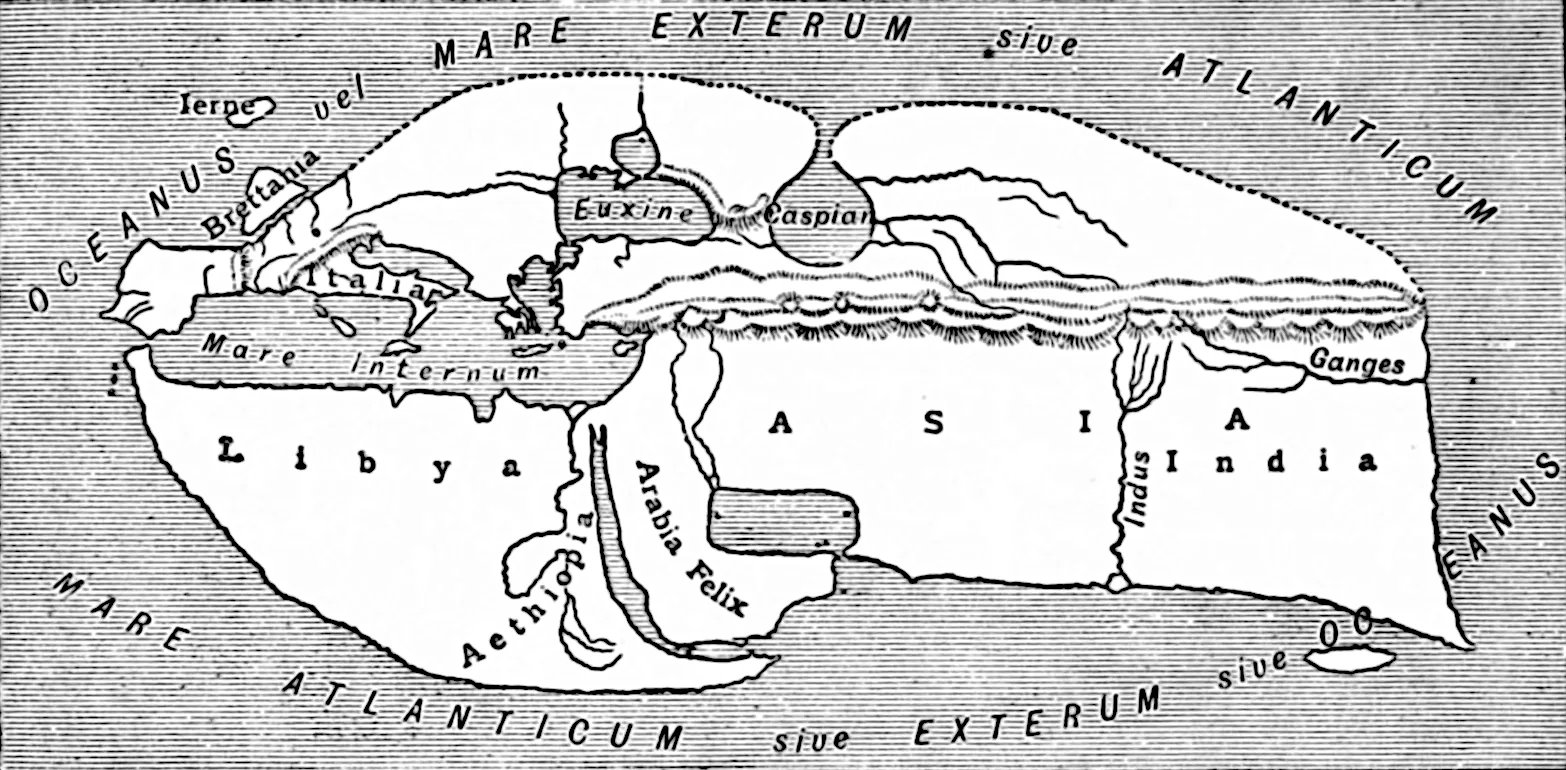
Wikimedia Commons · Public domain · file Strabo accompanied the Roman prefect Aelius Gallus up the Nile as far as Syene, at Egypt's southern frontier with Ethiopia. The source dates the Egyptian journey across 25 and 24 BC; 25 BC marks its beginning.
Observation at the Pyramids of Giza
· Giza pyramid complex, Giza, Egypt
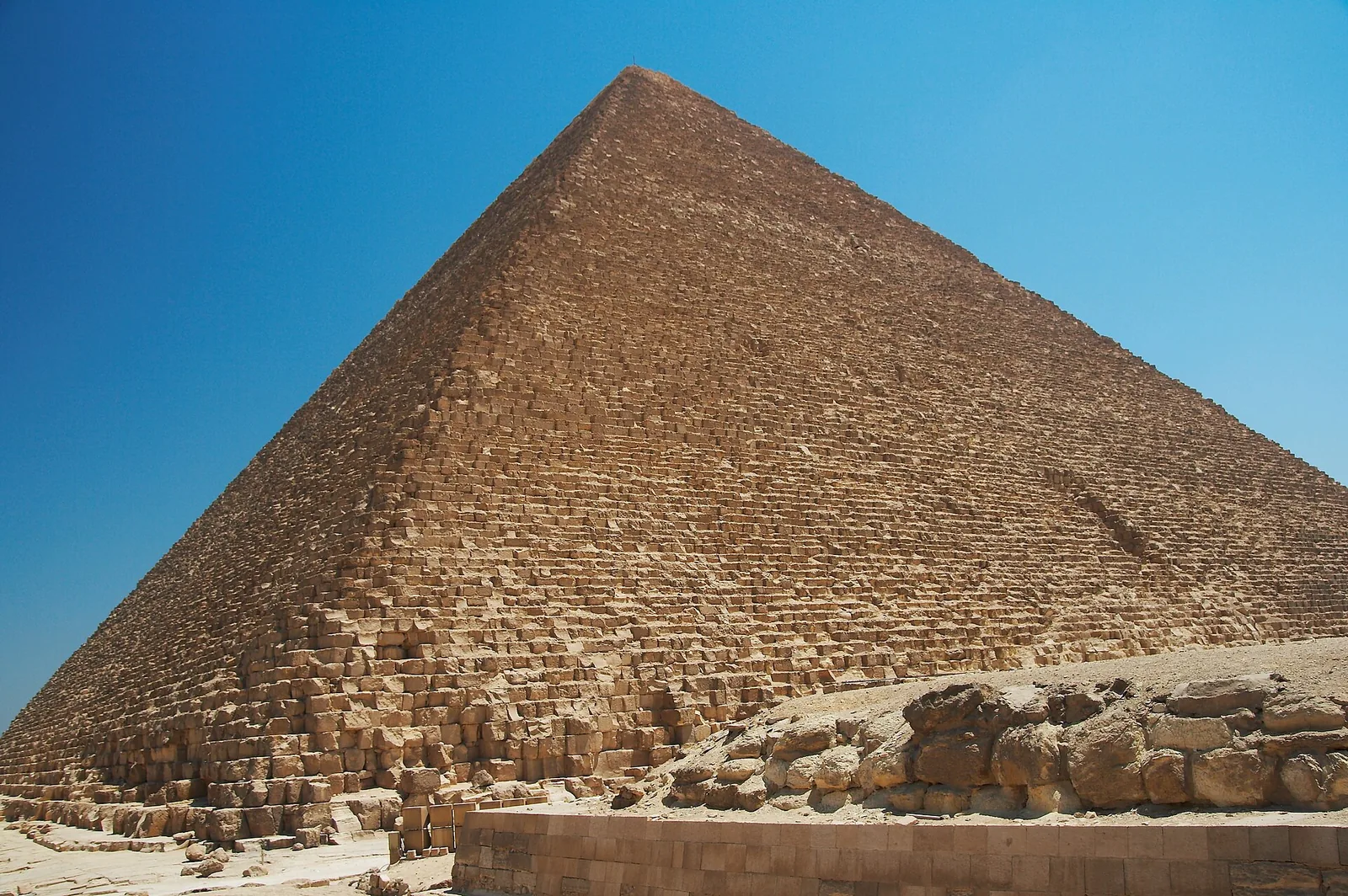
Wikimedia Commons · CC BY-SA 3.0 · file Strabo was physically at the pyramids near Memphis and recorded an observation of lentil-shaped stone chips lying in front of them. The visit belongs to Strabo's Egyptian period, dated by the editorial introduction to 25–24 BC.
Reached Philae on the Nile
· Philae, Aswan Governorate, Egypt
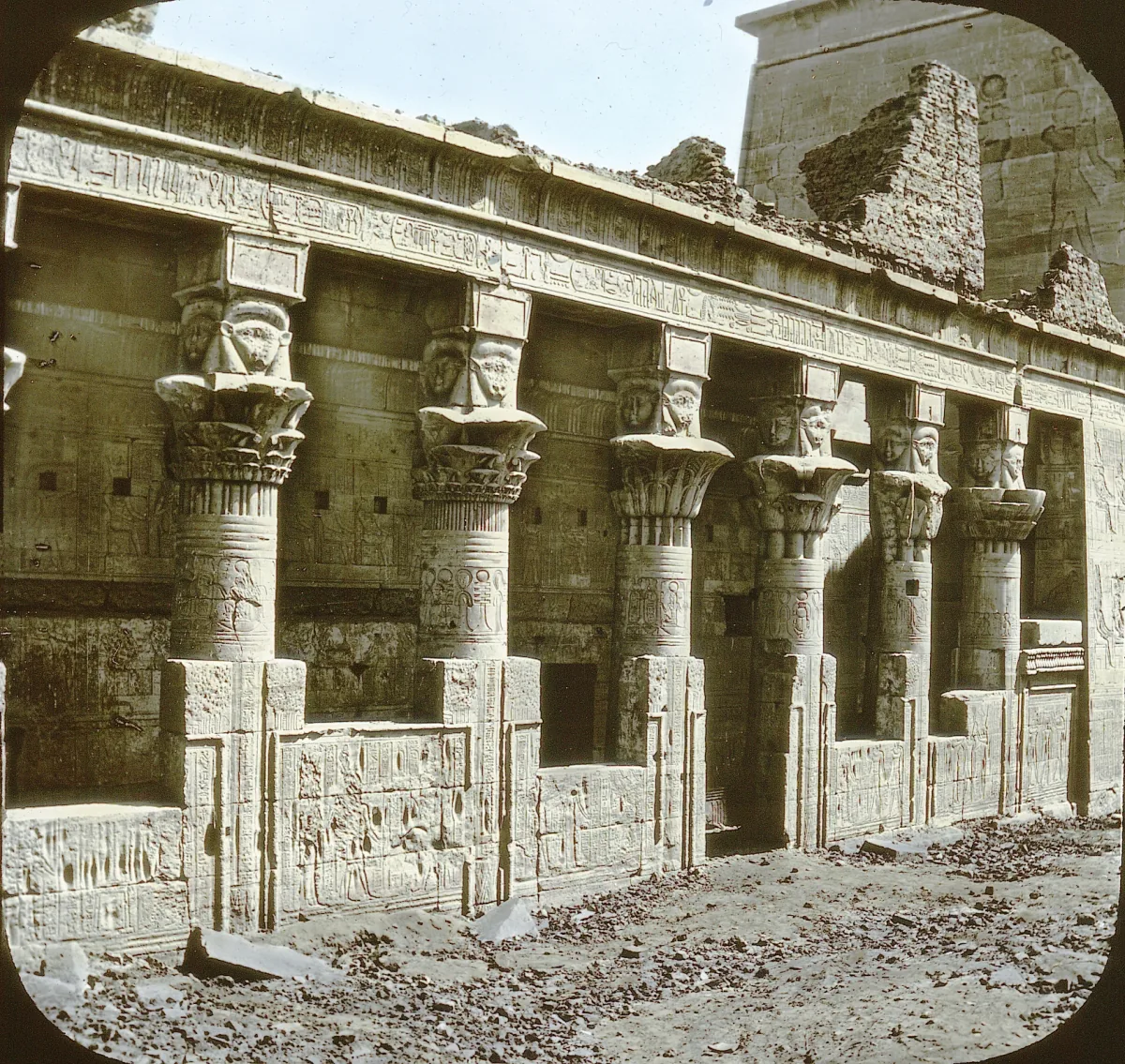
Wikimedia Commons · No known copyright restrictions · file Strabo sailed south on the Nile to Philae during his Egyptian journey, reaching the island sanctuary zone beyond Syene. The date is approximate. The coordinate represents the relocated Philae temple complex on Agilkia Island, adjacent to the ancient island's original setting.
Residence in Alexandria
· Alexandria, Egypt
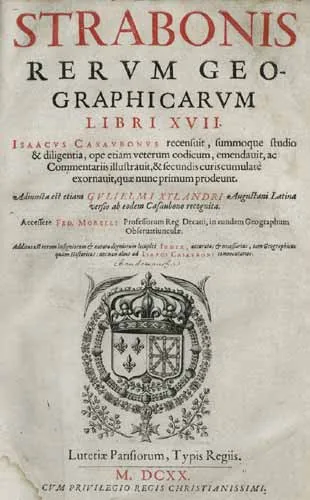
Wikimedia Commons · Public domain · file Strabo began an extended Egyptian stay in the mid-20s BC. The editor concludes from the evidence that he lived in Alexandria for more than five years, where he could consult earlier geographical works. The source places him in Egypt in 25 and 24 BC and still there in 20 BC; 25 BC marks the beginning of this documented residence.
Visit to Crocodilopolis
· Crocodilopolis (modern Medinet el-Faiyum), Egypt
Strabo visited Crocodilopolis in the Arsinoite Nome. His party was led to the sacred crocodile's lake by a local official, and he described the encounter. The first-person plural establishes Strabo's presence; the visit is assigned to his Egyptian period of 25–24 BC. Coordinates represent ancient Crocodilopolis at modern Medinet el-Faiyum.
Visit to Heliopolis
· Heliopolis (Iunu), Cairo, Egypt
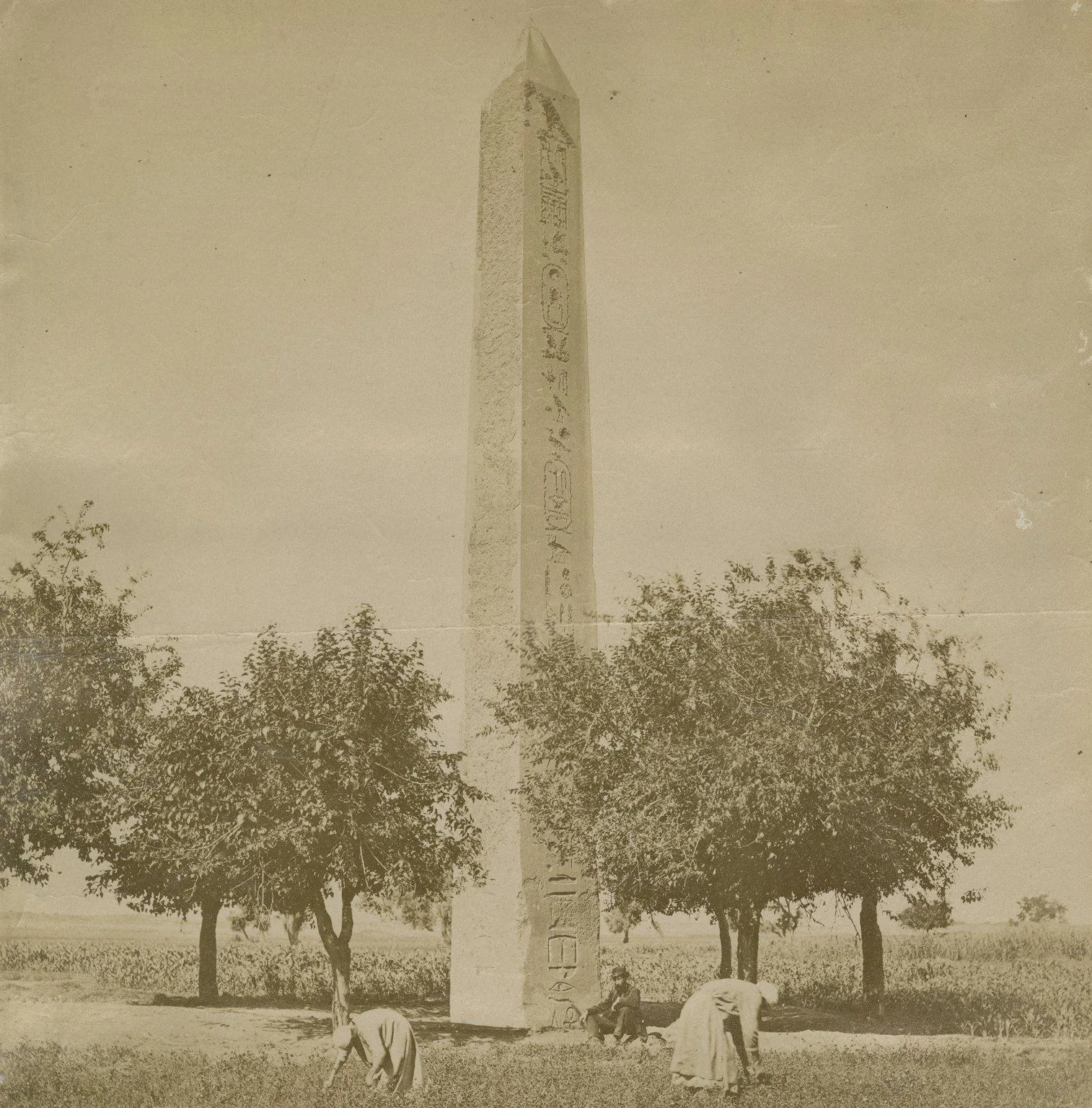
Wikimedia Commons · Public domain · file During his Egyptian travels, Strabo personally observed the former houses of priests at Heliopolis and recorded the city's scholarly traditions and condition. The visit belongs to Strabo's Egyptian period, dated by the editorial introduction to 25–24 BC. Coordinates represent the ancient Heliopolis archaeological area in modern Cairo.
Visit to Memphis
· Memphis (Mit Rahina), Egypt
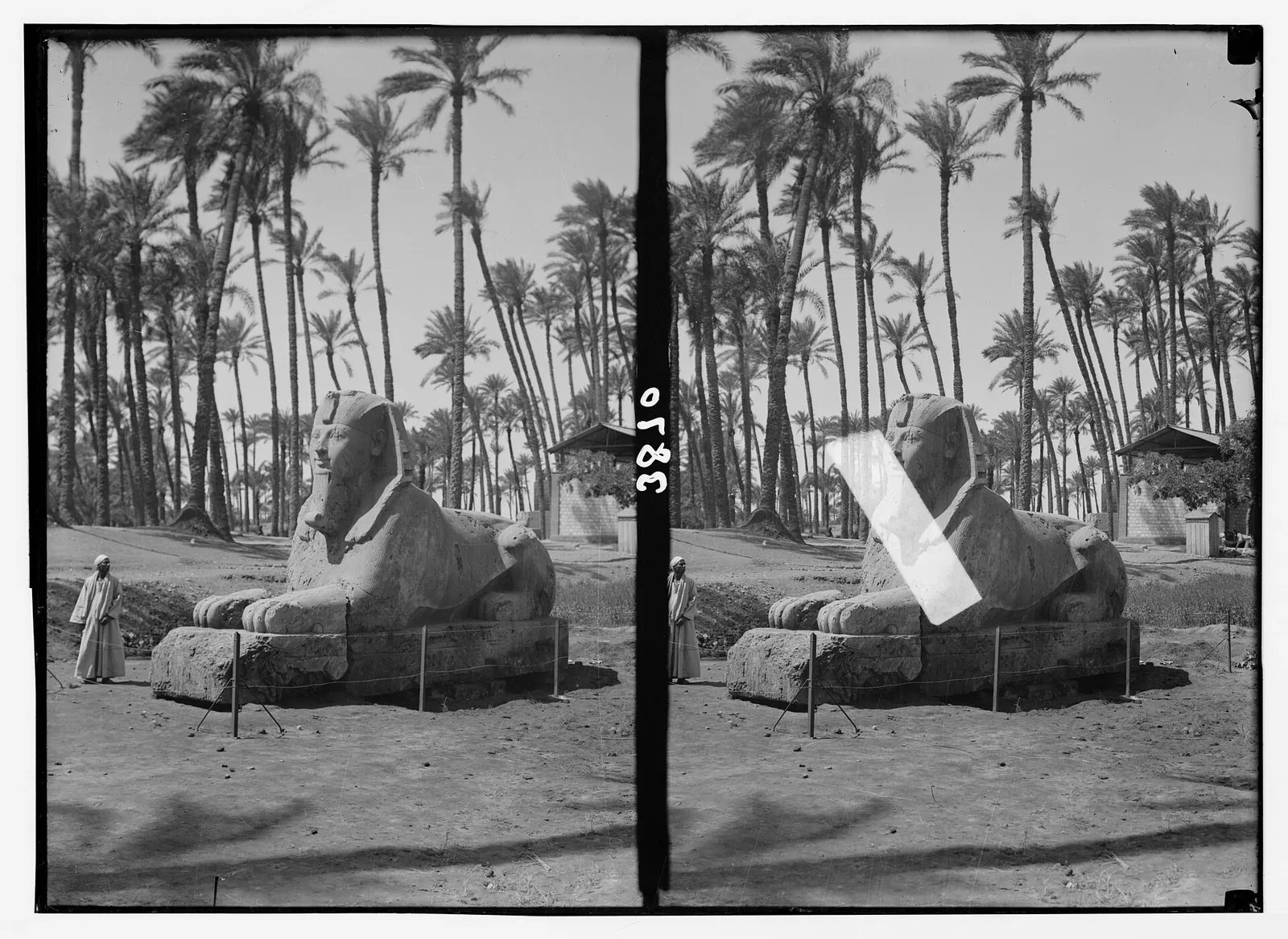
Wikimedia Commons · Public domain · file Strabo visited the ancient Egyptian capital of Memphis and noted the partially buried sphinxes at its Sarapeum precinct. The visit belongs to Strabo's Egyptian period, dated by the editorial introduction to 25–24 BC. Coordinates represent the ancient city site at Mit Rahina.
Final documented Roman visit
· Rome, Italy
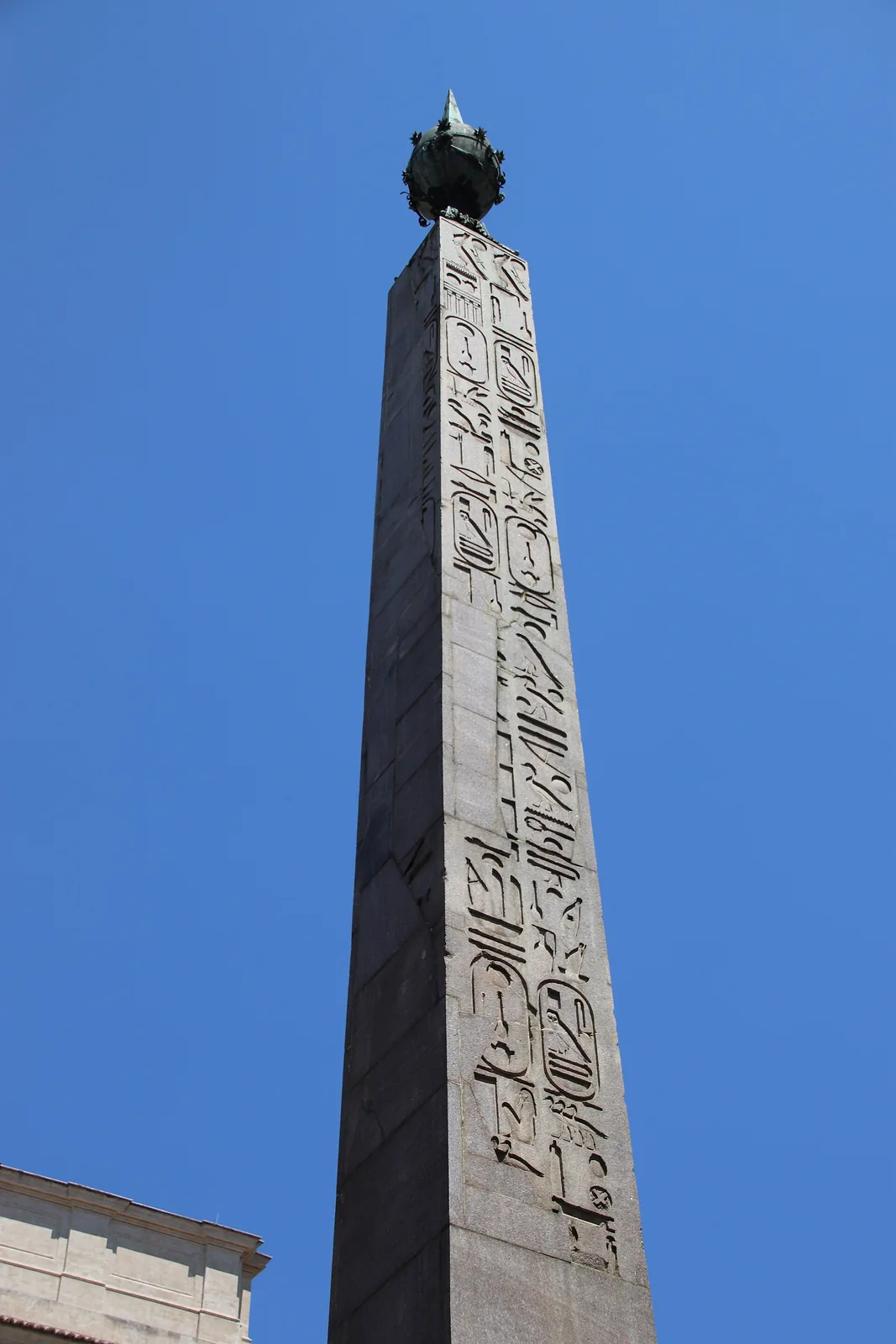
Wikimedia Commons · Public domain · file The editorial chronology places Strabo in Rome again around 7 BC, using his notice of monuments completed after 20 BC, including the Portico of Livia dedicated in 7 BC. The presence date is approximate and is inferred by the editor from Strabo's description of buildings in Rome.