
6 moments
Birth in Agra
· Agra, Uttar Pradesh, India
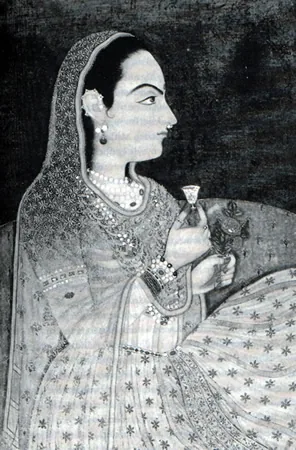
Wikimedia Commons · Public domain · file Arjumand Banu Begum, later known as Mumtaz Mahal, was born in Agra to Abu'l-Hasan Asaf Khan and Diwanji Begum. Coordinates represent Agra because the specific birth residence is not identified.
Marriage to Prince Khurram
· Agra, Uttar Pradesh, India
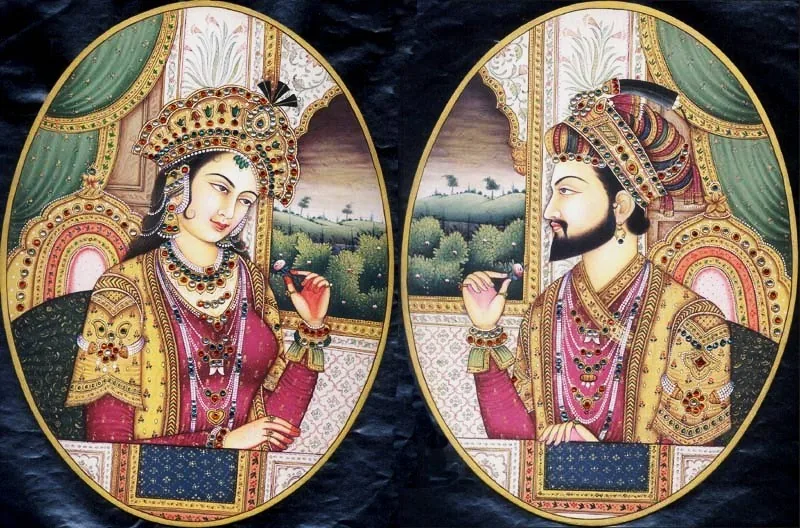
Wikimedia Commons · CC BY-SA 3.0 · file Mumtaz Mahal married Prince Khurram, the future Shah Jahan, in Agra and received the title Mumtaz Mahal after the wedding celebrations. The day is disputed in the source; year-level precision is used.
Residence at Khas Mahal
· Khas Mahal, Agra Fort, Agra, Uttar Pradesh, India
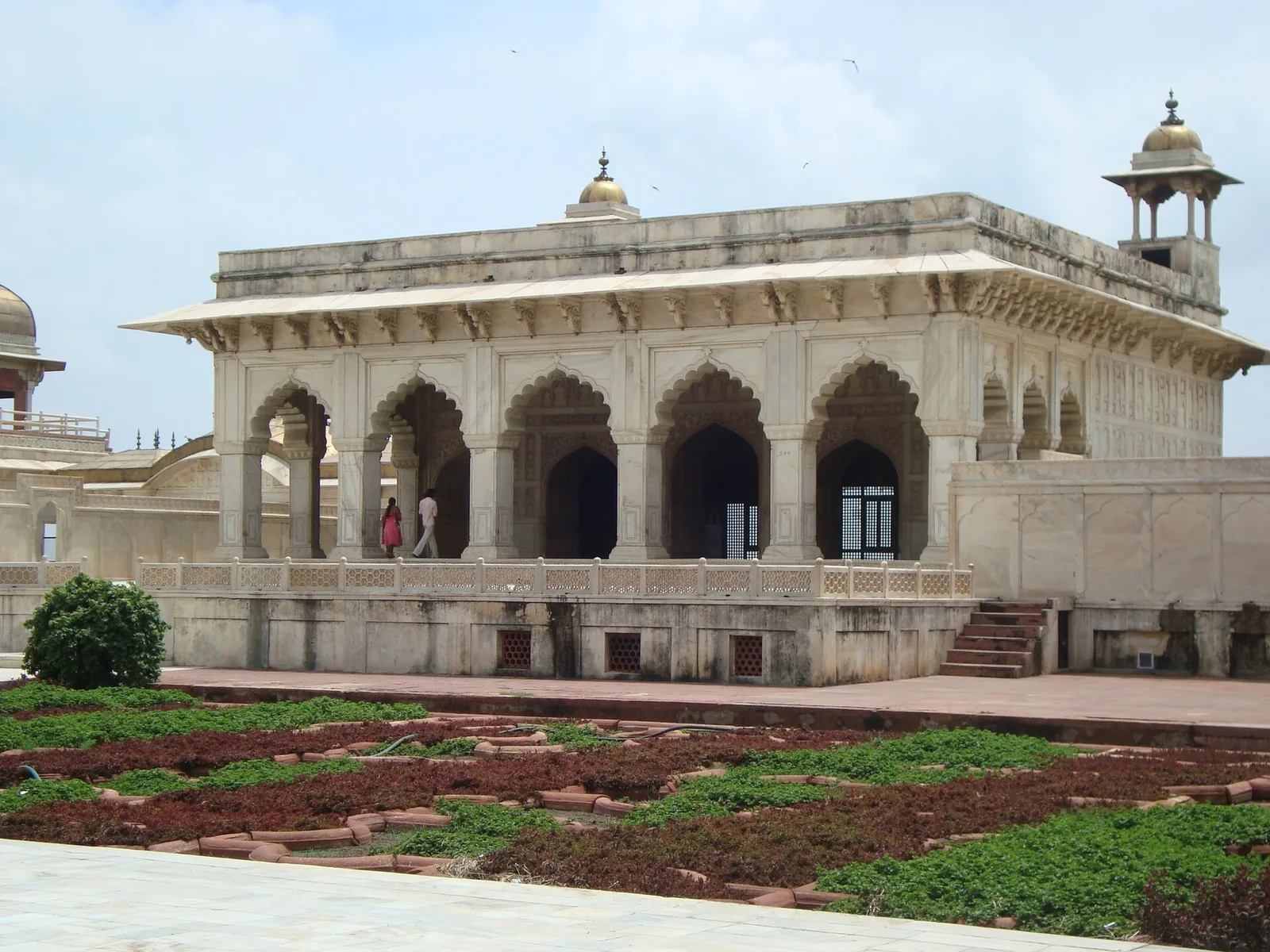
Wikimedia Commons · CC BY-SA 3.0 · file After Shah Jahan's accession, Mumtaz Mahal was his chief empress. The source identifies Khas Mahal at Agra Fort as the residence where she lived with him. 1628 is the year of Shah Jahan's accession and Mumtaz's designation as chief empress in the surrounding source text; the residence is not dated more precisely. Coordinates represent the Agra Fort complex.
Temporary burial at Zainabad
· Zainabad Garden (Ahukhana), Burhanpur, Madhya Pradesh, India
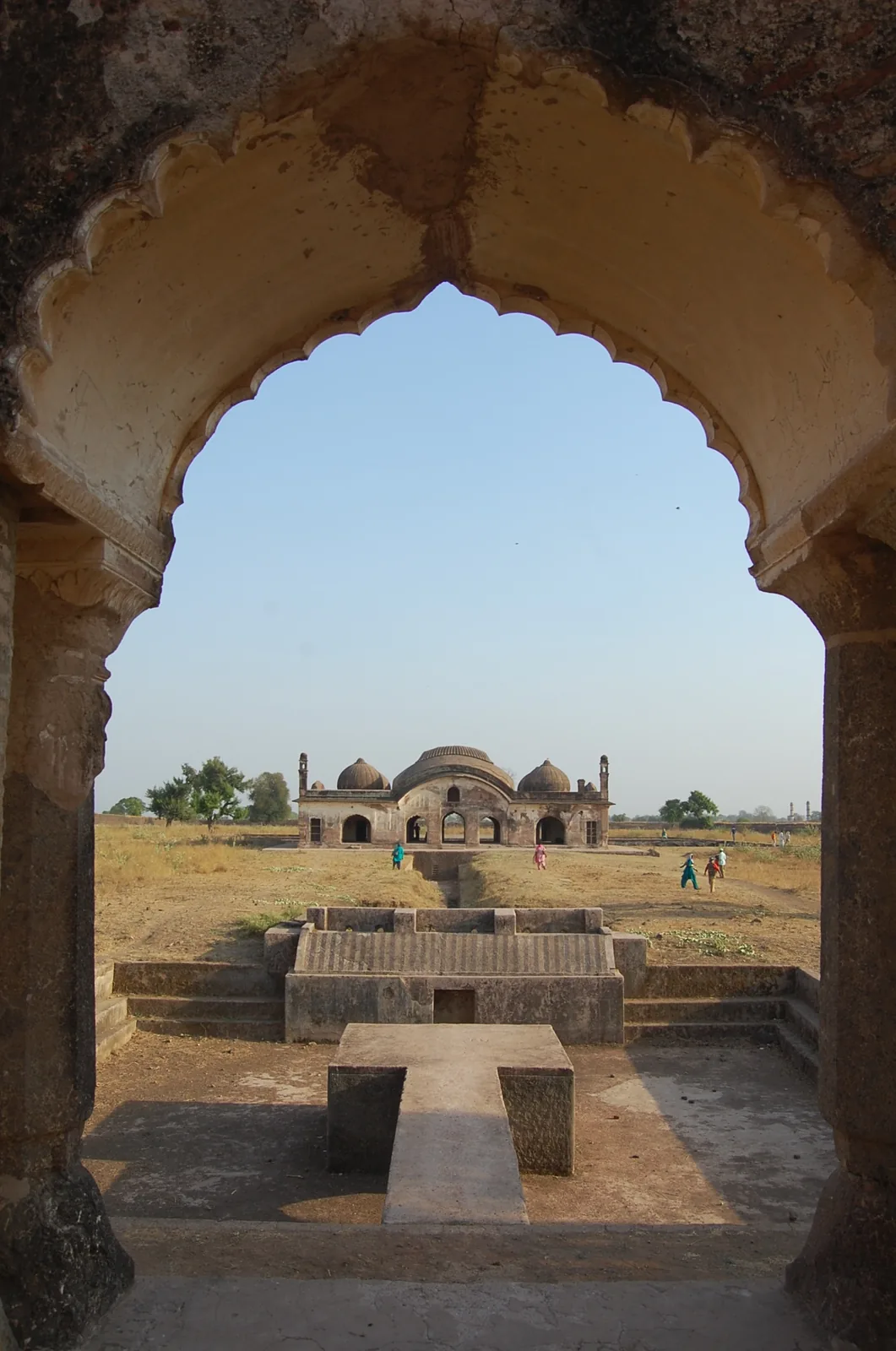
Wikimedia Commons · CC BY-SA 3.0 · file Following her death, Mumtaz Mahal's remains were temporarily buried in the walled pleasure garden of Zainabad on the Tapti River at Burhanpur. This is a posthumous physical-presence record. Month-level dating follows the June 1631 death; the source does not state the burial day. Coordinates represent the Ahukhana temporary-tomb monument associated with the Zainabad burial site.
Death in Burhanpur
· Burhanpur, Madhya Pradesh, India
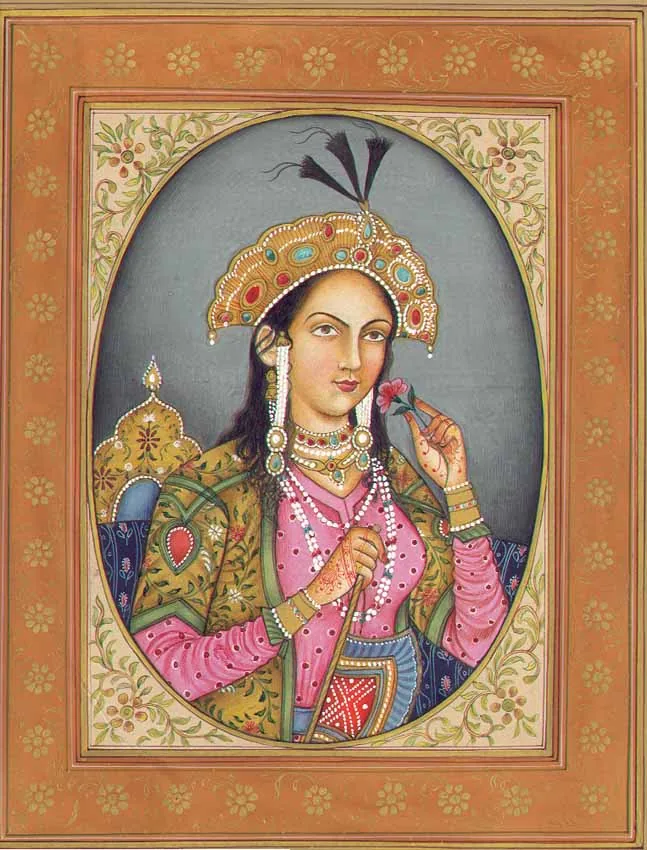
Wikimedia Commons · Public domain · file Mumtaz Mahal died in Burhanpur from postpartum hemorrhage while giving birth to her fourteenth child during Shah Jahan's Deccan campaign. Coordinates represent Burhanpur because the source does not identify the precise building where she died.
Transfer and interim interment in Agra
· Yamuna riverbank, Agra, Uttar Pradesh, India
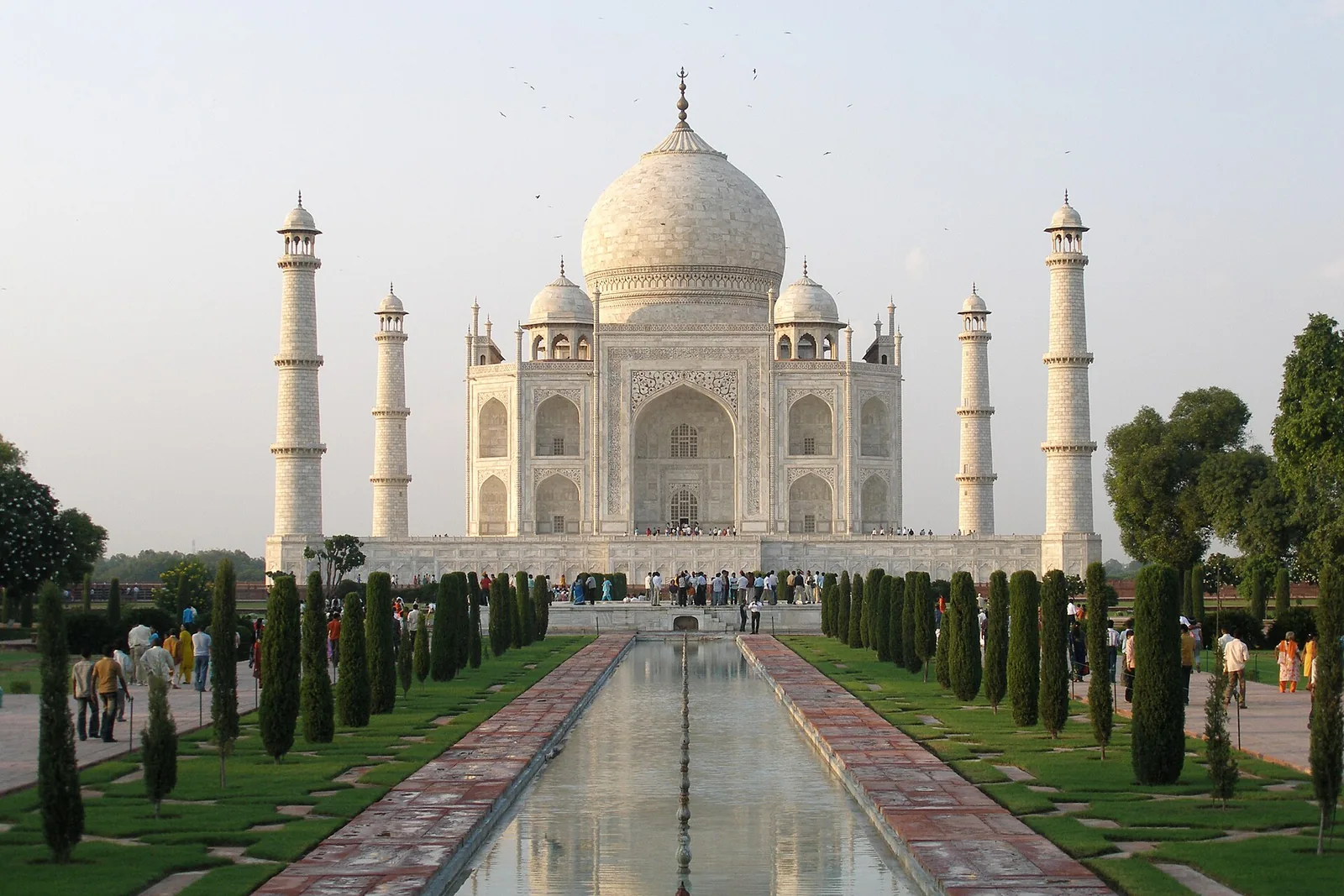
Wikimedia Commons · CC BY 4.0 · file Mumtaz Mahal's remains were disinterred at Burhanpur, conveyed to Agra in a golden casket, and interred in a small building on the Yamuna's bank pending the mausoleum's construction. This is a posthumous physical-presence record. The interim building is not precisely identified; coordinates are a representative point at the present Taj Mahal site on the Yamuna riverbank.