
25 moments
Birth at Dahod
· Dahod, Gujarat, India
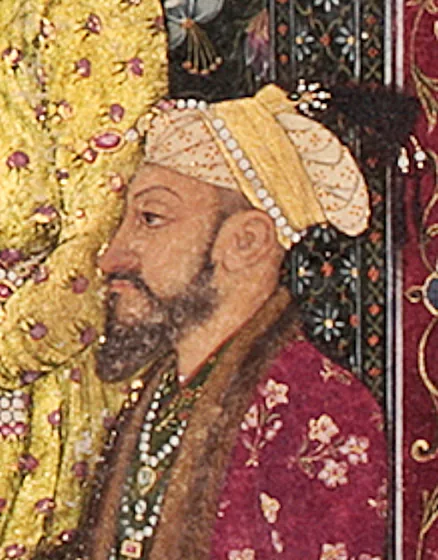
Wikimedia Commons · Public domain · file Aurangzeb was born at Dahod in the Mughal province of Gujarat.
Hostage at the Mughal court
· Lahore, Punjab, Pakistan
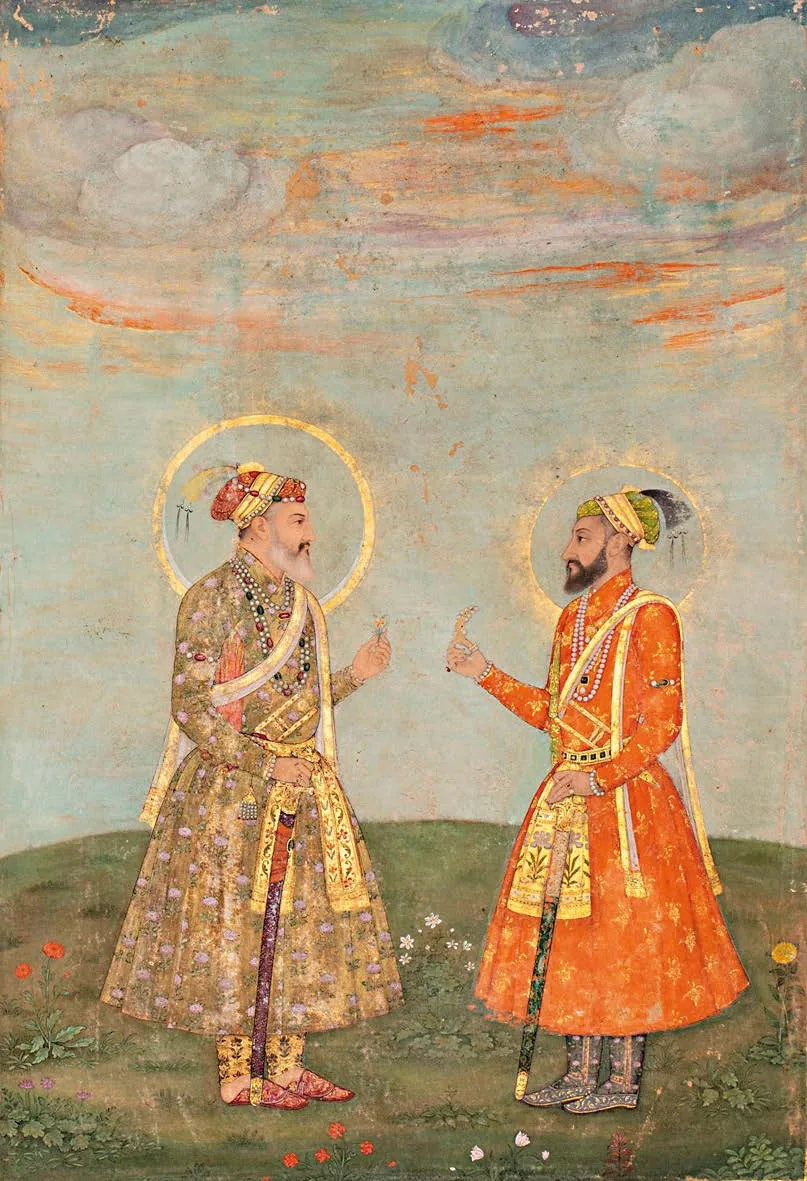
Wikimedia Commons · Public domain · file As part of Shah Jahan's pardon arrangement after his unsuccessful rebellion, the eight-year-old Aurangzeb was sent to the Mughal court at Lahore with his brother Dara Shikoh.
Reunited with Shah Jahan
· Agra, Uttar Pradesh, India
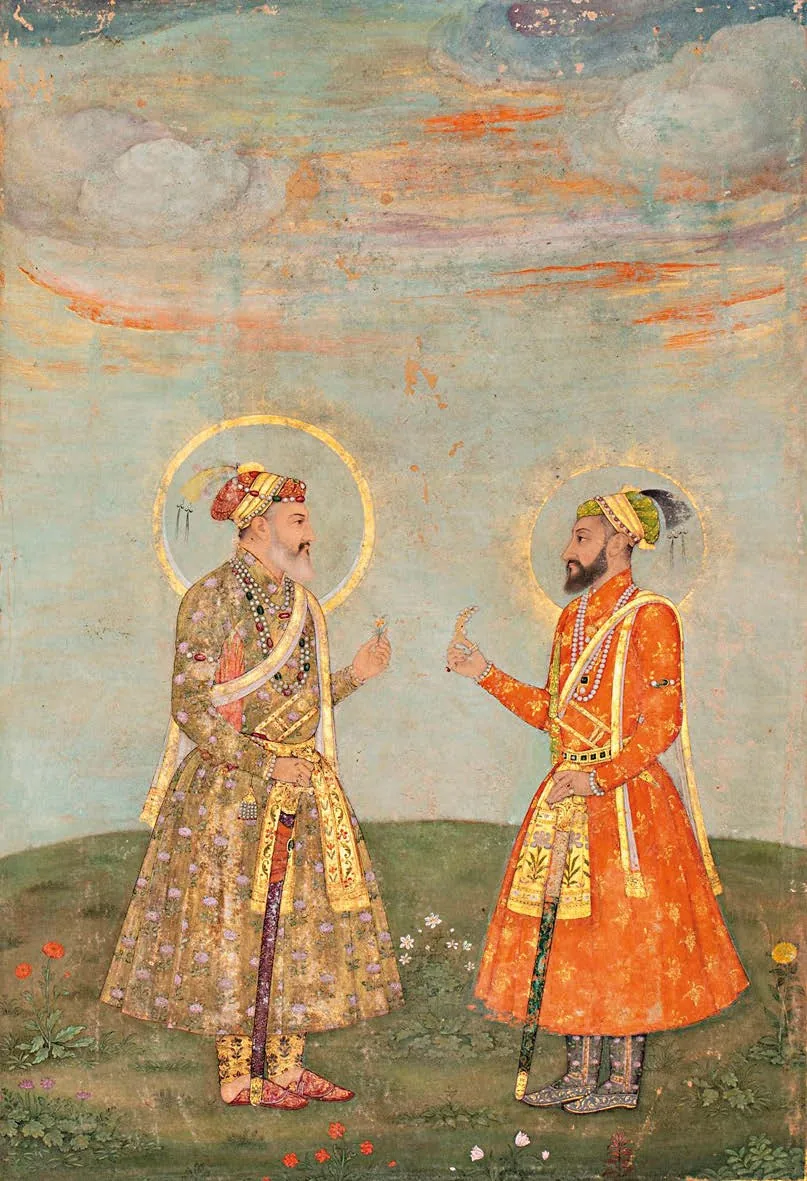
Wikimedia Commons · Public domain · file Following Shah Jahan's victory in the succession struggle, Aurangzeb and Dara Shikoh were reunited with their father at Agra.
Orchha campaign
· Orchha, Madhya Pradesh, India
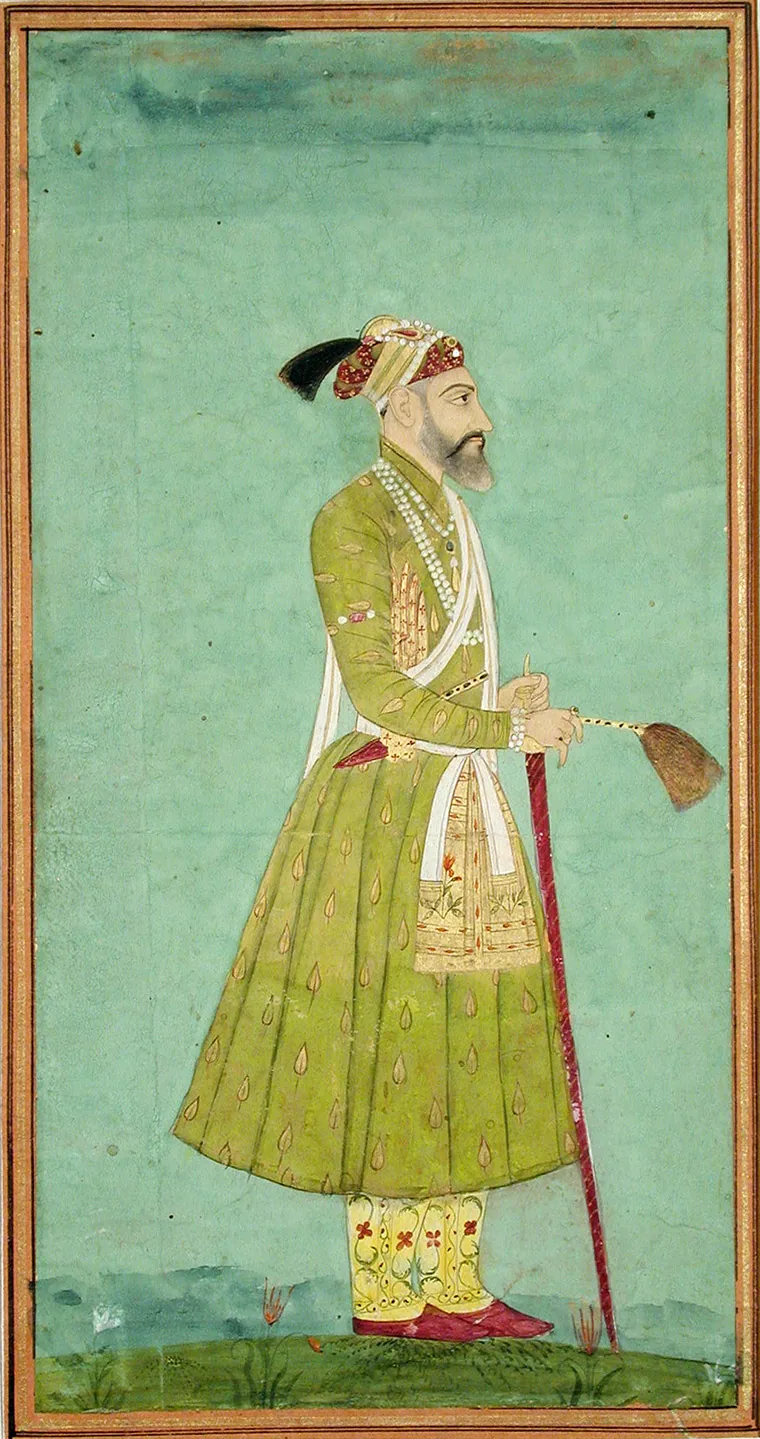
Wikimedia Commons · Public domain · file Aurangzeb was attached to the Mughal expedition against the rebel ruler of Orchha; he remained in the rear while the army besieged the city. The source places him with the Orchha expedition but does not identify his exact camp position.
Meeting Shah Jahan at Lahore
· Lahore, Punjab, Pakistan
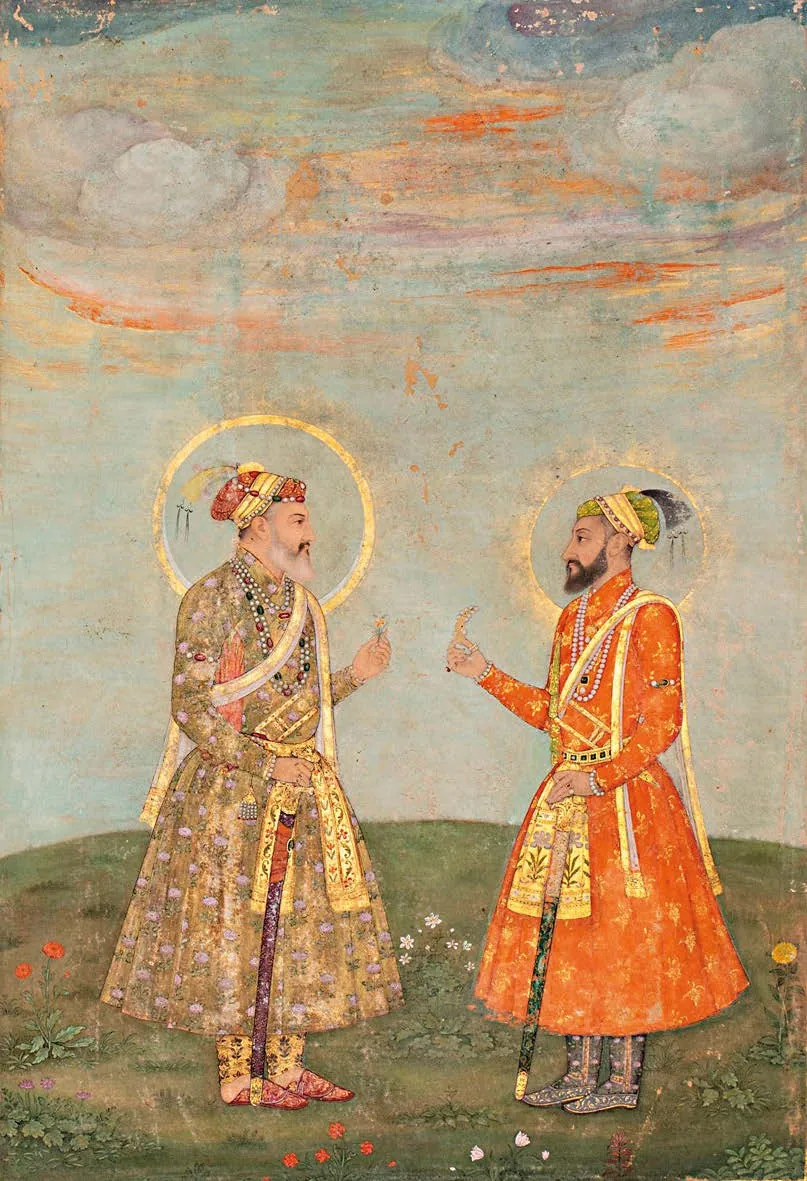
Wikimedia Commons · Public domain · file Aurangzeb met Emperor Shah Jahan at the Mughal court in Lahore during his first period as Deccan viceroy. Evidence is a contemporaneous-scene caption reproduced in the article.
Visit to injured sister Jahanara
· Agra, Uttar Pradesh, India
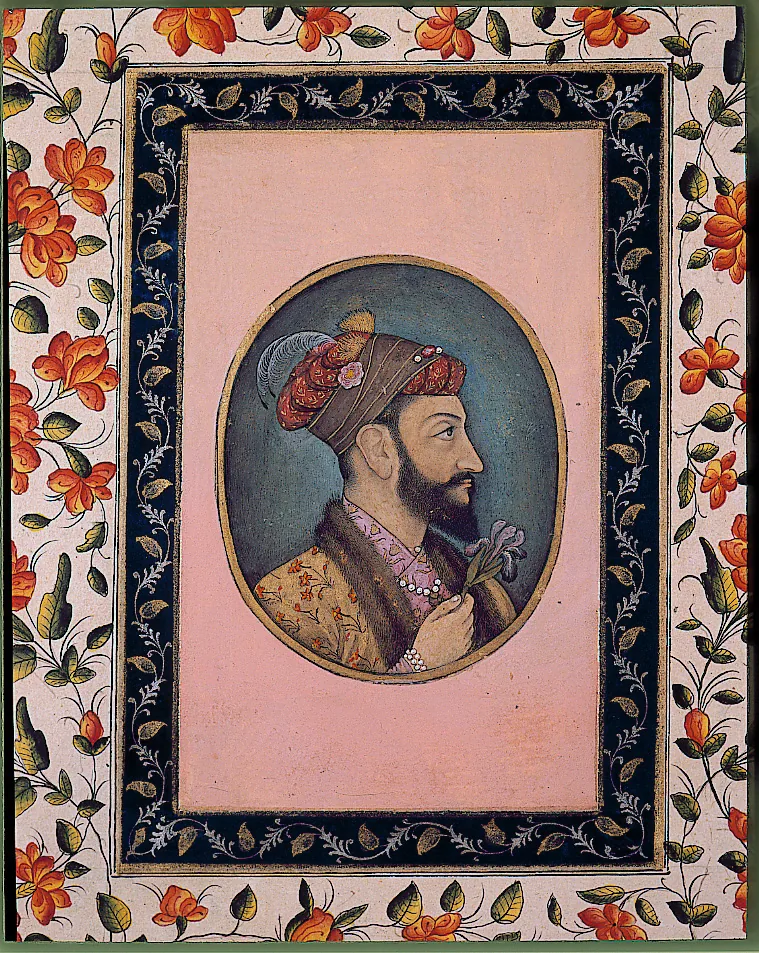
Wikimedia Commons · Public domain · file Aurangzeb arrived in Agra to see his sister Jahanara after she had been severely burned in an accident.
Audience and promotion at Lahore
· Lahore, Punjab, Pakistan
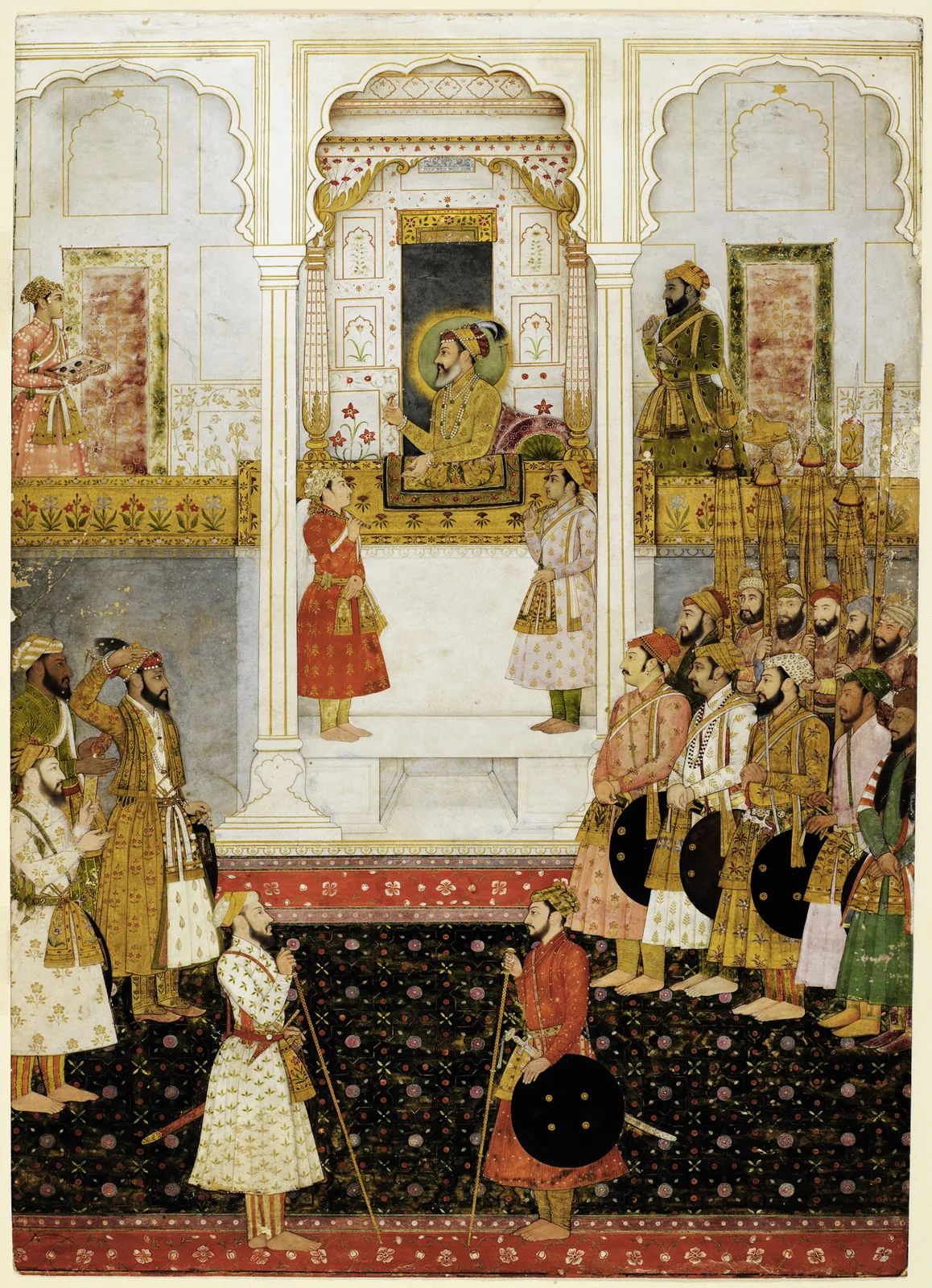
Wikimedia Commons · Public domain · file Aurangzeb met Shah Jahan at Lahore and was promoted to command Balkh and Badakhshan.
First Kandahar siege attempt
· Kandahar, Afghanistan
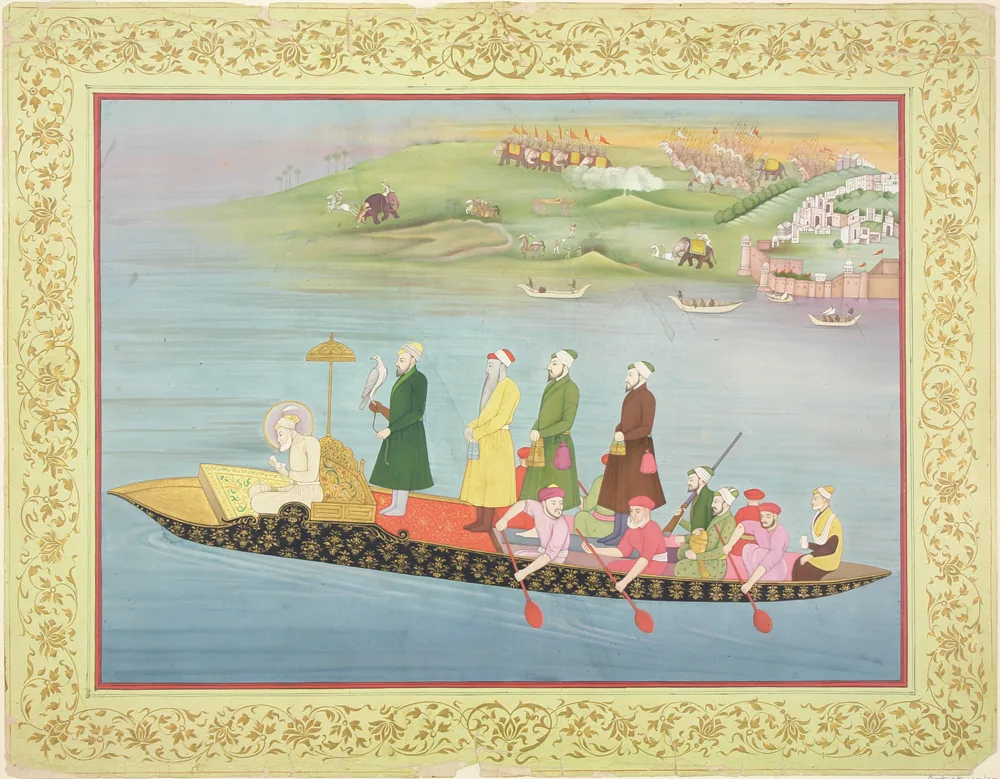
Wikimedia Commons · Public domain · file As governor of Multan and Sindh, Aurangzeb participated in an unsuccessful attempt to retake Kandahar from the Safavids. The source supports annual but not more precise dating.
Arrival at Aurangabad before Bijapur invasion
· Aurangabad, Maharashtra, India
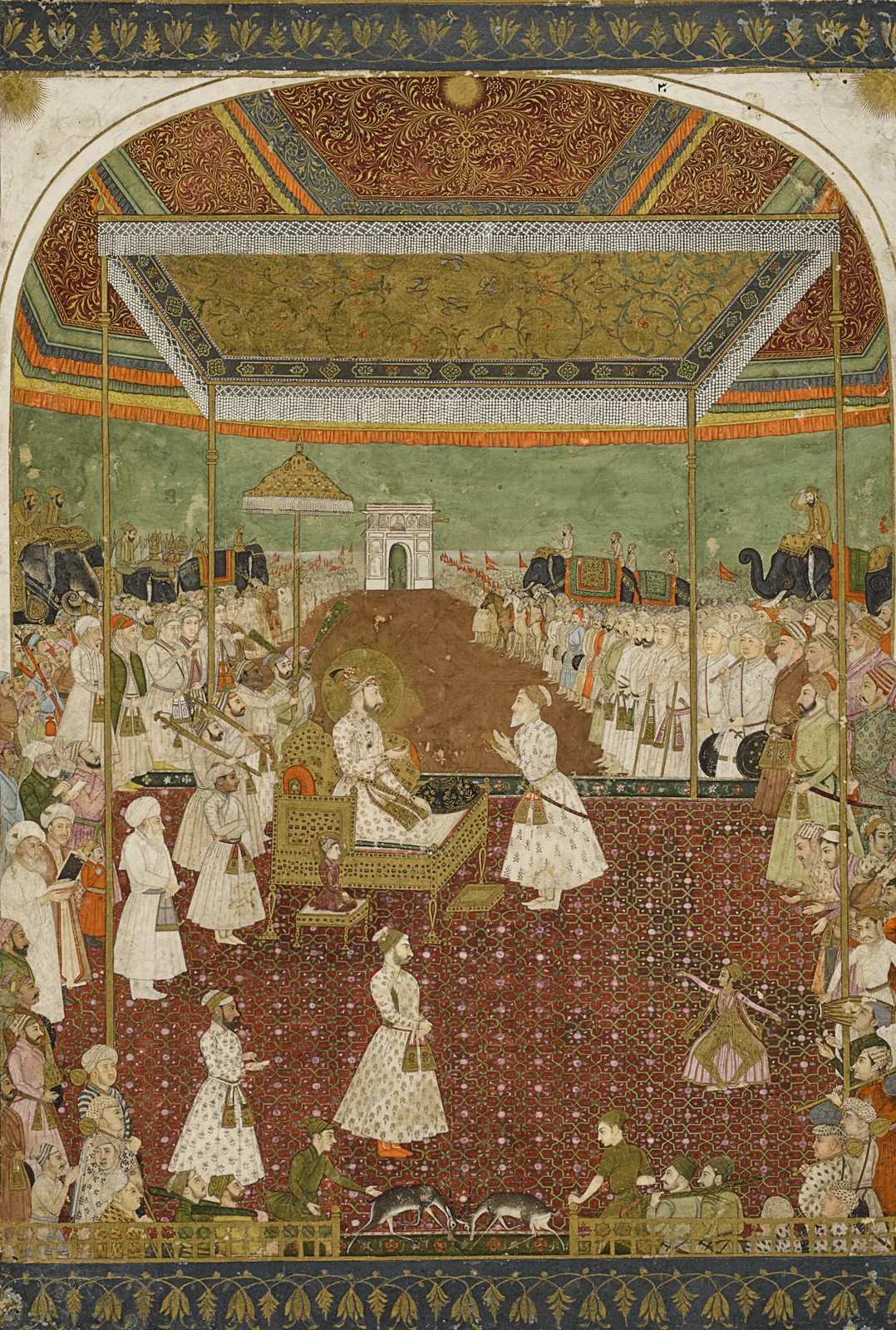
Wikimedia Commons · Public domain · file Aurangzeb reached Aurangabad, the Mughal Deccan capital, before beginning his march against Bijapur territory.
Siege of Bidar
· Bidar Fort, Bidar, Karnataka, India
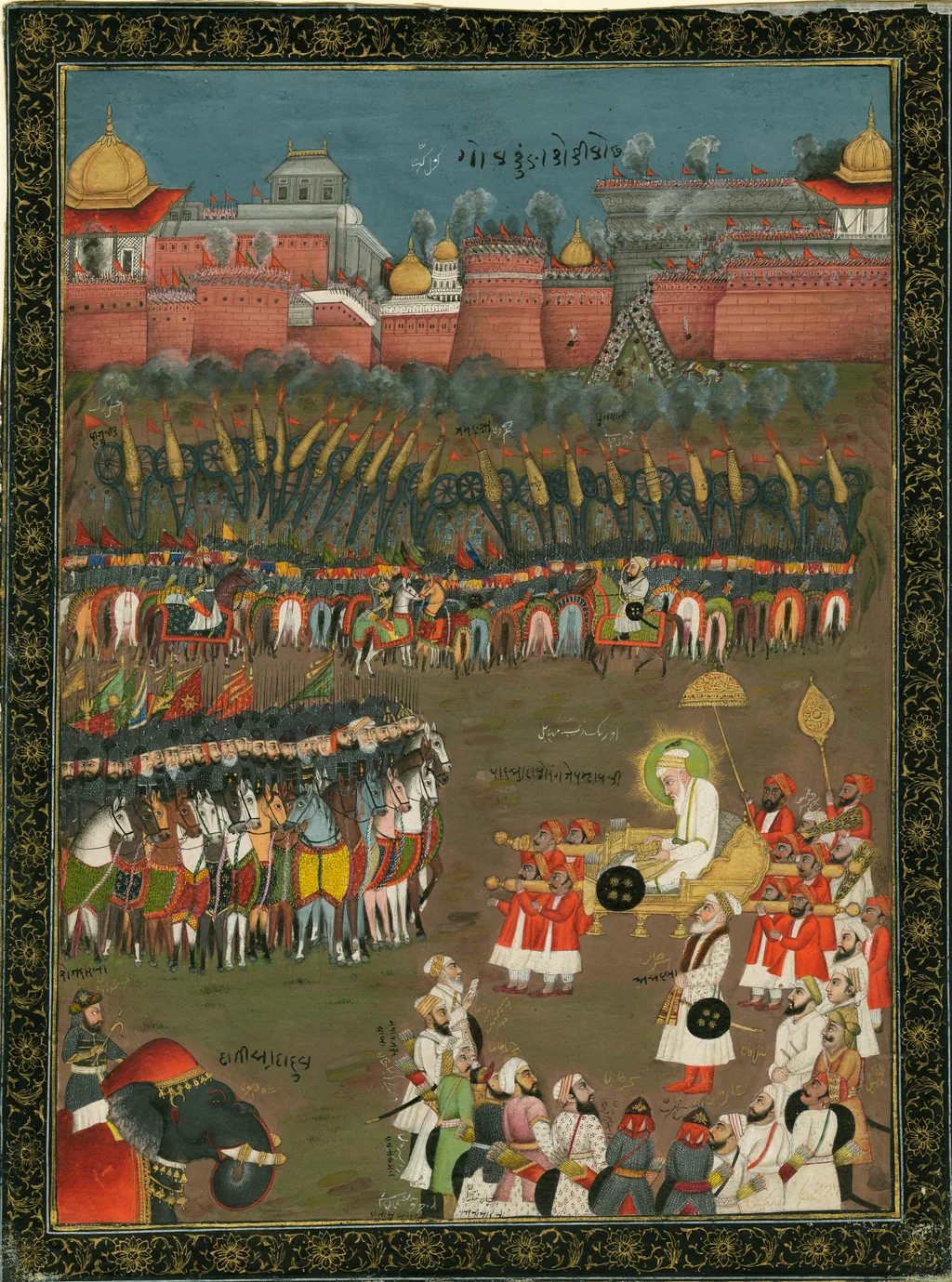
Wikimedia Commons · Public domain · file Aurangzeb personally led the Mughal siege of Bidar Fort, opening his 1657 invasion of the Bijapur Sultanate.
Victory procession into Bidar Fort
· Bidar Fort, Bidar, Karnataka, India
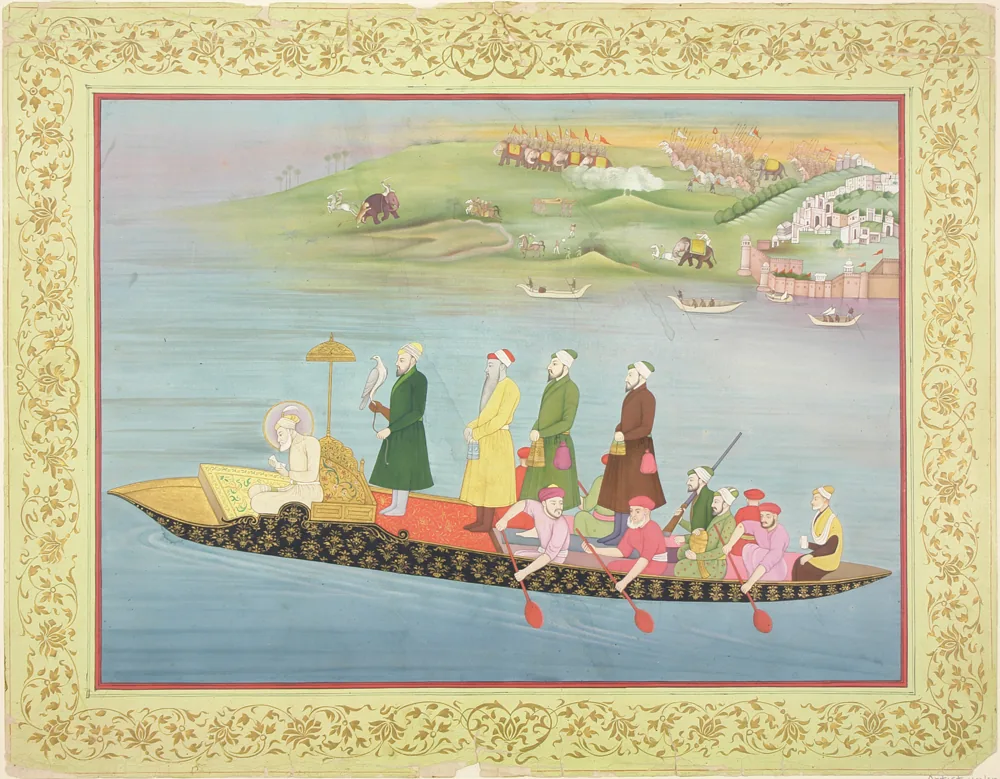
Wikimedia Commons · Public domain · file After the fall of Bidar Fort, Aurangzeb entered it in a victory procession.
Visit to Bidar after conquest
· Bidar Fort, Bidar, Karnataka, India
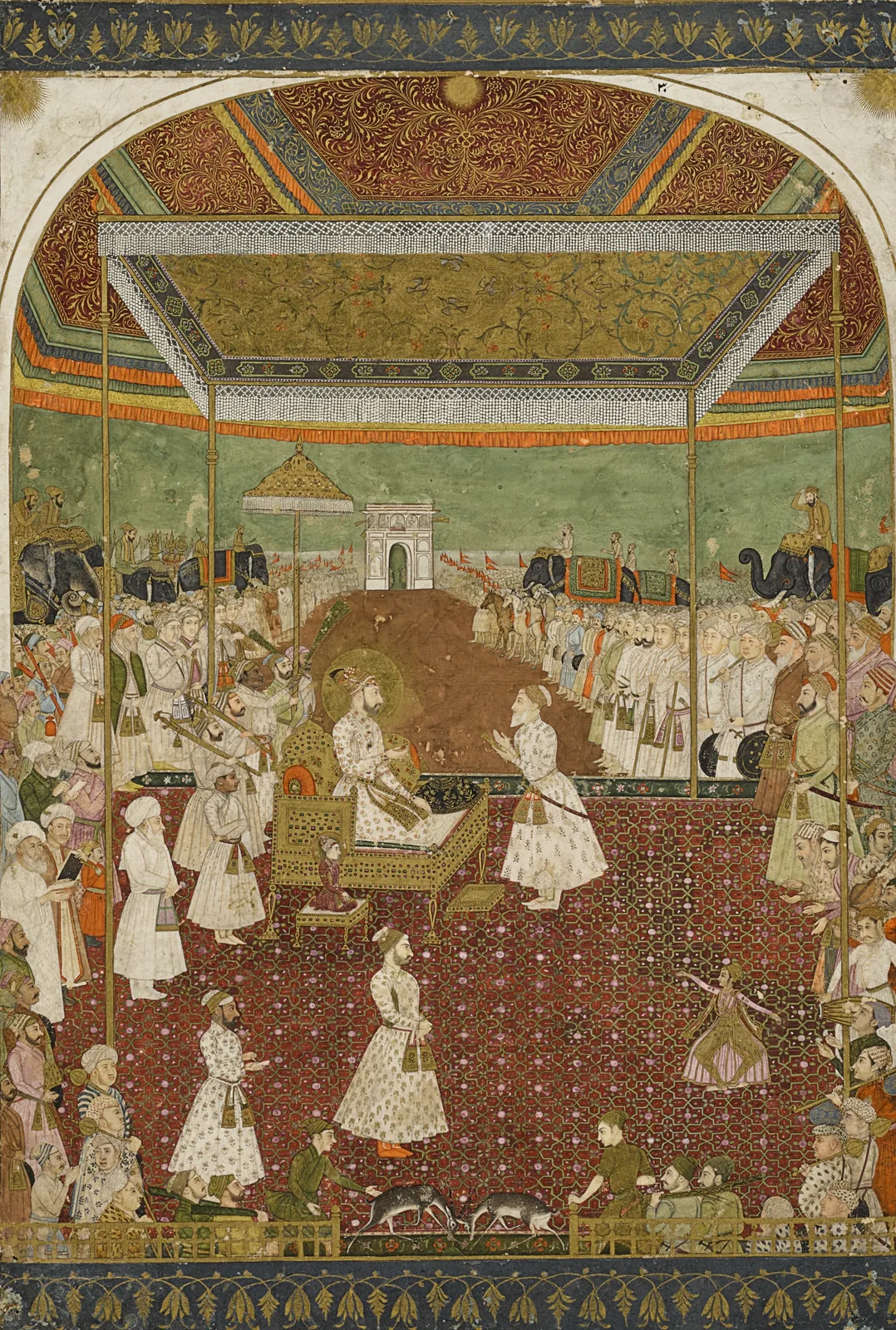
Wikimedia Commons · Public domain · file Aurangzeb returned to Bidar Fort and had the khutba recited there in Shah Jahan's name, marking Mughal sovereignty over the city.
Battle of Dharmat
· Dharmat near Ujjain, Madhya Pradesh, India
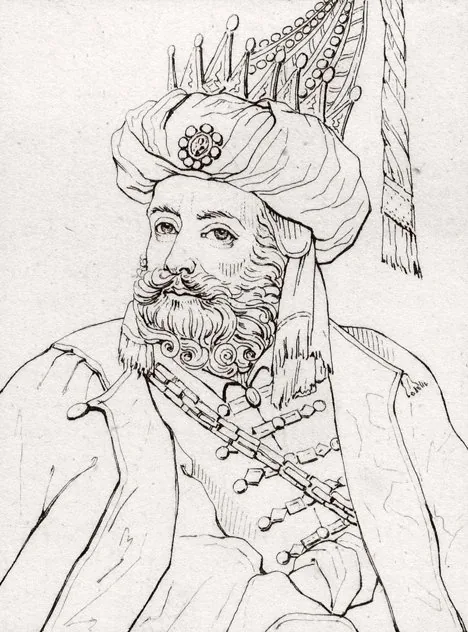
Wikimedia Commons · Public domain · file Aurangzeb camped at Dharmat with Murad Baksh and won a decisive battle against forces allied to Dara Shikoh. Coordinates are a representative point for the Dharmat battlefield area near Ujjain.
Battle of Samugarh
· Samugarh, Uttar Pradesh, India
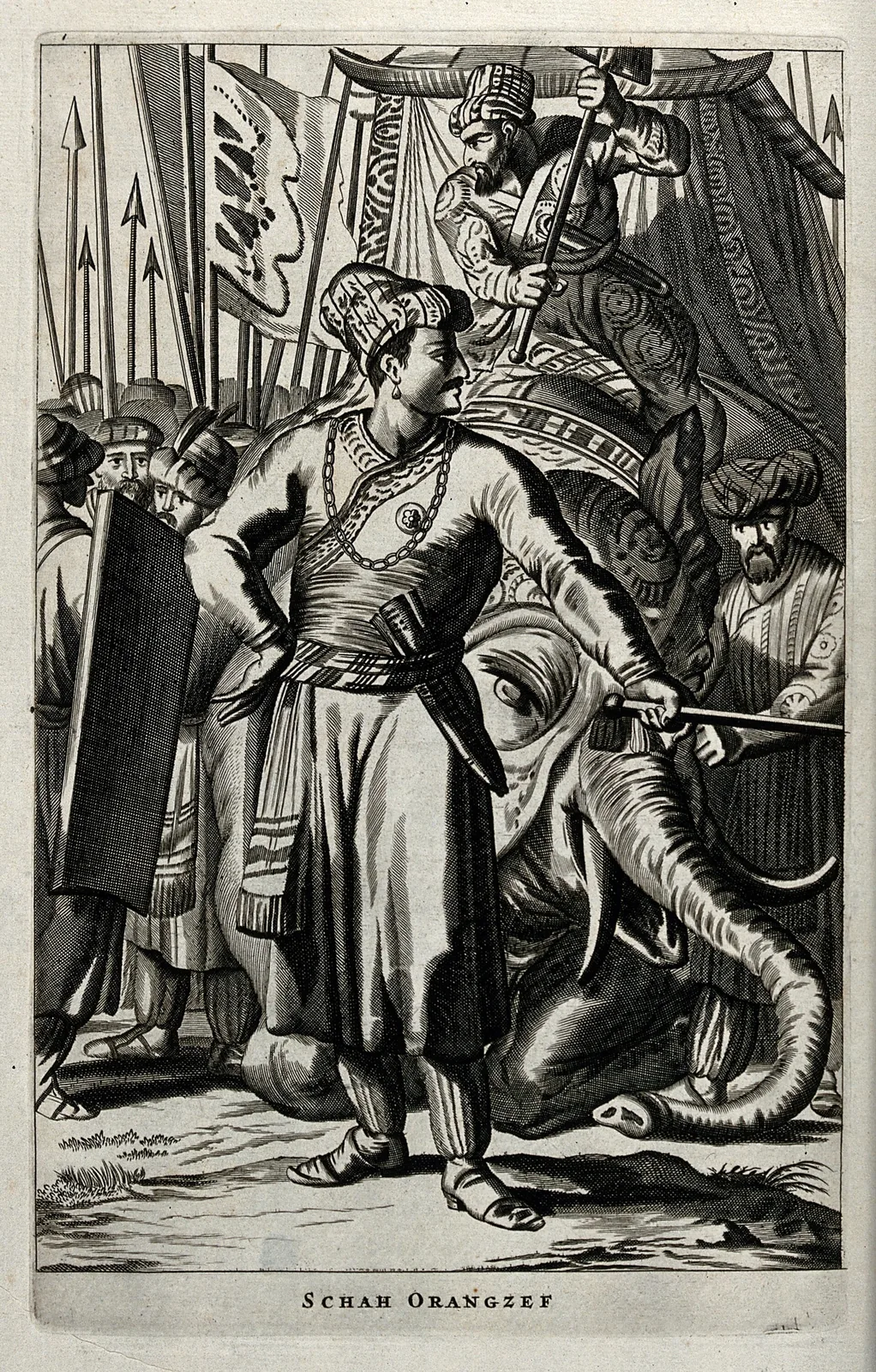
Wikimedia Commons · Public domain · file Aurangzeb led forces in the decisive battle against Dara Shikoh near Agra, a victory that cleared his path to the Mughal throne. Coordinates are a representative point for Samugarh east of Agra.
Coronation at Delhi
· Delhi, India
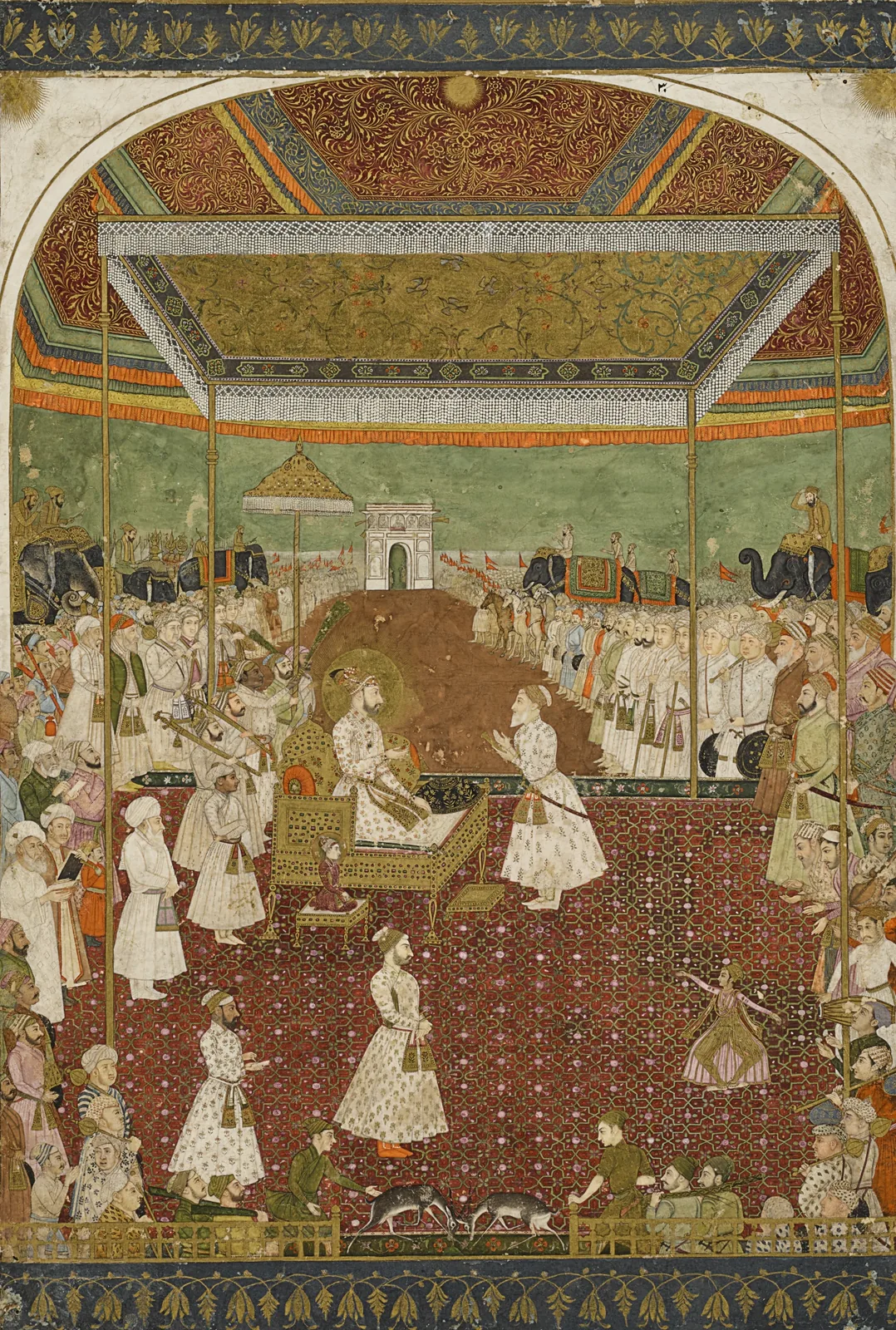
Wikimedia Commons · Public domain · file After defeating his rivals, Aurangzeb held his formal coronation in Delhi and began ruling as emperor. The source supports the year but not a more precise coronation date in this sentence.
Battle of Khajwa
· Khajwa, Uttar Pradesh, India
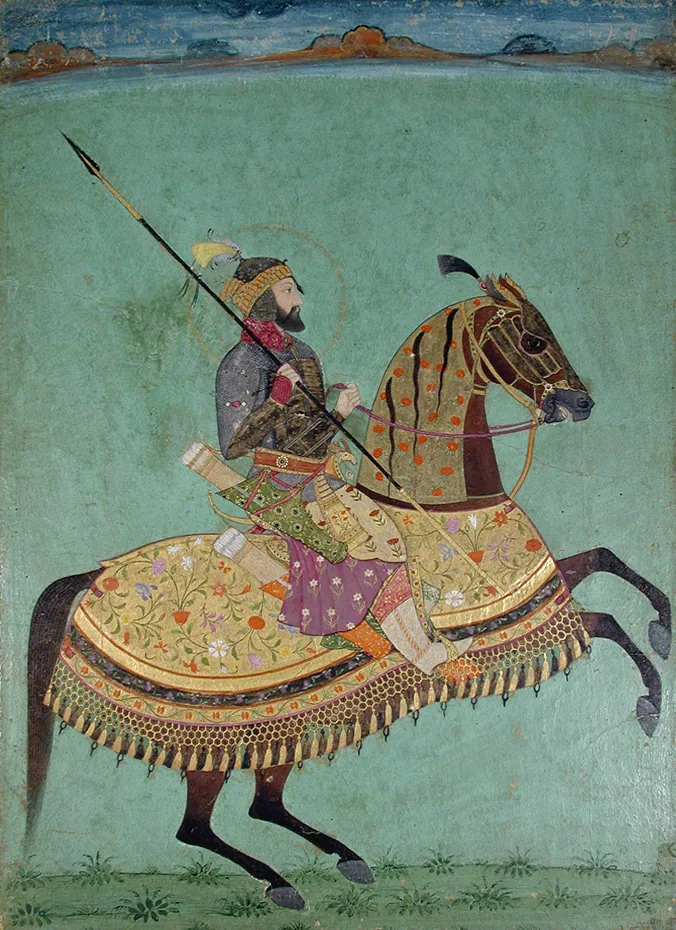
Wikimedia Commons · Public domain · file Aurangzeb commanded Mughal forces against Shah Shuja at Khajwa, securing control of the empire's eastern territories. The article spells the locality Khajuha; coordinates are those supplied by that article.
Meeting with Shivaji
· Agra, Uttar Pradesh, India
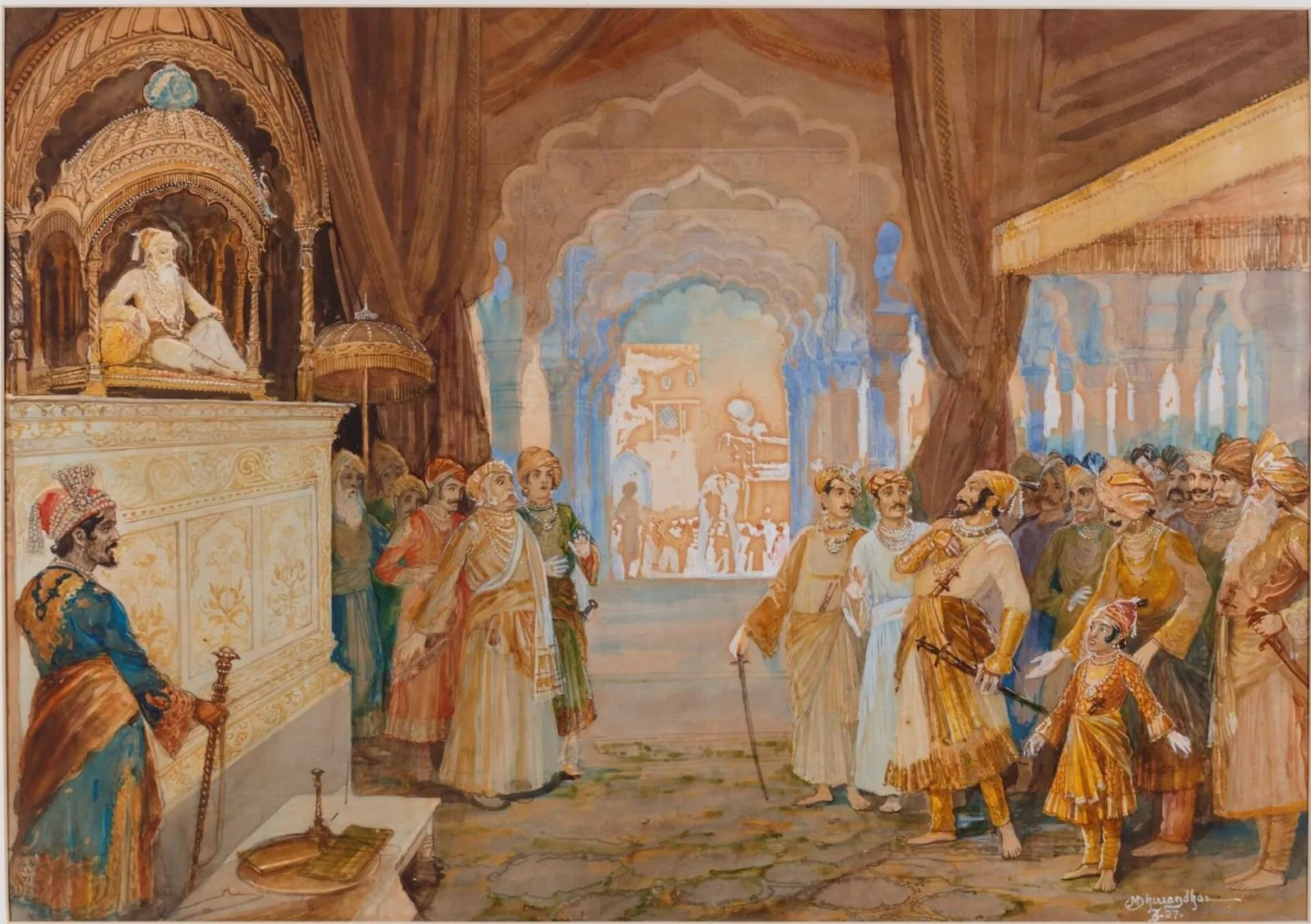
Wikimedia Commons · Public domain · file Aurangzeb met the Maratha leader Shivaji at Agra after Raja Jai Singh had persuaded Shivaji to visit the emperor. The source supports the year through the surrounding 1666 narrative, but does not state the meeting's day or month in the quoted passage.
Camp at Attock during Pashtun revolt
· Attock, Punjab, Pakistan
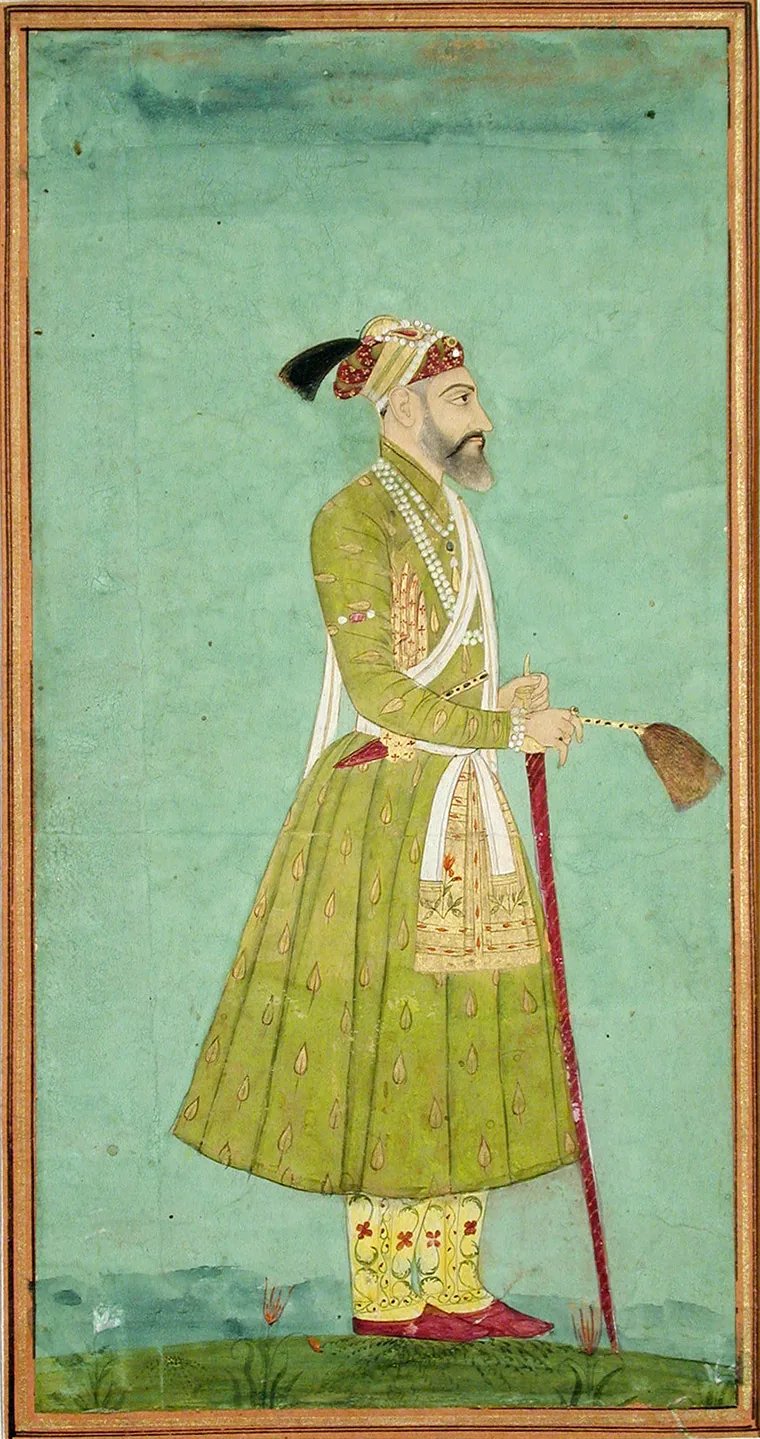
Wikimedia Commons · Public domain · file Aurangzeb camped at Attock to take personal charge of the Mughal response to the Pashtun revolt and the disruption of the Kabul trade route.
Court moved to Aurangabad
· Aurangabad, Maharashtra, India
Wikimedia Commons · Public domain · file After Prince Akbar's rebellion, Aurangzeb moved his court to Aurangabad and assumed command of the Deccan campaign. The source's surrounding narrative dates this move to 1681.
Siege of Golconda
· Golconda Fort, Hyderabad, Telangana, India
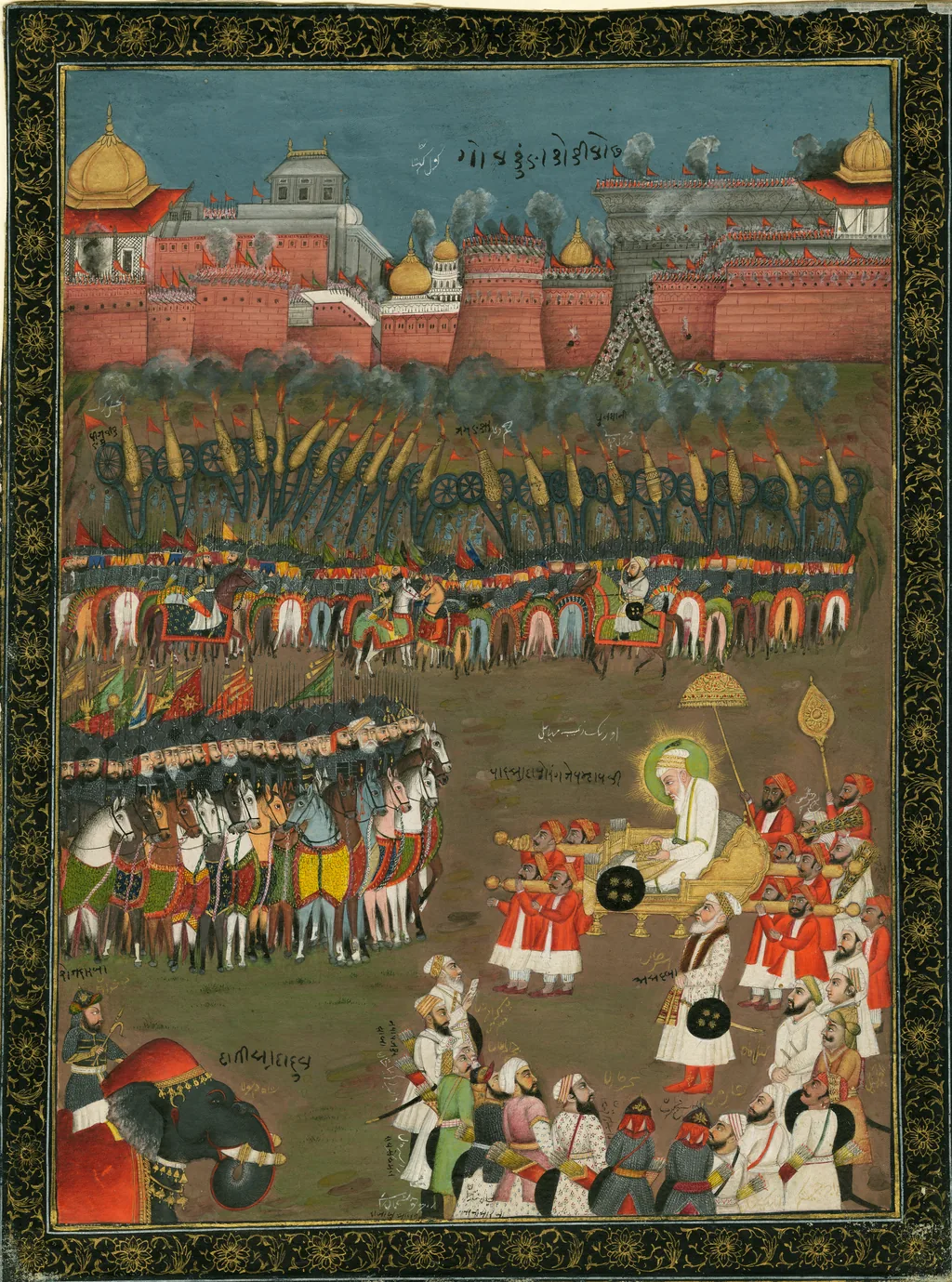
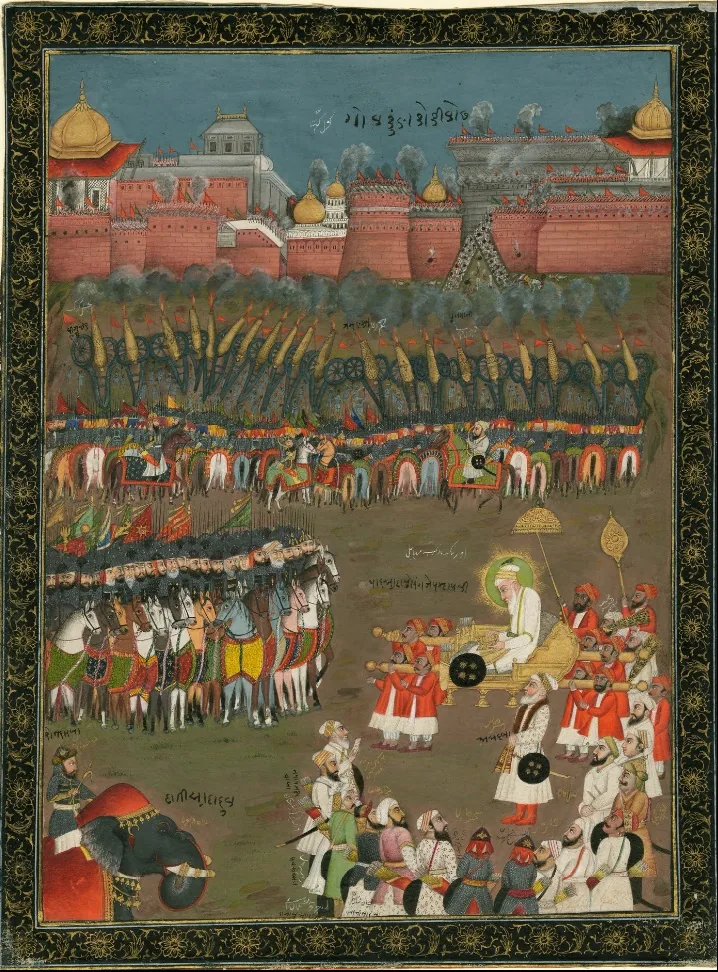
Wikimedia Commons · Public domain · file Aurangzeb personally directed the eight-month Mughal siege of Golconda Fort, ending with the annexation of the Golconda Sultanate. The siege lasted from 28 January to 22 September 1687.
Camp by the Bhima River
· Bhima River near Tulapur, Maharashtra, India
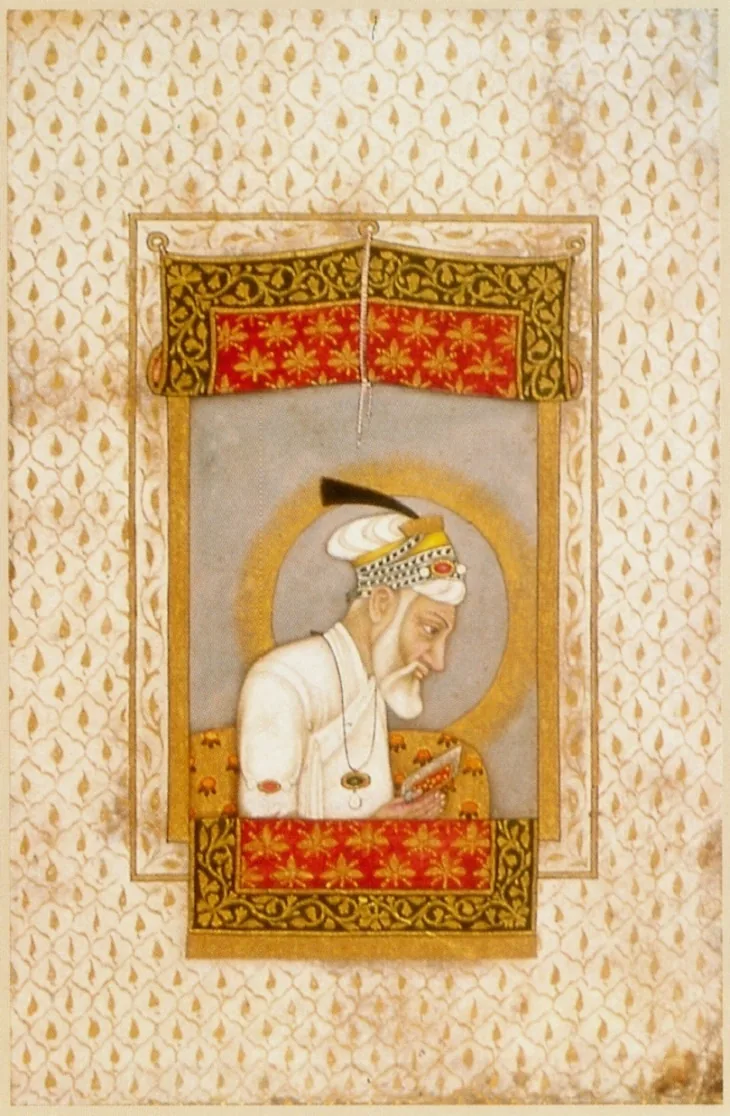
Wikimedia Commons · Public domain · file Sambhaji, the Maratha king, was brought to Aurangzeb's encampment by the Bhima River after his capture. The source identifies only the Bhima River; coordinates represent the Tulapur stretch of the river associated with Sambhaji's capture and execution.
Imperial camp established at Brahmapuri
· Brahmapuri, Maharashtra, India
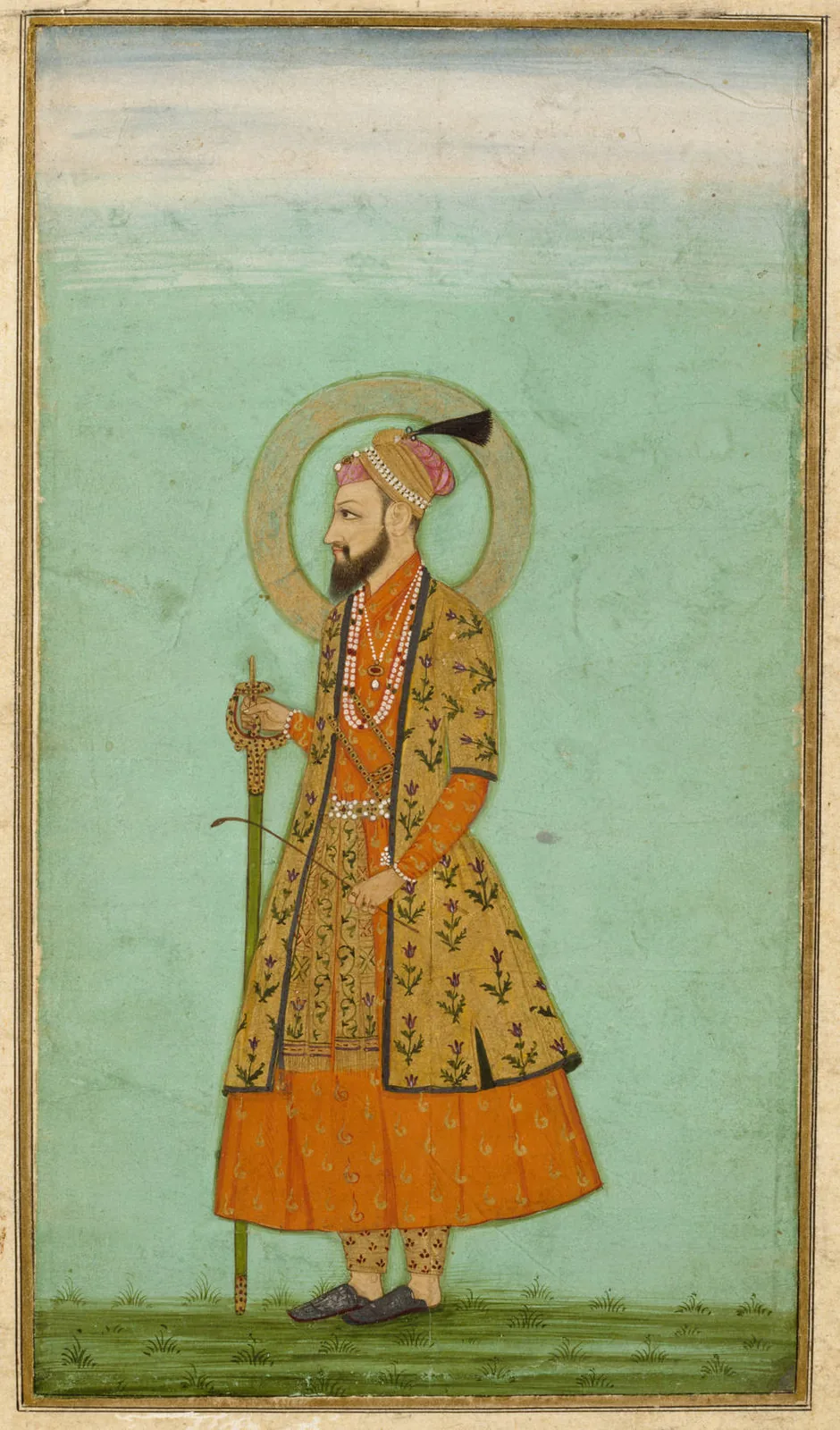
Wikimedia Commons · Public domain · file During the Deccan wars, Aurangzeb's mobile imperial camp served as the seat of government and settled at Brahmapuri. Coordinates are a representative point for the historical Brahmapuri imperial-camp area.
March on Satara
· Satara, Maharashtra, India
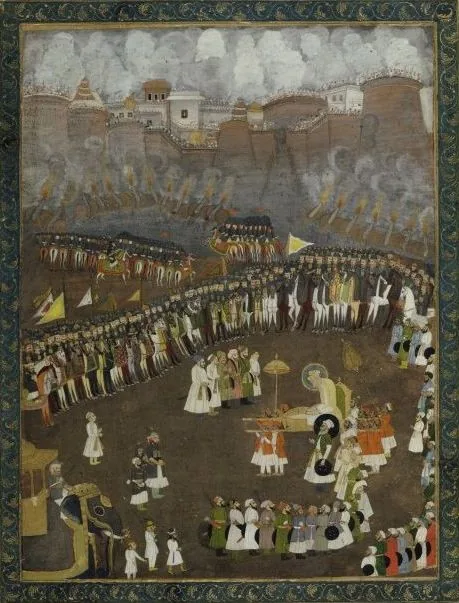
Wikimedia Commons · Public domain · file Aurangzeb personally marched toward Satara with Mughal troops during the campaign to capture the Maratha stronghold. The source dates the battle from December 1699 to 21 April 1700; coordinates use Satara city rather than an unverified battlefield coordinate.
Siege of Panhala
· Panhala Fort, Maharashtra, India
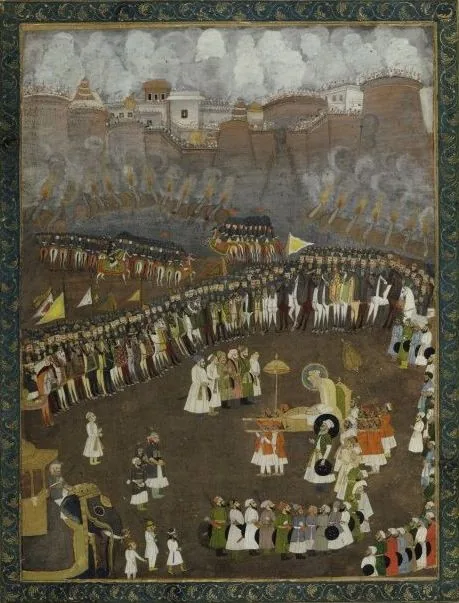
Wikimedia Commons · Public domain · file Aurangzeb led the Mughal expedition against Panhala during the late Deccan wars. The siege lasted from January through 28 May 1701.
Death at military camp
· Bhingar, Ahmednagar, Maharashtra, India
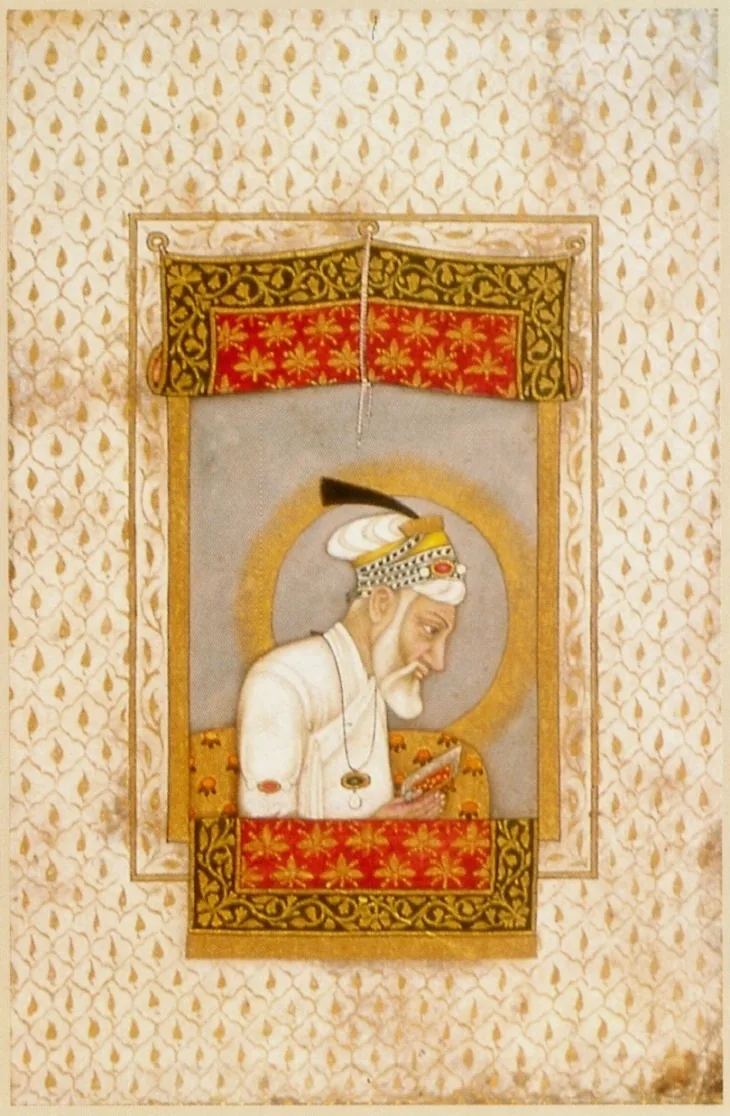
Wikimedia Commons · Public domain · file Aurangzeb died at his military camp in Bhingar near Ahmednagar during the final phase of his Deccan campaign.