
24 moments
Born in Eisenach
· Eisenach, Thuringia, Germany
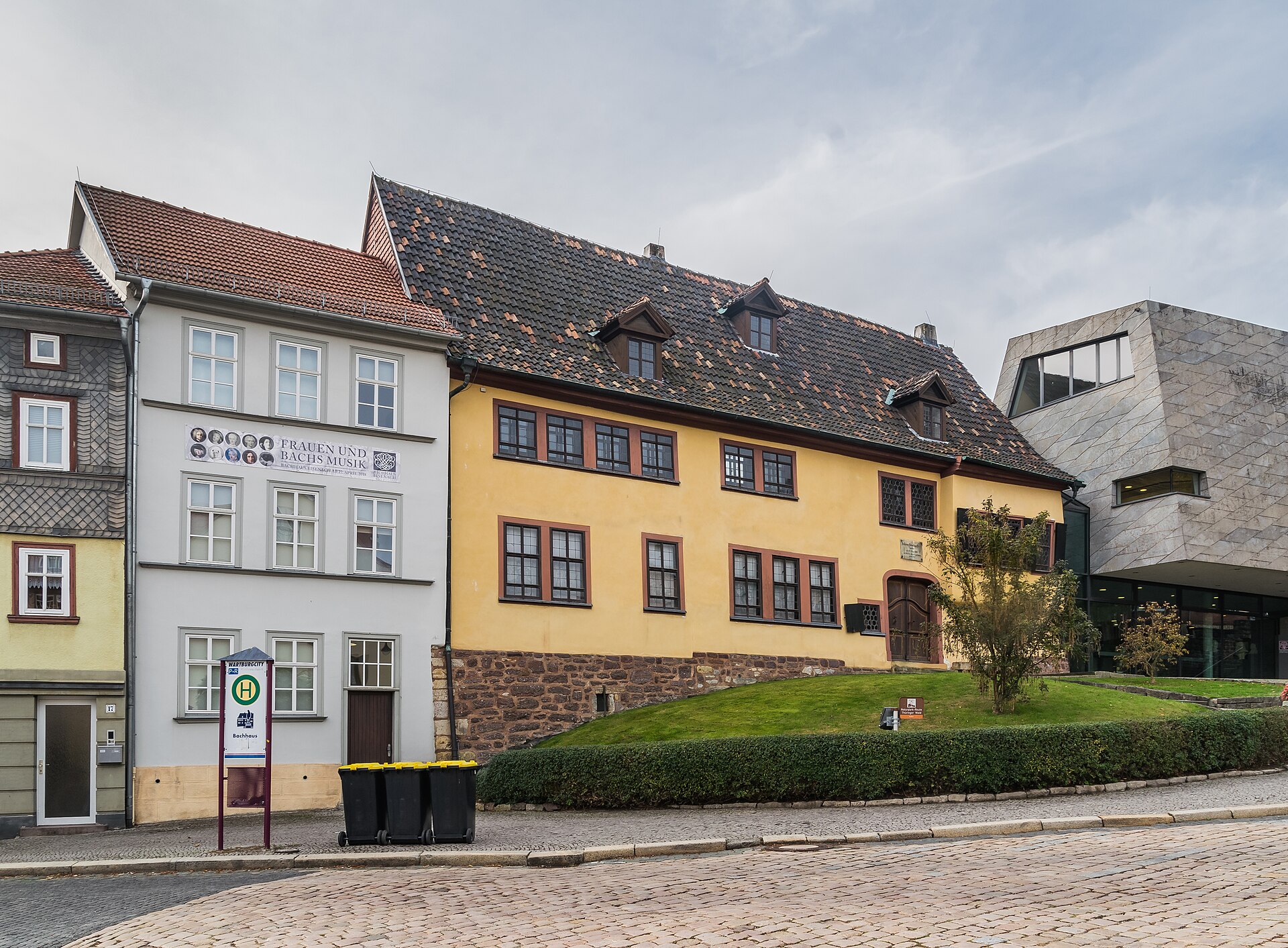
Wikimedia Commons · Creative Commons Attribution-ShareAlike 4.0 International · file Bach was born into Eisenach’s established family of professional musicians. The date is expressed in the Gregorian New Style calendar. The source records 21 March 1685 Old Style, equivalent to 31 March 1685 New Style. Coordinates represent Eisenach.
Documented at Ohrdruf Lyceum
· Ohrdruf, Thuringia, Germany
After being orphaned, Bach lived with his elder brother Johann Christoph in Ohrdruf and attended the town’s respected Latin school. Coordinates represent central Ohrdruf because the historical school building is no longer extant.
Moved to Lüneburg
· St Michael’s School, Lüneburg, Lower Saxony, Germany
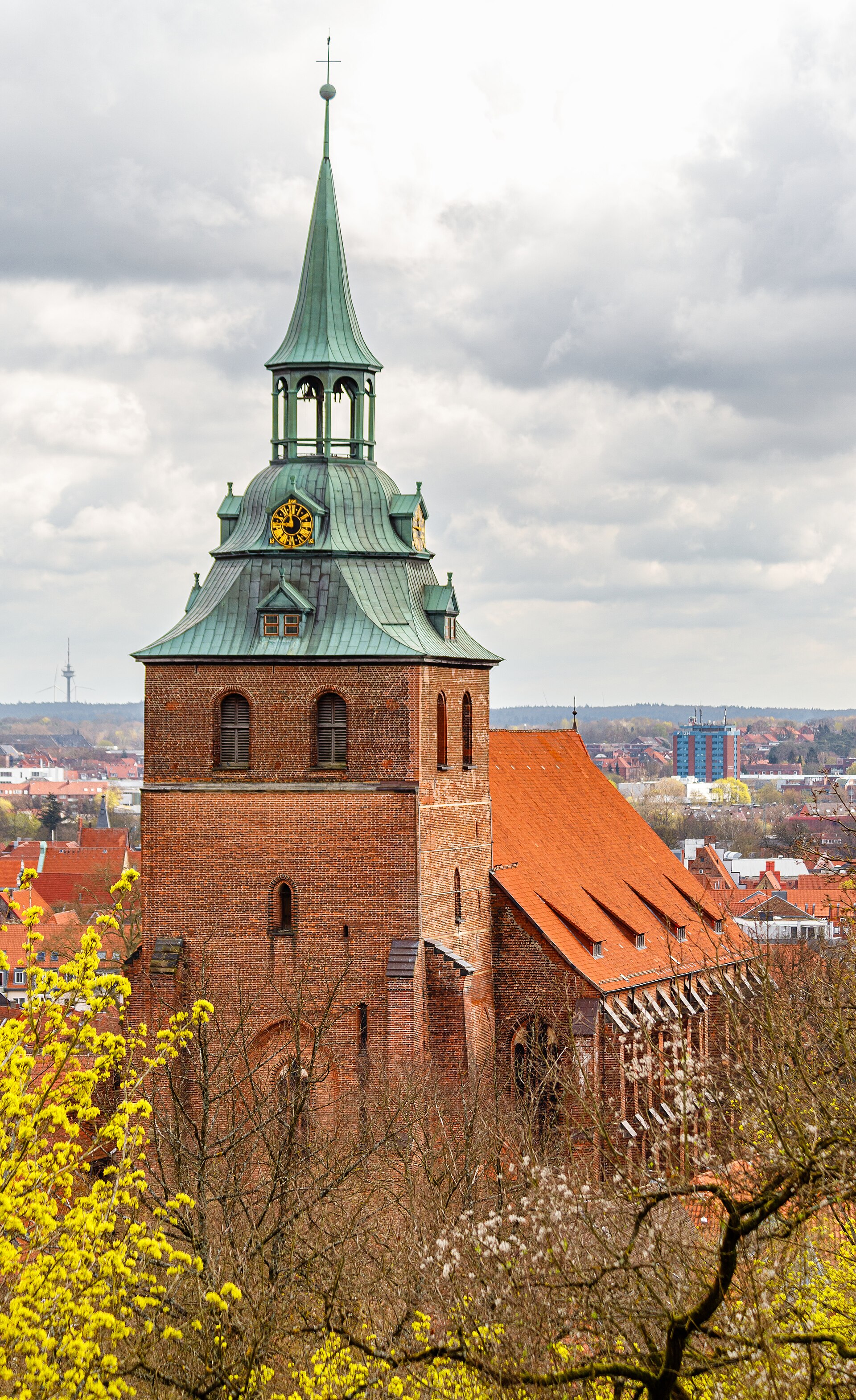
Wikimedia Commons · Creative Commons Attribution-ShareAlike 4.0 International · file Bach left Ohrdruf for Lüneburg, where he continued his schooling and musical training at St Michael’s School. The Latin record states that Bach transferred to Lüneburg. Coordinates represent St Michael’s Church and the former monastic school precinct.
Examined Arnstadt’s new organ
· Bach Church, Arnstadt, Thuringia, Germany
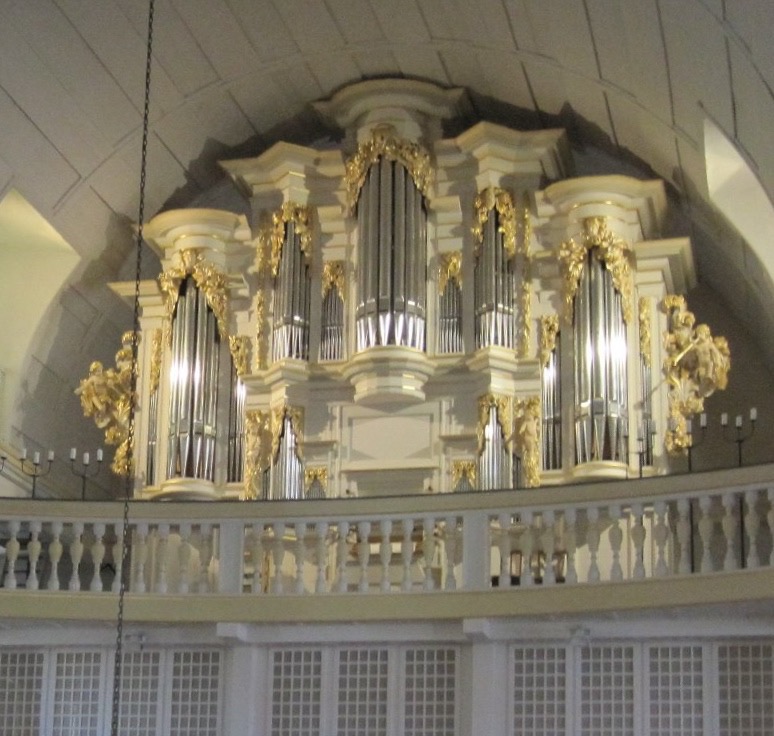
Wikimedia Commons · Creative Commons Attribution-ShareAlike 3.0 Unported · file Bach was brought from Weimar to test Johann Friedrich Wender’s new organ at Arnstadt’s New Church, an engagement that preceded his appointment there. The New Church is now called the Bach Church.
Returned from extended Lübeck study
· St Mary’s Church, Lübeck, Schleswig-Holstein, Germany
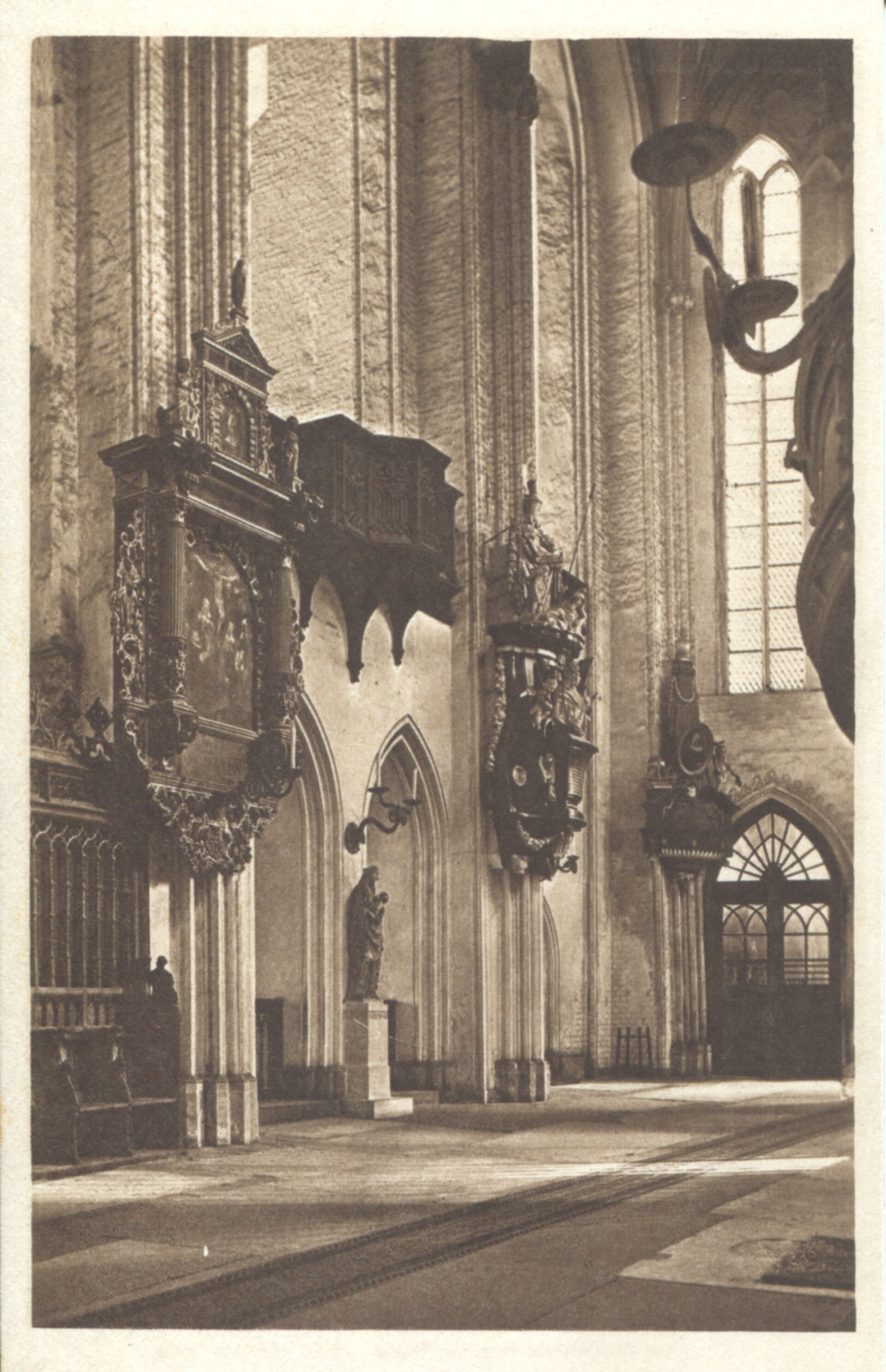
Wikimedia Commons · Creative Commons Attribution-ShareAlike 3.0 Unported · file While employed at Arnstadt, Bach spent several months in Lübeck studying North German organ music, especially the work of Dieterich Buxtehude. This retrospective testimony was recorded on 21 February 1706. The visit began in late 1705 and extended into early 1706.
Accepted Mühlhausen organist post
· Divi Blasii Church, Mühlhausen, Thuringia, Germany
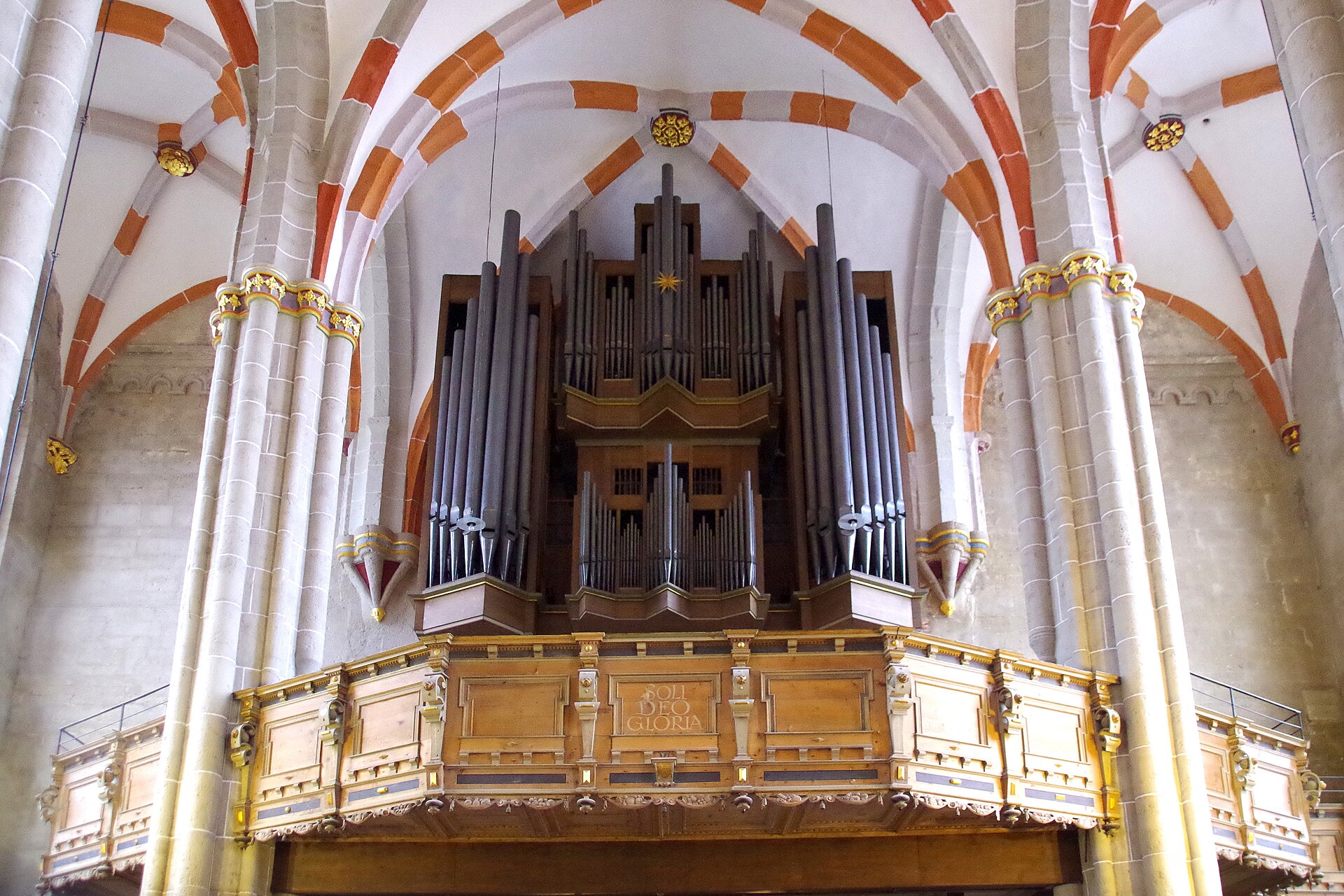
Wikimedia Commons · Creative Commons Attribution-ShareAlike 4.0 International · file Bach appeared before Mühlhausen officials to negotiate his appointment as organist of Divi Blasii, marking his move from Arnstadt.
Married Maria Barbara in Dornheim
· St Bartholomew Church, Dornheim, Thuringia, Germany
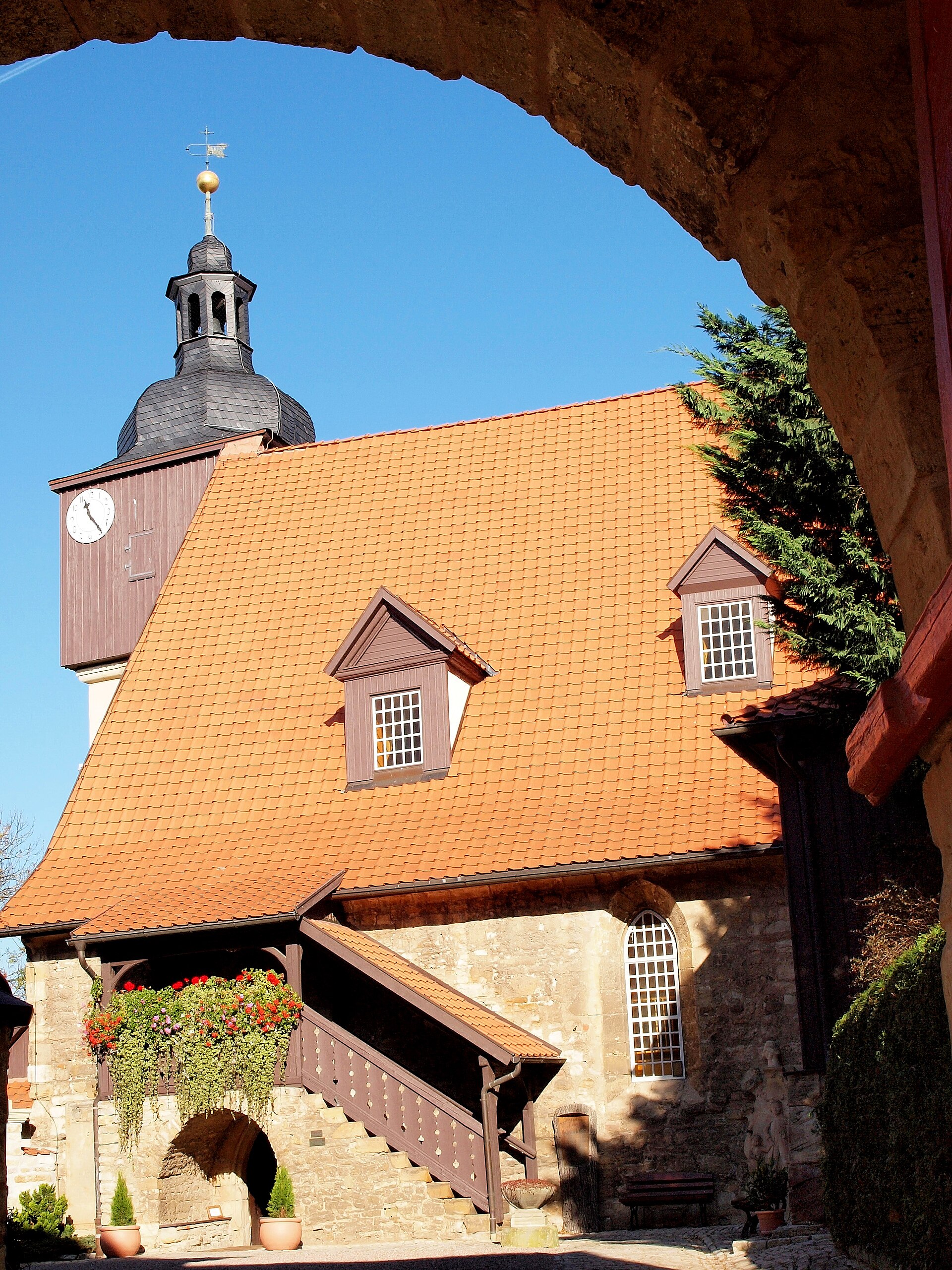
Wikimedia Commons · Creative Commons Attribution-ShareAlike 4.0 International · file Bach married his second cousin Maria Barbara Bach in the village church at Dornheim during his Mühlhausen tenure. The historical notation “17 8br” means 17 October.
Lived in the Weldig house
· Market Square, Weimar, Thuringia, Germany
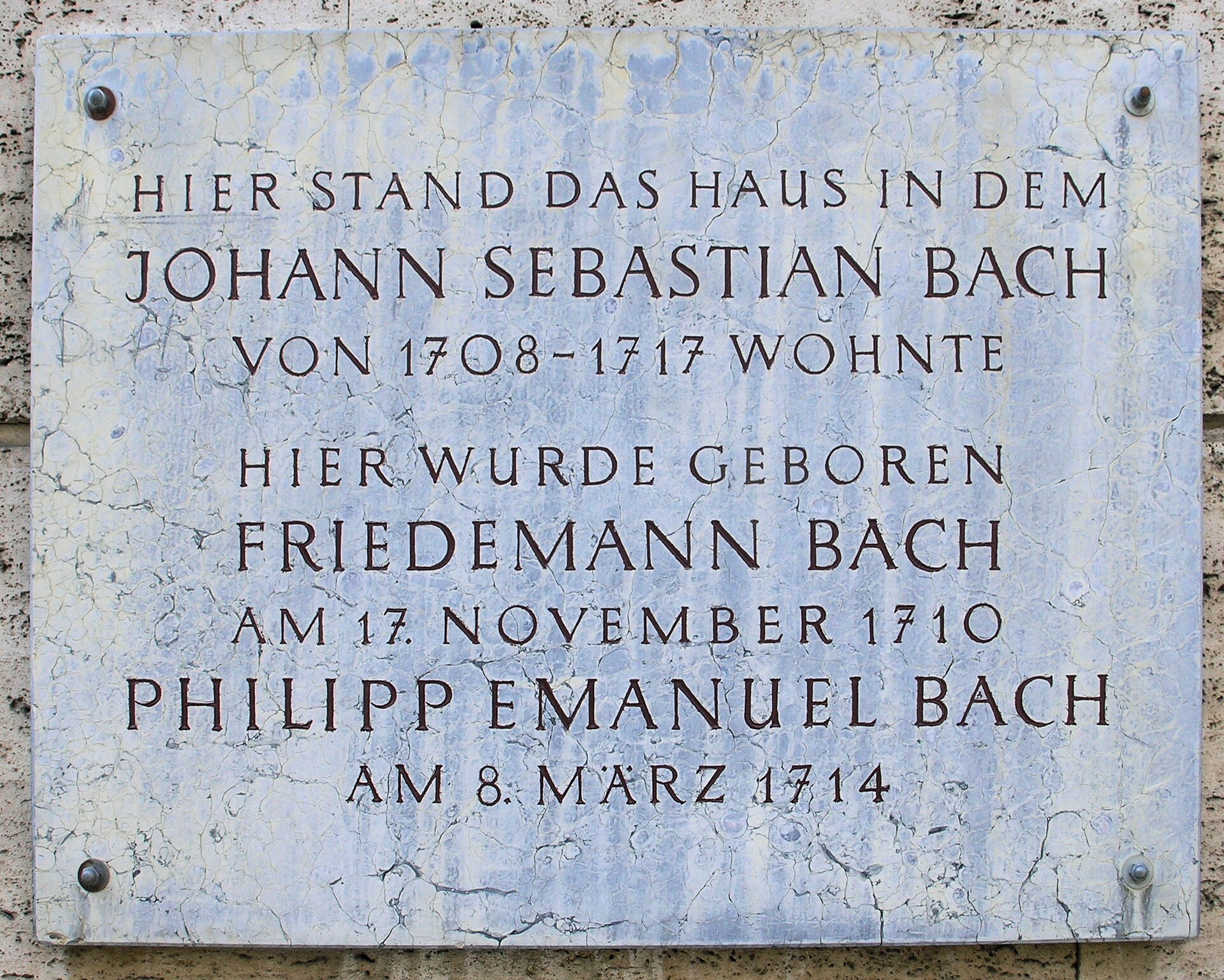
Wikimedia Commons · Creative Commons Attribution-ShareAlike 3.0 Unported · file A Weimar household-tax register places Bach, his wife, and her sister in Court Master Weldig’s house on the market square. The precise footprint of the Weldig house is uncertain; coordinates represent Weimar’s market square.
Imprisoned in Weimar
· Weimar, Thuringia, Germany
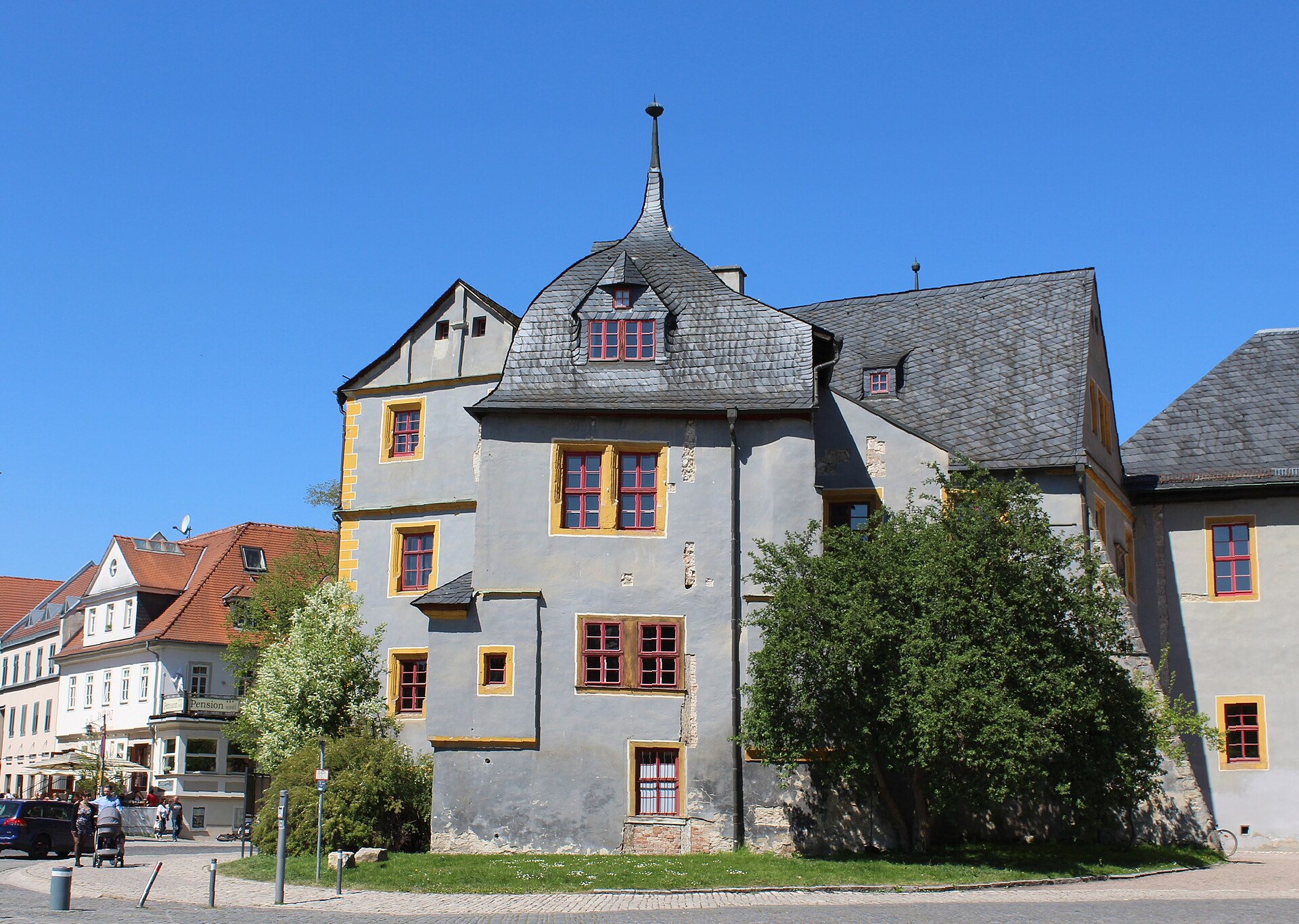
Wikimedia Commons · Creative Commons Attribution-ShareAlike 4.0 International · file After pressing Duke Wilhelm Ernst for dismissal, Bach was confined in the regional judge’s detention room until 2 December 1717. The exact location of the historical Landrichter-Stube is uncertain; coordinates represent central Weimar.
Started work at Köthen court
· Köthen, Saxony-Anhalt, Germany
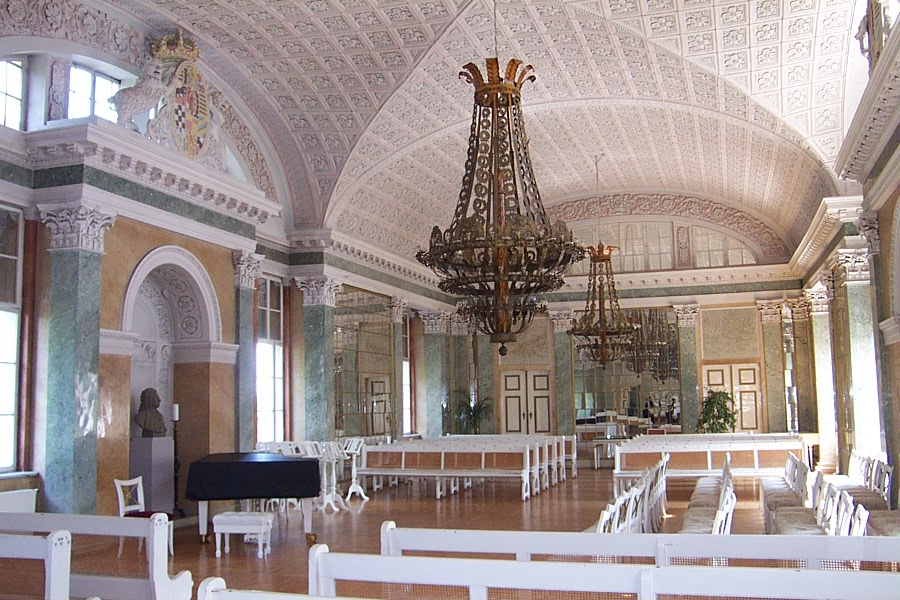
Wikimedia Commons · Creative Commons Attribution-ShareAlike 3.0 Unported · file Released from Weimar detention, Bach relocated to Köthen to serve Prince Leopold as Kapellmeister and director of chamber music. The source supports December 1717 but not a specific arrival day. Coordinates represent Köthen.
Inspected Leipzig university organ
· Former Paulinerkirche, Augustusplatz, Leipzig, Saxony, Germany
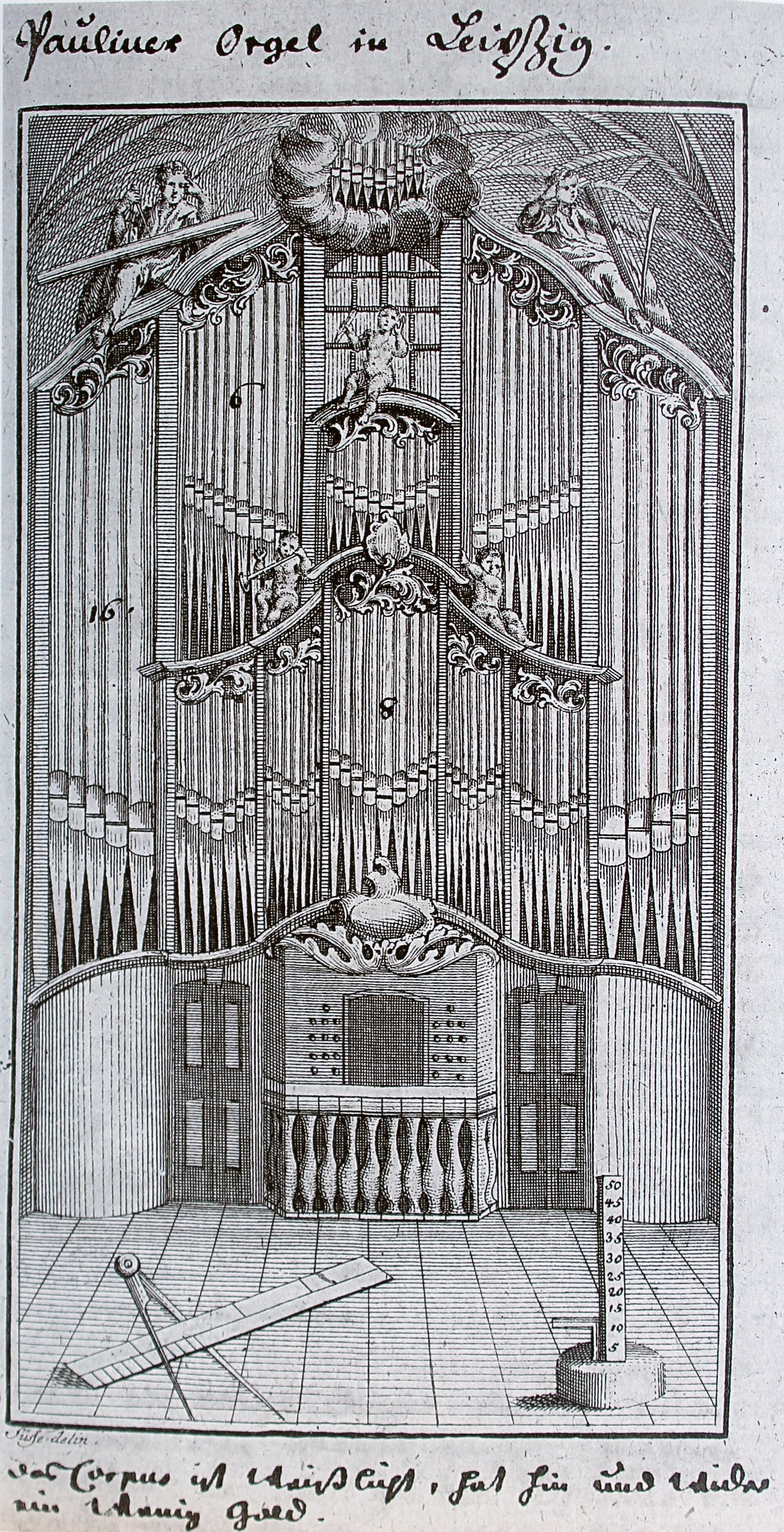
Wikimedia Commons · Public domain; Creative Commons Public Domain Mark 1.0 · file Soon after leaving Weimar, Bach examined the rebuilt organ of Leipzig University’s Paulinerkirche and submitted a detailed signed assessment. The historical church was demolished in 1968; coordinates mark its former site on Augustusplatz.
Traveled to Berlin for a harpsichord
· Berlin, Germany
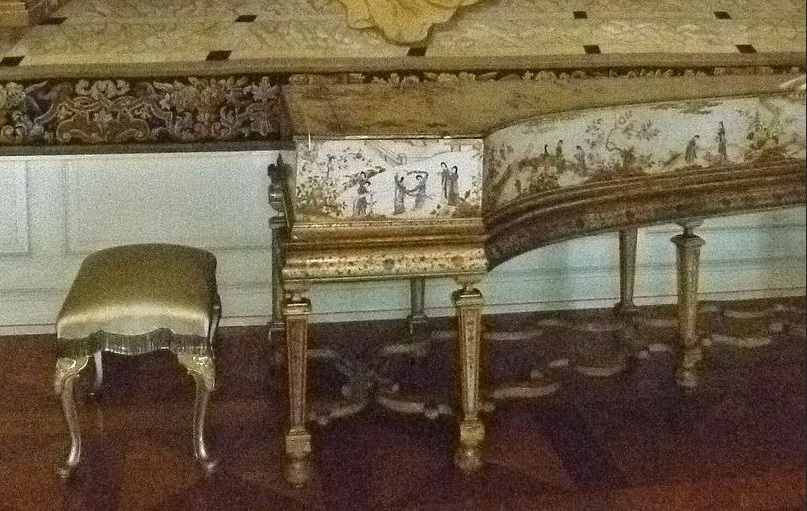
Wikimedia Commons · Creative Commons Attribution-ShareAlike 3.0 Unported · file Bach went to Berlin to acquire a new harpsichord for the Köthen court, a journey associated with his contact with Margrave Christian Ludwig. The source gives autumn 1718; other scholarly chronologies place the negotiations in early 1719. Coordinates represent the historic royal-palace area.
Accompanied Prince Leopold to Carlsbad
· Karlovy Vary, Karlovy Vary Region, Czech Republic
Bach traveled outside the German territories as part of Prince Leopold’s musical entourage during a spa visit to Carlsbad. The stay lasted about five weeks. Coordinates represent the historic spa center.
Auditioned in Hamburg
· Hamburg, Germany
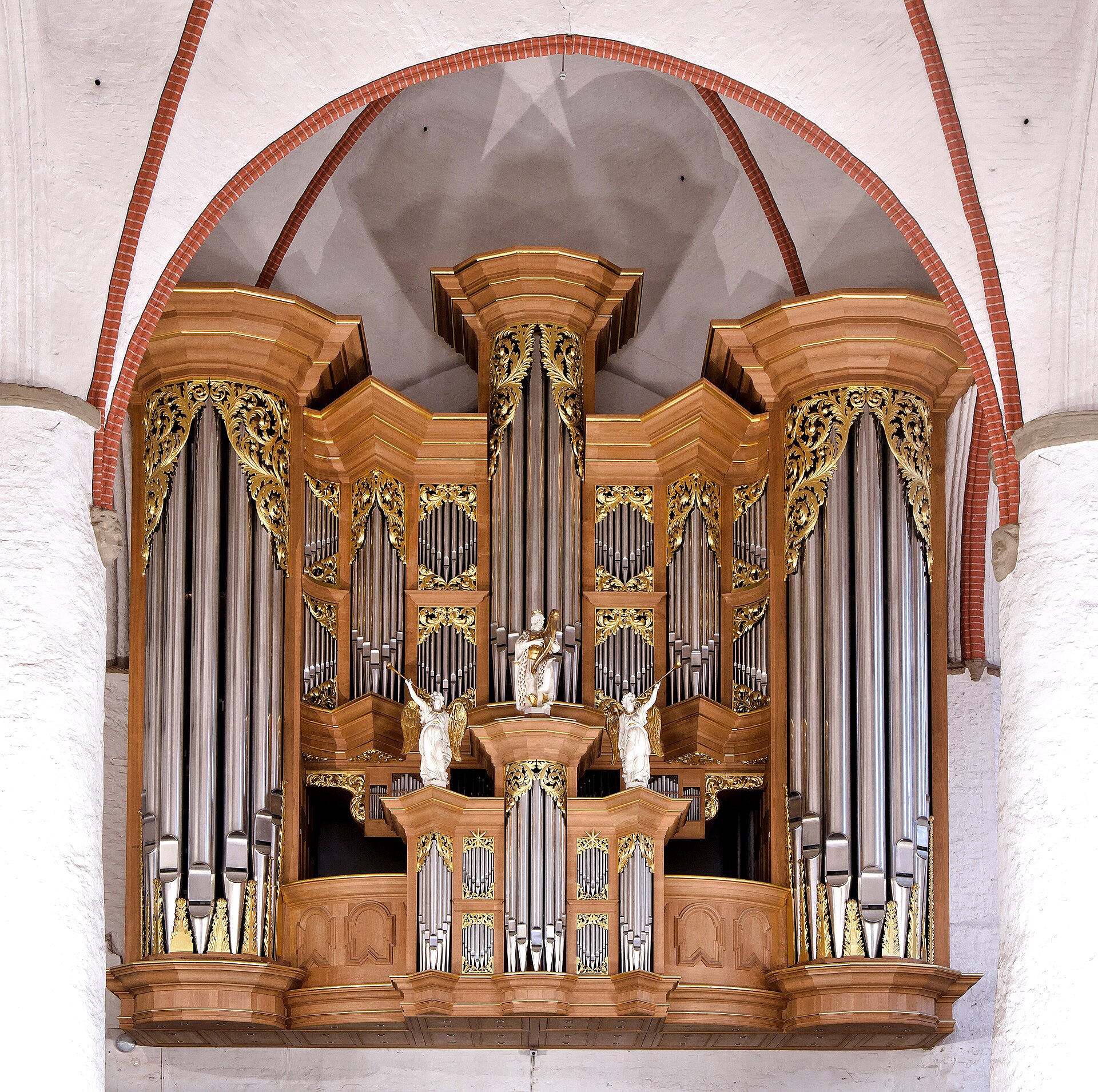
Wikimedia Commons · Creative Commons Attribution-ShareAlike 3.0 Unported; GNU Free Documentation License · file In the autumn Bach traveled to Hamburg while considering the vacant organist position at St James’s Church and demonstrated his organ playing in the city. The visit occurred around November 1720. The quoted source does not specify the exact venue, so coordinates represent Hamburg.
Returned to Carlsbad with the court
· Karlovy Vary, Karlovy Vary Region, Czech Republic
Bach again accompanied Prince Leopold to the Bohemian spa. On returning to Köthen, he learned that Maria Barbara had died and been buried during his absence. The trip occurred from approximately late May until after 7 July 1720; the source does not establish exact arrival and departure dates.
Married Anna Magdalena at home
· Köthen, Saxony-Anhalt, Germany
Bach and the Köthen court singer Anna Magdalena Wilcke were married in Bach’s lodgings by princely authorization. Bach’s precise Köthen residence at the time remains uncertain; coordinates represent the town center.
Moved household to Leipzig
· St Thomas School, Leipzig, Saxony, Germany
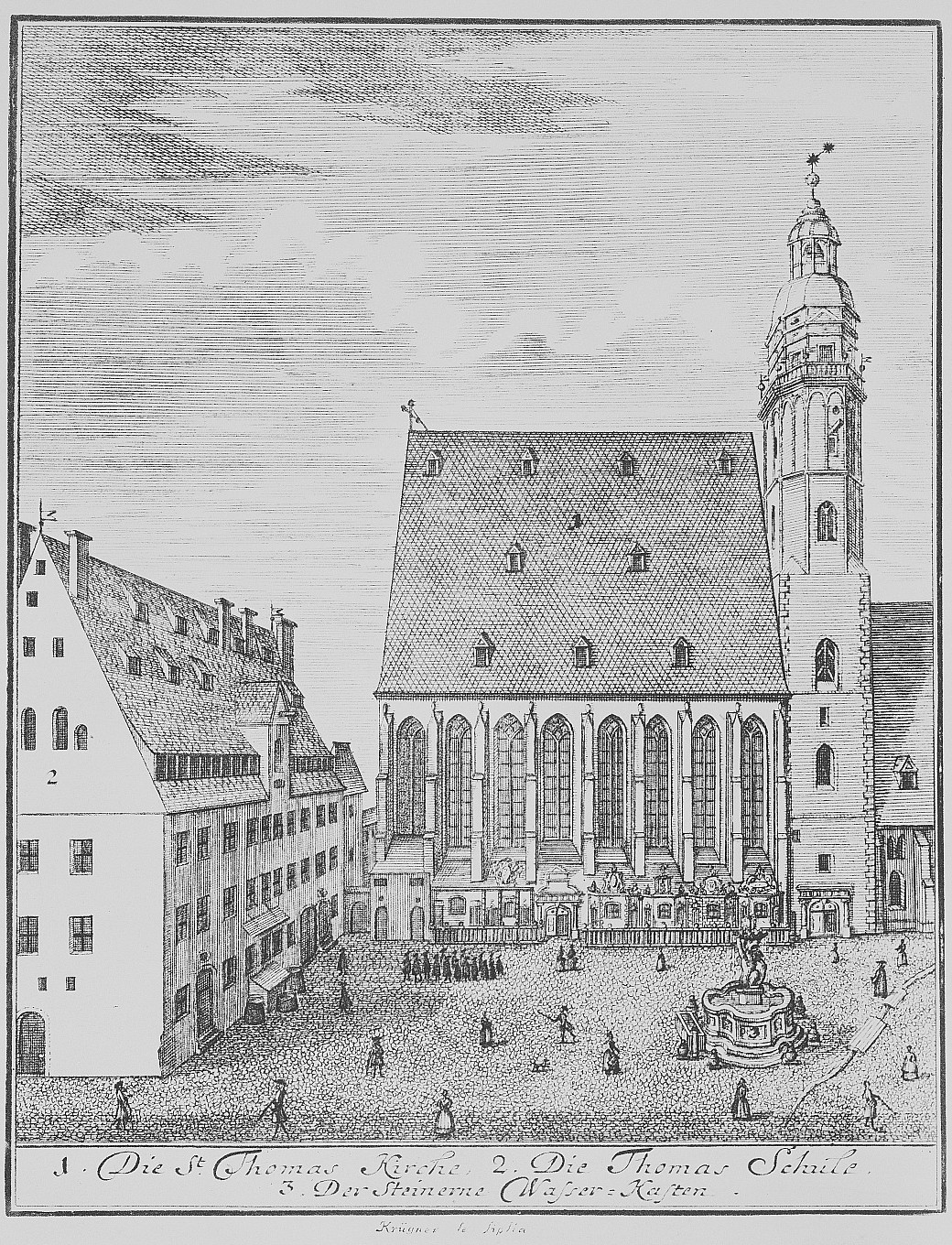
Wikimedia Commons · Public domain; Creative Commons Public Domain Mark 1.0 · file Bach arrived in Leipzig with his family and household possessions to begin the Thomaskantorate that he would hold for the rest of his life. Coordinates mark the historic St Thomas School precinct beside St Thomas Church.
Returned to perform at Köthen
· Köthen Castle, Köthen, Saxony-Anhalt, Germany
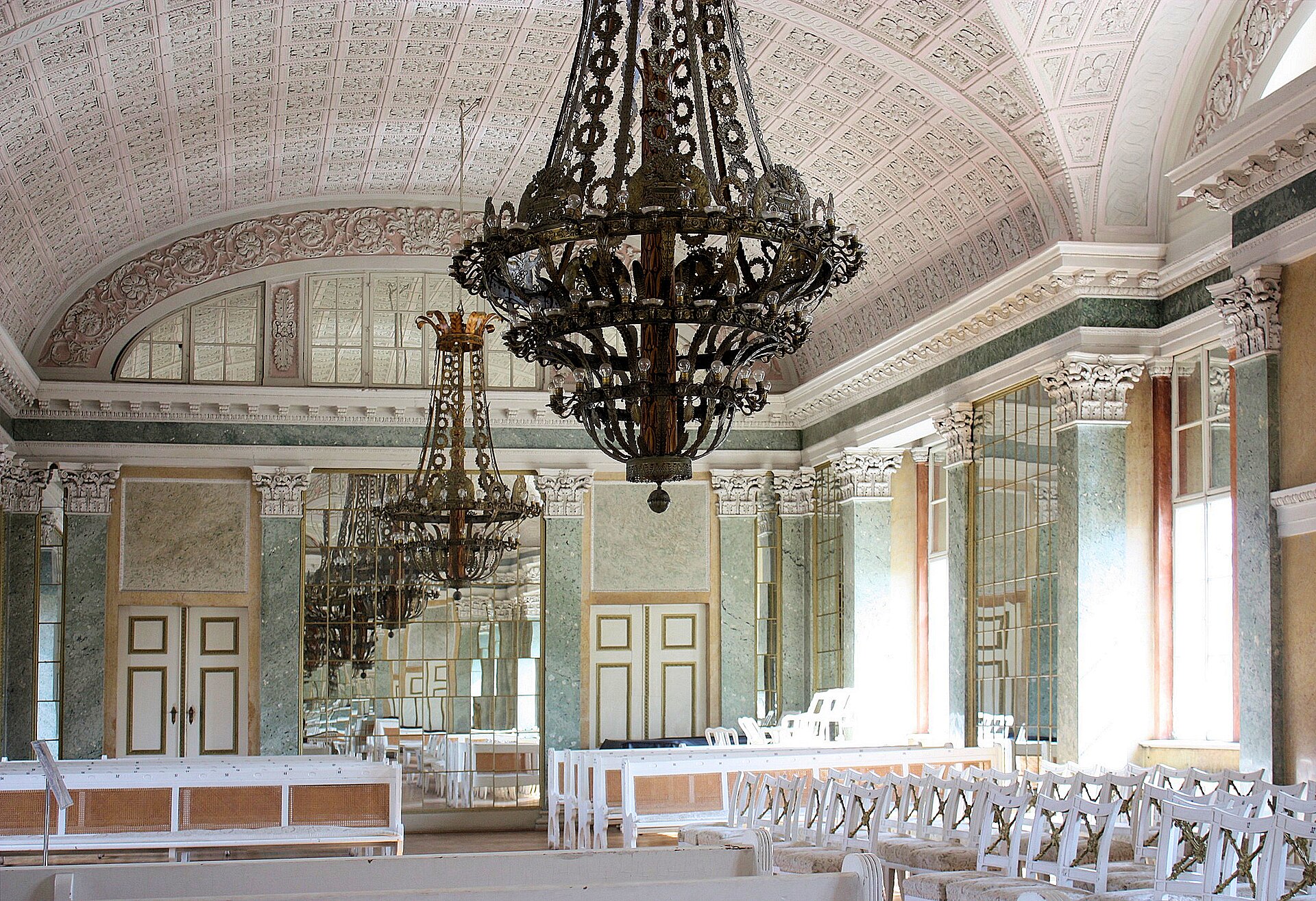
Wikimedia Commons · Creative Commons Attribution-ShareAlike 4.0 International · file After relocating to Leipzig, Johann Sebastian and Anna Magdalena Bach returned to Köthen for a paid guest performance, reflecting continued court ties. The record establishes Köthen but not the particular performance room; coordinates represent Köthen Castle.
Made another Köthen guest appearance
· Köthen Castle, Köthen, Saxony-Anhalt, Germany
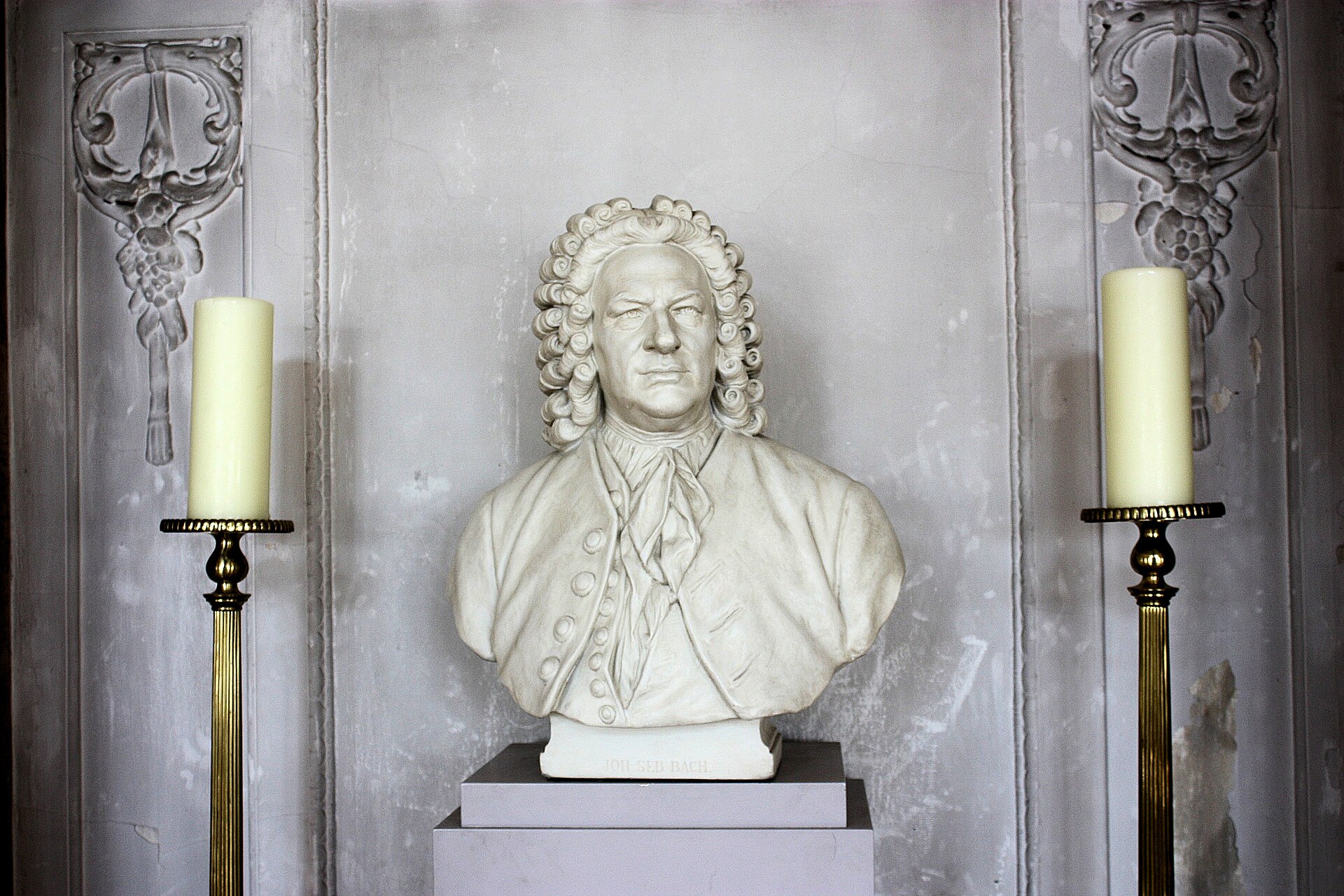
Wikimedia Commons · Creative Commons Attribution-ShareAlike 4.0 International · file A surviving payment record documents another guest engagement by Bach at his former Köthen court shortly before Prince Leopold’s death. The record does not identify the exact room or program; castle coordinates are representative.
Performed Prince Leopold’s memorial music
· St James’s Church, Köthen, Saxony-Anhalt, Germany
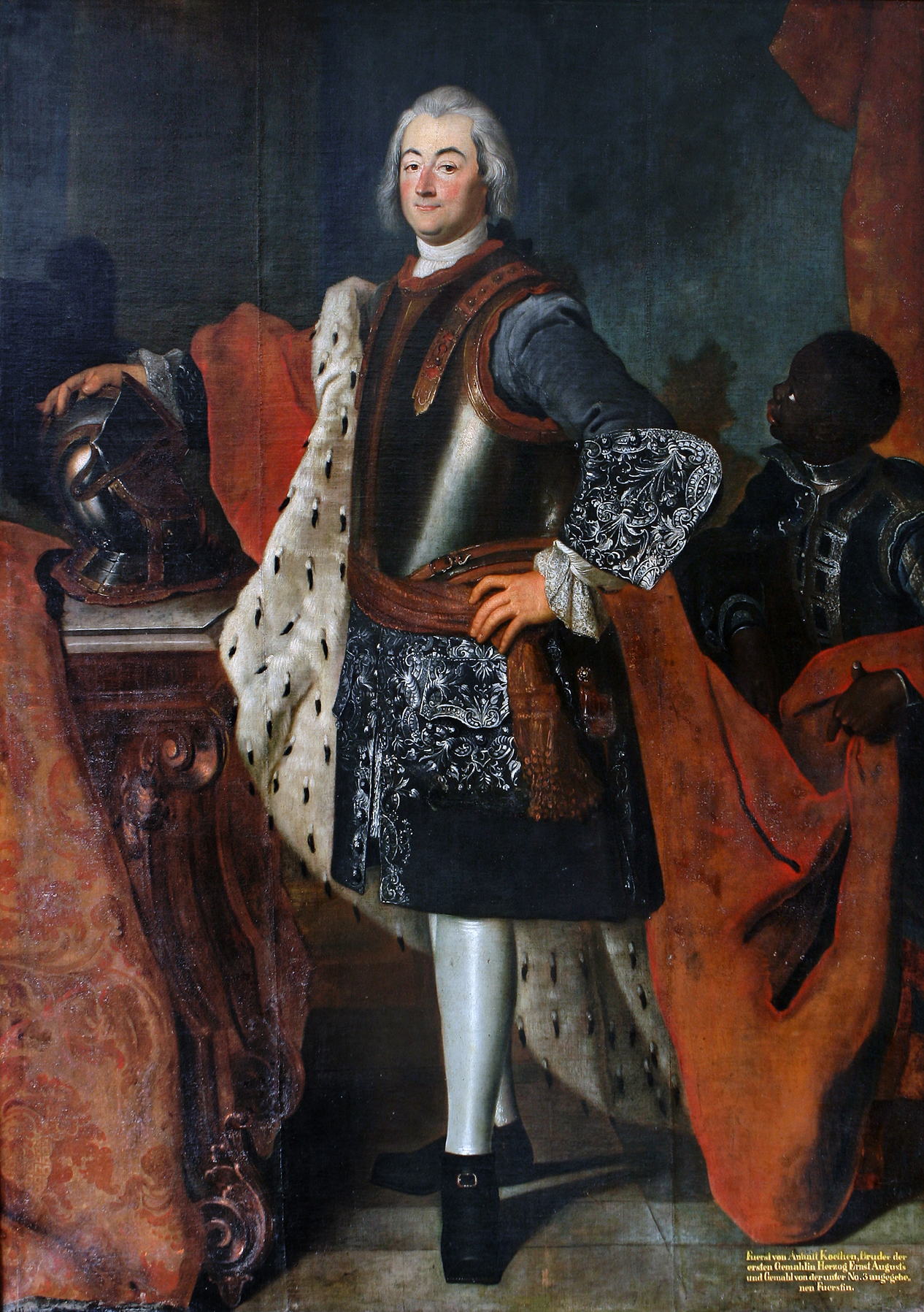
Wikimedia Commons · Public domain; Creative Commons Public Domain Mark 1.0 · file The day after Prince Leopold’s burial, Bach directed his large funeral cantata for his former patron during a memorial service at Köthen’s St James’s Church. The stated date, 24 March, follows directly from the source’s wording “one day after” the 23 March burial.
Examined the Kassel organ
· St Martin’s Church, Kassel, Hesse, Germany
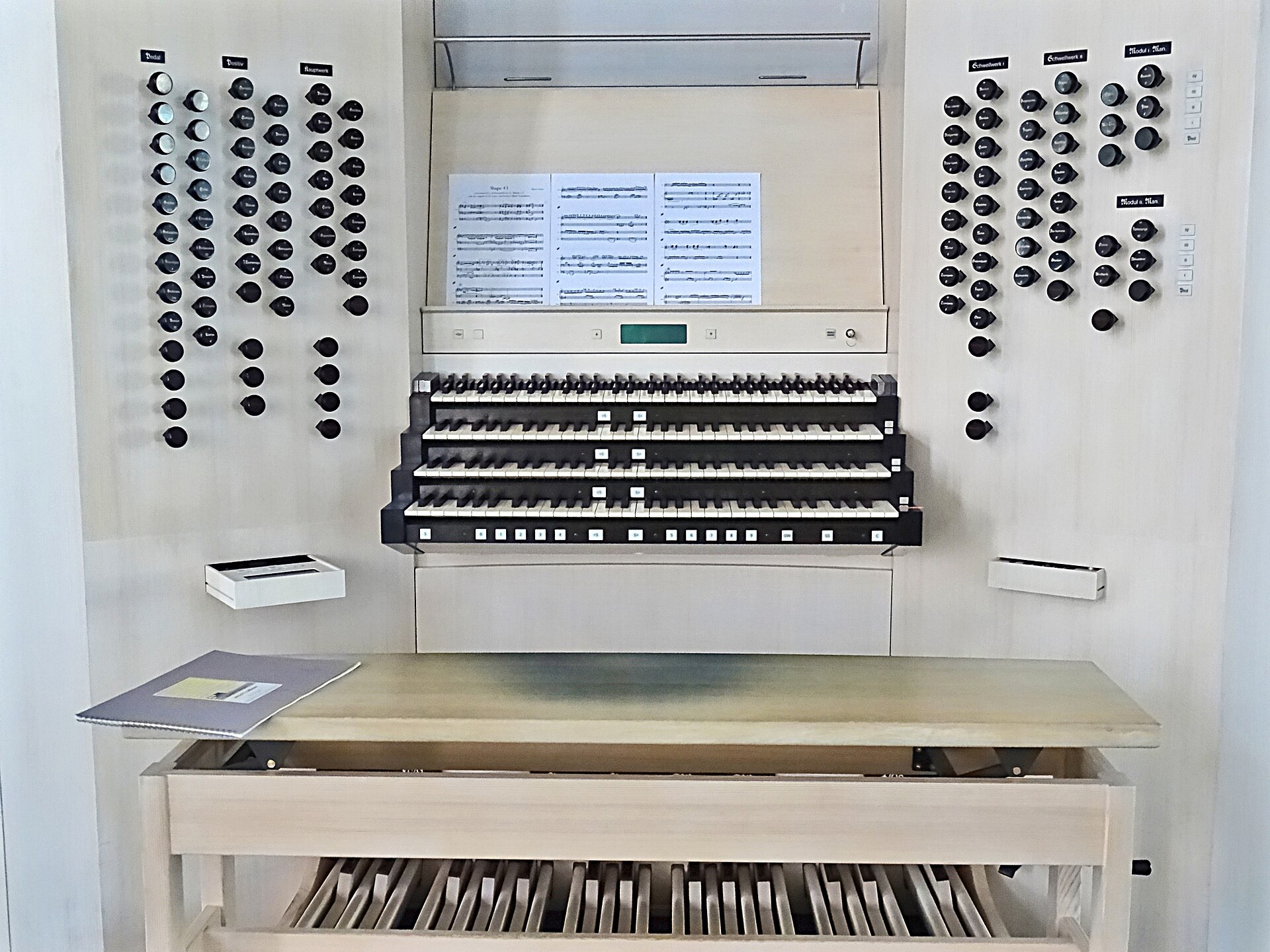
Wikimedia Commons · Creative Commons Attribution-ShareAlike 4.0 International · file Bach traveled with Anna Magdalena to Kassel for the examination and inauguration of the organ at St Martin’s Church. The source provides month-level precision. Coordinates represent St Martin’s Church.
Stayed at the Stahl residence in Berlin
· Berlin, Germany
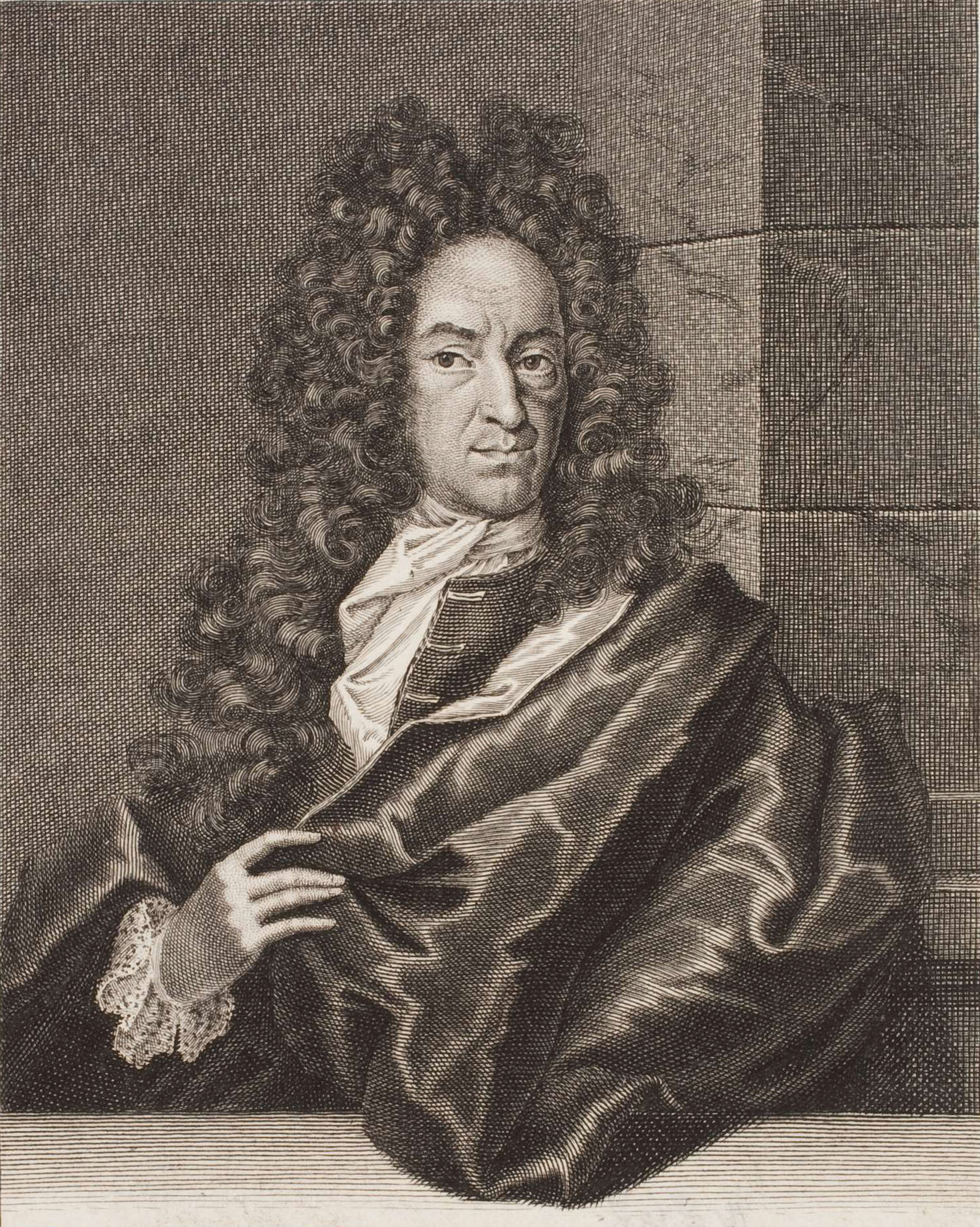
Wikimedia Commons · Public domain; Creative Commons Public Domain Mark 1.0 · file On his first documented Berlin journey, Bach stayed with court physician Georg Ernst von Stahl, probably while visiting his son Carl Philipp Emanuel. The historical location of Stahl’s residence is not securely identified; coordinates represent central Berlin.
Played before Frederick the Great
· Potsdam City Palace, Potsdam, Brandenburg, Germany
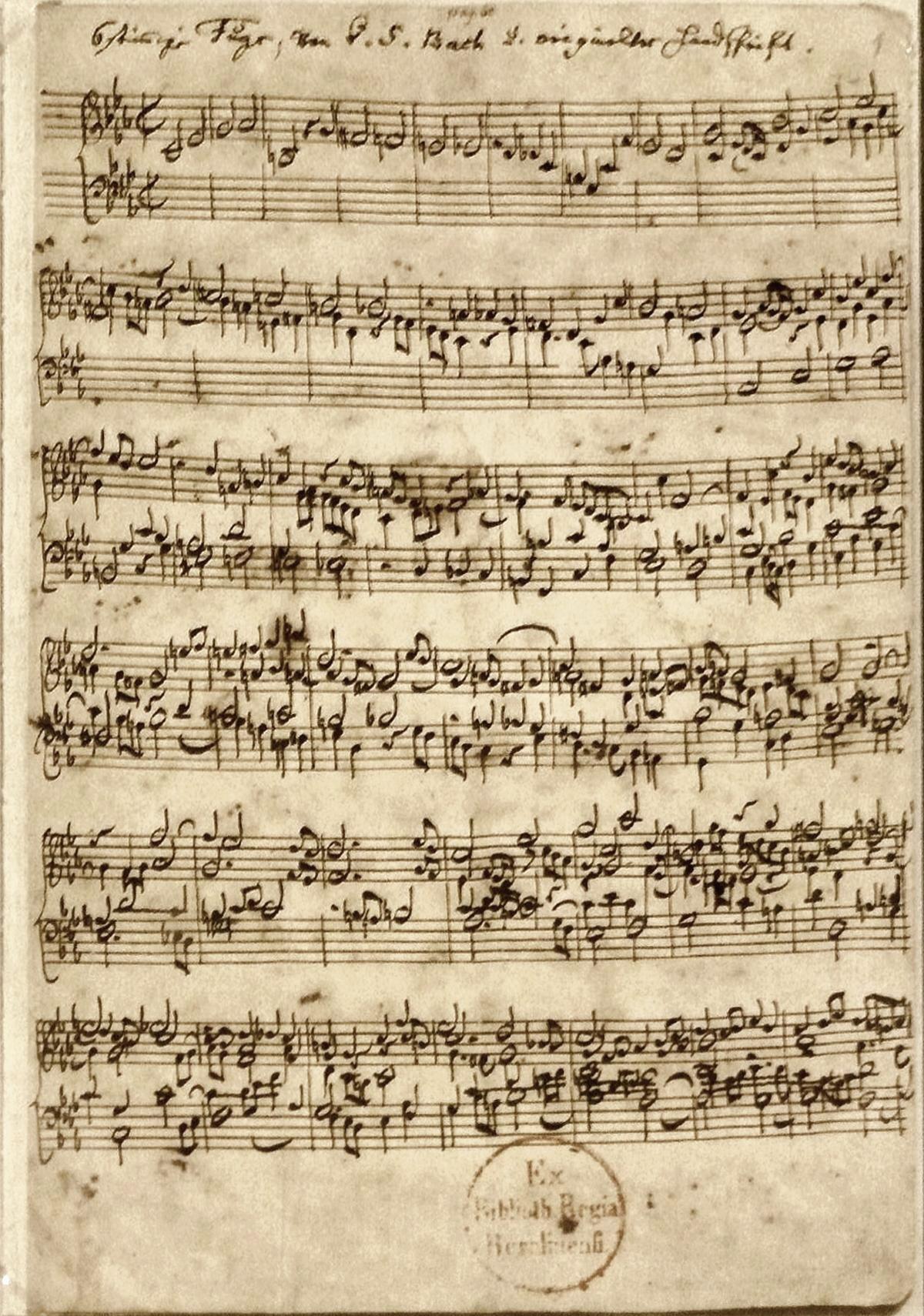
Wikimedia Commons · Public domain · file During his celebrated Prussian journey, Bach performed at Frederick the Great’s court in Potsdam and improvised on a theme supplied by the king, inspiring The Musical Offering. The contemporary obituary supports the year; other documentation dates the royal encounter to 7 May 1747. Coordinates mark Potsdam City Palace.
Died in Leipzig
· St Thomas School, Leipzig, Saxony, Germany
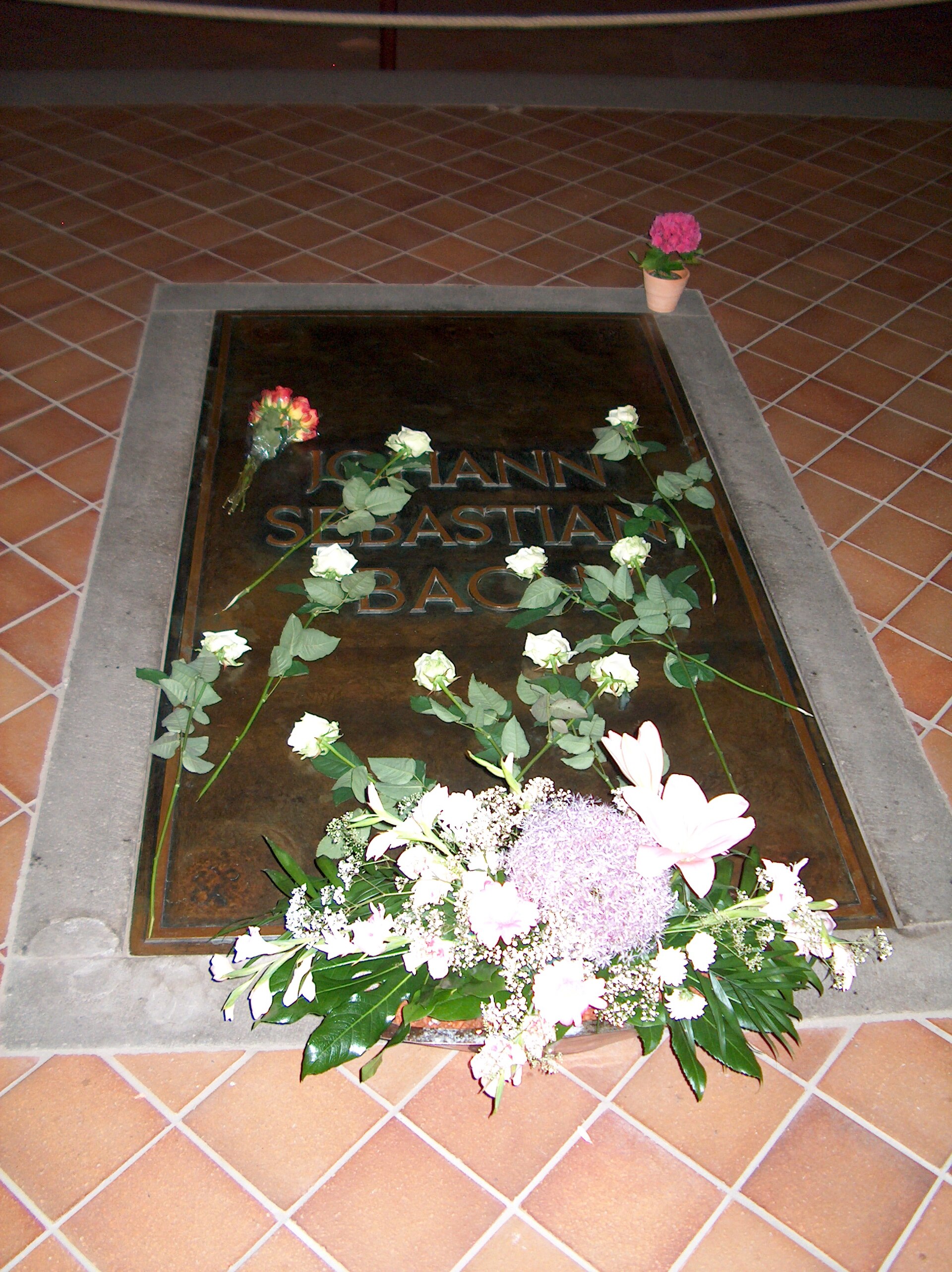
Wikimedia Commons · GNU Free Documentation License, Version 1.2 or any later version · file Bach died in Leipzig after declining health, unsuccessful eye treatment, and a stroke, ending his twenty-seven-year tenure as Thomaskantor. Bach is understood to have died in the cantor’s residence within the historic St Thomas School; the building was later demolished.