
13 moments
Birth in Venice
· Venice, Republic of Venice (present-day Italy)
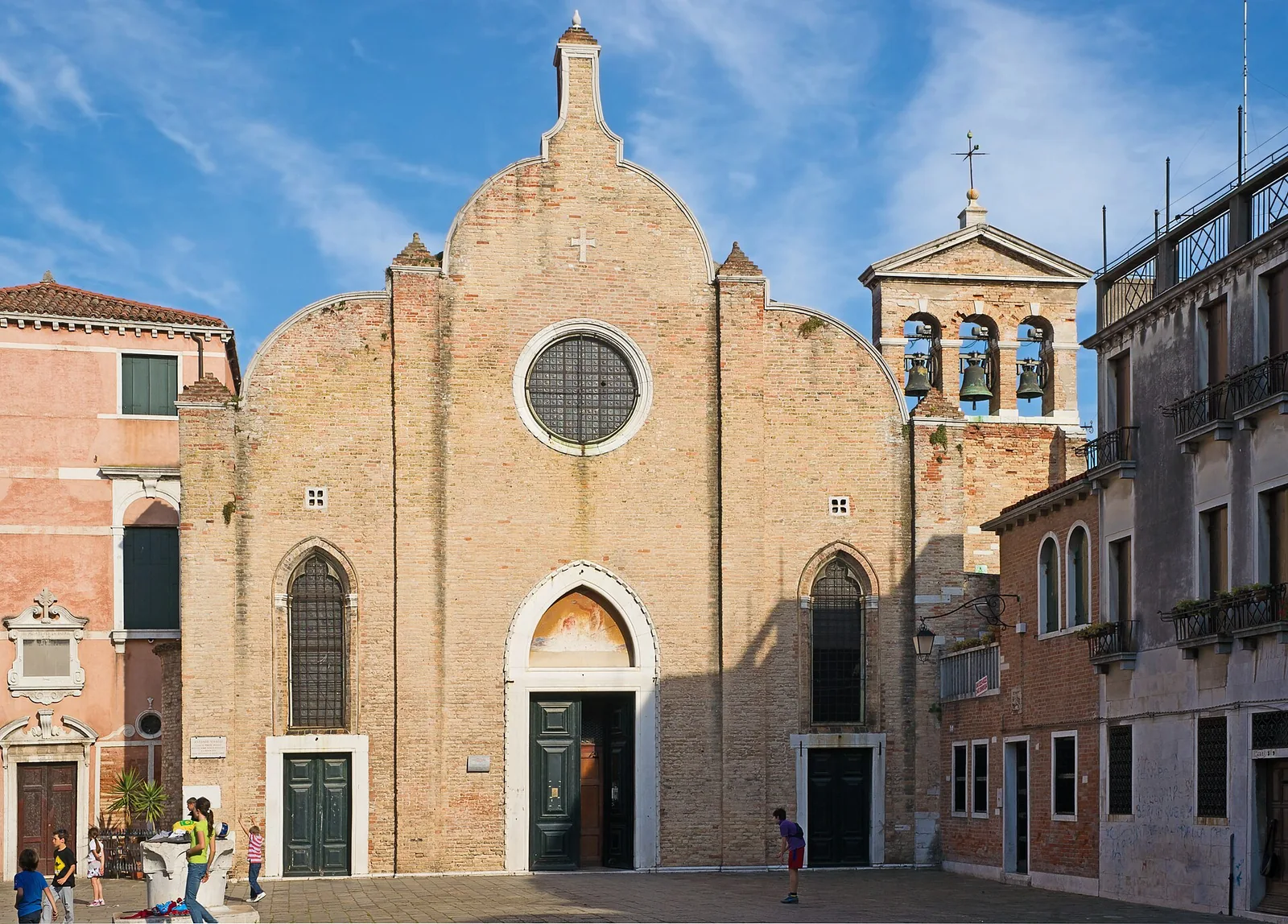
Wikimedia Commons · Creative Commons Attribution-Share Alike 4.0 International · file Antonio Vivaldi was born in Venice, then the capital of the Republic of Venice. His birth house is not securely identified; coordinates represent central Venice.
Violin teacher at the Ospedale della Pietà
· Ospedale della Pietà, Venice, Italy
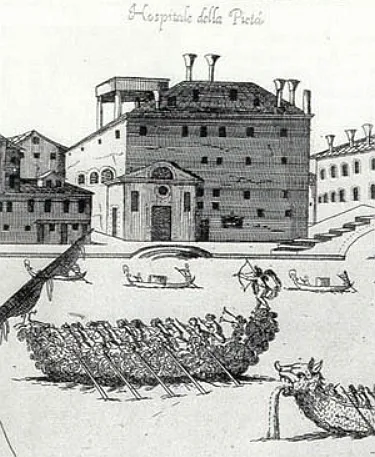
Wikimedia Commons · Public domain · file Vivaldi began his documented career at Venice's Ospedale della Pietà as its maestro di violino, the institution with which he remained associated for much of his working life.
Religious-festival visit to Brescia
· Brescia, Italy
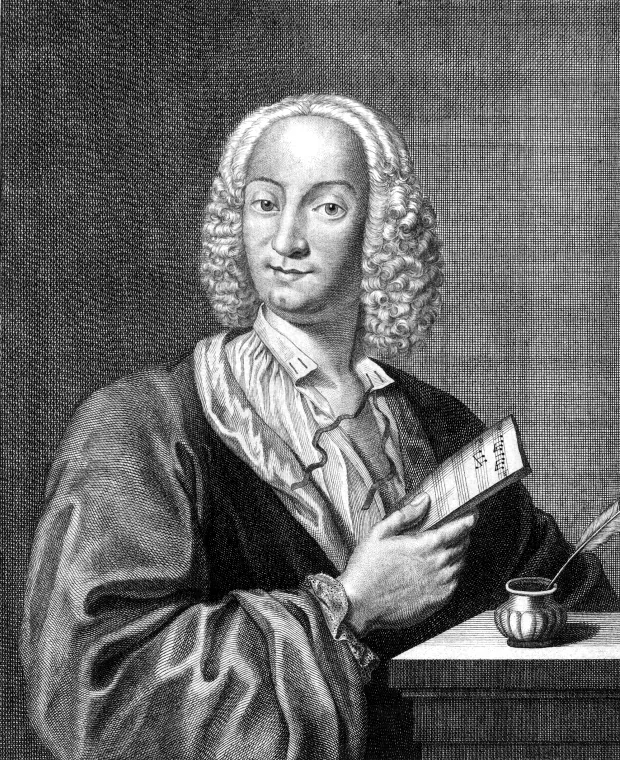
Wikimedia Commons · Public domain · file Vivaldi traveled with his father to Brescia for a religious festival associated with his Stabat Mater. The source identifies February but not a specific day.
Performance at the Basilica of Saint Anthony
· Basilica of Saint Anthony of Padua, Padua, Italy
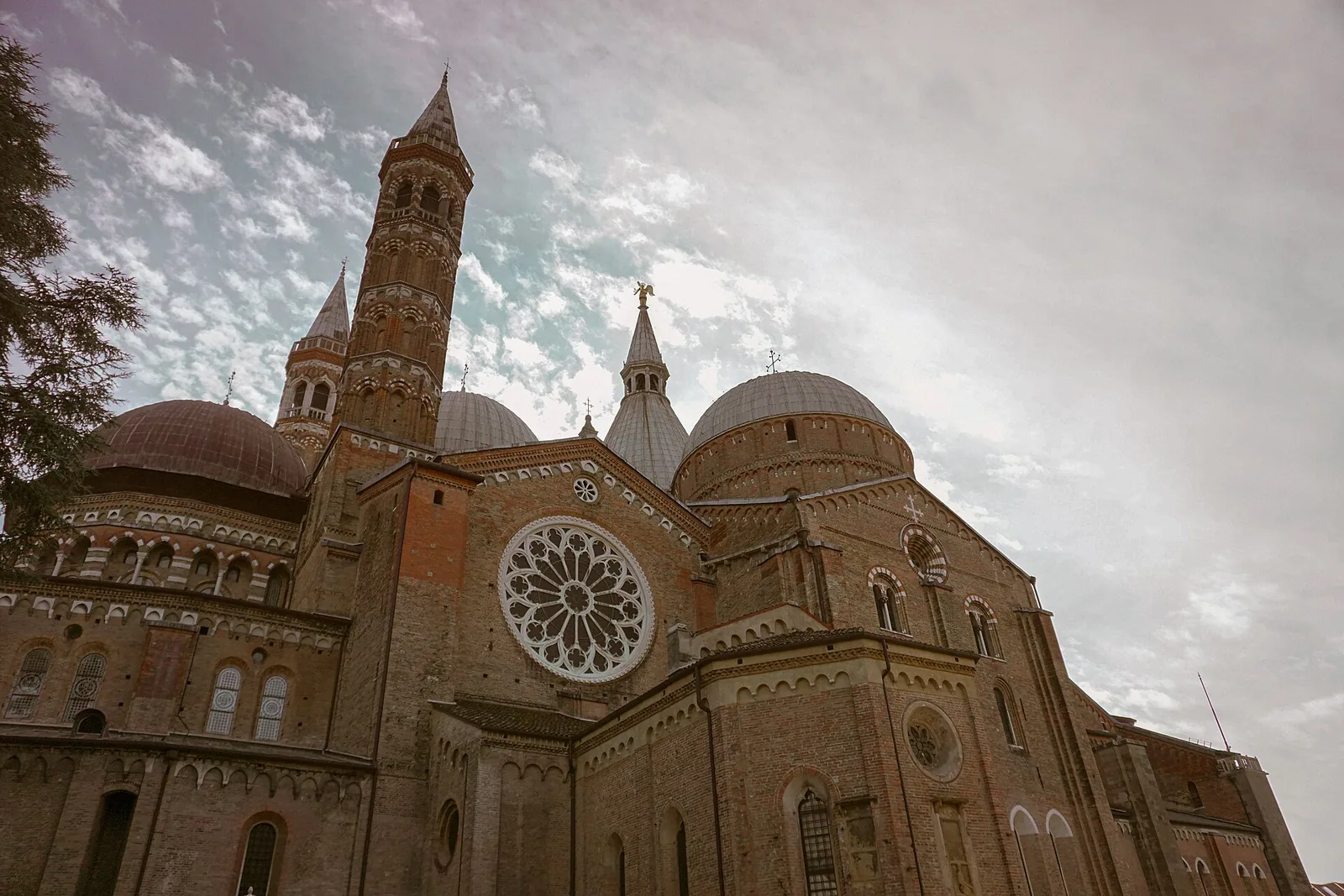
Wikimedia Commons · Creative Commons CC0 1.0 Universal Public Domain Dedication · file Vivaldi performed his virtuoso violin concerto Per la solennità della S. lingua di S. Antonio at Padua's Basilica of Saint Anthony. The cited passage identifies the venue earlier as the Basilica of Saint Anthony; it gives month-level precision only.
Court appointment in Mantua
· Palazzo Ducale, Mantua, Italy
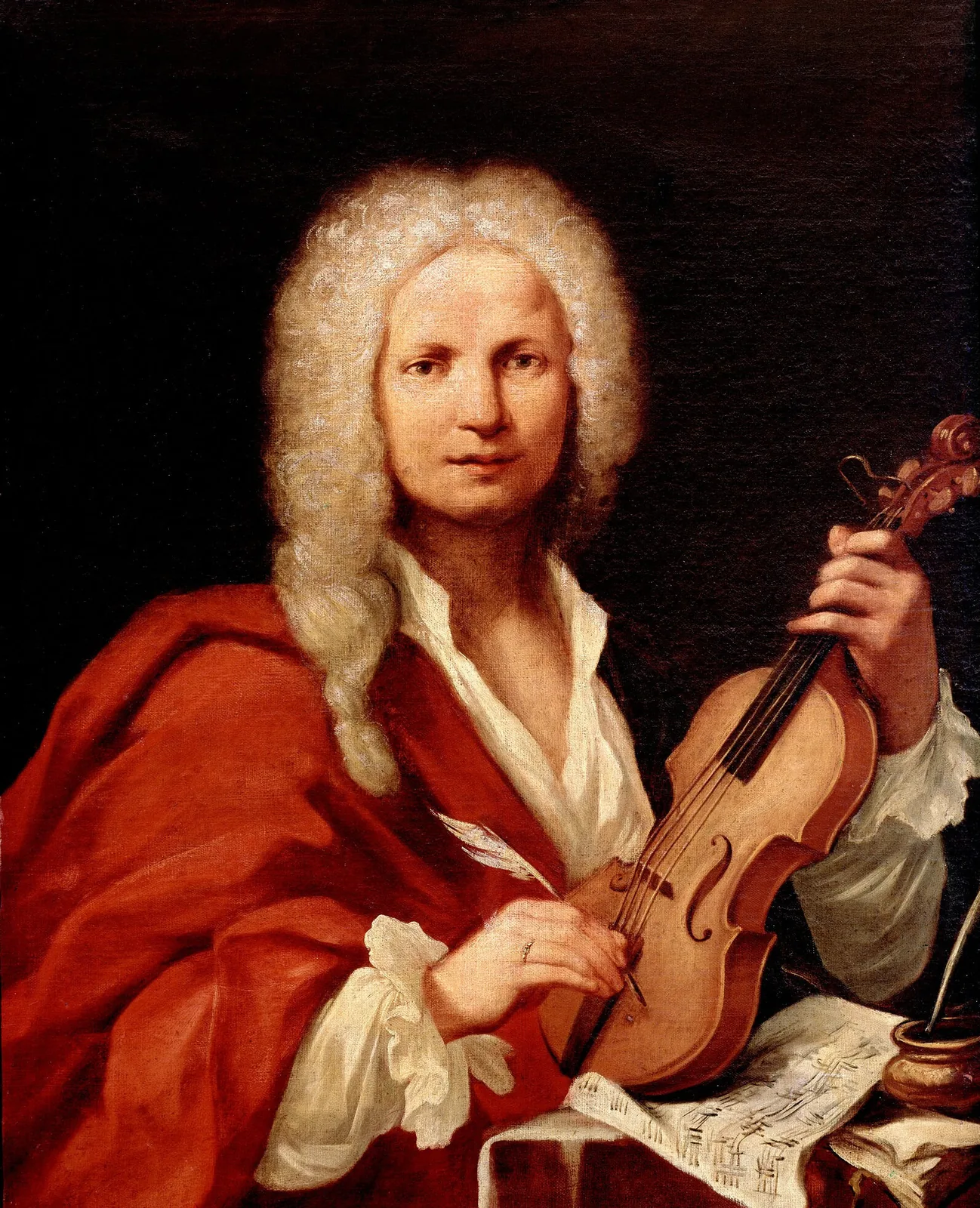
Wikimedia Commons · Public domain · file Vivaldi left Venice in spring 1718 to become maestro di cappella da camera to Prince Philip of Hesse-Darmstadt, governor of Mantua. This began his Mantuan court period. The source specifies spring 1718, for which the schema permits year precision only.
Return to Venice from Mantua
· Venice, Italy
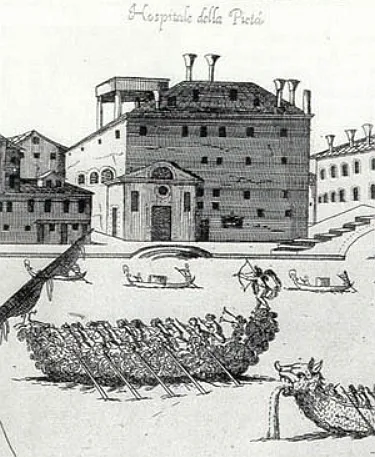
Wikimedia Commons · Public domain · file After his Mantuan court period, Vivaldi returned to Venice and re-established his position in its musical life. Coordinates represent central Venice.
Opera work in Milan
· Milan, Italy
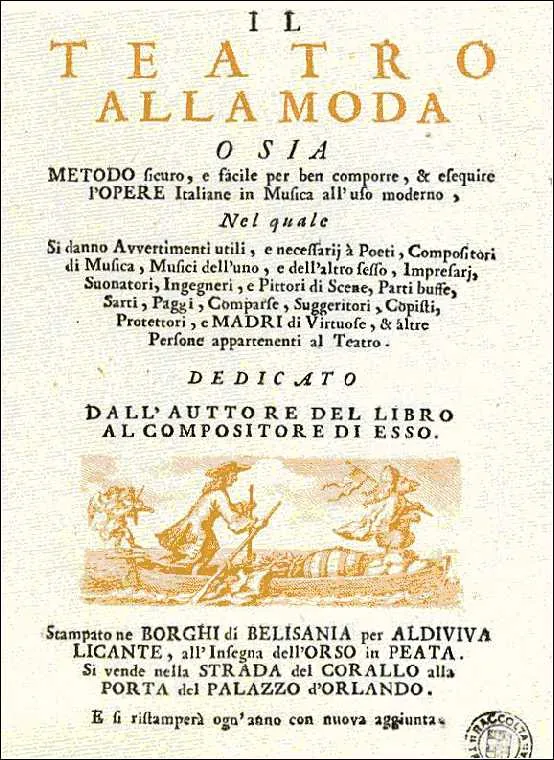
Wikimedia Commons · Public domain · file Vivaldi traveled to Milan to compose and stage La Silvia at the Teatro Regio Ducale. The source states that Vivaldi departed for Milan; the cited chronology associates the visit with the August 1721 premiere of La Silvia. Coordinates represent central Milan because the Teatro Regio Ducale no longer survives.
Move to Rome
· Rome, Italy
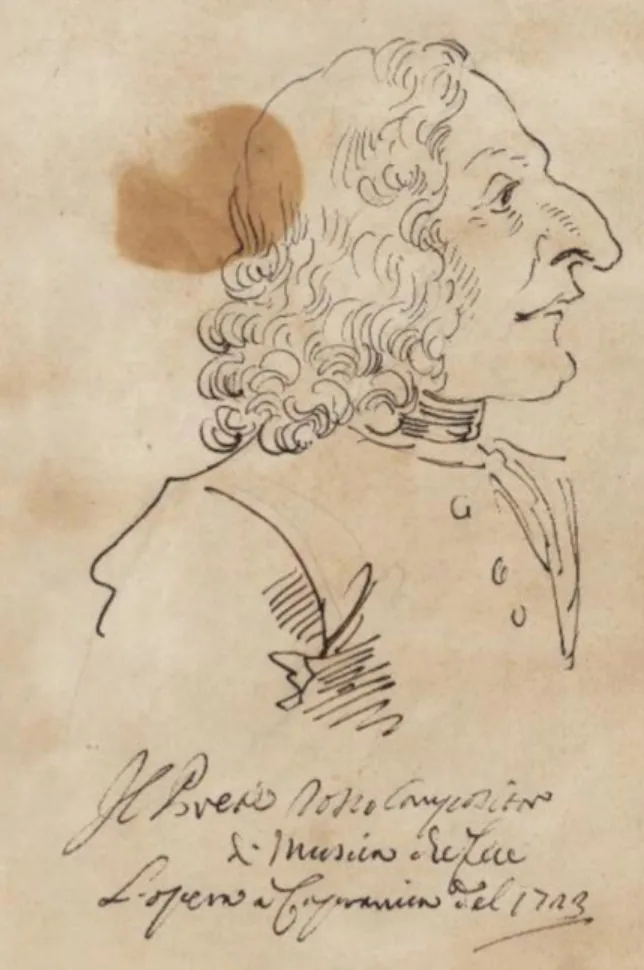
Wikimedia Commons · Public domain · file Vivaldi moved to Rome, where he introduced his newer operatic style and was invited to play for Pope Benedict XIII. Coordinates represent central Rome; the source does not identify a residence or performance venue.
Meeting Emperor Charles VI at Trieste
· Trieste, Italy
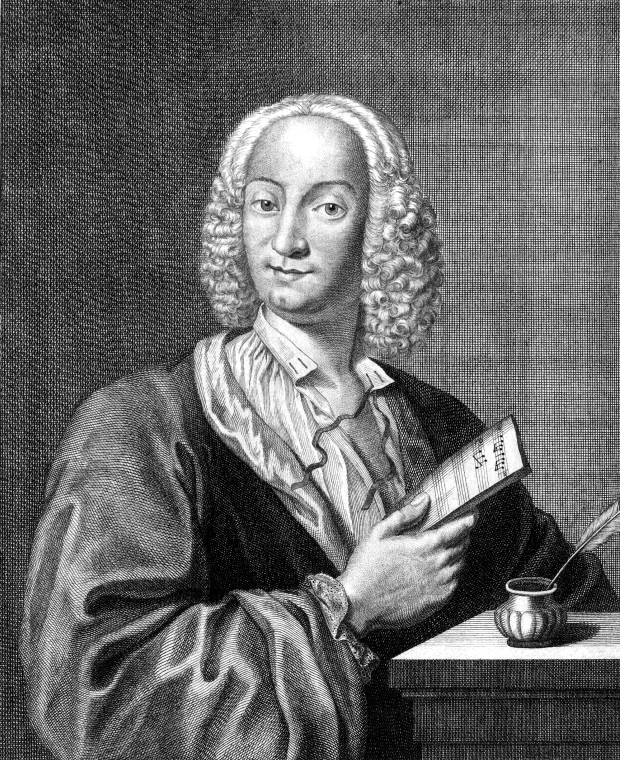
Wikimedia Commons · Public domain · file Vivaldi met Emperor Charles VI during the emperor's Adriatic journey; the meeting brought Vivaldi imperial recognition and an invitation to Vienna. The source places the meeting in both Lipica and Trieste during September 1728; this card records the Trieste component.
Prague visit
· Prague, Kingdom of Bohemia (present-day Czechia)
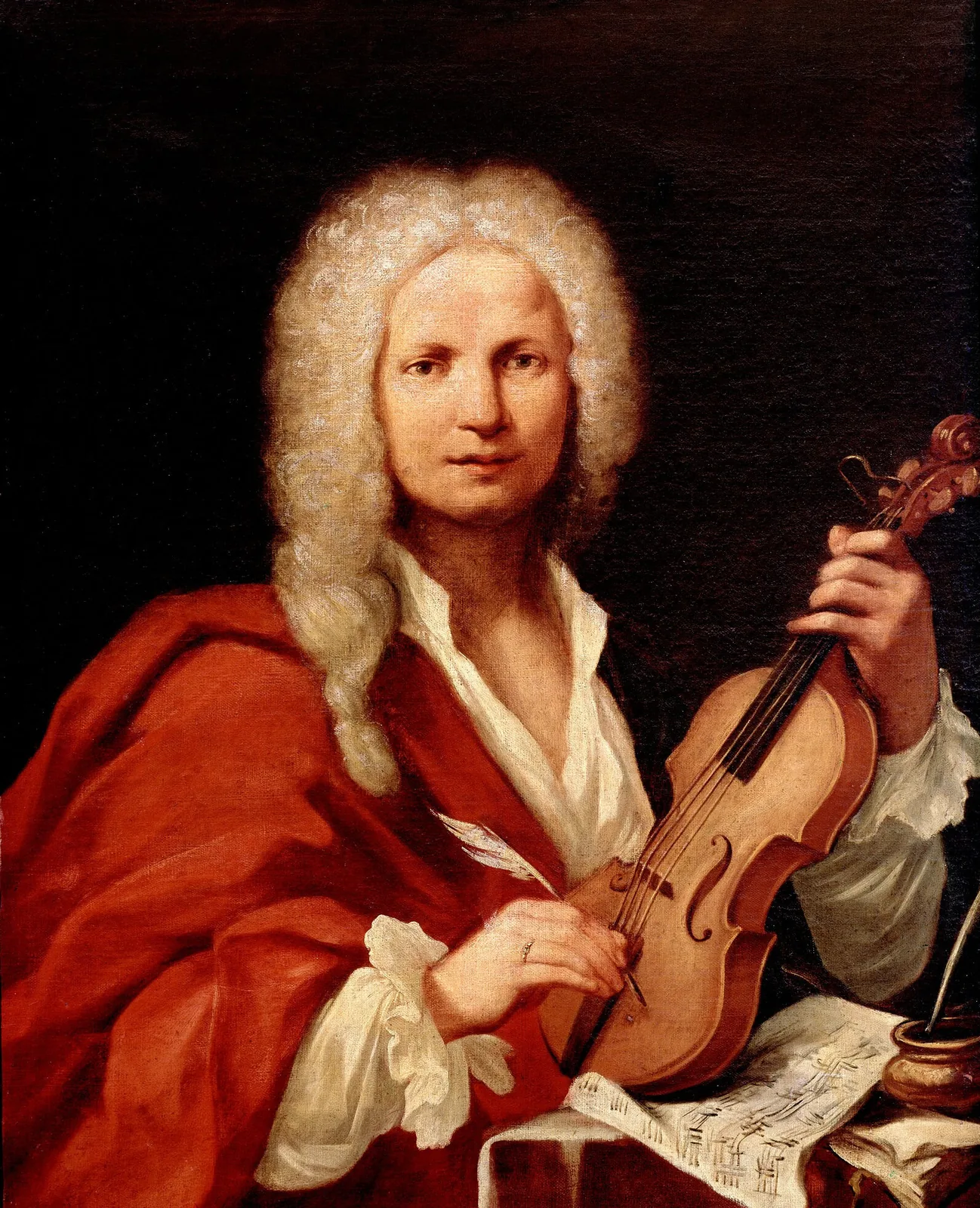
Wikimedia Commons · Public domain · file Vivaldi was documented in Prague during his central-European travels, connected with his operatic activity and contacts in the Habsburg lands. The source gives year-level precision and associates Prague with Vivaldi's central-European travel.
Venice letter to a patron
· Venice, Italy
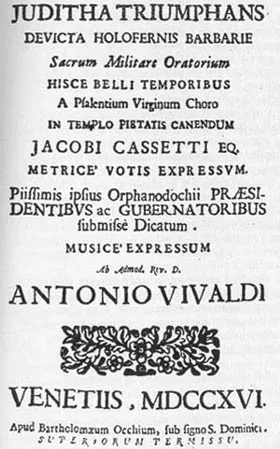
Wikimedia Commons · Public domain · file An autograph letter catalogued by the Morgan Library is dated from Venice, directly placing Vivaldi in his home city while corresponding with a patron. Coordinates represent central Venice; the letter does not identify the writer's house.
Letter written in Vienna
· Vienna, Austria
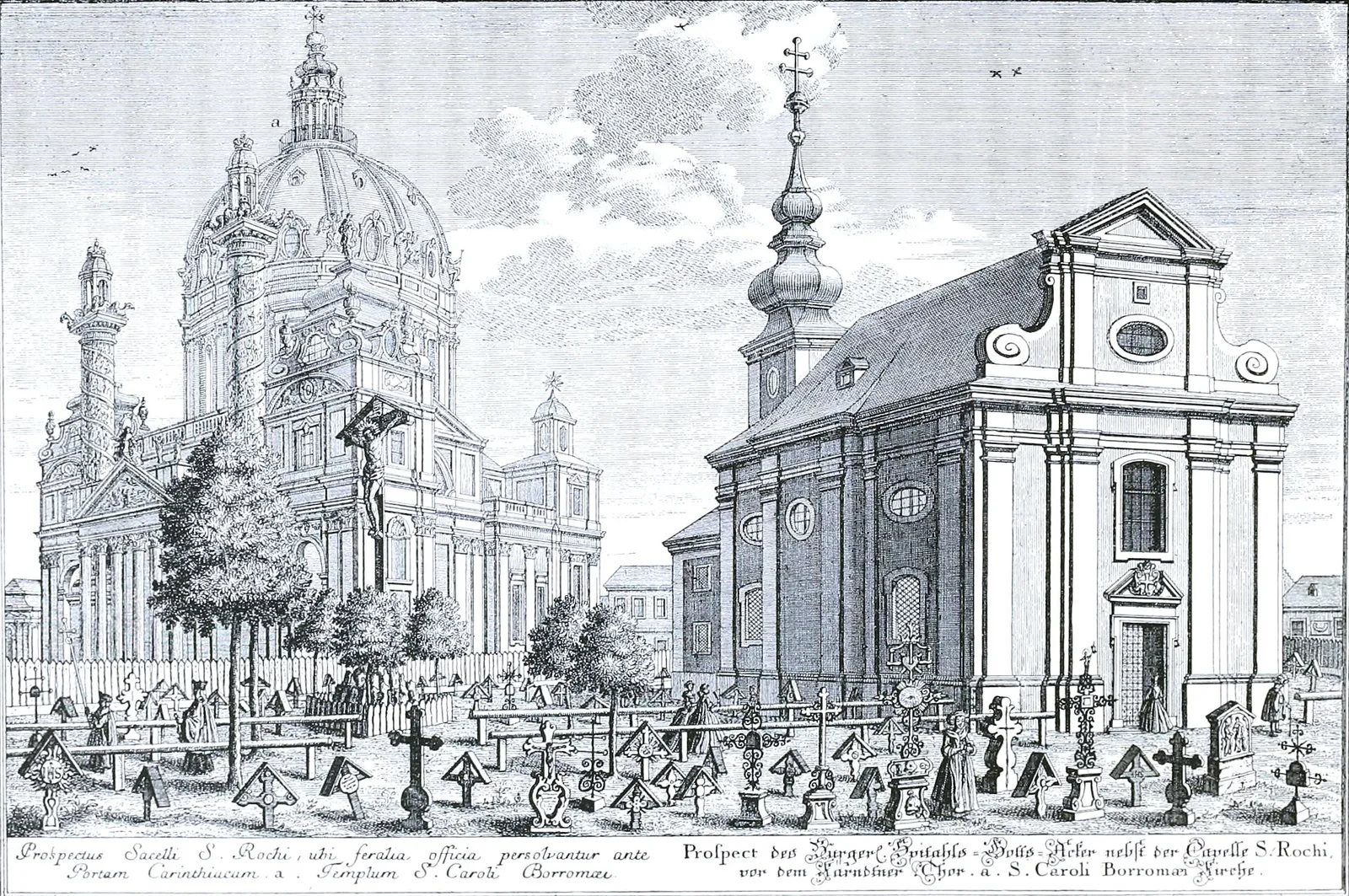
Wikimedia Commons · Public domain · file A recently identified letter written by Vivaldi in Vienna confirms his presence there about twelve weeks before his death. Coordinates represent central Vienna; the letter's precise writing location is not identified.
Death in Vienna
· Vienna, Austria
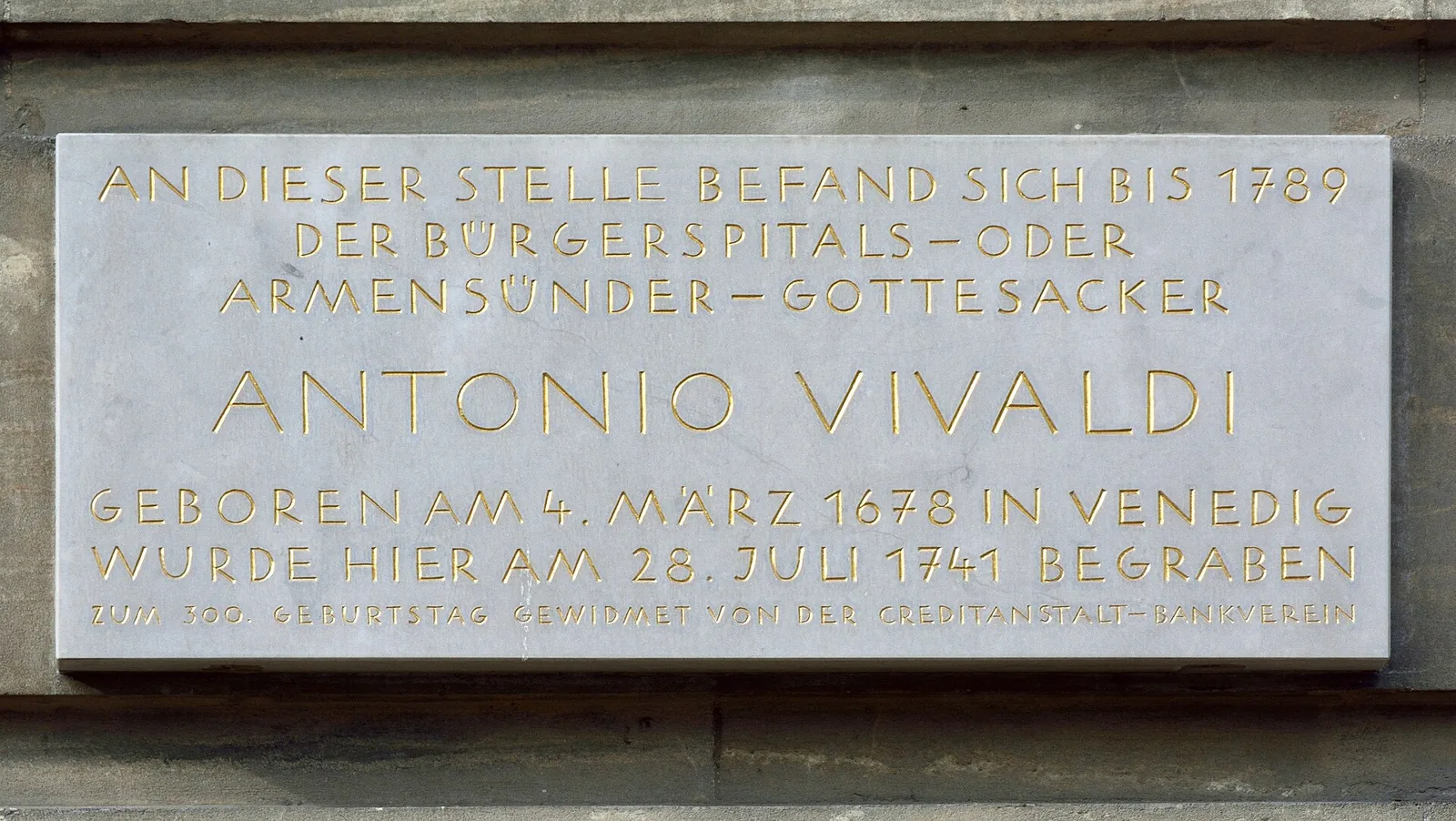
Wikimedia Commons · Creative Commons Attribution-Share Alike 3.0 Unported · file Vivaldi died in Vienna during the night spanning 27–28 July 1741, after his final period in the city. The exact civil date is disputed because death occurred during the night of 27–28 July; the card therefore uses month precision.