
35 moments
Born in Pisa
· Pisa, Tuscany, Italy
Galileo was born in Pisa, then part of the Duchy of Florence, into the family of musician and theorist Vincenzo Galilei and Giulia Ammannati. Settlement coordinates are used because the precise location of the former Chiasso dei Mercanti house is not securely identified here.
Baptized at Pisa Cathedral
· Pisa Baptistery, Piazza del Duomo, Pisa, Tuscany, Italy
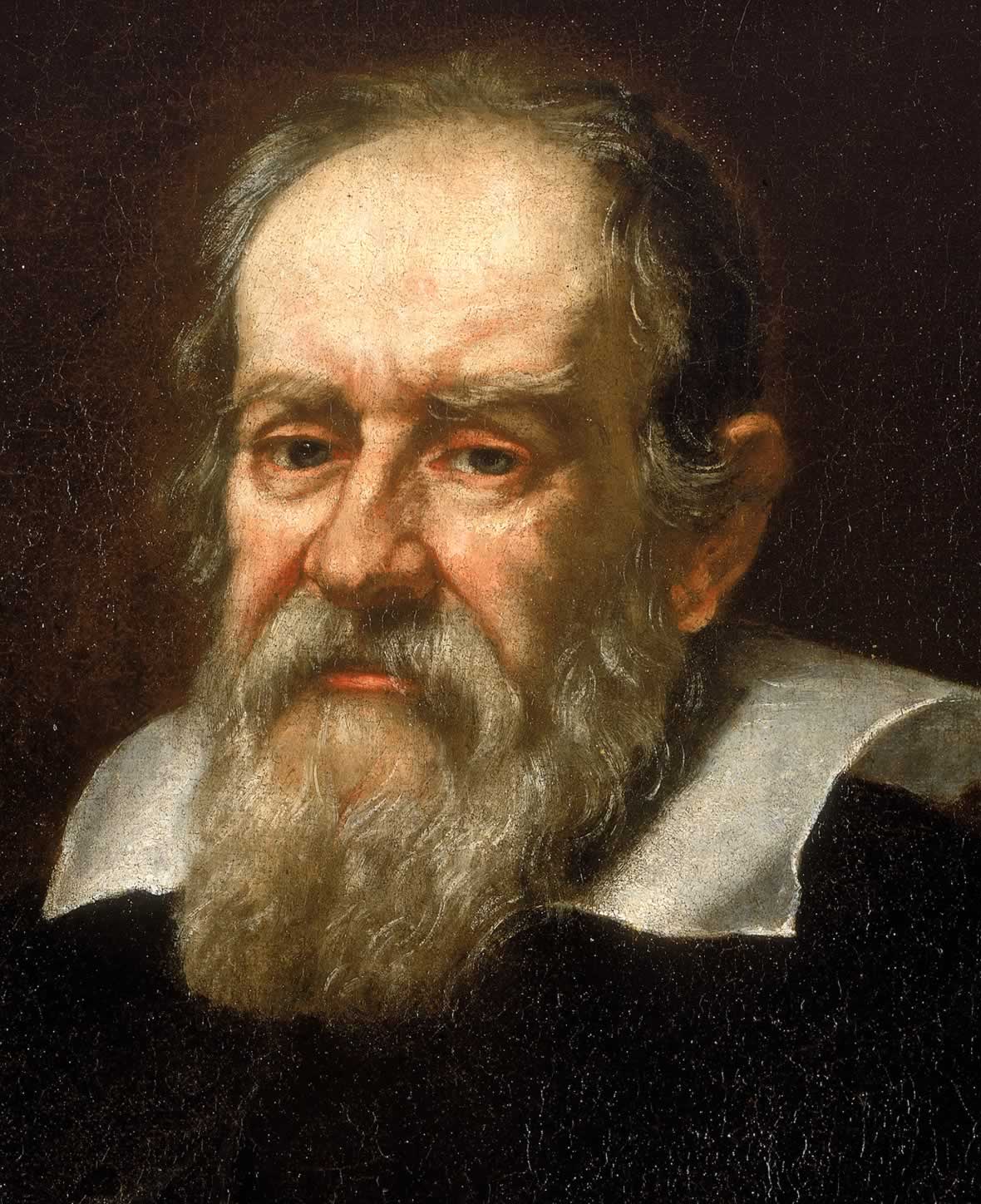
Wikimedia Commons · Creative Commons Attribution-Share Alike 4.0 International · file Four days after his birth, Galileo was baptized in the monumental baptistery adjoining Pisa Cathedral.
Moved from Pisa to Florence
· Florence, Tuscany, Italy
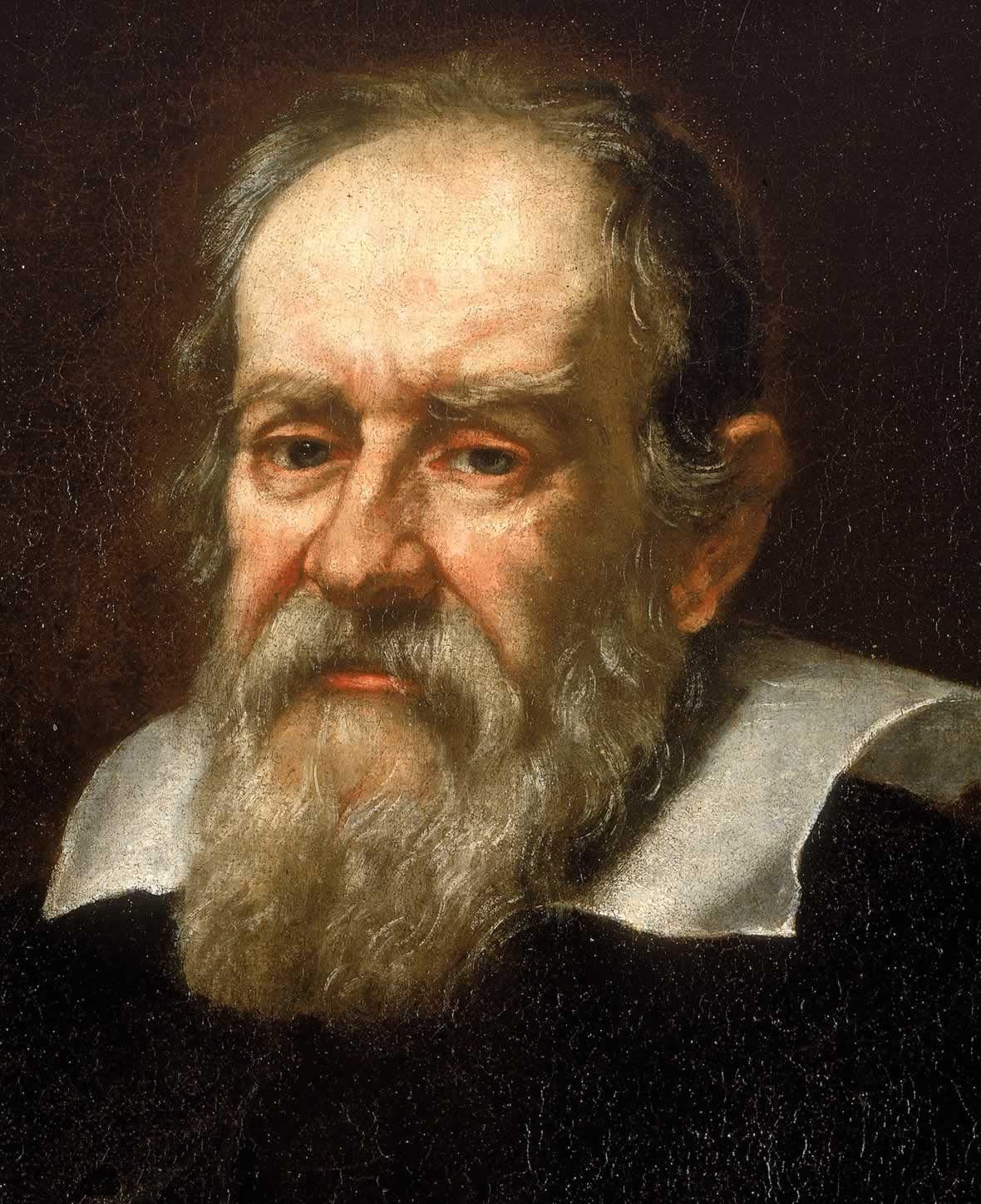
Wikimedia Commons · Creative Commons Attribution-Share Alike 3.0 Unported · file Galileo joined his family in Florence, where he spent his adolescence and continued his early education. The source qualifies the move as probably occurring toward the end of 1574.
Educated at Vallombrosa Abbey
· Vallombrosa Abbey, Reggello, Tuscany, Italy
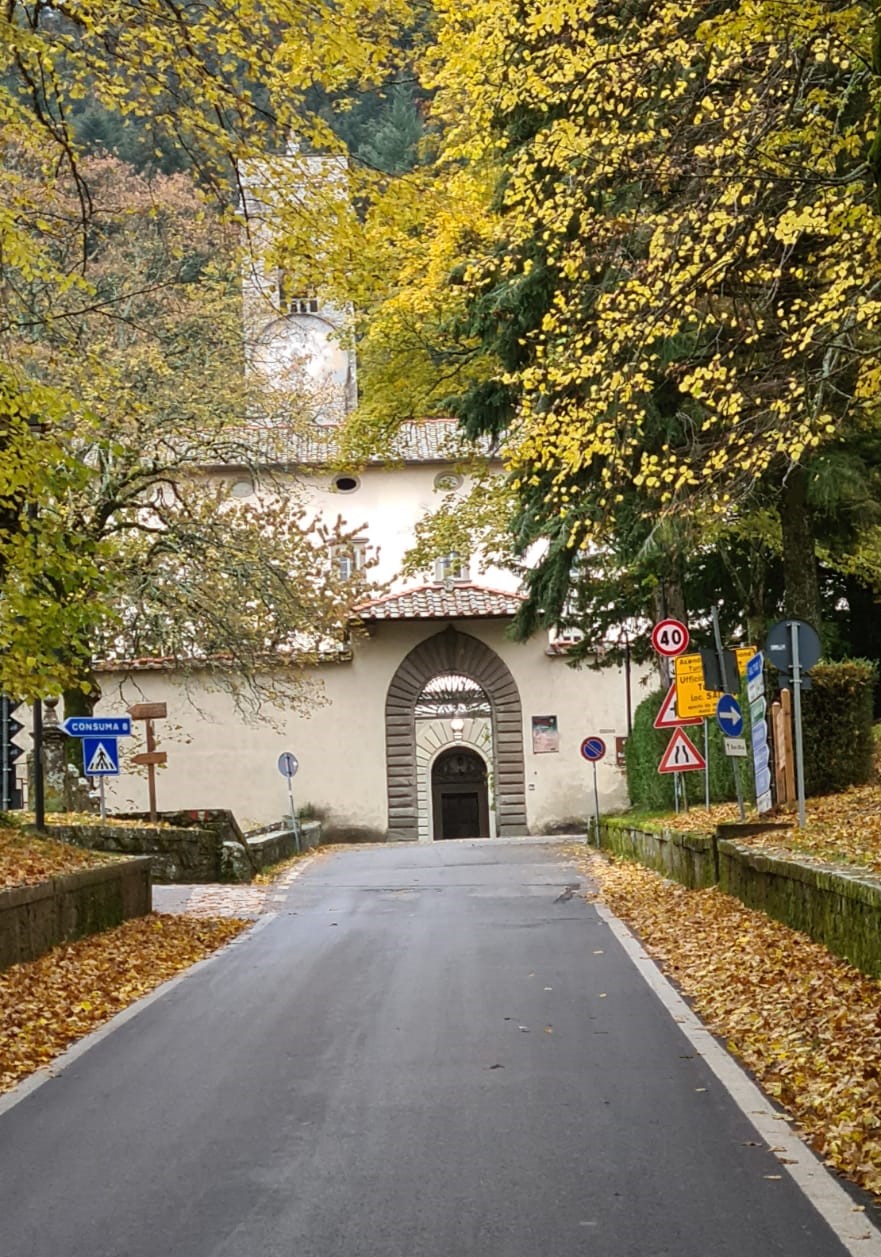
Wikimedia Commons · Creative Commons Attribution-Share Alike 4.0 International · file Galileo studied logic at the Benedictine abbey of Vallombrosa during his early education outside Florence. The card marks the beginning of a documented 1575–1578 period.
Observed the cathedral lantern
· Pisa Cathedral, Piazza del Duomo, Pisa, Tuscany, Italy
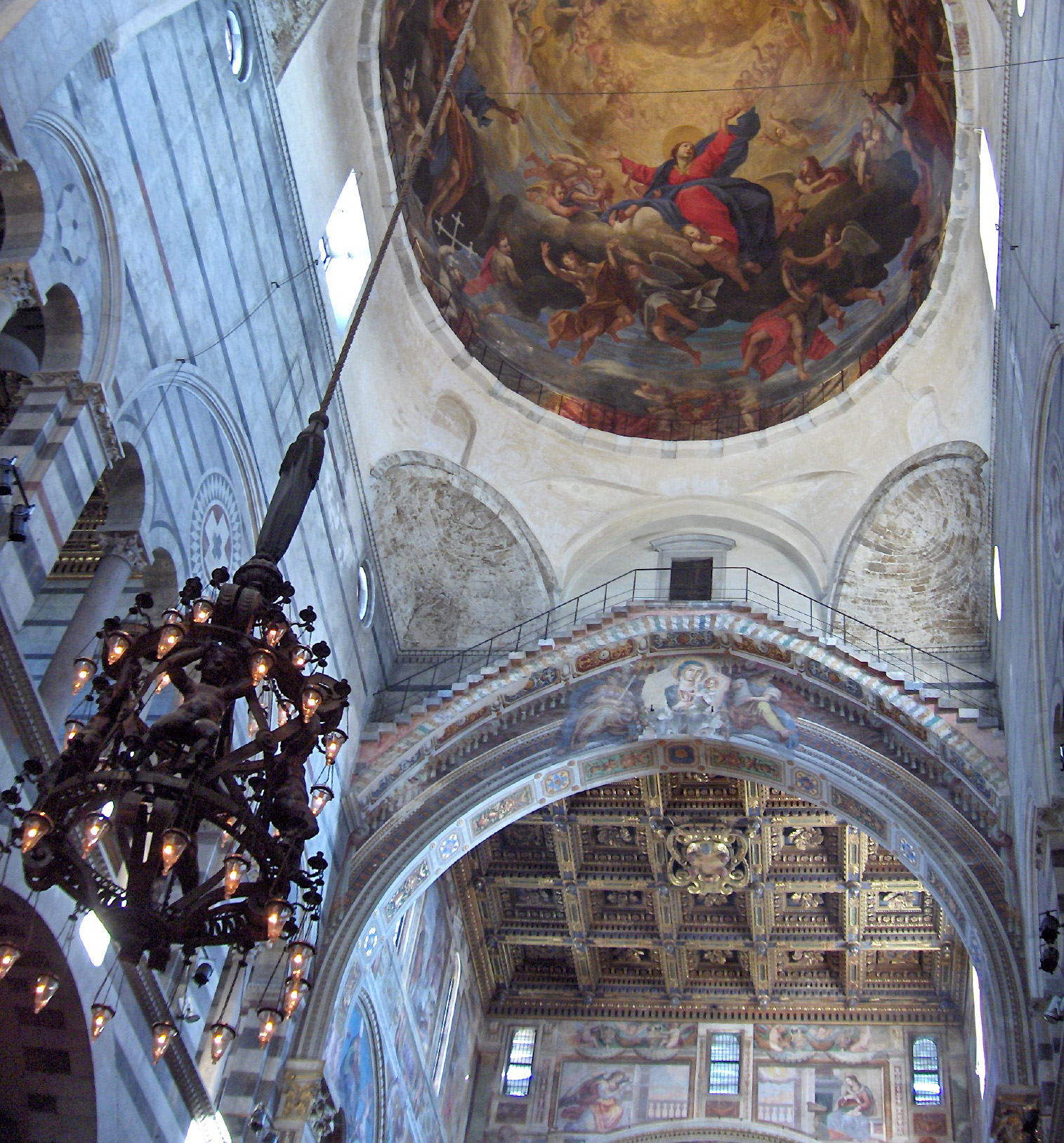
Wikimedia Commons · Creative Commons Attribution-Share Alike 3.0 Unported · file According to his pupil and biographer Vincenzo Viviani, Galileo observed a swinging lamp in Pisa Cathedral, an episode later associated with his study of pendular motion. The event rests on Viviani's later account rather than a contemporary record.
Taught art and perspective in Florence
· Florence, Tuscany, Italy
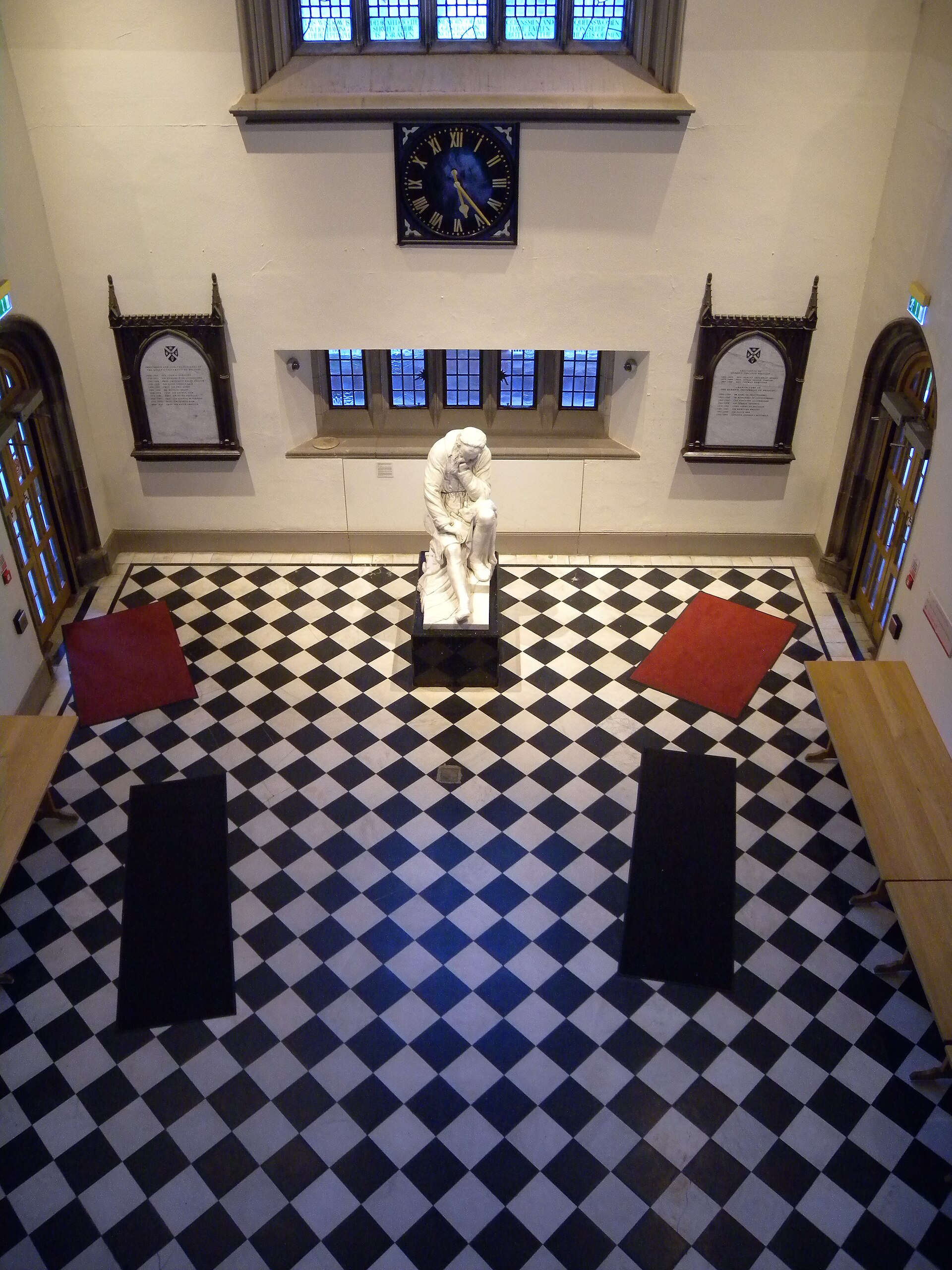
Wikimedia Commons · Public domain · file Galileo became an instructor at Florence's academy of drawing, teaching perspective and chiaroscuro while developing connections with the city's artistic community. City coordinates are used because the quoted evidence does not specify the teaching venue.
Began teaching mathematics at Pisa
· University of Pisa, Pisa, Tuscany, Italy
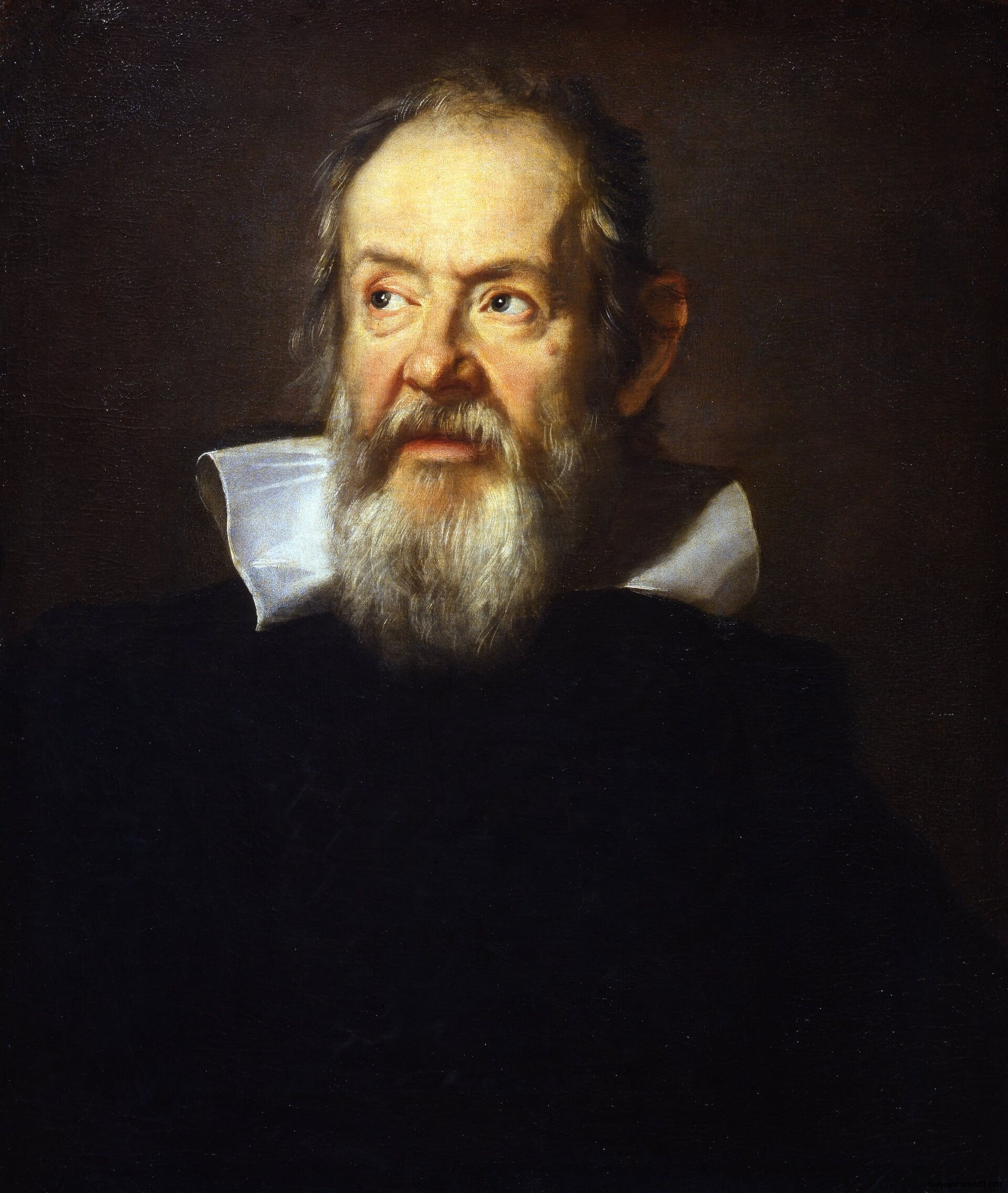
Wikimedia Commons · Public domain · file After receiving Pisa's mathematics chair, Galileo delivered his inaugural address and began the university teaching appointment that preceded his move to Padua. The source identifies July 1589 as the appointment date; November 12 is the supported date of his inaugural speech.
Lived and worked in Padua
· Padua, Veneto, Italy
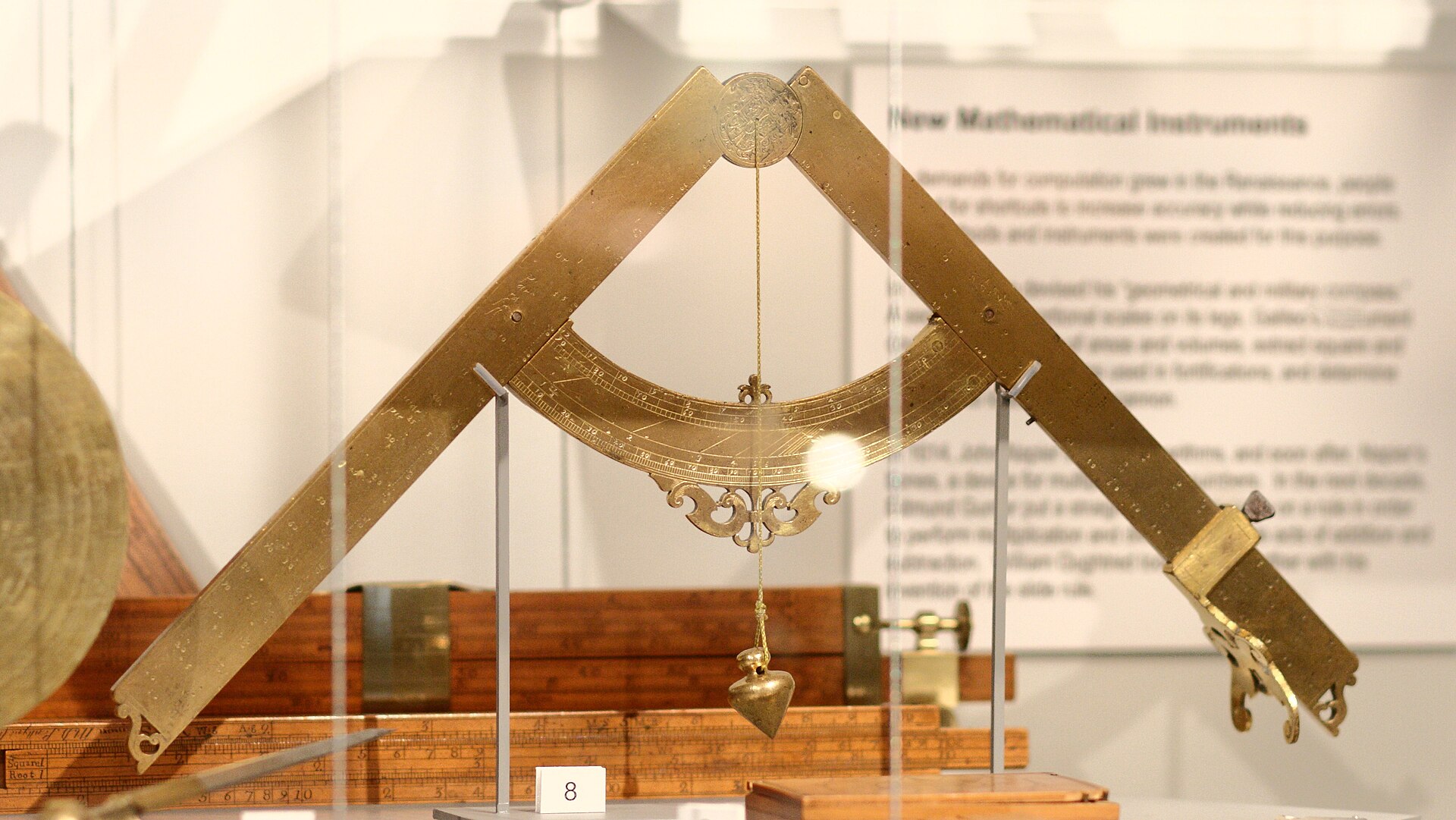
Wikimedia Commons · Creative Commons Attribution-Share Alike 3.0 Unported · file Galileo established himself in Padua for the most productive sustained residence of his career, teaching mathematics and developing instruments and theories until 1610. This card represents the continuous 1592–1610 Padua residence.
Sought the Padua chair in Venice
· Venice, Veneto, Italy
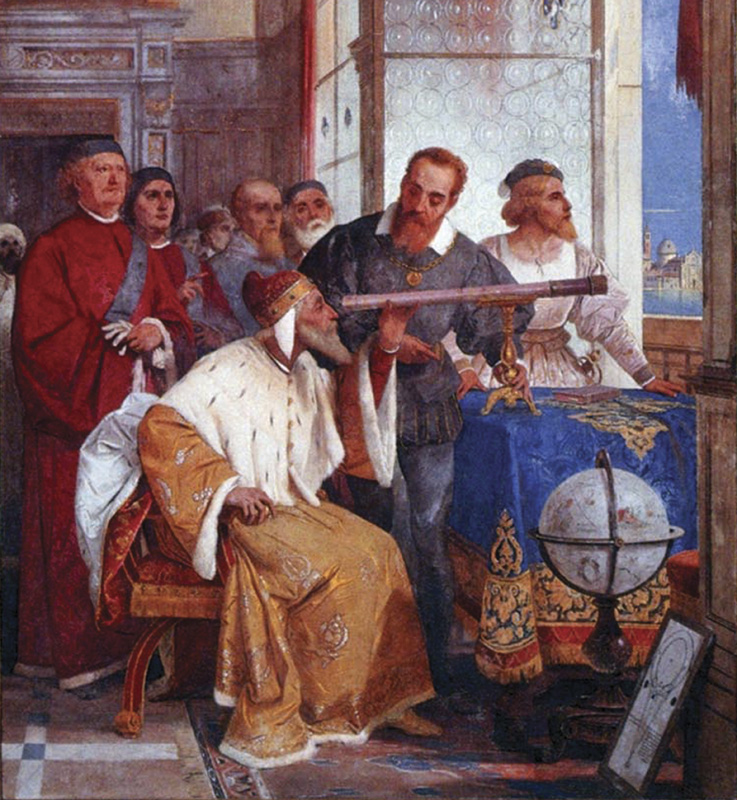
Wikimedia Commons · Public domain · file Dissatisfied with his position at Pisa, Galileo traveled to Venice to seek appointment to the University of Padua's mathematics chair. Settlement coordinates are used because the source does not identify the building where he submitted his request.
Opened his Padua professorship
· University of Padua, Palazzo Bo, Padua, Veneto, Italy
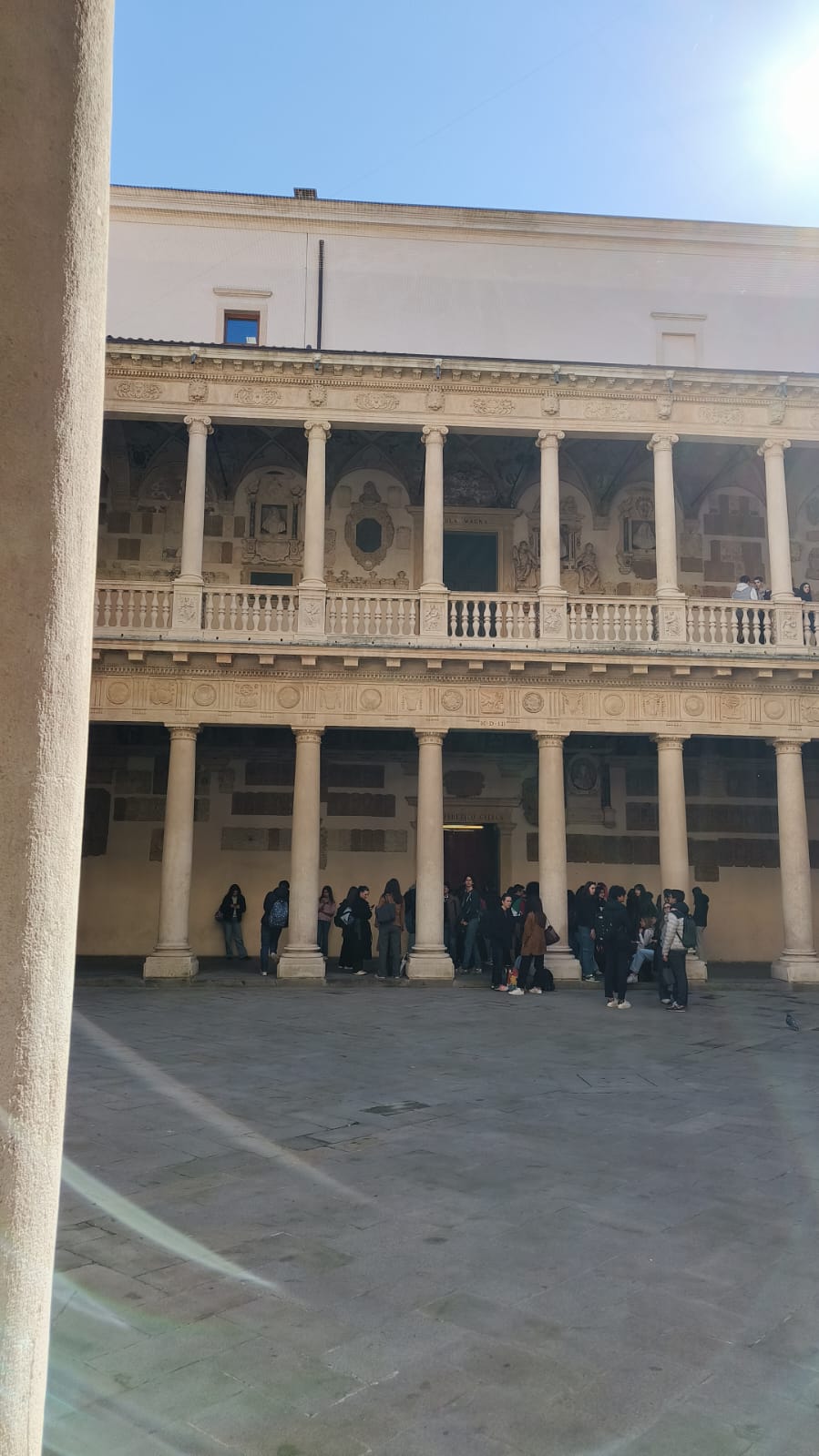
Wikimedia Commons · Creative Commons CC0 1.0 Universal Public Domain Dedication · file Galileo delivered his inaugural lecture at Padua and began an eighteen-year teaching period central to his work in mechanics, instrumentation, and astronomy. Palazzo Bo is used as the representative historic university site.
Moved permanently to Florence
· Florence, Tuscany, Italy
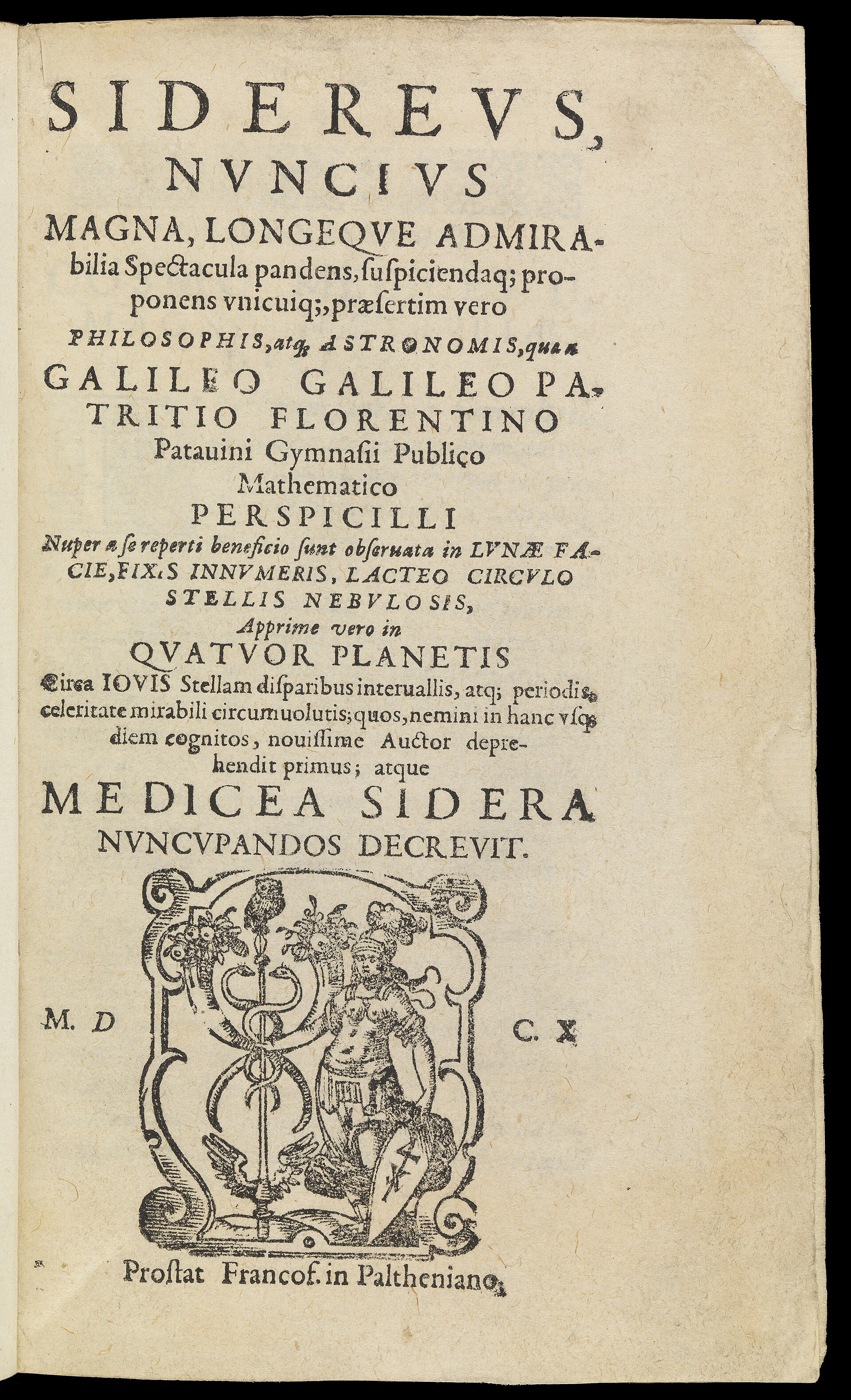
Wikimedia Commons · Creative Commons Attribution 4.0 International · file Appointment as mathematician and philosopher to Cosimo II de' Medici enabled Galileo to leave university teaching and return permanently to Florence.
Occupied his Via dei Vignali house
· Galileo's house, Via Galileo Galilei, Padua, Veneto, Italy
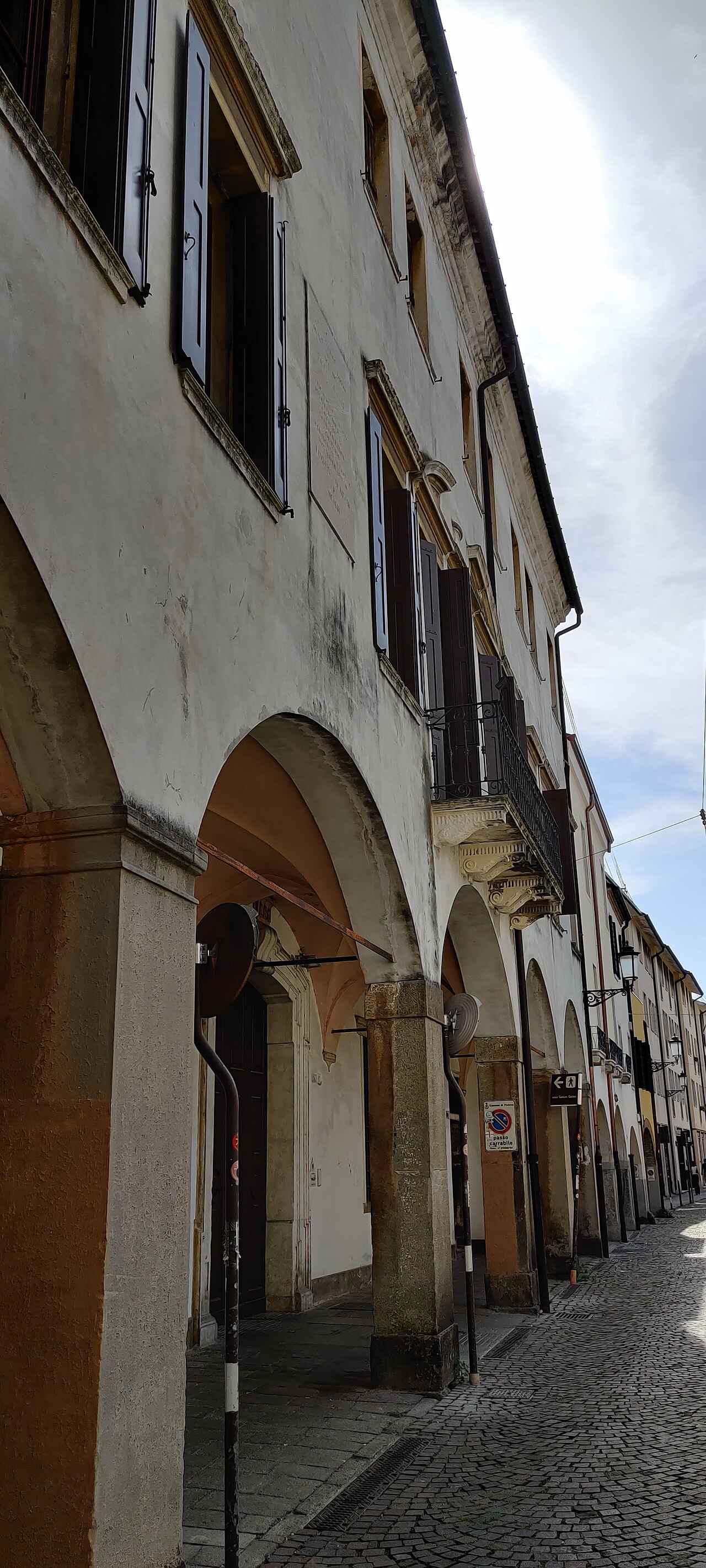
Wikimedia Commons · Creative Commons Attribution-Share Alike 4.0 International · file Near the end of his Padua years, Galileo lived in the house from which he conducted telescopic observations associated with the discoveries announced in the Starry Messenger. The present street location is defensible, but the coordinate is an approximate point on Via Galileo Galilei; the source qualifies the observation site as probable.
Visited the Collegium Romanum
· Collegium Romanum, Rome, Italy
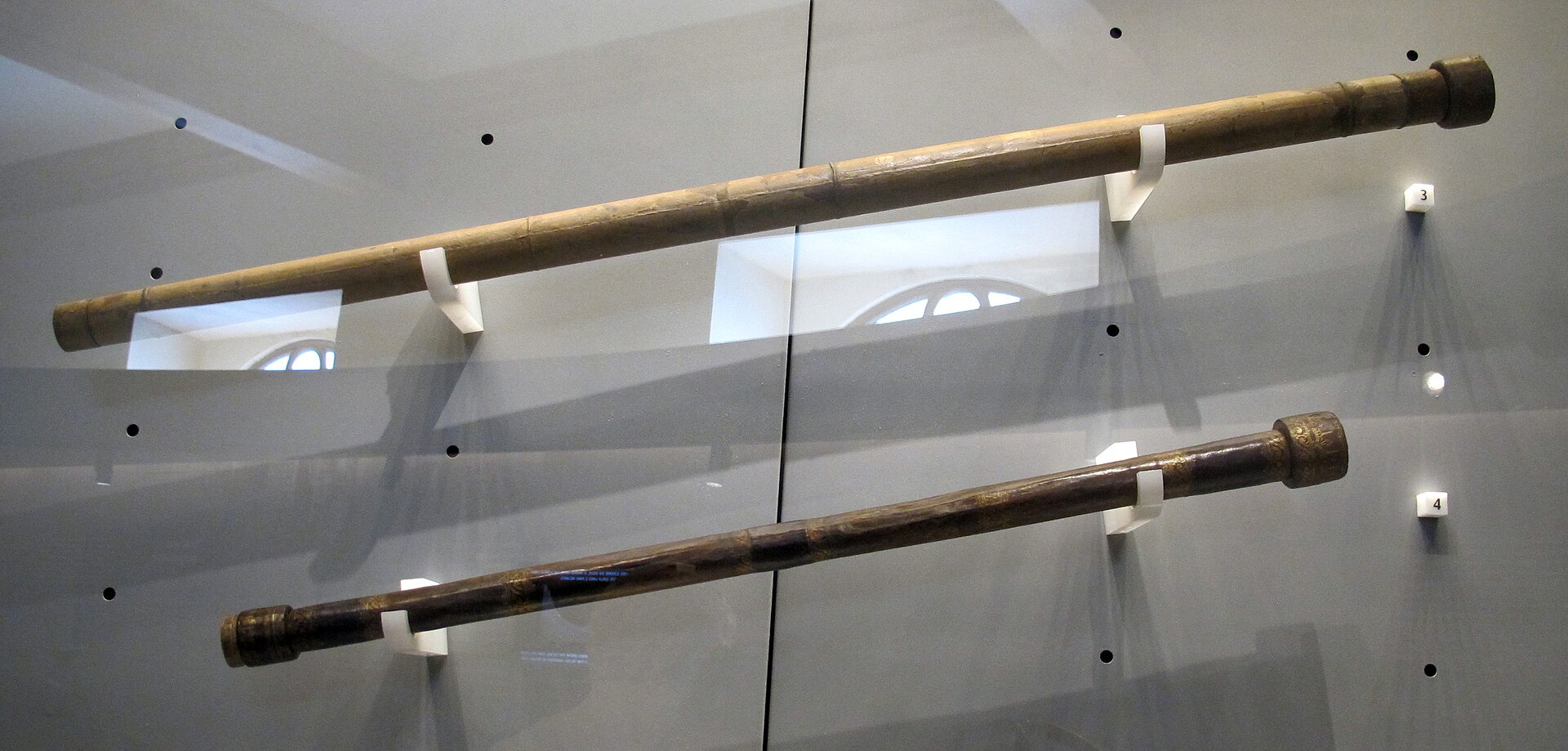
Wikimedia Commons · Creative Commons Attribution-Share Alike 3.0 Unported · file During his celebrated first major Roman visit, Galileo met Jesuit astronomers who had repeated and evaluated his telescopic observations.
Visited Villa Marignolle
· Medici Villa of Marignolle, Florence, Tuscany, Italy
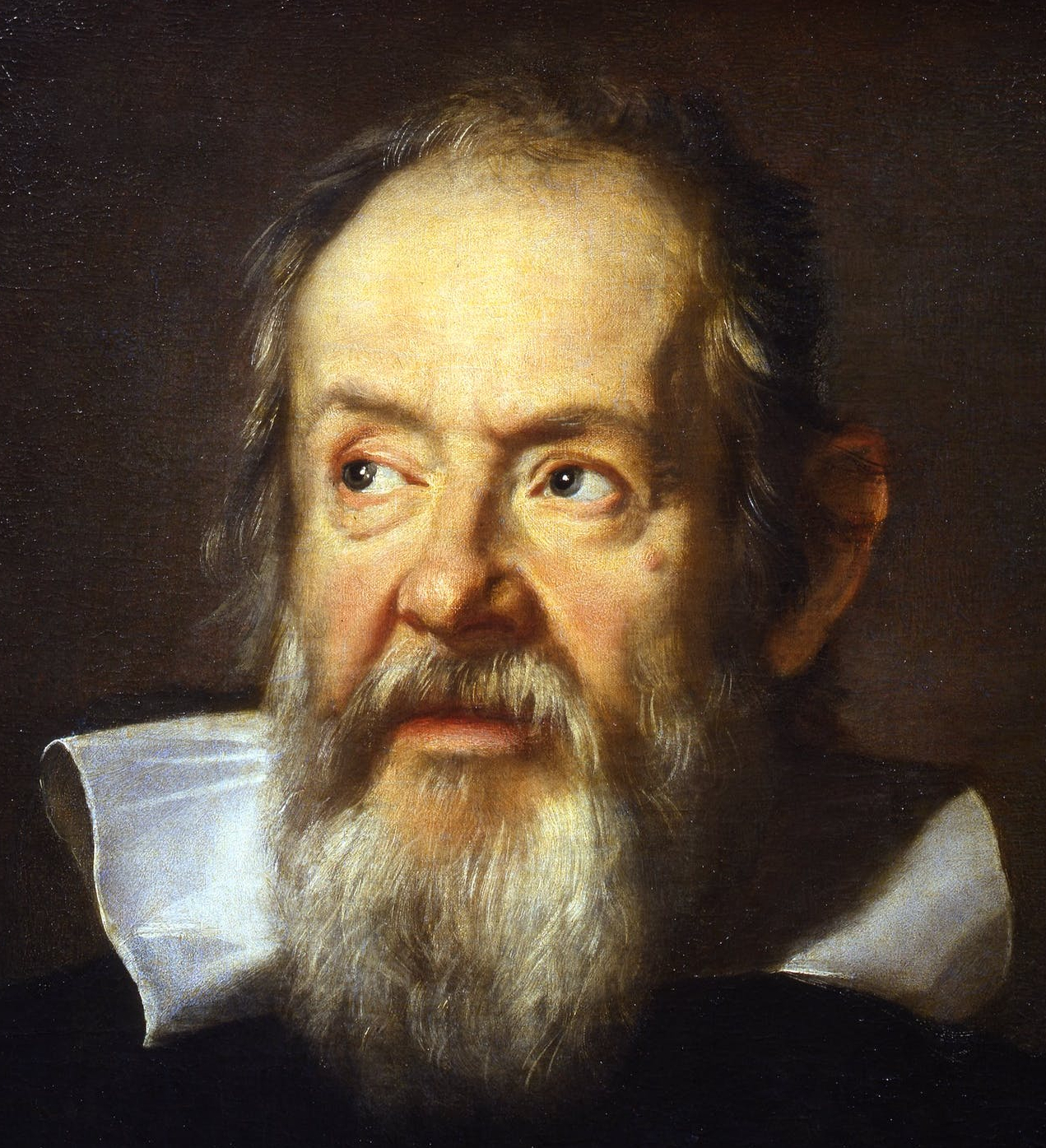
Wikimedia Commons · Public domain · file Galileo was repeatedly received at the Medici villa at Marignolle, a nearby retreat connected with his Florentine court network. The source establishes repeated presence and associates it with letters from 1611 and 1629, but it does not provide the exact dates of the visits.
Stayed at Villa Le Selve
· Villa Le Selve, Lastra a Signa, Tuscany, Italy
Galileo stayed with his friend and supporter Filippo Salviati at the country villa Le Selve while continuing astronomical work. The archive entry directly identifies the villa stay; coordinates are a representative point for the Lastra a Signa area because the exact villa point is uncertain.
Worked in Rome with the Linceans
· Rome, Italy
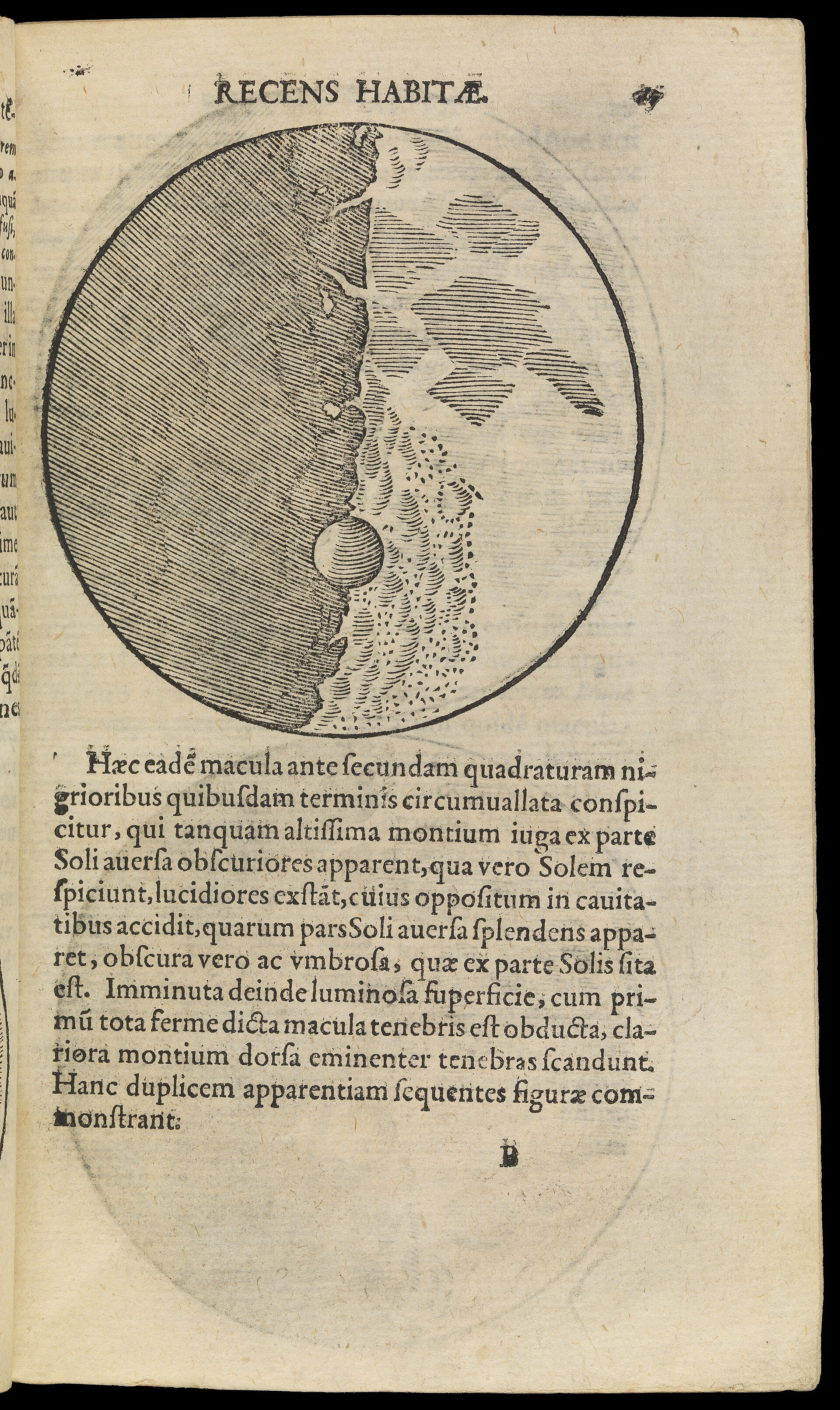
Wikimedia Commons · Creative Commons Attribution 4.0 International · file Galileo was admitted to the Accademia dei Lincei during a Roman stay in which he observed Jupiter's satellites and sunspots and promoted the telescope. Rome coordinates are used because the evidence covers several activities without specifying a single venue.
Admonished at Bellarmine's residence
· Cardinal Bellarmine's residence, Rome, Italy
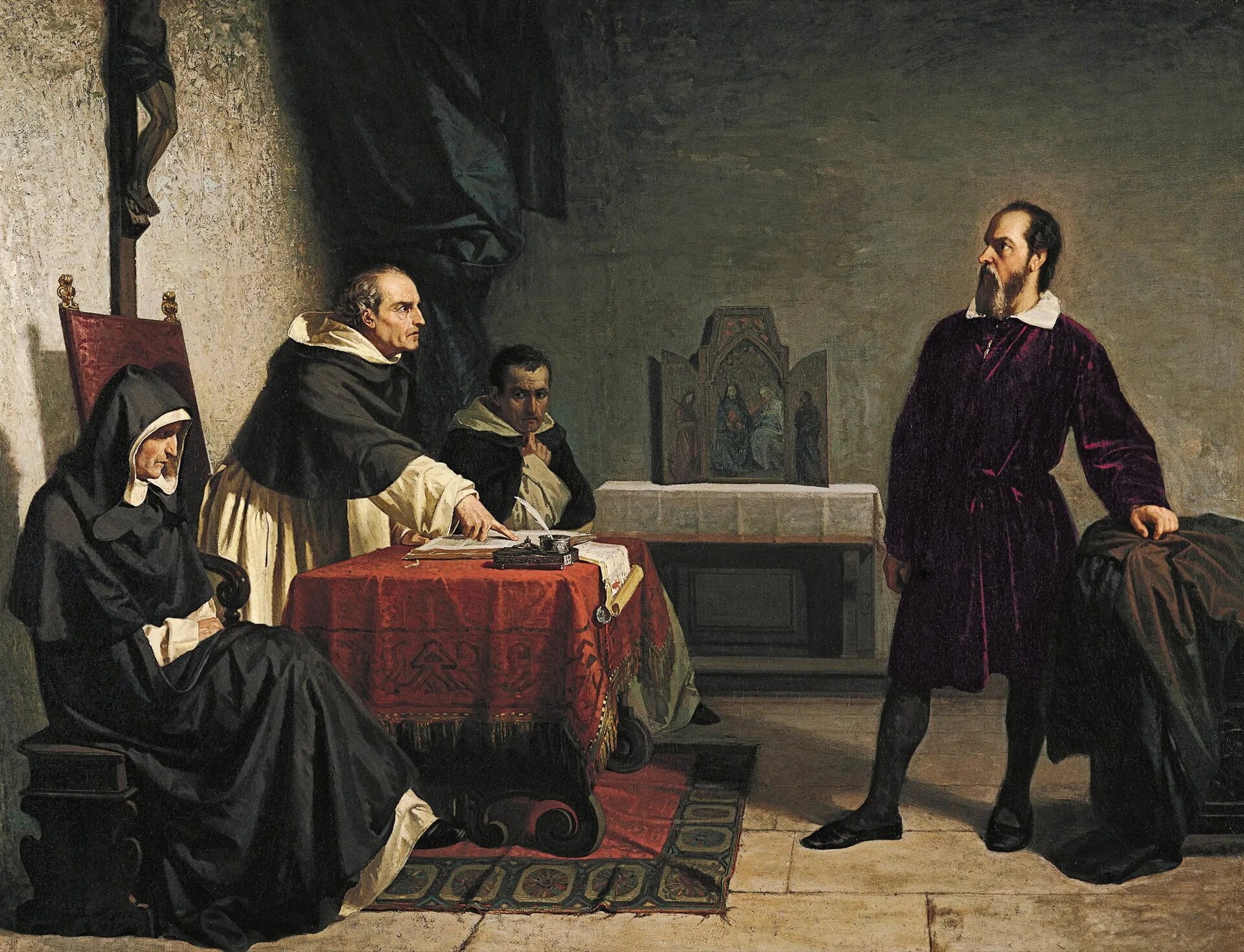
Wikimedia Commons · Public domain · file During his extended Roman defense of Copernicanism, Galileo appeared at Cardinal Bellarmine's residence and was ordered not to hold, teach, or defend the doctrine. A representative Rome coordinate is used because the evidence does not securely locate Bellarmine's residence within the city.
Completed a six-month Roman stay
· Rome, Italy
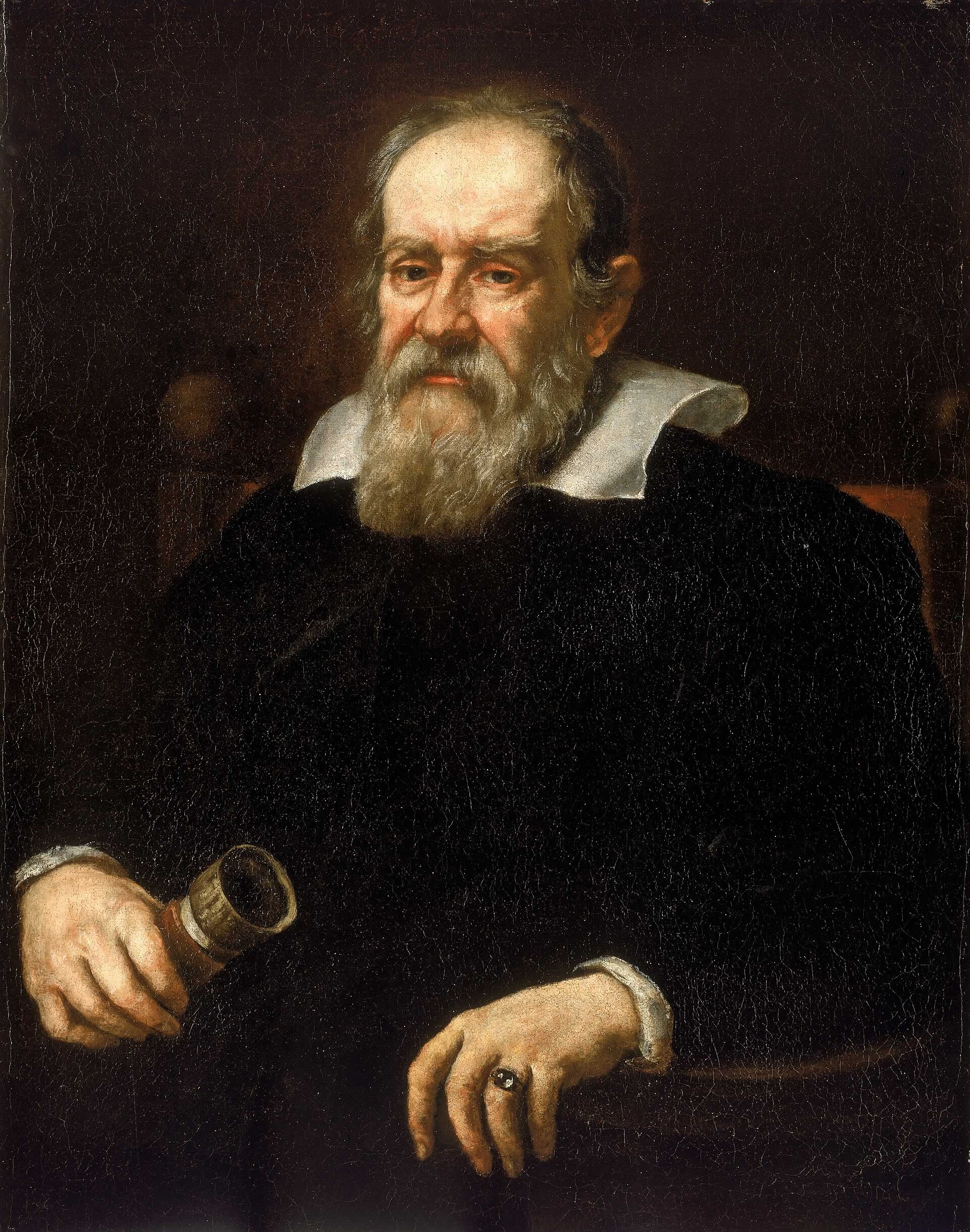
Wikimedia Commons · Public domain · file Galileo left Rome after roughly six months spent defending himself and attempting to prevent suppression of Copernican ideas. This departure record confirms his sustained presence in Rome during late 1615 and the first half of 1616.
Resided at Bellosguardo
· Villa dell'Ombrellino, Bellosguardo, Florence, Tuscany, Italy
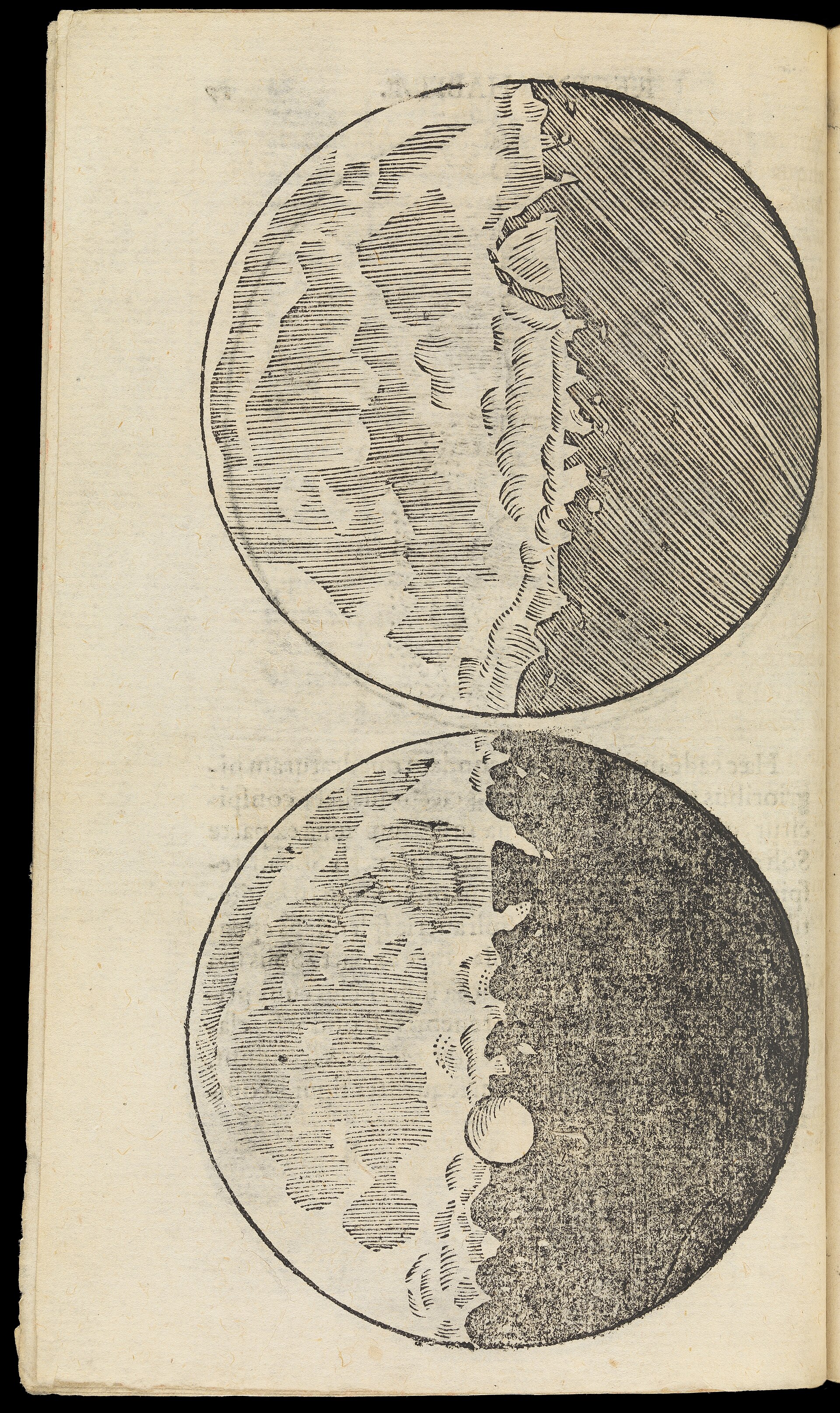
Wikimedia Commons · Creative Commons Attribution 4.0 International · file Galileo lived at Villa dell'Ombrellino on Bellosguardo while writing major works and conducting astronomical observations above Florence. The card marks the start of the documented 1617–1631 residence.
Reached Perugia en route to Rome
· Perugia, Umbria, Italy
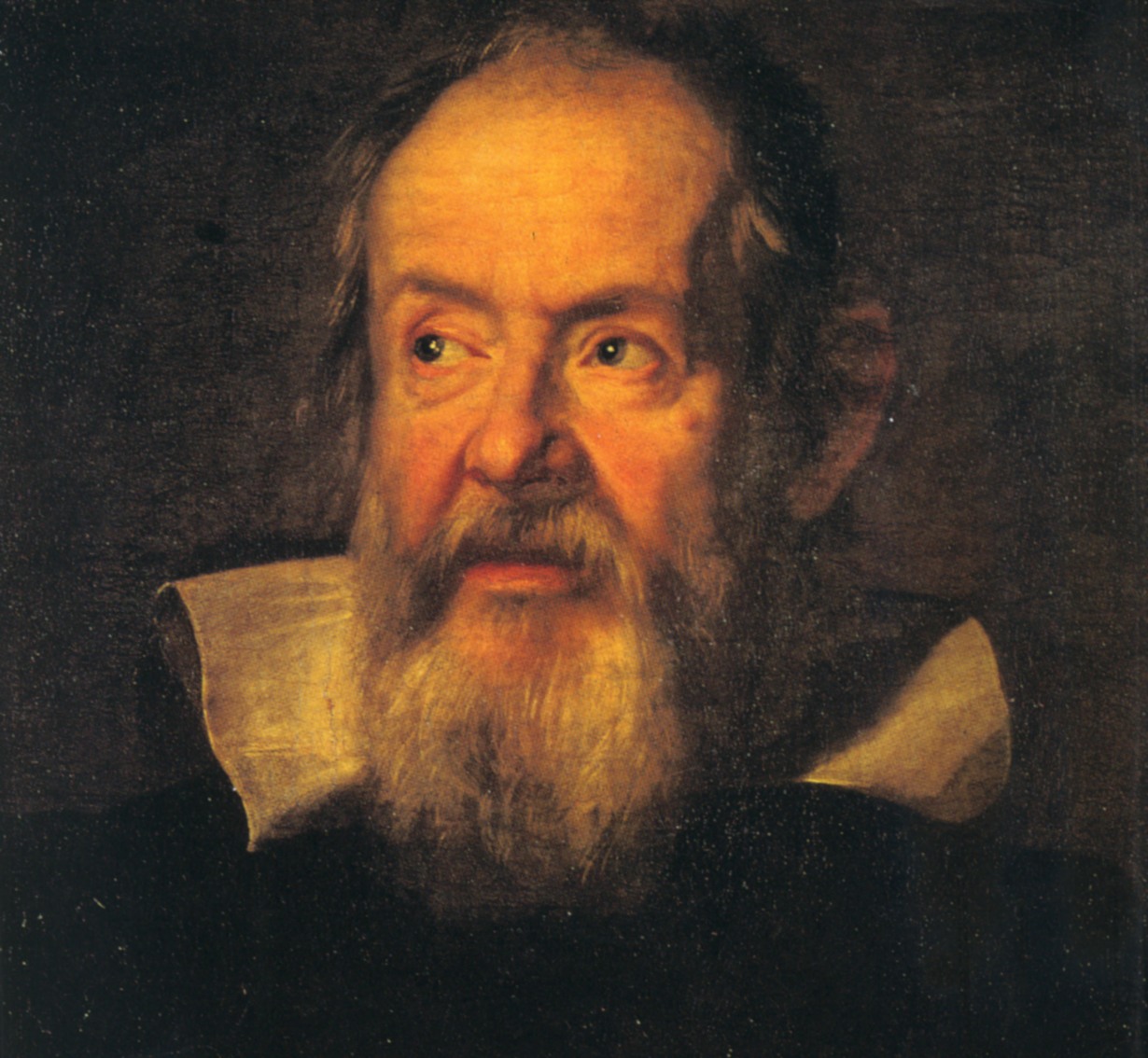
Wikimedia Commons · Public domain · file On his journey to congratulate and confer with Pope Urban VIII, Galileo stopped in Perugia before visiting Federico Cesi at Acquasparta. Settlement coordinates are used because the archive entry does not identify his lodging.
Stayed with Federico Cesi at Acquasparta
· Palazzo Cesi, Acquasparta, Umbria, Italy
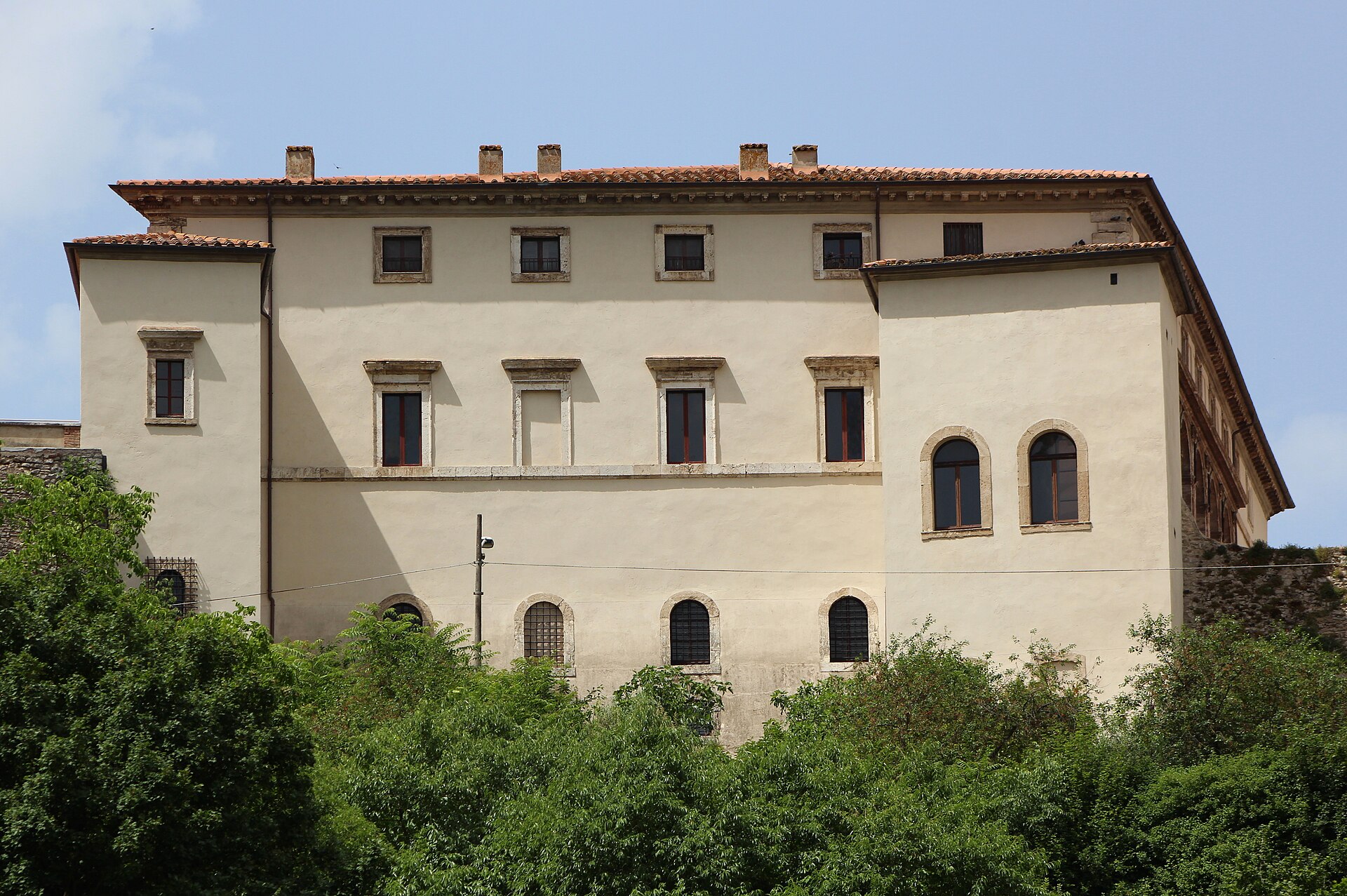
Wikimedia Commons · Creative Commons Attribution-ShareAlike 4.0 International · file Galileo stayed nearly two weeks with Prince Federico Cesi, founder of the Accademia dei Lincei, before continuing to Rome. The card marks the beginning of the documented April 8–21 stay.
Arrived in Rome to meet Urban VIII
· Rome, Italy
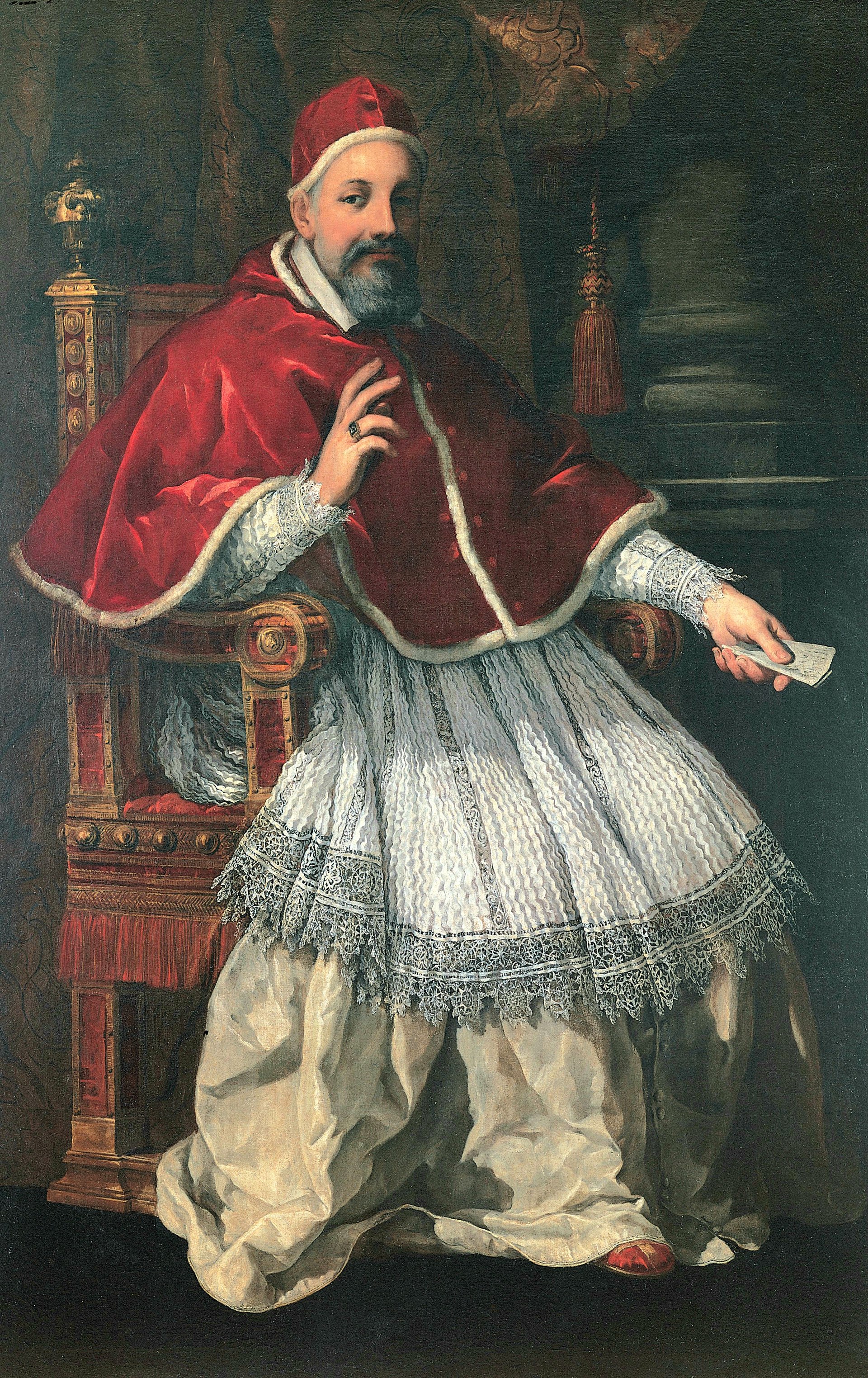
Wikimedia Commons · Public domain · file Galileo arrived in Rome for a sustained campaign of audiences and scholarly meetings intended to capitalize on the election of his admirer Maffeo Barberini as pope.
Received by Pope Urban VIII
· Rome, Italy
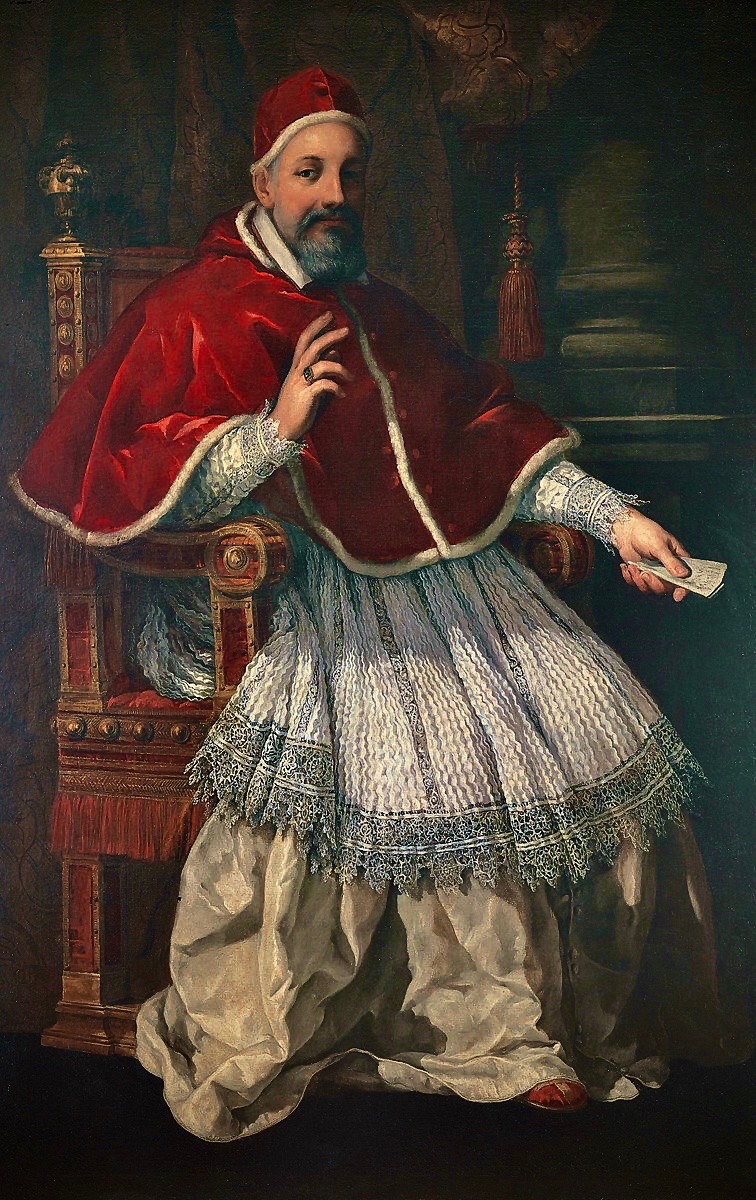
Wikimedia Commons · Public domain · file The morning after his arrival, Galileo began a series of papal audiences during which he discussed scientific and intellectual matters with Urban VIII. The archive establishes Rome but the displayed entry does not specify the papal audience chamber, so city coordinates are used.
Demonstrated a microscope in Rome
· Rome, Italy
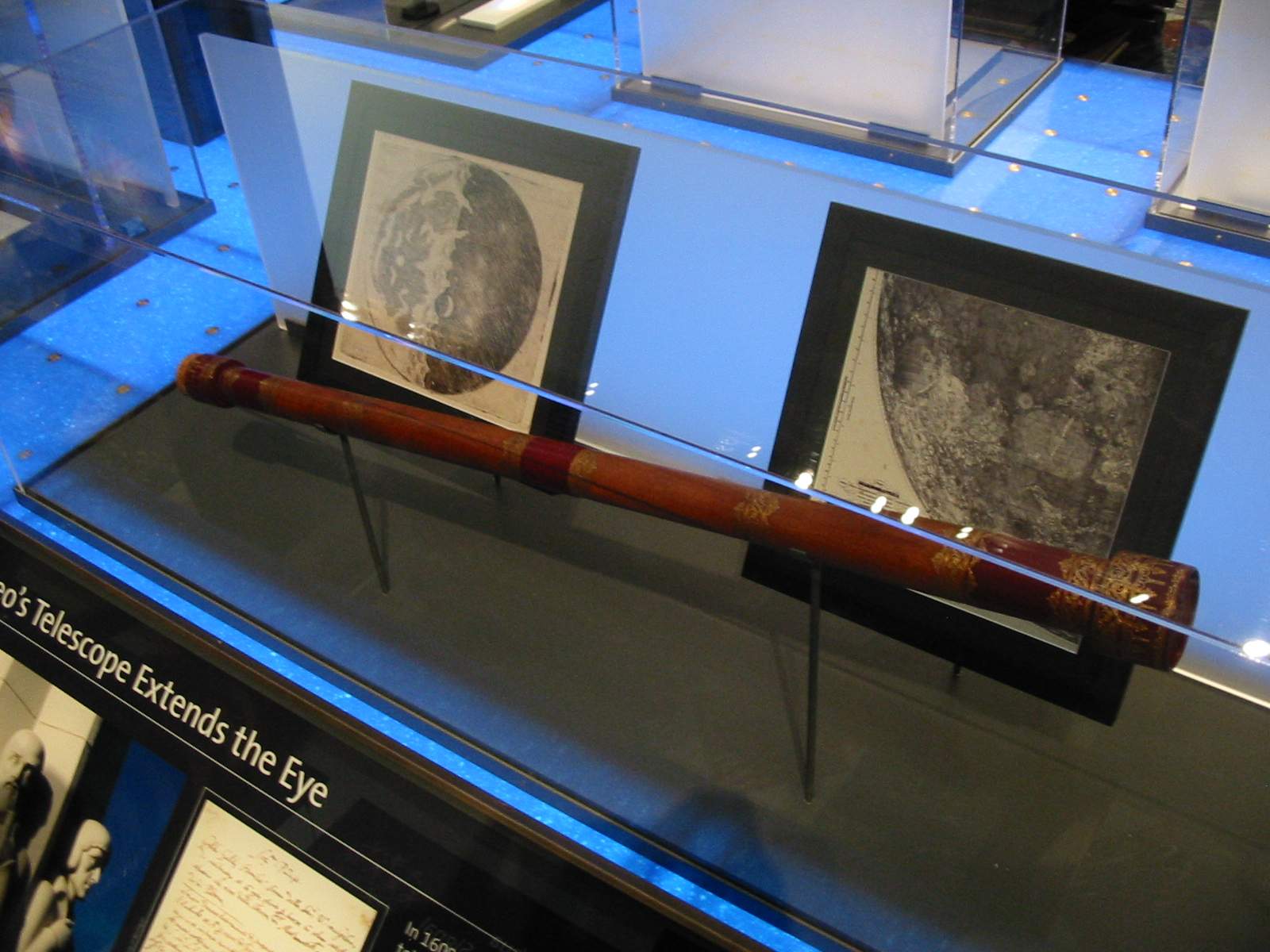
Wikimedia Commons · Creative Commons Attribution-Share Alike 3.0 Unported · file At a Roman gathering, Galileo demonstrated microscopic enlargement and presented a microscope to Cardinal Friedrich Eitel von Hohenzollern. City coordinates are used because the meeting venue is not identified.
Returned to Rome for printing approval
· Residence of the Tuscan ambassador, Villa Medici, Rome, Italy
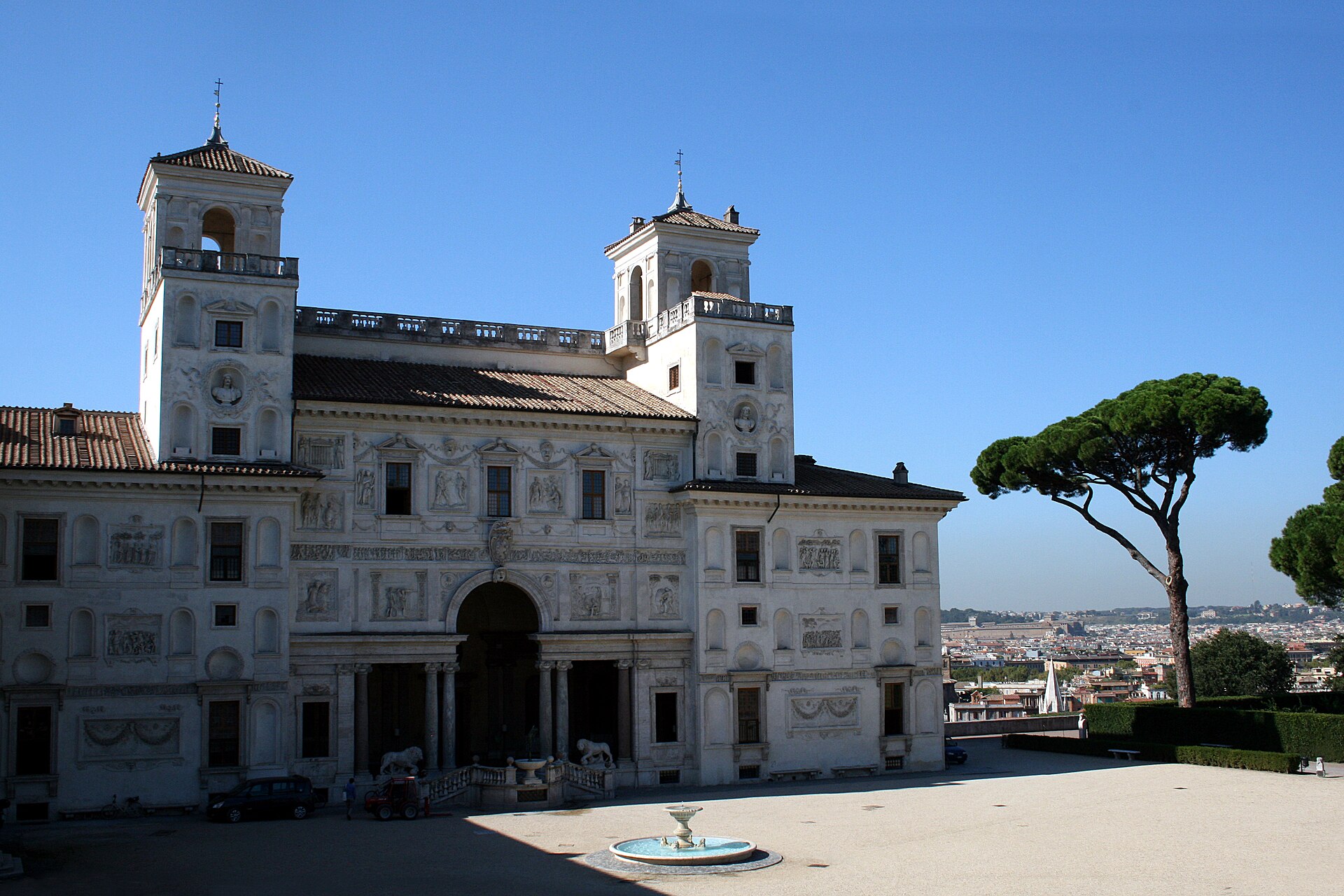
Wikimedia Commons · Creative Commons Attribution 4.0 International · file Galileo reached Rome and lodged with Tuscan ambassador Francesco Niccolini while seeking authorization to print the Dialogue Concerning the Two Chief World Systems. Villa Medici served as the Tuscan ambassador's Roman residence; the archive wording itself identifies it as the ambassador's palace.
Moved to Villa Il Gioiello
· Villa Il Gioiello, Arcetri, Florence, Tuscany, Italy
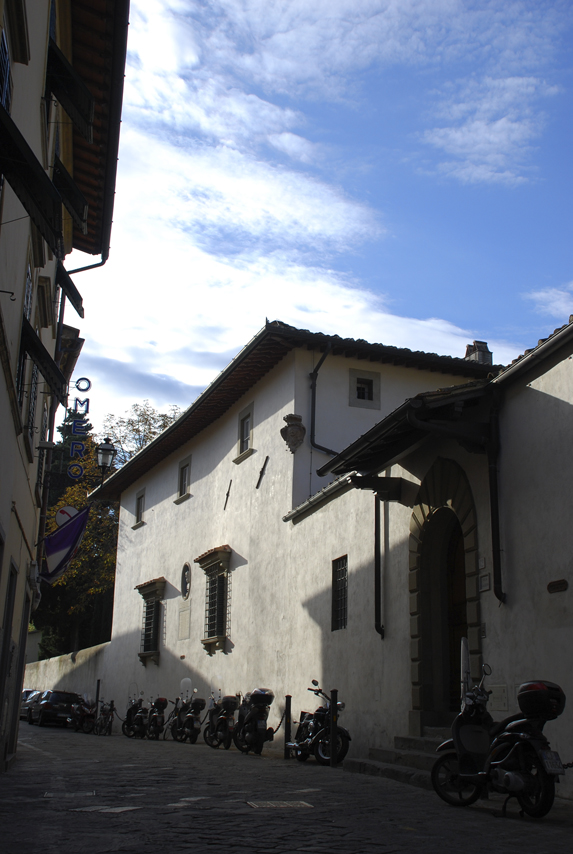
Wikimedia Commons · Creative Commons Attribution-Share Alike 3.0 Unported · file Galileo established his final principal residence at Il Gioiello, close to the Arcetri convent where his daughters Maria Celeste and Arcangela lived. The source gives 1631 as the beginning of residence; another institutional chronology dates the lease to September.
Confined with Archbishop Piccolomini
· Siena, Tuscany, Italy
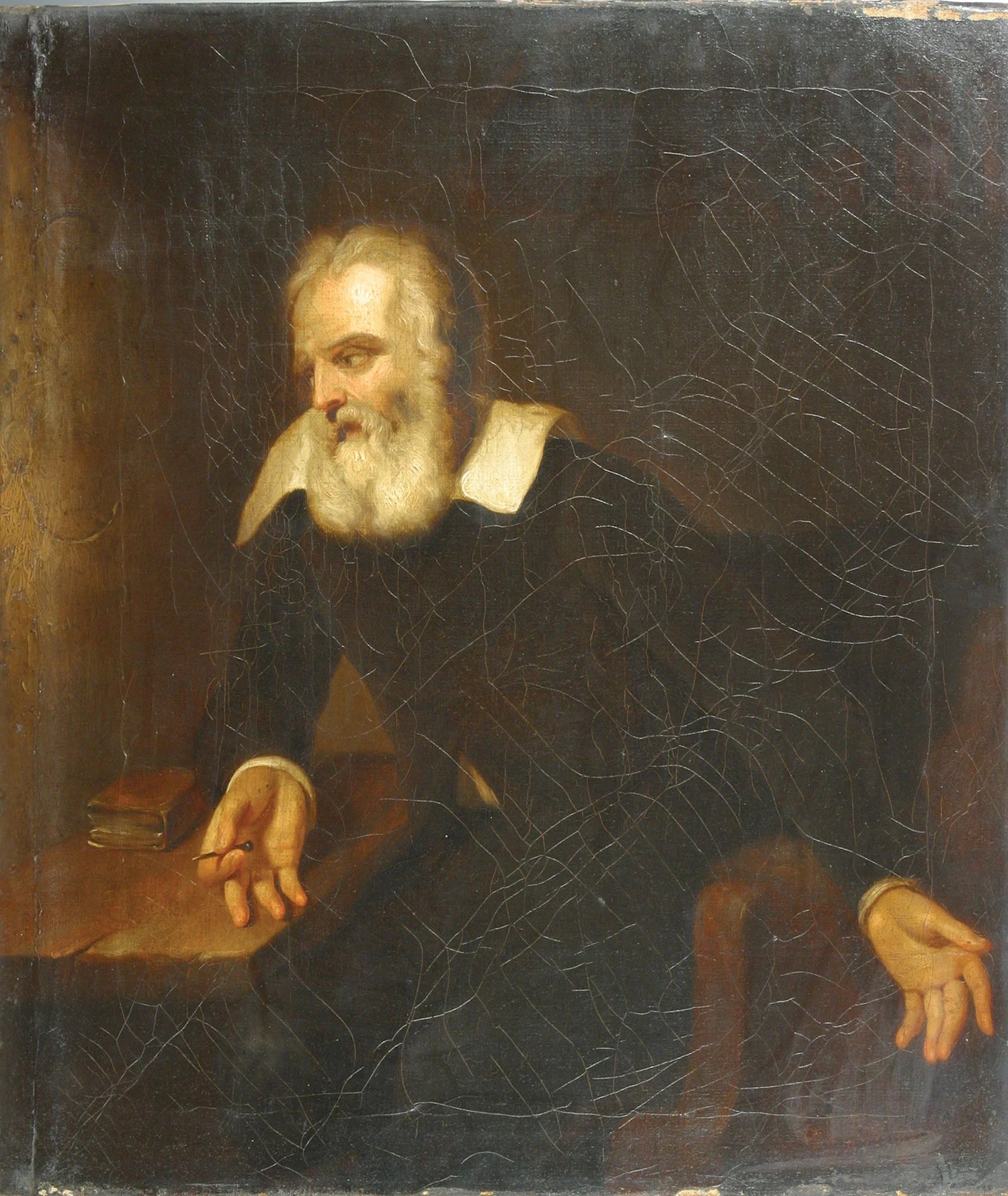
Wikimedia Commons · Public domain · file After his condemnation, Galileo was transferred from Rome to Siena and placed in the hospitable custody of Archbishop Ascanio Piccolomini, where he resumed scientific work. The source proves presence in Siena but does not name the archbishop's residence in the quoted passage, so settlement coordinates are used.
Departed Florence for his trial
· Florence, Tuscany, Italy
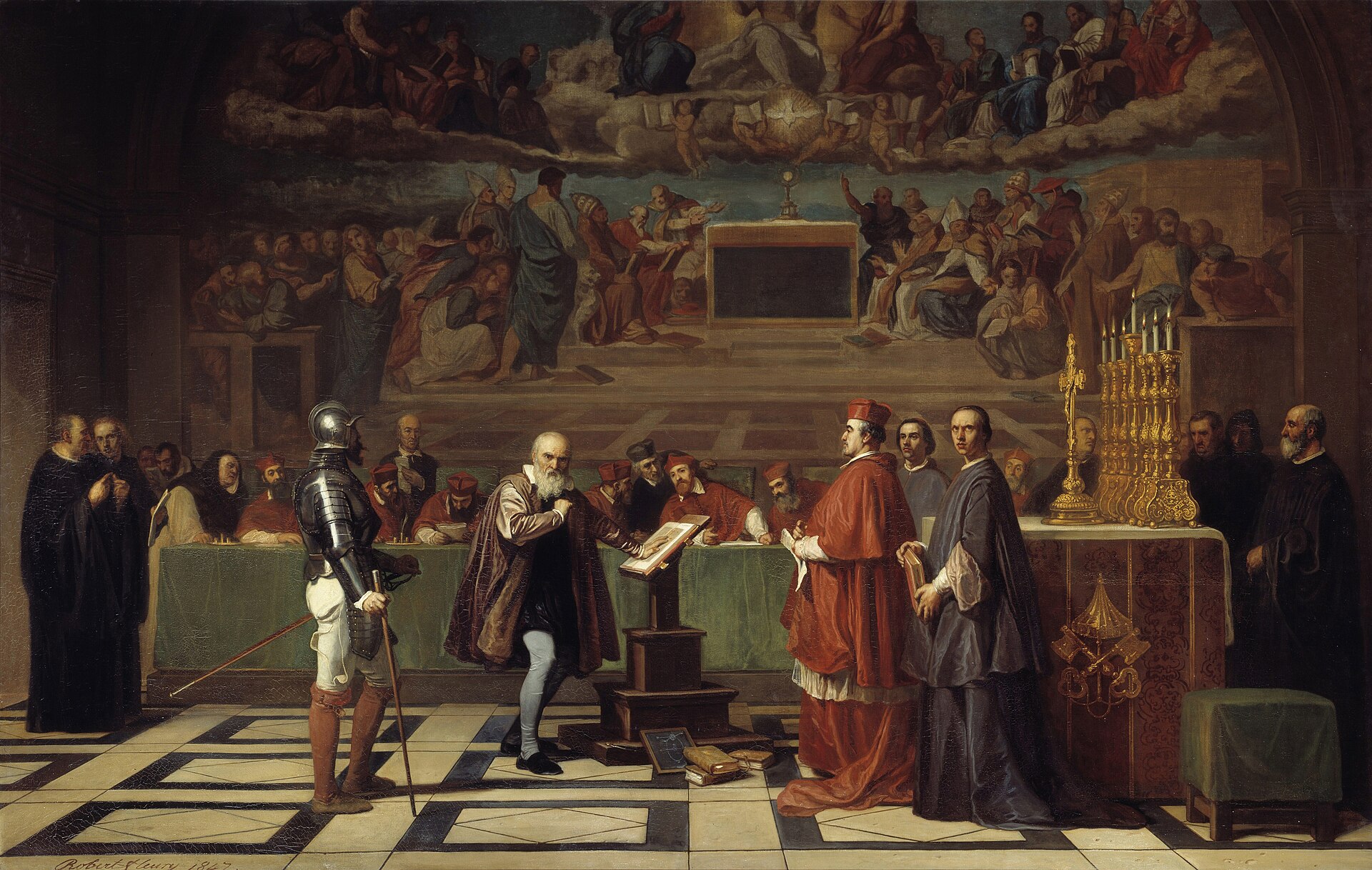
Wikimedia Commons · Public domain · file Under orders from the Holy Office, Galileo finally left Florence on the difficult winter journey to Rome to answer charges concerning the Dialogue. The archive chronology and surrounding entries establish Florence as the departure point.
Quarantined at Ponte Centino
· Ponte Centino, Tuscany–Lazio border, Italy
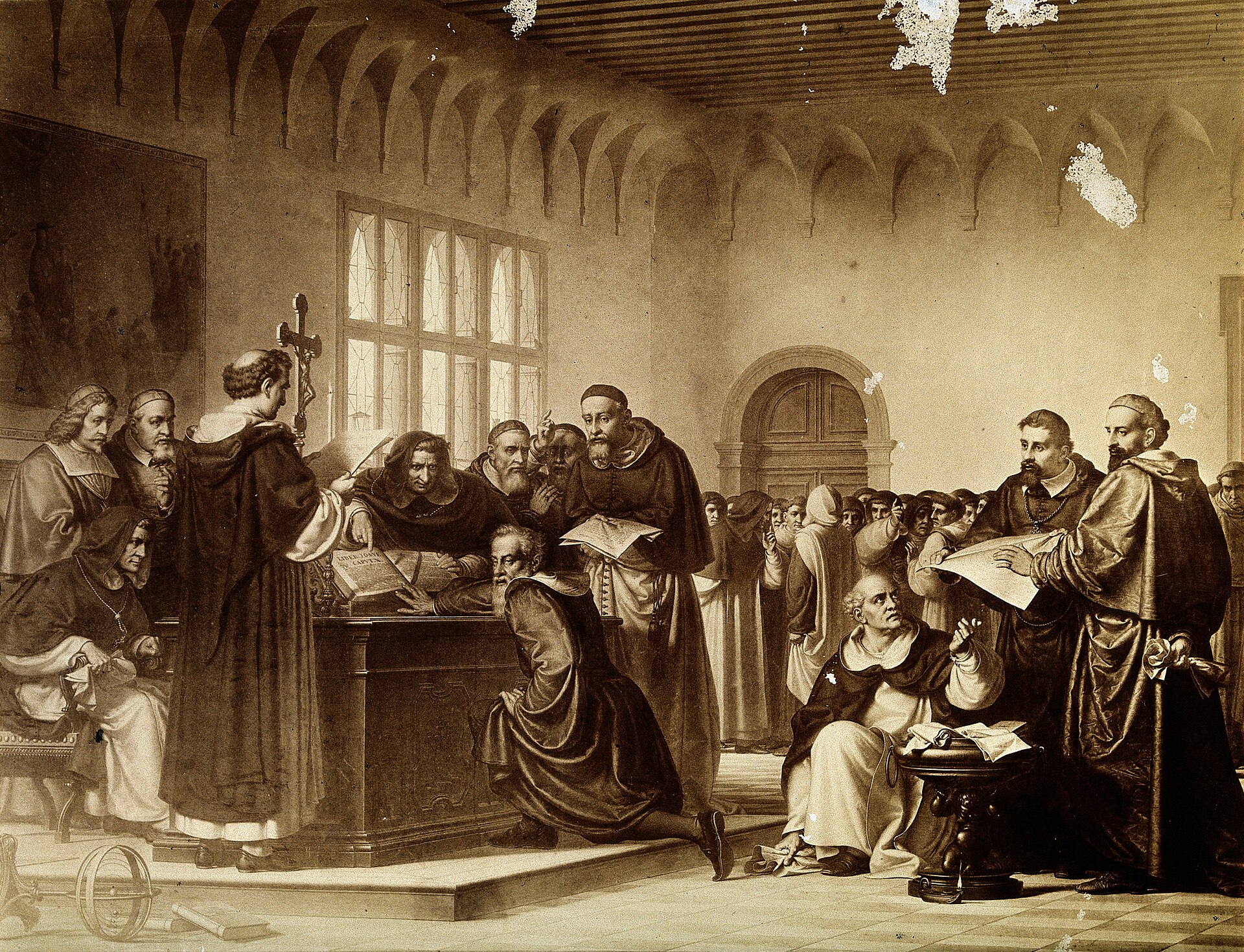
Wikimedia Commons · Creative Commons Attribution 4.0 International · file Plague controls forced Galileo to remain for more than two weeks at the frontier between Tuscany and the Papal States before he could continue to Rome. The coordinate is a representative point near the historic Centeno/Ponte Centino frontier locality; the exact quarantine lodging is uncertain.
Lodged at the Tuscan embassy in Rome
· Villa Medici, Rome, Italy
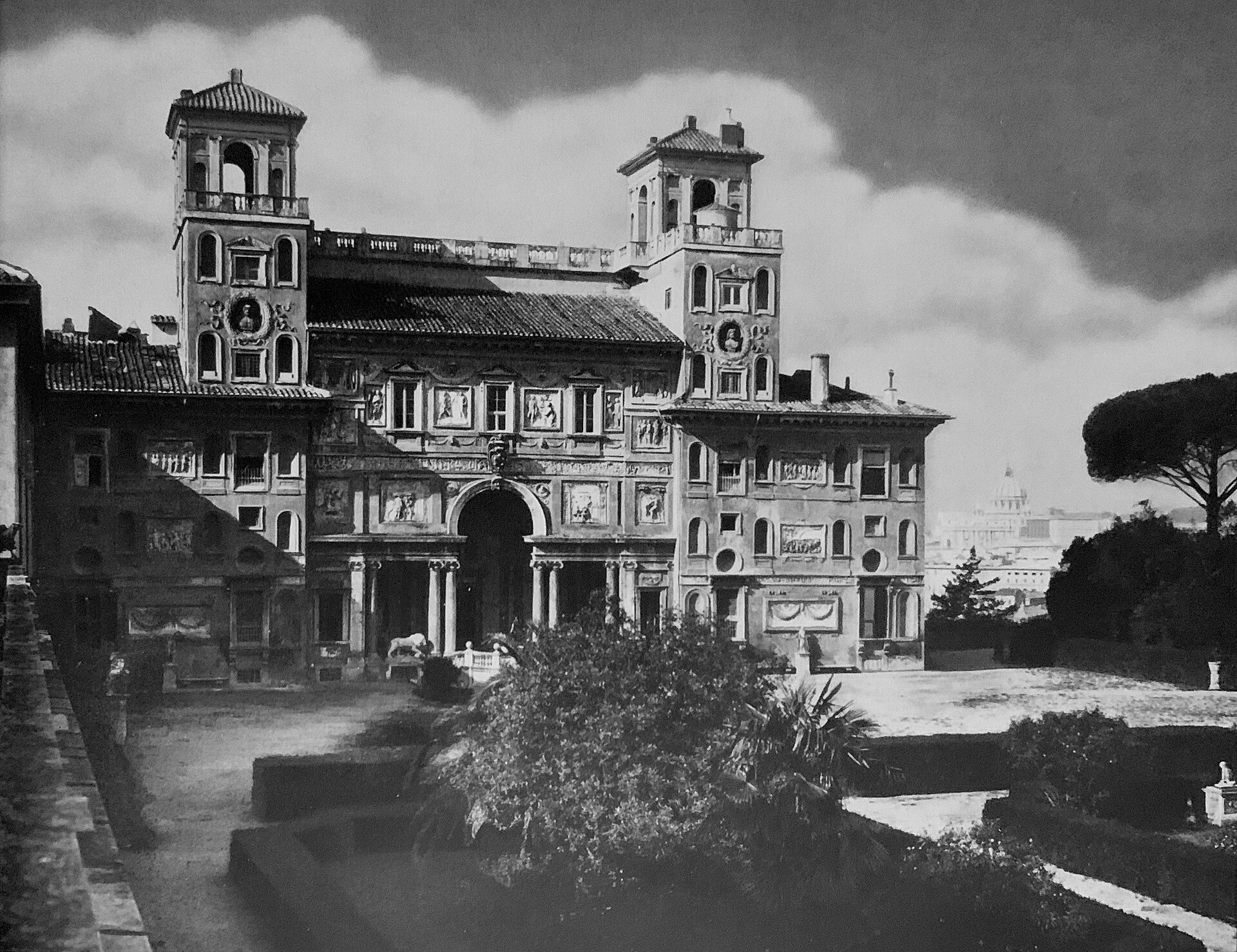
Wikimedia Commons · Public domain · file Galileo arrived in Rome and was placed at the Tuscan ambassador's residence while awaiting formal proceedings before the Inquisition. The Tuscan ambassador's residence was Villa Medici.
Appeared before the Holy Office
· Palace of the Holy Office, Rome, Italy
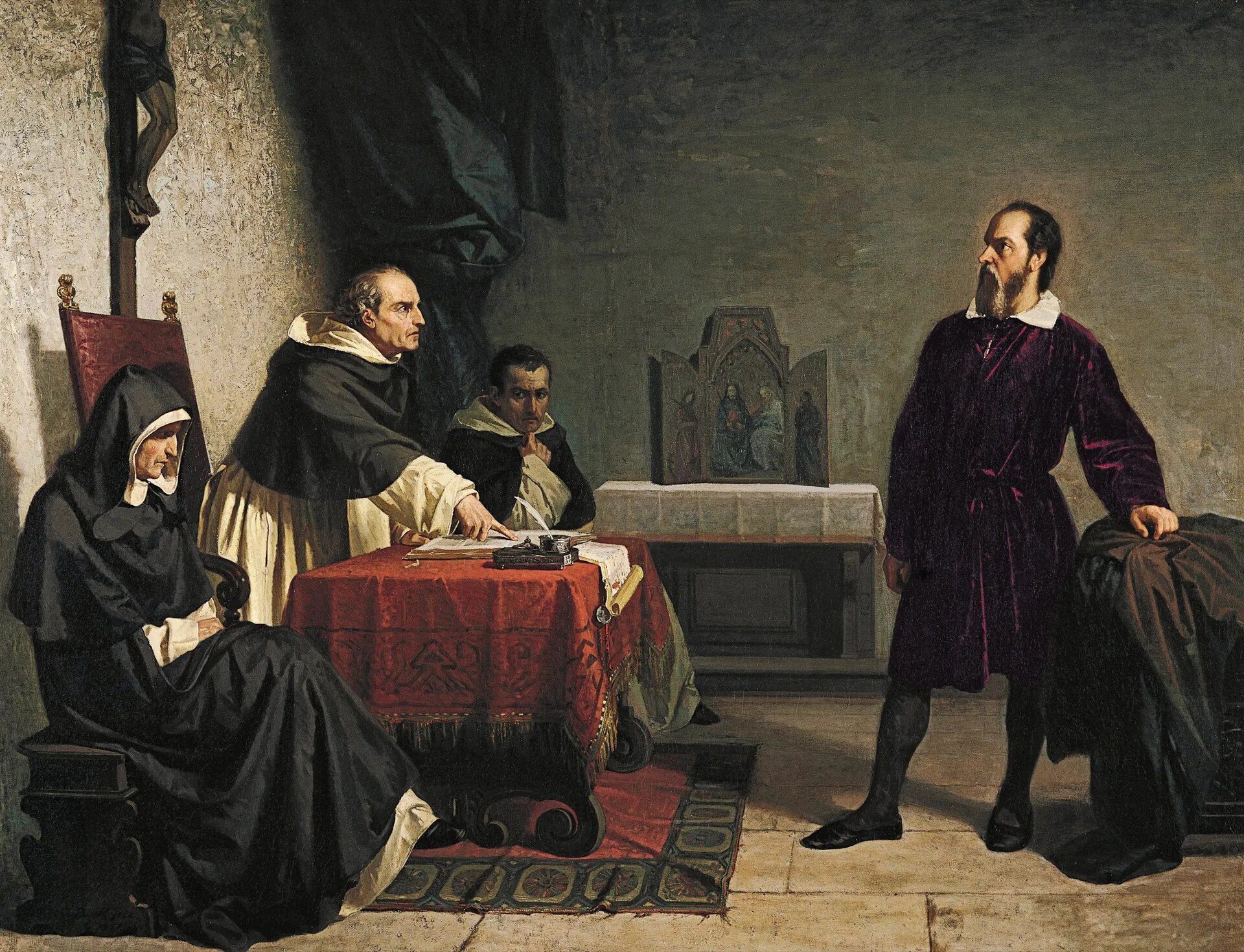
Wikimedia Commons · Public domain · file At Pope Urban VIII's order, Galileo underwent his final interrogation and maintained that he had not defended Copernicanism after the 1616 admonition. The coordinate represents the historic Holy Office complex near St. Peter's; the chronology names the institution rather than a particular room.
Abjured at Santa Maria sopra Minerva
· Santa Maria sopra Minerva, Rome, Italy
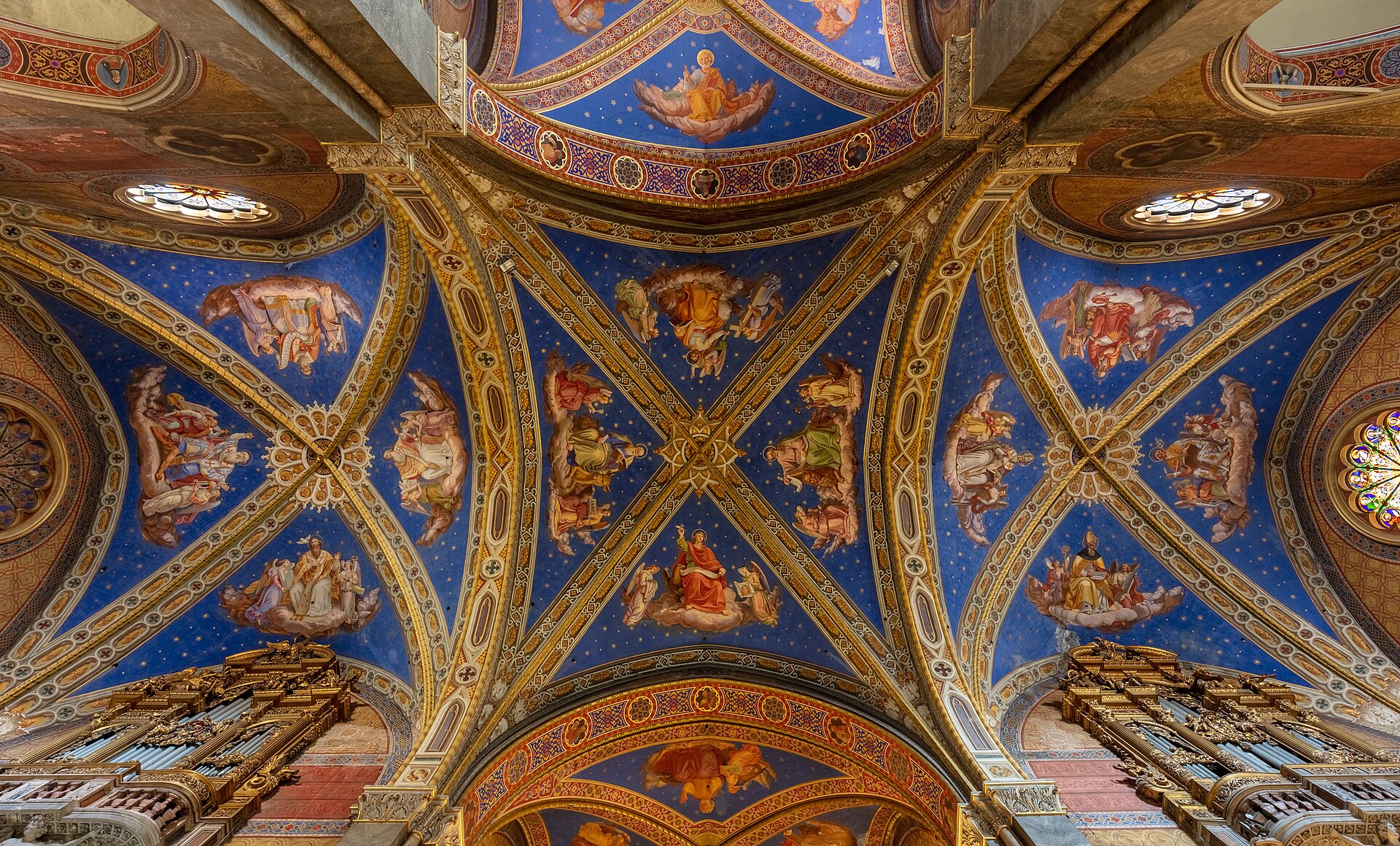
Wikimedia Commons · Creative Commons Attribution-Share Alike 4.0 International · file The Inquisition's sentence was read in the Dominican complex of Santa Maria sopra Minerva, where Galileo signed a formal abjuration and was condemned to imprisonment, soon commuted to house arrest. The date follows directly from the preceding source entry dated June 21.
Returned under arrest to Il Gioiello
· Villa Il Gioiello, Arcetri, Florence, Tuscany, Italy
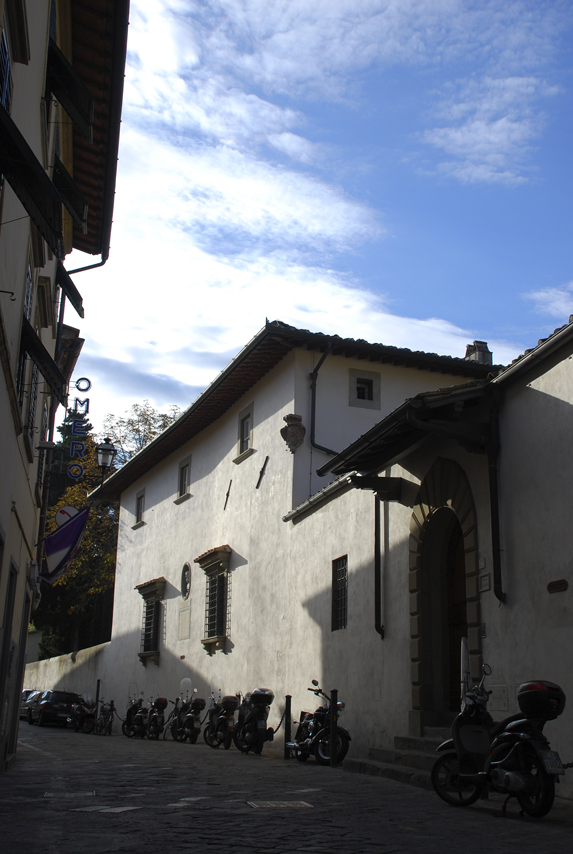
Wikimedia Commons · Creative Commons Attribution-Share Alike 3.0 Unported · file Galileo returned from Siena to his Arcetri villa, which became the principal site of his lifelong house arrest and later work on the Two New Sciences. December 1 is the authorization date, not necessarily the arrival date; the Grand Duke's late-December visit confirms Galileo's presence there by the end of the month.
Lived under house arrest at Arcetri
· Villa Il Gioiello, Arcetri, Florence, Tuscany, Italy
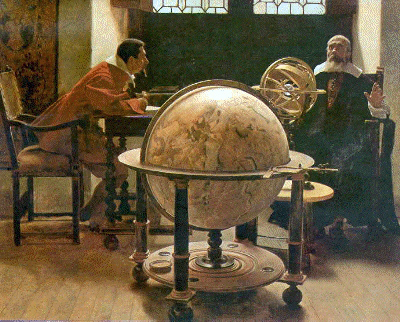
Wikimedia Commons · Public domain · file From early 1634 onward, Galileo served his house arrest at Il Gioiello, continuing research and writing despite restrictions, illness, and eventual blindness. This card represents the beginning of the continuous house-arrest period at the villa.
Died at Villa Il Gioiello
· Villa Il Gioiello, Arcetri, Florence, Tuscany, Italy
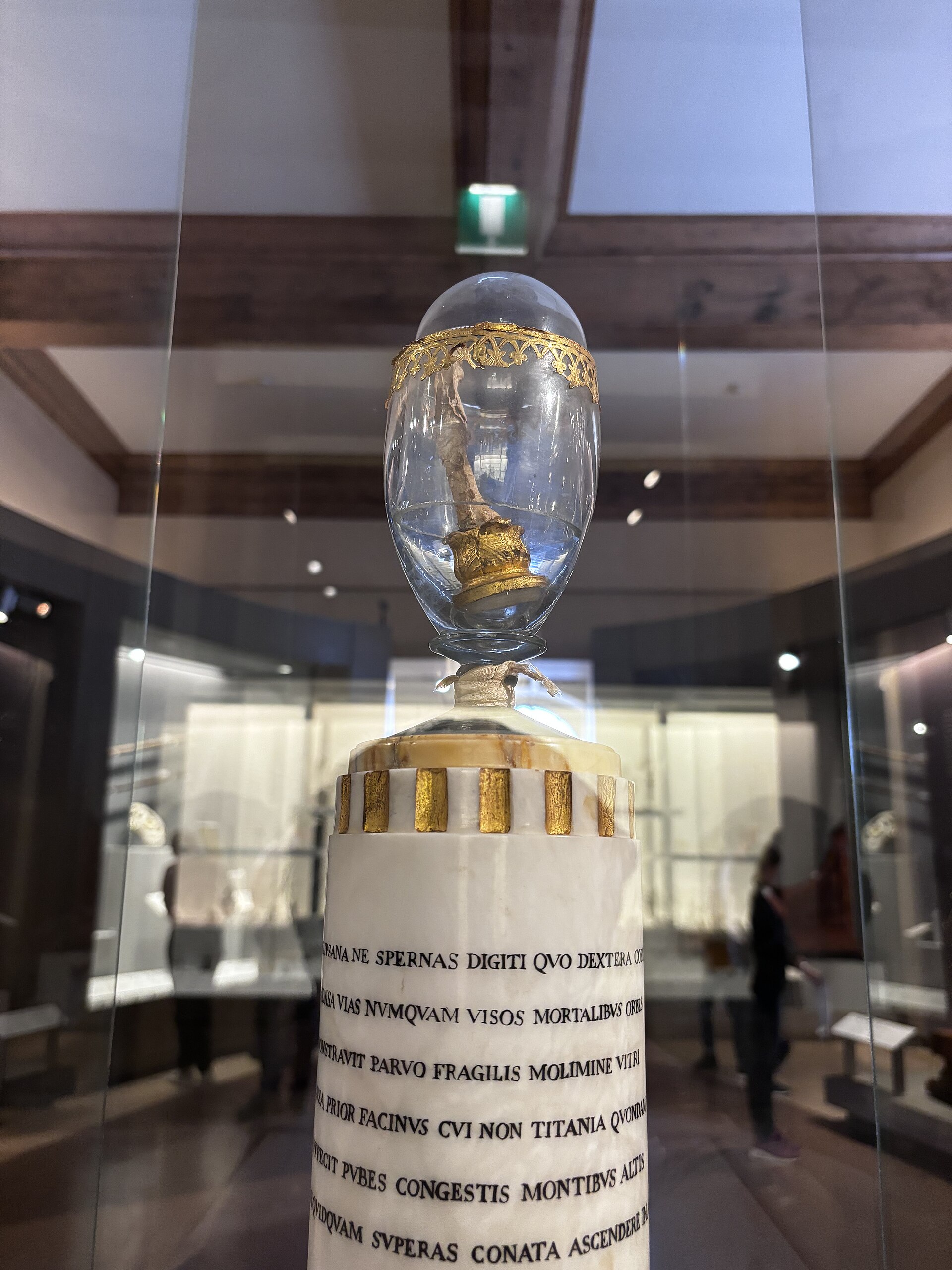
Wikimedia Commons · Creative Commons Attribution-Share Alike 3.0 Unported · file Galileo died at four in the morning at his Arcetri villa after an illness involving fever and heart palpitations, ending nearly nine years of house arrest.