
27 moments
Born in Alexandria
· Alexandria, Egypt
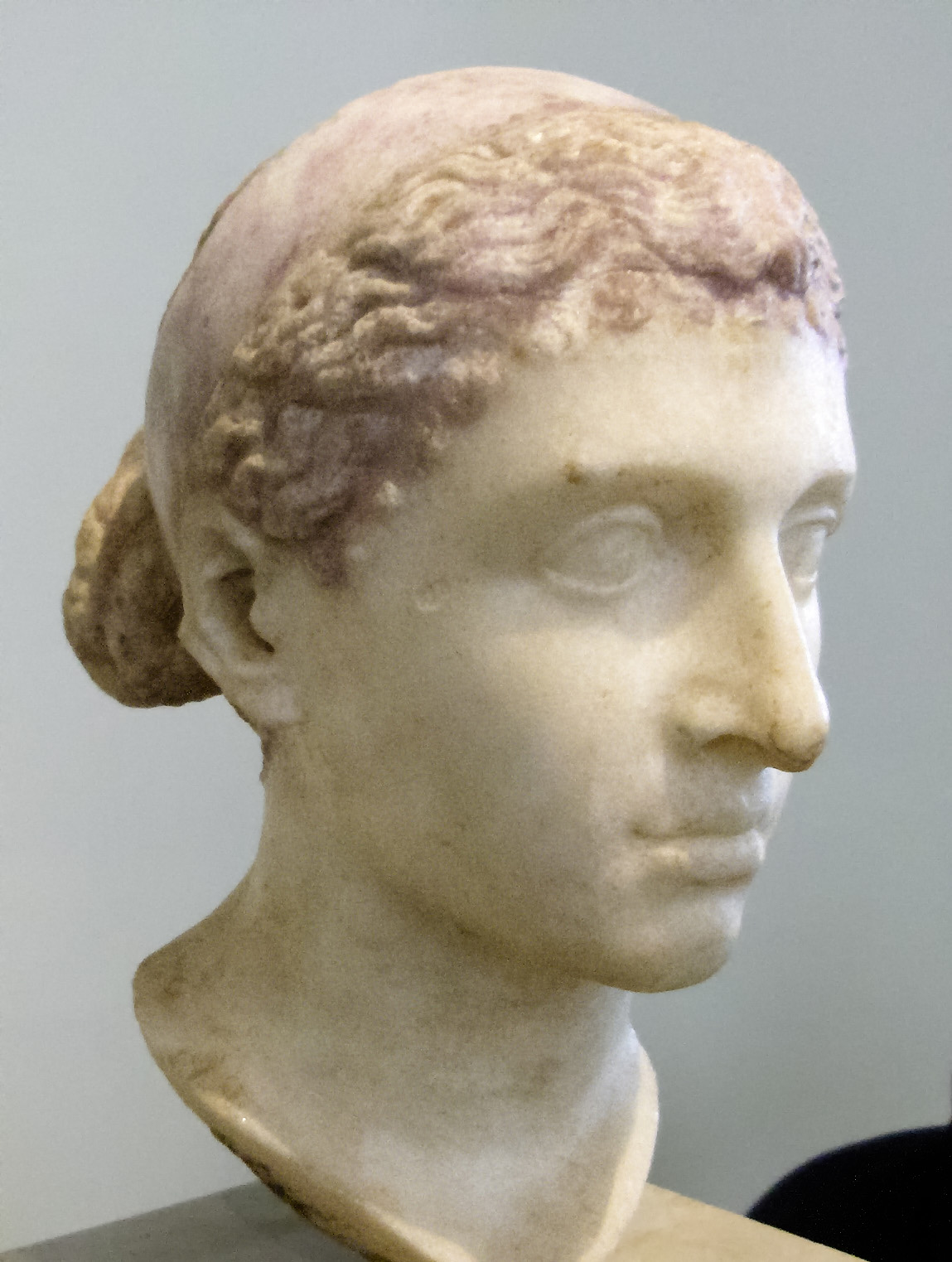
Wikimedia Commons · Creative Commons Attribution-Share Alike 2.0 Generic · file Cleopatra was born in Alexandria, the dynastic and administrative capital where she was raised and educated before succeeding her father. The birth occurred in early 69 BC or possibly late 70 BC; no exact site within Alexandria is known.
Stayed at Pompey's Italian villa
· Pompey's villa near Praeneste, Latium, Italy
During Ptolemy XII's exile, the young Cleopatra accompanied him to Roman Italy and stayed at the villa of their patron Pompey outside Rome. Cleopatra's accompaniment is accepted by the cited account but ultimately rests on identifying an unnamed daughter. Coordinates represent ancient Praeneste near the reported villa area.
Settled at Ephesus during exile
· Ephesus, İzmir Province, Turkey
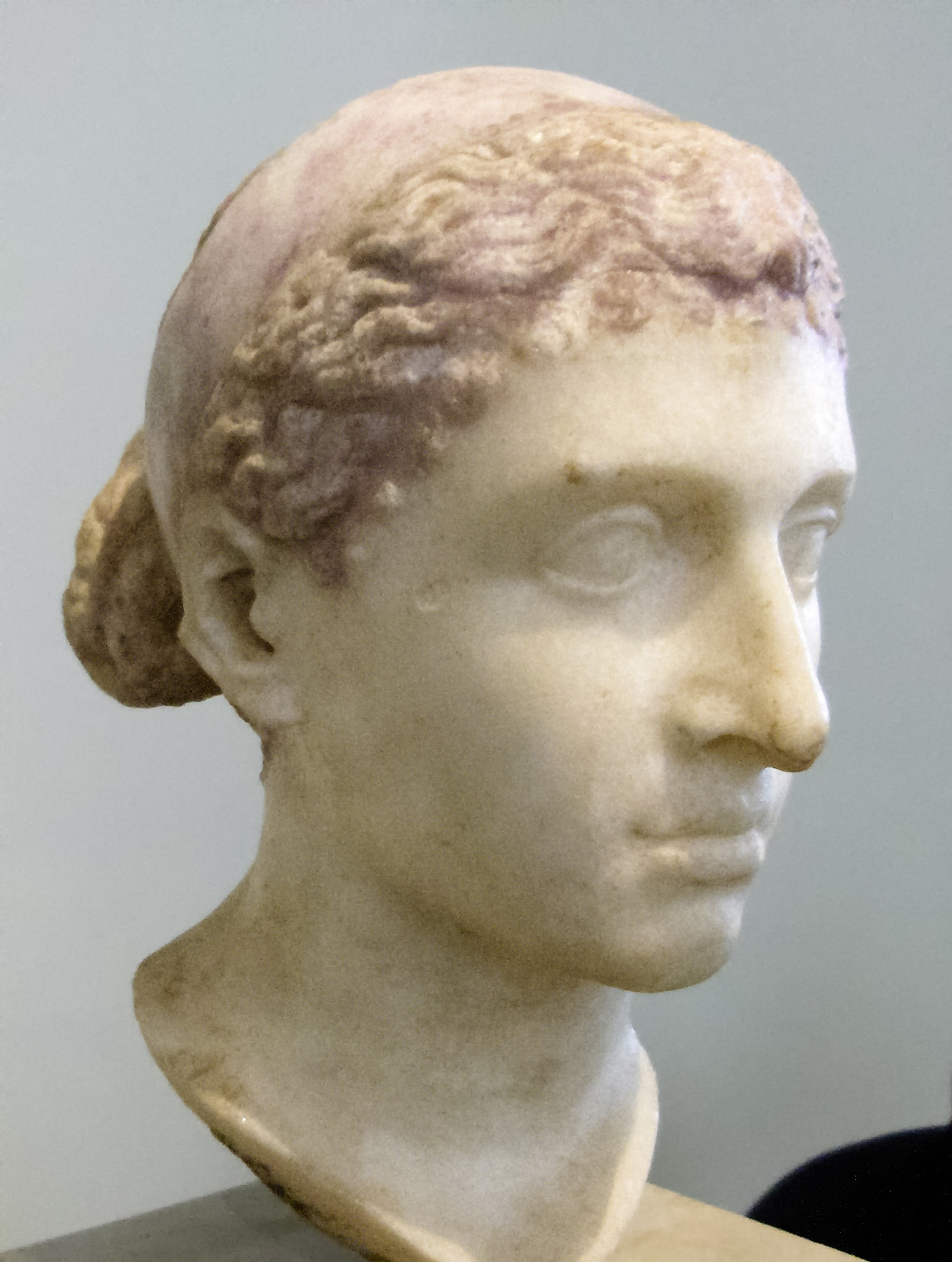
Wikimedia Commons · Public domain · file After leaving the hostile political environment around Rome, Cleopatra and her father settled at Ephesus while he pursued restoration to the Egyptian throne. The move is dated to late 57 BC; the specific residence in Ephesus is not identified.
Voyaged to install the Buchis bull
· Hermonthis (Armant), Luxor Governorate, Egypt
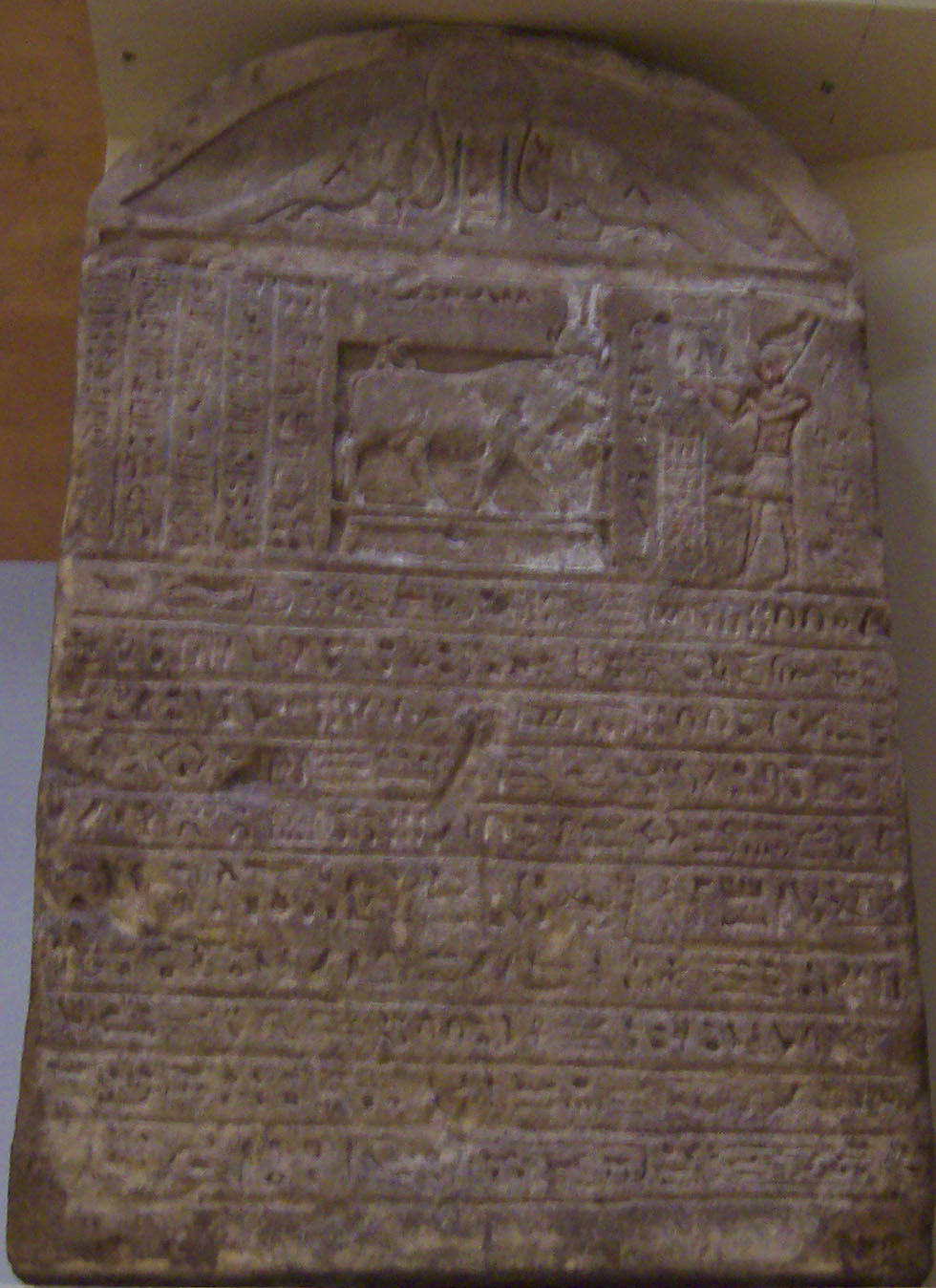
Wikimedia Commons · Creative Commons Attribution-Share Alike 3.0 Unported · file Cleopatra's first documented royal action was a voyage to Hermonthis to install a sacred Buchis bull, demonstrating engagement with Egyptian religious institutions at her accession. The voyage occurred by 22 March 51 BC, but its exact day is not established.
Fought for control of Alexandria
· Alexandria, Egypt
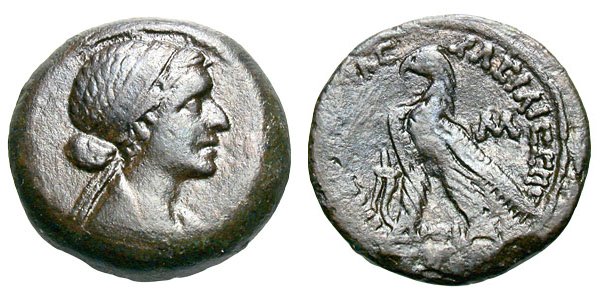
Wikimedia Commons · Creative Commons Attribution-ShareAlike 4.0 International · file Cleopatra and her supporters remained in Alexandria during the developing civil conflict with her brother and co-ruler Ptolemy XIII. The source places this activity in the summer of 49 BC without a more specific Alexandrian site.
Camped outside Pelusium
· Pelusium archaeological site, North Sinai, Egypt
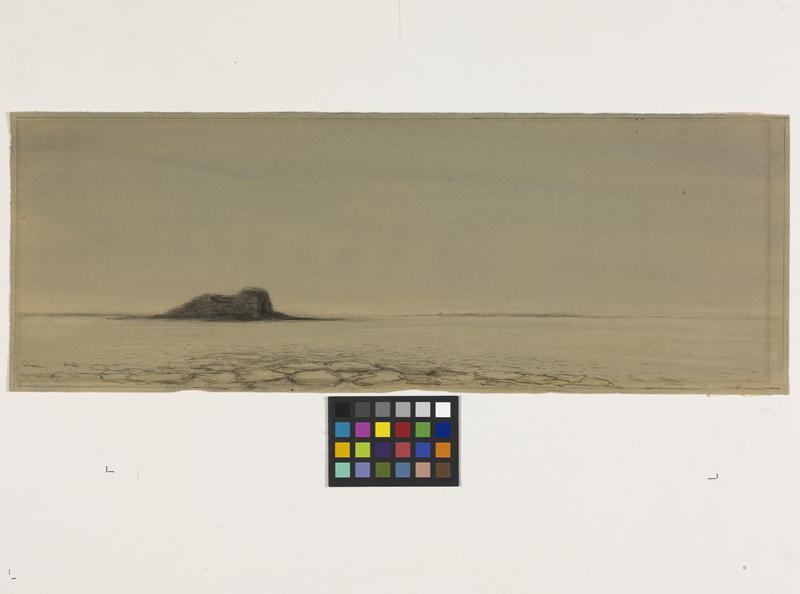
Wikimedia Commons · Public domain · file Returning toward Egypt with an army, Cleopatra found the road to Alexandria blocked and established a camp outside the eastern frontier city of Pelusium. The exact position of Cleopatra's camp outside ancient Pelusium is unknown; coordinates represent the archaeological area.
Entered Alexandria's royal quarter
· Ptolemaic Royal Quarter, Alexandria, Egypt
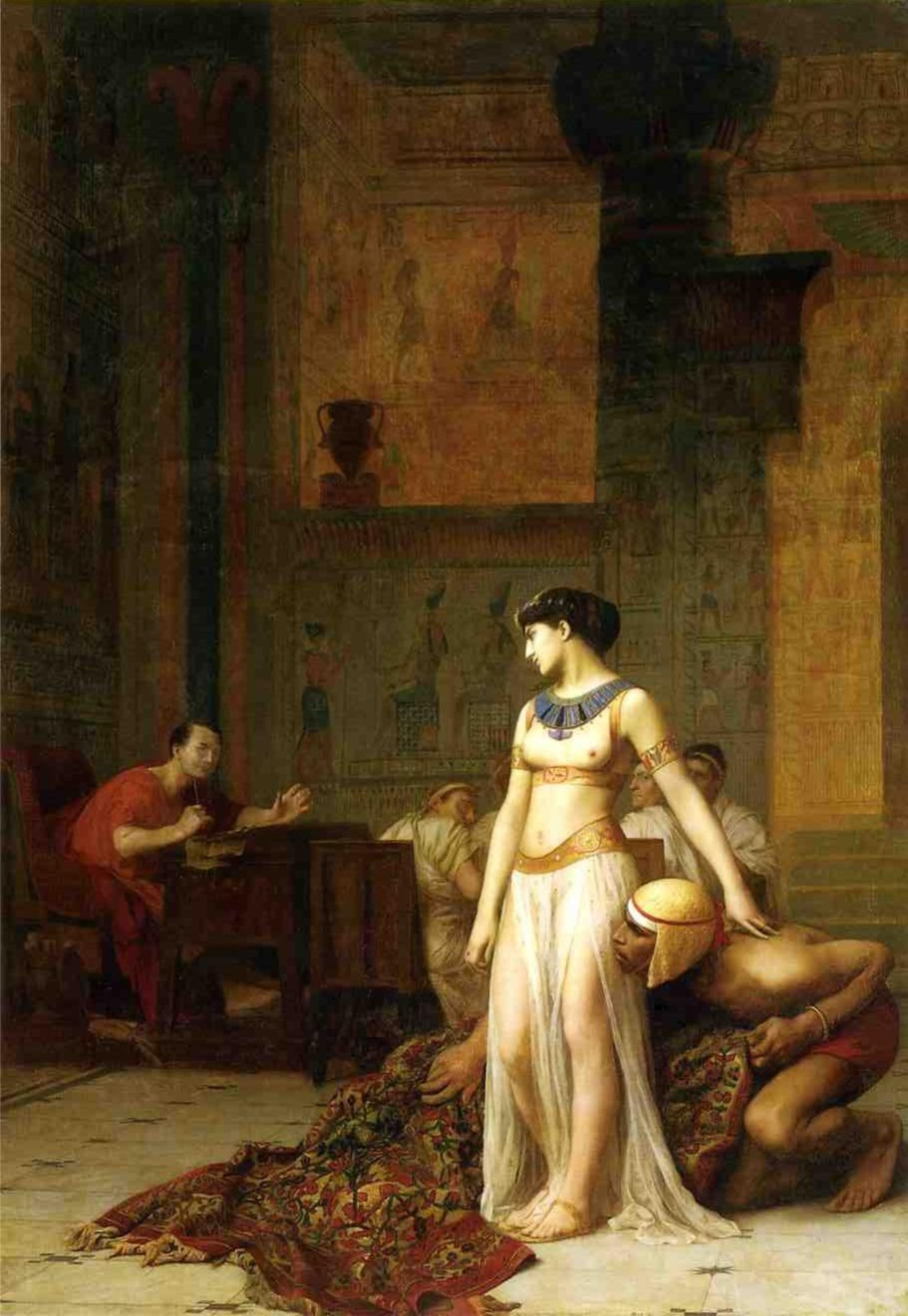
Wikimedia Commons · Public domain · file Cleopatra secretly entered Alexandria's royal quarter to meet Julius Caesar, initiating the alliance that restored her position against Ptolemy XIII. Accounts differ about how Cleopatra entered. The royal-quarter coordinate is approximate because much of the palace district is submerged or archaeologically uncertain.
Raised an invasion force in Syria
· Roman Syria, location unspecified
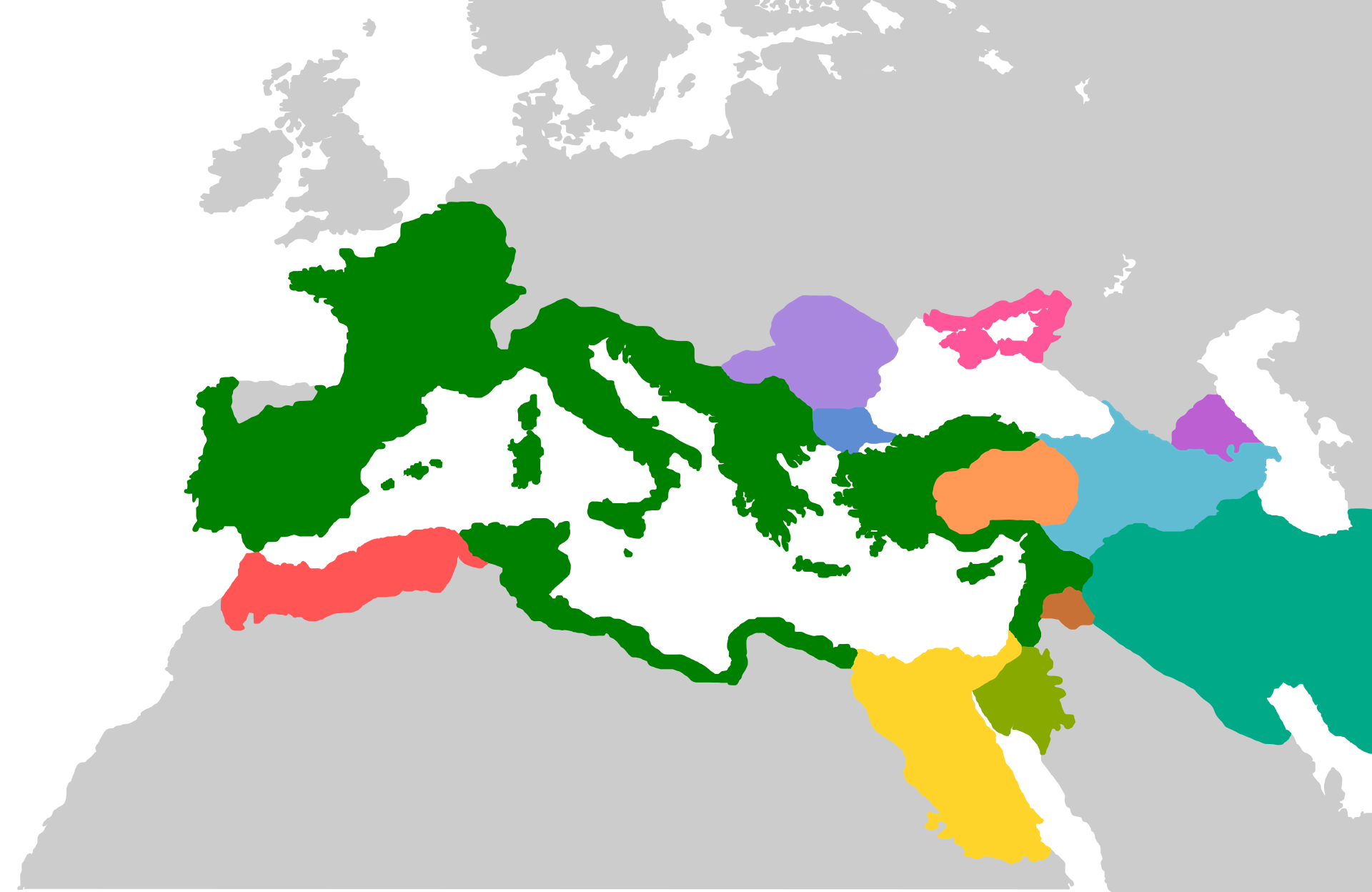
Wikimedia Commons · Creative Commons Attribution 2.5 Generic · file Cleopatra traveled with Arsinoe IV to Roman Syria to recruit an army for an attempt to recover power in Egypt. The source gives only the province of Syria. Coordinates are a deliberately broad representative point and do not imply a particular city.
Withdrew to the Theban region
· Thebes (modern Luxor), Luxor Governorate, Egypt
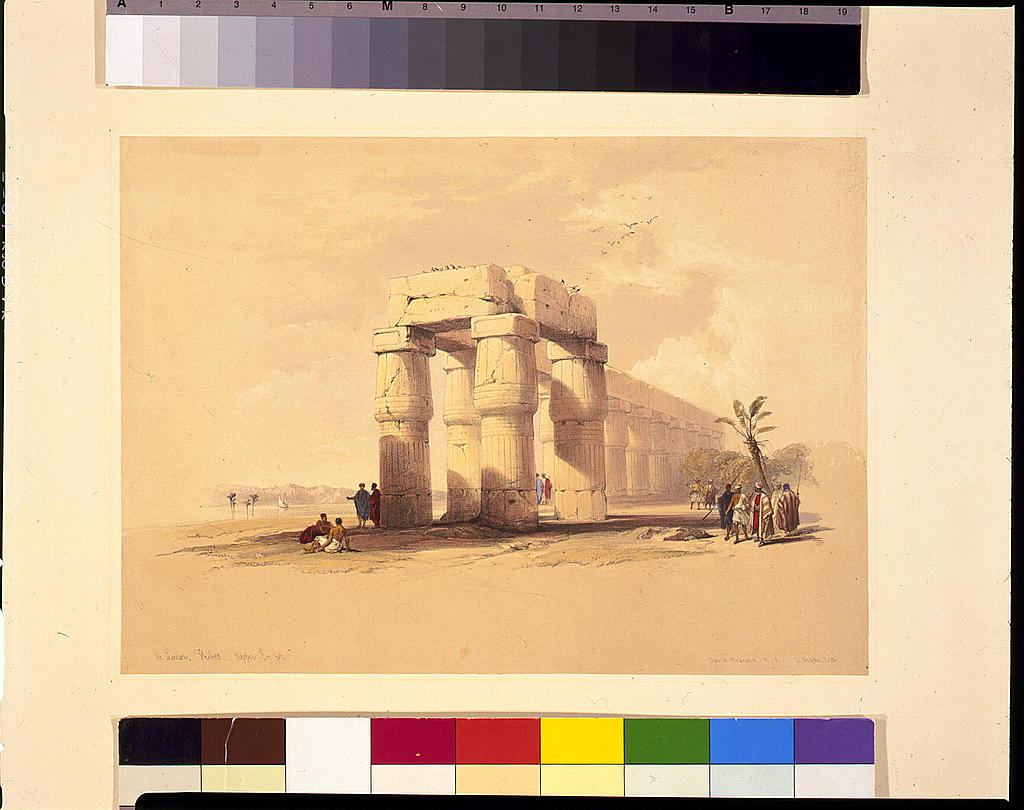
Wikimedia Commons · Public domain · file After losing ground in the dynastic struggle, Cleopatra fled Alexandria and withdrew to Upper Egypt around Thebes before seeking forces abroad. The evidence specifies the broader Theban region rather than a particular building or settlement site.
Lodged at Caesar's villa in Rome
· Horti Caesaris, Rome, Italy
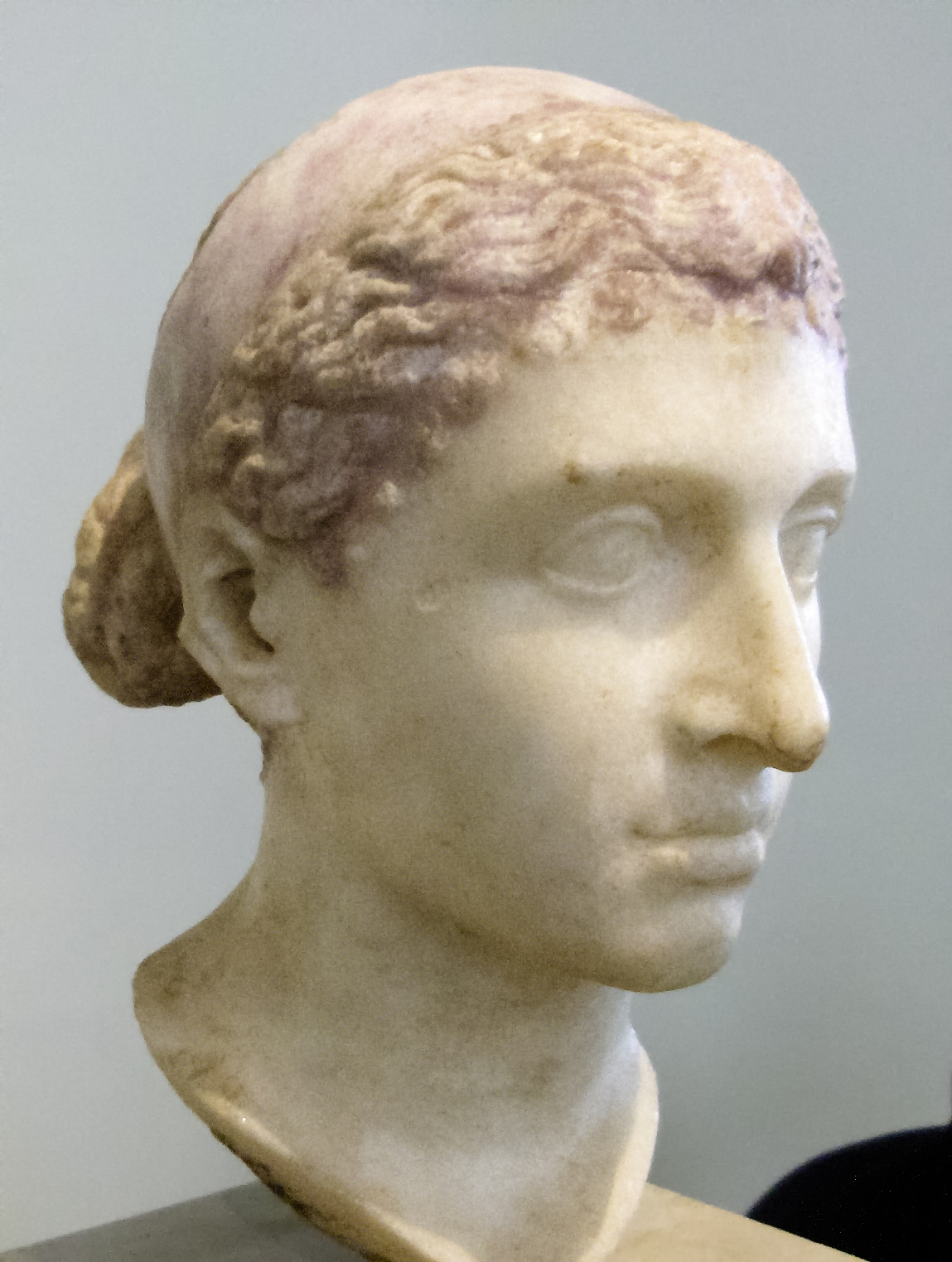
Wikimedia Commons · Public domain · file Cleopatra visited Rome as a recognized client queen and lodged with Ptolemy XIV in Caesar's villa within the Horti Caesaris. The visit began around autumn 46 BC. Scholarship differs on whether her Roman residence was continuous through 44 BC or involved two visits.
Remained in Rome after Caesar's murder
· Horti Caesaris, Rome, Italy
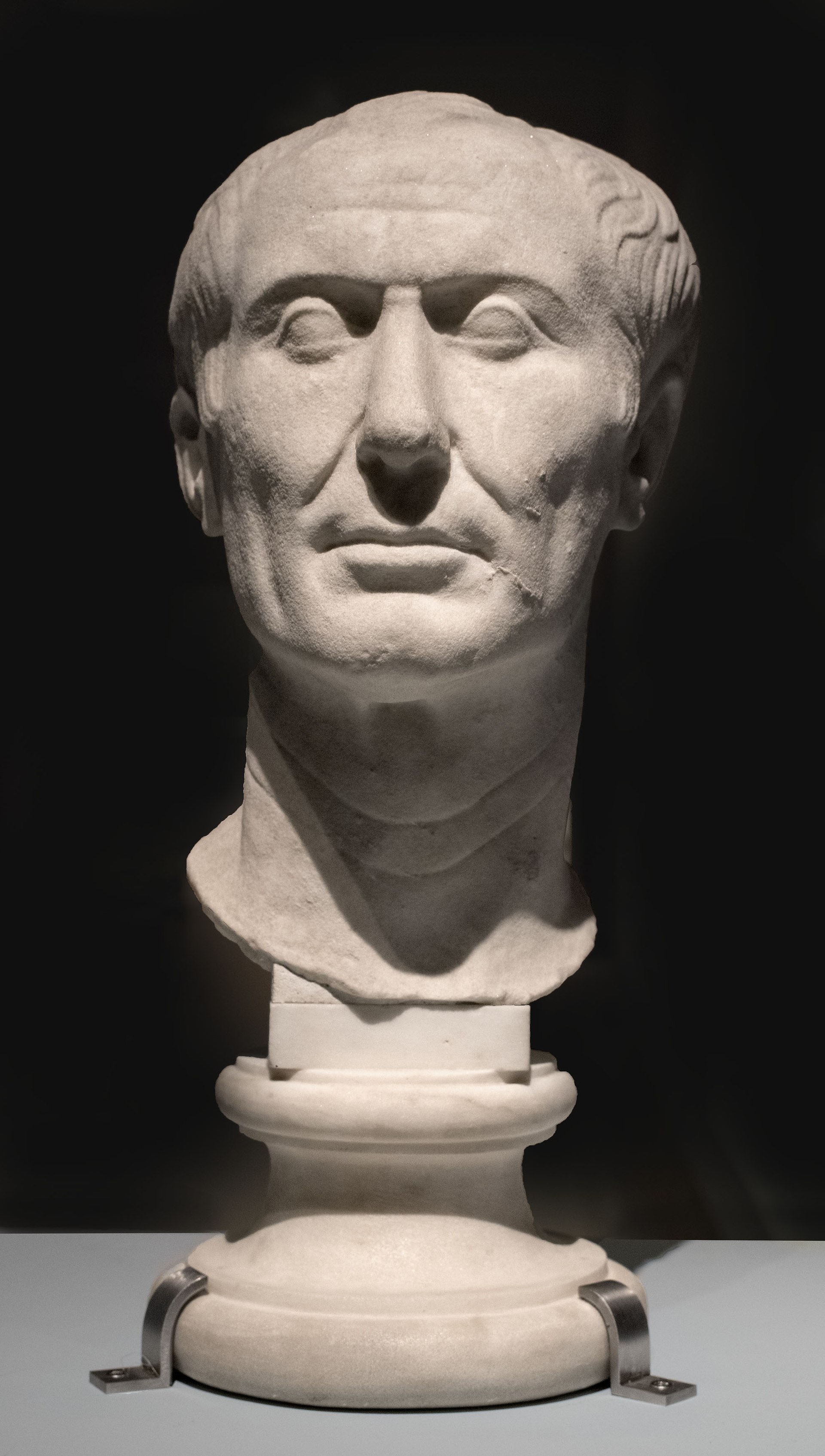
Wikimedia Commons · Creative Commons Attribution-Share Alike 2.0 Generic · file Cleopatra was still in Rome after Caesar's assassination on 15 March and remained until approximately mid-April while seeking recognition for Caesarion. The gardens lay outside Rome's pomerium near the Via Portuensis; their precise extent is uncertain.
Sailed up the Cydnus to Tarsus
· Cydnus River at Tarsus, Mersin Province, Turkey
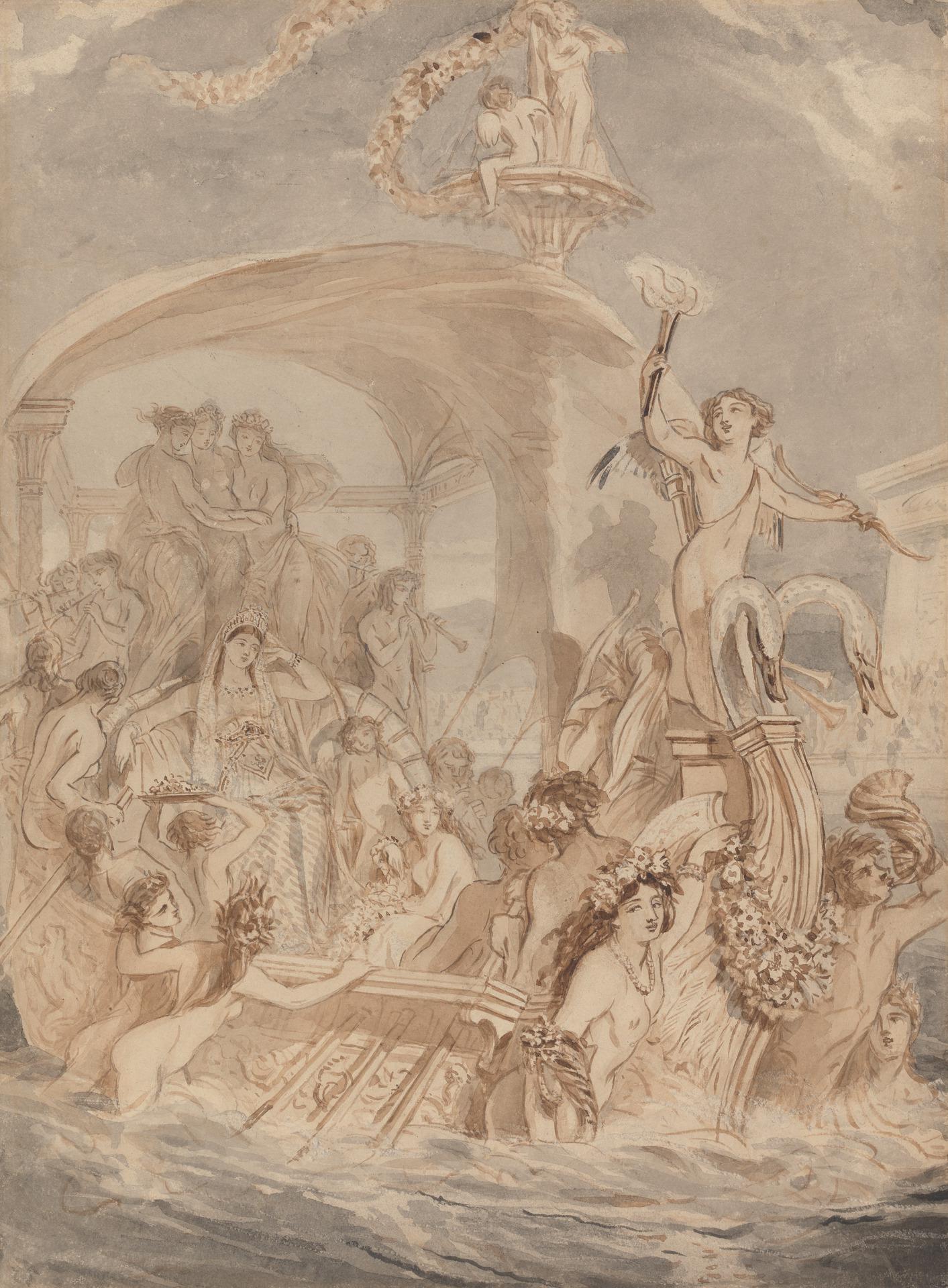
Wikimedia Commons · Creative Commons CC0 1.0 Universal Public Domain Dedication · file Summoned by Mark Antony, Cleopatra made her celebrated riverborne entrance at Tarsus before negotiating an alliance and beginning their political and personal partnership. The meeting is dated to 41 BC; ancient literary descriptions of the pageantry may be embellished.
Wintered with Antony in Alexandria
· Alexandria, Egypt
Following the Tarsus negotiations, Cleopatra and Antony spent the winter together in Alexandria, consolidating their alliance as Antony organized the Roman East. The stay extended into 40 BC; no particular palace room or Alexandrian venue is securely identified.
Accompanied Antony toward the Euphrates
· Euphrates River, Roman Syria, exact point uncertain
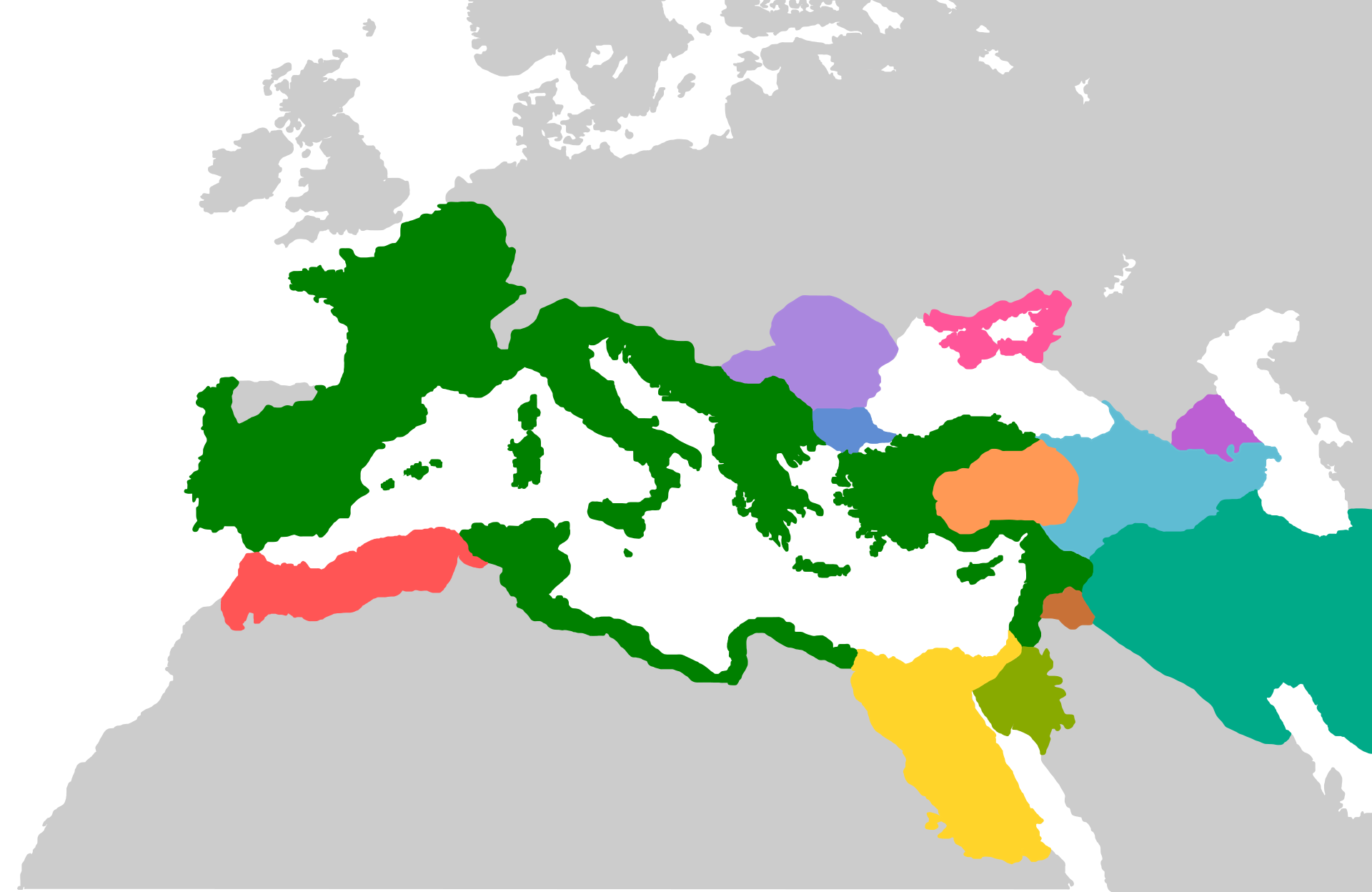
Wikimedia Commons · Creative Commons Attribution 2.5 Generic · file Cleopatra accompanied Antony on the first stage of his Parthian expedition before turning back to tour her recently acquired territories and return to Egypt. She may have traveled as far as Seleucia at the Zeugma, but the precise point reached is uncertain; coordinates represent the Syrian Euphrates corridor.
Passed through Damascus
· Damascus, Syria
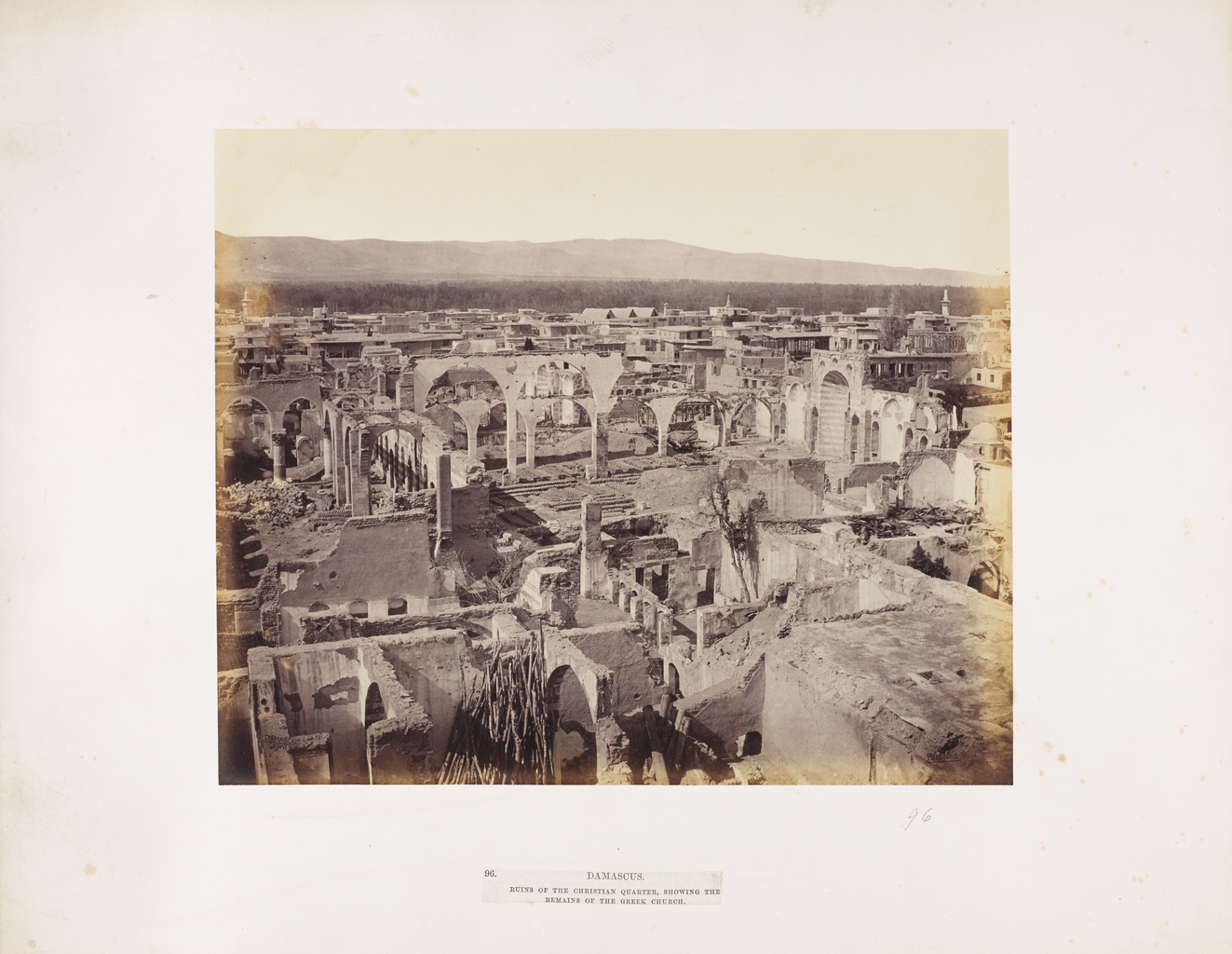
Wikimedia Commons · Public domain · file On her return from the Euphrates, Cleopatra traveled through Apamea and Damascus before continuing into Herod's territories and toward Egypt. Josephus supplies the itinerary but not exact arrival dates or a specific site within Damascus.
Traveled with Antony to Antioch
· Antioch (Antakya), Hatay Province, Turkey
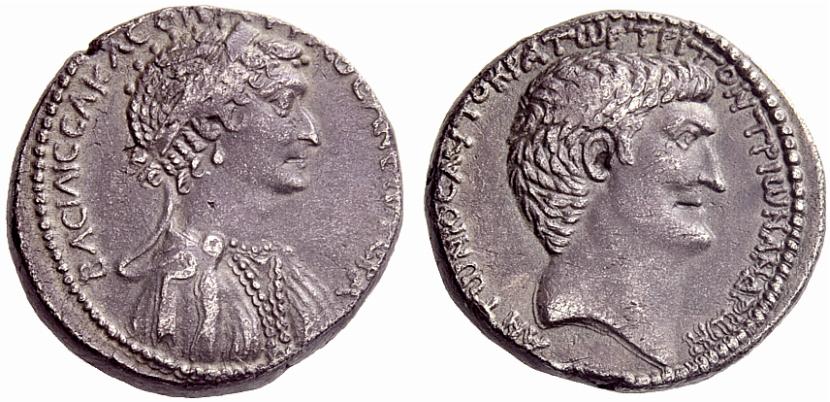
Wikimedia Commons · Creative Commons Attribution-ShareAlike 4.0 International · file Cleopatra accompanied Antony to Antioch during preparations for a renewed eastern campaign, which the couple subsequently abandoned. The source dates the journey to 35 BC but provides no month or specific Antiochene venue.
Enthroned at the Donations of Alexandria
· Gymnasium of Alexandria, Alexandria, Egypt
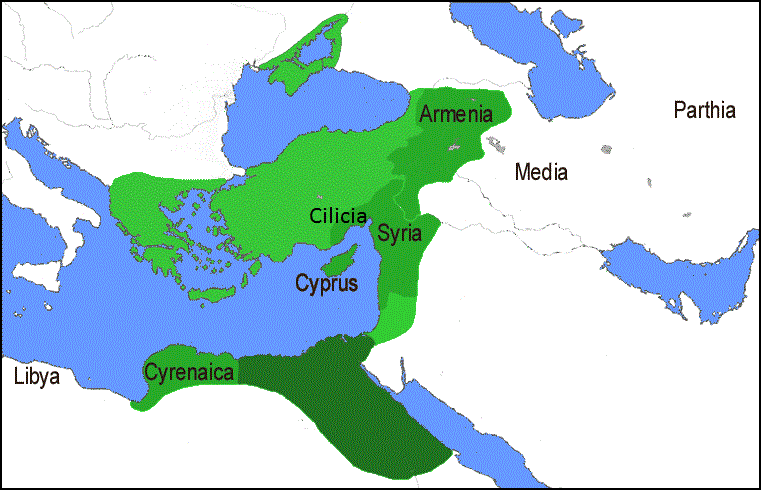
Wikimedia Commons · Creative Commons Attribution 3.0 Unported · file At the gymnasium of Alexandria, Cleopatra appeared with Antony on a golden throne while titles and territories were publicly assigned to her and their children. The ceremony occurred in autumn 34 BC. The ancient gymnasium's exact location is uncertain, so coordinates represent central Ptolemaic Alexandria.
Assembled the war fleet at Ephesus
· Ephesus, İzmir Province, Turkey
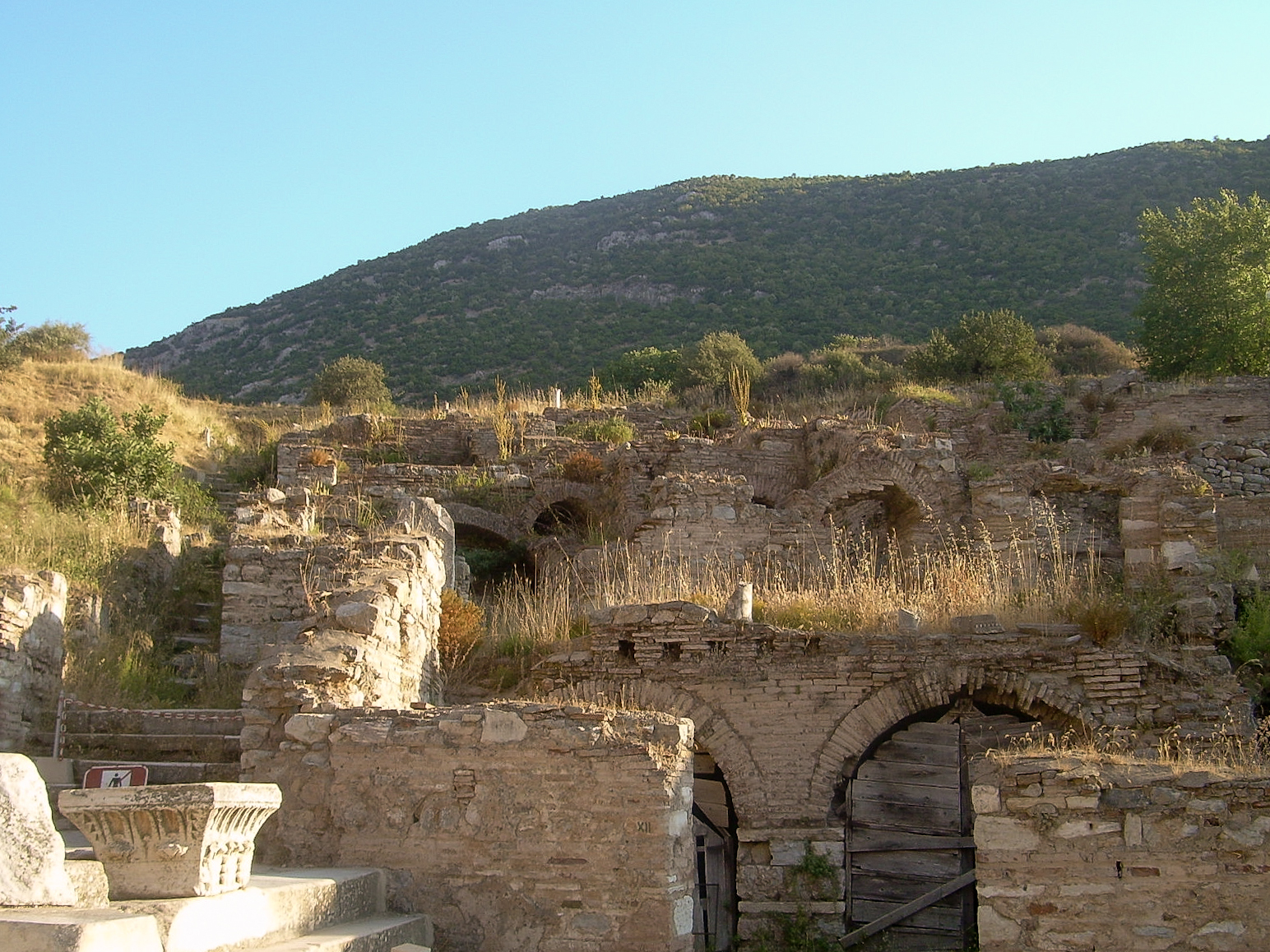
Wikimedia Commons · Creative Commons Attribution-Share Alike 3.0 Unported · file Cleopatra traveled with Antony to Ephesus and supplied a major portion of the fleet prepared for the coming war against Octavian. The source identifies the city but not the harbor, encampment, or residence used by Cleopatra.
Established winter headquarters at Patras
· Patras, Western Greece, Greece
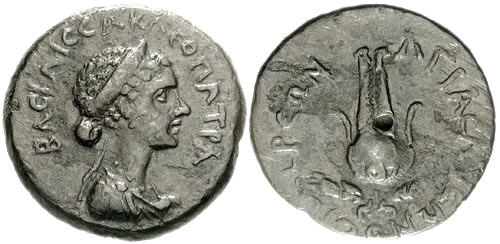
Wikimedia Commons · Public domain · file Antony and Cleopatra based their combined forces at Patras during the winter preceding the Actium campaign. The headquarters operated during the winter of 32–31 BC; its exact archaeological location is unknown.
Joined Antony in Athens
· Athens, Greece
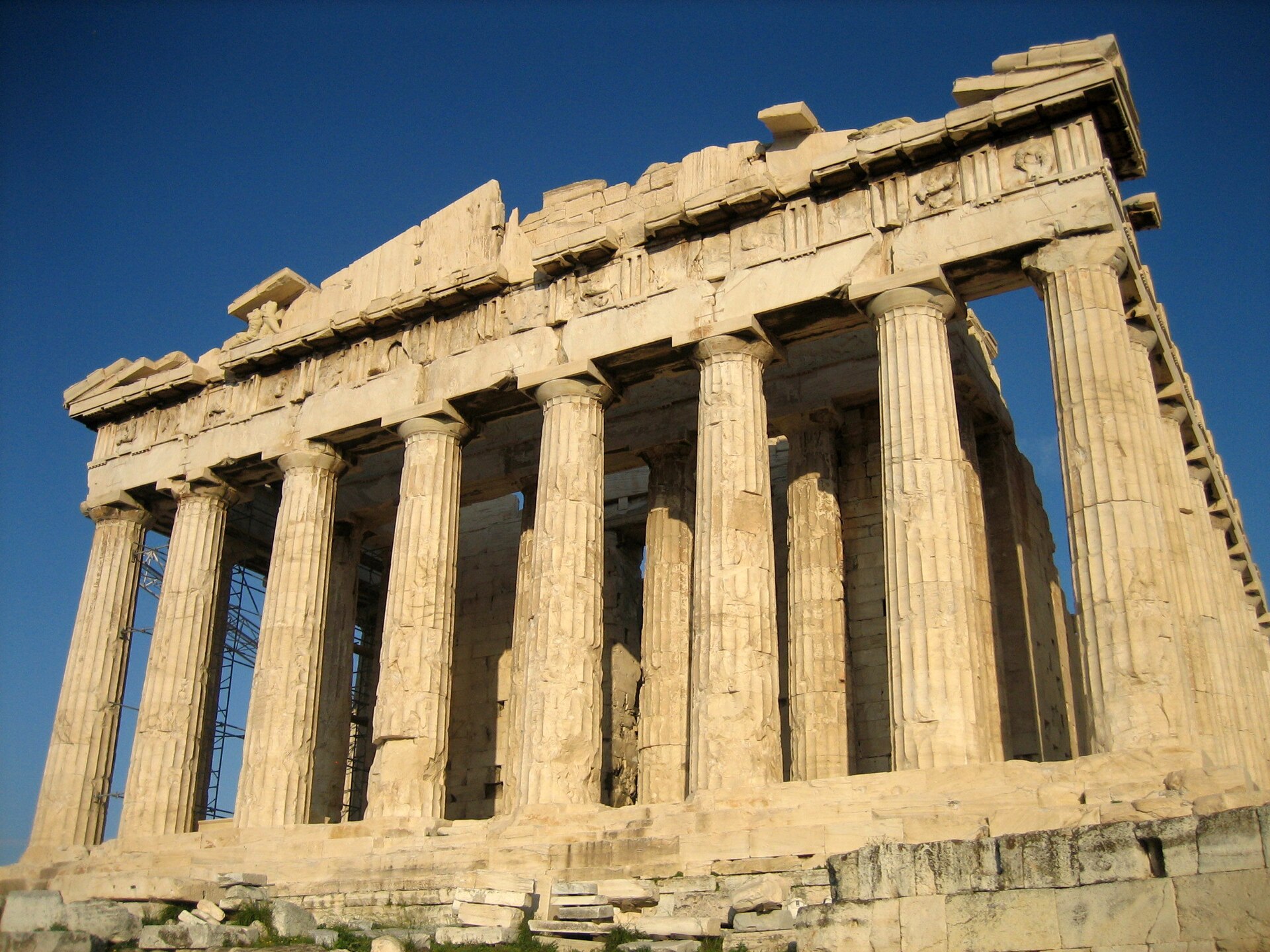
Wikimedia Commons · Public domain · file Cleopatra and Antony traveled to Athens during the final political break with Octavian; there she urged Antony to formally divorce Octavia. No particular Athenian residence or meeting venue is securely identified.
Landed at Paraitonion
· Paraitonion (Marsa Matruh), Egypt
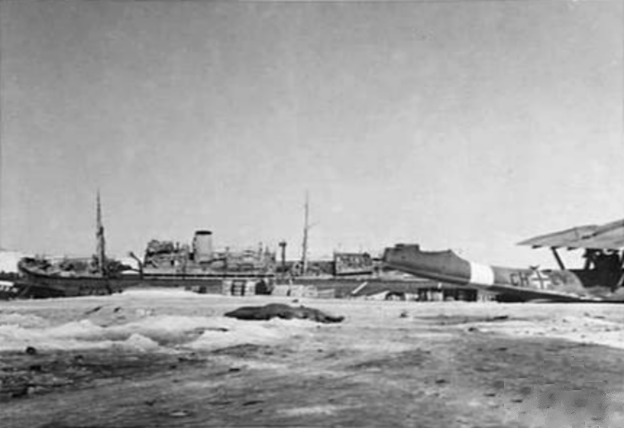
Wikimedia Commons · Public domain · file Returning from Greece, Cleopatra and Antony landed at Egypt's western harbor of Paraitonion before separating to pursue different responses to their defeat. The landing occurred after Actium, but the source provides no precise day or month.
Sailed into Alexandria's harbor
· Eastern Harbor, Alexandria, Egypt
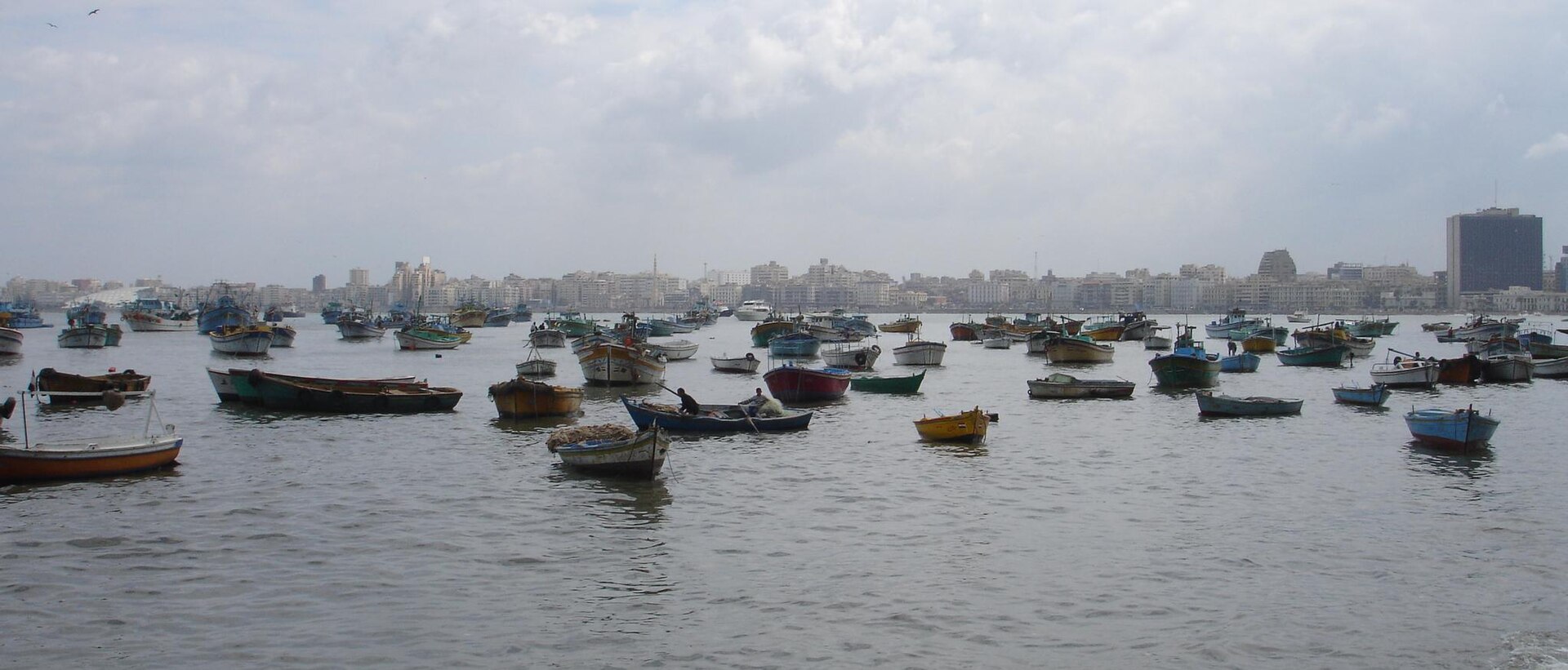
Wikimedia Commons · Creative Commons Attribution-Share Alike 3.0 Unported · file Cleopatra returned by sea to Alexandria and attempted to conceal the scale of the Actium defeat to reduce the danger of domestic rebellion. The source does not identify a particular quay; coordinates represent Alexandria's historic eastern harbor.
Retreated toward Tainaron
· Cape Tainaron, Laconia, Greece
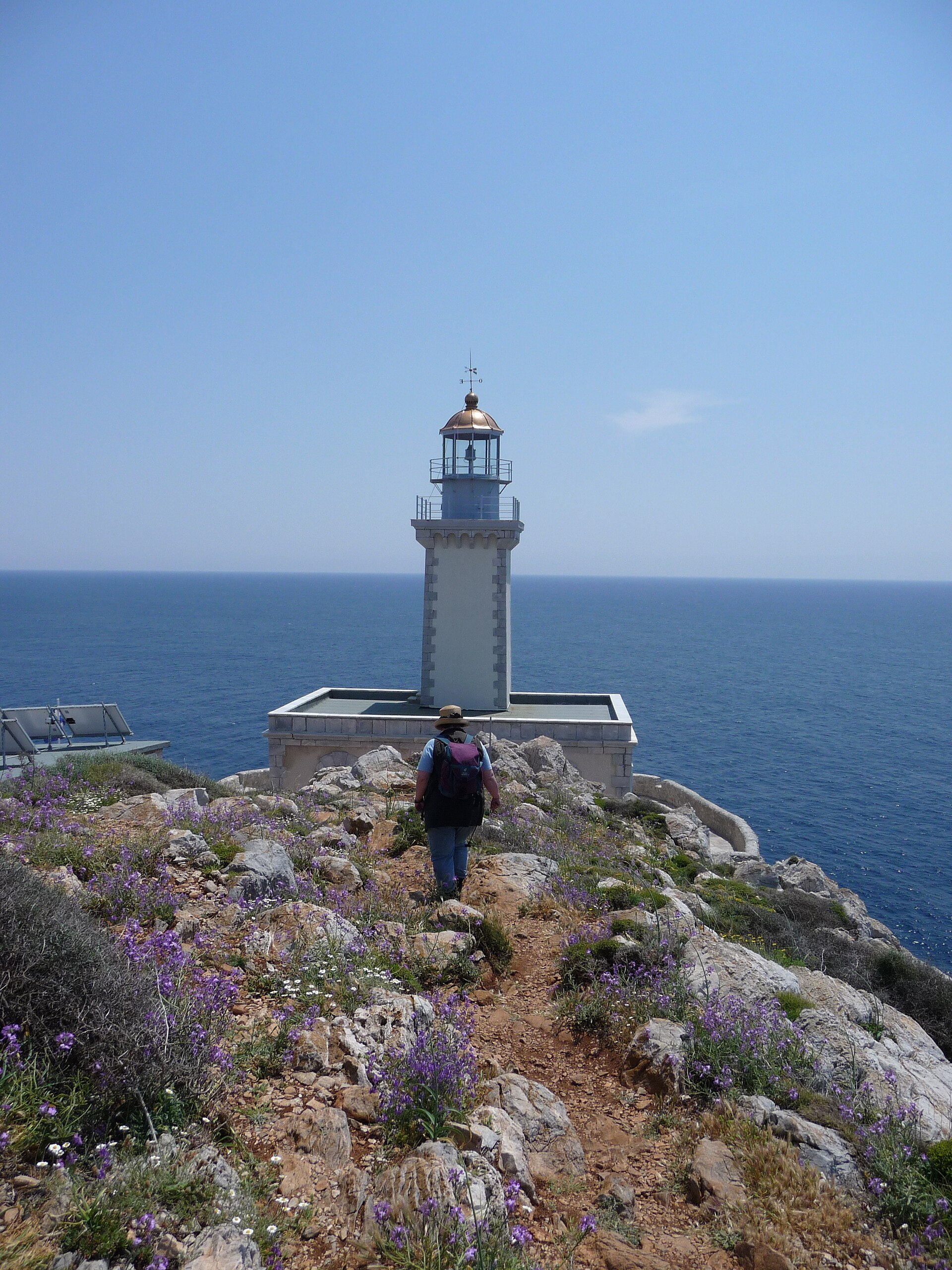
Wikimedia Commons · Public domain · file After breaking away from Actium, Cleopatra and Antony sailed south to Tainaron, where their strained communication resumed after the defeat. The arrival followed the battle of 2 September 31 BC; the exact day is not stated.
Commanded ships at Actium
· Mouth of the Ambracian Gulf near Actium, Greece
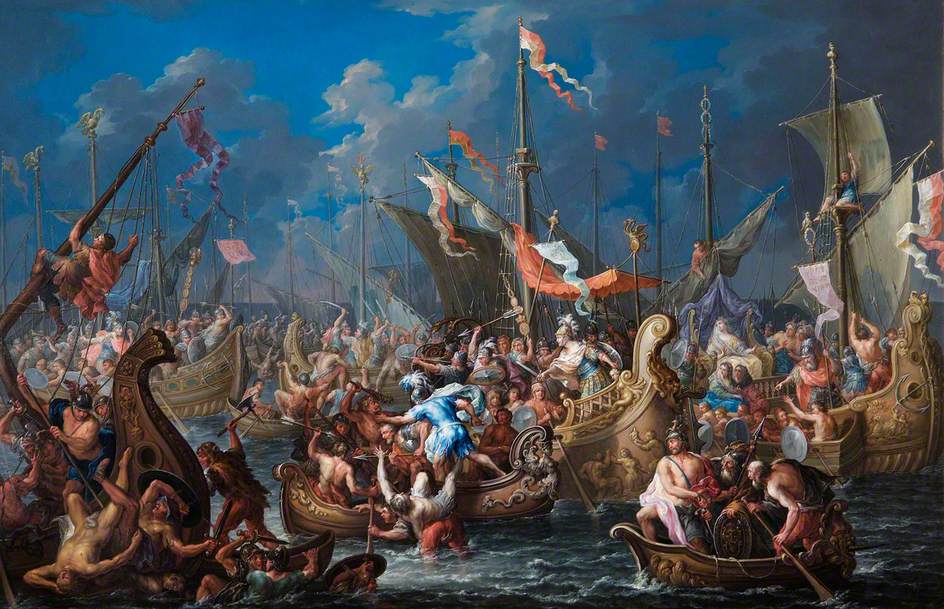
Wikimedia Commons · Public domain · file At the Battle of Actium, Cleopatra was aboard her flagship and commanded a reserve squadron at the mouth of the Ambracian Gulf before withdrawing through the fighting. Coordinates represent the maritime battle area near the Actium promontory rather than an exact ship position.
Barricaded herself in her tomb
· Tomb of Antony and Cleopatra, royal precinct, Alexandria, Egypt
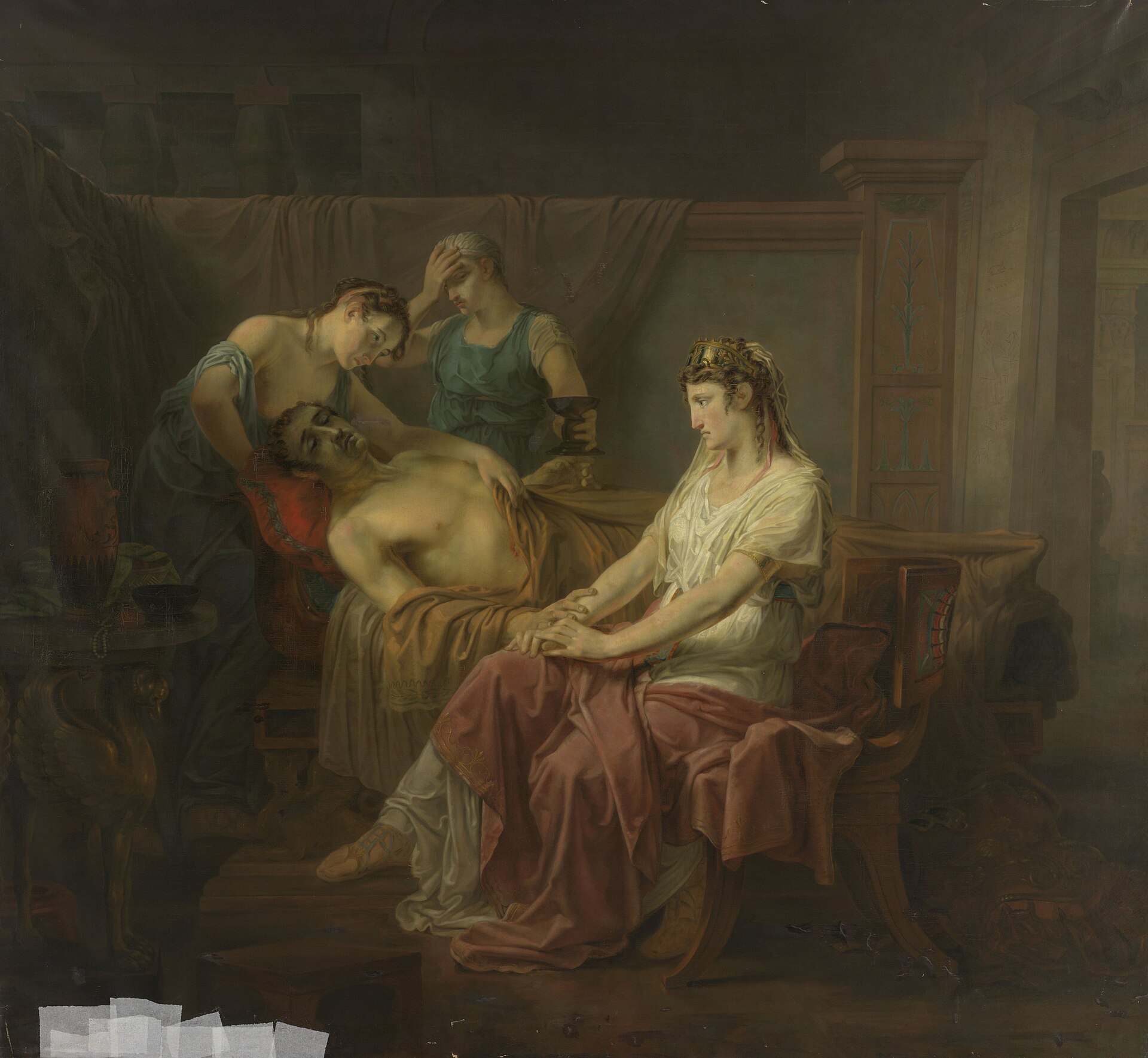
Wikimedia Commons · Public domain · file As Octavian's forces secured Alexandria and Antony's position collapsed, Cleopatra withdrew with attendants into her prepared mausoleum and sent Antony a false report of her death. The tomb has not been located. Coordinates represent the probable royal palace precinct; the episode is associated with the fall of Alexandria on 1 August 30 BC.
Escorted from the tomb to the palace
· Ptolemaic Royal Palace, Alexandria, Egypt
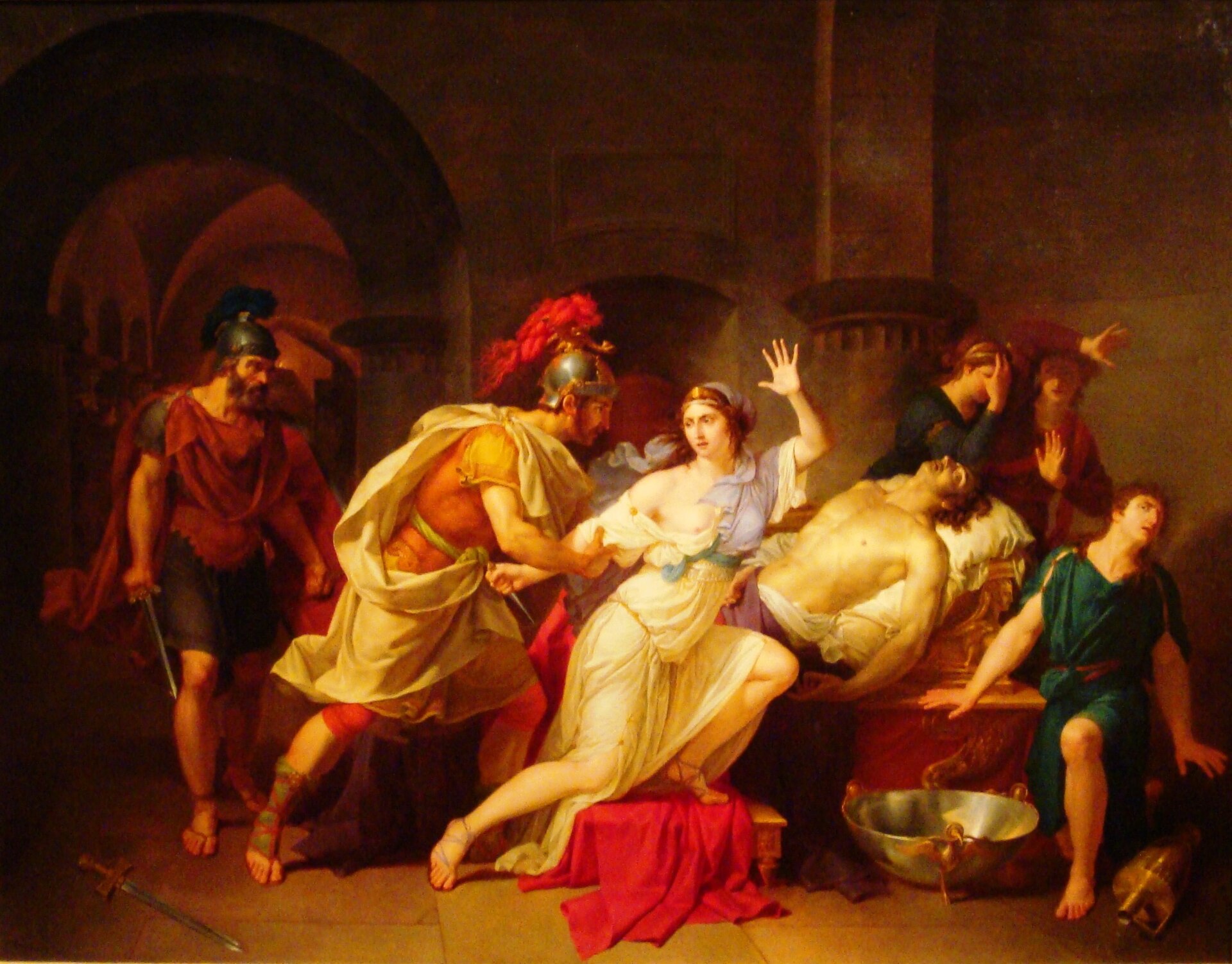
Wikimedia Commons · Public domain · file After Antony died and Octavian's agent detained her, Cleopatra was permitted to arrange Antony's burial before being taken under guard to the palace. The transfer occurred between 1 August and Cleopatra's death later that month. The palace coordinate is approximate.
Died in the Alexandrian royal precinct
· Royal palace or adjacent tomb, Alexandria, Egypt
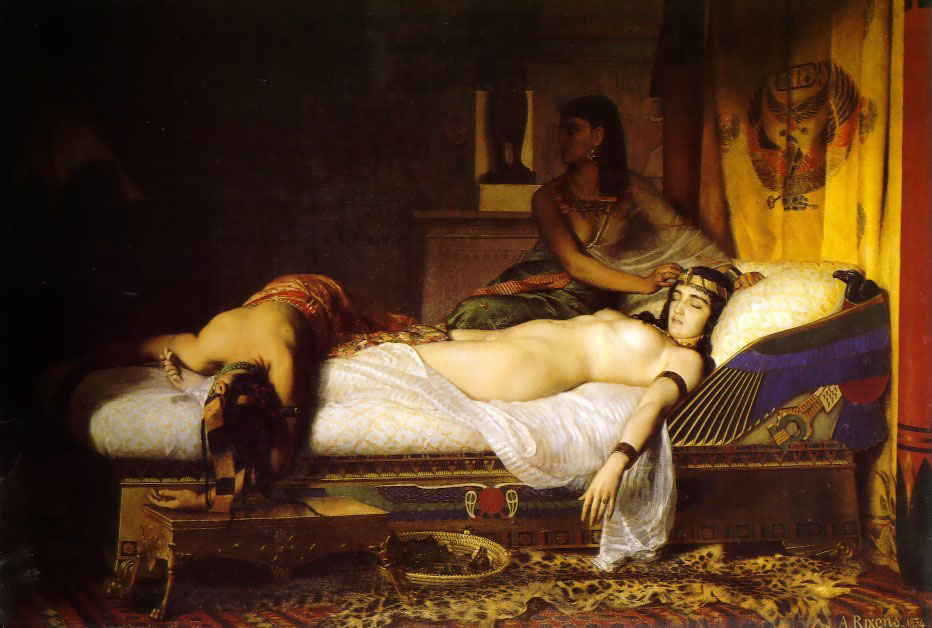
Wikimedia Commons · Public domain · file Cleopatra died by suicide while held in Alexandria, preventing Octavian from displaying her in his Roman triumph and ending active Ptolemaic rule. Ancient chronology permits 10 or 12 August 30 BC, and the death site is disputed between the palace and her nearby tomb. Coordinates represent the broader royal precinct.