
83 moments
Born at Arpinum
· Arpinum, Latium, Italy
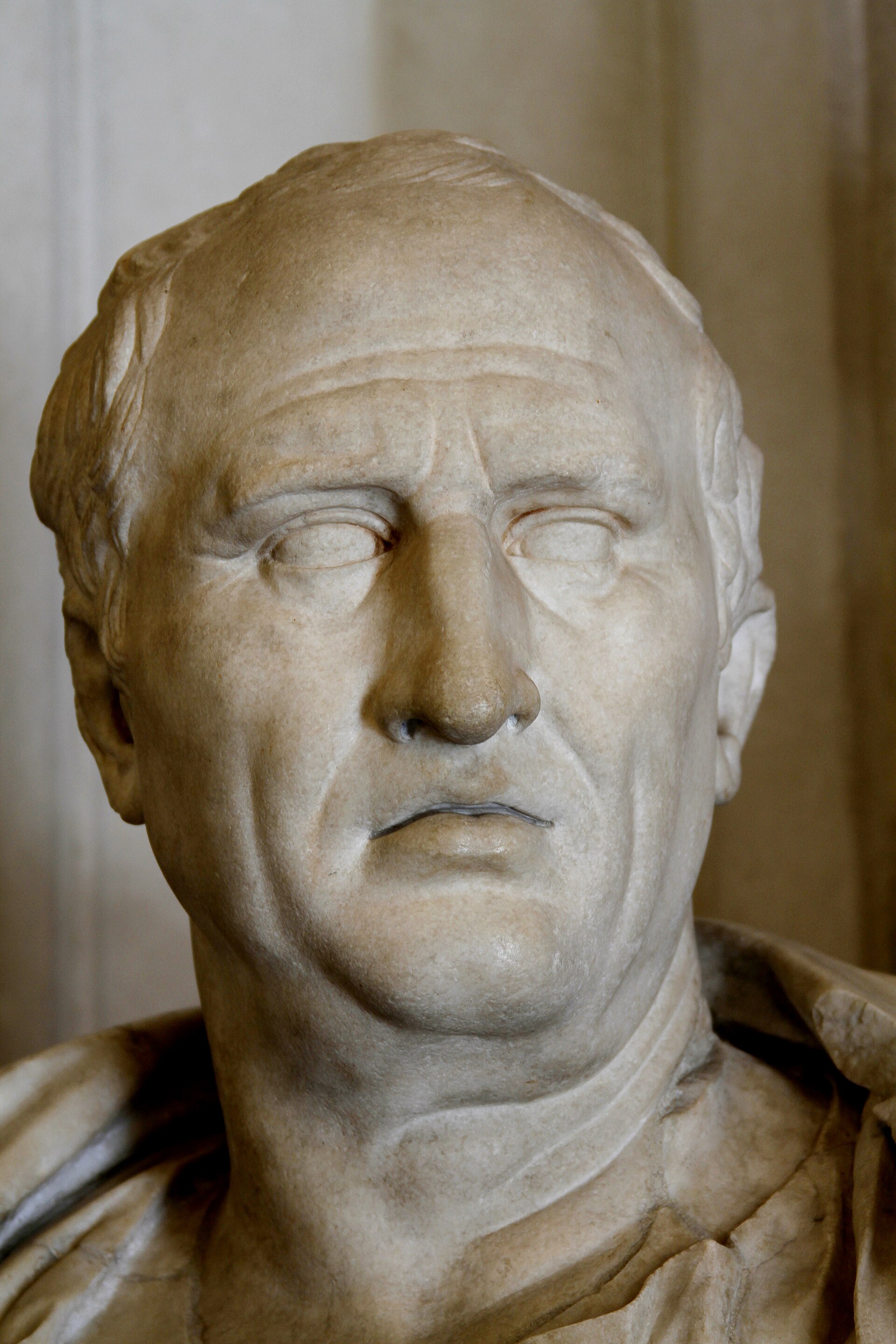
Wikimedia Commons · Creative Commons Attribution 2.0 · file Cicero was born in the municipium of Arpinum, the place that remained his ancestral home throughout his life. Modern Arpino represents ancient Arpinum.
Serves in the Social War
· Central Italy
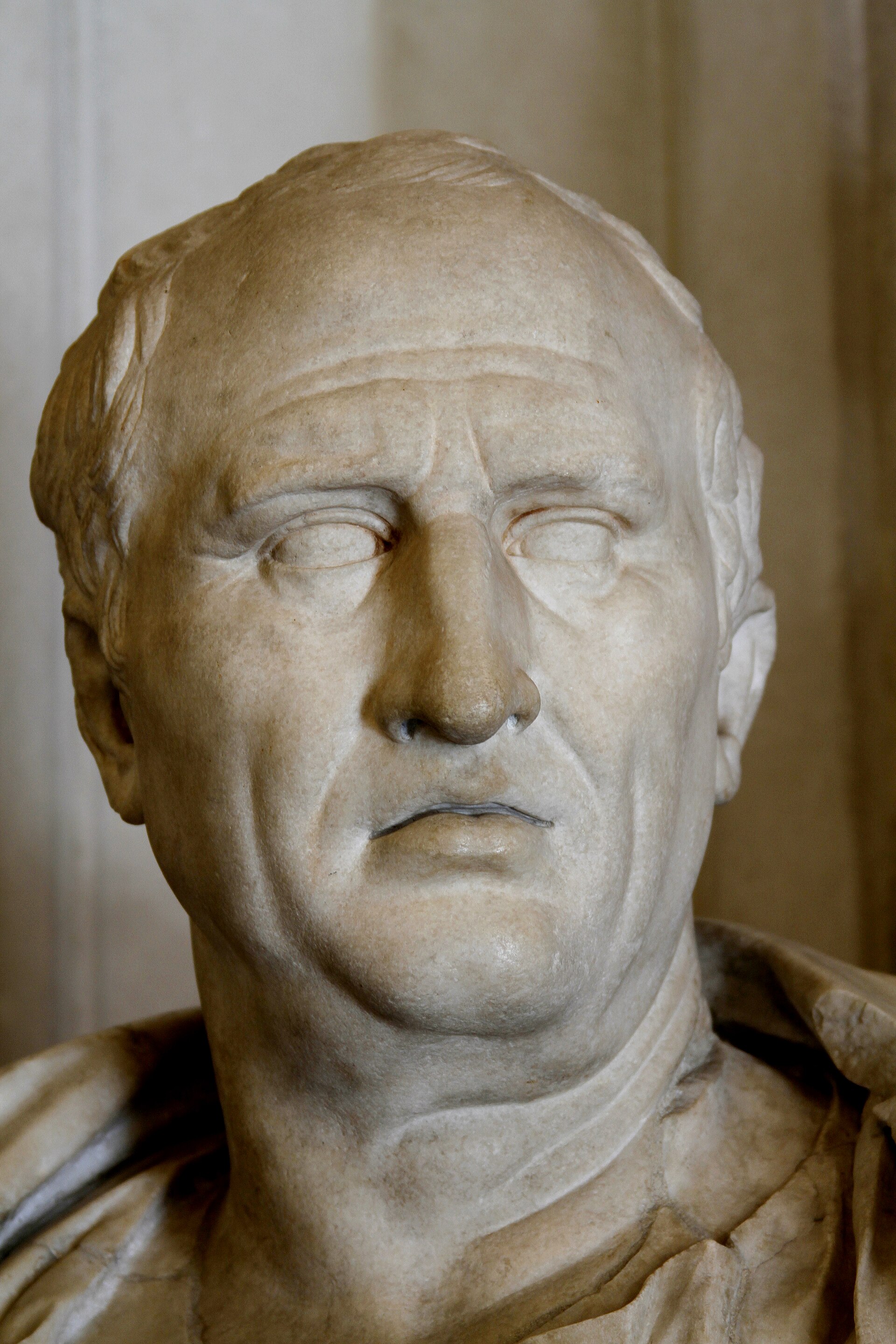
Wikimedia Commons · Public domain · file As a young man preparing for public service, Cicero undertook military service during Rome's Social War in central Italy. The evidence supports campaigning in the Social War but not a particular camp or battlefield; coordinates are representative of central Italy.
Studies with Philo in Rome
· Rome, Italy
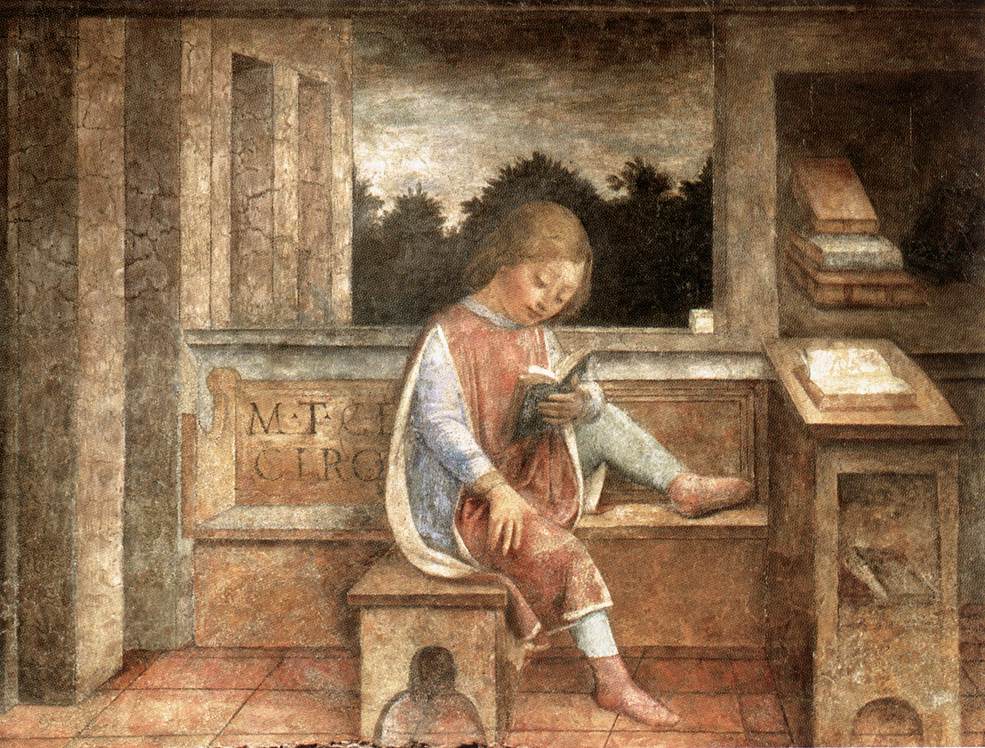
Wikimedia Commons · Public domain · file Cicero attended the lectures of Philo of Larissa after the Academic philosopher took refuge in Rome. No specific teaching venue in Rome is established.
Studies oratory in Asia Minor
· Asia Minor, Turkey
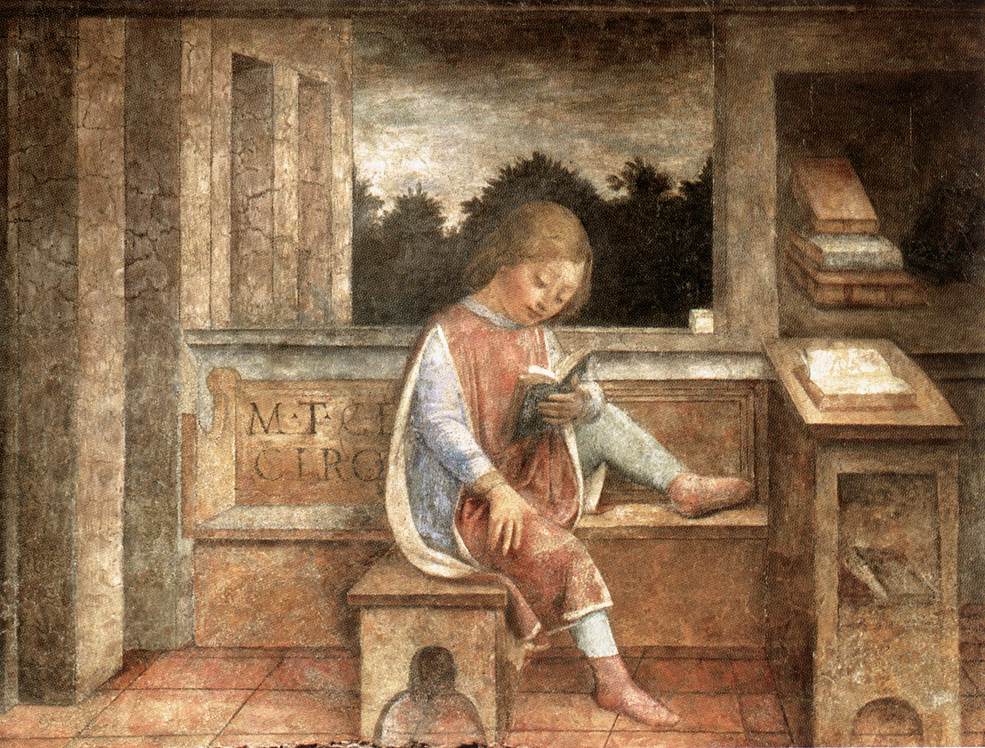
Wikimedia Commons · Public domain · file Cicero continued his rhetorical education by meeting prominent provincial orators during his journey through Asia Minor. The source names the broad region rather than individual cities; coordinates are representative.
Studies philosophy at Athens
· Athens, Greece
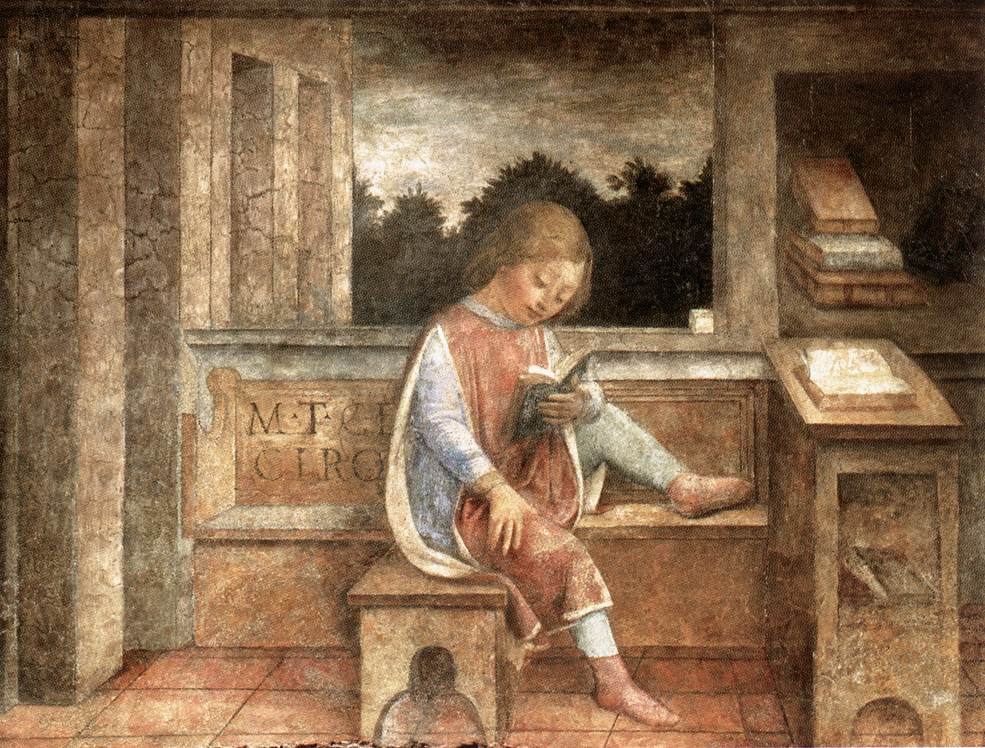
Wikimedia Commons · Public domain · file During his extended educational journey, Cicero studied philosophy in Athens under Antiochus of Ascalon. The journey extended through 79–77 BC; only year-level precision is used.
Trains with Molon at Rhodes
· Rhodes, Greece
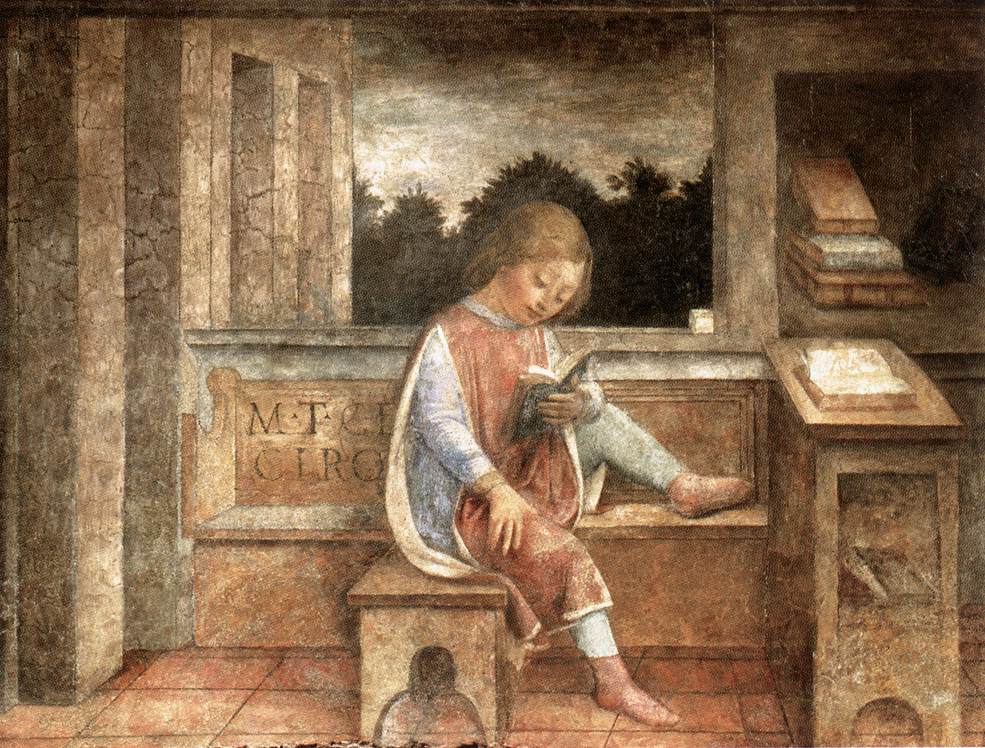
Wikimedia Commons · Public domain · file Cicero traveled to Rhodes to refine his speaking style and physical delivery under Apollonius Molon. The journey extended through 79–77 BC.
Returns to Rome from eastern studies
· Rome, Italy
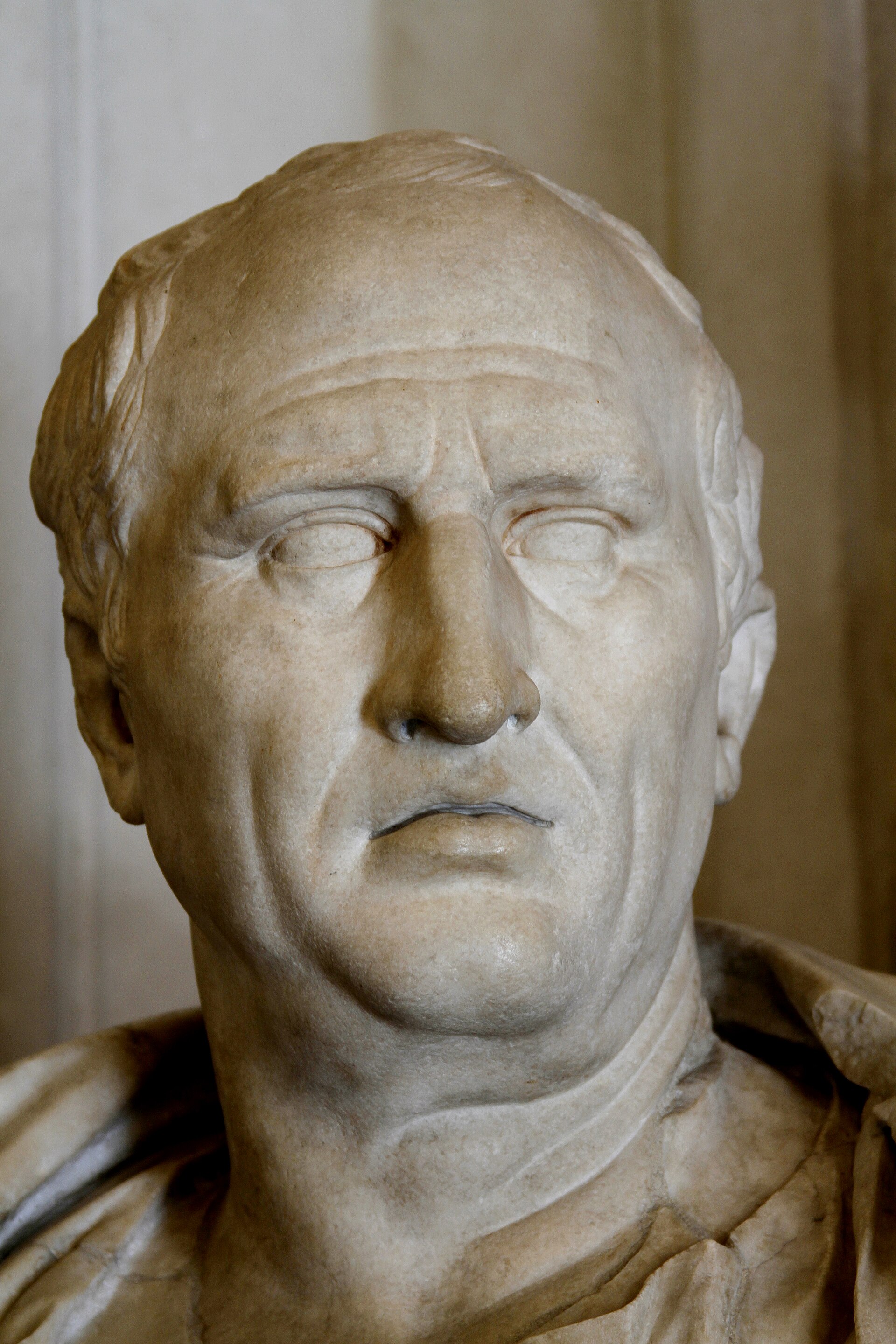
Wikimedia Commons · Creative Commons Attribution-Share Alike 4.0 · file Cicero returned to Rome and resumed legal advocacy after his long educational journey.
Finds Archimedes' tomb at Syracuse
· Syracuse, Sicily, Italy
Wikimedia Commons · Public domain · file While serving in Sicily, Cicero located the neglected tomb of Archimedes at Syracuse, an episode he later described with pride. The year follows Cicero's documented Sicilian quaestorship.
Serves as quaestor at Lilybaeum
· Lilybaeum, Marsala, Sicily, Italy
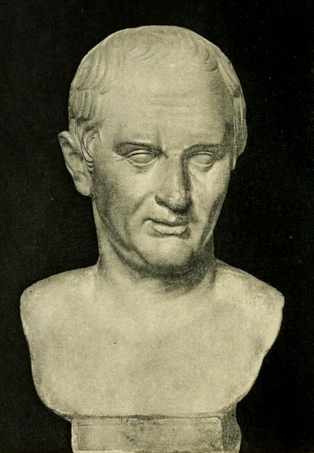
Wikimedia Commons · Public domain · file Cicero served his quaestorship in western Sicily, administering provincial finances and grain obligations from Lilybaeum. Modern Marsala occupies the area of ancient Lilybaeum.
Collects evidence across Sicily
· Sicily, Italy
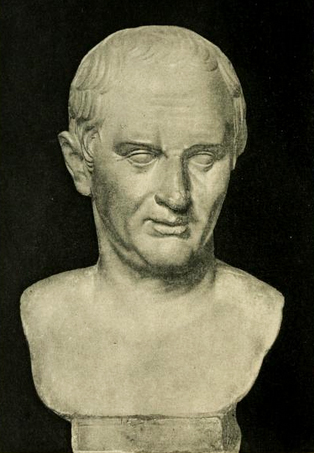
Wikimedia Commons · Public domain · file Cicero returned to Sicily to gather testimony and evidence for his landmark prosecution of the former governor Gaius Verres. The evidence concerns activity across Sicily; coordinates are representative of the island.
Prosecutes Verres at Rome
· Rome, Italy
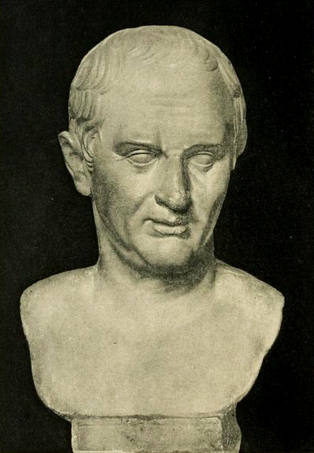
Wikimedia Commons · Public domain · file After investigating in Sicily, Cicero returned to Rome and won the prosecution that established him as the city's leading advocate. The source does not identify the precise courtroom.
Writes from Rome
· Rome, Italy
A surviving letter to Atticus places Cicero in Rome during the early rise of his political career. The letter heading supports year-level precision.
Stays at Tusculum
· Tusculum, Latium, Italy
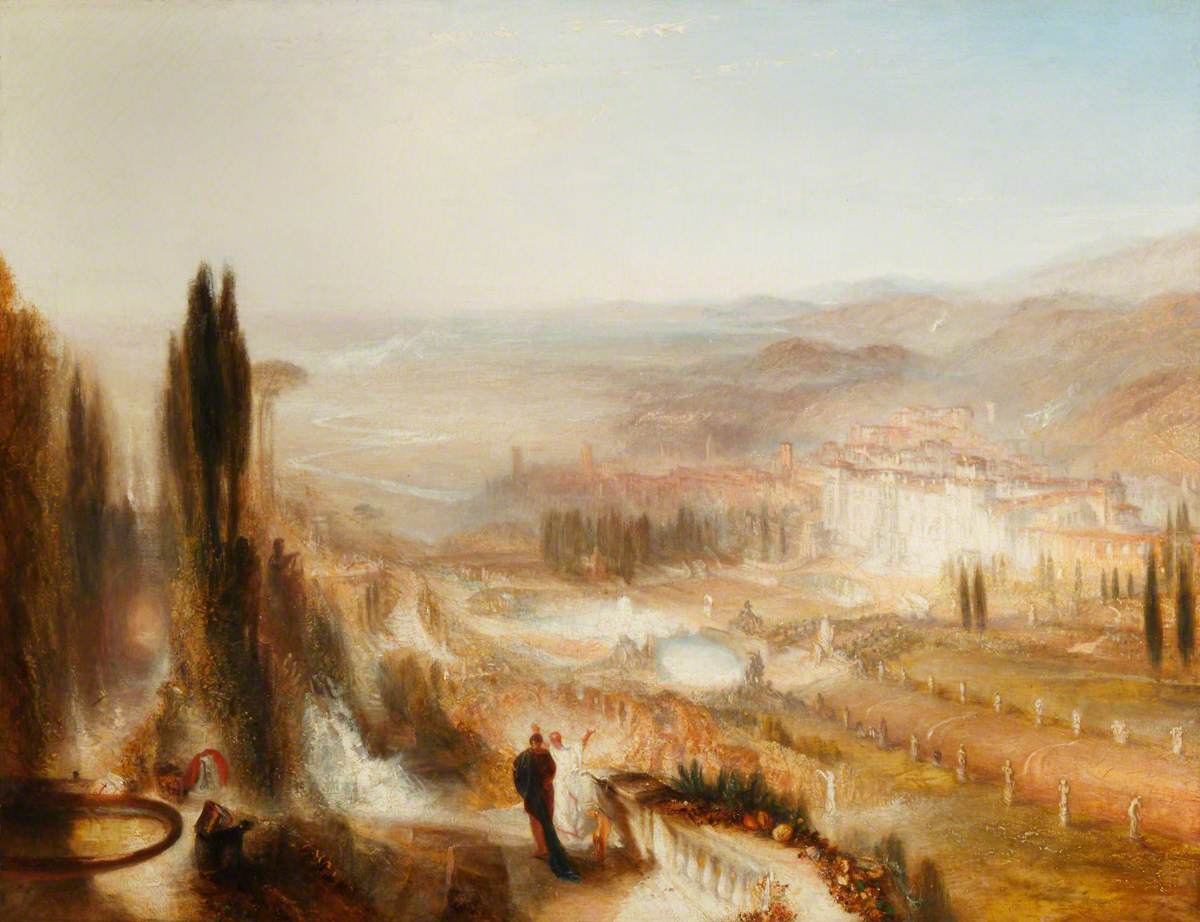
Wikimedia Commons · Public domain · file Cicero wrote from his Tusculan estate, one of the country residences to which he repeatedly withdrew from Roman public life. Coordinates identify the archaeological site of ancient Tusculum.
Accompanies Lentulus to the Tullianum
· Tullianum, Roman Forum, Rome, Italy
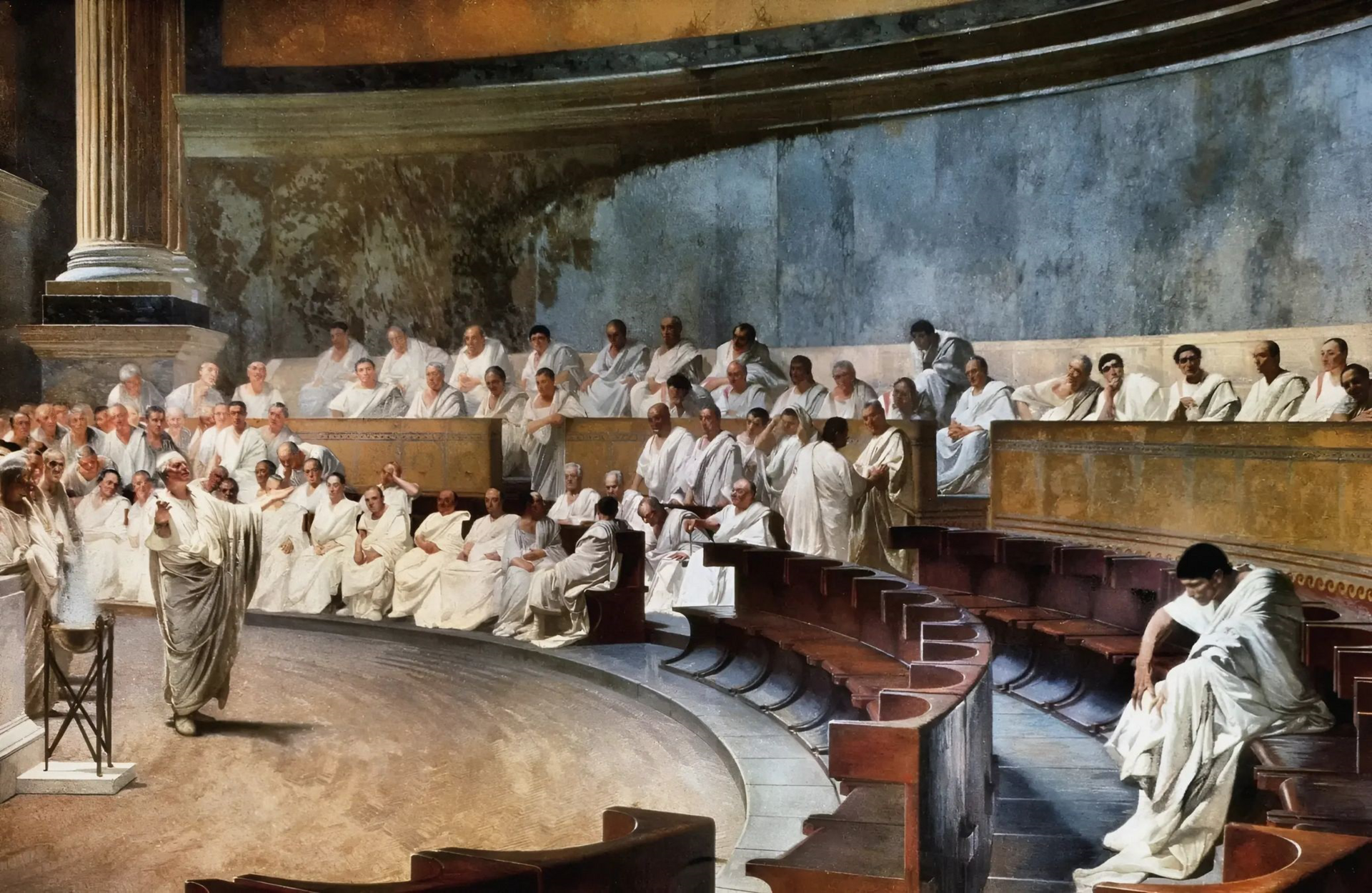
Wikimedia Commons · Public domain · file During the suppression of the Catilinarian conspiracy, Cicero personally escorted Lentulus Sura to Rome's state prison for execution. The source supports the year of Cicero's consulship but does not state the execution date in the quoted sentence.
Writes from Rome after his consulship
· Rome, Italy
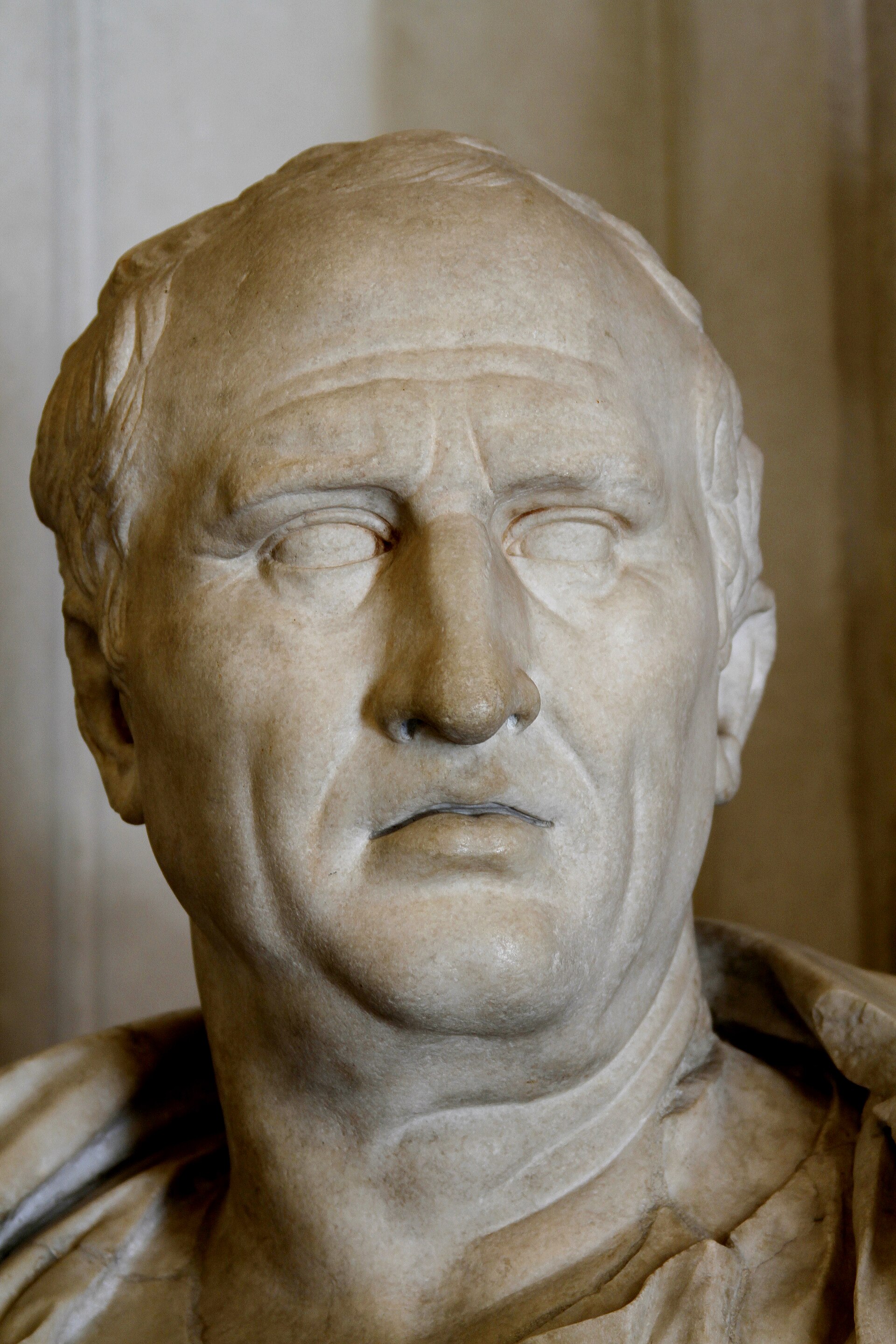
Wikimedia Commons · Creative Commons Attribution-Share Alike 4.0 · file Cicero was in Rome at the beginning of 61 BC, corresponding with Atticus about the unsettled post-consular political situation.
Retreats to Tusculum
· Tusculum, Latium, Italy
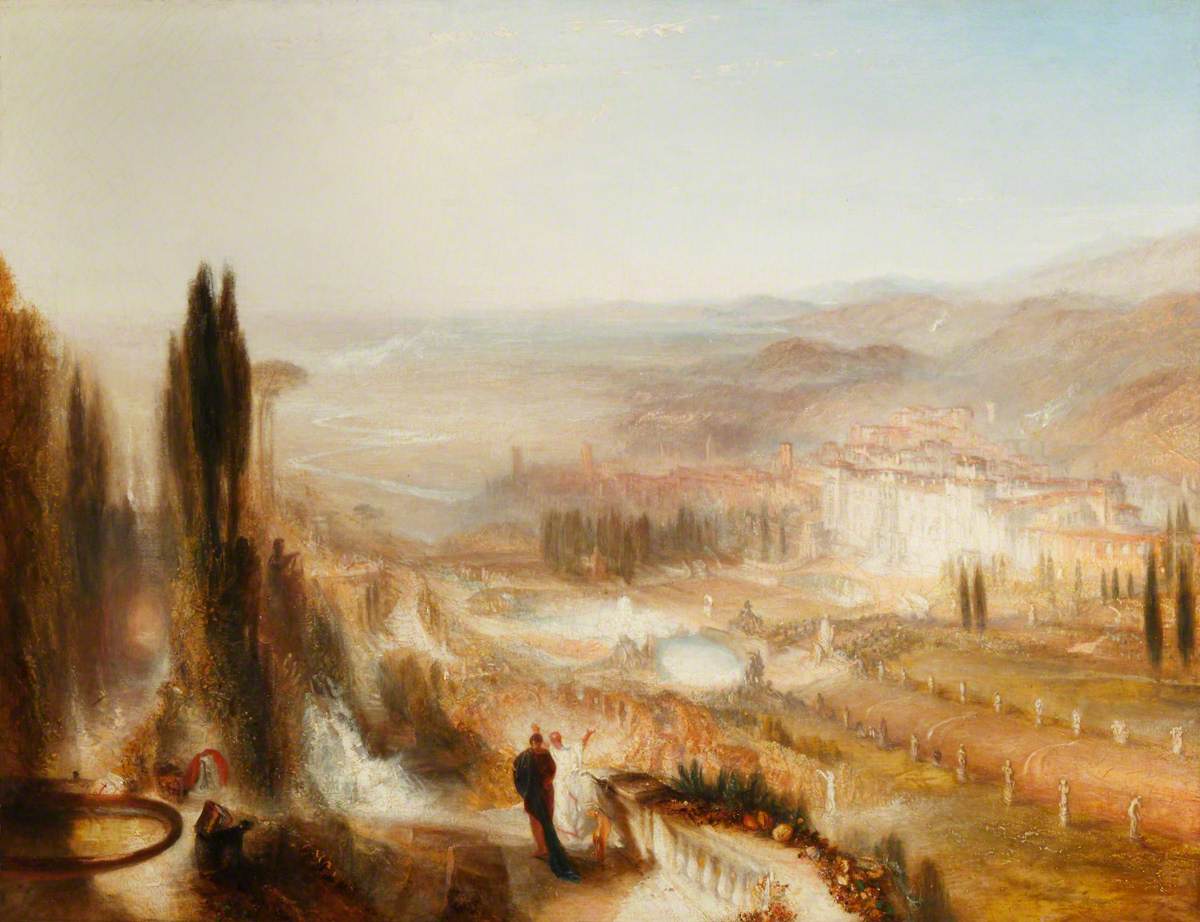
Wikimedia Commons · Public domain · file Cicero stayed at Tusculum while Atticus was traveling back toward Rome.
Stays at Antium
· Antium, Anzio, Lazio, Italy
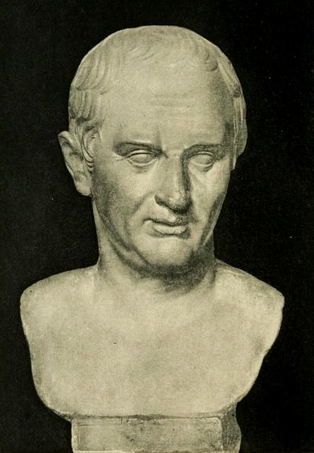
Wikimedia Commons · Public domain · file Cicero moved to his coastal retreat at Antium during a circuit of his Italian villas. Modern Anzio represents ancient Antium.
Stops at Forum Appii
· Forum Appii, Borgo Faiti, Lazio, Italy
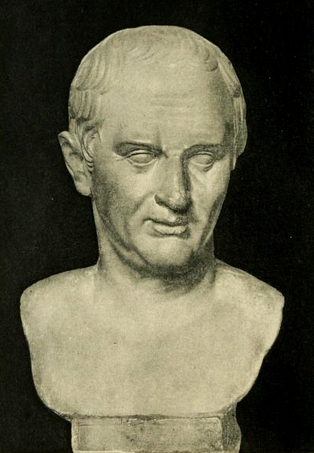
Wikimedia Commons · Public domain · file A letter records Cicero at Forum Appii on the Appian Way during his spring travels. Coordinates represent the generally accepted area of ancient Forum Appii.
Writes from Tusculum
· Tusculum, Latium, Italy
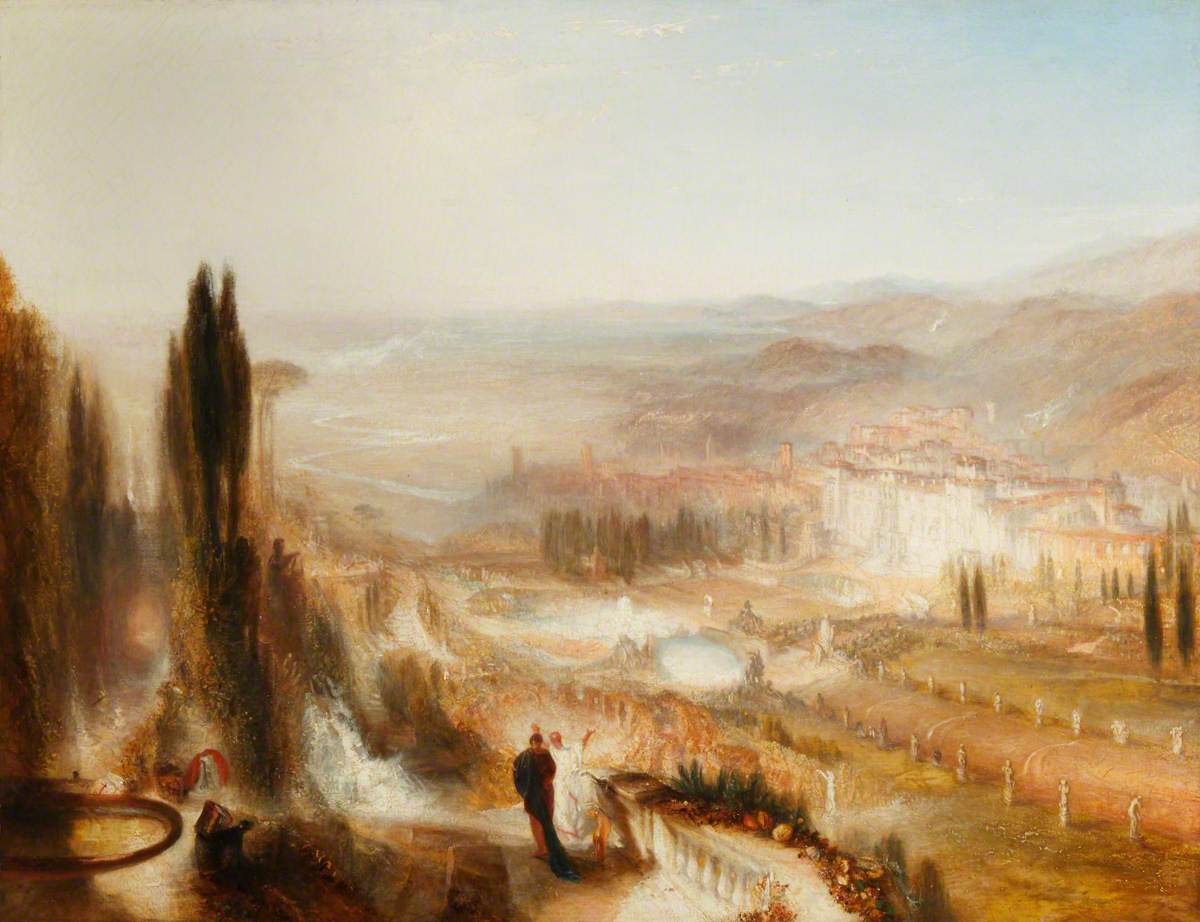
Wikimedia Commons · Public domain · file Cicero was at his Tusculan estate during the politically turbulent consulship of Julius Caesar.
Stops at Tres Tabernae
· Tres Tabernae, near Cisterna di Latina, Lazio, Italy
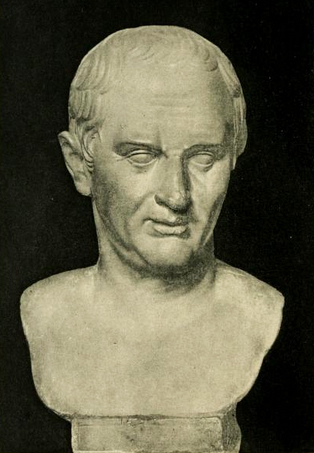
Wikimedia Commons · Public domain · file Cicero wrote from the Appian Way station of Tres Tabernae while traveling between his coastal properties and Rome. The precise archaeological location is debated; coordinates are representative of the accepted vicinity.
Resides at Formiae
· Formiae, Formia, Lazio, Italy
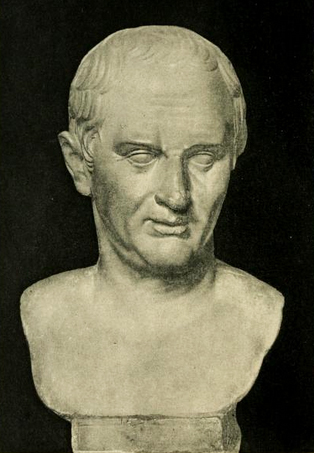
Wikimedia Commons · Public domain · file Cicero was staying at his Formian villa during an extended period of correspondence about Caesar's political dominance. Coordinates use modern Formia rather than an uncertain villa footprint.
Returns to Rome
· Rome, Italy
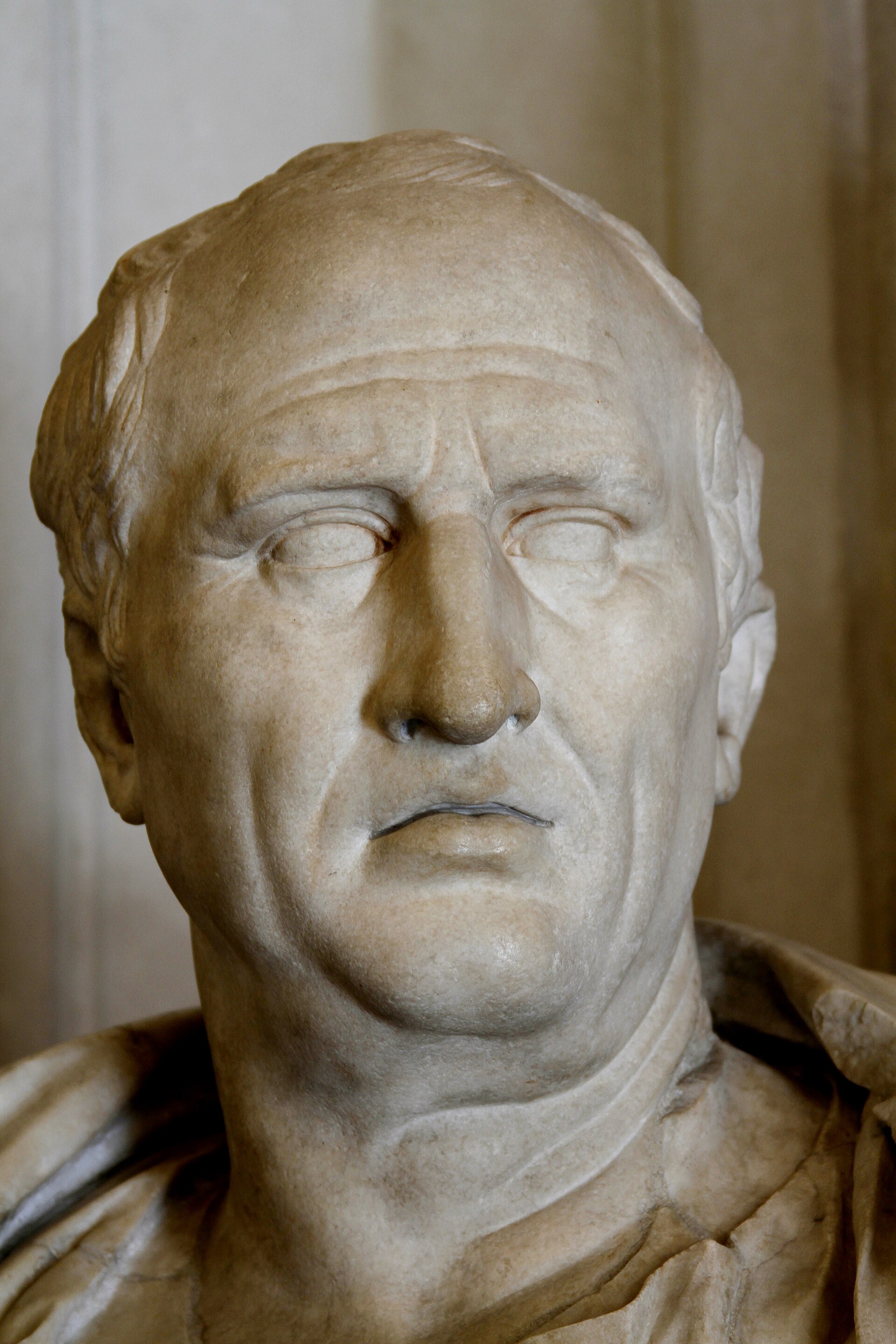
Wikimedia Commons · Creative Commons Attribution-Share Alike 4.0 · file By June Cicero was again in Rome, from where he continued reporting political developments to Atticus.
Travels through Vibo
· Vibo Valentia, Calabria, Italy
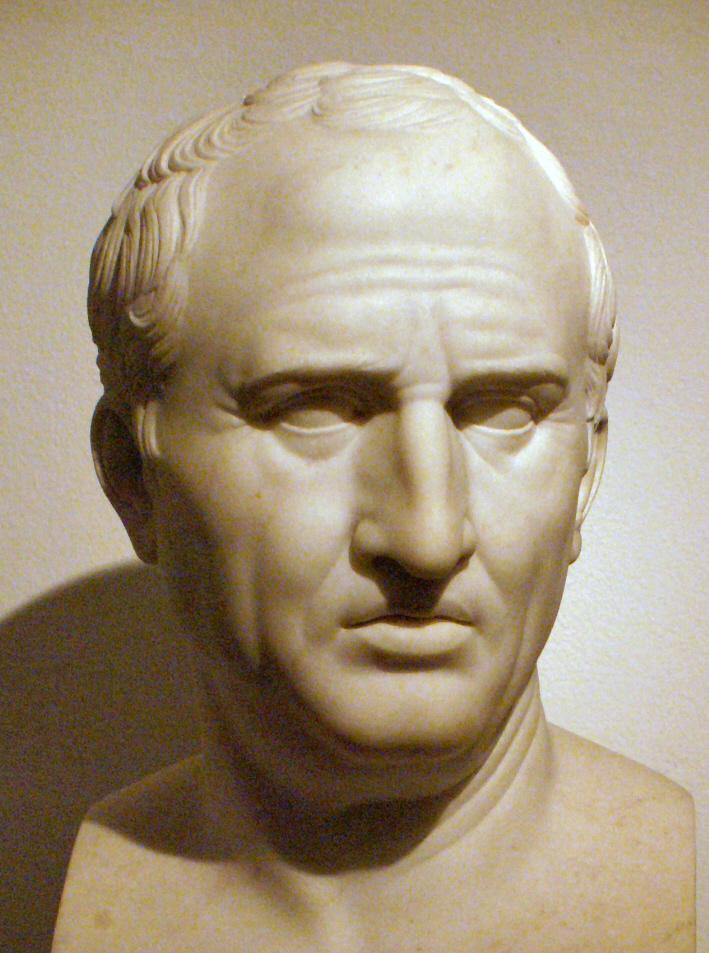
Wikimedia Commons · Public domain · file Cicero's exile route carried him through Vibo in Bruttium before he crossed the Adriatic. Only month-level precision is supported.
Passes through Thurium in exile
· Thurium, Calabria, Italy
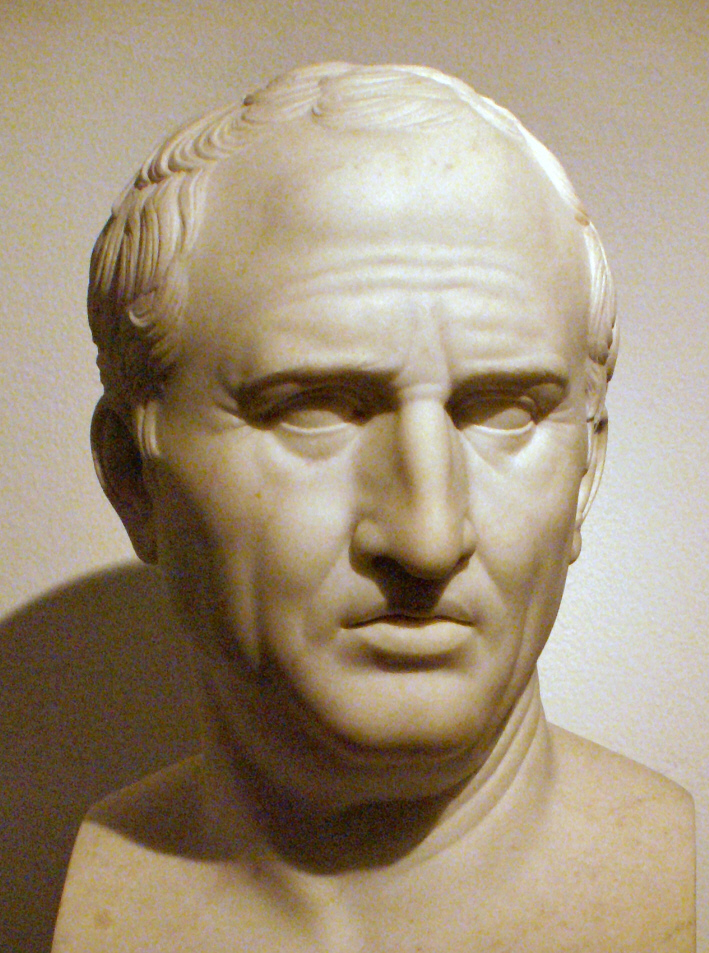
Wikimedia Commons · Public domain · file Fleeing Clodius's legislation, Cicero passed through Thurium in southern Italy on his way toward Brundisium and Greece. Coordinates represent the archaeological vicinity near modern Sibari.
Waits at Brundisium during exile
· Brundisium, Brindisi, Apulia, Italy
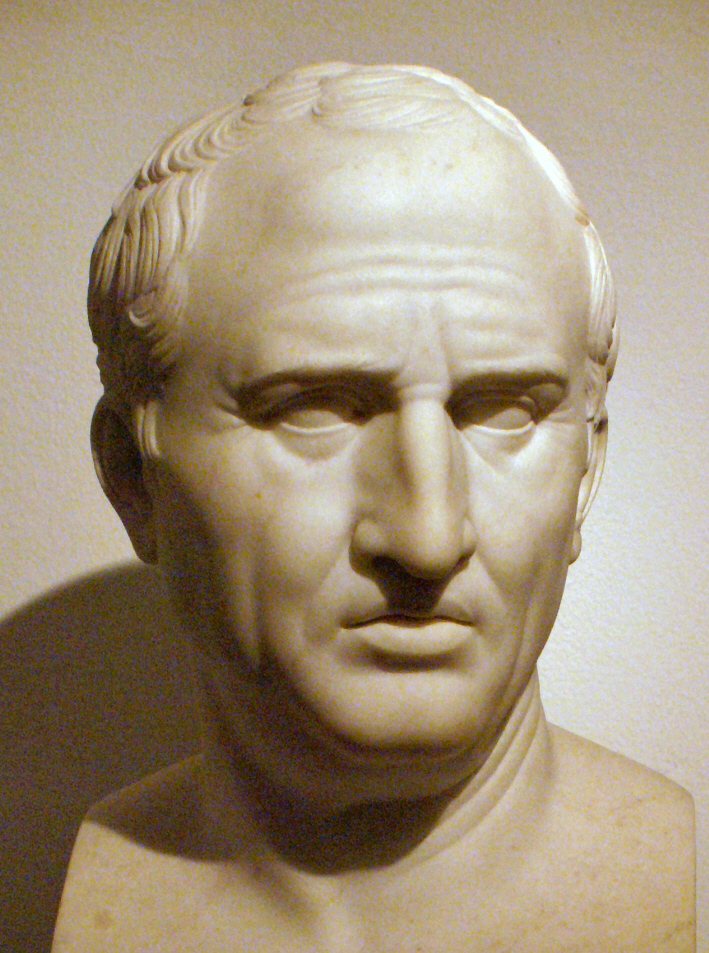
Wikimedia Commons · Public domain · file Cicero reached Brundisium while seeking passage away from Italy after the enactment of his exile.
Arrives in Thessalonica
· Thessalonica, Greece
Wikimedia Commons · Public domain · file Cicero established himself at Thessalonica during the principal phase of his exile. Modern Thessaloniki represents ancient Thessalonica.
Relocates to Dyrrhachium
· Dyrrhachium, Durrës, Albania
Wikimedia Commons · Public domain · file Late in his exile Cicero moved west from Thessalonica to the Adriatic port of Dyrrhachium. Modern Durrës represents ancient Dyrrhachium.
Lands at Brundisium after recall
· Brundisium, Brindisi, Apulia, Italy
Wikimedia Commons · Public domain · file Cicero returned to Italy after the vote recalling him from exile and received an enthusiastic welcome at Brundisium.
Re-enters Rome after exile
· Rome, Italy
Wikimedia Commons · Creative Commons Attribution-Share Alike 4.0 · file Cicero reached Rome after his triumphant progress through Italy and began the effort to recover his confiscated property. The source dates the letter to approximately 10 September 57 BC.
Visits ancestral Arpinum
· Arpinum, Latium, Italy
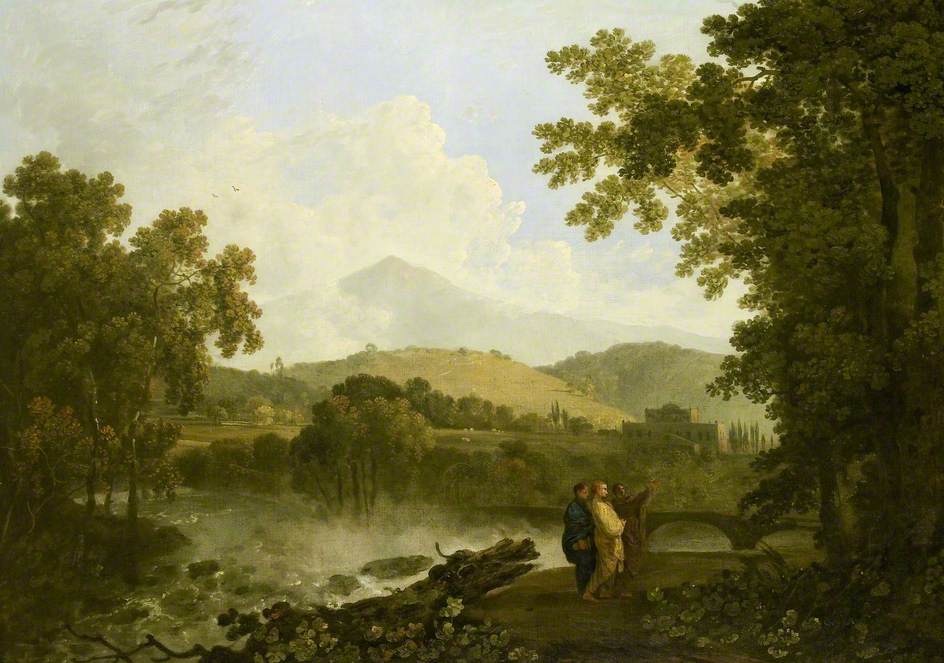
Wikimedia Commons · Public domain · file Cicero stayed at Arpinum during a circuit of his estates and family properties. The source supports only April or May; year-level precision is used.
Stays at Cumae
· Cumae, Campania, Italy
Wikimedia Commons · Public domain · file Cicero wrote from his Cuman estate on the Bay of Naples, another recurring literary and political retreat. Coordinates identify the ancient city and archaeological area.
Returns to Tusculum
· Tusculum, Latium, Italy
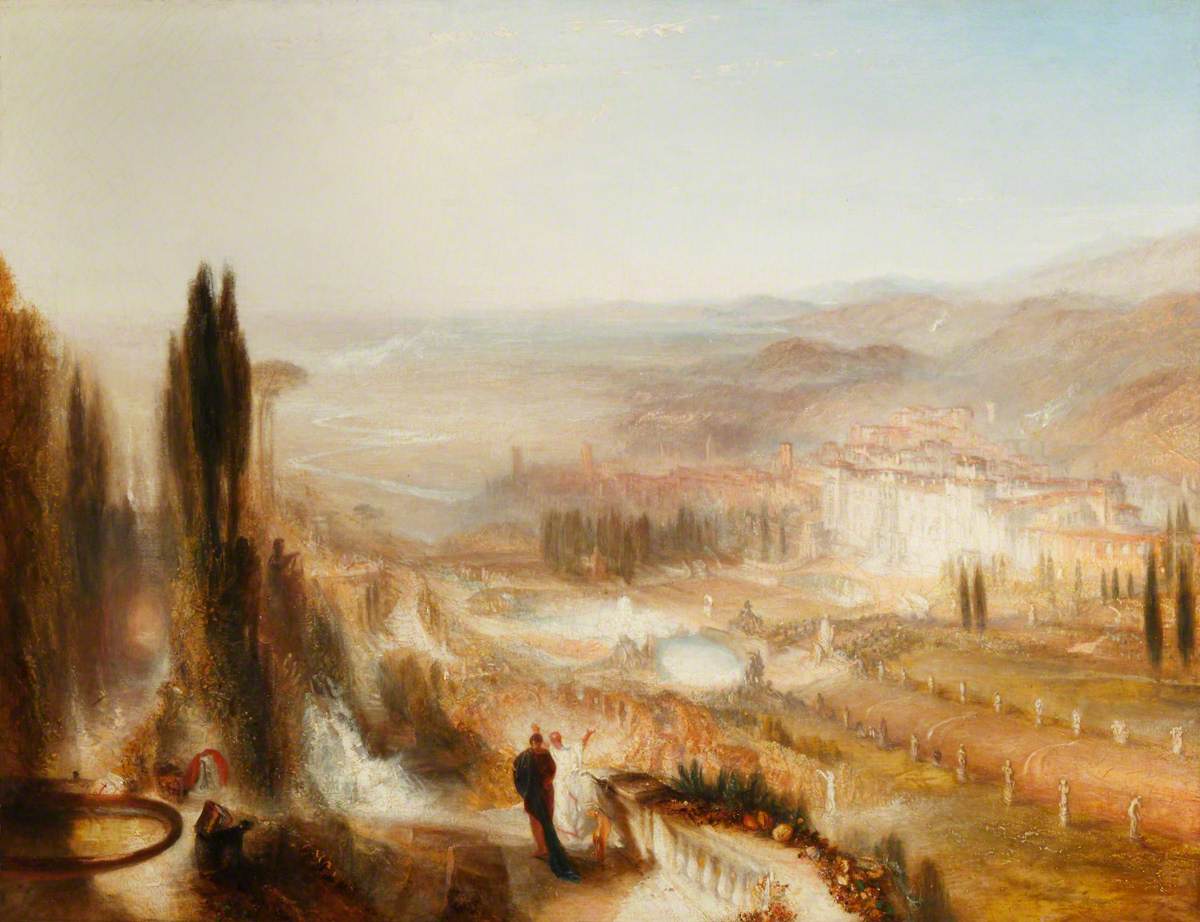
Wikimedia Commons · Public domain · file Cicero was again at Tusculum late in 55 BC, maintaining correspondence with Atticus from his country estate.
Spring residence at Cumae
· Cumae, Campania, Italy
Wikimedia Commons · Public domain · file Cicero stayed at Cumae during the spring of 54 BC before returning to political and legal business in Rome.
Campaigns on Mount Amanus
· Mount Amanus, Turkey
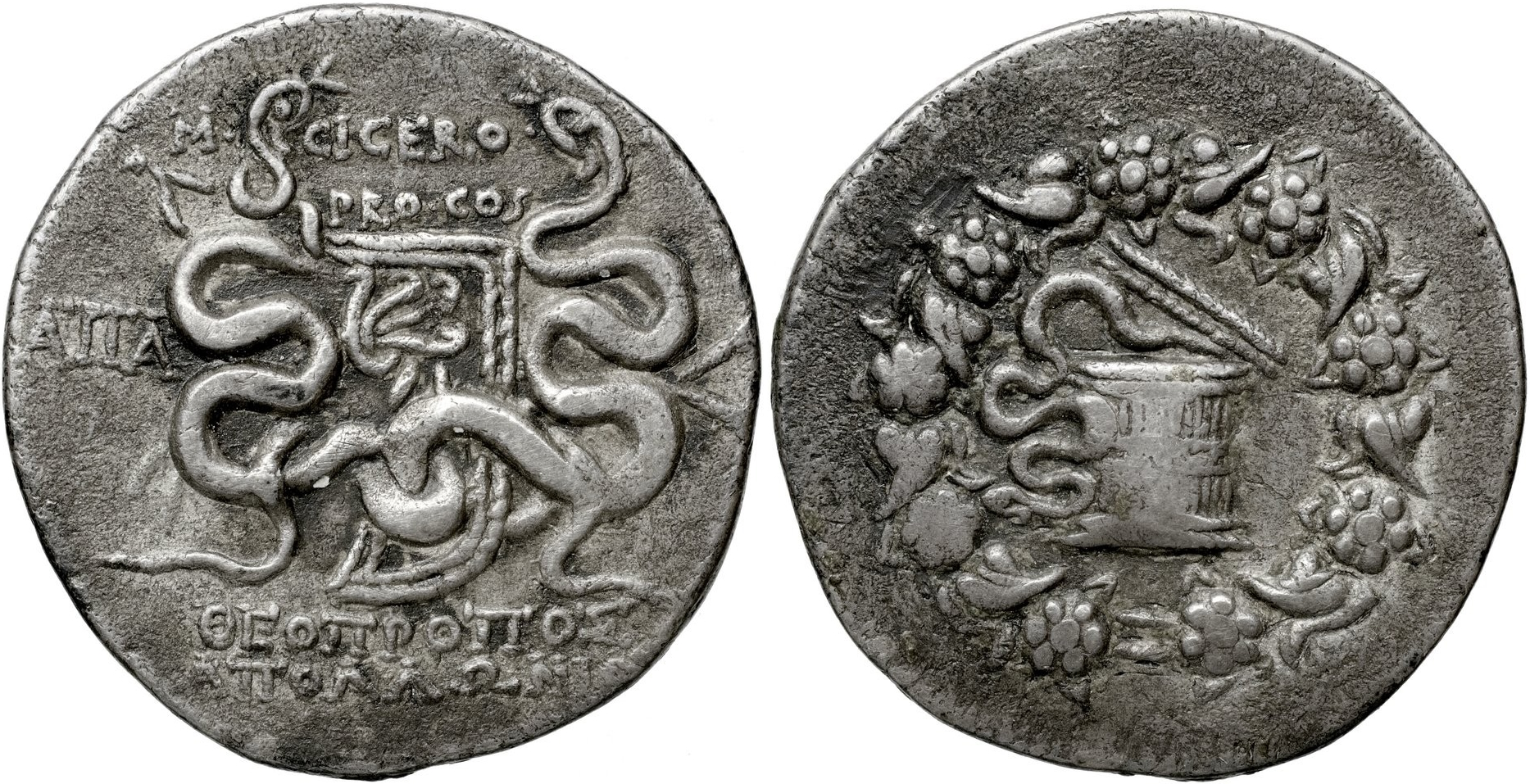
Wikimedia Commons · Public domain · file As proconsul, Cicero conducted a military operation against fortified groups in the Amanus range and was acclaimed imperator by his troops. The evidence supports the mountain range rather than a precise camp or battlefield; coordinates are representative.
Departs his Pompeian villa
· Pompeii, Campania, Italy
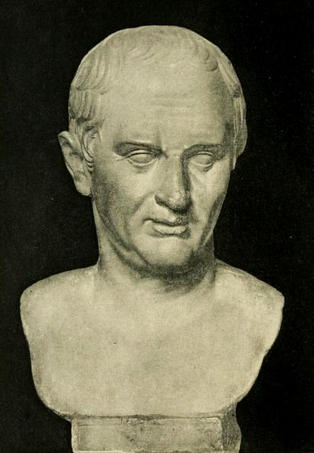
Wikimedia Commons · Public domain · file Beginning the journey to his Cilician governorship, Cicero set out from his villa near Pompeii. The exact location of Cicero's Pompeian villa remains uncertain; coordinates use ancient Pompeii.
Stays at Pontius's Trebulan villa
· Trebula Balliensis, Campania, Italy
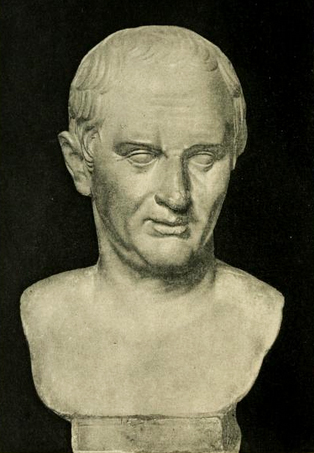
Wikimedia Commons · Public domain · file Cicero spent the next stage of his provincial journey at the Trebulan villa of Pontius. The identification of Pontius's Trebulanum with Trebula Balliensis is probable rather than certain; coordinates are representative.
Reaches Beneventum
· Beneventum, Benevento, Campania, Italy
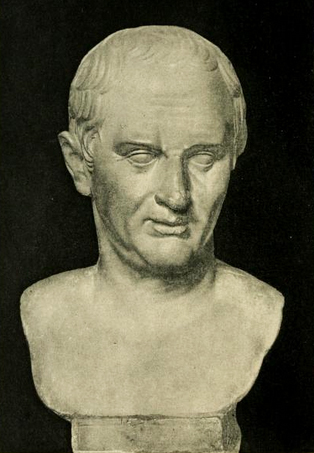
Wikimedia Commons · Public domain · file Cicero continued eastward across southern Italy, reaching Beneventum on the road to Brundisium.
Departs Venusia
· Venusia, Venosa, Basilicata, Italy
Wikimedia Commons · Public domain · file A letter written as Cicero left Venusia marks another stage of his overland journey toward the Adriatic.
Meets Pompey at Tarentum
· Tarentum, Taranto, Apulia, Italy
Wikimedia Commons · Public domain · file Cicero reached Tarentum and spent several days with Pompey discussing public affairs and his approaching governorship.
Feasted at Corcyra
· Corcyra, Corfu, Greece
Wikimedia Commons · Public domain · file Crossing toward Greece, Cicero stopped at Corcyra and received hospitality arranged through Atticus. The stop occurred before 14 June; only month-level precision is supported.
Stops among the Sybota islands
· Sybota Islands, Epirus, Greece
Wikimedia Commons · Public domain · file Cicero's Adriatic and Ionian passage included the Sybota islands before he reached Actium. The stop occurred before 14 June; coordinates represent the modern Sivota island area.
Delayed at Brundisium
· Brundisium, Brindisi, Apulia, Italy
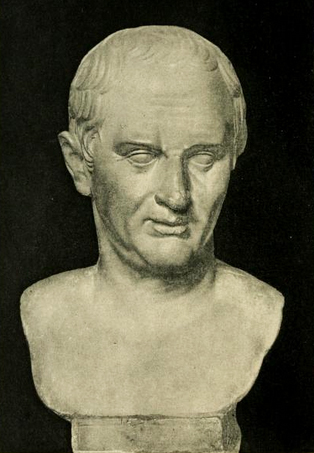
Wikimedia Commons · Public domain · file Illness and the delayed arrival of an officer kept Cicero at Brundisium for twelve days while he waited to sail.
Reaches Actium
· Actium, Epirus, Greece
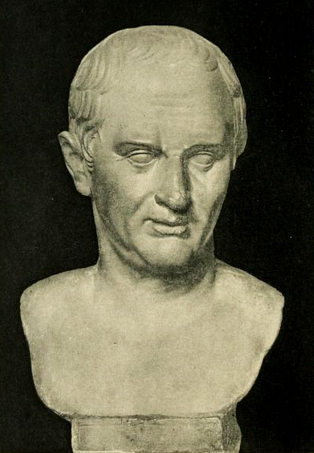
Wikimedia Commons · Public domain · file Cicero landed at Actium and elected to continue through Greece by land rather than face another difficult sea passage. Coordinates represent the ancient Actium promontory area.
Arrives in Athens en route to Cilicia
· Athens, Greece
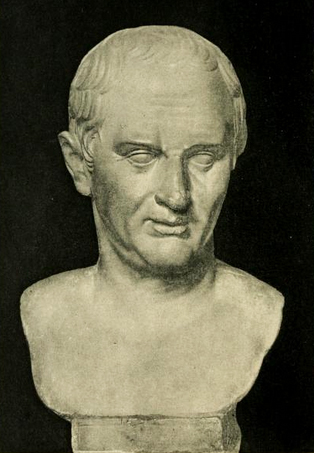
Wikimedia Commons · Public domain · file Cicero spent ten days in Athens, meeting scholars and preparing the maritime continuation of his provincial journey.
Arrives at Ephesus
· Ephesus, İzmir Province, Turkey
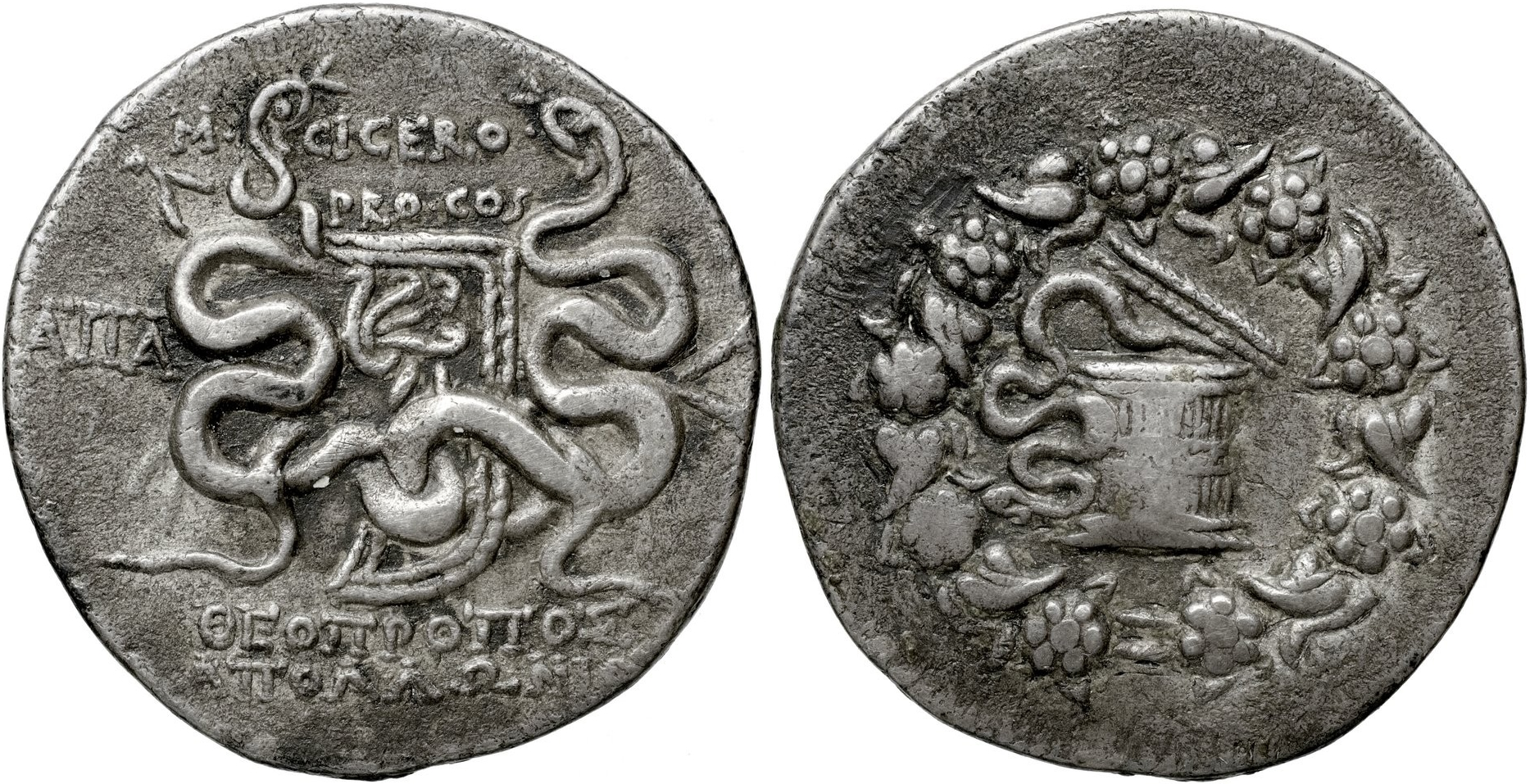
Wikimedia Commons · Public domain · file Cicero reached Ephesus after crossing the Aegean and entering the Roman province of Asia. The source specifies a date after 22 July, so only month-level precision is used.
Stops at Gyaros
· Gyaros, Cyclades, Greece
Wikimedia Commons · Public domain · file Cicero stopped at Gyaros during his island-hopping passage across the Aegean. The voyage narrative supports July 51 BC but not a securely converted day.
Stops at Syros
· Syros, Cyclades, Greece
Wikimedia Commons · Public domain · file Syros was another documented stop on Cicero's Aegean route toward the province of Asia. Only month-level precision is supported.
Waits at Delos
· Delos, Cyclades, Greece
Wikimedia Commons · Public domain · file Cicero remained on Delos while waiting for safer sailing conditions for the next stage east. Only month-level precision is supported.
Reaches Ceos
· Ceos, Cyclades, Greece
Wikimedia Commons · Public domain · file Cicero's voyage east from Piraeus brought him to the island of Ceos after adverse winds delayed the party at Zoster. The date is reconstructed from the letter's July 51 BC voyage narrative; modern Kea represents ancient Ceos.
Reaches Tralles
· Tralles, Aydın, Turkey
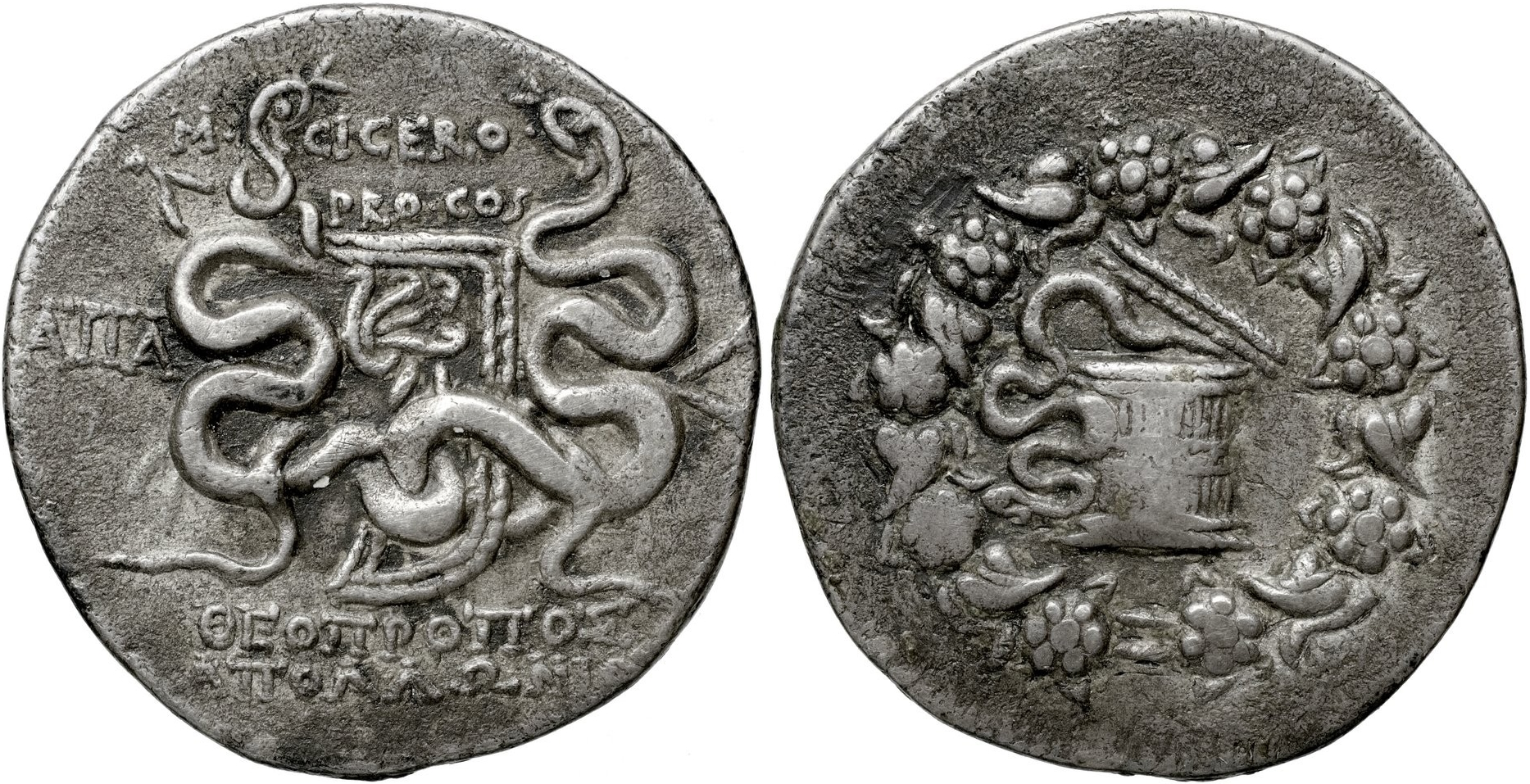
Wikimedia Commons · Public domain · file Cicero traveled inland through the province of Asia and wrote from Tralles. Modern Aydın represents ancient Tralles.
Begins provincial work at Laodicea
· Laodicea on the Lycus, Denizli Province, Turkey
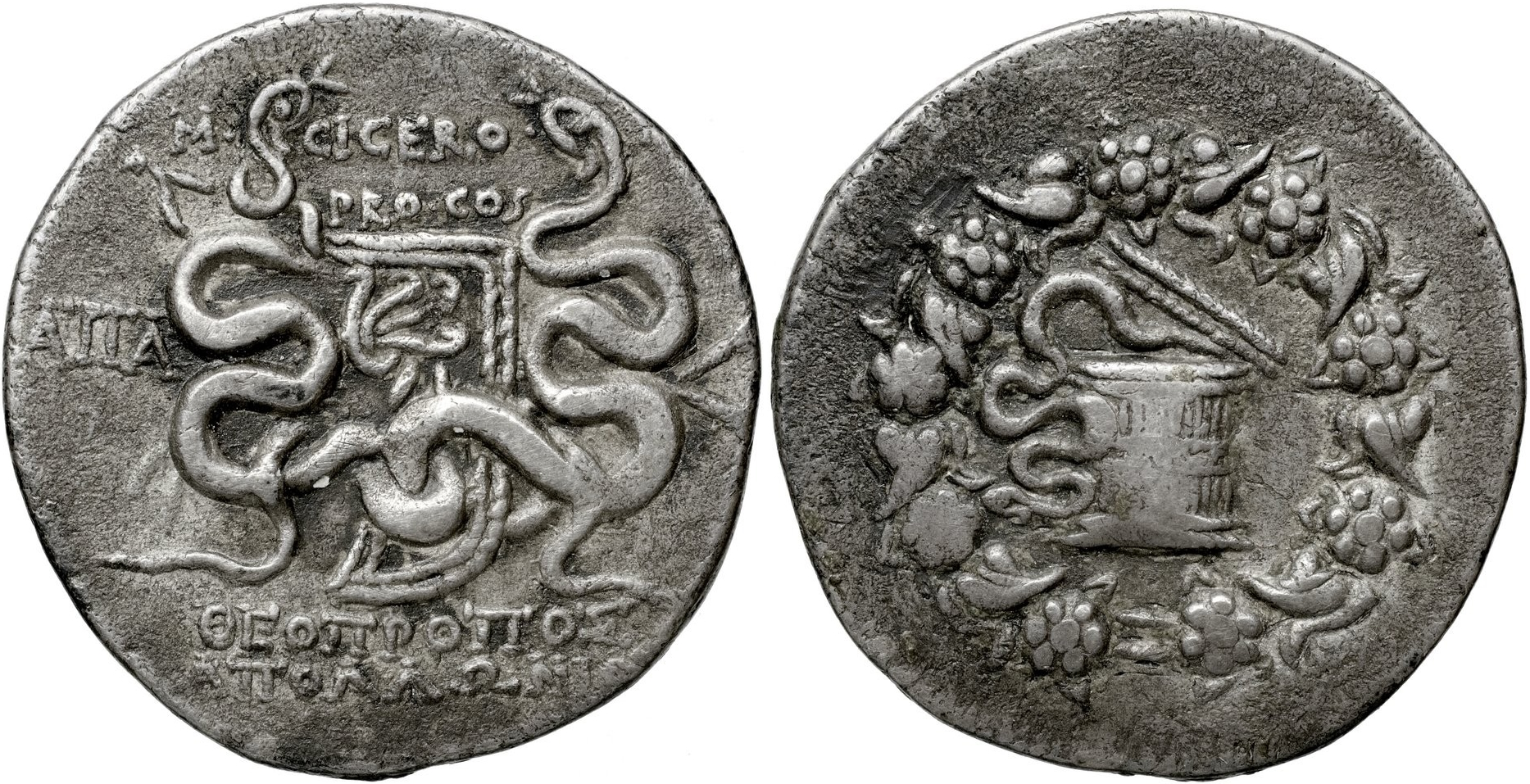
Wikimedia Commons · Public domain · file Cicero reached Laodicea, an important judicial center from which he began conducting the civil business of his command. Coordinates identify the archaeological site near modern Denizli.
Stations at Cybistra
· Cybistra, near Ereğli, Konya Province, Turkey
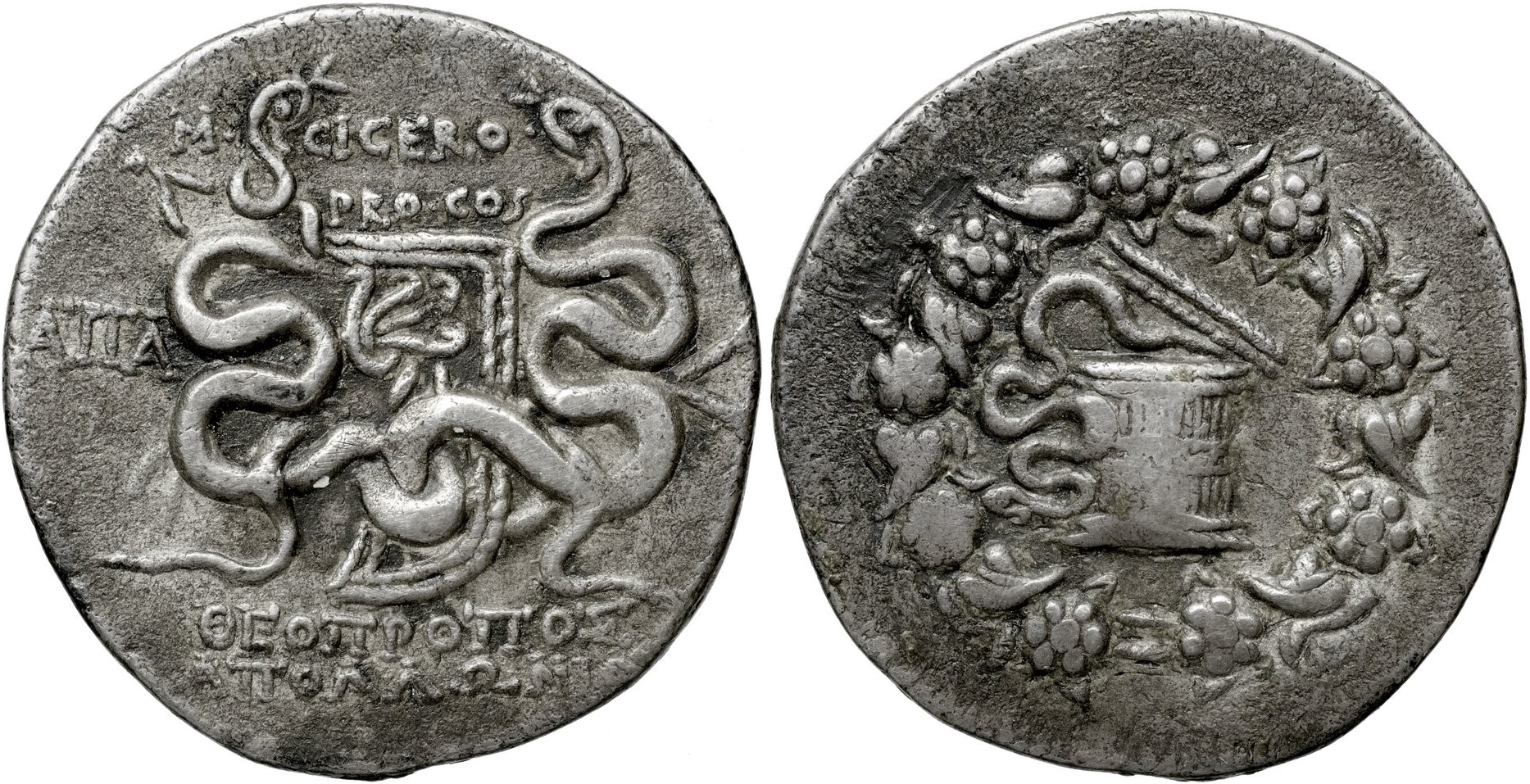
Wikimedia Commons · Public domain · file During the Parthian threat Cicero operated from Cybistra near the frontier approaches to Cilicia and Cappadocia. The archaeological identification has some uncertainty; coordinates follow the mapped ancient site near Ereğli.
Stops at Rhodes on the homeward voyage
· Rhodes, Greece
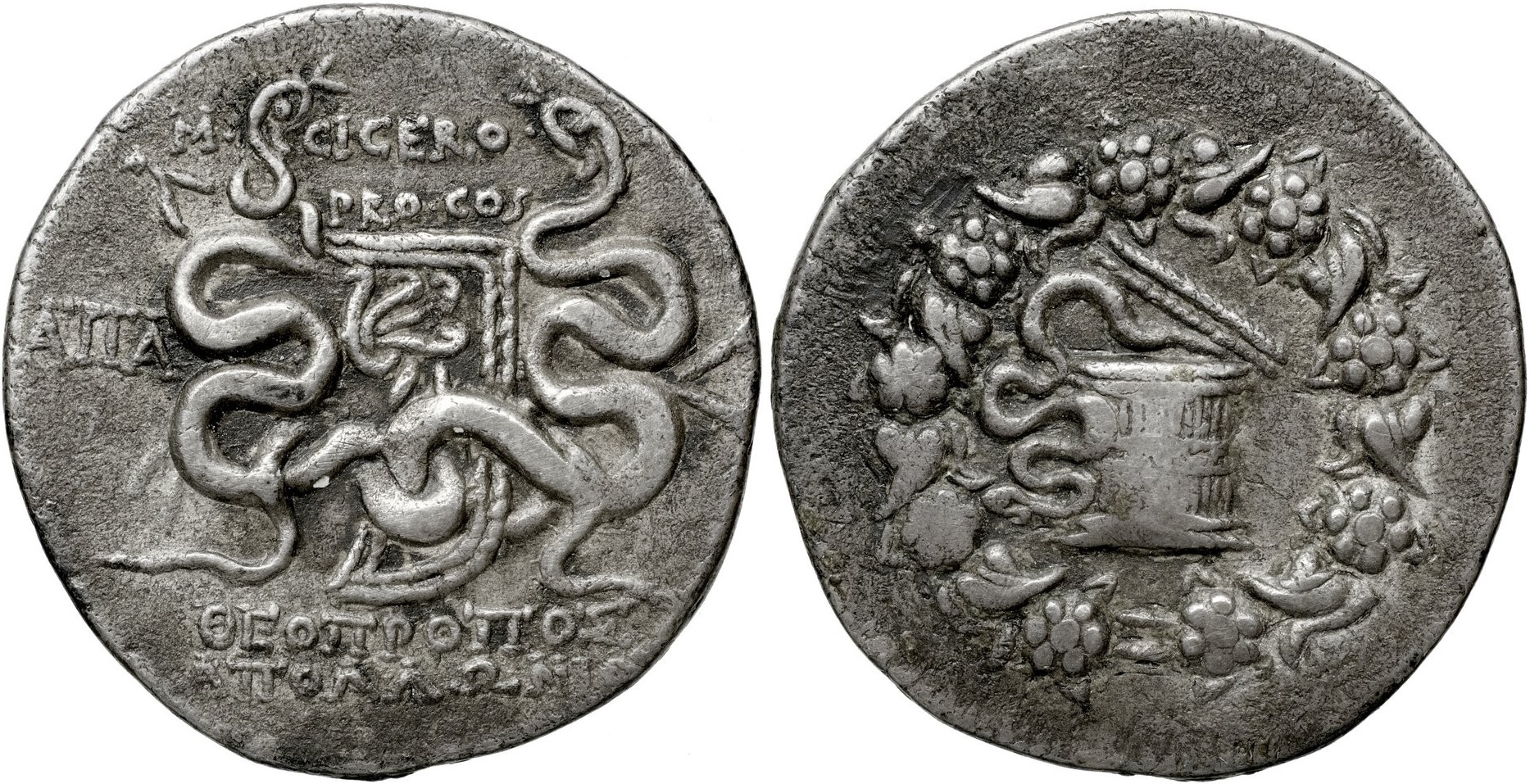
Wikimedia Commons · Public domain · file After relinquishing the Cilician command, Cicero stopped at Rhodes while traveling back toward Italy. The journey followed his departure from the province on 30 July 50 BC; no more precise date is stated.
Visits Athens on return from Cilicia
· Athens, Greece
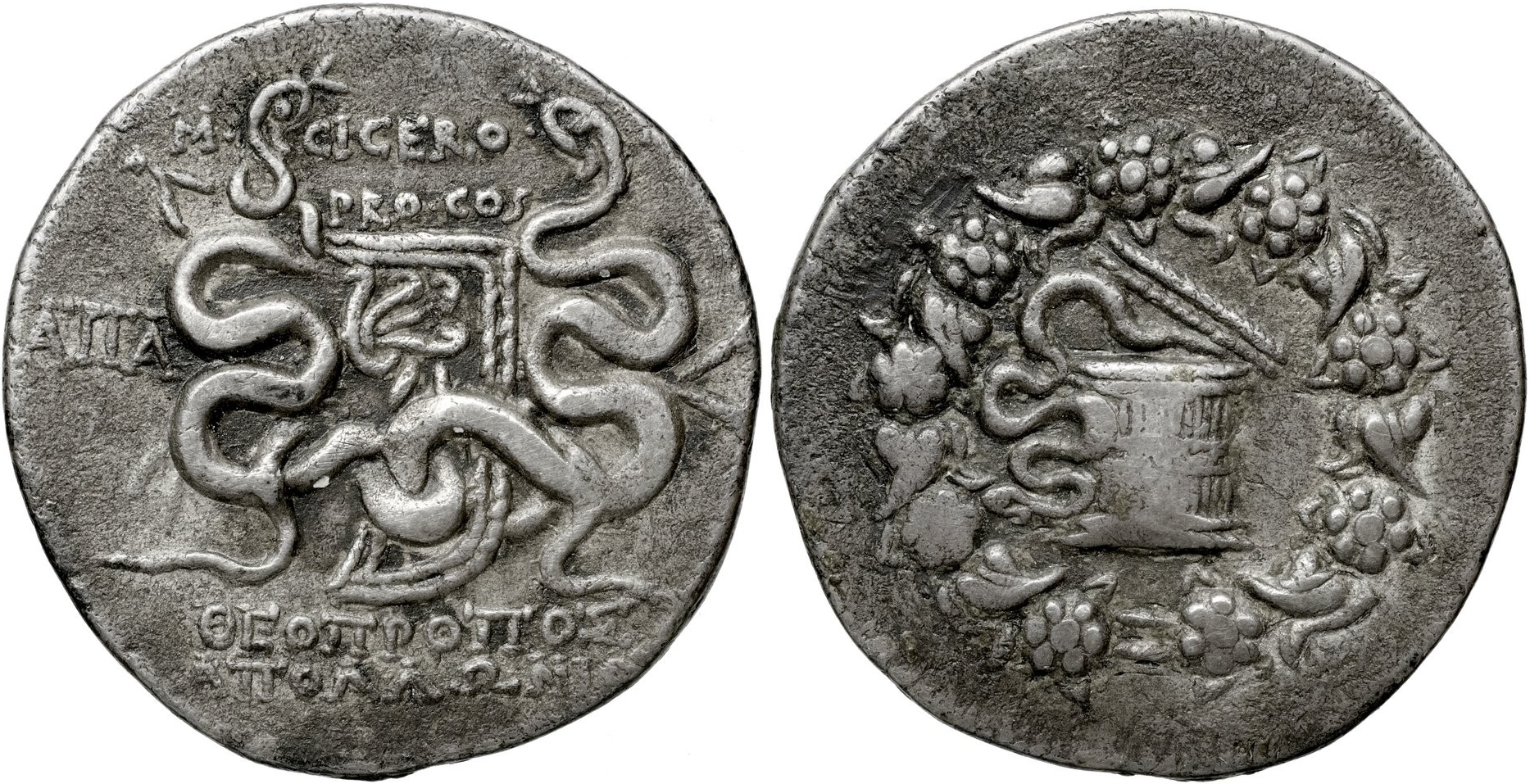
Wikimedia Commons · Public domain · file Cicero proceeded from Rhodes to Athens, where he met Atticus and scholars before continuing west. No more precise date is stated.
Arrives outside Rome with imperium
· Outside the pomerium, Rome, Italy
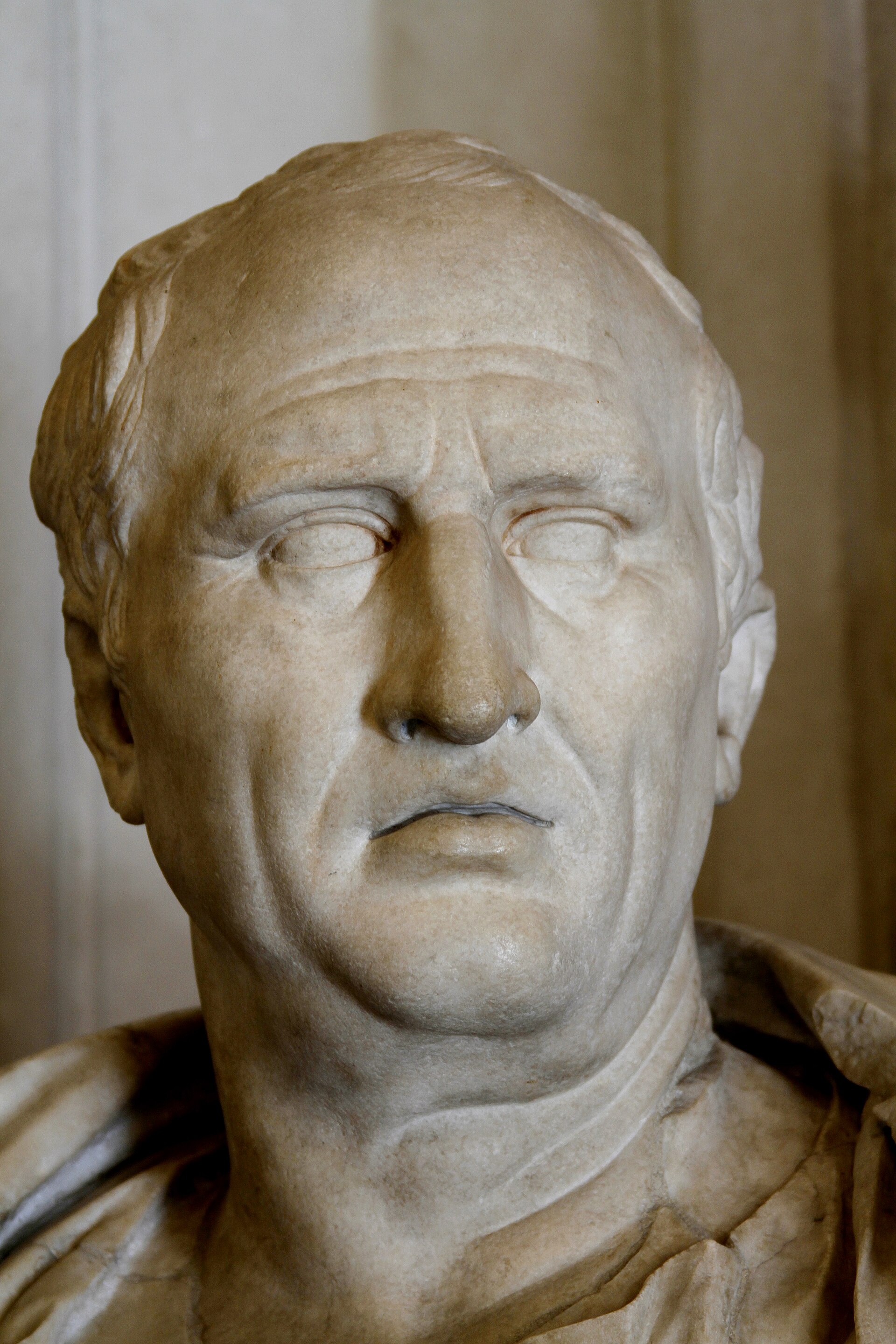
Wikimedia Commons · Creative Commons Attribution-Share Alike 4.0 · file Cicero reached Rome but remained outside the sacred boundary so that he would not surrender his provincial command authority. The source does not identify which point outside the pomerium he occupied; coordinates represent central Rome.
Meets Lucius Caesar at Minturnae
· Minturnae, Lazio, Italy
Wikimedia Commons · Public domain · file During the opening crisis of the civil war, Cicero met Caesar's emissary Lucius Caesar at Minturnae. Coordinates identify the archaeological site of Minturnae.
Departs Cales during the civil-war crisis
· Cales, Calvi Risorta, Campania, Italy
Wikimedia Commons · Public domain · file Cicero wrote while leaving Cales for Capua amid negotiations between Caesar and Pompey. Coordinates represent the archaeological area of ancient Cales.
Reaches Teanum Sidicinum
· Teanum Sidicinum, Teano, Campania, Italy
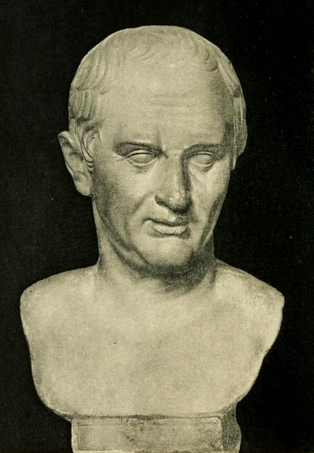
Wikimedia Commons · Public domain · file Attempting to move toward Pompey's forces, Cicero reached Teanum Sidicinum and learned that Caesar threatened his route. The letter belongs to February 49 BC but the quoted passage does not establish an exact day.
Shelters at Cales
· Cales, Calvi Risorta, Campania, Italy
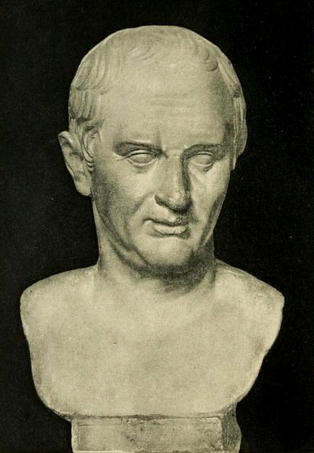
Wikimedia Commons · Public domain · file Cicero stopped at Cales while waiting for reliable intelligence about Caesar's movements and the safety of the road south. Only month-level precision is defensible.
Waits at Formiae
· Formiae, Formia, Lazio, Italy
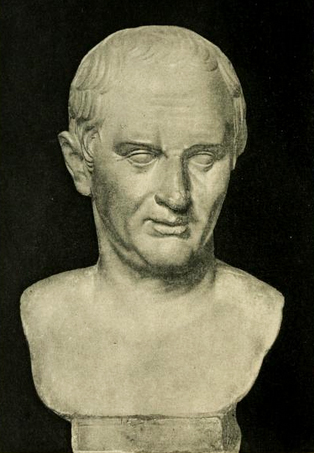
Wikimedia Commons · Public domain · file Cicero waited at his Formian villa for his family and for clearer news about the developing war.
Marks his son's coming of age at Arpinum
· Arpinum, Latium, Italy
Wikimedia Commons · Public domain · file Unable to hold the ceremony safely in Rome, Cicero celebrated his son's assumption of adult status in their ancestral town. The letter belongs to March 49 BC; an exact day is not securely established by the quoted passage.
Joins Pompey's headquarters at Dyrrhachium
· Dyrrhachium, Durrës, Albania
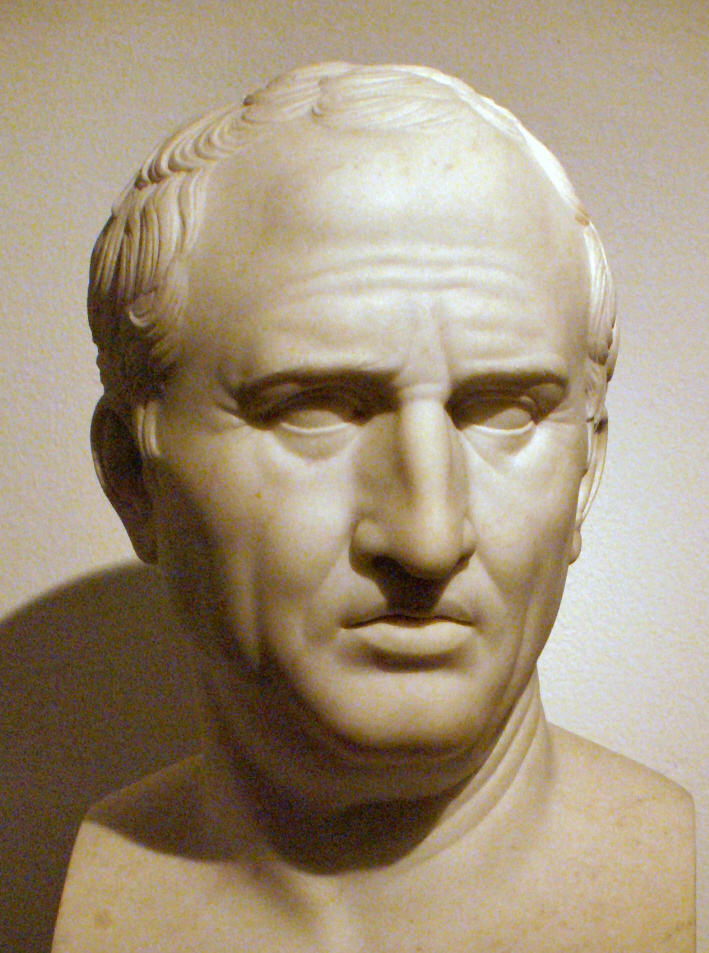
Wikimedia Commons · Public domain · file Cicero left Italy and joined the Pompeian command at Dyrrhachium, though he remained doubtful about its leadership and strategy.
Travels with Pompeians to Pharsalus
· Pharsalus, Thessaly, Greece
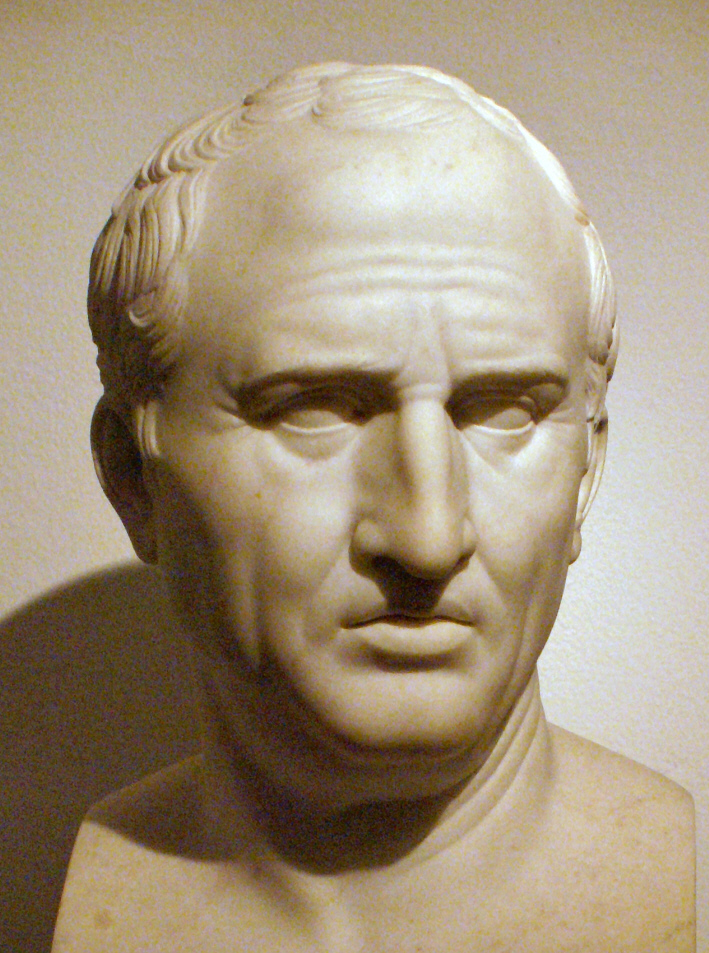
Wikimedia Commons · Public domain · file Cicero accompanied Pompey's forces into Thessaly during the campaign that culminated in Caesar's decisive victory at Pharsalus. Coordinates represent the Pharsalus battlefield vicinity; ancient regional terminology differs from modern boundaries.
Returns to Rome after Caesar's victory
· Rome, Italy
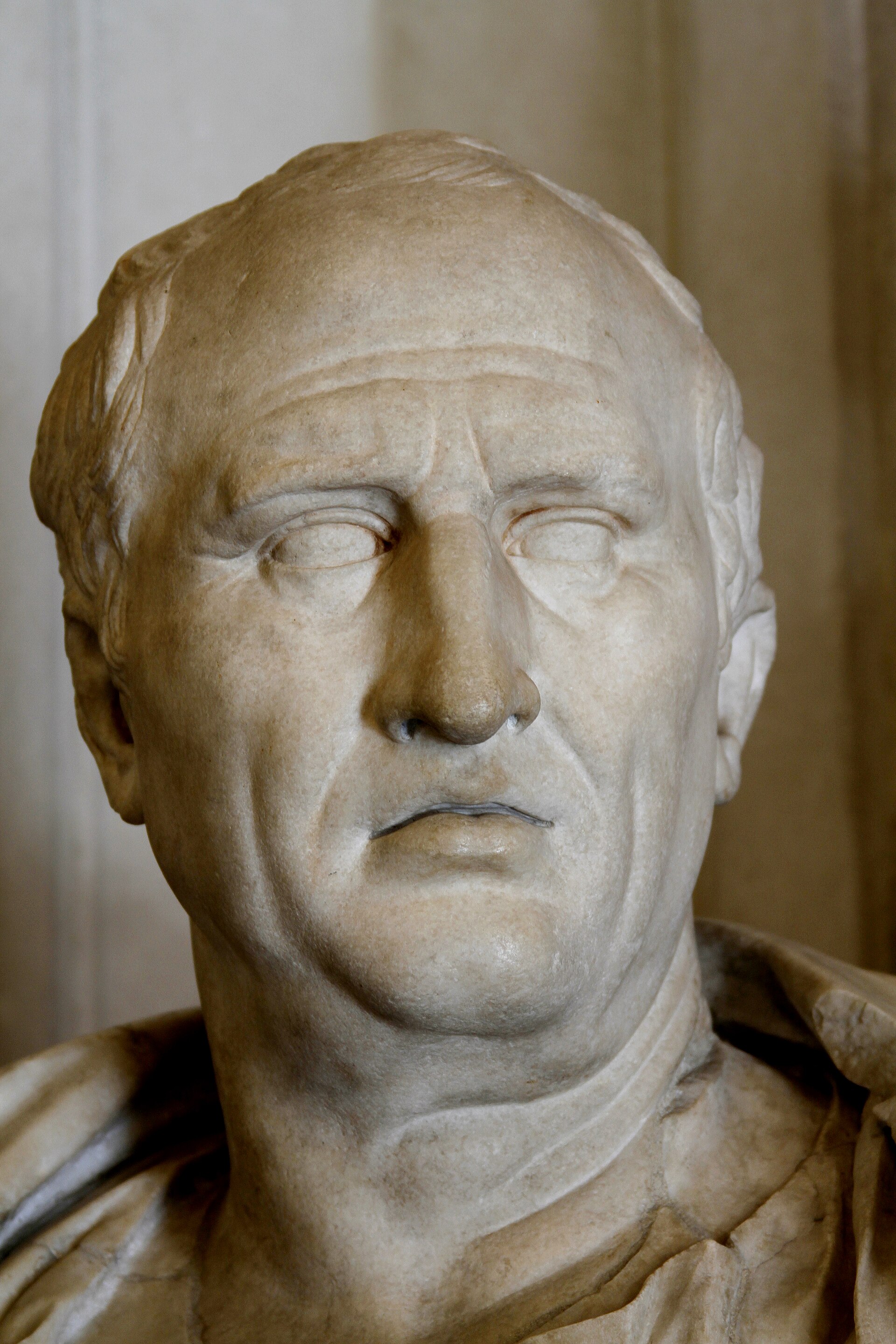
Wikimedia Commons · Creative Commons Attribution-Share Alike 4.0 · file After refusing continued command of the Pompeian cause, Cicero returned to Rome and formally relinquished his imperium.
Grieves at Astura
· Astura, Torre Astura, Lazio, Italy
Following the death of his daughter Tullia, Cicero withdrew to the secluded coastal estate at Astura. The index omits the year in this heading; its placement in Book 12 establishes 45 BC. Coordinates identify Torre Astura.
Writes from Tusculum
· Tusculum, Latium, Italy
Cicero resumed work at his Tusculan villa during an exceptionally productive period of philosophical composition. The index omits the year in this heading; its placement in Book 13 establishes 45 BC.
Returns to Astura
· Astura, Torre Astura, Lazio, Italy
Cicero again occupied Astura while deciding where to continue his mourning and literary work. The passage occurs in a letter dated 14 July 45 BC.
Leaves Astura after Caesar's assassination
· Astura, Torre Astura, Lazio, Italy
Weeks after Caesar's assassination, Cicero departed Astura on a journey through his coastal villas while monitoring events in Rome.
Dines at Fundi
· Fundi, Fondi, Lazio, Italy
Wikimedia Commons · Public domain · file Cicero stopped at Fundi during his southward progress and received political news from Atticus there. Modern Fondi represents ancient Fundi.
Meets Paulus at Caieta
· Caieta, Gaeta, Lazio, Italy
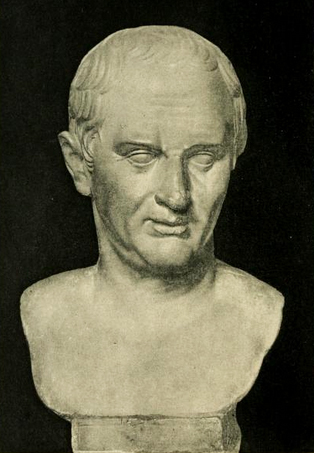
Wikimedia Commons · Public domain · file At Caieta, Cicero met Paulus and discussed alarming developments in the post-assassination political situation. Modern Gaeta represents ancient Caieta.
Stops at Sinuessa
· Sinuessa, near Mondragone, Campania, Italy
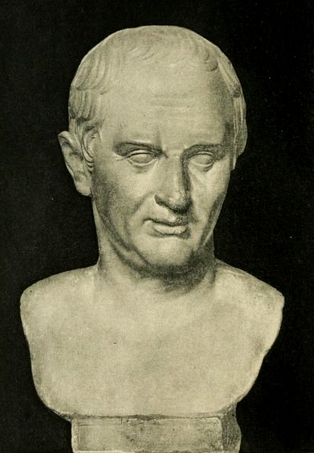
Wikimedia Commons · Public domain · file Cicero stayed at a roadside lodge at Sinuessa while traveling among his seaside properties. Coordinates represent the ancient Sinuessa vicinity near modern Mondragone.
Stays at Pompeii
· Pompeii, Campania, Italy
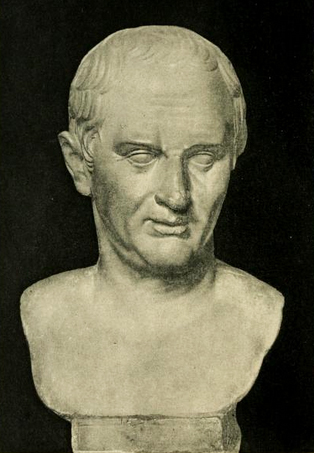
Wikimedia Commons · Public domain · file Cicero was at his Pompeian estate while considering the increasingly insecure position of Caesar's assassins. The precise location of Cicero's villa is uncertain; coordinates use ancient Pompeii.
Reaches Puteoli
· Puteoli, Pozzuoli, Campania, Italy
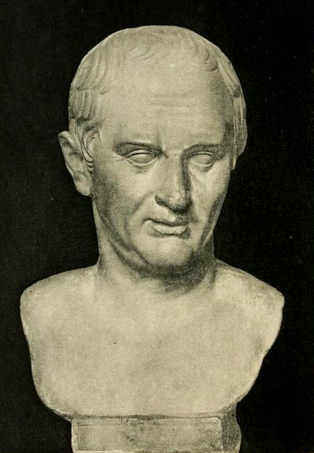
Wikimedia Commons · Public domain · file Cicero reached the port and resort center of Puteoli after traveling by sea from Pompeii and visiting Lucullus. The preceding sentence dates the visit to Lucullus to 10 May, establishing arrival on 11 May 44 BC.
Spends the day at Sinuessa
· Sinuessa, near Mondragone, Campania, Italy
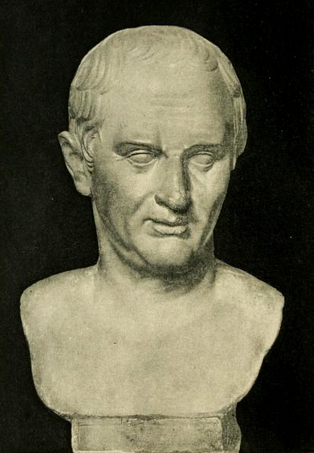
Wikimedia Commons · Public domain · file After the Cuman funeral, Cicero continued to Sinuessa and remained there overnight before departing for Arpinum. The letter is dated 18 May 44 BC; 'that day' refers to 17 May.
Stops at his Cuman house
· Cumae, Campania, Italy
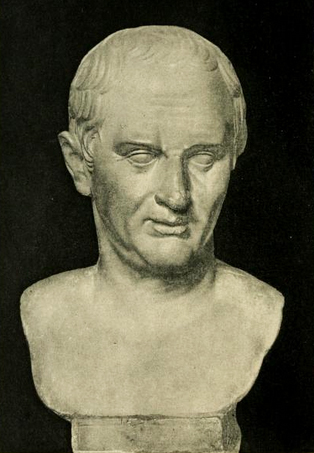
Wikimedia Commons · Public domain · file Cicero left Puteoli and stopped at his house at Cumae, where he attended a funeral. The letter is dated 18 May 44 BC, making 'yesterday' 17 May.
Receives letters at Arpinum
· Arpinum, Latium, Italy
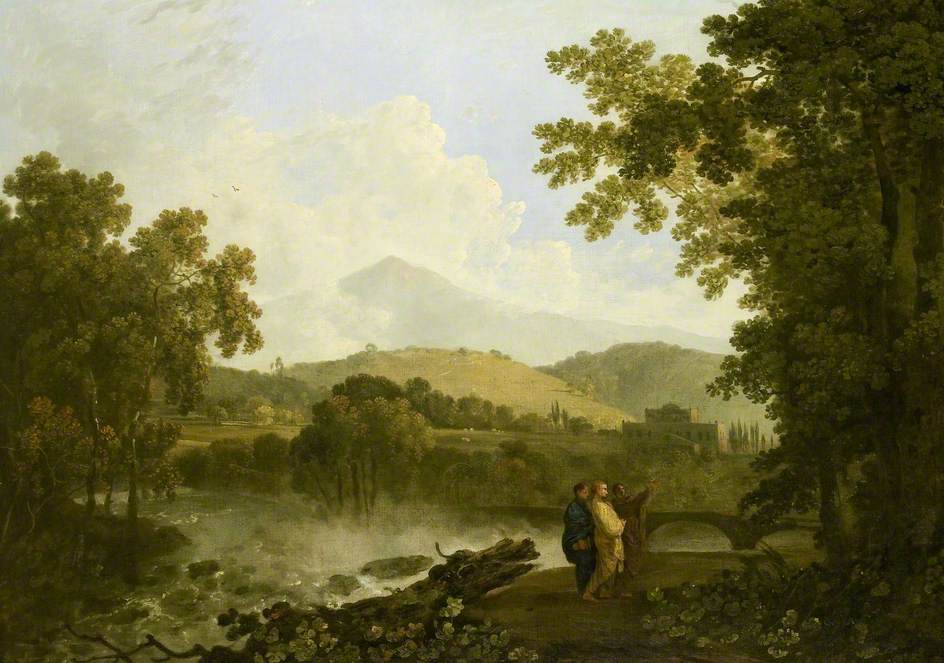
Wikimedia Commons · Public domain · file Cicero reached his ancestral town and received Atticus's correspondence while preparing to return toward Tusculum.
Conferences with Brutus at Antium
· Antium, Anzio, Lazio, Italy
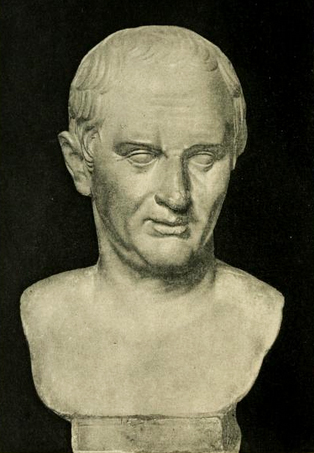
Wikimedia Commons · Public domain · file Cicero met Brutus, Cassius, Servilia, and their associates at Antium to debate the assassins' safety and future assignments.
Writes from Arpinum
· Arpinum, Latium, Italy
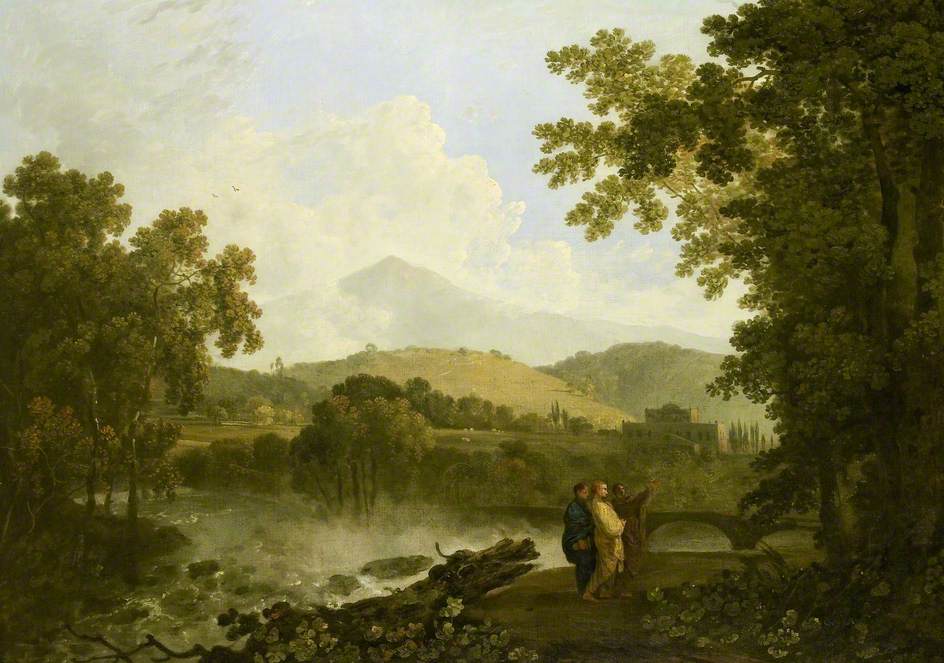
Wikimedia Commons · Public domain · file Cicero was again at Arpinum shortly before beginning his attempted journey to Greece. The quoted dateline is from Cicero's letter.
Driven back to Leucopetra
· Leucopetra, Punta di Pellaro, Calabria, Italy
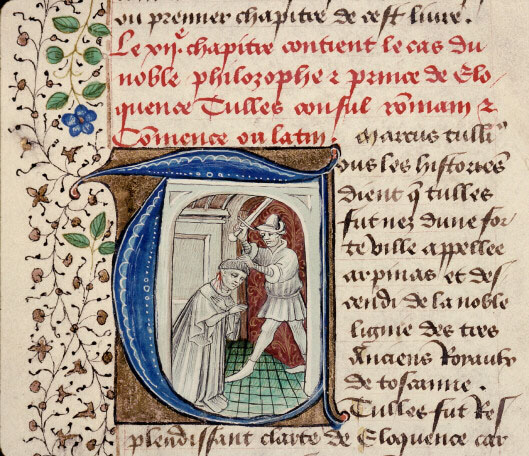
Wikimedia Commons · Public domain · file Cicero attempted to cross from southern Italy toward Greece, but a strong south wind forced his ship back to Leucopetra. Leucopetra is identified with Punta di Pellaro near Reggio Calabria.
Meets Brutus near Velia
· Velia, Campania, Italy
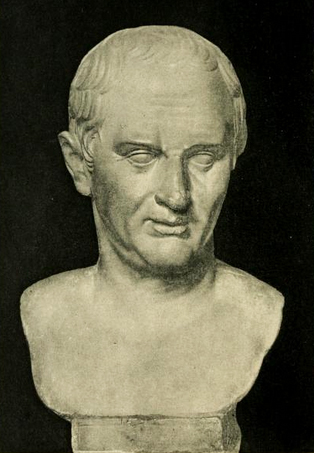
Wikimedia Commons · Public domain · file After abandoning his eastern journey, Cicero reached Velia, where Brutus came from his nearby fleet to meet him. Coordinates identify the archaeological site of ancient Velia.
Reaches Sinuessa while avoiding Antony
· Sinuessa, near Mondragone, Campania, Italy
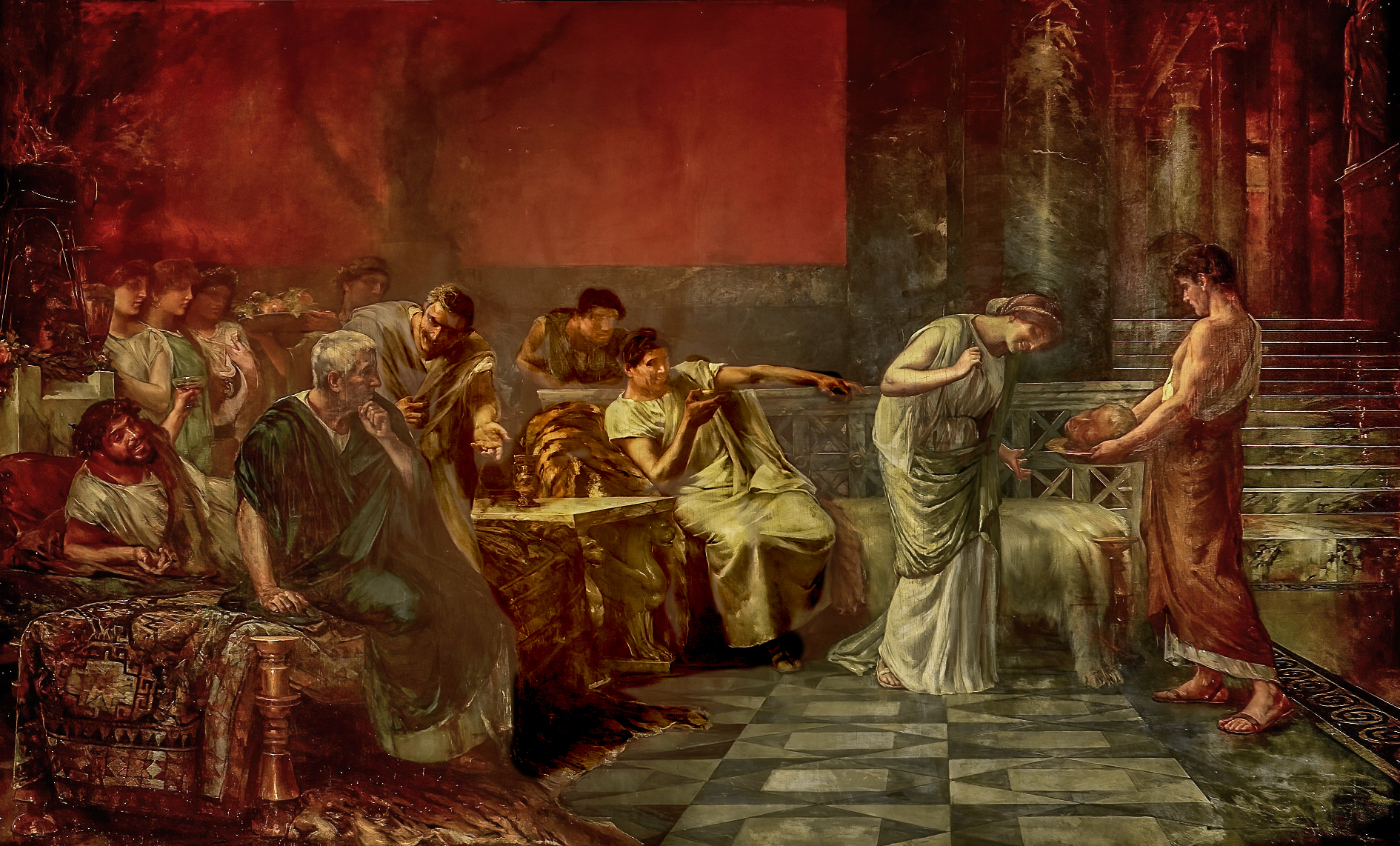
Wikimedia Commons · Public domain · file Traveling back toward Rome, Cicero stopped at Sinuessa and altered his route to avoid encountering Antony's advancing force.
Writes from Arpinum amid renewed crisis
· Arpinum, Latium, Italy
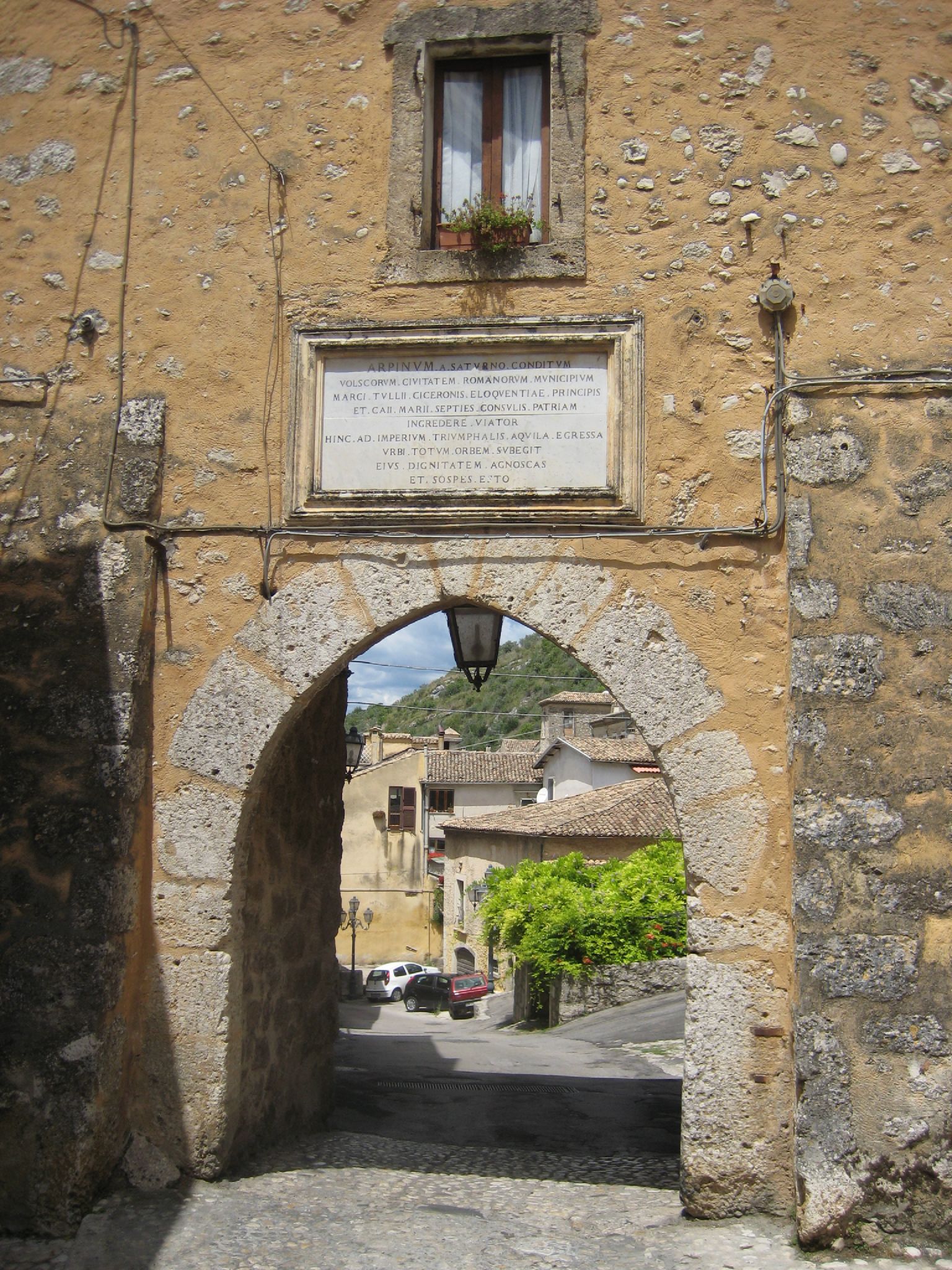
Wikimedia Commons · Creative Commons Attribution 2.0 · file Cicero withdrew to Arpinum while deciding whether to approach Rome during the military confrontation between Antony and Octavian. The quoted dateline is from Cicero's letter.
Killed while leaving his Formian villa
· Formiae, Formia, Lazio, Italy
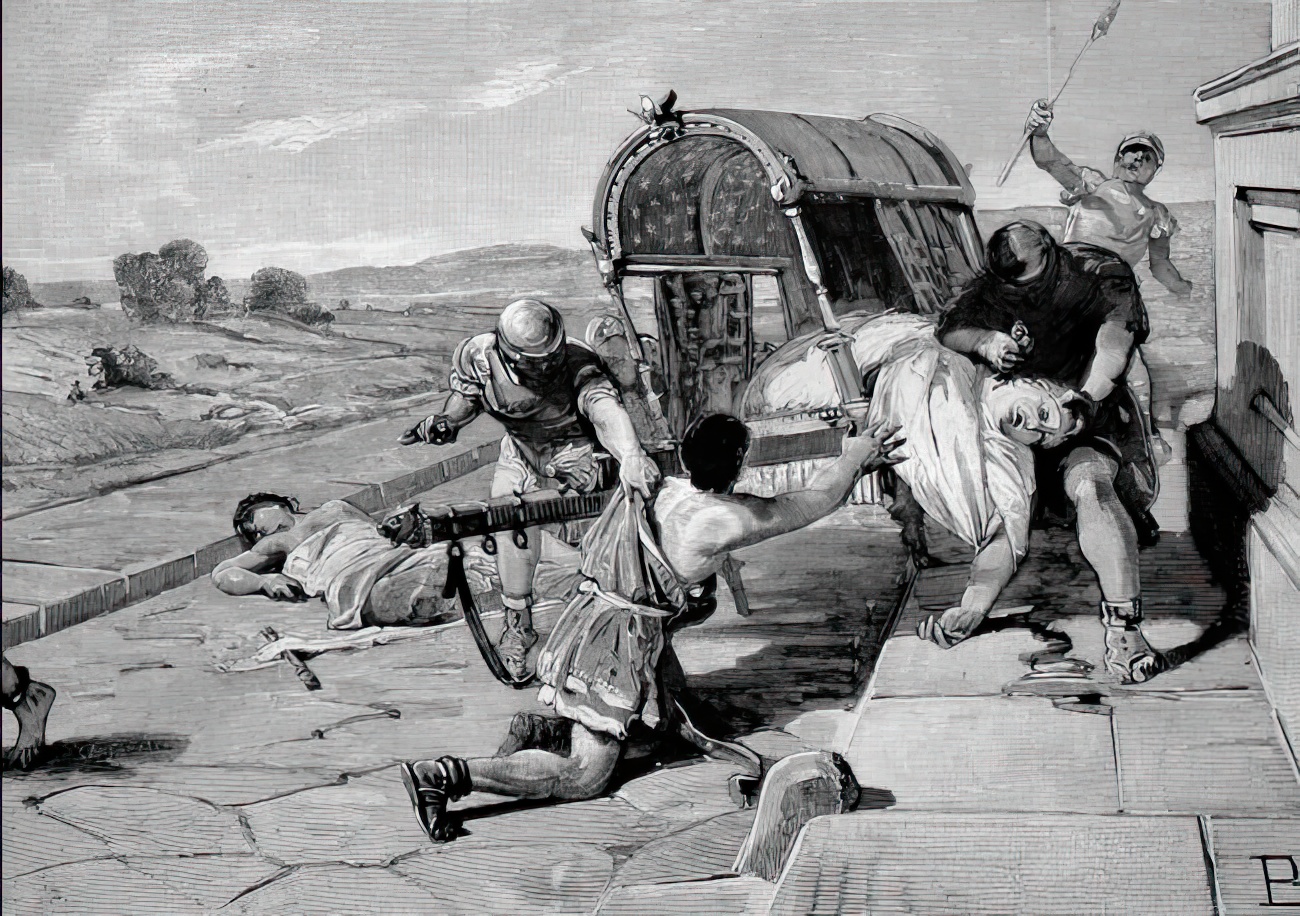
Wikimedia Commons · Public domain · file Proscribed by the Second Triumvirate, Cicero was caught and assassinated while being carried from his villa toward the coast in an attempt to escape Italy. The exact point on the road between the villa and coast is uncertain; coordinates represent Formiae.