
21 moments
Traditional birth at the Kaaba
· Kaaba, Mecca, Hejaz, Arabia
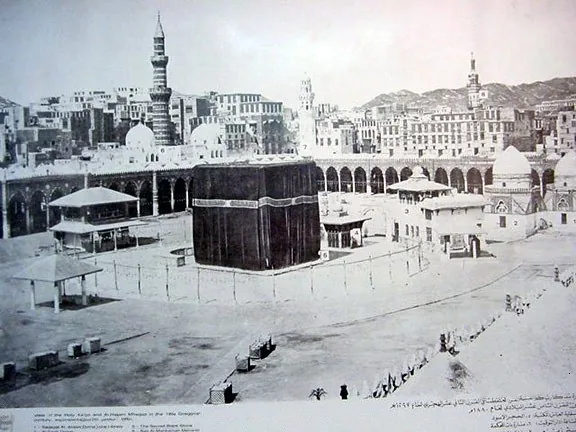
Wikimedia Commons · Public domain · file Traditional accounts place Ali’s birth inside the Kaaba in Mecca. The date is approximate and the precise day is disputed. Birth year is approximate; birth inside the Kaaba is reported as tradition.
Arrival and fraternity in Medina
· Medina, Hejaz, Arabia
After leaving Mecca, Ali was present in Medina, where Muhammad paired him with a brother in the fraternity pacts. The source establishes Medina presence after the 622 migration but does not give an exact arrival date.
Stayed in Mecca as Muhammad's decoy
· Mecca, Hejaz, Arabia
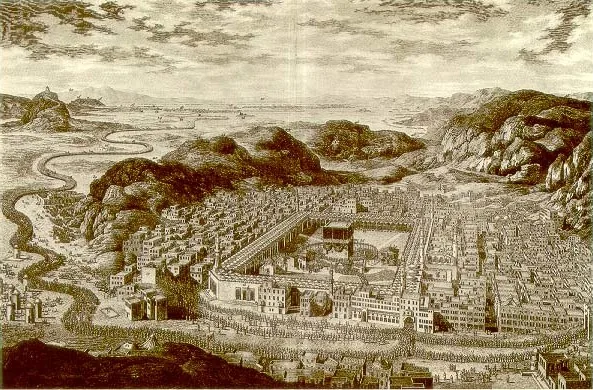
Wikimedia Commons · Public domain · file During Muhammad’s departure for Yathrib/Medina, Ali remained in Mecca as a decoy, a consequential episode in the Hijra.
Standard-bearer at Badr
· Badr battlefield, Medina Province, Arabia
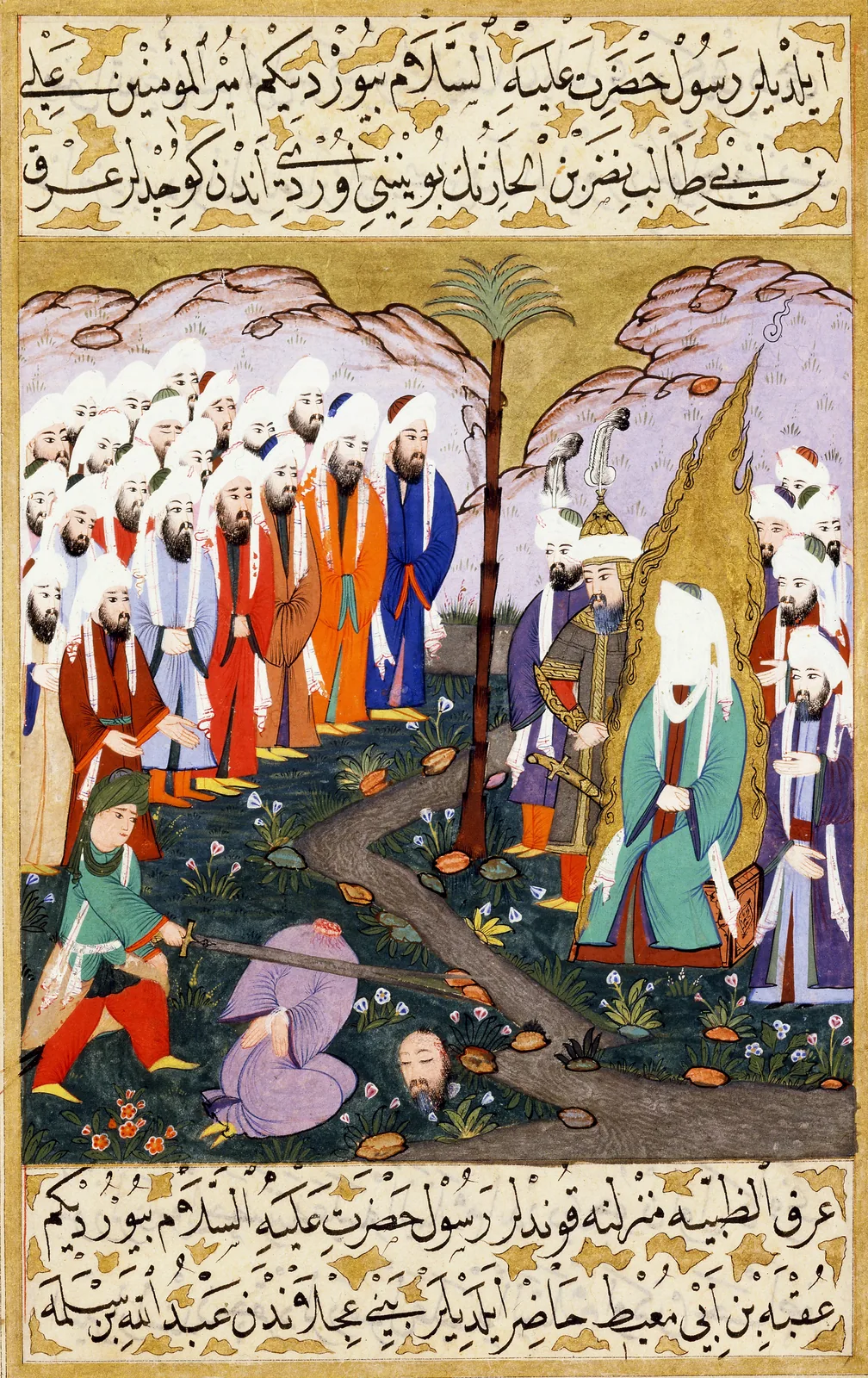
Wikimedia Commons · Public domain · file Ali served as standard-bearer in the Battle of Badr, one of the early armed conflicts of the Medinan Muslim community. Coordinates represent the historical Badr battlefield area.
Defended Muhammad at Uhud
· Mount Uhud, Medina, Hejaz, Arabia
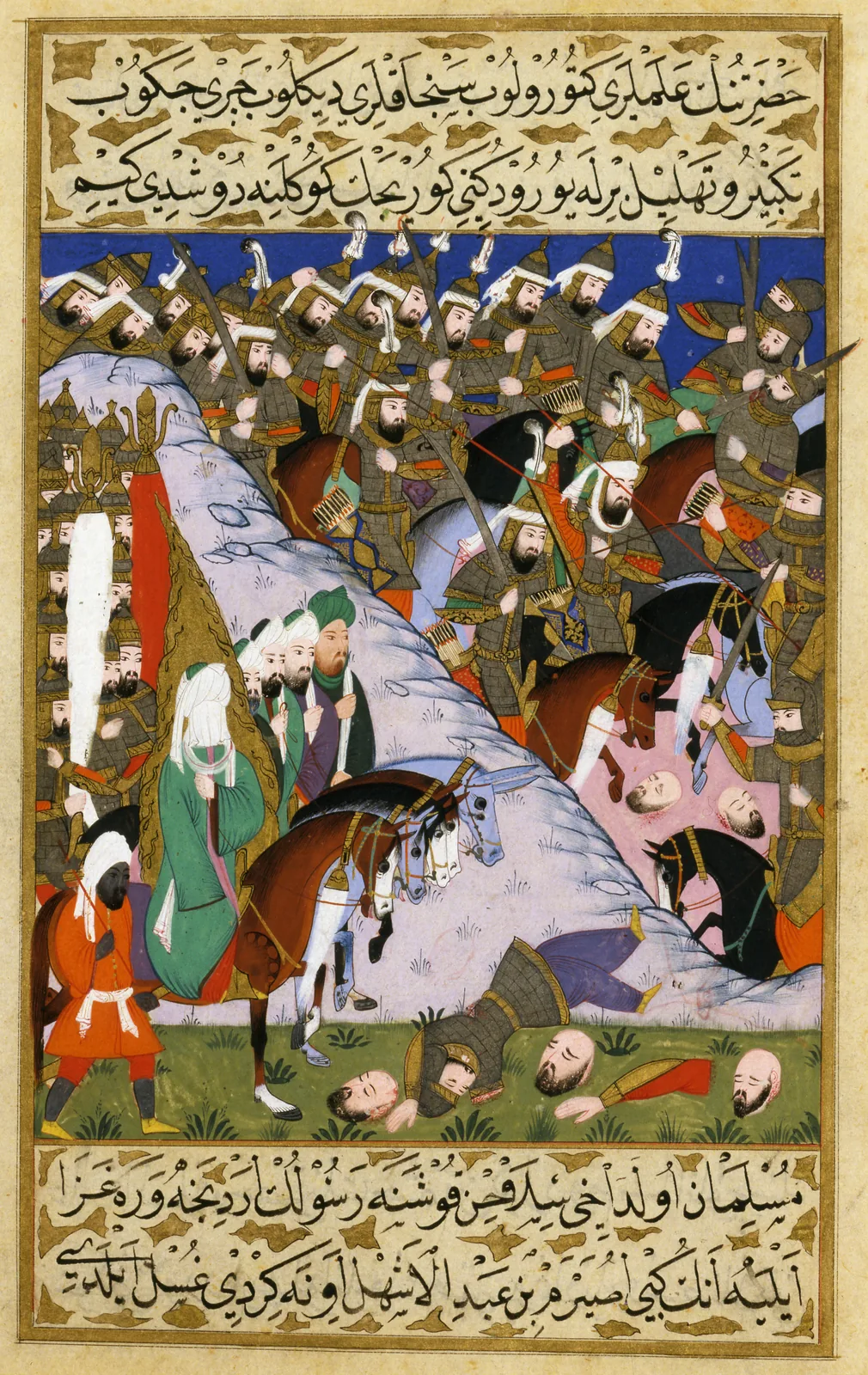
Wikimedia Commons · Public domain · file Ali was physically present at the Battle of Uhud, where the source describes him defending Muhammad.
Defeated Amr ibn Abd al-Wud at the Trench
· Battle of the Trench site, Medina, Hejaz, Arabia
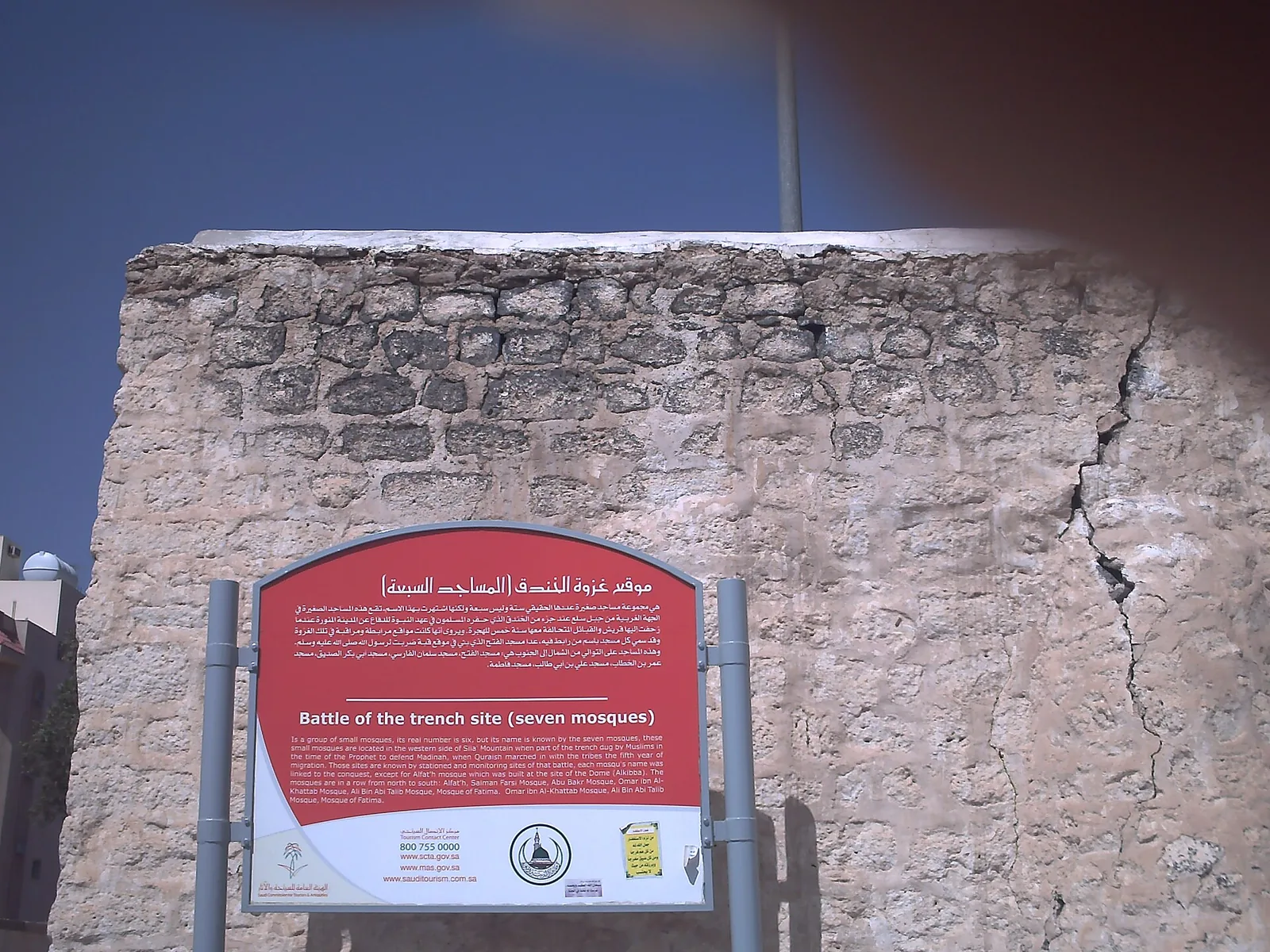
Wikimedia Commons · Creative Commons Attribution-ShareAlike 3.0 Unported · file Ali fought at the Battle of the Trench and defeated the opposing champion Amr ibn Abd al-Wud. Coordinates represent the generally identified trench/battle area in Medina.
Commanded the expedition to Fadak
· Fadak, Hejaz, Arabia
In Muhammad’s absence, Ali commanded the expedition to Fadak. Coordinates are a representative point for the historical Fadak oasis/locality.
Standard-bearer at Khaybar
· Khaybar, Medina Province, Arabia
Ali was present at the Battle of Khaybar as standard-bearer; the article attributes the Muslim victory there in part to his courage. Coordinates represent Khaybar oasis and the associated historical battle area.
Wrote the Treaty of al-Hudaybiya
· Al-Hudaybiyyah, Mecca Province, Arabia
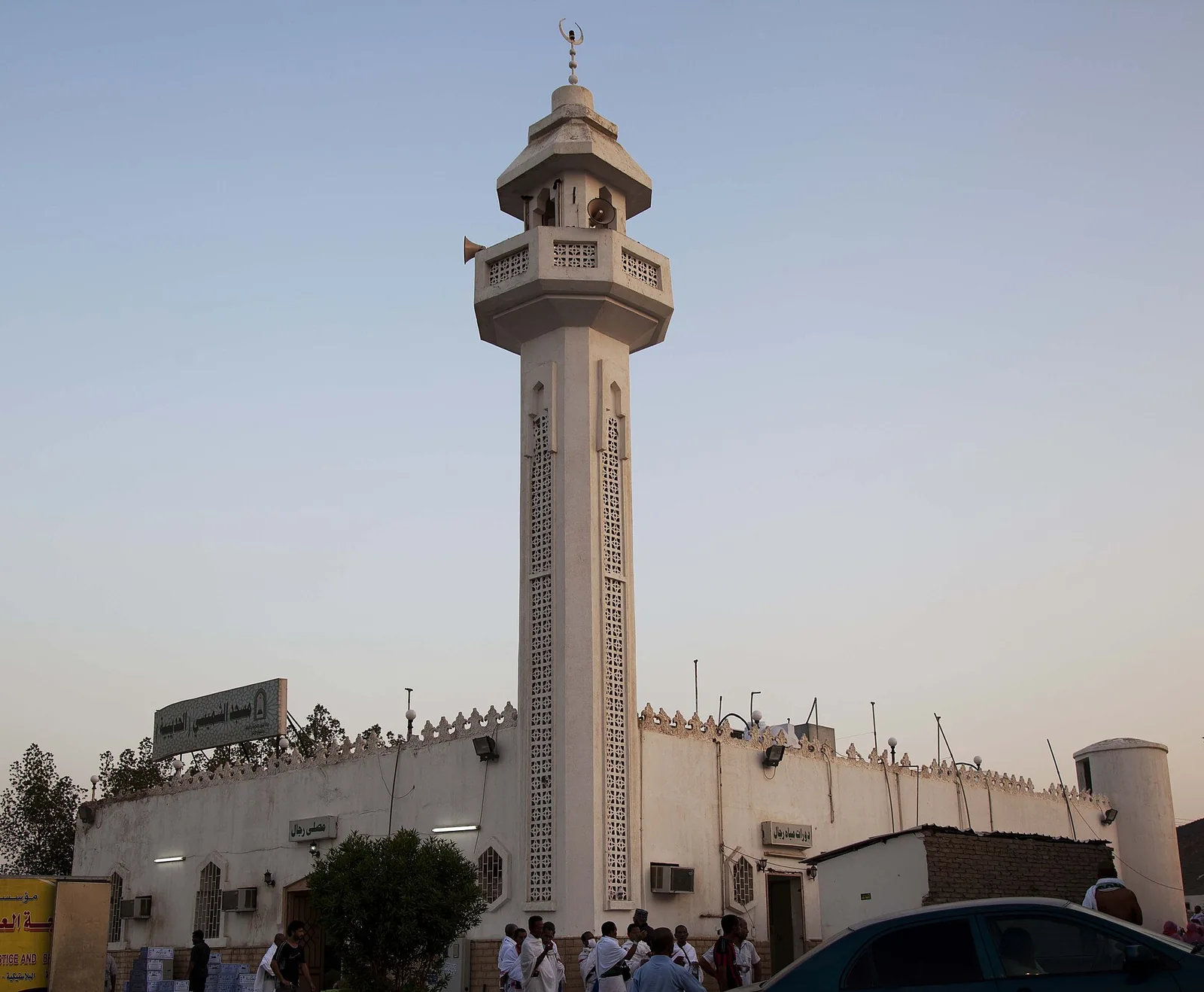
Wikimedia Commons · Creative Commons Attribution 3.0 Unported · file Ali was present for the treaty with the Meccan pagans and wrote down its terms. Coordinates represent the Hudaybiyyah locality.
Announced Quranic message in Mecca
· Mecca, Hejaz, Arabia
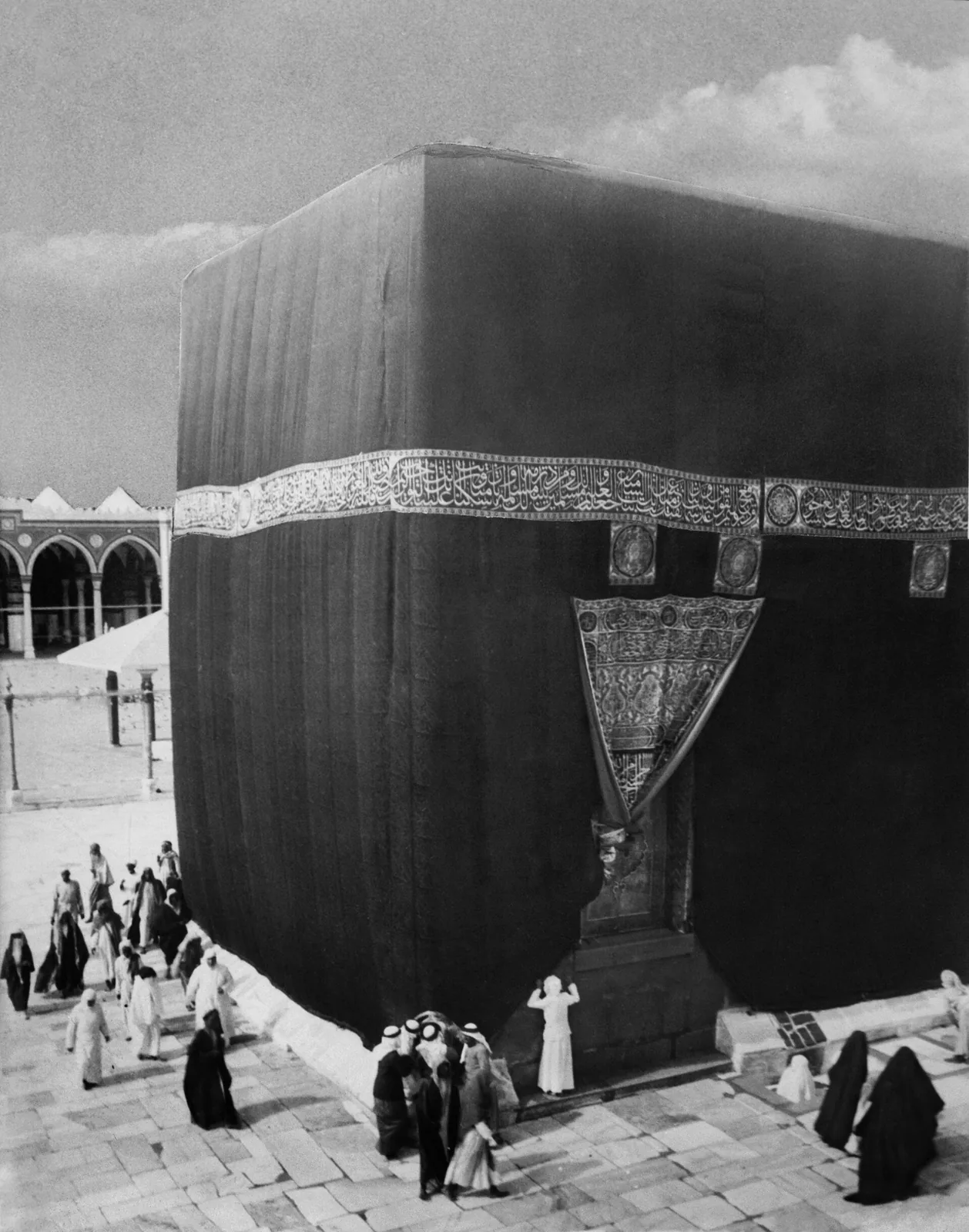
Wikimedia Commons · Public domain · file Ali replaced Abu Bakr for an important Quranic announcement in Mecca and participated in the bloodless conquest of the city.
Defended Muhammad at Hunayn
· Hunayn Valley, Mecca Province, Arabia
Ali was present at the Battle of Hunayn, where the source describes him as defending Muhammad. Coordinates represent the Hunayn Valley battle area.
Left in charge of Medina during Tabuk expedition
· Medina, Hejaz, Arabia
While Muhammad undertook the Expedition of Tabuk, Ali remained physically in Medina as the person left in charge.
Preached Islam in Yemen
· Yemen
Ali was sent to Yemen to preach Islam; the source connects the mission with the peaceful conversion of the Hamdanids. The source specifies Yemen but not a settlement; coordinates are a representative point at Sanaa.
Investiture scene at Ghadir Khumm
· Ghadir Khumm, between Mecca and Medina, Arabia
Ali was physically at Ghadir Khumm when Muhammad took him by the hand before the assembled pilgrims and made the mawla declaration. Coordinates represent the traditionally identified Ghadir Khumm locality; its precise historical position is uncertain.
Mubahala appearance in Medina
· Medina, Hejaz, Arabia
Ali accompanied Muhammad, Fatima, Hasan, and Husayn at the mubahala occasion involving the Christian delegation from Najran. The linked diplomatic episode is dated circa 632; the exact day is not stated.
Established himself at Kufa
· Kufa, Iraq
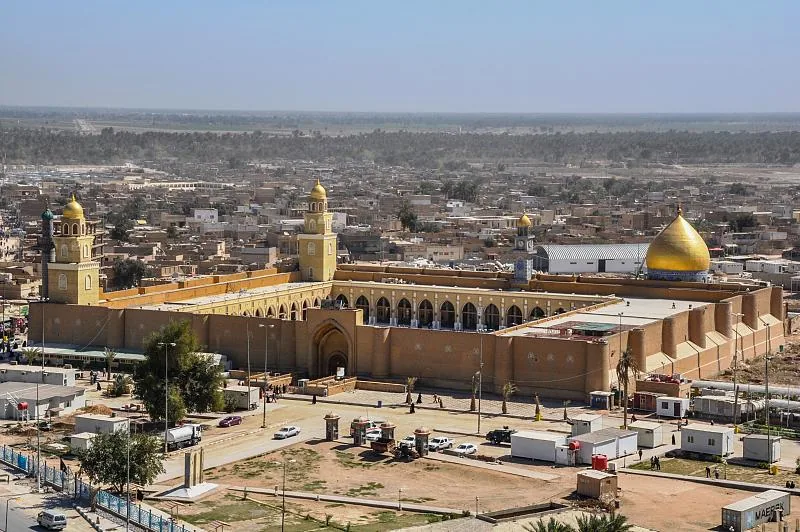
Wikimedia Commons · Creative Commons Attribution-ShareAlike 4.0 International · file Following the Battle of the Camel, Ali stationed himself in Kufa, which became the capital of his caliphate. The move followed the December 656 Battle of the Camel; the source does not state a more precise date.
Took the caliphal oath in Medina
· Medina, Hejaz, Arabia
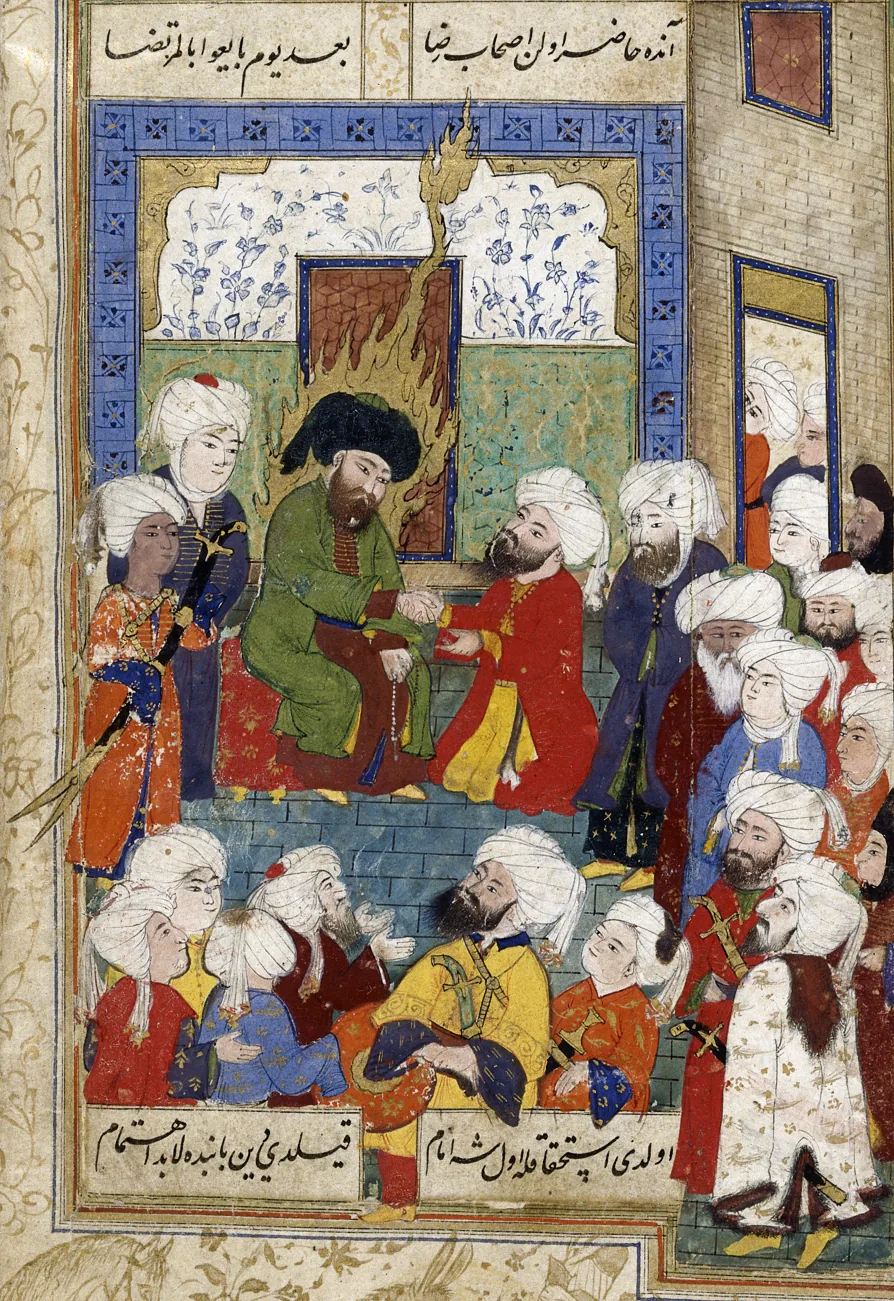
Wikimedia Commons · Public domain · file After Uthman’s assassination, Ali publicly accepted the oath of office as caliph in Medina. The immediately preceding context identifies Medina as the location; the source does not supply a day or month.
Battle of the Camel outside Basra
· Battle of the Camel battlefield, near Basra, Iraq
Ali’s army camped outside Basra and won the Battle of the Camel against the forces associated with Aisha, Talha, and Zubayr. The source dates the battle to December 656; coordinates represent the Basra-area battlefield, whose exact site is uncertain.
Fought on the frontline at Siffin
· Siffin battlefield, Raqqa Governorate, Syria
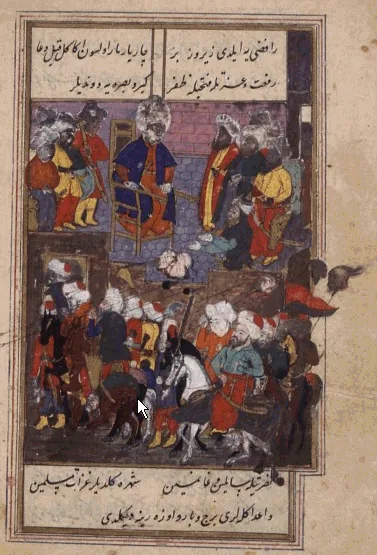
Wikimedia Commons · Public domain · file Ali was present with his Iraqi forces at Siffin and fought alongside his men on the frontline in the battle against Mu'awiya’s Syrian army. The battle end date is given only as Friday or Saturday morning.
Marched to and fought at Nahrawan
· Nahrawan, Iraq
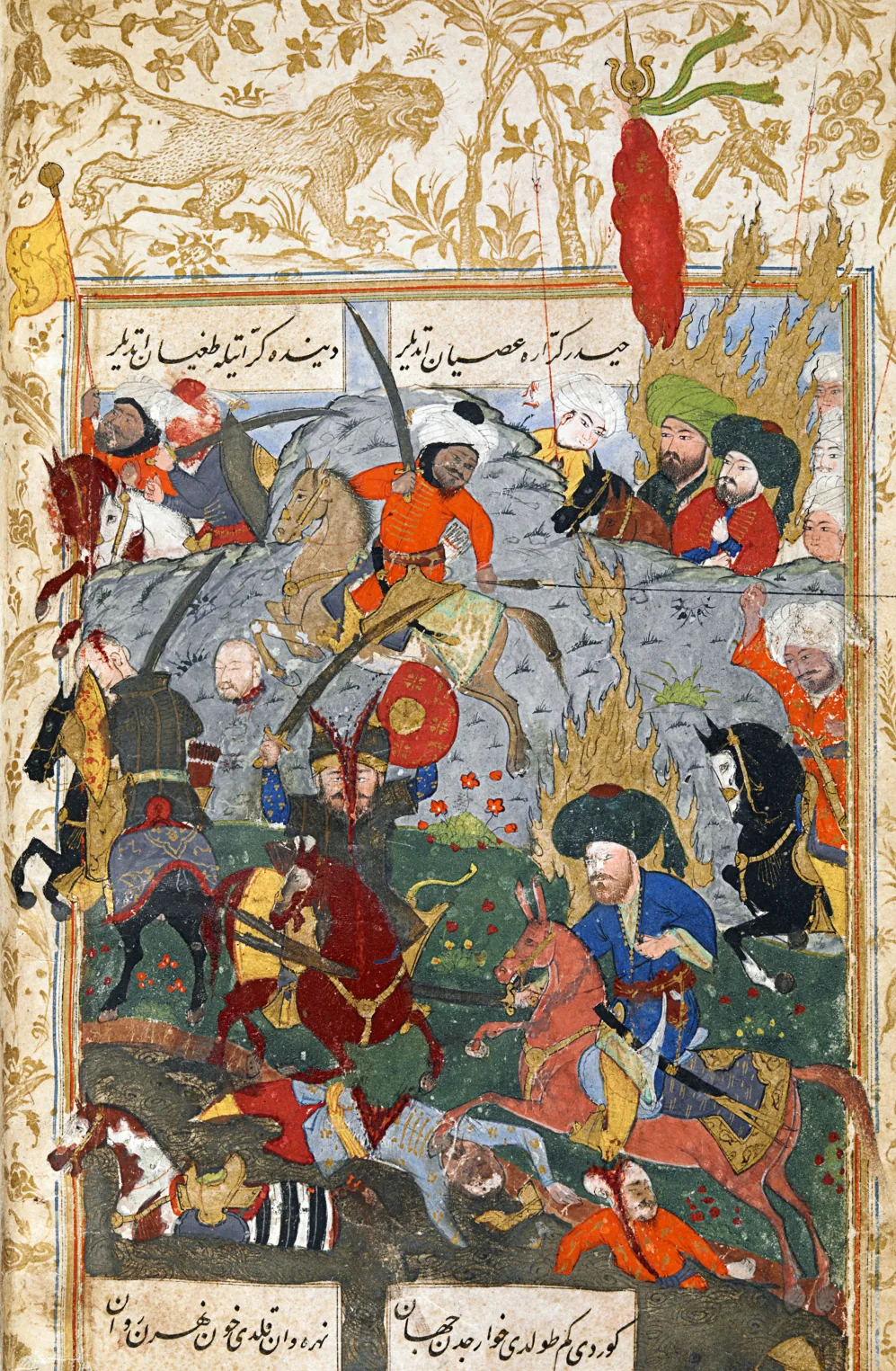
Wikimedia Commons · Public domain · file Ali diverted his force to Nahrawan after learning of Kharijite violence and defeated the remaining Kharijite fighters there. The source gives conflicting year traditions: 17 July 658 or 657. Coordinates represent the historical Nahrawan area.
Assassinated during prayer at the Great Mosque of Kufa
· Great Mosque of Kufa, Kufa, Iraq
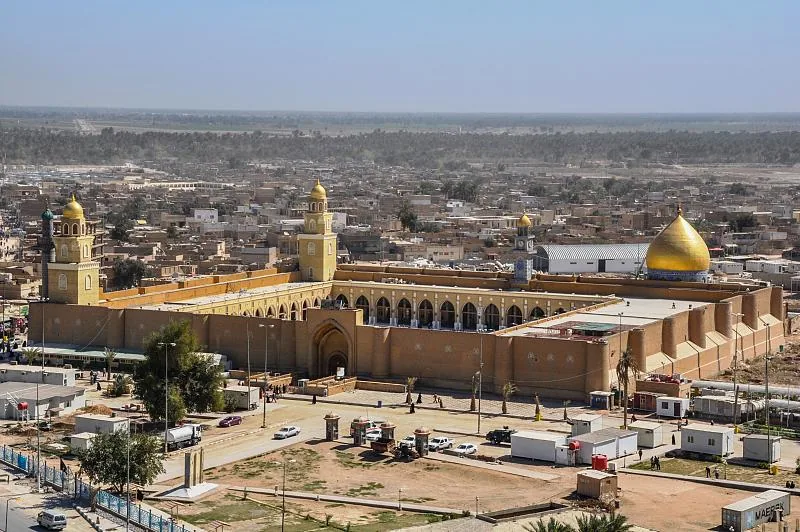
Wikimedia Commons · Creative Commons Attribution-ShareAlike 4.0 International · file Ali was struck with a poison-coated sword during morning prayer at the Great Mosque of Kufa and died from his wounds about two days later. The article records alternative assassination dates of 26 and 30 January; the precise date of death after the wounding is not stated.