
32 moments
Born in Mecca
· Mecca, Hejaz, Arabia
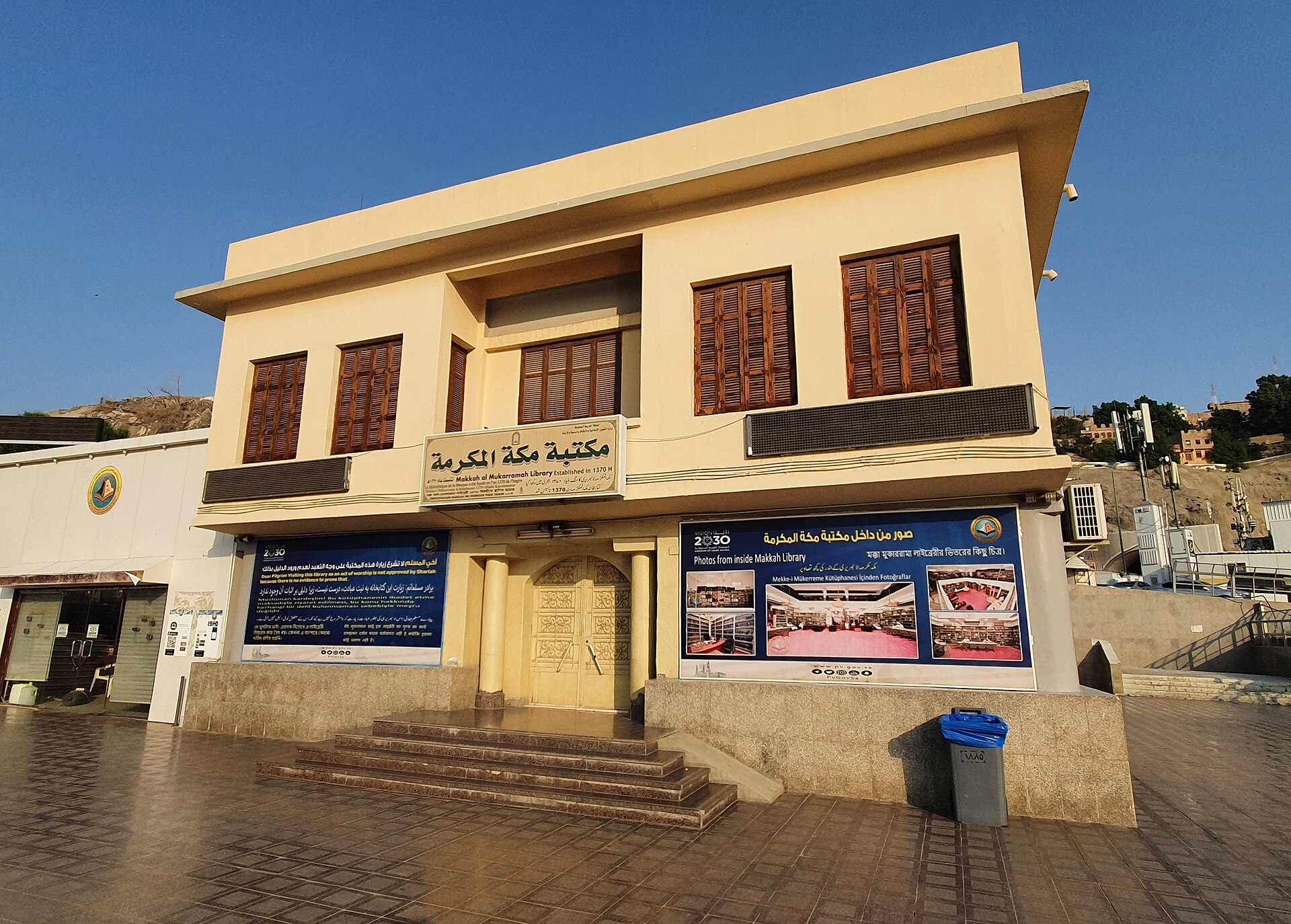
Wikimedia Commons · Creative Commons Attribution 2.0 Generic · file Traditional accounts place Muhammad's birth in Mecca, the city where he spent most of his first five decades. The year is approximate; traditions differ on the precise year and day.
Visits maternal relatives in Yathrib
· Medina, Hejaz, Arabia
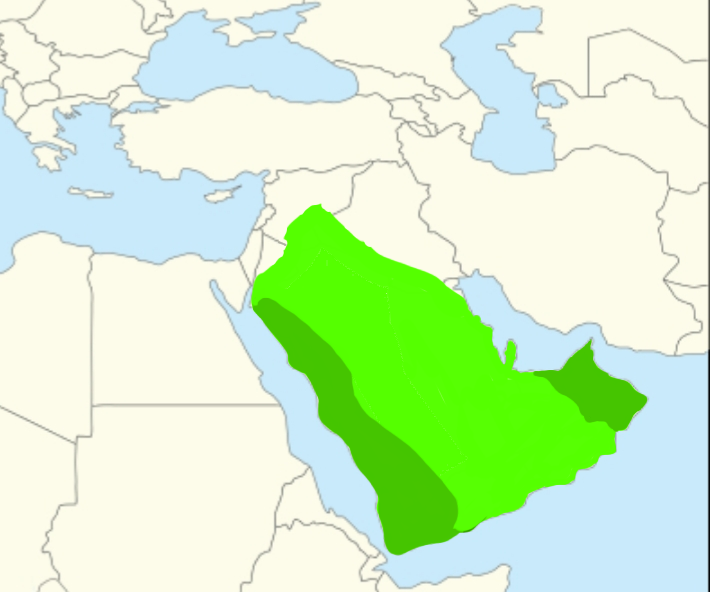
Wikimedia Commons · Creative Commons Attribution-Share Alike 4.0 International · file As a child, Muhammad traveled with his mother from Mecca to Yathrib, later called Medina, to visit maternal relatives. The year is approximate, derived from the traditional chronology of his mother's death when he was about six.
Leads a caravan into Syria
· Southern Syria
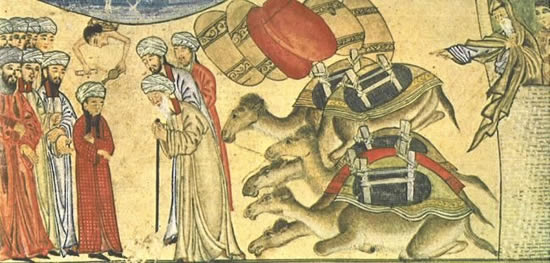
Wikimedia Commons · Public domain · file Muhammad undertook a commercial caravan journey into Syria for Khadija before their marriage, reflecting his early career in long-distance trade. Traditional approximate date; the source supports Syria generally, so the coordinate is a representative point in southern Syria rather than a claimed stop.
Receives the first revelation at Hira
· Cave of Hira, Jabal al-Nour, Mecca, Arabia
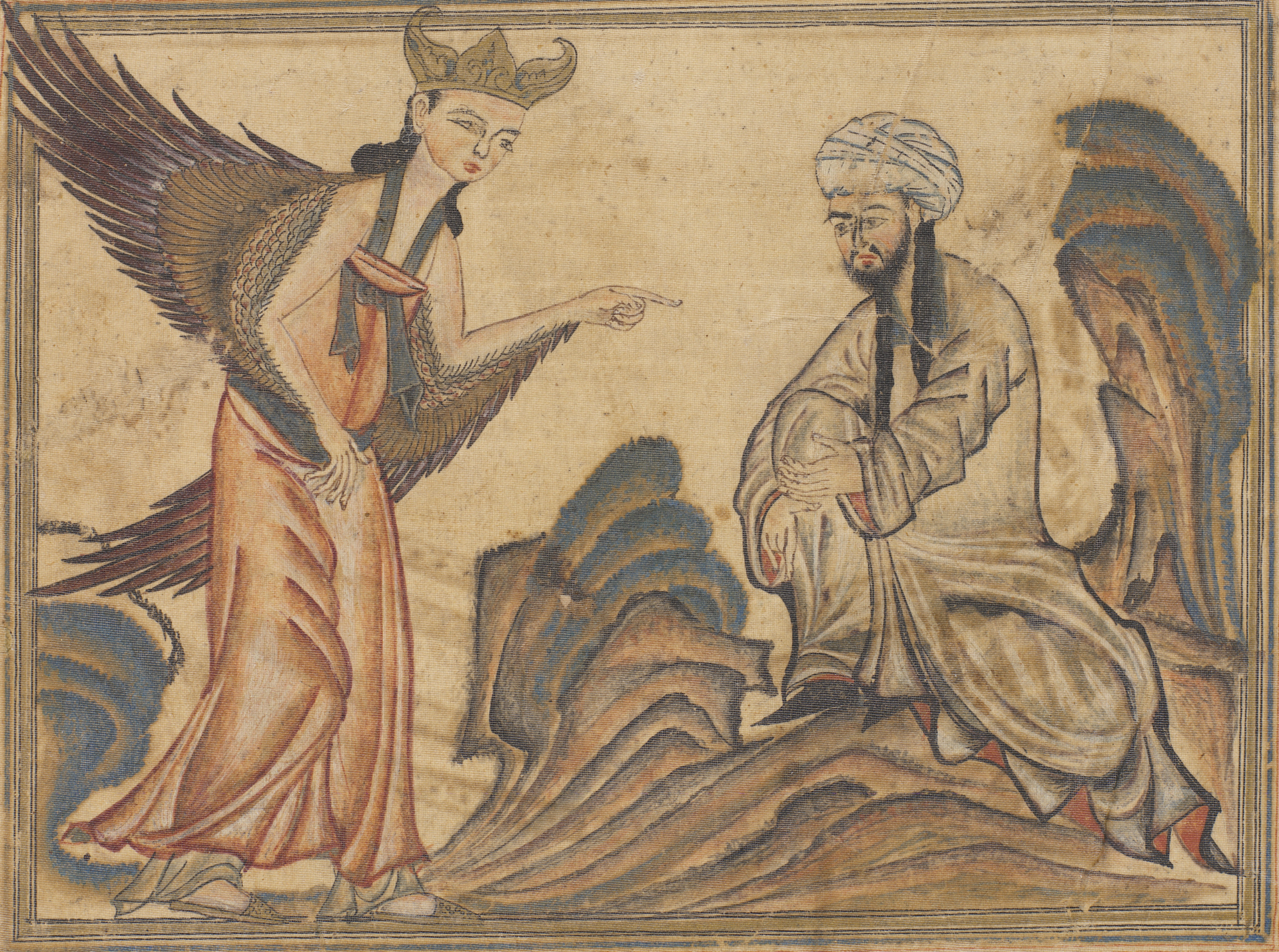
Wikimedia Commons · Public domain · file During a retreat in the Cave of Hira on Jabal al-Nour, Muhammad experienced what Islamic tradition identifies as the beginning of Quranic revelation. The year 610 is traditional; the exact date is disputed.
Seeks support in Ta'if
· Ta'if, Hejaz, Arabia
Following the deaths of Khadija and Abu Talib, Muhammad traveled to Ta'if seeking political protection and support for his mission. Traditional biographical chronology.
Takes refuge in a Ta'if orchard
· Orchard of Utbah and Shaybah, Ta'if, Hejaz, Arabia
After rejection and assault in Ta'if, Muhammad took refuge in an orchard associated with the brothers Utbah and Shaybah ibn Rabi'ah. The orchard's exact location is not securely identified; coordinates represent Ta'if.
Arrives in Yathrib from Mecca
· Medina, Hejaz, Arabia
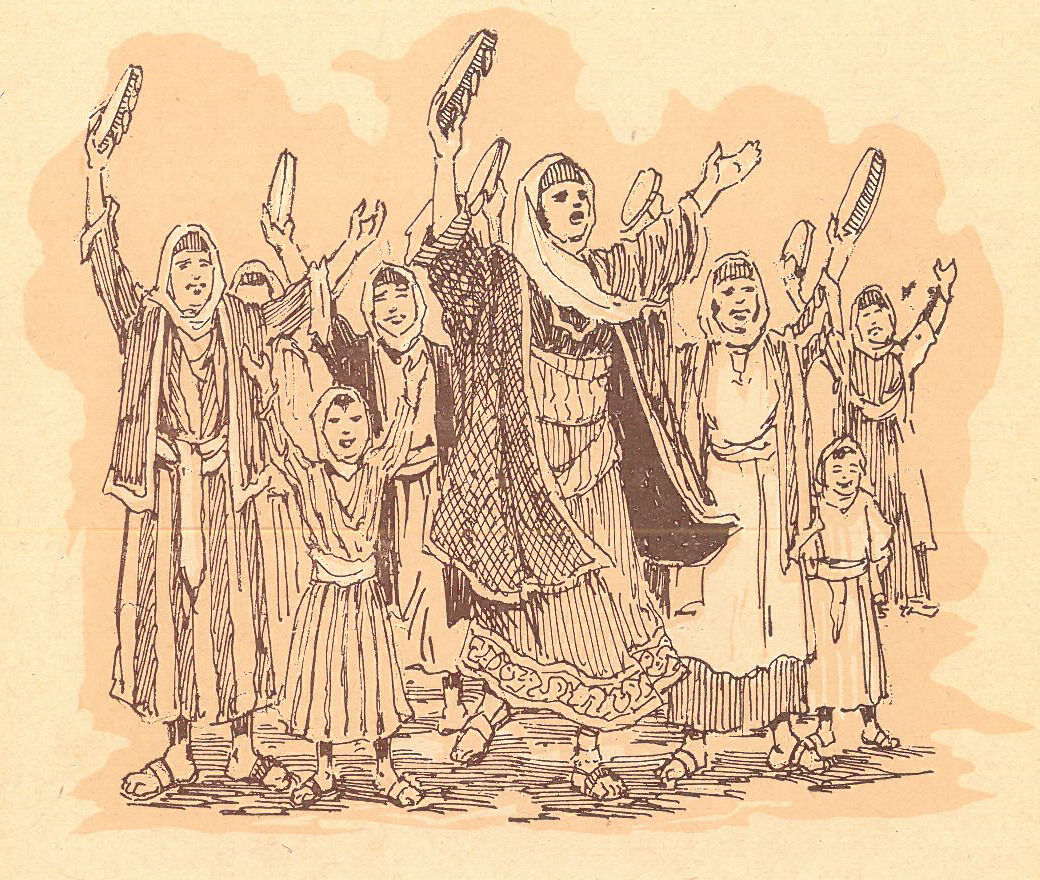
Wikimedia Commons · Public domain · file Muhammad completed the Hijrah from Mecca to Yathrib, which became the center of the emerging Muslim community and was subsequently known as Medina. Sources disagree over the exact corresponding Gregorian arrival date.
Hides in the Cave of Thawr
· Cave of Thawr, Jabal Thawr, Mecca, Arabia
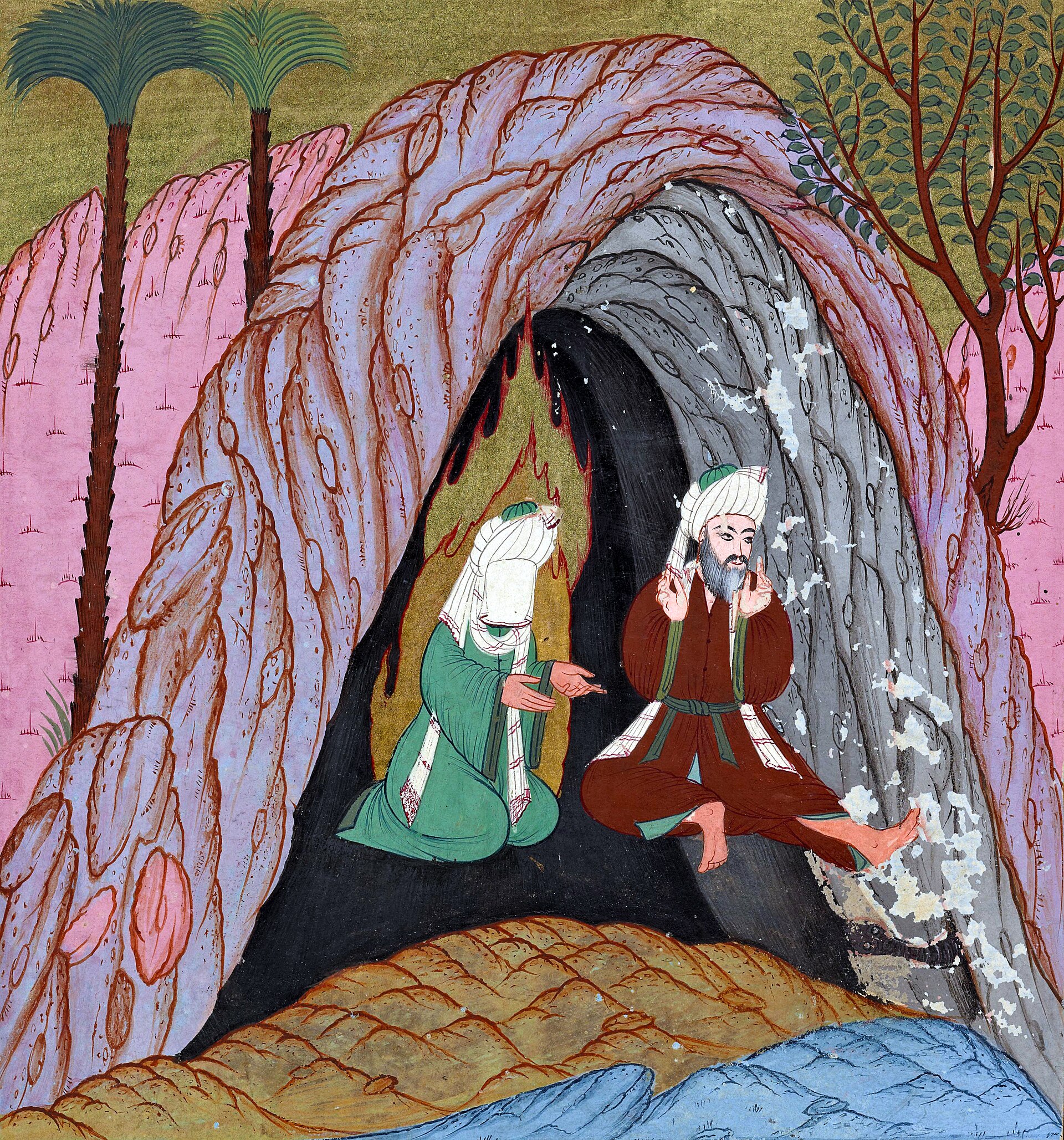
Wikimedia Commons · Public domain · file At the start of the Hijrah, Muhammad and Abu Bakr hid for three days in a cave on Mount Thawr before continuing toward Medina. Traditional account; the card uses year-level precision because conversion of the reported Hijri chronology varies.
Stays at Buwat during a patrol
· Buwat, Hejaz, Arabia
Muhammad led a force along the Quraysh caravan route and stayed at Buwat, but no fighting occurred. The historical site's precise location is uncertain; coordinates are a representative point in the traditionally identified region west of Medina.
Reaches Waddan on the al-Abwa patrol
· Waddan, Al-Abwa area, Hejaz, Arabia
Muhammad personally led an early Medinan patrol to Waddan, where no Quraysh force was encountered and an agreement was reached with Banu Damrah. Traditional sources differ on the month and calendar conversion; coordinates represent the Waddan settlement area.
Commands at the Battle of Badr
· Badr battlefield, Medina Province, Arabia
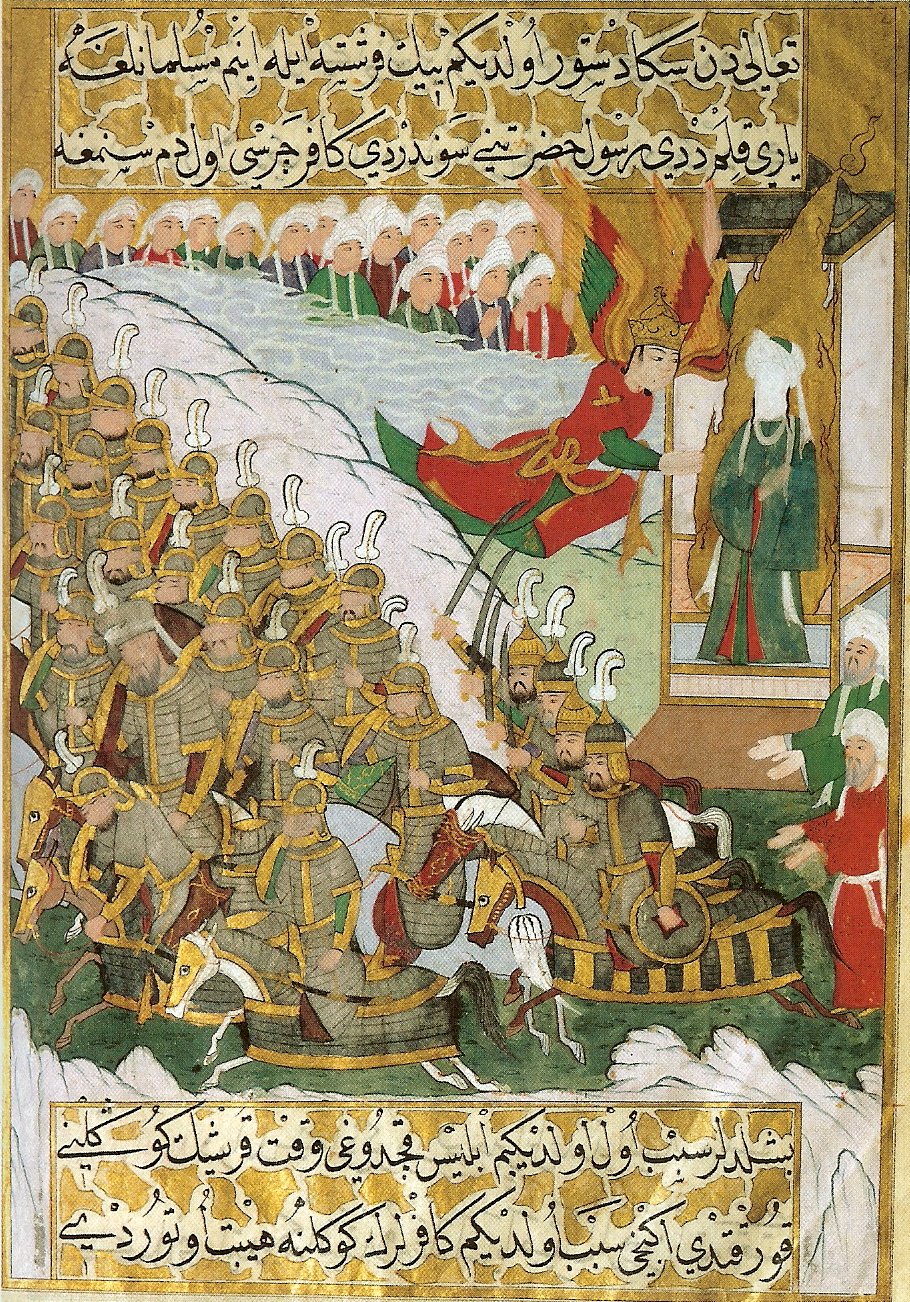
Wikimedia Commons · Public domain · file Muhammad commanded the Muslim force at Badr in its first major battle against the Quraysh, a victory that strengthened the Medinan community. The cited article notes alternative traditional dates later in Ramadan.
Besieges Banu Qaynuqa
· Banu Qaynuqa quarter, Medina, Hejaz, Arabia
Soon after Badr, Muhammad besieged the Banu Qaynuqa in Yathrib; the tribe surrendered and was expelled. The exact fortress and marketplace footprint is uncertain; coordinates represent southwestern historic Medina.
Besieges Banu Nadir
· Banu Nadir settlement, Medina, Hejaz, Arabia
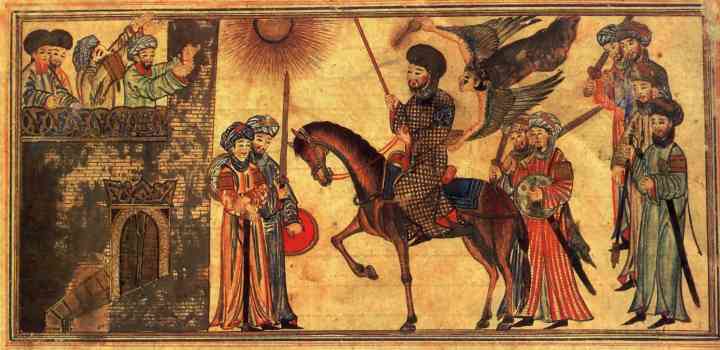
Wikimedia Commons · Public domain · file Muhammad went to the Banu Nadir area and subsequently besieged the tribe, which was expelled from Medina. Sources and Wikipedia tables differ between May and August 625; year-level precision is retained. Coordinates represent southeastern historic Medina.
Regroups at Mount Uhud
· Mount Uhud battlefield, Medina, Arabia
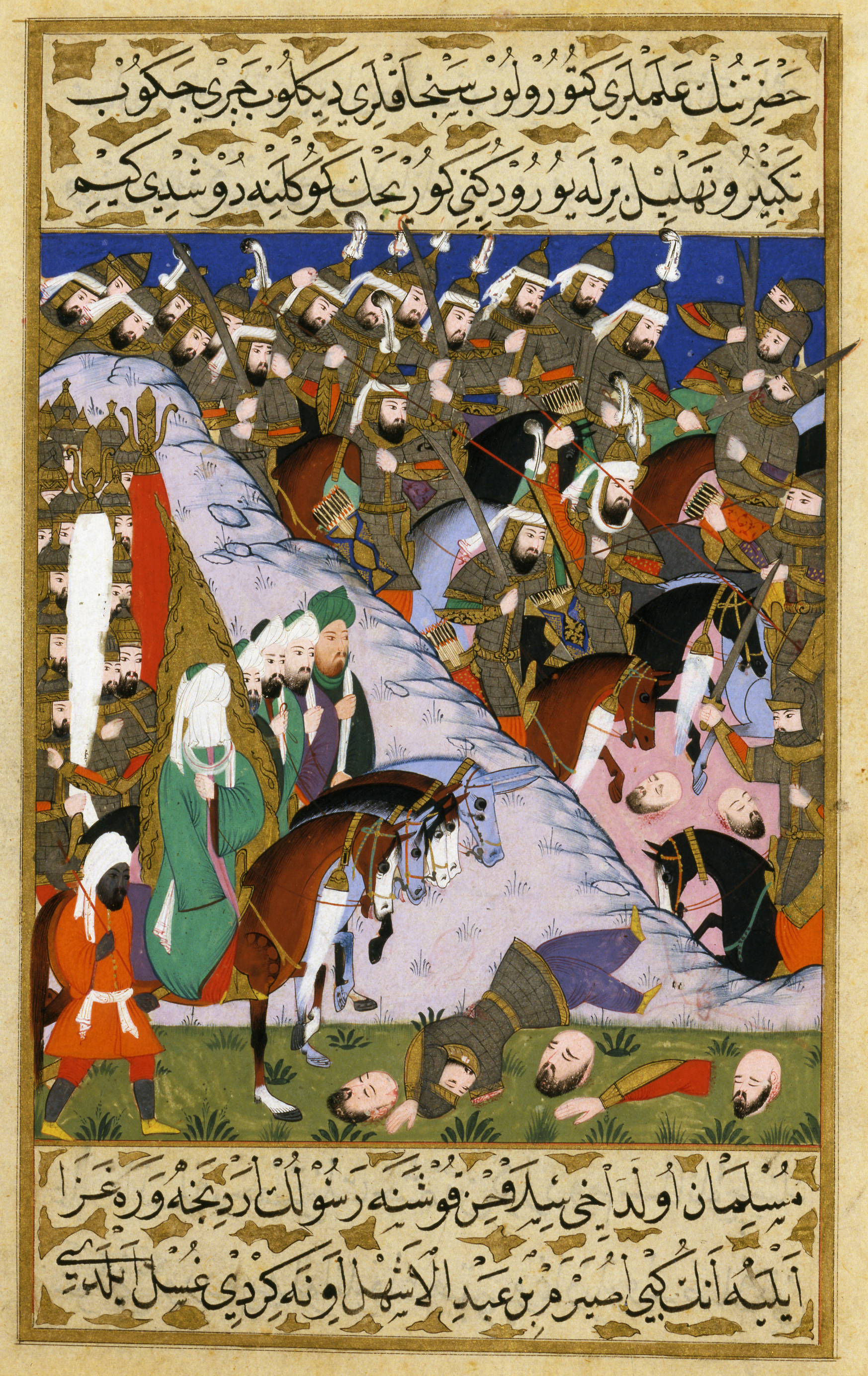
Wikimedia Commons · Public domain · file Muhammad was wounded during the Battle of Uhud but remained alive and regrouped with followers near the base and slopes of the mountain. The article contains a conflicting departure date in its narrative, but identifies the battle as 23 March 625.
Camps at Hamra al-Asad
· Hamra al-Asad, near Medina, Arabia
The day after Uhud, Muhammad led a show-of-force pursuit to Hamra al-Asad and ordered numerous campfires lit. The historical site's precise coordinates are uncertain; the point represents the traditionally identified area south of Medina.
Directs Medina's defense during the Trench
· Trench defenses, Medina, Arabia
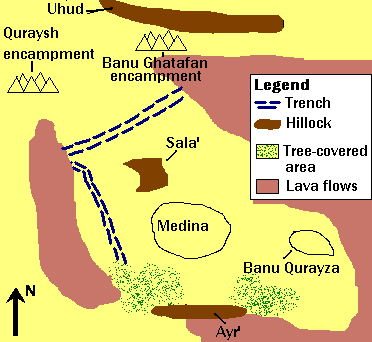
Wikimedia Commons · GNU Free Documentation License, Version 1.2 or any later version · file Muhammad remained in Medina during the confederate siege, directing defensive deployments associated with the trench constructed north of the city. The siege extended across late 626 and early 627 in the article's chronology; the coordinate represents the northern Medina defensive zone.
Leads forces against Banu Qurayza
· Banu Qurayza fortress area, Medina, Arabia
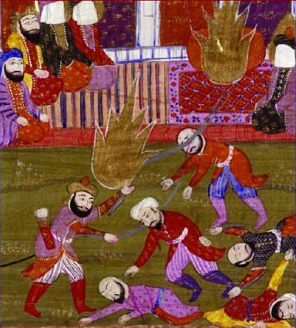
Wikimedia Commons · Public domain · file After the confederate withdrawal, Muhammad led Muslim forces to the Banu Qurayza neighborhood and commenced a siege of its fortifications. Traditional narrative; the exact fortress location and the Gregorian month are not wholly secure.
Participates in the Khaybar campaign
· Khaybar oasis, Hejaz, Arabia
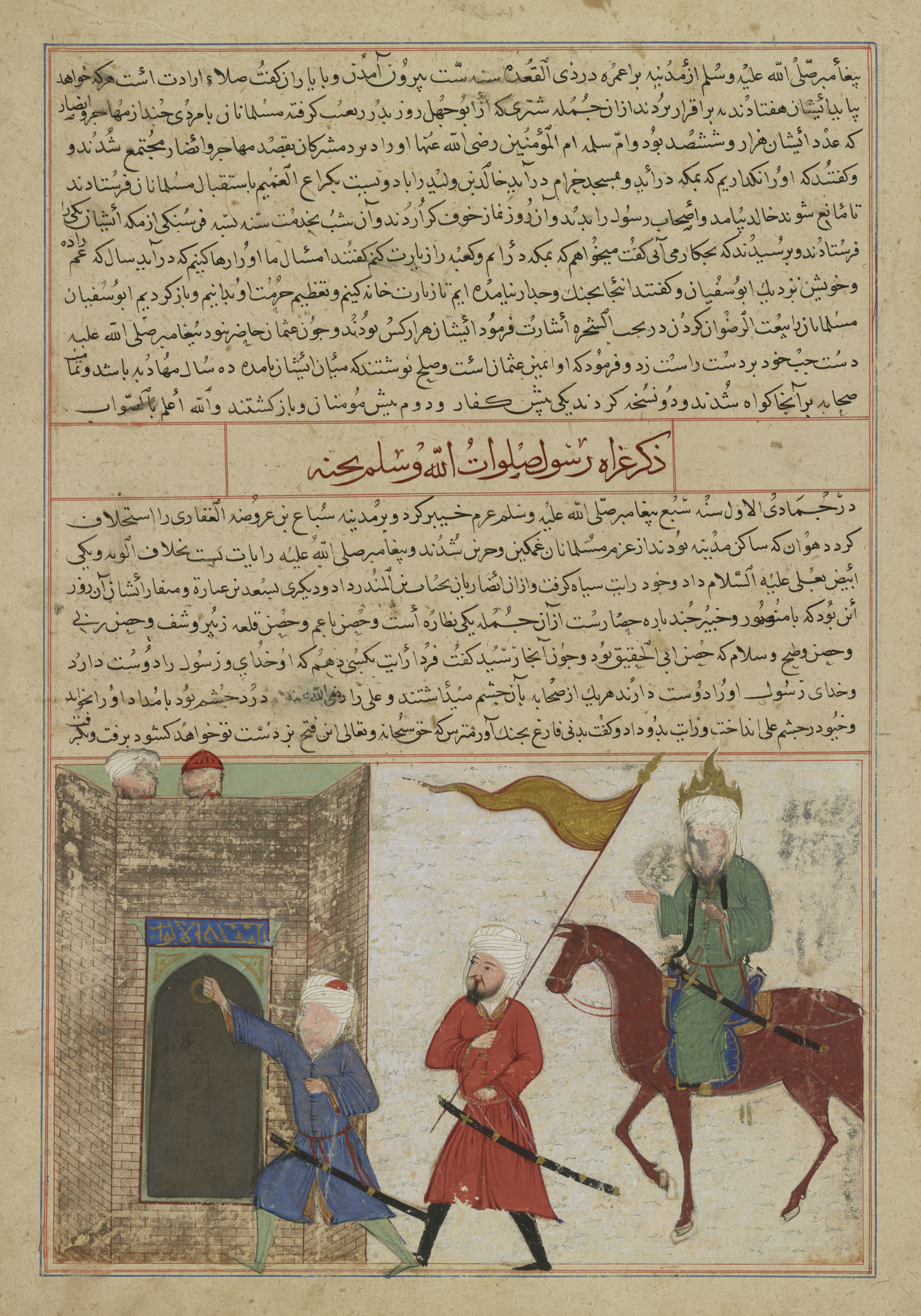
Wikimedia Commons · Public domain · file Muhammad led the Muslim campaign against the fortified oasis of Khaybar north of Medina, which ended with the community's surrender. The battle is variously dated to March or April 628; coordinates represent the Khaybar oasis rather than a particular fort.
Pitches camp at Hudaybiyyah
· Al-Hudaybiyyah, near Mecca, Arabia
Traveling toward Mecca for an intended lesser pilgrimage, Muhammad took an alternative route and camped at Hudaybiyyah, where negotiations produced a truce. Coordinates represent the commonly identified al-Shumaysi/Hudaybiyyah area.
Completes the deferred Umrah
· Masjid al-Haram, Mecca, Arabia
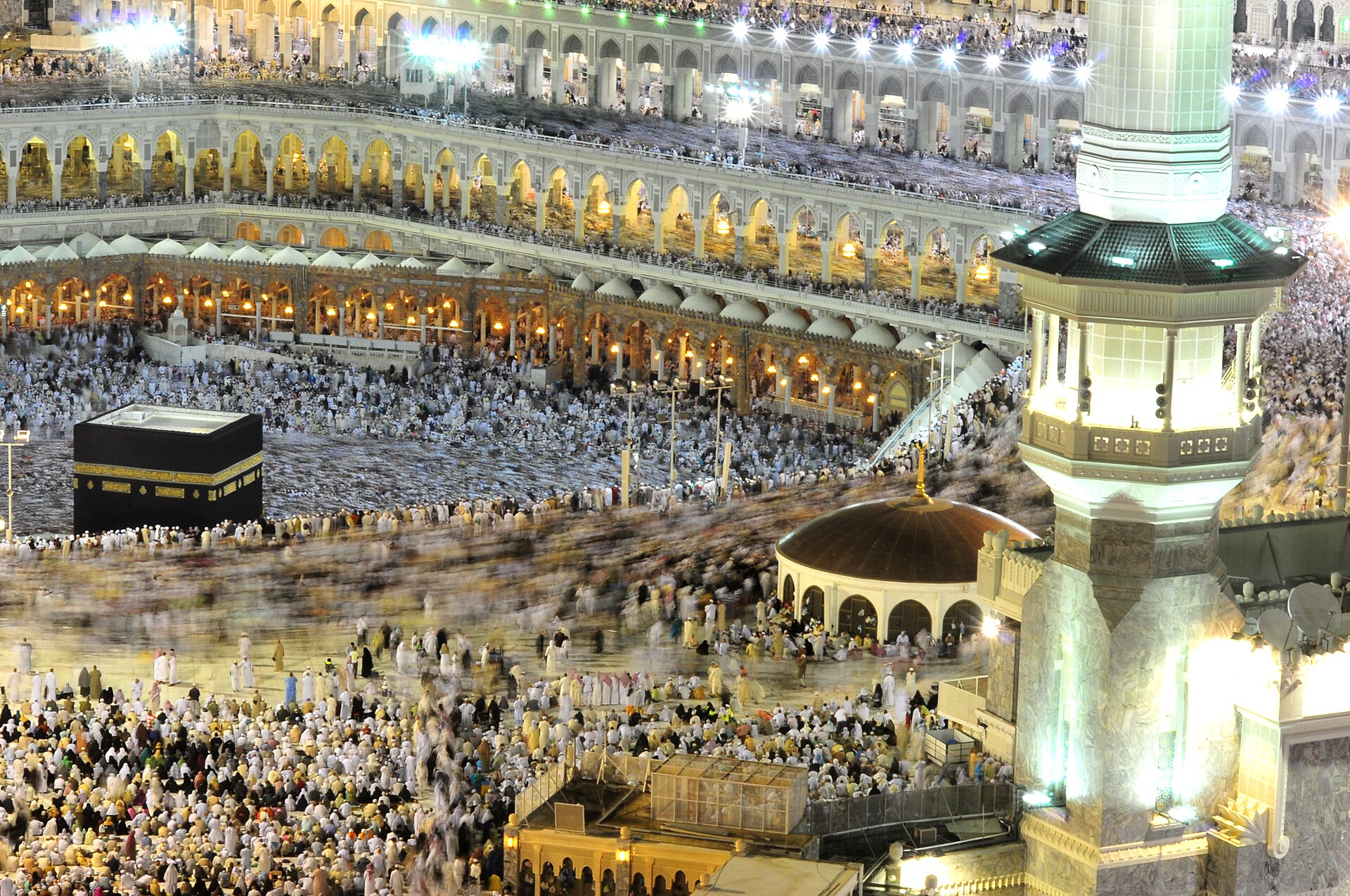
Wikimedia Commons · Creative Commons Attribution-Share Alike 2.0 Generic · file Under the terms of Hudaybiyyah, Muhammad entered Mecca peacefully and completed the lesser pilgrimage that had been deferred the previous year. The chronology is traditional; the source labels this the fulfilled or compensatory Umrah.
Commands at Hunayn
· Hunayn valley, between Mecca and Ta'if, Arabia
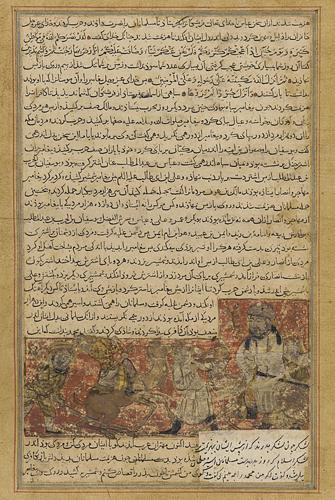
Wikimedia Commons · Public domain · file Soon after the conquest of Mecca, Muhammad commanded the Muslim force against the Hawazin and allied tribes in the Hunayn valley. The article supports 630 but does not establish an uncontested Gregorian day.
Departs Marr al-Zahran for Mecca
· Marr al-Zahran, Wadi Fatimah, near Mecca, Arabia
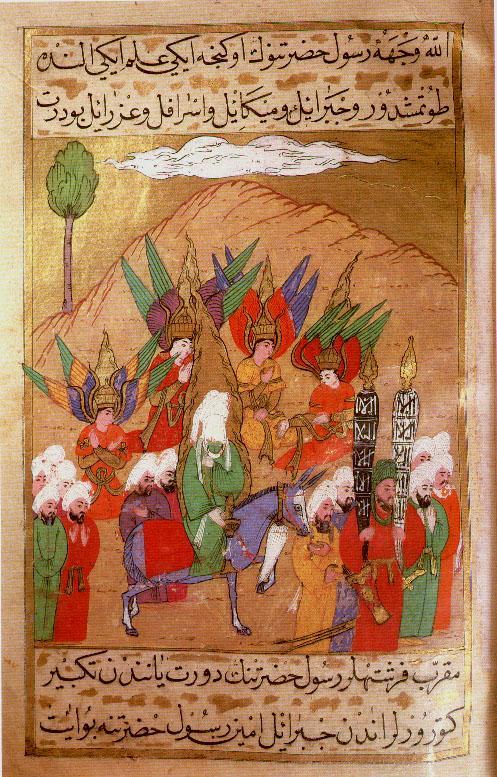
Wikimedia Commons · Public domain · file Muhammad encamped at Marr al-Zahran during the final approach to Mecca and departed from there with the assembled army. Ancient sources differ on the Ramadan date; coordinates represent the Wadi Fatimah area traditionally identified with Marr al-Zahran.
Joined by Abbas at al-Juhfa
· Al-Juhfa, Hejaz, Arabia
During the campaign toward Mecca, Muhammad's uncle Abbas and his family joined the advancing army at al-Juhfa. The source gives no precise Gregorian day; coordinates represent the traditional al-Juhfa area.
Takes control of Mecca
· Mecca, Hejaz, Arabia
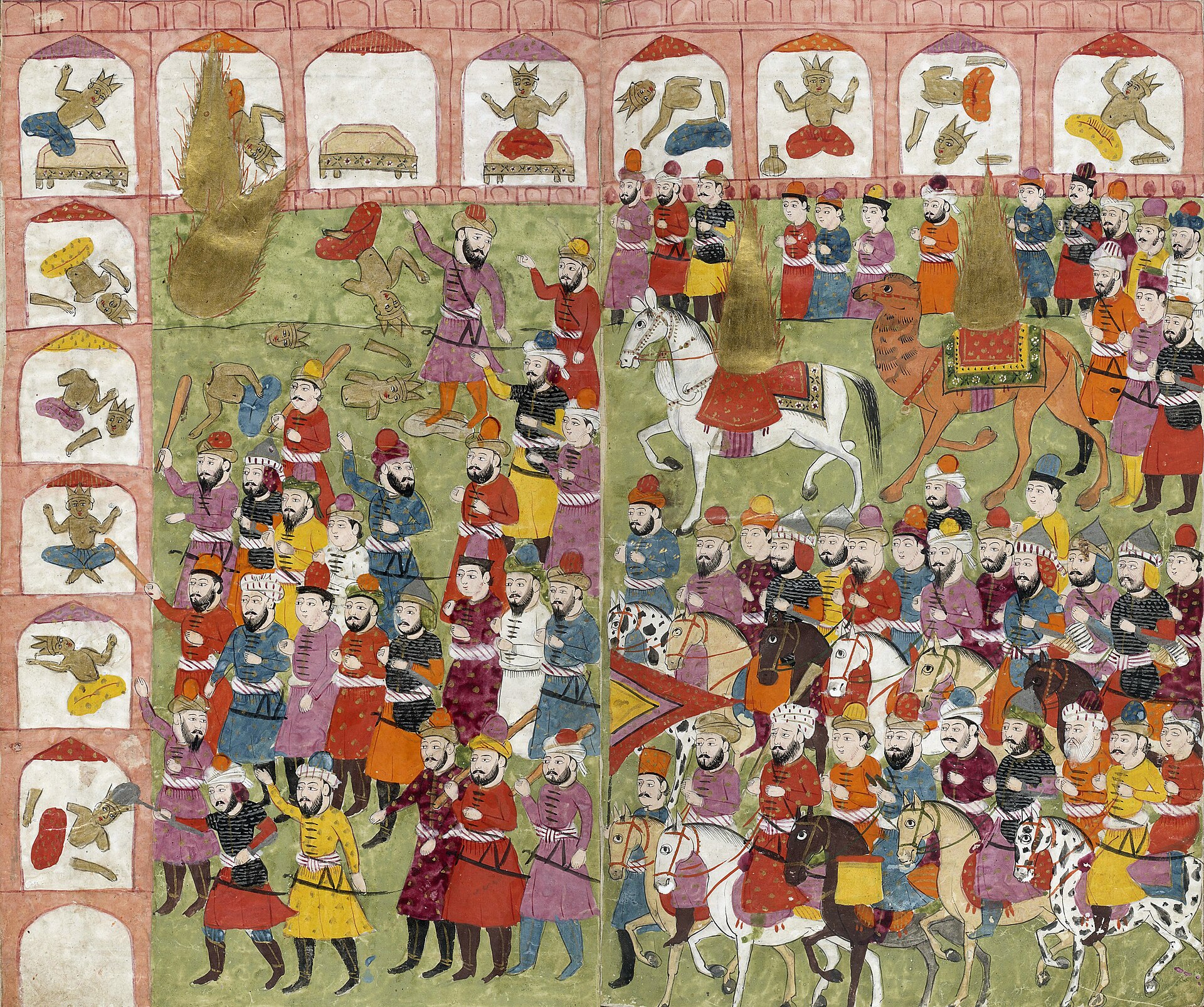
Wikimedia Commons · Public domain · file Muhammad entered and took control of Mecca with limited fighting, proclaimed an amnesty with exceptions, and removed cult images associated with Arabian deities. Traditional sources give several different Ramadan dates for his entry, so year-level precision is used.
Marches to besiege Ta'if
· Ta'if, Hejaz, Arabia
After Hunayn, Muhammad marched to fortified Ta'if and conducted an unsuccessful siege before withdrawing. The coordinate represents Ta'if generally; the precise siege encampment is not established.
Leads the expedition to Tabuk
· Tabuk, northwestern Arabia
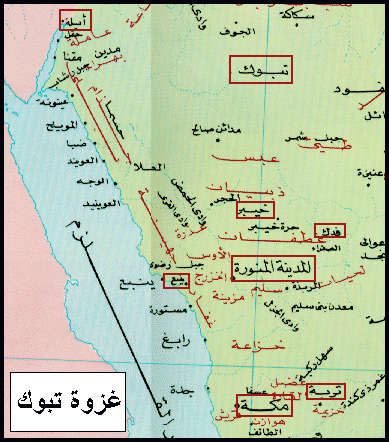
Wikimedia Commons · Creative Commons Attribution-Share Alike 3.0 Unported · file Muhammad led his largest reported field army north to Tabuk. No Byzantine force was encountered, but agreements were made in the frontier region. The article dates the campaign to October 630 while also assigning it to Rajab 9 AH; exact conversion remains approximate.
Arrives at Muzdalifah
· Muzdalifah, Mecca, Arabia
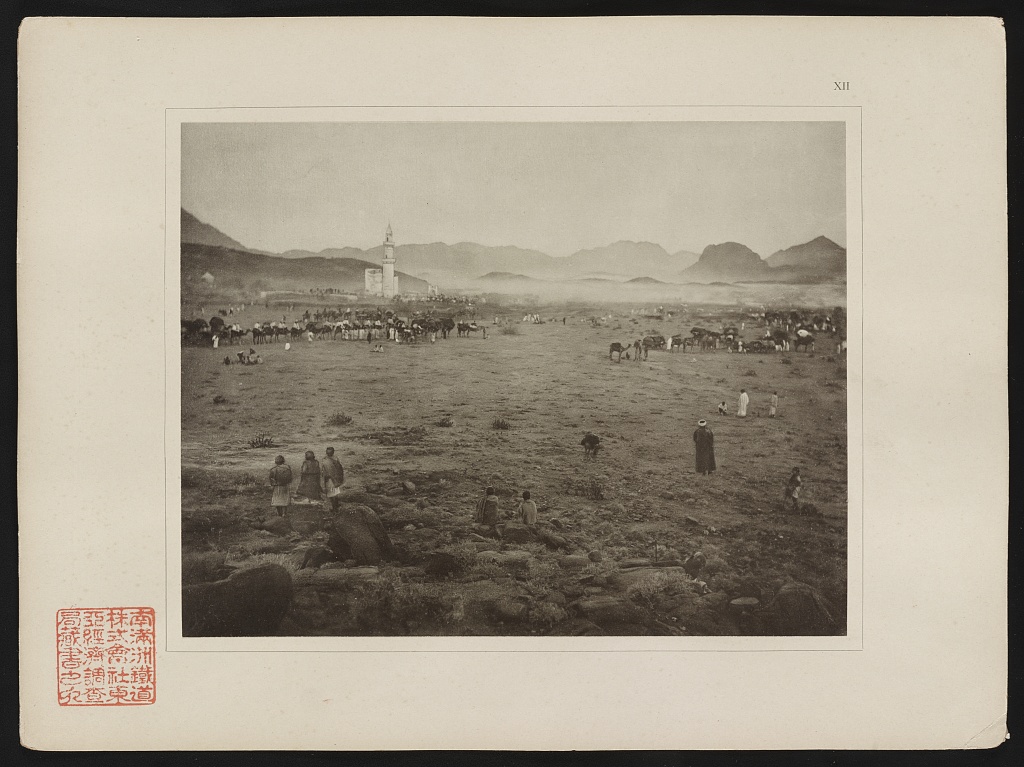
Wikimedia Commons · No known restrictions on publication. · file After the rites at Arafat, Muhammad reached Muzdalifah, prayed there, rested overnight, and returned toward Mina at dawn. The precise Gregorian day is uncertain.
Delivers the Farewell Sermon at Arafat
· Mount Arafat, Mecca, Arabia
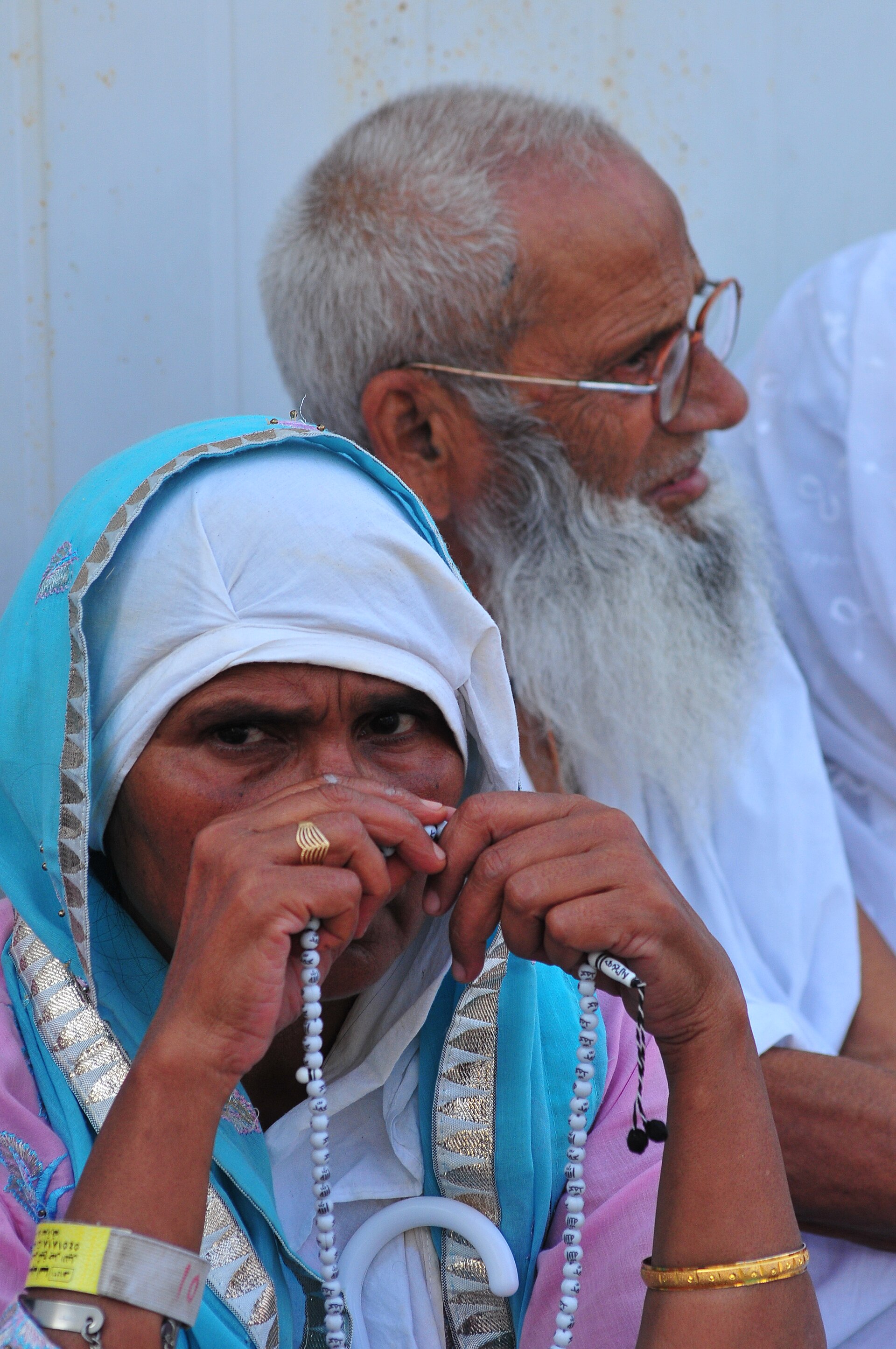
Wikimedia Commons · Creative Commons Attribution-Share Alike 2.0 Generic · file On the Day of Arafah, Muhammad addressed the assembled pilgrims near Mount Arafat in what became known as the Farewell Sermon. The exact Gregorian day depends on disputed calendar conversion.
Spends the pilgrimage night at Mina
· Mina, Mecca, Arabia
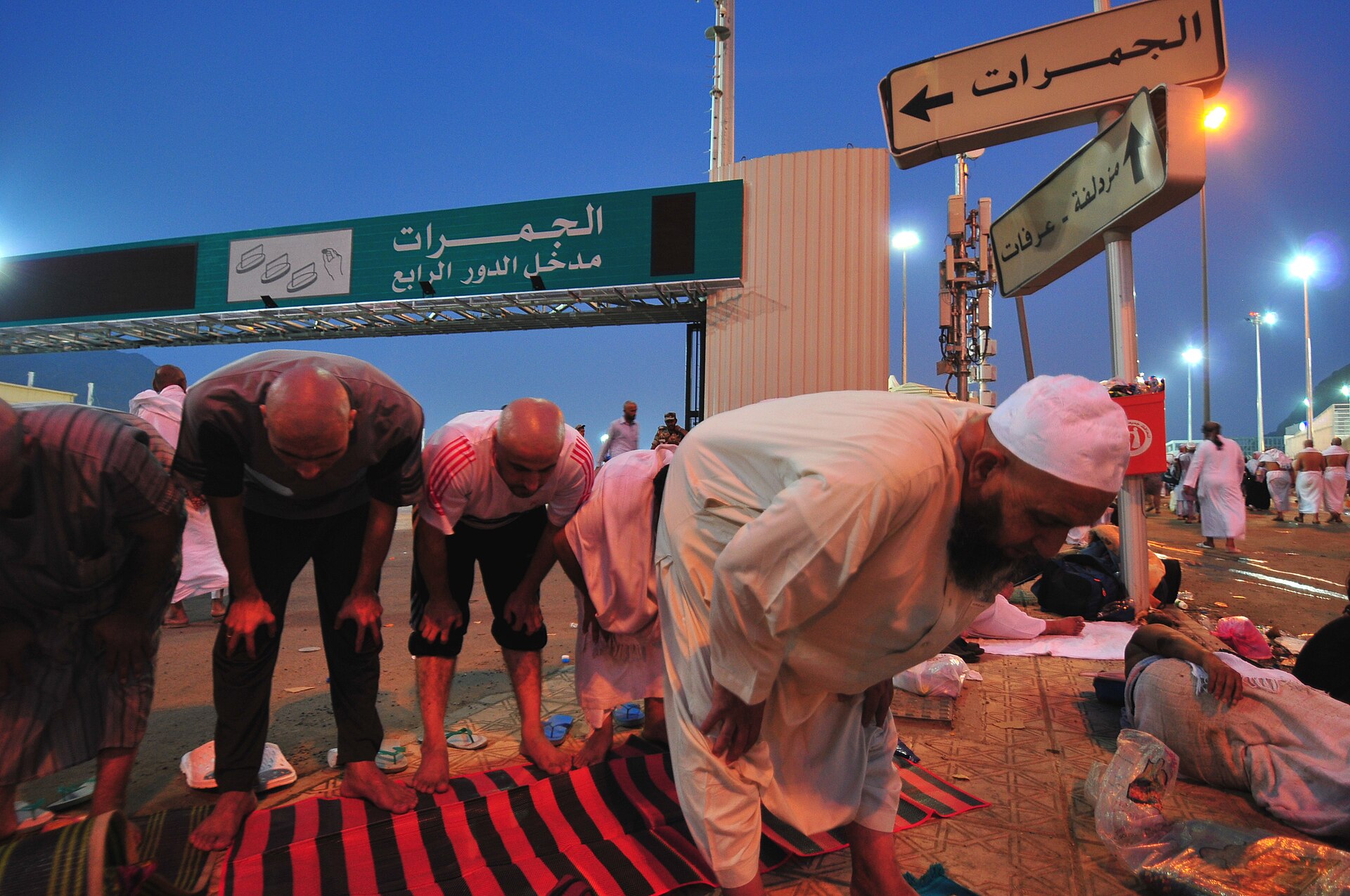
Wikimedia Commons · Creative Commons Attribution-Share Alike 2.0 Generic · file Muhammad traveled from Mecca to Mina on the eighth of Dhu al-Hijjah and performed the prescribed prayers there before proceeding to Arafat. The ritual day is supported, but its precise Gregorian equivalent is uncertain.
Assumes ihram at Dhu al-Hulayfah
· Dhu al-Hulayfah, Medina, Arabia
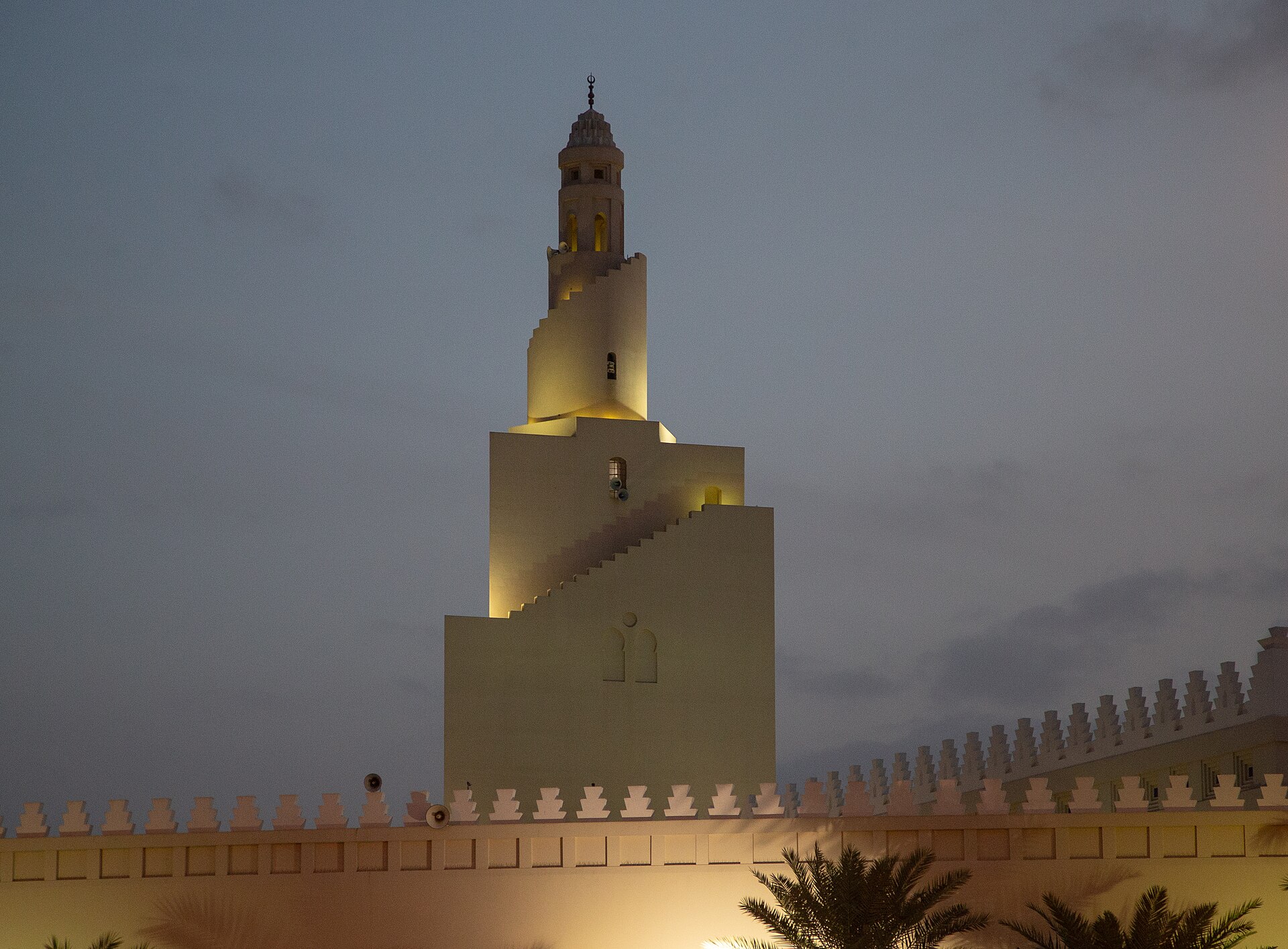
Wikimedia Commons · Creative Commons Attribution-Share Alike 4.0 International · file At the beginning of the Farewell Pilgrimage, Muhammad stopped at the miqat of Dhu al-Hulayfah and instructed companions in entering the pilgrim state. The source gives approximately February 632; coordinates represent the historic miqat associated with today's Masjid al-Miqat.
Halts at Ghadir Khumm
· Ghadir Khumm, near al-Juhfa, Hejaz, Arabia
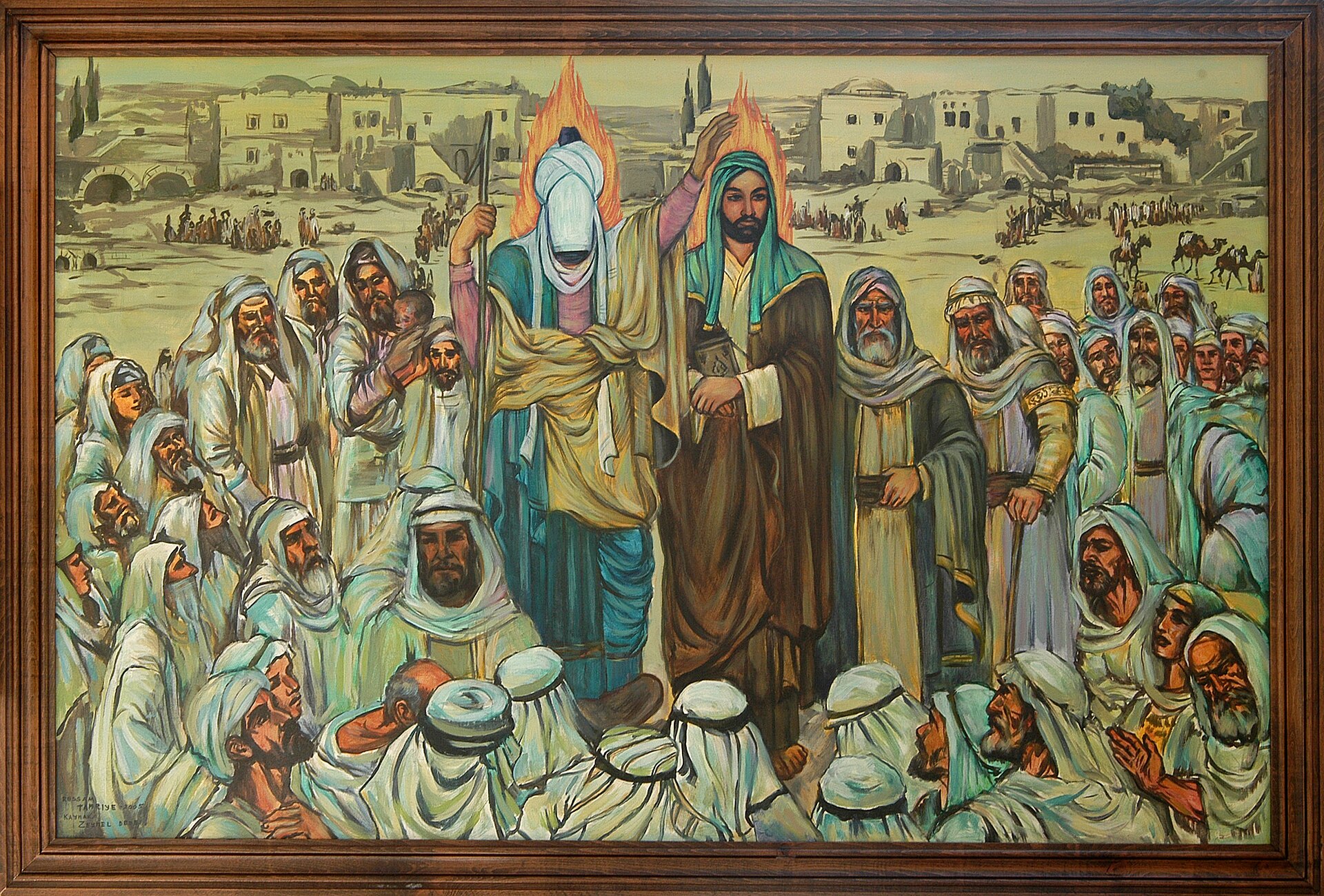
Wikimedia Commons · Creative Commons Attribution-Share Alike 4.0 International · file Returning from the Farewell Pilgrimage, Muhammad stopped the caravan at Ghadir Khumm and delivered a sermon whose statement concerning Ali later received differing Sunni and Shia interpretations. The article gives alternative Gregorian dates of 10 or 16 March 632; month-level precision is retained. The coordinate is the article's representative location.
Dies in Aisha's house
· Aisha's house, Prophet's Mosque, Medina, Arabia
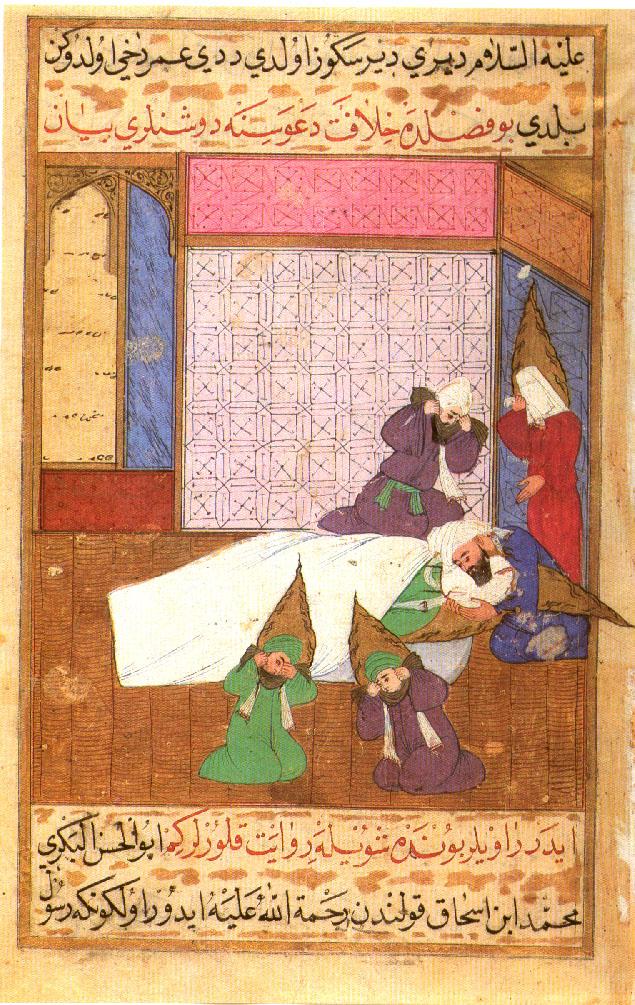
Wikimedia Commons · Public domain · file After a final illness, Muhammad died in Aisha's dwelling in Medina. The site was later incorporated into the Prophet's Mosque and lies beneath the Green Dome complex. The exact date is the dominant traditional chronology; some early non-Islamic traditions have been interpreted differently.