
19 moments
Birth in Mecca
· Mecca, Hejaz, Arabia
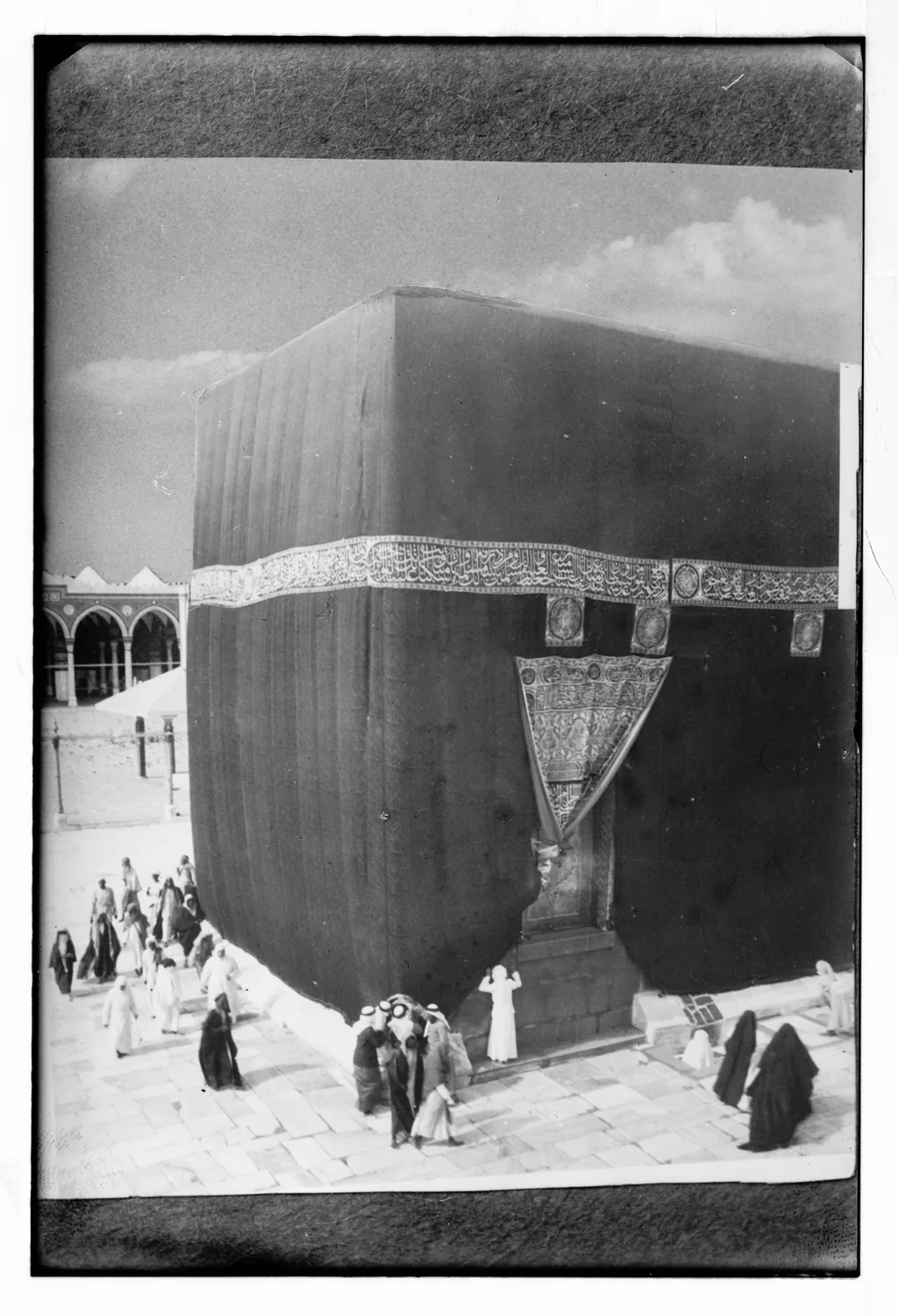
Wikimedia Commons · Public domain; no known copyright restrictions · file Umar was born in Mecca into the Banu Adi clan of Quraysh. The birth year is approximate in the source (c. 584); coordinates represent central Mecca.
Public prayer after conversion
· Kaaba, Mecca, Hejaz, Arabia
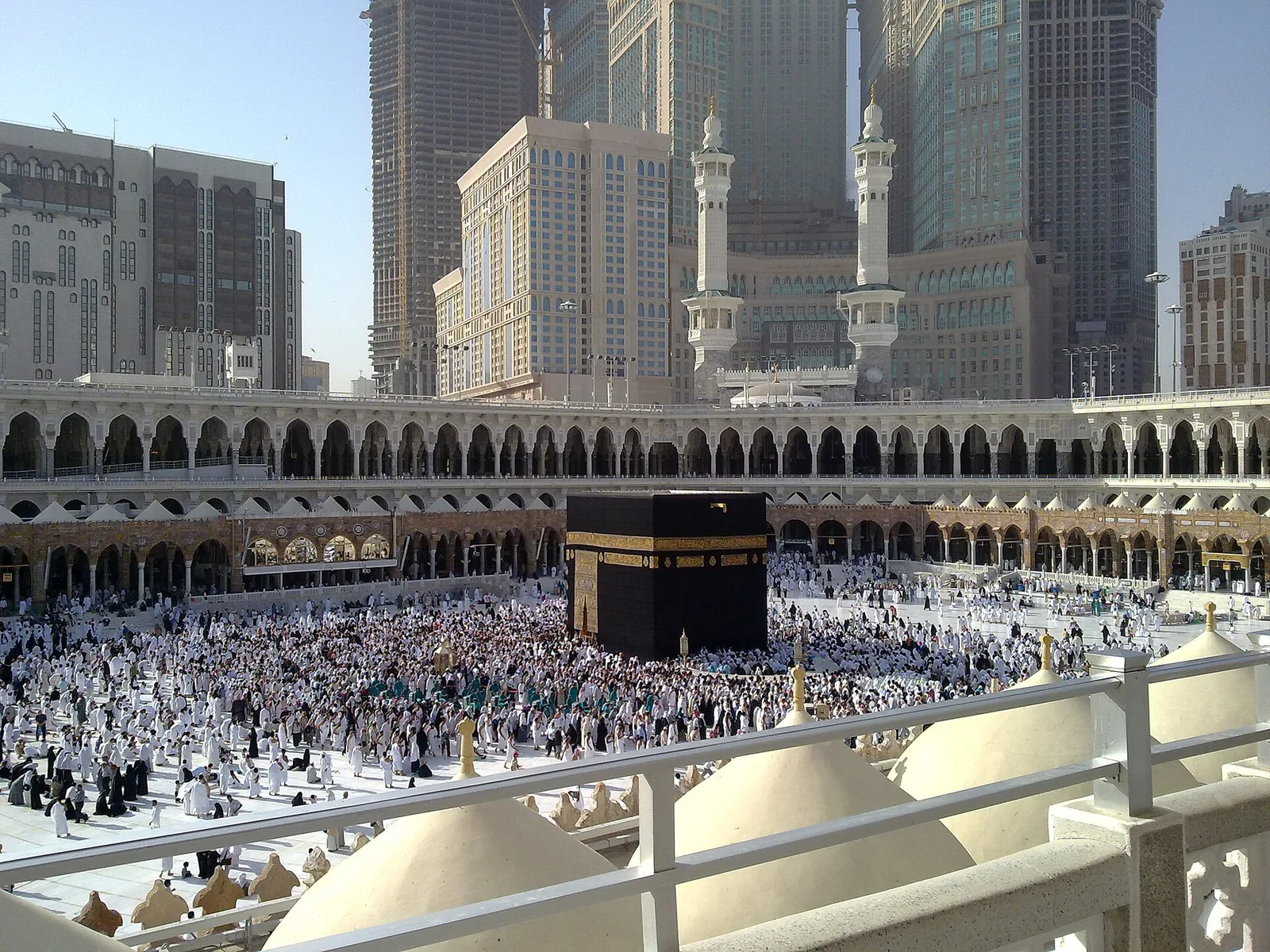
Wikimedia Commons · Creative Commons Attribution-Share Alike 3.0 Unported · file After his conversion to Islam, Umar publicly prayed at the Kaaba in Mecca.
Migration and residence at Quba
· Quba, Medina, Hejaz, Arabia
Umar emigrated from Mecca with family and allies and resided at Quba on Medina's outskirts. The source dates the migration to 622 but does not provide a more precise date.
Battle of Badr
· Badr, Medina Province, Saudi Arabia
Umar participated in the first major military engagement between the Muslims and the Quraysh at Badr. The associated battle is dated 13 March 624 by the linked Battle of Badr article; Umar's biographical source supports year-level precision.
Battle of Uhud
· Mount Uhud, Medina, Hejaz, Arabia
Umar fought at Uhud and was among those who rallied around Muhammad after the Muslim line was disrupted. The linked Battle of Uhud article locates the battle in a valley near Mount Uhud north of Medina.
Battle of the Trench
· Battle of the Trench site, Medina, Hejaz, Arabia
Umar took part in the Battle of the Trench during the siege of Medina. Coordinates represent the documented battle area around Medina's historical perimeter.
Campaign at Khaybar
· Khaybar Oasis, Medina Province, Saudi Arabia
Umar was sent against the fortress of al-Qamus during the Khaybar campaign but did not capture it. The Battle of Khaybar article dates the campaign to March 628; coordinates represent Khaybar Oasis rather than the unlocated former fortress of al-Qamus.
Treaty of al-Hudaybiya
· Al-Hudaybiya, near Mecca, Hejaz, Arabia
Umar participated in the events surrounding the treaty and the pledge made under the tree. The Treaty of al-Hudaybiya article dates the agreement to March 628. Coordinates are a representative point for the historical al-Hudaybiya locality.
Expedition to Turbah
· Turbah, Mecca Province, Saudi Arabia
Umar led a thirty-man expedition against a Hawazin branch at Turbah. Coordinates represent modern Turbah; the precise location of the reported Hawazin habitation is not established.
Battle of Hunayn
· Hunayn Valley, between Mecca and Taif, Saudi Arabia
Umar was among the Muslims who held their ground after the opening ambush at Hunayn.
Guarding the camp before Mecca's conquest
· Mar al-Zahran, near Mecca, Saudi Arabia
During Muhammad's advance on Mecca, Umar guarded the Muslim camp at Mar al-Zahran. The article places this episode in the campaign that advanced on Mecca in December 629 or January 630; the card uses year precision because the specific camp episode is not separately dated.
Farewell Pilgrimage
· Mecca, Hejaz, Arabia
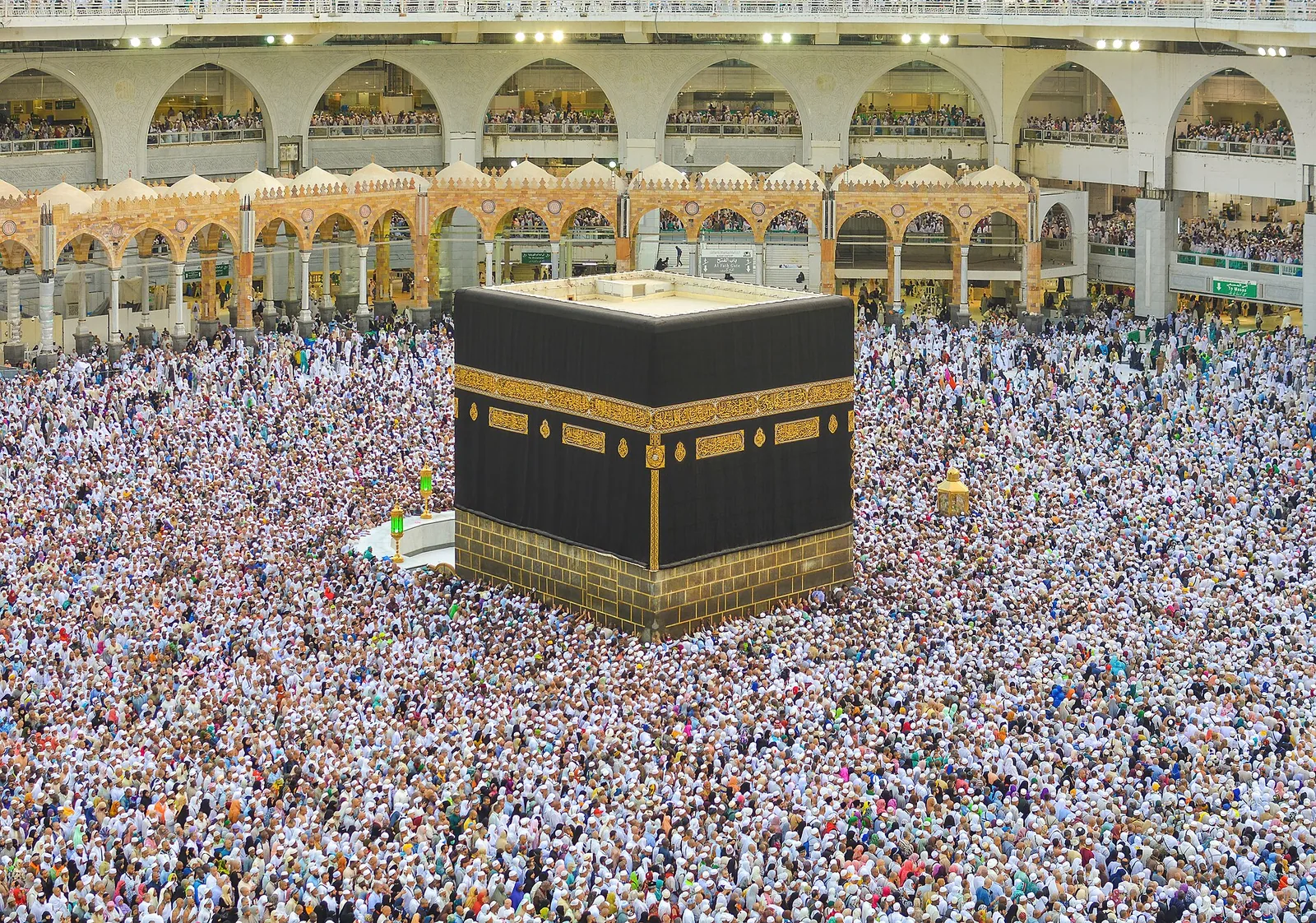
Wikimedia Commons · Creative Commons Attribution-Share Alike 4.0 International · file Umar accompanied Muhammad on the Farewell Pilgrimage to Mecca. Coordinates mark the Kaaba precinct in Mecca, a principal location of the pilgrimage.
Meeting at Saqifa after Muhammad's death
· Saqifa of Banu Sa'ida, Medina, Hejaz, Arabia
Following Muhammad's death, Umar went to the Saqifa meeting in Medina with Abu Bakr and Abu Ubayda ibn al-Jarrah. The exact historical site of the Saqifa is uncertain; coordinates are a representative point in central Medina.
Accession as caliph
· Medina, Hejaz, Arabia
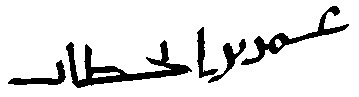
Wikimedia Commons · Creative Commons Public Domain Mark 1.0 · file Umar succeeded Abu Bakr as the second Rashidun caliph and governed from Medina, the capital of the early caliphate. The source establishes Umar's rule beginning in August 634; Medina is used because it was the capital and repeatedly documented location of his administration, though this quoted sentence does not identify a specific accession ceremony site.
Acceptance of Jerusalem's surrender
· Temple Mount, Jerusalem, Palestine
Umar traveled from Medina to Jerusalem to accept its surrender in person and visited major holy sites there. The source dates the conquest of Jerusalem to 637 CE.
Famine relief in Medina
· Medina, Hejaz, Arabia
During the Arabian famine, Umar personally managed aid and hosted displaced people in Medina. The source places the famine in 638; the reported attendance figure is an estimate in the source.
Administrative visit to Syria
· Syria
After the plague weakened, Umar visited Syria to reorganize its administration following the deaths of commanders and governors. The source does not identify a specific Syrian settlement; coordinates are a representative point for Syria.
Turned back at Elat during the plague
· Elat (Eilat), Gulf of Aqaba, Arabia
While traveling to Syria during the plague, Umar met Abu Ubayda at Elat and was advised to return to Medina. The episode is associated with the 638–639 plague period; 639 is used because Abu Ubayda's death and the subsequent Syrian visit are dated to that year in the source.
Assassination and death
· Prophet's Mosque, Medina, Hejaz, Arabia
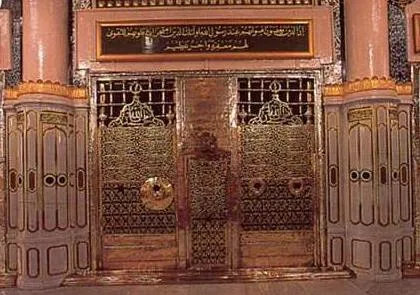
Wikimedia Commons · Creative Commons Attribution-Share Alike 3.0 Unported · file Umar was fatally stabbed while leading congregational prayer in Medina's mosque and died in Medina. The source notes conflicting historical accounts over whether he died on the day of the stabbing or three days later; it explicitly gives 6 November 644 for his death.