
21 moments
Birth near Luoyang
· Luoyang, Henan, China
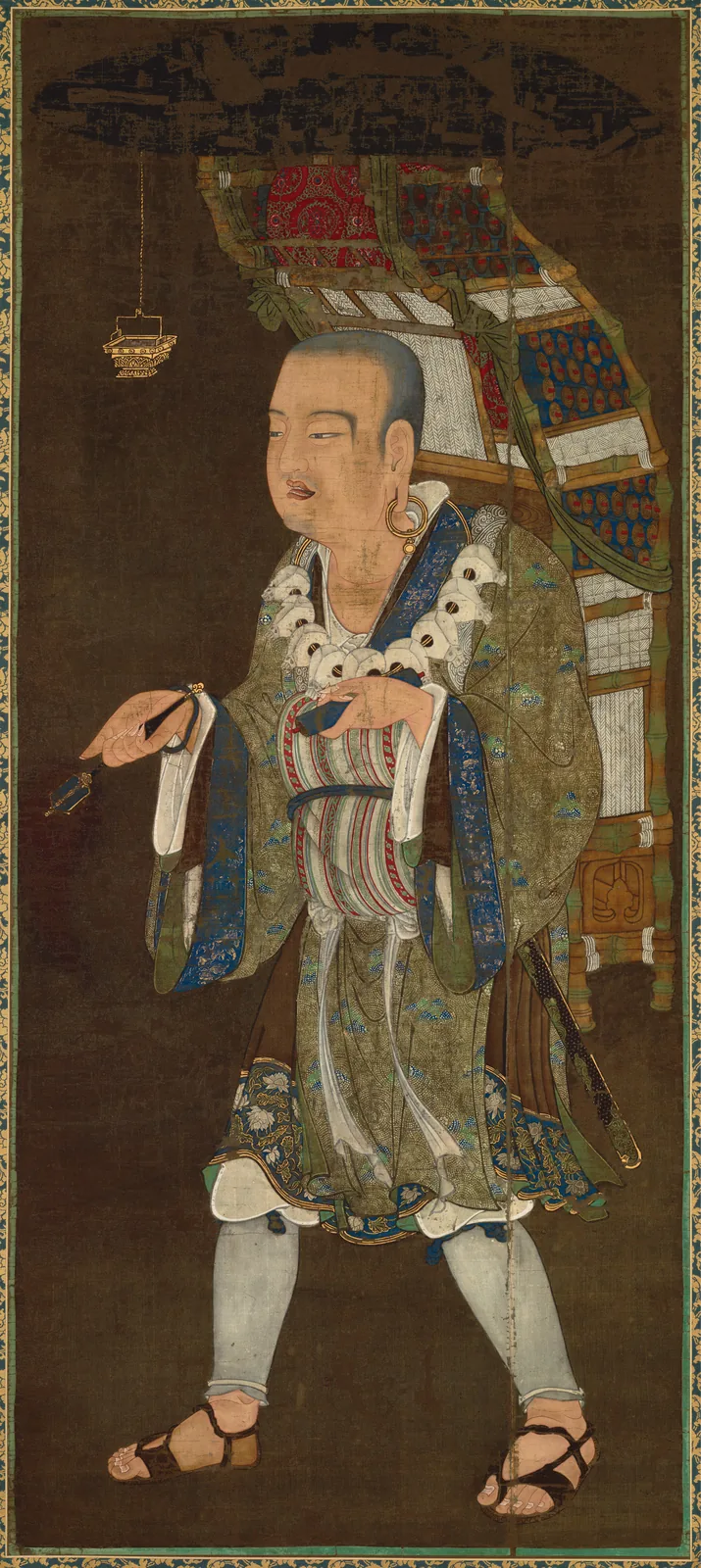
Wikimedia Commons · Public domain · file Xuanzang was born Chen Hui/Chen Yi near Luoyang in Henan. His birth anchors the beginning of a life that later connected Tang China with Buddhist centres across Central and South Asia. Coordinates represent present-day Luoyang; the source locates the birth village near the city.
Study at Jingtu Monastery
· Jingtu Monastery, Luoyang, Henan, China
After his father's death, Xuanzang lived with his elder brother at Jingtu Monastery and studied Buddhist traditions there, beginning his monastic formation. The precise site of the historical monastery is uncertain; coordinates represent Luoyang.
Flight to Chengdu
· Chengdu, Sichuan, China
During the collapse of the Sui dynasty, Xuanzang and his brother fled south to Chengdu, where they continued advanced Buddhist study. Coordinates represent central Chengdu; the exact location of Kong Hui monastery is not established here.
Arrival at Liangzhou
· Liangzhou, Tang China (present-day Wuwei, Gansu, China)
On the first stage of his westward journey, Xuanzang reached Liangzhou, an important Tang frontier city, and preached there for about a month. The source narrates this arrival during the journey begun in 629; no finer date is supplied.
Departure from Chang'an
· Chang'an, Tang China (present-day Xi'an, Shaanxi, China)
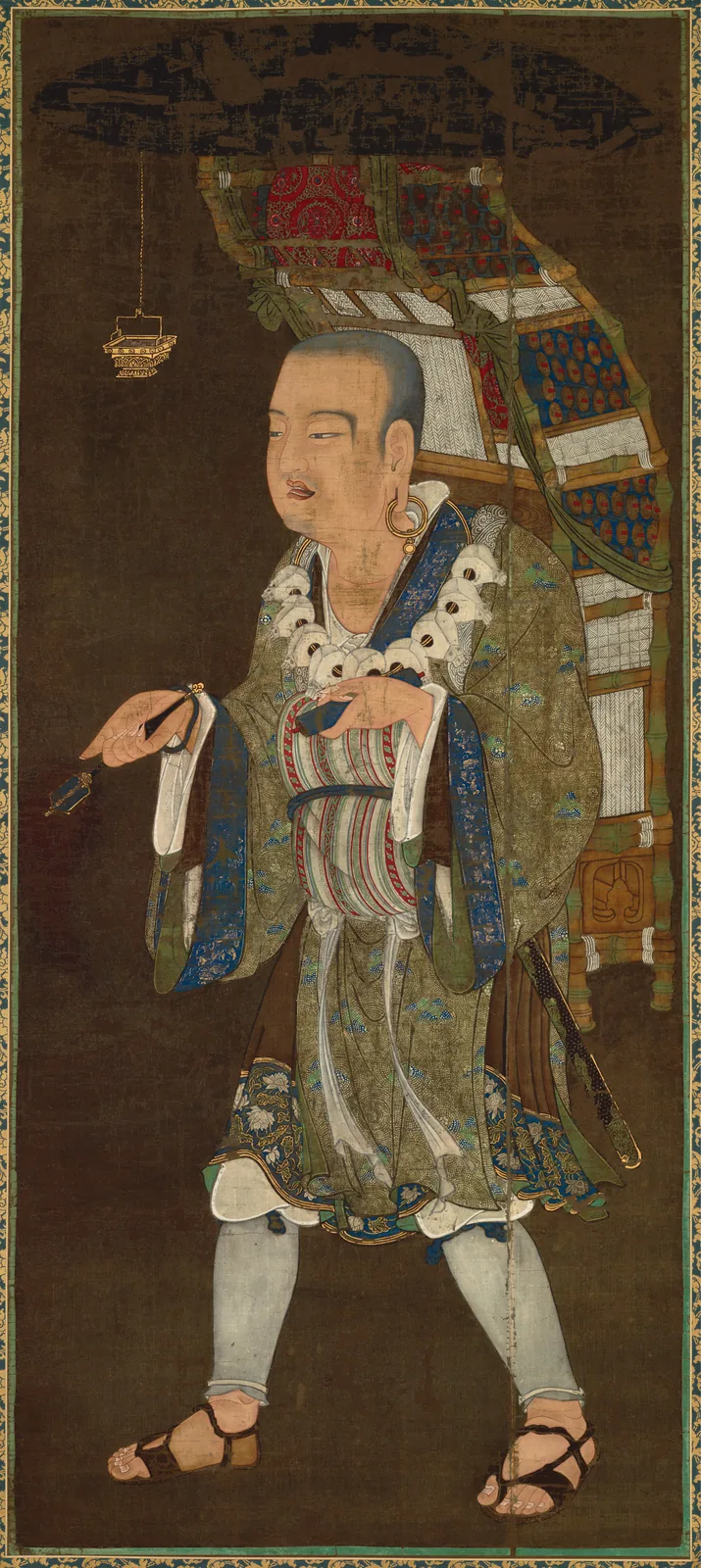
Wikimedia Commons · Public domain · file Xuanzang secretly began his pilgrimage to India from the Tang capital despite an imperial prohibition on foreign travel. Coordinates represent the Tang capital area in present-day Xi'an.
Arrival in the Kingdom of Agni
· Yanqi, Xinjiang, China
Xuanzang arrived in Agni, identified with Yanqi in the Turpan region, where he met the Buddhist king and received support for continuing west. The article associates Agni with Yanqi and Turpan; coordinates represent Yanqi.
Residence and study at Munger
· Munger, Bihar, India
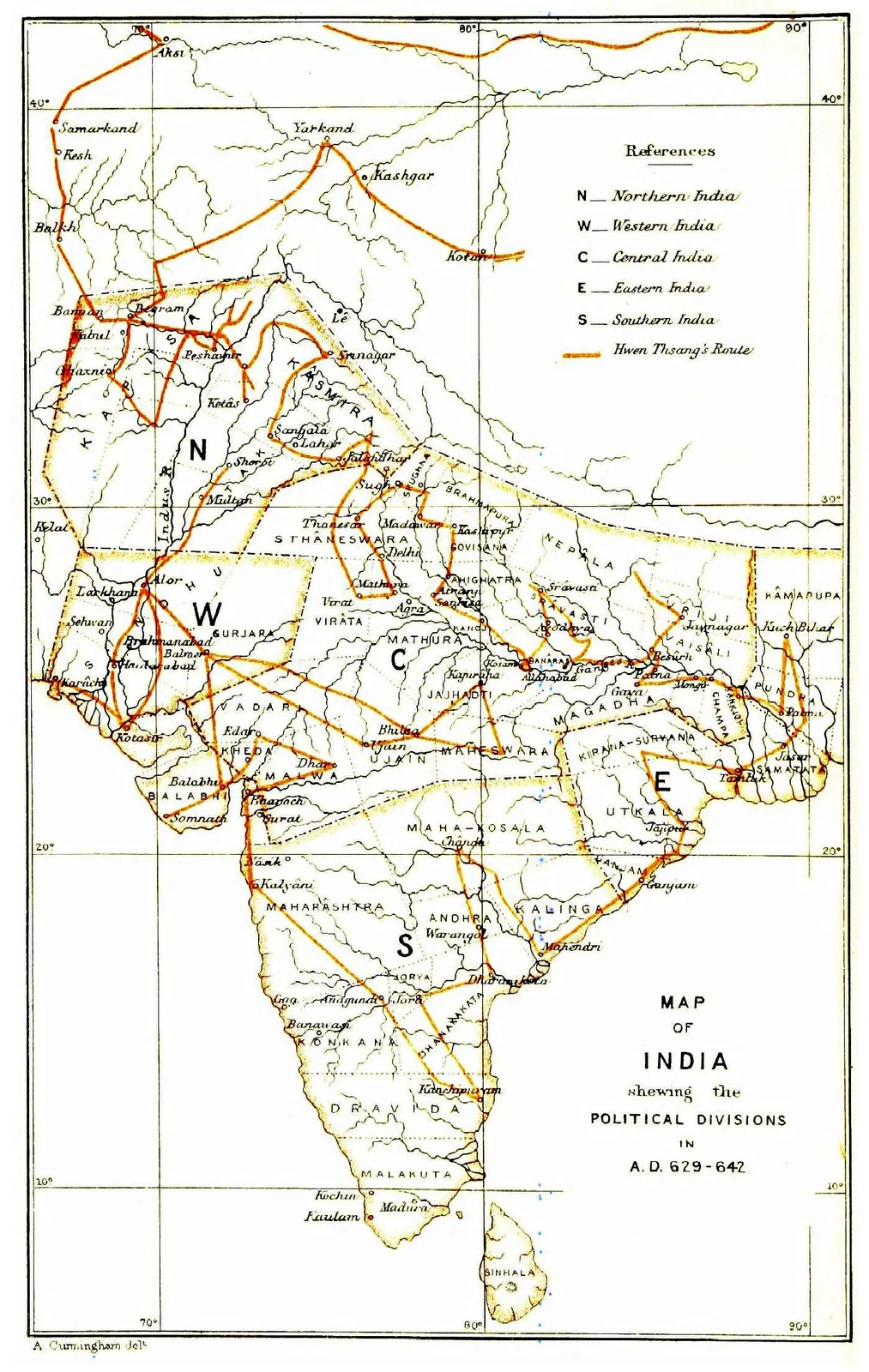
Wikimedia Commons · Public domain · file After leaving Nalanda for a tour of India, Xuanzang reached Munger on the Ganges and spent about a year studying Buddhist texts with eminent monks. The source places his departure from Nalanda in spring 636; the arrival at Munger is narrated immediately thereafter.
Study at Nalanda
· Nalanda Mahavihara, Bihar, India
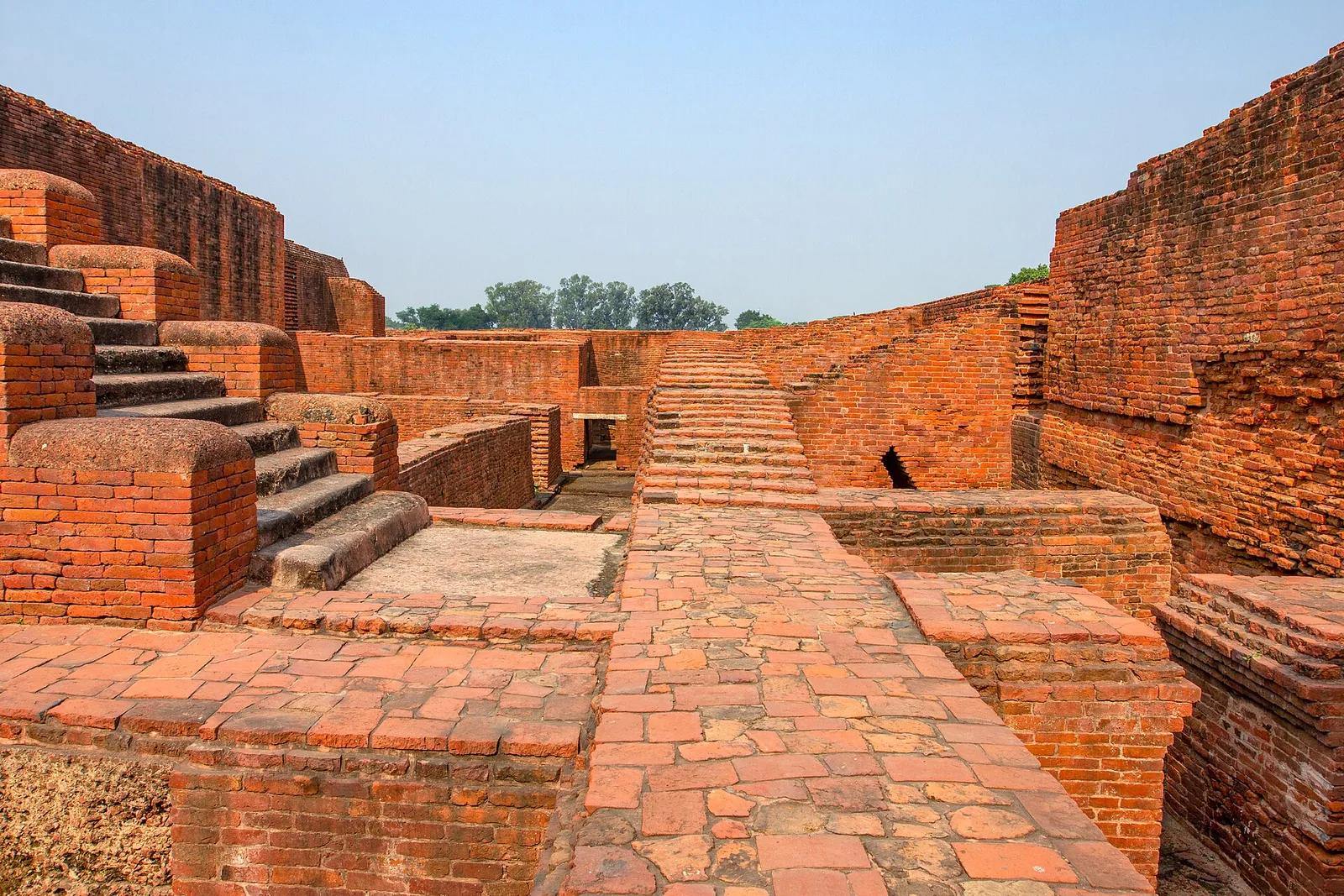
Wikimedia Commons · Creative Commons Attribution-Share Alike 4.0 International · file At Nalanda, Xuanzang became the disciple of the abbot Śīlabhadra and entered the Yogācāra line of study that strongly influenced his later translation and teaching work. Coordinates represent the archaeological and commemorative Nalanda site.
Return to Nalanda
· Nalanda Mahavihara, Bihar, India
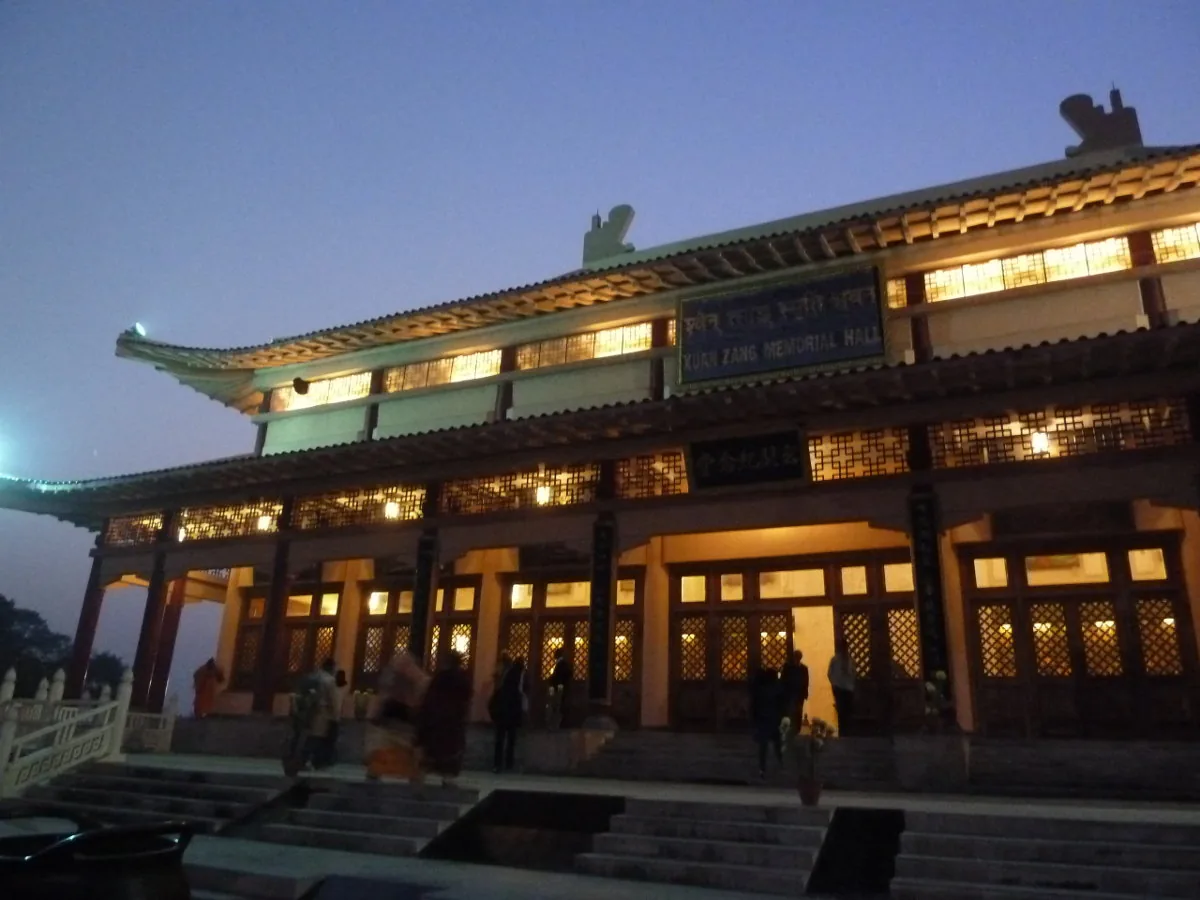
Wikimedia Commons · Creative Commons Attribution-Share Alike 3.0 Unported · file Xuanzang returned to Nalanda after travelling through northern India and reported his journey to Śīlabhadra. Coordinates represent the Nalanda archaeological site.
Pilgrimage at Mahabodhi
· Mahabodhi Temple, Bodh Gaya, Bihar, India
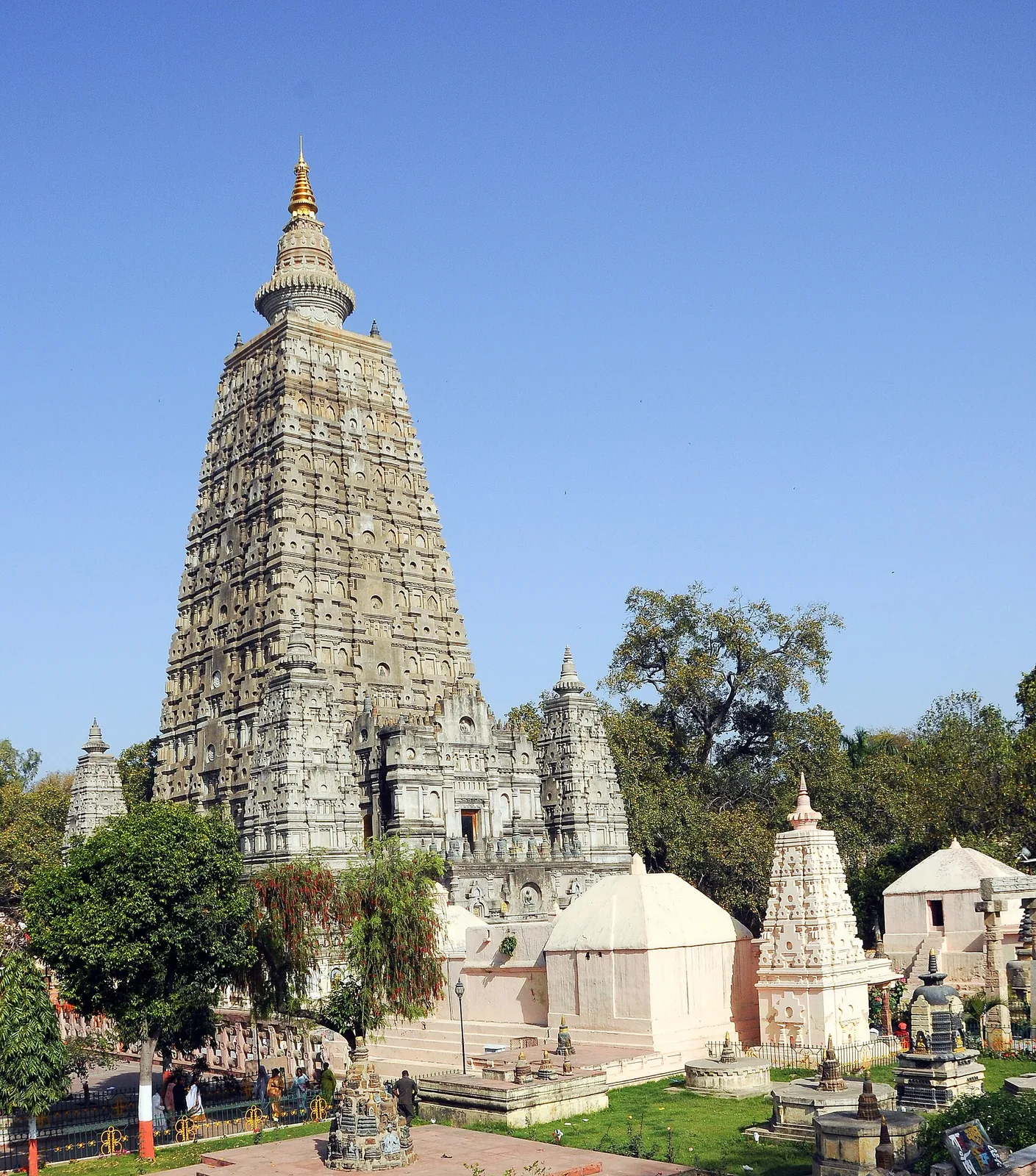
Wikimedia Commons · Creative Commons Attribution-Share Alike 4.0 International · file While based again at Nalanda, Xuanzang travelled with Abhidharamacarya Śreṇika to Mahabodhi Vihara and worshipped the Bodhi tree. The preceding source sentence dates Xuanzang's return to Nalanda to 639; 'January next year' is therefore rendered as 640-01.
Second documented visit to Nalanda
· Nalanda Mahavihara, Bihar, India
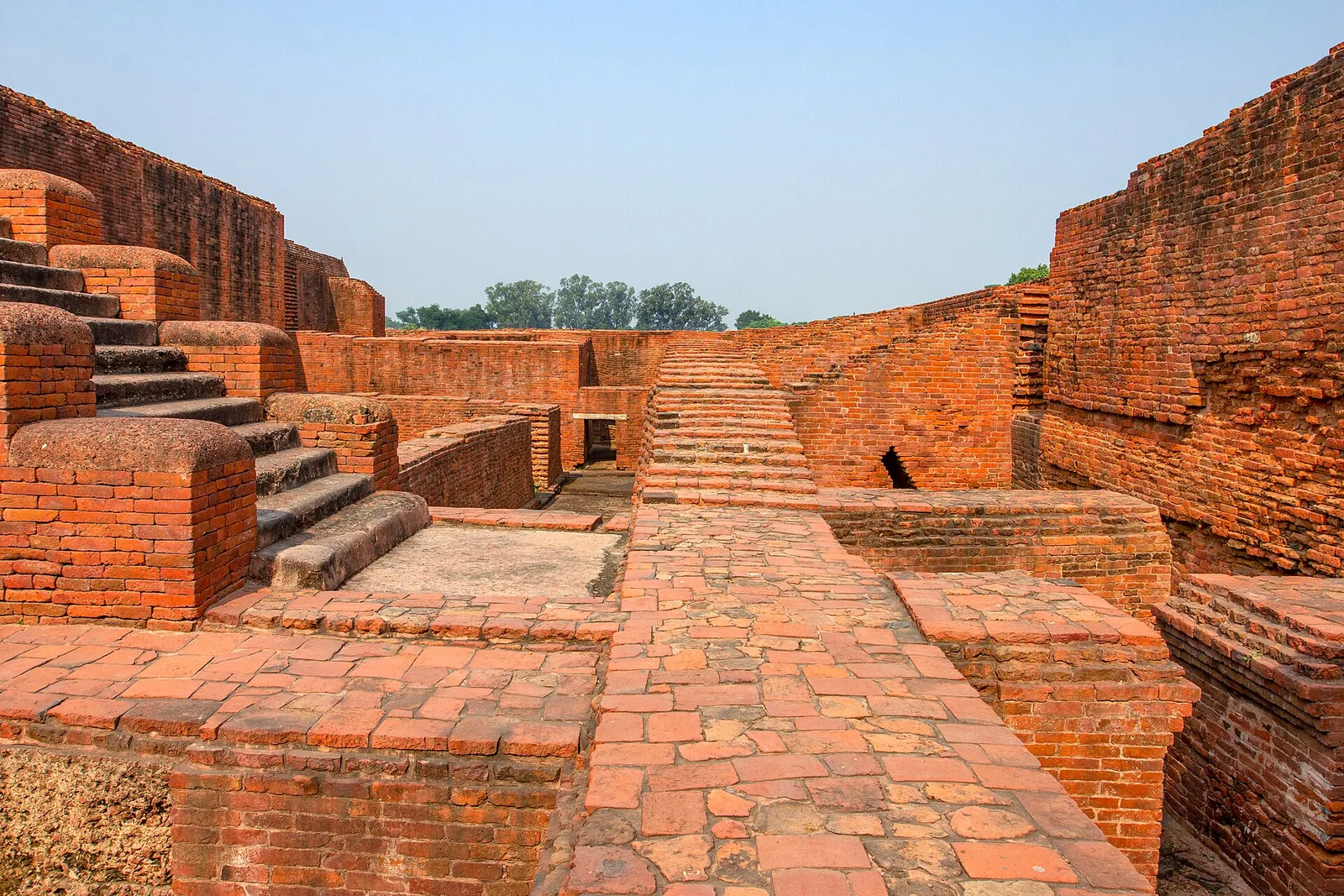
Wikimedia Commons · Creative Commons Attribution-Share Alike 4.0 International · file Nalanda was a principal intellectual base during Xuanzang's Indian travels; the chronology records a visit in 642 as well as one in 637. The cited chronology supplies years but not months or days.
Kanauj religious assembly
· Kanauj, Uttar Pradesh, India
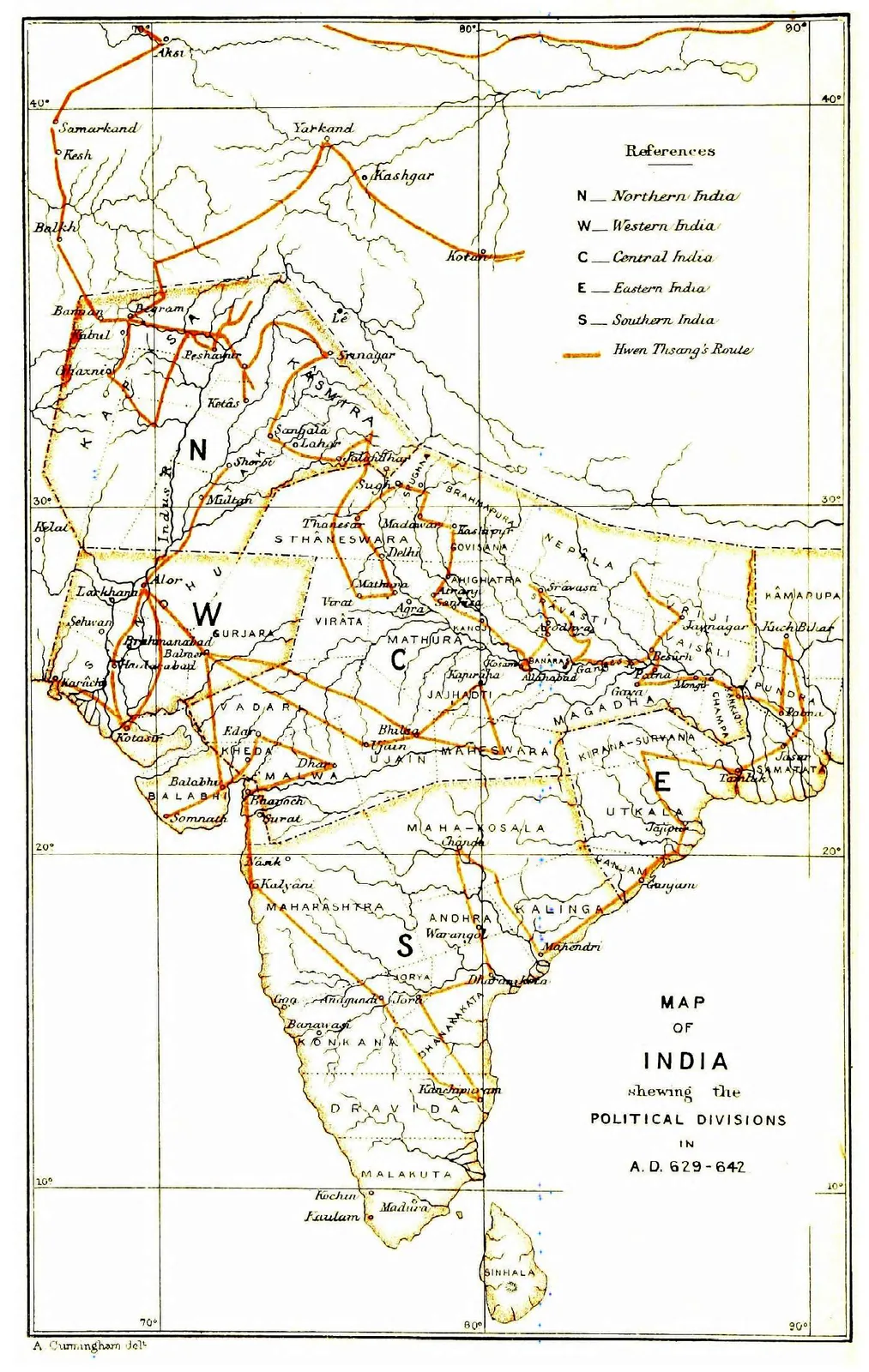
Wikimedia Commons · Public domain · file Xuanzang participated in an eighteen-day religious assembly convened in Harsha's capital of Kanauj, where he was presented as a leading Buddhist disputant. The account uses 'allegedly' for the debate outcome; Xuanzang's presence at the assembly is directly stated.
Arrival in Khotan
· Khotan, Xinjiang, China
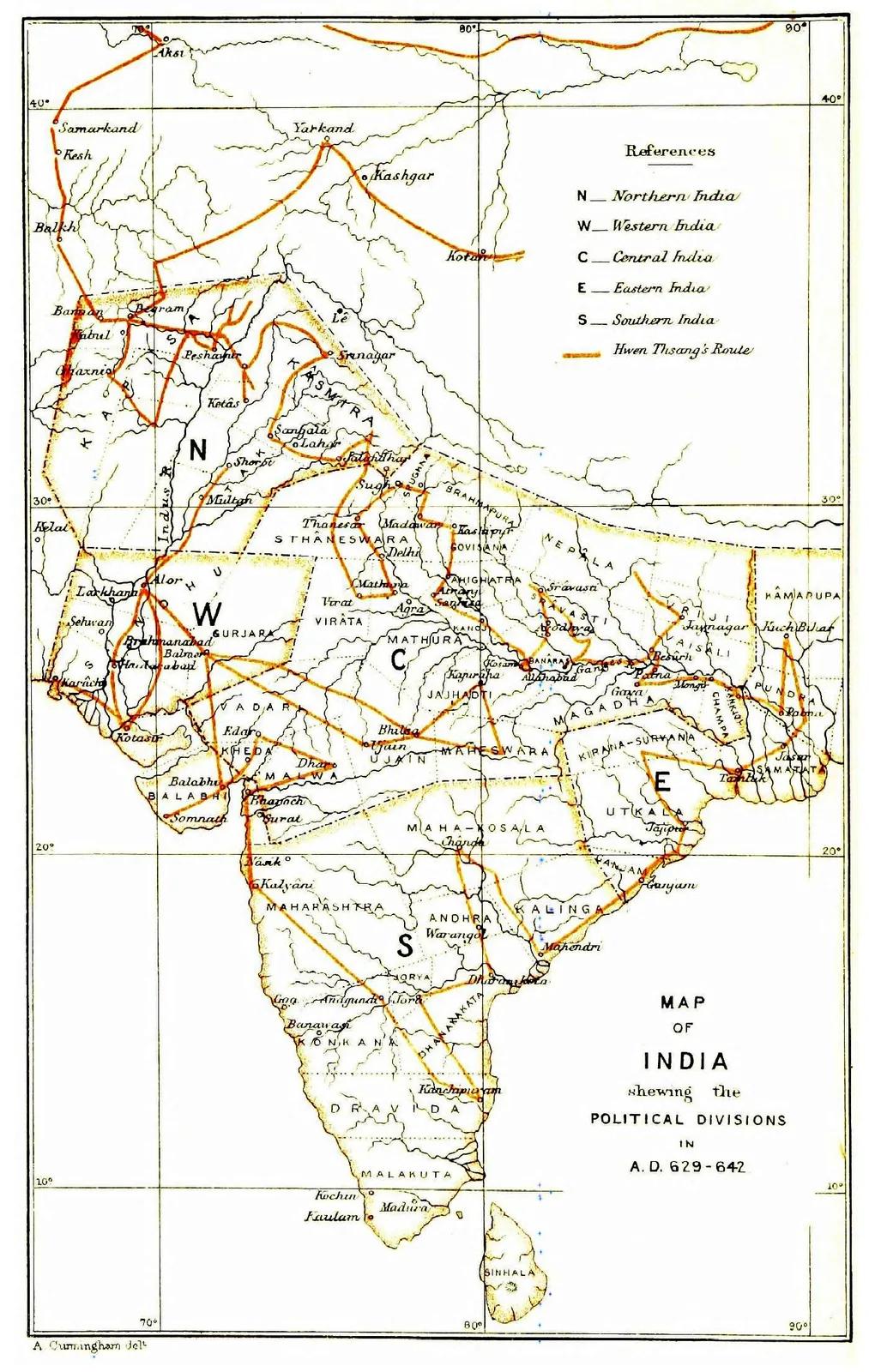
Wikimedia Commons · Public domain · file On his return toward China, Xuanzang reached Khotan, where he waited for the Tang court's response and taught for several months. Coordinates represent present-day Hotan/Khotan.
Audience with Emperor Taizong
· Luoyang, Henan, China
Soon after returning, Xuanzang went to Luoyang for an audience with Emperor Taizong, who asked him about the Western Regions and encouraged him to prepare a record of them. The source gives the second lunar month of 645 but no Gregorian conversion; coordinates represent Luoyang.
Residence at Hongfu Monastery
· Hongfu Monastery, Chang'an (present-day Xi'an, Shaanxi, China)
After returning from India, Xuanzang resided at Hongfu Monastery in Chang'an and began the translation work that occupied much of his remaining life. The exact site of the historical Hongfu Monastery is uncertain; coordinates represent Tang Chang'an.
Return to Chang'an
· Chang'an, Tang China (present-day Xi'an, Shaanxi, China)
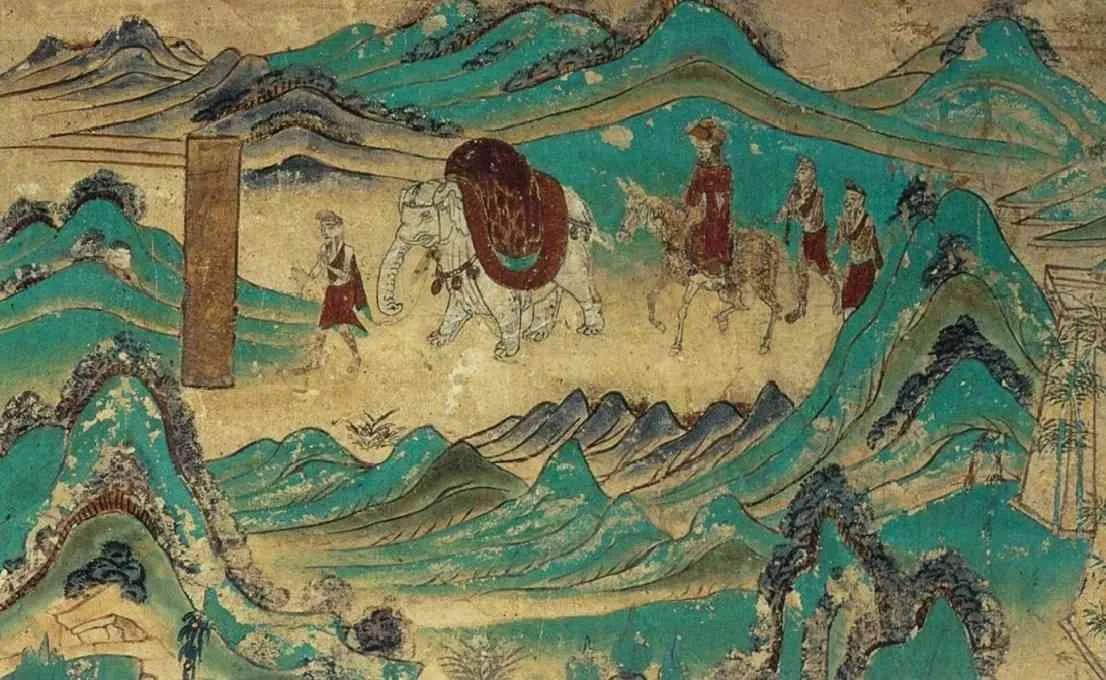
Wikimedia Commons · Creative Commons Public Domain Mark 1.0 · file Xuanzang returned to the Tang capital with texts, images, and relics after his long pilgrimage; a major procession celebrated his arrival. The source gives a Chinese lunar-calendar day but not a Gregorian conversion; date is retained at year precision.
Residence at Da Ci'en Monastery
· Da Ci'en Monastery, Xi'an, Shaanxi, China
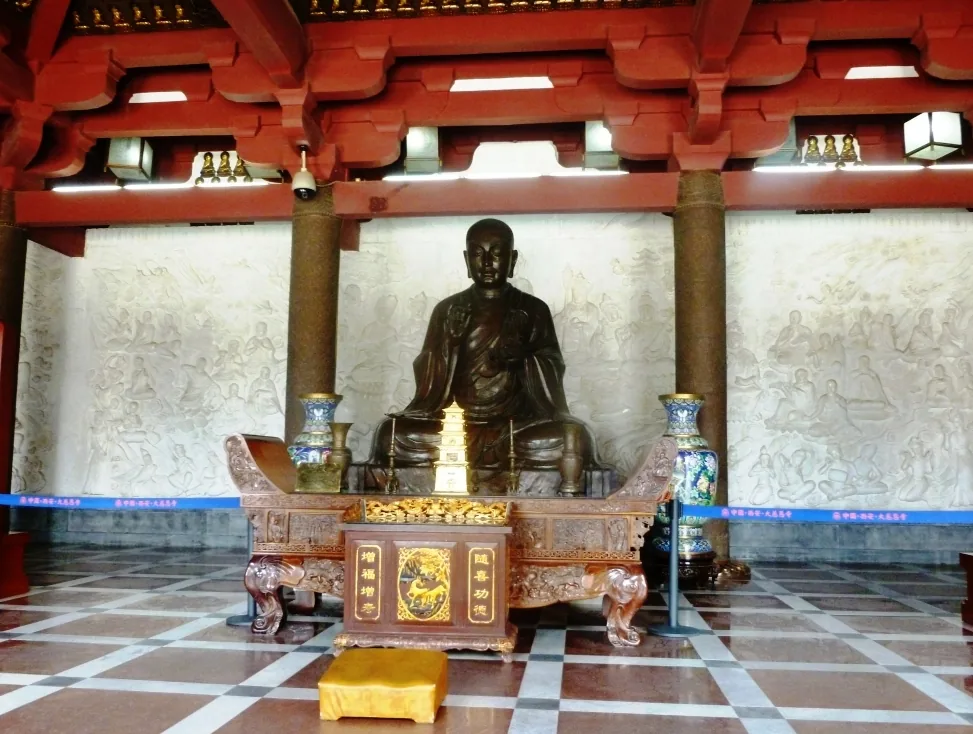
Wikimedia Commons · Creative Commons Attribution-Share Alike 3.0 Unported · file Xuanzang moved to Da Ci'en Monastery in Chang'an, where his translation activities became associated with the temple and its later pagoda. Da Ci'en Monastery is represented by its present-day Xi'an location.
Great Wild Goose Pagoda project
· Da Ci'en Monastery, Xi'an, Shaanxi, China
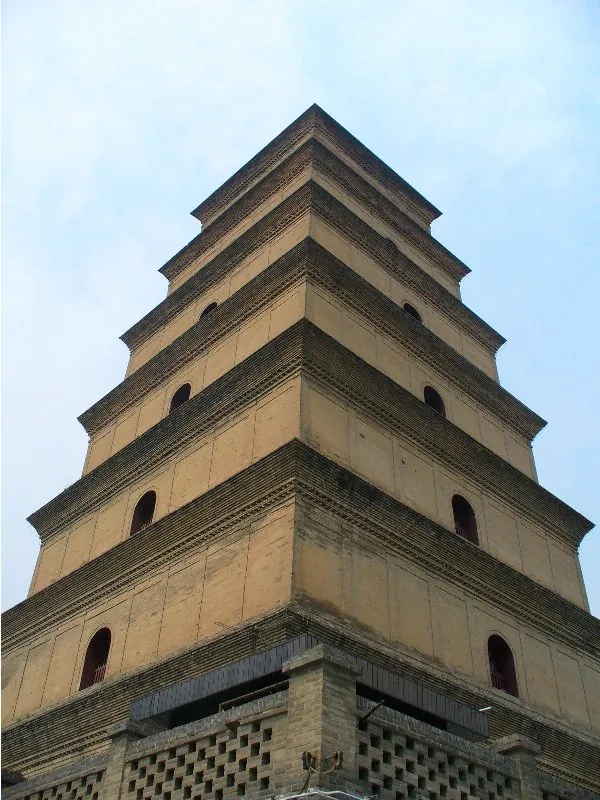
Wikimedia Commons · Public domain · file At Xuanzang's request, the Tang court authorized an Indian-style stupa at Da Ci'en Monastery to house Buddhist materials; Xuanzang participated in its installation ceremony. The stupa was the predecessor of the present Great Wild Goose Pagoda.
Move to Ximing Monastery
· Ximing Monastery, Chang'an (present-day Xi'an, Shaanxi, China)
Xuanzang moved from Da Ci'en to the newly built Ximing Monastery in Chang'an during the final phase of his translation career in the capital. The exact archaeological location of Ximing Monastery is uncertain; coordinates are a representative point in the Chang'an/Xi'an area.
Move to Yuhua Monastery
· Yuhua Palace Monastery, Tongchuan, Shaanxi, China
From 659, Xuanzang lived at the Yuhua monastery complex, where he completed major translation work during his last years. Coordinates are a representative point for the Yuhua Palace/Yuhua Monastery complex near Tongchuan.
Death at Yuhua Palace
· Yuhua Palace, Tongchuan, Shaanxi, China
Xuanzang died at Yuhua Palace near present-day Tongchuan, ending a career of pilgrimage, scholarship, and translation that linked Buddhist communities across Asia. Coordinates are a representative point for the Yuhua Palace complex.