
10 moments
Reported birth at Lizhou
· Lizhou (modern Guangyuan), Sichuan, China
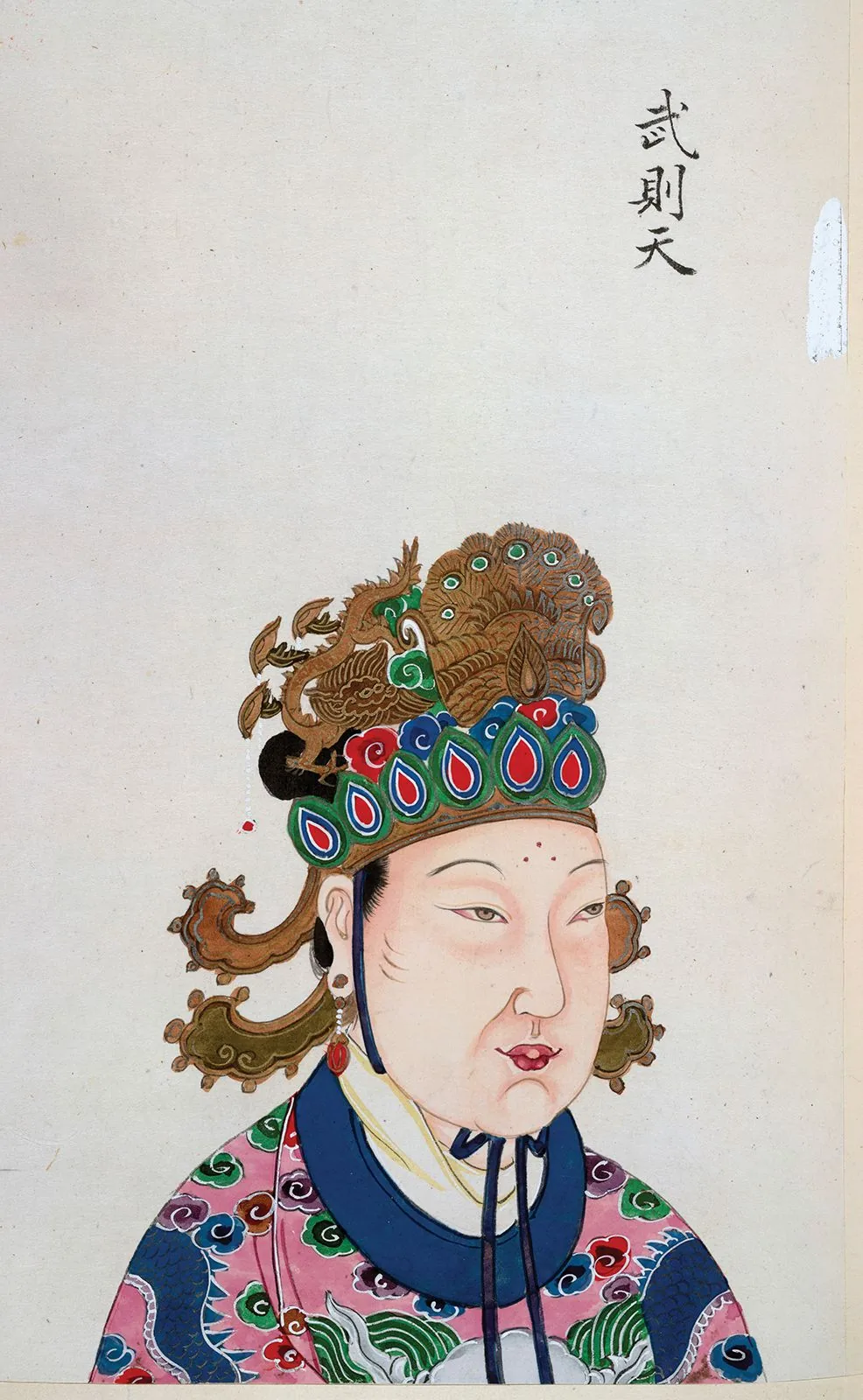
Wikimedia Commons · Public domain · file Wu Zetian’s infobox identifies Lizhou as her birthplace. The article’s biography cautions that preserved historical literature does not securely document the birthplace and records competing claims for Wenshui, Lizhou, and Chang'an. The article’s body states that her birthplace is disputed; coordinates represent modern Guangyuan, the usual identification of Lizhou.
Confined as a nun at Ganye Temple
· Ganye Temple, Chang'an (modern Xi'an), Shaanxi, China
After Emperor Taizong’s death, Wu was sent to Ganye Temple under the custom requiring childless consorts of a deceased emperor to enter a monastic institution. The historical site of Ganye Temple is uncertain; coordinates are a representative point for Tang Chang'an.
Tour of Bian Prefecture
· Bian Prefecture (modern Taiyuan), Shanxi, China
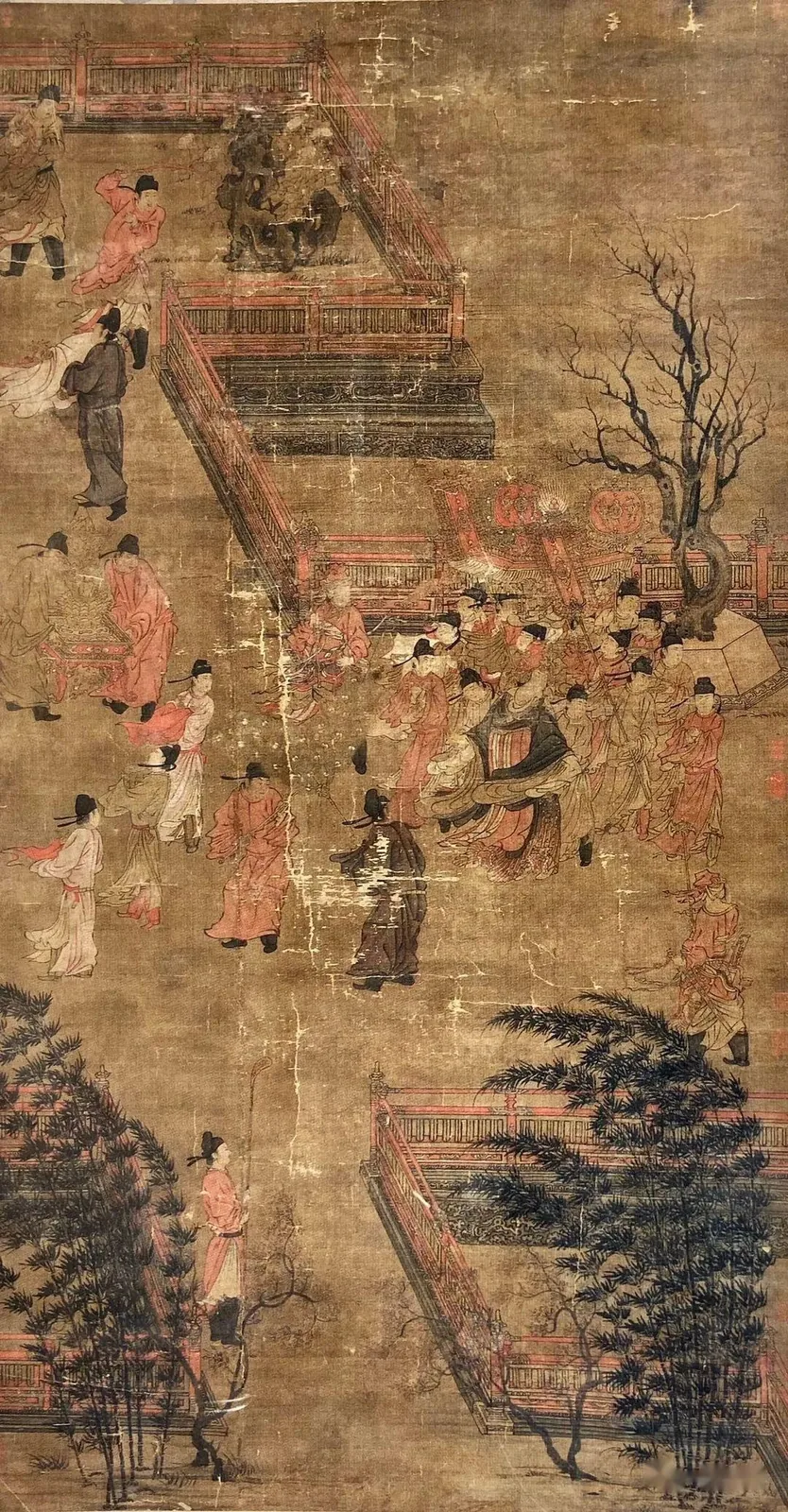
Wikimedia Commons · Public domain · file Wu accompanied Emperor Gaozong on a tour of Bian Prefecture, where she hosted former neighbors and relatives. The source equates the prefecture with modern Taiyuan.
Move to Hanyuan Hall
· Hanyuan Hall, Daming Palace, Chang'an (modern Xi'an), Shaanxi, China
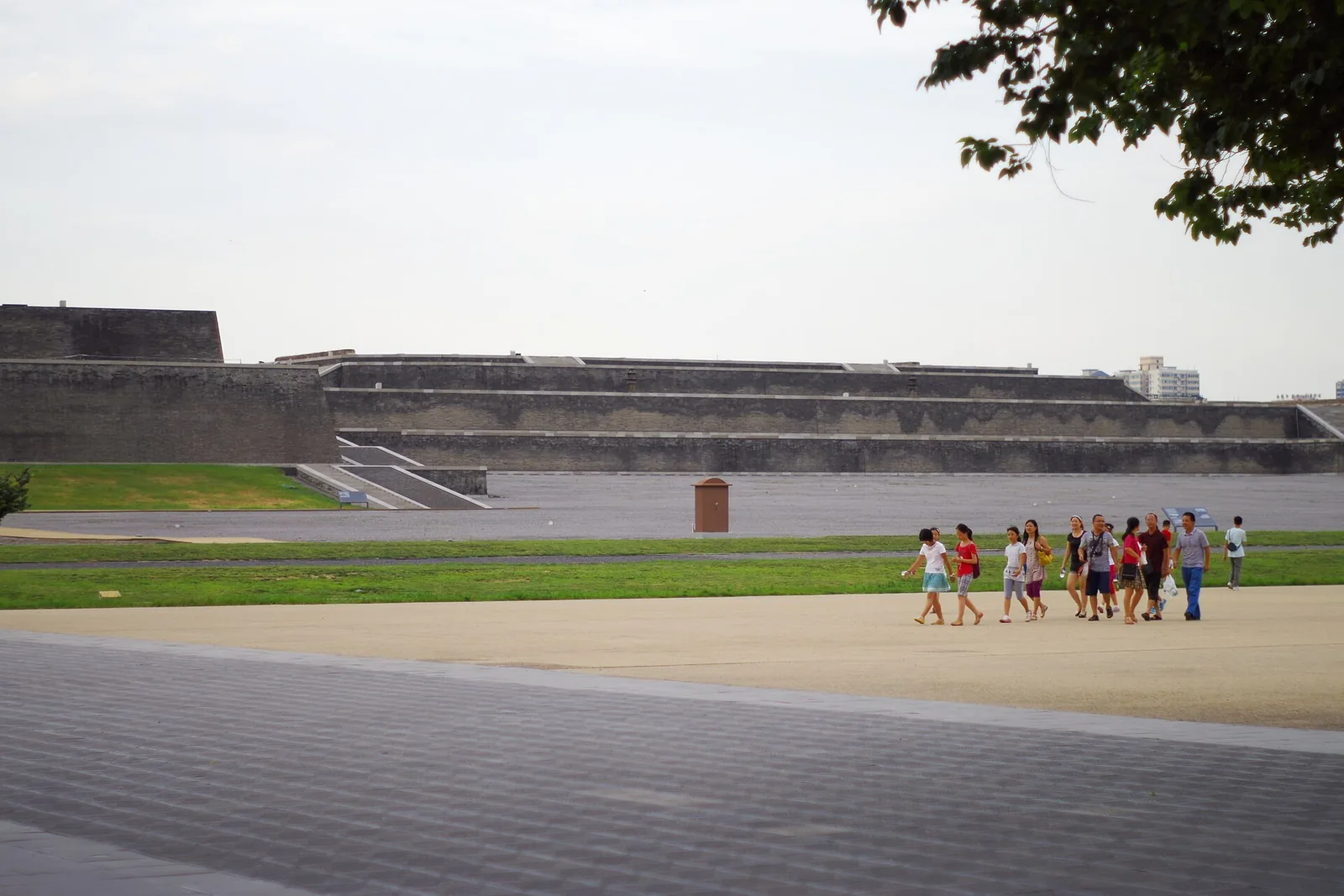
Wikimedia Commons · Creative Commons Attribution-Share Alike 3.0 Unported · file When the principal hall of the rebuilt Penglai Palace was completed, Wu and Gaozong moved into Hanyuan Hall in the Tang capital. Coordinates identify the excavated Hanyuan Hall area within Daming Palace.
Feng and Shan sacrifices on Mount Tai
· Mount Tai, Tai'an, Shandong, China
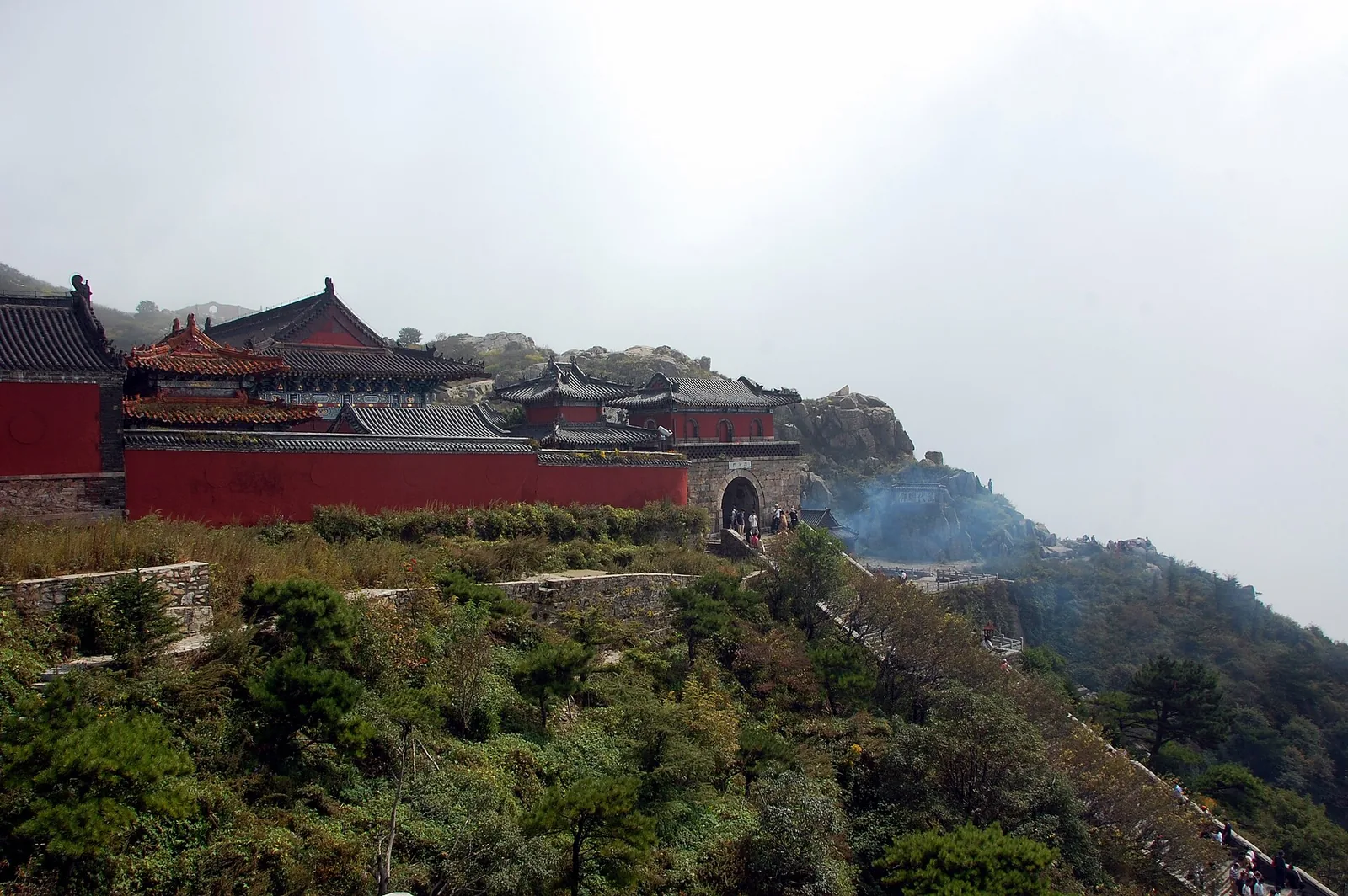
Wikimedia Commons · Creative Commons Attribution 2.0 Generic · file Wu participated in Gaozong’s Feng and Shan rites on Mount Tai, offering sacrifices after the emperor in a prominent departure from precedent. Coordinates represent Jade Emperor Peak, the principal summit area of Mount Tai.
Journey to Mount Song with Gaozong
· Mount Song, Dengfeng, Henan, China
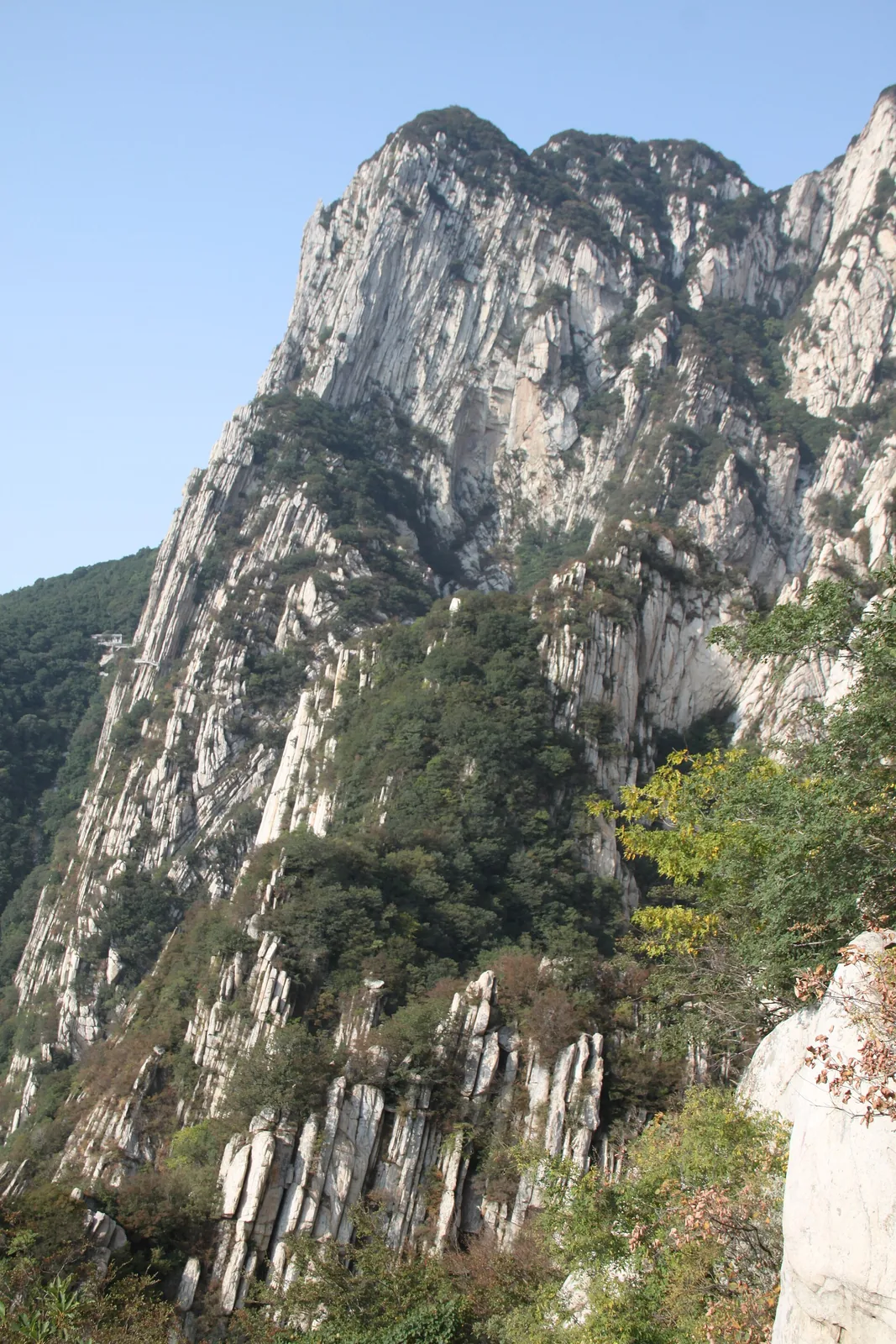
Wikimedia Commons · Creative Commons CC0 1.0 Universal Public Domain Dedication · file In the eleventh month of 683, Wu traveled with Emperor Gaozong to Mount Song shortly before his death; the account places the imperial pair at the mountain when Gaozong became ill. The source gives the event in the eleventh lunar month; no Gregorian day is asserted.
Fengshan rite on Mount Song
· Mount Song, Dengfeng, Henan, China
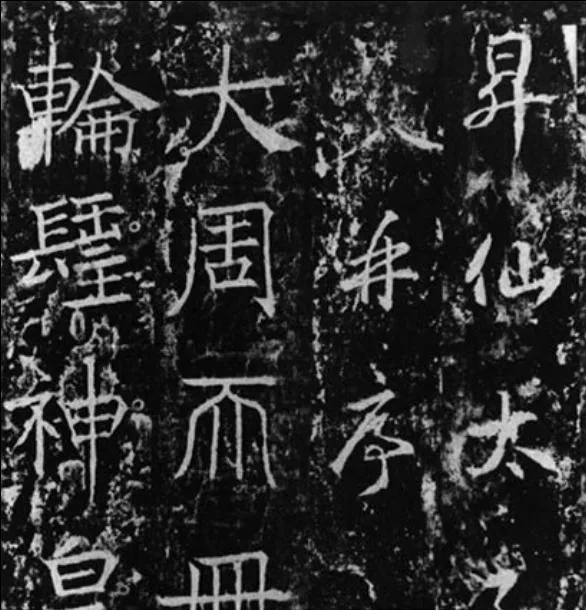
Wikimedia Commons · Public domain · file As sovereign, Wu performed the Feng and Shan rites at Mount Song, a major ceremonial assertion of imperial legitimacy. The source explicitly describes her ascent of the mountain. Chinese-era dating in the cited text is often labeled 695; modern Gregorian conversion places the rite in early 696, reflected in the date field.
Tou long rite on Mount Song
· Mount Song, Dengfeng, Henan, China
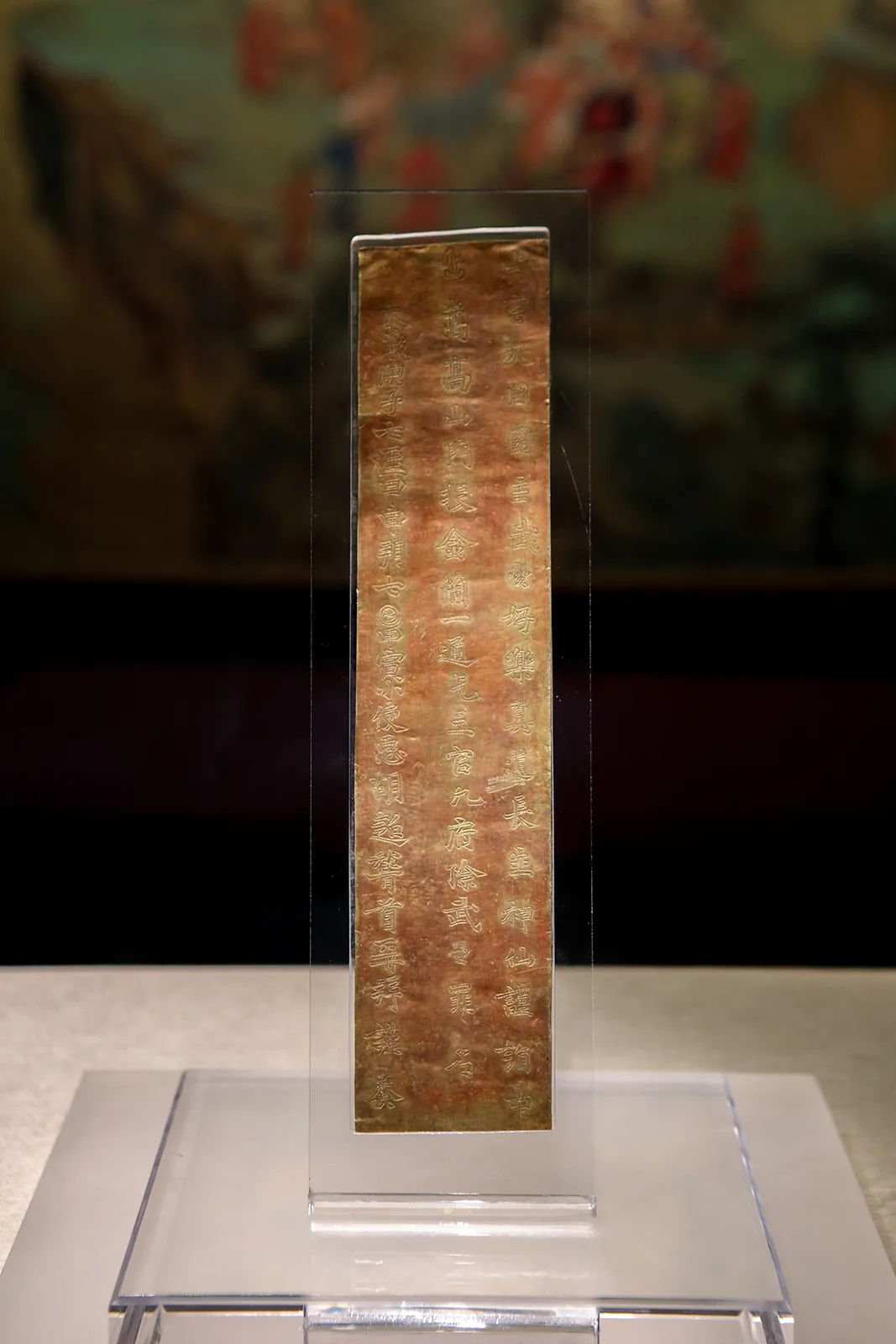
Wikimedia Commons · Creative Commons Attribution-Share Alike 4.0 International · file Wu performed a tou long Daoist expiatory rite at Mount Song, continuing her use of major religious ritual during her reign. The source supplies the year but not a more precise date.
Transfer to Shangyang Palace after the coup
· Shangyang Palace, Luoyang, Henan, China
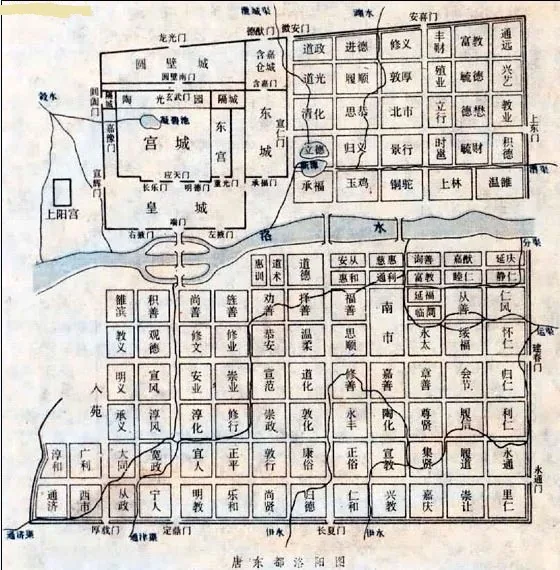
Wikimedia Commons · Creative Commons Attribution-Share Alike 3.0 Unported · file Following the Shenlong Coup and restoration of Zhongzong, Wu was moved under guard to Shangyang Palace, where she remained in retirement. Coordinates represent the Shangyang Palace archaeological-area location in Luoyang.
Death at Luoyang
· Luoyang, Henan, China
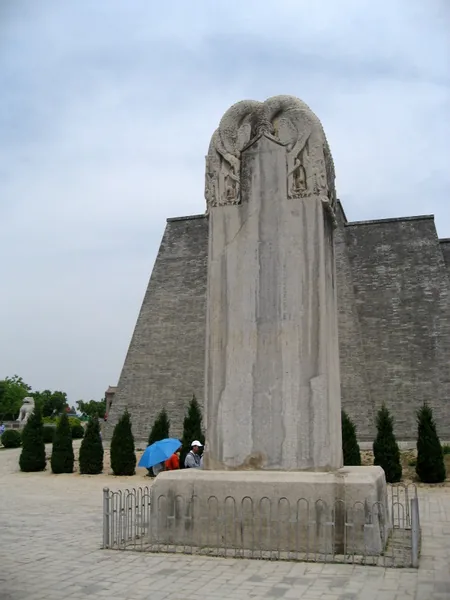
Wikimedia Commons · Creative Commons Attribution-Share Alike 2.5 Generic · file Wu Zetian died in Luoyang after her removal from power earlier that year. The source identifies Luoyang but not a precise death building; coordinates represent central Luoyang.