
18 moments
Born at Lumbini
· Maya Devi Temple, Lumbini, Nepal
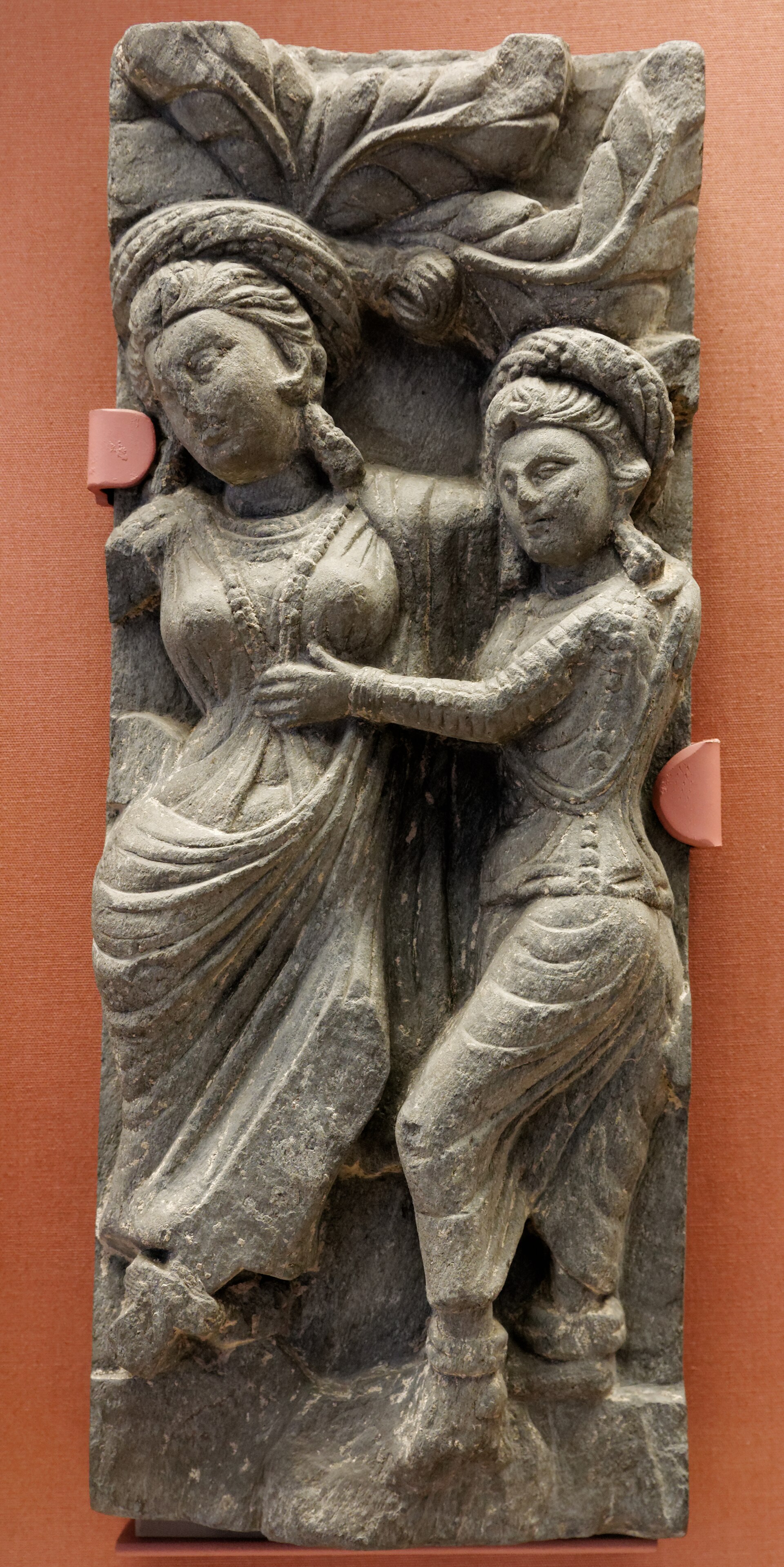
Wikimedia Commons · Creative Commons Attribution 2.5 Generic · file Buddhist tradition places Gautama's birth in the Lumbini garden, now in Nepal. Traditional birth year; scholarly estimates differ substantially. Coordinates mark the Maya Devi Temple archaeological site.
Grew up at Kapilavastu
· Tilaurakot, Kapilvastu, Nepal
Gautama's childhood and household life began in Kapilavastu, the Shakya center traditionally associated with his family. Date marks the beginning of an extended childhood residence. Ancient Kapilavastu is disputed between Tilaurakot and Piprahwa; coordinates use Tilaurakot as a representative candidate.
Begged for alms at Rajagaha
· Rajgir, Bihar, India
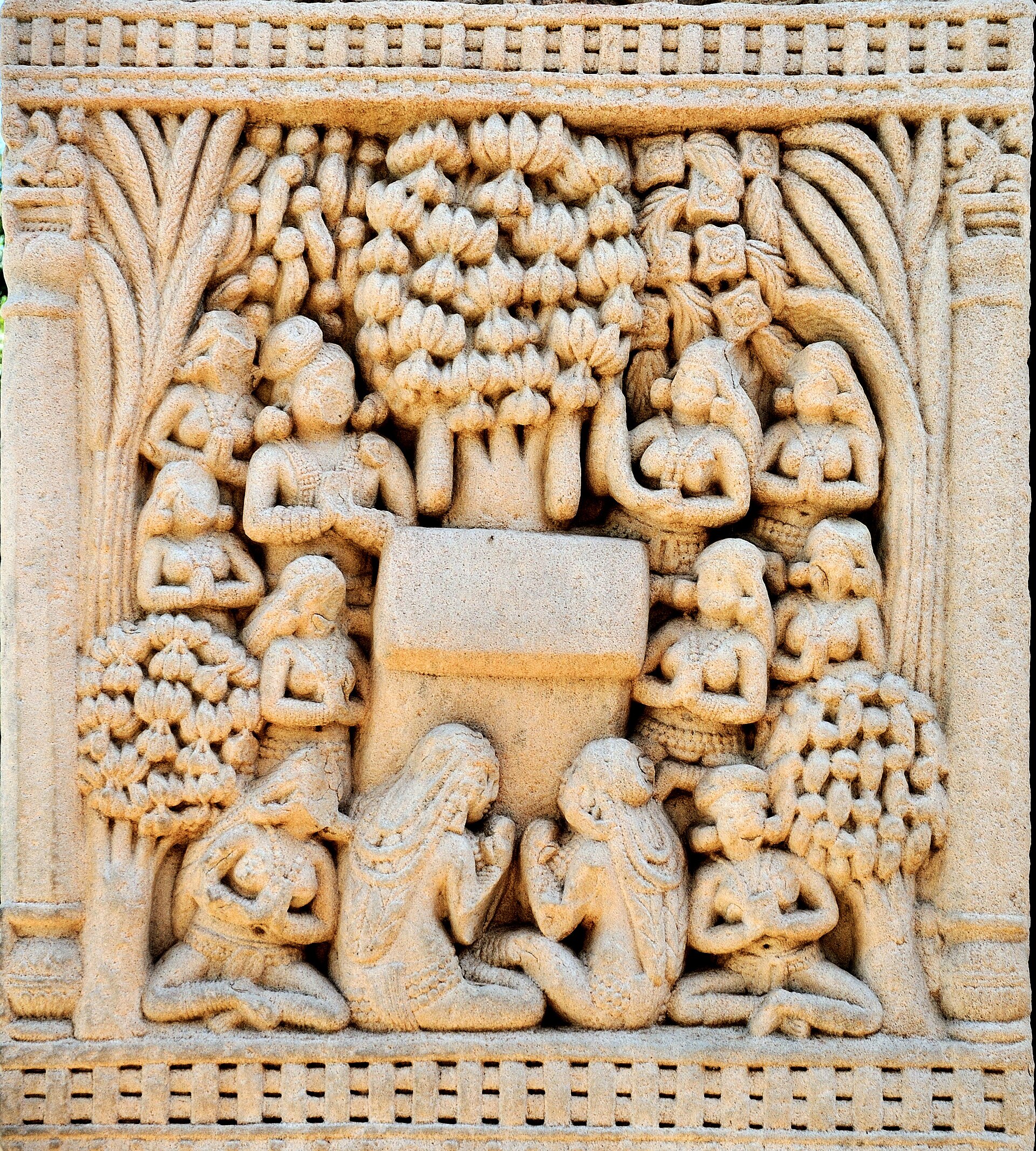
Wikimedia Commons · Creative Commons Attribution 3.0 Unported · file Early in his ascetic search, Gautama entered Rajagaha, capital of Magadha, where tradition records his encounter with King Bimbisara. Placed in the traditional renunciation year; no independently secure absolute year survives. Coordinates represent ancient Rajagaha broadly.
Departed Kapilavastu as an ascetic
· Tilaurakot, Kapilvastu, Nepal
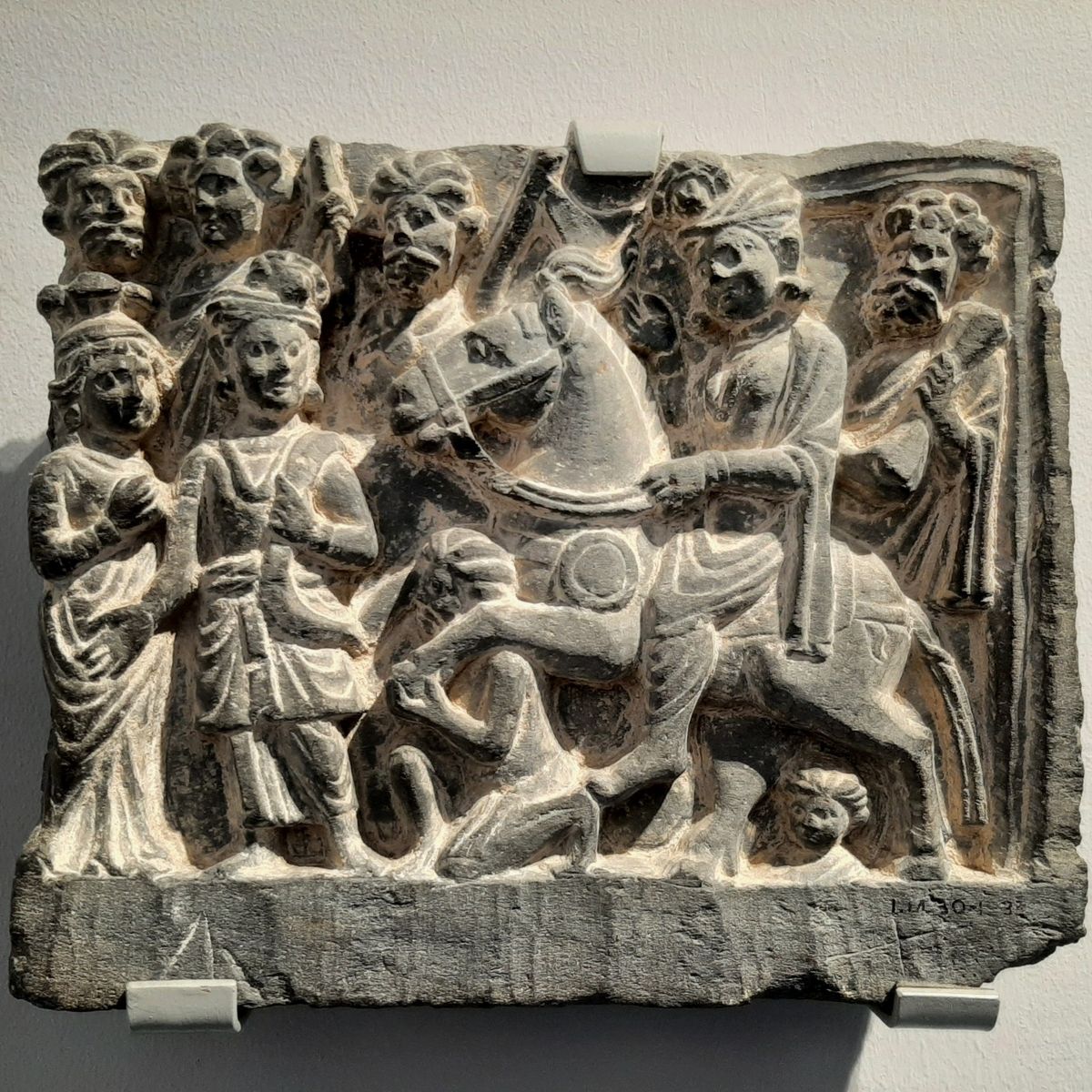
Wikimedia Commons · Creative Commons Attribution-Share Alike 4.0 International · file At the traditional age of twenty-nine, Siddhartha left his household life at Kapilavastu and began his religious search as a wandering ascetic. Traditional age and year; the detailed departure narrative is post-canonical. Ancient Kapilavastu's identification remains disputed.
Awakened beneath the Bodhi tree
· Mahabodhi Temple, Bodh Gaya, Bihar, India
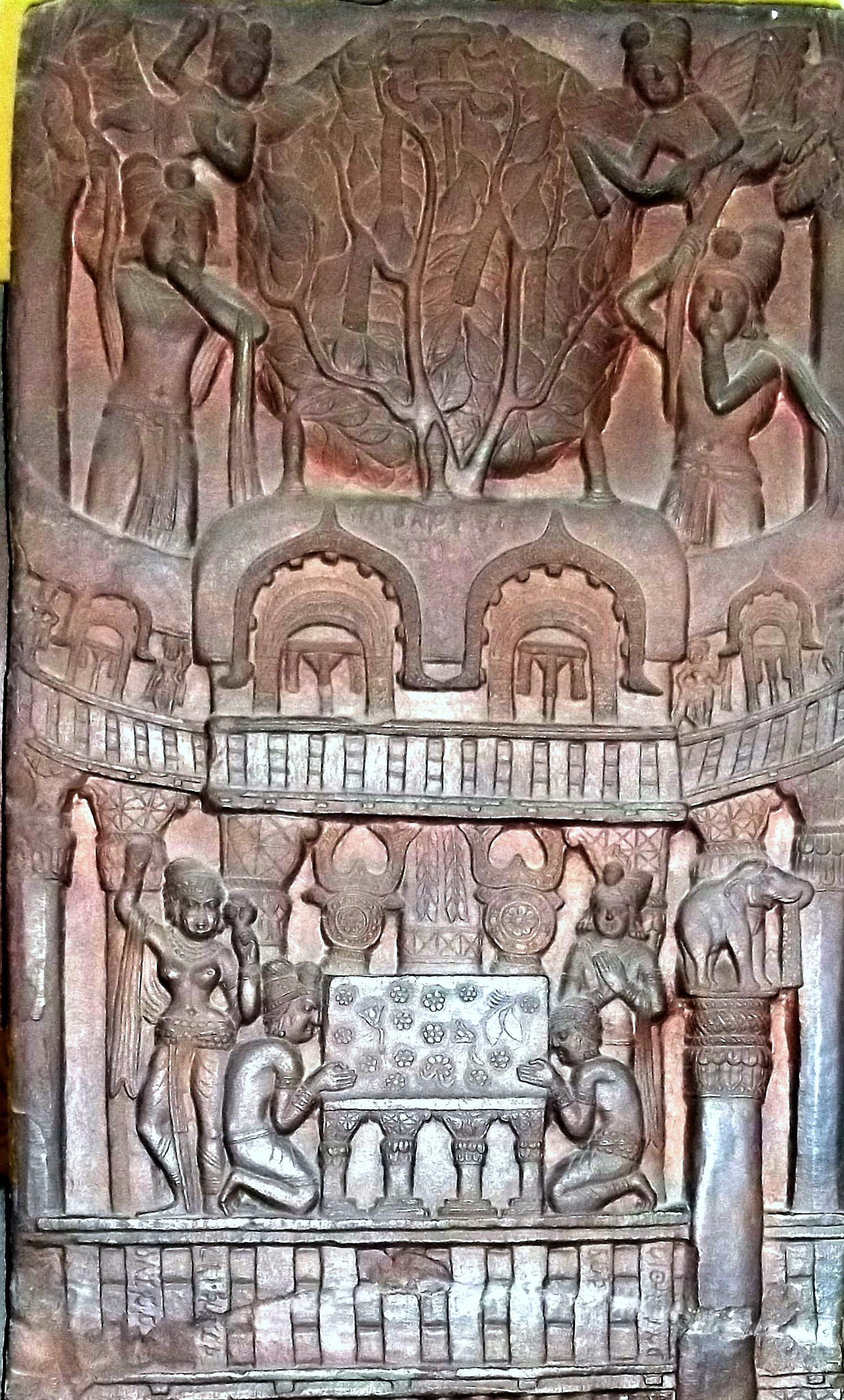
Wikimedia Commons · Creative Commons Attribution-Share Alike 3.0 Unported · file After abandoning extreme austerities, Gautama is traditionally said to have attained awakening at Uruvela, thereafter known as Bodh Gaya. Traditional year calculated from the conventional lifespan and age at awakening; absolute chronology is disputed. Coordinates mark the Mahabodhi complex.
Delivered the first sermon at Sarnath
· Deer Park, Sarnath, Uttar Pradesh, India
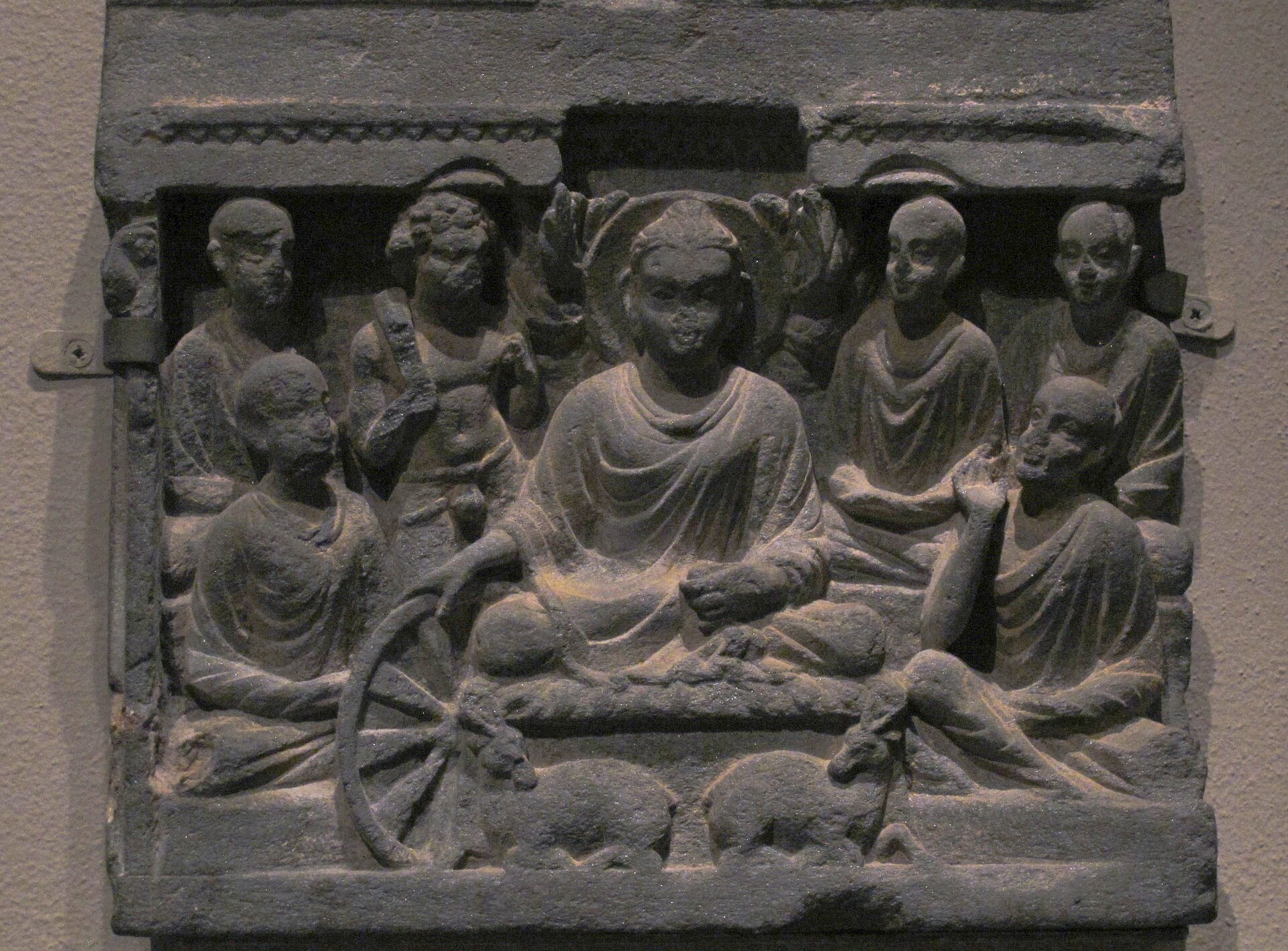
Wikimedia Commons · Creative Commons Attribution-Share Alike 4.0 International · file At the Deer Park near Varanasi, the Buddha taught his former companions, inaugurating his public teaching career and the first Buddhist community. Wikipedia dates the teaching circa 528 BC, but the broader chronology remains disputed. Coordinates represent the Sarnath archaeological zone.
Spent the first rains retreat at Sarnath
· Mulagandha Kuti ruins, Sarnath, Uttar Pradesh, India
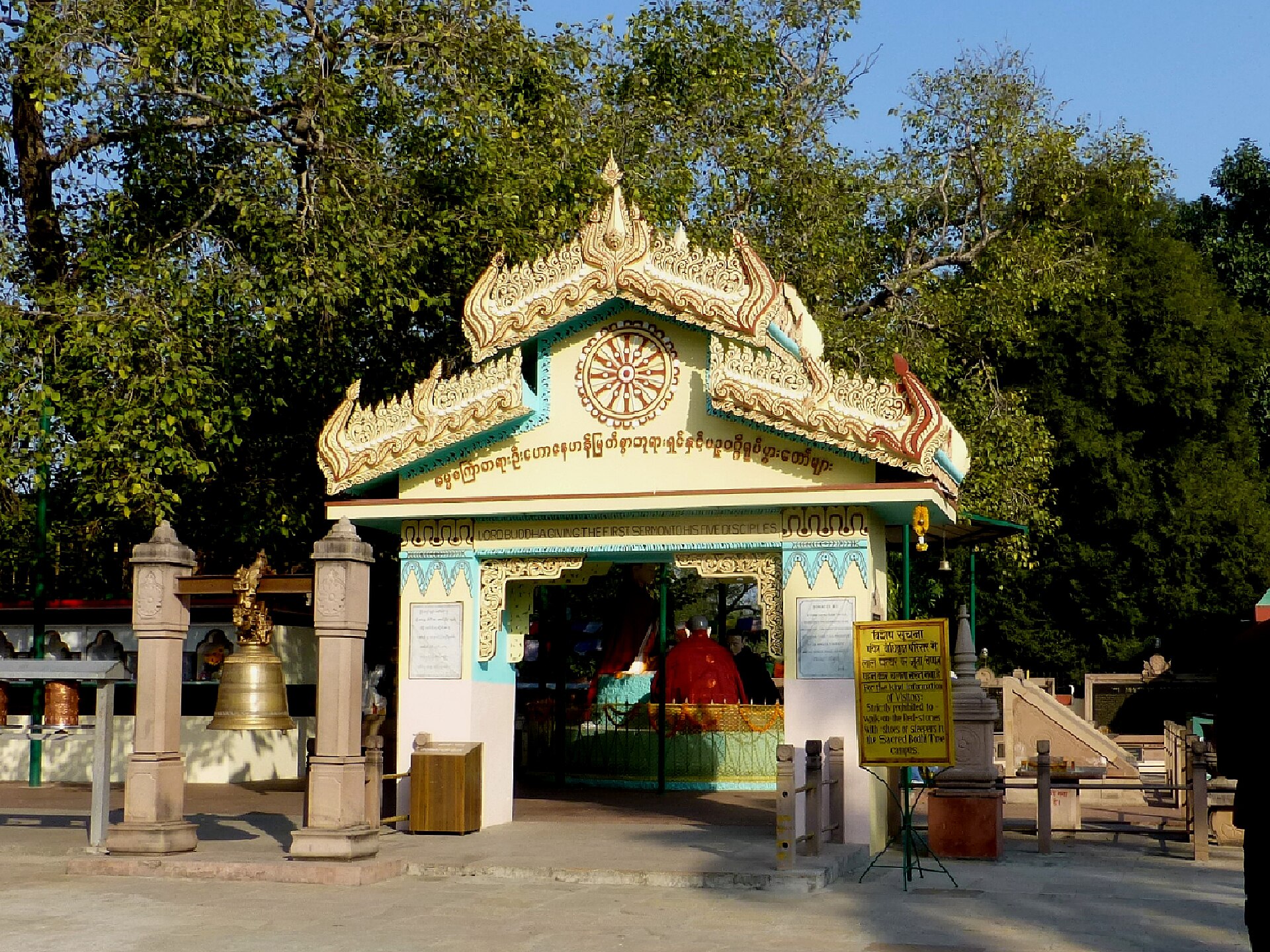
Wikimedia Commons · Creative Commons Attribution 3.0 Unported · file The Buddha remained at Sarnath during the first monsoon retreat after awakening while the earliest sangha took shape. Traditional first post-awakening year. Coordinates represent the Sarnath archaeological complex rather than a proven footprint of the original hut.
Established retreats at Veluvana
· Venu Vana, Rajgir, Bihar, India
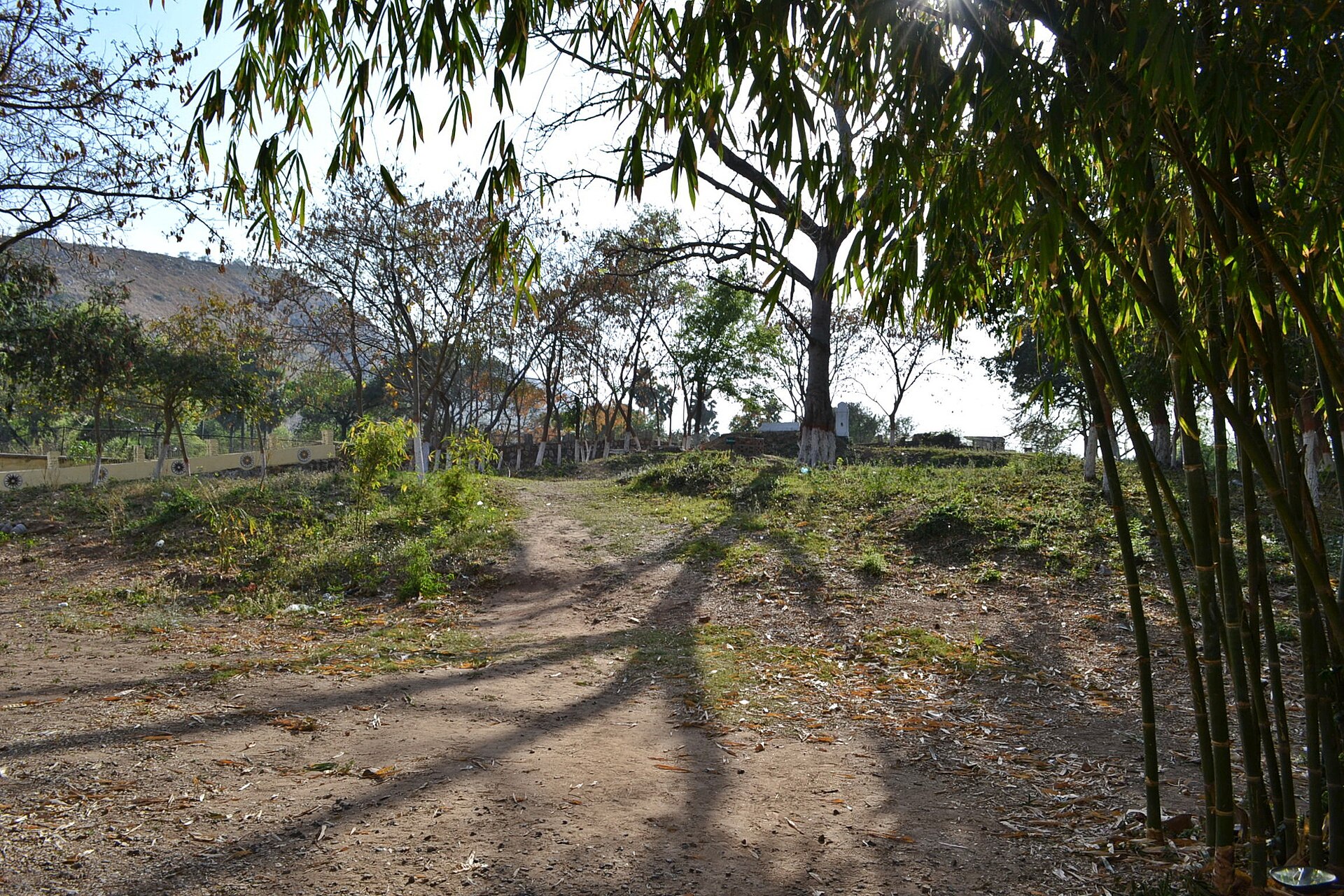
Wikimedia Commons · Creative Commons Attribution 3.0 Unported · file For the second through fourth rains retreats, tradition places the Buddha at Veluvana, the Bamboo Grove monastery donated near Rajagaha. Date marks the second retreat, conventionally 527 BC; the residence continued through the fourth retreat, about 525 BC. Absolute years are traditional.
Kept the fifth retreat near Vesali
· Kutagarasala, Kolhua, Vaishali, Bihar, India
The fifth rains retreat was spent at the Kūṭāgāra Hall in the Great Wood near Vesali, an important center of the developing community. Traditional fifth post-awakening year. Coordinates mark the archaeological remains identified as Kutagarasala at Kolhua.
Spent the ninth retreat at Kosambi
· Ancient Kosambi, Kaushambi District, Uttar Pradesh, India
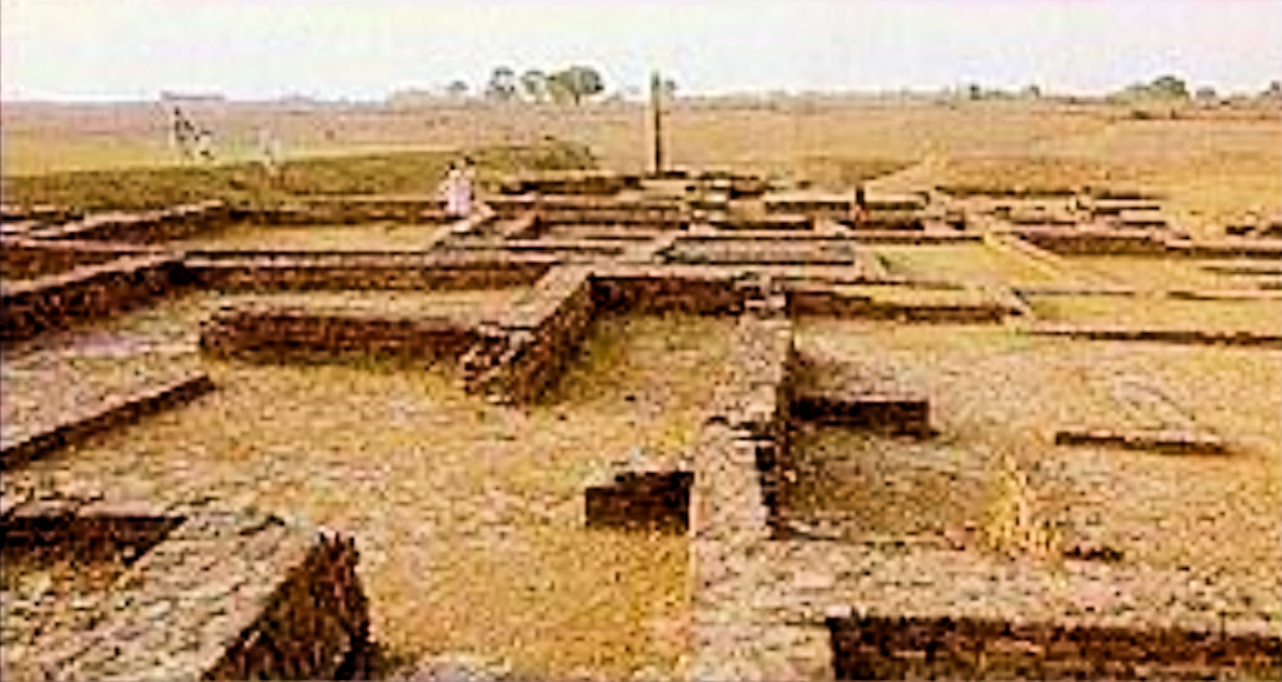
Wikimedia Commons · Creative Commons Attribution-Share Alike 3.0 Unported · file At Kosambi, the Buddha occupied monasteries donated by three wealthy patrons and taught during the ninth rains retreat. Traditional ninth post-awakening year. Coordinates represent the ancient Kosambi archaeological site; the specific monastery footprint is not certain.
Kept the fourteenth retreat at Jetavana
· Jetavana, Saheth, Uttar Pradesh, India
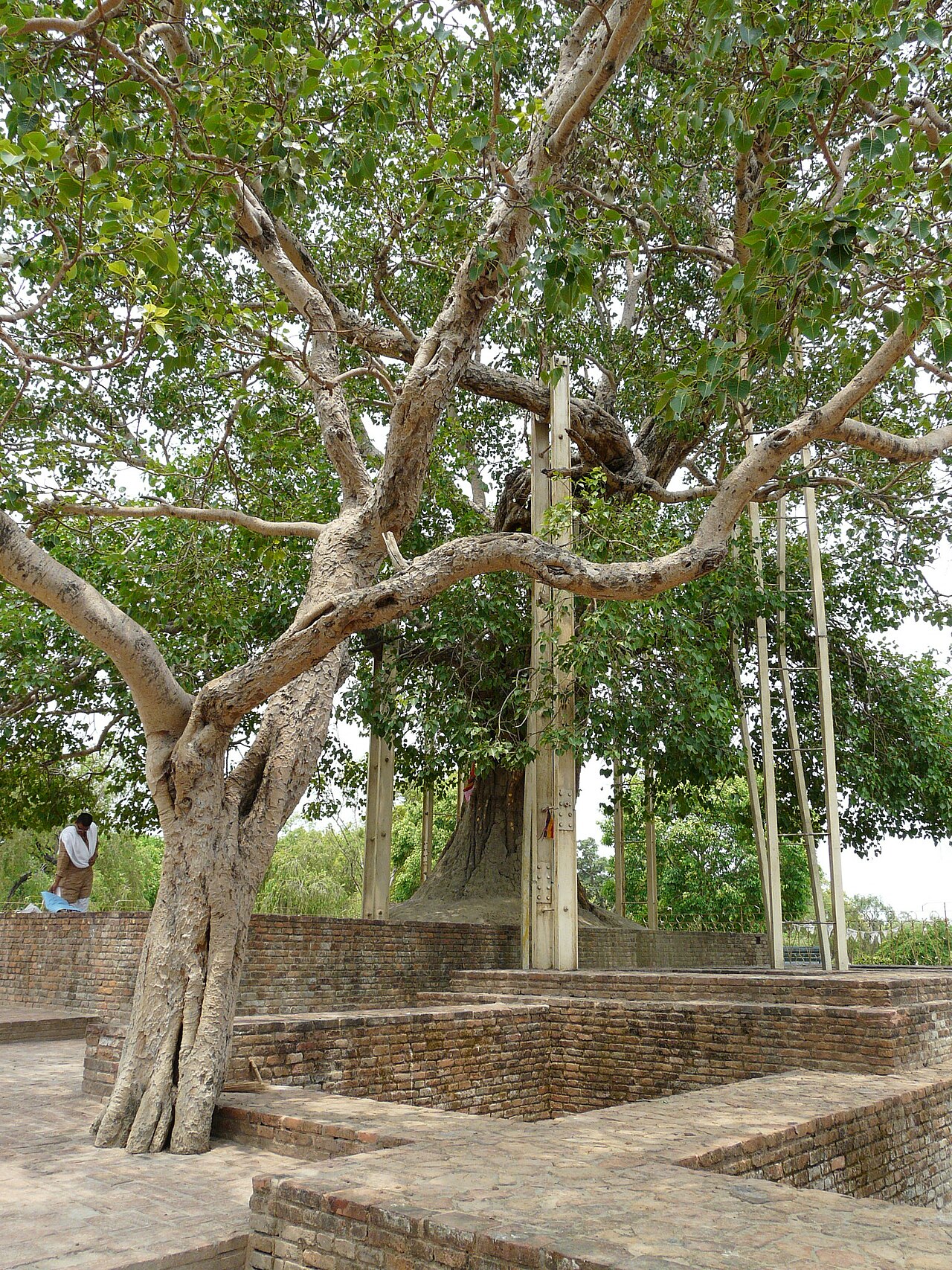
Wikimedia Commons · Creative Commons Attribution 2.0 Generic · file The Buddha reached Savatthi and spent the fourteenth rains retreat at Jetavana, which became his most frequently used teaching residence. Traditional fourteenth post-awakening year. Coordinates mark the identified Jetavana archaeological site.
Returned to Kapilavastu for the fifteenth retreat
· Tilaurakot, Kapilvastu, Nepal
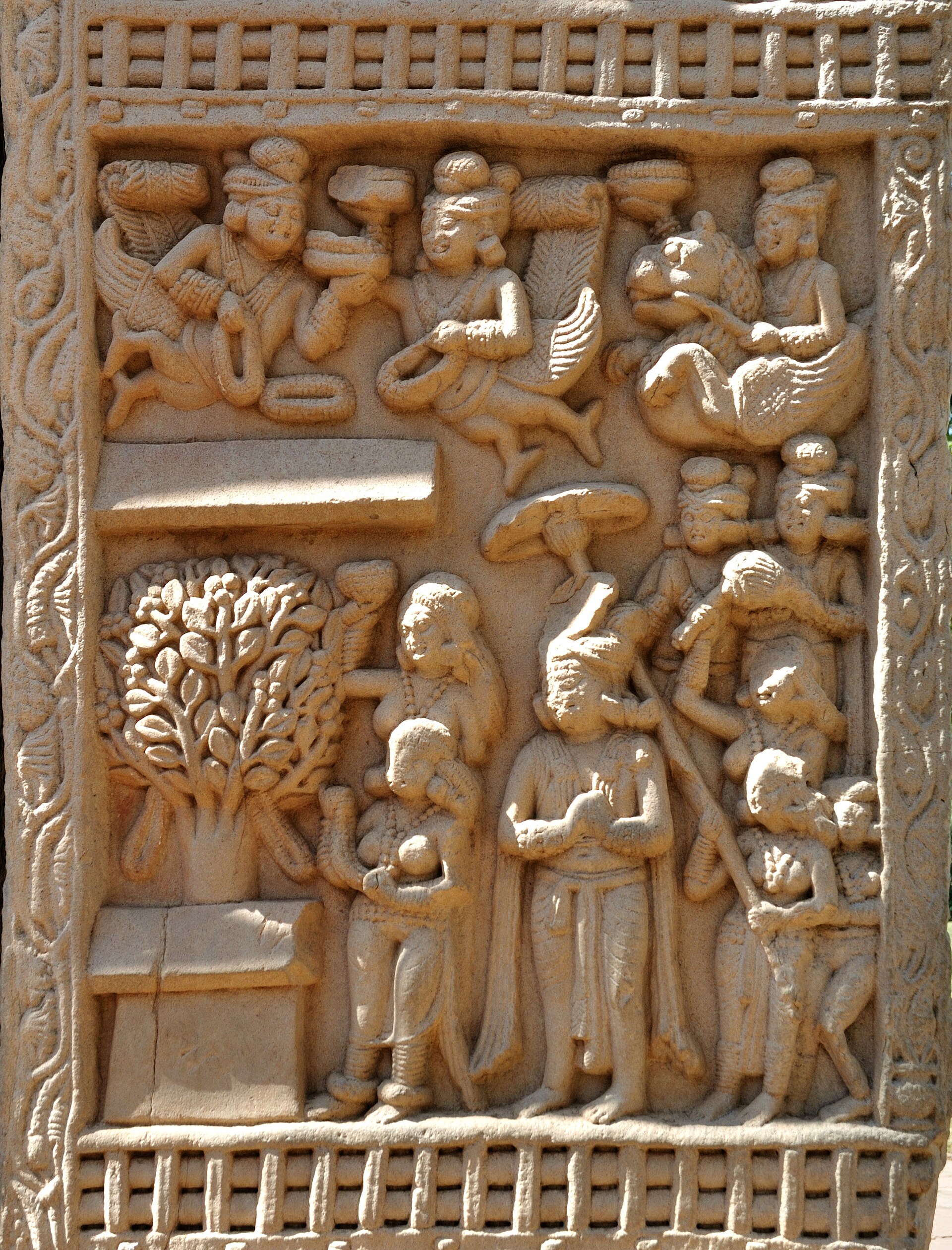
Wikimedia Commons · Creative Commons Attribution 3.0 Unported · file The traditional retreat chronology records the Buddha's return to the Shakya country and residence at Nigrodharama during his fifteenth rains retreat. Traditional fifteenth post-awakening year. Nigrodharama's exact location and ancient Kapilavastu's identification are uncertain; coordinates use Tilaurakot.
Returned to Rajagaha for the twentieth retreat
· Venu Vana, Rajgir, Bihar, India
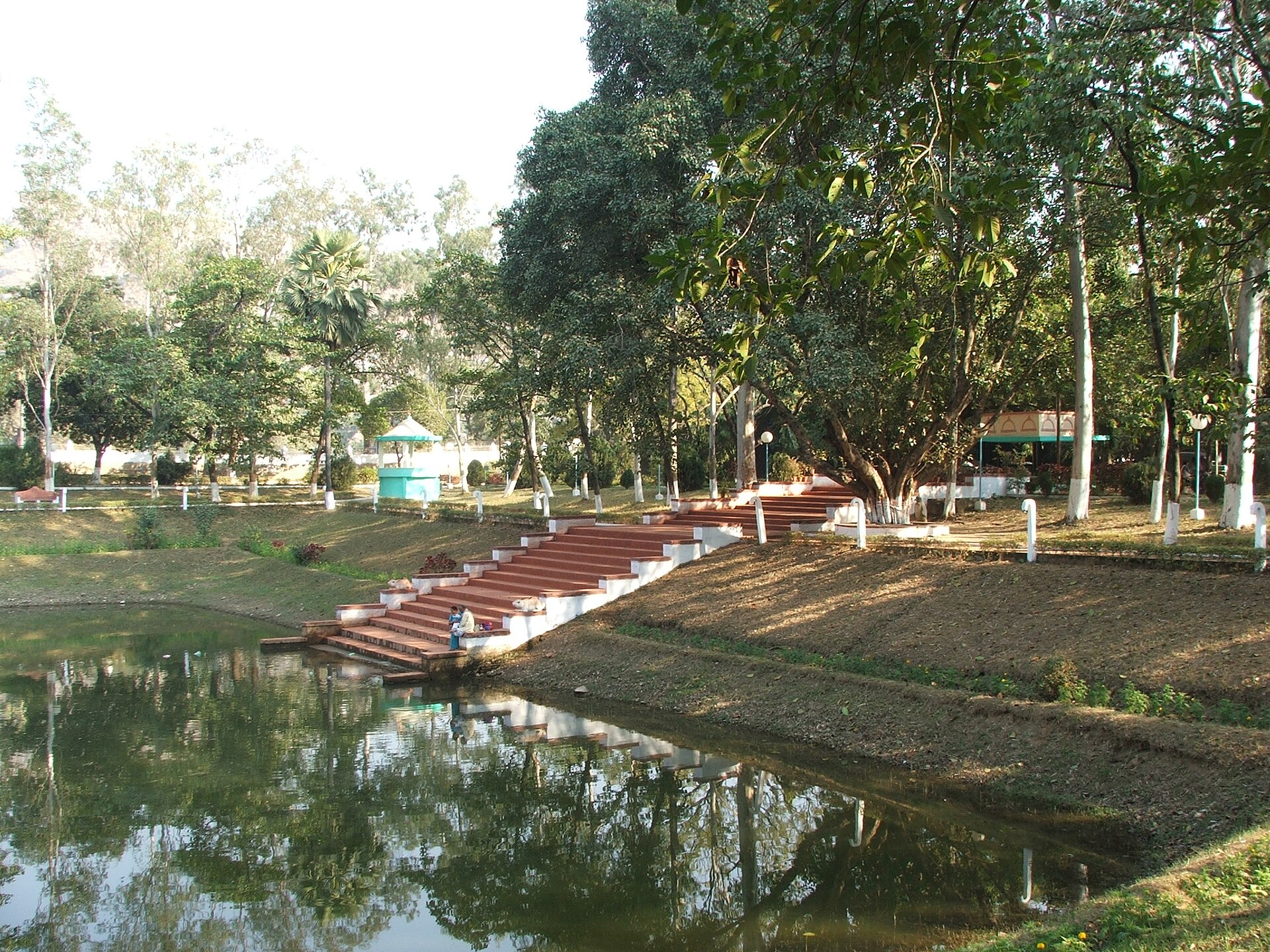
Wikimedia Commons · Creative Commons Attribution-Share Alike 2.5 Generic · file The Buddha returned to Magadha and stayed at Veluvana for the twentieth rains retreat, concluding the traditionally itinerant first phase of his ministry. Traditional twentieth post-awakening year. Coordinates mark modern Venu Vana, representing the ancient Bamboo Grove vicinity.
Began the long Savatthi residence cycle
· Jetavana, Saheth, Uttar Pradesh, India
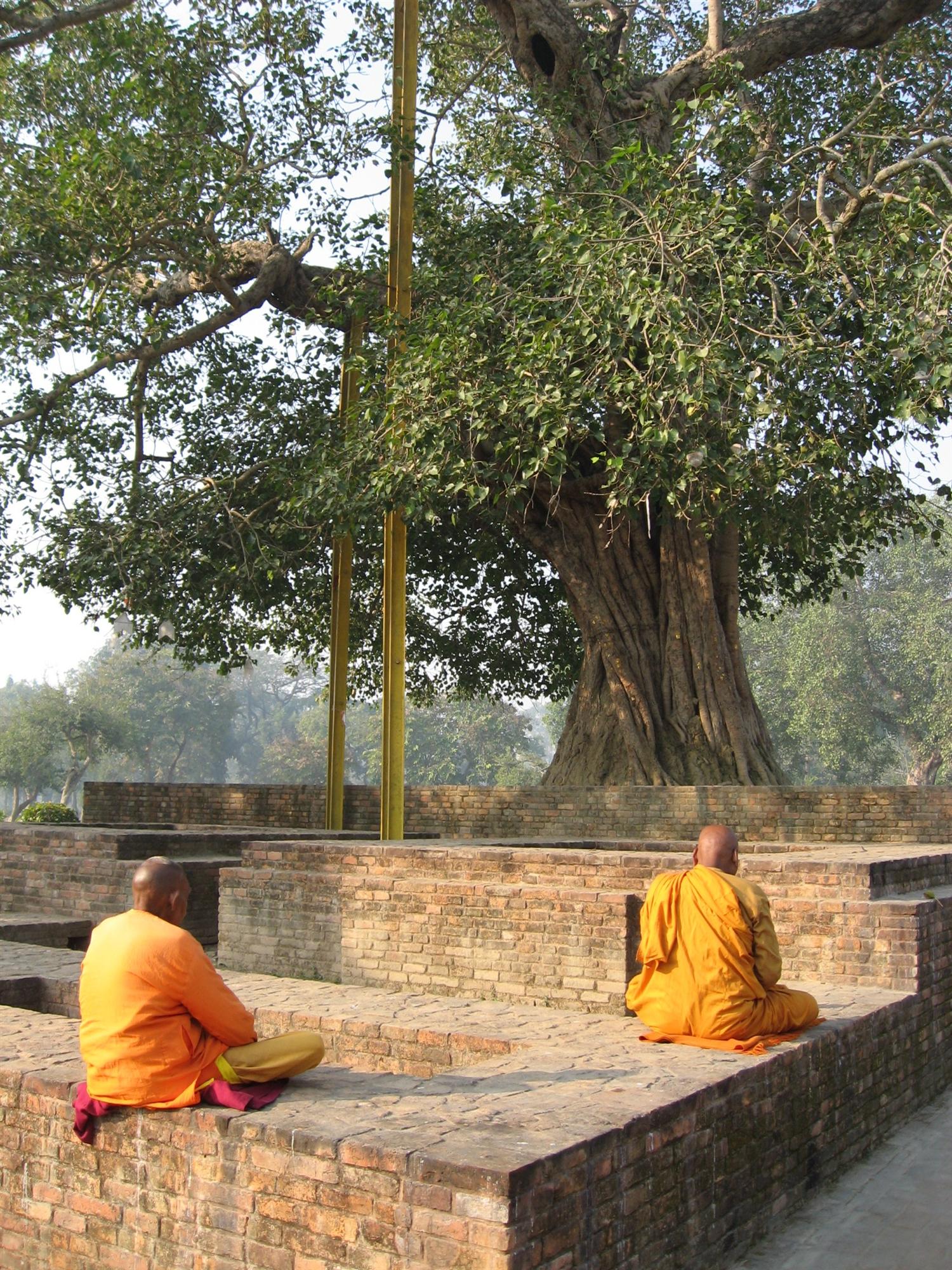
Wikimedia Commons · Creative Commons Attribution-Share Alike 2.5 Generic · file From the twenty-first through forty-fourth retreat years, tradition places the Buddha regularly at Jetavana and Pubbarama in Savatthi, making the city the principal center of his later ministry. Date marks the conventional twenty-first retreat; the quoted interval extends through the forty-fourth. Coordinates mark Jetavana, one of the two alternating residences.
Spent the final retreat at Beluva
· Beluva village vicinity, Vaishali, Bihar, India
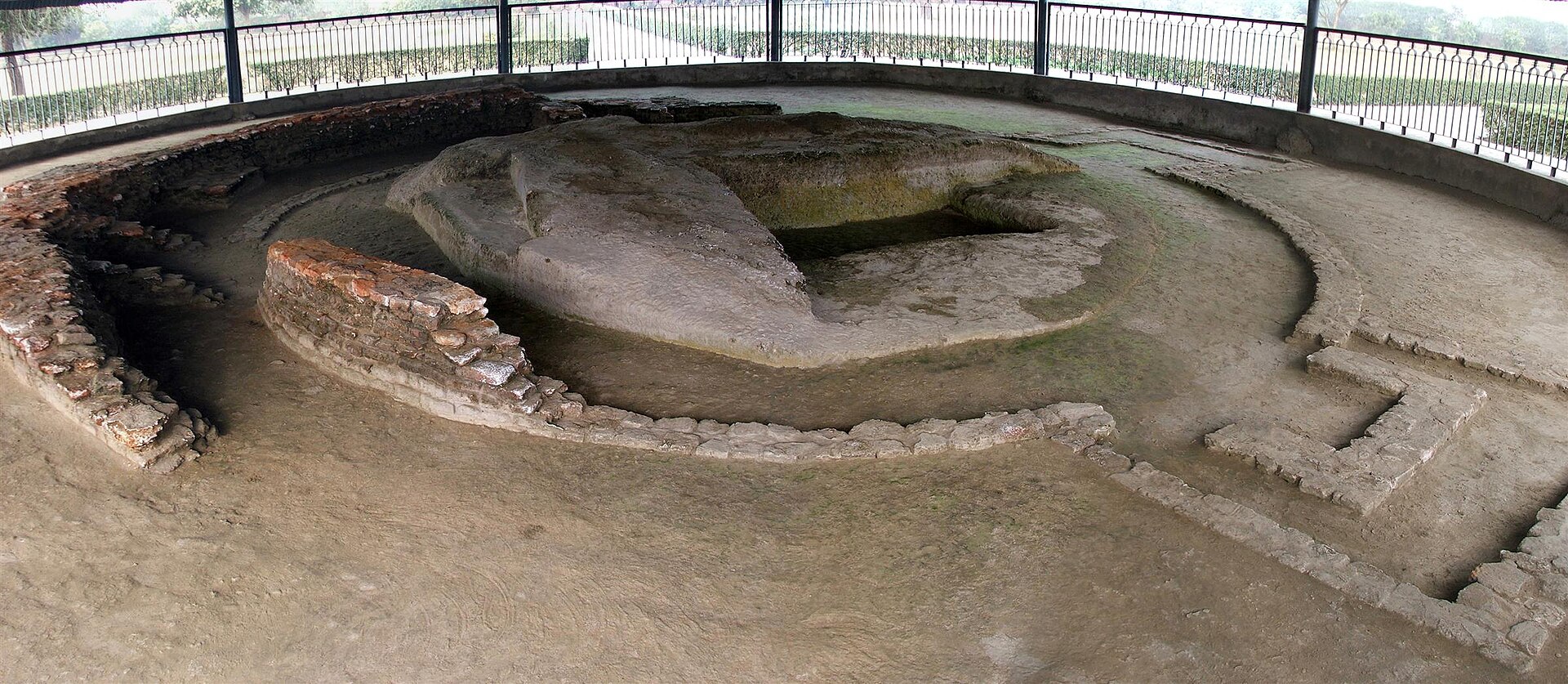
Wikimedia Commons · Creative Commons Attribution-Share Alike 2.5 Generic · file Near Vesali, the elderly Buddha entered his forty-fifth and final rains retreat at Beluva village and endured a severe illness. Traditional forty-fifth retreat year. Beluva's exact site is lost; coordinates are a representative point within ancient Vaishali.
Crossed the Kakkuttha River
· Khanua River vicinity, Kushinagar District, Uttar Pradesh, India
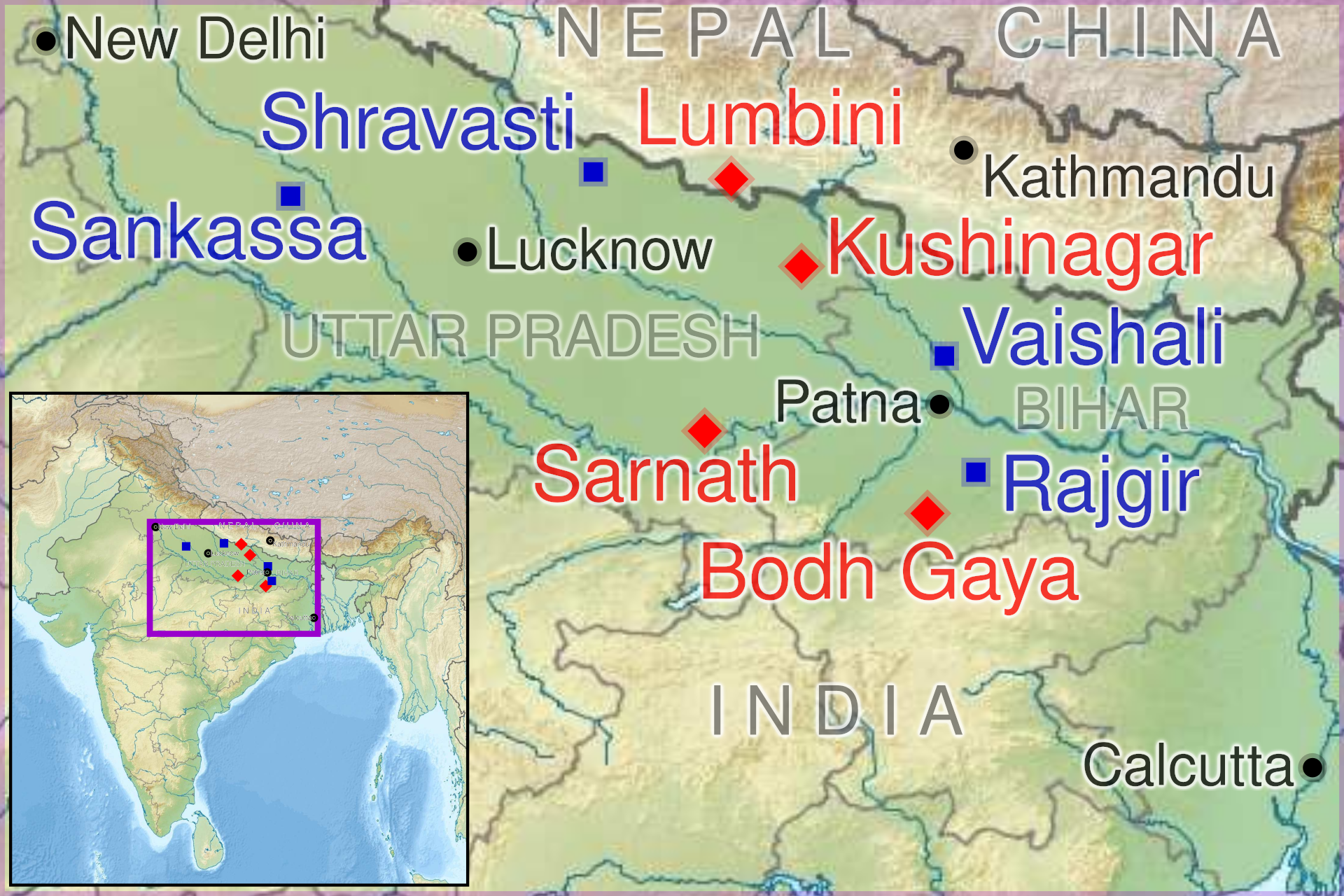
Wikimedia Commons · Creative Commons Attribution-Share Alike 4.0 International · file Though gravely ill after leaving Pava, the Buddha continued toward Kusinara and crossed the Kakkuttha, identified locally with the Khanua River. Traditional death year. The ancient crossing point is uncertain; coordinates are a representative point on the river corridor west of Kushinagar.
Died at Kushinagar
· Parinirvana Temple, Kushinagar, Uttar Pradesh, India
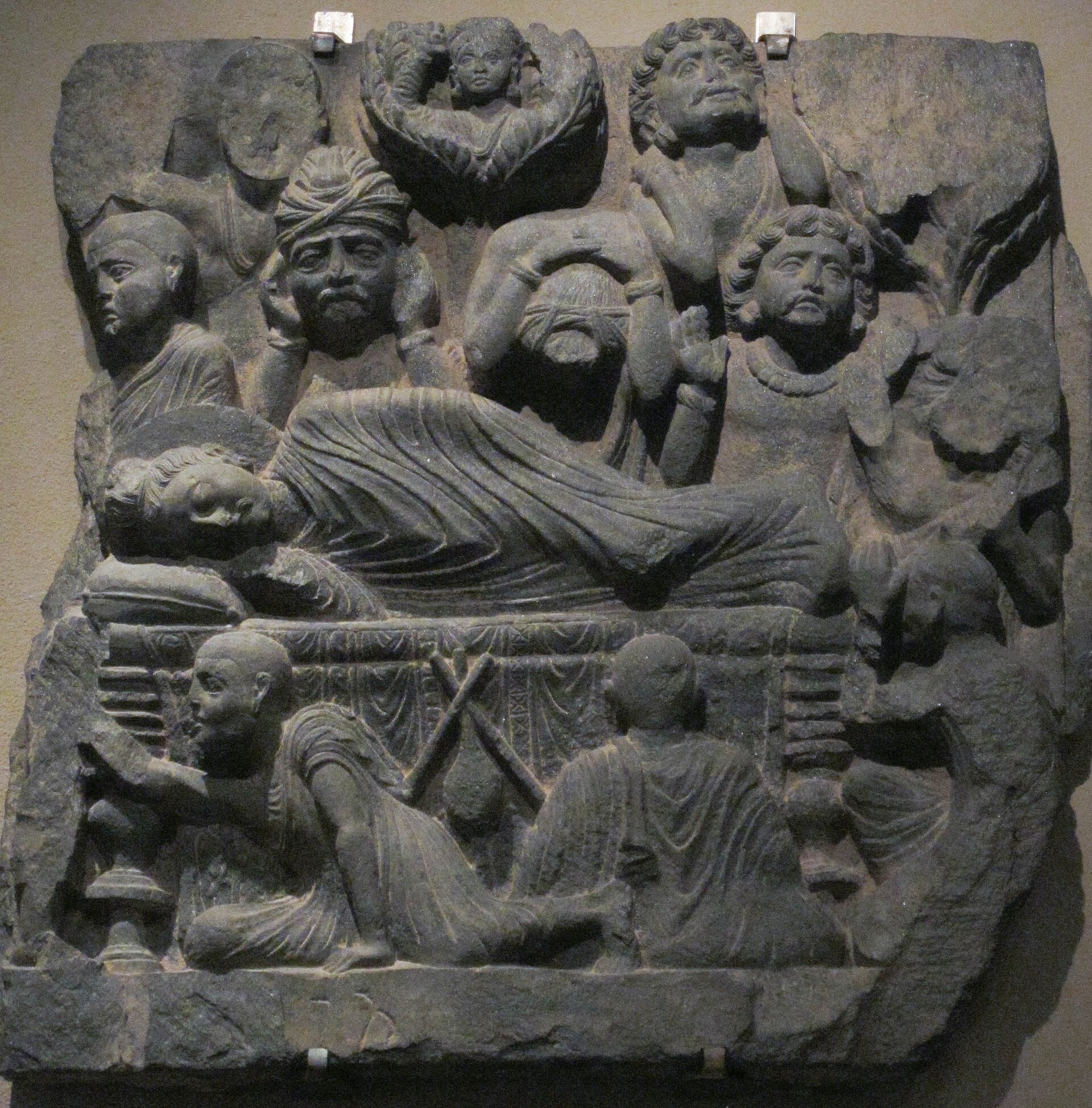
Wikimedia Commons · Creative Commons Attribution-Share Alike 4.0 International · file The Buddha reached the Mallas' sal grove at Kushinagar, entered final meditation, and attained parinirvana at about eighty years of age. Traditional death year; modern scholarship proposes substantially different dates. Coordinates mark the Parinirvana Temple and stupa complex.
Stayed in Cunda's grove at Pava
· Ancient Pava, Fazilnagar, Uttar Pradesh, India
During his final journey, the Buddha reached Pava and stayed in the mango grove of Cunda, who offered him his last meal. Assigned to the traditional death year because DN 16 narrates events in the year leading to his death. Ancient Pava is generally associated with the Fazilnagar area; exact grove coordinates are unknown.