
29 moments
Born at Trabzon
· Trabzon, Turkey
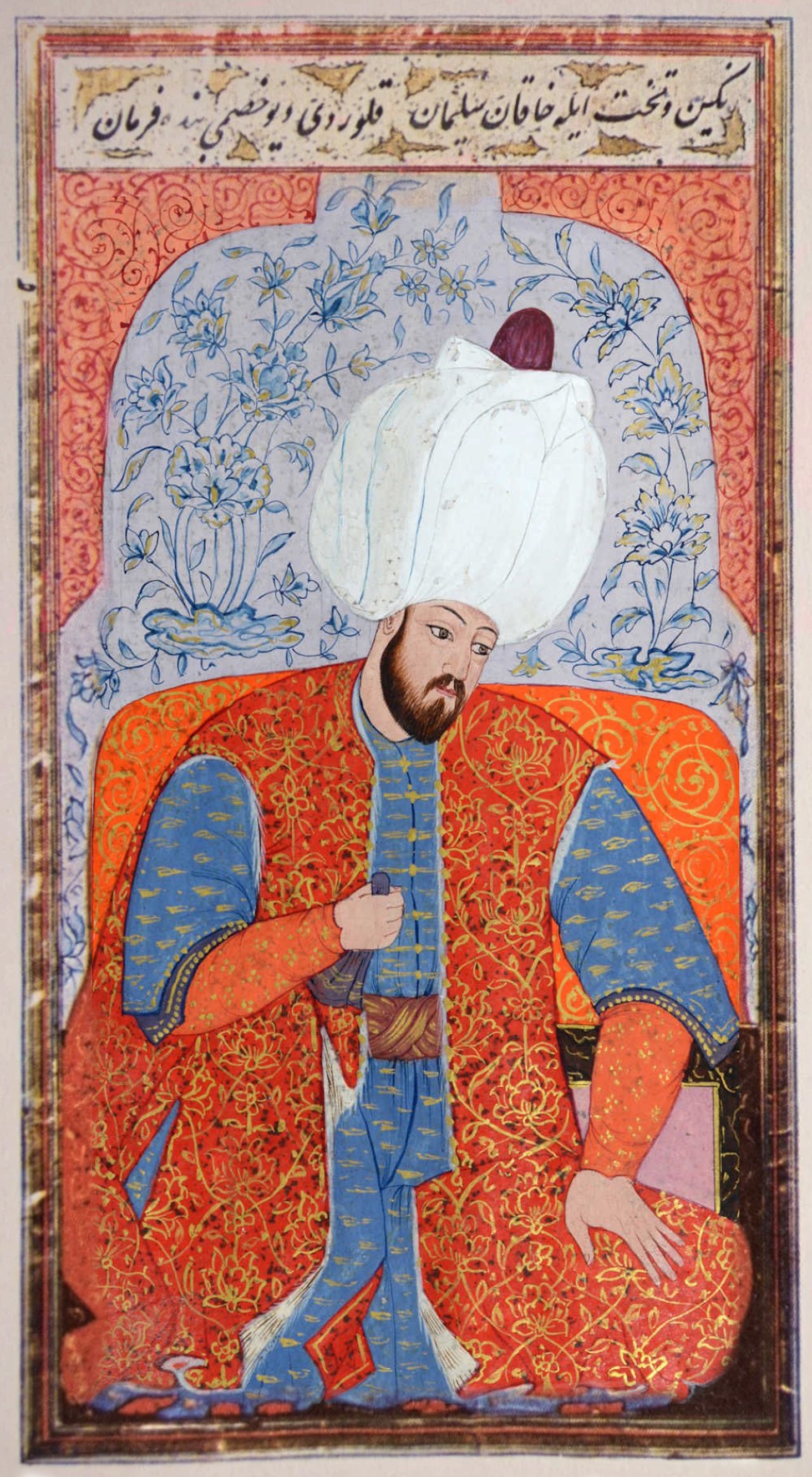
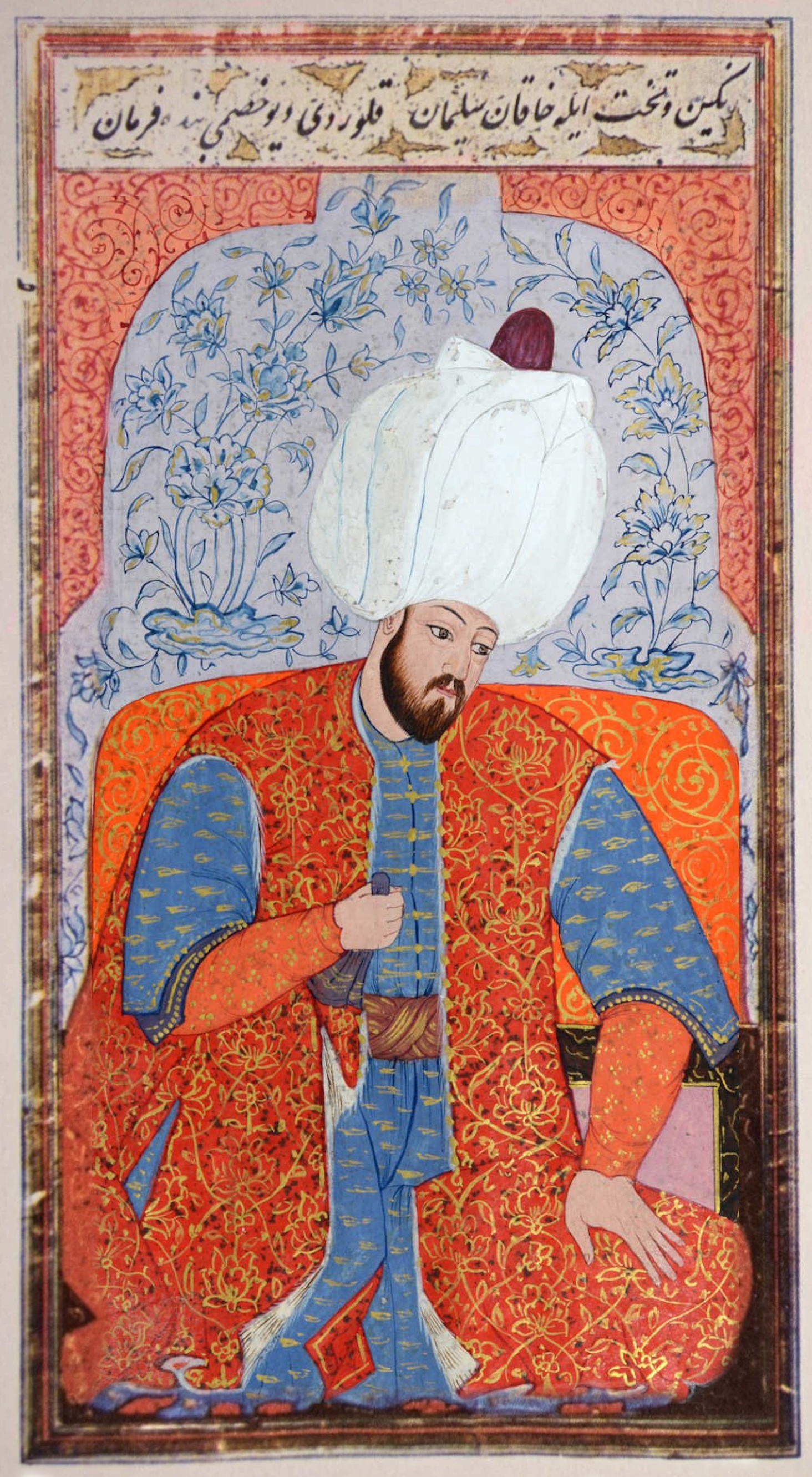
Wikimedia Commons · Public domain · file Suleiman was born at the Black Sea port of Trabzon, where his father Selim was an Ottoman prince and provincial governor. Wikipedia describes the conventional date as probable rather than conclusively documented; coordinates represent central Trabzon.
Conquers Šabac
· Šabac, Serbia
During his first major campaign as sultan, Suleiman personally took Šabac before the Ottoman advance shifted toward Belgrade. The source establishes the event in 1521 but supplies no more precise date for Suleiman's presence at Šabac.
Encircles Belgrade
· Belgrade Fortress, Belgrade, Serbia
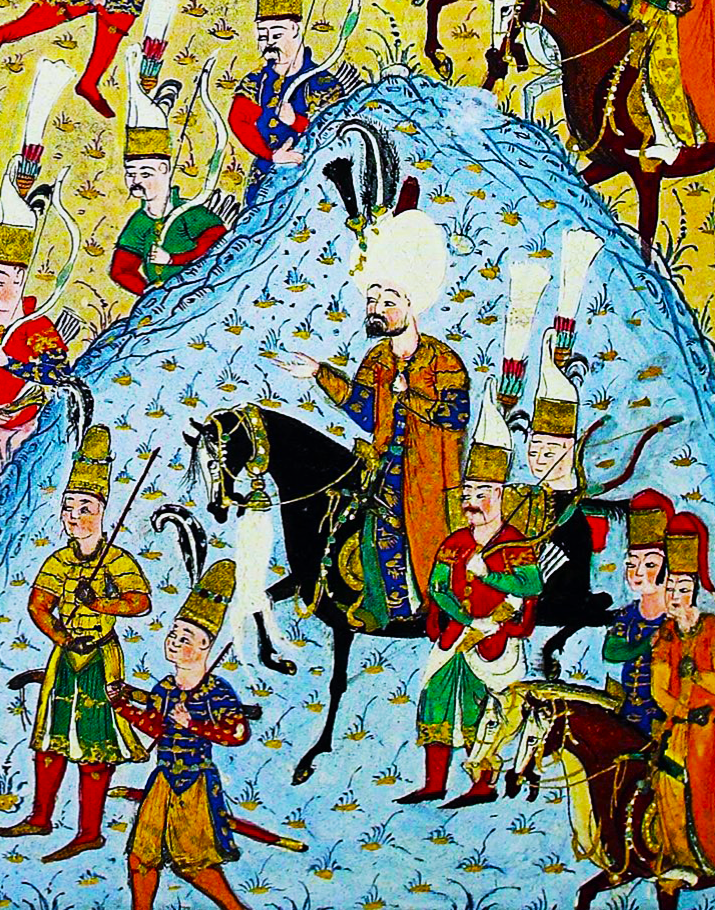
Wikimedia Commons · Public domain · file Suleiman reached and encircled Belgrade during the campaign that opened the Danube corridor toward Hungary. Coordinates identify Belgrade Fortress, the focus of the siege.
Takes personal charge at Rhodes
· Rhodes, South Aegean, Greece
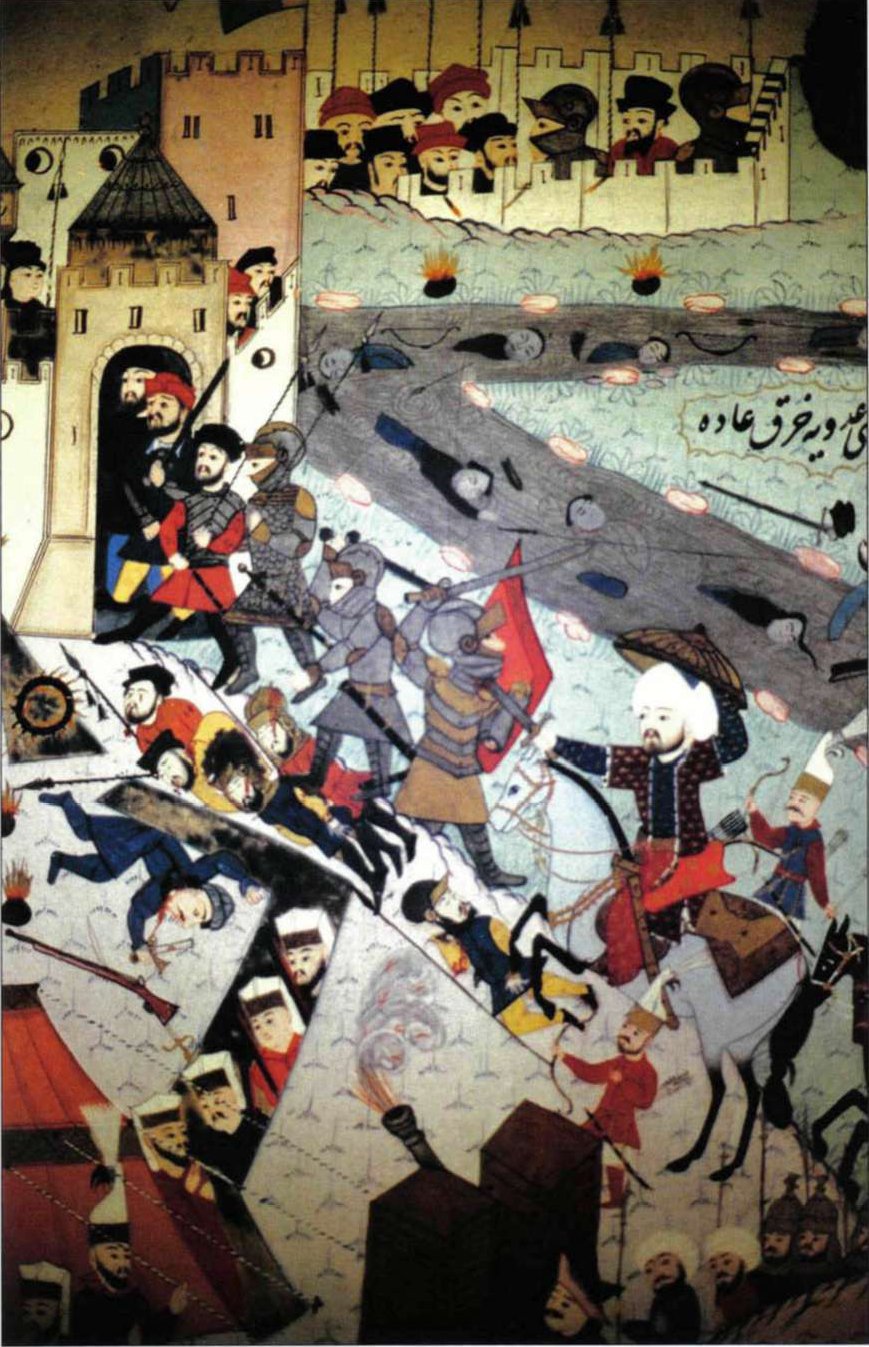
Wikimedia Commons · Public domain · file Suleiman landed on Rhodes with the main Ottoman army and assumed personal direction of the siege against the Knights Hospitaller. Coordinates represent the fortified city of Rhodes.
Advances into Buda
· Buda Castle, Budapest, Hungary
Wikimedia Commons · Public domain · file After Mohács, Suleiman continued north to Buda, which surrendered before Ottoman troops looted and burned parts of Buda and Pest. The source places this movement after the battle but does not give an exact arrival date.
Departs Constantinople for Hungary
· Constantinople (Istanbul), Turkey
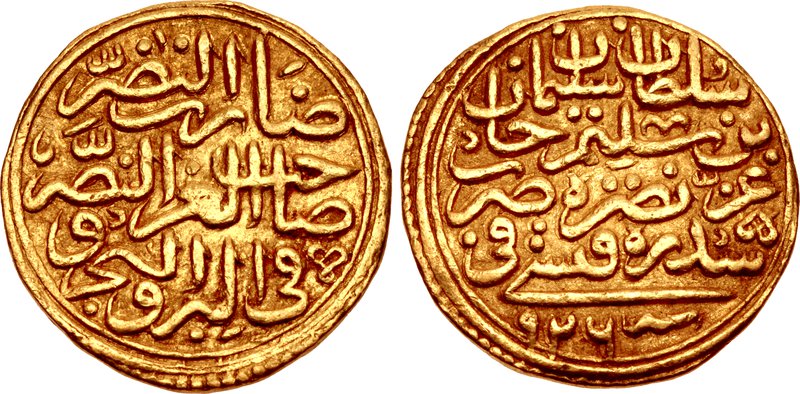
Wikimedia Commons · Public domain · file Suleiman left the imperial capital at the head of the campaign that culminated in the Battle of Mohács. Coordinates represent historic central Constantinople rather than a documented departure gate.
Commands at Mohács
· Mohács Battlefield, near Sátorhely, Hungary
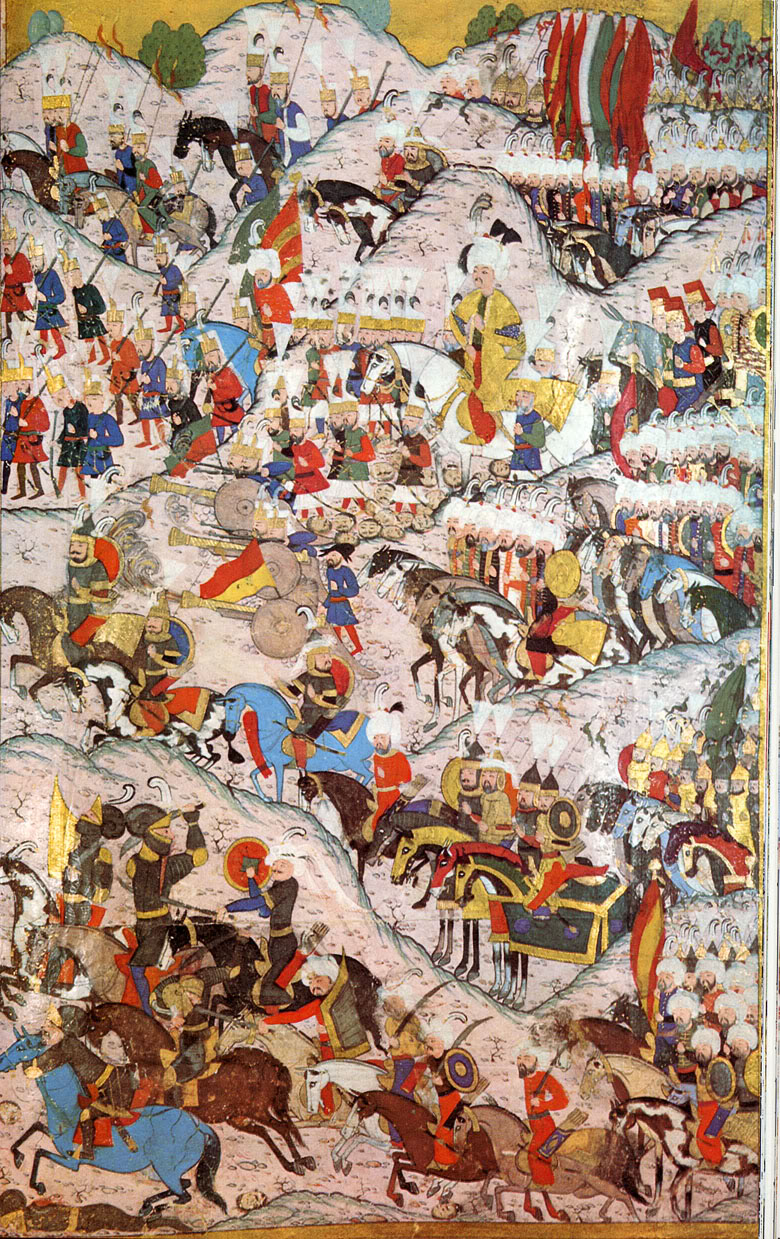
Wikimedia Commons · Public domain · file Suleiman commanded the Ottoman army in the decisive defeat of King Louis II, transforming the political geography of Hungary. Coordinates follow the battlefield point published in the linked battle article.
Besieges Vienna
· Vienna, Austria
Suleiman personally directed the first Ottoman siege of Vienna, the westernmost major objective of his 1529 campaign. The quotation uses an ellipsis to omit intervening text without changing its wording; coordinates represent Vienna's historic center.
Arrives at Osijek
· Osijek, Croatia
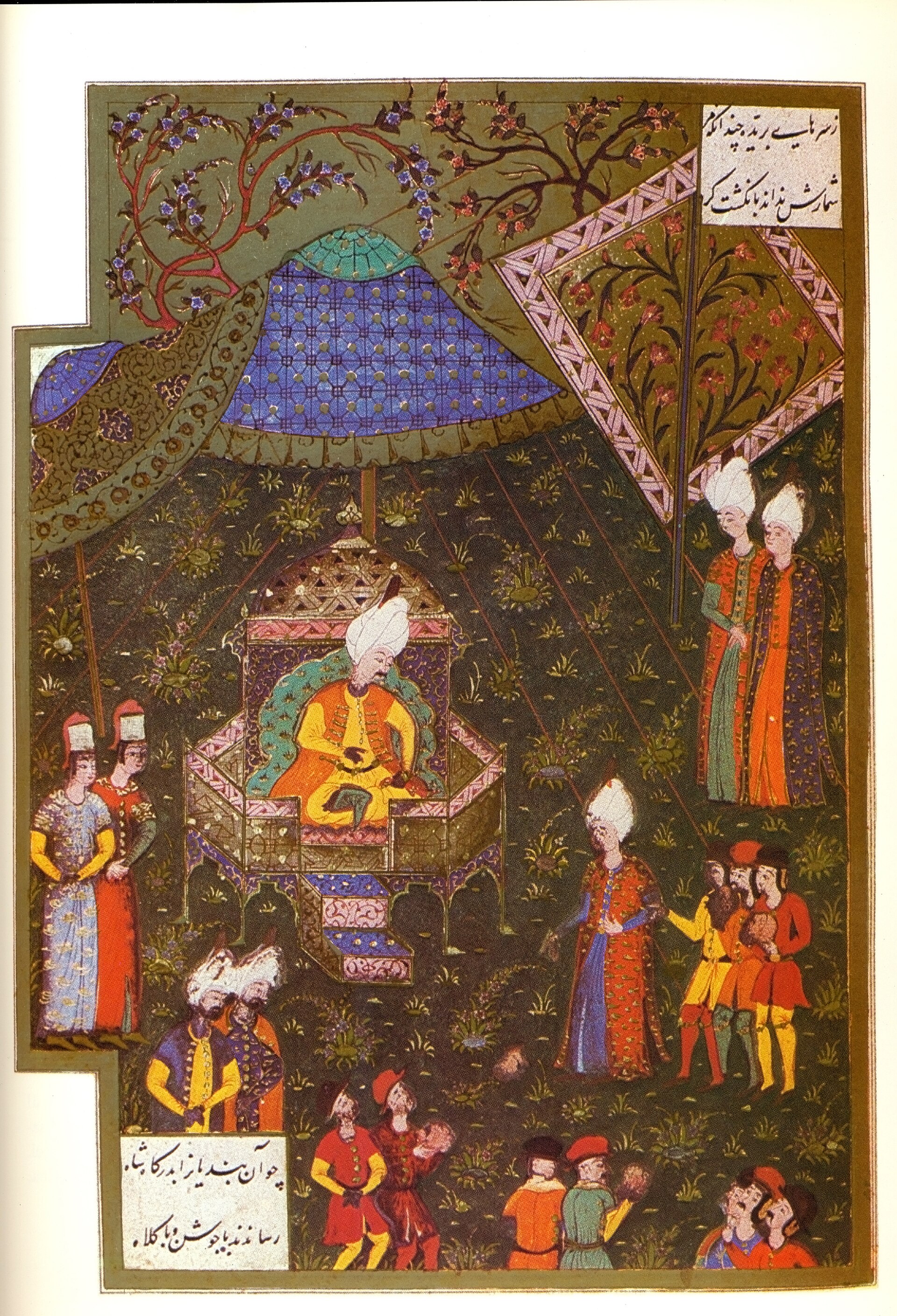
Wikimedia Commons · Public domain · file Suleiman reached Osijek during the difficult march through the Balkans and Hungary toward Buda and Vienna. The year 1529 is established by the campaign context.
Writes from Osijek
· Osijek, Croatia
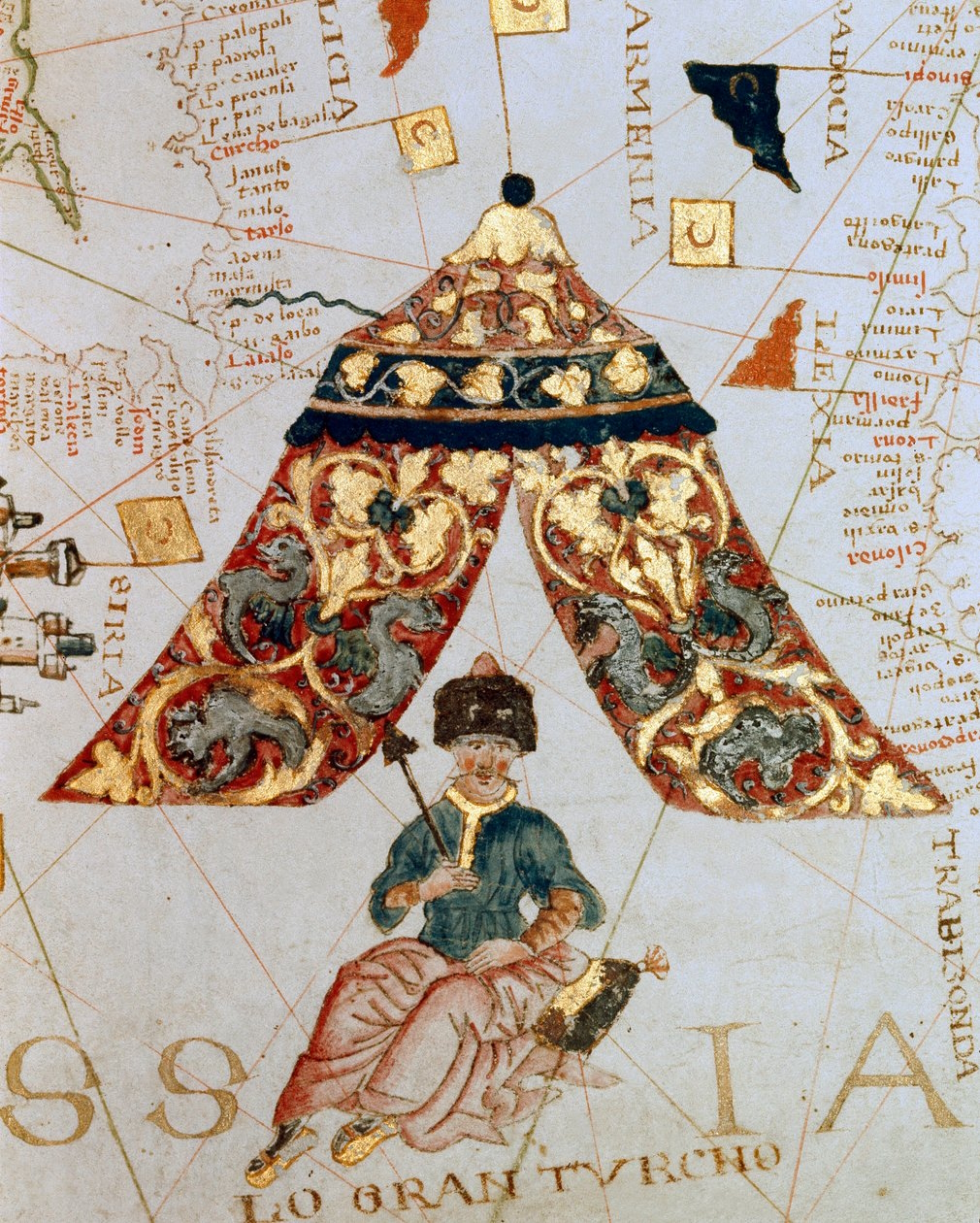
Wikimedia Commons · Public domain · file On his second westward campaign against the Habsburgs, Suleiman was at Osijek when he sent Ferdinand a letter announcing the Ottoman advance. The year 1532 is supplied by the section and campaign chronology.
Reaches Tabriz
· Tabriz, East Azerbaijan, Iran
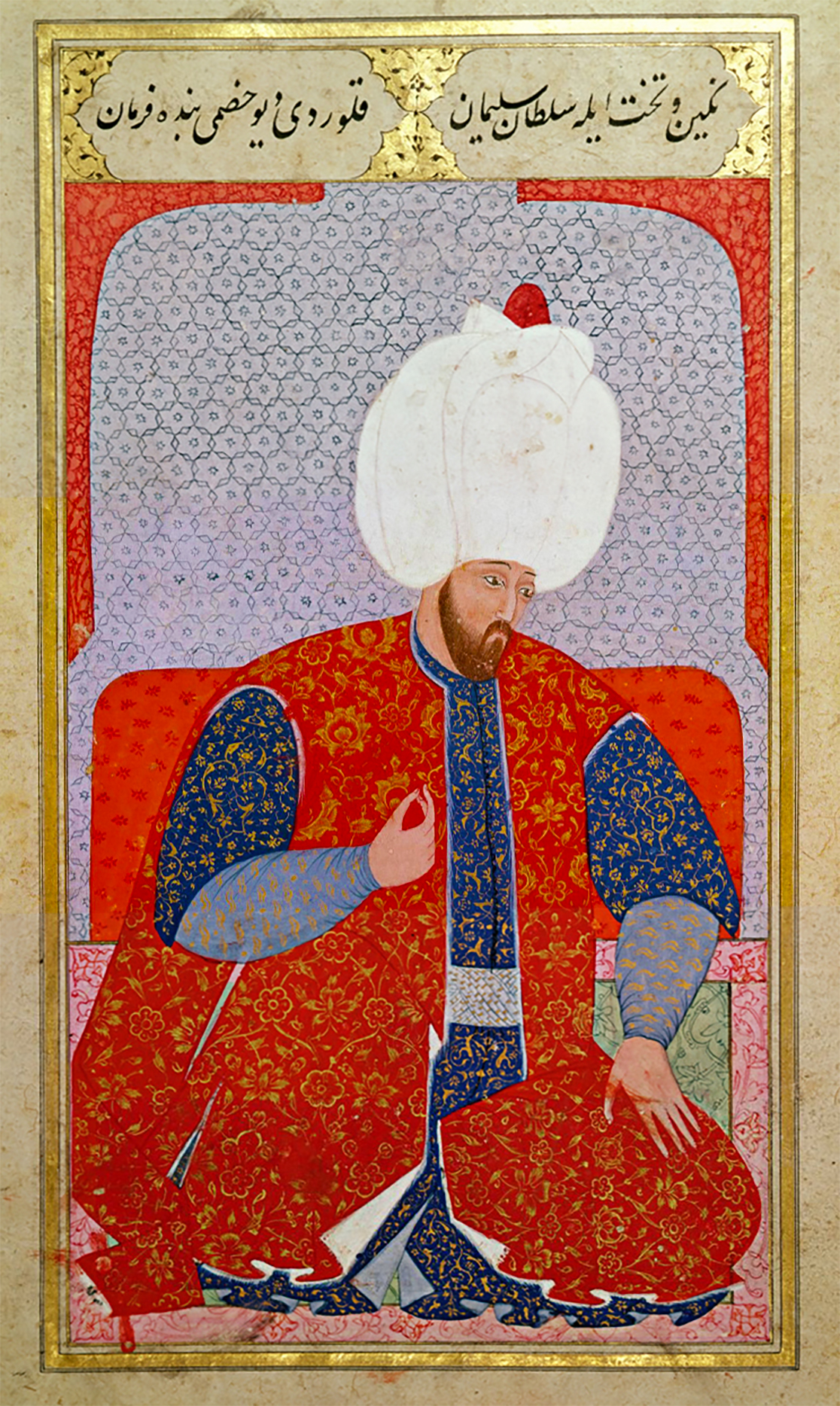
Wikimedia Commons · Public domain · file Suleiman arrived at the Safavid capital during the Campaign of the Two Iraqs after crossing Anatolia and the Armenian highlands. The quotation's subject is Sultan Suleiman in the immediately preceding clause of the campaign-diary summary; coordinates represent central Tabriz.
Enters Baghdad
· Baghdad, Iraq
Suleiman entered Baghdad after the Safavid administration abandoned it, establishing enduring Ottoman control over a major center of Iraq. Coordinates represent central historic Baghdad; the source preserves the grammatical form “1th.”
Leads the Corfu siege
· Corfu, Ionian Islands, Greece
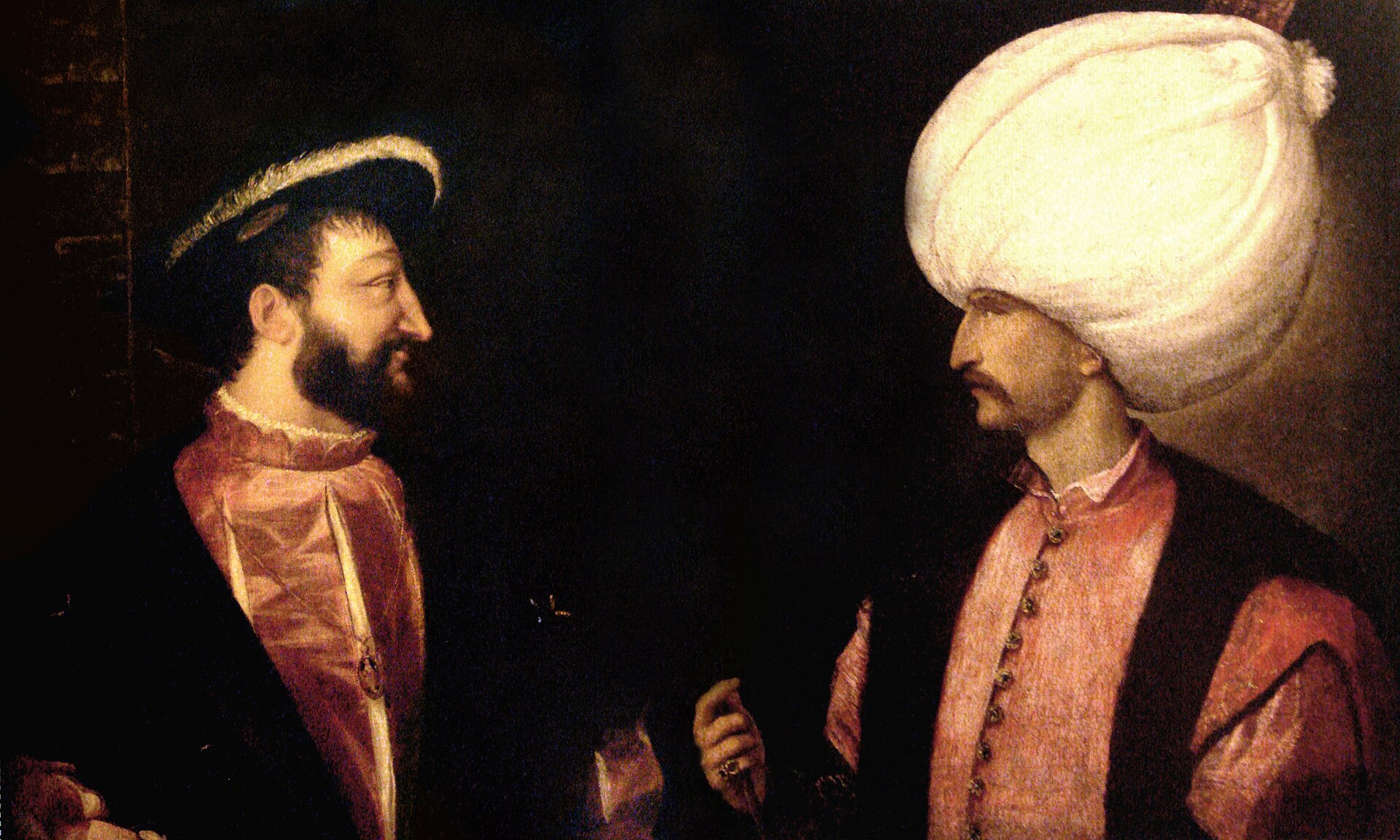
Wikimedia Commons · Public domain · file Suleiman personally led the unsuccessful Ottoman siege of Venetian-held Corfu during the Ottoman–Venetian War. Coordinates represent Corfu's old fortress and historic city.
Leaves Avlona for Corfu
· Vlorë (Avlona), Albania
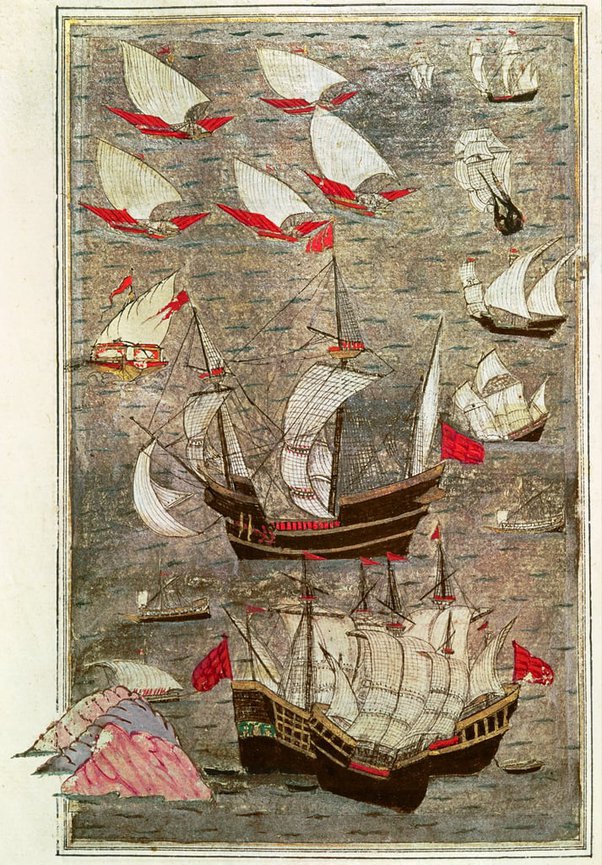
Wikimedia Commons · Public domain · file From the Ottoman naval concentration point at Avlona, Suleiman crossed toward Corfu to redirect the campaign against Venetian territory. The quotation preserves the source's typographical wording “leaft”; coordinates represent Vlorë harbor.
Besieges Suceava
· Suceava Fortress, Suceava, Romania
Suleiman and the combined Ottoman–Crimean forces reached Suceava, whose fortress surrendered during the campaign that deposed Petru Rareș. Coordinates identify the medieval fortress rather than the modern city center.
Reaches Buda with relief army
· Buda Castle, Budapest, Hungary
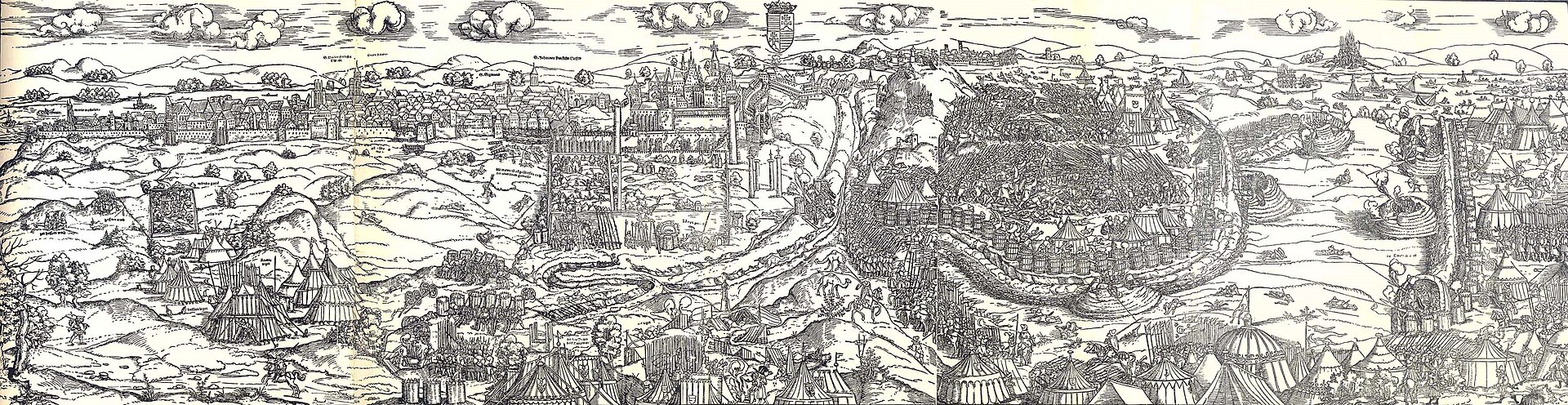
Wikimedia Commons · Public domain · file Suleiman personally brought the Ottoman relief force to Buda, defeating the Habsburg besiegers before converting central Hungary into an Ottoman province. The quotation uses an ellipsis to omit the army's Janissary count.
Prepares campaign at Edirne
· Edirne, Turkey
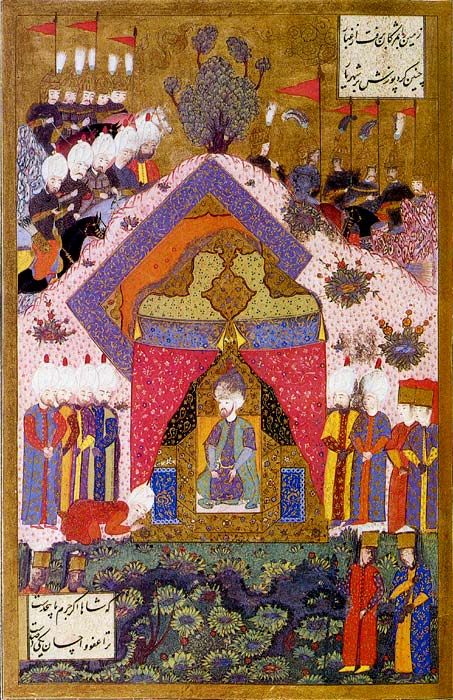
Wikimedia Commons · Public domain · file Following repeated Habsburg efforts against Buda and Pest, Suleiman relocated temporarily to Edirne to prepare another Hungarian campaign. Coordinates represent central Edirne; the exact residence is not specified.
Besieges Esztergom
· Esztergom Castle, Esztergom, Hungary
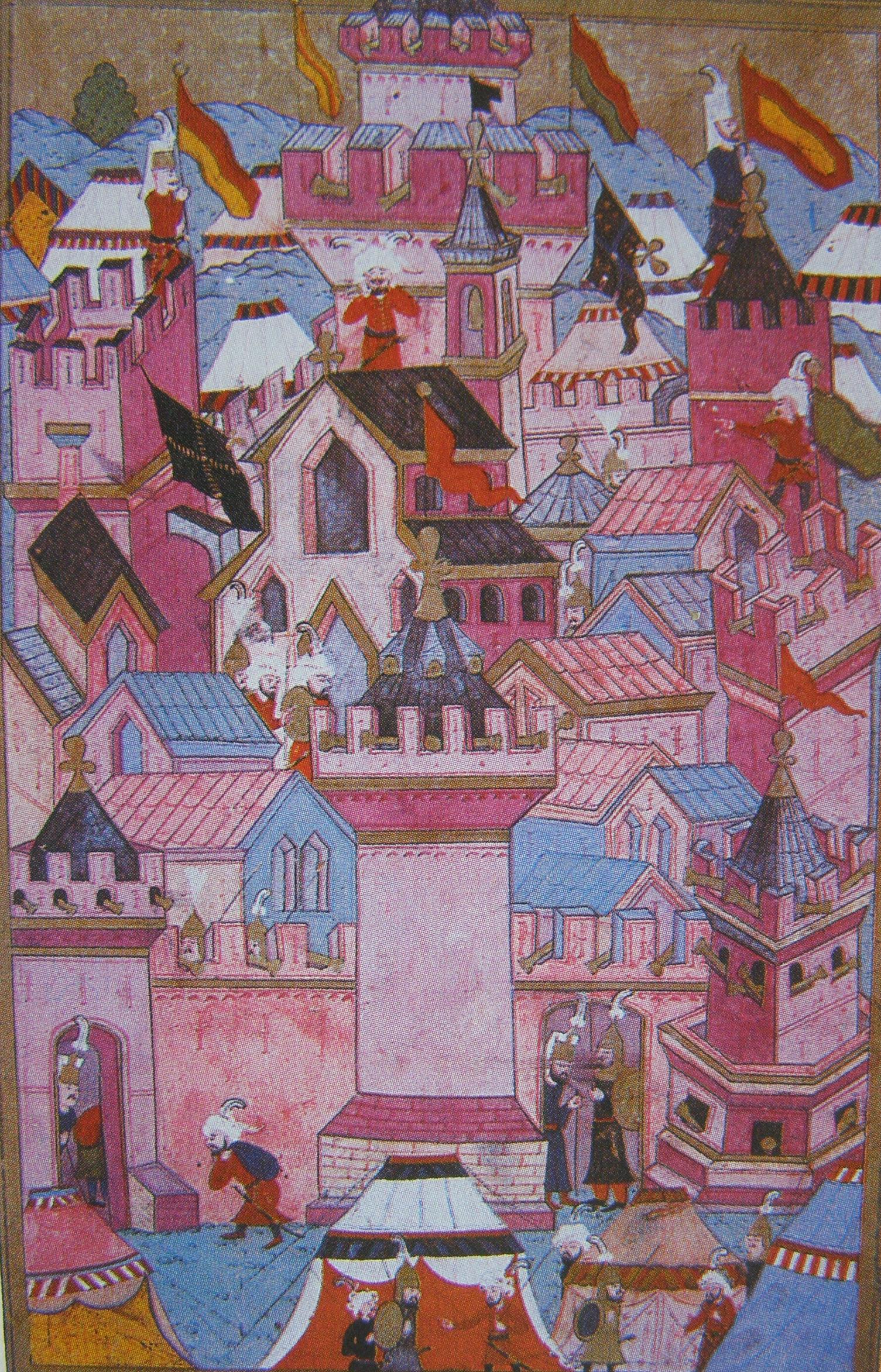
Wikimedia Commons · Public domain · file Suleiman led the Ottoman army at Esztergom, an important Danube fortress captured during his 1543 Hungarian campaign. The date records the beginning of the documented siege interval; coordinates identify Esztergom Castle.
Returns to Istanbul from Hungary
· Istanbul, Turkey
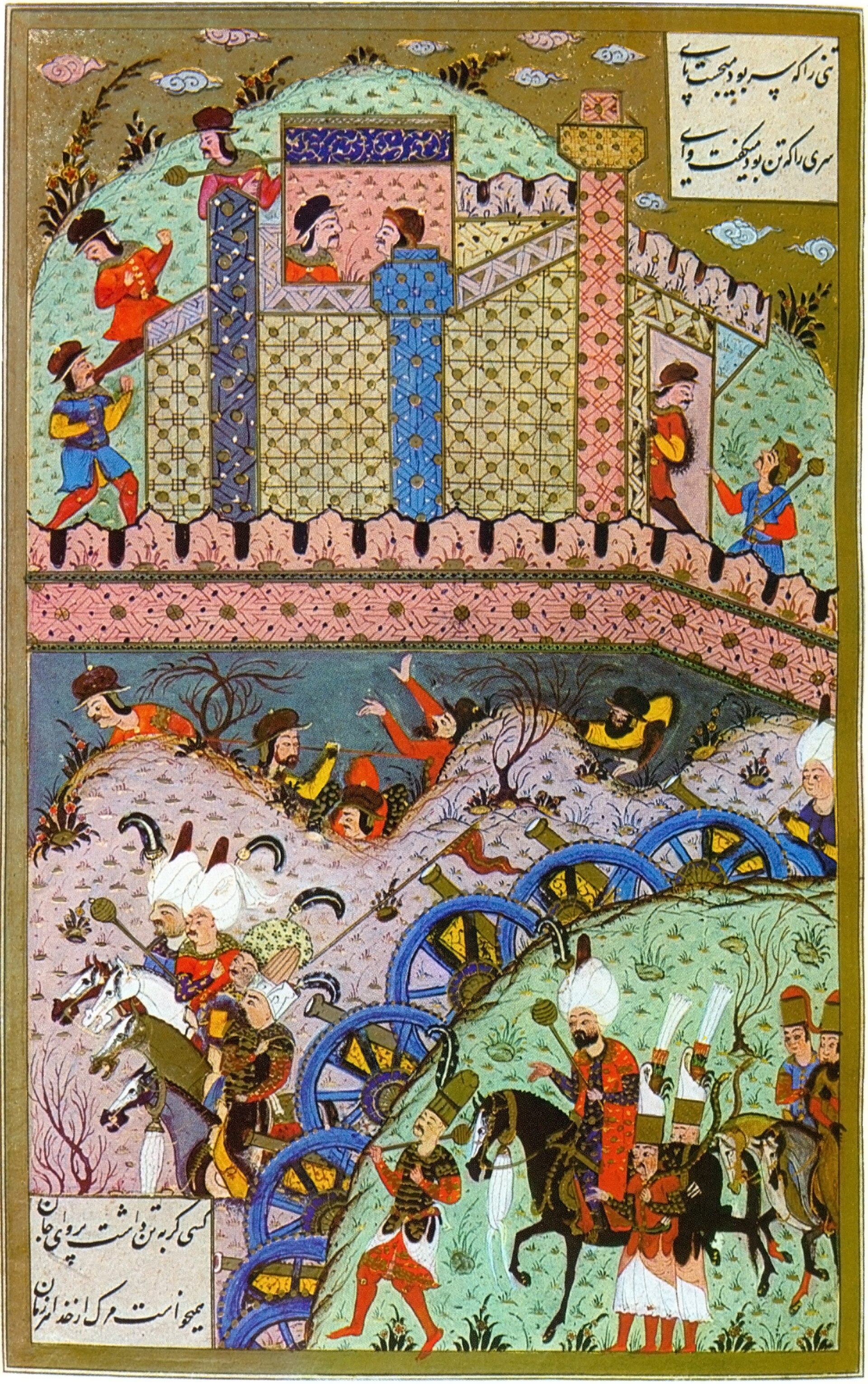
Wikimedia Commons · Public domain · file After moving back through Buda, Varadin, and Belgrade, Suleiman completed the 1543 campaign by returning to the imperial capital. Coordinates represent historic central Istanbul; the source spells his name “Suleyman.”
Returns to Tabriz
· Tabriz, East Azerbaijan, Iran
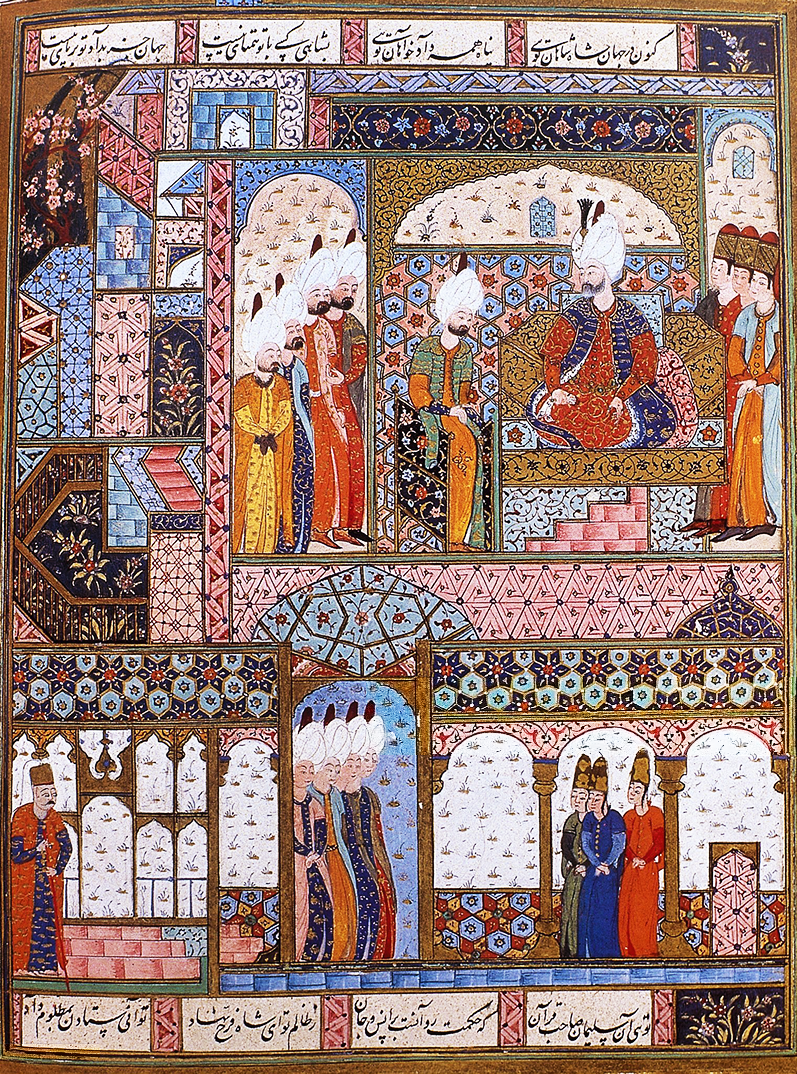
Wikimedia Commons · Public domain · file Suleiman reached an abandoned Tabriz during his second major eastern campaign, but Safavid scorched-earth measures made the occupation unsustainable. The source dates the arrival to summer 1548 but the quoted abstract does not give a day; coordinates represent central Tabriz.
Winters at Aleppo
· Aleppo, Syria
After withdrawing from the Van theater, Suleiman established his winter residence at Aleppo while subordinate forces operated elsewhere. The stay extended across the winter of 1548–1549; the required single date is given as 1548.
Directs the siege of Van
· Van Castle, Van, Turkey
Suleiman was present during the Ottoman siege of Van, where the accompanying French ambassador advised him on artillery placement. The page dates the siege to 25 August 1548; the quotation uses an ellipsis to omit explanatory text.
Departs Istanbul for final Safavid campaign
· Istanbul, Turkey
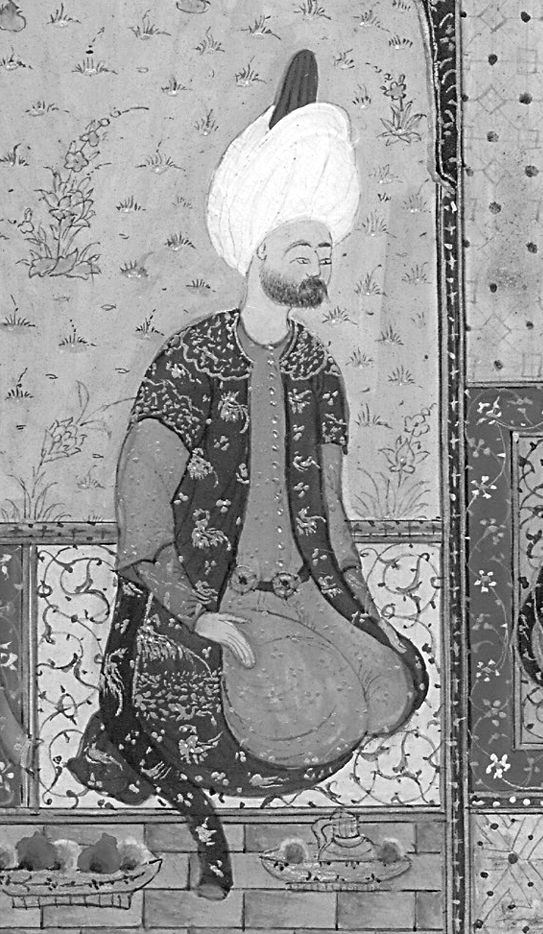
Wikimedia Commons · Public domain · file Suleiman left Istanbul with Grand Vizier Rüstem Pasha for the campaign that would continue through eastern Anatolia, Syria, and the Caucasus. Coordinates represent historic central Istanbul rather than the undocumented departure point.
Camps near Ereğli
· Ereğli, Konya Province, Turkey
Suleiman established his imperial camp near Ereğli, where Prince Mustafa arrived for the audience that preceded his execution. Coordinates represent Ereğli; the exact imperial campsite near the town is not securely identified.
Advances through Karabakh
· Karabakh, Azerbaijan
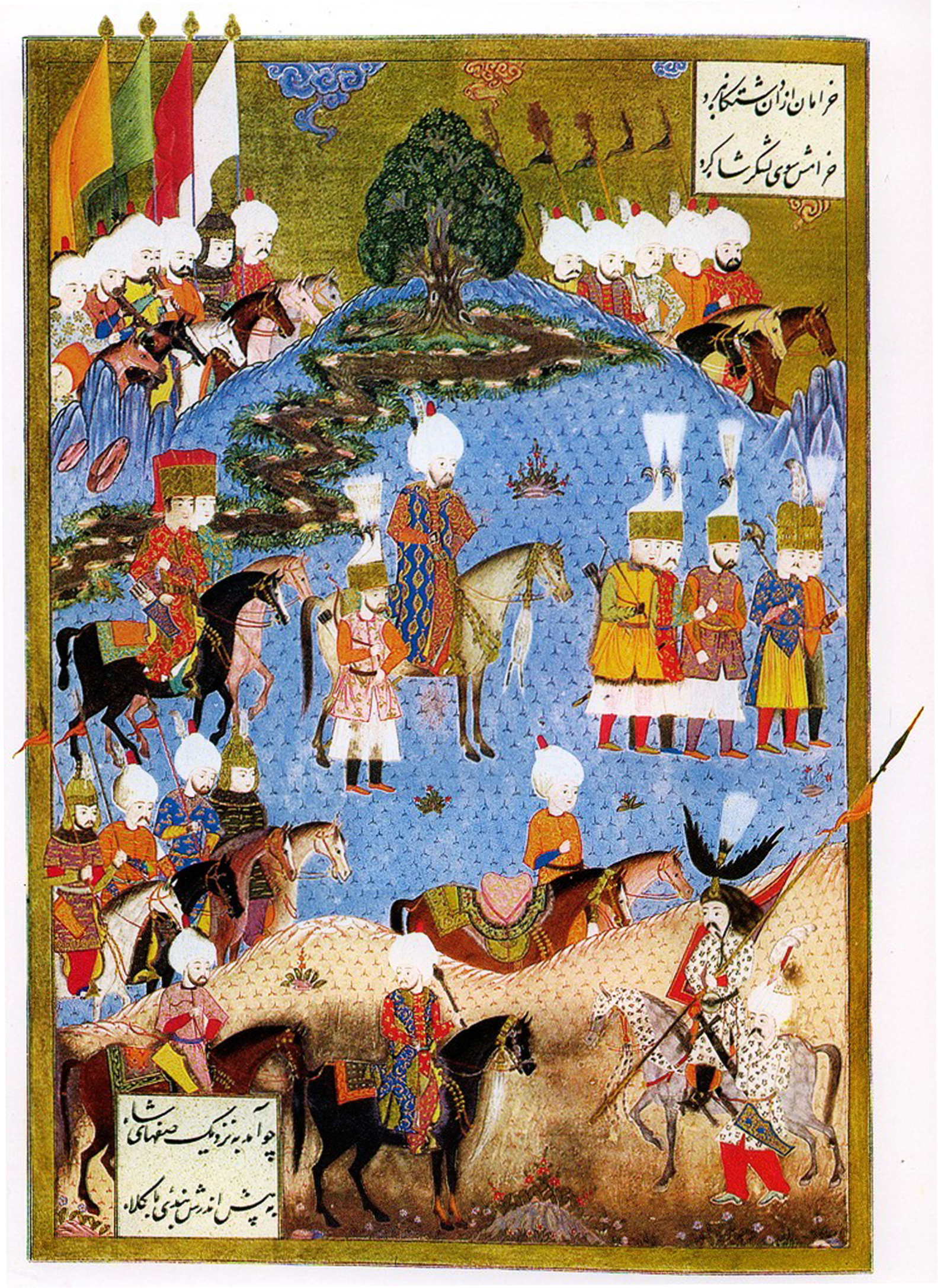
Wikimedia Commons · Public domain · file During the last phase of the Ottoman–Safavid war, Suleiman advanced into Karabakh while Shah Tahmasp continued to avoid a set-piece engagement. Karabakh is a broad historical region; coordinates are a representative regional point and the source supplies only the year-level campaign chronology.
Marches in Nakhchivan
· Nakhchivan, Azerbaijan
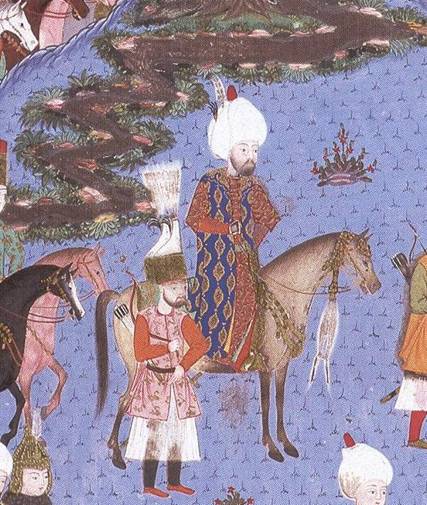
Wikimedia Commons · Public domain · file Suleiman's army entered Nakhchivan during the summer campaigning season, marking the eastern reach of his final Safavid expedition. The evidence is an identifying historical-image caption; coordinates represent Nakhchivan city rather than a specified marching position.
Concludes peace at Amasya
· Amasya, Turkey
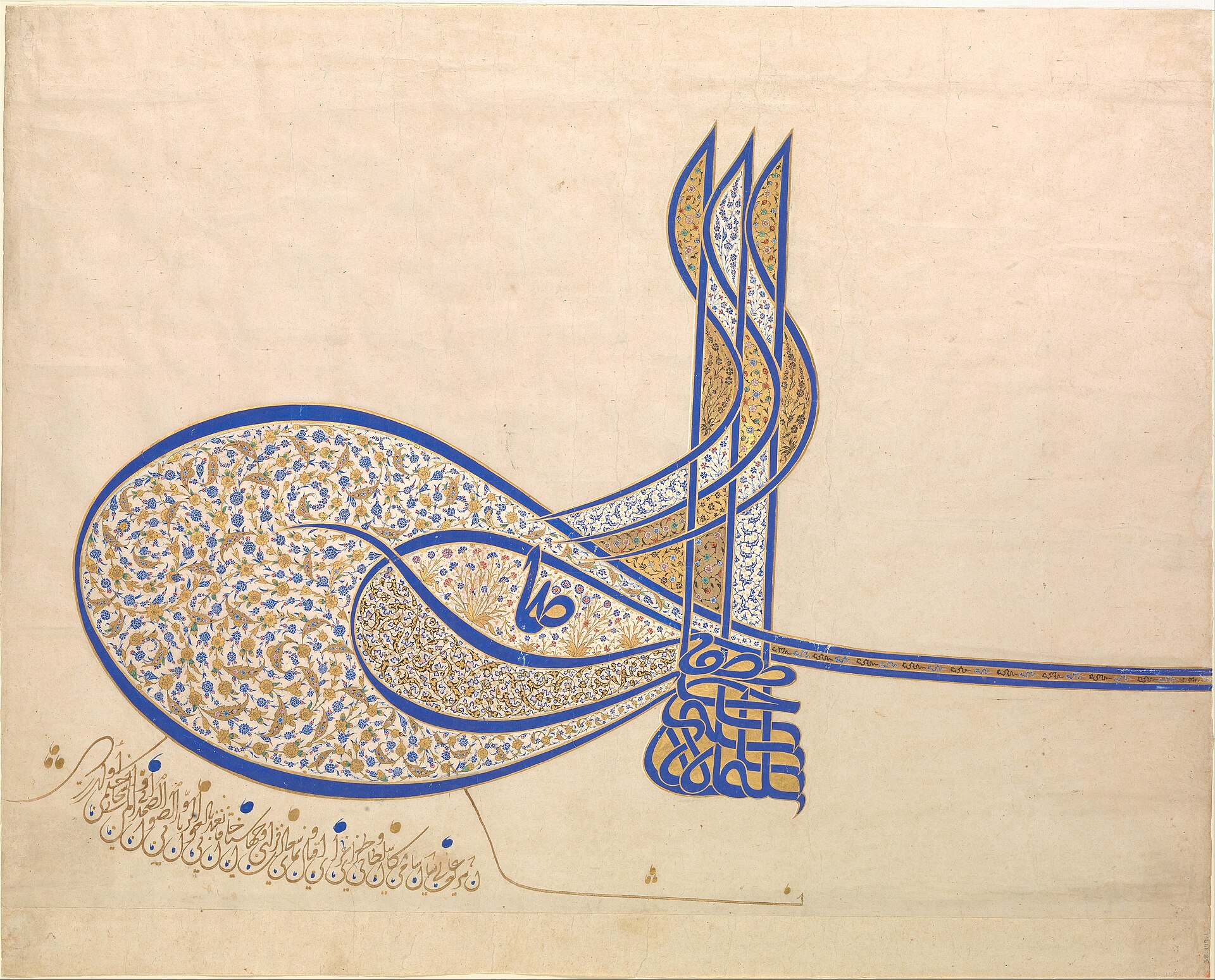
Wikimedia Commons · CC0 1.0 Universal Public Domain Dedication · file At Amasya, Suleiman concluded the first formal Ottoman–Safavid peace, defining spheres of control in Iraq, Armenia, and Georgia. Ellipses omit translations and state titles; the precise venue within Amasya is not identified.
Leaves Constantinople on final campaign
· Constantinople (Istanbul), Turkey
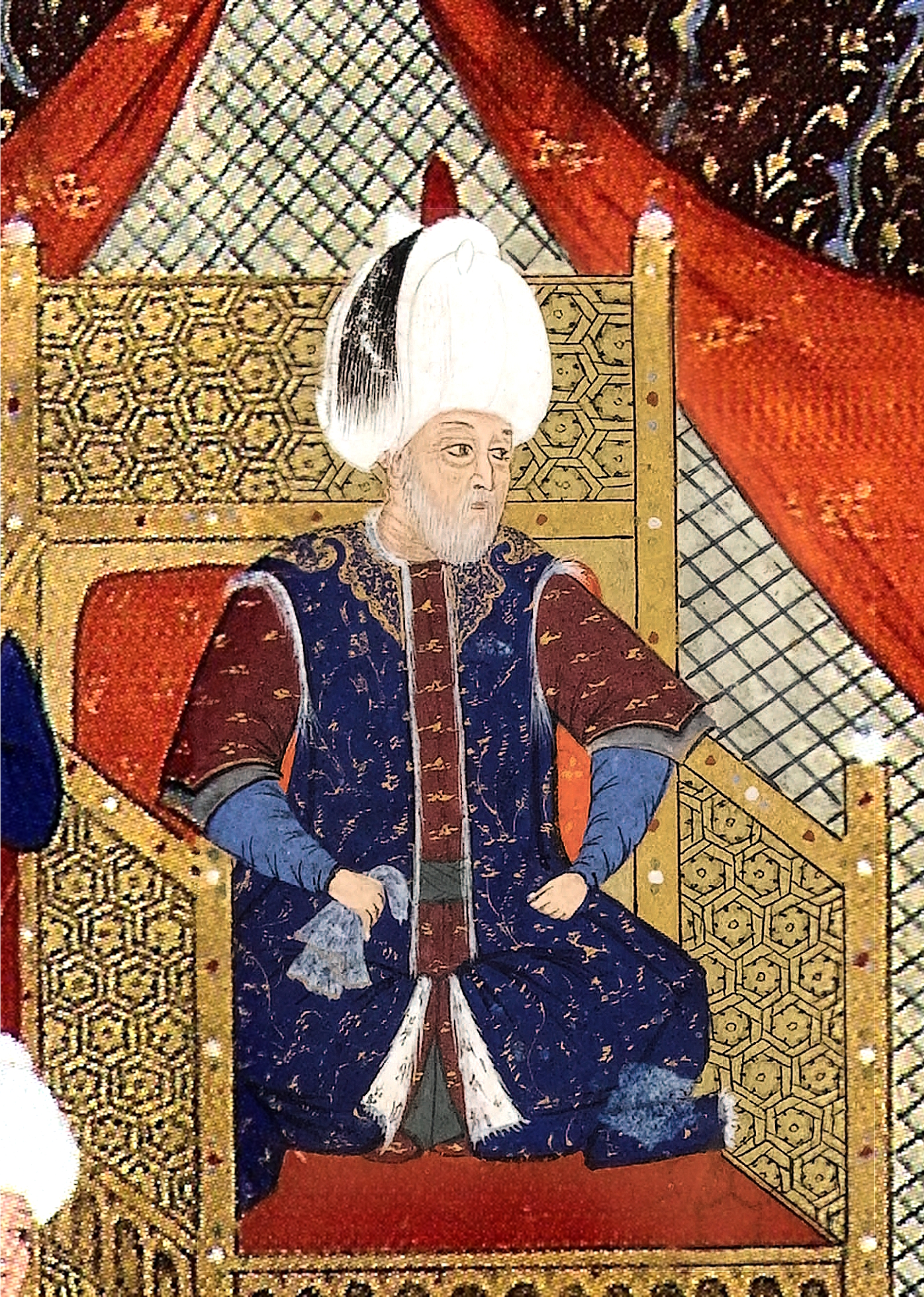
Wikimedia Commons · Public domain · file Despite advanced age and severe gout, Suleiman left the capital at the head of his thirteenth and final imperial campaign. Coordinates represent historic central Constantinople rather than a documented departure gate.
Dies during the Szigetvár siege
· Ottoman siege camp, Szigetvár, Hungary
Suleiman died in the Ottoman siege camp one day before Szigetvár fell. His death was concealed temporarily to preserve army cohesion. The campaign table dates his death to 6 September 1566; coordinates represent Szigetvár because the exact tent location is not conclusively established.