
32 moments
Born at Shivneri Fort
· Shivneri Fort, Junnar, Maharashtra, India
Wikimedia Commons · Creative Commons Attribution-Share Alike 4.0 International · file Shivaji was born at the hill-fort of Shivneri near Junnar. The fort and its surrounding Pune-region landscape formed the geographical setting of his earliest life. Coordinates identify Shivneri Fort; modern sources differ over calendrical interpretation of the birth date, while 19 February 1630 is the date officially accepted in Maharashtra.
Lives at Lal Mahal in Pune
· Lal Mahal, Pune, Maharashtra, India
Wikimedia Commons · Creative Commons Attribution-Share Alike 4.0 International · file After Shahaji arranged for his family to move to Pune, the young Shivaji lived at the newly built Lal Mahal. The residence became a central location in his formative years. The source dates the family move to Pune to 1642; coordinates are the present Lal Mahal site.
Enters Jawali
· Jawali, Satara district, Maharashtra, India
Wikimedia Commons · Public domain · file During the campaign against the More rulers of Jawali, Shivaji moved through Mahabaleshwar and personally entered the Jawali valley. The conquest opened an important route between the Deccan plateau and Konkan. Jawali is a valley/region rather than a single point; coordinates are a representative point in present-day Jaoli taluka. The same source gives 15 January 1656 for the entry.
Raids Junnar
· Junnar, Maharashtra, India
Wikimedia Commons · Public domain · file Shivaji personally participated in the Mughal-border raid on Junnar, scaling the city walls during a night attack. The action marked an escalation of his conflict with Mughal possessions in the northern Pune region. The source supports the year but not a securely recoverable day in the quoted passage; settlement coordinates are used.
Meets Afzal Khan below Pratapgad
· Pratapgad Fort, Satara district, Maharashtra, India
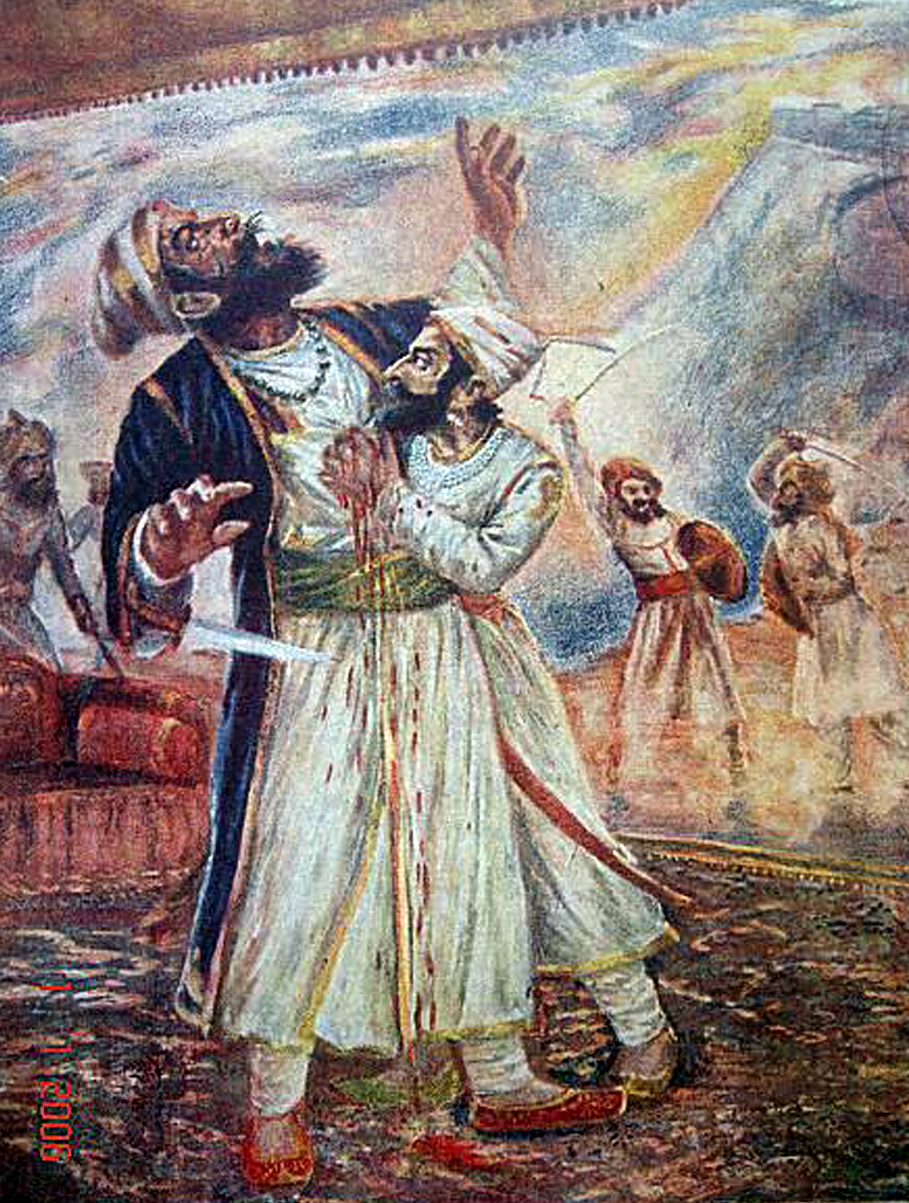
Wikimedia Commons · Public domain · file Shivaji met Bijapur general Afzal Khan below Pratapgad in the confrontation that ended with Khan's death and a major Maratha victory. The encounter transformed Shivaji's regional standing. Coordinates are the fort; the meeting and battle took place below its ramparts, so the point is representative of the immediate battlefield area.
Besieged at Panhala
· Panhala Fort, Kolhapur district, Maharashtra, India
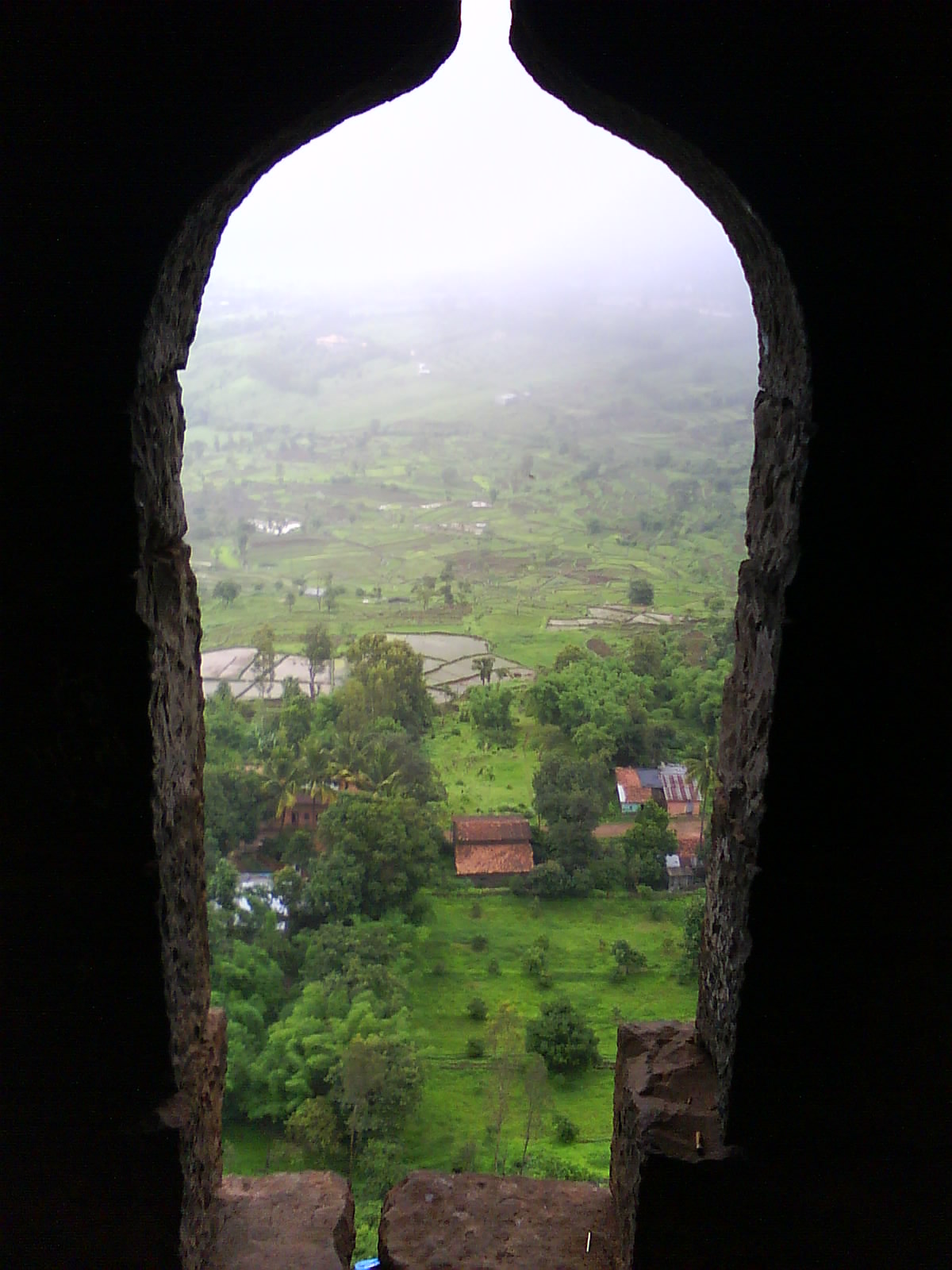
Wikimedia Commons · Creative Commons Attribution-Share Alike 4.0 International · file During Siddi Jauhar's campaign, Shivaji was driven into Panhala and remained trapped there through a prolonged siege. He even made a midnight visit to Jauhar under safe conduct before returning to the fort. The quoted visit occurred during the 1660 siege; the source does not give a precise day for this episode.
Reaches Vishalgad after escaping Panhala
· Vishalgad Fort, Kolhapur district, Maharashtra, India
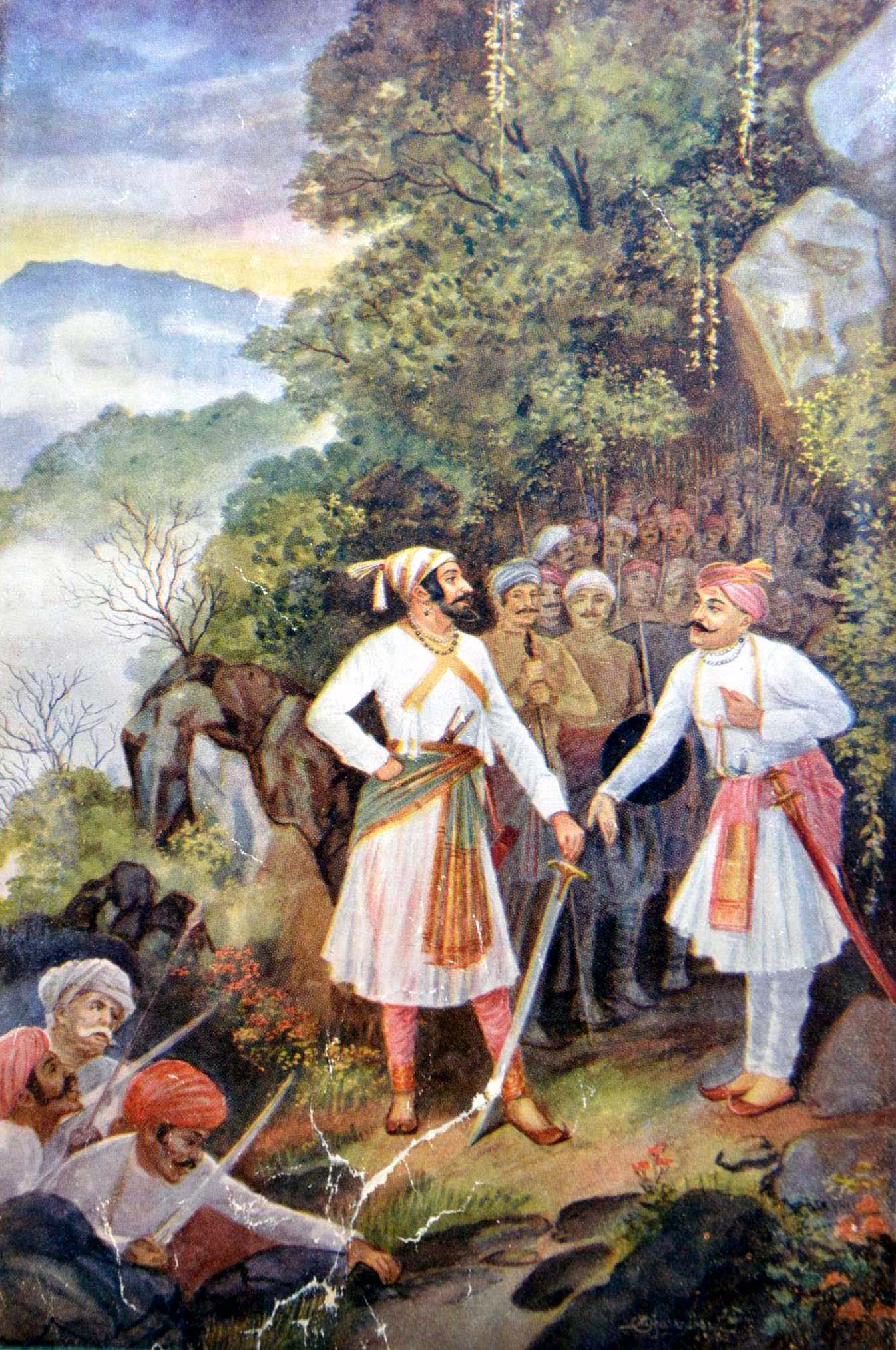
Wikimedia Commons · Public domain · file Shivaji escaped the encirclement of Panhala and reached Vishalgad while Baji Prabhu Deshpande and a rear guard delayed pursuit at Ghod Khind. His arrival at Vishalgad completed one of the best-known forced movements of his career. Older chronologies sometimes give a September date for the Panhala withdrawal; this card follows the cited modern synthesis and is therefore assigned slightly reduced confidence.
Raids Lal Mahal in Pune
· Lal Mahal, Pune, Maharashtra, India
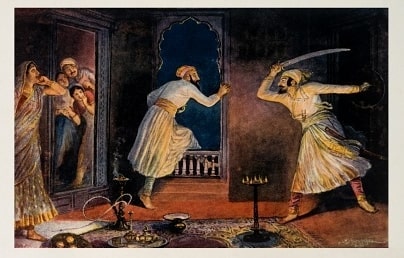
Wikimedia Commons · Public domain · file Shivaji infiltrated Mughal-occupied Pune and led a night attack on Shaista Khan at Lal Mahal, his former childhood residence. Khan was wounded and the attackers withdrew toward Sinhagad.
Arrives at Gandevi before Surat raid
· Gandevi, Gujarat, India
On the approach to Surat, Shivaji's army reached Gandevi south of the city, alarming Surat before the raiders arrived the following day. This card captures the final staging movement of the first Surat expedition. Historic 'Gandavi' is modern Gandevi; settlement coordinates are used.
Arrives at Surat
· Surat, Gujarat, India
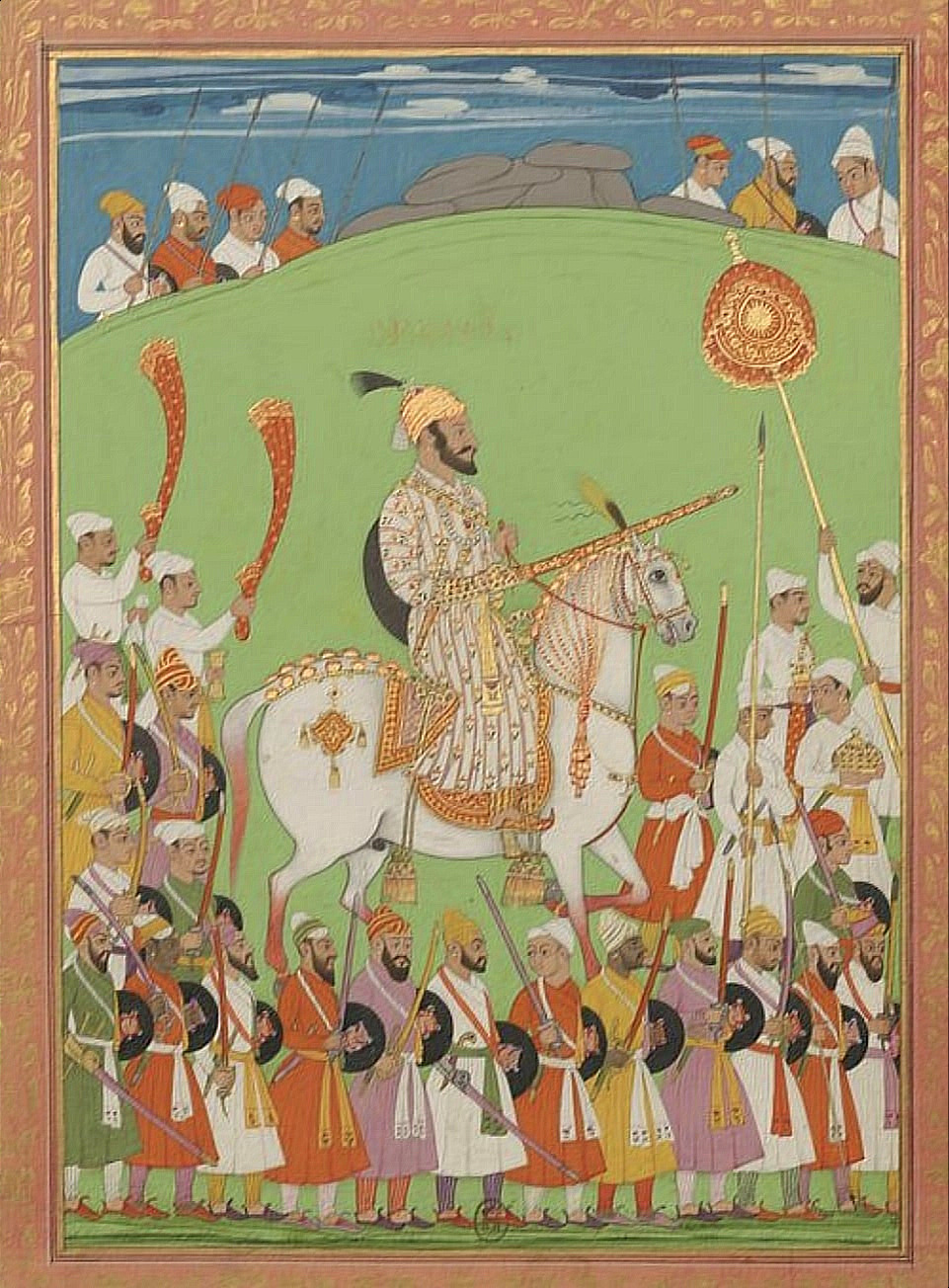
Wikimedia Commons · Public domain · file Shivaji reached Surat and established a camp just outside the eastern gate before the city's first major Maratha sack. The raid targeted one of the Mughal Empire's richest commercial centers. City coordinates are used because the source places the camp only relative to the historic Burhanpur/eastern gate.
Comes to Purandar for Jai Singh talks
· Purandar Fort, Pune district, Maharashtra, India
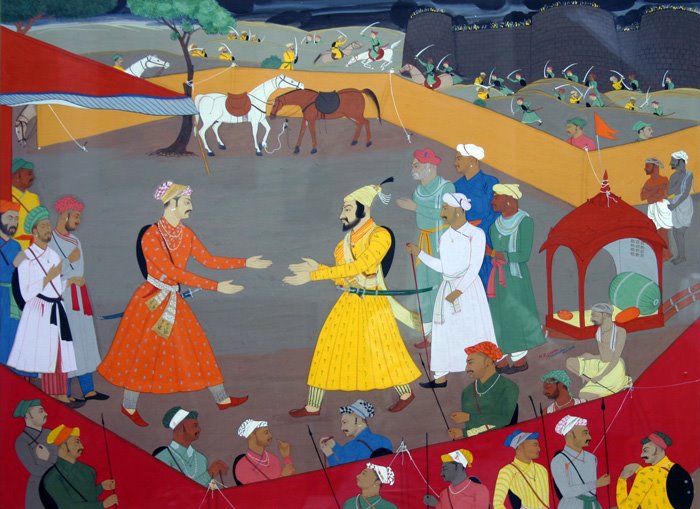
Wikimedia Commons · Creative Commons Attribution-Share Alike 2.0 Generic · file As Mughal forces pressed the siege of Purandar, Shivaji came to Jai Singh's camp to negotiate. The meeting produced the Treaty of Purandar and a major temporary realignment in Shivaji's relations with the Mughal Empire. The source dates the arrival to the 11th; coordinates are the fort, while the camp stood at its foot.
Delivers Kondana under the treaty
· Sinhagad (Kondana) Fort, Pune district, Maharashtra, India
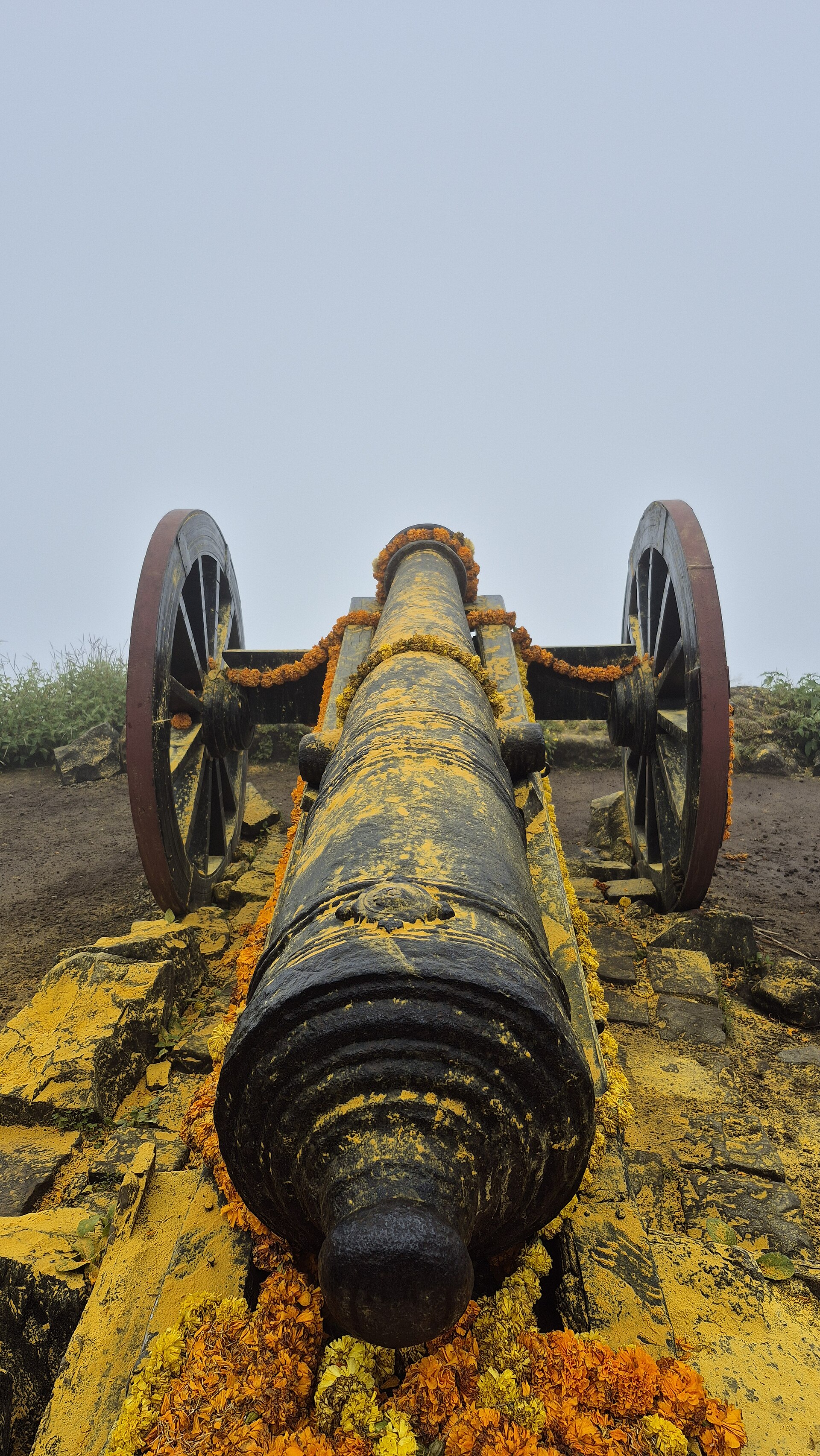
Wikimedia Commons · Creative Commons CC0 1.0 Universal Public Domain Dedication · file After the Purandar settlement, Shivaji went to Kondana and personally delivered the fort to Mughal representative Kirat Singh. The transfer was part of the territorial concessions imposed by the treaty. The year 1665 is fixed by the chapter chronology; Kondana was later known as Sinhagad.
Appears at Aurangzeb's court in Agra
· Agra Fort, Agra, Uttar Pradesh, India
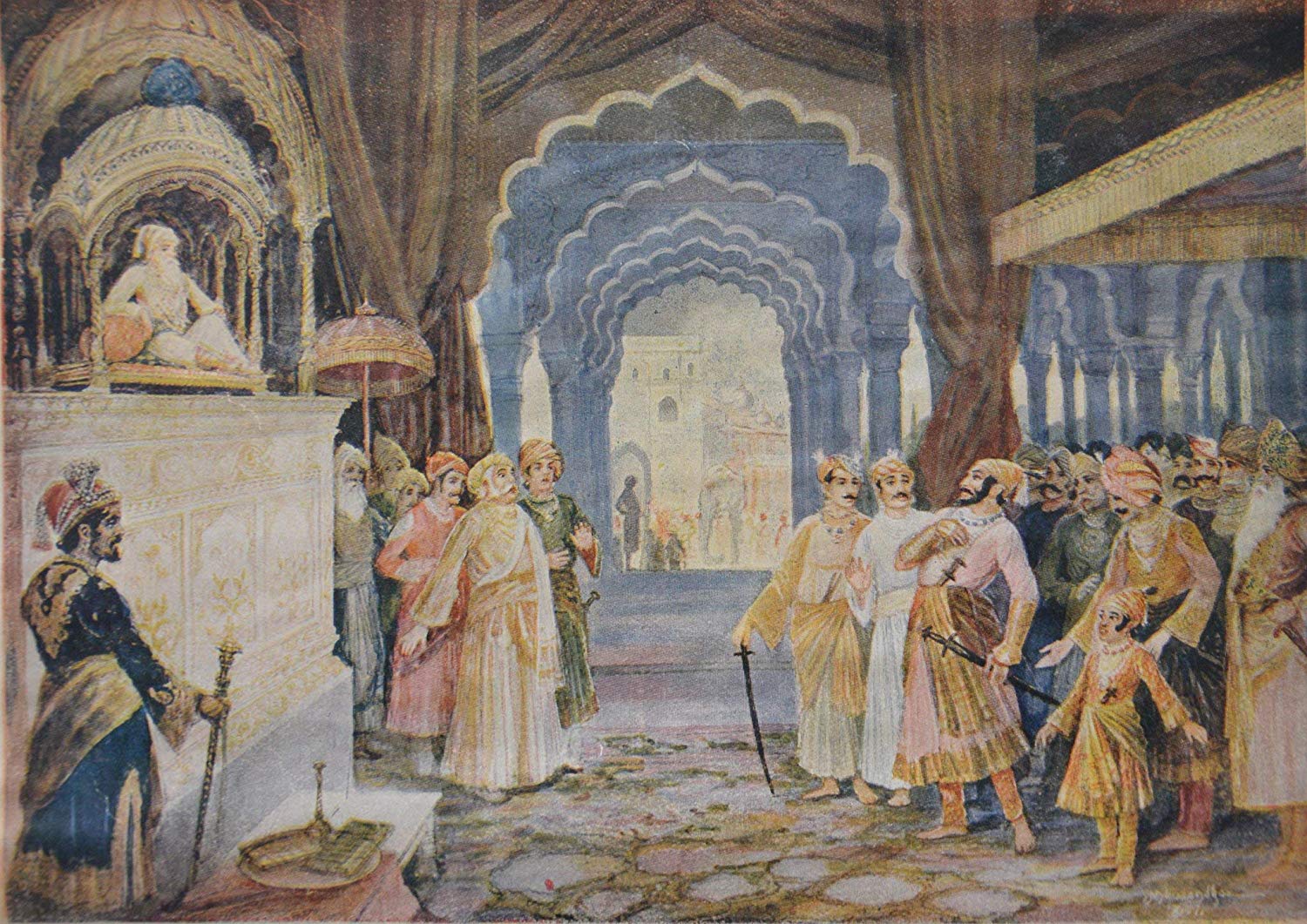
Wikimedia Commons · Public domain · file Shivaji entered the Mughal imperial audience in Agra, where his placement among lower-ranking nobles offended him and led to a confrontation with court protocol. He was subsequently kept under restraint in the city. The cited page identifies 12 May 1666 as the appointed audience day; Agra Fort is used as the representative imperial-court location.
Escapes from Agra
· Agra, Uttar Pradesh, India
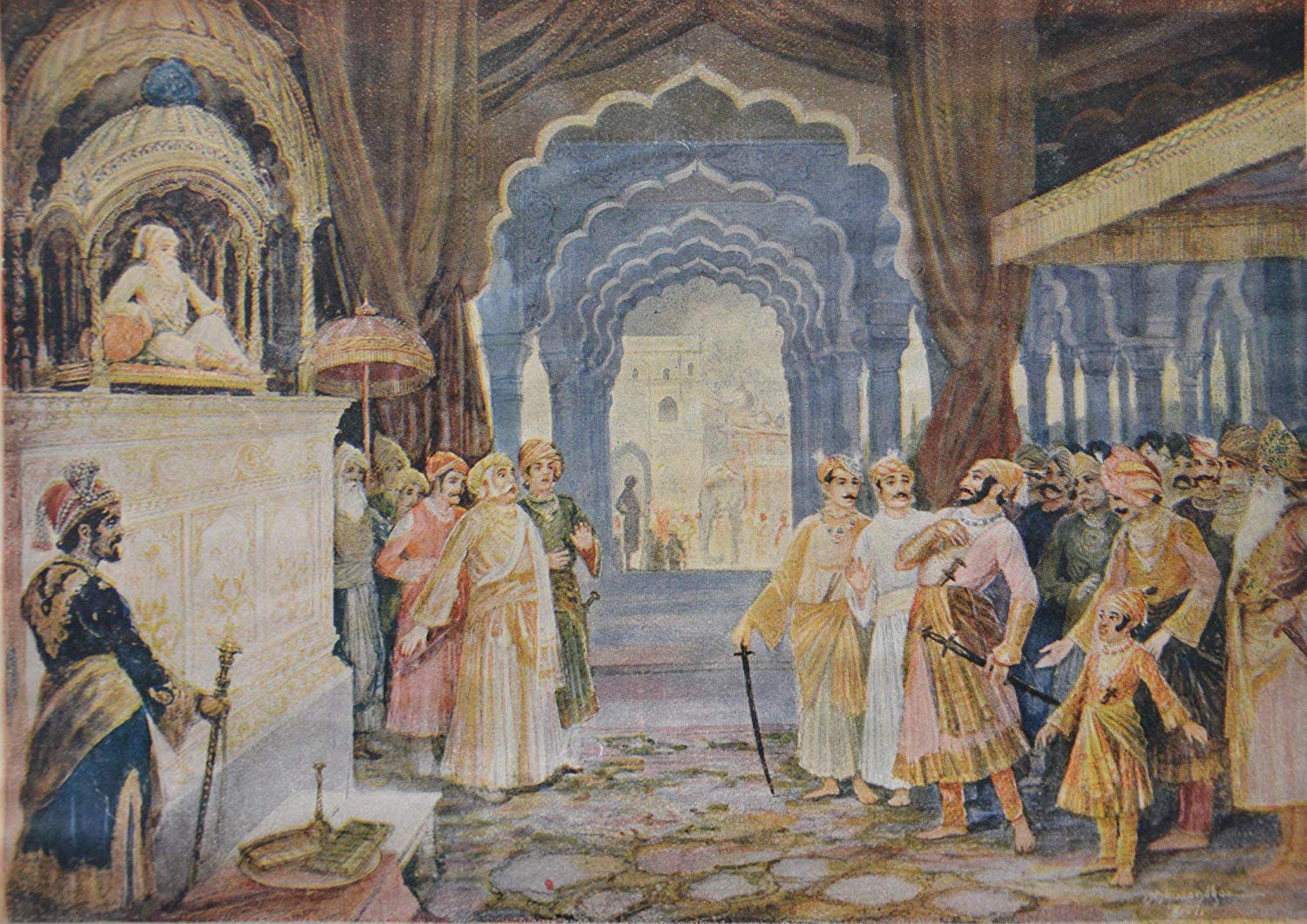
Wikimedia Commons · Public domain · file After months of restraint, Shivaji escaped from Agra. The precise mechanics of the escape are debated, but the date and departure from Agra are well established in the cited chronology. The source supports the escape date; coordinates represent Agra because the exact place of departure is uncertain.
Returns to Rajgad after Agra escape
· Rajgad Fort, Pune district, Maharashtra, India
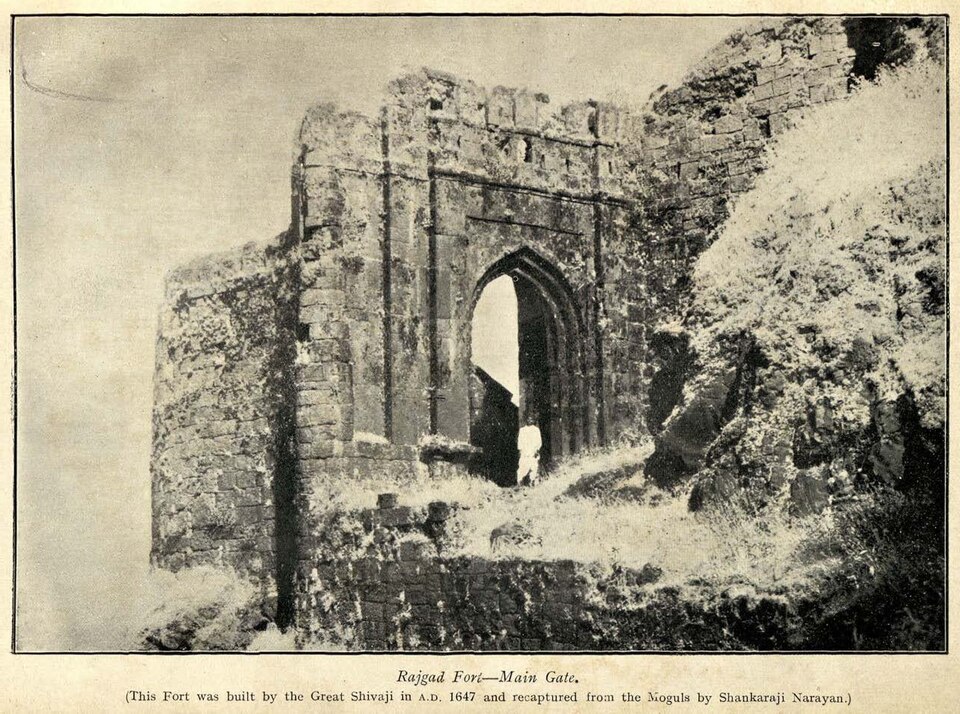
Wikimedia Commons · Public domain · file After evading Mughal pursuit and returning to the Deccan, Shivaji reappeared at Rajgad. Contemporary intelligence reported his arrival there in December 1666. The source supports December but not a single uncontested day.
Remains at Rajgad during Mughal peace
· Rajgad Fort, Pune district, Maharashtra, India
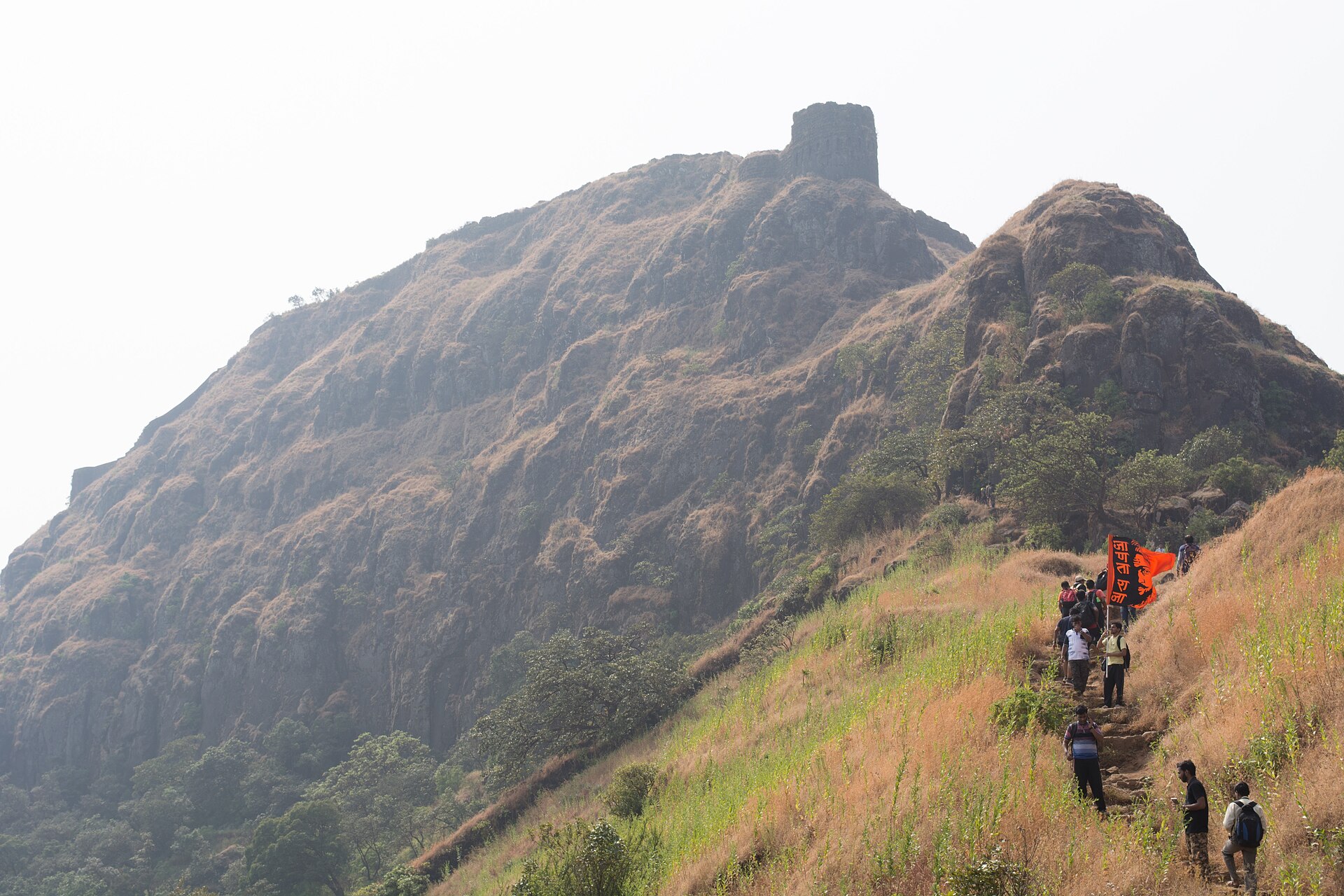
Wikimedia Commons · Creative Commons Attribution-Share Alike 4.0 International · file During the uneasy peace after Agra, an English factory report described Shivaji as remaining at Rajgad. This provides a dated residence point in a period dominated more by diplomacy and consolidation than campaigning. The quotation is from an English factory letter dated 16 September 1668 in the cited chapter; wording is contemporary but terse.
Moves through Baglana after Surat
· Mulher Fort, Baglan, Nashik district, Maharashtra, India
After the second Surat raid, Shivaji moved east through Baglana and the Mulher area, extending the expedition into the hill country between Gujarat and the Deccan. Coordinates identify Mulher Fort as the most specific named landmark; the source places Shivaji in the broader Baglana district at its foot.
Returns to sack Surat
· Surat, Gujarat, India
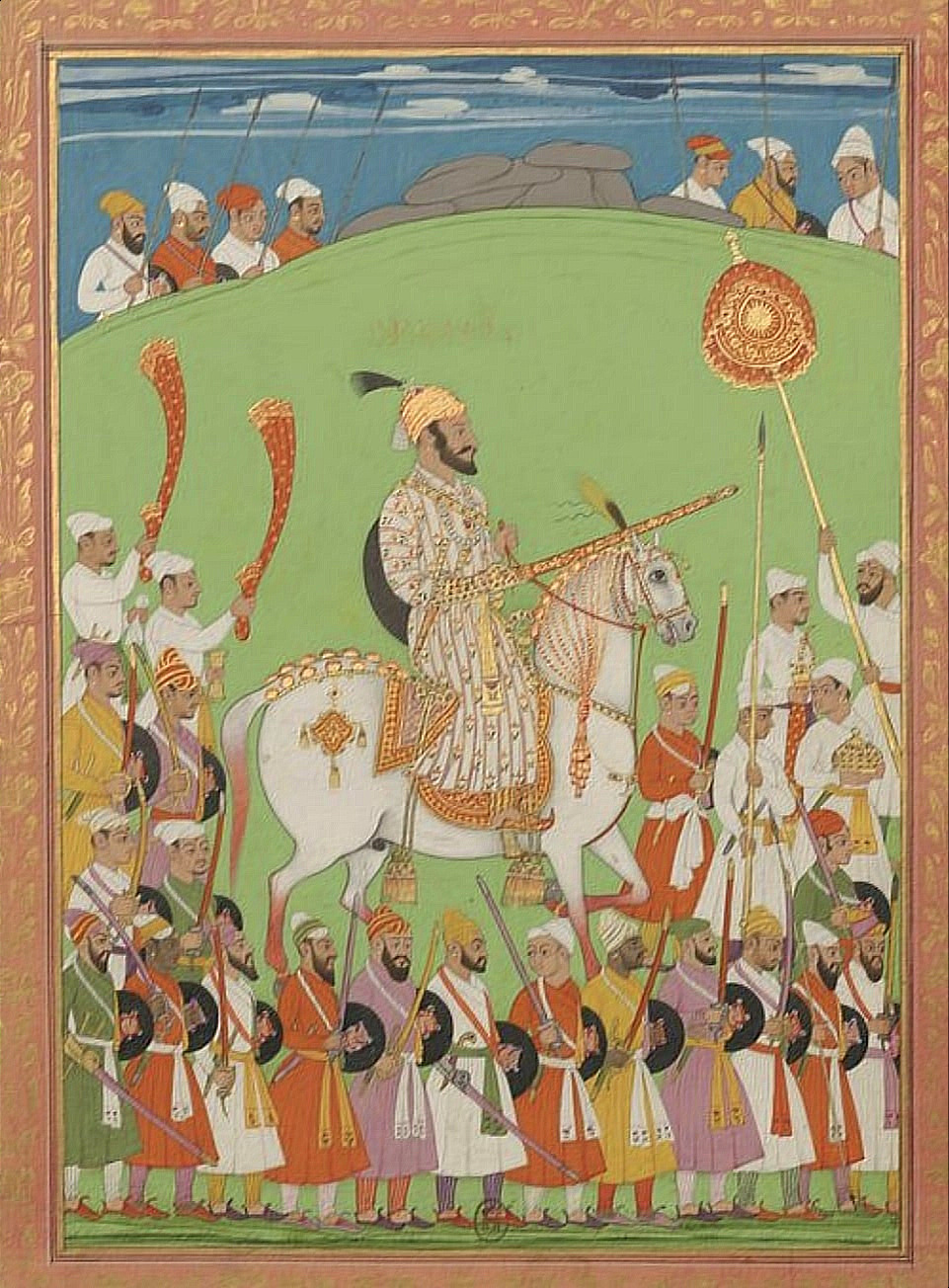
Wikimedia Commons · Public domain · file Shivaji personally returned to Surat for a second major raid, demonstrating renewed Maratha offensive capacity after the breakdown of peace with the Mughals. The surrounding passage fixes the date as 3 October 1670.
Crowned at Raigad
· Raigad Fort, Raigad district, Maharashtra, India
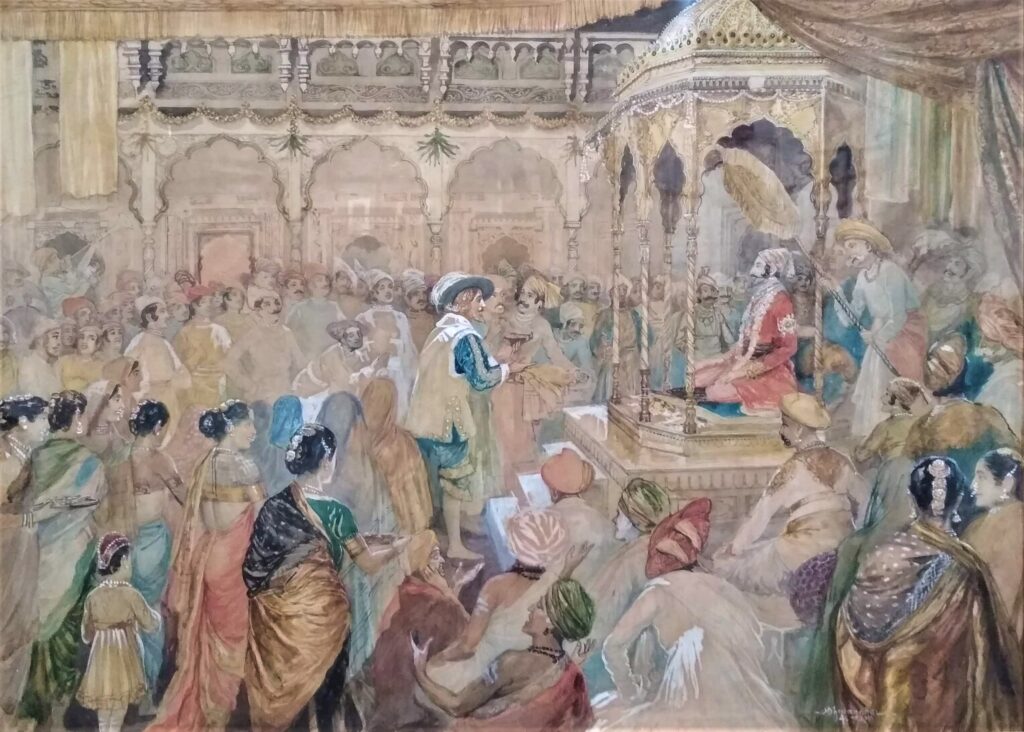
Wikimedia Commons · Public domain · file Shivaji's formal coronation at Raigad transformed his de facto rule into an explicitly royal sovereignty. The ceremony established him as Chhatrapati and made Raigad the ceremonial center of the Maratha state.
Arrives at Rajapur for Kanara campaign
· Rajapur, Ratnagiri district, Maharashtra, India
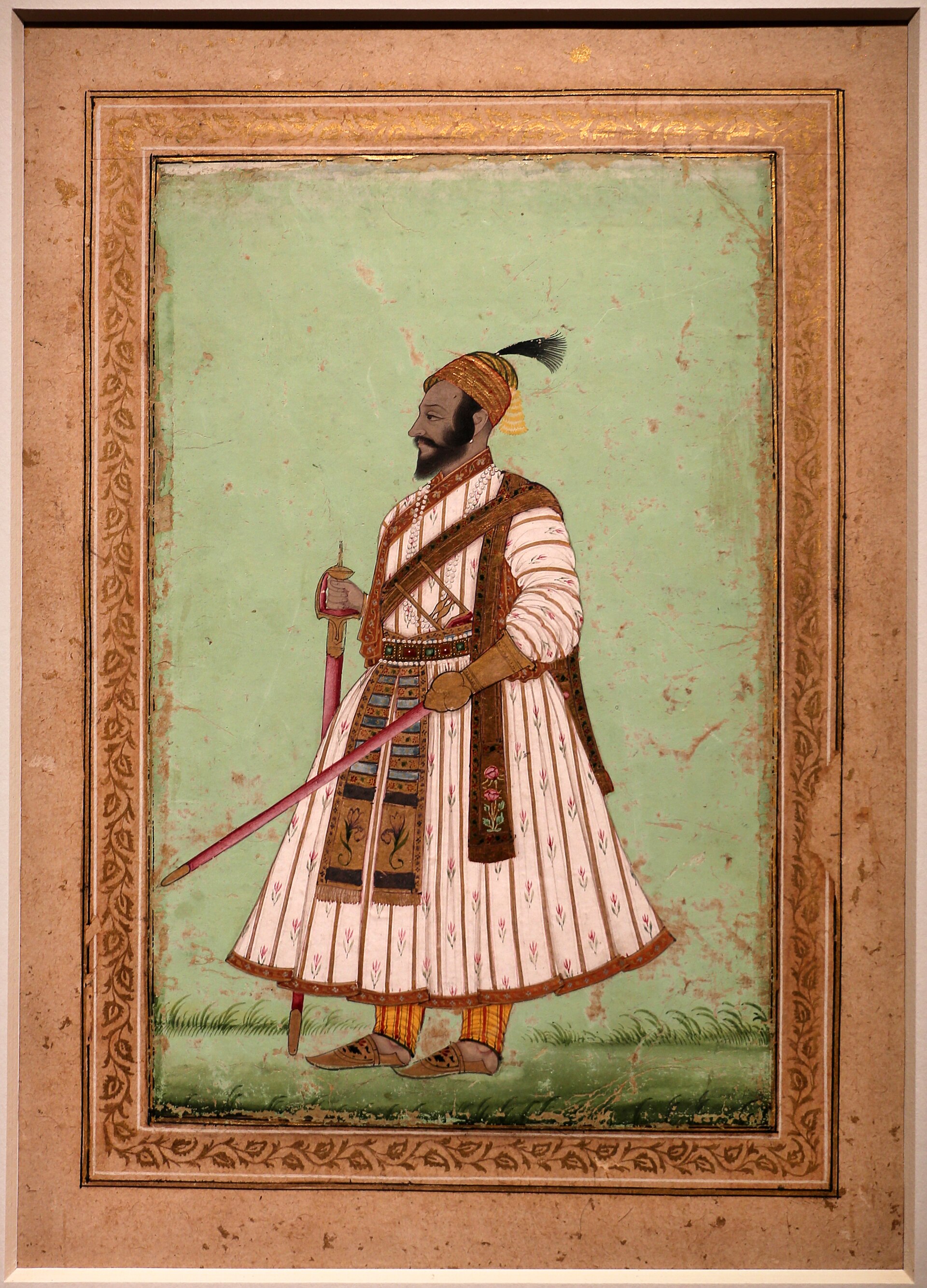
Wikimedia Commons · Creative Commons Attribution 3.0 Unported · file Shivaji reached Rajapur with a large expeditionary force at the start of the 1675 coastal campaign, remaining there for three days while organizing naval movements toward Vengurla. The source chronology explicitly places Shivaji at Rajapur on 22 March 1675; settlement coordinates are used.
Personally besieges Ponda
· Ponda, Goa, India
Wikimedia Commons · Creative Commons Attribution 3.0 Unported · file Shivaji moved south from Rajapur and Kudal to attack Ponda, an important Bijapuri fort near Goa. He personally directed a sustained siege before the fort fell to Maratha forces. The quote combines two clauses from the same page so that the date/place and Shivaji’s personal activity are explicit; coordinates represent Ponda town.
Confined by illness at Satara
· Satara, Maharashtra, India
Wikimedia Commons · Creative Commons Attribution 3.0 Unported · file A serious illness kept Shivaji at Satara for roughly three months in early 1676, interrupting his otherwise highly mobile military and administrative activity. His recovery was reported at the end of March. The cited narrative clearly places him at Satara but does not support a precise start day; year precision is retained.
Enters Hyderabad
· Hyderabad, Telangana, India
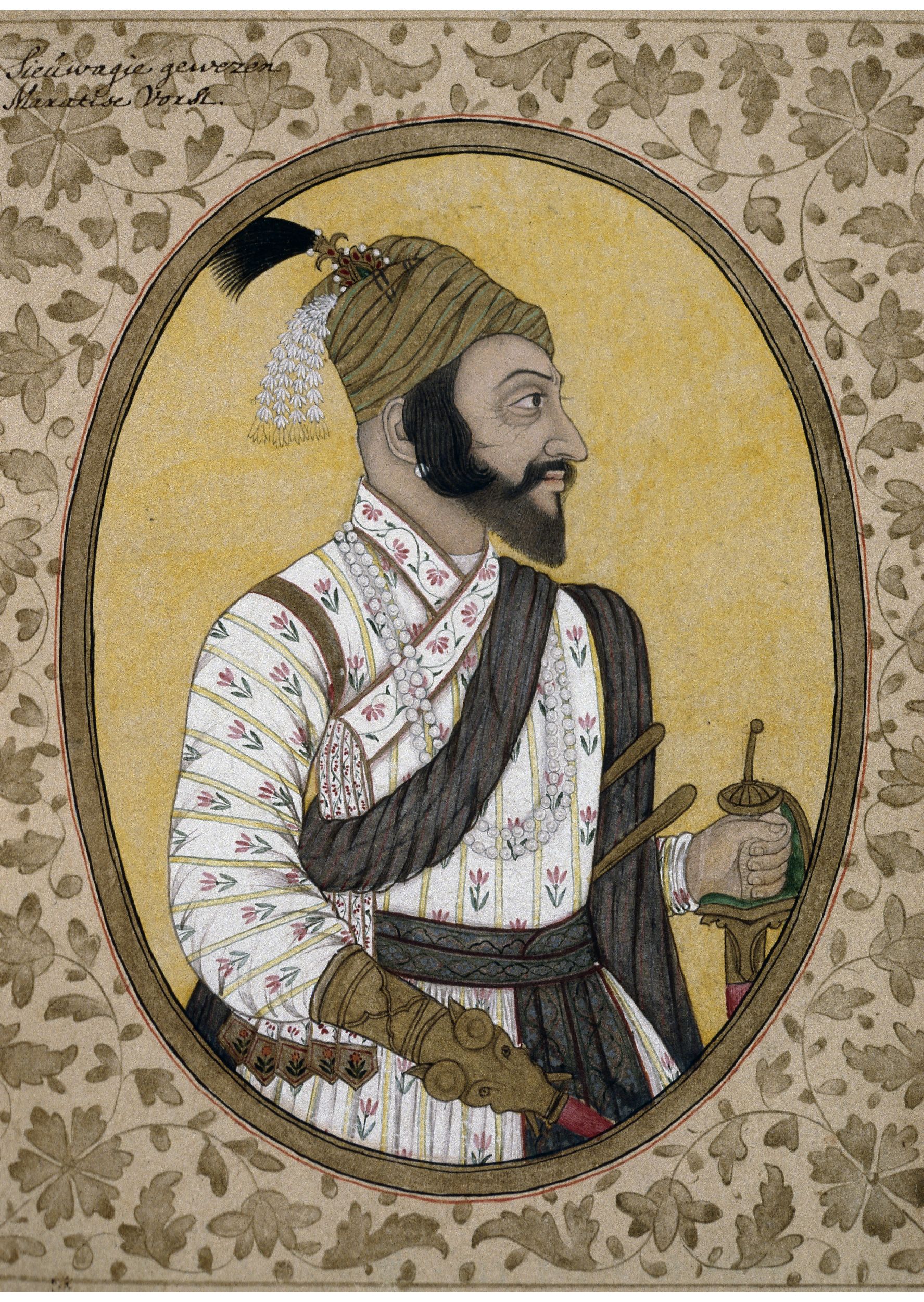
Wikimedia Commons · Public domain · file At the outset of the Karnatak expedition, Shivaji entered Hyderabad as an honored guest of the Qutb Shahi court. Ministers Madanna and Akanna met him outside the capital and escorted him into the city. The source fixes the episode to 1677 but the quoted page does not establish a single day.
Pilgrimages at Srisailam
· Srisailam, Andhra Pradesh, India
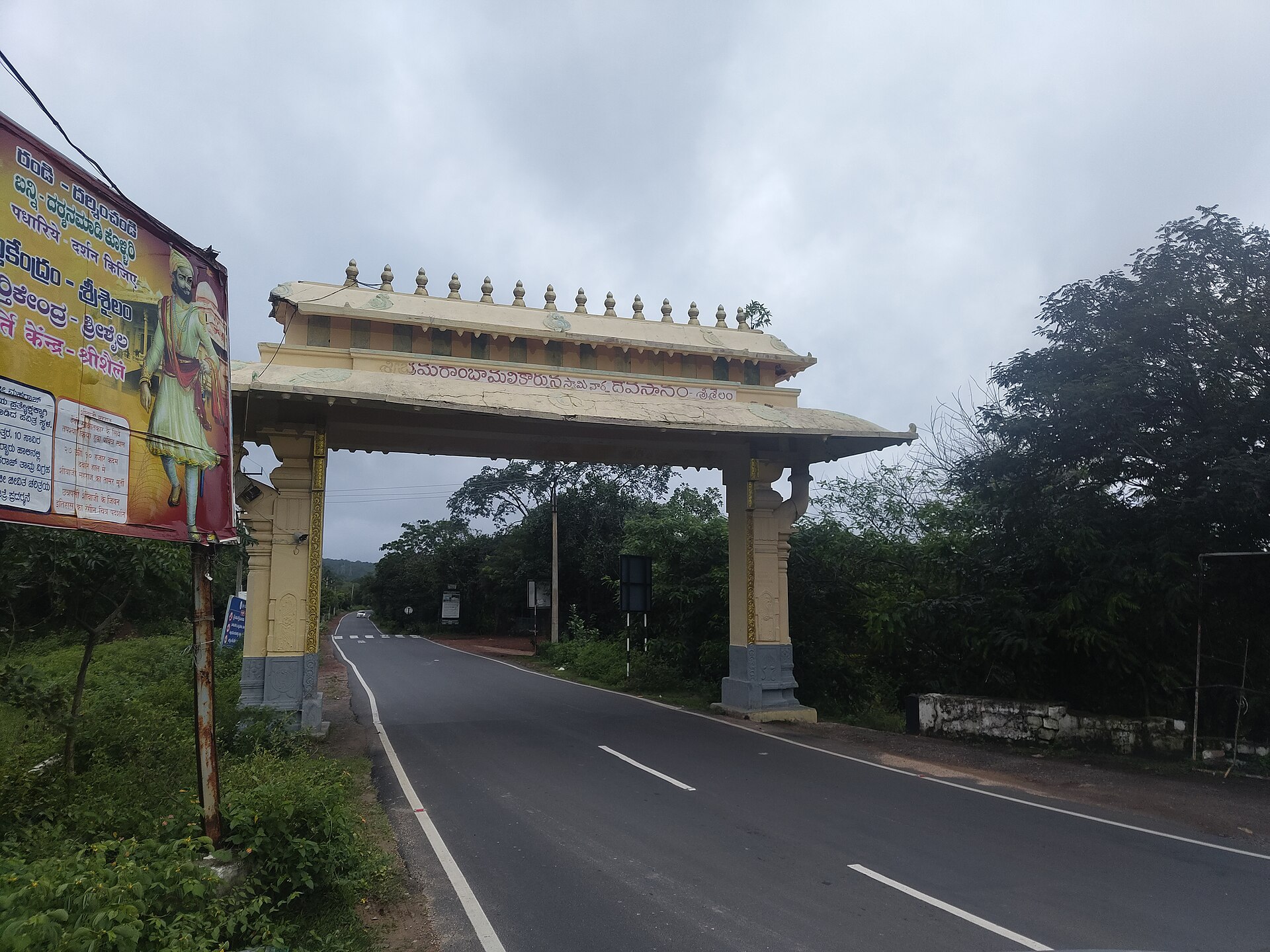
Wikimedia Commons · Creative Commons Attribution-Share Alike 4.0 International · file While moving south from Hyderabad, Shivaji undertook a pilgrimage at Srisailam, bathing in the Krishna and spending about ten days at the sacred plateau before continuing into the Karnatak. The source places the visit during the 1677 expedition but does not supply a precise date in the quoted passage.
Camps near Gingee
· Gingee Fort, Viluppuram district, Tamil Nadu, India
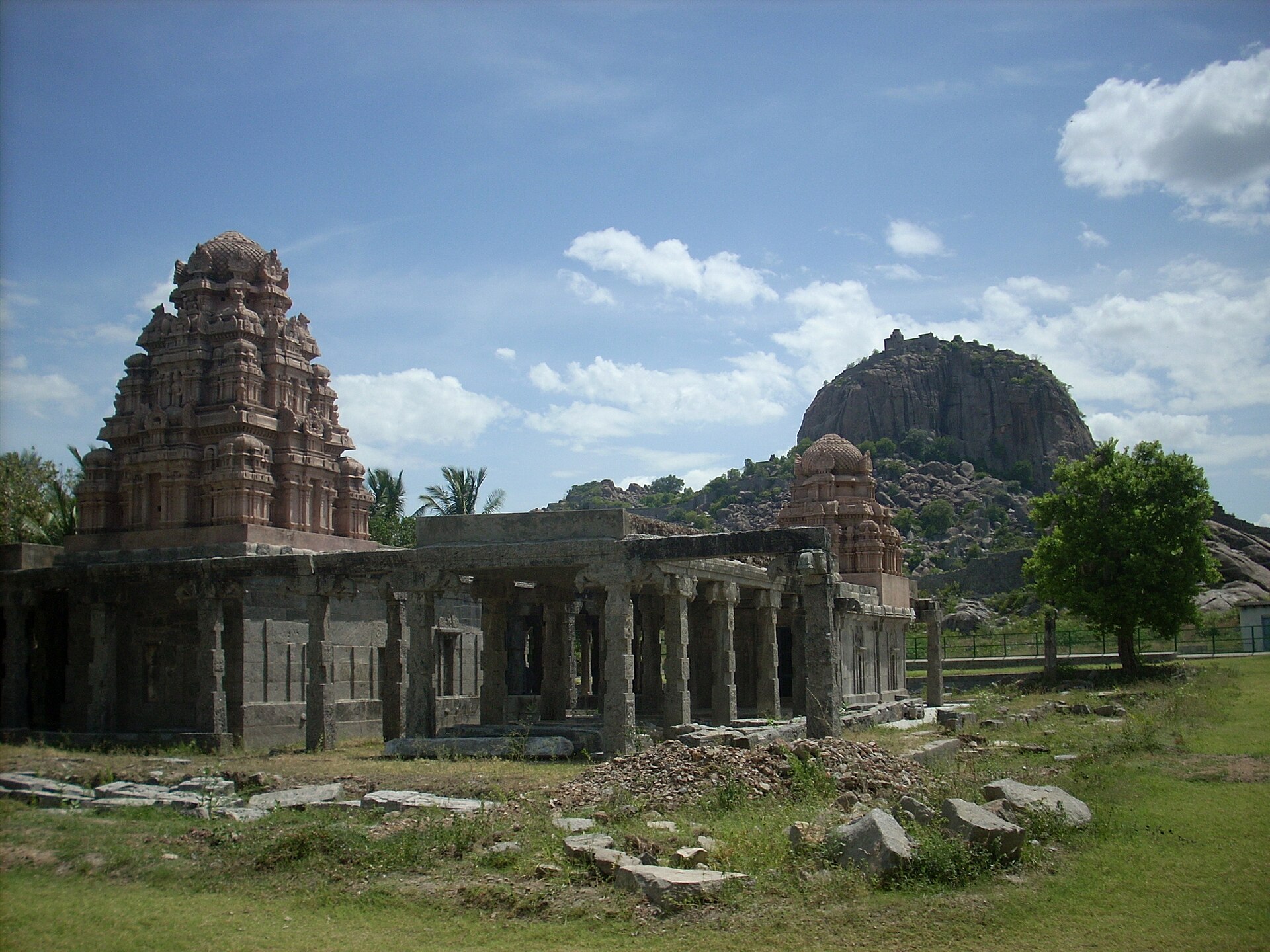
Wikimedia Commons · Creative Commons Attribution-Share Alike 3.0 Unported · file Shivaji reached the environs of Gingee with cavalry and camped at Chakrapuri on the Chakravati River. Gingee then opened its gates, becoming a major Maratha stronghold in the southeast. The source dates Gingee's opening to the end of May 1677. Chakrapuri's exact modern identification is uncertain, so Gingee Fort coordinates are used as a representative point.
Appears personally before Vellore Fort
· Vellore Fort, Vellore, Tamil Nadu, India
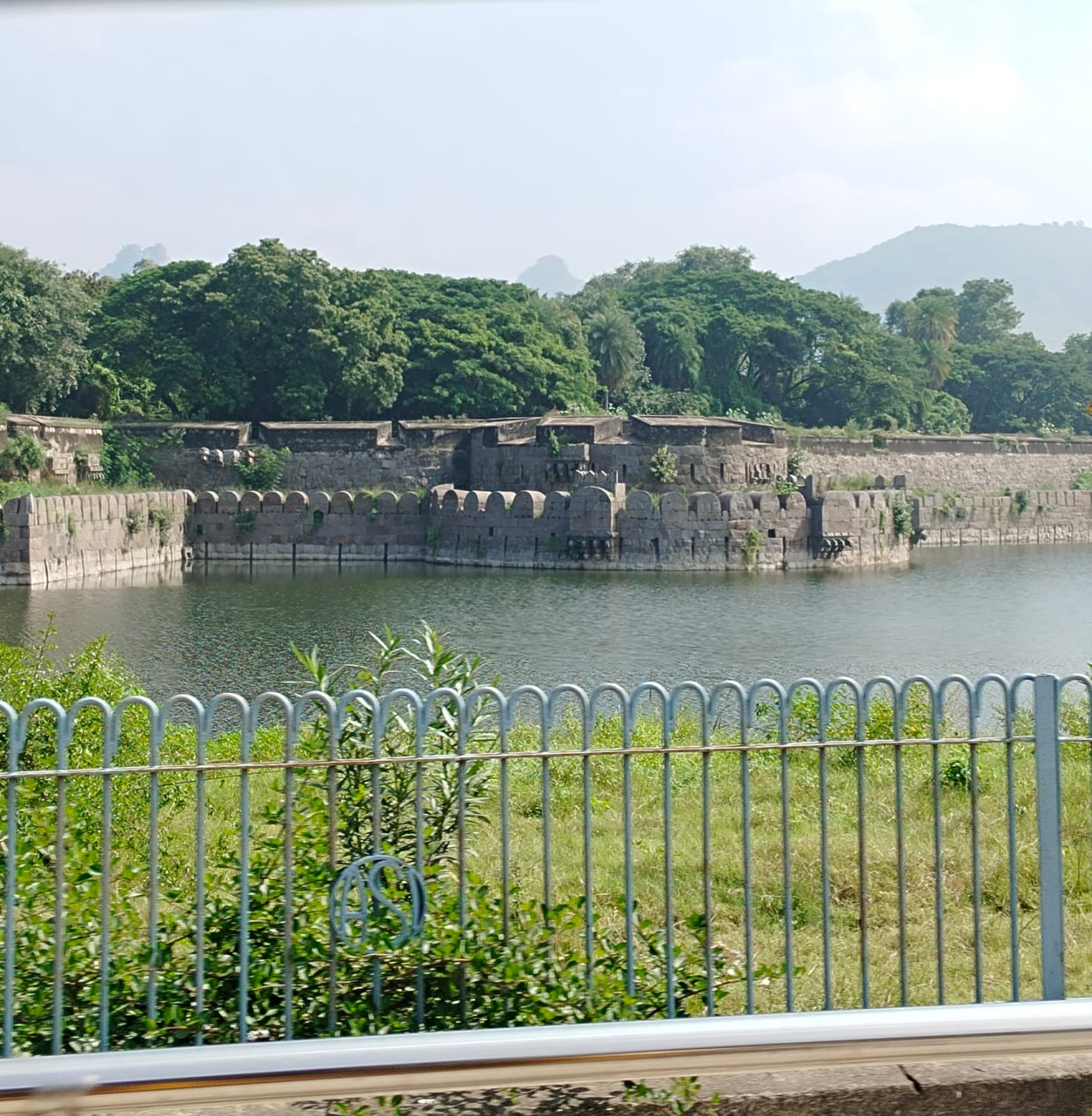
Wikimedia Commons · Creative Commons Attribution-Share Alike 4.0 International · file Shivaji personally appeared before Vellore during the long Maratha siege. The fort itself resisted until 1678, but this dated presence records his direct supervision during the opening phase. The preceding sentence identifies the month as May 1677 and the fort as Vellore.
Marches from Sira toward Koppal
· Sira, Karnataka, India
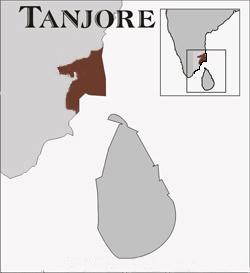
Wikimedia Commons · GNU Free Documentation License, Version 1.2 or later; Creative Commons Attribution-Share Alike 3.0 Unported, 2.5 Generic, 2.0 Generic and 1.0 Generic · file On the return leg of the Karnatak expedition, Shivaji crossed the Mysore plateau and marched north from Sira toward Koppal before turning through the Dharwar region. This movement links the southeastern conquests back toward Maharashtra. Historic 'Sera' is modern Sira; settlement coordinates are used.
Returns to Panhala from the Karnatak
· Panhala Fort, Kolhapur district, Maharashtra, India
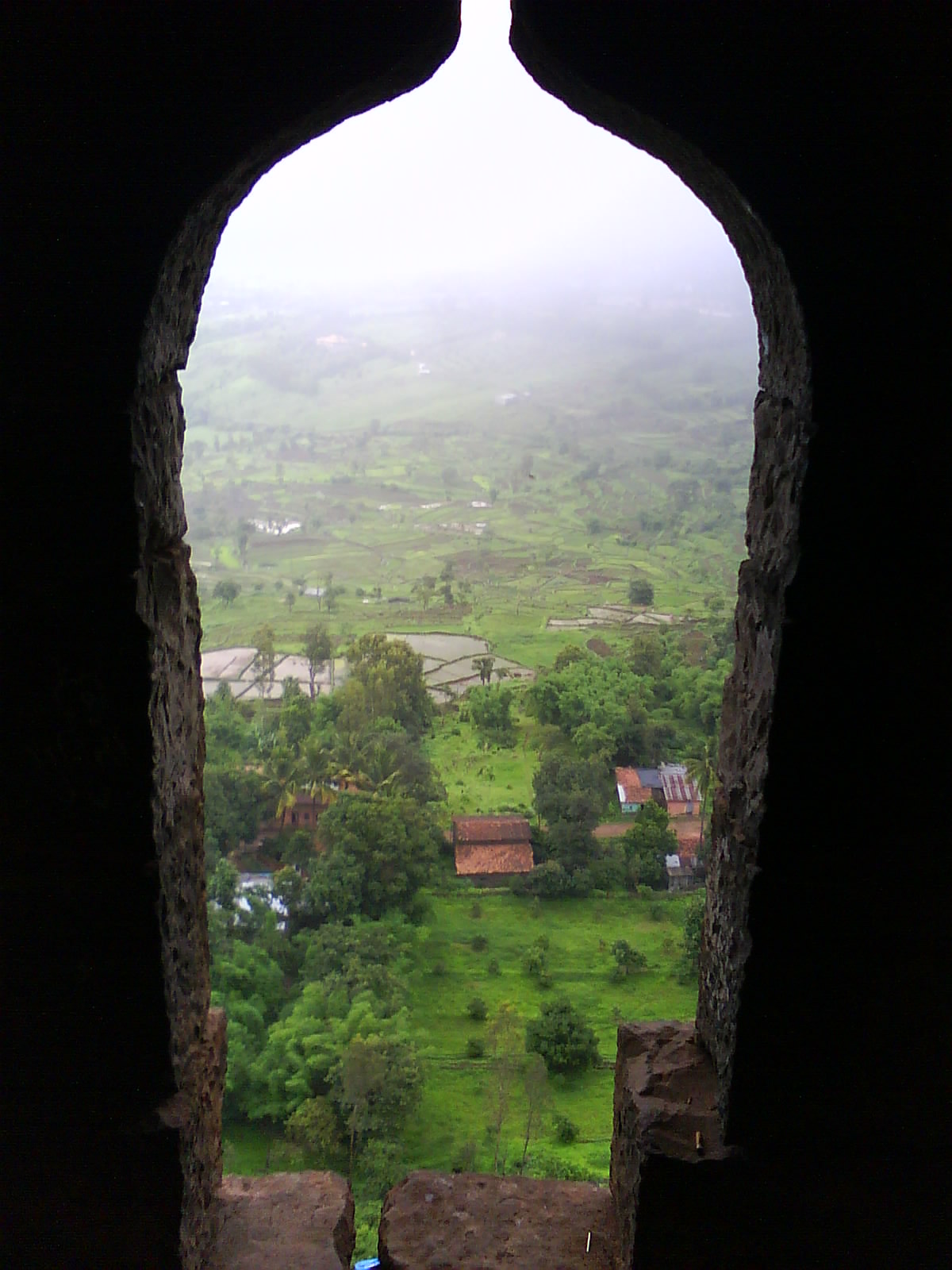
Wikimedia Commons · Creative Commons Attribution-Share Alike 4.0 International · file After traversing the Mysore, Bellary and Dharwar regions, Shivaji completed the long Karnatak expedition by returning to Panhala. The return reconnected him with the western Deccan core of his kingdom. The source places his return in March/early April 1678; month precision is set to April because the same chapter describes the return as occurring at the end of March or first week of April.
Flees to Pattagad after defeat near Bijapur
· Pattagad (Vishramgad), Nashik district, Maharashtra, India
After being defeated by Dilir Khan near Bijapur, Shivaji withdrew rapidly with a small cavalry remnant to Pattagad, also called Vishramgad, where he summoned senior ministers to a council of war. Coordinates follow the source's own approximate position, 19°42′N 73°54′E; the event is placed in mid-November 1679 but month precision is retained.
Reaches Jalna during Mughal-territory raid
· Jalna, Maharashtra, India
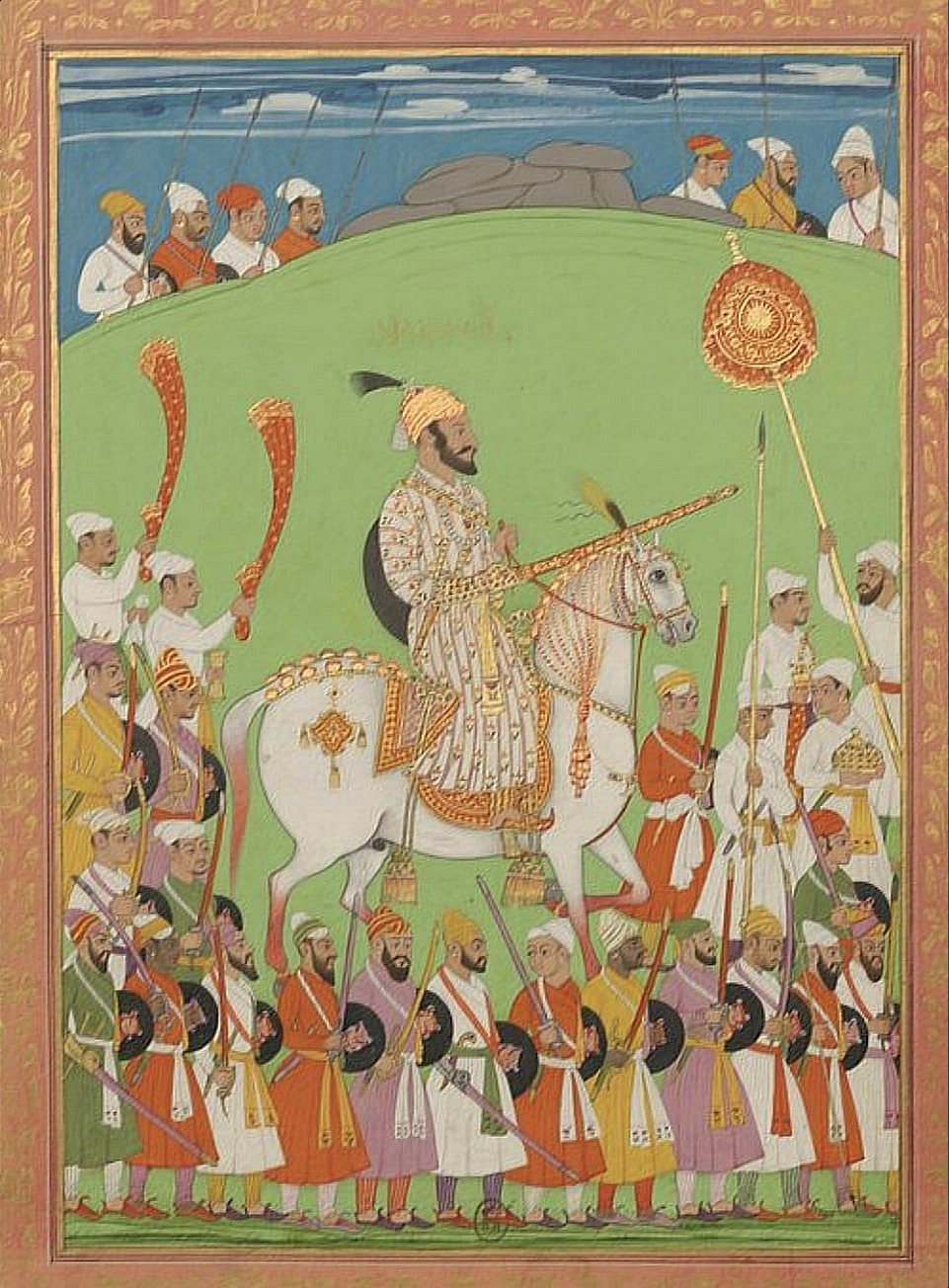
Wikimedia Commons · Public domain · file After rejoining his army, Shivaji moved through western Khandesh and then turned south into Balaghat, reaching Jalna east of Aurangabad. The raid was one of his last major field operations. The surrounding chronology places the movement after 2 December and after raids dated 4–6 December 1679; month precision avoids inventing a day for the arrival.
Retires to Panhala after Jalna campaign
· Panhala Fort, Kolhapur district, Maharashtra, India
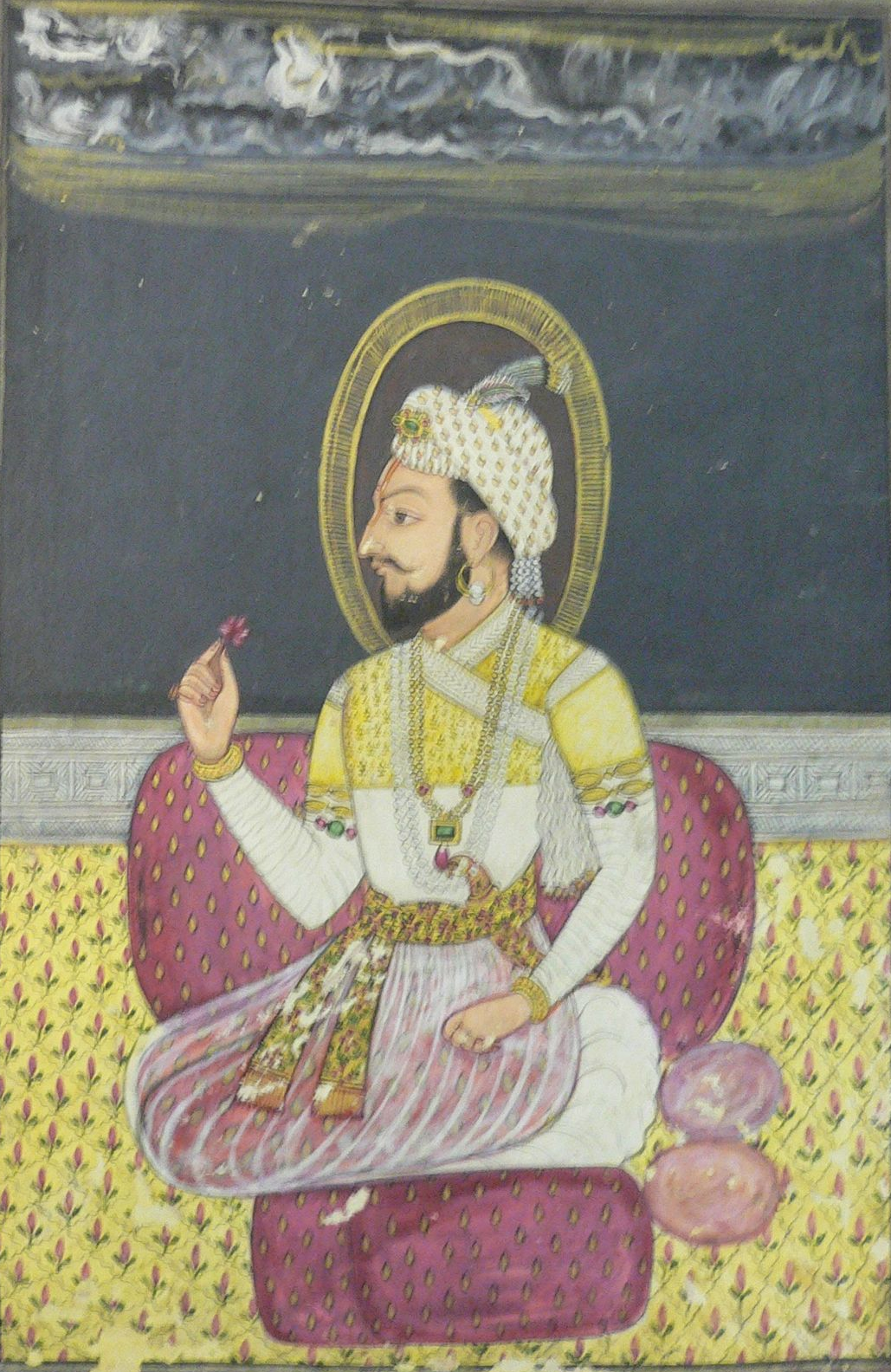
Wikimedia Commons · Public domain · file Following heavy fighting and a difficult escape from Mughal forces after the Jalna raid, Shivaji withdrew to Panhala to meet his returned son Sambhaji.
Dies at Raigad Fort
· Raigad Fort, Raigad district, Maharashtra, India
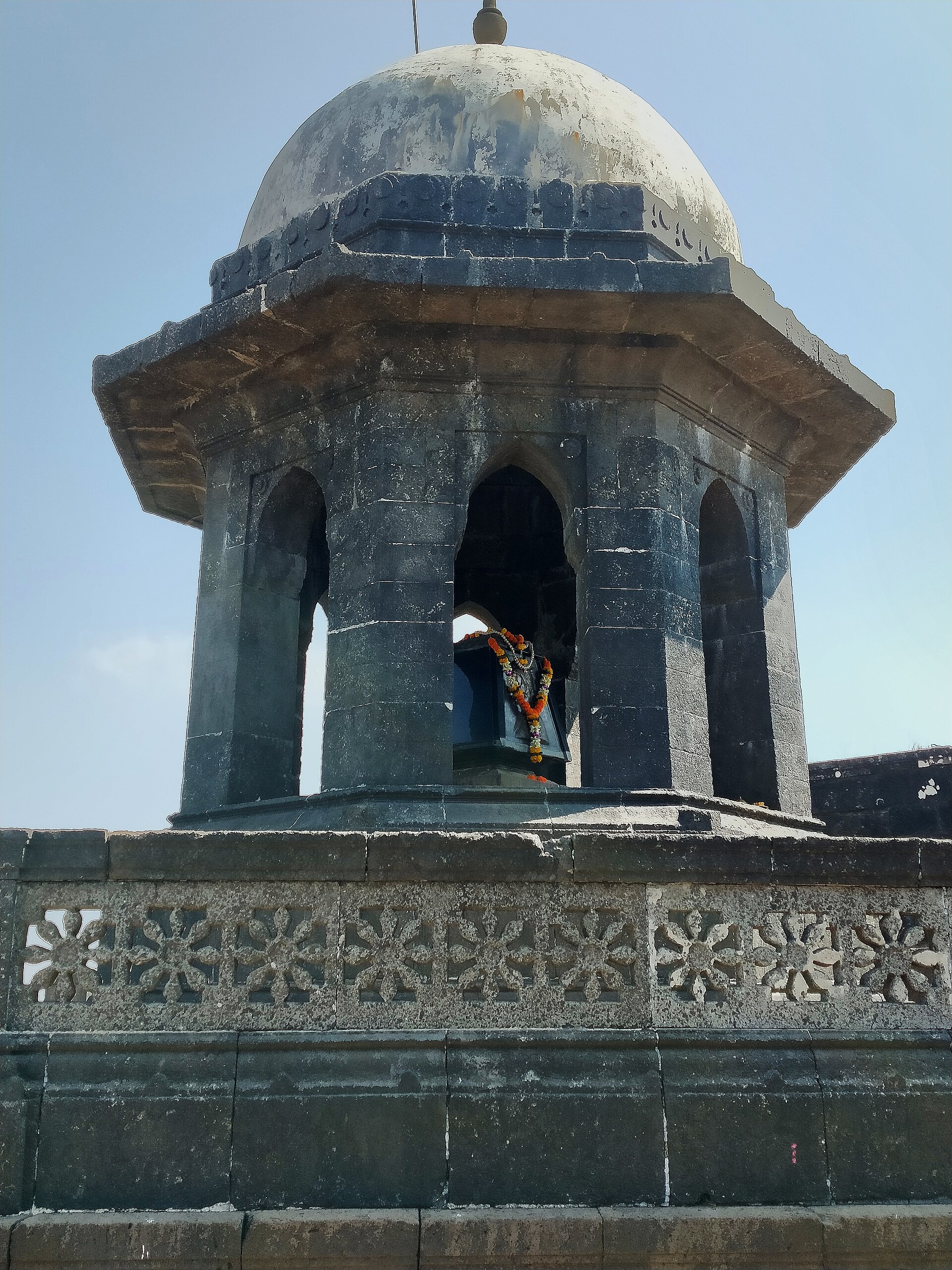
Wikimedia Commons · Creative Commons Attribution-Share Alike 4.0 International · file After falling seriously ill in late March, Shivaji died at Raigad, the capital and coronation site of his kingdom. His death opened an immediate succession struggle within the Maratha state.