
19 moments
Birth at Nytorv
· Nytorv 2, Copenhagen, Denmark
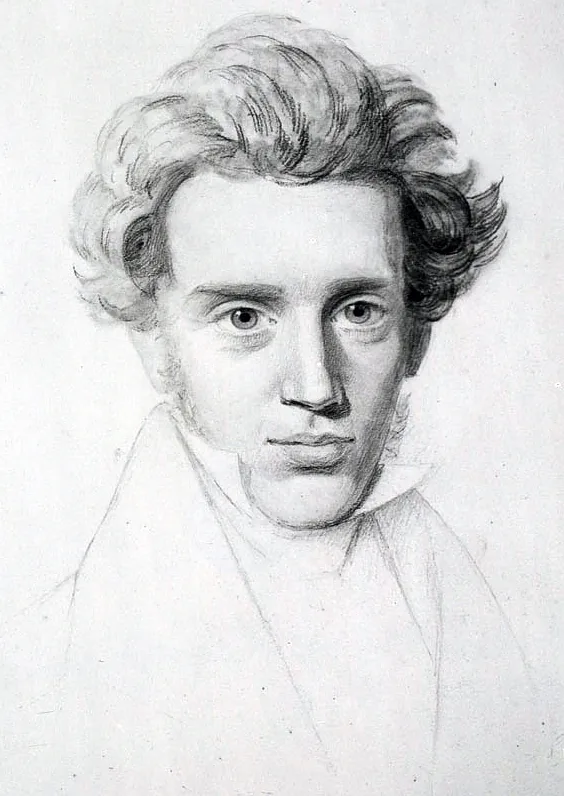
Wikimedia Commons · No known copyright restrictions · file Kierkegaard was born in Copenhagen at the family home on Nytorv. The original building at Nytorv 2 has been demolished; coordinates represent the historic address location.
Schooling at Østre Borgerdyd Gymnasium
· Østre Borgerdyd Gymnasium, Klareboderne, Copenhagen, Denmark
He attended the School of Civic Virtue (Østre Borgerdyd Gymnasium), receiving his early classical education in Copenhagen. Coordinates are a representative point for the school's documented historic Klareboderne location.
Matriculation at the University of Copenhagen
· University of Copenhagen, Frue Plads, Copenhagen, Denmark
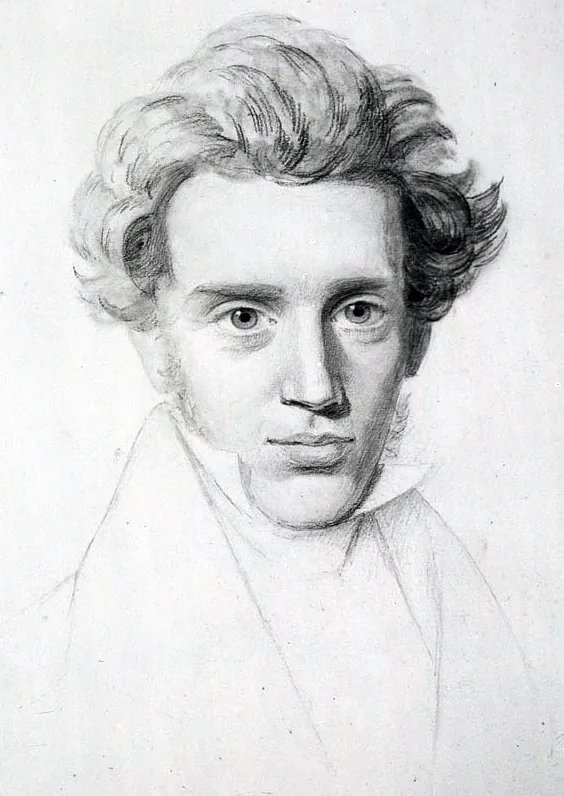
Wikimedia Commons · No known copyright restrictions · file Kierkegaard began his university career in Copenhagen, where he studied theology and later completed his Magister degree.
Summer stay at Gilleleje Kro
· Gilleleje Kro, Gilleleje, Denmark
He left Copenhagen for a summer stay at Gilleleje Kro, a retreat associated with formative journal reflections including his entry of 1 August 1835. The source states that he remained there well into August; the card date marks his documented departure from Copenhagen for the stay.
Trial sermon at Holmens Church
· Holmens Church, Copenhagen, Denmark
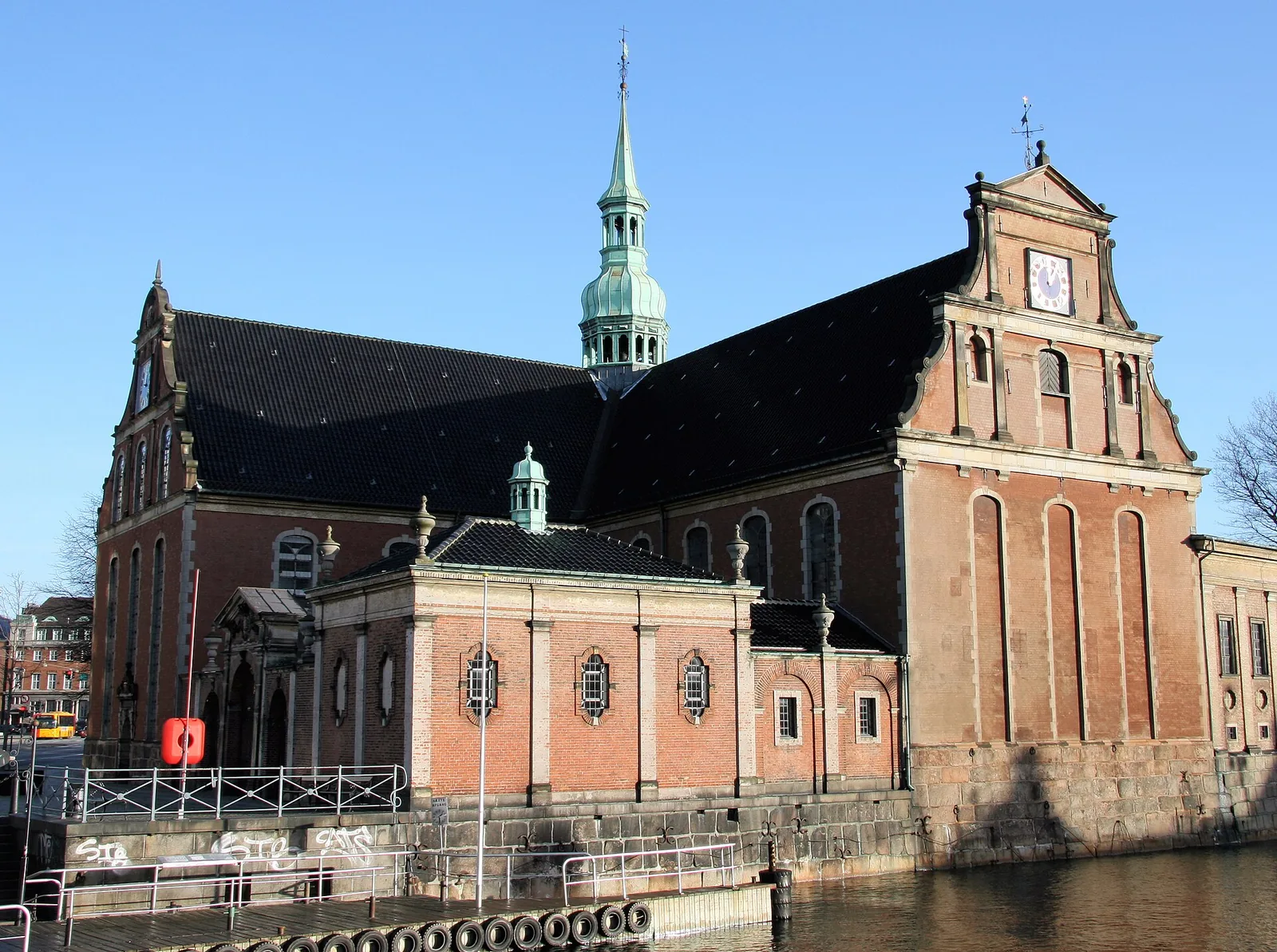
Wikimedia Commons · Public domain · file As a student in the Royal Pastoral Seminary, Kierkegaard delivered a trial sermon at Holmens Church. The Danish source identifies his trial sermon at the church on this date.
Defense of the Concept of Irony dissertation
· University of Copenhagen, Frue Plads, Copenhagen, Denmark
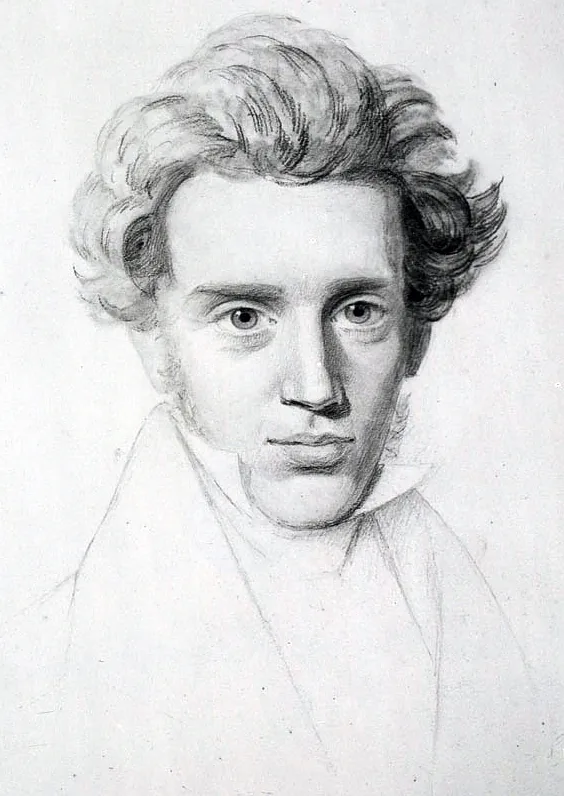
Wikimedia Commons · No known copyright restrictions · file Kierkegaard defended his dissertation, On the Concept of Irony with Continual Reference to Socrates, at the University of Copenhagen. The university is the documented institution for his dissertation and degree; the precise defense room is not specified.
First Berlin stay at Jägerstraße lodgings
· Jägerstraße 57, Berlin, Prussia
Kierkegaard began his first extended Berlin stay, attending Schelling's lectures and composing portions of Either/Or. Coordinates represent the historic Jägerstraße 57 lodgings near Gendarmenmarkt.
Return to Copenhagen from Berlin
· Copenhagen, Denmark
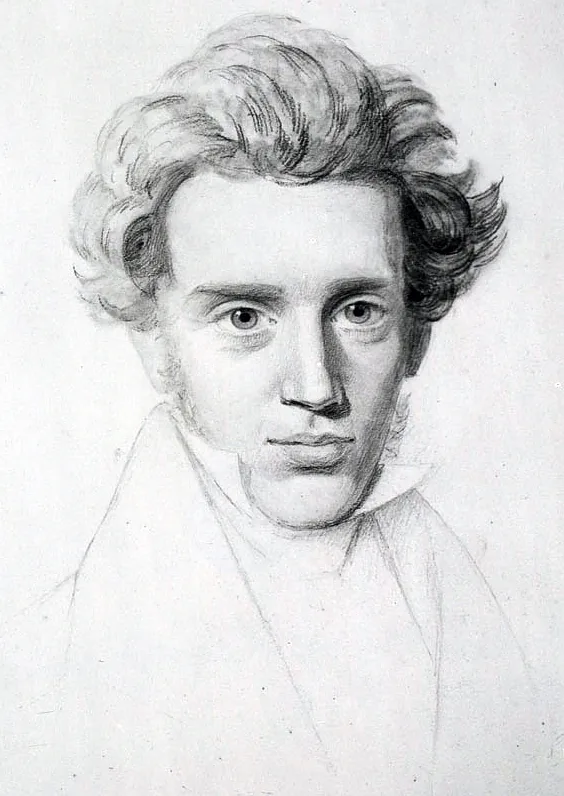
Wikimedia Commons · No known copyright restrictions · file His first Berlin study stay ended with his documented return to Copenhagen. The cited University of Copenhagen chronology states in Danish that Kierkegaard returned home from Berlin on 6 March.
Second Berlin stay
· Jägerstraße 57, Berlin, Prussia
Kierkegaard returned to Berlin for a short second visit, during which he began composing Repetition and likely drafted material for Fear and Trembling. G denotes Gjentagelsen (Repetition); coordinates represent the documented Berlin lodging address.
Move to Nytorv residence
· Nytorv 2, Copenhagen, Denmark
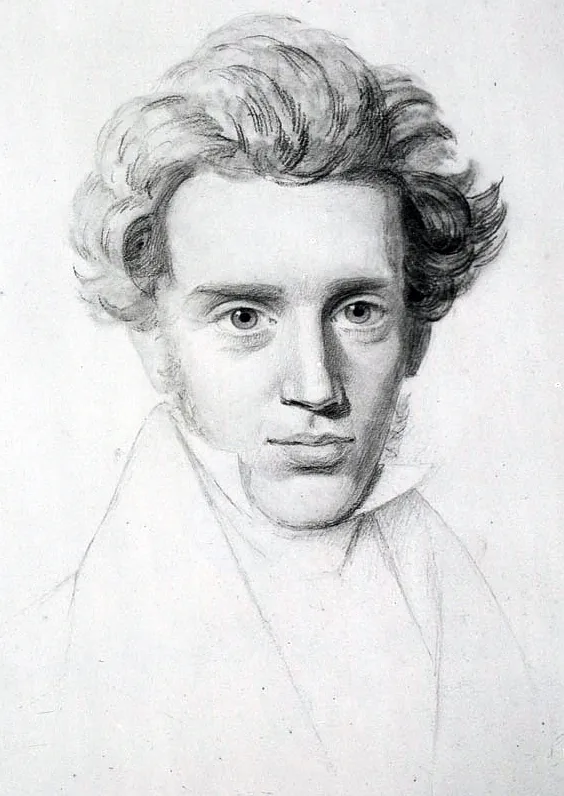
Wikimedia Commons · No known copyright restrictions · file Kierkegaard moved back to a house at Nytorv 2, a significant Copenhagen residence during the middle of his authorship. The original Nytorv building no longer survives; coordinates represent its historic site.
Residence at Nørregade before move
· Nørregade 38, Copenhagen, Denmark
Kierkegaard left his long-term Nørregade residence and moved to Nytorv; the move marks the end of his residence at this address. The historic number 230 corresponds to modern Nørregade 38.
Third Berlin stay
· Jägerstraße 57, Berlin, Prussia
Kierkegaard lodged again in Berlin during his third documented stay in the city. The scholarly source establishes the year and lodging, but not a more precise date for this visit.
Fourth Berlin stay
· Jägerstraße 57, Berlin, Prussia
Kierkegaard made his fourth documented stay at his Berlin lodging near Gendarmenmarkt. The scholarly source establishes the year and lodging, but not a more precise date for this visit.
Rosenborggade corner apartment
· Rosenborggade 9, Copenhagen, Denmark
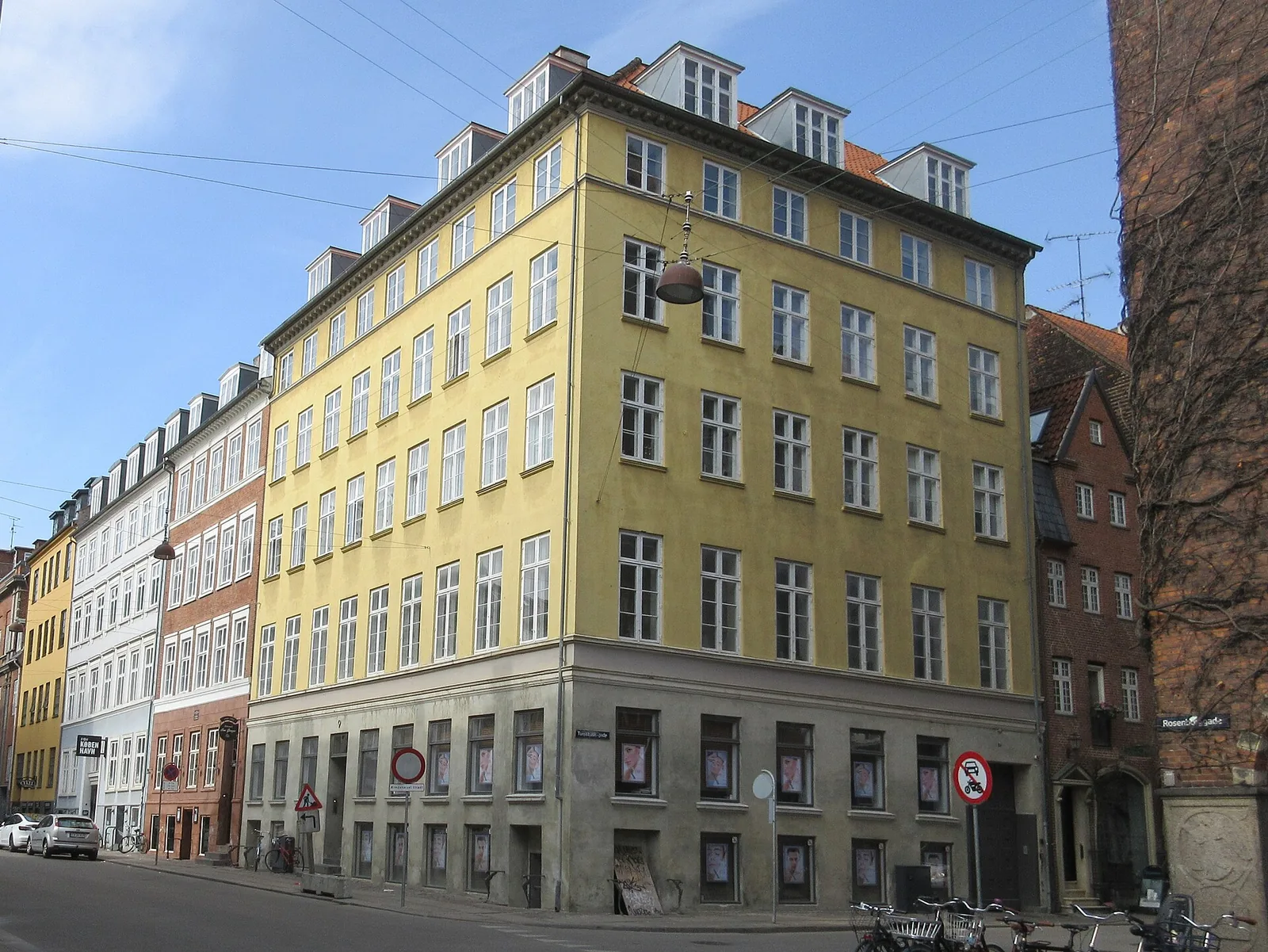
Wikimedia Commons · Creative Commons Attribution-Share Alike 4.0 International · file Kierkegaard took over an apartment in the corner building at Rosenborggade 9/Tornebuskegade, where he continued his writing. The source's surrounding text and chronology make clear that '1948' is a typographical error for 1848; the card therefore uses month precision only.
Move to Rosenborggade 7
· Rosenborggade 7, Copenhagen, Denmark
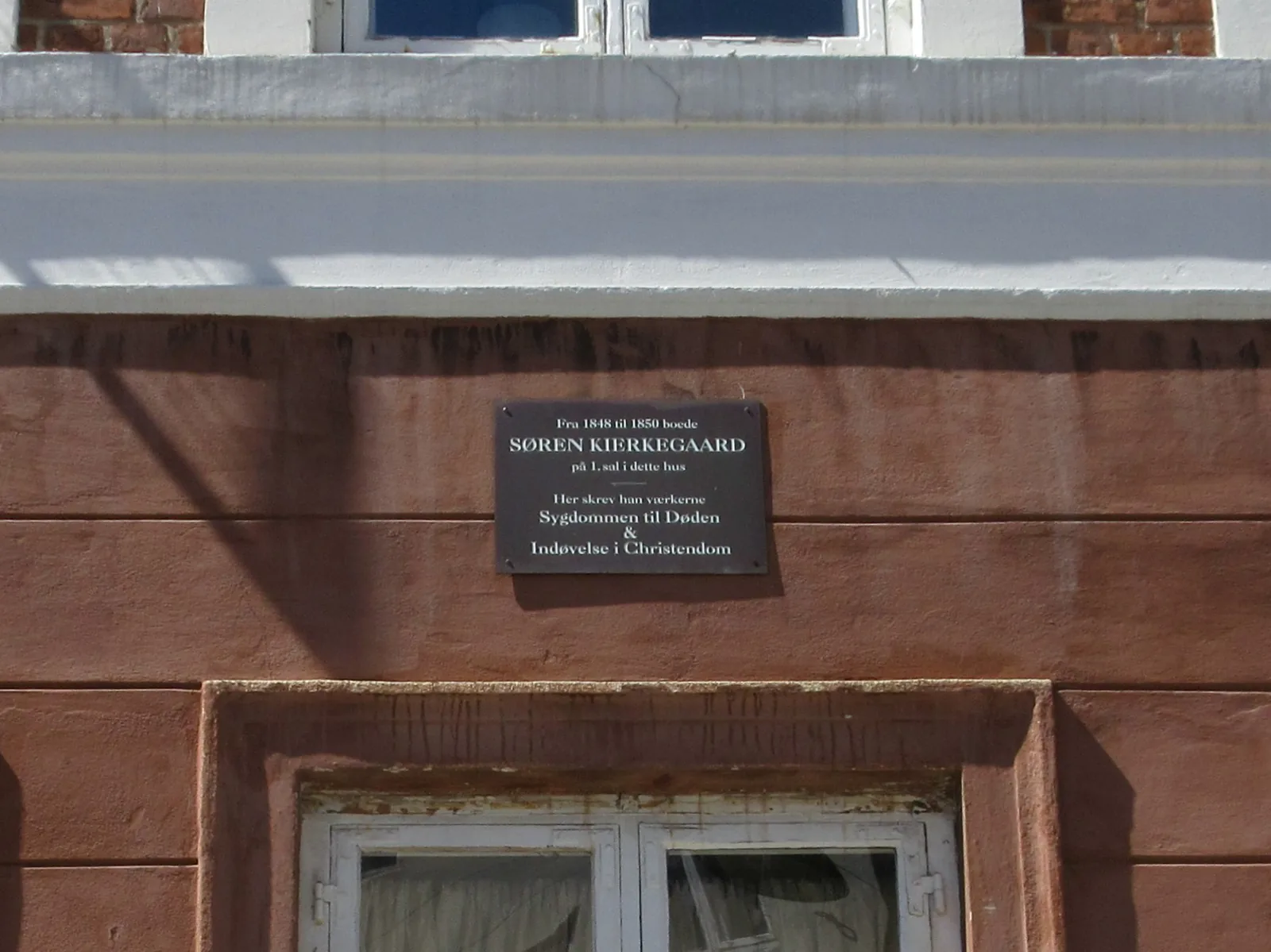
Wikimedia Commons · Creative Commons Attribution-Share Alike 4.0 International · file After leaving the corner apartment, Kierkegaard moved to a first-floor apartment at Rosenborggade 7, where he worked on major late writings. The source's preceding sentence identifies the subject as Kierkegaard and the building complex as Rosenborggade 7–9.
Residence at Rosenborggade 7
· Rosenborggade 7, Copenhagen, Denmark
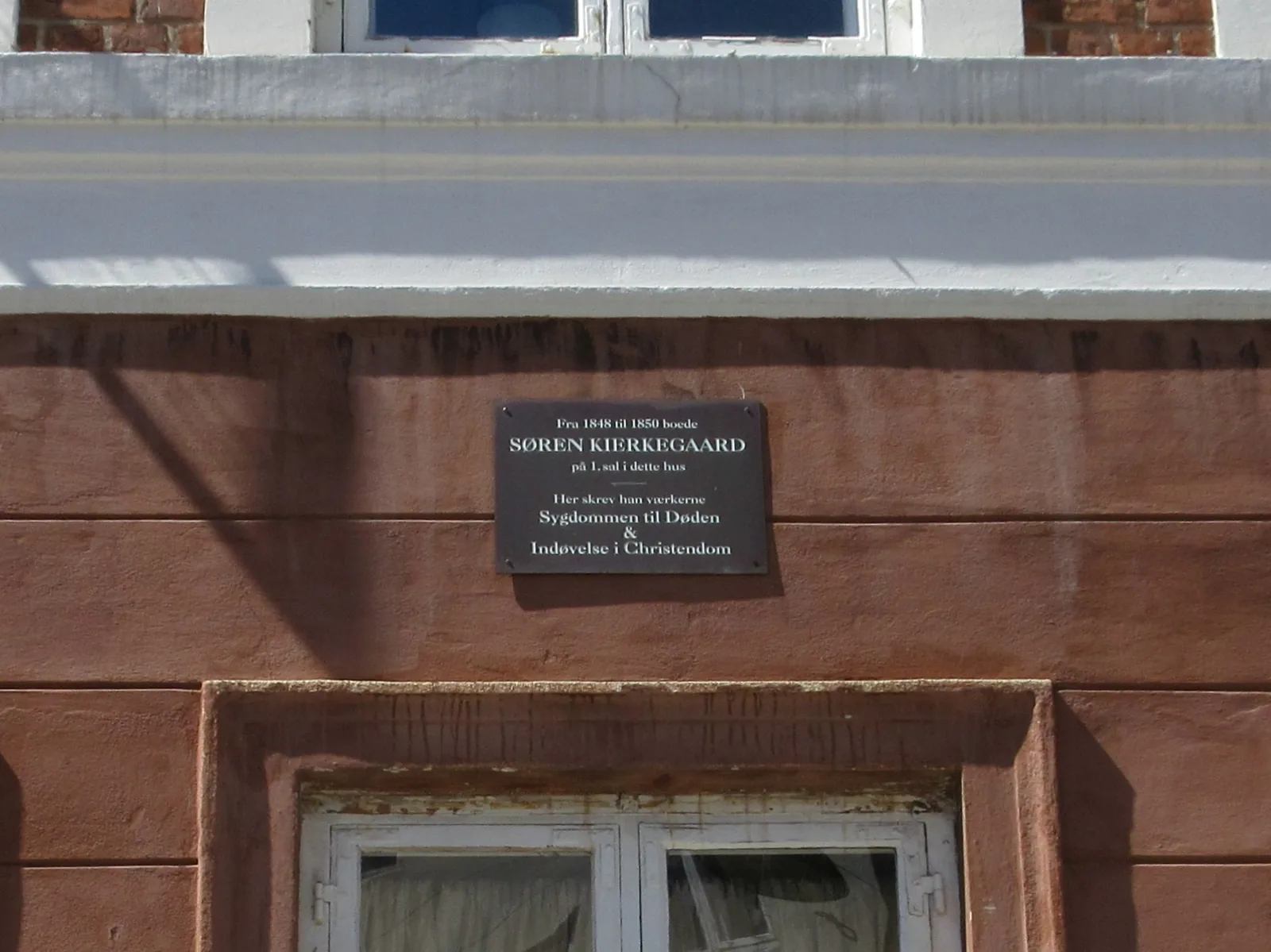
Wikimedia Commons · Creative Commons Attribution-Share Alike 4.0 International · file Kierkegaard resided at Rosenborggade 7 during the period in which The Sickness unto Death and Practice in Christianity were written.
Final Copenhagen residence at Skindergade
· Skindergade 38, Copenhagen, Denmark
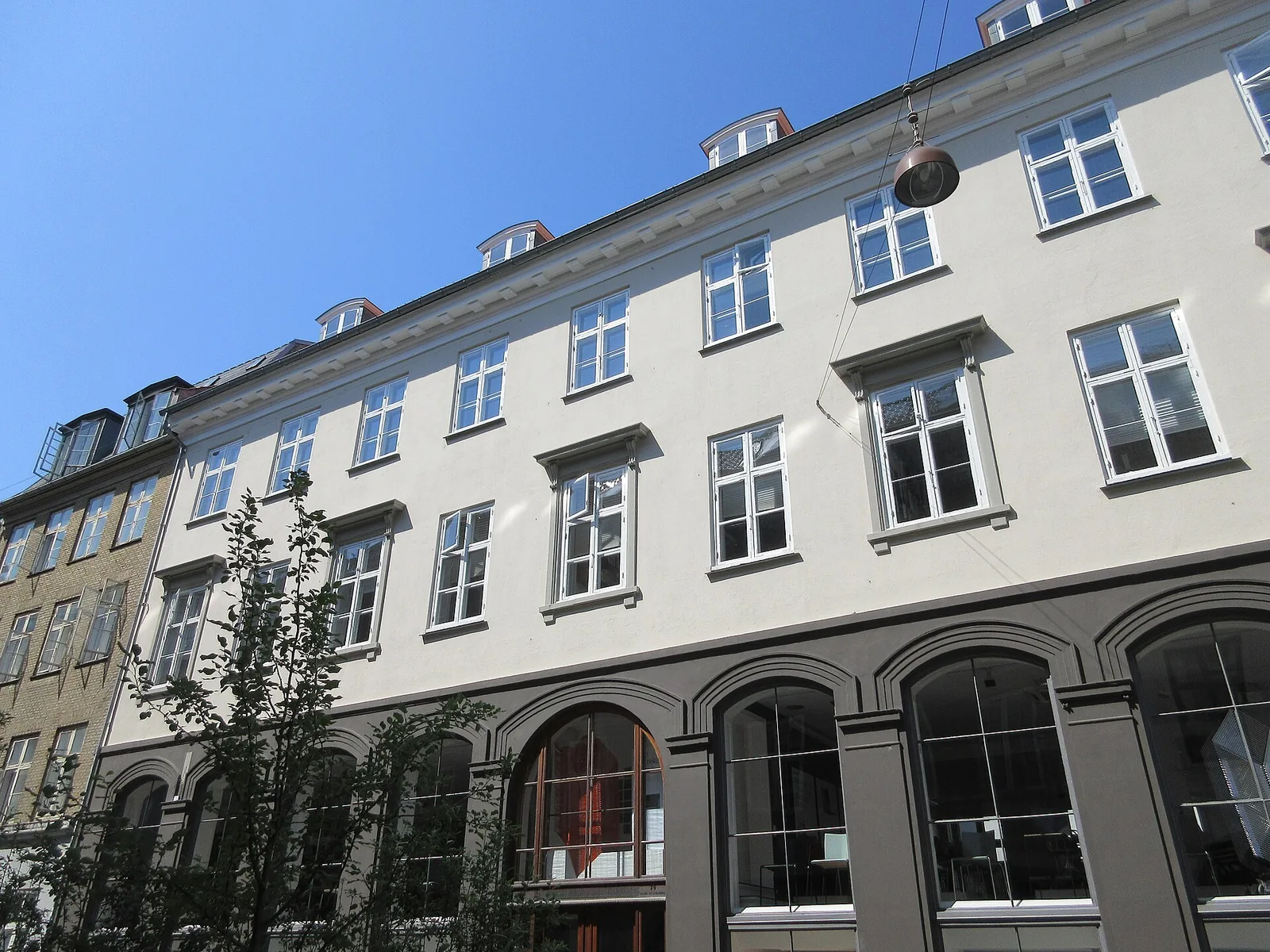
Wikimedia Commons · Creative Commons Attribution-Share Alike 4.0 International · file Kierkegaard became a lodger in the first-floor apartment at Skindergade 38, his final home before his hospitalization in 1855.
Hospitalization at Frederiks Hospital
· Frederiks Hospital, Bredgade, Copenhagen, Denmark
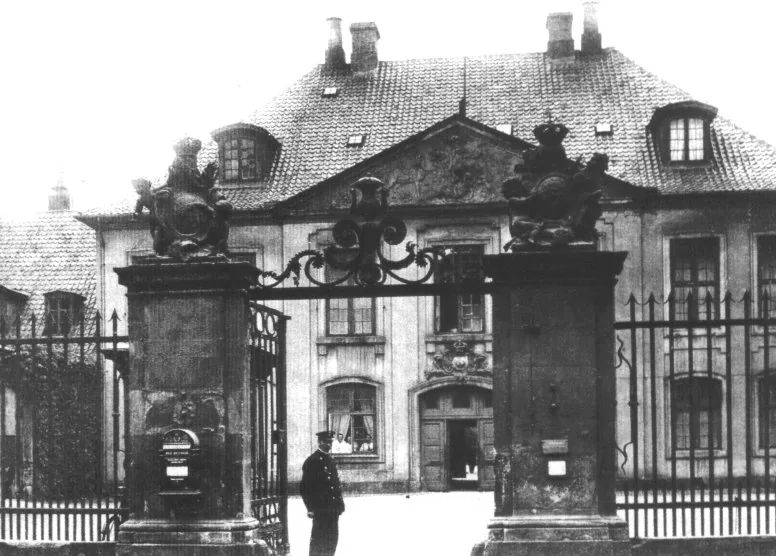
Wikimedia Commons · Public domain · file After collapsing, Kierkegaard was admitted to Frederiks Hospital, where he remained through the final weeks of his life. The Danish source states that he was hospitalized at Frederiks Hospital from 2 October 1855 until his death on 11 November 1855.
Death at Frederiks Hospital
· Frederiks Hospital, Bredgade, Copenhagen, Denmark
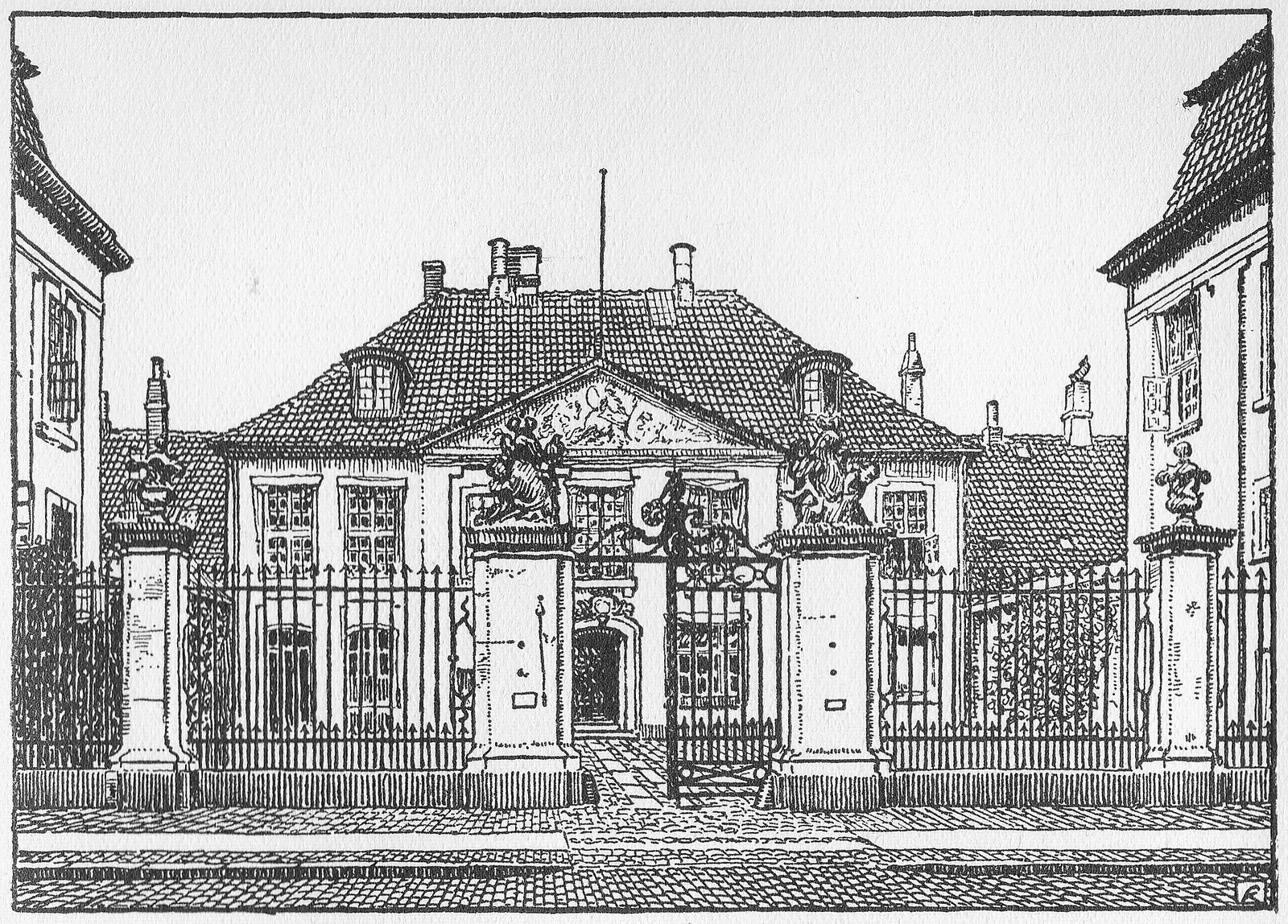
Wikimedia Commons · Public domain · file Kierkegaard died at Frederiks Hospital in Copenhagen after more than a month there. The article's biographical infobox dates his death to 11 November 1855; the hospital location is stated in its death section.