
17 moments
Campaigns into Nubia as crown prince
· Nubia south of the First Cataract, Egypt
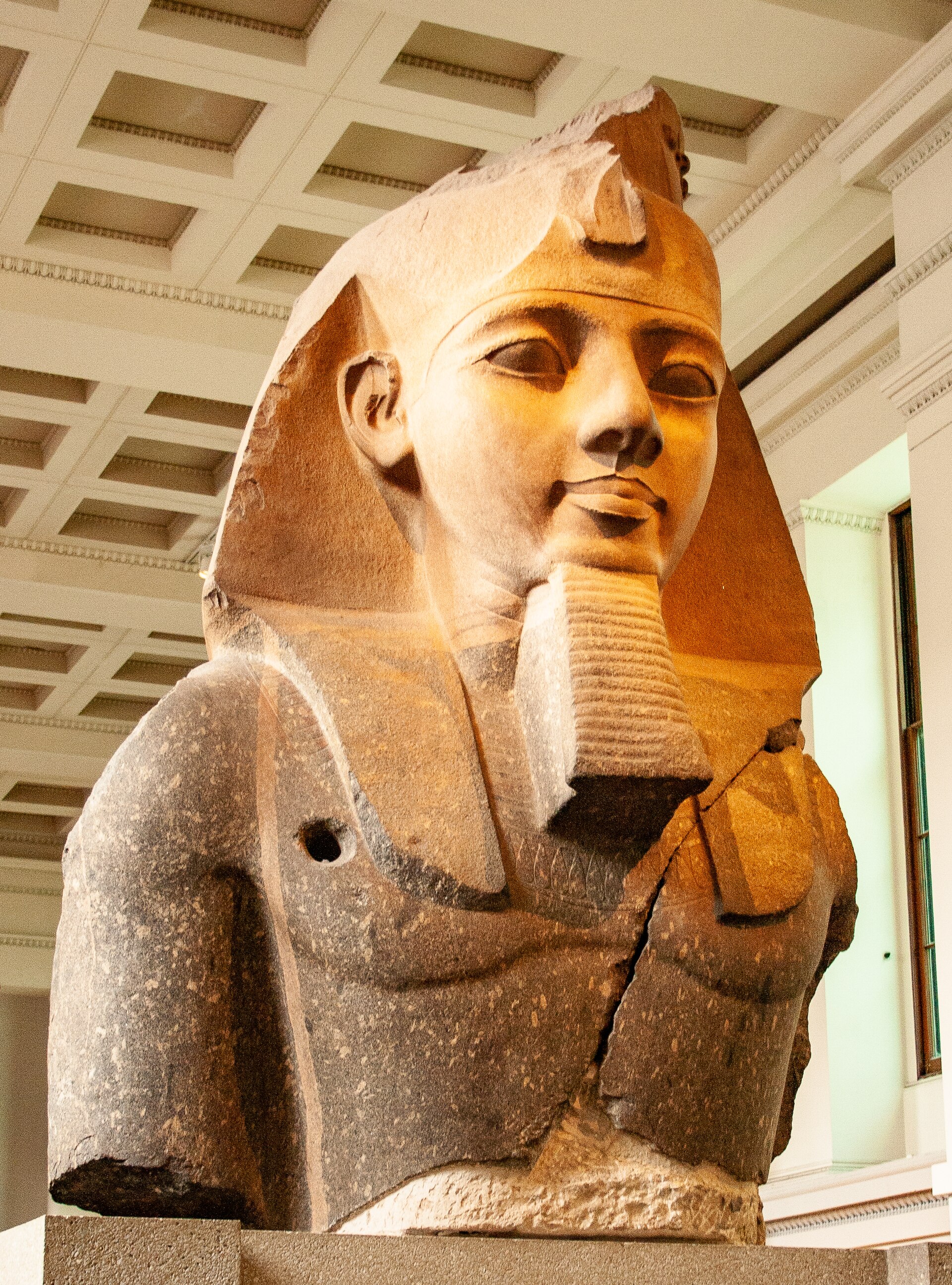
Wikimedia Commons · Creative Commons Attribution-Share Alike 3.0 Unported · file At about age twenty-two, Ramesses campaigned south of Egypt's First Cataract in Nubia, accompanied on at least one expedition by two sons. Approximate year derived from his circa-1303 BC birth and stated age of about twenty-two. Coordinate is a representative point in northern Nubia south of the First Cataract, not a documented camp.
Campaigns in Amurru
· Amurru, northern Levant
In his fourth regnal year, Ramesses led a Syrian campaign that captured the Hittite vassal state of Amurru, preparing the ground for the later Kadesh campaign. 1276 BC is the conventional approximate placement of regnal year four. Amurru was a region spanning parts of modern Syria and Lebanon; the coordinate is representative.
Passes Egypt's eastern frontier fortress
· Tjaru, Tell Heboua, North Sinai Governorate, Egypt
On the march from Egypt into Canaan, Ramesses personally passed the frontier fortress called Sile or Tjaru. Tjaru's identification with Tell Heboua is the prevailing archaeological identification, but the exact route point is approximate.
Returns to Pi-Ramesses after Kadesh
· Pi-Ramesses, Qantir, Sharqia Governorate, Egypt
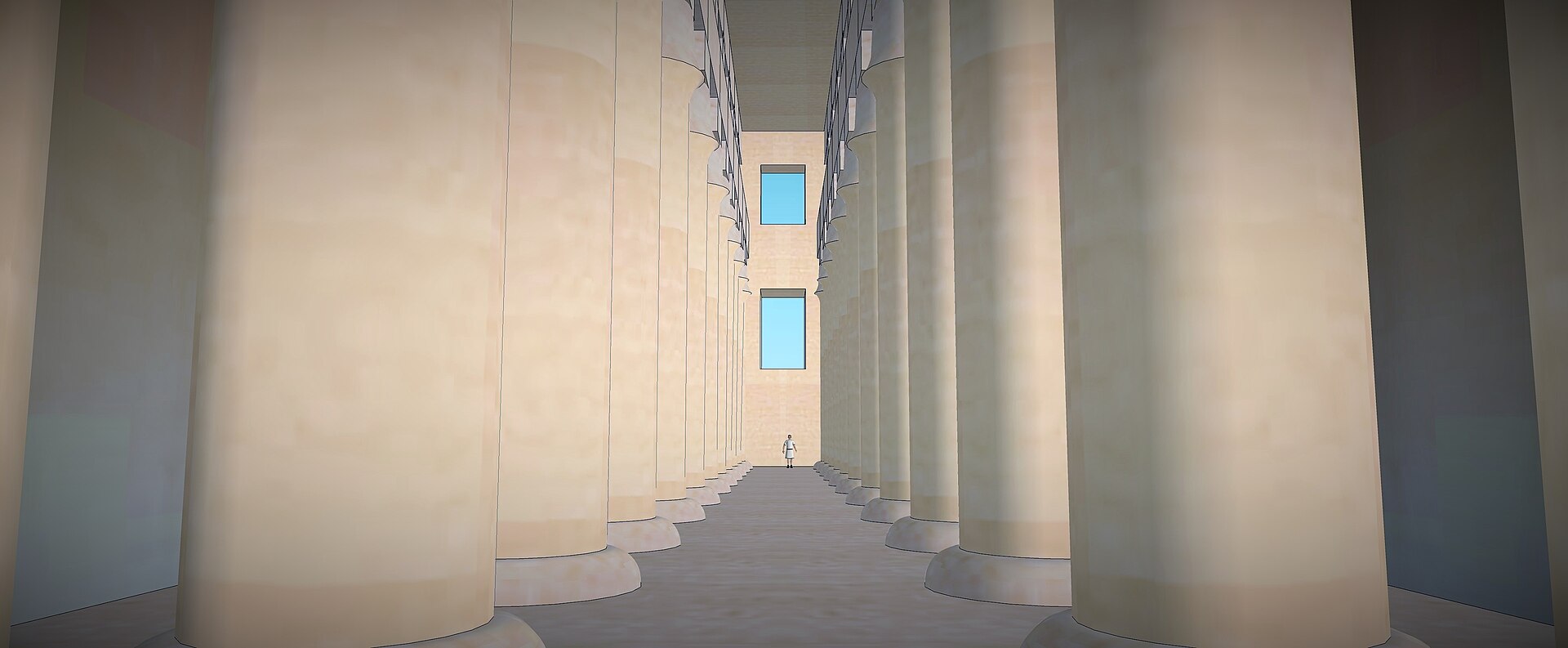
Wikimedia Commons · Creative Commons Attribution-Share Alike 4.0 International · file After withdrawing from the inconclusive Kadesh campaign, Ramesses returned with his troops to his principal residence and military center at Pi-Ramesses.
Arrives and fights at Kadesh
· Kadesh battlefield, Orontes River, Syria
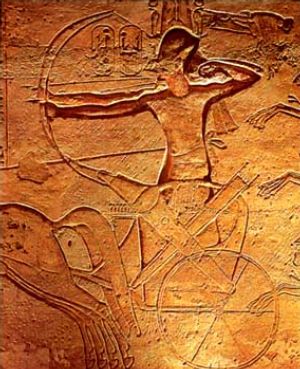
Wikimedia Commons · Public domain · file Ramesses crossed the Orontes and reached Kadesh, where his camp was attacked and he personally led countercharges against the Hittite chariot force. The exact modern reconstruction of the battlefield around Tell Nebi Mend and the Orontes remains approximate.
Reaches the vicinity of Shabtuna
· Vicinity south of Shabtuna, near Kadesh, Syria
Wikimedia Commons · Public domain · file Immediately before reaching Kadesh, Ramesses and the Egyptian advance guard arrived south of Shabtuna, where captured scouts revealed the nearby Hittite army. Shabtuna's exact site is uncertain. The coordinate represents the documented area south of Kadesh; the date follows the article's conversion for Ramesses's arrival at Kadesh.
Advances to Damascus and Upi
· Damascus and the land of Upi, Syria
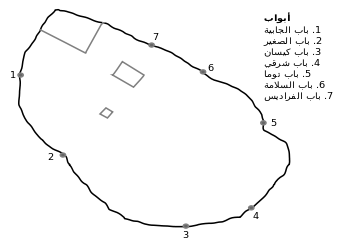
Wikimedia Commons · Public domain · file Ramesses's reunited army advanced to Damascus and recovered Upi, restoring Egyptian influence around the city. Upi was the broader territory around Damascus. The coordinate marks Damascus as the best-defined point.
Besieges Dapur
· Dapur, northern Amurru, modern Syria
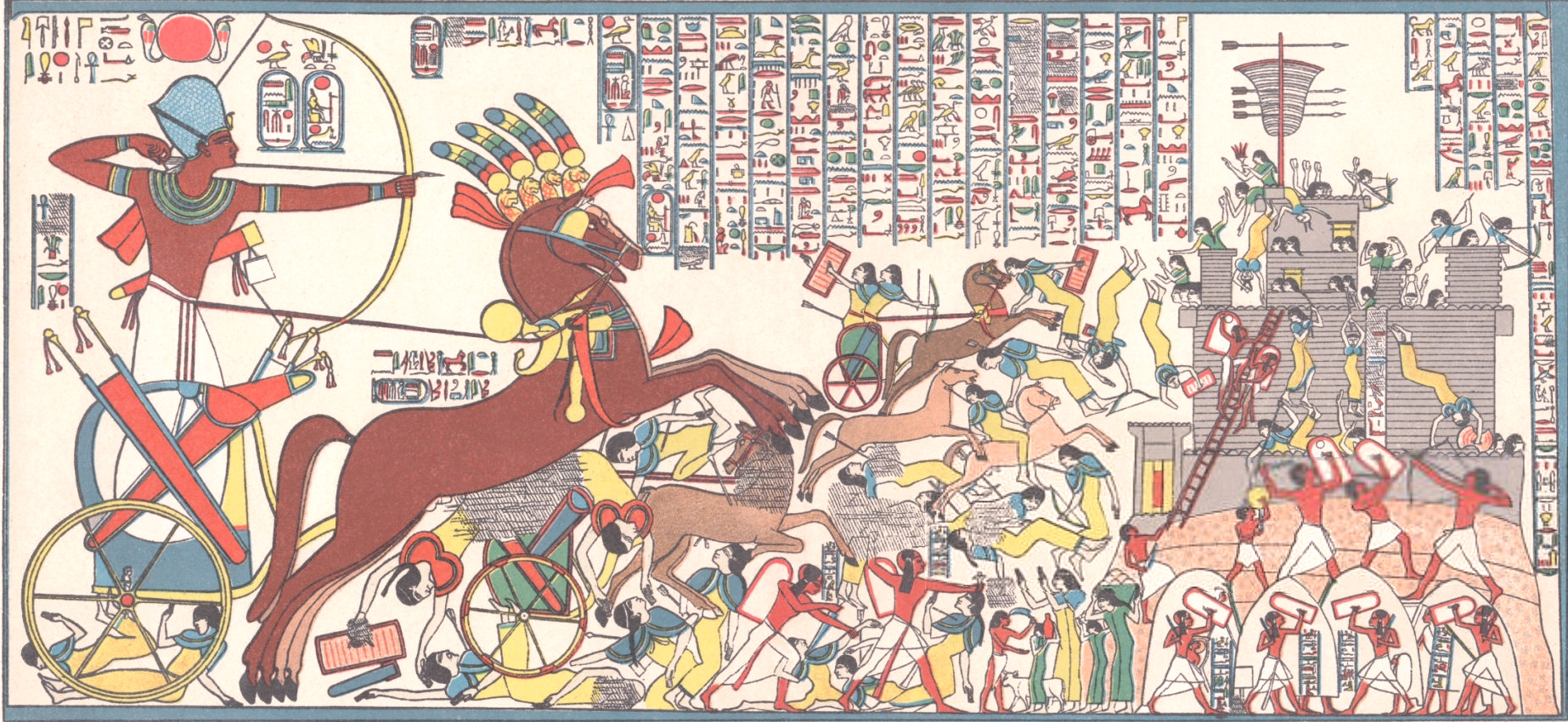
Wikimedia Commons · Public domain · file During his northern campaign, Ramesses personally besieged and captured the fortified settlement of Dapur before returning to Egypt. Dapur's exact location is unknown; the representative coordinate follows the source's placement in Syria north of Kadesh.
Crosses the Dog River
· Nahr al-Kalb, Mount Lebanon Governorate, Lebanon
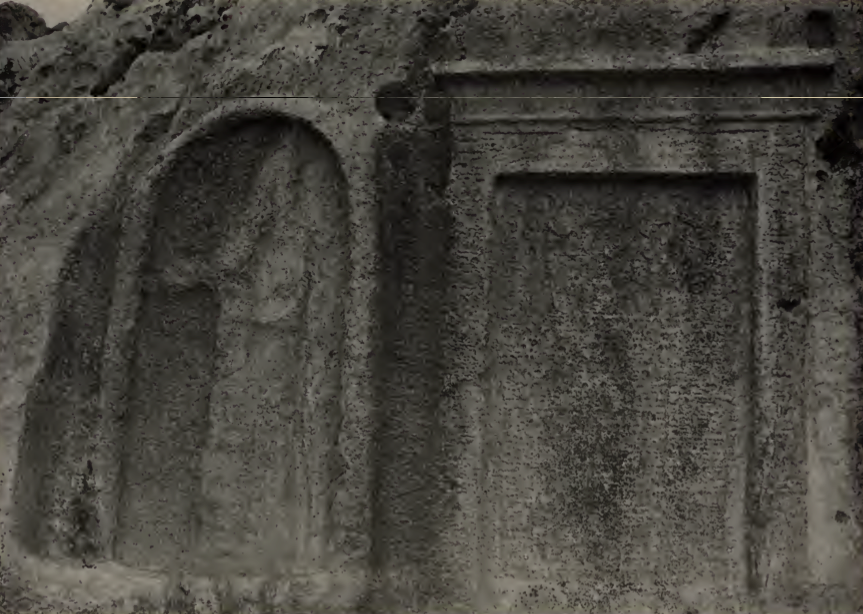
Wikimedia Commons · Public domain · file In a later northward operation, Ramesses crossed Nahr al-Kalb and pushed into Amurru beyond Kadesh. The source assigns these successes broadly to regnal years eight and nine; exact sequencing is uncertain.
Marches on Hesbon
· Tell Hesban, Amman Governorate, Jordan
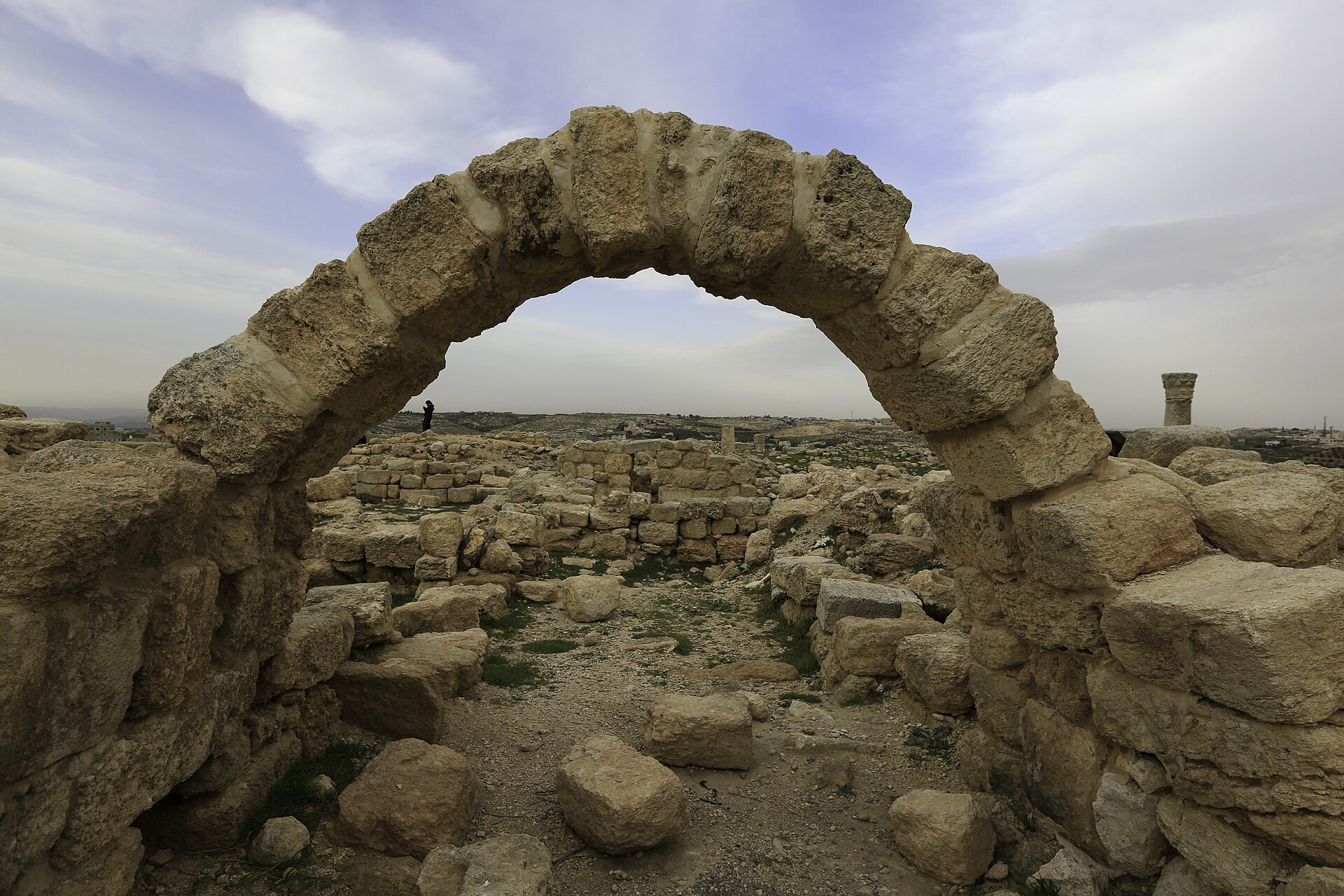
Wikimedia Commons · Creative Commons Attribution-ShareAlike 4.0 International · file After the two Egyptian forces reunited in Moab, Ramesses advanced through Hesbon as the campaign moved north toward Damascus. Identification with Tell Hesban is conventional but debated; the precise campaign date is unclear.
Marches through Kumidi
· Kumidi, Kamid el-Loz, Beqaa Governorate, Lebanon
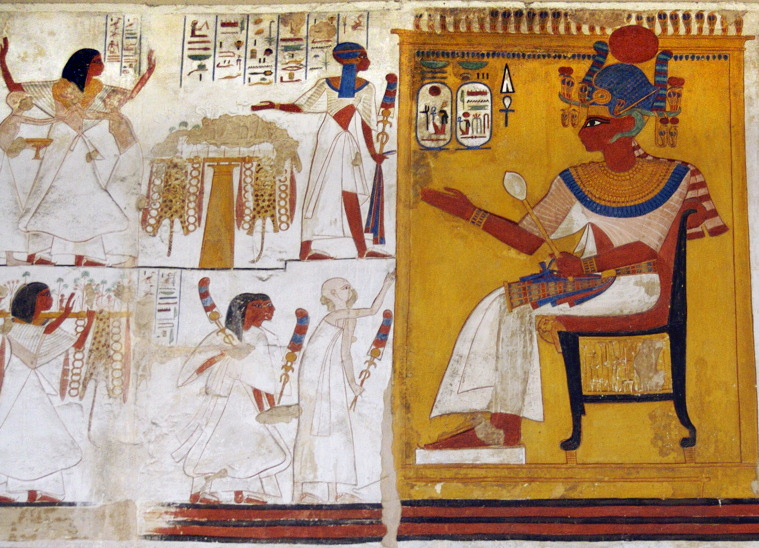
Wikimedia Commons · Creative Commons Attribution-Share Alike 4.0 International · file The reunited Egyptian army passed Kumidi during Ramesses's northward advance from Moab toward Upi. Kumidi is generally identified with Kamid el-Loz; the exact date within the campaign is unknown.
Reaches Tunip in northern Amurru
· Tunip, probably Tell Asharneh, Hama Governorate, Syria
Ramesses penetrated northern Amurru as far as Tunip, well north of Kadesh and beyond the usual reach of contemporary Egyptian armies. Tunip's identification with Tell Asharneh is a scholarly proposal rather than certainty. The campaign's exact year is unclear.
Marches against Dapur again
· Dapur, northern Amurru, modern Syria
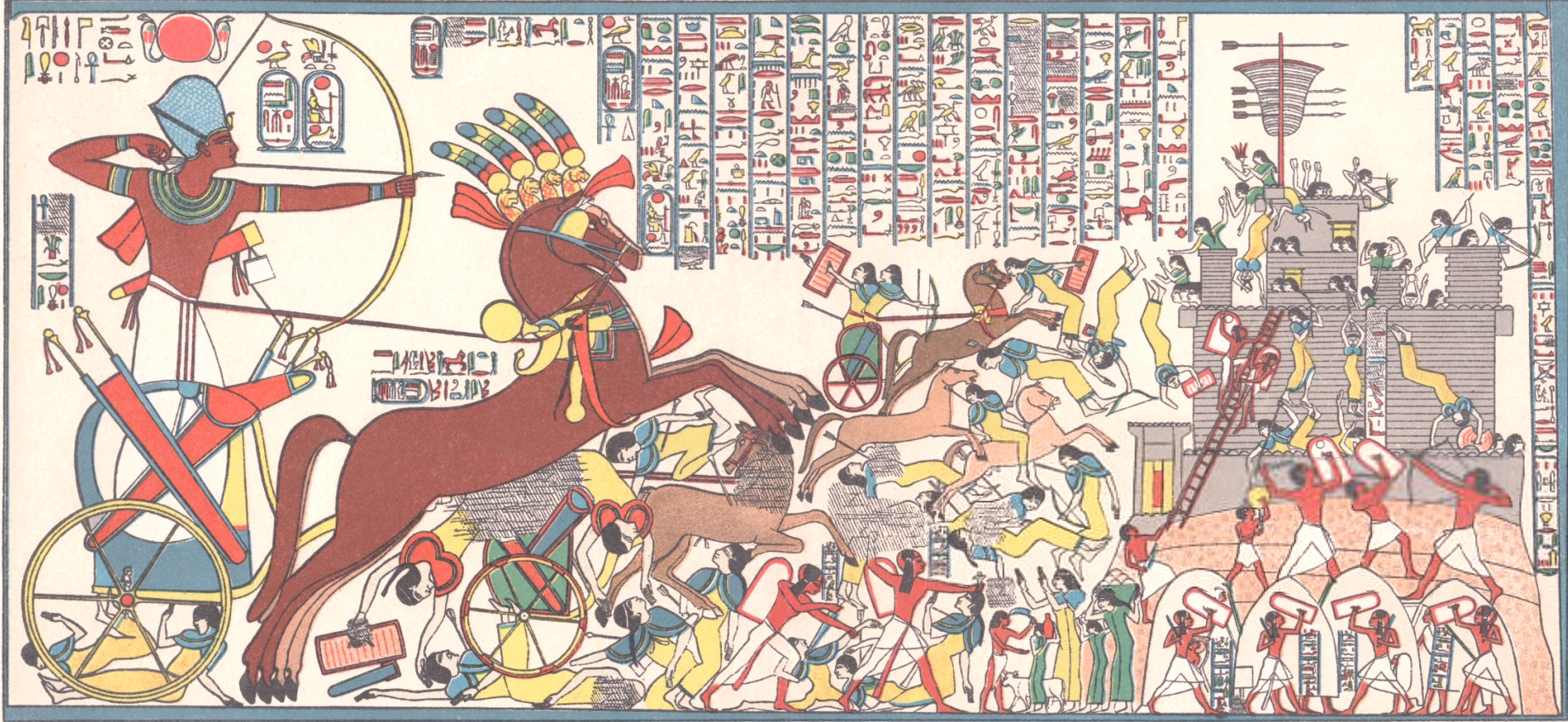
Wikimedia Commons · Public domain · file Because earlier Egyptian control did not last, Ramesses returned in his tenth regnal year for a second operation against Dapur. The exact site remains unidentified; the coordinate is a representative point north of Kadesh.
Receives the Hittite peace treaty
· Pi-Ramesses, Qantir, Sharqia Governorate, Egypt
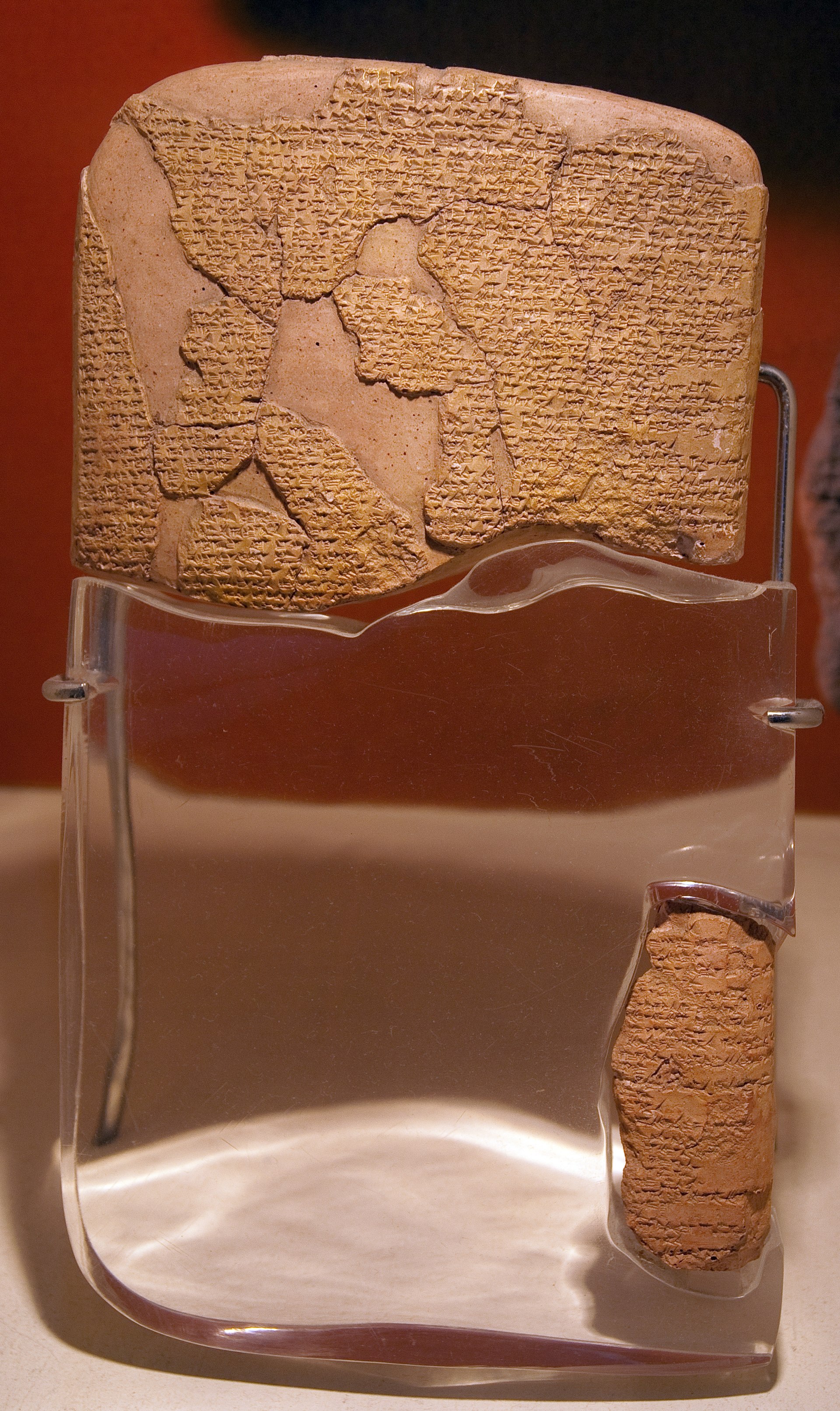
Wikimedia Commons · Creative Commons Attribution 3.0 Unported · file Hittite messengers met Ramesses at Pi-Ramesses to present the treaty that ended sustained conflict between Egypt and Hatti. The treaty is conventionally dated to Ramesses's twenty-first regnal year, 1259 BC.
Inaugurates Abu Simbel with Nefertari
· Abu Simbel temples, Aswan Governorate, Egypt
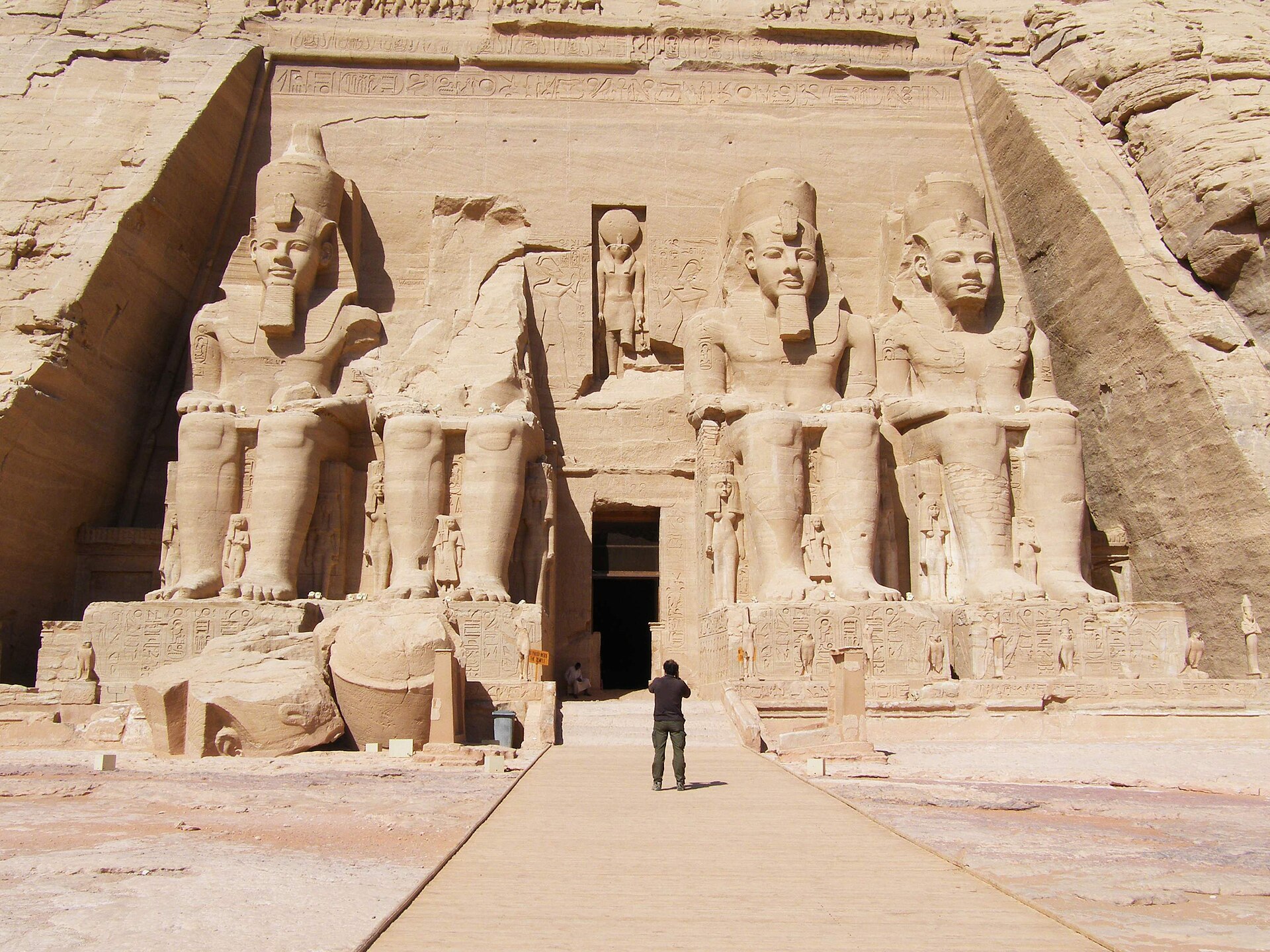
Wikimedia Commons · Creative Commons Attribution 3.0 Unported · file Ramesses and Queen Nefertari traveled into Nubia to inaugurate the monumental temple complex at Abu Simbel. The temples were relocated to higher ground in the twentieth century; coordinates identify their present position near the original site.
Buried in tomb KV7
· Tomb KV7, Valley of the Kings, Luxor Governorate, Egypt
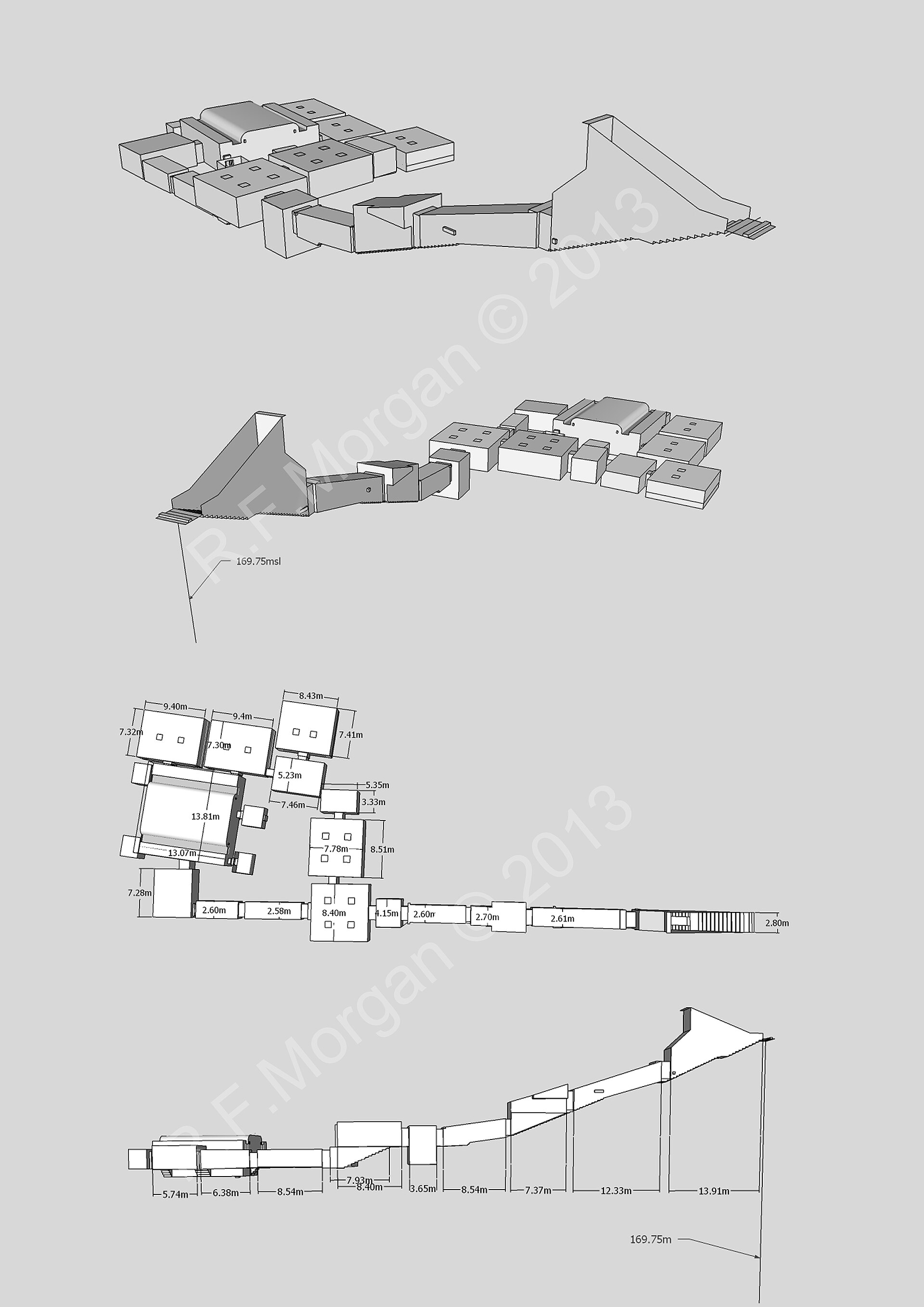
Wikimedia Commons · Creative Commons Attribution-Share Alike 3.0 Unported · file Ramesses's body was interred in his royal tomb, KV7, in the Valley of the Kings. The exact burial day is unknown; the year follows his death in 1213 BC.
Dies at probable royal residence
· Pi-Ramesses, Qantir, Sharqia Governorate, Egypt
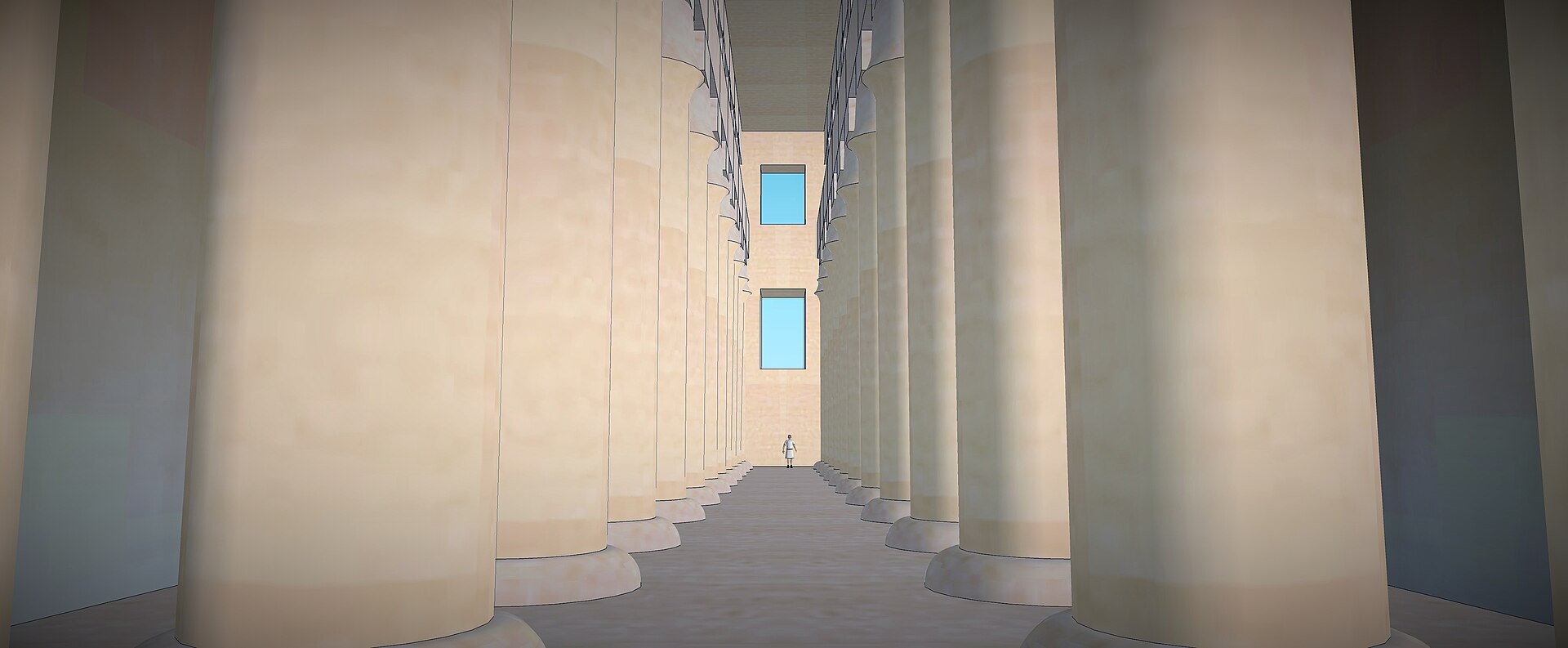
Wikimedia Commons · Creative Commons Attribution-Share Alike 4.0 International · file After approximately sixty-six years on the throne, Ramesses died in northern Egypt, most probably at Pi-Ramesses. The place is explicitly presented as most likely rather than certain. Sources disagree on the precise day within 1213 BC, so only the year is used.