
25 moments
Birth in Beijing
· Beijing, China
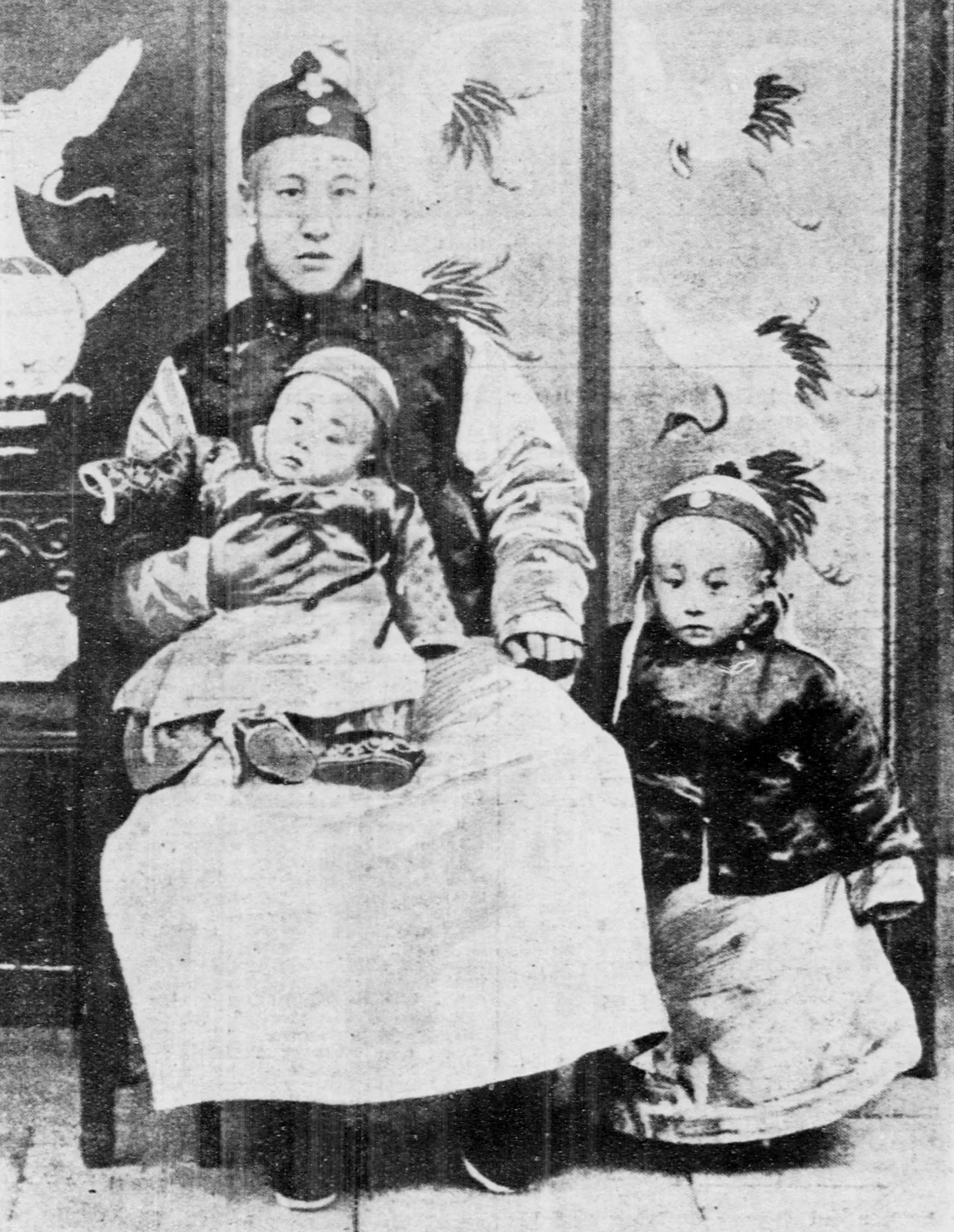
Wikimedia Commons · Public domain · file Puyi was born in Beijing, then the capital of Qing China. City representative coordinate; the article infobox identifies Prince Chun's Mansion within present-day Beijing as his birthplace.
Taken to the Forbidden City
· Forbidden City, Beijing, China
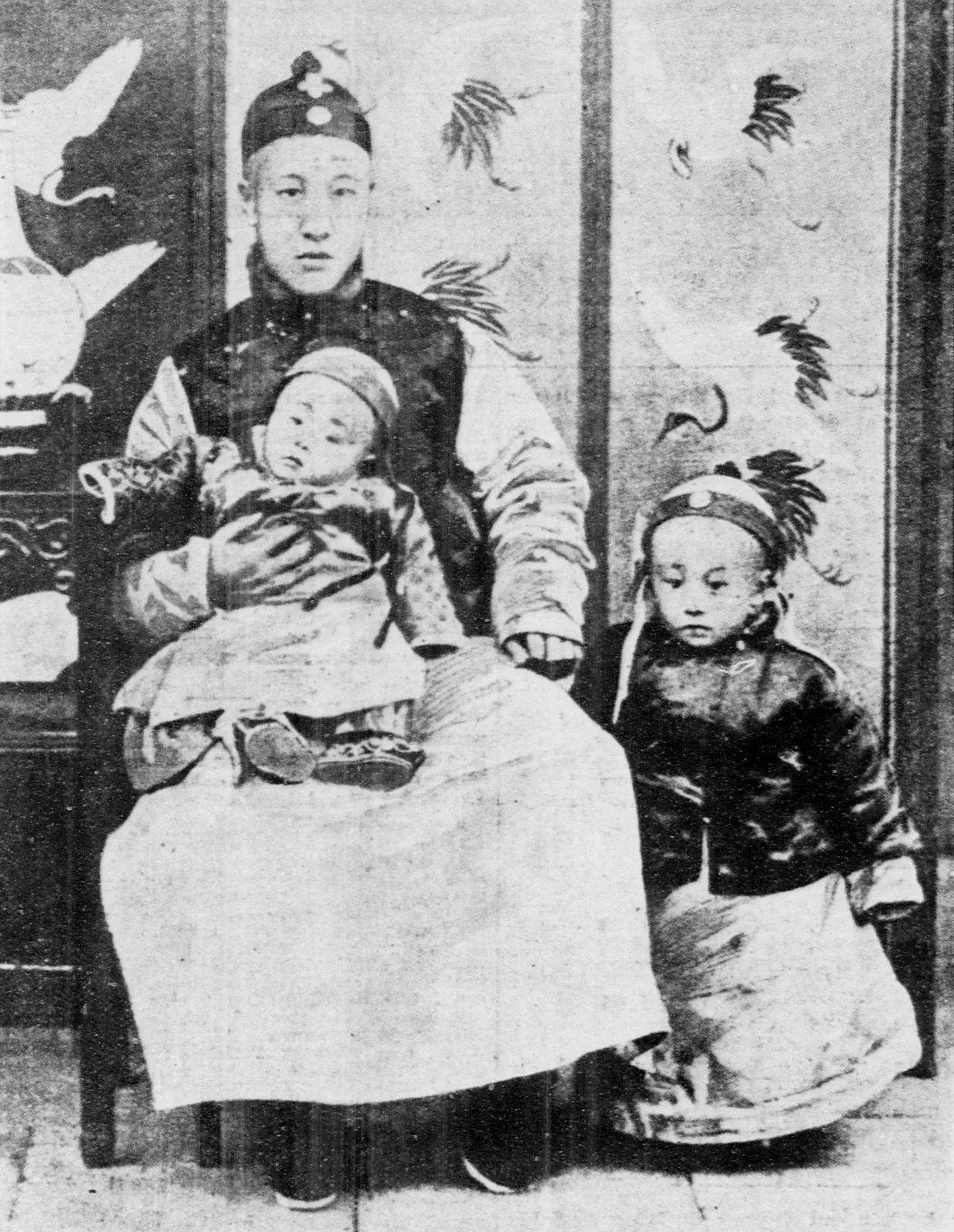
Wikimedia Commons · Public domain · file As the chosen successor to the Guangxu Emperor, the toddler Puyi was removed from his family residence and taken to the Forbidden City.
Qing enthronement
· Hall of Supreme Harmony, Forbidden City, Beijing, China
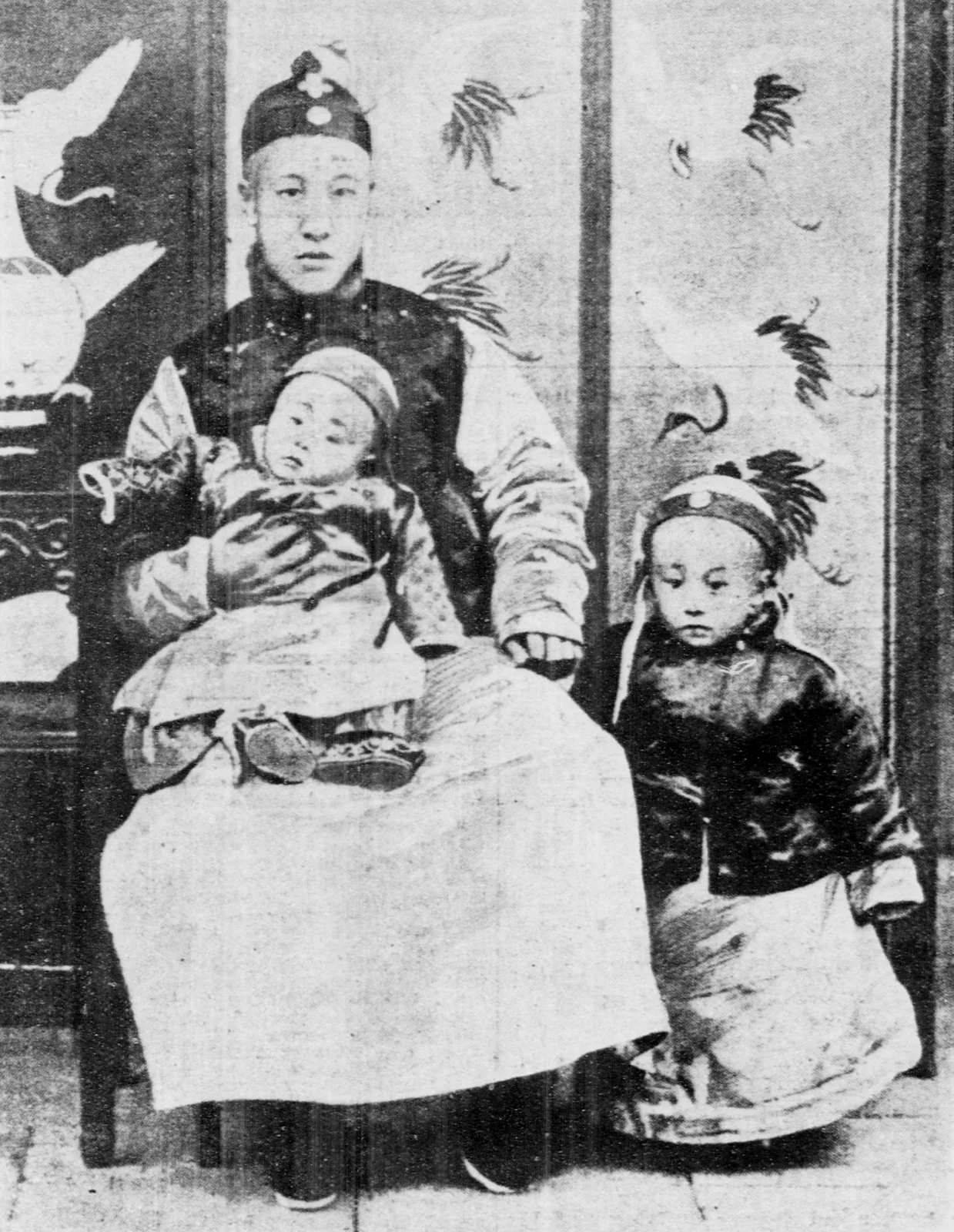
Wikimedia Commons · Public domain · file Puyi was enthroned as the Xuantong Emperor in the principal ceremonial hall of the Forbidden City.
Post-abdication residence
· Forbidden City, Beijing, China
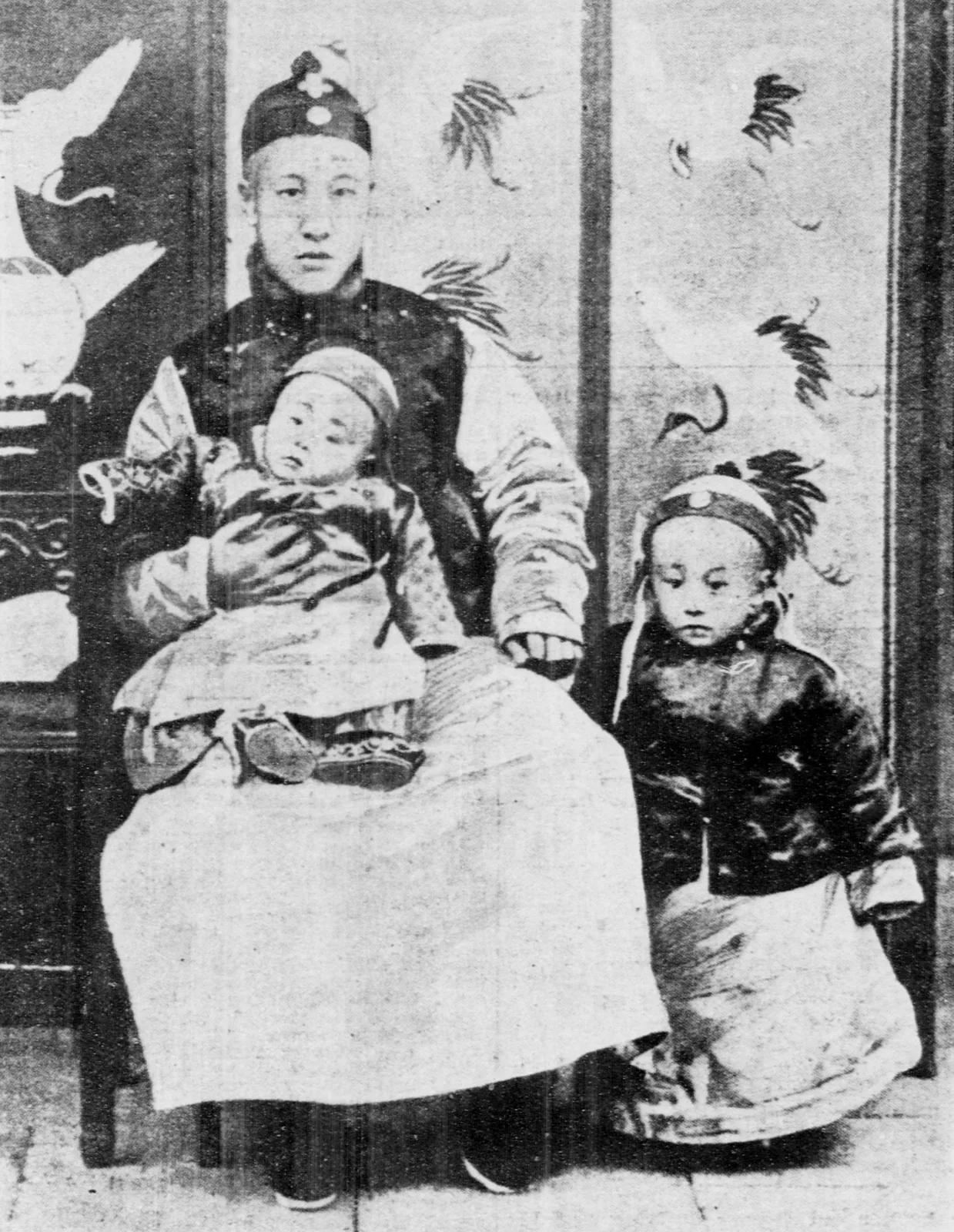
Wikimedia Commons · Public domain · file After Qing abdication, Puyi and his court retained residence in the northern half of the Forbidden City under the Articles of Favorable Treatment. The source establishes continued residence beginning in 1912; the card date uses the supported start year rather than an invented range.
Manchu Restoration
· Forbidden City, Beijing, China
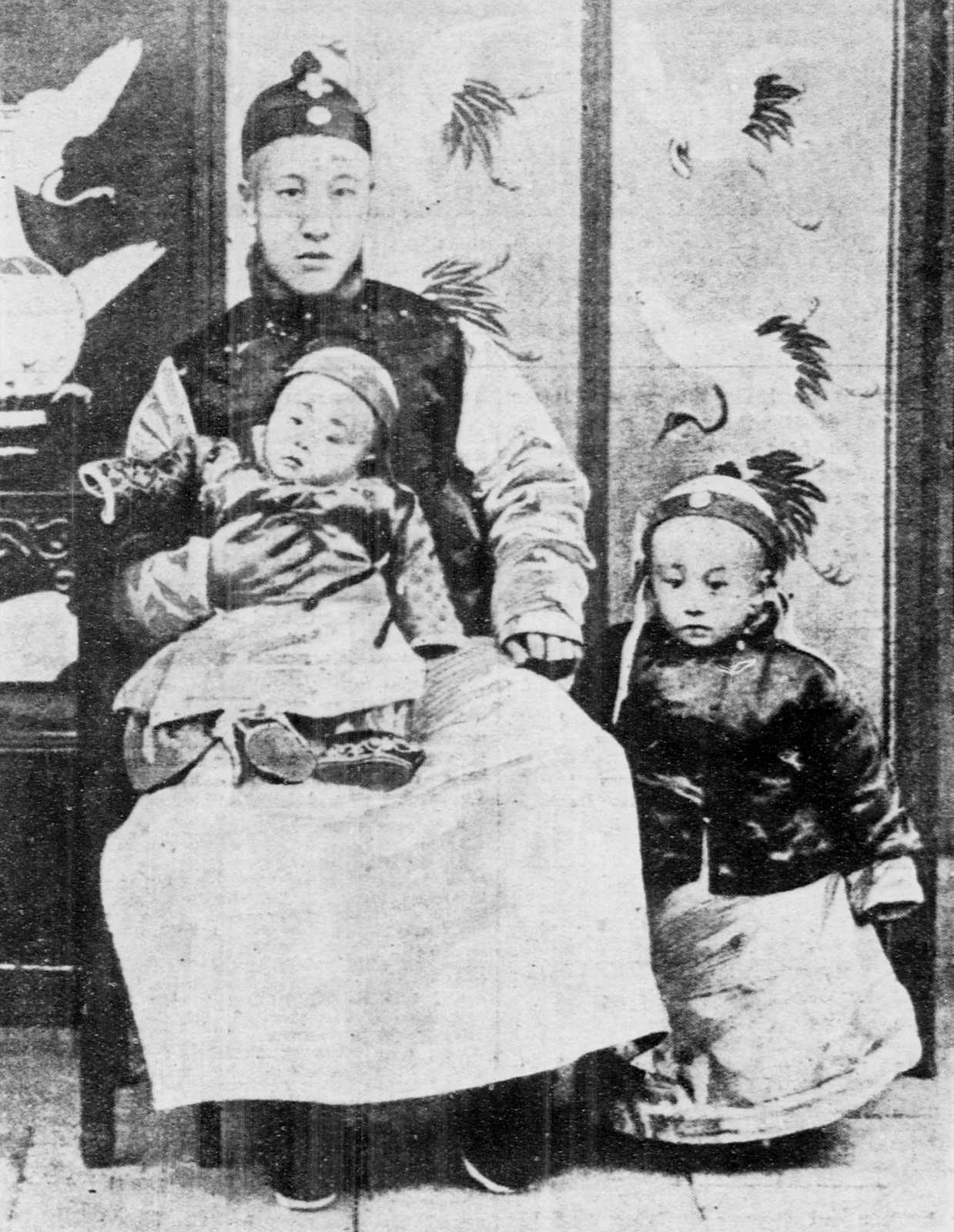
Wikimedia Commons · Public domain · file Puyi briefly returned to the throne during Zhang Xun's attempted restoration of the Qing monarchy. The article's surrounding Forbidden City context establishes the restoration location; month precision is retained because the reign lasted 1–12 July.
Refuge at Prince Chun's house
· Prince Chun's residence, Beijing, China
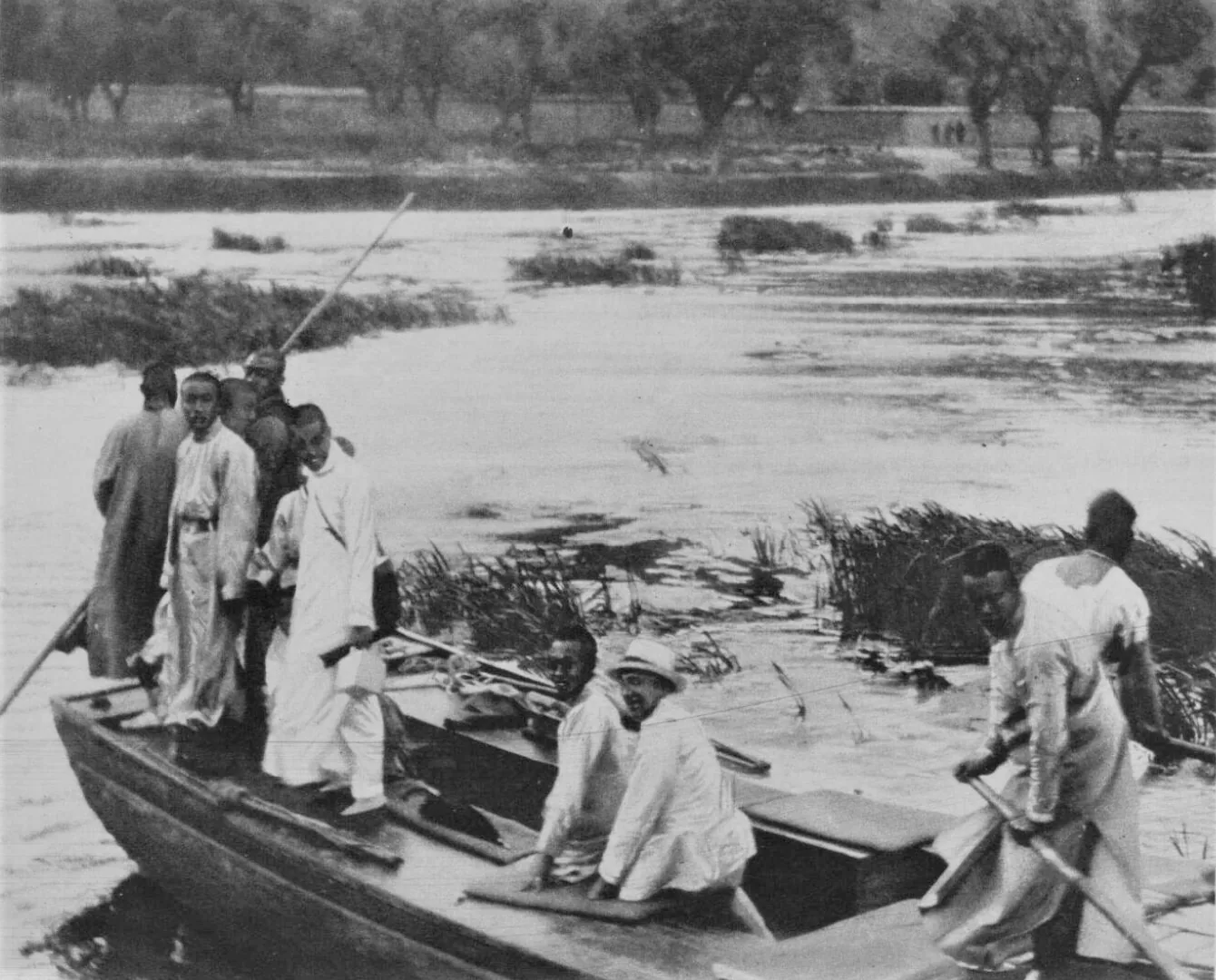
Wikimedia Commons · Public domain · file After his expulsion from the Forbidden City, Puyi stayed briefly at his father's Beijing house. Coordinate is a representative point for Beijing because the source does not identify the precise historic house location in this passage.
Refuge in the Japanese embassy
· Japanese Embassy, Legation Quarter, Beijing, China
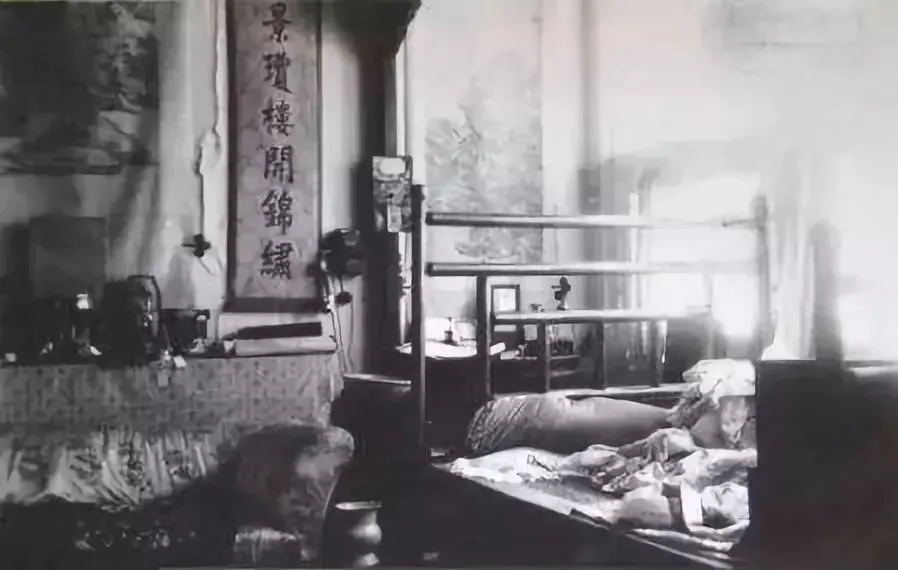
Wikimedia Commons · Public domain · file Puyi temporarily resided in the Japanese embassy in Beijing after leaving his father's house. Coordinate represents the historic Beijing Legation Quarter; the exact embassy building site is not specified in the source passage.
Move to Zhang Garden
· Zhang Garden, Tianjin, China
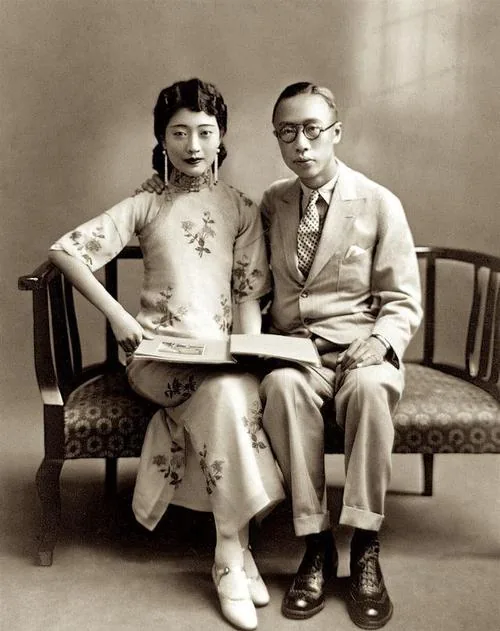
Wikimedia Commons · Public domain · file Puyi moved into Zhang Garden in Tianjin's Japanese concession, beginning his years of residence in Tianjin. Coordinate is an approximate site point for Zhang Garden in the former Japanese concession.
Residence at the Garden of Serenity
· Garden of Serenity, Tianjin, China
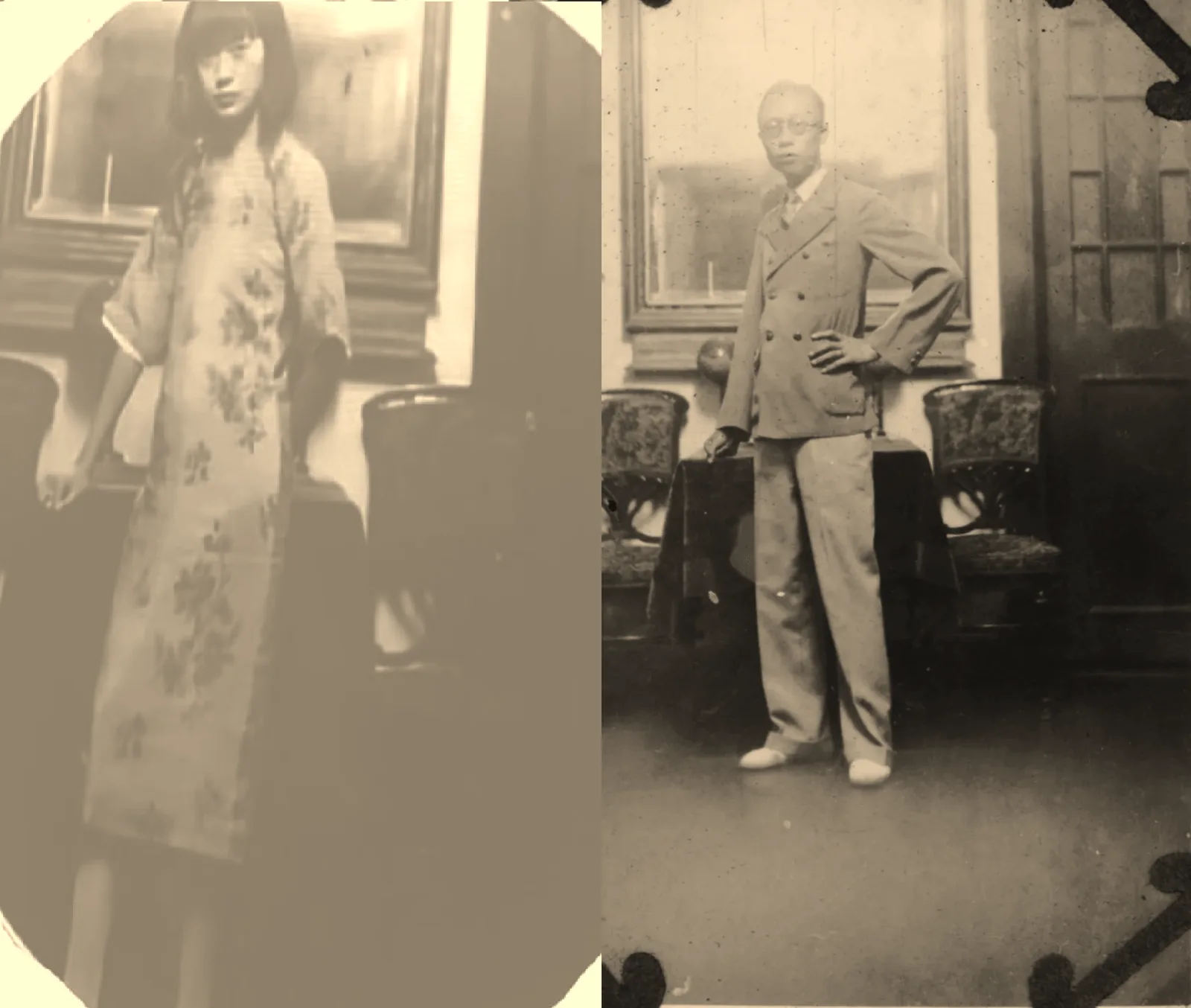
Wikimedia Commons · Public domain · file Puyi moved from Zhang Garden to the former residence of Lu Zongyu, known as the Garden of Serenity, in Tianjin. Coordinate is an approximate site point for the historic Garden of Serenity.
Landing at Port Arthur
· Port Arthur (Lüshun), Dalian, Liaoning, China
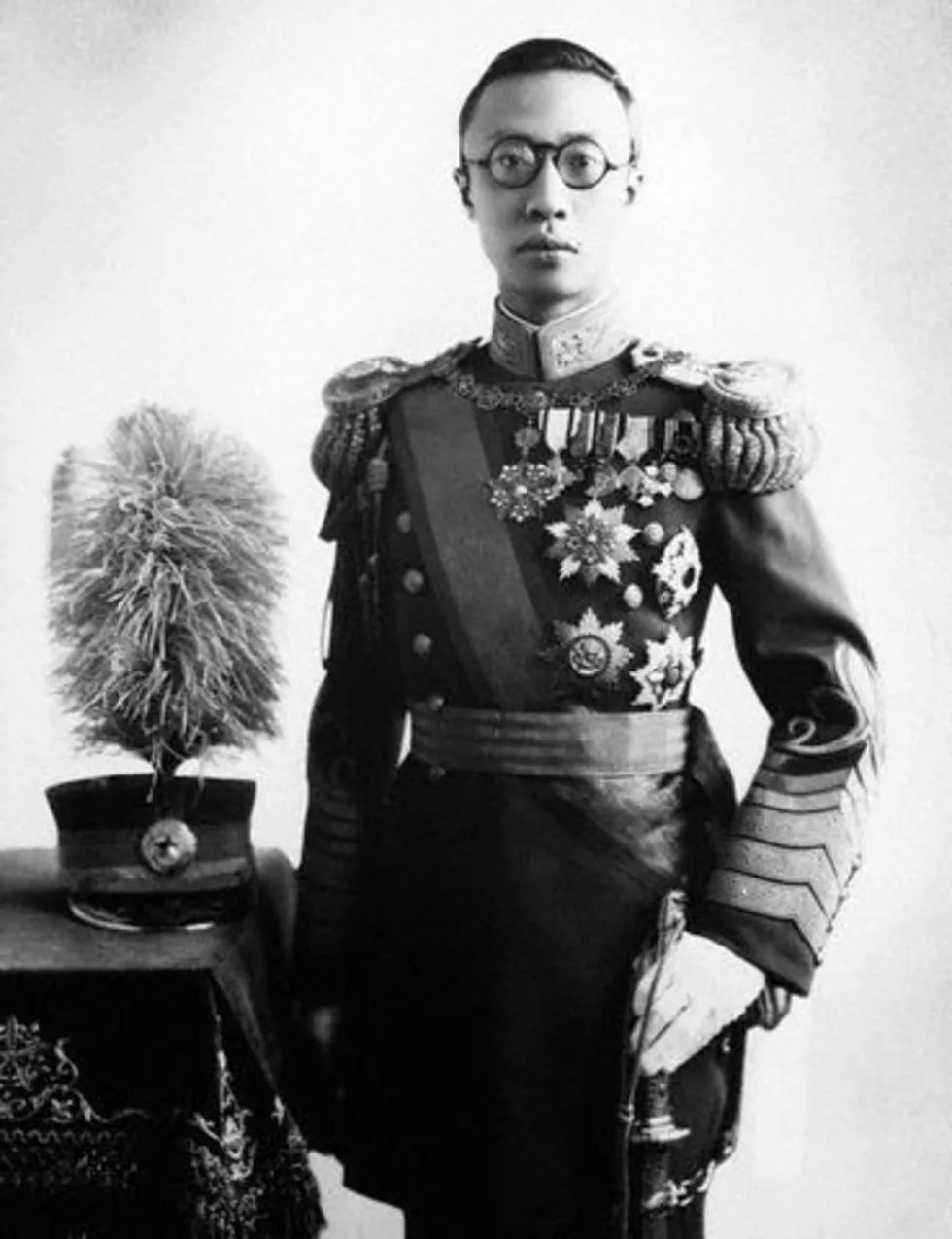
Wikimedia Commons · Public domain · file During the Tientsin Incident, Puyi crossed the Bohai under Japanese protection and landed at Port Arthur. The preceding text dates the Tientsin Incident and this journey to November 1931.
Ceremonial entry into Changchun
· Changchun, Jilin, China
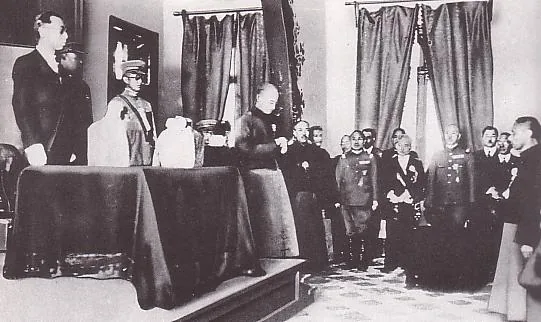
Wikimedia Commons · Public domain · file Puyi made his ceremonial entry into Changchun shortly after being installed as Manchukuo's chief executive. City representative coordinate.
Move to the Salt Tax Palace
· Salt Tax Palace, Changchun, Jilin, China
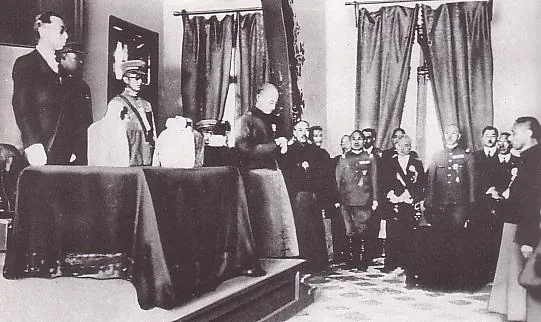
Wikimedia Commons · Public domain · file Puyi moved into the former Salt Tax Administration building in Changchun, thereafter known as the Salt Tax Palace. Coordinates are for the present Museum of the Imperial Palace of Manchukuo, the documented Salt Tax Palace site.
Enthronement as Emperor of Manchukuo
· Changchun, Jilin, China
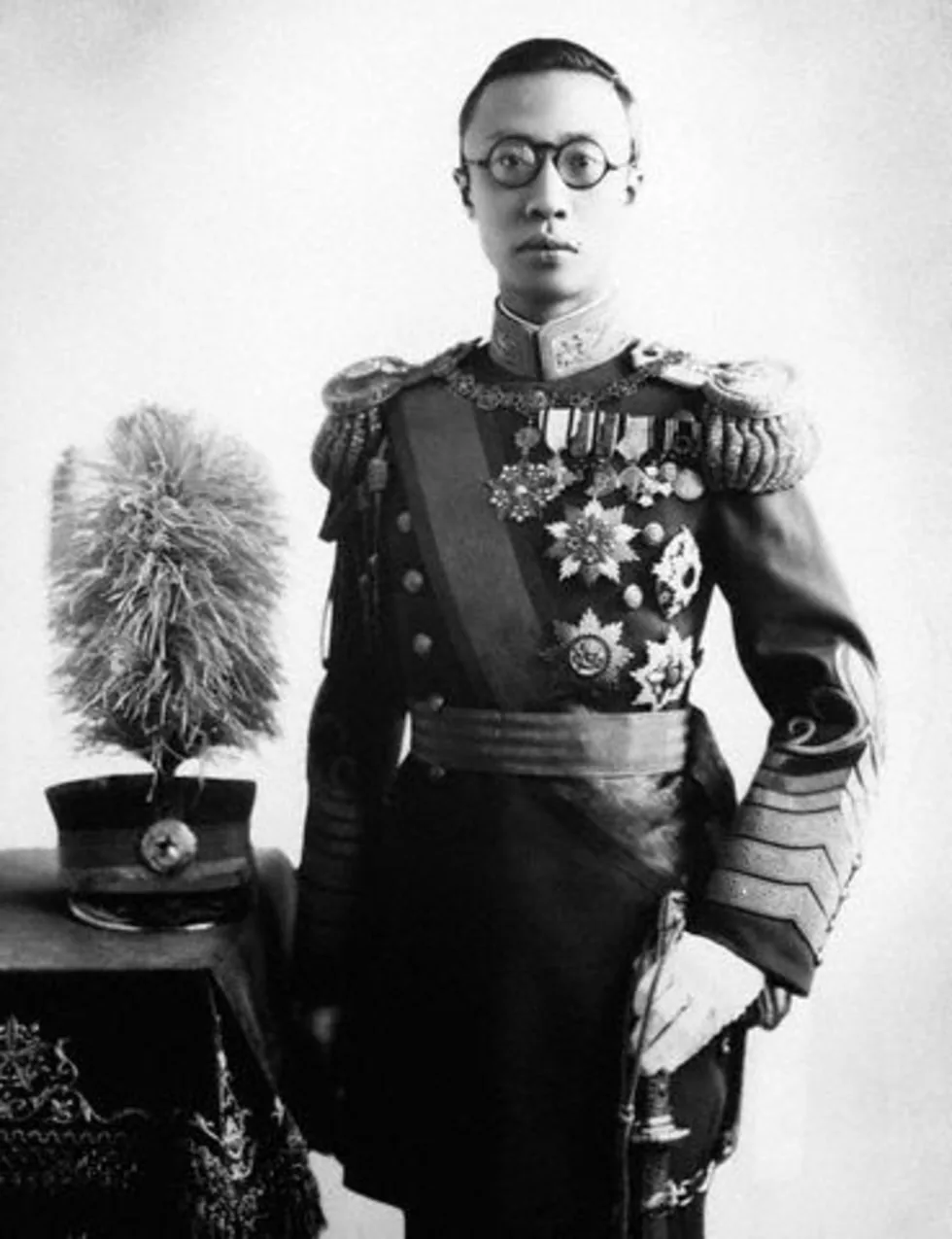
Wikimedia Commons · Public domain · file Puyi was crowned Emperor of Manchukuo at Changchun under the regnal title Kangde. City representative coordinate; the source does not name a more precise coronation venue.
Confinement at the Salt Tax Palace
· Salt Tax Palace, Changchun, Jilin, China
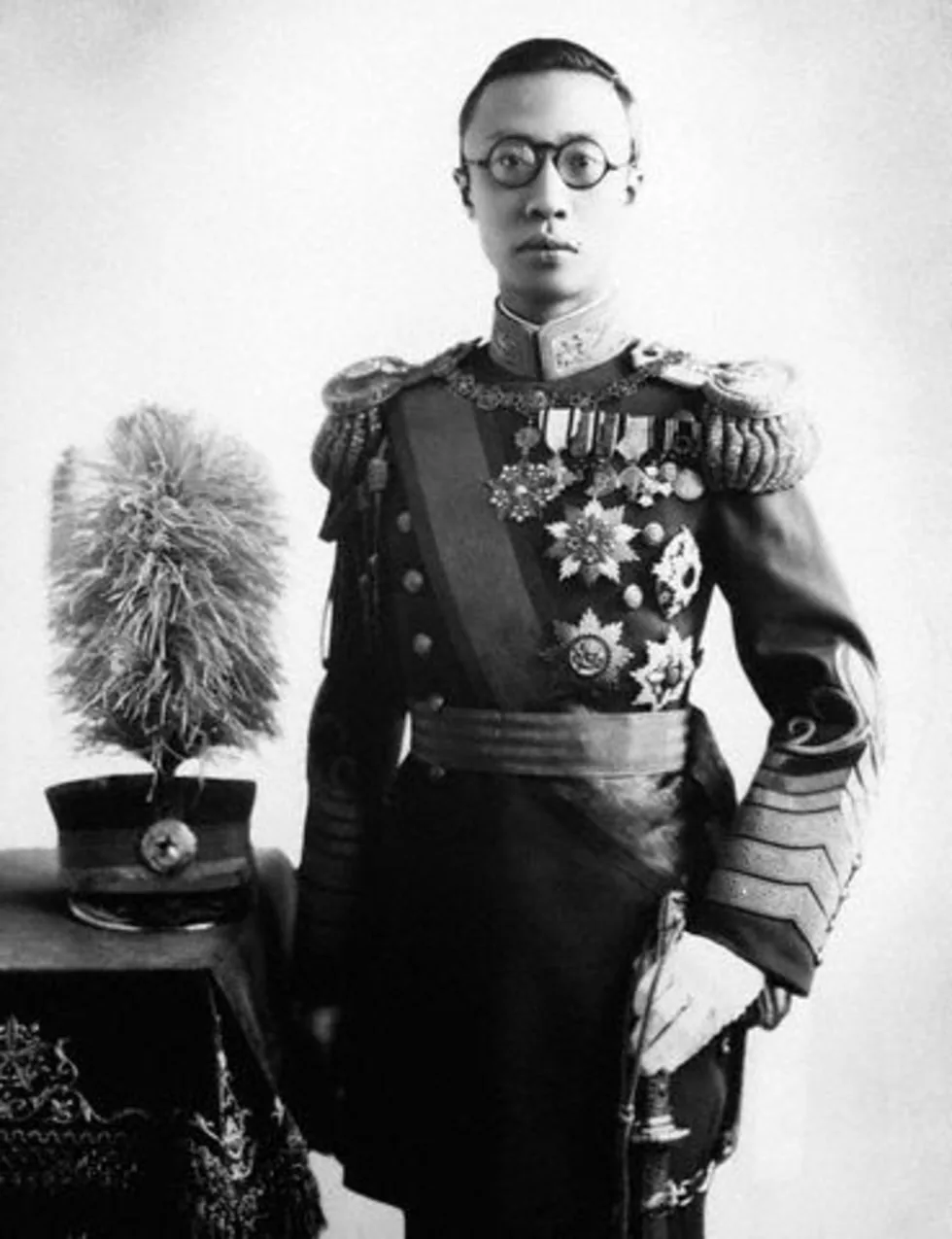
Wikimedia Commons · Public domain · file From 1938, Japanese handlers rarely allowed Puyi to leave his Changchun palace residence. The source gives a continuing condition beginning after 1938; the card records its supported start year.
Soviet detention at Chita
· Chita, Zabaykalsky Krai, Russia
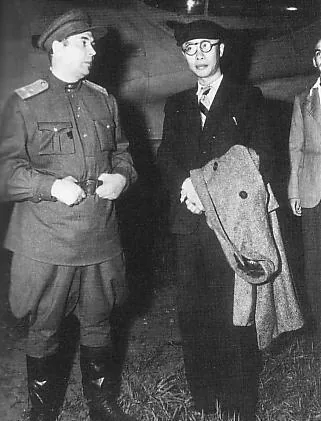
Wikimedia Commons · Public domain · file Following his capture, Soviet authorities took Puyi to Chita in Siberia, where he lived in a sanatorium. The passage follows his August 1945 capture but does not provide a more precise arrival date.
Soviet detention at Khabarovsk
· Khabarovsk, Khabarovsk Krai, Russia
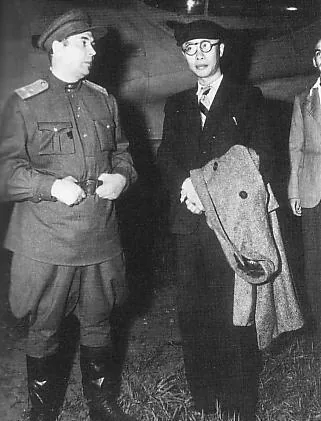
Wikimedia Commons · Public domain · file Puyi was later transferred from Chita to Khabarovsk near the Chinese border during Soviet custody. The source establishes sequence but not a transfer date more precise than the post-capture period.
Soviet bombing raid
· Salt Tax Palace, Changchun, Jilin, China
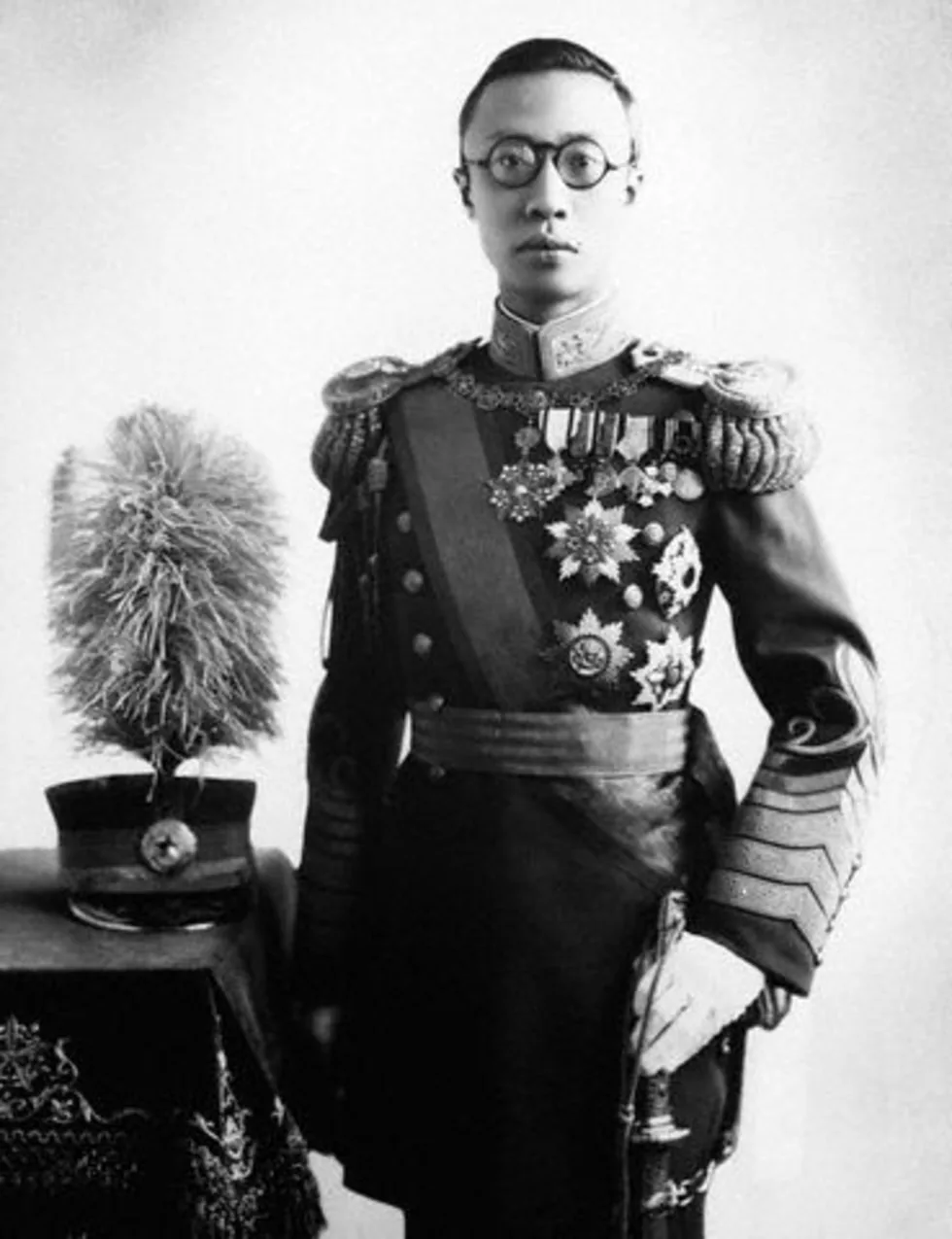
Wikimedia Commons · Public domain · file When the Soviet Union entered Manchukuo, Puyi was at the Salt Tax Palace during an air raid and hid in its basement.
Departure from Changchun by train
· Changchun, Jilin, China
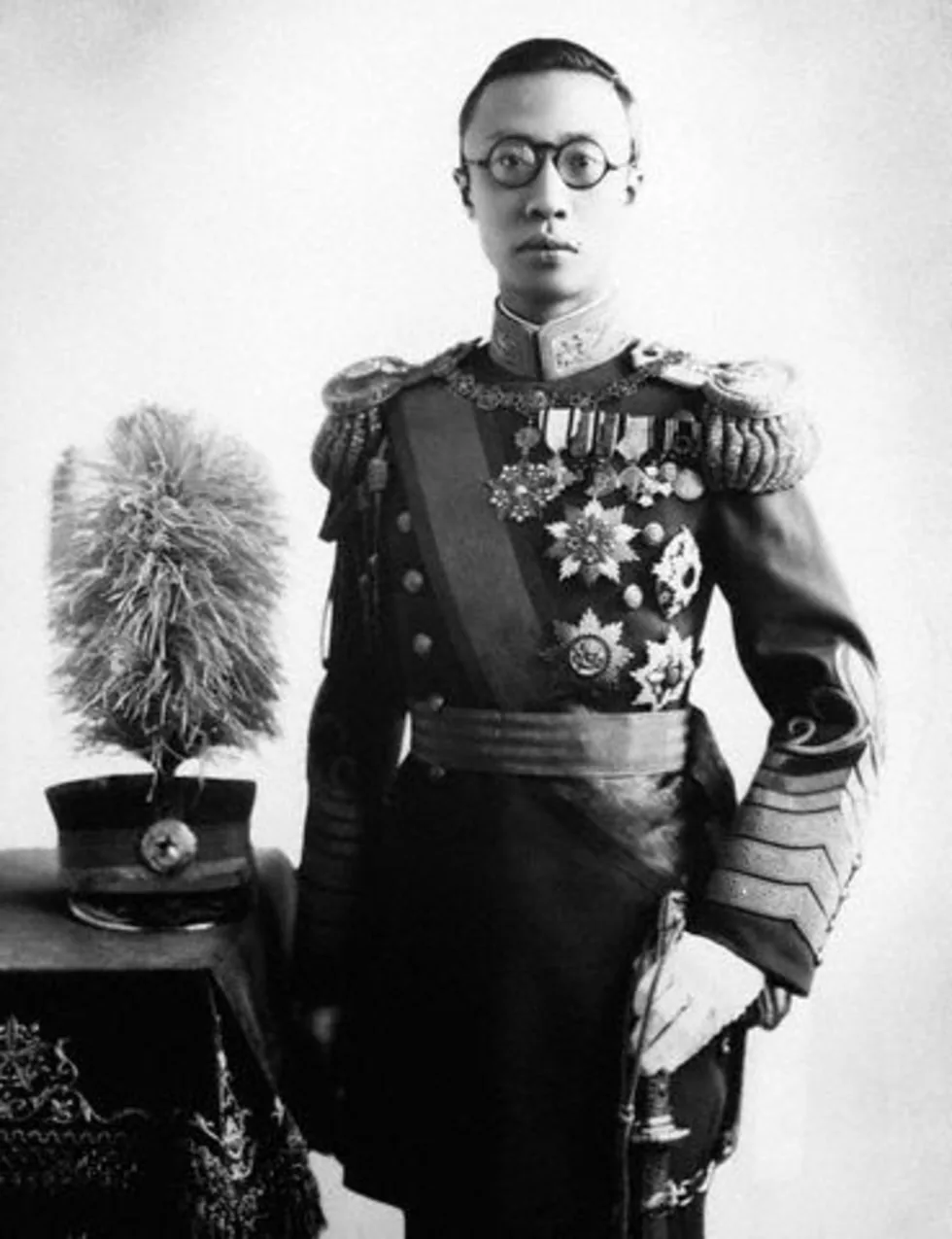
Wikimedia Commons · Public domain · file Puyi, his court, ministers, and Qing treasures left Changchun by train as Manchukuo collapsed. City representative coordinate; the precise railway-station location is not stated.
Capture at Mukden
· Mukden (Shenyang), Liaoning, China
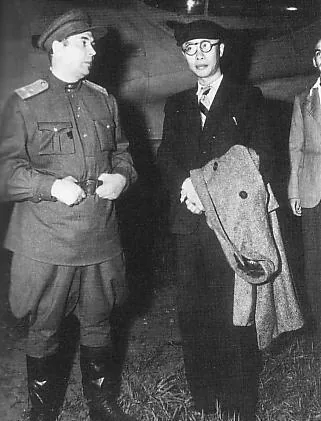
Wikimedia Commons · Public domain · file Puyi flew to Mukden intending to escape to Japan, but Soviet forces captured him and his party upon landing. Coordinate is a representative point for Shenyang; the source identifies Mukden but not the exact historic airfield.
Tokyo war-crimes testimony
· Ichigaya Court, Tokyo, Japan
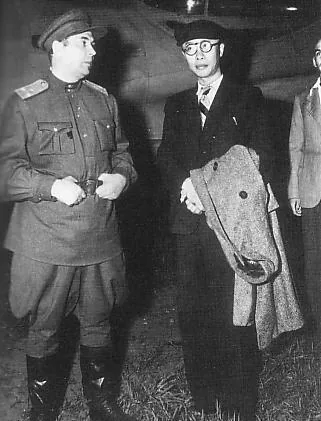
Wikimedia Commons · Public domain · file Puyi appeared as a witness before the International Military Tribunal for the Far East in Tokyo. Coordinate is for Ichigaya, Tokyo, where the tribunal sat.
Imprisonment at Fushun
· Fushun War Criminals Management Centre, Fushun, Liaoning, China
After repatriation from the Soviet Union, Puyi began nearly nine years of imprisonment and political reeducation at Fushun. The preceding text dates his repatriation to China to 1950; coordinate is a representative point for Fushun because the prison's precise historic site is not supplied in the source.
Return to Beijing
· Beijing, China
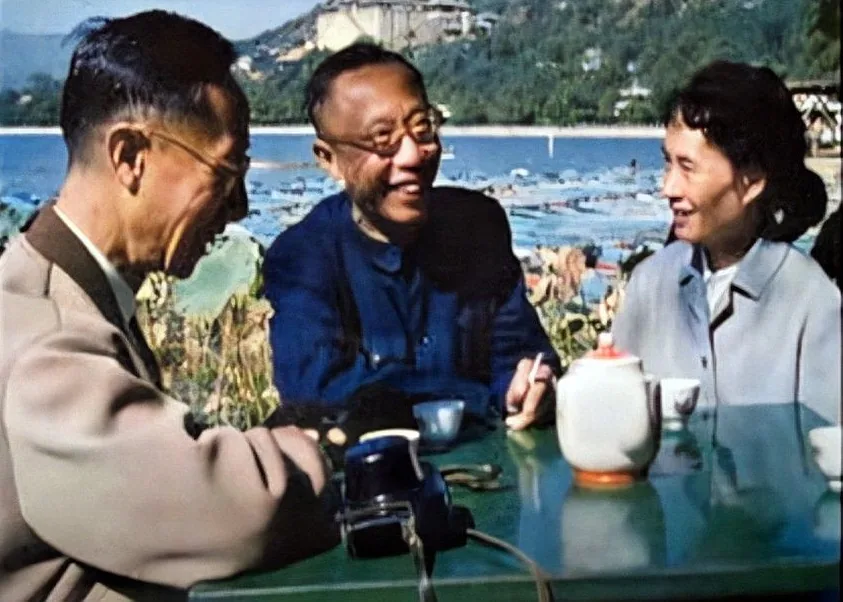
Wikimedia Commons · Public domain · file After release, Puyi returned to Beijing with Mao Zedong's special permission and initially lived with his sister. City representative coordinate; the initial residence is not named.
Marriage to Li Shuxian
· Banquet Hall of the Chinese People's Political Consultative Conference, Beijing, China
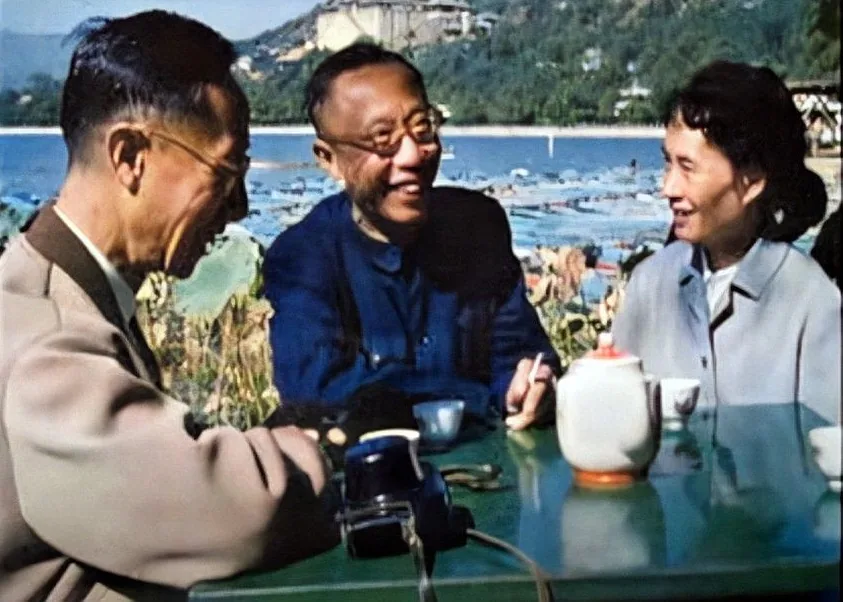
Wikimedia Commons · Public domain · file Puyi married hospital nurse Li Shuxian in a ceremony held at the Consultative Conference's Banquet Hall. Coordinate is a representative point for the CPPCC's Beijing meeting complex; the source names the hall but does not provide a street address.
CPPCC literary editor
· Chinese People's Political Consultative Conference, Beijing, China
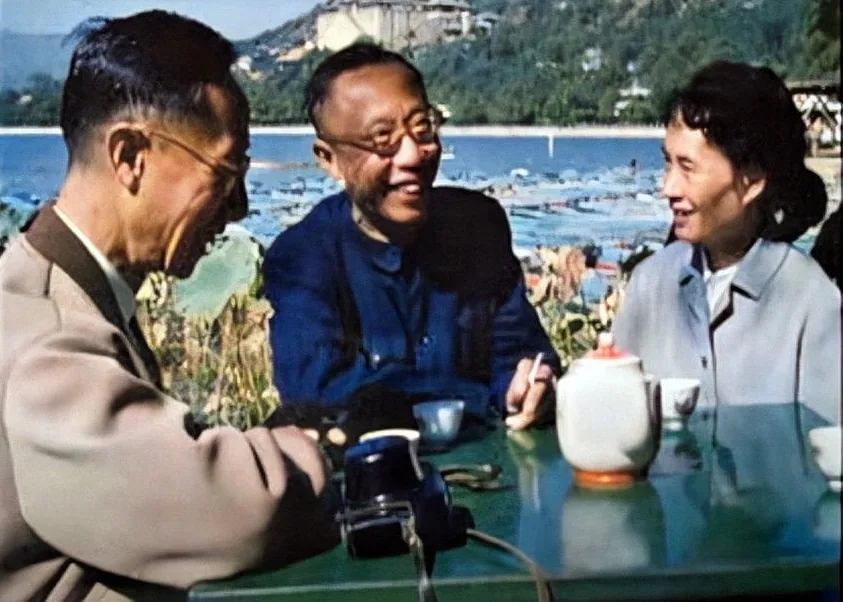
Wikimedia Commons · Public domain · file Puyi worked as an editor in the literary department of the Chinese People's Political Consultative Conference until his death. The CPPCC National Committee is based in Beijing; coordinate represents its principal meeting complex.
Death in Beijing
· Beijing, China
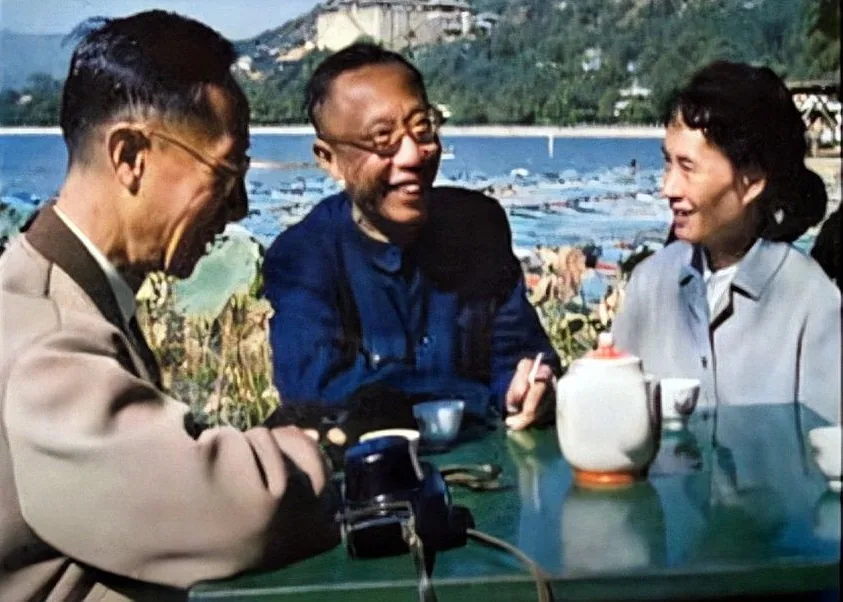
Wikimedia Commons · Public domain · file Puyi died in Beijing from complications of kidney cancer and heart disease. City representative coordinate; the specific place of death is not identified.