
61 moments
Baptism in Oaxaca
· Oaxaca de Juárez, Oaxaca, Mexico
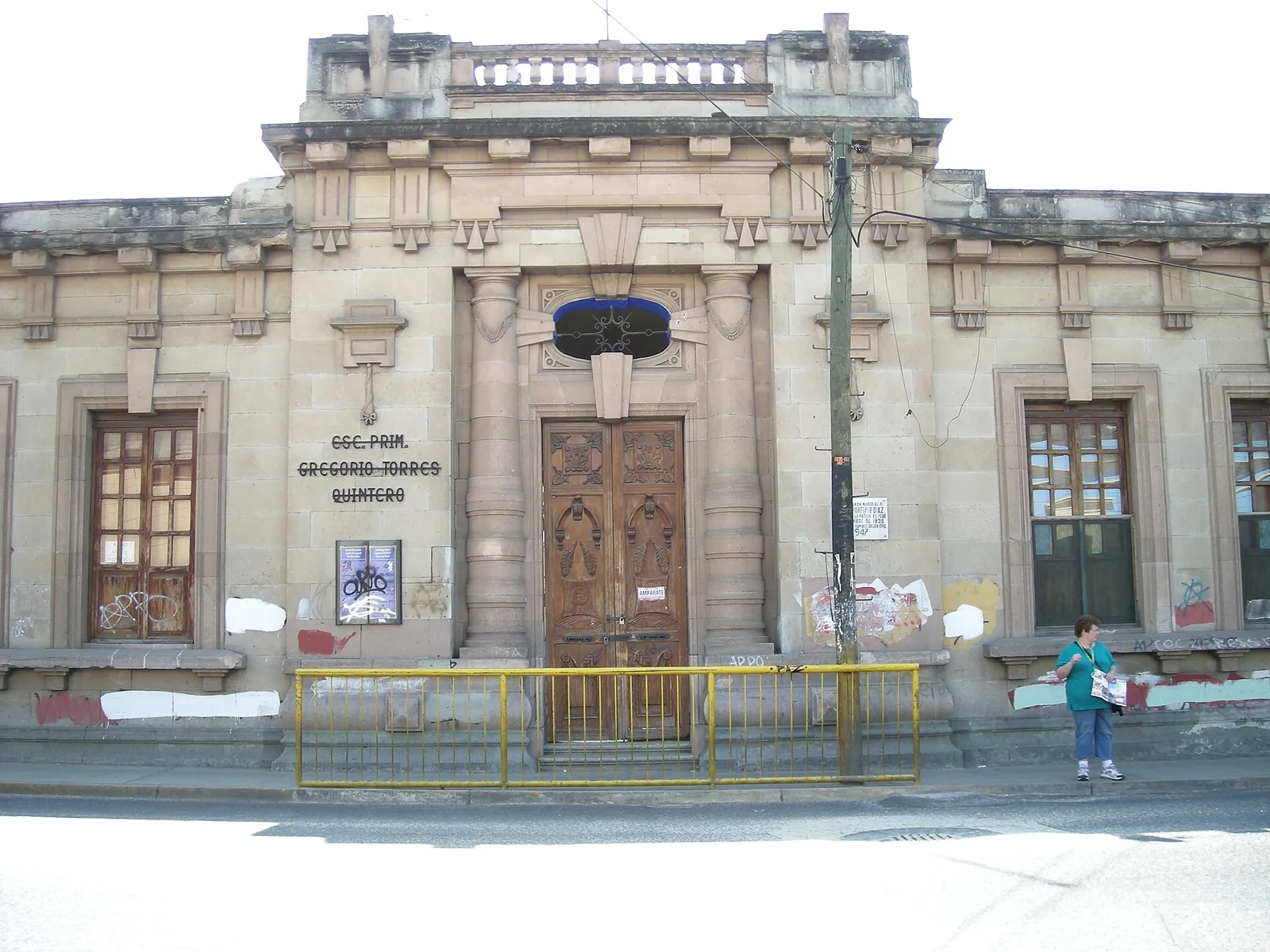
Wikimedia Commons · CC BY-SA 4.0 · file Díaz was baptized in Oaxaca de Juárez, establishing his presence in his native city at the beginning of his life. The English Wikipedia article states that his exact birth date is unknown; this is the documented baptism date.
Seminary studies
· Colegio Seminario Conciliar de Oaxaca, Oaxaca de Juárez, Oaxaca, Mexico
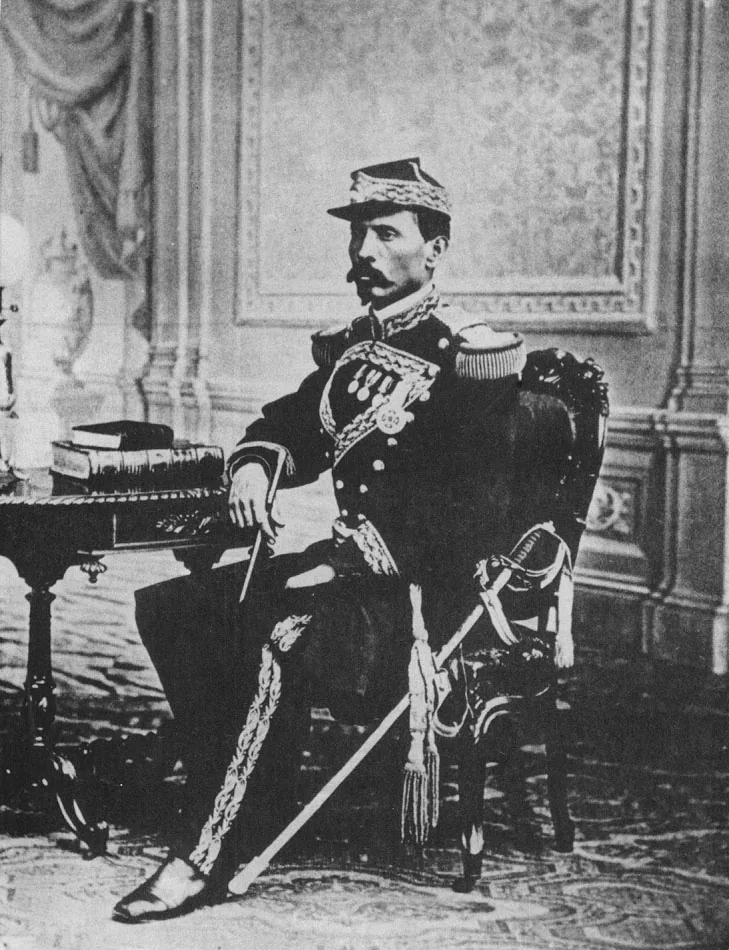
Wikimedia Commons · Public domain · file At age fifteen, Díaz entered Oaxaca's diocesan seminary to study for the priesthood.
Law student at Oaxaca institute
· Instituto de Ciencias y Artes de Oaxaca, Oaxaca de Juárez, Oaxaca, Mexico
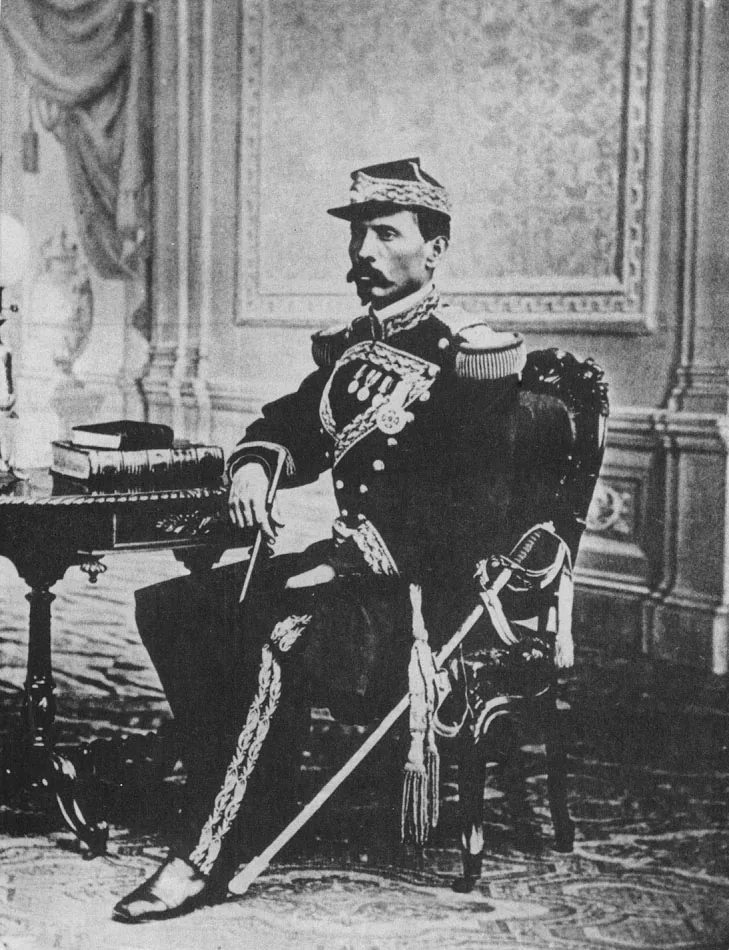
Wikimedia Commons · Public domain · file Díaz began formal legal studies at the Instituto de Ciencias y Artes de Oaxaca.
Flight from Oaxaca to join Ayutla revolt
· Huajuapan de León, Oaxaca, Mexico
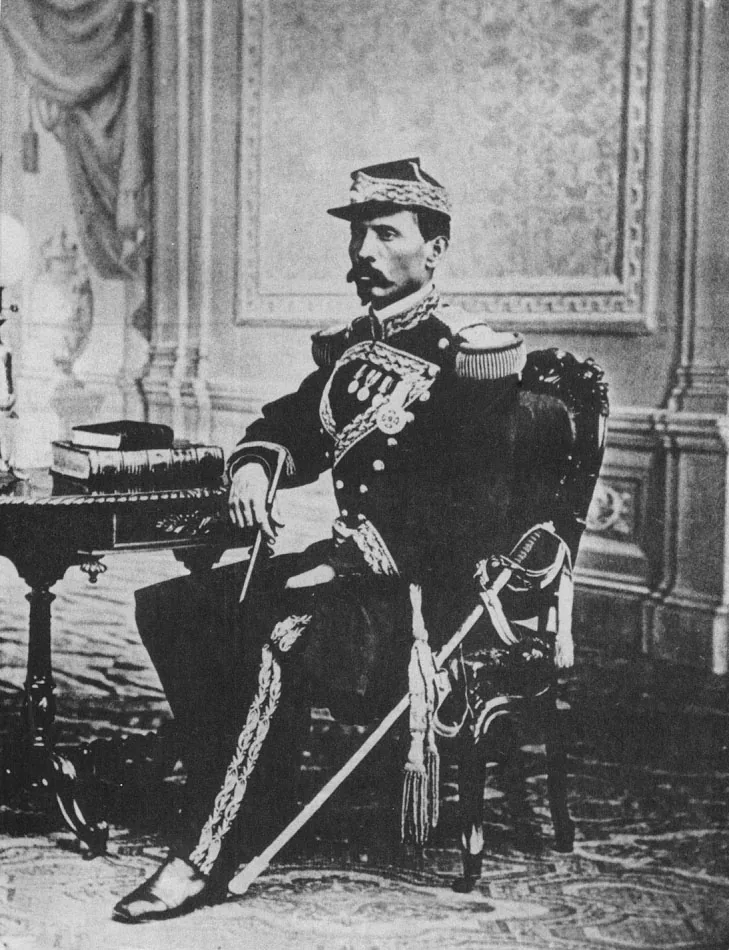
Wikimedia Commons · Public domain · file After voting against Santa Anna, Díaz fled Oaxaca and joined Francisco Herrera's Ayutla revolutionary force in the Huajuapan region. The source dates the flight to December 1854 but identifies the revolutionary force by region rather than a precise camp.
Political chief at Ixtlán
· Ixtlán de Juárez, Oaxaca, Mexico
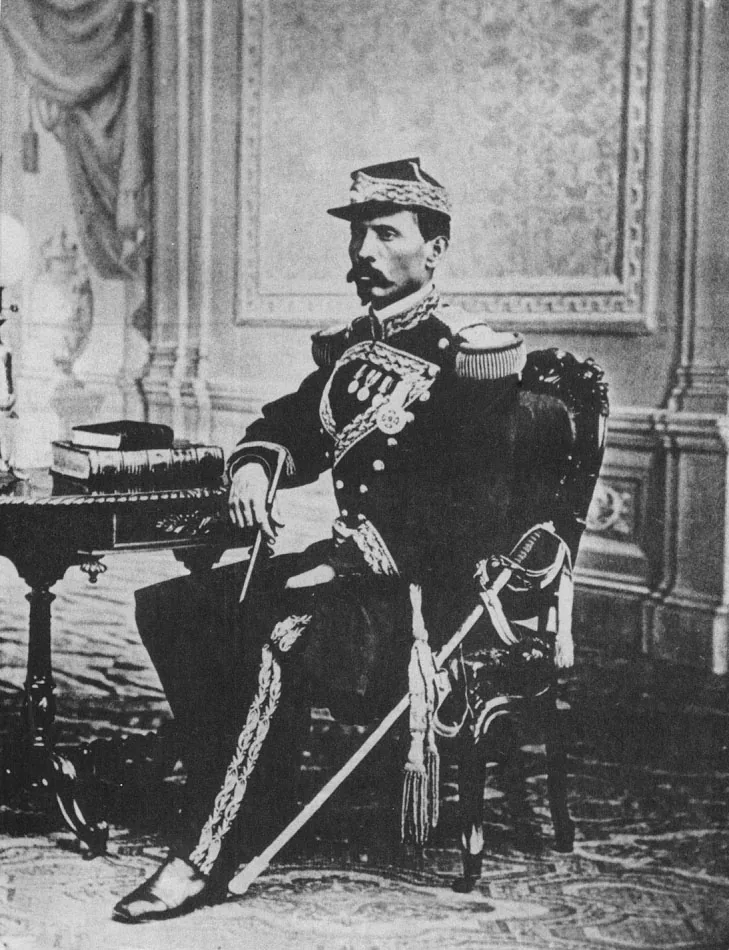
Wikimedia Commons · Public domain · file Following the triumph of the Ayutla Revolution, Díaz was appointed political chief of Ixtlán and organized a National Guard there.
Wounded at Ixcapa
· Ixcapa, Oaxaca, Mexico
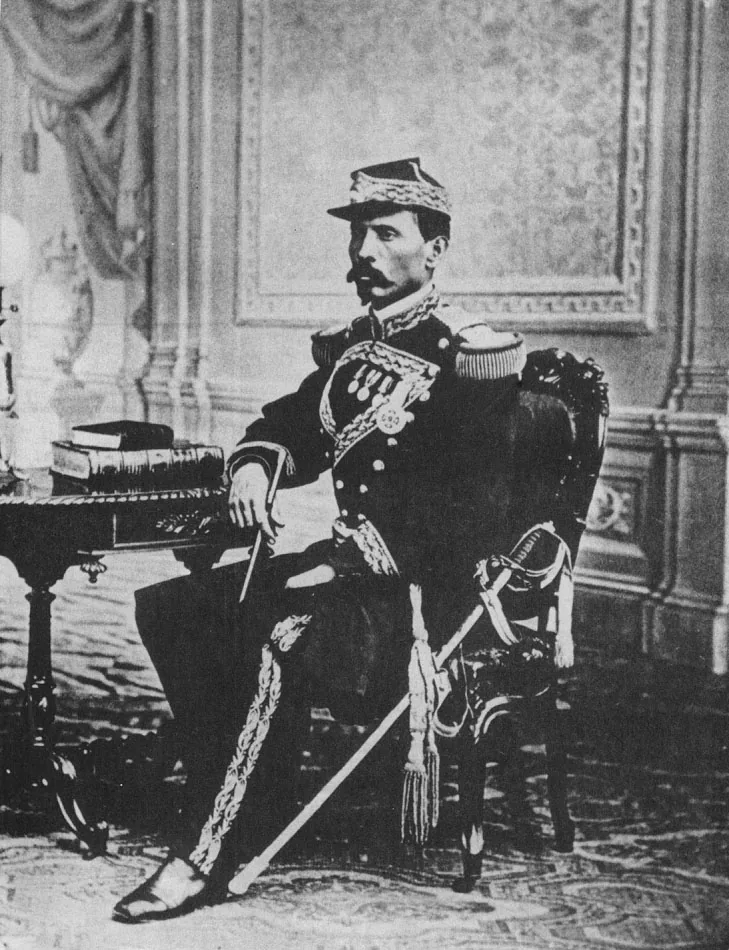
Wikimedia Commons · Public domain · file As a National Guard captain, Díaz fought at Ixcapa, was wounded, and was subsequently treated in Cuajinicuilapa. Coordinates are a representative point for Ixcapa; the source does not identify a precise battlefield location.
Capture of Oaxaca during Reform War
· Oaxaca de Juárez, Oaxaca, Mexico
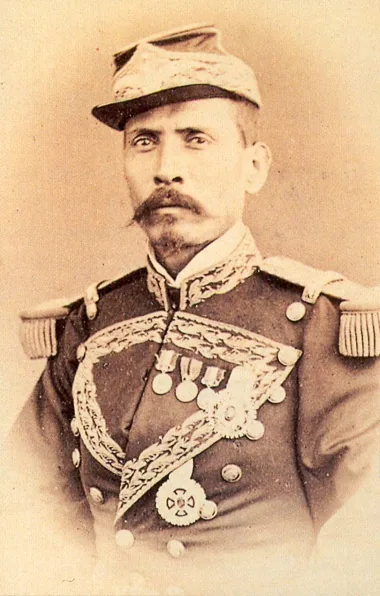
Wikimedia Commons · Public domain · file Díaz fought under Ignacio Mejía in the Liberal capture of Oaxaca.
Action at Xalapa
· Xalapa, Veracruz, Mexico
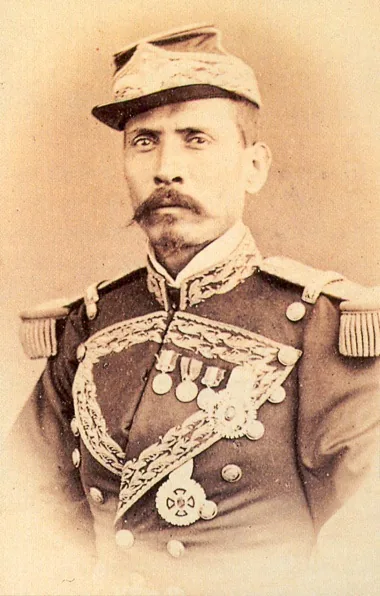
Wikimedia Commons · Public domain · file Díaz was present when Marcelino Cobos was defeated at Xalapa during the Reform War. Only month precision is supported.
Military command in Tehuantepec
· Santo Domingo Tehuantepec, Oaxaca, Mexico
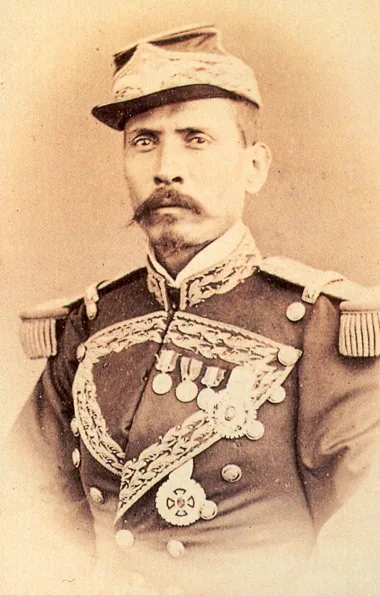
Wikimedia Commons · Public domain · file Díaz became governor and military commander of Tehuantepec, an important early independent command during the Reform War.
Victory at Mixtequilla
· Santa María Mixtequilla, Oaxaca, Mexico
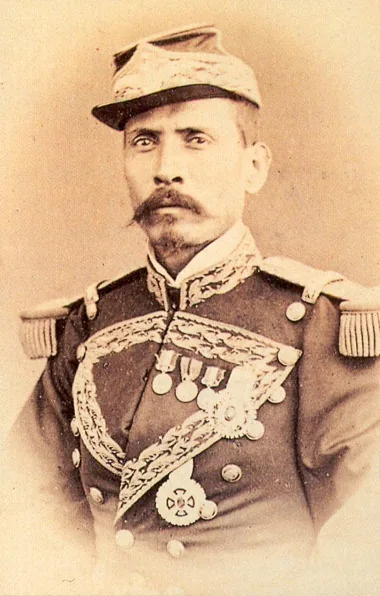
Wikimedia Commons · Public domain · file Díaz defeated Conservative commander José María Cobos at Mixtequilla while defending the Isthmus of Tehuantepec. Coordinates represent the settlement associated with the battle.
Defeat at Mitla
· San Pablo Villa de Mitla, Oaxaca, Mexico
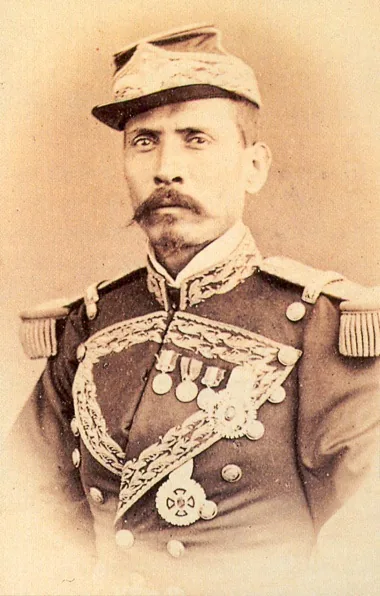
Wikimedia Commons · Public domain · file During the Liberal campaign to retake Oaxaca, Díaz was defeated at Mitla.
Siege operations at Oaxaca
· Oaxaca de Juárez, Oaxaca, Mexico
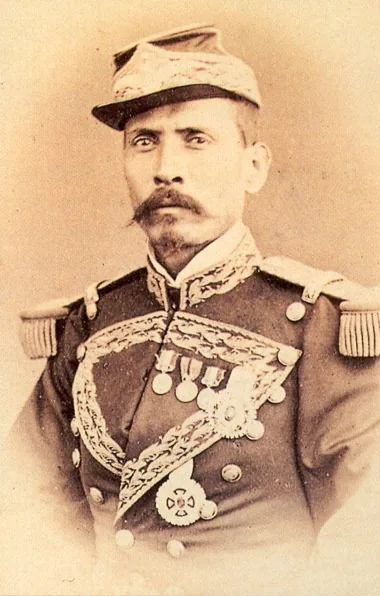
Wikimedia Commons · Public domain · file Díaz laid siege to Oaxaca by attacking the fortifications of La Soledad and El Marquesado. Coordinates represent Oaxaca City rather than the individual historic fortifications.
Arrival in Mexico City as deputy
· Mexico City, Mexico
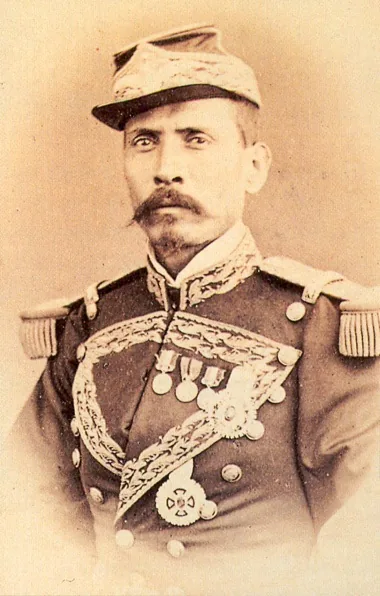
Wikimedia Commons · Public domain · file Díaz arrived in Mexico City with Jesús González Ortega and became a federal deputy for Ocotlán. Only month precision is supported.
Battle of Xalatlaco
· Xalatlaco, State of Mexico, Mexico
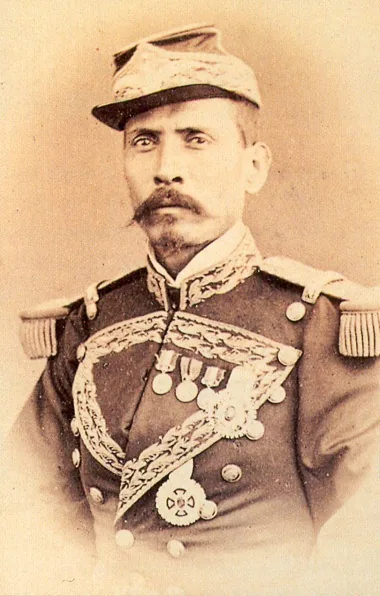
Wikimedia Commons · Public domain · file Díaz commanded Oaxacan and Zacatecan troops in the Liberal victory over Leonardo Márquez at Xalatlaco. The source spells the place Jalatlaco; coordinates use Xalatlaco, State of Mexico.
Battle at Acultzingo
· Acultzingo, Veracruz, Mexico
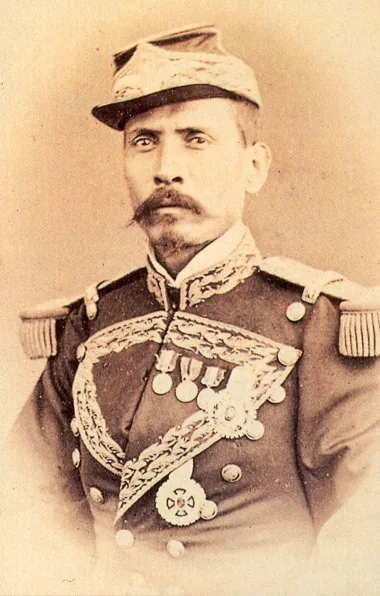
Wikimedia Commons · Public domain · file Díaz fought French forces at the Cumbres de Acultzingo during the opening of the French intervention. Coordinates represent Acultzingo and its surrounding mountain pass.
Battle of Puebla
· Puebla, Puebla, Mexico
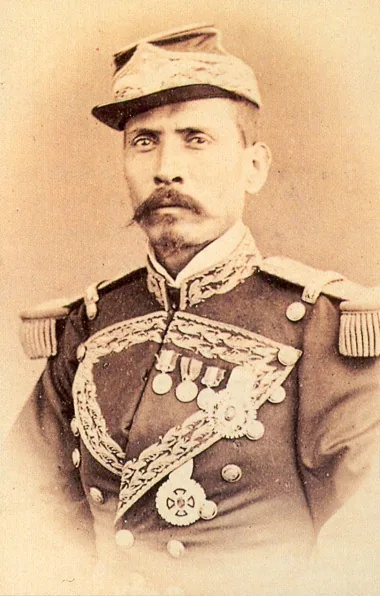
Wikimedia Commons · Public domain · file Díaz commanded the Oaxaca battalion defending a road into Puebla during the Mexican victory of 5 May.
Headquarters during second siege of Puebla
· Mesón de San Marcos, Puebla, Puebla, Mexico
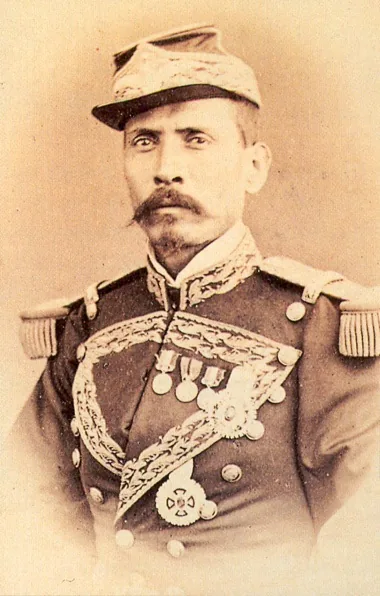
Wikimedia Commons · Public domain · file During urban fighting in the second French siege of Puebla, Díaz established his headquarters at the Mesón de San Marcos. Coordinates are representative for central Puebla; the precise location of the historic Mesón de San Marcos is uncertain.
Escape from Puebla to Tlaxcala
· Tlaxcala de Xicohténcatl, Tlaxcala, Mexico
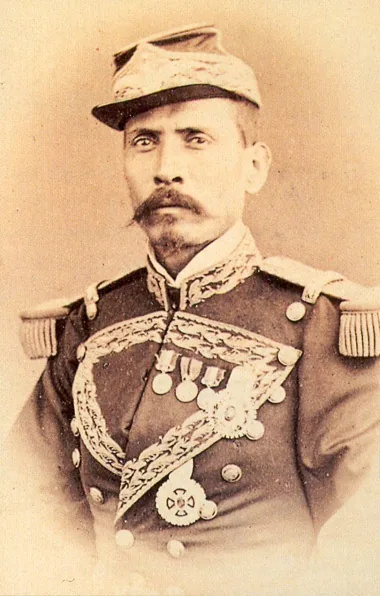
Wikimedia Commons · Public domain · file Following Puebla's surrender, Díaz escaped the city with General Berriozábal and reached Tlaxcala.
Surrender and imprisonment at Puebla
· Puebla, Puebla, Mexico
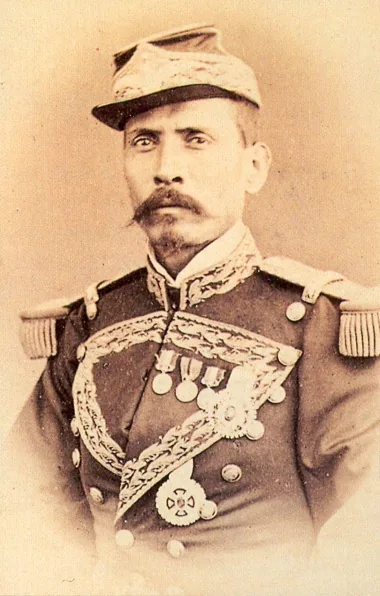
Wikimedia Commons · Public domain · file After the French siege of Oaxaca, Díaz surrendered and was taken prisoner to Puebla. The source places the surrender and transfer in February 1865 but does not provide a transfer day.
Escape from French prison
· Puebla, Puebla, Mexico
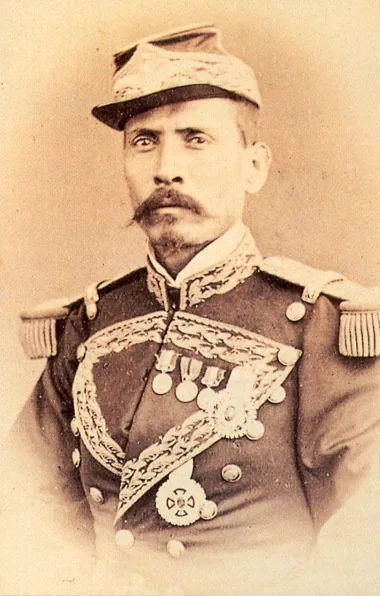
Wikimedia Commons · Public domain · file Díaz escaped French confinement in Puebla, aided by Soledad de la Torre.
Meeting Juan Álvarez at La Providencia
· Hacienda La Providencia, Guerrero, Mexico
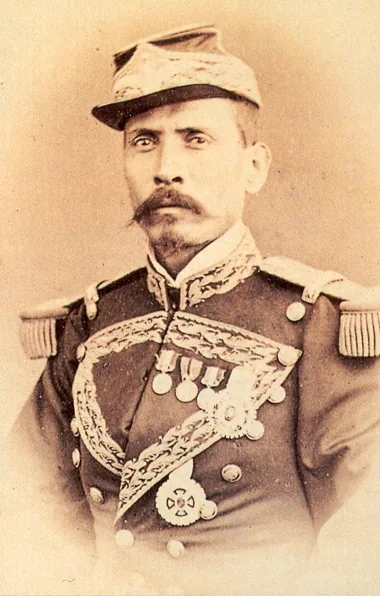
Wikimedia Commons · Public domain · file After escaping, Díaz reached Hacienda La Providencia in Guerrero and met former president Juan Álvarez to rebuild his forces. The chronology identifies the hacienda and state but not a modern municipal location; coordinates are a representative point in Guerrero.
Battle of Miahuatlán
· Miahuatlán de Porfirio Díaz, Oaxaca, Mexico
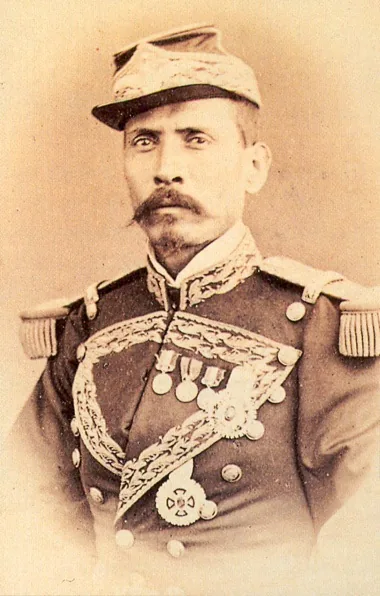
Wikimedia Commons · Public domain · file Díaz defeated Conservative forces at Miahuatlán, opening his route toward Oaxaca and central Mexico.
Recapture of Oaxaca
· Oaxaca de Juárez, Oaxaca, Mexico
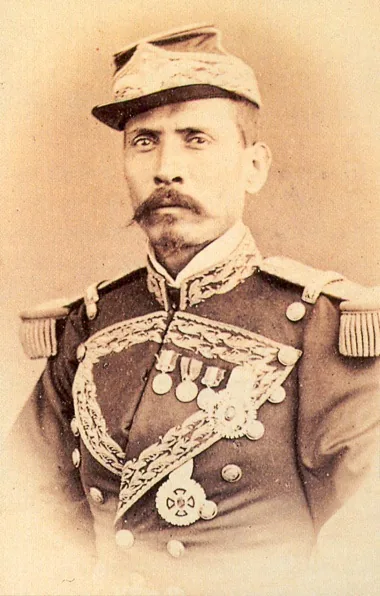
Wikimedia Commons · Public domain · file Díaz took Oaxaca from Imperial forces and assumed the provisional government of the state.
Third Battle of Puebla
· Puebla, Puebla, Mexico
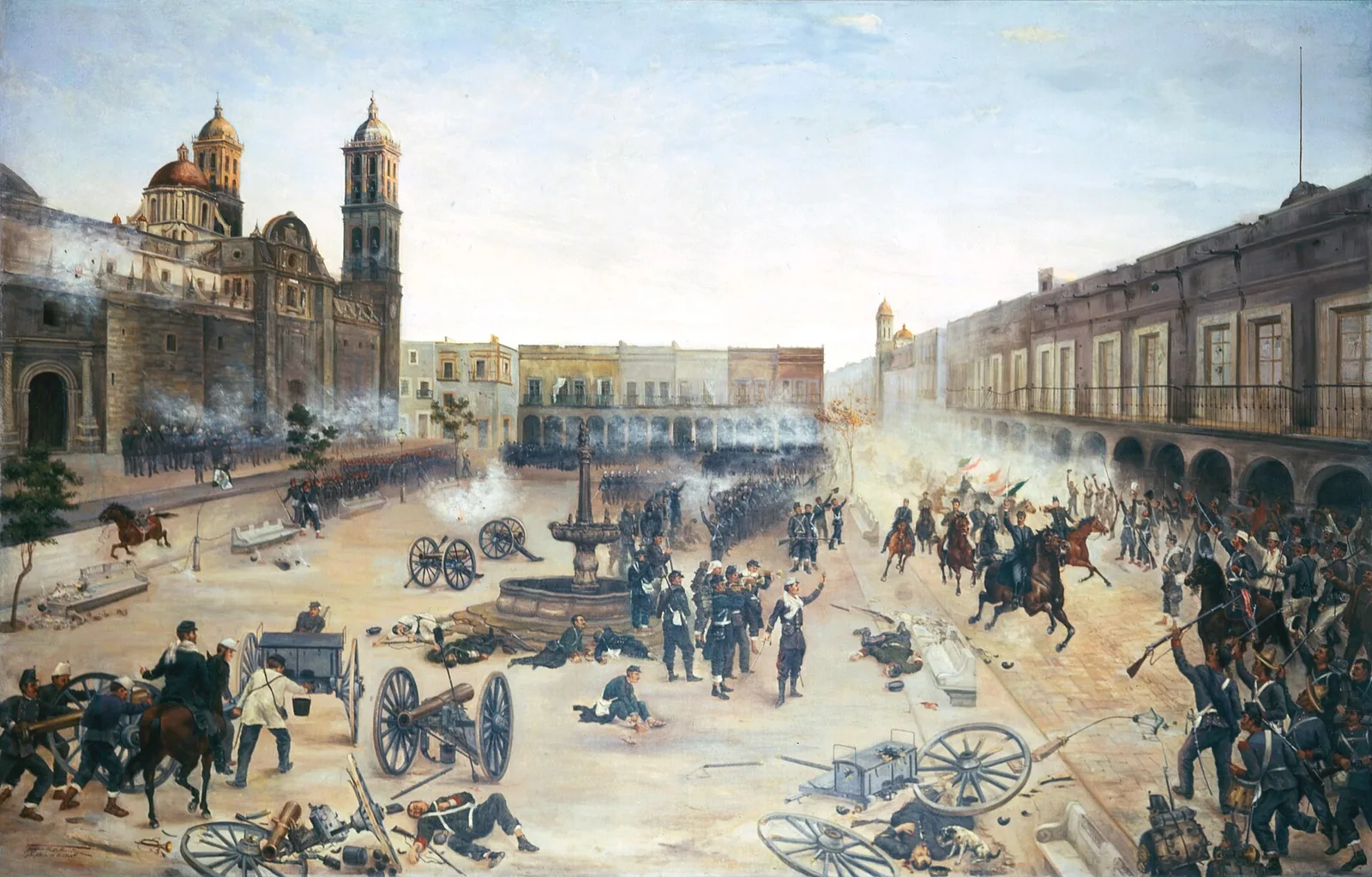
Wikimedia Commons · Public domain · file Díaz captured Puebla from the Imperial garrison in a victory that strengthened the Republican collapse of the Second Empire.
Siege of Mexico City
· Mexico City, Mexico
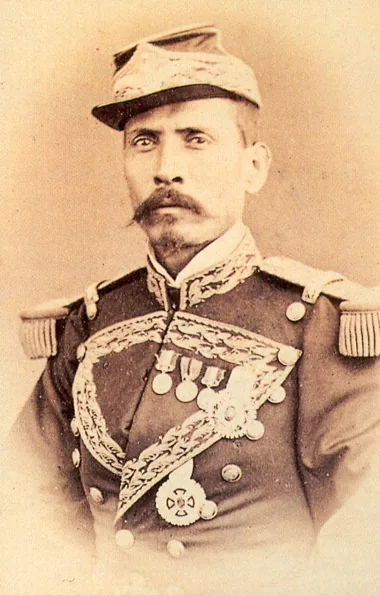
Wikimedia Commons · Public domain · file Díaz arrived in Mexico City and imposed a siege as the Imperial regime collapsed.
Eastern Division headquarters
· Tehuacán, Puebla, Mexico
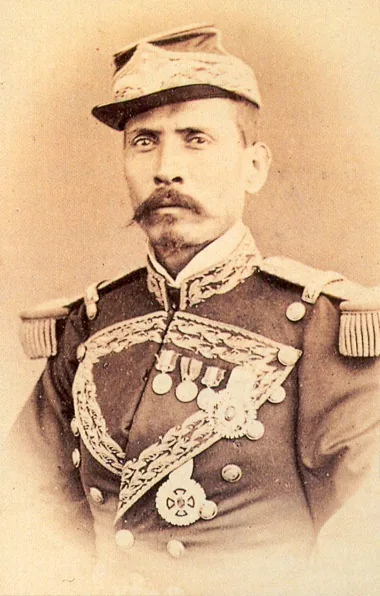
Wikimedia Commons · Public domain · file Díaz was appointed head of the Army's Eastern Division, headquartered at Tehuacán.
Telegraph inauguration at Tehuacán
· Tehuacán, Puebla, Mexico
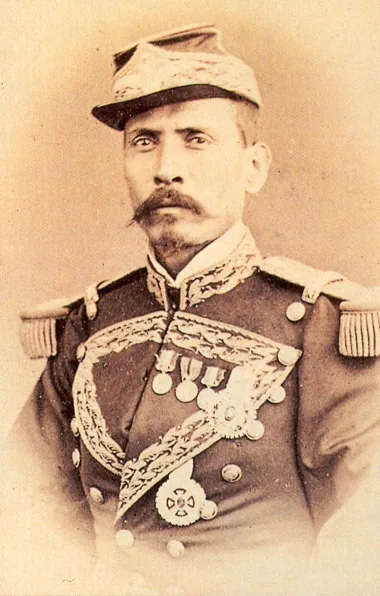
Wikimedia Commons · Public domain · file Díaz inaugurated a telegraph service linking Tehuacán and Oaxaca City.
Return to Oaxaca
· Oaxaca de Juárez, Oaxaca, Mexico
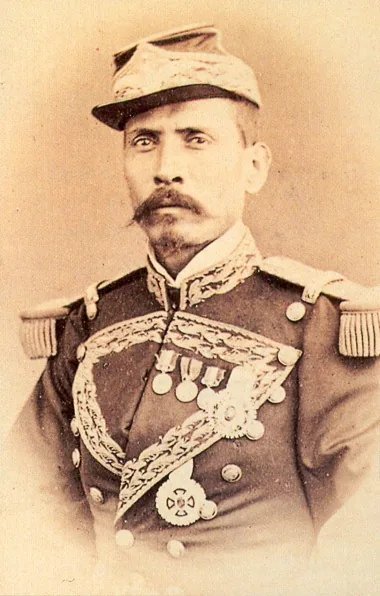
Wikimedia Commons · Public domain · file After resigning his Eastern Division command, Díaz returned to Oaxaca, where he was publicly honored.
Plan de la Noria proclamation
· Hacienda La Noria, Oaxaca de Juárez, Oaxaca, Mexico
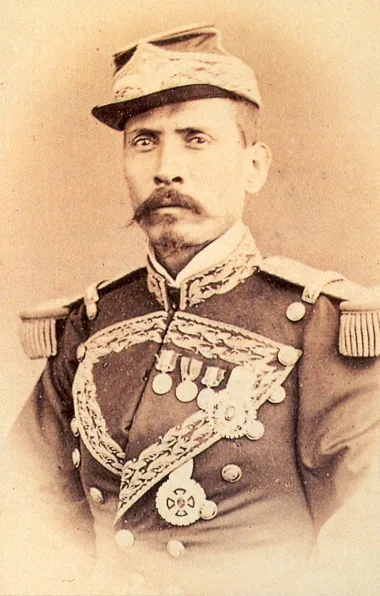
Wikimedia Commons · Public domain · file Díaz began his anti-reelectionist rebellion by subscribing to the Plan de la Noria at his Oaxaca estate. Coordinates are an approximate representative point for the former Hacienda La Noria area.
Capture of Ixtlán during La Noria revolt
· Ixtlán de Juárez, Oaxaca, Mexico
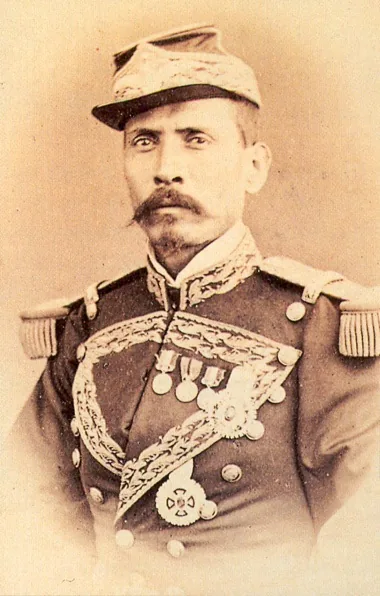
Wikimedia Commons · Public domain · file Díaz took Ixtlán after defeating federal forces commanded by Fidencio Hernández.
Departure from Veracruz for the United States
· Port of Veracruz, Veracruz, Mexico
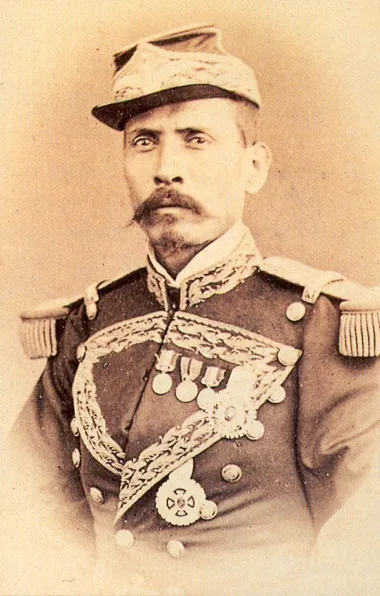
Wikimedia Commons · Public domain · file Using the pseudonym Antonio Mauri, Díaz embarked at Veracruz for the United States after the failure of his Oaxaca campaign.
Return at Camargo
· Camargo, Tamaulipas, Mexico
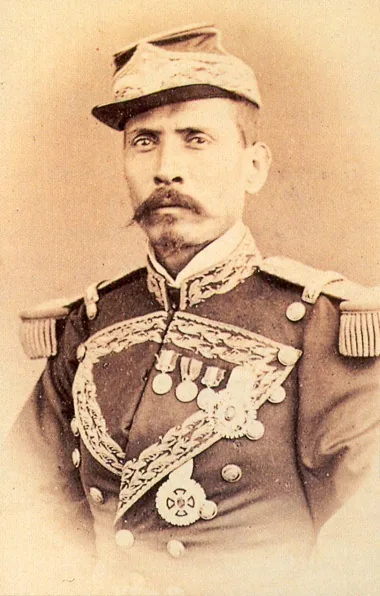
Wikimedia Commons · Public domain · file Díaz returned to Mexico and issued a proclamation at Camargo continuing his opposition to Juárez's government.
Settlement with Lerdo
· Mexico City, Mexico
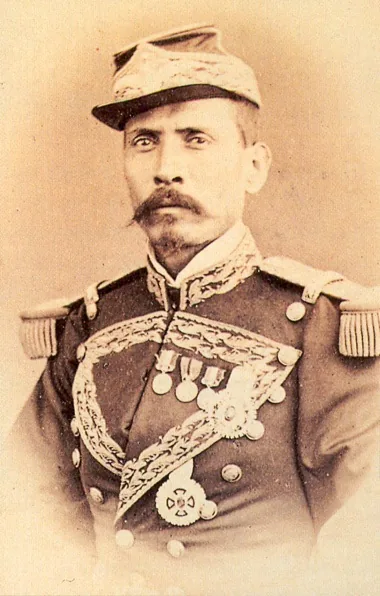
Wikimedia Commons · Public domain · file Díaz met President Sebastián Lerdo de Tejada, ending the La Noria rebellion and securing freedom for his private affairs. The source does not explicitly name the meeting venue; Mexico City is used as the defensible representative point for the national presidency.
Exile in Brownsville
· Brownsville, Texas, United States
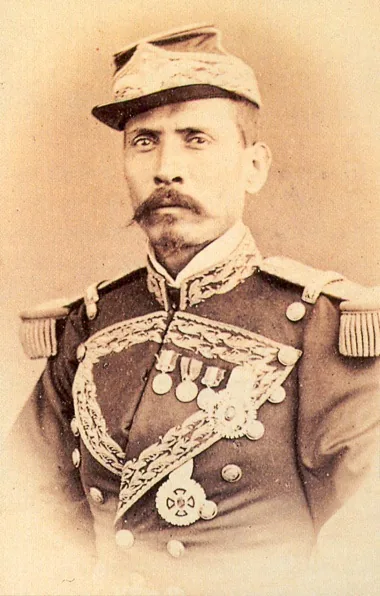
Wikimedia Commons · Public domain · file Díaz moved across the border to Brownsville, Texas, while preparing the movement that became the Tuxtepec Revolution. Only month precision is supported.
Plan of Tuxtepec signing
· San Lucas Ojitlán, Oaxaca, Mexico
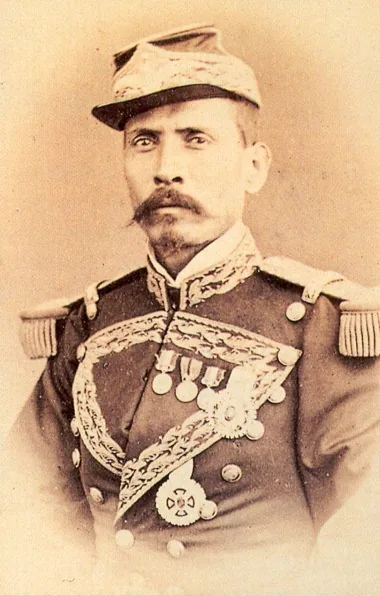
Wikimedia Commons · Public domain · file Díaz and fellow military leaders signed the Plan of Tuxtepec at Ojitlán, launching the revolt against Sebastián Lerdo de Tejada.
Defeat at Icamole
· Icamole, Nuevo León, Mexico
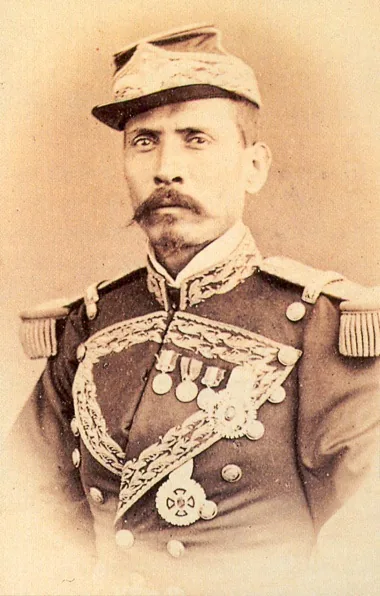
Wikimedia Commons · Public domain · file Díaz was defeated by federal commander Carlos Fuero at Icamole during the Tuxtepec Revolution. Coordinates are a representative point for Icamole.
Return to Oaxaca during Tuxtepec revolt
· Oaxaca de Juárez, Oaxaca, Mexico
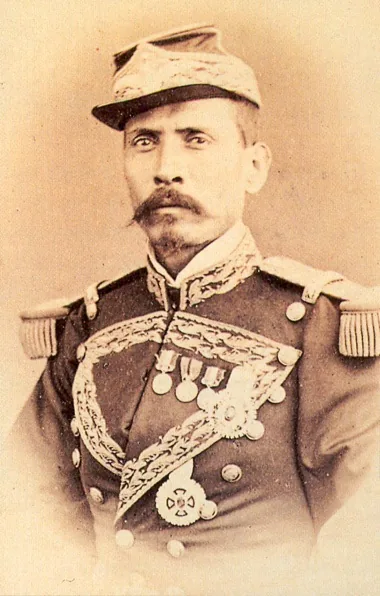
Wikimedia Commons · Public domain · file Díaz entered Oaxaca through the Marquesado gate and planned the campaign culminating at Tecoac.
Battle of Tecoac
· Tecoac, Tlaxcala, Mexico
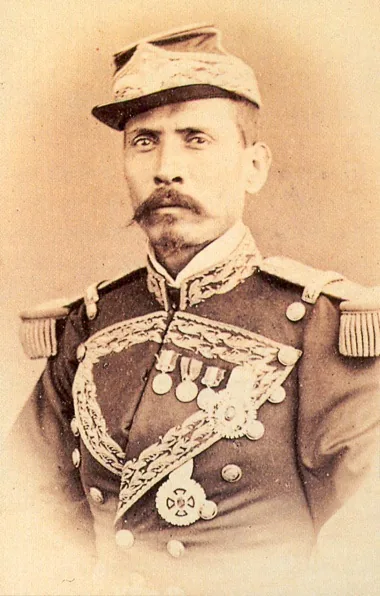
Wikimedia Commons · Public domain · file Díaz and Manuel González defeated Ignacio Alatorre's federal troops at Tecoac, opening the way to power. Coordinates are a representative point for the Tecoac battlefield area.
Triumphal entry into Mexico City
· Mexico City, Mexico
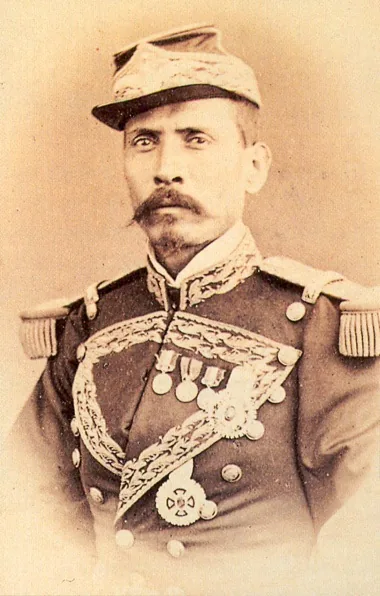
Wikimedia Commons · Public domain · file After the collapse of Lerdo's government, Díaz entered Mexico City and began consolidating the Tuxtepec victory.
Return from Guadalajara campaign
· Mexico City, Mexico
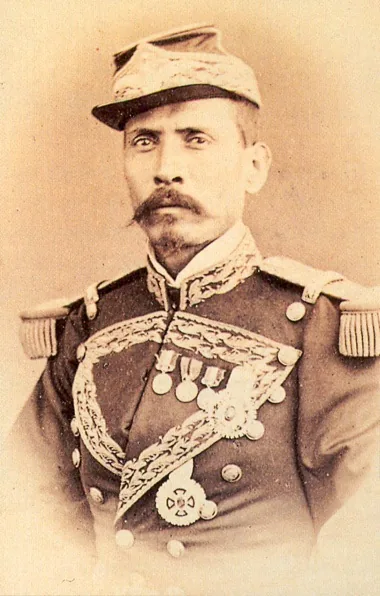
Wikimedia Commons · Public domain · file Díaz returned from his campaign against José María Iglesias's forces to Mexico City before assuming the provisional presidency.
Honeymoon visit to New Orleans
· New Orleans, Louisiana, United States
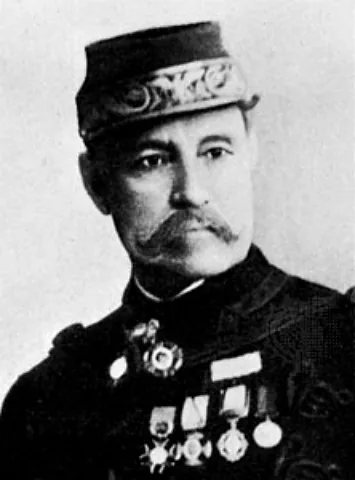
Wikimedia Commons · Public domain · file Following his marriage to Carmen Romero Rubio, Díaz and his wife traveled to the World Cotton Centennial in New Orleans. The source gives the itinerary and year of marriage but no more precise date.
Honeymoon visit to New York
· New York City, New York, United States
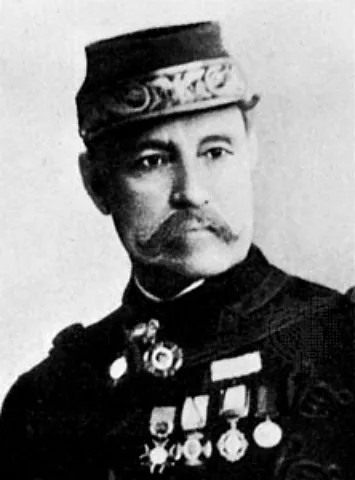
Wikimedia Commons · Public domain · file Díaz and Carmen Romero Rubio concluded the documented U.S. honeymoon itinerary in New York. The source gives the itinerary and year of marriage but no more precise date.
Honeymoon visit to St. Louis
· St. Louis, Missouri, United States
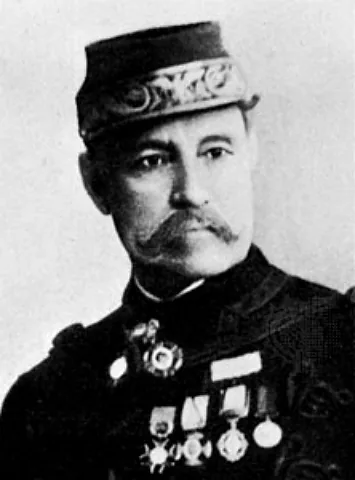
Wikimedia Commons · Public domain · file Díaz and Carmen Romero Rubio visited St. Louis during their U.S. honeymoon journey. The source gives the itinerary and year of marriage but no more precise date.
Honeymoon visit to Washington
· Washington, District of Columbia, United States
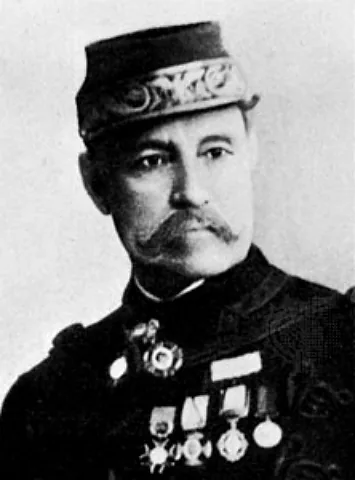
Wikimedia Commons · Public domain · file Díaz and Carmen Romero Rubio traveled to Washington, D.C., during their U.S. honeymoon. The source gives the itinerary and year of marriage but no more precise date.
Taft-Díaz meeting at Ciudad Juárez Customs House
· Ciudad Juárez Customs House, Ciudad Juárez, Chihuahua, Mexico
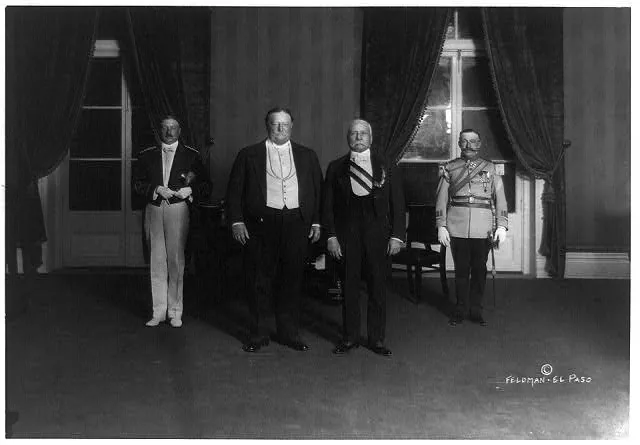
Wikimedia Commons · No known restrictions on publication. · file Díaz received Taft in Ciudad Juárez during the binational summit and banquet at the customs house.
Taft-Díaz meeting in El Paso
· El Paso, Texas, United States
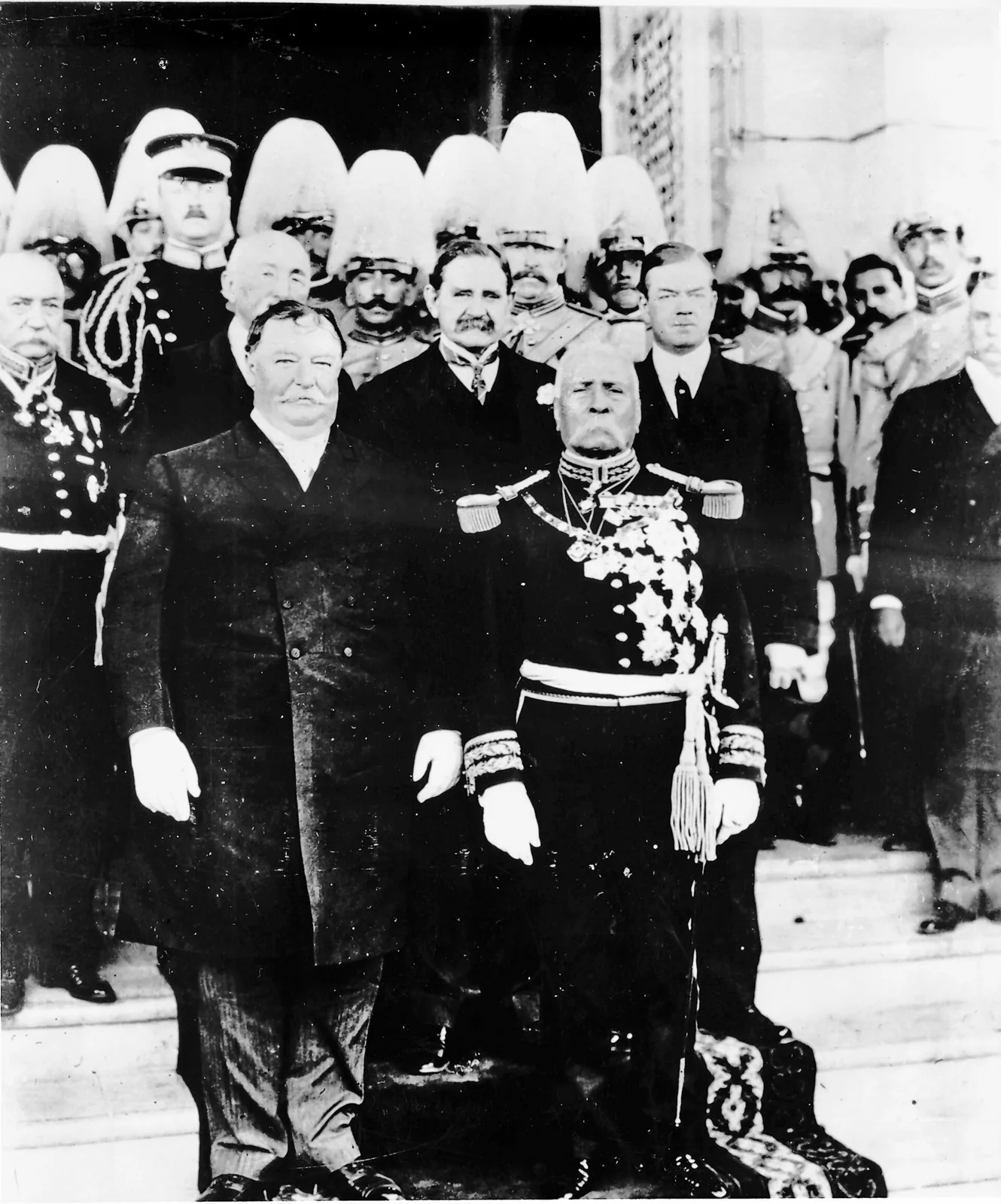
Wikimedia Commons · Public domain · file Díaz crossed into El Paso to meet U.S. President William Howard Taft in the first meeting of the two countries' presidents. The official protocol identifies the event date as 16 October 1909.
Independence centennial proclamation
· National Palace, Mexico City, Mexico
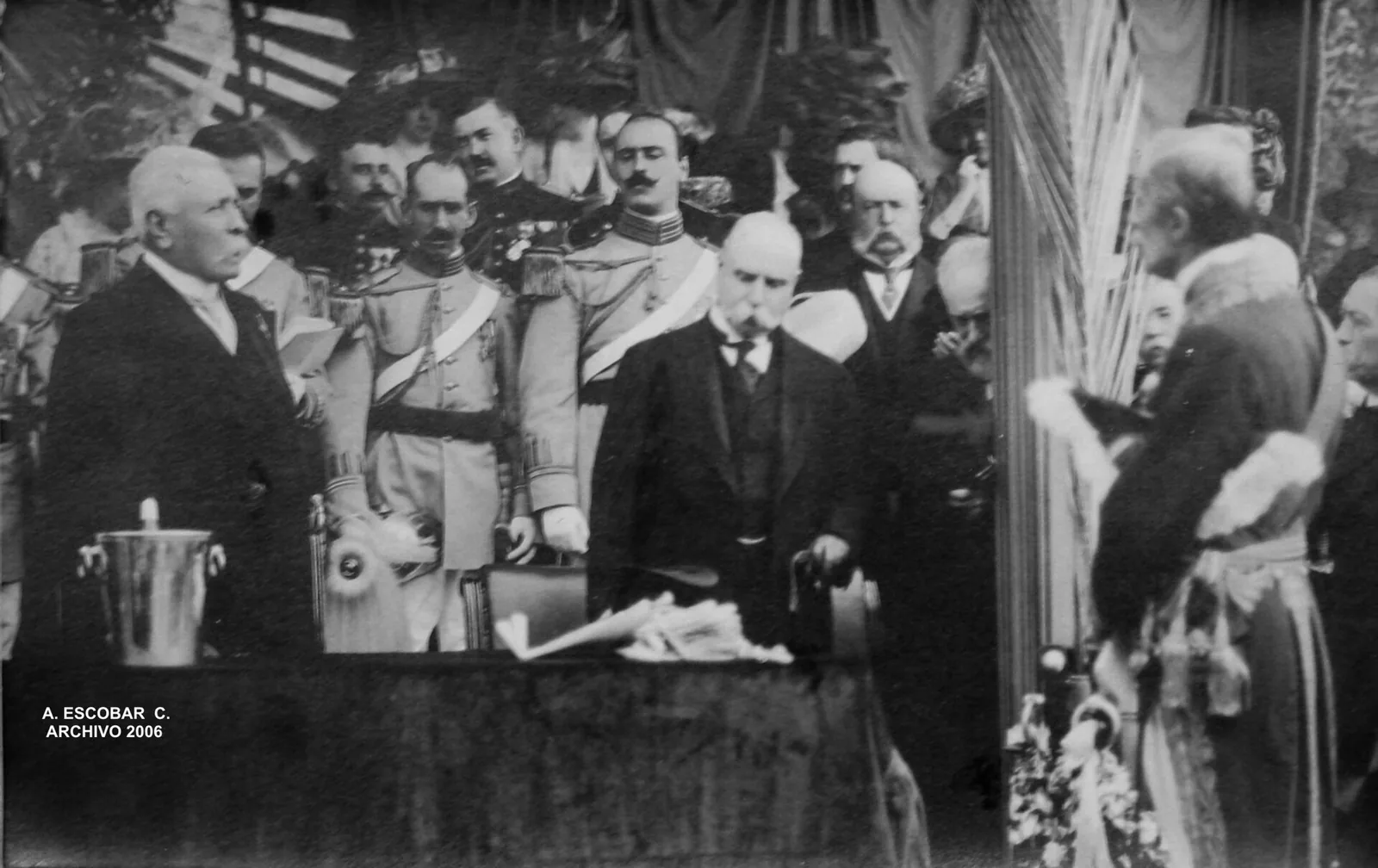
Wikimedia Commons · Public domain · file On his eightieth birthday, Díaz appeared on the National Palace balcony and proclaimed "Viva Mexico" during centennial ceremonies.
Inauguration of Monument to Independence
· Monument to Independence, Mexico City, Mexico
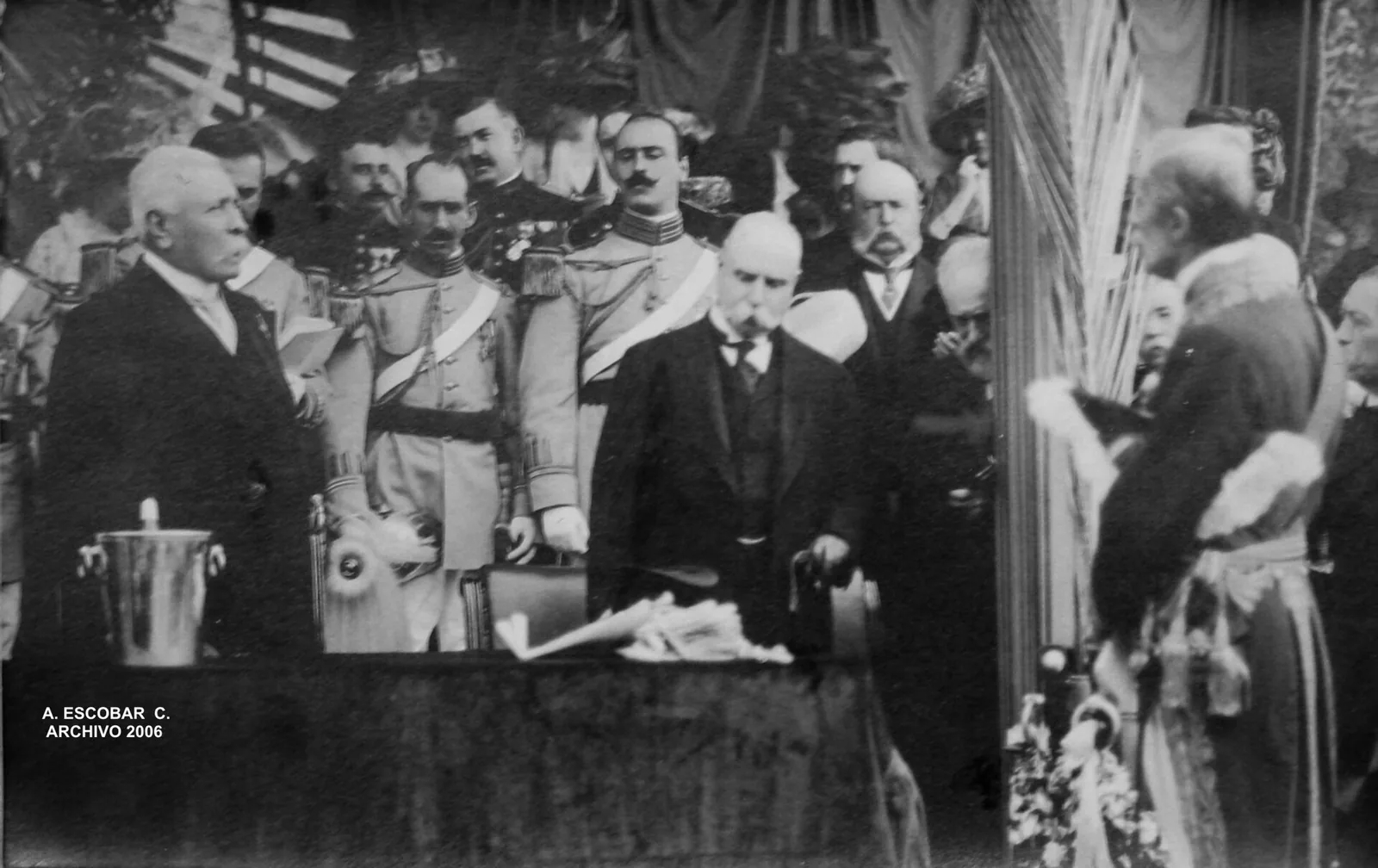
Wikimedia Commons · Public domain · file Díaz inaugurated the Monument to Independence with Mexican and foreign military contingents present.
Inauguration of Juárez monument
· Hemiciclo a Juárez, Mexico City, Mexico
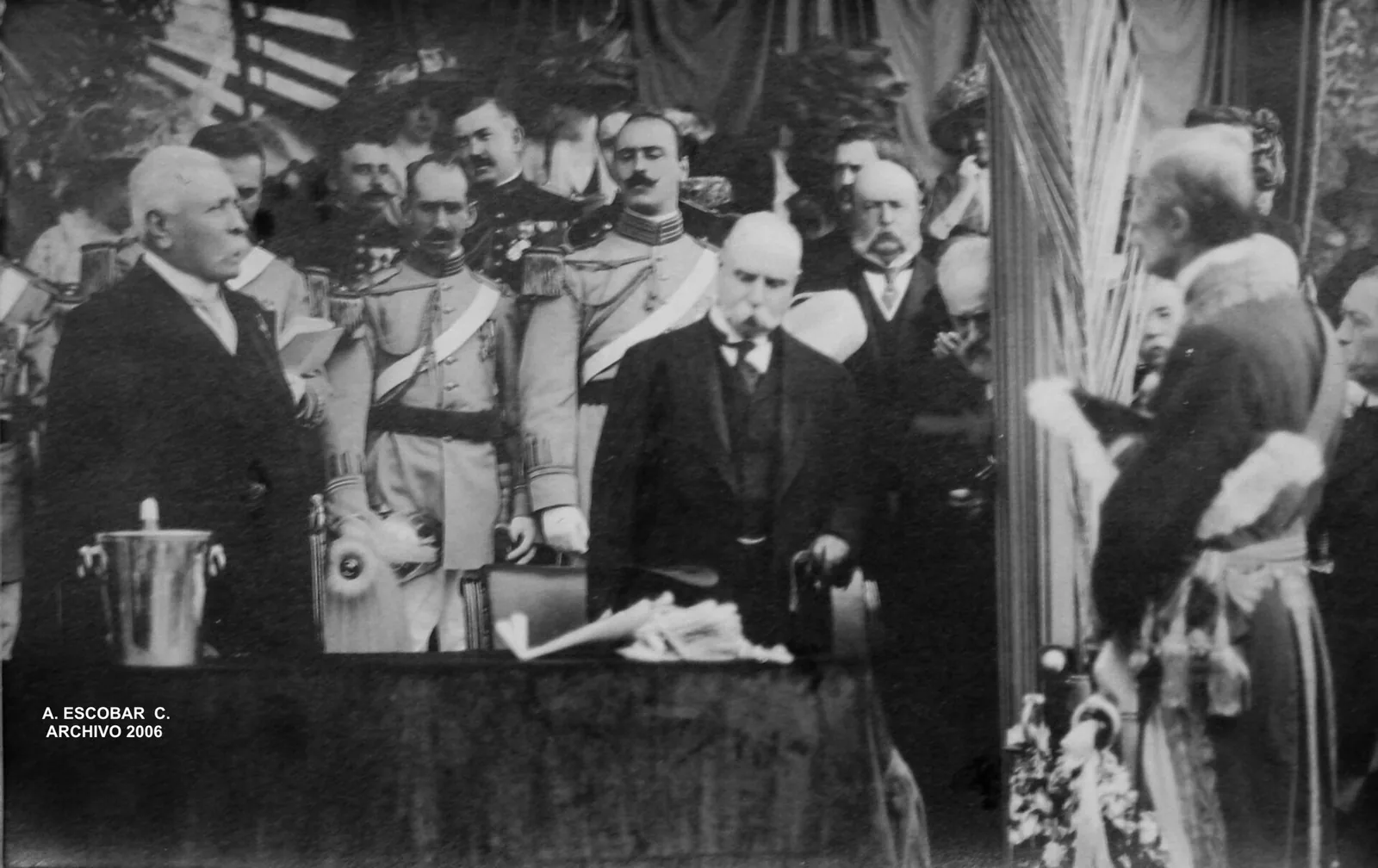
Wikimedia Commons · Public domain · file Díaz inaugurated the monument to Benito Juárez on the edge of Alameda Central during the centennial.
Departure from Mexico City after resignation
· San Lázaro Railway Station area, Mexico City, Mexico
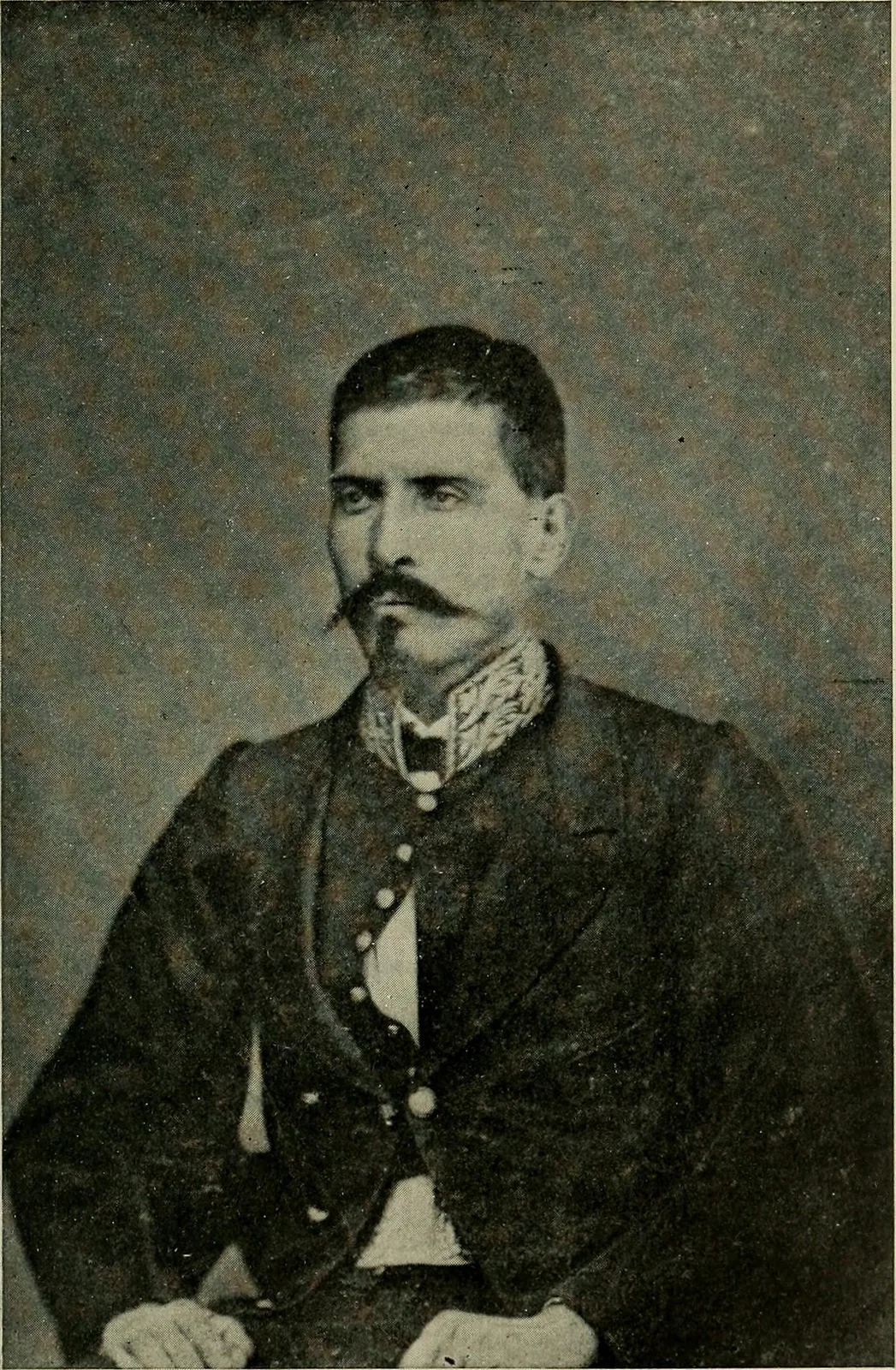
Wikimedia Commons · Public domain · file After resigning the presidency, Díaz left San Lázaro railway station by train for Veracruz. Coordinates represent the historic San Lázaro station area.
Exile departure from Veracruz
· Port of Veracruz, Veracruz, Mexico
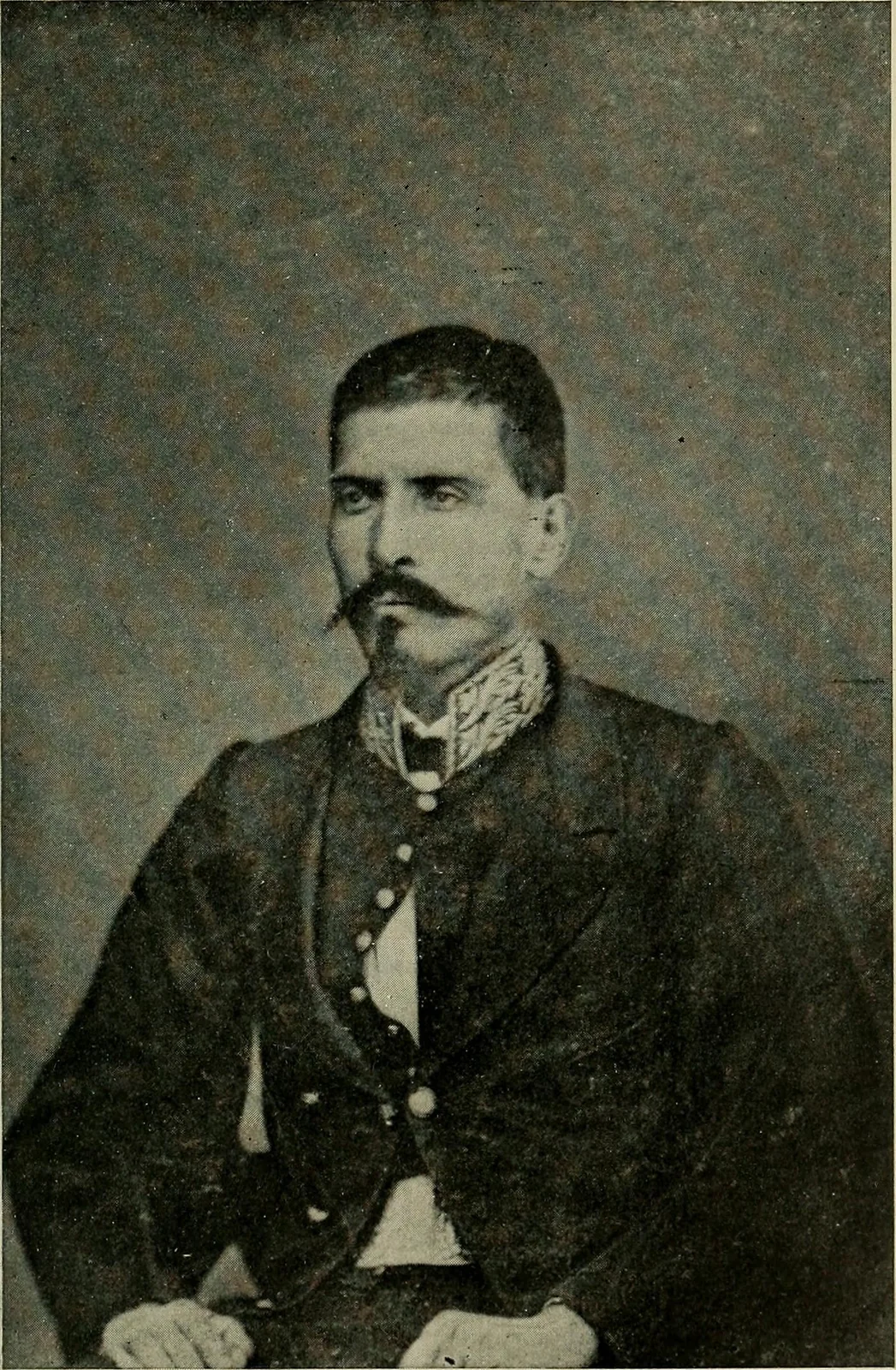
Wikimedia Commons · Public domain · file Díaz departed Veracruz for Europe aboard the Hamburg-Amerika Line mail steamer Ypiranga.
Departure from Havana during exile voyage
· Port of Havana, Havana, Cuba
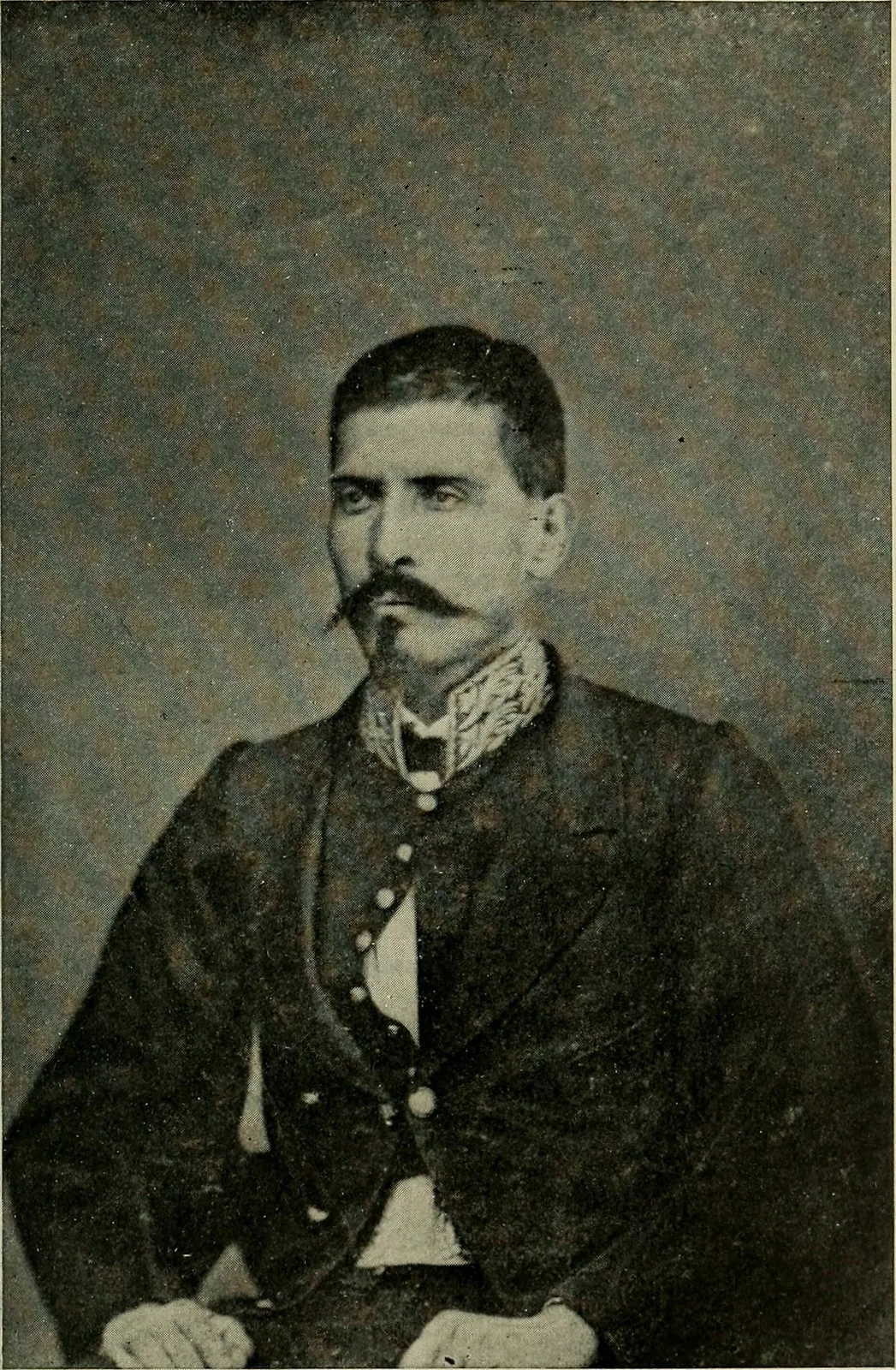
Wikimedia Commons · Public domain · file During the Ypiranga voyage to Europe, Díaz departed Havana.
Arrival at Le Havre
· Port of Le Havre, Le Havre, France
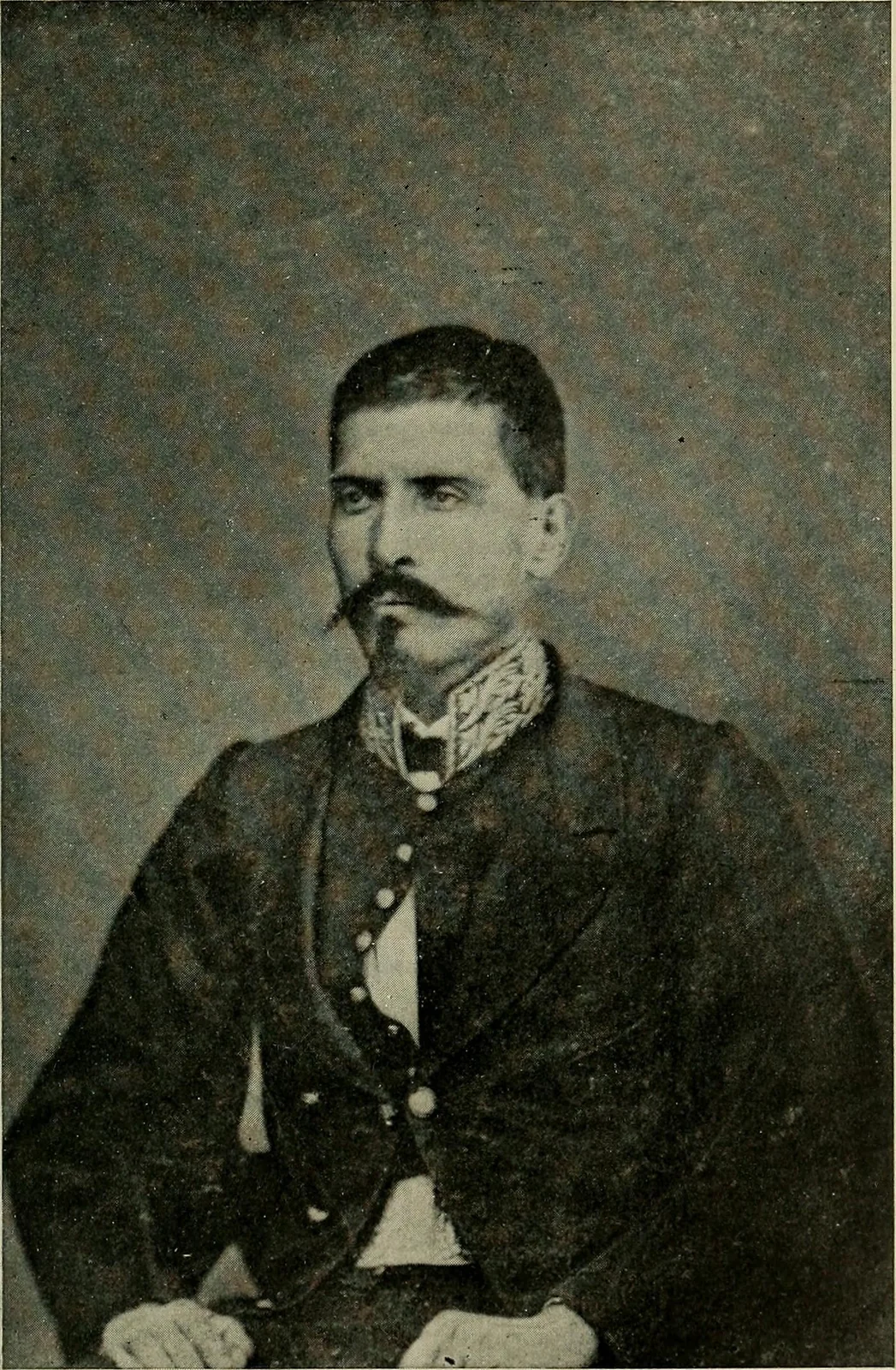
Wikimedia Commons · Public domain · file The Ypiranga reached Le Havre; Díaz was received at the Bellot basin before continuing by rail to Paris.
Arrival in Paris exile
· Gare Saint-Lazare, Paris, France
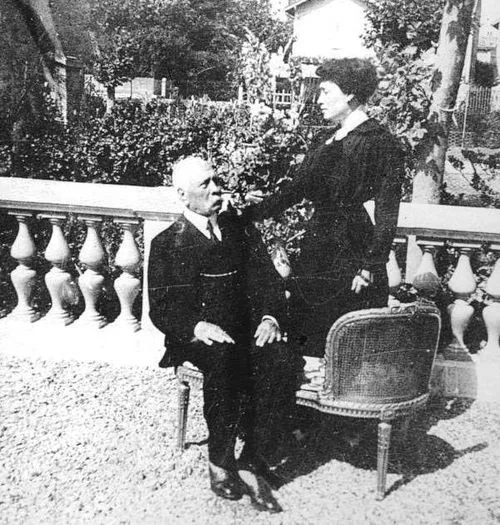
Wikimedia Commons · Public domain · file Díaz and his party arrived at Paris's Saint-Lazare station around midnight and spent his first European night at Eustaquio Escandón's home.
Visit to Napoleon's tomb
· Les Invalides, Paris, France
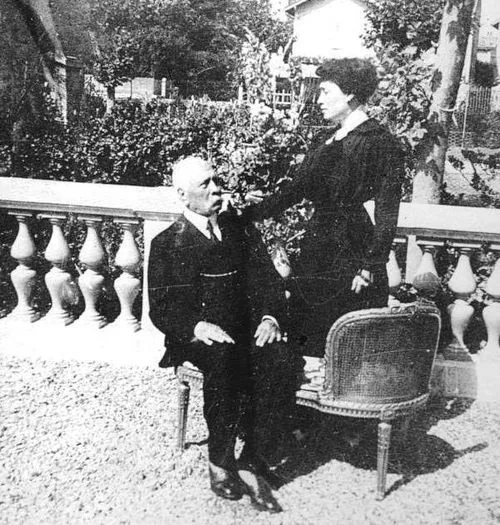
Wikimedia Commons · Public domain · file In exile, Díaz visited Napoleon Bonaparte's tomb in the crypt of Les Invalides.
Arrival in Madrid
· Madrid, Spain
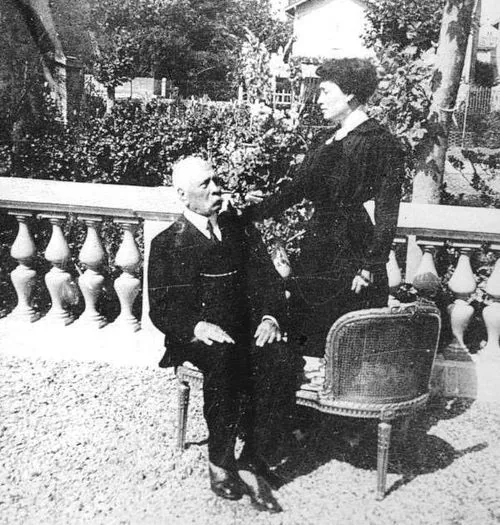
Wikimedia Commons · Public domain · file Díaz and Carmen Romero Rubio arrived by train in Madrid and stayed at the Ritz Hotel.
Stay at Aswan
· Aswan, Egypt
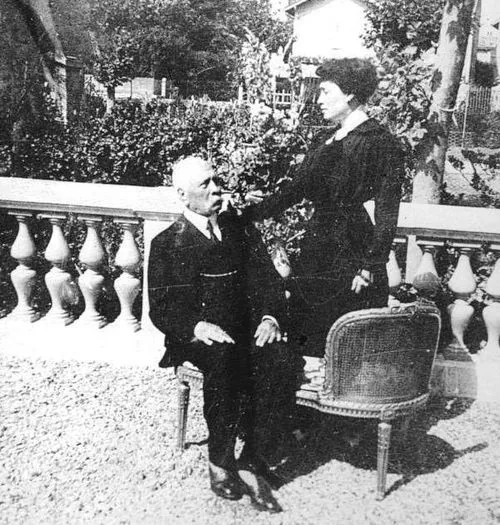
Wikimedia Commons · Public domain · file Díaz was in Aswan, Egypt, during his 1913 journey through North Africa and the Mediterranean.
Arrival in Rome
· Roma Termini railway station, Rome, Italy
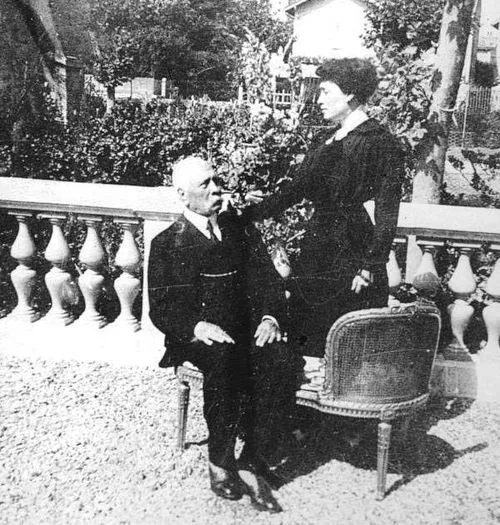
Wikimedia Commons · Public domain · file Díaz arrived at Rome's Termini station and stayed for several days at the Hotel Bristol.
Arrival at Santander
· Santander, Cantabria, Spain
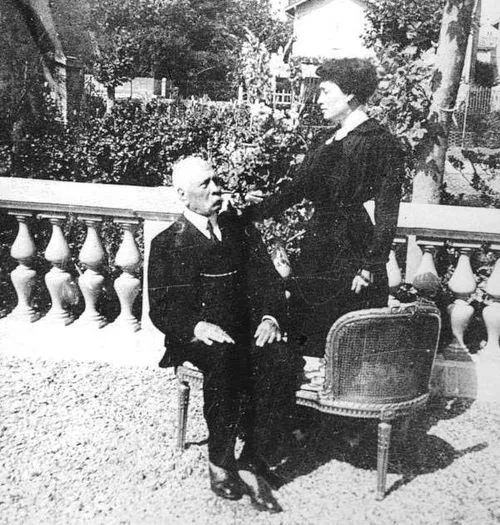
Wikimedia Commons · Public domain · file Díaz, Carmen Romero Rubio, and Amanda Díaz arrived at Santander after an automobile journey around the Bay of Biscay coast.
Summer at Saint-Jean-de-Luz
· Saint-Jean-de-Luz, France
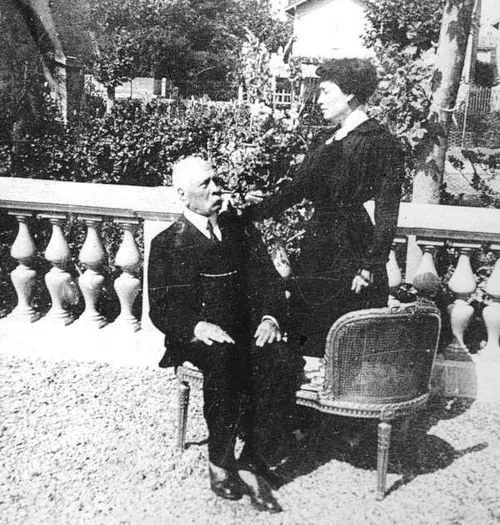
Wikimedia Commons · Public domain · file Díaz was staying with his family on the Gulf of Gascony near Saint-Jean-de-Luz when the First World War began. Saint-Jean-de-Luz is the specific beach resort named by the source; the immediate location is described more broadly as the Gulf of Gascony coast.
Death in Paris
· 23 Avenue du Bois de Boulogne, Paris, France
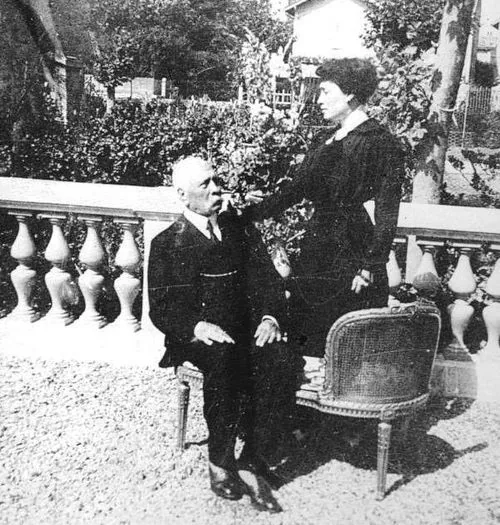
Wikimedia Commons · Public domain · file Díaz died in exile at his residence near the Bois de Boulogne in Paris. The historic avenue name corresponds to the Avenue Foch area; coordinates are an approximate representative point for the cited address.