
34 moments
Birth in Picenum
· Picenum, Italy
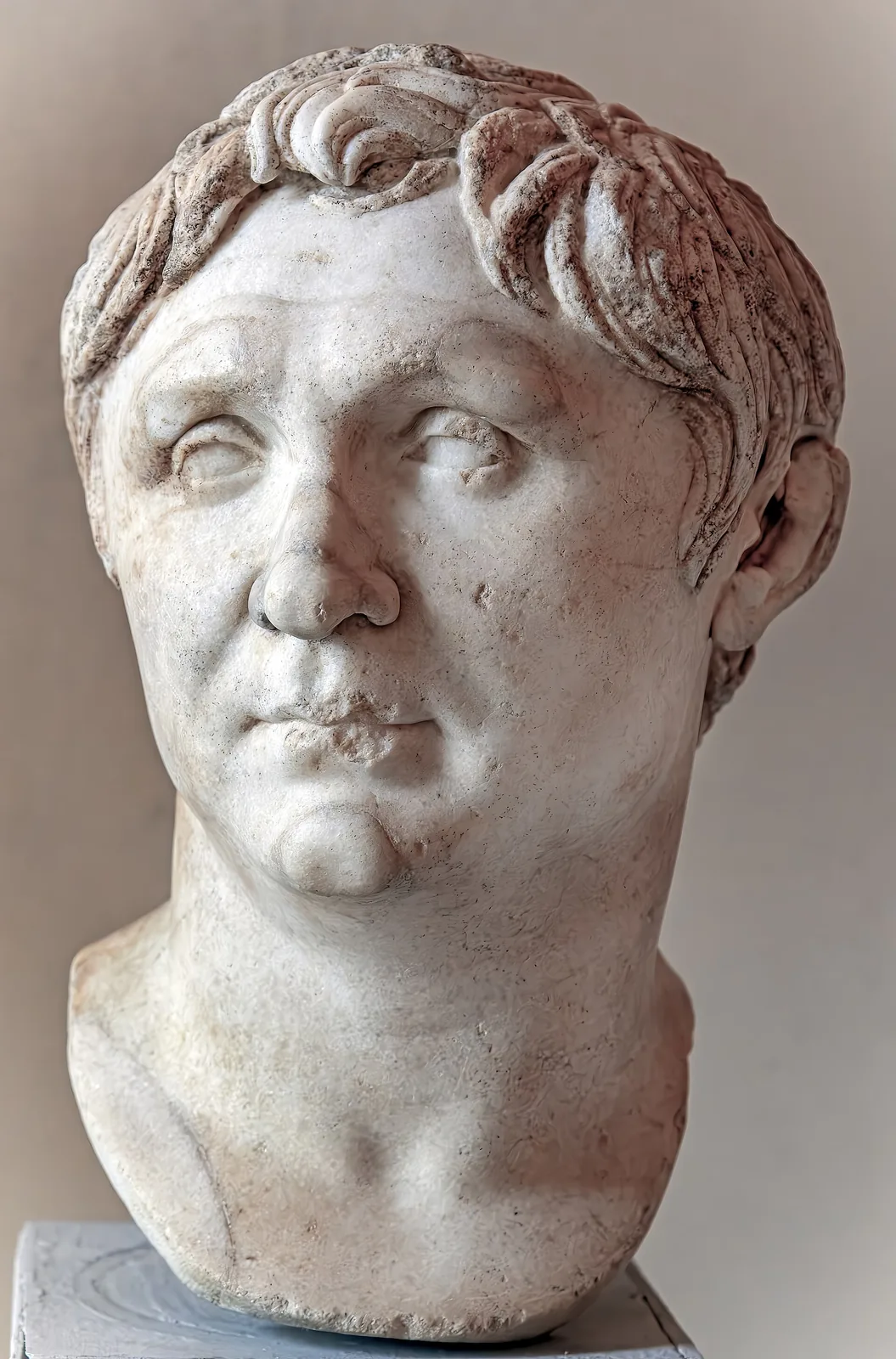
Wikimedia Commons · Creative Commons Attribution-Share Alike 4.0 International · file Pompey was born in Picenum, the central-Adriatic region that formed the base of his family’s political and military clientele. Picenum was a region; coordinates are a representative regional point.
Service at Asculum
· Asculum, Picenum, Italy
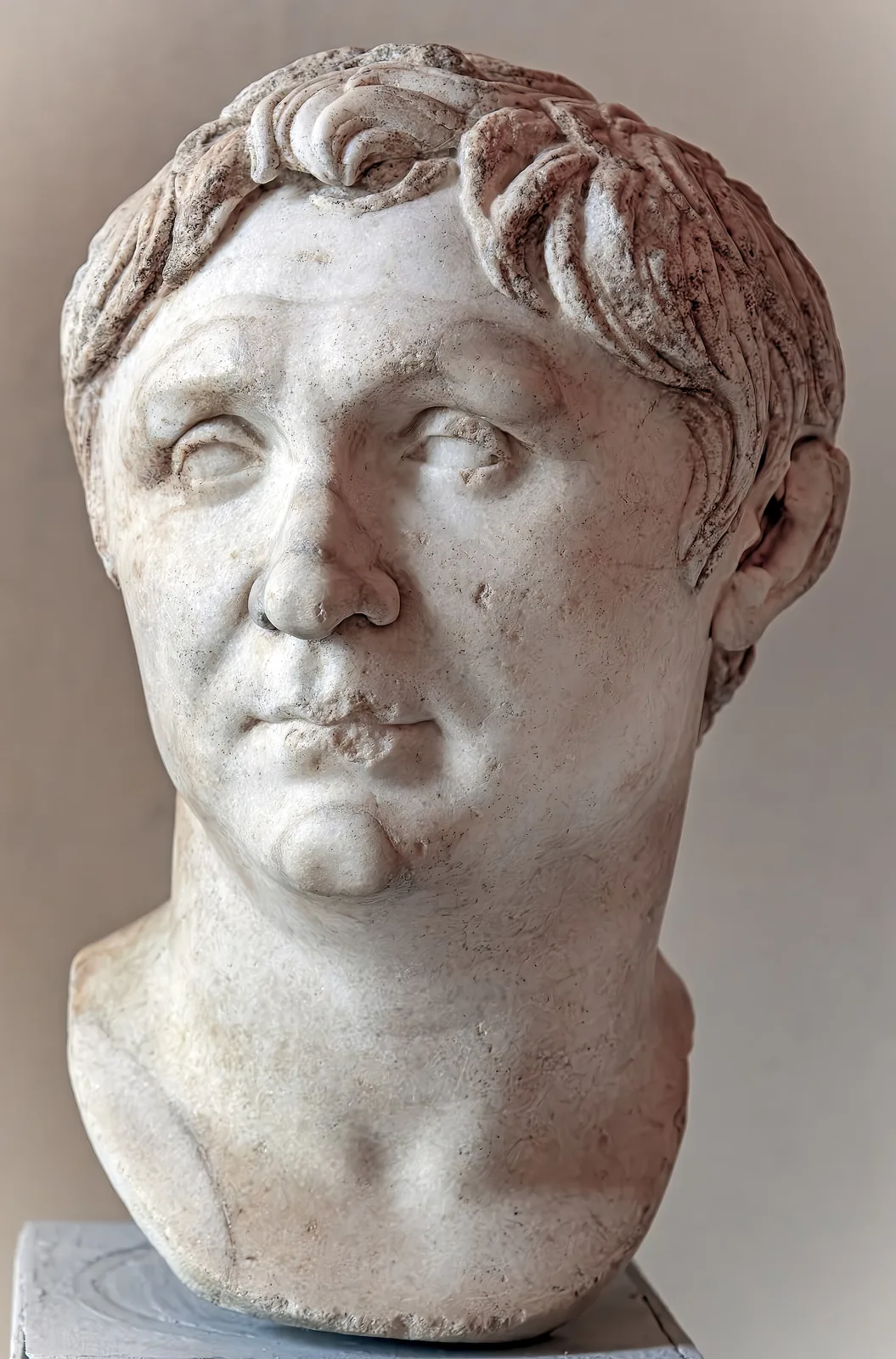
Wikimedia Commons · Creative Commons Attribution-Share Alike 4.0 International · file Pompey served under his father during the Social War at Asculum, an early documented military presence. Ancient Asculum corresponds to modern Ascoli Piceno.
Joining Sulla from Picenum
· Picenum, Italy
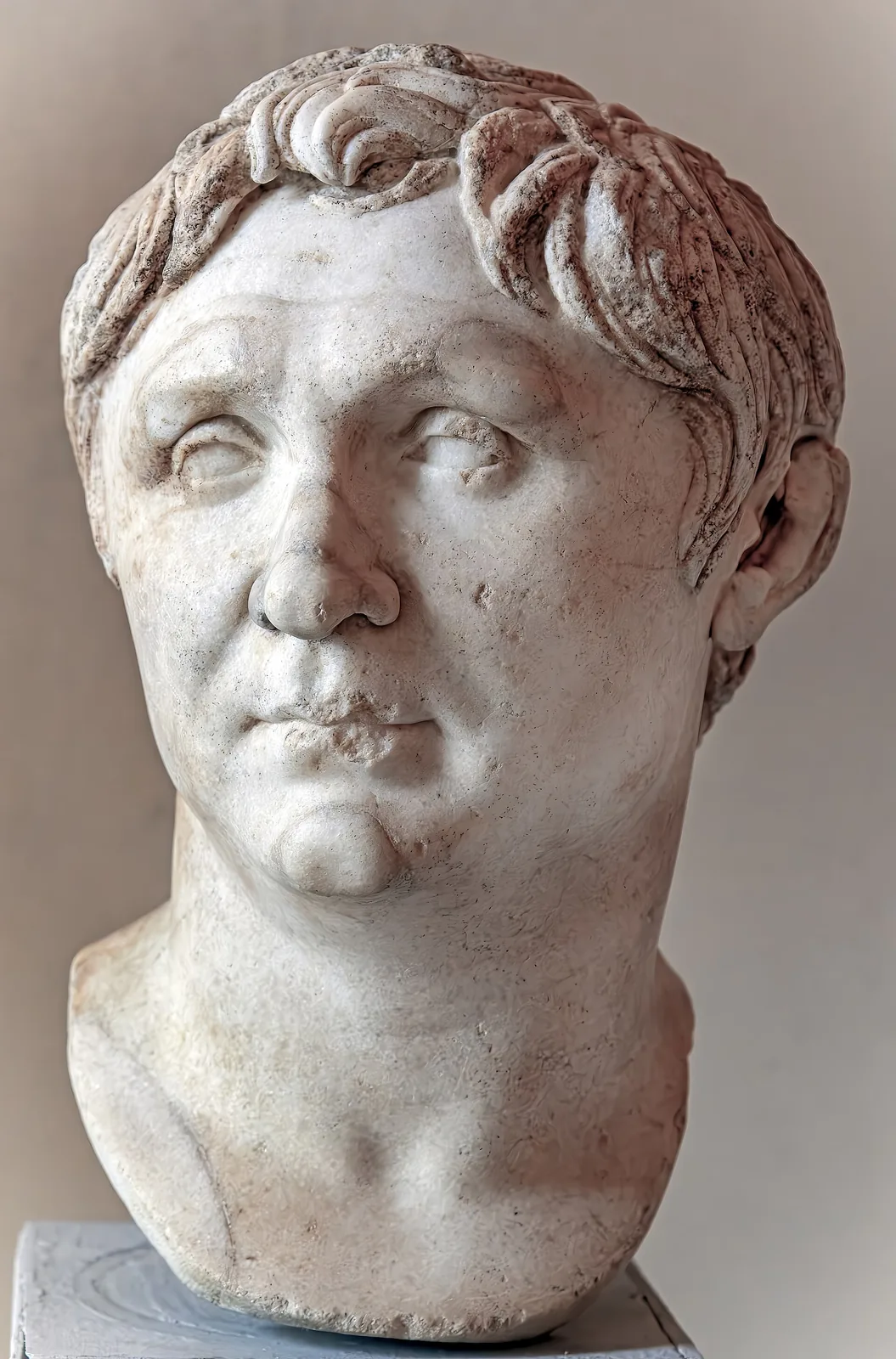
Wikimedia Commons · Creative Commons Attribution-Share Alike 4.0 International · file Pompey led a privately raised legion south from Picenum to join Sulla during the civil war. The source establishes departure from Picenum but not a precise starting settlement.
Campaign at Spoletium
· Spoletium, Umbria, Italy
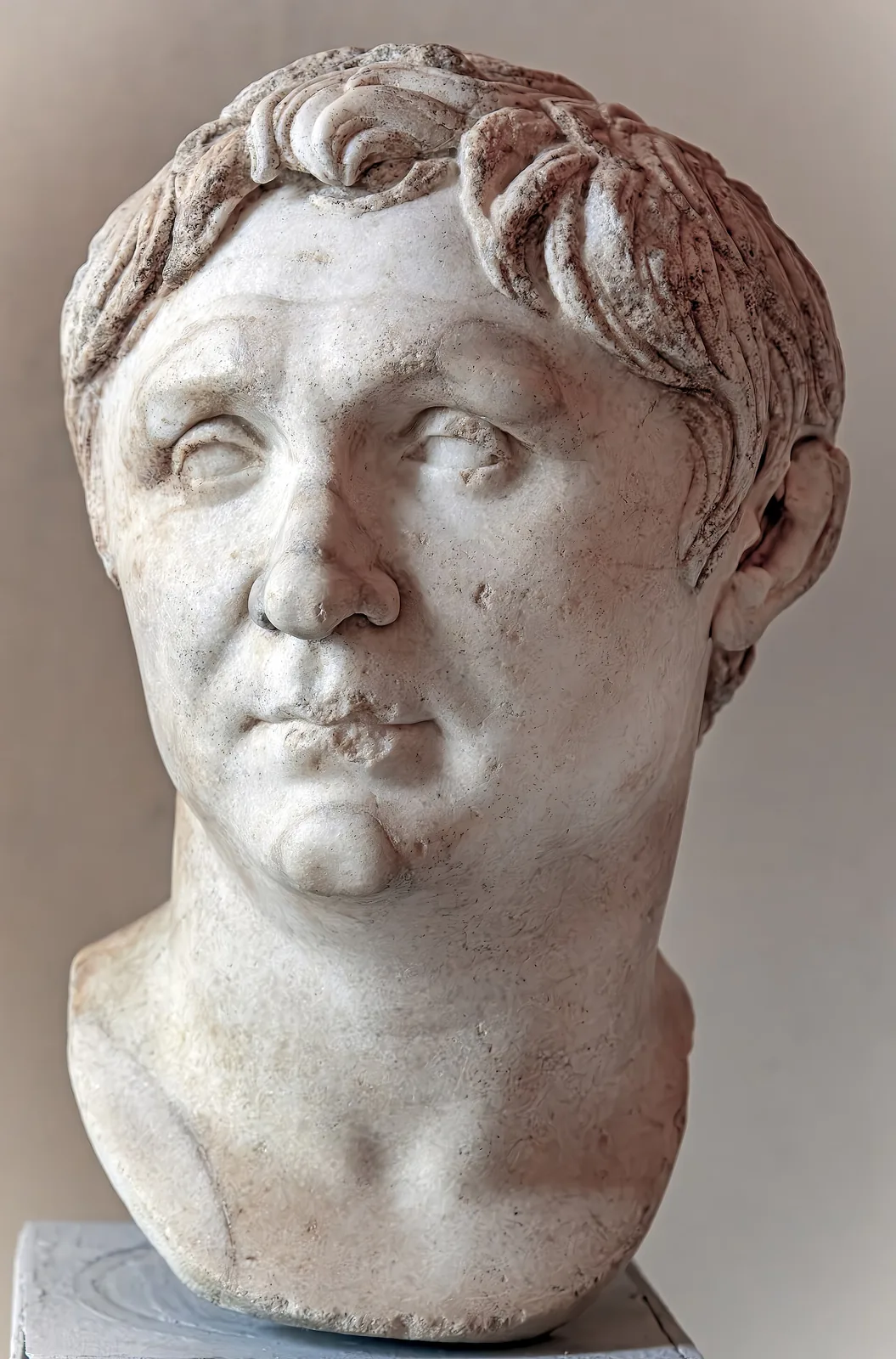
Wikimedia Commons · Creative Commons Attribution-Share Alike 4.0 International · file During Sulla’s civil war, Pompey advanced along the Via Flaminia and besieged Carrinas at Spoletium. Ancient Spoletium corresponds to modern Spoleto.
Landing in Sicily
· Sicily, Italy
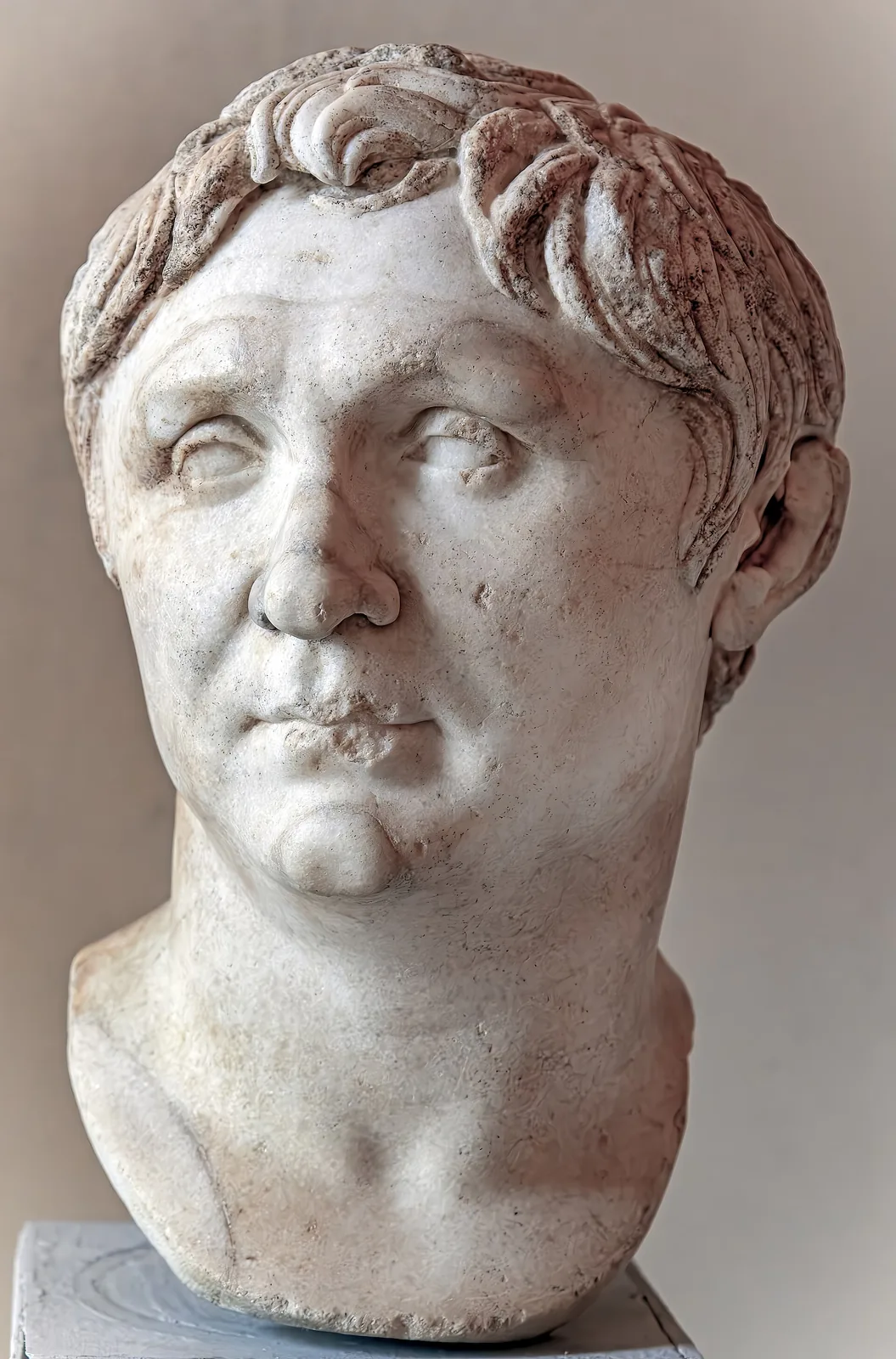
Wikimedia Commons · Creative Commons Attribution-Share Alike 4.0 International · file Pompey landed in Sicily with a large force during the elimination of surviving Marian opponents. The landing site is not specified; coordinates represent Sicily.
Battle of Utica
· Utica, Tunisia
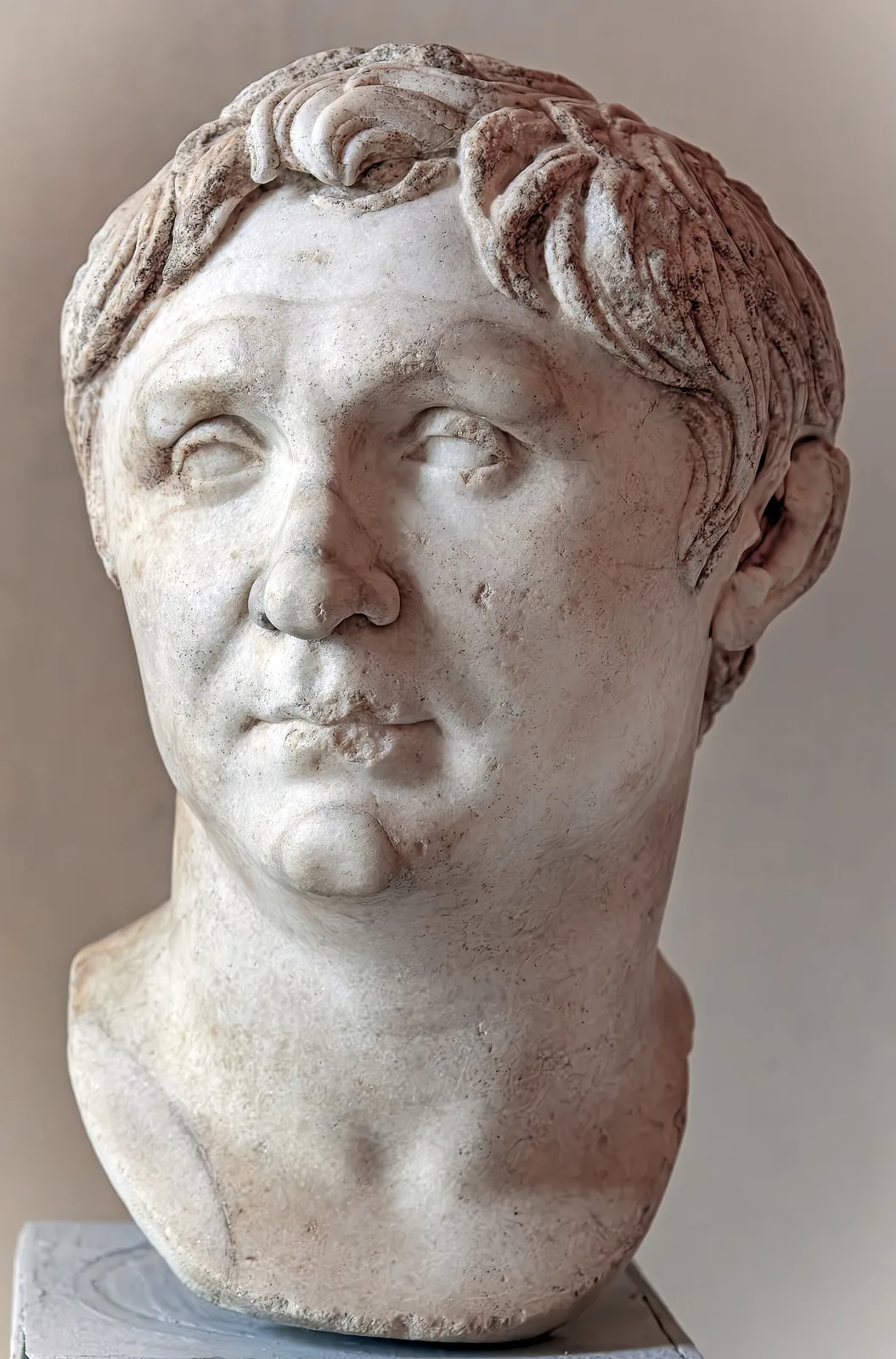
Wikimedia Commons · Creative Commons Attribution-Share Alike 4.0 International · file Pompey sailed from Sicily to Roman Africa and defeated Gnaeus Domitius Ahenobarbus at Utica. Date is approximate within Pompey’s African campaign of 82–81 BC.
Return and first triumph
· Rome, Italy
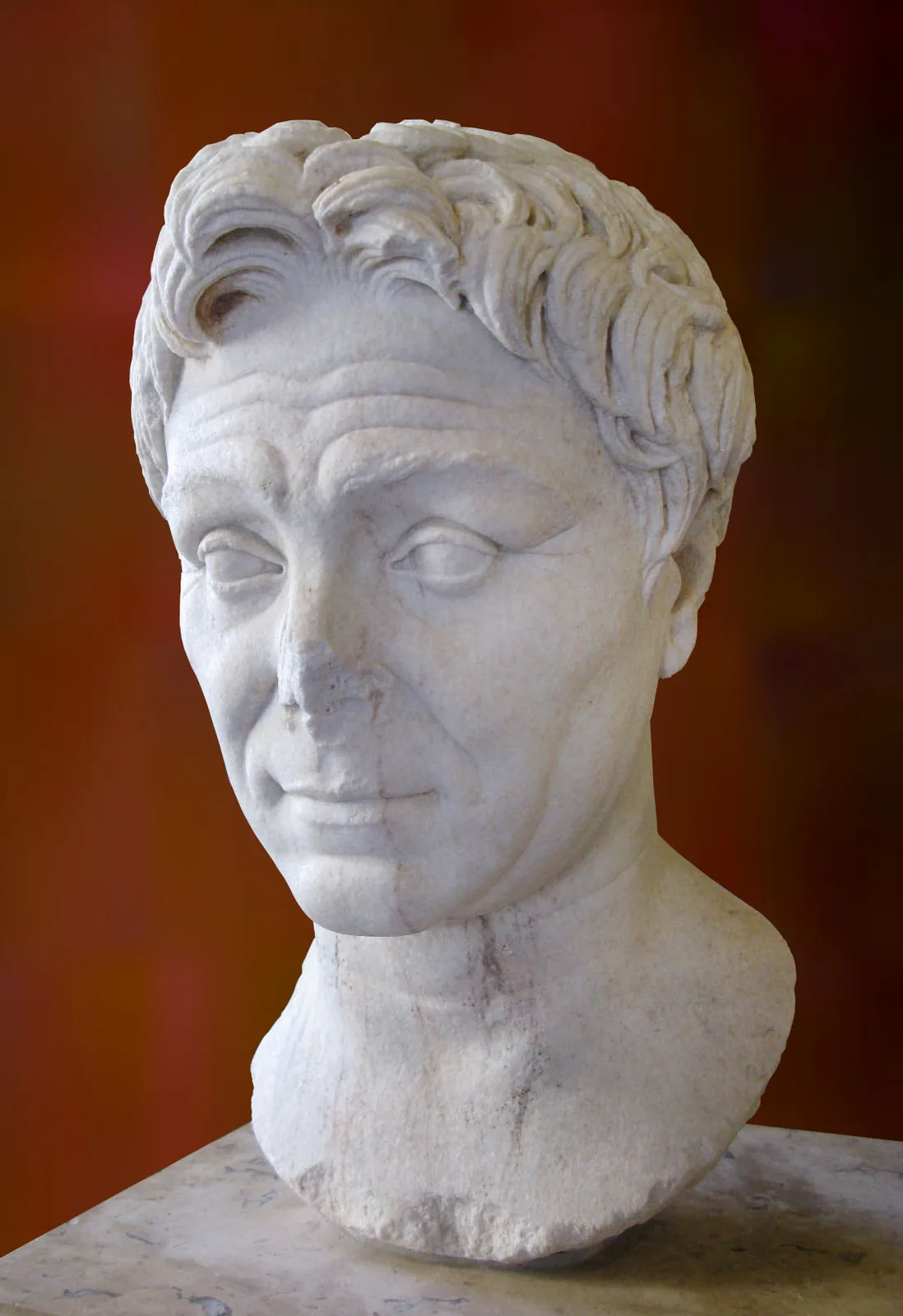
Wikimedia Commons · Creative Commons Attribution-ShareAlike 4.0 International · file After his African campaign, Pompey returned to Rome and celebrated his first triumph.
Siege of Mutina
· Mutina, Cisalpine Gaul, Italy
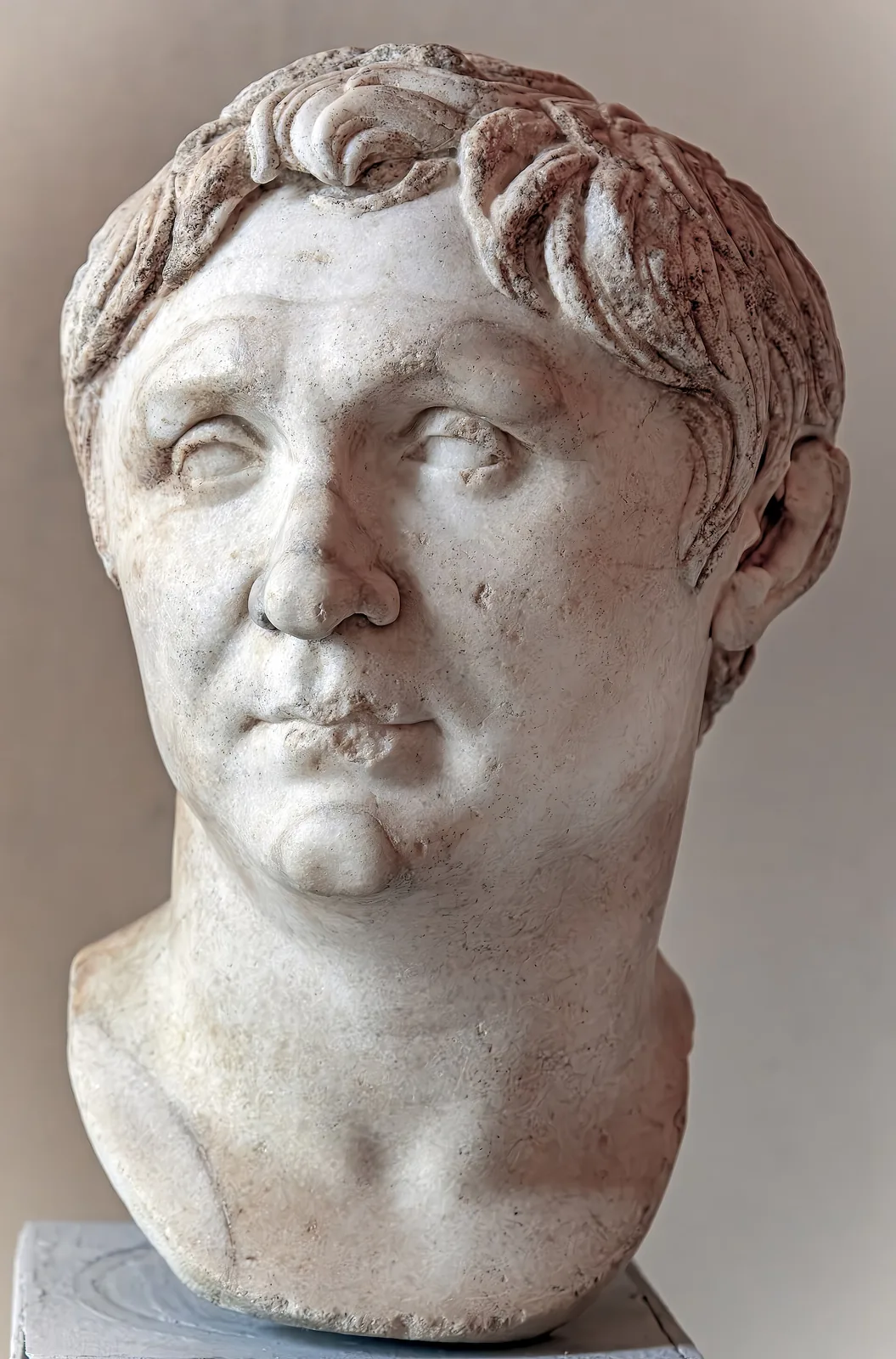
Wikimedia Commons · Creative Commons Attribution-Share Alike 4.0 International · file Pompey moved north and besieged Mutina during the suppression of Lepidus’ rebellion. Ancient Mutina corresponds to modern Modena.
Winter quarters near Narbo Martius
· Narbo Martius, Gallia Narbonensis, France
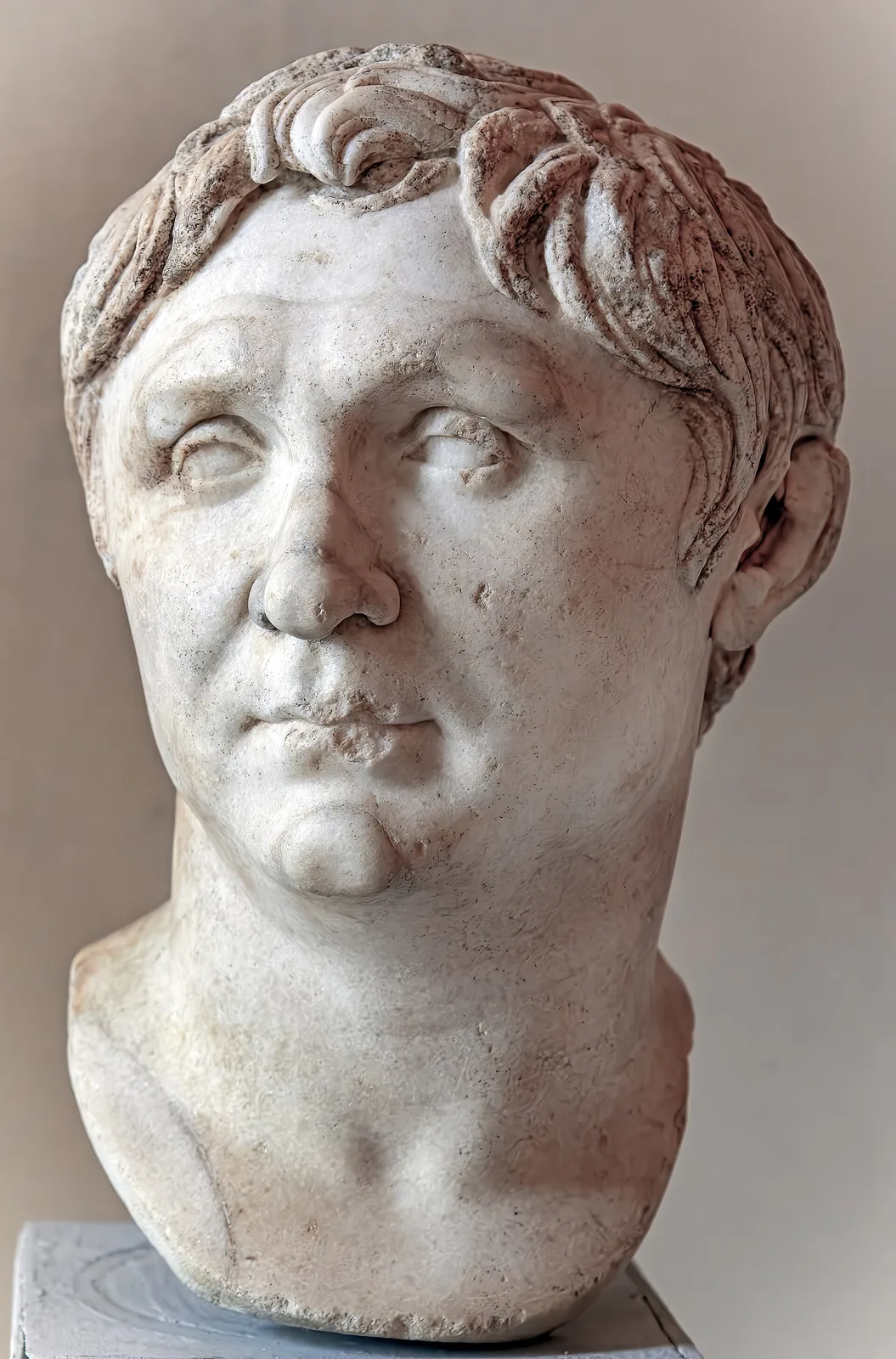
Wikimedia Commons · Creative Commons Attribution-Share Alike 4.0 International · file On his way to Hispania, Pompey’s army took winter quarters near Narbo Martius after suppressing a rebellion in Gallia Narbonensis. Ancient Narbo Martius corresponds to Narbonne.
Crossing the Col de Portet
· Col de Portet, Pyrenees, France-Spain border
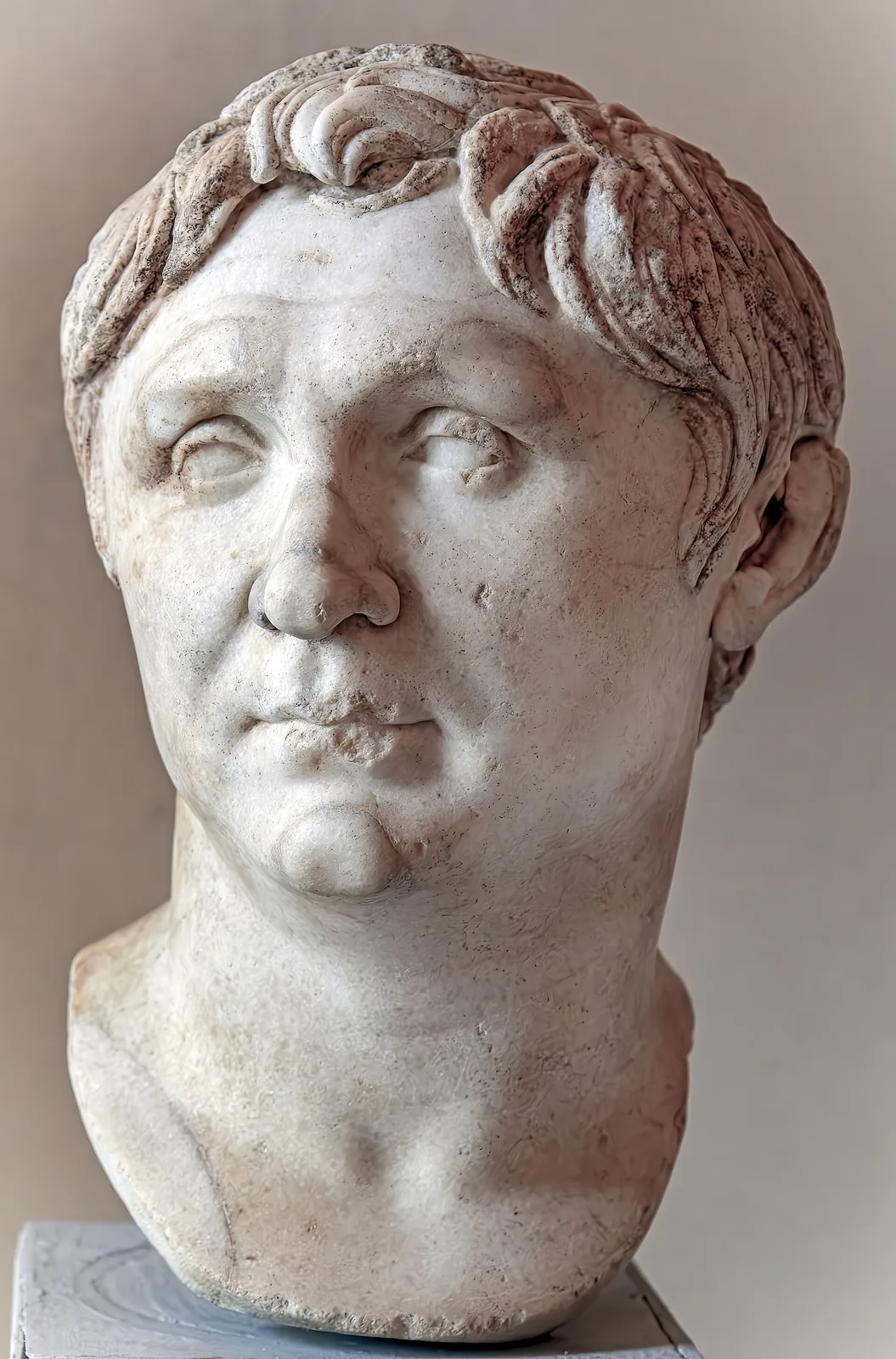
Wikimedia Commons · Creative Commons Attribution-Share Alike 4.0 International · file Pompey crossed the Col de Portet into the Iberian Peninsula at the beginning of his long Sertorian campaign. Coordinates identify the mountain-pass area.
Defeat at Lauron
· Lauron, Hispania
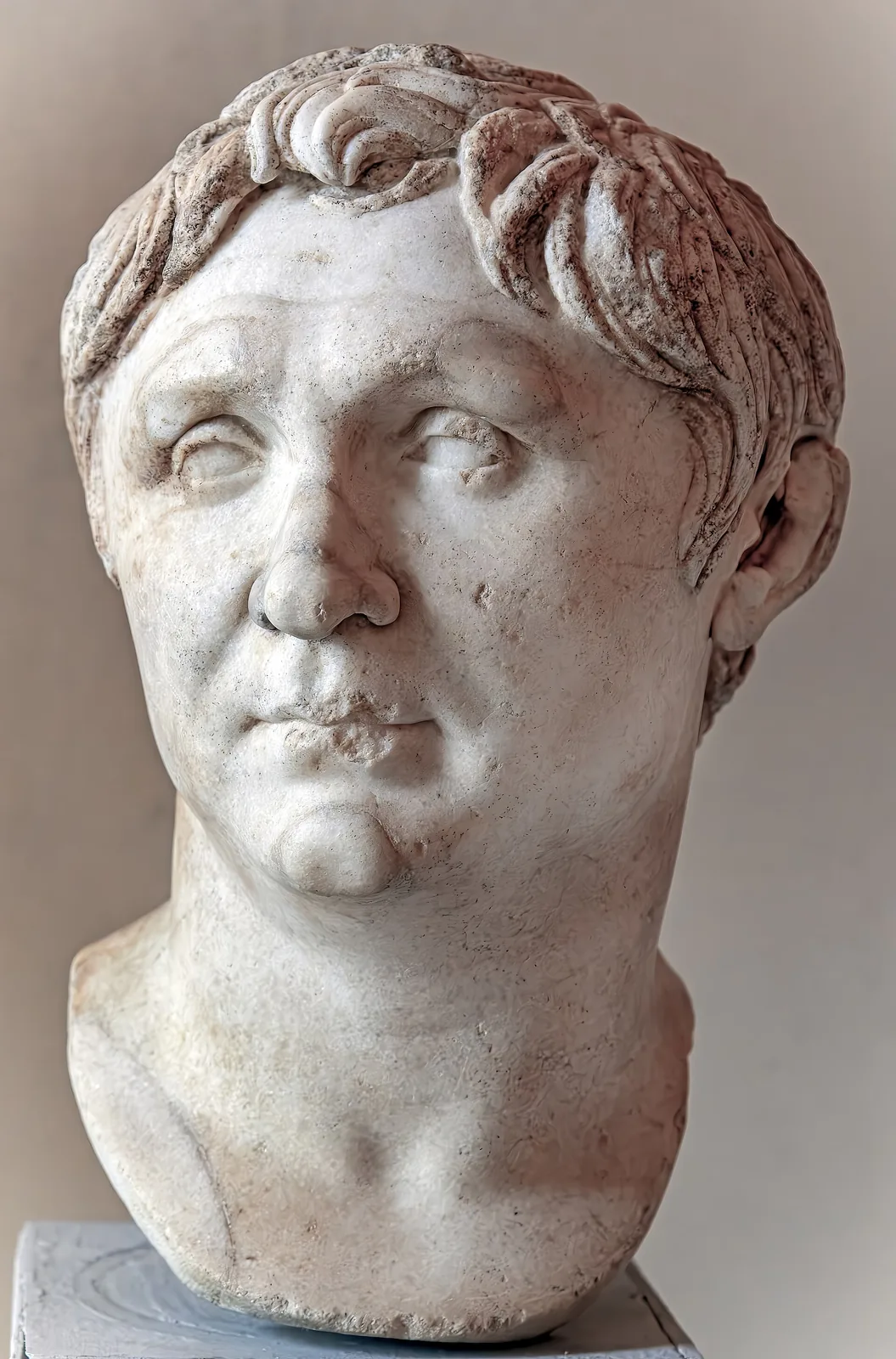
Wikimedia Commons · Creative Commons Attribution-Share Alike 4.0 International · file Pompey fought Sertorius at Lauron and suffered a major defeat in the first year of his Iberian command. The exact site of ancient Lauron is disputed; coordinates are a representative point in the commonly proposed Valencian area.
Battle of Saguntum
· Saguntum, Hispania
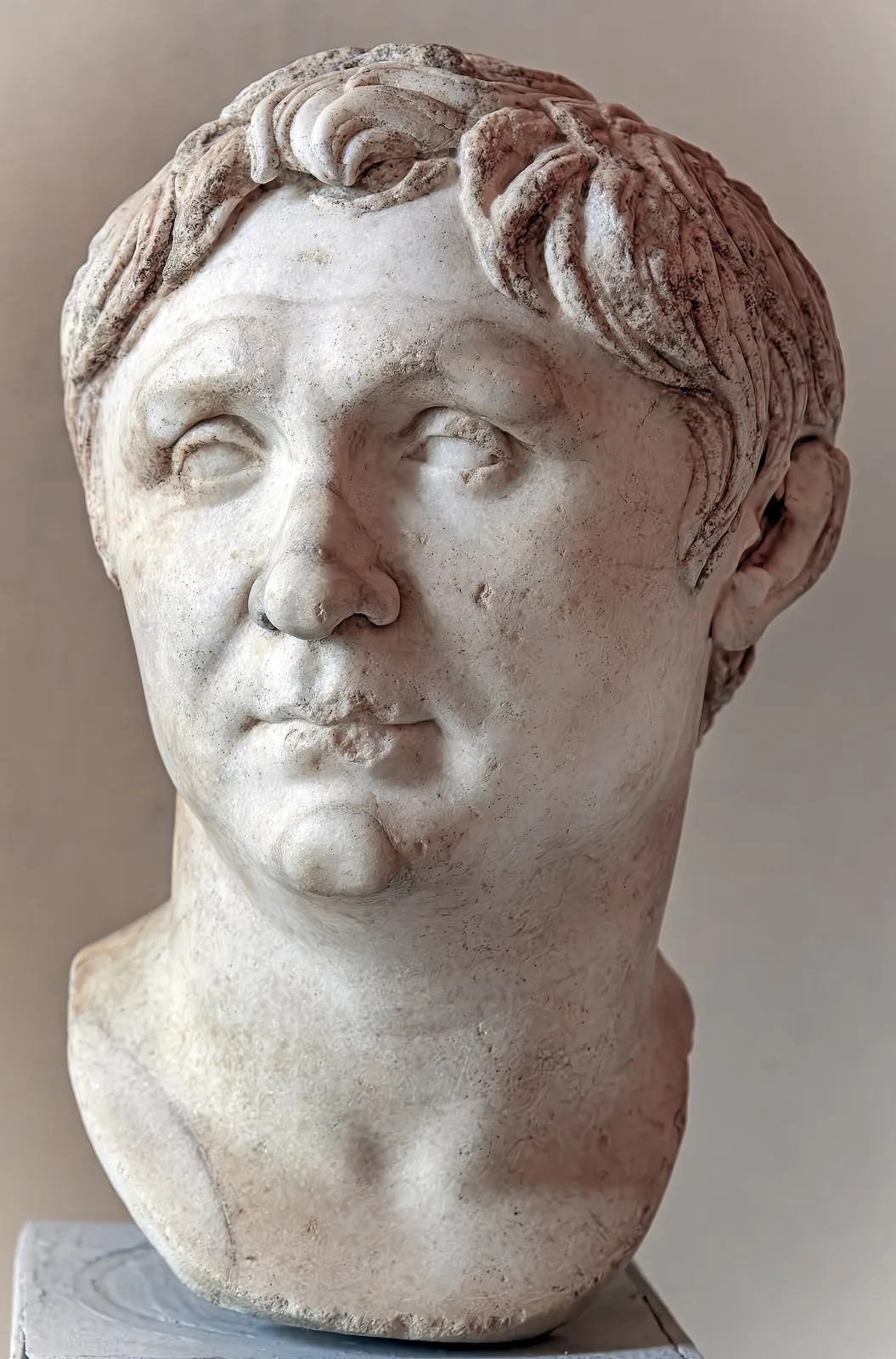
Wikimedia Commons · Creative Commons Attribution-Share Alike 4.0 International · file Pompey and Metellus fought Sertorius at Saguntum during the same campaign season. Ancient Saguntum corresponds to Sagunto.
Battle of Sucro
· Sucro River area, Hispania
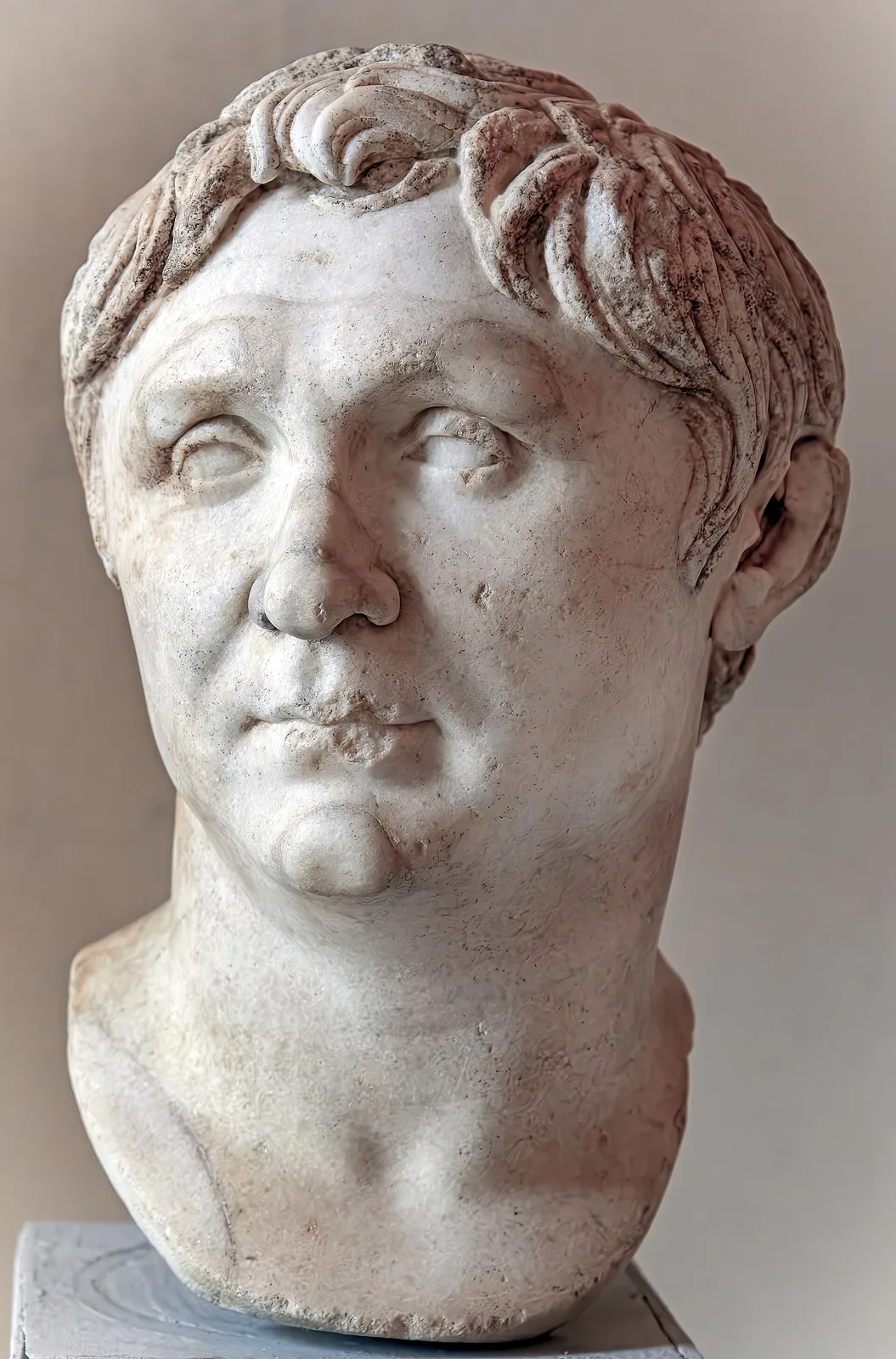
Wikimedia Commons · Creative Commons Attribution-Share Alike 4.0 International · file Pompey engaged Sertorius in the indecisive Battle of Sucro before the subsequent fighting at Saguntum. The ancient Sucro battlefield is conventionally placed near the lower Júcar River; coordinates are representative.
Battle outside Valentia
· Valentia, Hispania
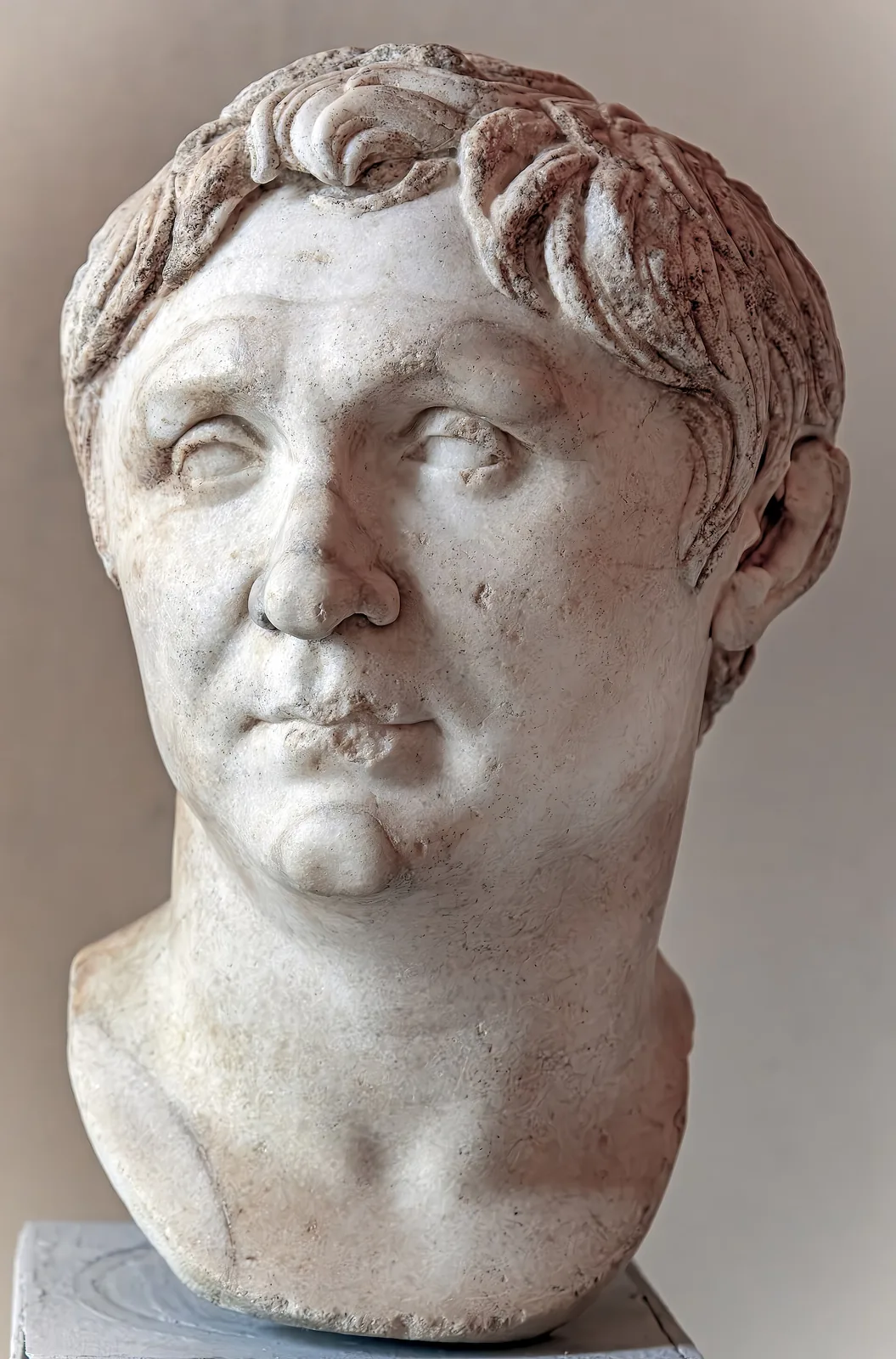
Wikimedia Commons · Creative Commons Attribution-Share Alike 4.0 International · file Pompey defeated Perperna and Gaius Herennius outside Valentia during the Sertorian War. Ancient Valentia corresponds to Valencia.
Winter among the Vaccaei
· Vaccaei territory, Hispania
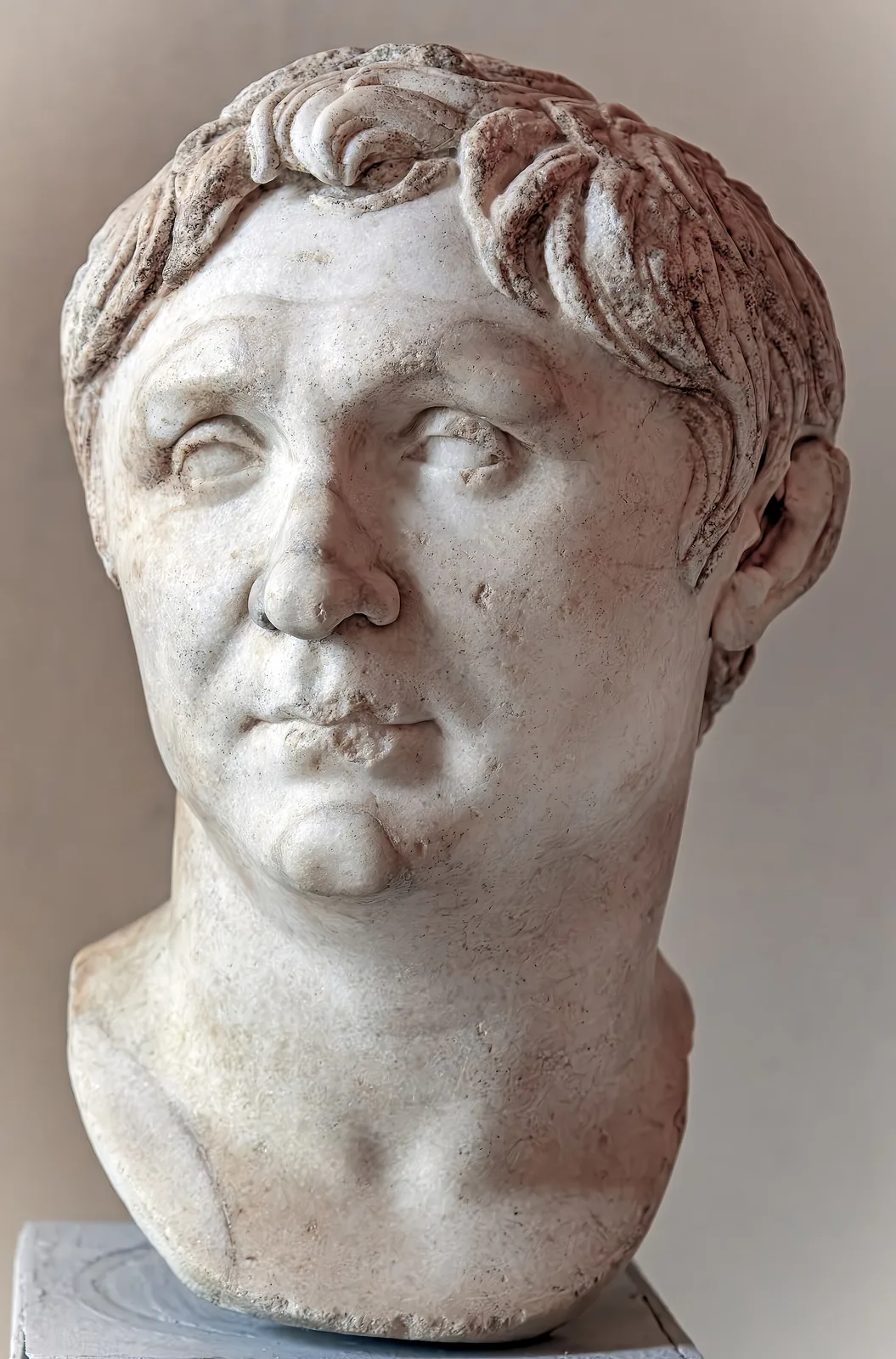
Wikimedia Commons · Creative Commons Attribution-Share Alike 4.0 International · file Shortage of supplies forced Pompey to winter among the Vaccaei on the northern Meseta. The Vaccaei occupied a broad territory; coordinates are a representative point near Valladolid.
Battle near Osca
· Osca, Hispania
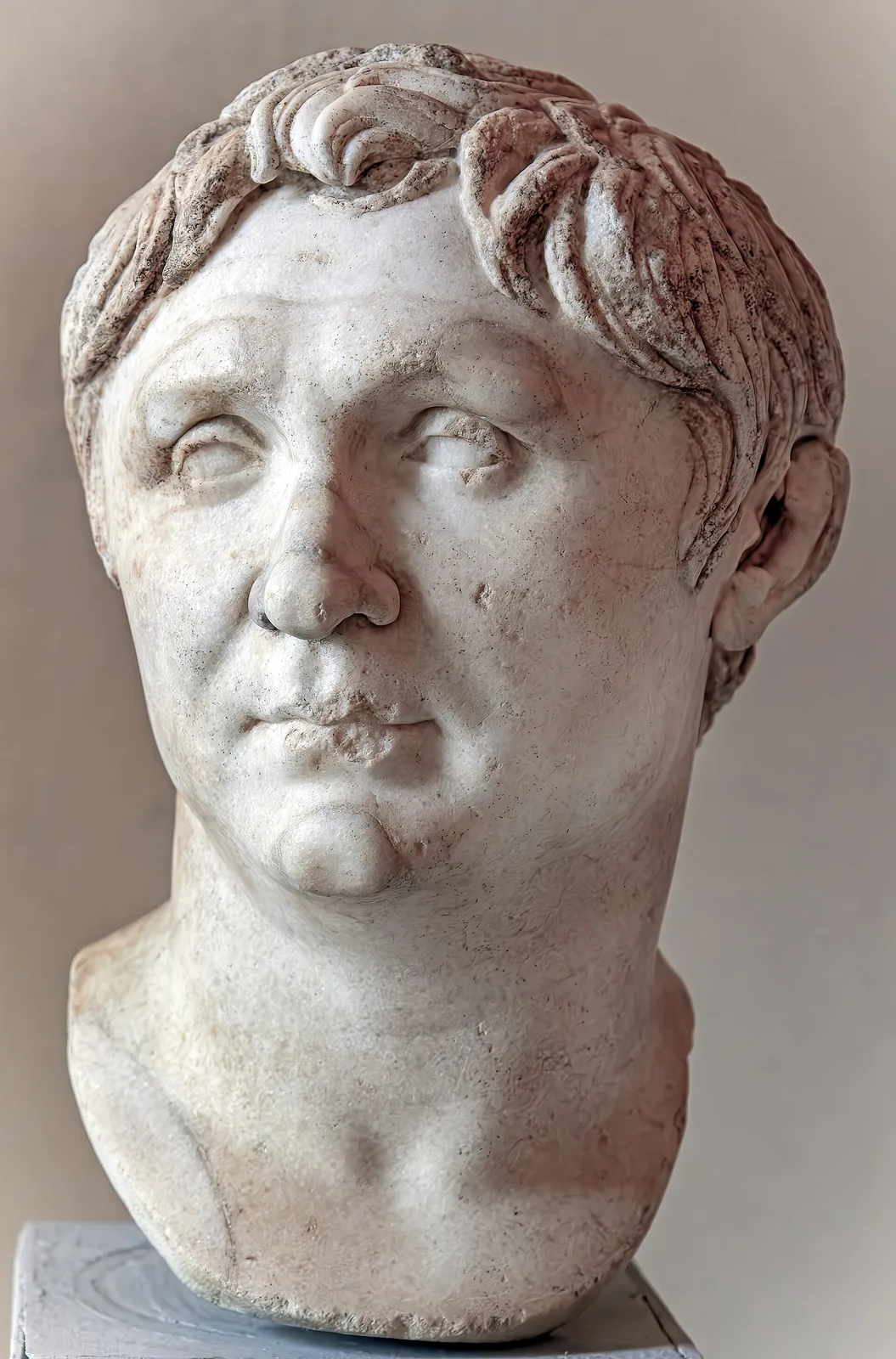
Wikimedia Commons · Creative Commons Attribution-Share Alike 4.0 International · file Pompey defeated Perperna near Osca, effectively ending organized Sertorian resistance. The date is conventionally given as 73 or 72 BC; 73 BC is used as the maximum defensible single-year approximation.
Return to Italy after the Sertorian War
· Italy
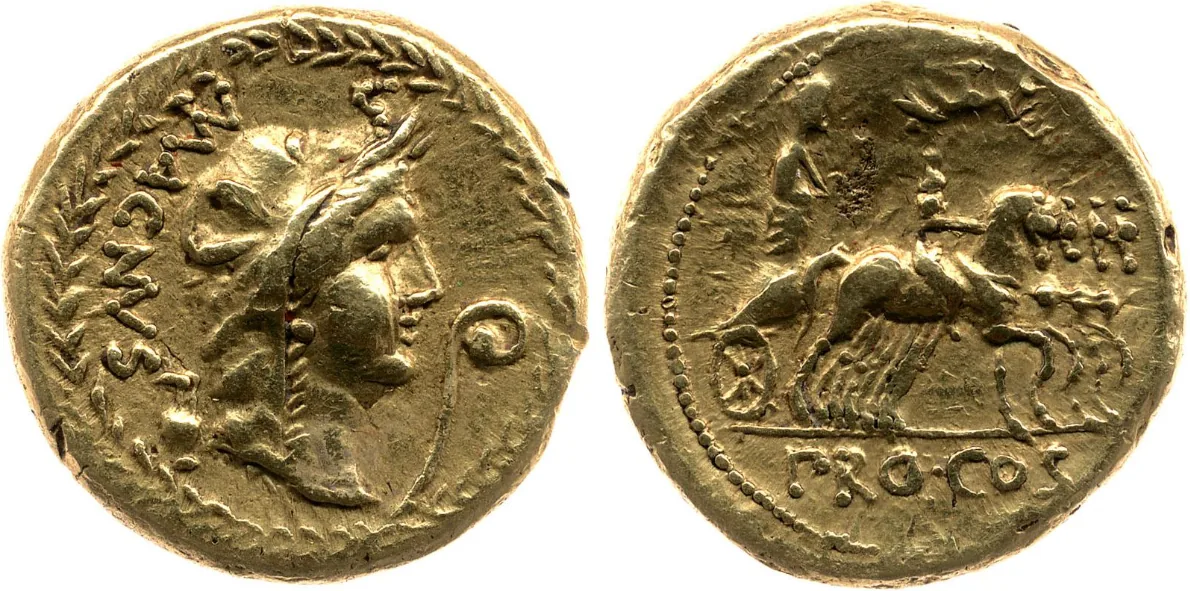
Wikimedia Commons · file Pompey returned from Hispania to Italy shortly before Crassus defeated Spartacus’ main rebel army. The source does not identify his Italian landing place or route.
Battle of Korakesion
· Korakesion, Cilicia, Turkey
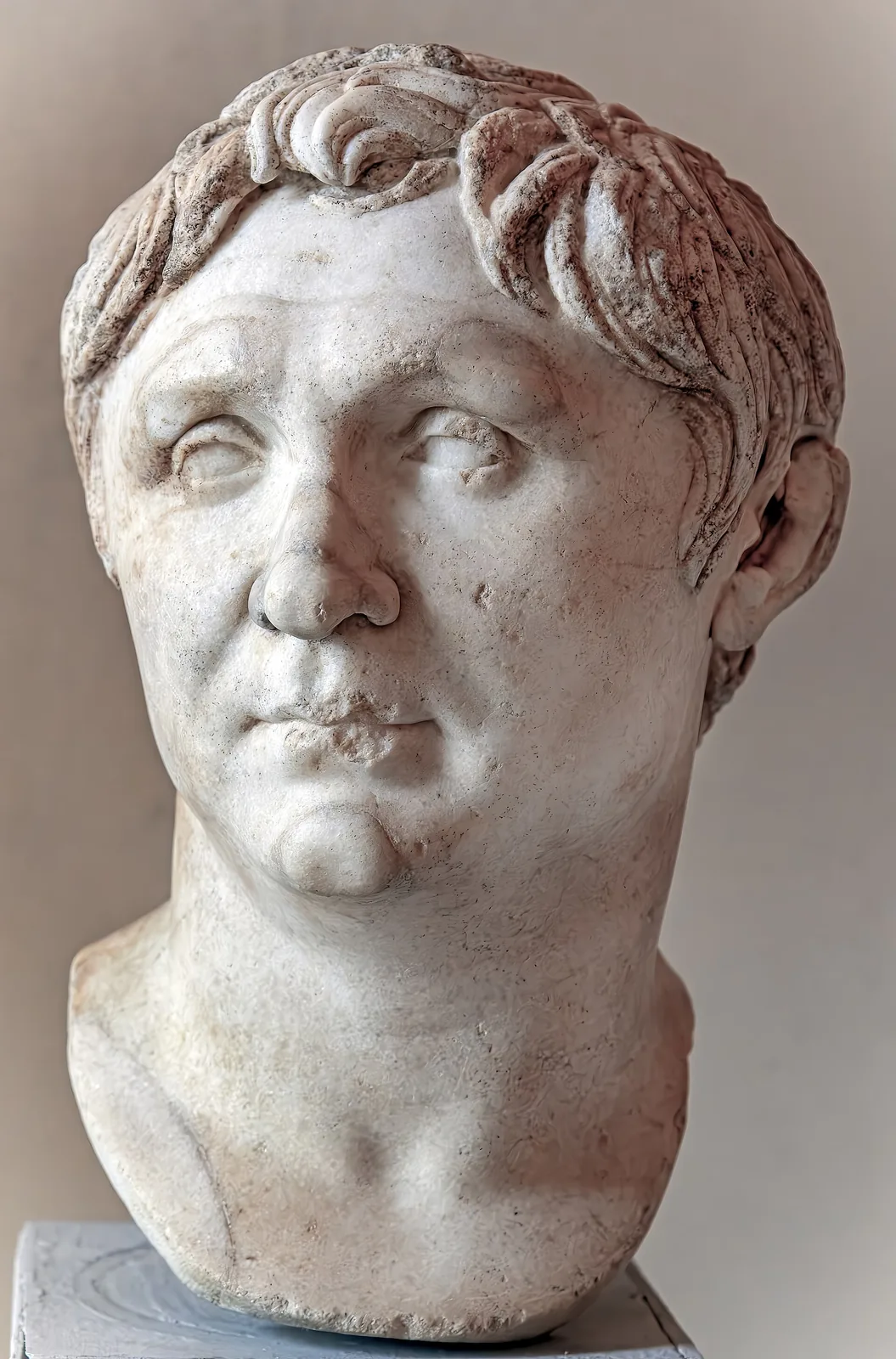
Wikimedia Commons · Creative Commons Attribution-Share Alike 4.0 International · file Pompey led the decisive assault on the pirate stronghold at Korakesion, ending his campaign against the pirates. Korakesion is modern Alanya.
Battle of the Lycus
· Lycus River, Pontus, Turkey
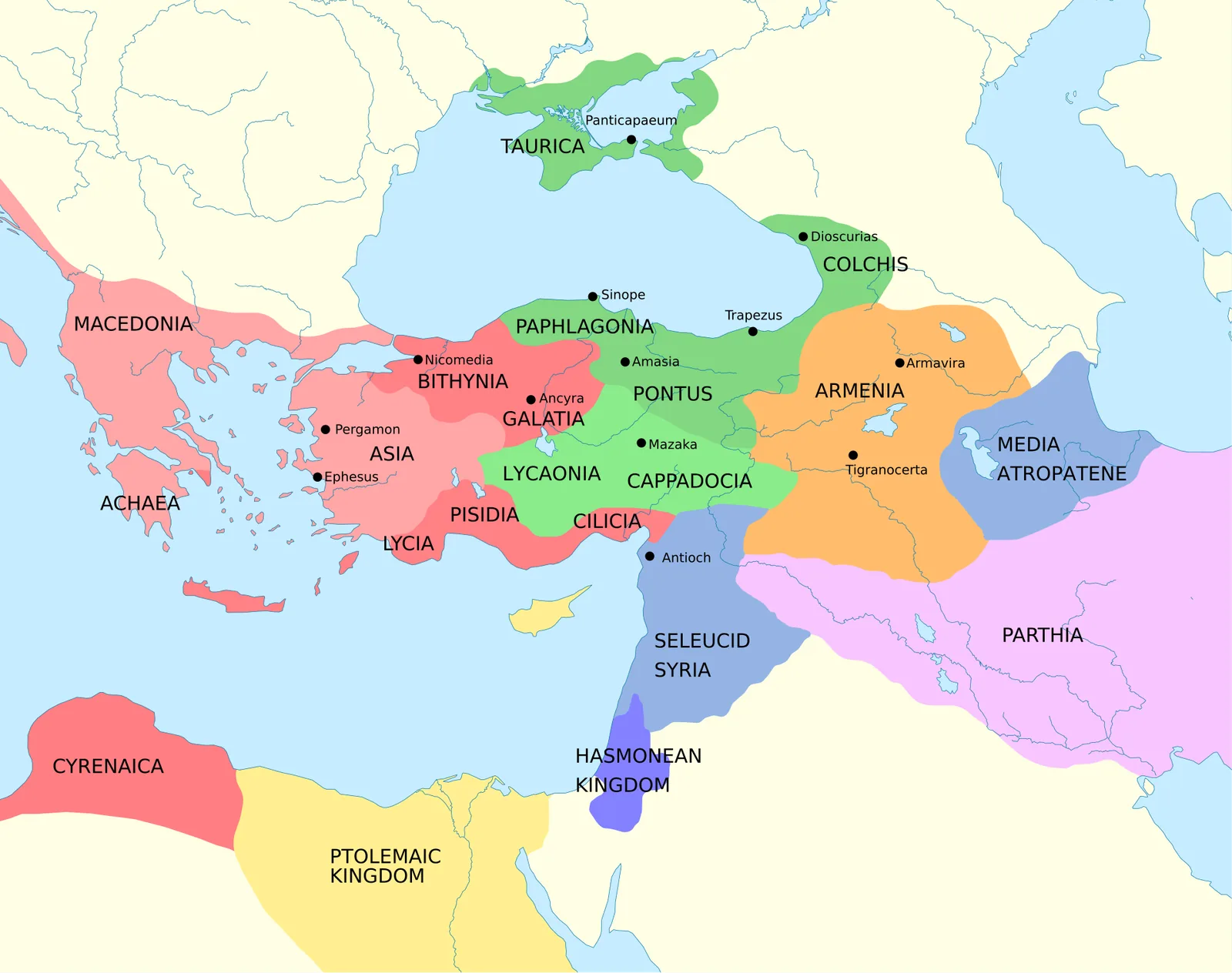
Wikimedia Commons · file Pompey pursued Mithridates into Armenia and defeated him at the Lycus late in 66 BC. Coordinates are a representative point for the generally identified Lycus battle area near modern Tokat.
Arrival at Phasis
· Phasis, Colchis, Georgia
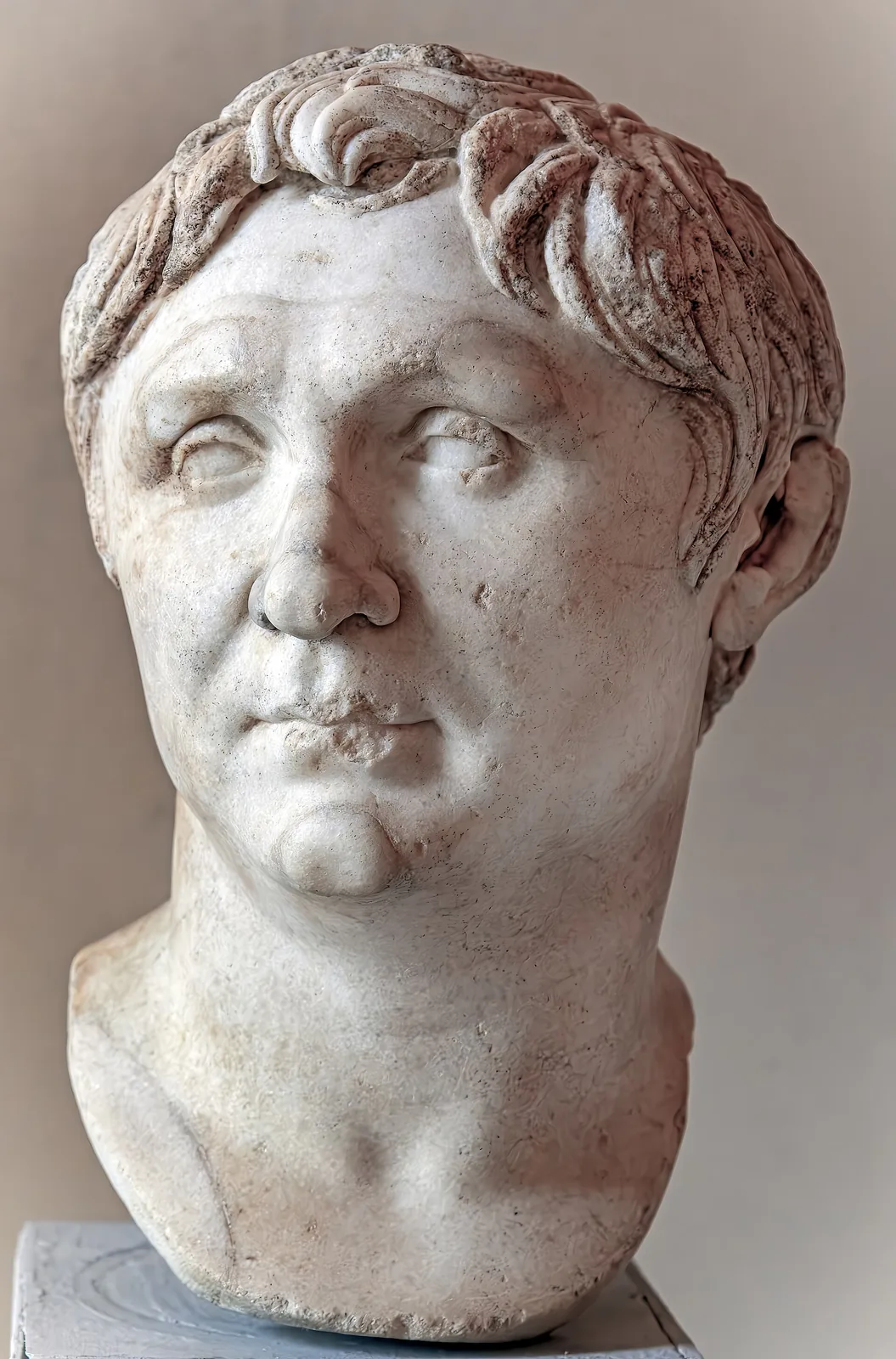
Wikimedia Commons · Creative Commons Attribution-Share Alike 4.0 International · file During his Caucasian expedition, Pompey reached Phasis and linked up with his Euxine fleet’s admiral. Ancient Phasis is associated with modern Poti.
Wintering in Armenia
· Armenia
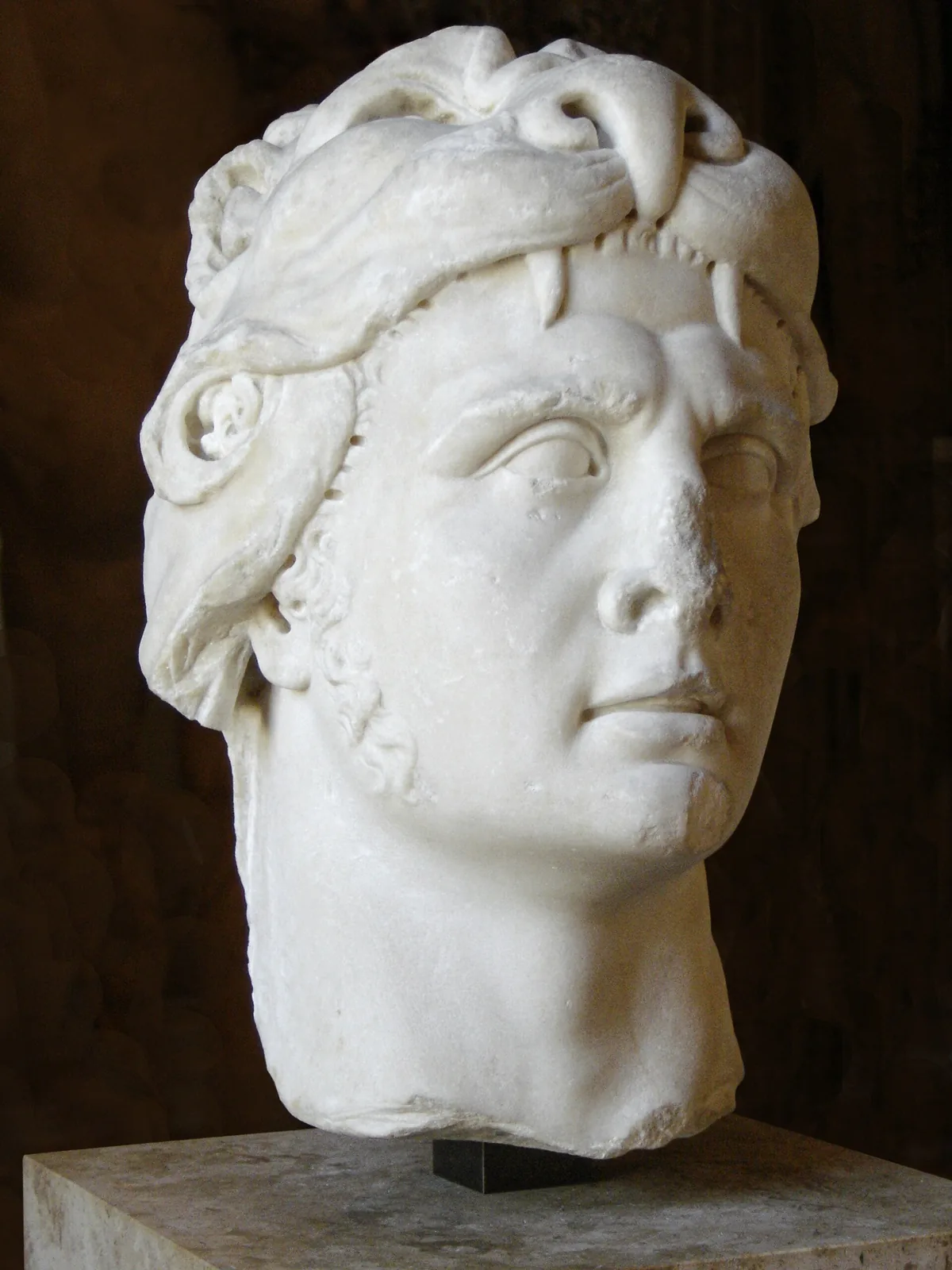
Wikimedia Commons · file Pompey wintered in Armenia while mediating disputes between Phraates and Tigranes. The winter quarters are not specified; coordinates are a representative point in Armenia.
Annexation campaign in Syria
· Syria
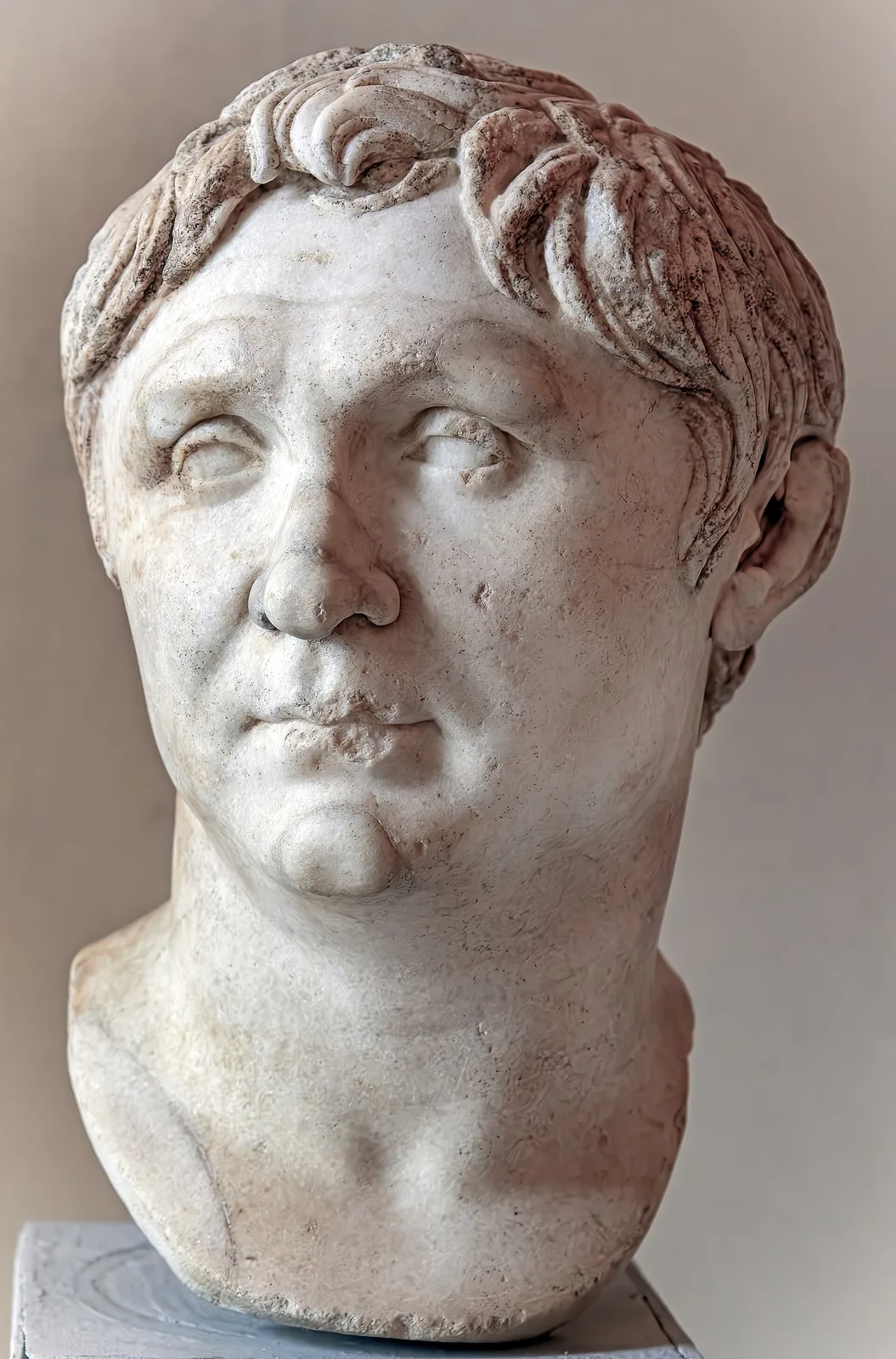
Wikimedia Commons · Creative Commons Attribution-Share Alike 4.0 International · file Pompey spent 64 BC annexing Syrian cities into a new Roman province. The source describes activity across Syria rather than one named headquarters or city.
Arrival in Damascus
· Damascus, Syria
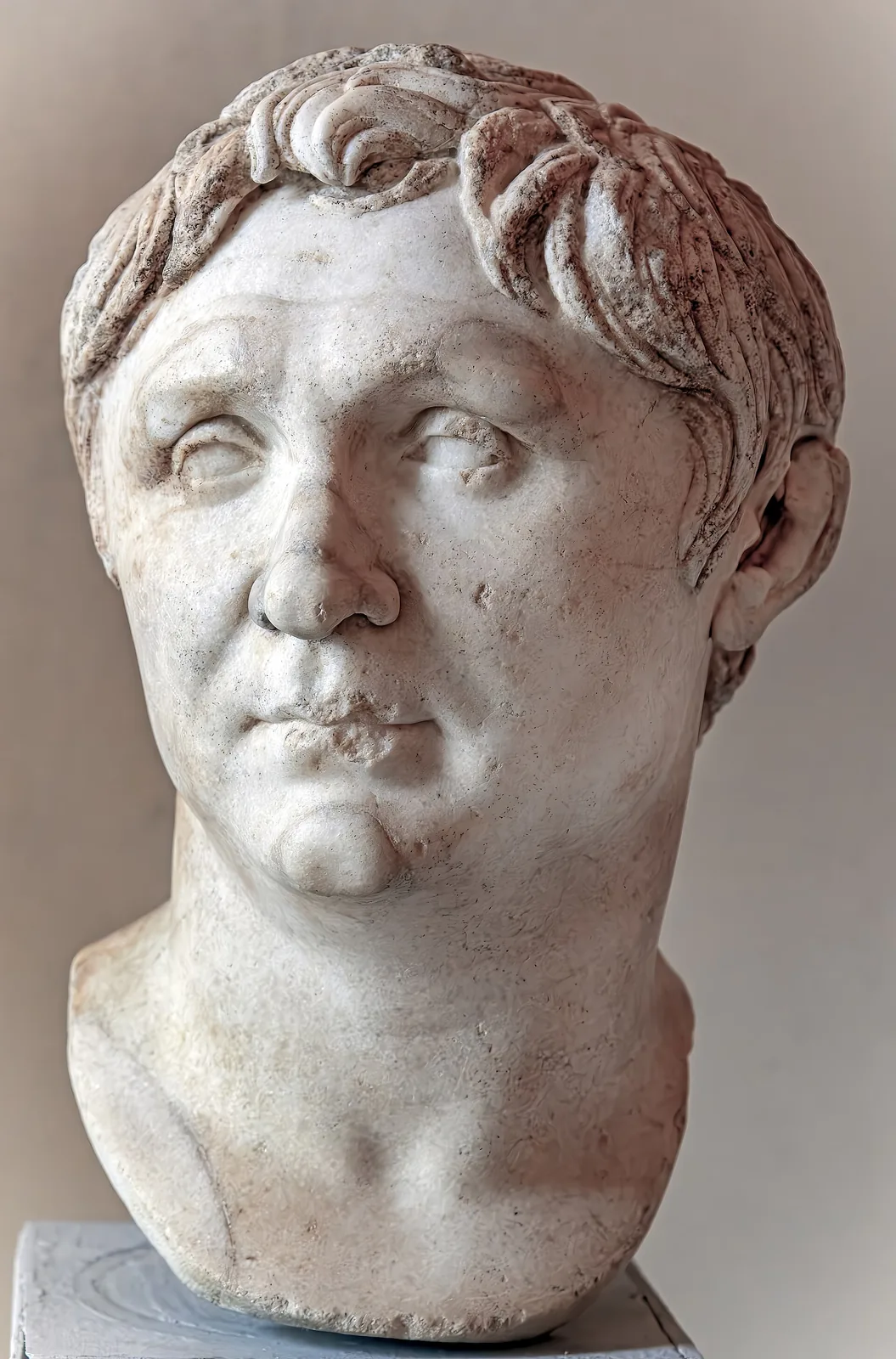
Wikimedia Commons · Creative Commons Attribution-Share Alike 4.0 International · file Pompey arrived in Damascus and received delegations from the rival Hasmonean claimants Hyrcanus and Aristobulus.
Departure from Antioch
· Antioch, Syria
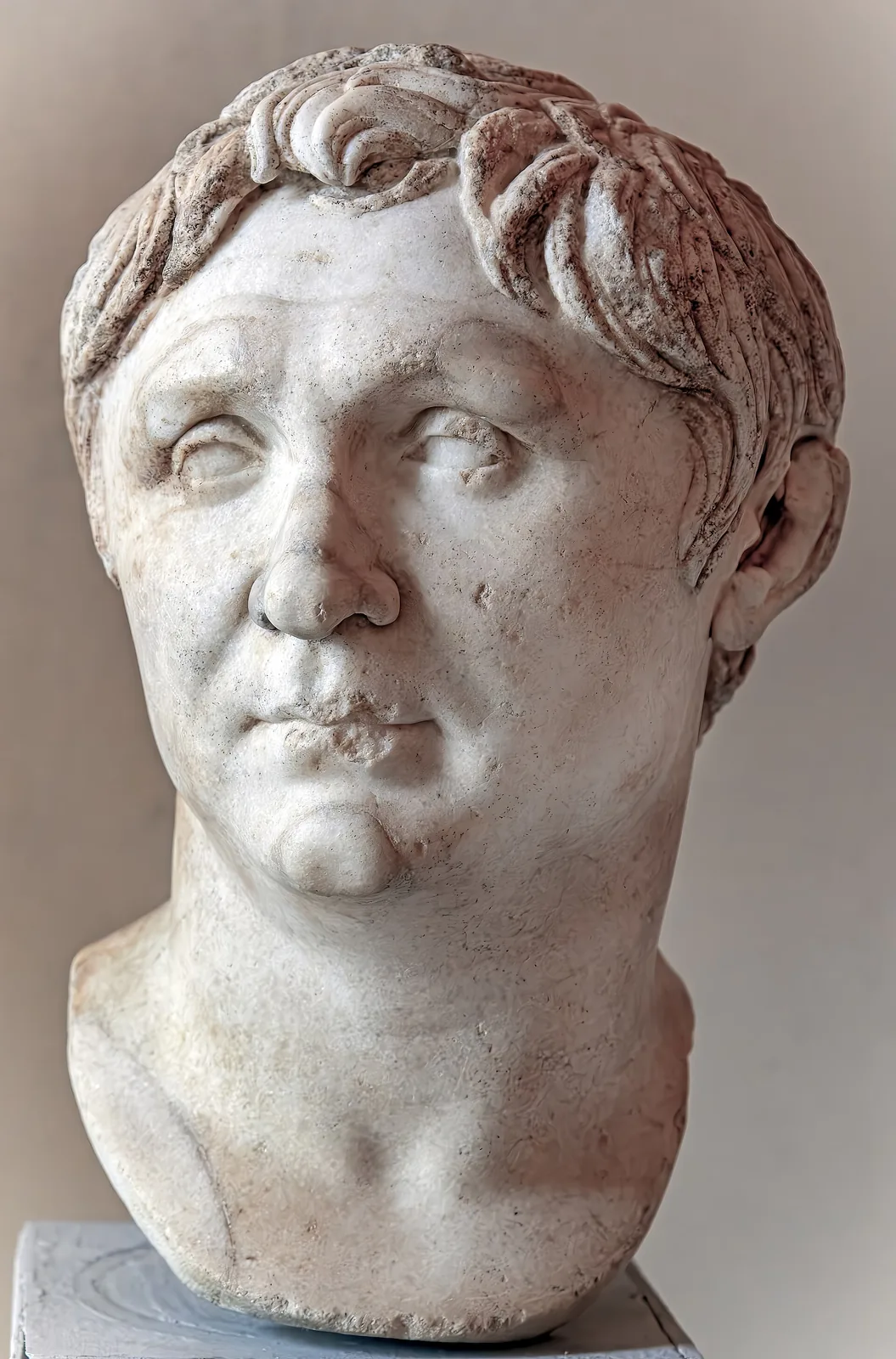
Wikimedia Commons · Creative Commons Attribution-Share Alike 4.0 International · file Pompey left Antioch early in 63 BC and began his southward march through the Levant. Ancient Antioch is near modern Antakya, Turkey.
March to Jericho
· Jericho, Judea
Wikimedia Commons · file Pompey advanced into Judea as far as Jericho, where Aristobulus met him before the Jerusalem campaign. Ancient Jericho is represented by the modern Jericho area.
Siege and entry into Jerusalem
· Temple Mount, Jerusalem
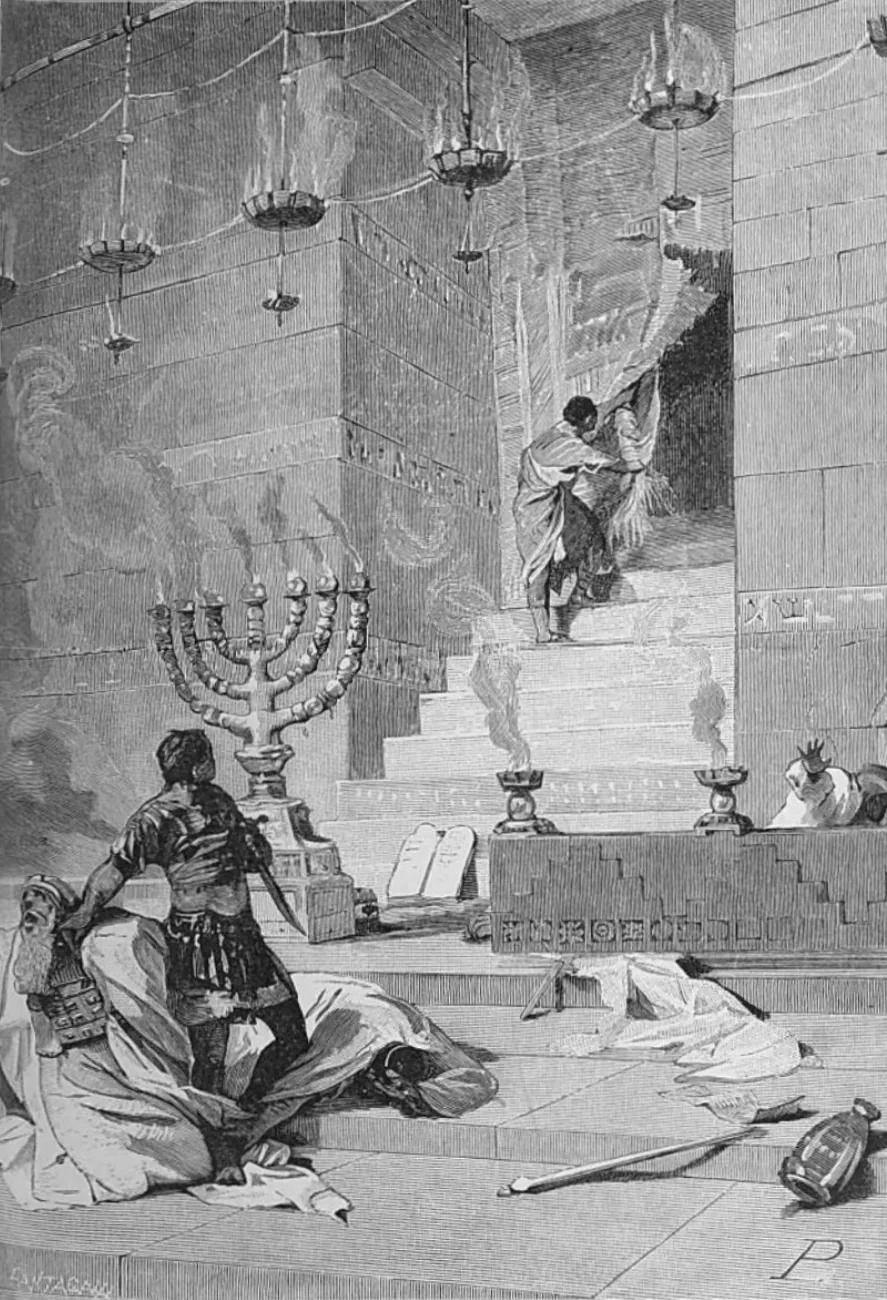
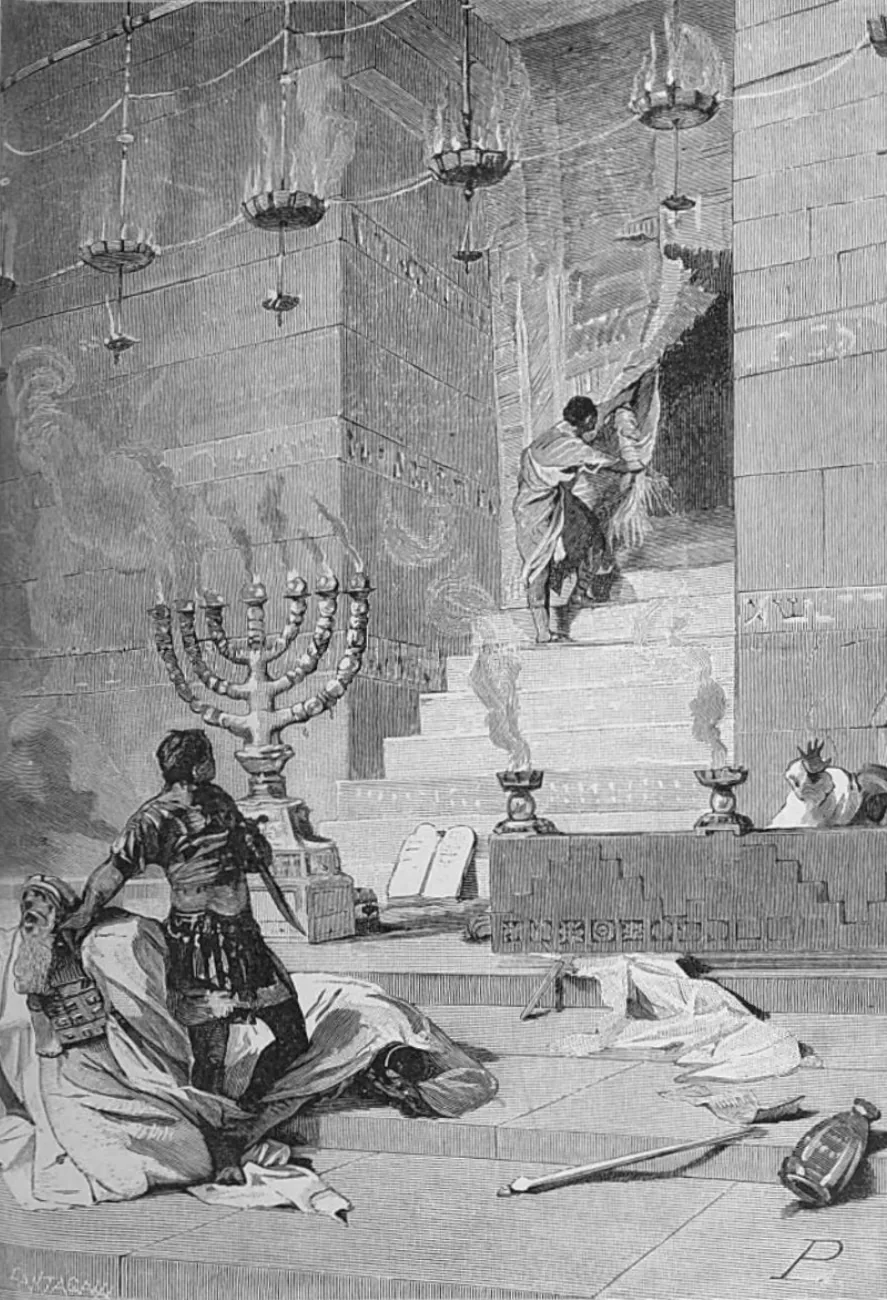
Wikimedia Commons · file Pompey besieged Jerusalem, captured the Temple precinct, and entered the Holy of Holies. The siege lasted three months; the exact day of entry is not supplied.
Arrival at Brundisium
· Brundisium, Italy
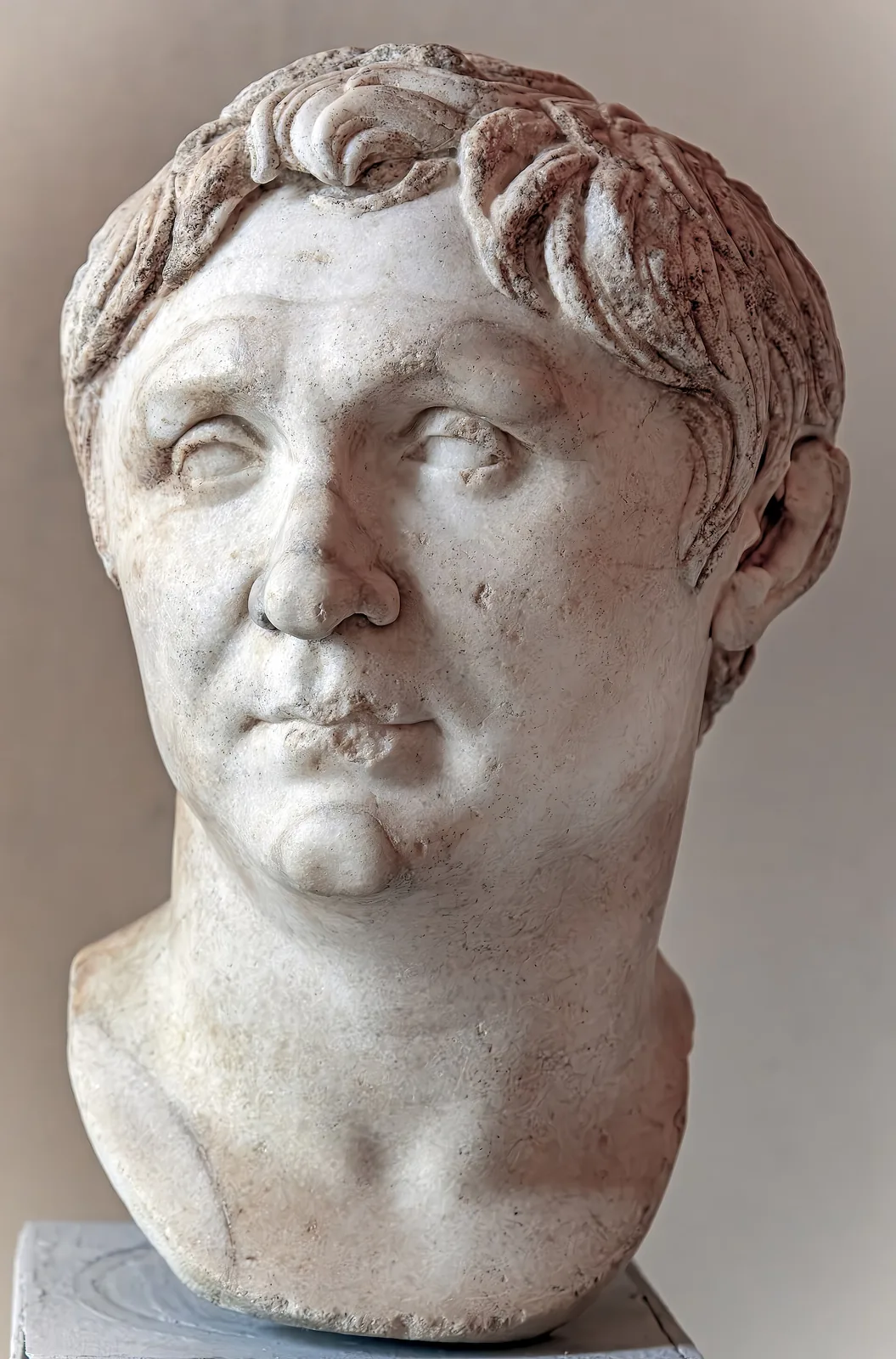
Wikimedia Commons · Creative Commons Attribution-Share Alike 4.0 International · file On returning from the East, Pompey arrived at Brundisium and dismissed his troops. Ancient Brundisium corresponds to Brindisi.
Conference at Luca
· Luca, Cisalpine Gaul, Italy
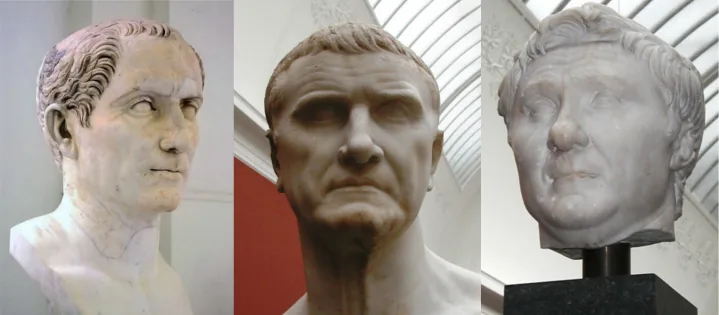
Wikimedia Commons · Creative Commons CC0 1.0 Universal Public Domain Dedication · file Pompey met Caesar and Crassus at Luca to renew their political alliance and arrange the next distribution of provincial commands. Luca is modern Lucca.
Recruiting illness at Naples
· Naples, Italy
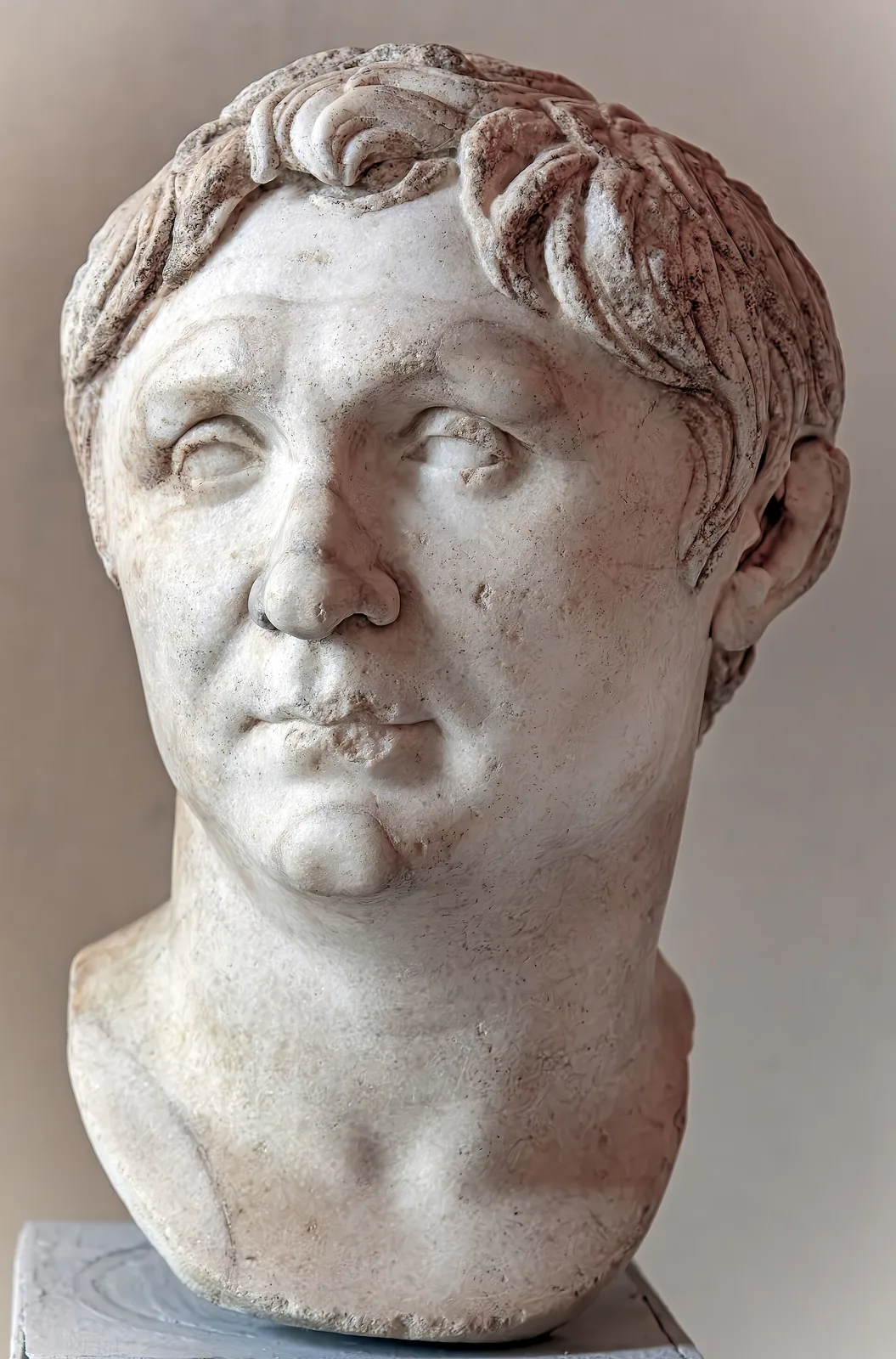
Wikimedia Commons · Creative Commons Attribution-Share Alike 4.0 International · file Pompey fell ill while recruiting at Naples shortly before the outbreak of civil war with Caesar. The source places this episode before Caesar crossed the Rubicon in January 49 BC.
Withdrawal to Brundisium
· Brundisium, Italy
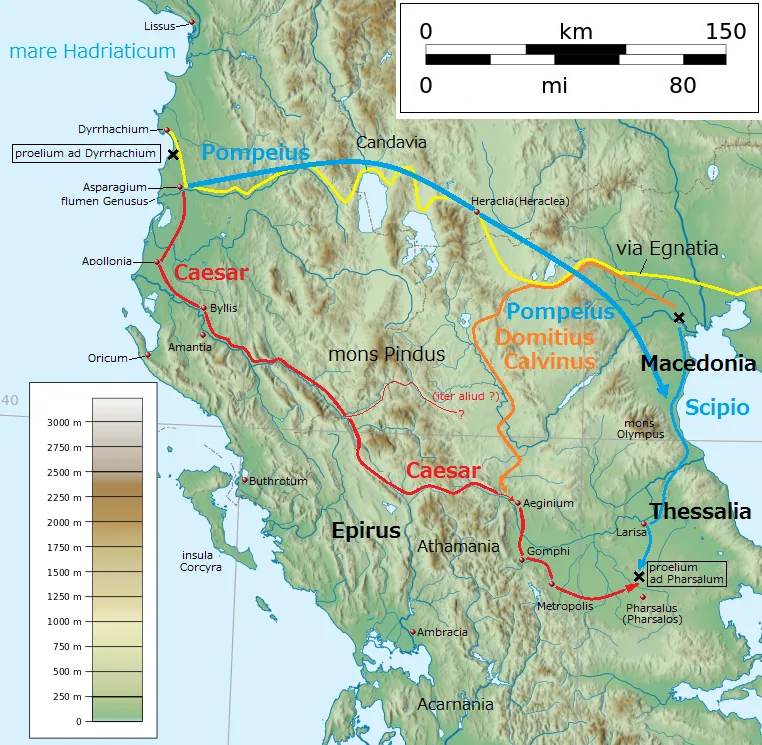
Wikimedia Commons · file Pompey withdrew south from Rome to Brundisium with senators and public officials, then crossed the Adriatic with his troops. Ancient Brundisium corresponds to Brindisi.
Fortified camp near Dyrrhachium
· Dyrrhachium, Illyria, Albania
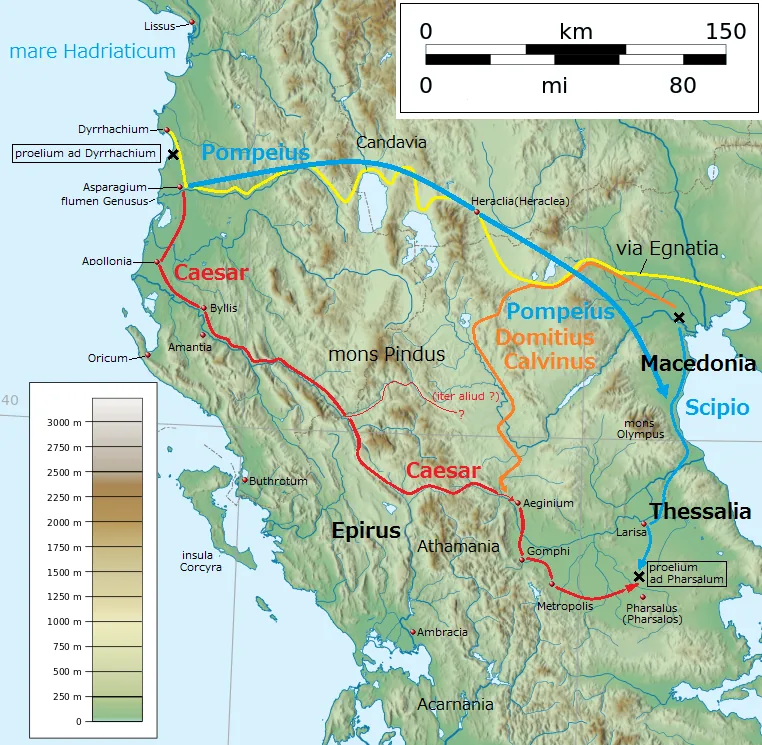
Wikimedia Commons · file Pompey reached the Dyrrhachium area in time to block Caesar’s attempt on the supply base and established a fortified camp across the Apus River. Coordinates identify ancient Dyrrhachium, modern Durrës; the camp was on the other side of the Apus River.
Refuge at Mytilene
· Mytilene, Lesbos, Greece
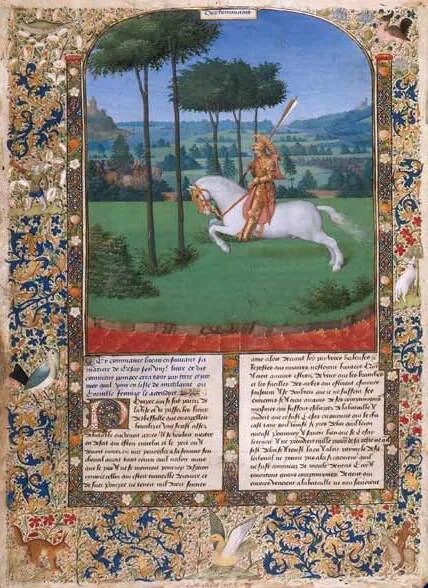
Wikimedia Commons · Public Domain Mark 1.0 · file After the defeat at Pharsalus, Pompey escaped to Mytilene and reunited with Cornelia. Arrival followed the battle of 9 August 48 BC; the source does not provide a more precise arrival date.
Battle of Pharsalus
· Palaepharsalus battlefield, Thessaly, Greece
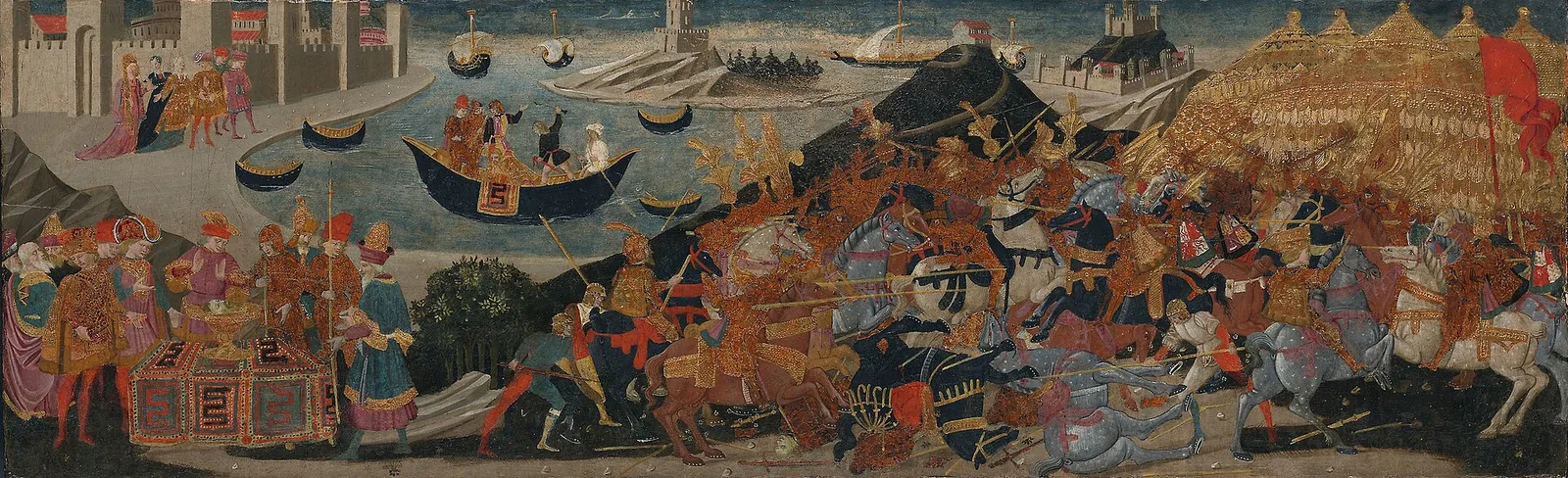
Wikimedia Commons · Creative Commons CC0 1.0 Universal Public Domain Dedication · file Pompey commanded the Republican army at Pharsalus, where Caesar decisively defeated him. The battlefield’s precise ancient location remains debated; coordinates follow the Palaepharsalus identification used by the source.
Arrival and death at Pelusium
· Pelusium, Egypt
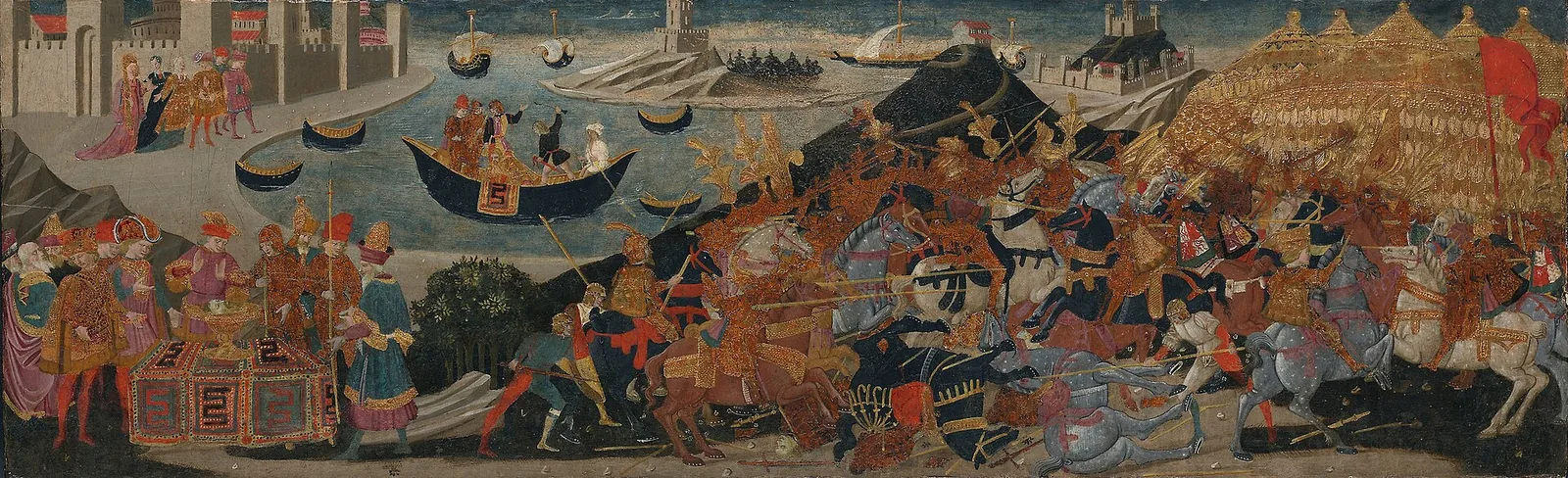
Wikimedia Commons · Creative Commons CC0 1.0 Universal Public Domain Dedication · file Pompey sailed to Egypt, arrived at Pelusium, and was killed after going ashore to meet an official delegation. The exact site of ancient Pelusium is represented by the archaeological area east of the Nile Delta.