
5 moments
Traditional birthplace at Lycopolis
· Lycopolis (modern Asyut), Egypt

Wikimedia Commons · Creative Commons Attribution 3.0 Unported · file Later biographical tradition identifies Plotinus’s birthplace as Lycopolis in Egypt, conventionally associated with modern Asyut. The year is approximate: Porphyry’s calculation places his birth in 204/5. The identification of Lycopolis with Plotinus's birthplace is traditional rather than certain; 205 represents the approximate 204/5 birth year.
Philosophical study in Alexandria
· Alexandria, Egypt, Roman Empire
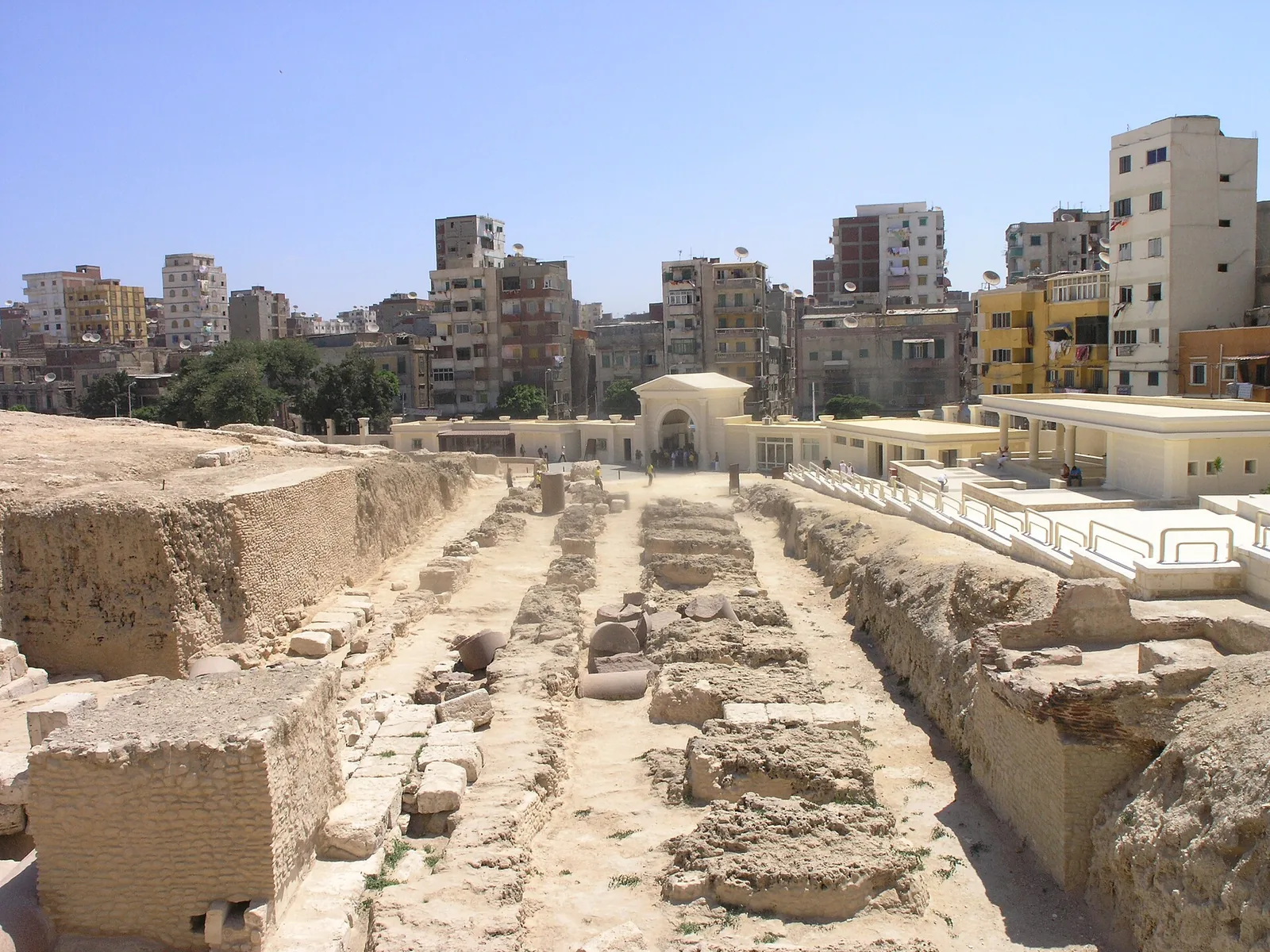
Wikimedia Commons · Creative Commons Attribution-Share Alike 4.0 International · file Around age twenty-eight, Plotinus traveled to Alexandria to pursue philosophy. There he encountered Ammonius Saccas and remained his student for eleven years. The year is approximate, as stated by the source.
Gordian III's Persian expedition
· Gordian III's Persian expedition, Mesopotamia, Roman Empire
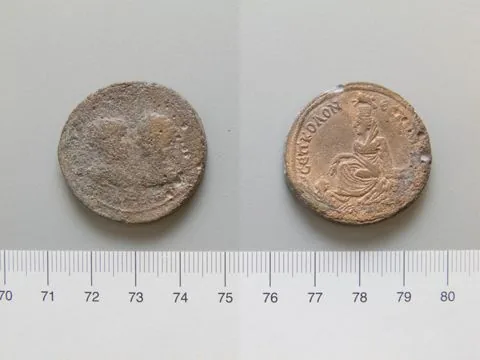
Wikimedia Commons · CC0 1.0 Universal Public Domain Dedication · file Seeking acquaintance with Persian and Indian philosophical traditions, Plotinus joined Emperor Gordian III's expedition. The expedition ended after Gordian's death, from which Plotinus escaped to Antioch. The coordinate is a representative point for Mesopotamia; the surviving evidence does not identify Plotinus's precise position on the expedition.
Settlement and teaching in Rome
· Rome, Italy, Roman Empire
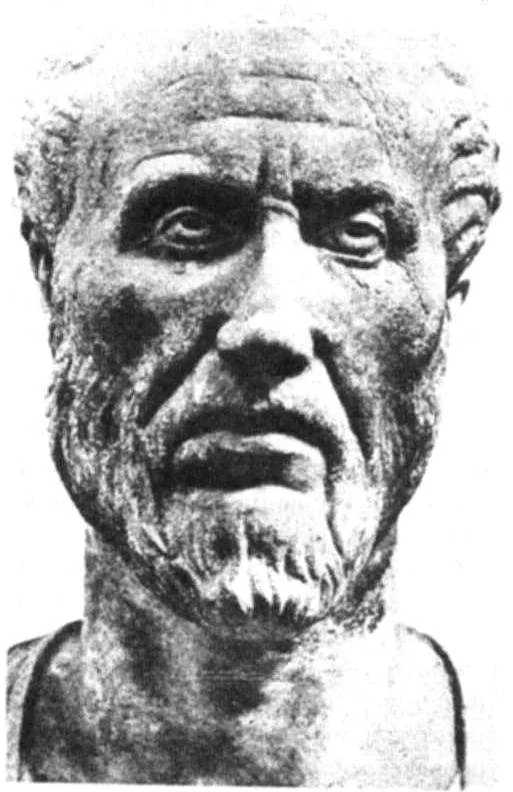
Wikimedia Commons · Public domain · file After the failed Persian expedition, Plotinus moved to Rome and established the philosophical circle for which he became known. He taught there continuously for more than twenty-five years. The source dates the permanent settlement to late 244.
Final retirement and death at Zethos's estate
· Zethos's estate near Minturnae, Campania, Roman Empire
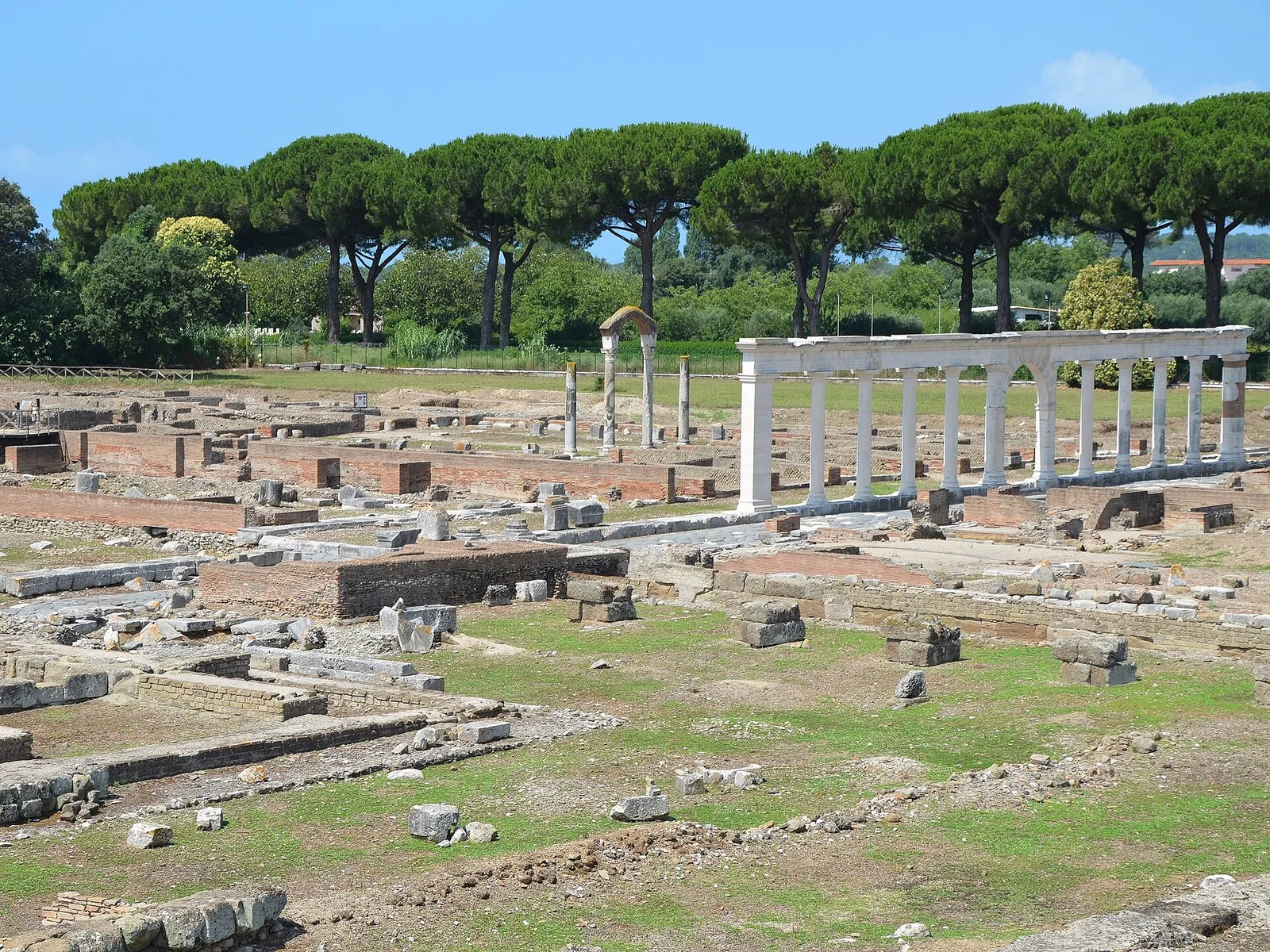
Wikimedia Commons · Creative Commons Attribution-Share Alike 2.0 Generic · file Illness led Plotinus to leave Rome for a Campanian estate formerly belonging to his friend Zethos. He died there at the end of the second regnal year of Claudius II. The precise estate site is not securely identified; coordinates represent Minturnae/Minturno, the nearby settlement named in Porphyry's account.