
18 moments
Born in Athens
· Athens, Attica, Greece
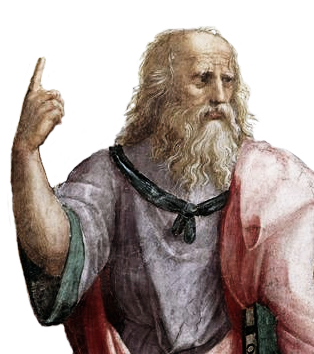
Wikimedia Commons · Creative Commons Attribution-Share Alike 4.0 International · file Plato was born into an influential Athenian family. Athens remained the principal center of his education, philosophical work, and later teaching. Birth is conventionally dated 428/427 BC, but alternative ancient chronologies exist; the coordinate represents Athens rather than an unknown birth site.
Attends Socrates’ trial
· Athens, Attica, Greece
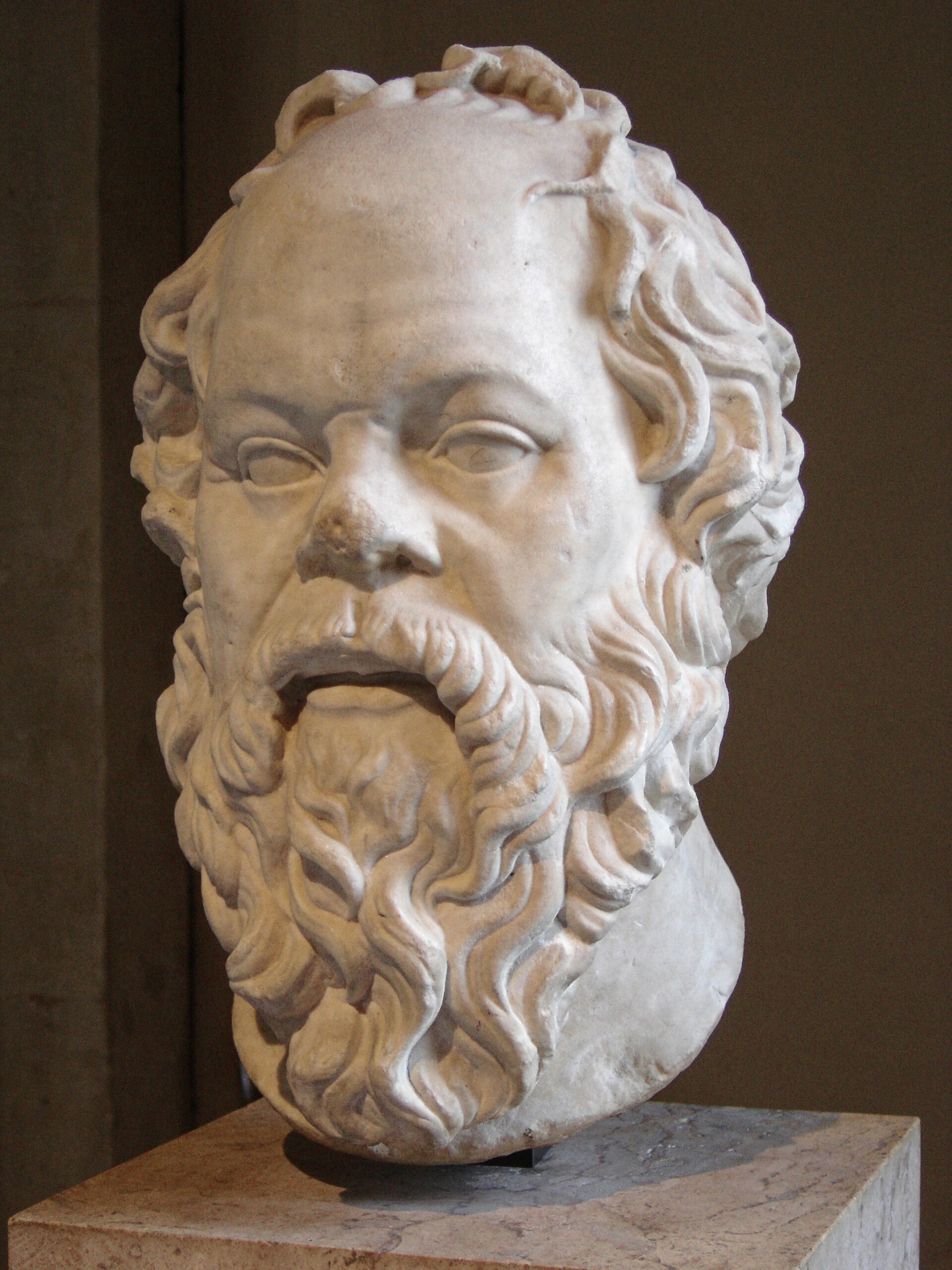
Wikimedia Commons · Creative Commons Attribution-Share Alike 2.5 Generic · file Plato was present at Socrates’ trial in Athens and joined friends offering security for a proposed fine, directly connecting him to the defining crisis of his early philosophical life. The trial is dated to 399 BC; its precise courtroom location is uncertain, so the coordinate represents Athens.
Studies with Euclid in Megara
· Megara, Attica, Greece
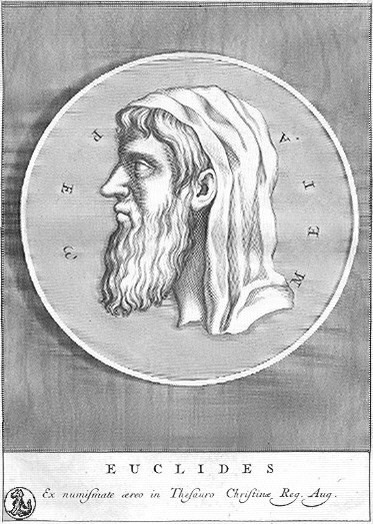
Wikimedia Commons · This work is in the public domain in its country of origin and other countries and areas where the copyright term is the author's life plus 70 years or fewer. · file After leaving Athens, Plato studied in Megara with Euclid and other members of the Socratic circle, preserving and extending his philosophical associations after Socrates’ death. The source dates the move only approximately; the coordinate represents Megara.
Returns to Athens
· Athens, Attica, Greece
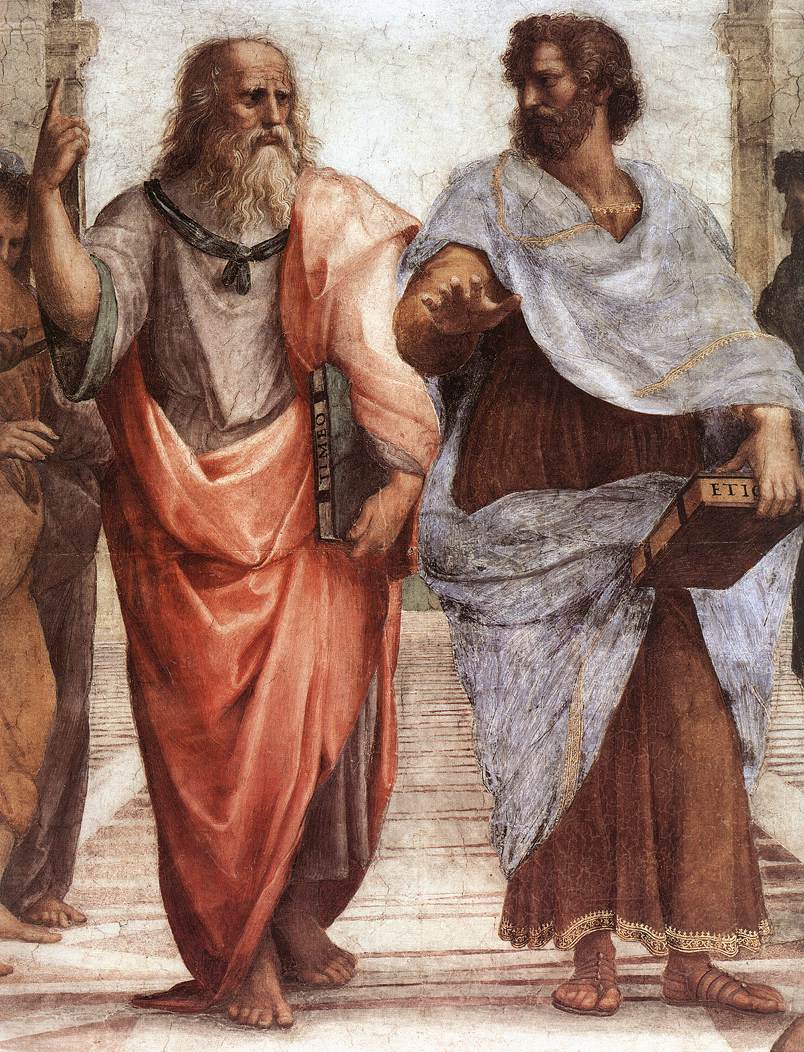
Wikimedia Commons · Public domain · file Plato returned to Athens and resumed study during the Corinthian War era, beginning a sustained period of mathematical and philosophical activity. The return may have occurred before 394 BC; the coordinate represents Athens.
Studies in the grove of Hecademus
· Grove of Hecademus, Academy, Athens, Greece
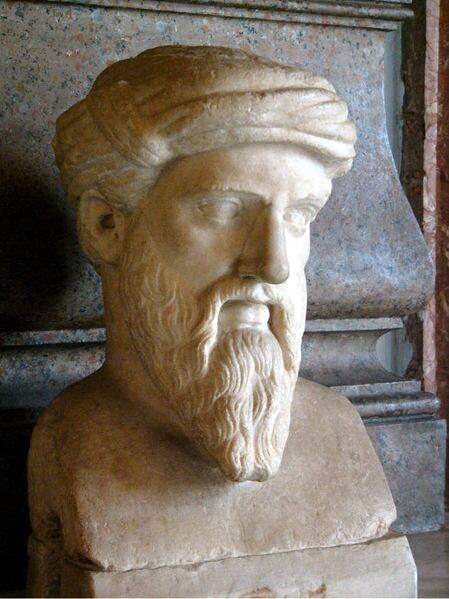
Wikimedia Commons · Creative Commons Attribution-Share Alike 3.0 Unported · file Plato studied mathematics with associates in the grove that later became the setting of his Academy, establishing an early connection with the site central to his mature career. Associated with the approximately 394 BC period; coordinates are those of the archaeological Academy site.
First visit to Syracuse
· Syracuse, Sicily, Italy
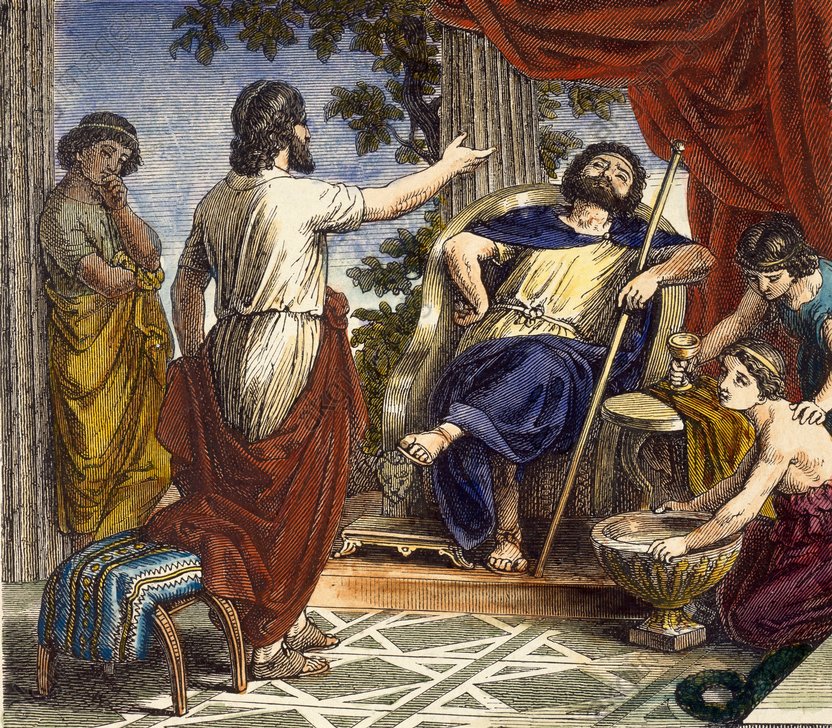
Wikimedia Commons · Public domain · file Plato entered the court society of Syracuse and formed his consequential relationship with Dion, beginning his prolonged and difficult engagement with Syracusan politics. Other modern chronologies place this visit around 385 BC; the coordinate represents Syracuse.
Taken to Aegina and offered for sale
· Aegina, Attica, Greece
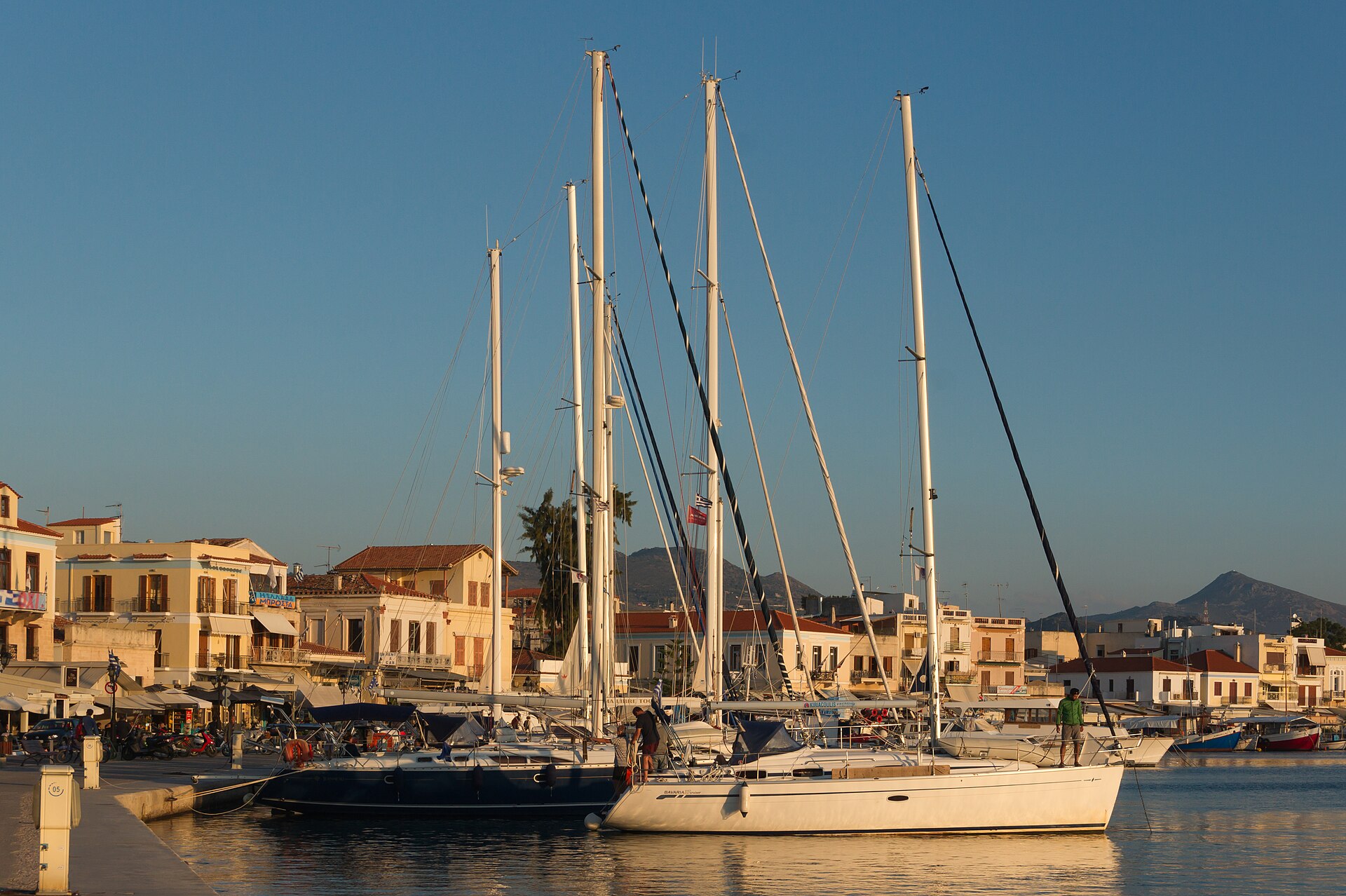
Wikimedia Commons · Creative Commons CC0 1.0 Universal Public Domain Dedication · file According to a doubtful but prominent ancient tradition, Plato’s conflict with Dionysius I ended with his being taken to Aegina and offered for sale as a slave before friends secured his return. Modern scholarship treats the enslavement story cautiously. The coordinate represents Aegina town; the ancient source specifies only Aegina.
Travels through southern Italy
· Southern Italy, near Taranto, Apulia, Italy
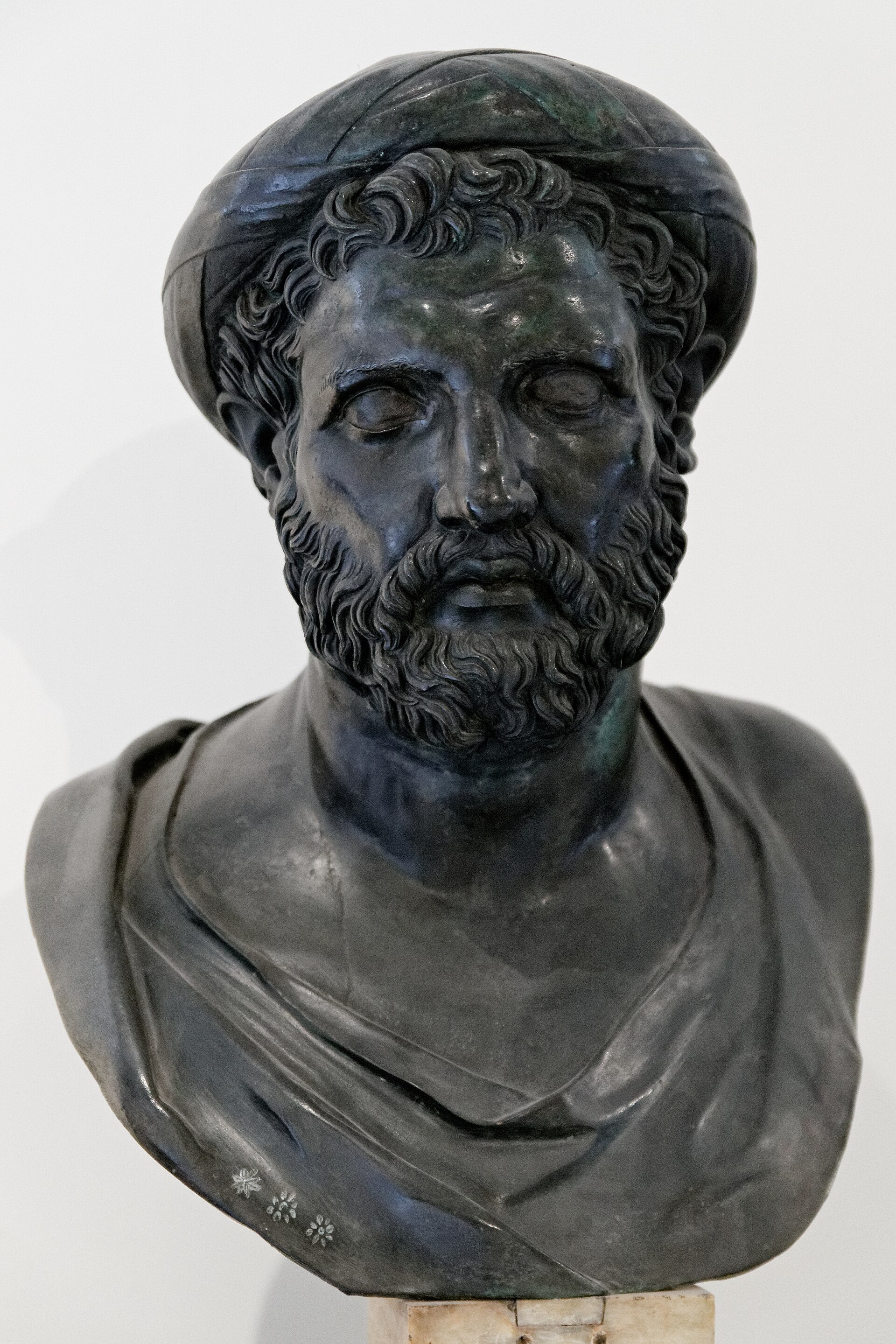
Wikimedia Commons · Creative Commons Attribution 2.5 Generic · file During his first western journey, Plato visited Italy and encountered the Pythagorean intellectual world associated with Archytas, an important influence on his mathematics, metaphysics, and political thought. The journey is commonly dated around 388–387 BC, though the canonical Wikipedia chronology places it somewhat later. The coordinate near Taranto is representative; the quote establishes Italy, not a specific Italian city.
Visits the craters of Etna
· Mount Etna, Sicily, Italy
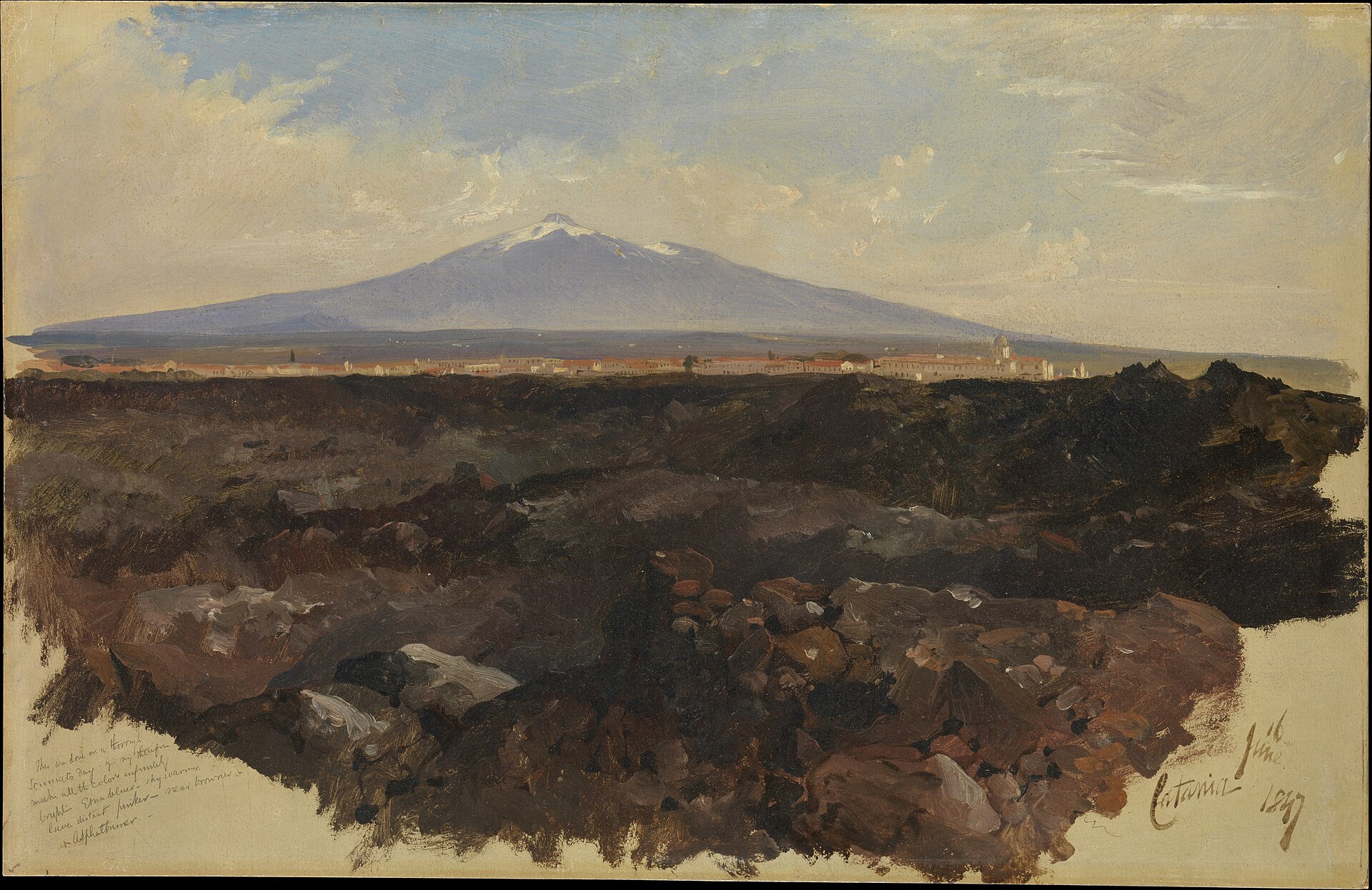
Wikimedia Commons · Public Domain · file Later ancient tradition says Plato’s first Sicilian voyage included an inspection of Mount Etna’s volcanic craters, reflecting the scientific curiosity attributed to his travels. The Etna visit is a later biographical tradition and may have arisen from interpretations of Plato’s writings; 387 BC represents the conventional date of the first Sicilian voyage.
Establishes the Academy
· Platonic Academy, Athens, Greece
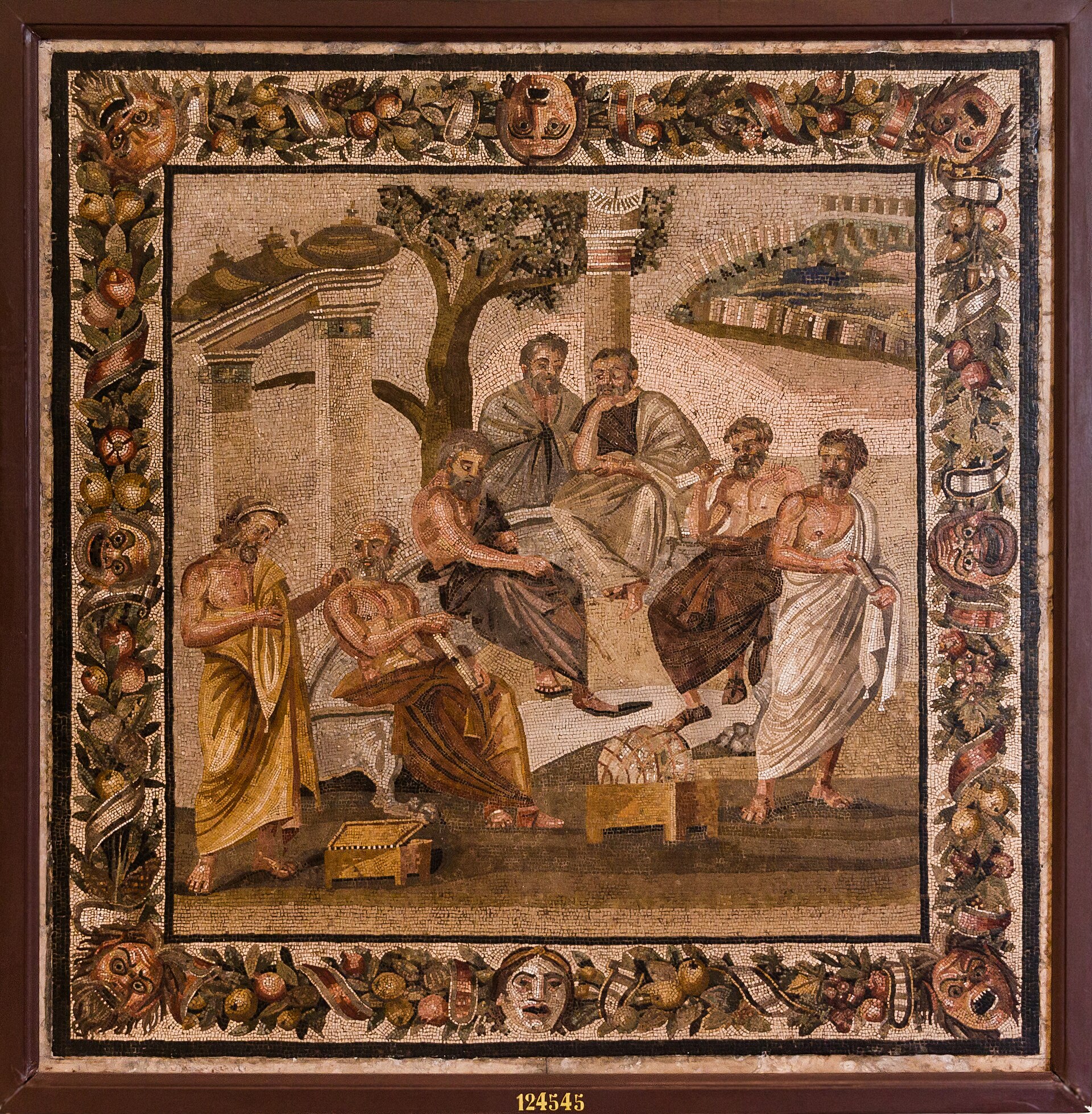
Wikimedia Commons · Creative Commons CC0 1.0 Universal Public Domain Dedication · file After returning from Syracuse, Plato founded the Academy near the sacred grove of Hecademus. It became his principal teaching and writing base and one of antiquity’s most influential philosophical communities. Proposed foundation dates range from about 387 to 383 BC; the coordinate marks the archaeological Academy site.
Accompanies Chabrias up the Acropolis
· Acropolis of Athens, Athens, Greece
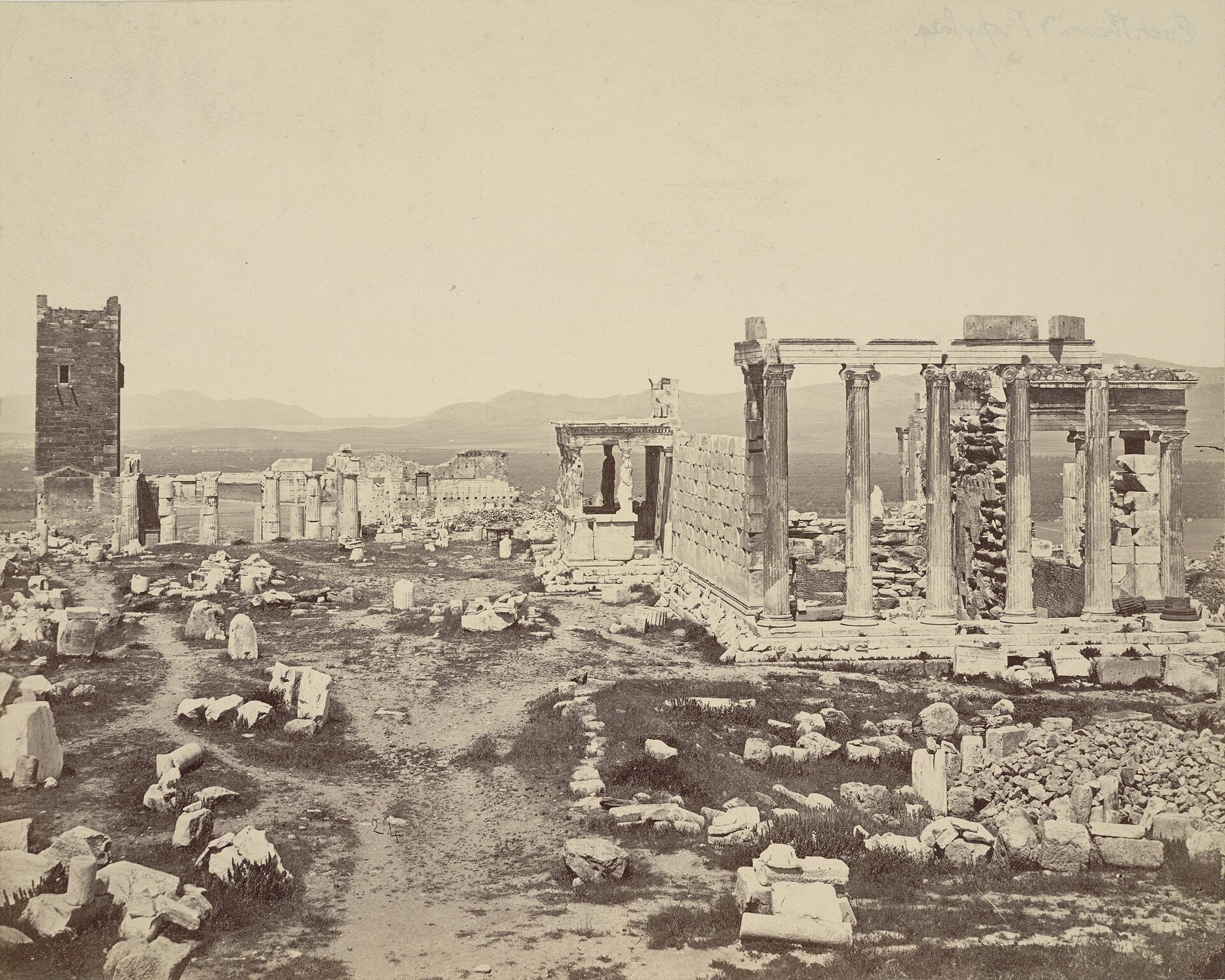
Wikimedia Commons · This work is in the public domain in the United States because it was published (or registered with the U.S. Copyright Office) before January 1, 1931. · file A later biographical account places Plato beside the general Chabrias while going up the Athenian Acropolis in connection with Chabrias’ capital trial, illustrating Plato’s reported loyalty to political associates. The anecdote is late and its compatibility with Plato’s Sicilian chronology is debated. Chabrias’ relevant trial is generally placed in 366 BC.
Confined in the Syracusan acropolis
· Syracusan acropolis, Ortygia, Syracuse, Sicily, Italy
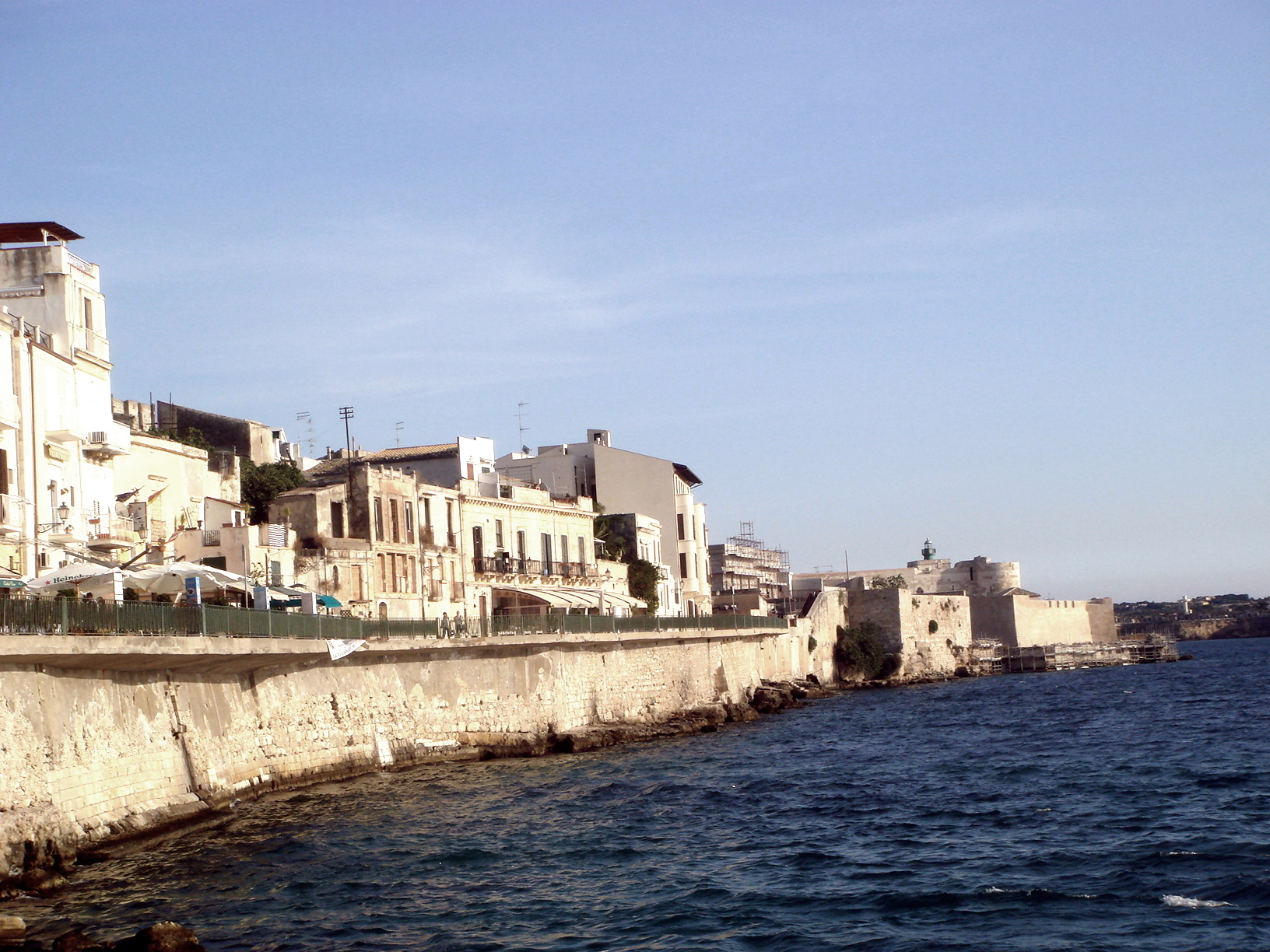
Wikimedia Commons · Creative Commons Attribution-Share Alike 2.5 Generic · file After Dion’s exile during Plato’s second Syracusan visit, Dionysius II confined Plato within the acropolis, effectively preventing him from following Dion until political conditions allowed departure. The exact building is unidentified; the coordinate is representative of Ortygia, the island citadel area.
Returns to tutor Dionysius II
· Syracuse, Sicily, Italy
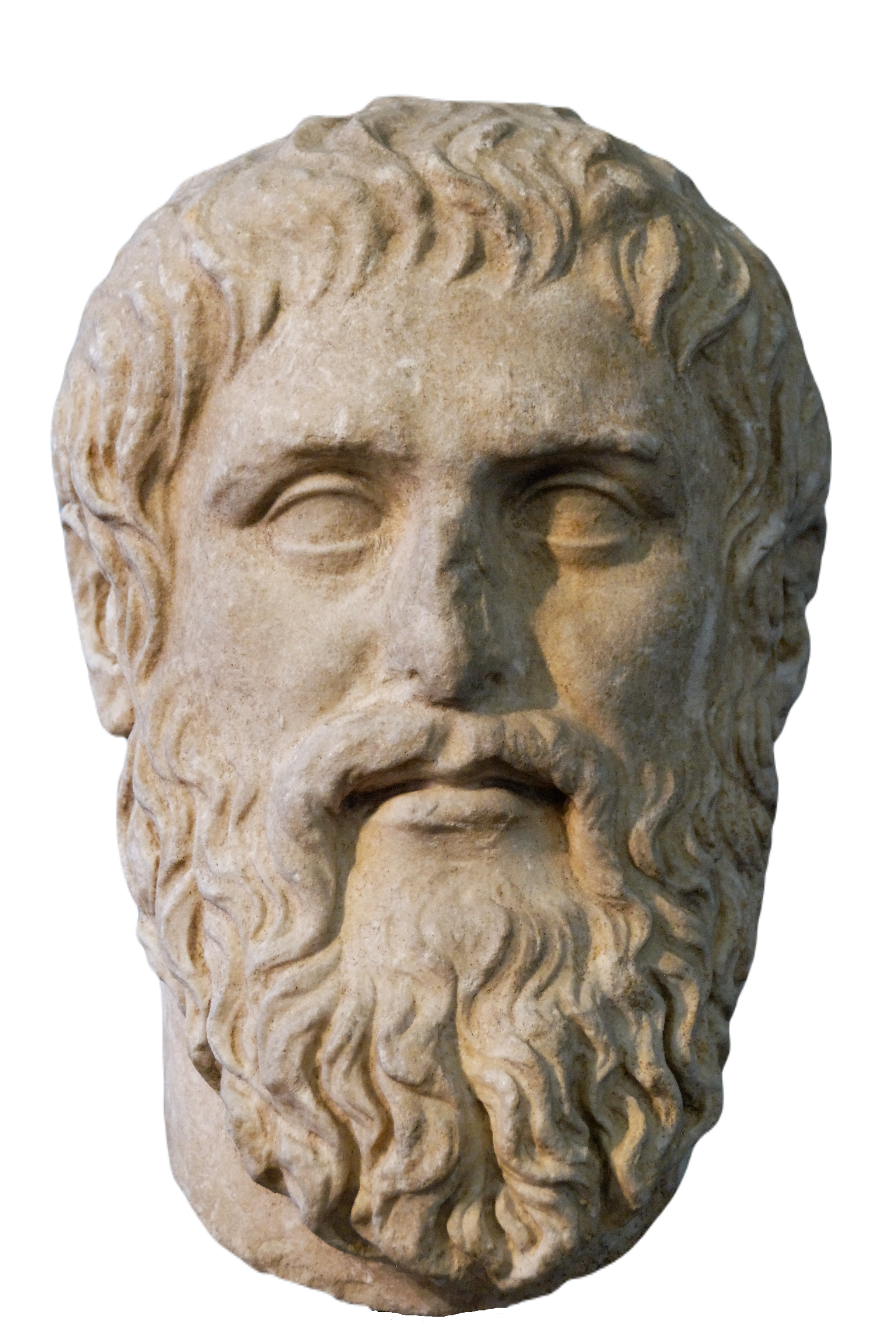
Wikimedia Commons · Creative Commons Attribution 2.5 Generic · file Plato returned to Syracuse at Dion’s request to educate the young Dionysius II and test whether philosophical training could shape a ruler. The political experiment soon collapsed. The source describes early 366 BC as likely rather than certain.
Reunites with Dion at the Academy
· Platonic Academy, Athens, Greece
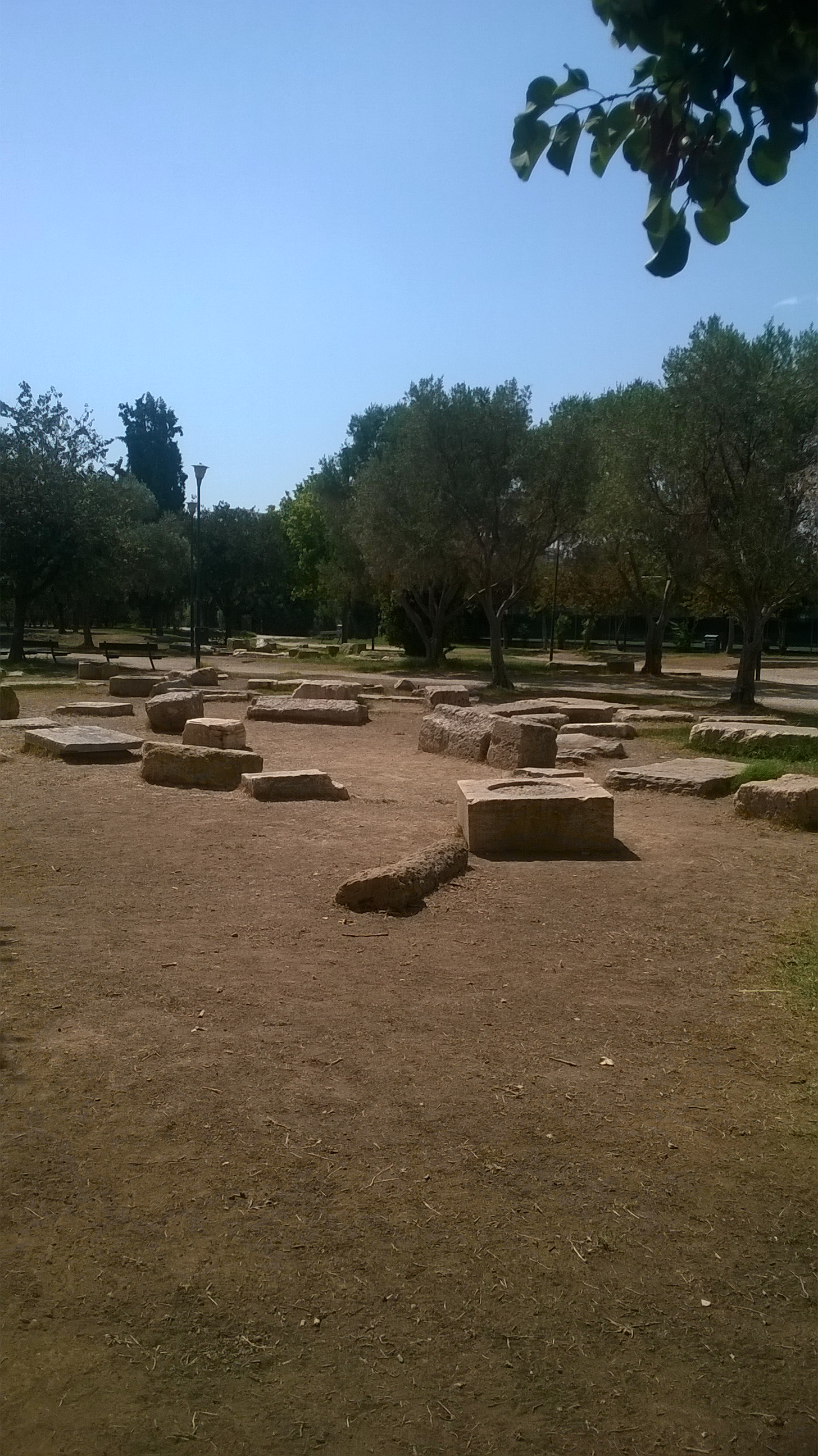
Wikimedia Commons · Creative Commons Attribution-Share Alike 4.0 International · file After securing permission to leave Syracuse, Plato returned to Athens and rejoined the exiled Dion. They remained associated at the Academy during the interval before Plato’s final Sicilian journey. The four-year interval is approximate; coordinates mark the Academy, their specifically identified Athenian base.
Begins third Syracuse mission
· Syracuse, Sicily, Italy
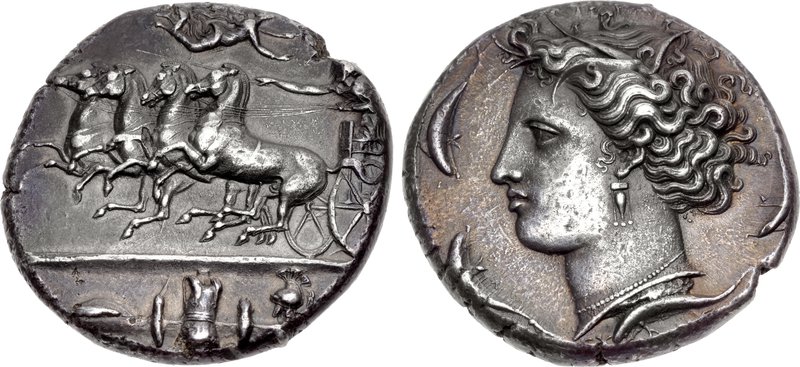
Wikimedia Commons · GNU Free Documentation License, Version 1.2 or any later version; with no Invariant Sections, no Front-Cover Texts, and no Back-Cover Texts. · file Plato undertook his third and final journey to Syracuse, attempting to mediate between Dion and Dionysius II. He remained there into the following year under increasing constraint. The duration into winter 360 BC is described as likely.
Removed to soldiers’ quarters
· Ortygia, Syracuse, Sicily, Italy
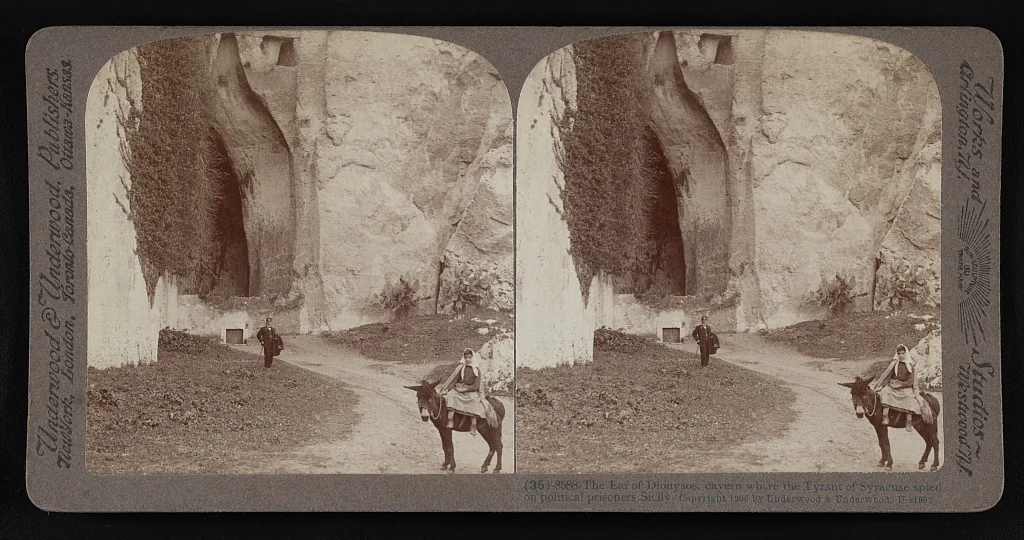
Wikimedia Commons · No known restrictions on publication. During the breakdown of Plato’s final attempt at reconciliation, Dionysius II expelled him from palace lodging and placed him among the mercenary soldiers, sharpening the danger and coercion surrounding his stay. Placed in 360 BC near the end of the 361–360 visit. The soldiers’ quarters have not been securely located; the coordinate represents Ortygia.
Returns permanently to Athens
· Athens, Attica, Greece
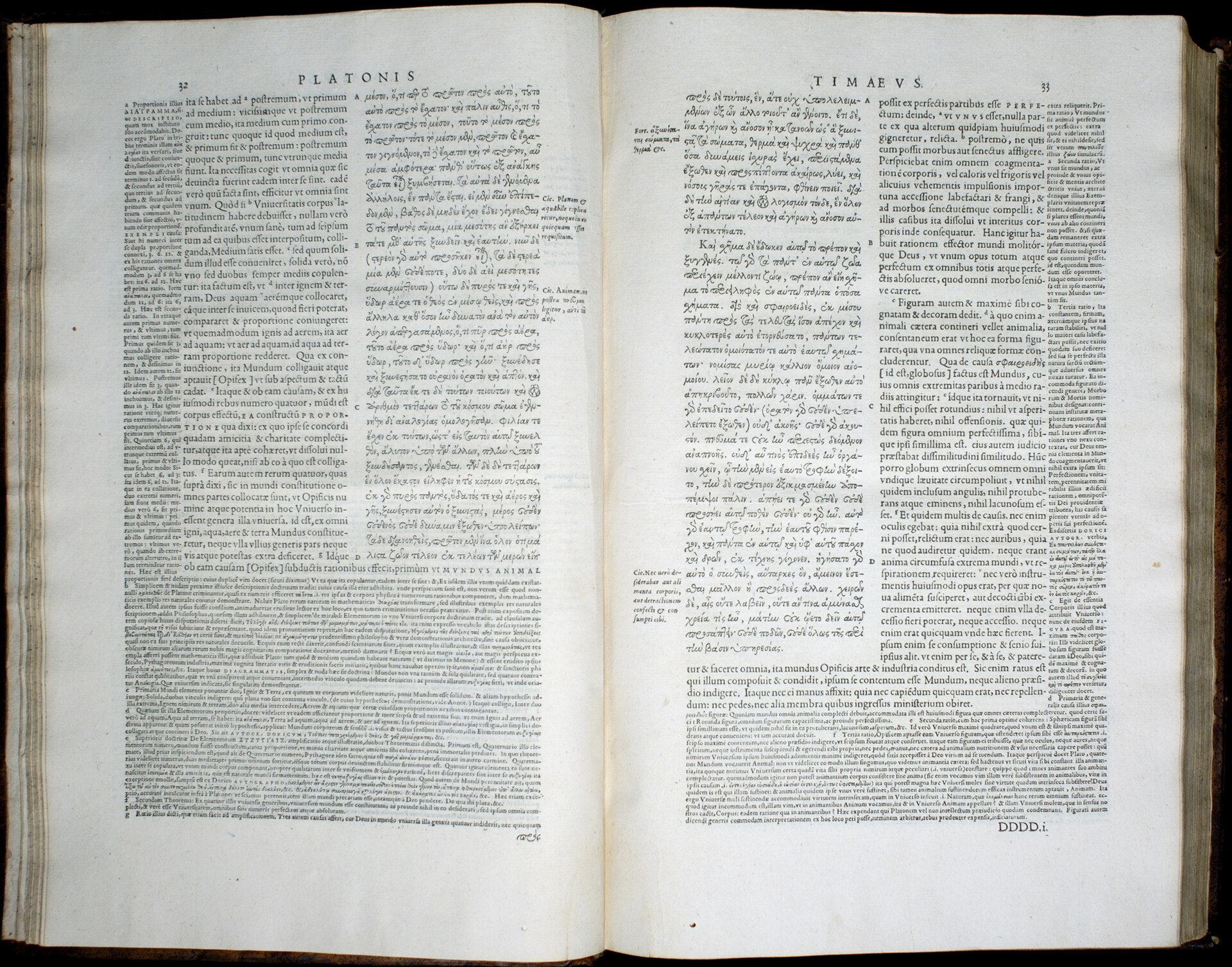
Wikimedia Commons · This file has been identified as being free of known restrictions under copyright law, including all related and neighboring rights. · file With assistance from Archytas and other Tarentine associates, Plato escaped the deteriorating Syracusan situation and returned to Athens, making the Academy his base for his remaining years. The coordinate represents Athens; Plato’s principal base there was the Academy.
Dies and is buried at the Academy
· Platonic Academy, Athens, Greece
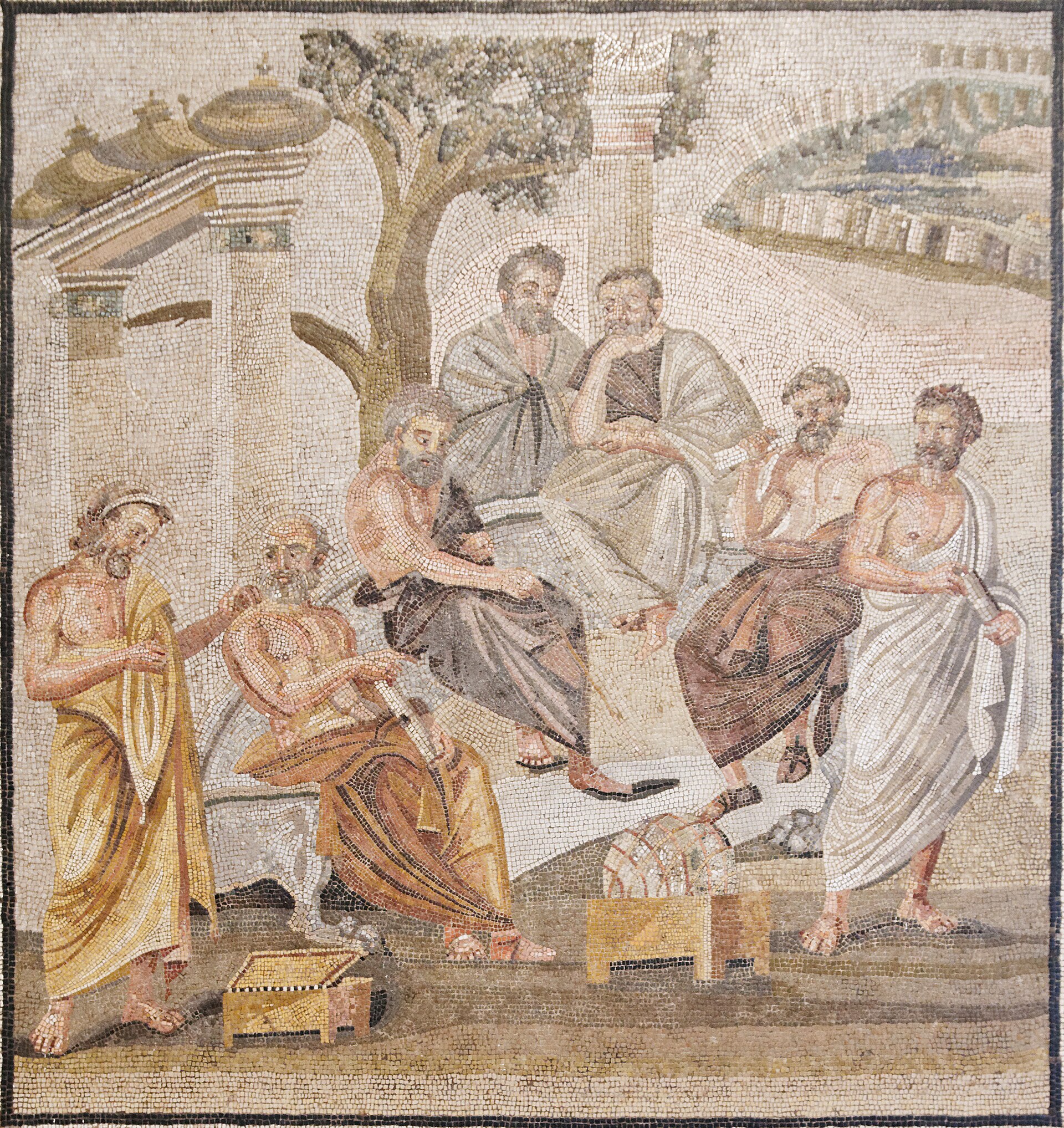
Wikimedia Commons · Public domain · file Plato died in Athens and was buried in his garden at the Academy, the philosophical community with which most of his mature work and enduring institutional legacy were associated. Death is dated 348/347 BC; 347 BC is used here. The precise grave has not been conclusively identified, so the coordinate marks the Academy archaeological site.