
39 moments
Birth at Qubadiyan
· Qubodiyon, Khatlon Region, Tajikistan
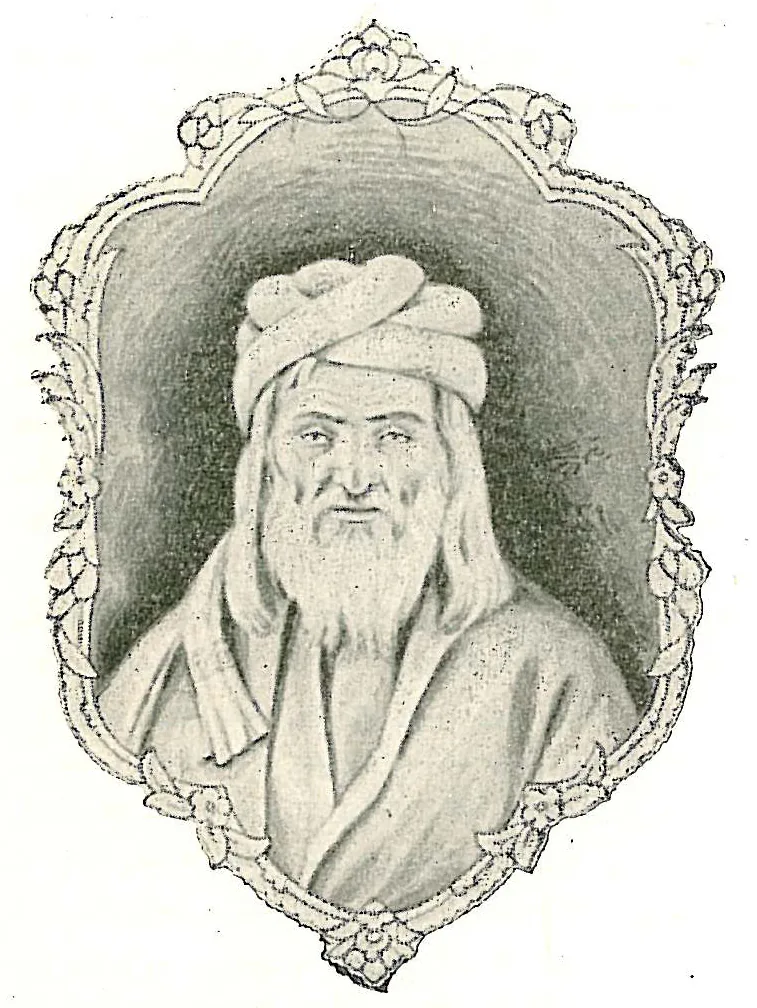
Wikimedia Commons · PD-Art (PD-Iran) · file Nasir Khusraw was born at Qubadiyan, then in Khurasan; this is the starting point of the documented life chronology. Coordinate is the modern town of Qubodiyon, the identifiable successor settlement for historical Qubadiyan.
Official journey to Panj Deh
· Panj Deh, Badghis Province, Afghanistan
While still a civil administrator, Nasir left Marw on official business for the Panj Deh district of Marw Rud; the journey preceded his religious transformation. Coordinate is a representative point for Panj Deh; the source identifies a district rather than a precisely located site.
Departure from Marw for pilgrimage
· Merv, Mary Region, Turkmenistan
After resigning from office and settling his debts, Nasir began the journey that became the Safarnama, travelling first from Marw toward Nishapur. Coordinate marks the ancient-city area of Merv.
Arrival at Nishapur
· Nishapur, Razavi Khorasan Province, Iran
Nasir reached Nishapur during the first phase of his westward journey from Khurasan.
Visit to Damghan
· Damghan, Semnan Province, Iran
Nasir travelled onward through Qumis and reached Damghan on the route toward northern and western Iran.
Stay at Semnan
· Semnan, Semnan Province, Iran
At Semnan Nasir stayed for a time and sought learned people, including a scholar he visited there.
Arrival at Qazvin
· Qazvin, Qazvin Province, Iran
Nasir arrived in Qazvin and recorded observations about its gardens, fortifications, bazaars, water supply, and shoemaking trade.
Arrival at Sarab
· Sarab, East Azerbaijan Province, Iran
Crossing Azerbaijan after leaving the Tarom region, Nasir arrived at Sarab before continuing to Tabriz.
Arrival and literary meeting at Tabriz
· Tabriz, East Azerbaijan Province, Iran
Nasir reached Tabriz, then a principal city of Azerbaijan, and met the poet Qatran there.
Arrival at Akhlat
· Ahlat, Bitlis Province, Türkiye
Nasir crossed eastern Anatolia and arrived at the frontier city of Akhlat, which he described as lying between Muslim and Armenian lands.
Arrival at Mayyafariqin
· Silvan (historical Mayyafariqin), Diyarbakır Province, Türkiye
Nasir reached Mayyafariqin in Diyar Bakr and recorded the date as well as a detailed description of its fortifications. Coordinate is modern Silvan, generally identified with medieval Mayyafariqin.
Arrival at Amid
· Diyarbakır (historical Amid), Türkiye
On the Diyar Bakr stage of the journey, Nasir arrived at Amid and compared its black-stone construction with Mayyafariqin's white-stone works. The source gives an Old Persian-calendar day but does not itself provide a Gregorian conversion; month-level Gregorian precision is retained.
Arrival at Harran
· Harran, Şanlıurfa Province, Türkiye
Nasir arrived at Harran by the settled caravan road from Amid, then continued to Qarul.
Arrival at Ramla
· Ramla, Central District, Israel
Nasir reached Ramla on the Palestine leg of his route and described its fortifications, rainwater storage, mosque, and marble buildings. The Safarnama supplies an Islamic-calendar date in AH 438; Gregorian year precision is retained rather than introducing an unverified conversion.
First arrival at Jerusalem
· Jerusalem
Nasir reached Jerusalem after roughly a year of travel and recorded a lengthy description of the city, its sanctuary, hospitals, markets, and population. The source dates the arrival to 5 Ramadan 438 AH; Gregorian year precision is retained.
Return to Jerusalem after first Hajj
· Jerusalem
After completing his first pilgrimage to Mecca, Nasir returned to Jerusalem before travelling on toward Egypt. The source dates the return to 5 Muharram 439 AH; Gregorian year precision is retained.
Visit to Aleppo
· Aleppo, Syria
Nasir travelled from Manbij to Aleppo, where he observed its fortress, urban form, and commercial role. The source places the visit after 4 January and before his 11 January departure, but does not give an arrival day.
Arrival at Saruj
· Suruç (historical Saruj), Şanlıurfa Province, Türkiye
Nasir entered the Syrian route at Saruj, then crossed the Euphrates the following day.
Arrival at Manbij
· Manbij, Aleppo Governorate, Syria
After crossing the Euphrates, Nasir arrived at Manbij, which he called the first town encountered in Syria. The date follows directly from the preceding dated Saruj entry.
Arrival at Hama
· Hama, Syria
Nasir left the Aleppo region and reached Hama on the Orontes, noting its water wheels and the choice between coastal and Damascus routes.
Coastal journey through Beirut, Sidon, and Tyre
· Tyre, South Governorate, Lebanon
Nasir travelled south along the Levantine coast, passing from Byblos to Beirut, then Sidon and Tyre, and recorded observations at each city. The source establishes this sequential coastal passage but gives no individual Gregorian dates; Tyre is used as the representative coordinate for the merged movement card.
Arrival at Tripoli
· Tripoli, North Governorate, Lebanon
Taking the Syrian coastal route, Nasir arrived at Tripoli and described its gardens, defences, urban streets, mosque, and water supply. The immediately following heading identifies the arrival city as Tripoli.
Pilgrimage excursion from Acre
· Acre, Northern District, Israel
From Acre, Nasir visited nearby tombs and shrines, including sites at al-Berwa, Dammun, Ebellin, Hazira, Irbid, and the Tiberias area, before returning to Acre. Coordinate marks Acre, the stated base and initial location for the dated excursion.
Arrival in Cairo
· Cairo, Egypt
Nasir entered Fatimid Cairo, where he studied Isma'ili teaching, law, and administration and met the chief da'i al-Mu'ayyad al-Shirazi. Coordinate is a representative central point for medieval Fatimid Cairo.
Departure from Egypt for Medina
· Medina, Al Madinah Province, Saudi Arabia
Nasir left Egypt by way of Qulzum and al-Jar, reaching Medina four days after leaving al-Jar during a later pilgrimage journey from Egypt. The passage supplies an Islamic-calendar day and sequence but not a Gregorian conversion; 1048 is the contextual year of this second pilgrimage movement.
Pilgrimage at Mecca
· Masjid al-Haram, Mecca, Saudi Arabia
Nasir arrived in Mecca amid a famine, performed the Hajj at Arafat, and then departed again for Egypt. The source gives an Islamic-calendar date but no Gregorian conversion; coordinate marks Masjid al-Haram.
Return to Egypt after pilgrimage
· Cairo, Egypt
After Hajj, Nasir returned by ship through Qulzum to Egypt because his books were there and he did not intend to return to Mecca. The source establishes his return to Egypt but does not give a Gregorian arrival date; 1049 is a contextual placement within his Cairo-period pilgrimages.
Southbound Nile voyage from Cairo
· Cairo, Egypt
Nasir left Cairo by vessel up the Nile toward Upper Egypt, beginning the journey that took him to Asyut, Akhmim, Aswan, and the Red Sea route. The source dates departure to 14 Dhu al-Hijja 441 AH; Gregorian year precision is retained.
Twenty-day stay at Akhmim
· Akhmim, Sohag Governorate, Egypt
During his Upper Egyptian journey, Nasir reached Akhmim and remained there for twenty days while considering routes onward. The source establishes arrival and duration but gives no separate Gregorian date.
Twenty-one-day stay at Aswan
· Aswan, Aswan Governorate, Egypt
Nasir travelled by water to Aswan, near the Nubian frontier, where he remained for twenty-one days awaiting return caravans and transport. The source establishes arrival and stay but gives no separate Gregorian date.
Arrival at al-Yamama
· Al-Yamama region, Riyadh Province, Saudi Arabia
Continuing across the Arabian interior after Falaj, Nasir reached al-Yamama and described its settlement, market, mosque, and Zaydi rulers. Historical al-Yamama was a wider region; coordinate is a representative regional point rather than an exact documented settlement.
Visit to al-Hasa
· Al-Hasa Oasis, Eastern Province, Saudi Arabia
Nasir reached al-Hasa after travelling from al-Yamama, and described its defensive walls, wells, and urban facilities. The passage describes Nasir's presence at historical Lahsa/al-Hasa but gives no arrival date; coordinate represents Al-Hasa Oasis.
Fourth Hajj at Arafat
· Arafat, Mecca Province, Saudi Arabia
Nasir completed his fourth pilgrimage at Arafat, after which he began the final overland return toward Khurasan. Coordinate represents the Plain of Arafat, where the source locates the culminating rite.
Arrival at Taif
· Taif, Makkah Province, Saudi Arabia
After leaving Mecca, Nasir travelled eastward and arrived in Taif, where he noted the unexpectedly cold weather and its fortress, market, and mosque.
Four-month stay at Falaj
· Al Aflaj, Riyadh Province, Saudi Arabia
Following hardship in central Arabia, Nasir reached Falaj and remained there for four months under difficult conditions. Coordinate is a representative point for the modern Al Aflaj area, generally associated with historical Falaj.
Arrival at Basra
· Basra, Iraq
On the final return route, Nasir arrived at Basra from al-Yamama and then described the city and its waterways.
Journey through Lurdagan and Khan Lanjan toward Isfahan
· Lurdagan, Chaharmahal and Bakhtiari Province, Iran
After crossing the Persian Gulf and Fars route, Nasir reached Lurdagan and Khan Lanjan while travelling toward Isfahan. The source gives the movement sequence but not an exact Gregorian arrival date; Lurdagan is used as the representative coordinate.
Return to Balkh
· Balkh, Afghanistan
Nasir completed his seven-year journey by arriving back at Balkh; he commemorated the return in verse and calculated the main route at 2,220 parasangs. The preceding sentence dates the arrival to Tuesday, 26 Jumada II 444 AH, 23 October 1052.
Refuge and final residence at Yumgan
· Yumgan Valley, Badakhshan Province, Afghanistan
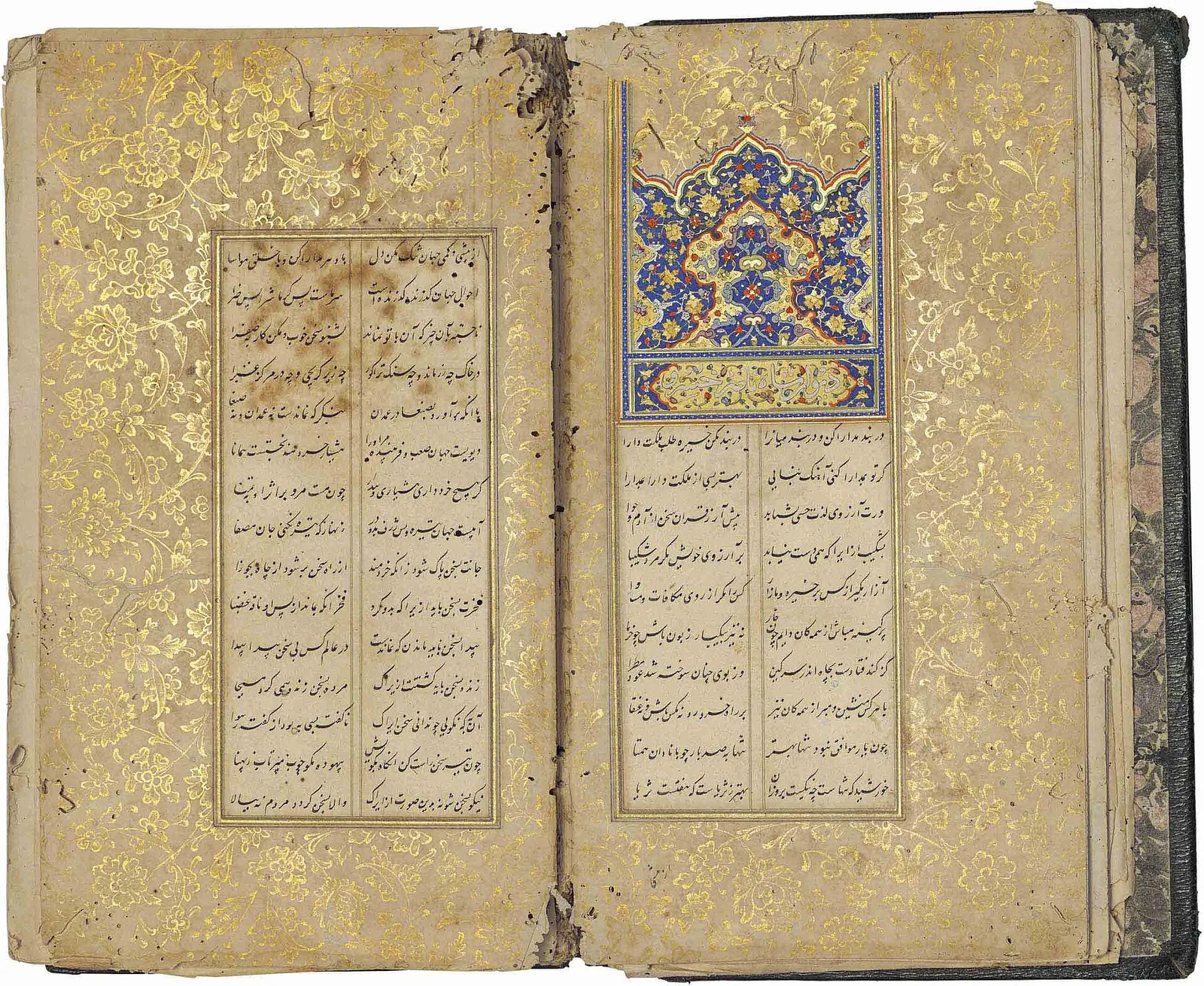
Wikimedia Commons · This file has been identified as being free of known restrictions under copyright law, including all related and neighboring rights. · file After hostility to his missionary activity in Khurasan forced him to flee, Nasir found refuge in the Yumgan mountains of Badakhshan and spent his remaining decades there. Date is explicitly approximate. Coordinate is a representative point for the Yumgan valley; exact historical settlement location is uncertain.