
8 moments
Birth in Heian-kyō
· Heian-kyō (Kyoto), Japan
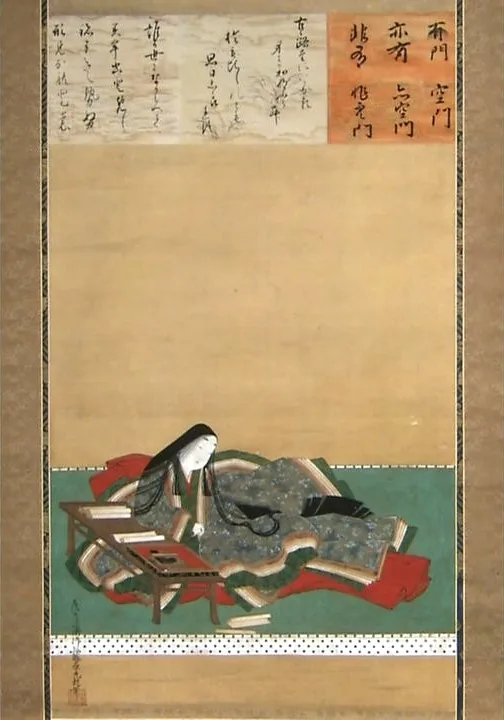
Wikimedia Commons · Public domain · file Murasaki Shikibu was born into a branch of the northern Fujiwara clan in Japan’s capital, beginning a life closely associated with Kyoto and the imperial court. Birth year is approximate; coordinates represent central historic Kyoto.
Journey with her father to Echizen
· Echizen Province (present-day Echizen, Fukui), Japan
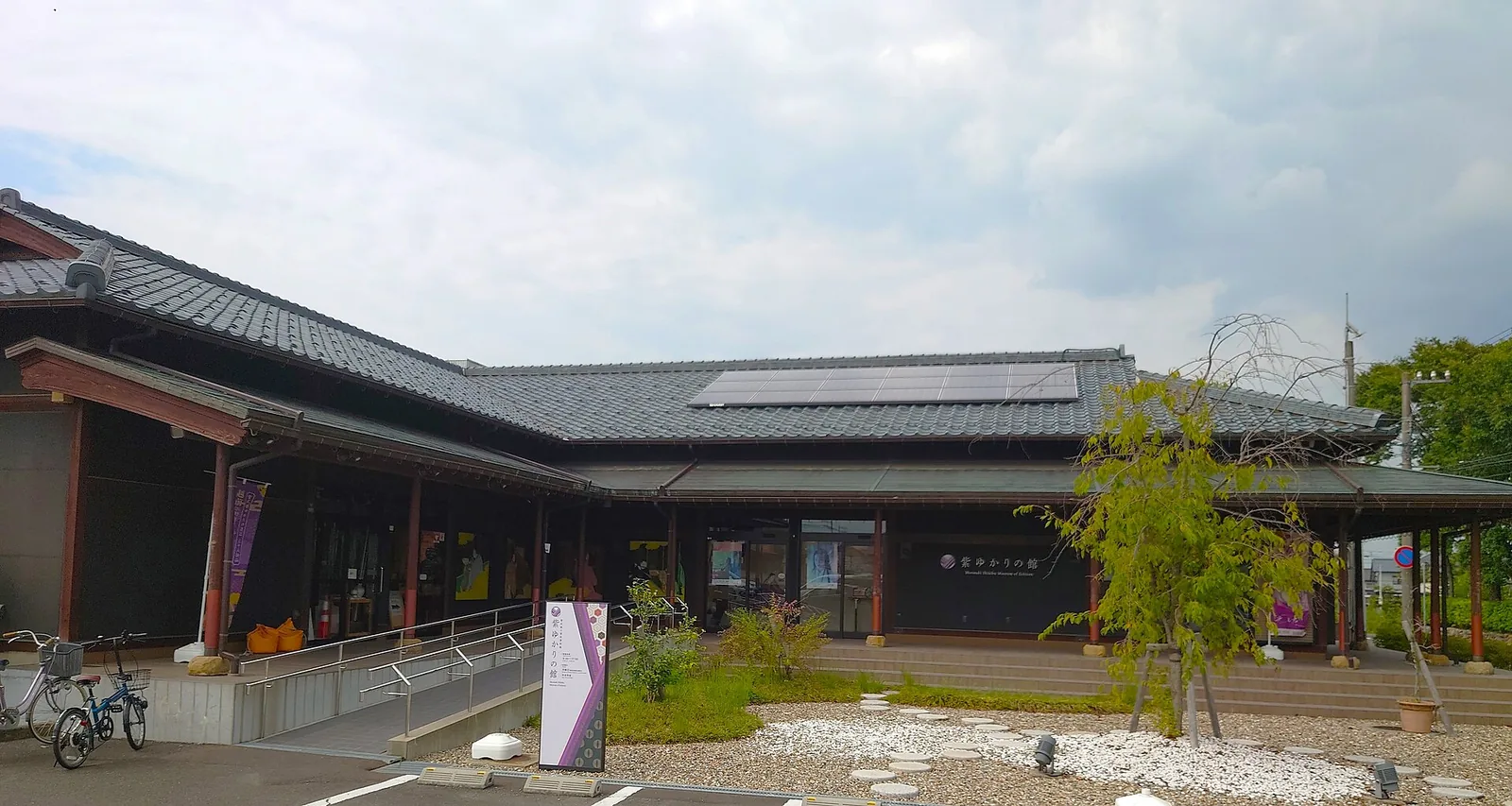
Wikimedia Commons · Creative Commons Attribution-ShareAlike 3.0 Unported · file When her father received the governorship of Echizen Province, Murasaki traveled with him from Kyoto, an unusual long-distance journey for an aristocratic woman of the period. The evidence establishes presence in Echizen Province, not a specific residence; coordinates are a representative point in present-day Echizen City.
Return to Kyoto before marriage
· Kyoto, Japan
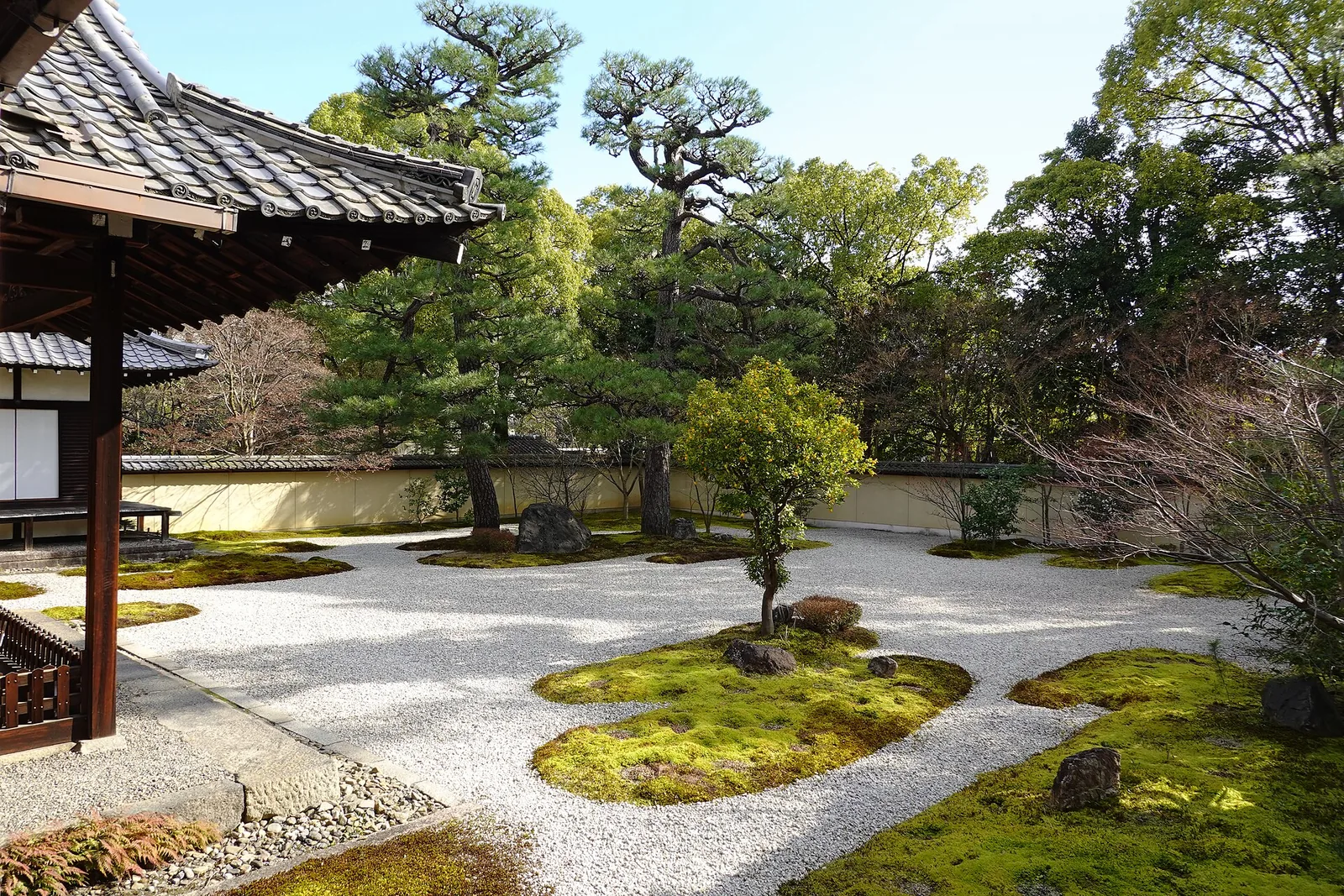
Wikimedia Commons · Creative Commons Attribution-Share Alike 4.0 International · file Murasaki returned to Kyoto, probably in 998, before marrying Fujiwara no Nobutaka and resuming life in her father’s household. The year is qualified as probable in the source; coordinates represent central historic Kyoto.
Return with Shōshi to the Imperial Palace
· Heian Palace (Kokiden), Kyoto, Japan
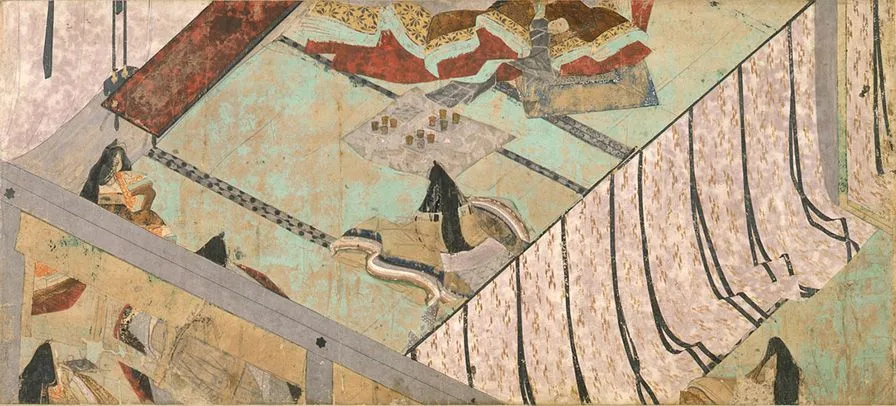
Wikimedia Commons · Public domain · file Murasaki traveled with Empress Shōshi’s household when Shōshi returned to the Imperial Palace after childbirth ceremonies, then spent the night in the Kokiden corridor. The diary places this return on the seventeenth day of the Frost month during the 1008 childbirth sequence; conversion to a modern calendar date is not supplied by the source.
Imperial visit at Tsuchimikado Mansion
· Tsuchimikado Mansion (historic site), Kyoto, Japan
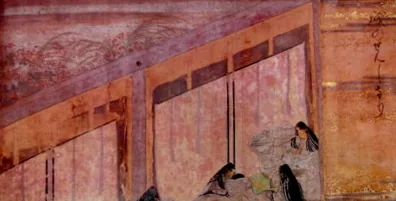
Wikimedia Commons · Public domain · file At Fujiwara no Michinaga’s Tsuchimikado Mansion, Murasaki was among Empress Shōshi’s attendants during Emperor Ichijō’s visit following the birth of the future Emperor Go-Ichijō. The translation’s note dates the king’s visit to October 16, 1008. The historical mansion no longer survives; coordinates are a representative point in the northern Kyoto Imperial Palace area.
Night journey to Enryaku-ji
· Enryaku-ji, Mount Hiei, Ōtsu, Japan
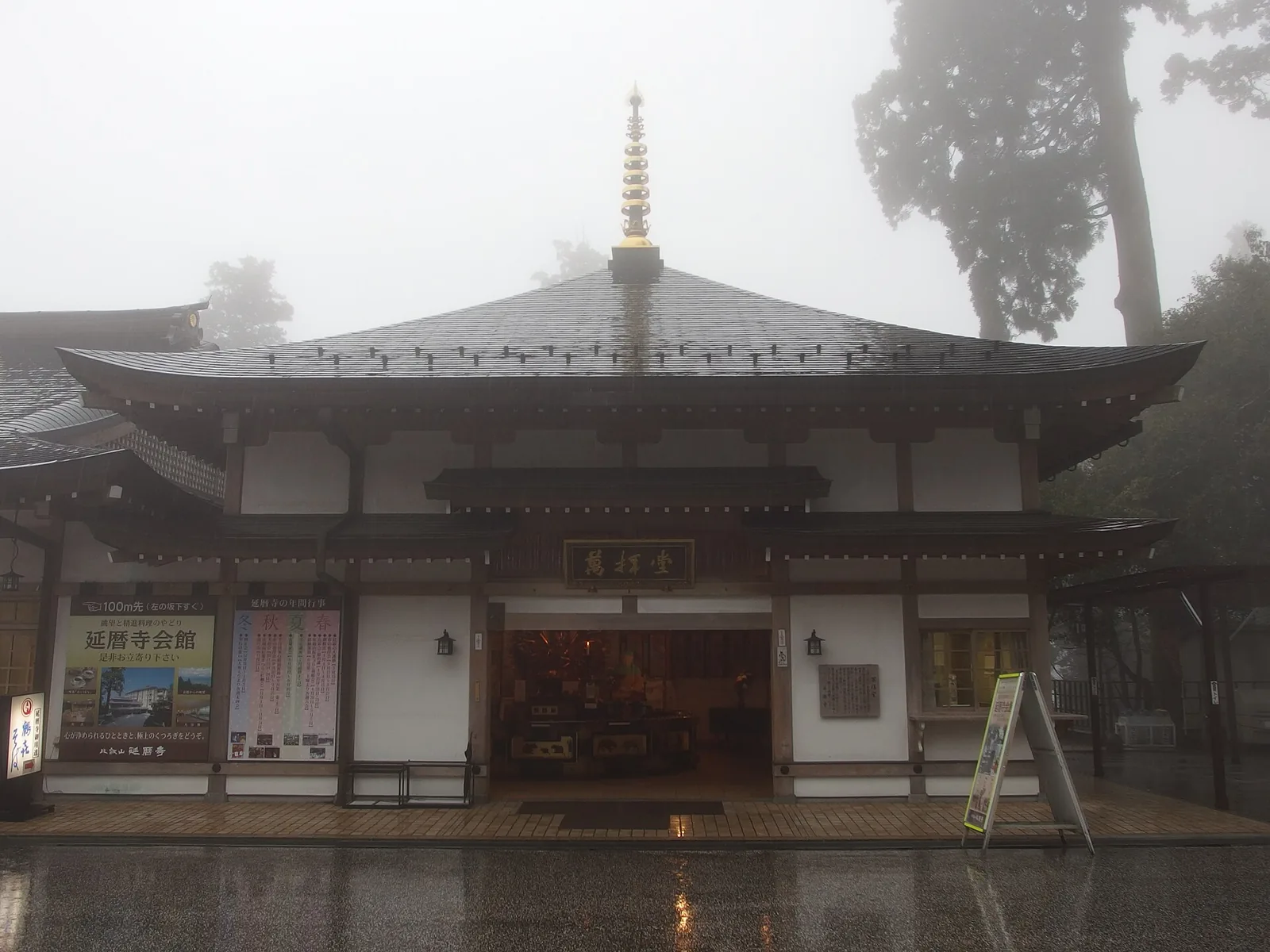
Wikimedia Commons · Creative Commons Attribution 2.0 Generic · file Murasaki went at night to Enryaku-ji on Mount Hiei for a religious observance attended by Empress Shōshi’s household, recording preaching, confession, and boating after the service. A translator’s note identifies the temple as Enryakuji on Mount Hiei. The source gives a Japanese-calendar day but no modern-calendar conversion.
Fifty-days ceremony at the palace
· Heian Palace, Kyoto, Japan
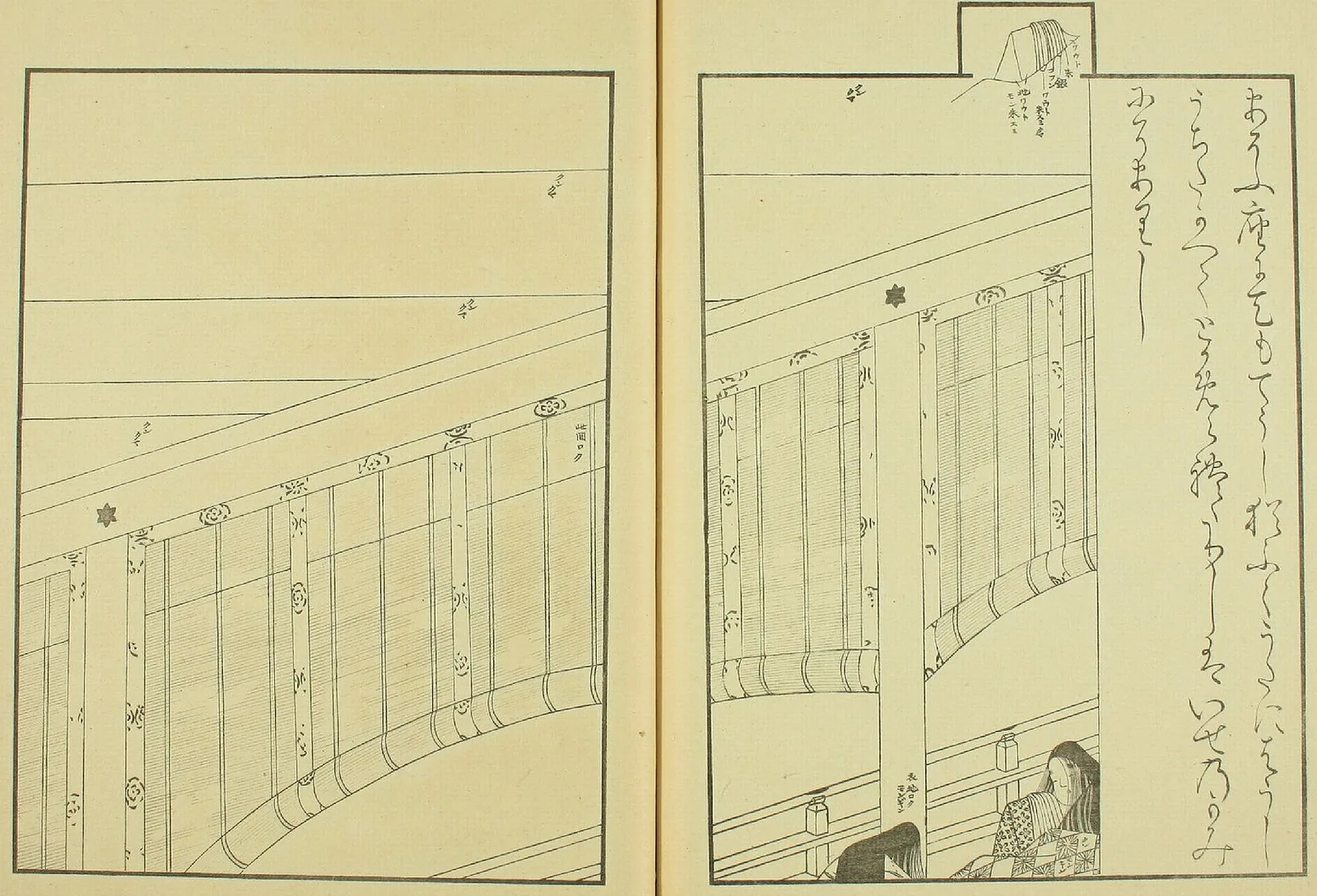
Wikimedia Commons · Public domain · file Murasaki returned to the palace in the morning for the fifty-days ceremony of Shōshi’s younger son, an imperial household event she describes in her diary. The passage follows the diary’s entry headed "Third day of First month [1010]"; the source does not provide a modern-calendar conversion or a more precise year-month date.
With Shōshi at the Biwa Mansion
· Biwa Mansion, Kyoto, Japan
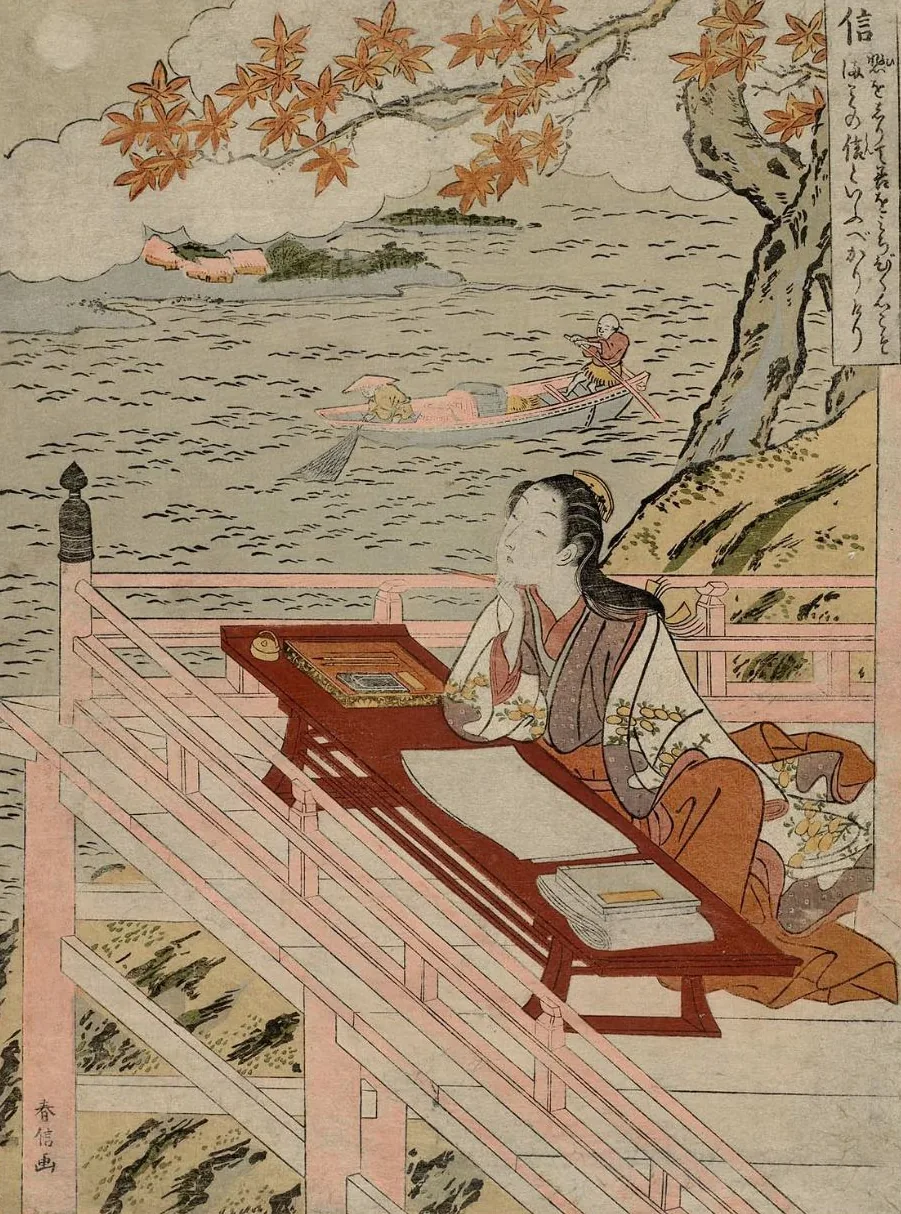
Wikimedia Commons · Public domain · file After Emperor Ichijō’s death, Murasaki remained associated with Empress Shōshi and is specifically recorded with her at the Fujiwara Biwa Mansion in 1013. The cited biography calls this a Fujiwara mansion in Biwa. The precise historical site is uncertain; coordinates are a representative point for the traditional Kyoto-area identification of the Biwa residence.