
21 moments
Born at Yasnaya Polyana
· Yasnaya Polyana, Tula Oblast, Russia
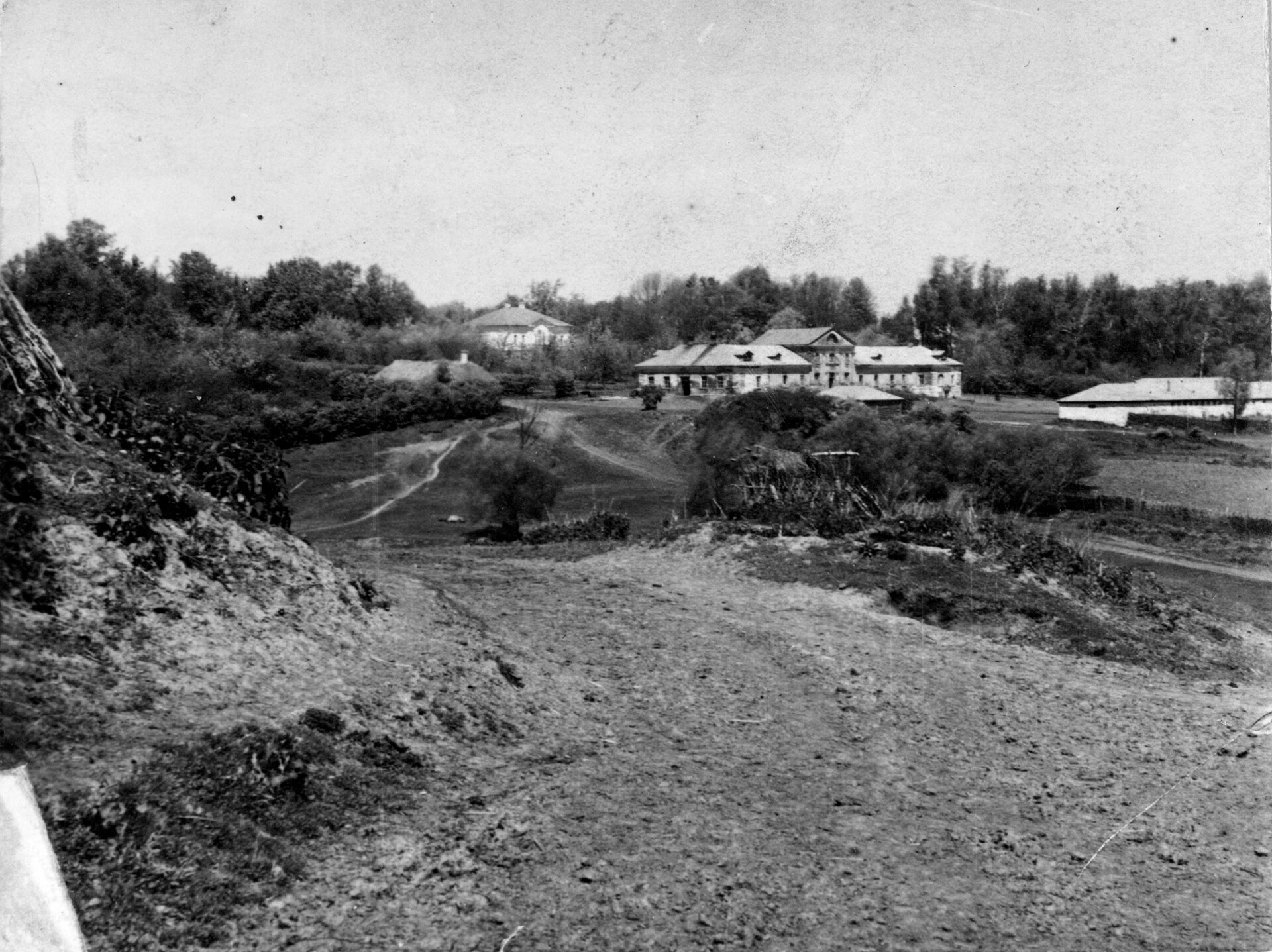
Wikimedia Commons · This file has been identified as being free of known restrictions under copyright law, including all related and neighboring rights. · file Tolstoy was born on his family's country estate, the place most closely associated with his childhood, writing, educational experiments, and mature life.
Family moves to Moscow
· Moscow, Russia
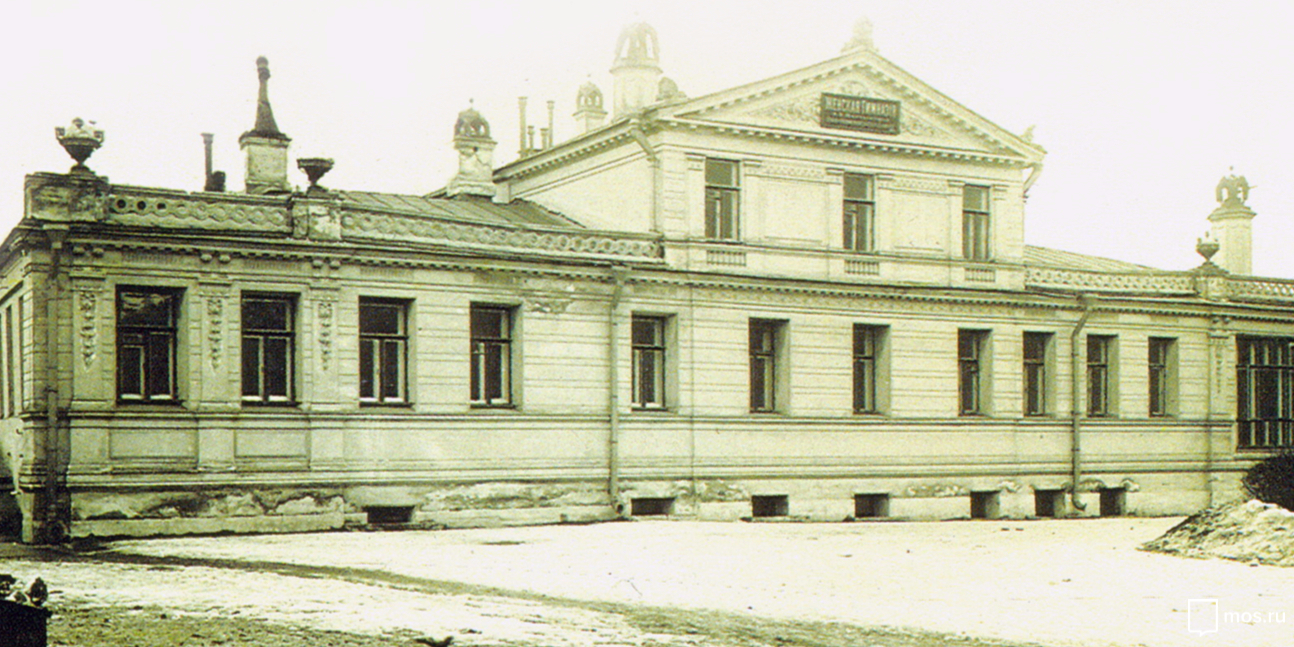
Wikimedia Commons · Creative Commons Attribution 4.0 International · file Tolstoy's family moved from its country estate to Moscow while preparing his eldest brother Nikolai for university. Settlement coordinates represent central Moscow; the source does not identify a specific residence.
Moves to Kazan relatives
· Kazan, Tatarstan, Russia
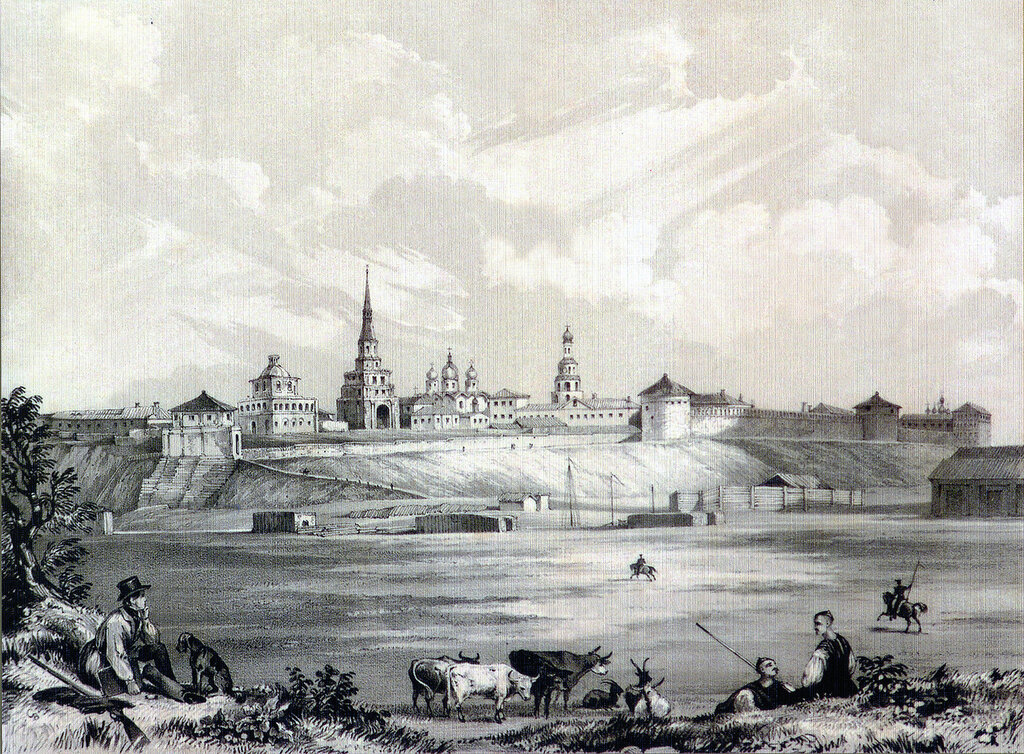
Wikimedia Commons · Public domain · file Following the death of their guardian, Tolstoy and his siblings relocated to Kazan to live with their aunt Pelageia Yushkova. Settlement coordinates represent central Kazan; the Yushkov residence is not specified by the source.
Lives at Pyatigorsk
· Pyatigorsk, Stavropol Krai, Russia
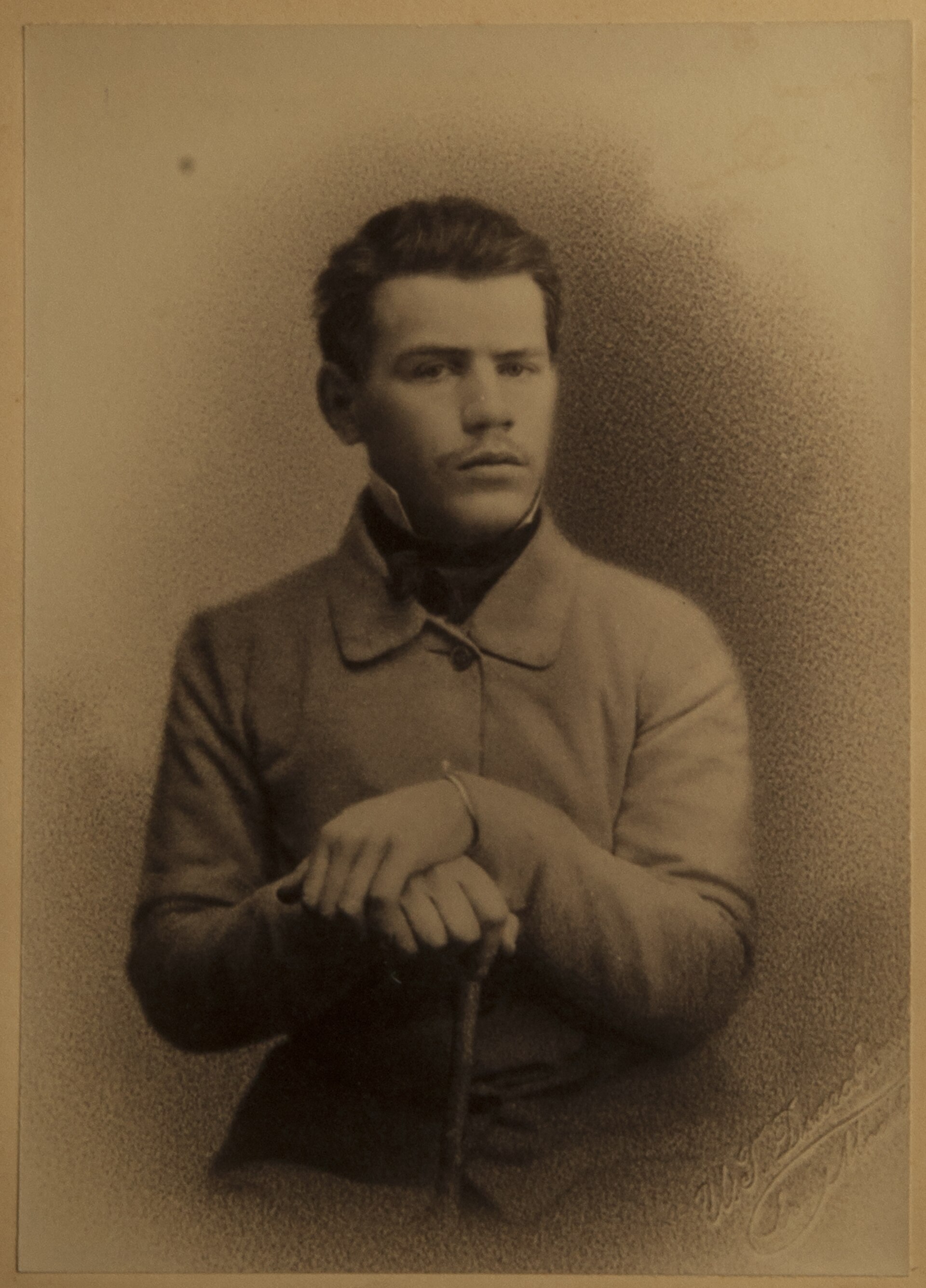
Wikimedia Commons · This file has been identified as being free of known restrictions under copyright law, including all related and neighboring rights. · file During his first Caucasian period, Tolstoy rented an inexpensive cottage at the spa town of Pyatigorsk before formally entering military service. The source specifies spring 1851 but does not identify the cottage; coordinates represent Pyatigorsk.
Travels to Tbilisi
· Tbilisi, Georgia
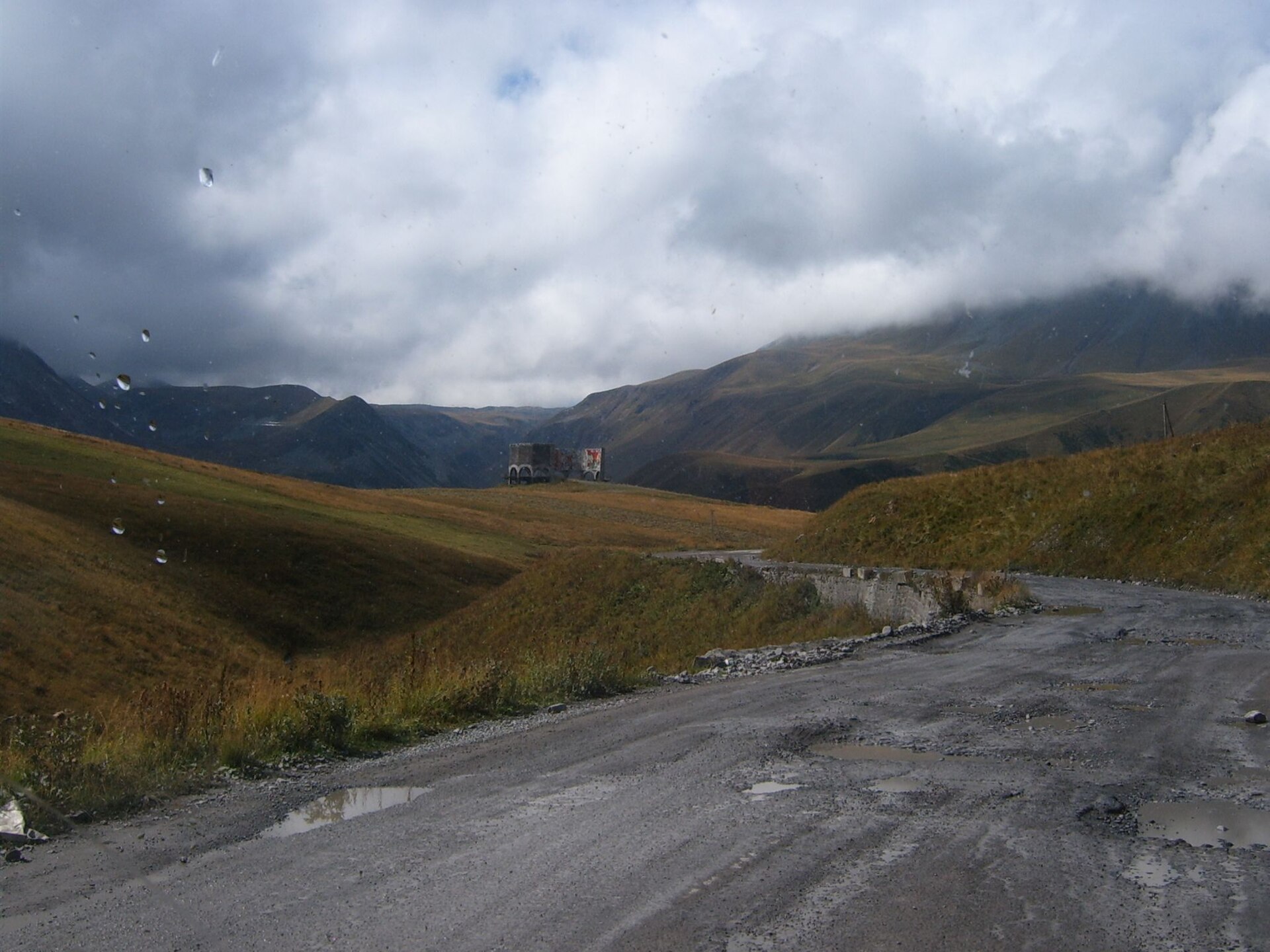
Wikimedia Commons · PD-Self · file Tolstoy crossed the Georgian Military Road through Vladikavkaz to Tbilisi during the process of entering the Russian army. The quotation states October 1851; Russian dates of this period may be Old Style. Coordinates represent central Tbilisi.
Defends Sevastopol
· Sevastopol, Crimea
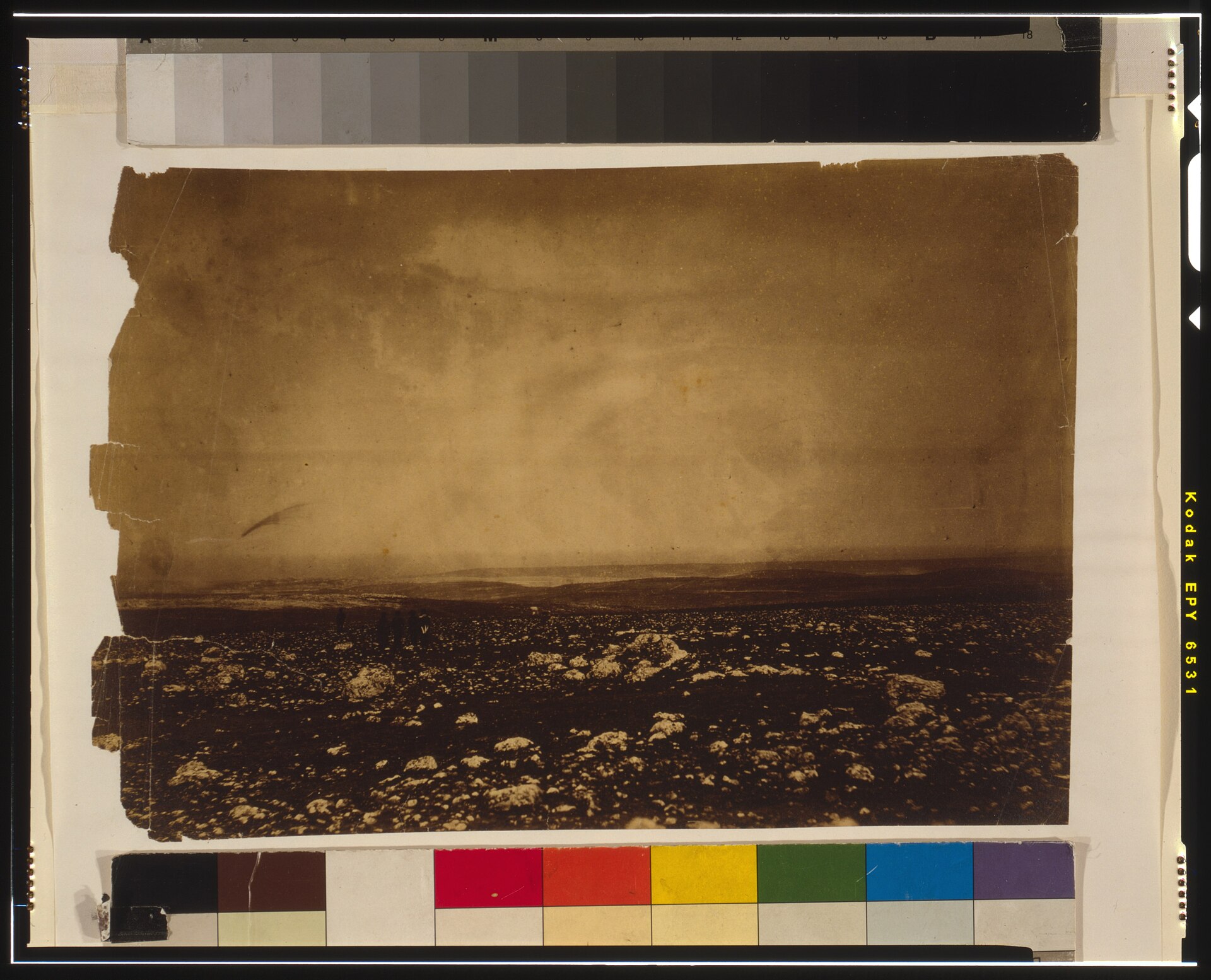
Wikimedia Commons · No known restrictions on publication. · file Tolstoy served as an artillery officer in besieged Sevastopol, an experience later transformed into his Sevastopol Sketches and central to his developing revulsion against war. Presence continued during the siege in 1855. Coordinates represent Sevastopol because the quotation does not specify an individual bastion.
Encamped before Silistra
· Silistra, Bulgaria
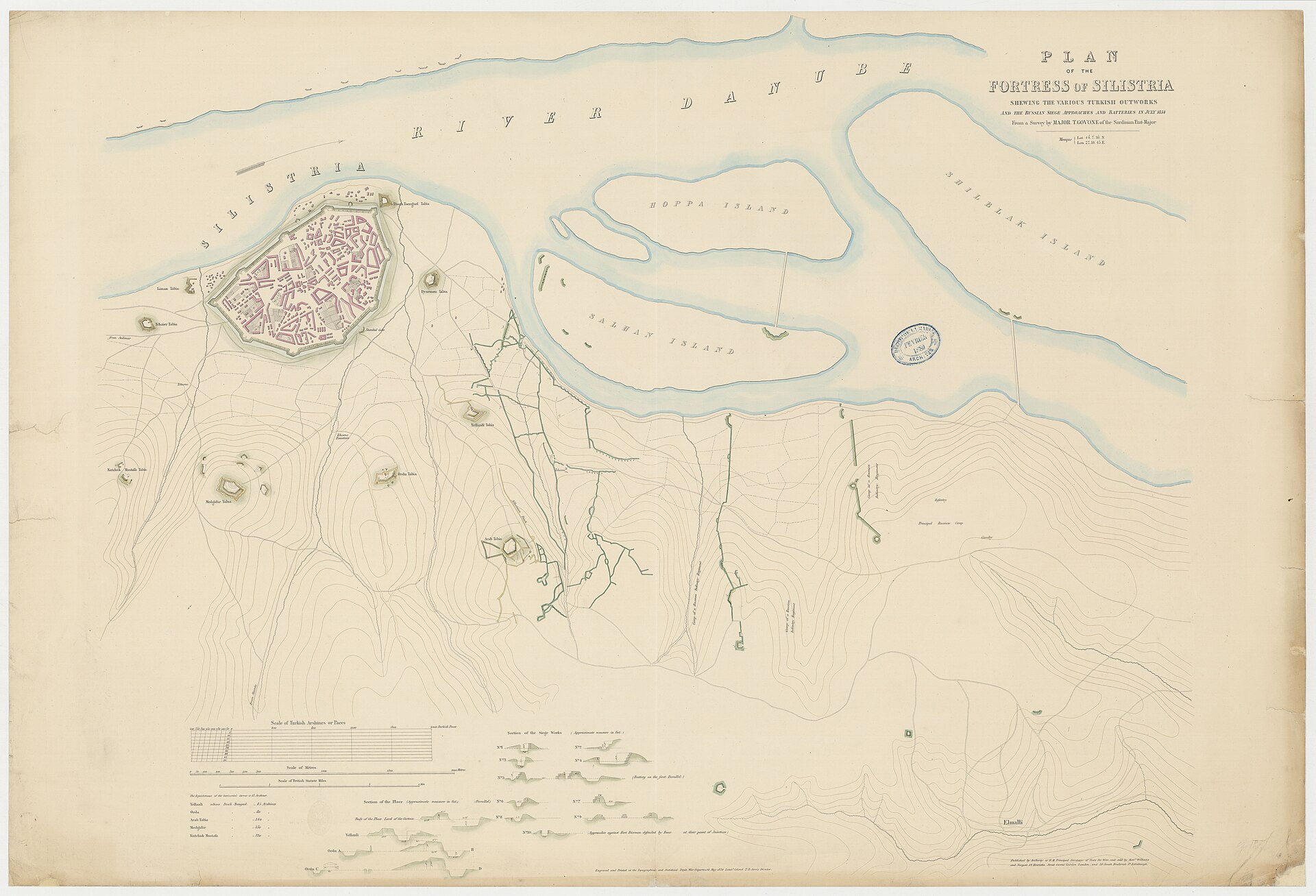
Wikimedia Commons · Public domain in the United States · file Serving with the Russian Danubian army, Tolstoy was encamped outside the Ottoman fortress of Silistra during its siege. The source gives only the early part of 1854; coordinates represent Silistra rather than a documented campsite.
Returns from military service
· Tolstoy House, Yasnaya Polyana, Tula Oblast, Russia
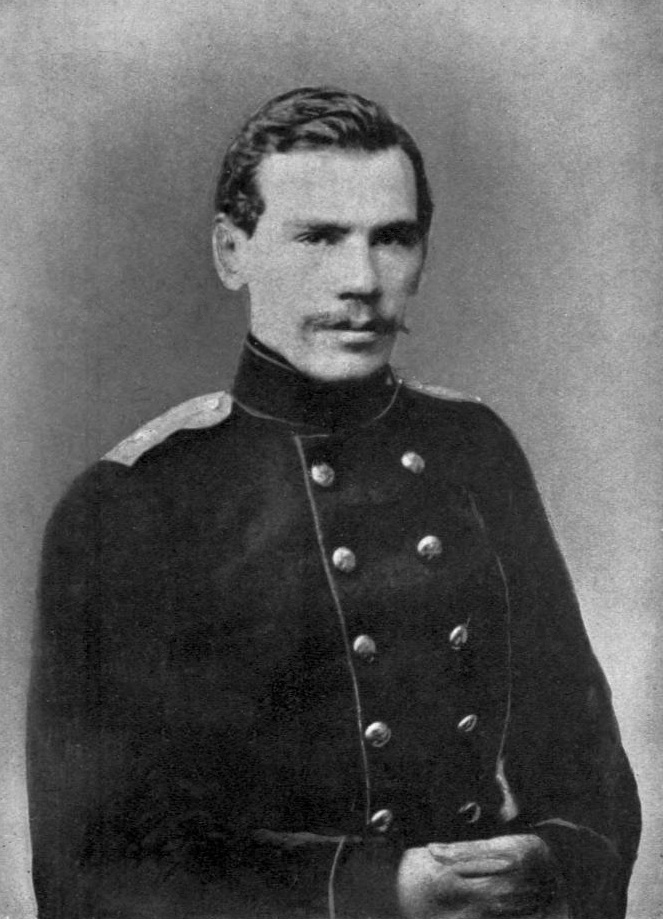
Wikimedia Commons · This work is in the public domain in its country of origin and other countries and areas where the copyright term is the author's life plus 70 years or fewer. · file After leaving the army, Tolstoy returned to Yasnaya Polyana and settled in the surviving right wing of the family house.
Arrives in Warsaw
· Warsaw, Poland
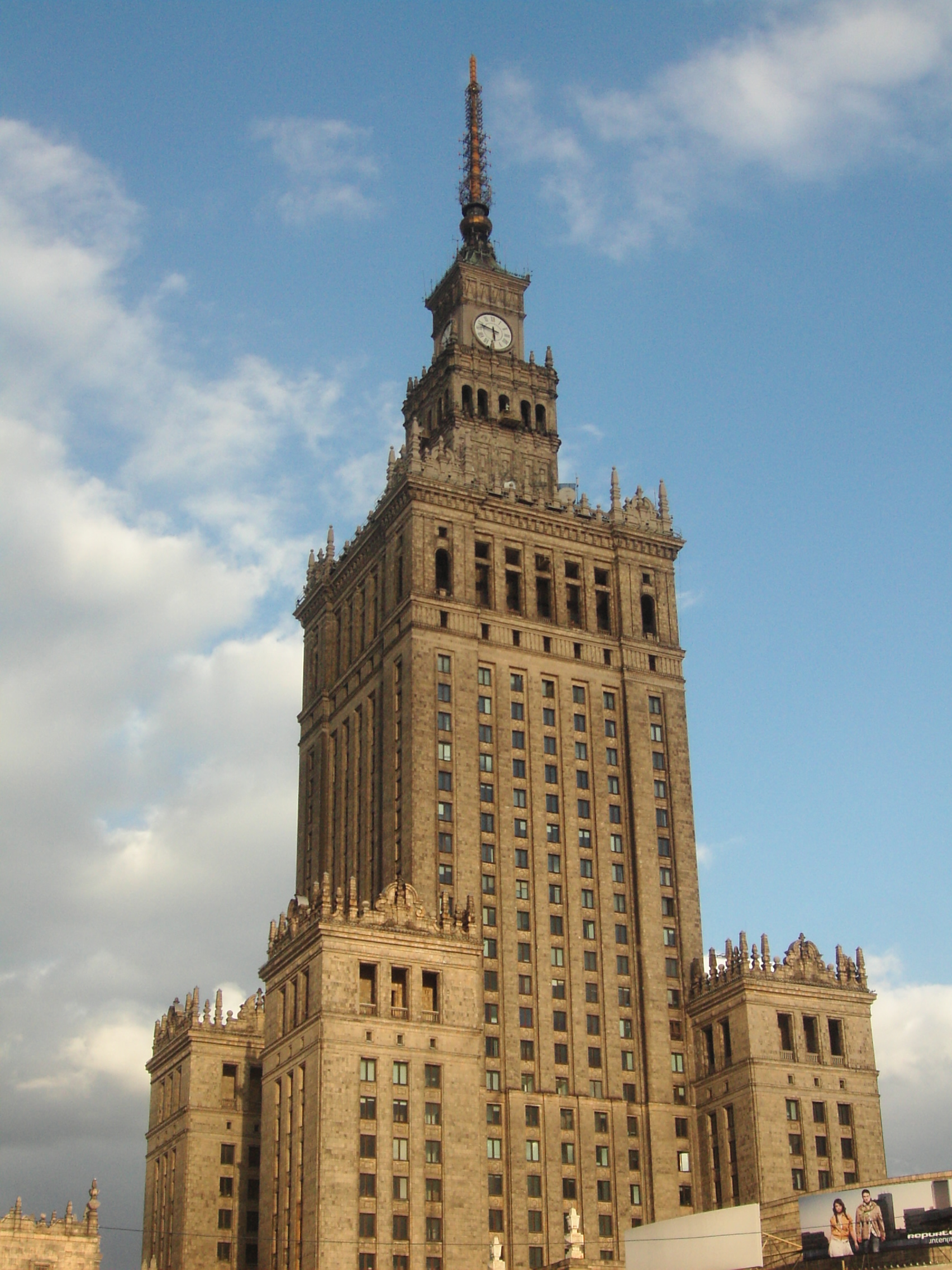
Wikimedia Commons · Creative Commons CC0 1.0 Universal Public Domain Dedication · file Warsaw was Tolstoy's first documented major stop on his 1857 journey from Moscow into Western Europe. The source gives 4 February Old Style, equivalent to 16 February 1857 Gregorian. Coordinates represent central Warsaw.
Arrives for first Paris stay
· Hôtel Meurice, Rue de Rivoli, Paris, France
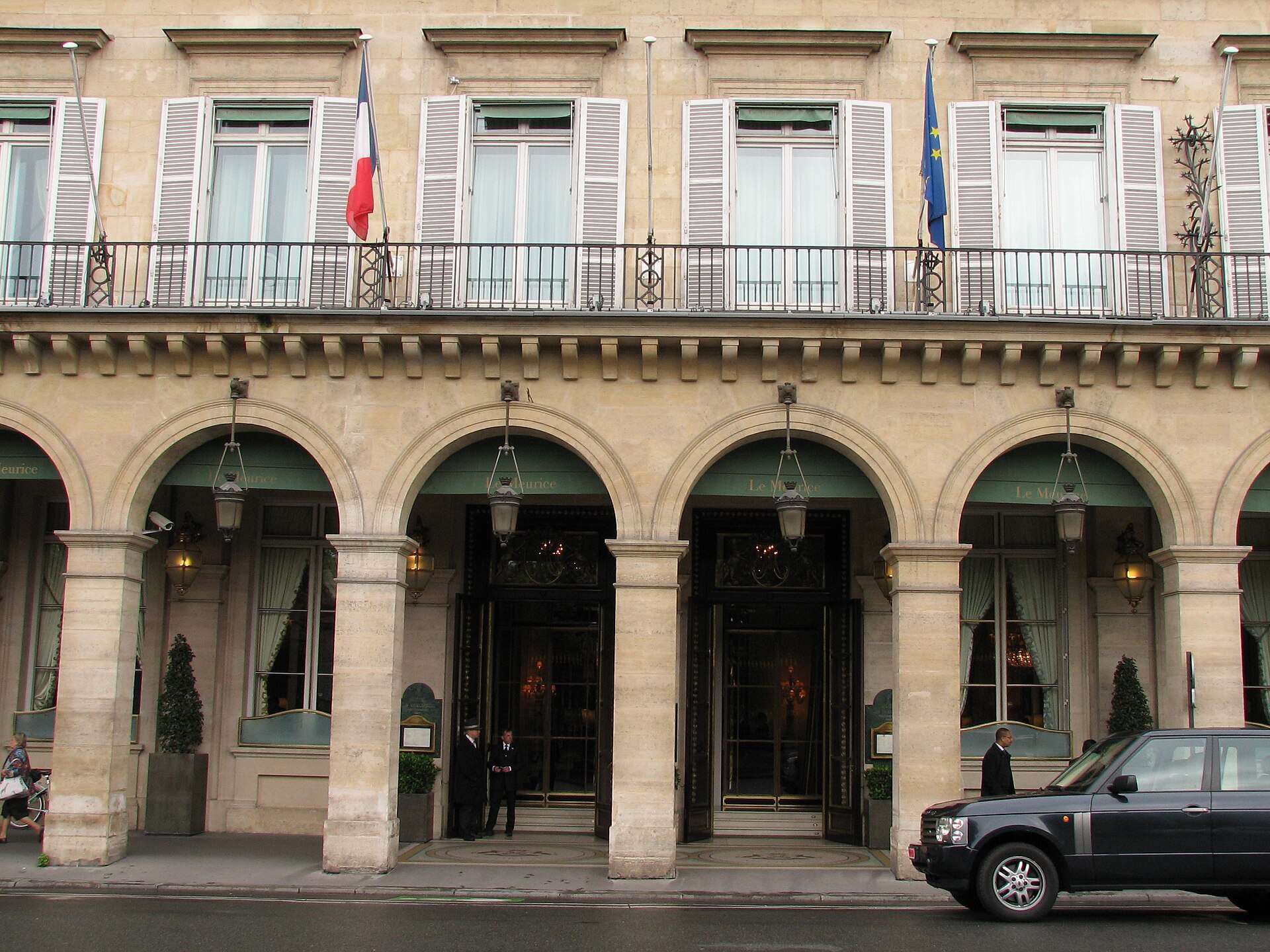
Wikimedia Commons · Creative Commons Attribution-Share Alike 3.0 Unported · file Tolstoy arrived in Paris and initially stayed at the Hôtel Meurice. His stay exposed him to lectures, museums, theaters, music, and the public execution that profoundly disturbed him. The source supplies both Old Style and Gregorian dates. Coordinates identify the Hôtel Meurice.
Visits Fontainebleau
· Fontainebleau, Seine-et-Marne, France
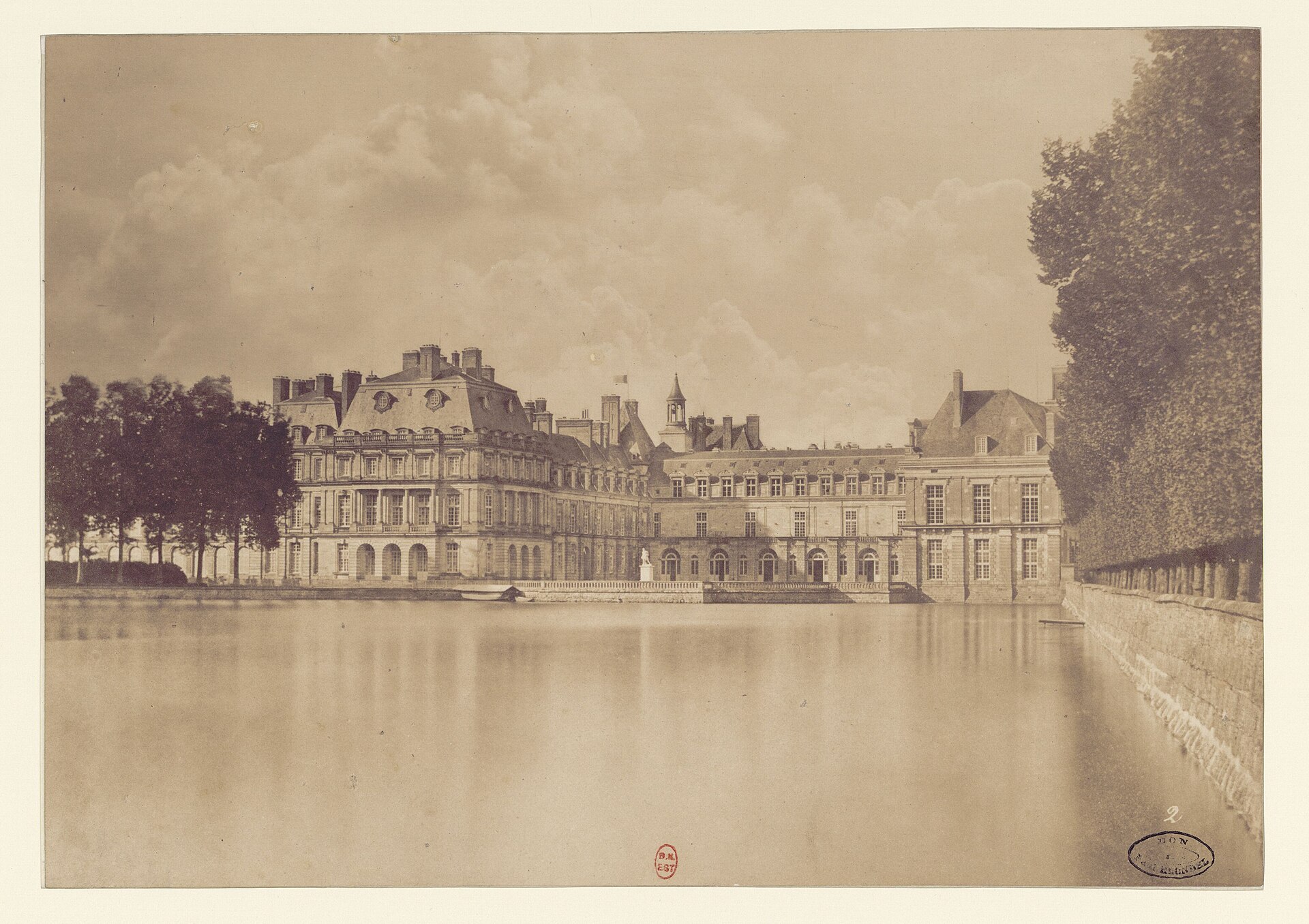
Wikimedia Commons · Public domain · file Tolstoy traveled from Paris to Fontainebleau with Ivan Turgenev and visited his relative Prince Nikolai Trubetskoy at the Bellefontaine estate. Coordinates represent Fontainebleau; the source does not provide a defensible exact location for the historical Bellefontaine estate.
Brings his wife to Yasnaya Polyana
· Tolstoy House, Yasnaya Polyana, Tula Oblast, Russia
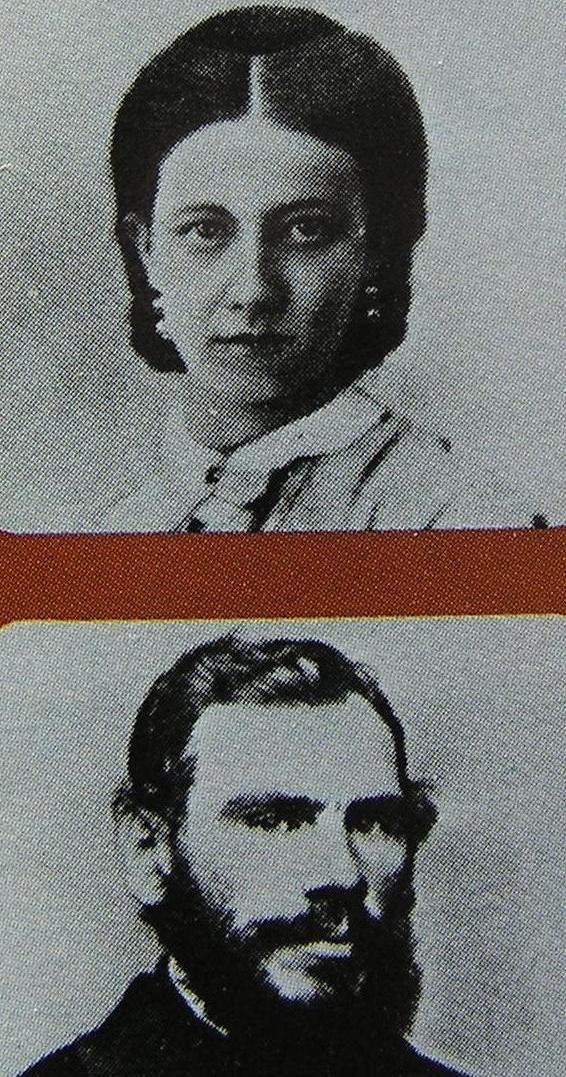
Wikimedia Commons · This work is in the public domain in its country of origin and other countries and areas where the copyright term is the author's life plus 70 years or fewer. · file After marrying Sophia Behrs, Tolstoy established their married household at Yasnaya Polyana, which became the principal setting for his family life and major novels. The quotation establishes residence at Yasnaya Polyana after the marriage but does not specify the arrival day.
Studies the Borodino battlefield
· Borodino Battlefield, Moscow Oblast, Russia
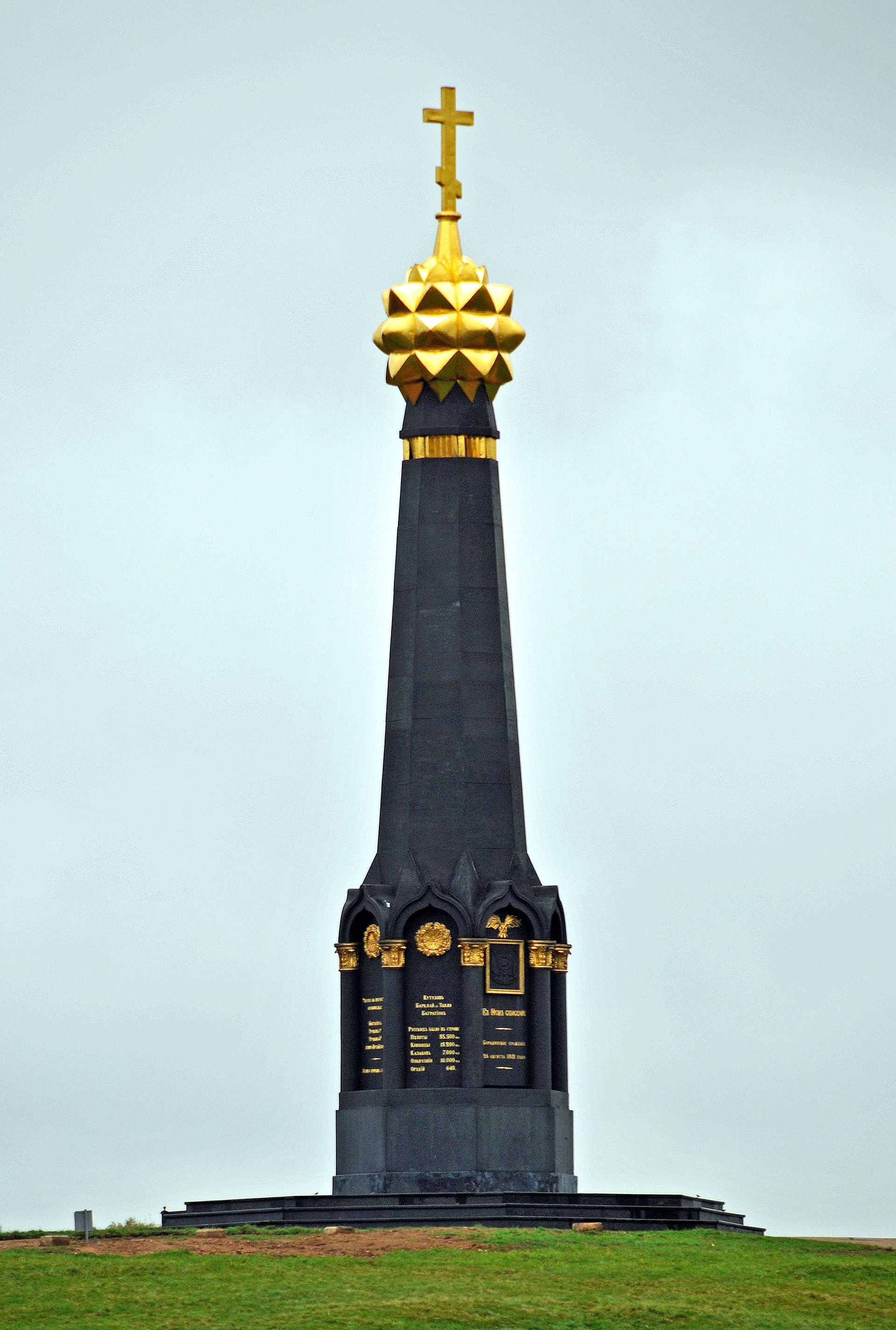
Wikimedia Commons · Creative Commons Attribution-Share Alike 2.0 Generic · file While preparing War and Peace, Tolstoy walked the Borodino battlefield, investigated its terrain, and gathered details for his reconstruction of the 1812 battle. The source uses Old Style dates; 25–27 September corresponds to 7–9 October 1867 Gregorian. Coordinates represent the battlefield complex.
Visits Kyiv
· Kyiv, Ukraine
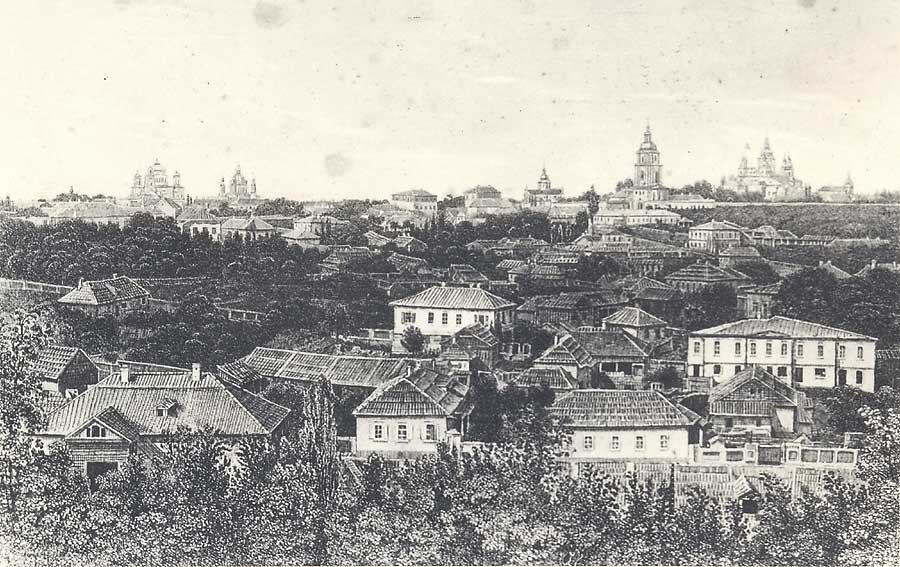
Wikimedia Commons · This work is in the public domain in its country of origin and other countries and areas where the copyright term is the author's life plus 100 years or fewer. · file Tolstoy visited Kyiv during the period of religious searching that accompanied his transition from celebrated novelist to radical Christian thinker. The source supplies only the year; coordinates represent central Kyiv.
Moves family to Moscow
· Moscow, Russia
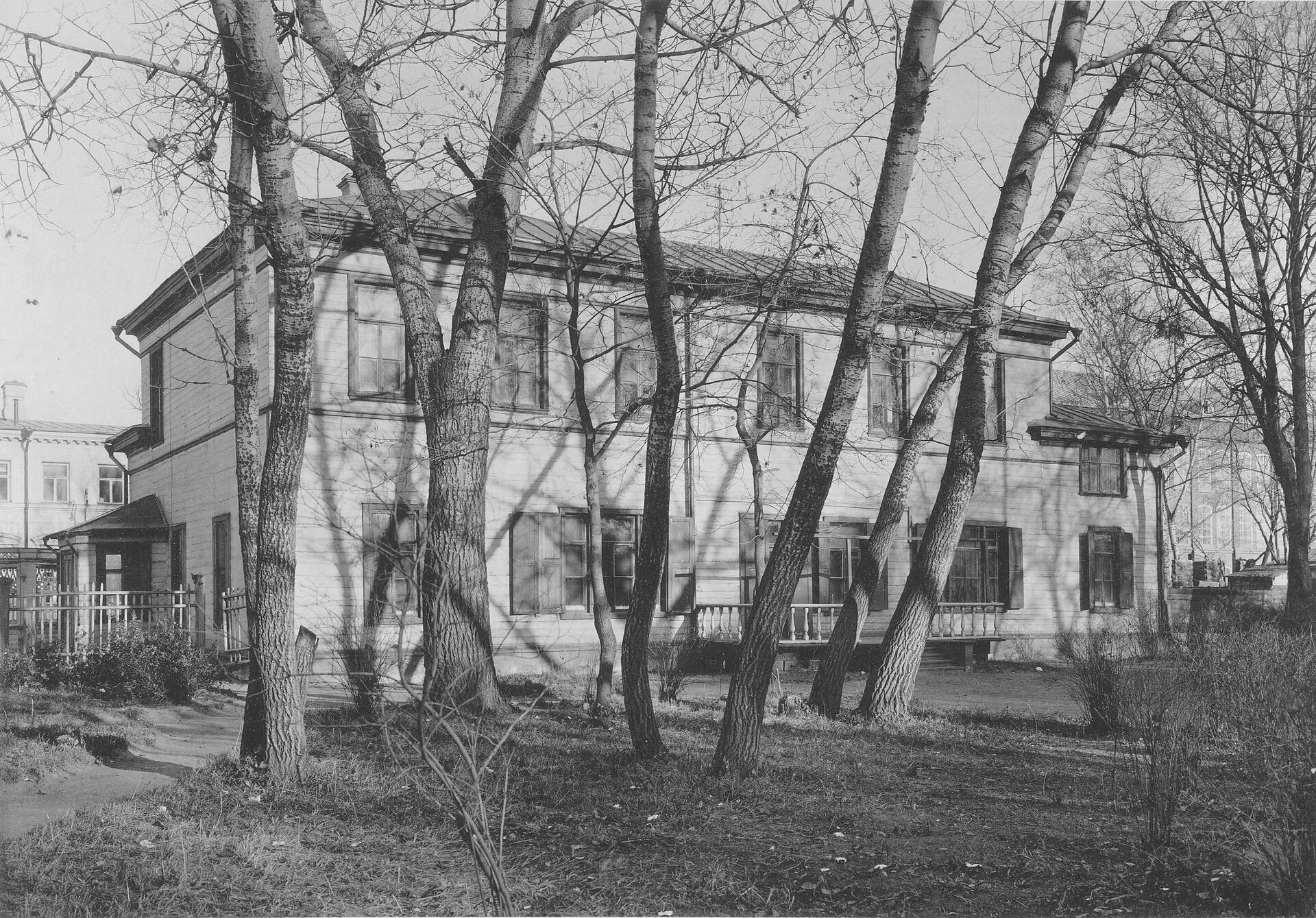
Wikimedia Commons · Public domain · file Tolstoy moved with his family to Moscow for his children's education. His encounters with urban poverty there contributed to What Then Must We Do? The source follows the Old Style calendar and does not give a day. Coordinates represent central Moscow.
Lives principally at Yasnaya Polyana
· Tolstoy House, Yasnaya Polyana, Tula Oblast, Russia
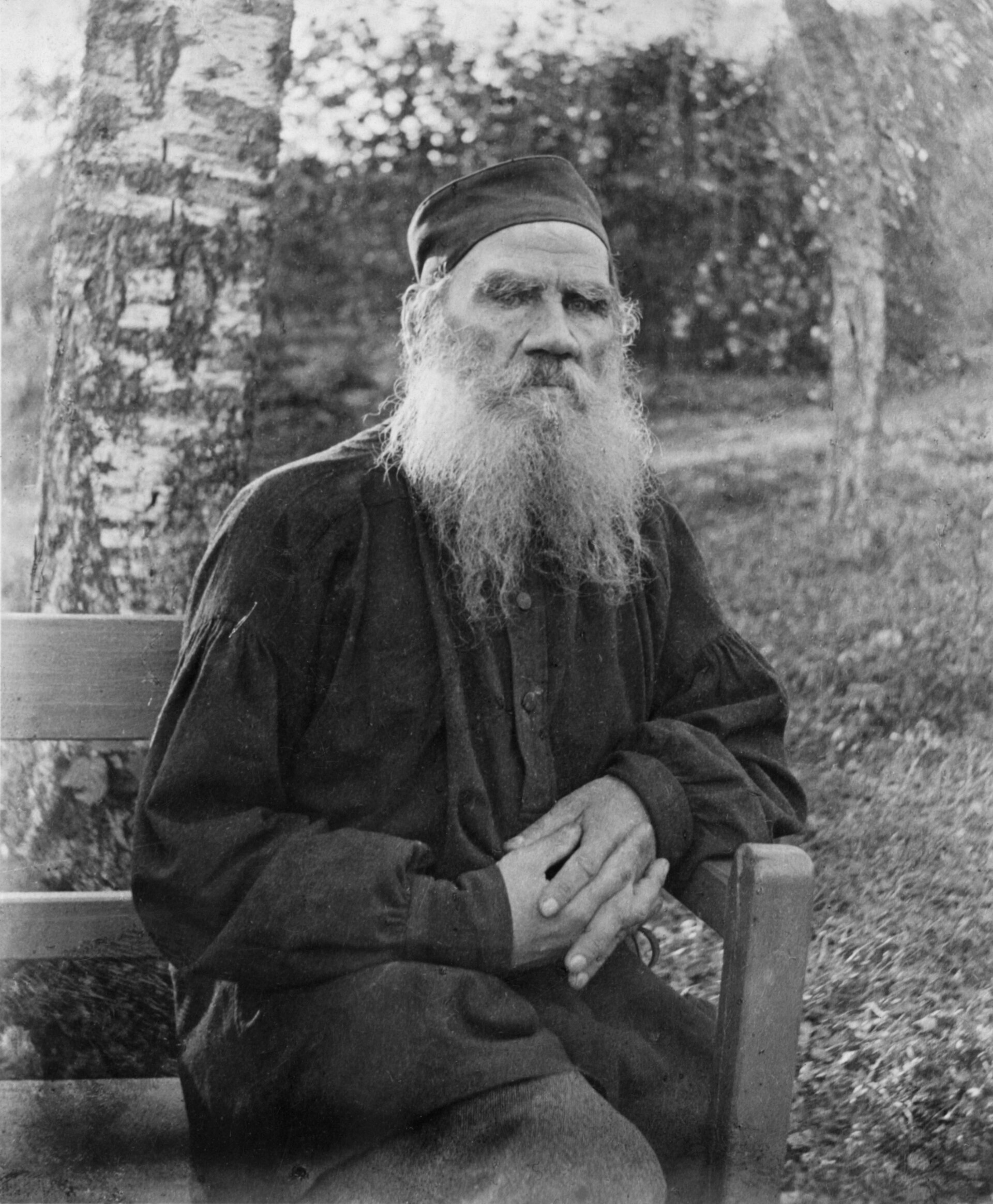
Wikimedia Commons · No known restrictions on publication. · file During the late 1890s Tolstoy continued to make Yasnaya Polyana his principal residence, writing, receiving visitors, and pursuing his religious and social work there. This card represents a documented multi-year recurring residence rather than uninterrupted presence.
Visits his sister at Shamordino
· Shamordino Convent, Shamordino, Kaluga Oblast, Russia
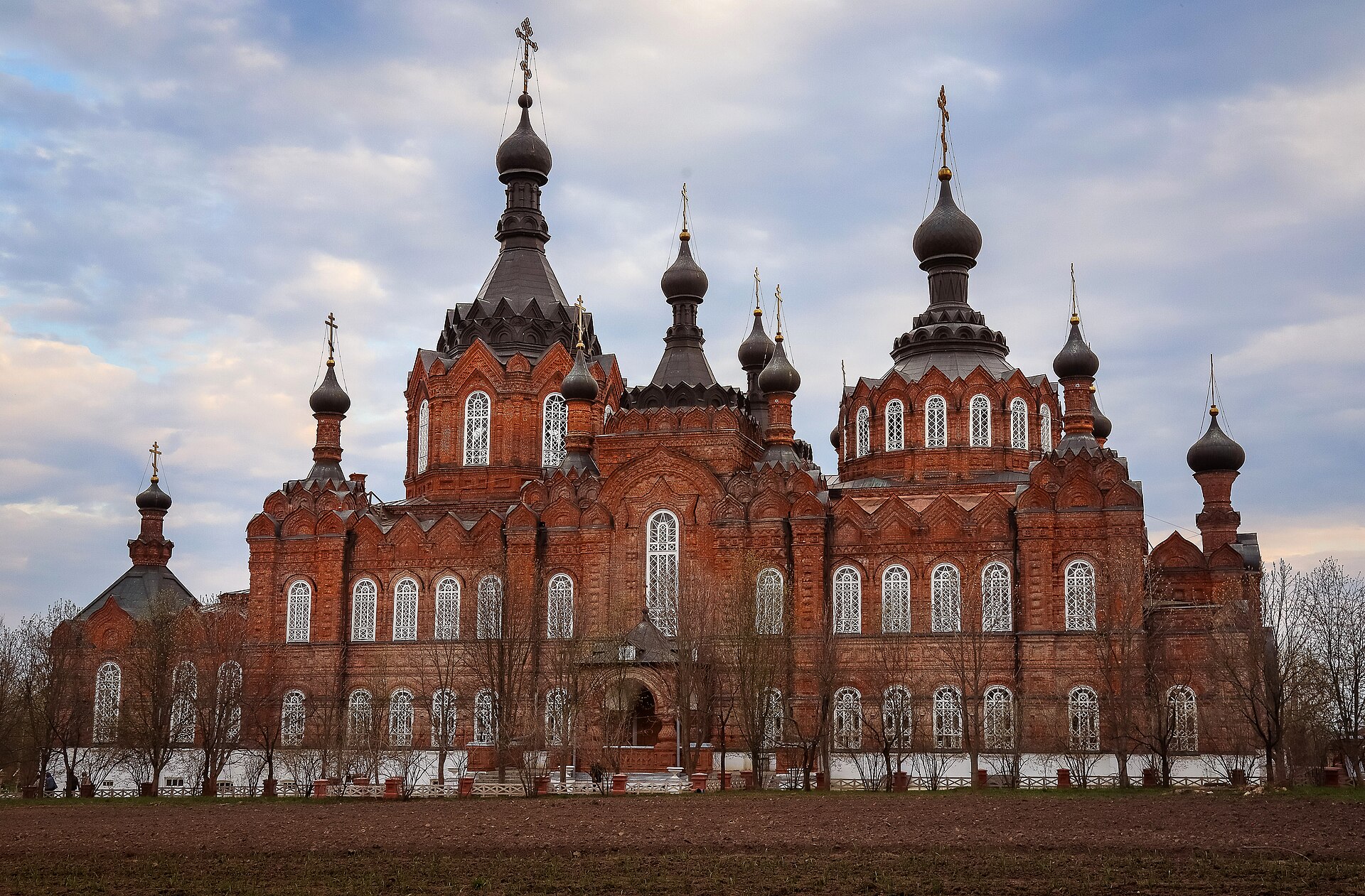
Wikimedia Commons · Creative Commons Attribution-Share Alike 4.0 International · file Tolstoy visited his sister Maria, then a nun, at the Shamordino convent. The monastery later became a stop on his final journey. Coordinates identify the Kazan Amvrosievskaya Hermitage at Shamordino.
Makes final visit to Saint Petersburg
· Saint Petersburg, Russia
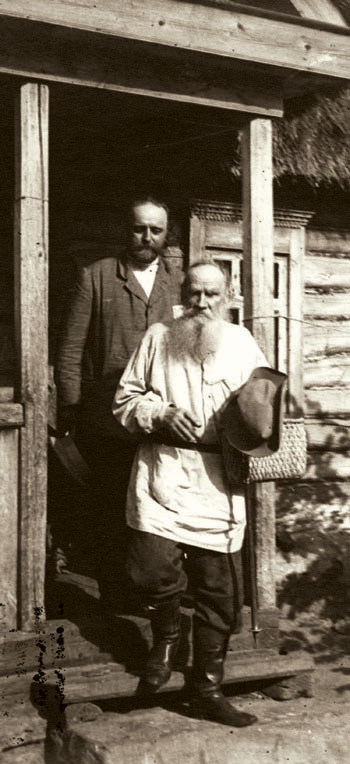
Wikimedia Commons · Public domain · file Tolstoy made a sudden trip to Saint Petersburg to say farewell to Vladimir Chertkov and Pavel Biryukov as the authorities sent them into exile. The source uses the later name Petrograd for Saint Petersburg and does not identify a venue; coordinates represent the city center.
Recuperates at Gaspra
· Panina Estate, Gaspra, Crimea
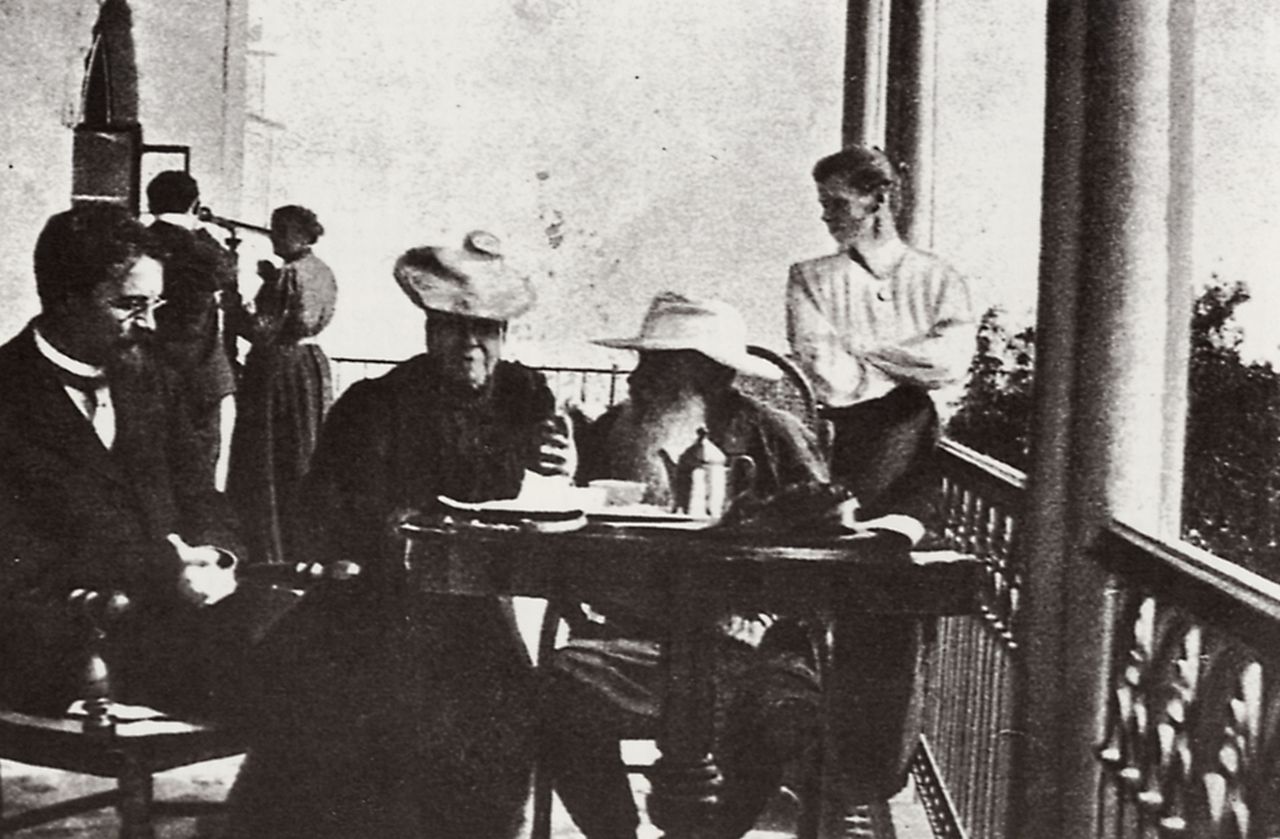
Wikimedia Commons · Public domain · file Seriously ill, Tolstoy traveled to Crimea and lived at Countess Sofia Panina's estate in Gaspra. Writers including Anton Chekhov and Maxim Gorky visited him there. Presence continued until June 1902. Coordinates represent Gaspra because the quotation does not identify a precise building.
Leaves Yasnaya Polyana forever
· Tolstoy House, Yasnaya Polyana, Tula Oblast, Russia
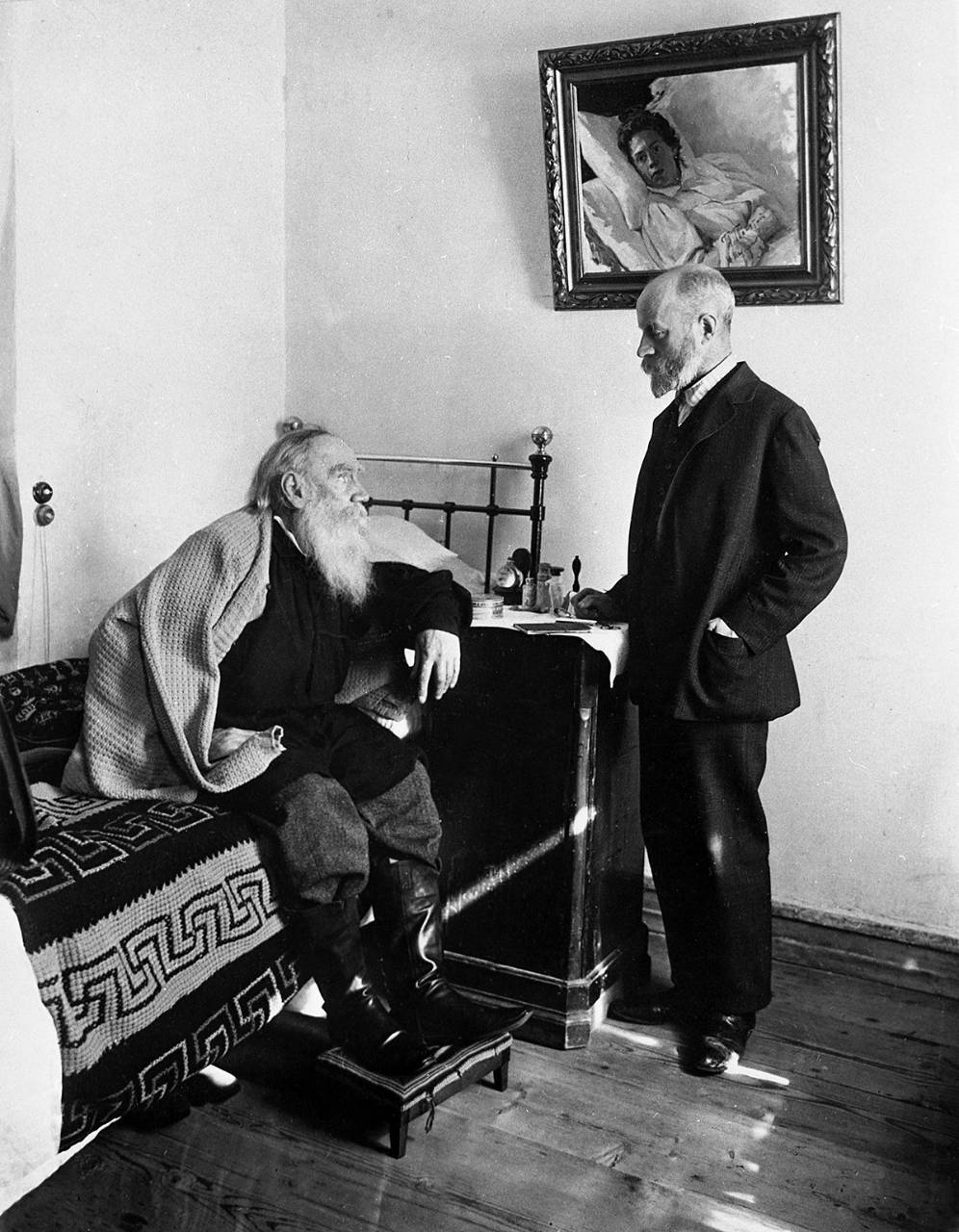
Wikimedia Commons · Public domain · file Tolstoy secretly departed his home at night with his physician Dushan Makovitsky, intending to escape his increasingly intolerable domestic circumstances and live more simply. The source gives 28 October Old Style, equivalent to 10 November 1910 Gregorian.
Dies at Astapovo station
· Astapovo Railway Station, Lev Tolstoy, Lipetsk Oblast, Russia
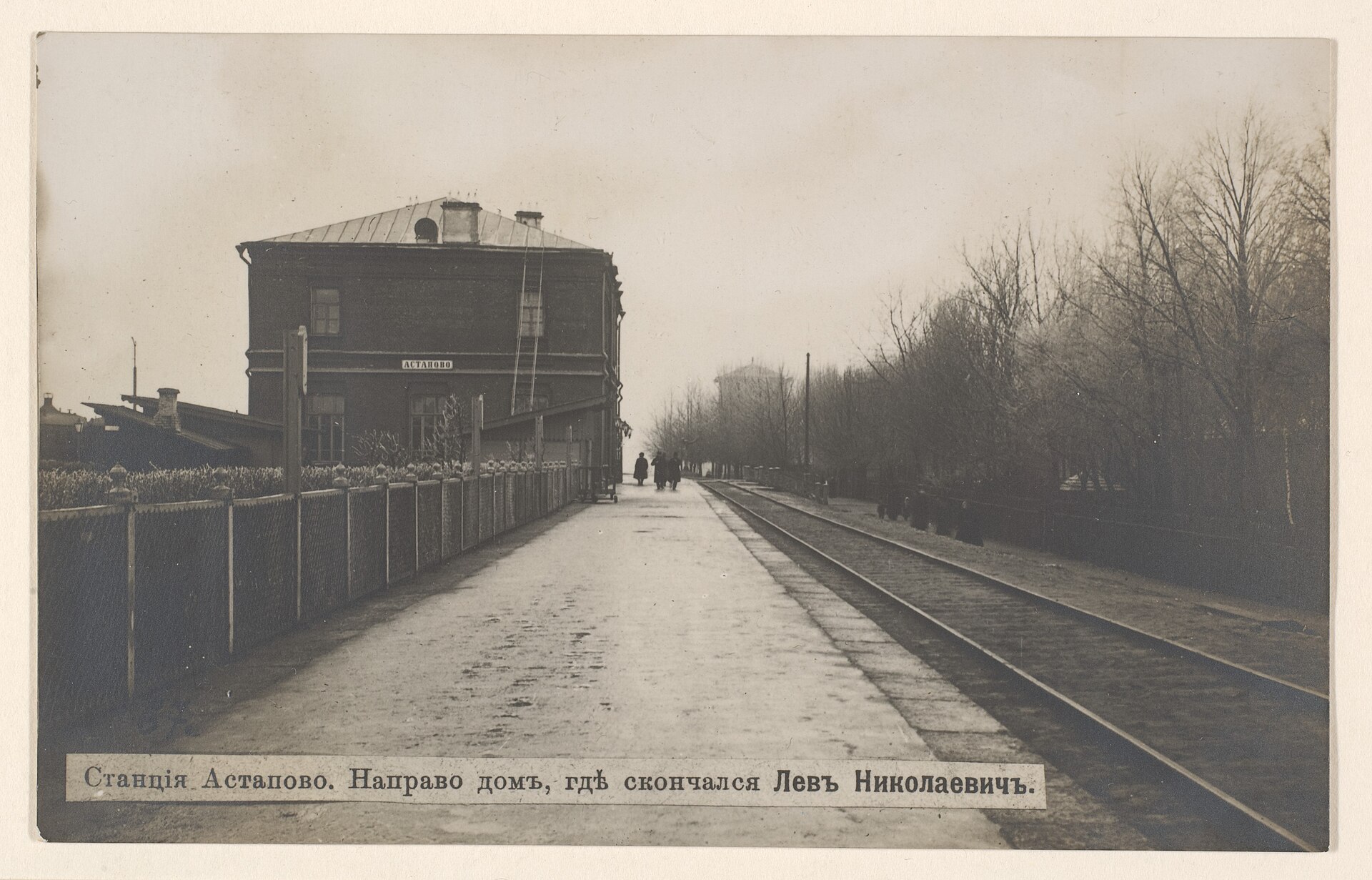
Wikimedia Commons · Creative Commons CC0 1.0 Universal Public Domain Dedication · file After becoming ill during his final railway journey, Tolstoy was sheltered in the stationmaster's apartment at Astapovo, where he died of pneumonia. Astapovo was subsequently renamed Lev Tolstoy. Coordinates represent the historic railway-station complex.