
78 moments
Born at the Goethe family house
· Goethe House, Frankfurt am Main, Germany
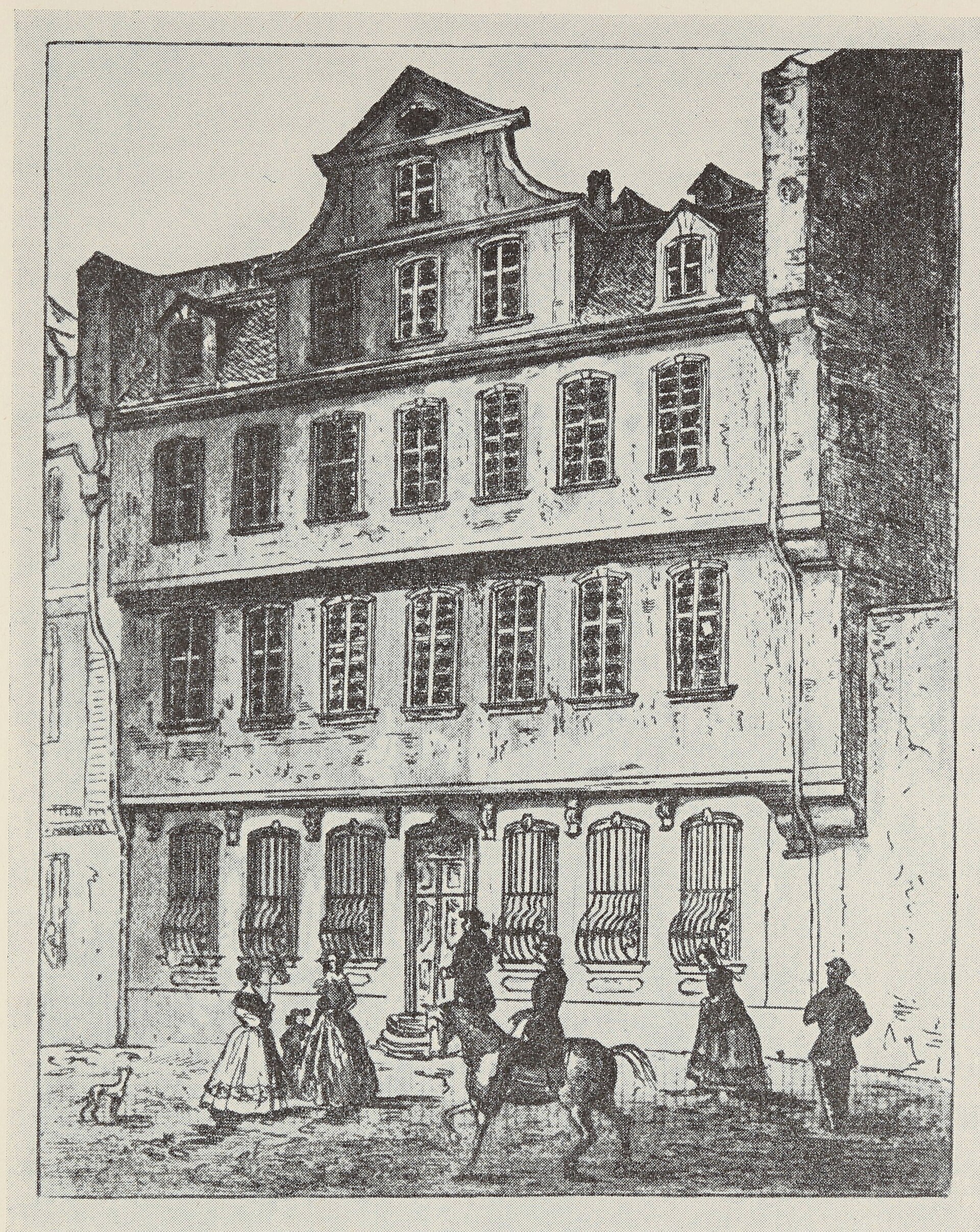
Wikimedia Commons · Public domain · file Goethe was born in the family residence on Großer Hirschgraben, where he spent most of his childhood and later wrote several early works. Coordinates identify the reconstructed Goethe House on the documented historic site.
Takes lodgings as a Leipzig student
· Site of the Große Feuerkugel, Leipzig, Germany
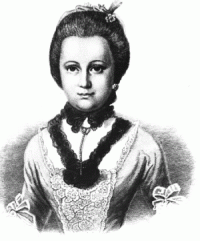
Wikimedia Commons · Public domain · file Goethe matriculated in law at Leipzig University and lodged at the Große Feuerkugel, beginning three formative years in the city. The historic lodging no longer exists; coordinates represent its documented vicinity between Universitätsstraße and Neumarkt.
Leaves Leipzig after illness
· Leipzig, Germany
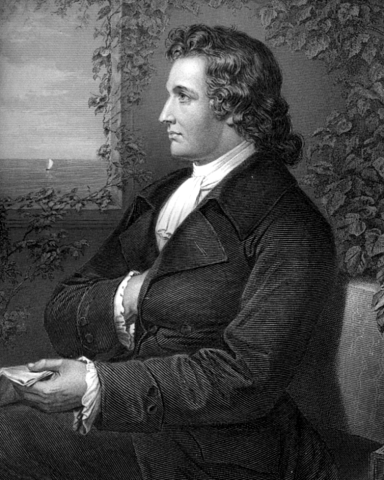
Wikimedia Commons · Public domain · file Serious illness ended Goethe's Leipzig studies, and he departed for his family home in Frankfurt.
Convalesces in Frankfurt
· Goethe House, Frankfurt am Main, Germany
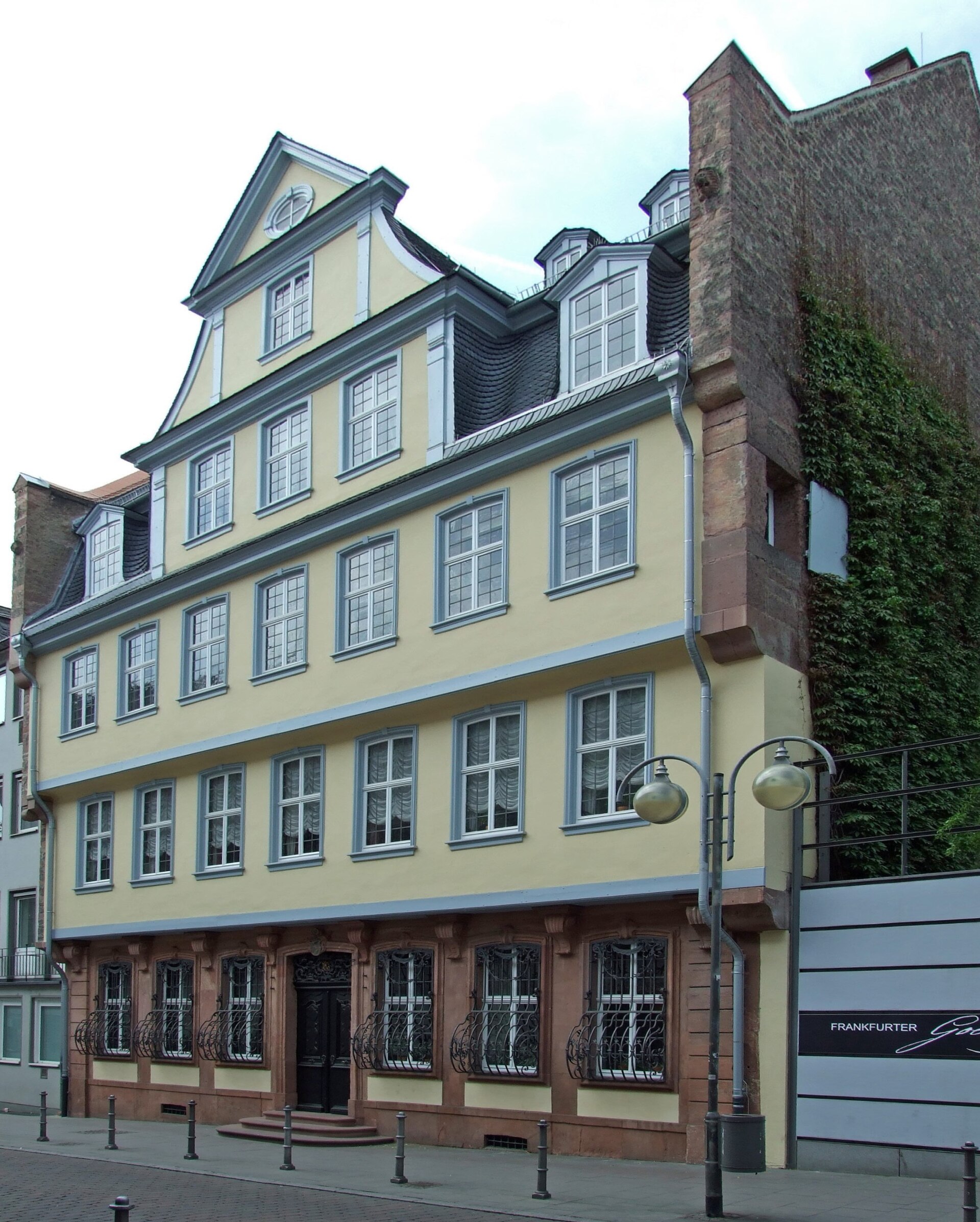
Wikimedia Commons · Creative Commons Attribution-ShareAlike 3.0 Unported · file Goethe returned to the family house and spent an extended period recovering from illness. Only month-level precision is used for the period immediately after his August departure from Leipzig.
Resumes legal studies in Strasbourg
· University of Strasbourg, Strasbourg, France
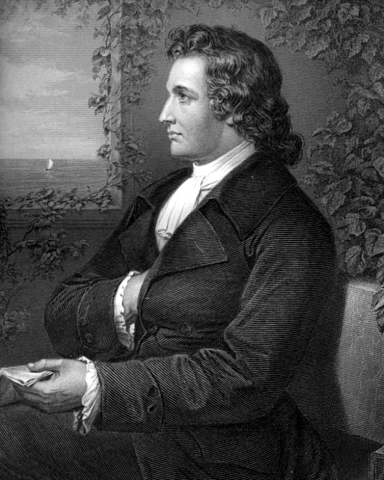
Wikimedia Commons · Public domain · file Goethe moved to Strasbourg to finish his legal education; his encounters there with Herder and Alsatian culture strongly affected his literary development. Coordinates represent the university's central Strasbourg area rather than a documented eighteenth-century classroom.
Visits Sessenheim and meets Friederike Brion
· Sessenheim, Alsace, France
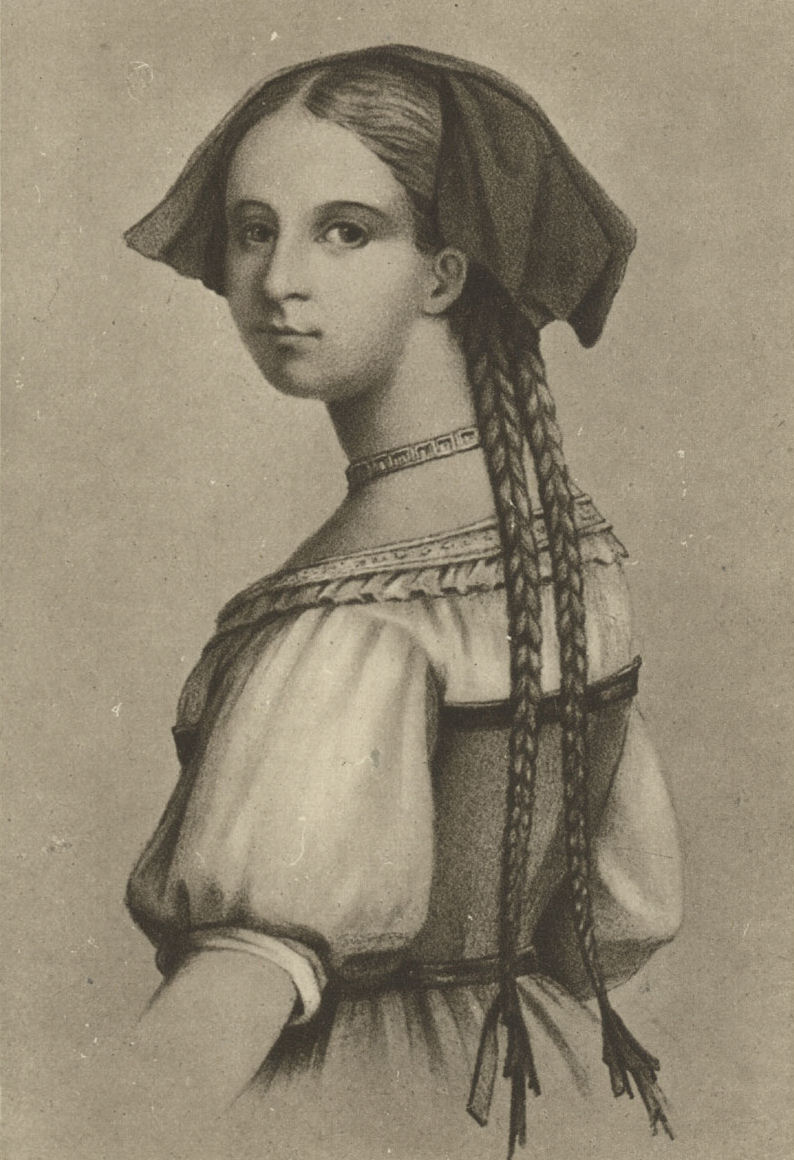
Wikimedia Commons · Public domain · file A journey from Strasbourg to Sessenheim began Goethe's relationship with Friederike Brion and inspired important early lyric poetry.
Returns to the Frankfurt family house
· Goethe House, Frankfurt am Main, Germany
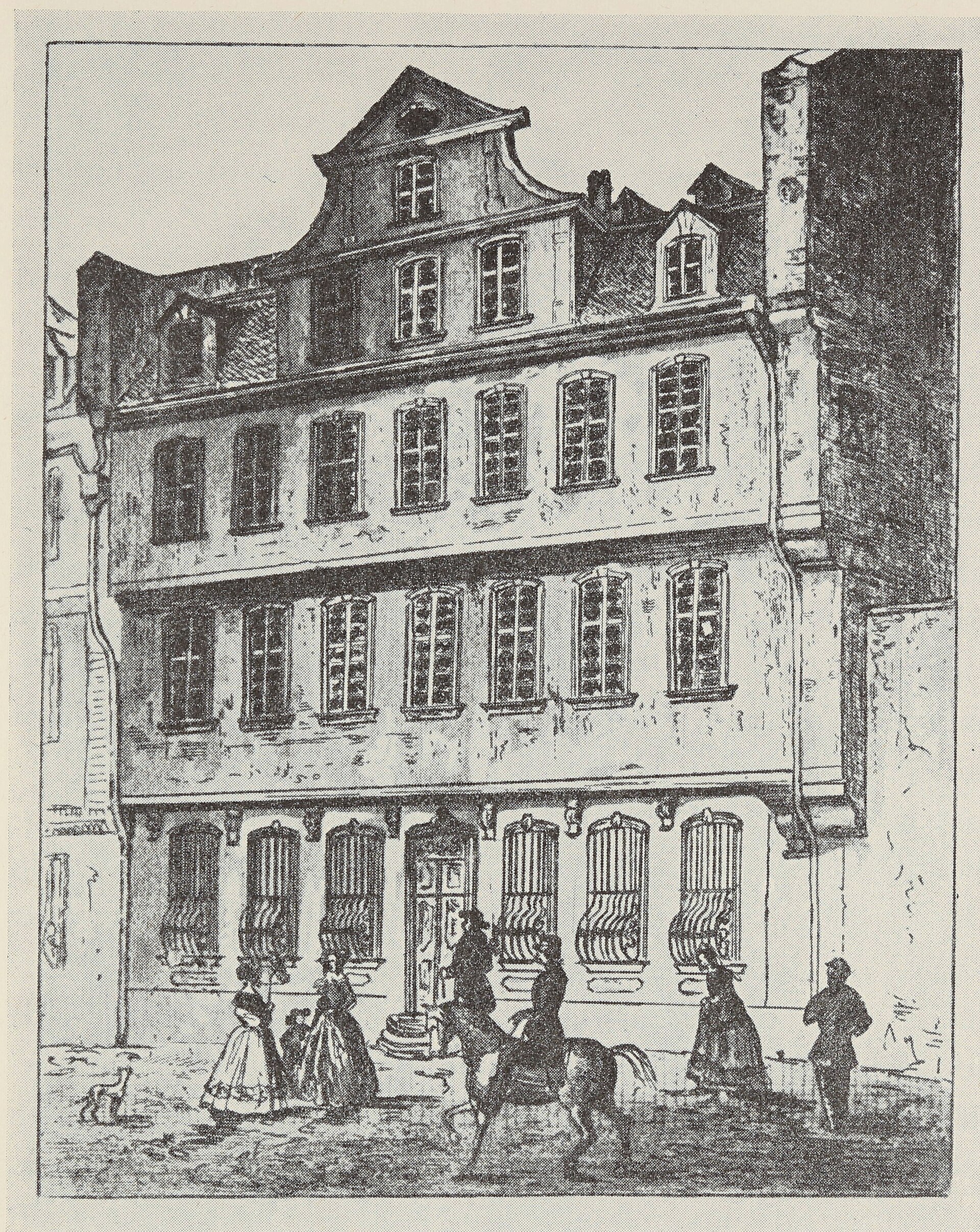
Wikimedia Commons · Public domain · file After Strasbourg, Goethe again lived at his family's Frankfurt residence and opened a small legal practice.
Receives his law degree in Strasbourg
· Strasbourg, France

Wikimedia Commons · Public domain · file Goethe completed his Strasbourg legal studies by receiving the licentiate in law. The source calls the qualification a promotion to licentiate; other accounts place it at the end of August.
Practices law in Wetzlar
· Wetzlar, Hesse, Germany
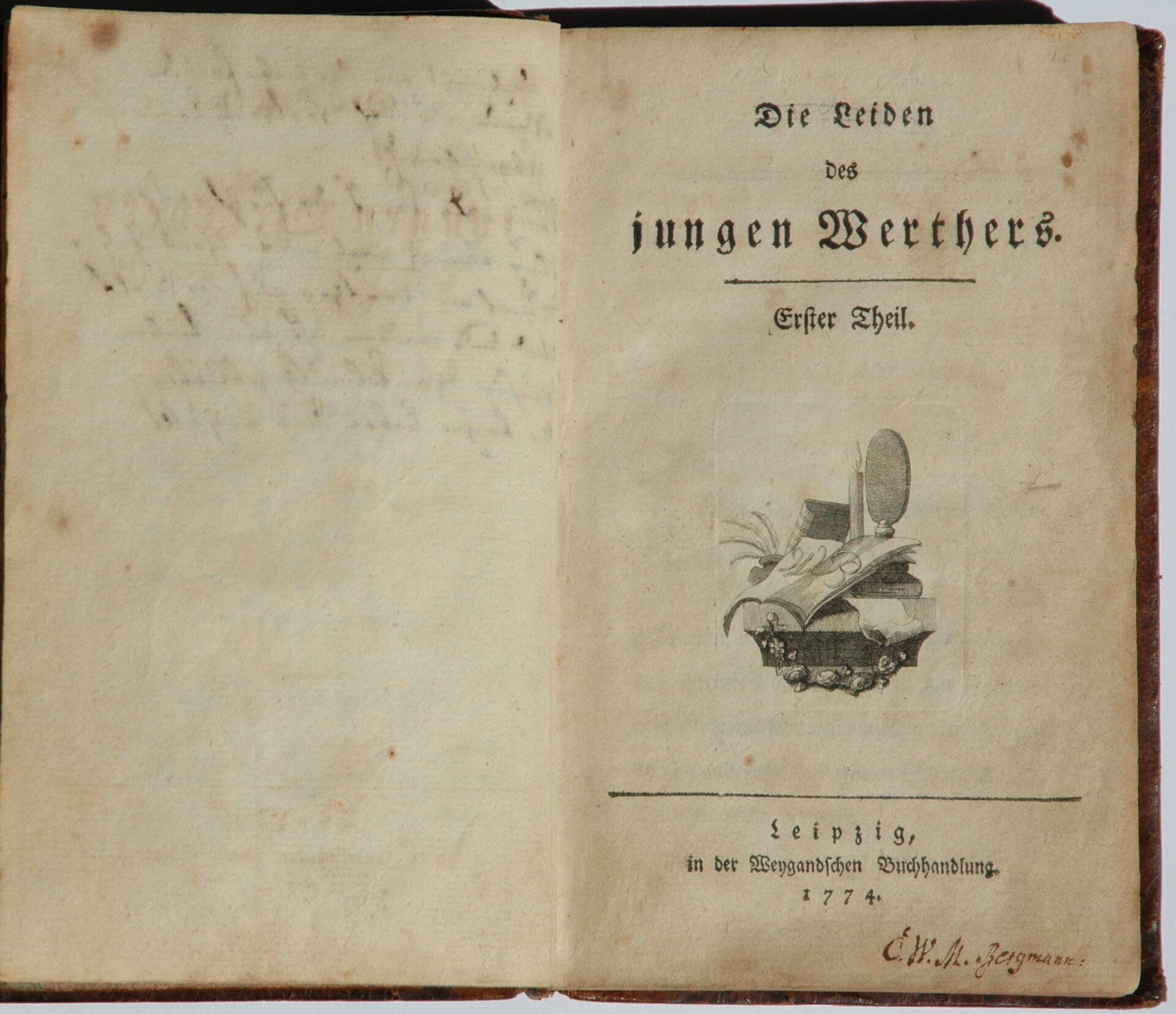
Wikimedia Commons · Public domain · file Goethe worked at Wetzlar, encountered Charlotte Buff and Johann Christian Kestner, and gathered experiences later transformed into The Sorrows of Young Werther.
Hosts the Shakespeare Day gathering
· Goethe House, Frankfurt am Main, Germany
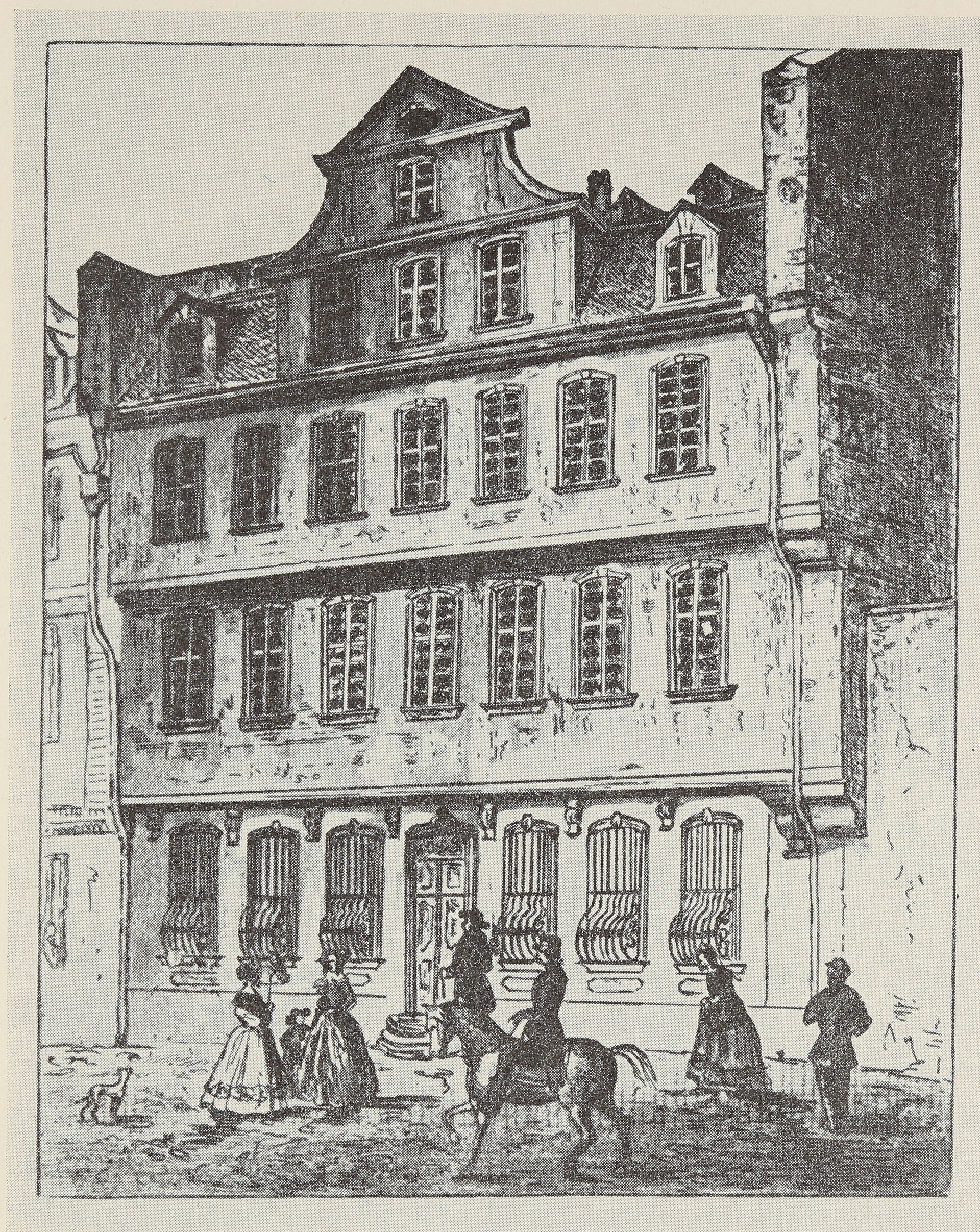
Wikimedia Commons · Public domain · file At his parents' Frankfurt home, Goethe hosted a gathering honoring the first German Shakespeare Day.
Passes through Mannheim on Swiss journey
· Mannheim, Baden-Württemberg, Germany
Mannheim was an outbound station on Goethe's first Swiss journey. The source supports the station and journey month but not a specific day.
Stops in Heidelberg on Swiss journey
· Heidelberg, Baden-Württemberg, Germany
Goethe traveled through Heidelberg during the outbound portion of his 1775 Swiss journey. The source supports the station and journey month but not a specific day.
Visits his sister in Emmendingen
· Emmendingen, Baden-Württemberg, Germany
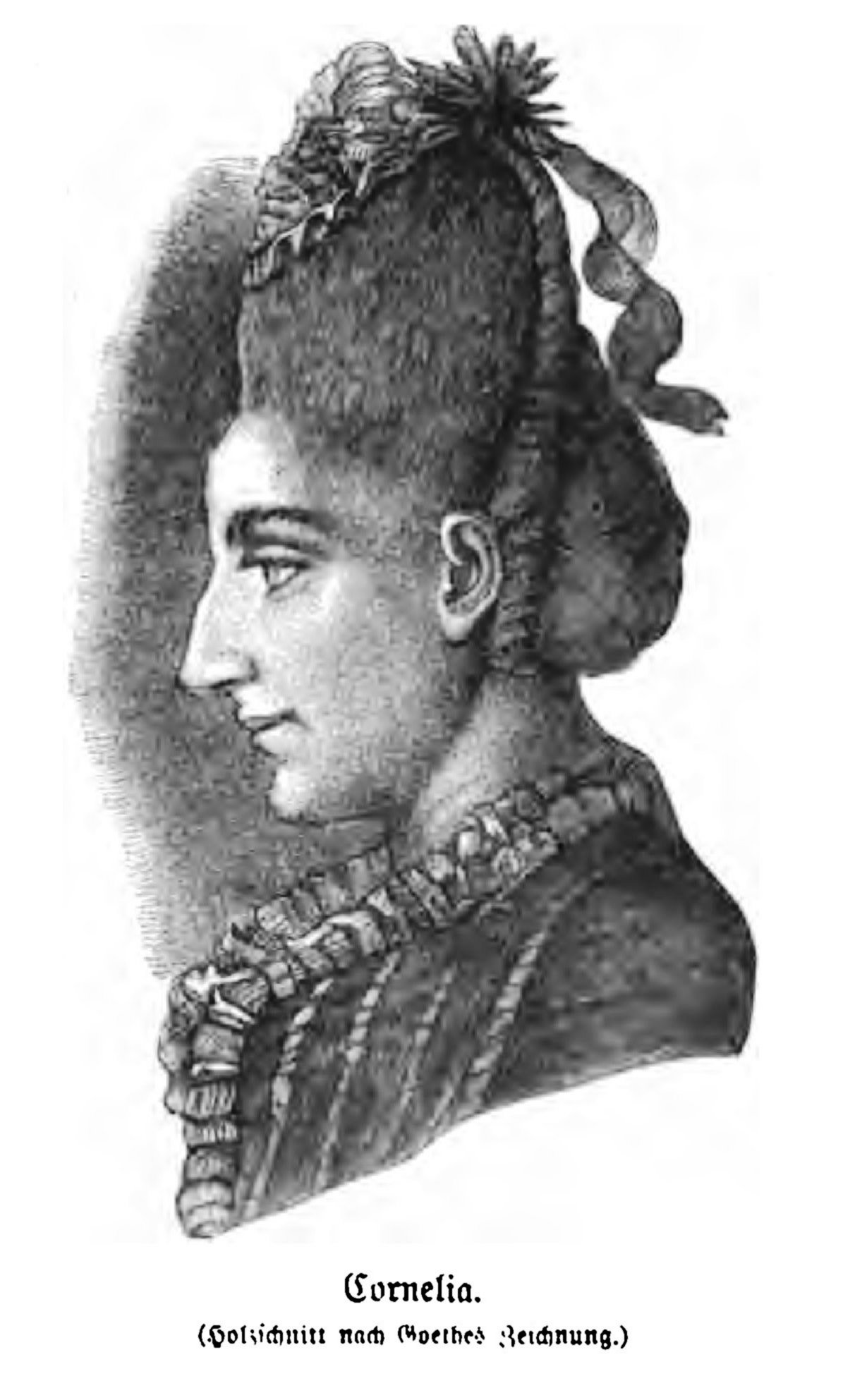
Wikimedia Commons · Public domain · file During the Swiss journey Goethe stopped at Emmendingen to visit his sister Cornelia. The source supports the visit and journey month but not a specific day.
Departs Frankfurt for Switzerland
· Frankfurt am Main, Germany
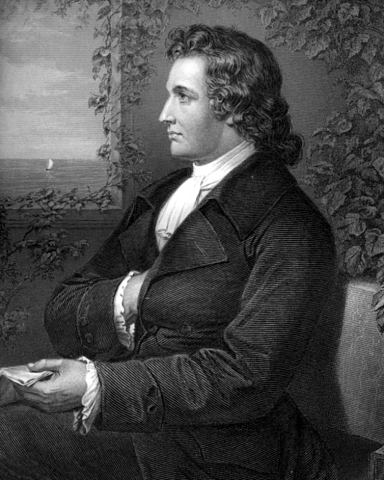
Wikimedia Commons · Public domain · file Goethe began his first Swiss journey with the Stolberg brothers and Christian von Haugwitz.
Reaches the Saint Gotthard region
· Saint Gotthard Pass, Switzerland
Goethe continued from Einsiedeln into the Alps with Passavant and reached Saint Gotthard before turning back from Italy. This retrospective 1779 account establishes a stay four years earlier; month follows the documented 1775 itinerary.
Views the Rhine Falls
· Rhine Falls, Neuhausen am Rheinfall, Switzerland
Goethe's company reached Schaffhausen and the Rhine Falls en route to Zürich. June is supported by the sequence before Goethe's June 9 arrival in Zürich.
Walks to Einsiedeln Abbey
· Einsiedeln Abbey, Einsiedeln, Switzerland
From Zürich, Goethe and his companions walked to the Benedictine abbey at Einsiedeln. The journey sequence supports June 1775, but no day is stated.
Stays in Zürich
· Zürich, Switzerland
Goethe spent nearly a week in Zürich before beginning the alpine portion of the journey. Date records the beginning of the documented June 9–15 stay.
Returns from first Swiss journey
· Frankfurt am Main, Germany
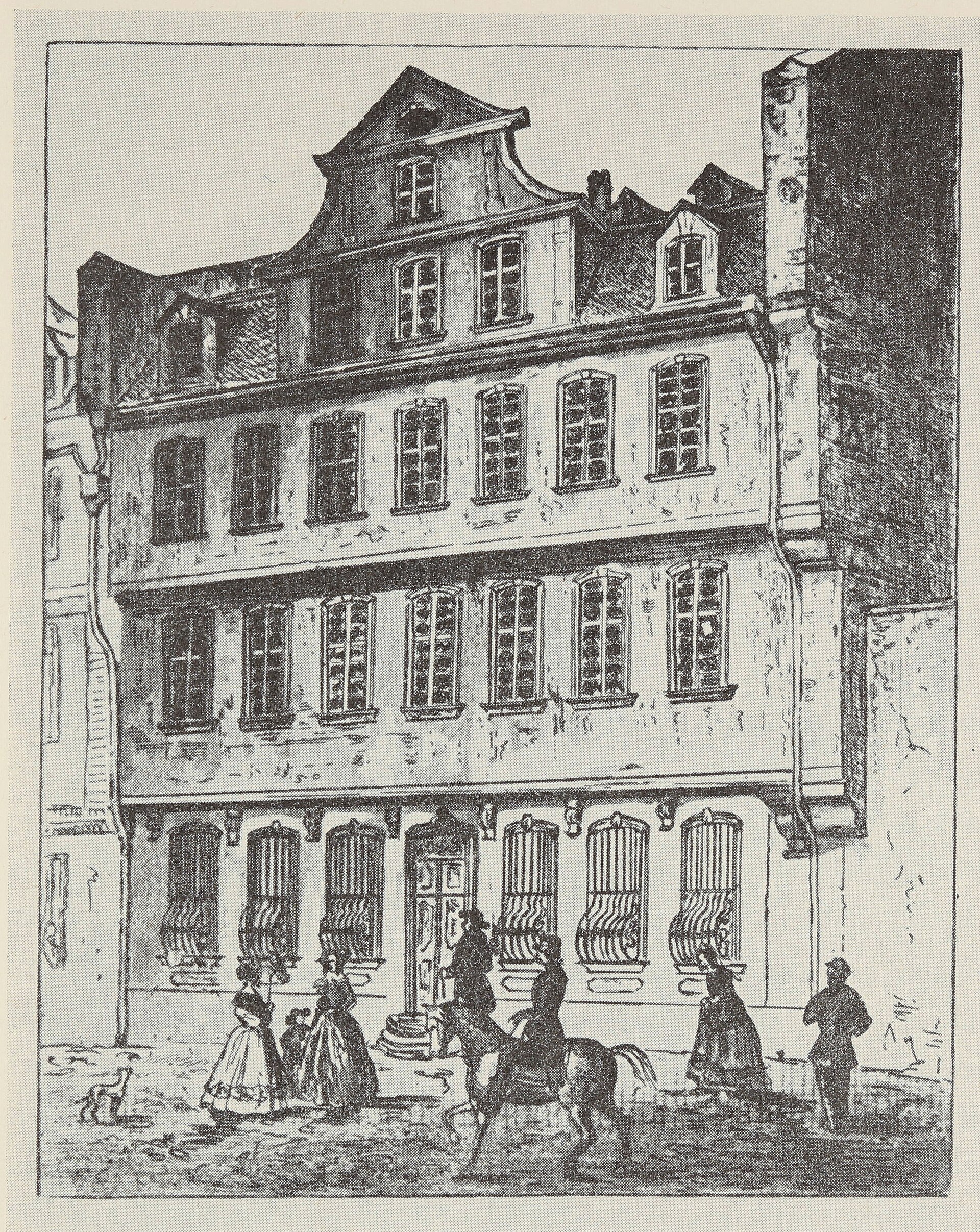
Wikimedia Commons · Public domain · file After ten weeks of travel, Goethe returned to Frankfurt.
Decides in Heidelberg to go to Weimar
· Heidelberg, Baden-Württemberg, Germany
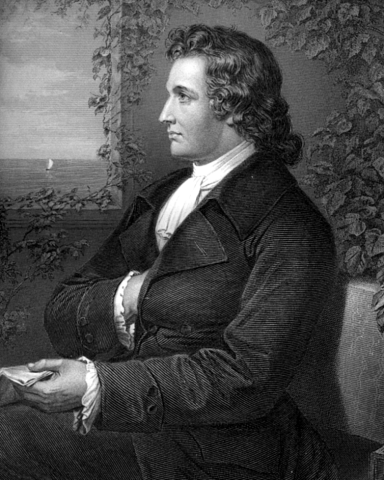
Wikimedia Commons · Public domain · file During a Heidelberg visit, Goethe abandoned plans for Italy and accepted Duke Carl August's invitation to Weimar.
Arrives in Weimar
· Weimar, Thuringia, Germany
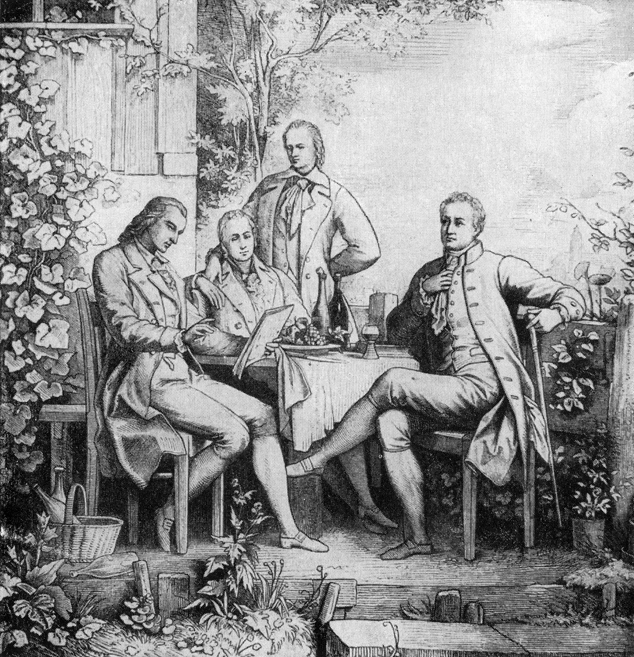
Wikimedia Commons · Public domain · file Goethe arrived at the Weimar court, beginning the city residence and public career that would define the rest of his life.
Makes his winter Harz journey
· Harz Mountains, Germany
Goethe undertook the winter Harz journey commemorated in his poem Harzreise im Winter. The source names the journey through the poem's title; coordinates represent the Brocken, its best-known documented destination.
Begins second Swiss journey
· Switzerland
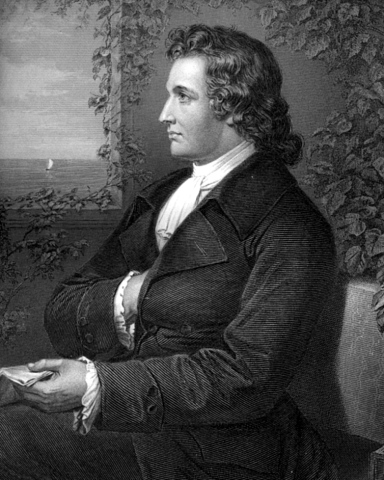
Wikimedia Commons · Public domain · file Goethe traveled through Switzerland with Duke Carl August, recording geological observations in a letter-diary. Coordinates are a representative national point because this card marks the start of a multi-place journey.
Returns to Saint Gotthard Pass
· Saint Gotthard Pass, Switzerland
At the furthest point of his second Swiss journey, Goethe stayed with the Capuchins on Saint Gotthard before turning north.
Moves into the Frauenplan residence
· Goethe House, Frauenplan, Weimar, Germany
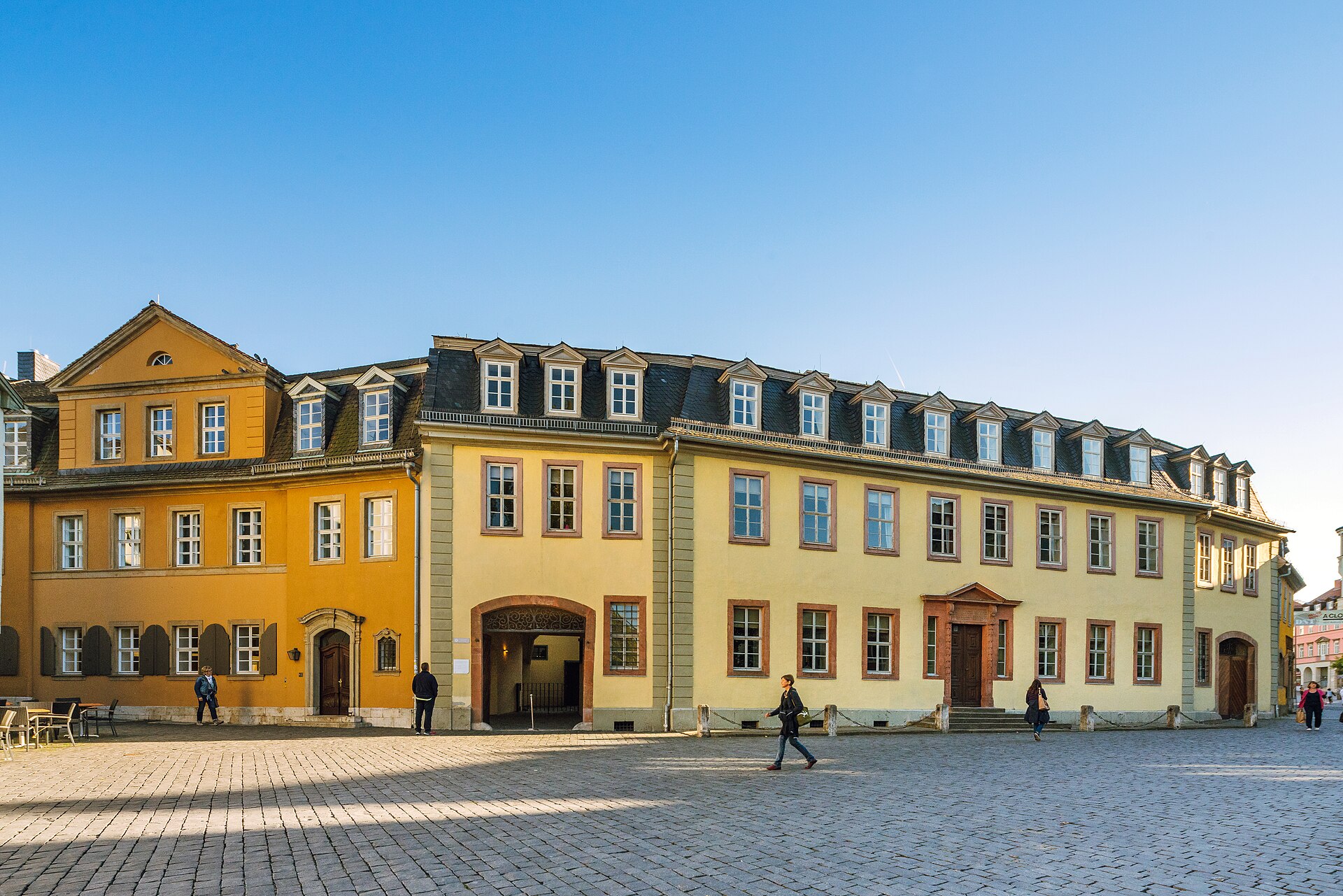
Wikimedia Commons · Creative Commons Attribution-ShareAlike 3.0 Germany · file Goethe established his principal Weimar home in the house on Frauenplan, which remained his primary residence for fifty years. The source supports year-level precision.
Undertakes third Harz journey
· Harz Mountains, Germany
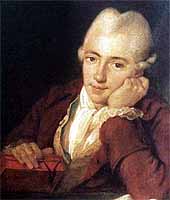
Wikimedia Commons · Public domain · file Goethe traveled through the Harz with artist Georg Melchior Kraus, studying geology and meeting mining administrator Friedrich Wilhelm Heinrich von Trebra. Date records the beginning of the documented August 7–September 15 journey; coordinates represent the central Harz at the Brocken.
Secretly departs Carlsbad for Italy
· Karlovy Vary, Czech Republic
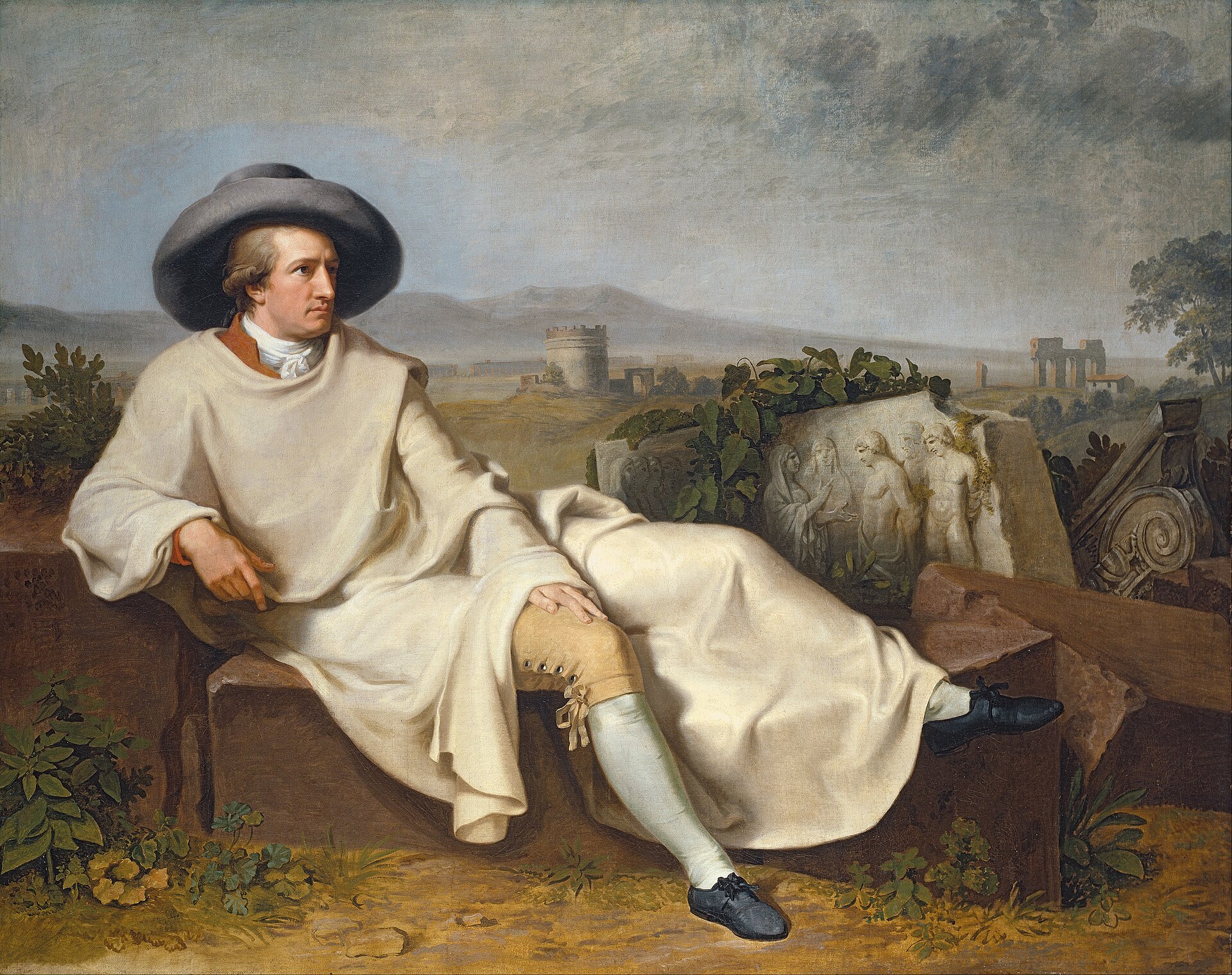
Wikimedia Commons · Public domain · file Goethe slipped away from the Bohemian spa and began his transformative Italian journey incognito. Karlsbad is now Karlovy Vary.
Reaches Regensburg
· Regensburg, Bavaria, Germany
Regensburg was Goethe's first major recorded stop after his clandestine departure from Carlsbad. Ratisbon is the historical English name for Regensburg.
Crosses the Brenner Pass
· Brenner Pass, Austria–Italy border
Goethe crossed the principal Alpine gateway into Italy and stopped overnight at the pass.
Arrives in Rovereto
· Rovereto, Trentino, Italy
At Rovereto, Goethe recognized that he had entered an Italian-speaking cultural region. Roveredo is the historical spelling of Rovereto.
Stops beside Lake Garda at Torbole
· Torbole sul Garda, Trentino, Italy
Goethe detoured to Torbole to experience Lake Garda and record its landscape.
Forced ashore at Malcesine
· Scaliger Castle, Malcesine, Italy
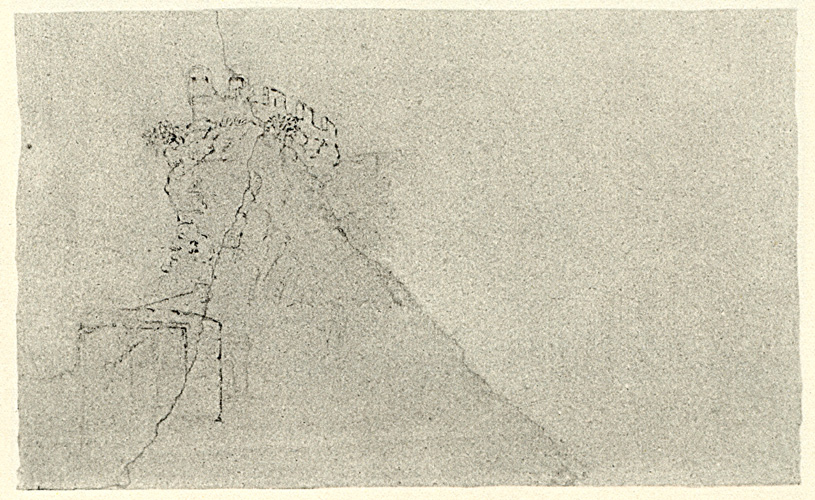
Wikimedia Commons · Public domain · file A wind change forced Goethe's boat into Malcesine, where his drawing of the Scaliger castle aroused local suspicion. Malsesine is the source's spelling of Malcesine.
Studies the Verona Arena
· Verona Arena, Verona, Italy
In Verona, Goethe examined the Roman amphitheatre and other architecture as part of his developing understanding of classical art. Coordinates identify the arena discussed immediately around the dated entry.
Examines Palladio's Vicenza
· Teatro Olimpico, Vicenza, Italy
Goethe toured Vicenza and studied Palladio's buildings and the Teatro Olimpico.
Arrives in Padua
· Padua, Veneto, Italy
Goethe reached Padua from Vicenza and surveyed the surrounding region from the observatory.
Takes lodgings in Venice
· Piazza San Marco vicinity, Venice, Italy
Goethe lodged near Piazza San Marco and began an extended study of Venice's art, theatre, architecture, and daily life. His inn is described as near Piazza San Marco but is not securely identified; coordinates represent the square.
Makes a three-hour visit to Florence
· Florence, Tuscany, Italy
Impatient to reach Rome, Goethe spent only a few hours seeing Florence's cathedral, baptistery, streets, and gardens. The source places this visit shortly before the dated Perugia entry of October 25 but does not state the day.
Reaches Bologna
· Bologna, Emilia-Romagna, Italy
During a rapid passage through Bologna, Goethe toured churches and palaces and viewed major paintings.
Stops in Perugia
· Perugia, Umbria, Italy
Goethe wrote from Perugia while continuing south through Umbria toward Rome.
Arrives in Rome
· Porta del Popolo, Rome, Italy
Passing through the Porta del Popolo, Goethe achieved the principal objective of his journey and began intensive study of Roman art and antiquity.
Lives with Tischbein in Via del Corso
· Casa di Goethe, Via del Corso 18, Rome, Italy
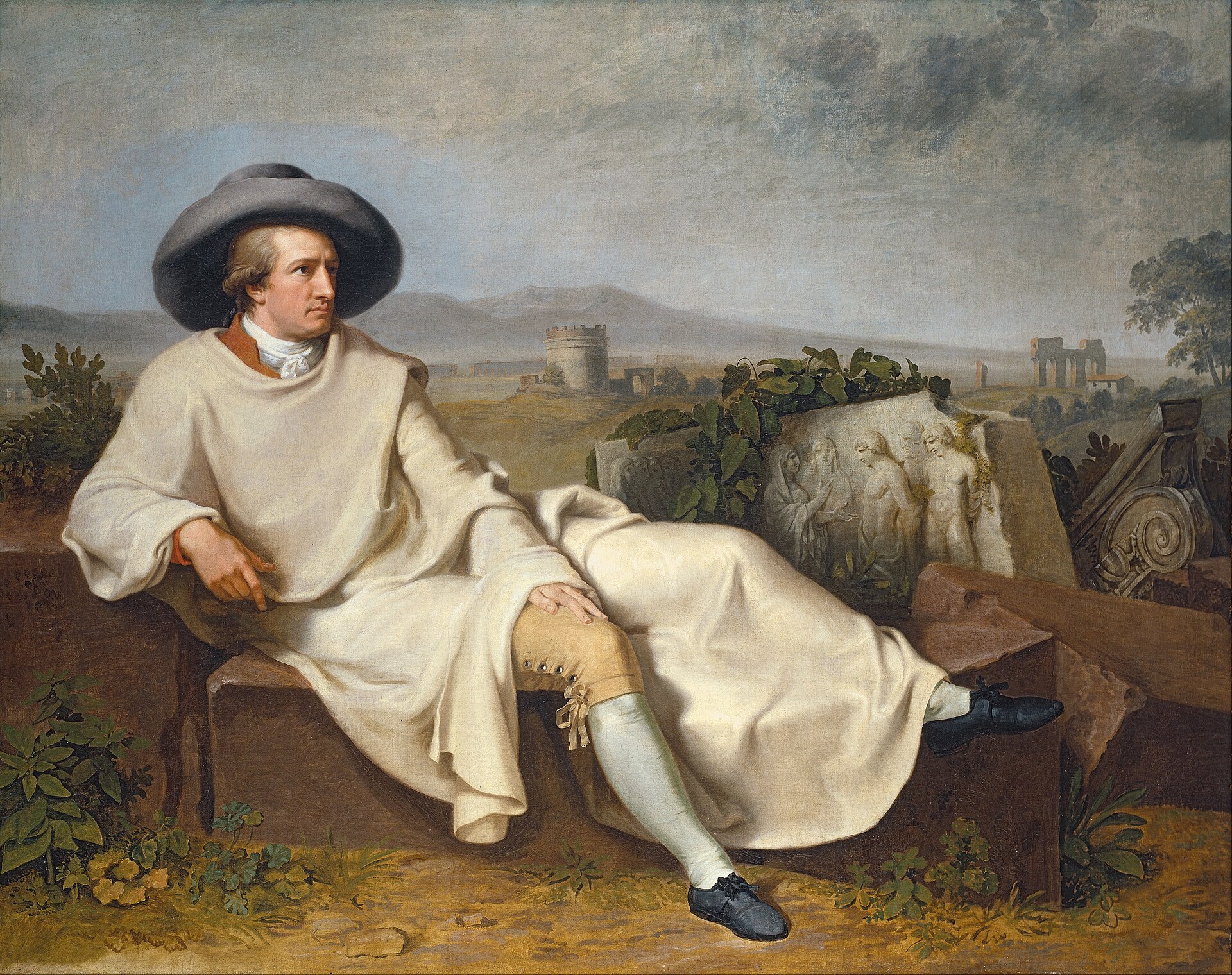
Wikimedia Commons · Public domain · file In Rome, Goethe shared Johann Heinrich Wilhelm Tischbein's apartment, now the Casa di Goethe, and joined a community of German-speaking artists. The diary dates his arrival to November 1, despite the source's broader October start.
Arrives in Naples
· Naples, Campania, Italy
Goethe reached Naples after traveling south from Rome and began studying the bay, city, art collections, geology, and local society.
Lodges at Largo del Castello
· Largo del Castello, Naples, Italy
Goethe and Tischbein took a corner room overlooking the busy open space near Naples's waterfront castle. The historical Largo del Castello corresponds approximately to the area near Castel Nuovo and present Piazza Municipio.
Visits Caserta
· Royal Palace of Caserta, Caserta, Italy
Goethe visited Caserta while moving in aristocratic and diplomatic circles around Naples. Coordinates identify the royal palace, the principal documented setting of Goethe's Caserta visit.
Climbs Vesuvius during an eruption
· Mount Vesuvius, Campania, Italy
On his third ascent of Vesuvius, Goethe examined an active lava flow and continued the geological observations central to his Italian journey. Summit coordinates are representative of the documented mountain ascent.
Arrives in Palermo
· Palermo, Sicily, Italy
Goethe reached Palermo after crossing from Naples, beginning his circuit of Sicily and his botanical search for the archetypal plant.
Studies the temples of Agrigento
· Valley of the Temples, Agrigento, Sicily, Italy
At ancient Agrigentum, Goethe and Christoph Heinrich Kniep examined Greek temples, city walls, geology, and views toward the sea. Girgenti is the former name of Agrigento; coordinates represent the Valley of the Temples.
Returns to Naples from Sicily
· Naples, Campania, Italy
Goethe returned by sea from Messina and spent additional weeks in Naples before going back to Rome. Month-level precision reflects the itinerary source.
Stays in Catania
· Catania, Sicily, Italy
Goethe reached Catania during the eastern Sicilian leg of his journey and recorded his uncomfortable lodging there.
Explores Taormina's ancient theatre
· Ancient Theatre of Taormina, Sicily, Italy
Goethe visited the ruined theatre and admired Taormina's landscape until sunset.
Stays in earthquake-damaged Messina
· Messina, Sicily, Italy
In Messina, Goethe observed the extensive destruction left by the 1783 earthquakes before sailing back toward Naples.
Begins second Roman residence
· Casa di Goethe, Via del Corso 18, Rome, Italy
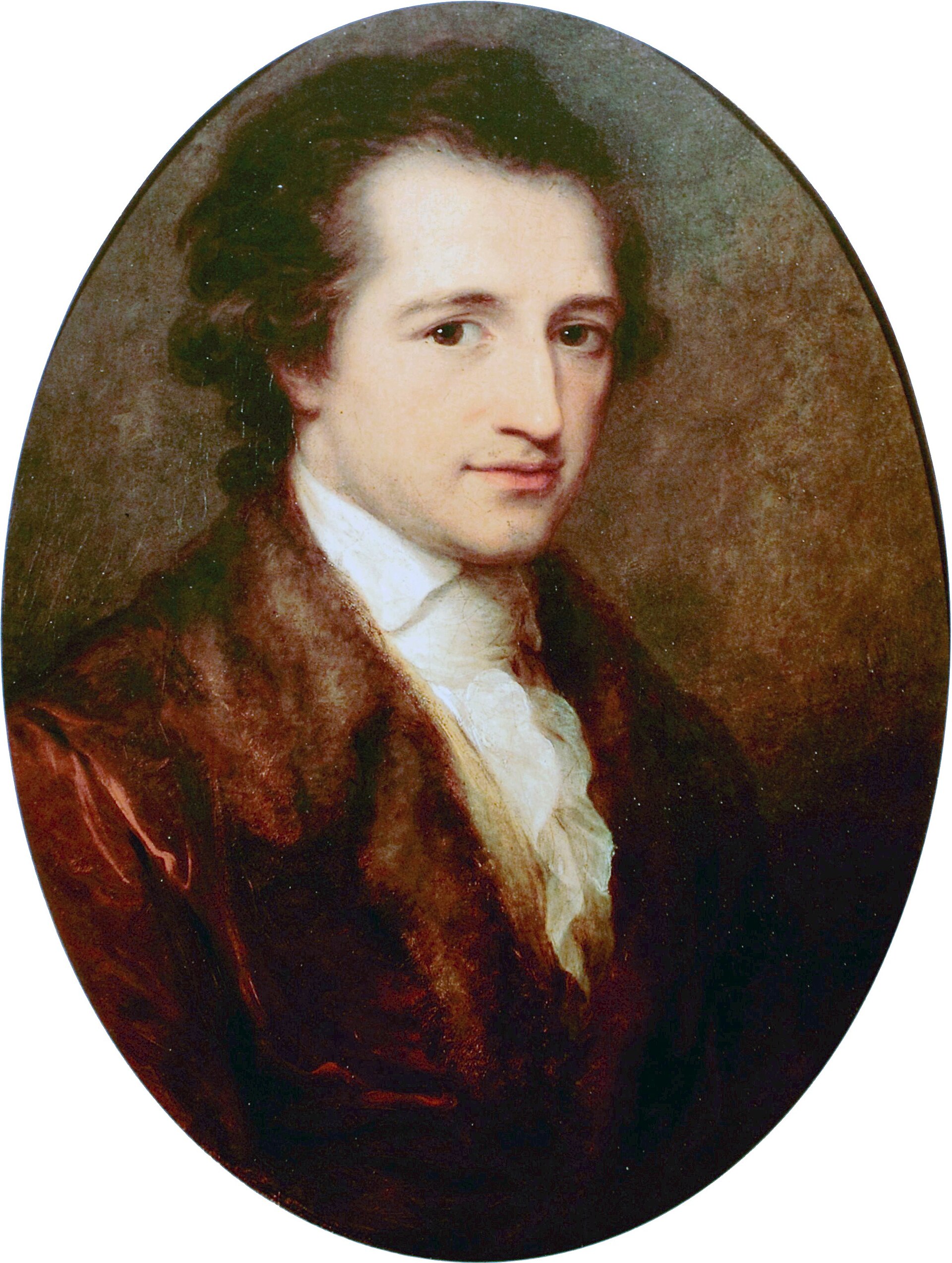
Wikimedia Commons · Public domain · file Instead of returning immediately to Weimar, Goethe settled again in Rome for almost another year. Date records the beginning of the documented second stay.
Observes light and shadow in Nuremberg
· Nuremberg, Bavaria, Germany
While returning north from Italy, Goethe passed through Nuremberg and made scientific observations concerning light and shadow.
Makes second Italian journey
· Venice, Italy
Goethe returned to Italy on a shorter journey, undertaking further botanical and geological observations and spending time in Venice. The exact itinerary is broader than Venice; the city is independently identified as the principal destination in Goethe chronologies.
Travels through Silesia
· Silesia, Poland
Goethe accompanied Duke Carl August into Silesia and recorded observations on mining, geology, zoology, and botany. Coordinates use Wrocław as a representative point for the broad historical region supported by the source.
Witnesses the Battle of Valmy
· Valmy battlefield, Grand Est, France
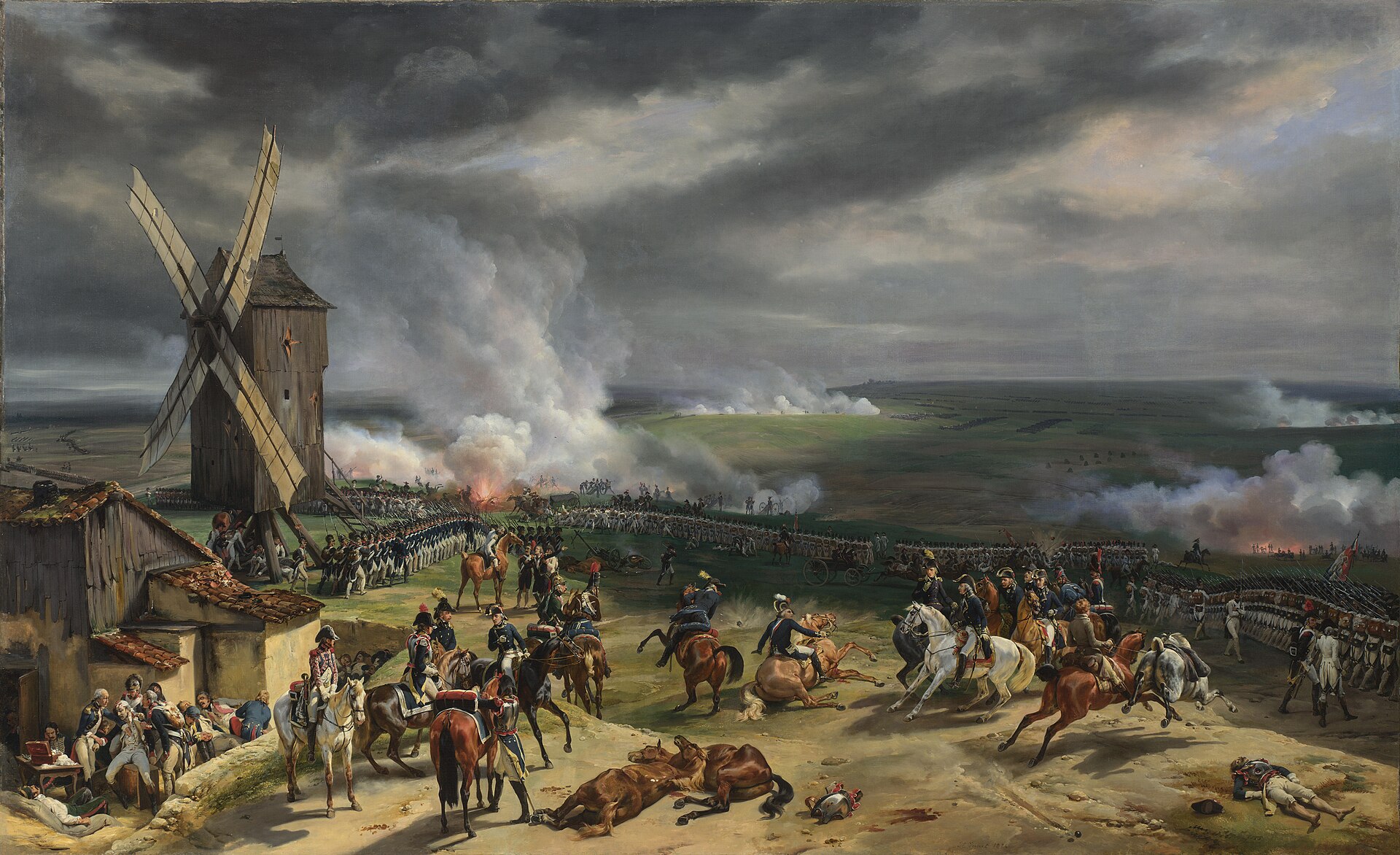
Wikimedia Commons · Public domain · file Goethe accompanied the Prussian-allied army and was physically present at Valmy, later interpreting the battle as the beginning of a new historical epoch. The quote supports year-level precision; the Battle of Valmy occurred on September 20, 1792.
Dictates colour-theory plans at Landres
· Landres, Grand Est, France
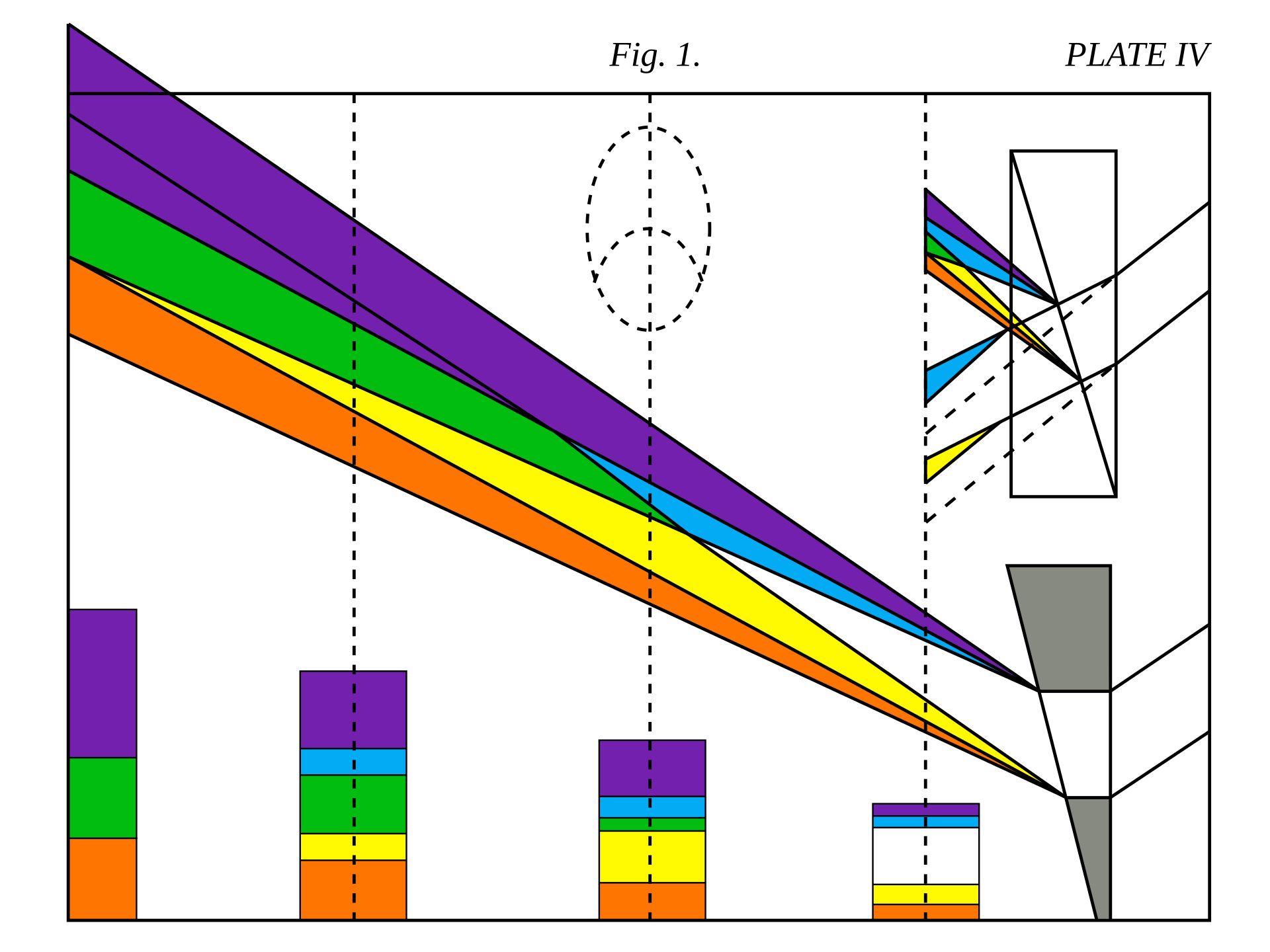
Wikimedia Commons · Public domain · file While accompanying the allied military campaign in France, Goethe dictated plans for experiments on colour at Landres. Coordinates represent the commune of Landres.
Observes the Siege of Mainz
· Mainz, Rhineland-Palatinate, Germany
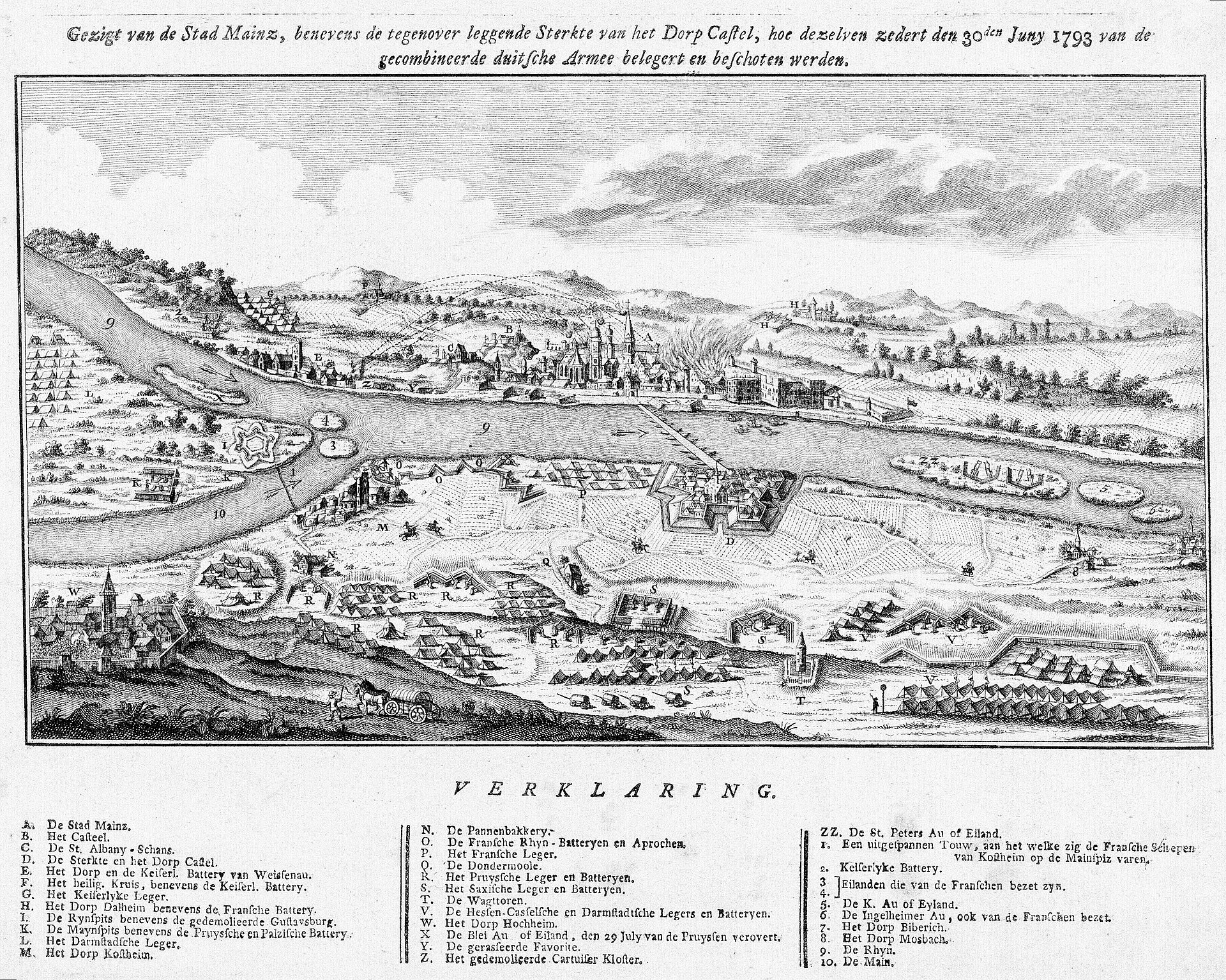
Wikimedia Commons · Public domain · file Goethe assisted Duke Carl August as a military observer during the allied siege of revolutionary Mainz. Settlement coordinates are appropriate because Goethe moved among allied observation positions around the besieged city.
Studies a specimen in Stuttgart
· Stuttgart, Baden-Württemberg, Germany
During his third Swiss journey, Goethe visited Stuttgart merchant Gottlob Heinrich Rapp to examine an osteological abnormality. The merchant's exact residence is not identified; coordinates represent central Stuttgart.
Works at Bad Pyrmont
· Bad Pyrmont, Lower Saxony, Germany
During a spa stay in Pyrmont, Goethe continued translating the ancient treatise Liber de coloribus for his history of colour theory. Month-level precision is used because the year heading supplies 1801 and the entry gives June 15–21.
Writes at Bad Lauchstädt
· Bad Lauchstädt, Saxony-Anhalt, Germany
During a late-summer stay at the Weimar court theatre's spa venue, Goethe composed a poem inspired by his reading of Plotinus. Date is recorded as August because the source gives late August or early September.
Catalogues minerals in Jena
· Jena, Thuringia, Germany
Goethe stayed in Jena to catalogue his collection of minerals from Carlsbad and prepare a geological publication. Date records the beginning of the September 26–October 5 stay.
Faces French soldiers at his Weimar house
· Goethe House, Frauenplan, Weimar, Germany
During the French occupation following Jena-Auerstedt, soldiers entered Goethe's Frauenplan home; Christiane Vulpius organized its defense.
Marries Christiane Vulpius
· Jakobskirche, Weimar, Germany
Six days after the invasion, Goethe and Christiane formalized their long partnership in a quiet church service.
Conducts geological work in Carlsbad
· Karlovy Vary, Czech Republic
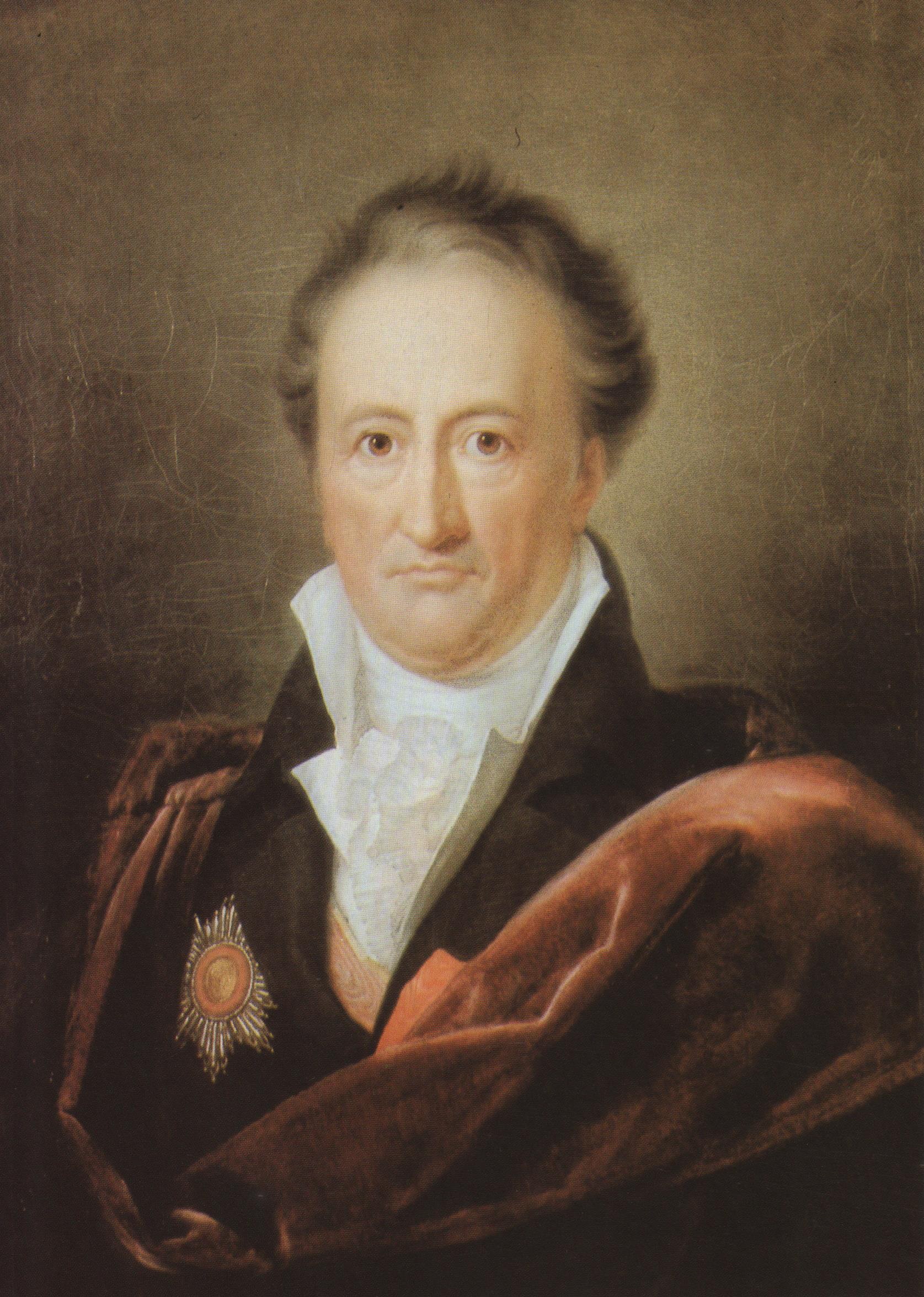
Wikimedia Commons · Public domain · file During a Carlsbad stay, Goethe drafted, dictated, and locally printed a study of the surrounding mountains. Date is reduced to month precision because the entry spans July 15–August 3.
Meets Beethoven in Teplice
· Teplice, Czech Republic
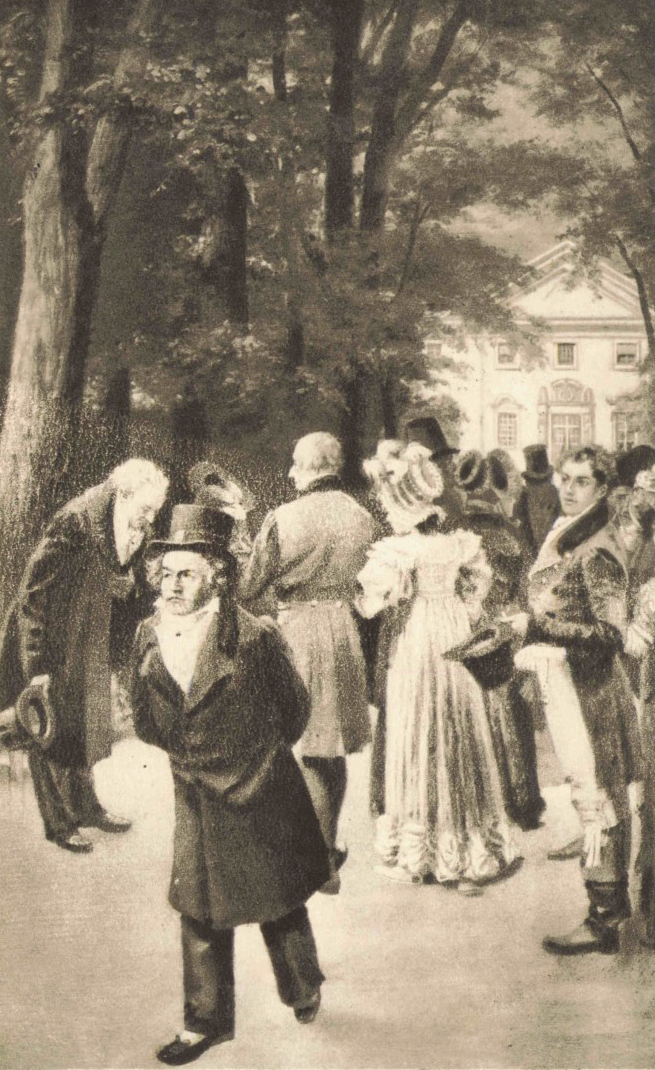
Wikimedia Commons · Public domain · file Goethe traveled to the Bohemian spa of Teplice and met Ludwig van Beethoven, who had composed incidental music for Egmont. The source supports year-level precision.
Meets Beethoven in Vienna
· Vienna, Austria
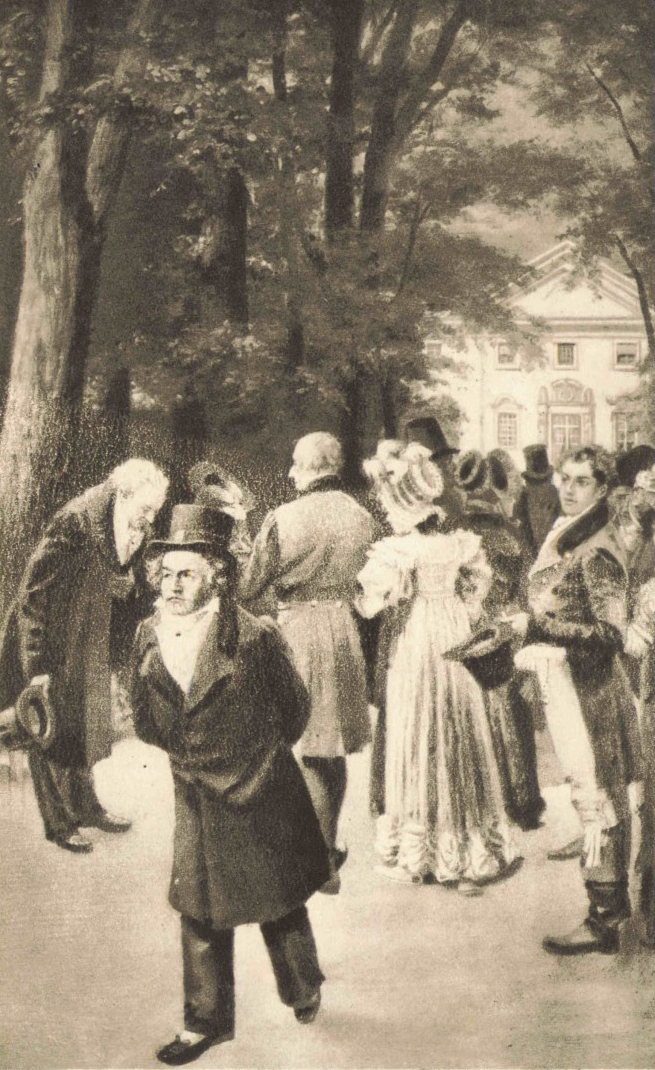
Wikimedia Commons · Public domain · file Goethe's 1812 travels also took him to Vienna, where he again met Beethoven. The source supports year-level precision.
Inspects the sulfur springs at Berka
· Bad Berka, Thuringia, Germany
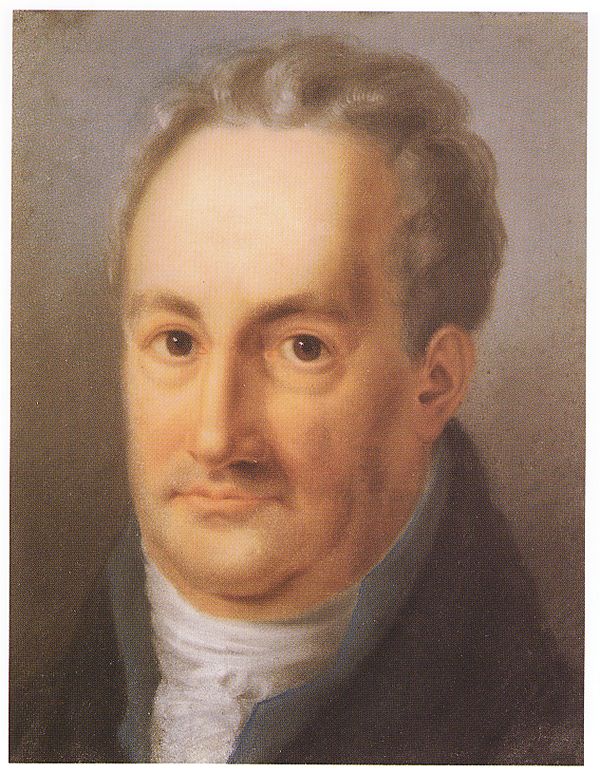
Wikimedia Commons · Public domain · file Goethe inspected sulfur springs at Berka an der Ilm and considered establishing a therapeutic bathing facility there.
Excursion to Zinnwald and Altenberg
· Zinnwald–Altenberg, Saxony, Germany
Goethe made a geological excursion through the Ore Mountains around Zinnwald and Altenberg. The wording names an excursion, while the cited dates may also encompass composition of its account; coordinates represent the route between the two settlements.
Returns to Heidelberg and views the Boisserée collection
· Sickinger Hof, Heidelberg, Germany
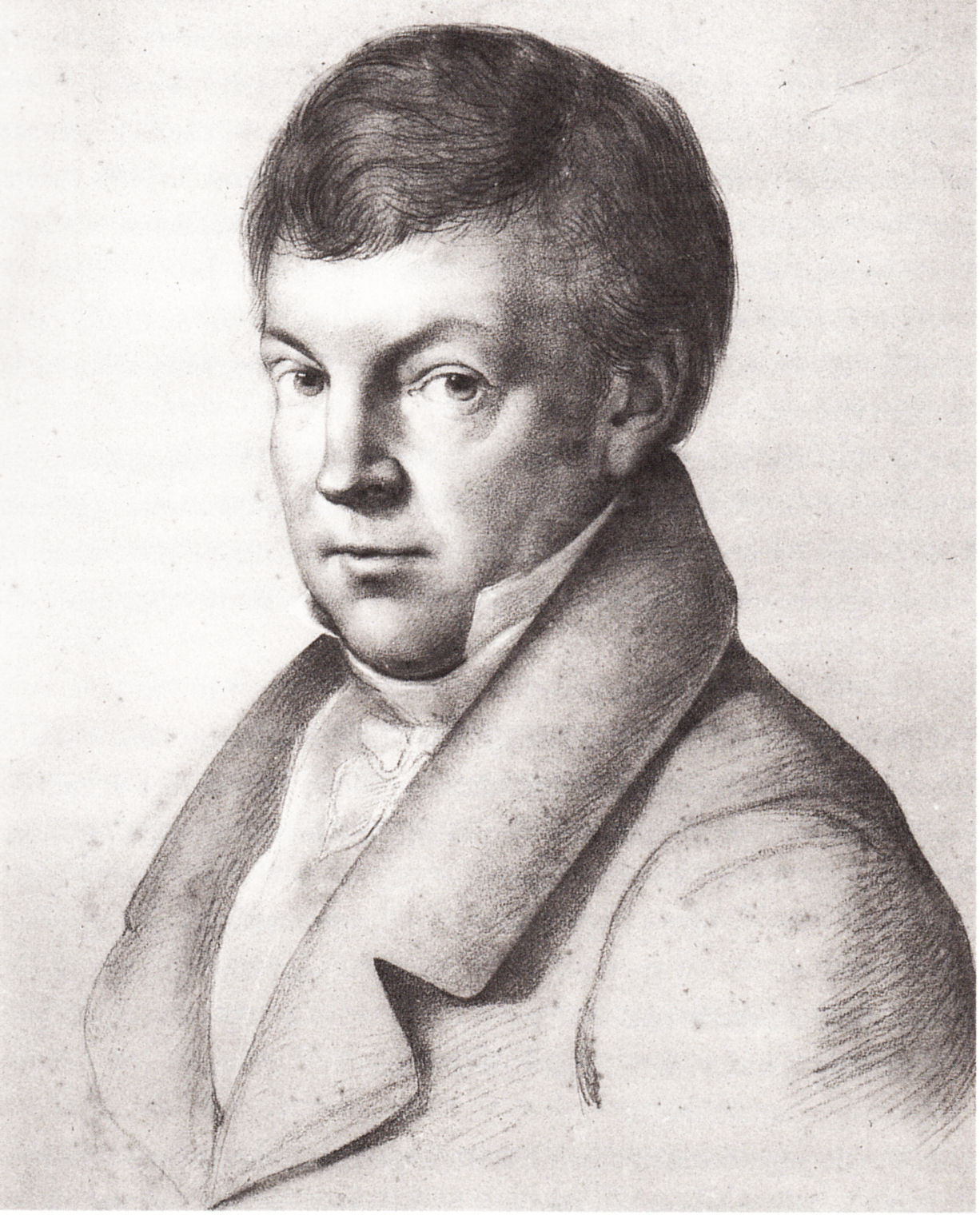
Wikimedia Commons · Public domain · file On an autumn journey through the Rhine-Main-Neckar region, Goethe visited Heidelberg to study the Boisserée brothers' collection of medieval paintings. Coordinates represent the Sickinger Hof area identified by the source as the collection's location.
Second autumn visit to Heidelberg
· Sickinger Hof, Heidelberg, Germany
Goethe again visited the Boisserée collection and maintained the personal and artistic connections that informed the West-Eastern Divan period. The source supports year and season but not a specific month.
Spends summer in Marienbad
· Mariánské Lázně, Czech Republic
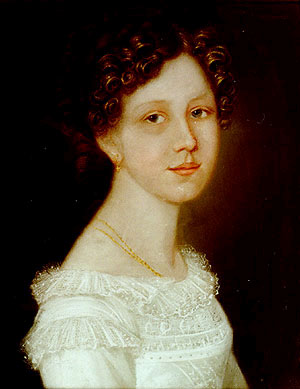
Wikimedia Commons · Public domain · file Goethe stayed in the new Bohemian spa, renewed his acquaintance with Ulrike von Levetzow, and conducted geological work. Date records the beginning of the documented July–August stay; Marienbad is now Mariánské Lázně.
Returns to Marienbad
· Mariánské Lázně, Czech Republic
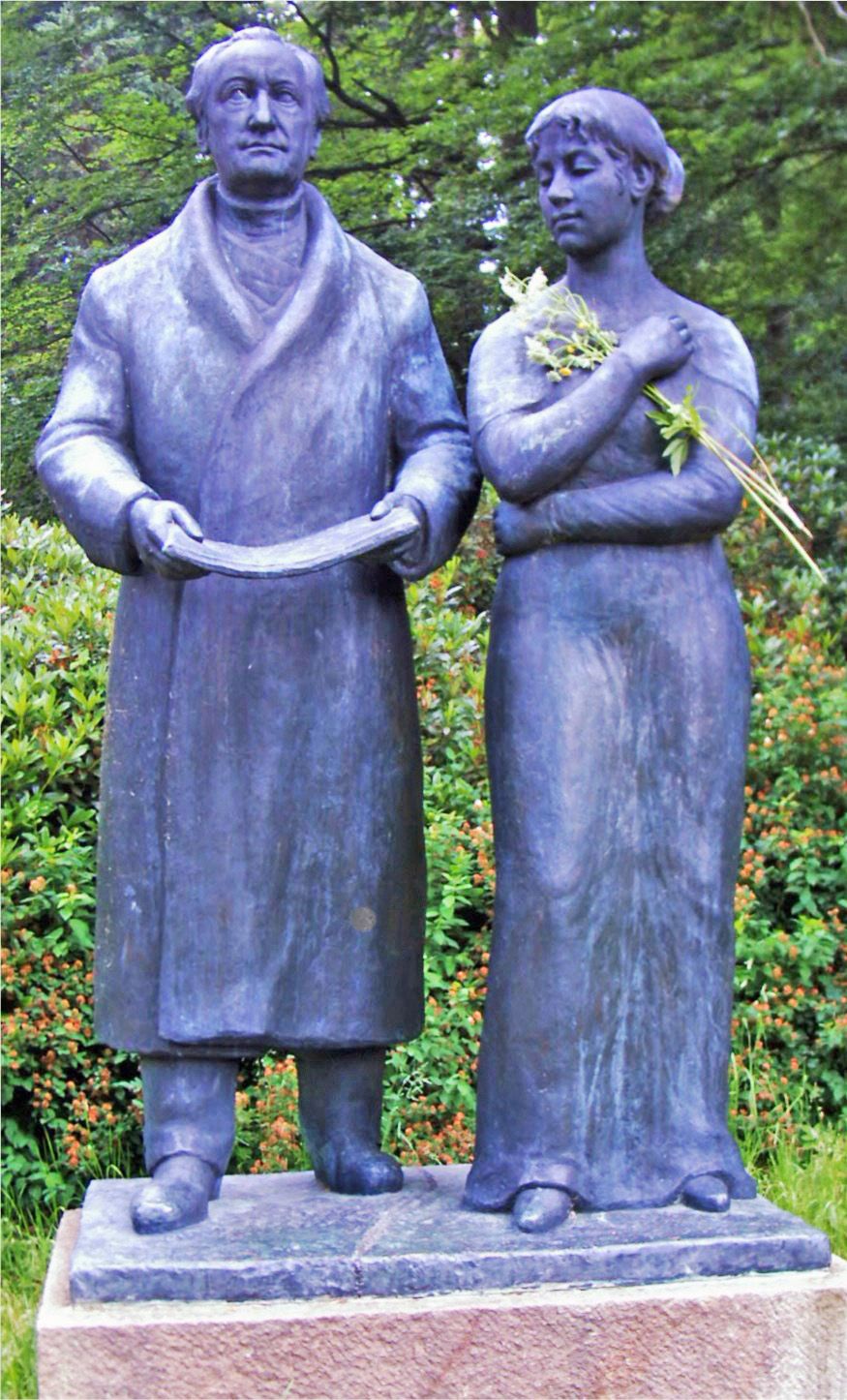
Wikimedia Commons · Copyrighted free use · file Goethe spent another summer season at Marienbad, continuing his geological investigations and association with the Levetzow family. Only year-level precision is used because the quoted wording specifies the summer but not exact months for 1822.
Final summer at Marienbad
· Mariánské Lázně, Czech Republic
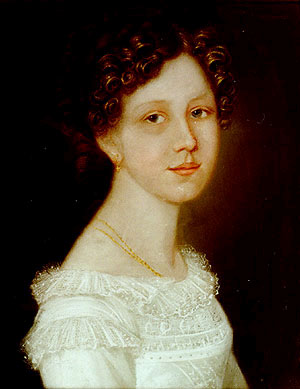
Wikimedia Commons · Public domain · file Goethe returned to Marienbad for the final season of his late Bohemian journeys and his attachment to Ulrike von Levetzow. Only year-level precision is used because the quote specifies the summer but not exact months for 1823.
Last meeting with Ulrike in Carlsbad
· Karlovy Vary, Czech Republic
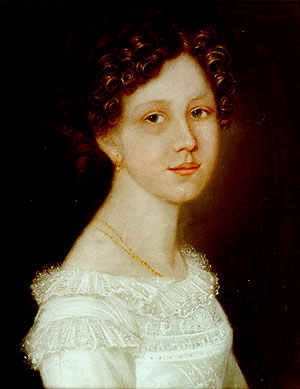
Wikimedia Commons · Public domain · file Goethe's final meeting with Ulrike von Levetzow at Carlsbad became the immediate emotional background of the Marienbad Elegy. Carlsbad is now Karlovy Vary.
Receives Heinrich Heine
· Weimar, Thuringia, Germany
Goethe granted the young poet Heinrich Heine an audience in Weimar during Heine's journey through Germany. The source does not identify the exact Weimar building.
Retreats to the Dornburg Palaces
· Dornburg Palaces, Dornburg-Camburg, Germany
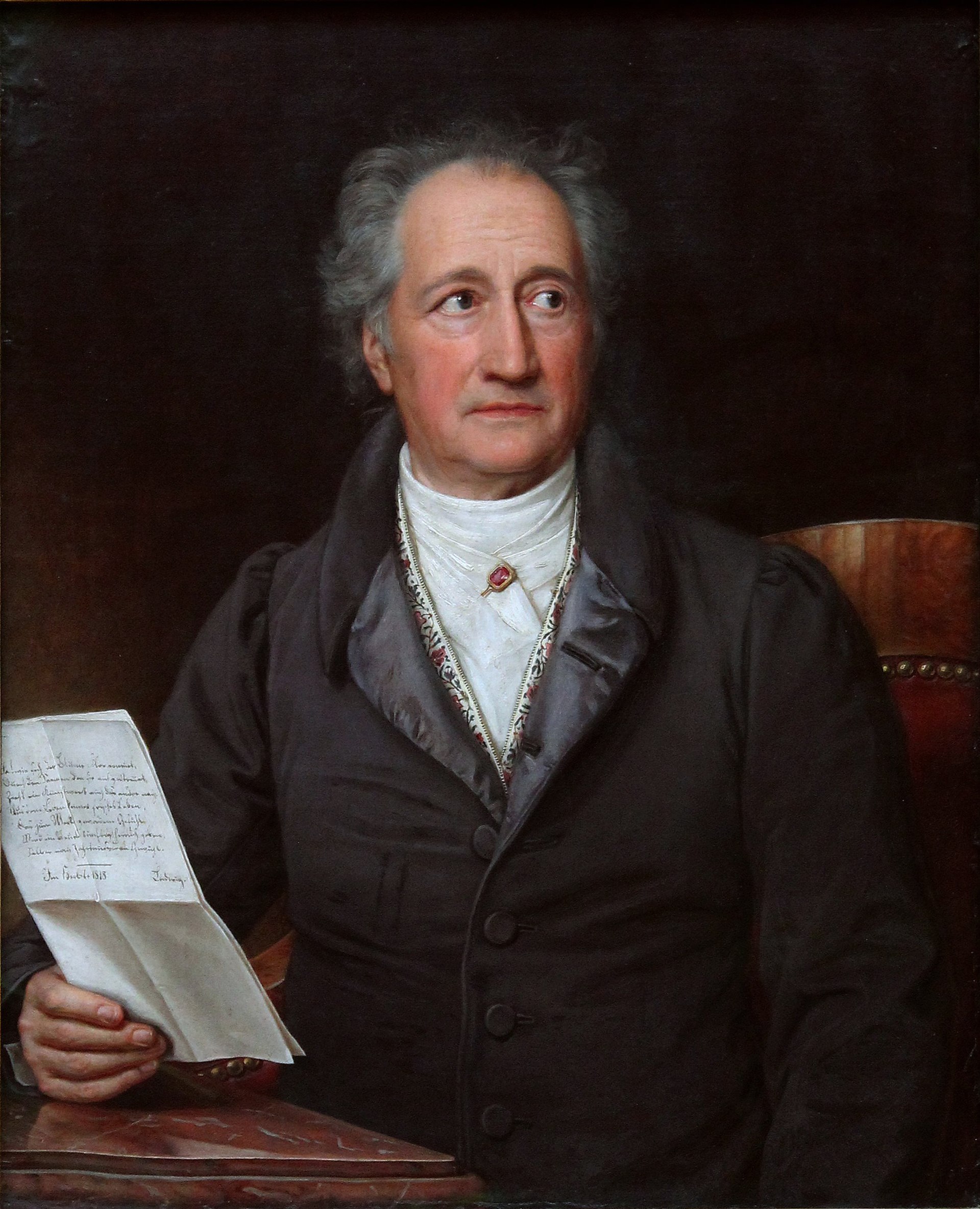
Wikimedia Commons · Public domain · file After Duke Carl August's death, Goethe made his last substantial journey away from Weimar, staying at the Dornburg Palaces above the Saale. The source supports year-level precision.
Dies at his Weimar residence
· Goethe House, Frauenplan, Weimar, Germany
Goethe died in Weimar after nearly fifty-seven years based in the city. His Frauenplan house had remained his principal residence through 1832. The infobox establishes death in Weimar; the exact house is supported by its documented status as his primary residence from 1782 to 1832.