
39 moments
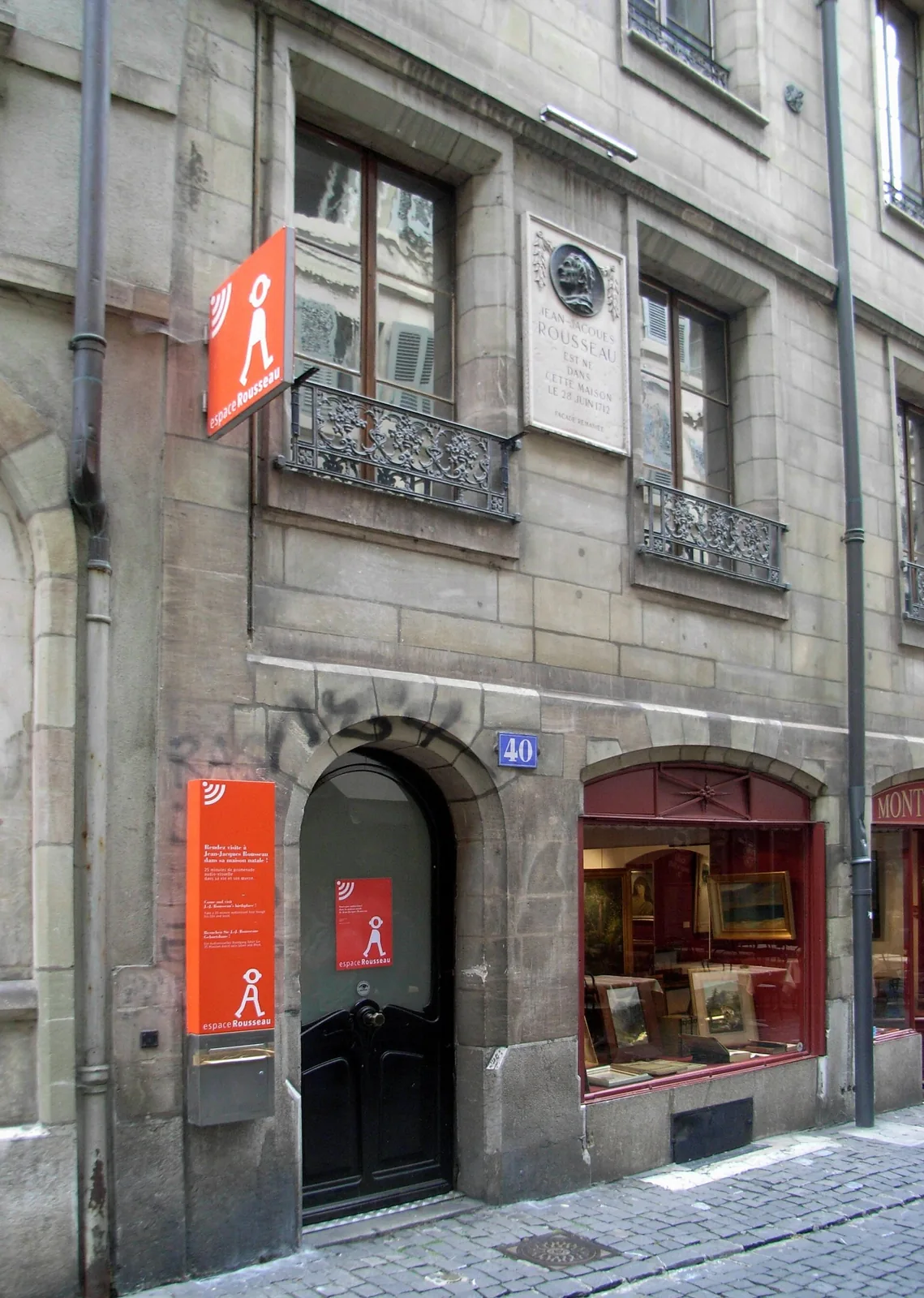
Birth in Geneva
· Grand-Rue, Geneva, Republic of Geneva
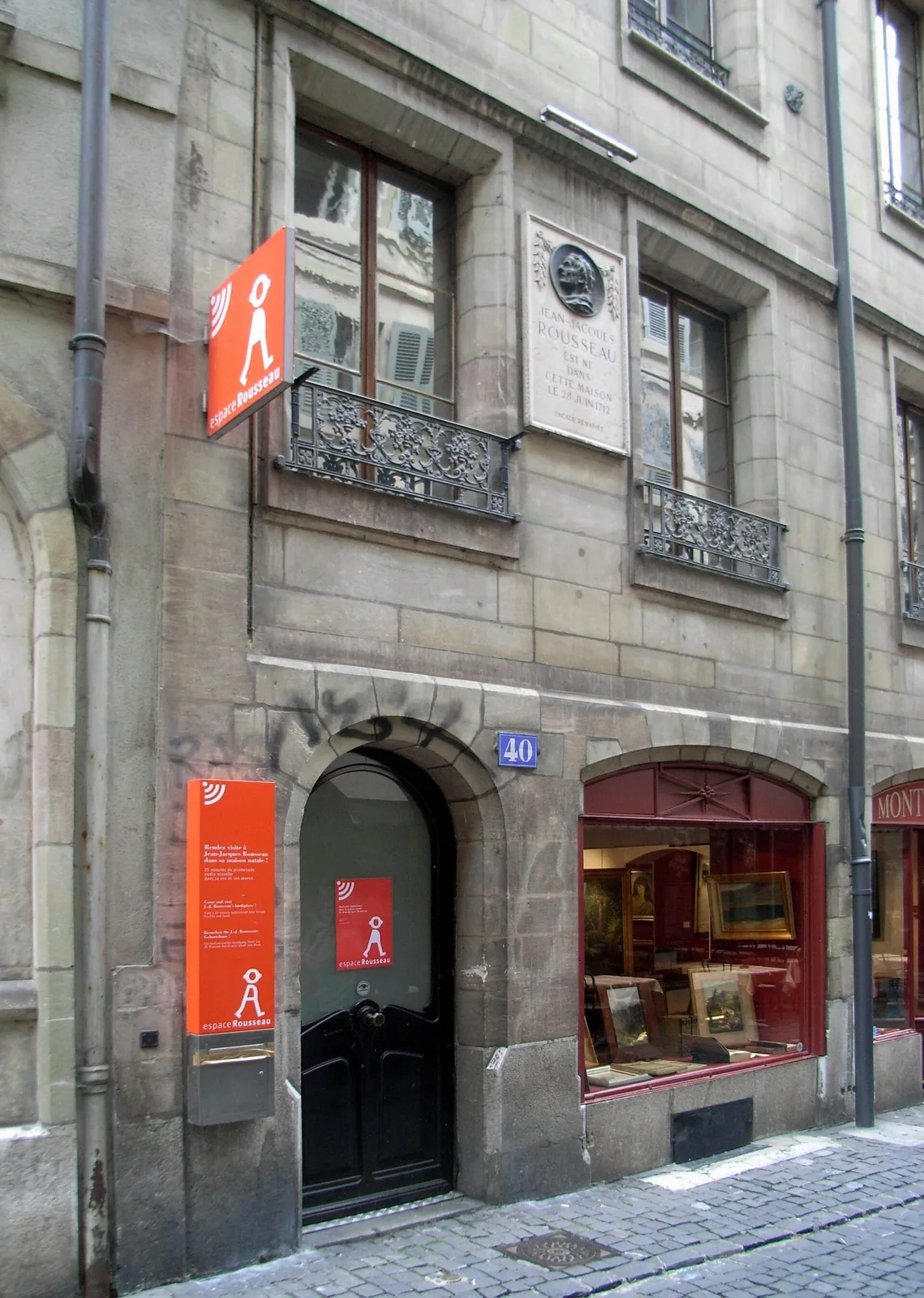
Wikimedia Commons · Public domain · file Rousseau was born in the Republic of Geneva, the city with which he identified throughout his life as a citizen and writer. Coordinates represent central Geneva; the article identifies his birthplace as Grand-Rue.
Boarding at Bossey
· Bossey, Kingdom of France
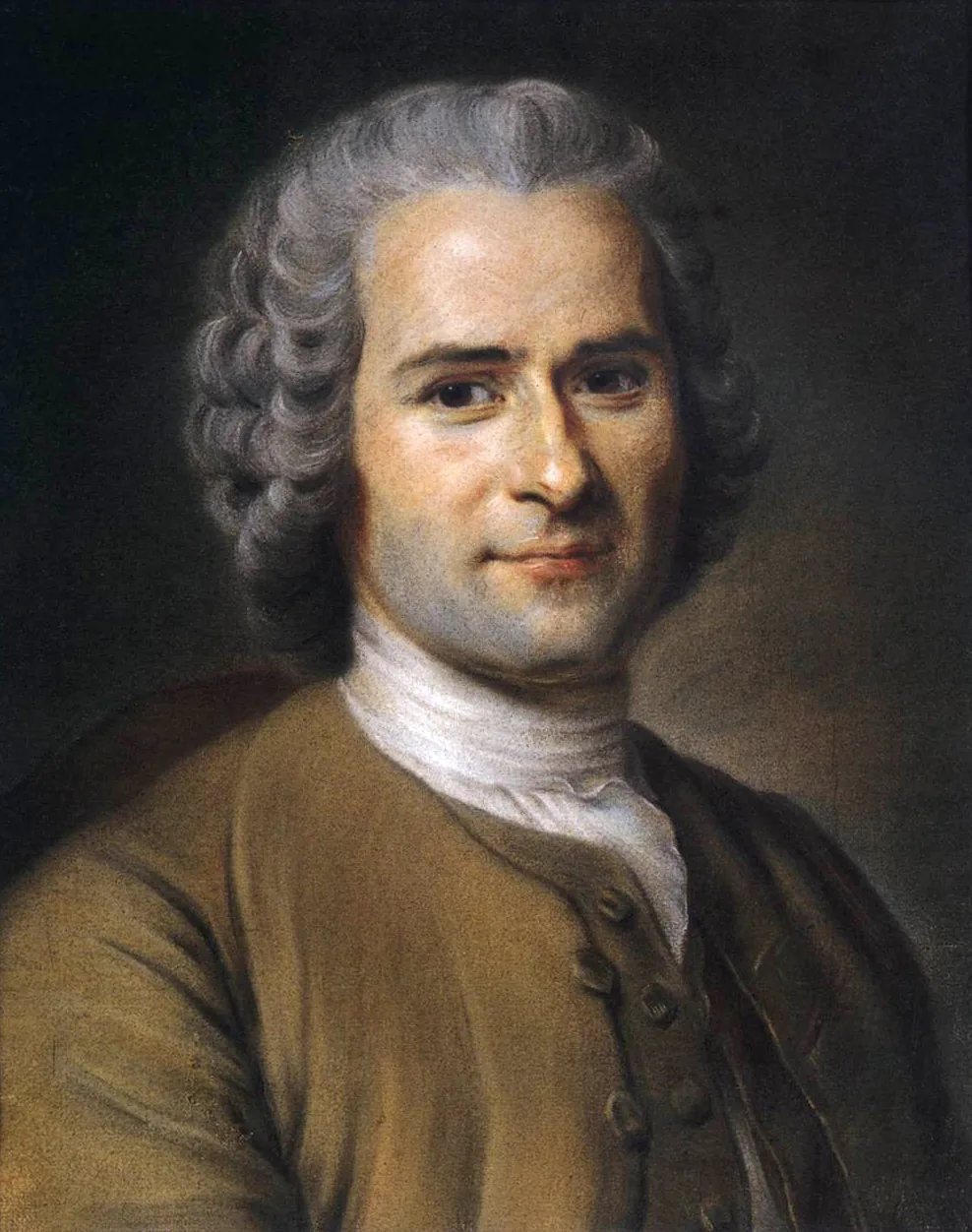
Wikimedia Commons · Creative Commons Public Domain Mark 1.0 · file After his father left Geneva, Rousseau was sent to board with the Calvinist minister Lambercier at Bossey, where he studied mathematics and drawing. The source calls Bossey a hamlet outside Geneva; the year follows the documented departure of Rousseau’s father when Rousseau was ten.
Apprenticeship in Geneva
· Geneva, Republic of Geneva
Wikimedia Commons · Public domain · file Rousseau returned to Geneva and entered successive apprenticeships, first with a notary and then with an engraver. The date is derived from Rousseau’s age of thirteen.
Flight from Geneva
· Geneva, Republic of Geneva
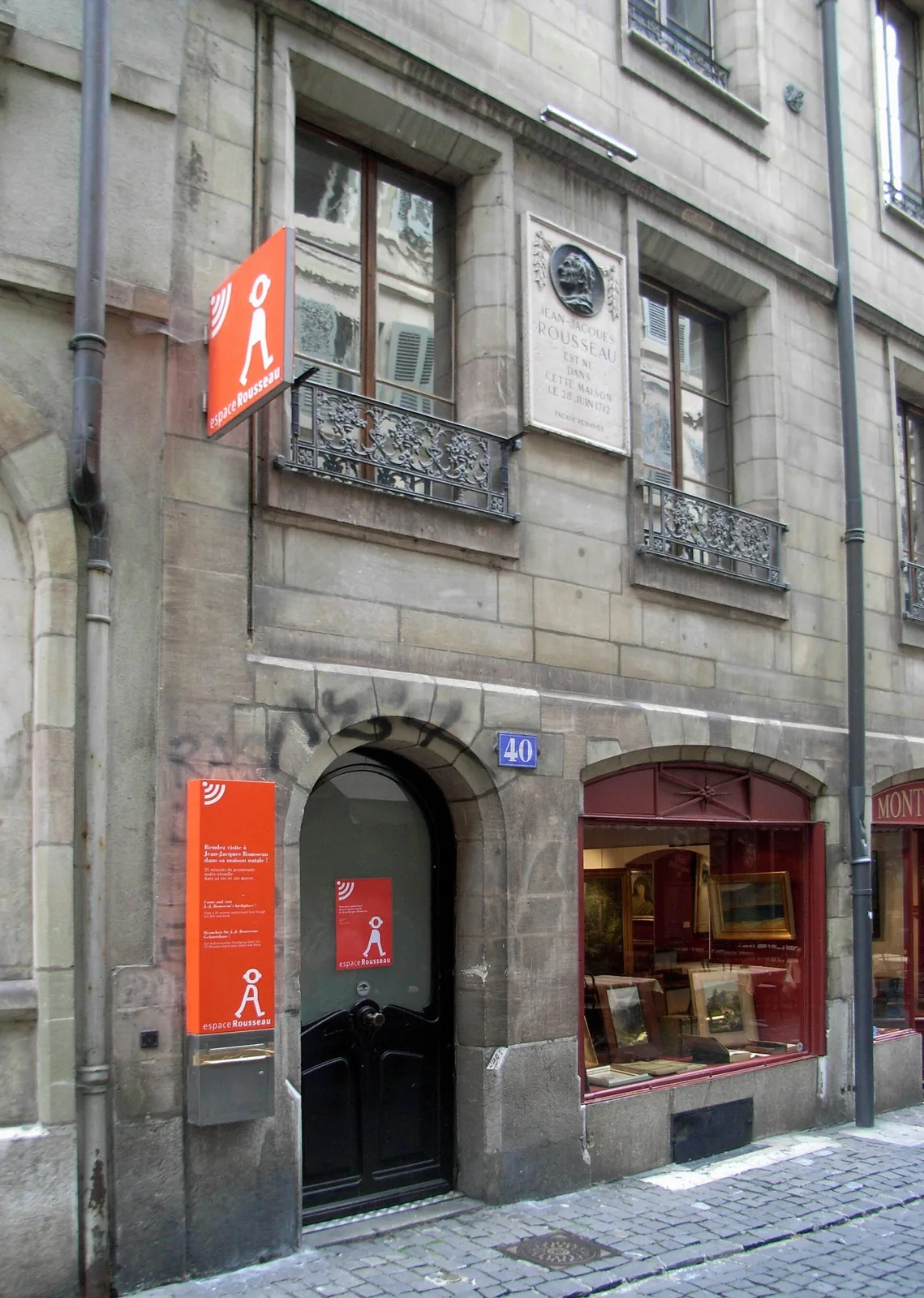
Wikimedia Commons · Public domain · file At fifteen, Rousseau fled Geneva after finding its gates locked following curfew, beginning years of travel in Savoy, Piedmont, and France.
Arrival at Madame de Warens's home
· Annecy, Duchy of Savoy
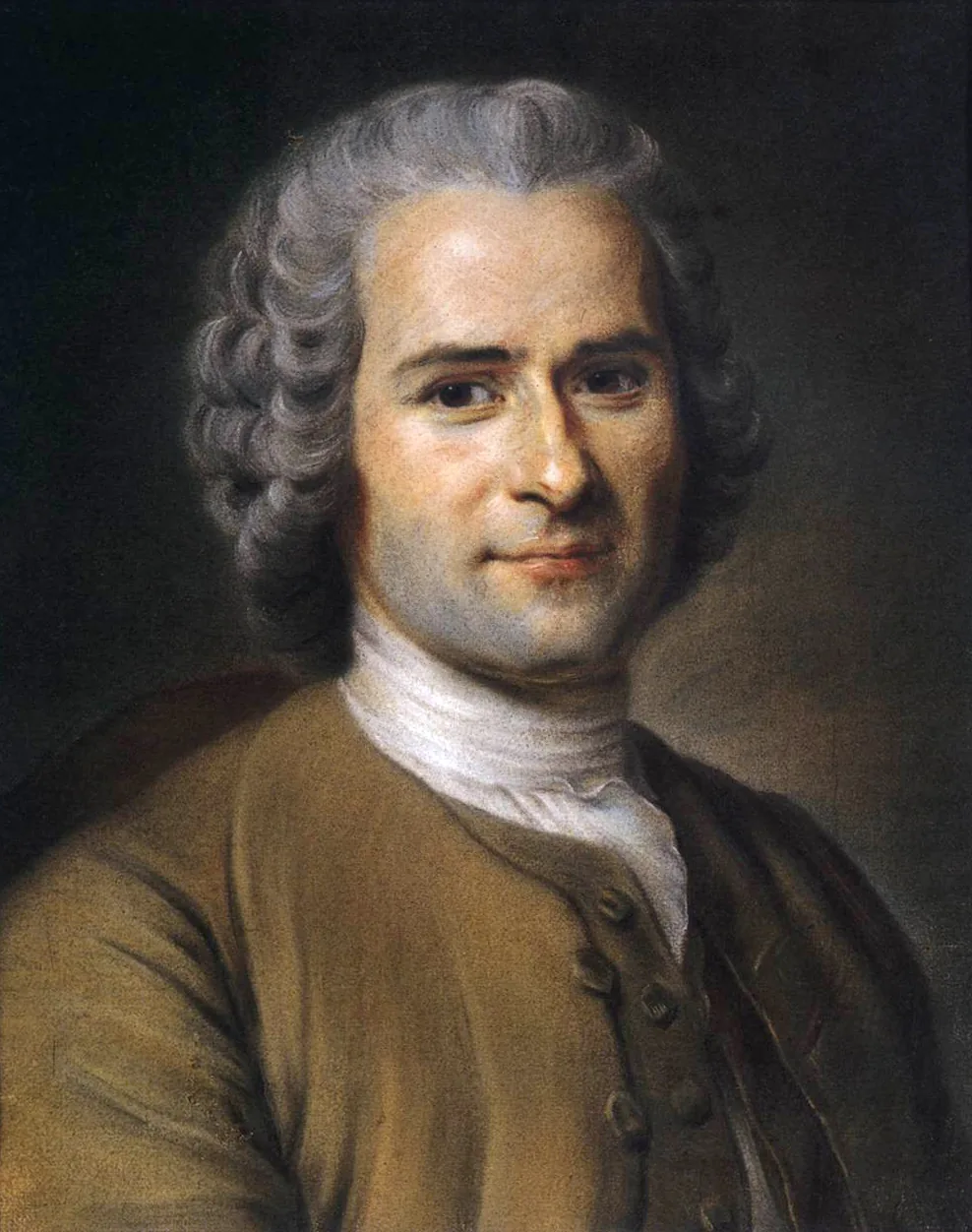
Wikimedia Commons · Creative Commons Public Domain Mark 1.0 · file Rousseau arrived at Annecy to meet Françoise-Louise de Warens, his future benefactress, mentor, and lover. Quote is in French: “On 21 March 1728, Jean-Jacques Rousseau arrived at Madame de Warens’s home.”
Catholic baptism in Turin
· Cathedral of Saint John the Baptist, Turin, Kingdom of Sardinia
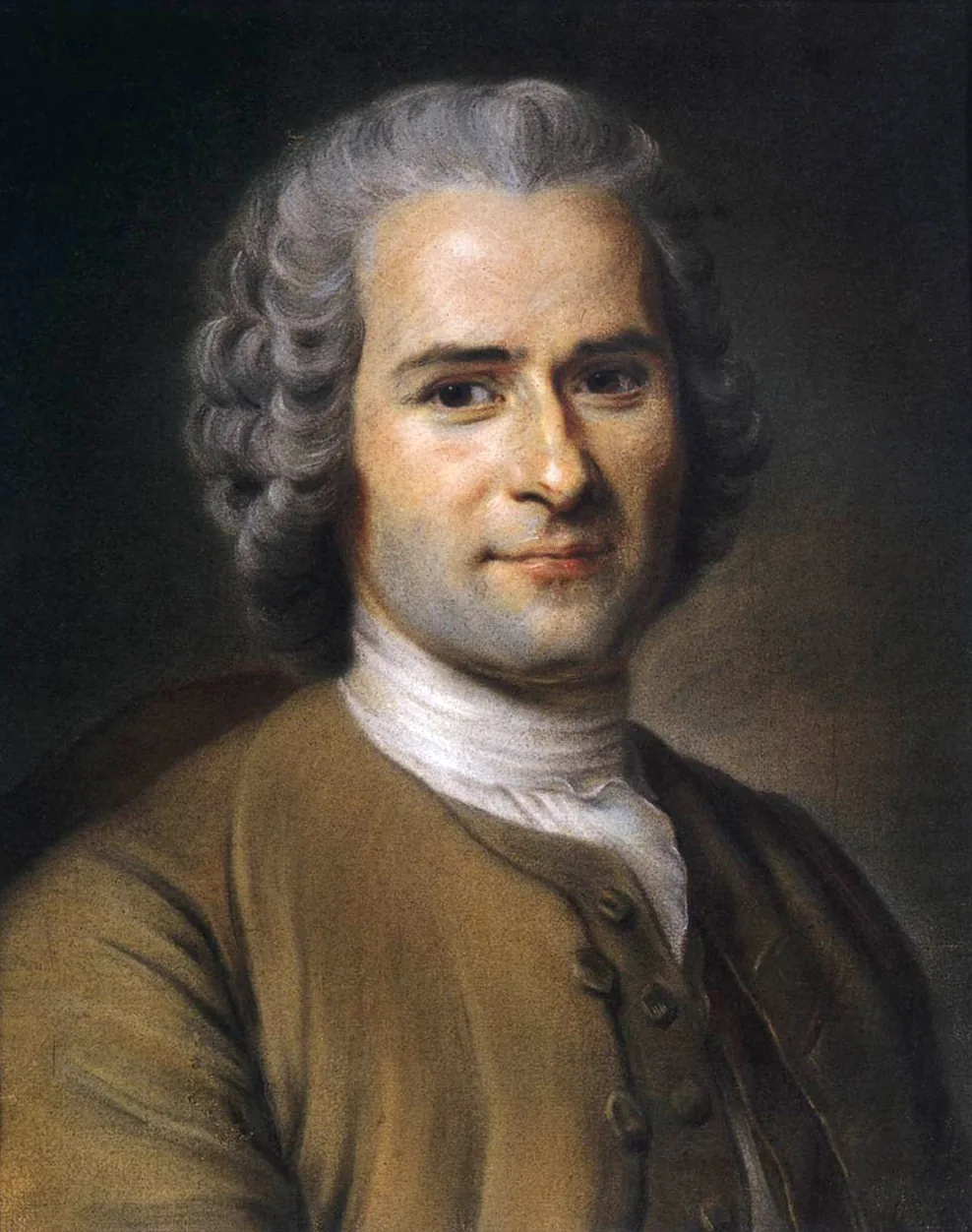
Wikimedia Commons · Creative Commons Public Domain Mark 1.0 · file Sent to Turin for conversion, Rousseau was baptized Catholic at the Cathedral of Saint John, thereby relinquishing Genevan citizenship under the city’s confessional rules. Quote is in French: Rousseau was baptized on 23 April 1728 at Turin’s Cathedral of Saint John.
Return to Annecy
· Annecy, Duchy of Savoy
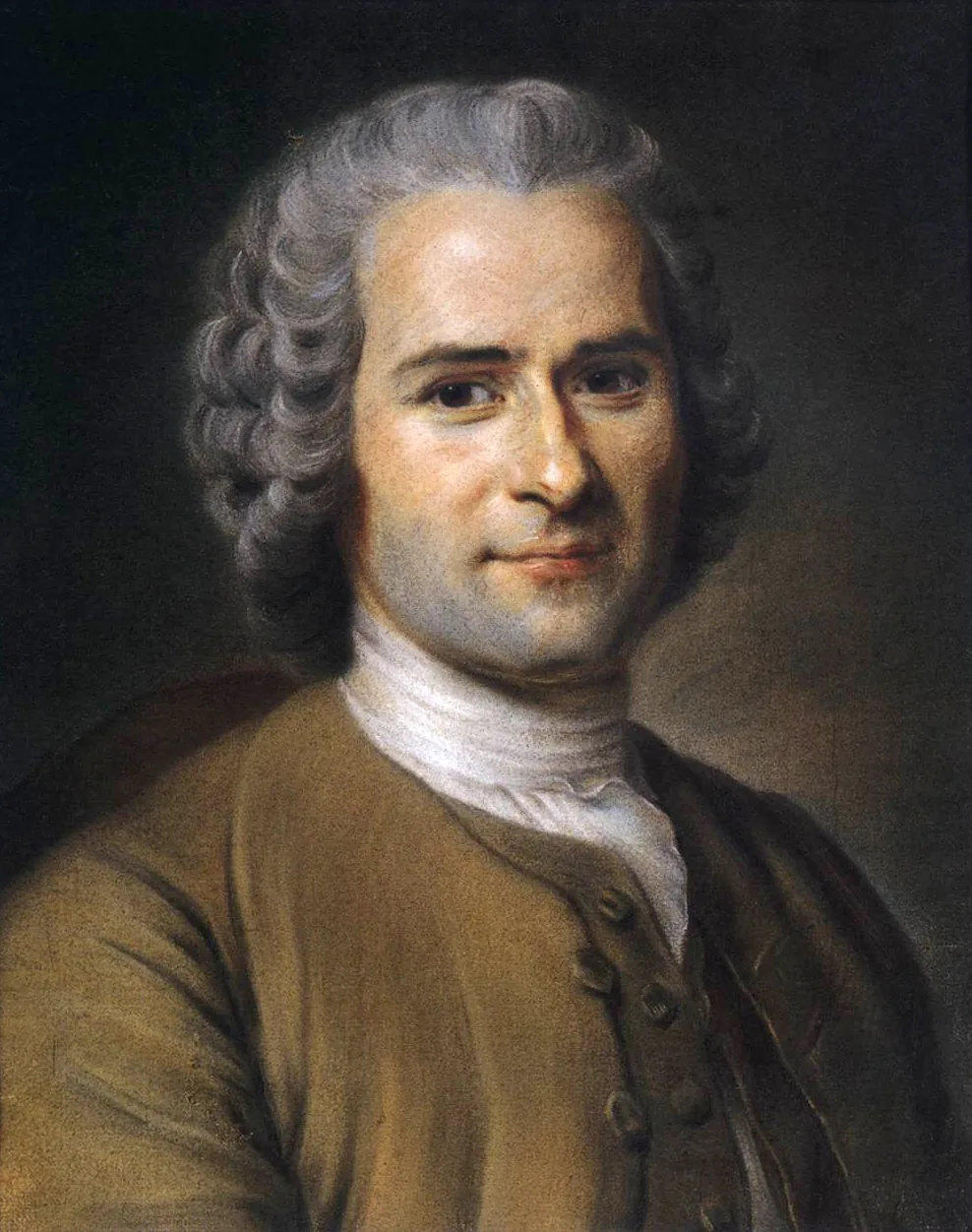
Wikimedia Commons · Creative Commons Public Domain Mark 1.0 · file After his period in Turin, Rousseau returned to Annecy and to Madame de Warens in September 1729. Quote is in French: “in September 1729 he returned to Annecy to Madame de Warens.”
Life with de Warens at Chambéry
· Chambéry, Duchy of Savoy
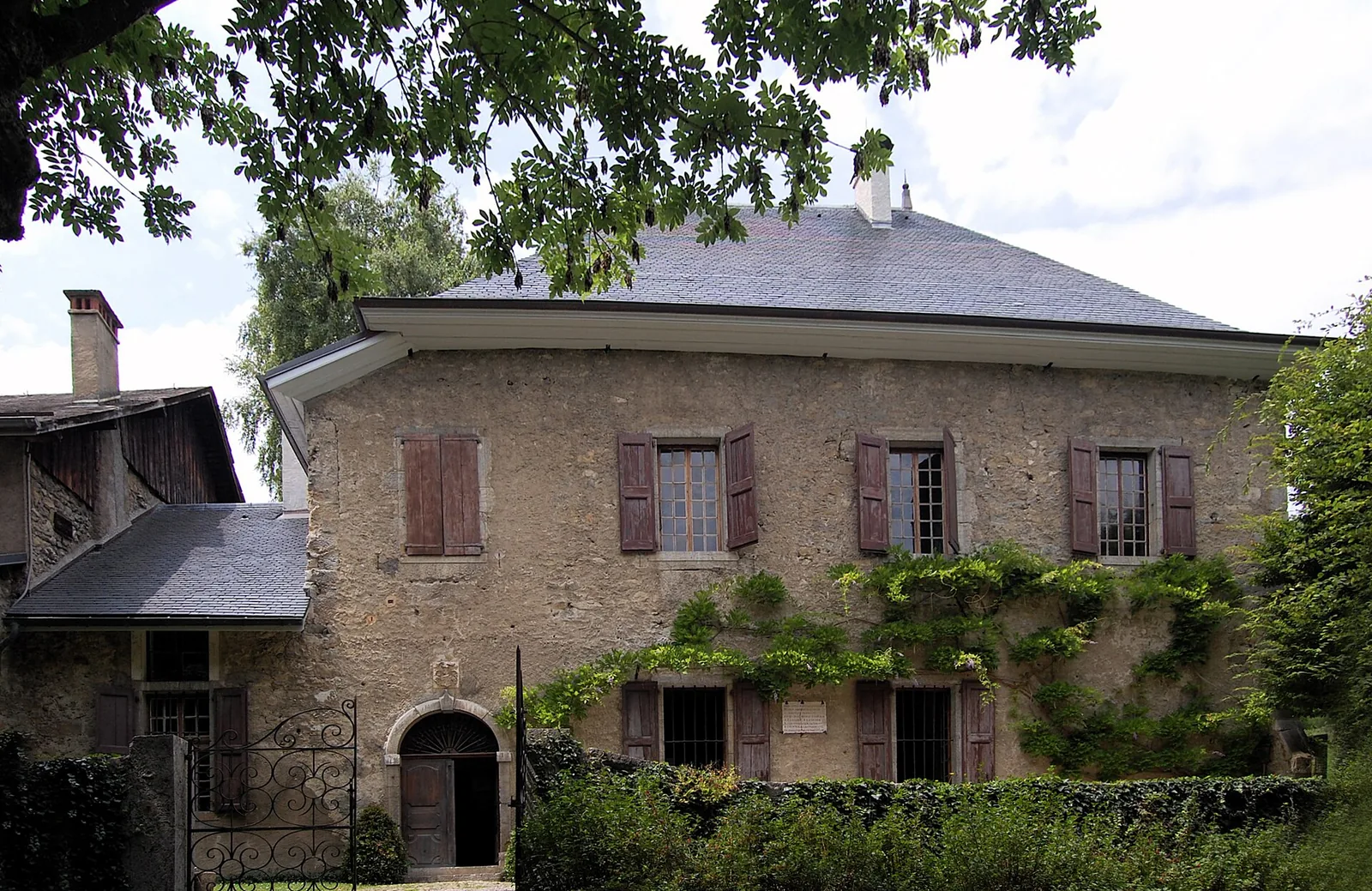
Wikimedia Commons · Creative Commons Attribution-Share Alike 2.0 · file Following his return from Turin and travels, Rousseau lived for years in the orbit of Madame de Warens between Annecy and Chambéry, where he worked and developed as an autodidact. The source establishes the extended Annecy–Chambéry period but does not specify Rousseau’s first Chambéry date; 1731 is a conservative representative year after the 1730–1731 Swiss journey.
Residence at Les Charmettes
· Les Charmettes, Chambéry, Kingdom of Sardinia
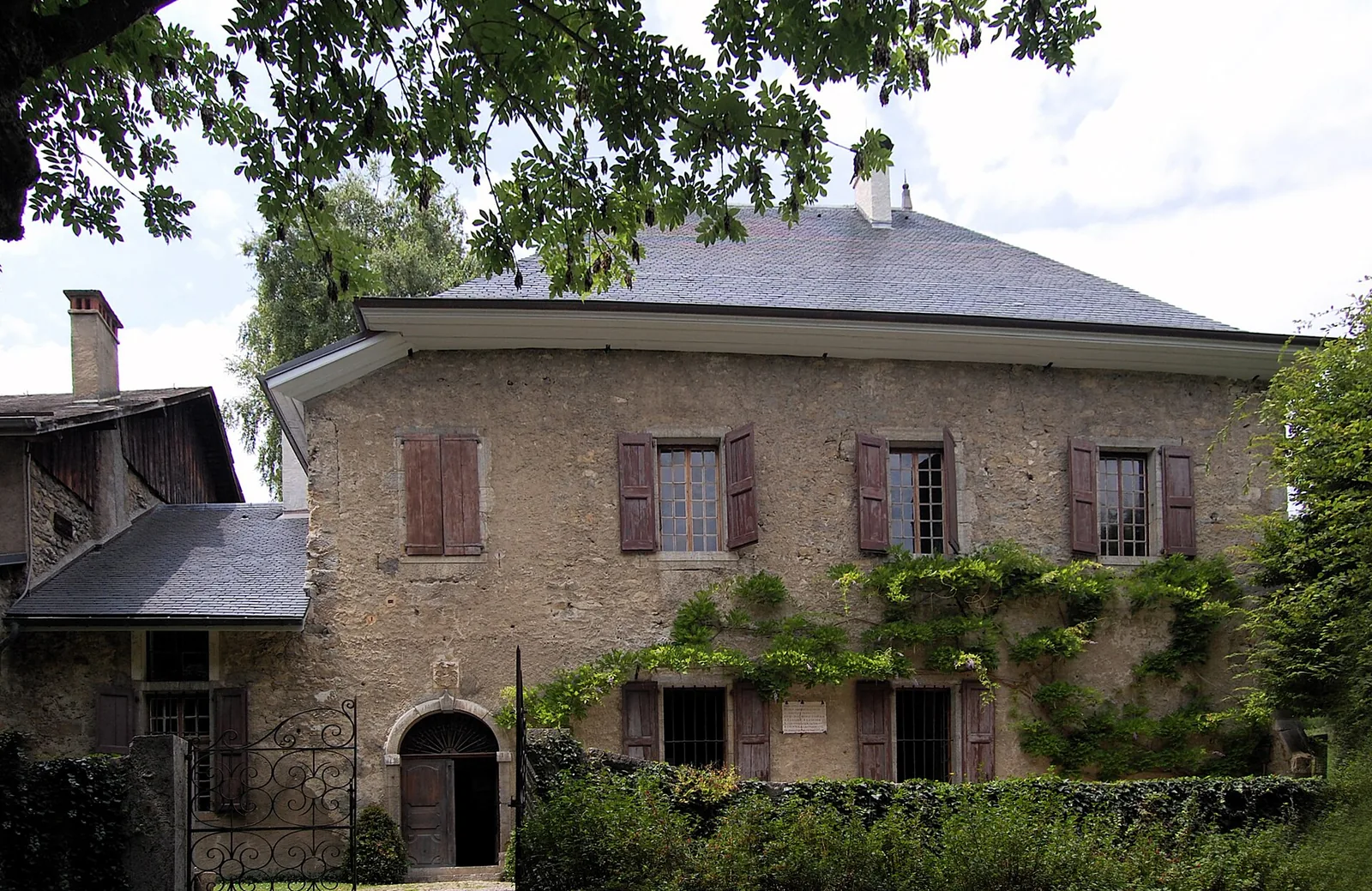
Wikimedia Commons · Creative Commons Attribution-Share Alike 2.0 · file Rousseau lived with Madame de Warens at Les Charmettes, the rural retreat near Chambéry that became central to his self-directed studies. The source gives a 1735–1736 residence span; this card is dated to its opening year.
Inheritance visit to Geneva
· Geneva, Republic of Geneva
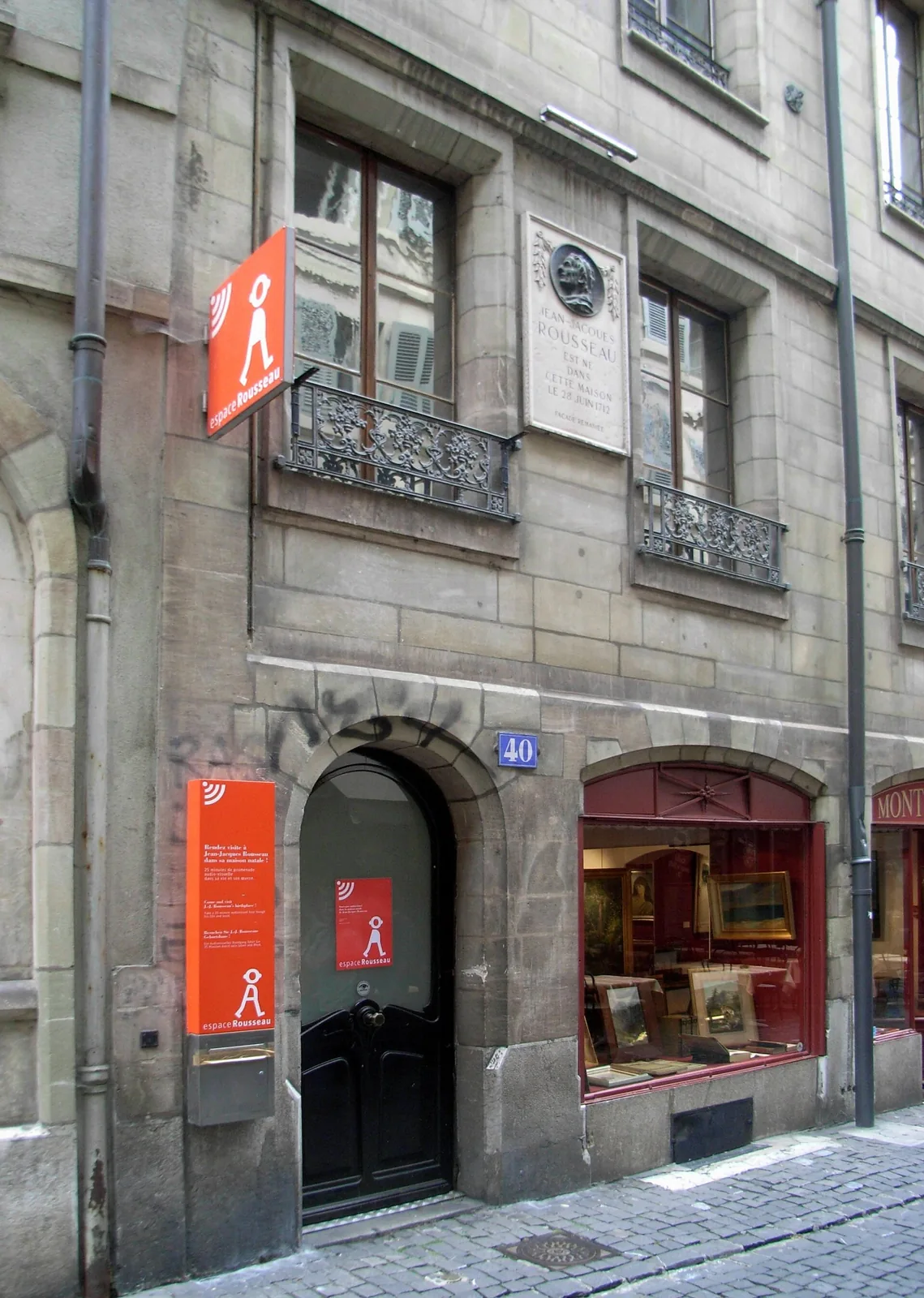
Wikimedia Commons · Public domain · file Rousseau stayed incognito in Geneva while attempting to collect his mother’s inheritance, and witnessed the city’s August civil disturbances. Quote is in French: Rousseau stayed incognito in Geneva in 1737.
Tutor in Lyon
· Lyon, Kingdom of France
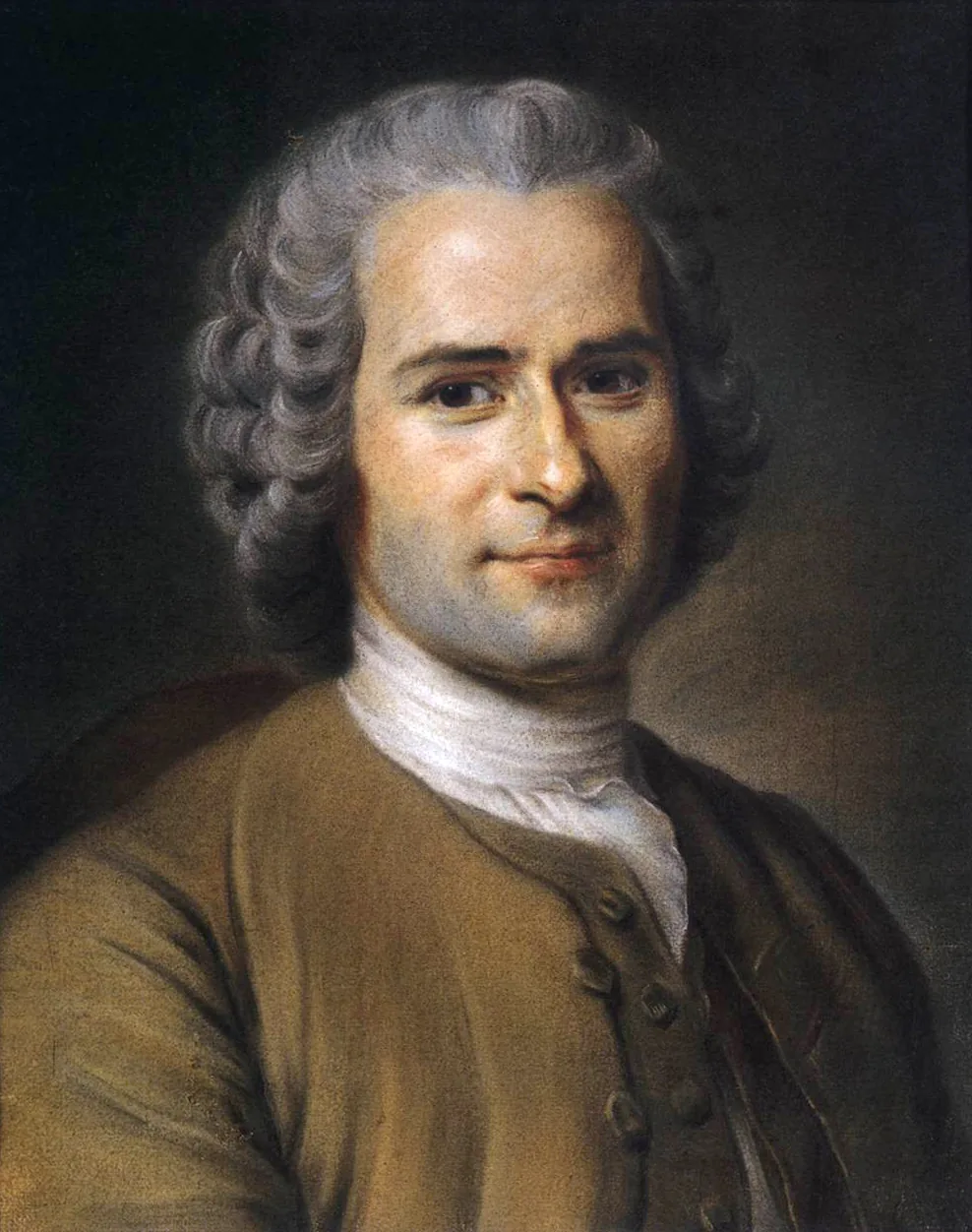
Wikimedia Commons · Creative Commons Public Domain Mark 1.0 · file Rousseau became tutor to the children of Jean Bonnot de Mably in Lyon, while developing his proposed musical notation system. Quote is in French: “In 1740, he became tutor to the children of Jean Bonnot de Mably … in Lyon.”
Presentation to the Académie des Sciences
· Académie Royale des Sciences, Paris, Kingdom of France
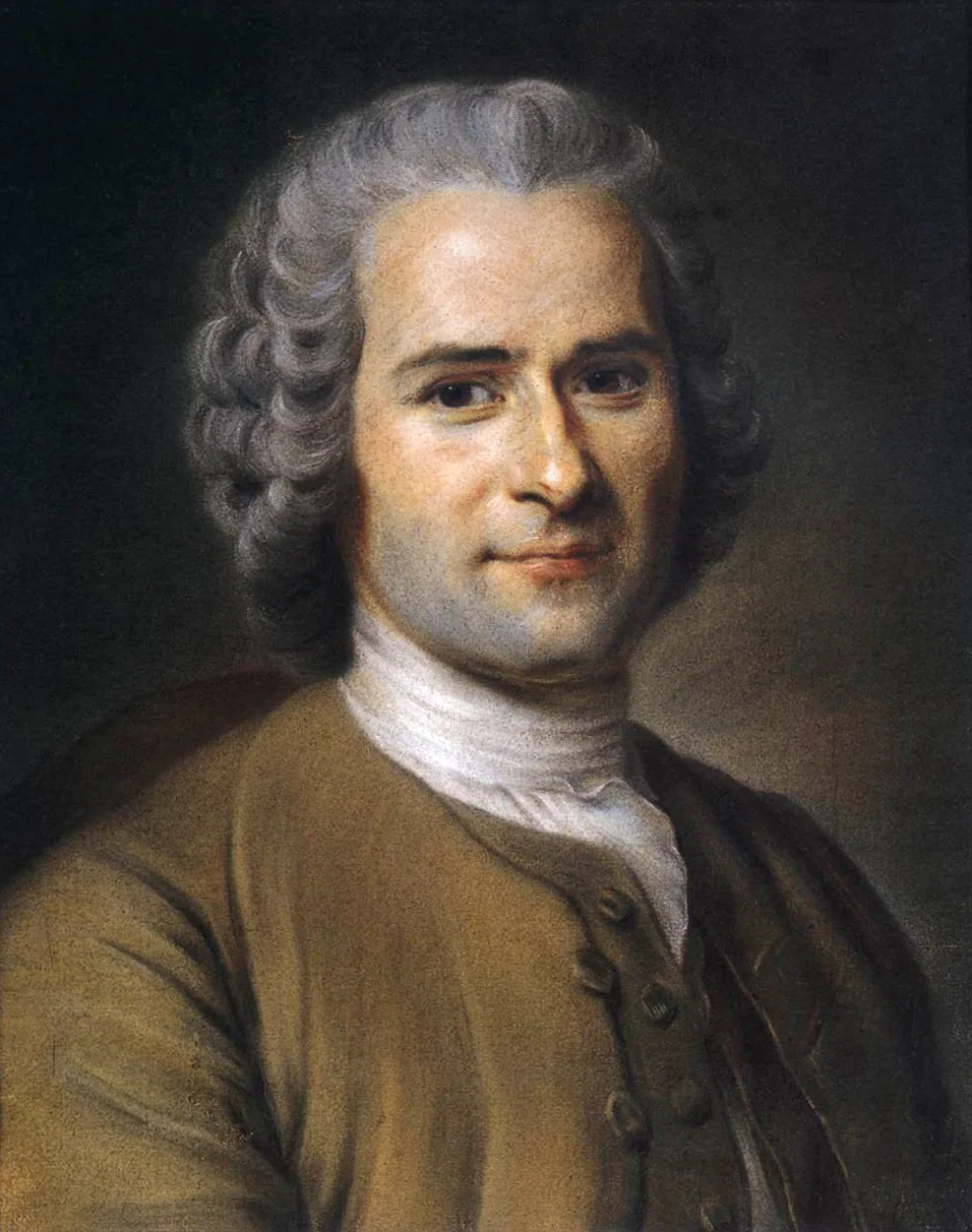
Wikimedia Commons · Creative Commons Public Domain Mark 1.0 · file Rousseau presented and read his memorandum on a numbered musical notation system before the Académie des Sciences in Paris. Quote is Rousseau’s French first-person account: on 22 August 1742 he read his memorandum to the academy. Coordinates represent central Paris because the academy’s historical meeting site varied.
Embassy secretary in Venice
· Palazzo Surian Bellotto, Venice, Republic of Venice
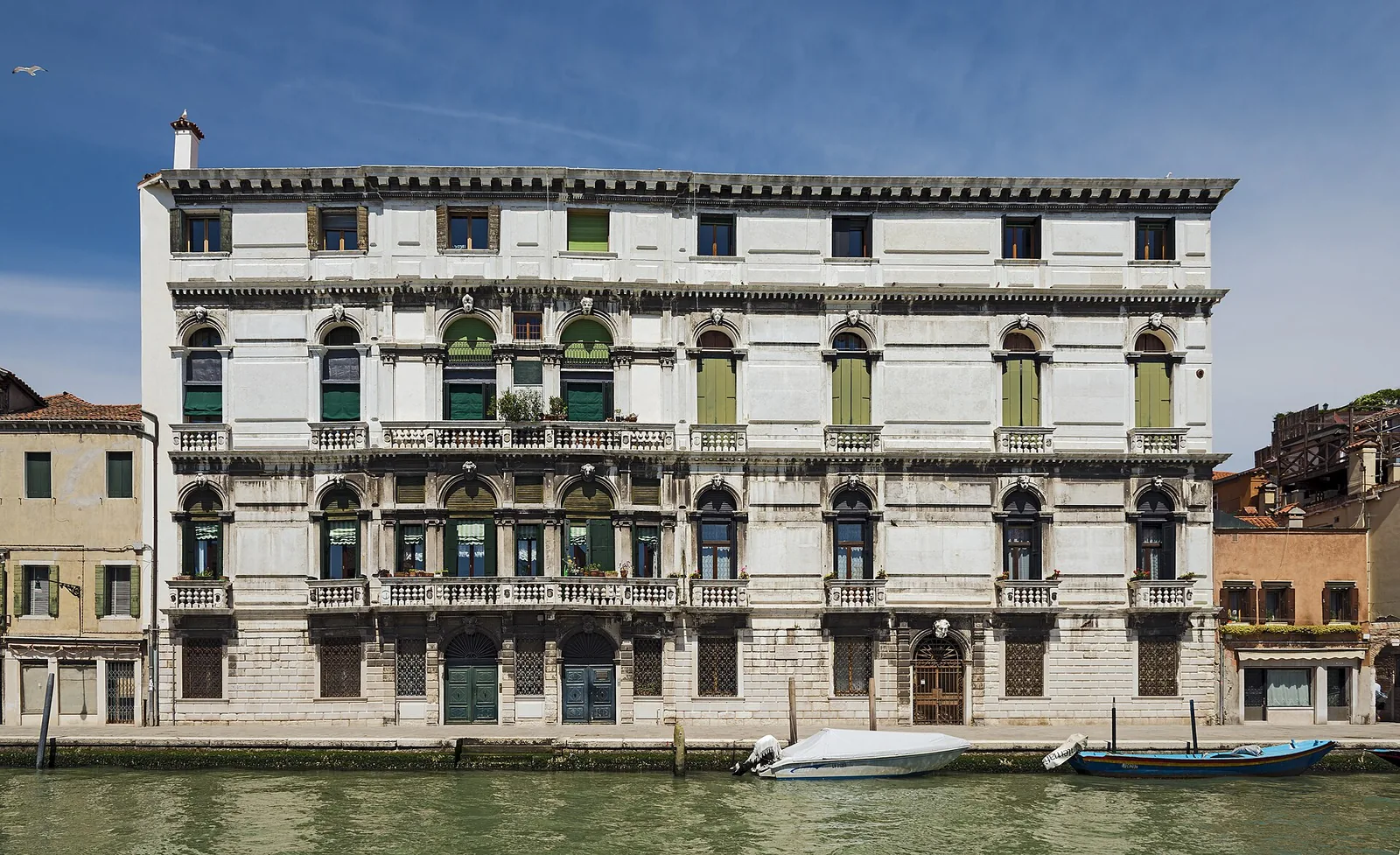
Wikimedia Commons · Creative Commons Attribution-Share Alike 4.0 International · file Rousseau served as secretary to the Comte de Montaigu, French ambassador to Venice, an experience that deepened his attachment to Italian music and opera. The embassy was located at Palazzo Surian Bellotto during Rousseau’s service; the card is dated to the opening year of the stated span.
Return to Paris and relationship with Thérèse
· Paris, Kingdom of France
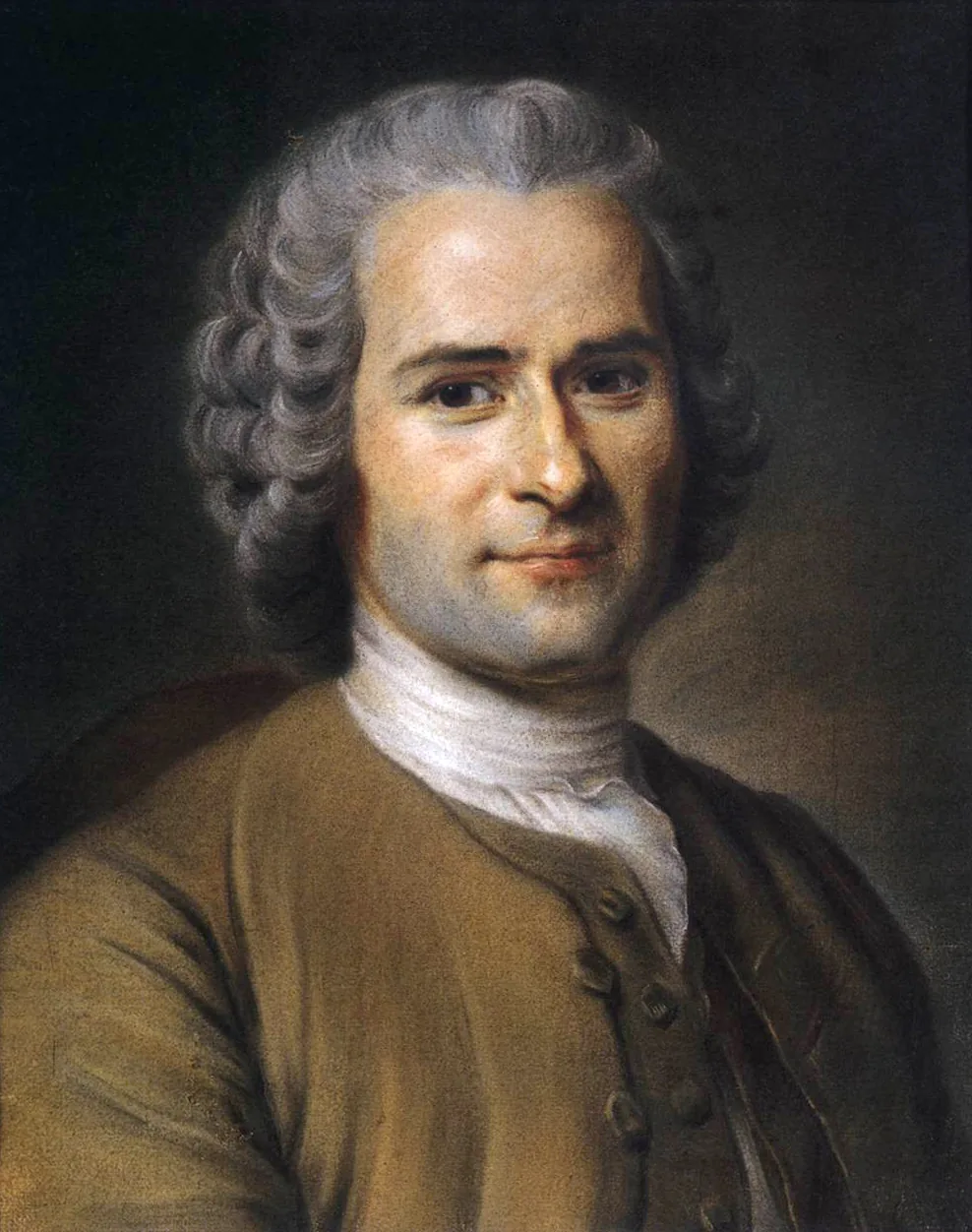
Wikimedia Commons · Creative Commons Public Domain Mark 1.0 · file Back in Paris, Rousseau began living with Thérèse Levasseur, who remained his lifelong partner. The immediately preceding source context places this event in Paris.
Visits to Diderot at Vincennes
· Château de Vincennes, Vincennes, Kingdom of France
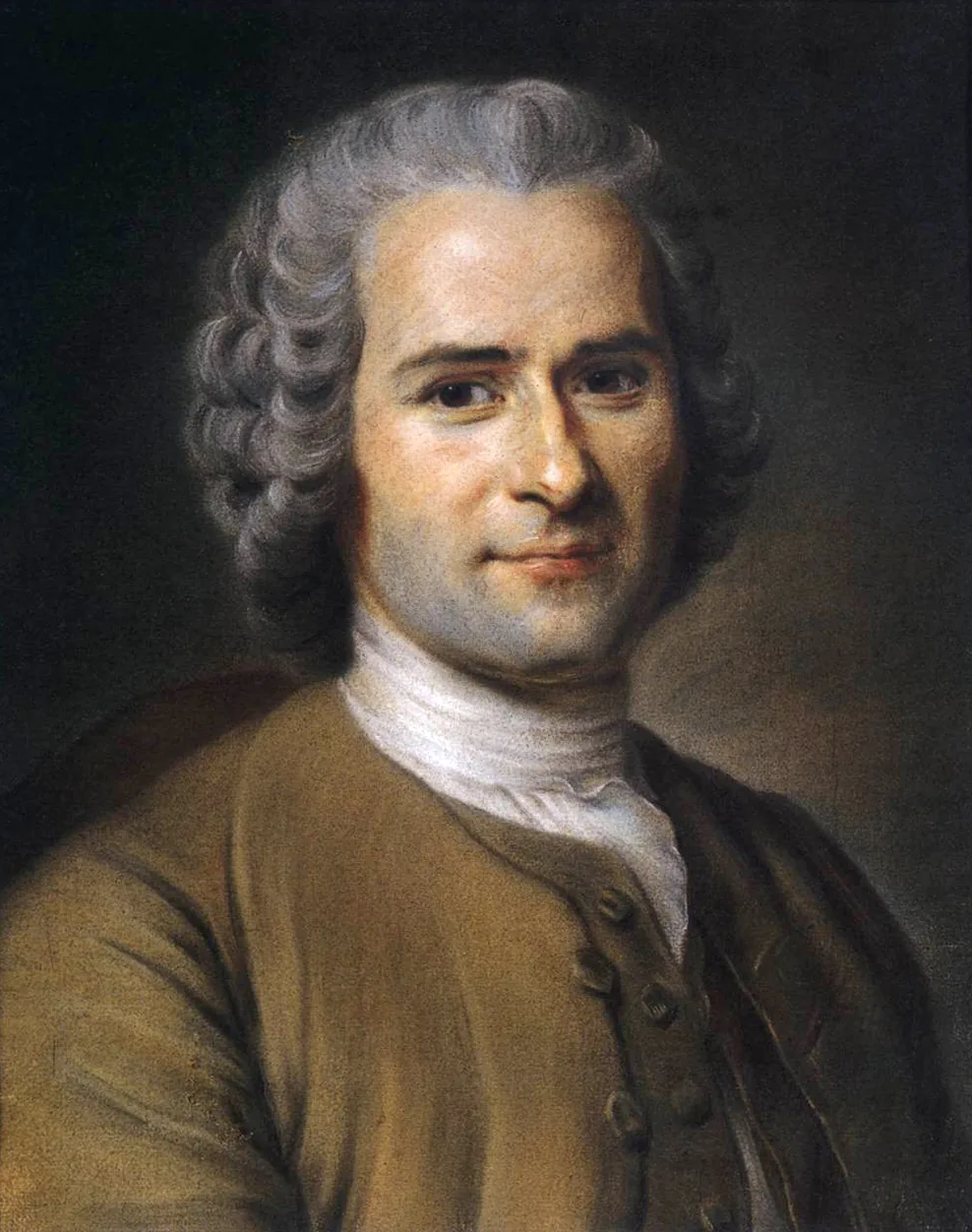
Wikimedia Commons · Creative Commons Public Domain Mark 1.0 · file Rousseau made daily visits to Denis Diderot, then imprisoned at Vincennes; while walking there, he conceived the argument that led to his first Discourse.
Opera performed before Louis XV
· Palace of Fontainebleau, Fontainebleau, Kingdom of France
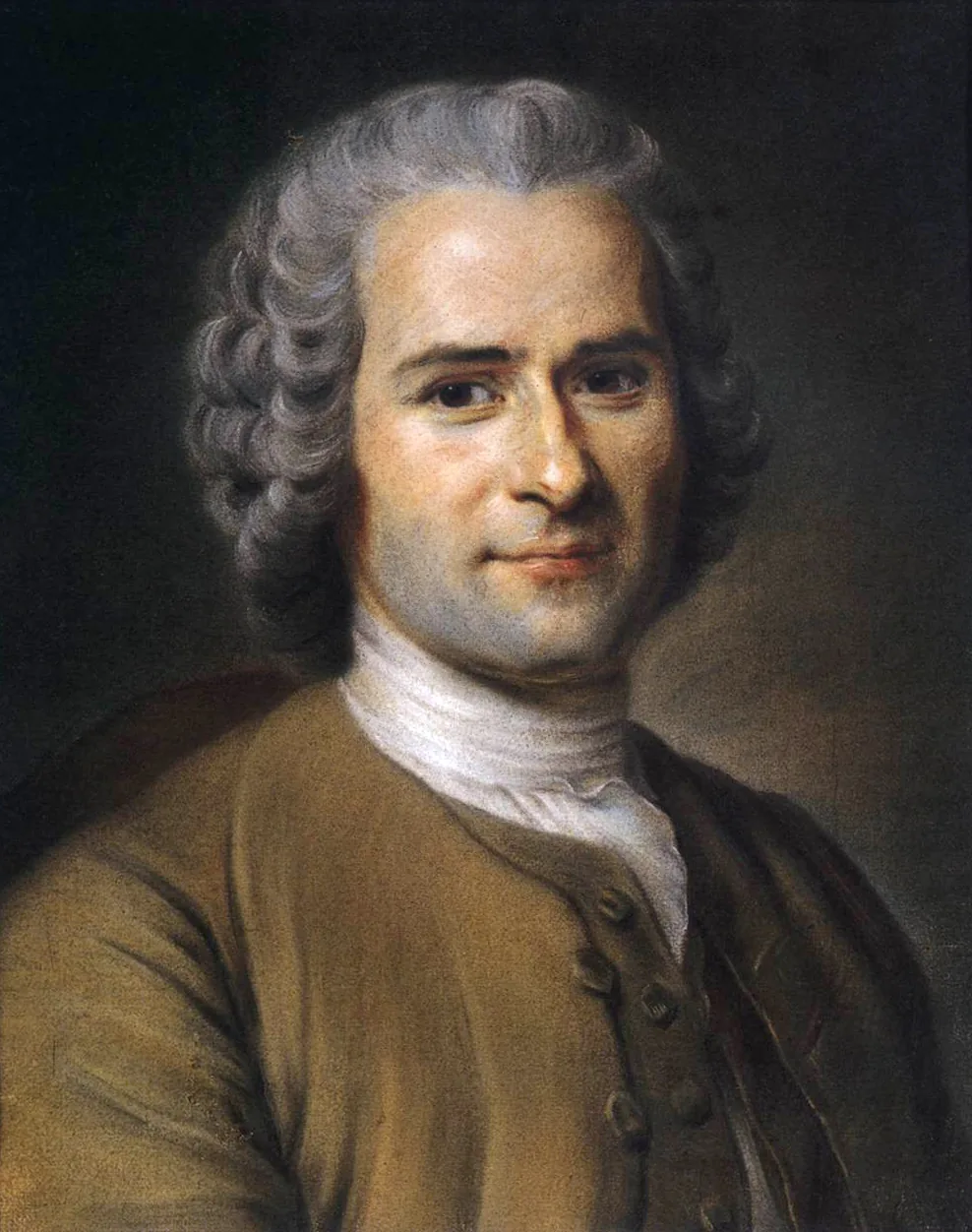
Wikimedia Commons · Creative Commons Public Domain Mark 1.0 · file Rousseau’s opera Le devin du village was performed before Louis XV at Fontainebleau, producing his first major theatrical success. The source establishes the 1752 performance context but does not provide a day or month.
Return to Geneva and reconversion
· Geneva, Republic of Geneva
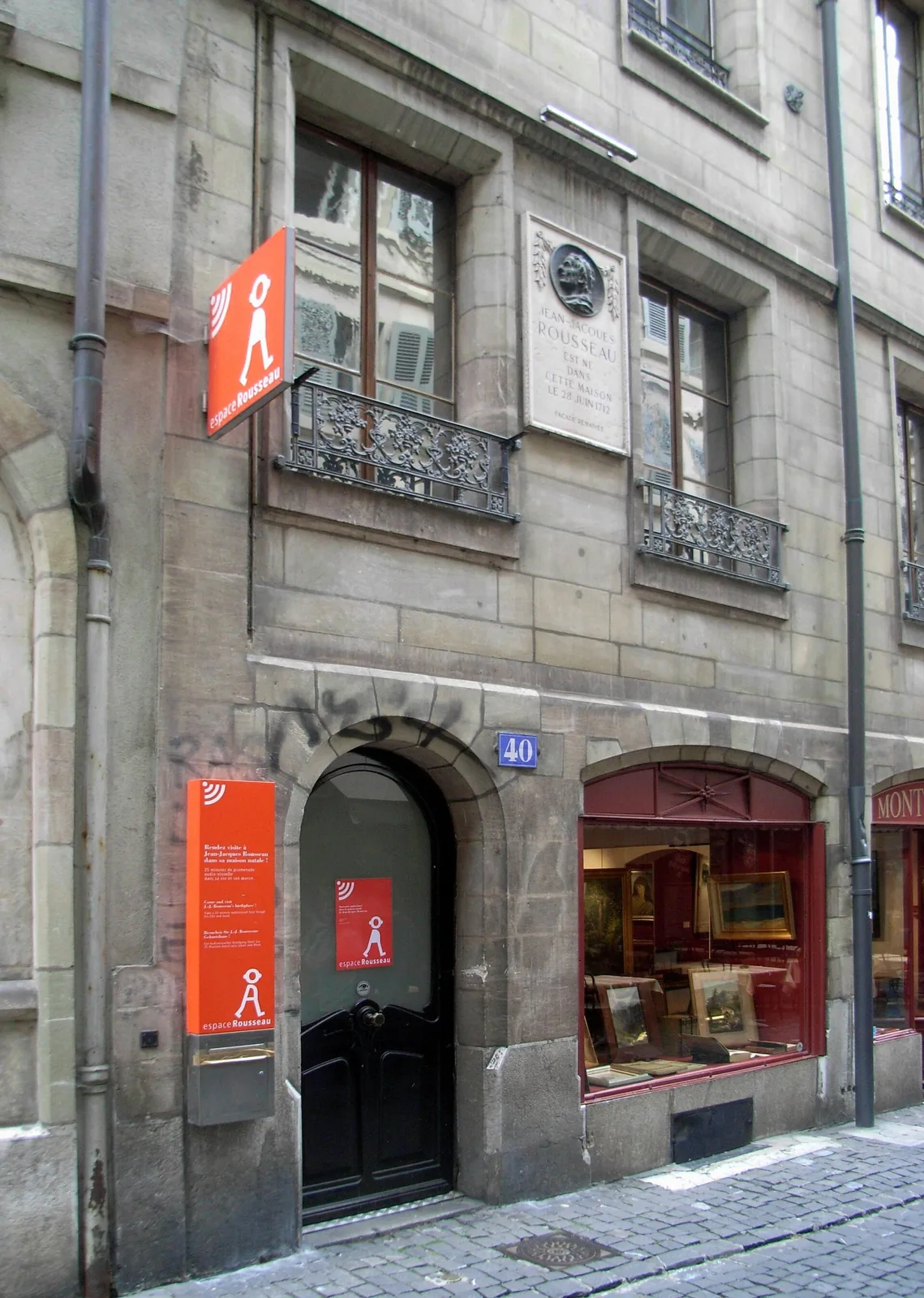
Wikimedia Commons · Public domain · file Rousseau returned to Geneva, reconverted to Calvinism, and recovered his formal Genevan citizenship.
Residence at the Hermitage
· L'Ermitage, Montmorency, Kingdom of France
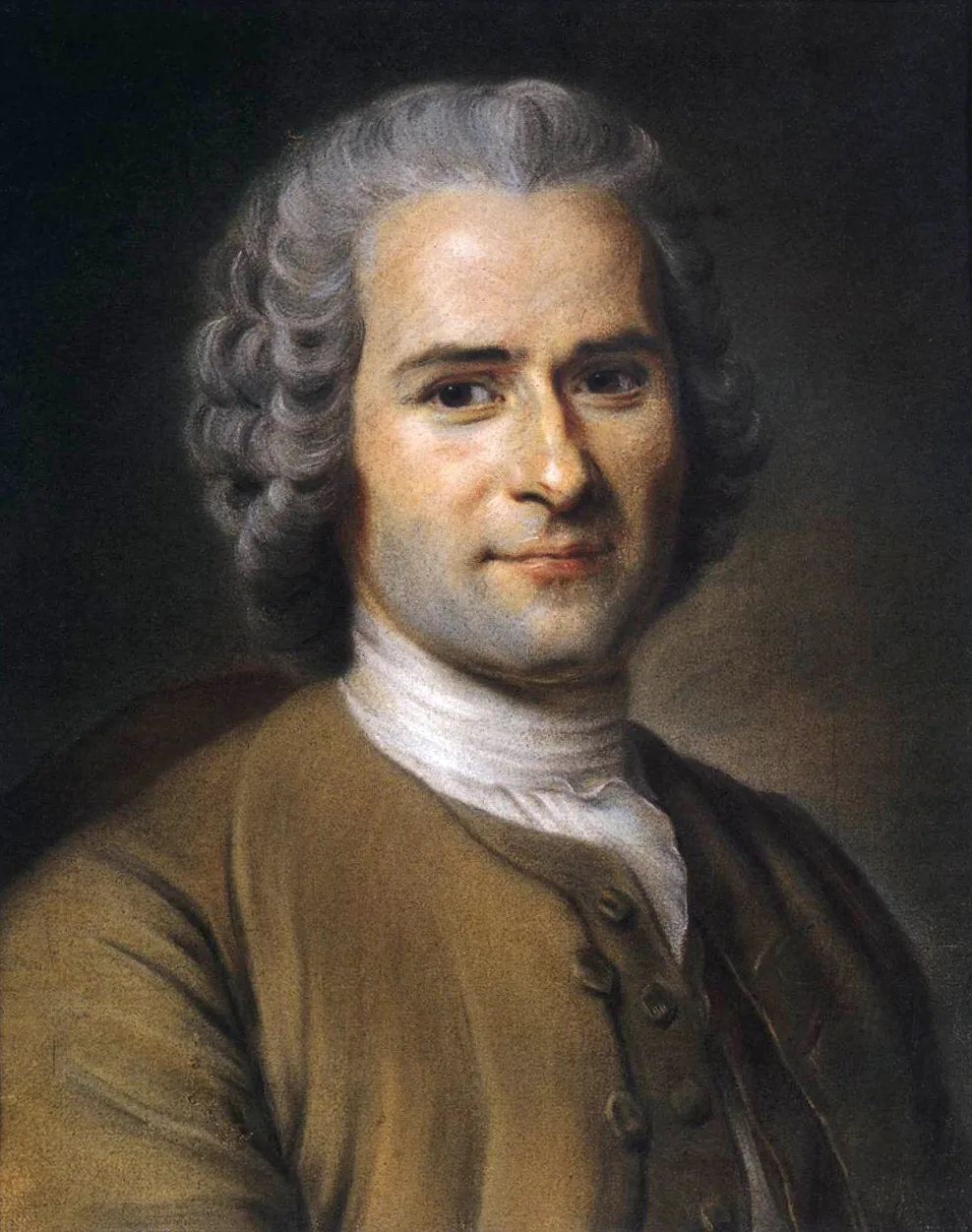
Wikimedia Commons · Creative Commons Public Domain Mark 1.0 · file Seeking country life after Paris, Rousseau established himself at the Hermitage, a small house on Madame d’Épinay’s estate near the Montmorency forest. The Hermitage site lay near Montmorency; its precise historical boundaries are represented by the documented site coordinate.
Residence at Château de Montmorency
· Château de Montmorency, Montmorency, Kingdom of France
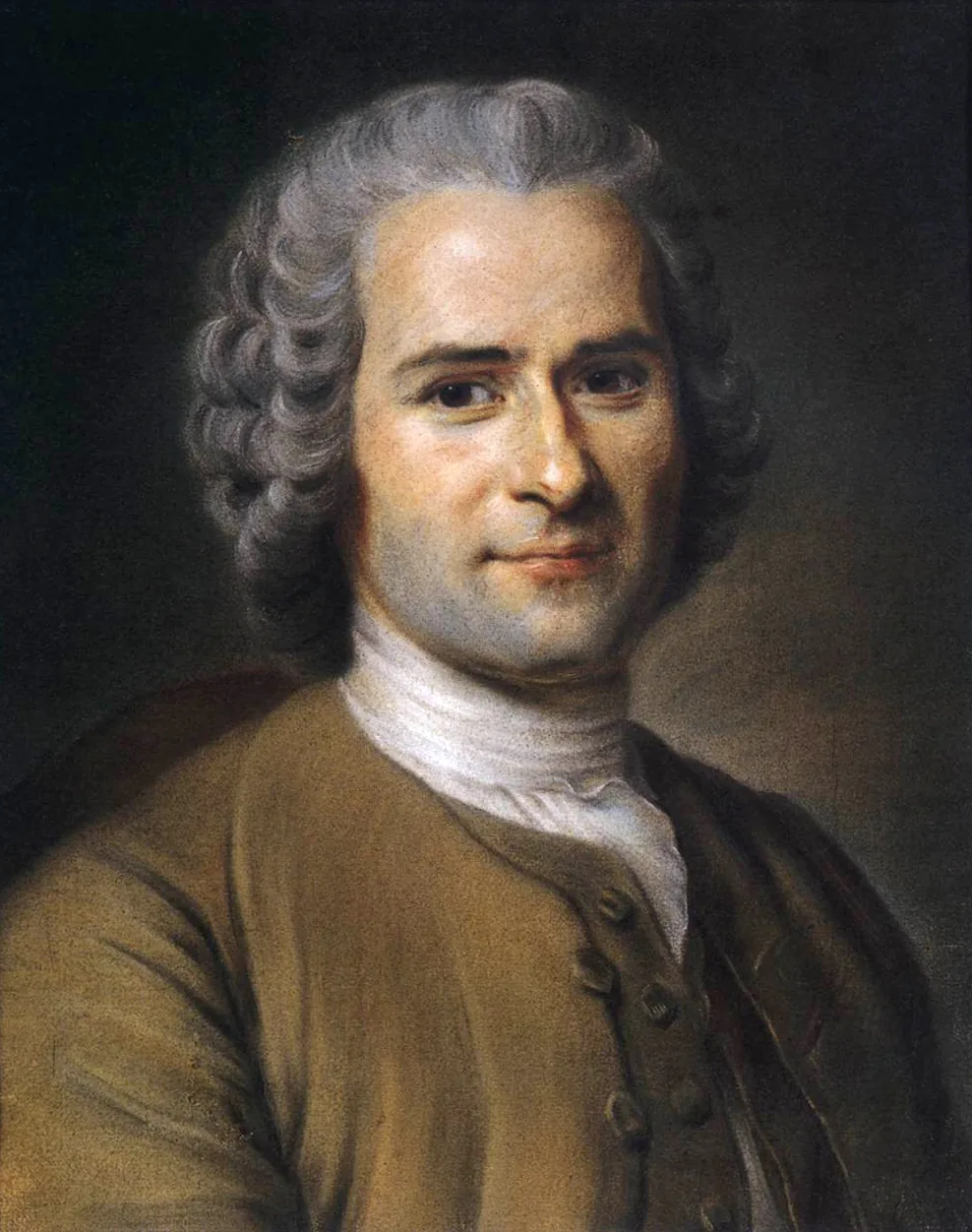
Wikimedia Commons · Creative Commons Public Domain Mark 1.0 · file Under the protection of the Montmorency-Luxembourg family, Rousseau resided at the Château de Montmorency during the period in which he completed major works including Émile and The Social Contract. The château no longer survives substantially; coordinates mark its documented historical site.
Exile at Môtiers
· Môtiers, Principality of Neuchâtel
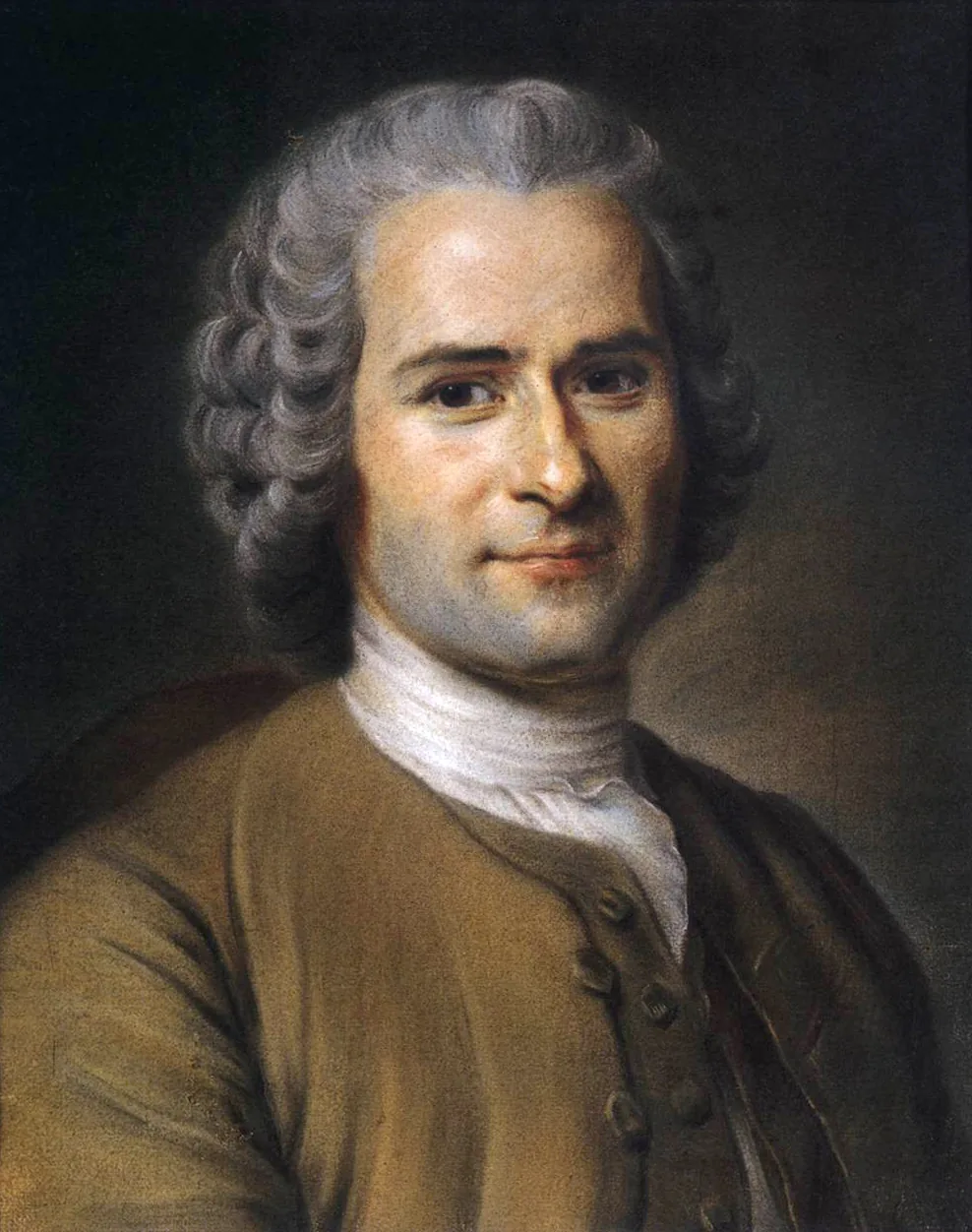
Wikimedia Commons · Creative Commons Public Domain Mark 1.0 · file After warrants and condemnations following Émile and The Social Contract, Rousseau accepted refuge at Môtiers in the Principality of Neuchâtel. The card is dated to the opening year of the documented 1762–1765 residence.
Retreat on Île de Saint-Pierre
· Île de Saint-Pierre, Lake Biel, Canton of Bern
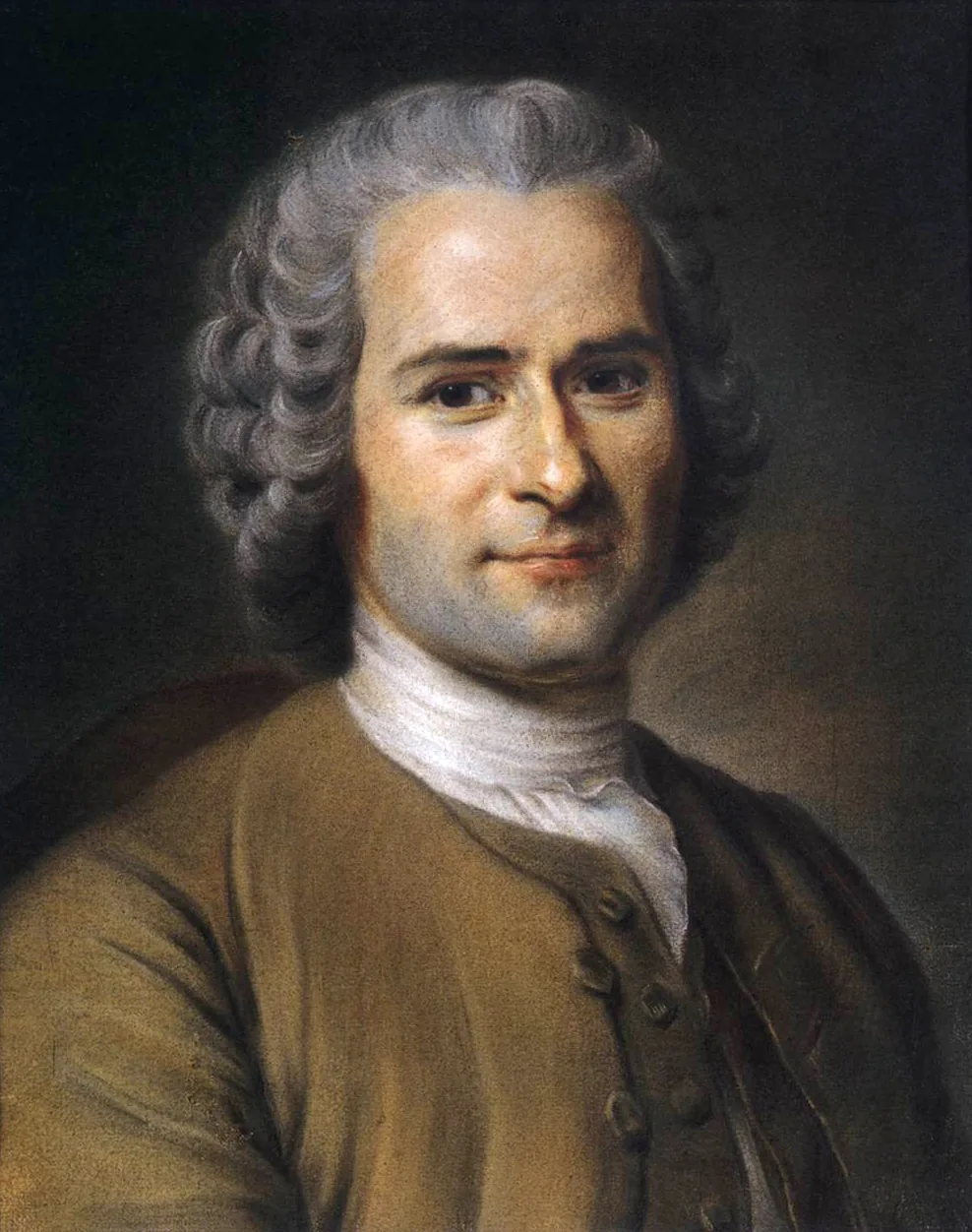
Wikimedia Commons · Creative Commons Public Domain Mark 1.0 · file Following hostility at Môtiers, Rousseau moved into a solitary house on Île de Saint-Pierre, where visitors sought him out despite the retreat’s remoteness.
Departure for Strasbourg
· Strasbourg, Kingdom of France
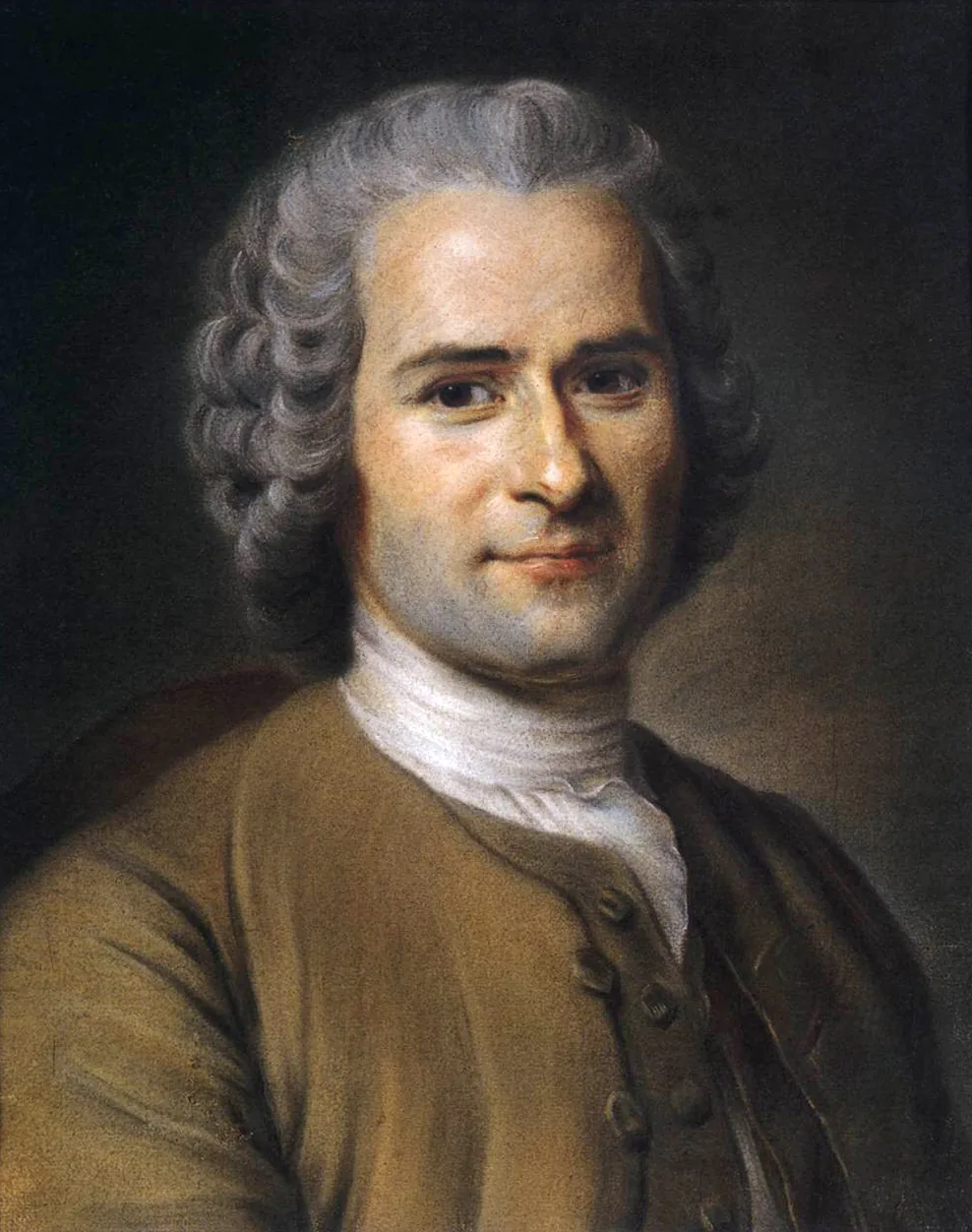
Wikimedia Commons · Creative Commons Public Domain Mark 1.0 · file Ordered by the Bernese Senate to leave, Rousseau departed Île de Saint-Pierre and moved to Strasbourg while considering offers of refuge.
Paris stay with the Prince of Conti
· Paris, Kingdom of France
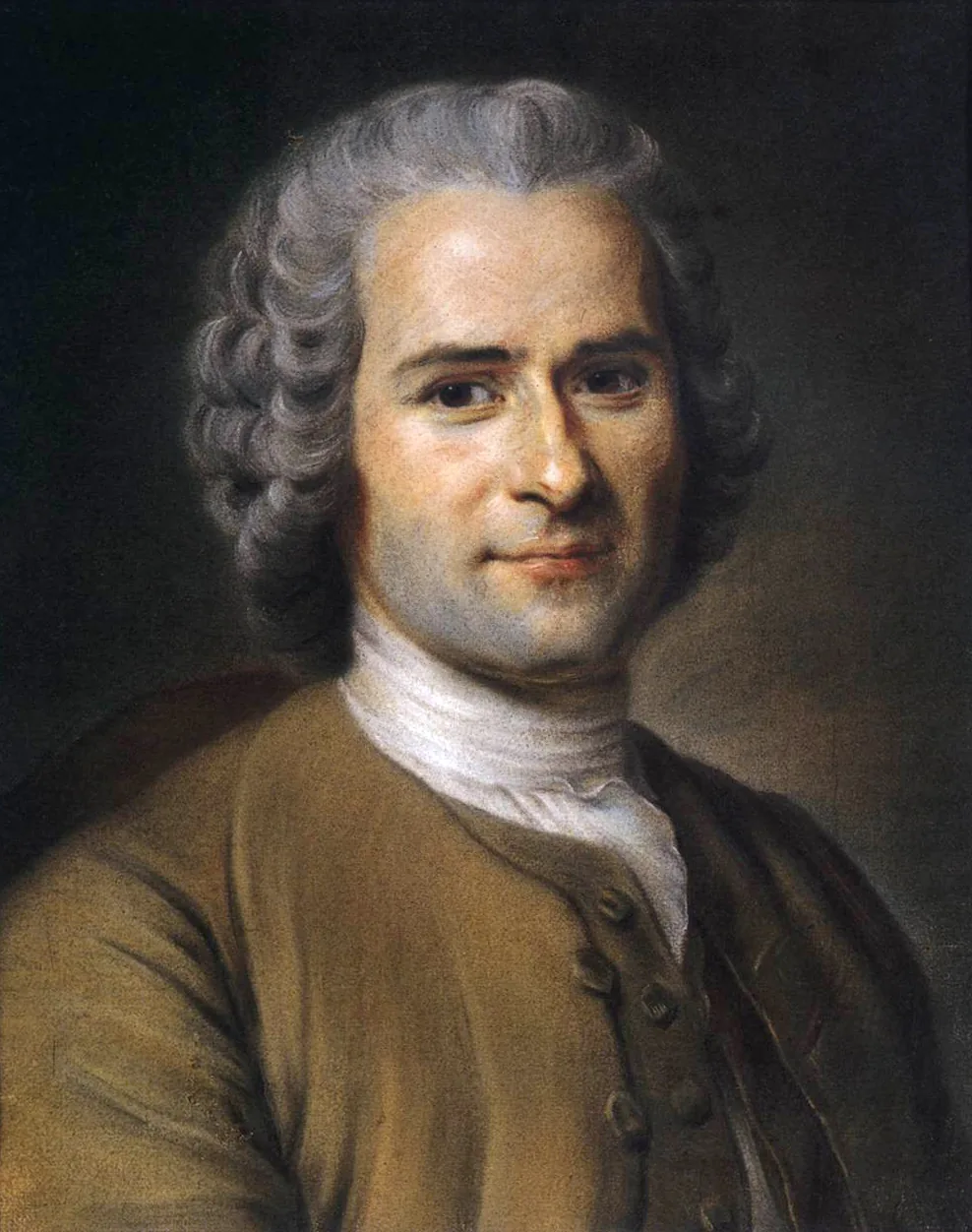
Wikimedia Commons · Creative Commons Public Domain Mark 1.0 · file After leaving Strasbourg, Rousseau reached Paris and lodged at the palace of his friend the Prince of Conti, where he met David Hume and other visitors. The source dates departure from Strasbourg precisely and says Rousseau arrived in Paris a week later; month precision is retained.
Channel crossing to Dover
· Dover, Kingdom of Great Britain
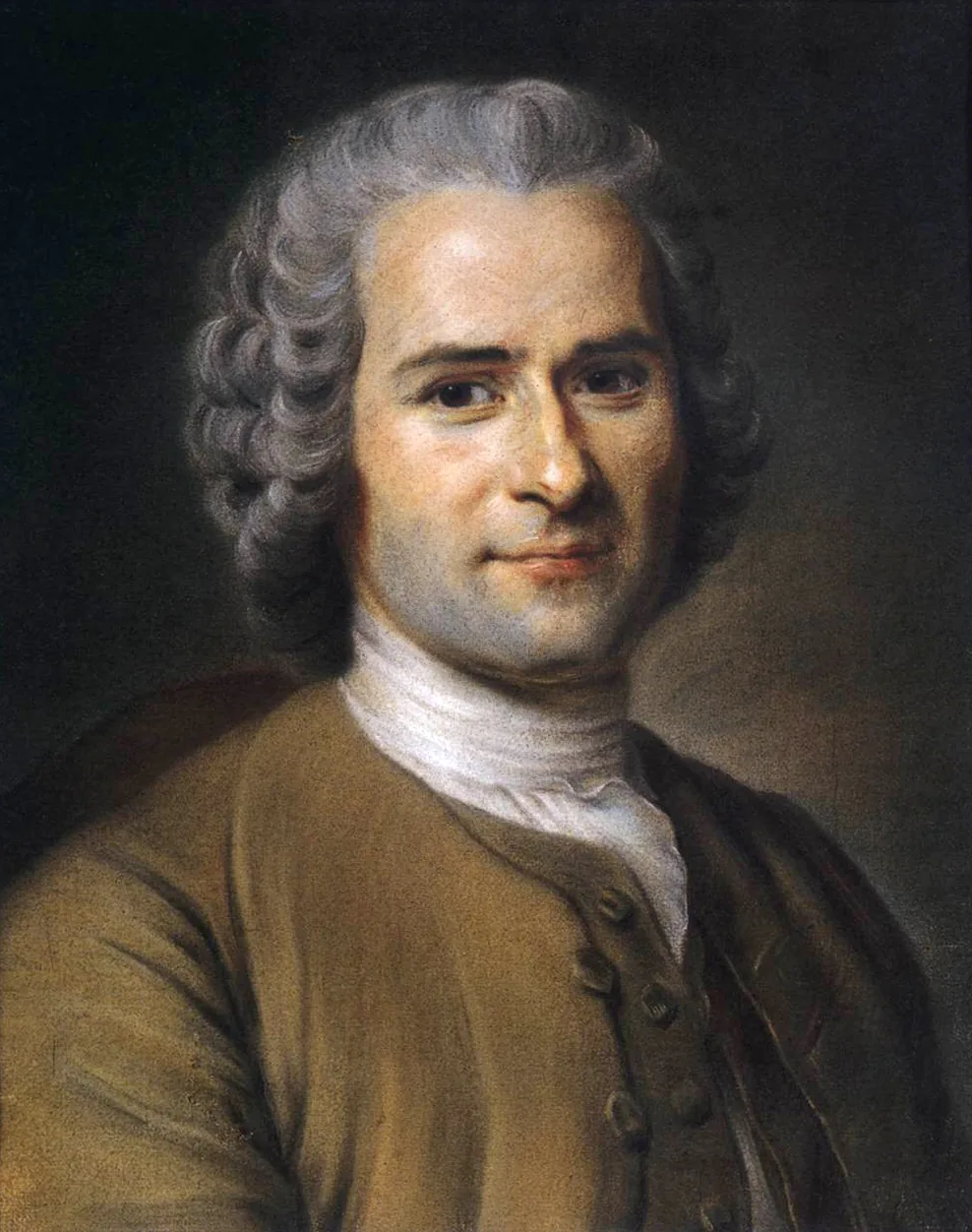
Wikimedia Commons · Creative Commons Public Domain Mark 1.0 · file Rousseau crossed the English Channel from Calais to Dover with Hume and companions during his journey into exile in Britain. The source establishes embarkation for Dover but gives no precise landing date; month precision is retained.
Crossing via Calais
· Calais, Kingdom of France
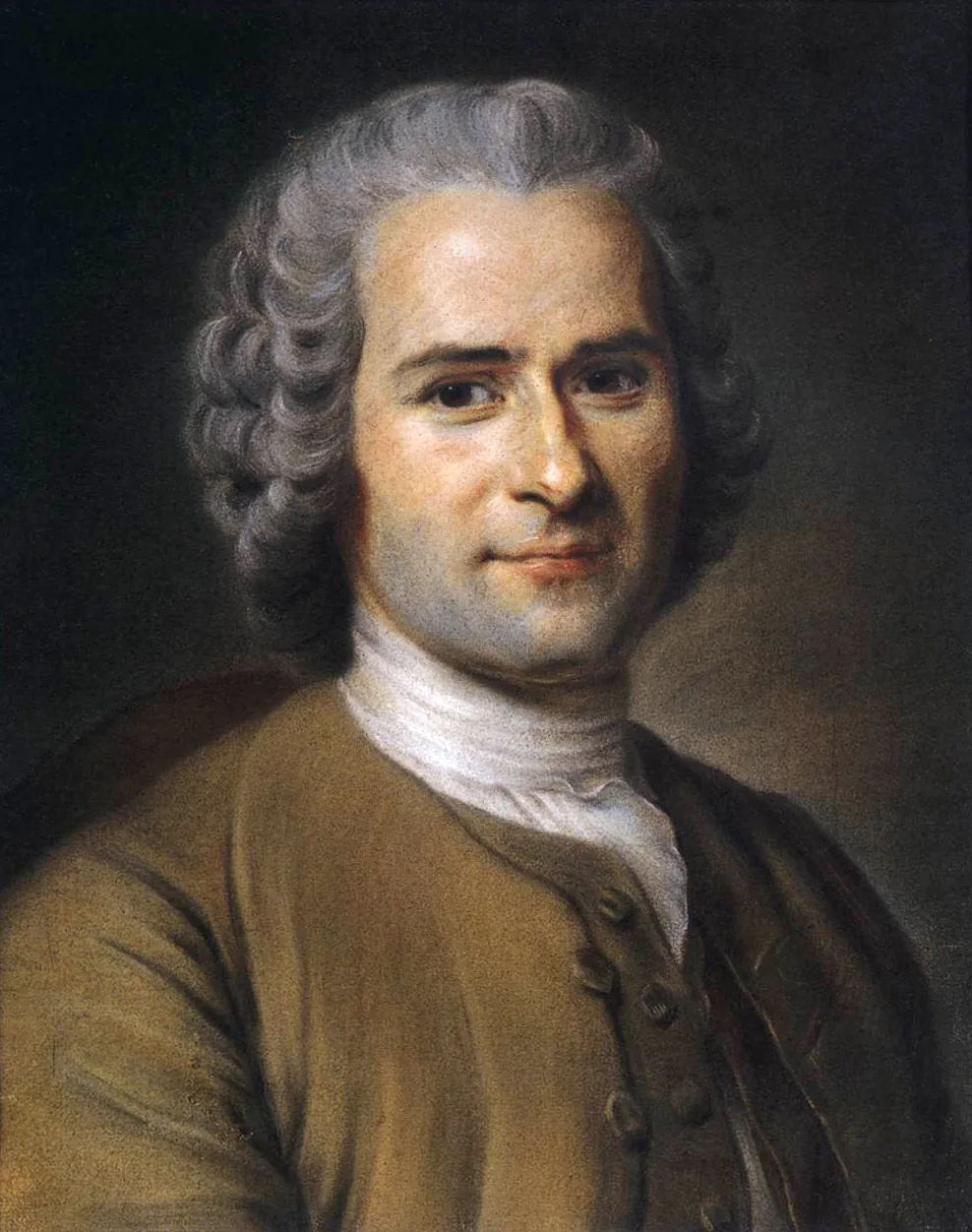
Wikimedia Commons · Creative Commons Public Domain Mark 1.0 · file Rousseau traveled with David Hume from Paris to Calais, where the party stayed two nights before embarking for England. The journey began from Paris on 4 January 1766; the source does not explicitly state the day of arrival at Calais.
Stay at Chiswick
· Chiswick, London, Kingdom of Great Britain
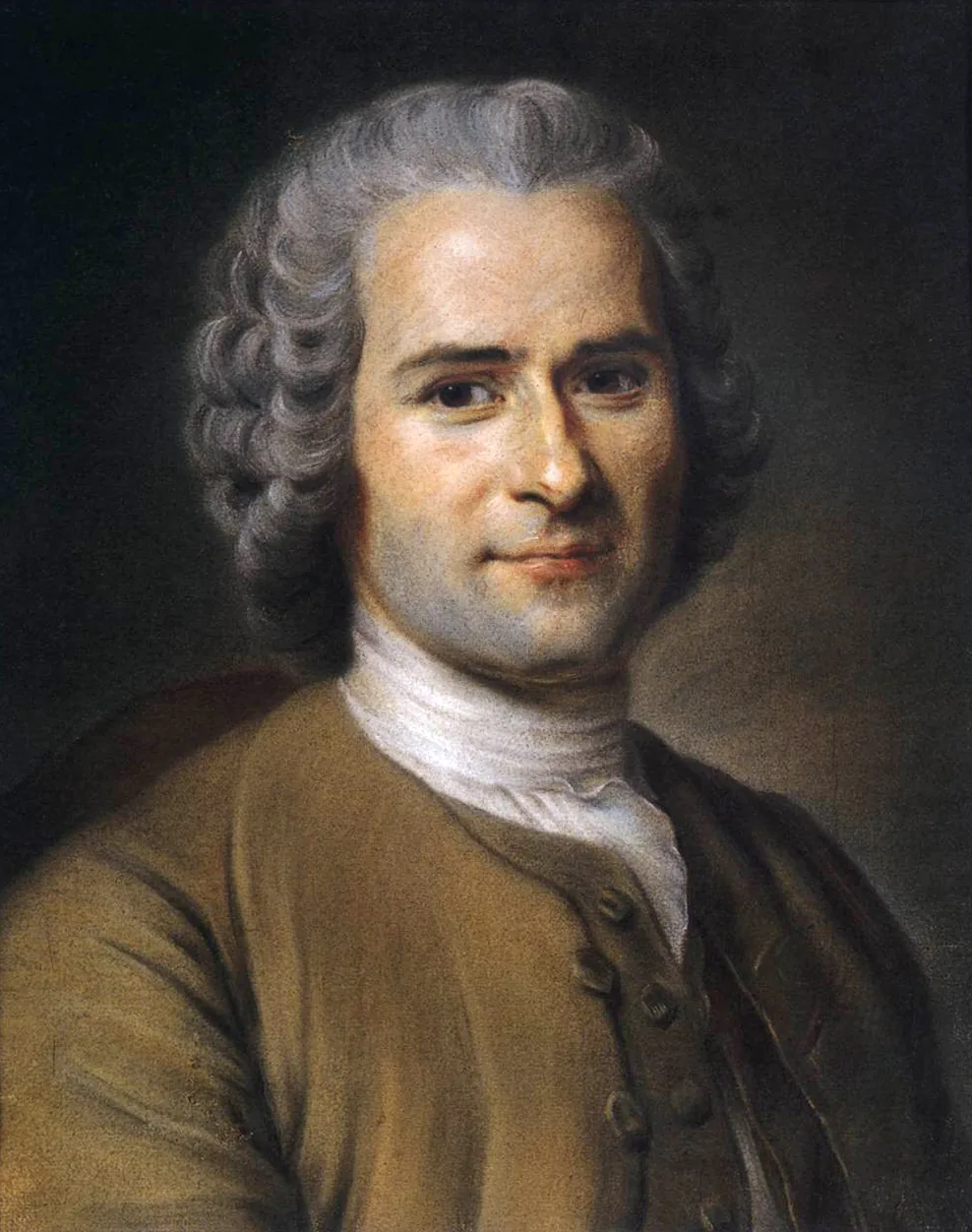
Wikimedia Commons · Creative Commons Public Domain Mark 1.0 · file To escape the stream of visitors he received in London, Rousseau moved to Chiswick at Hume’s urging. The source places the move after the 13 January 1766 arrival in London but does not provide a more precise date.
Arrival in London
· London, Kingdom of Great Britain
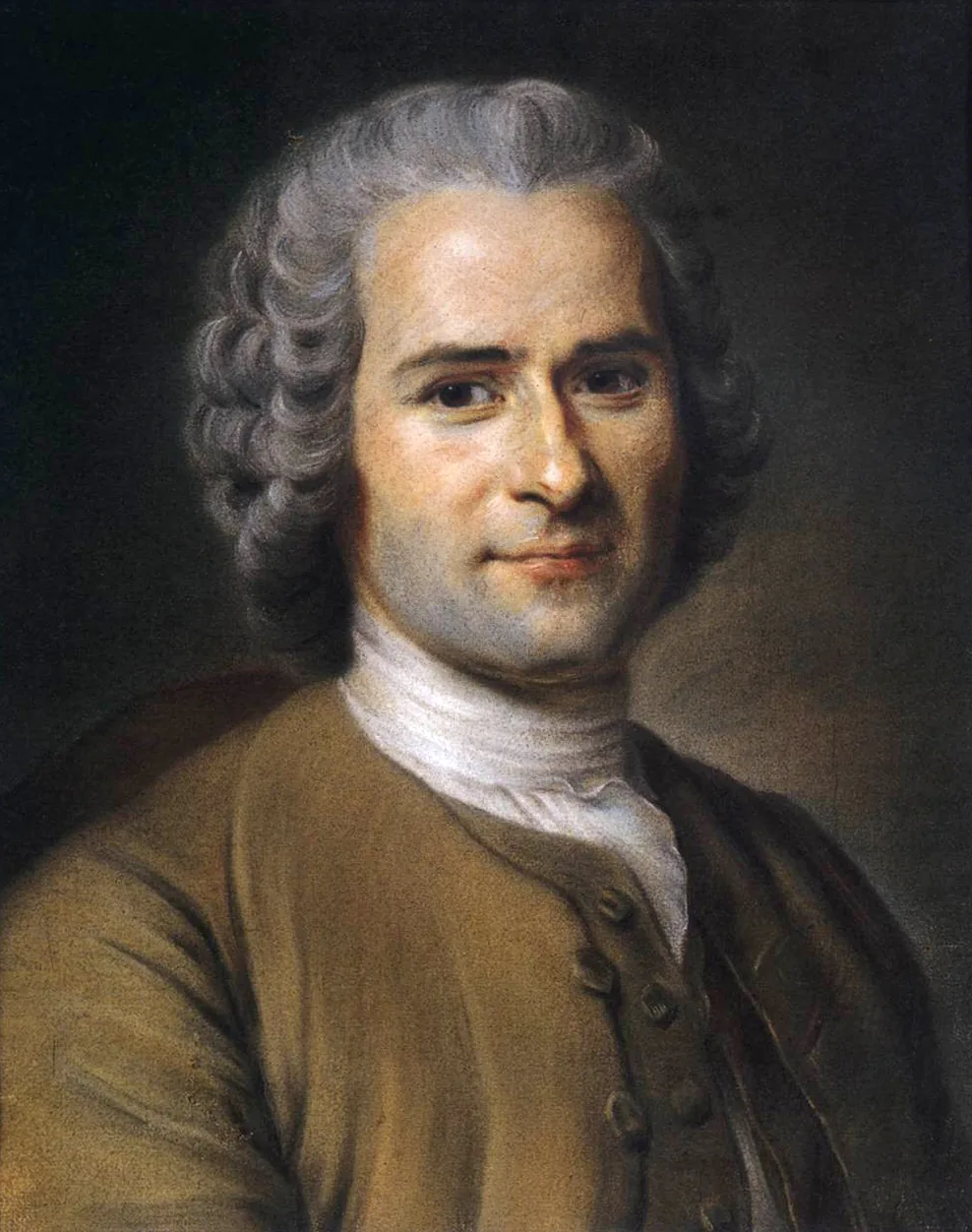
Wikimedia Commons · Creative Commons Public Domain Mark 1.0 · file Rousseau and Hume arrived in London; soon afterward Rousseau attended a performance at Drury Lane Theatre in a box arranged by David Garrick.
Residence at Wootton Hall
· Wootton Hall, Wootton, Staffordshire, Kingdom of Great Britain
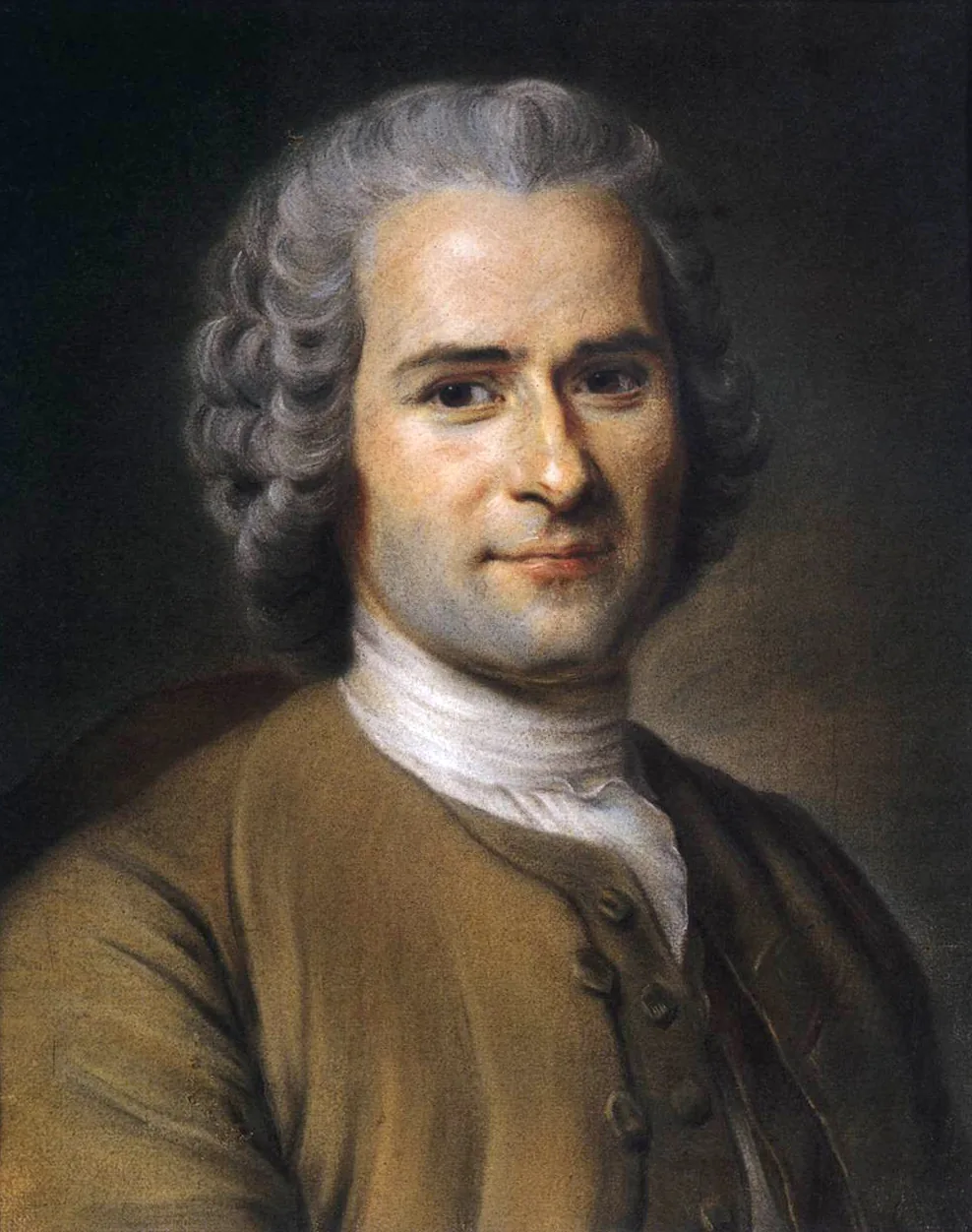
Wikimedia Commons · Creative Commons Public Domain Mark 1.0 · file Rousseau and Thérèse Levasseur left London-area lodgings for Wootton Hall in Staffordshire, where the public rupture with Hume unfolded. Wootton Hall was demolished in the 1930s; coordinates represent Wootton village.
Banquet at Amiens after reentry to France
· Amiens, Kingdom of France
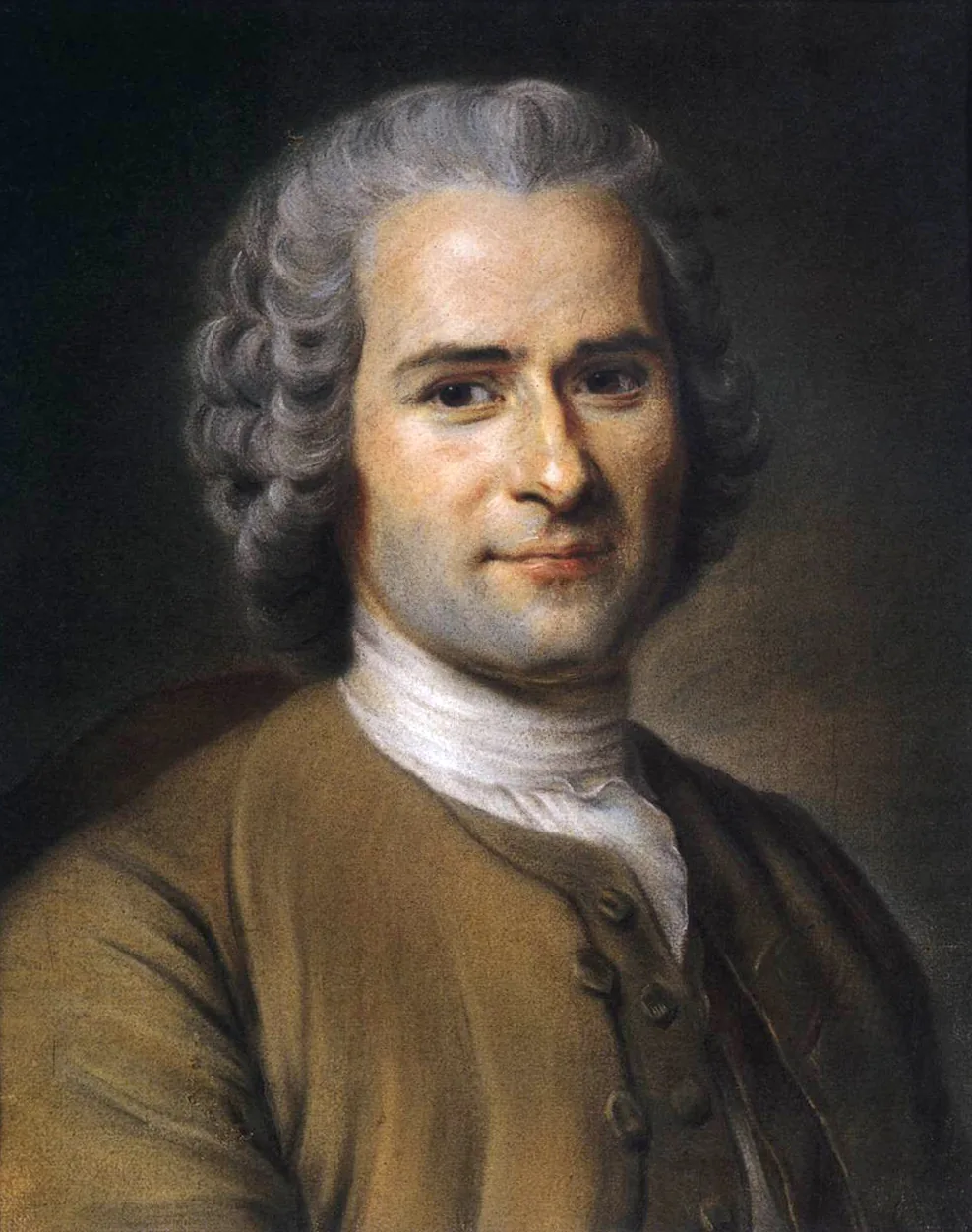
Wikimedia Commons · Creative Commons Public Domain Mark 1.0 · file Rousseau reentered France under an assumed name but was recognized at Amiens, whose city held a banquet in his honor. The wording ties the dated reentry and the Amiens banquet in the same account.
Departure from Dover for France
· Dover, Kingdom of Great Britain
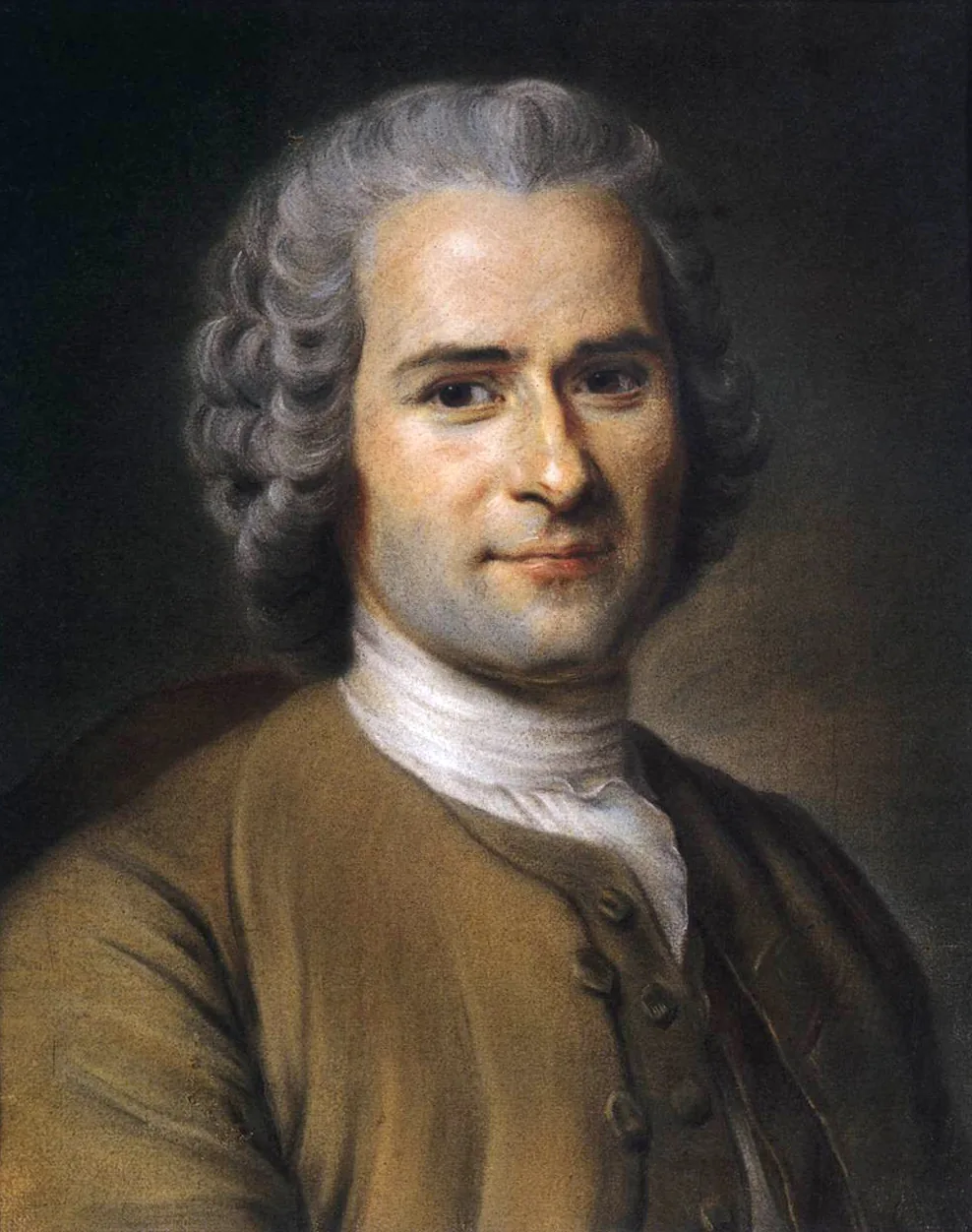
Wikimedia Commons · Creative Commons Public Domain Mark 1.0 · file Amid the dispute with Hume and fear of persecution, Rousseau and Thérèse left Britain from Dover for Calais.
Move to Trie-Château
· Trie-Château, Kingdom of France
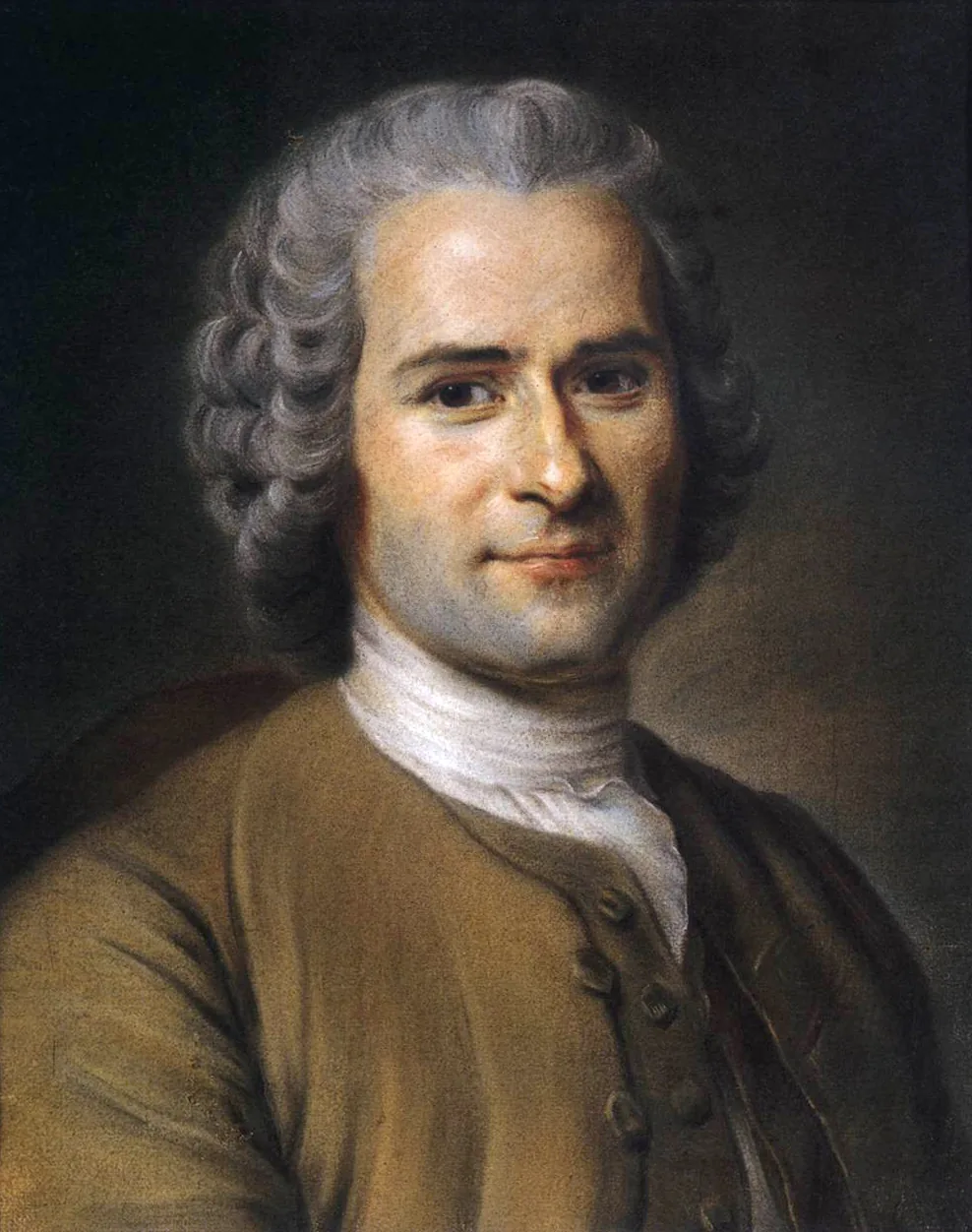
Wikimedia Commons · Creative Commons Public Domain Mark 1.0 · file Rousseau moved to a château belonging to the Prince of Conti at Trie, seeking a protected residence after his return to France.
Passage through Lyon
· Lyon, Kingdom of France
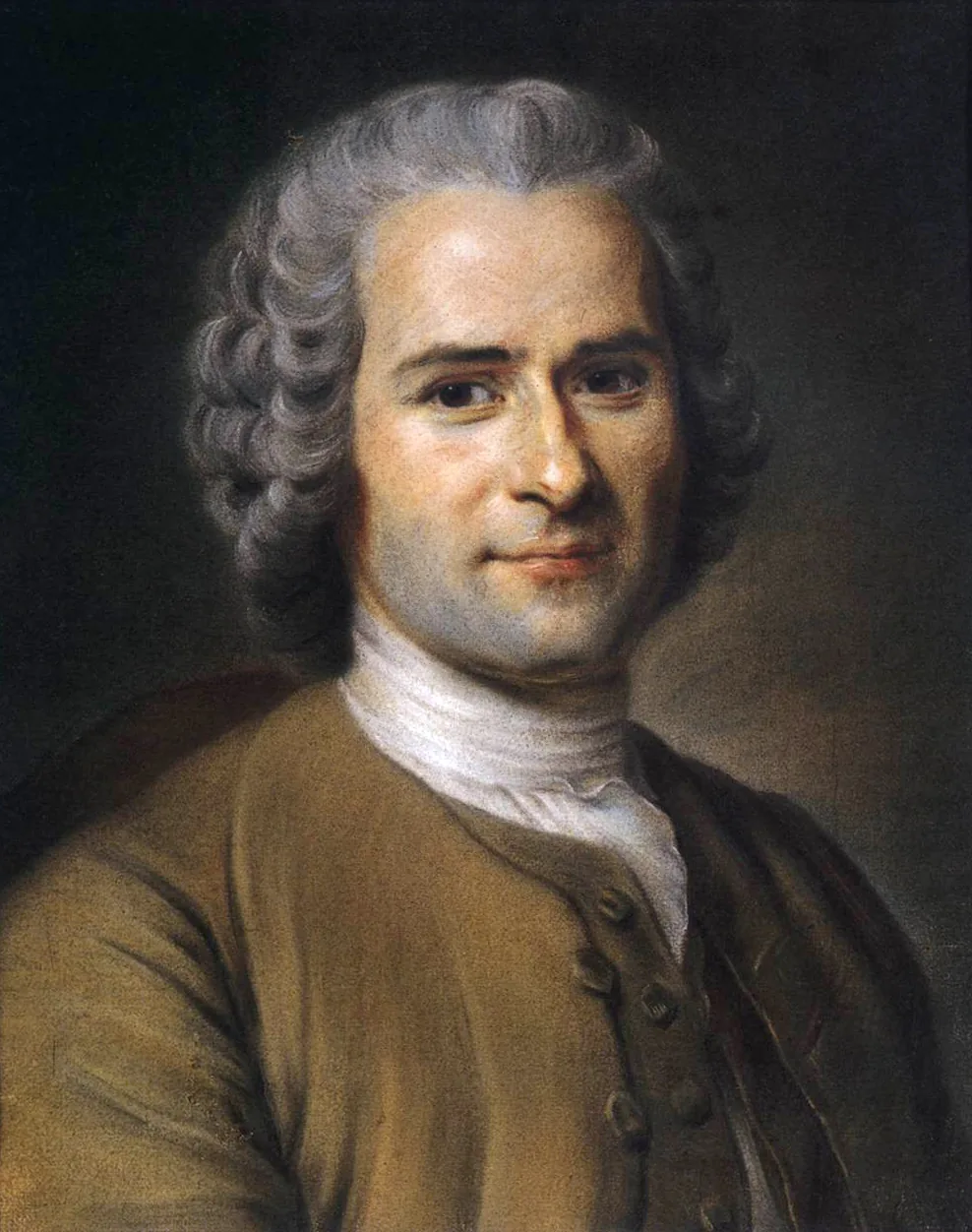
Wikimedia Commons · Creative Commons Public Domain Mark 1.0 · file After leaving Trie, Rousseau traveled first to Lyon before continuing to Bourgoin, where Thérèse later joined him.
Marriage ceremony at Bourgoin
· Bourgoin, Kingdom of France
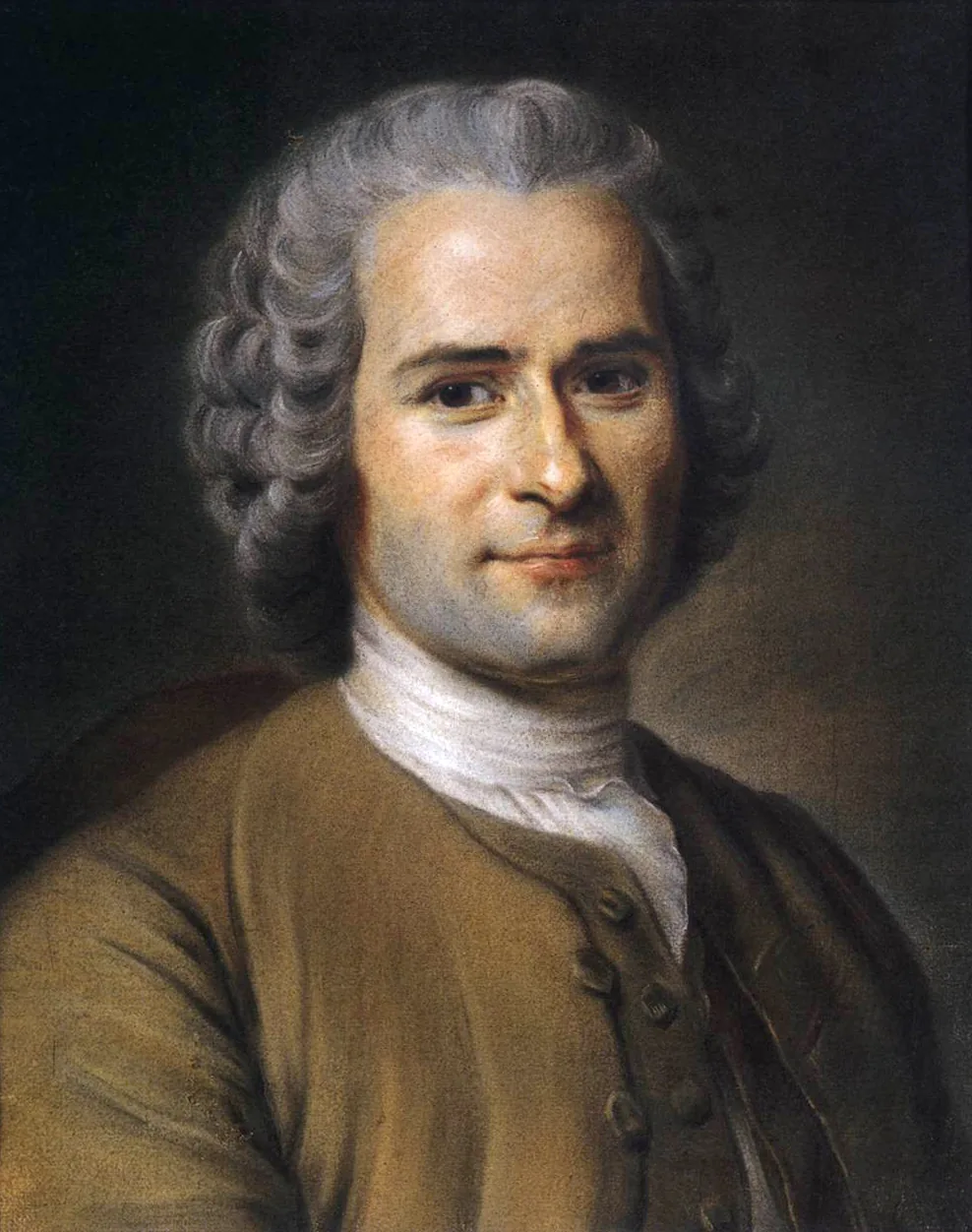
Wikimedia Commons · Creative Commons Public Domain Mark 1.0 · file Rousseau and Thérèse Levasseur underwent a faux civil marriage ceremony at Bourgoin under Rousseau’s assumed name, Renou. Bourgoin is now Bourgoin-Jallieu.
Farmhouse near Grenoble
· Grenoble, Kingdom of France
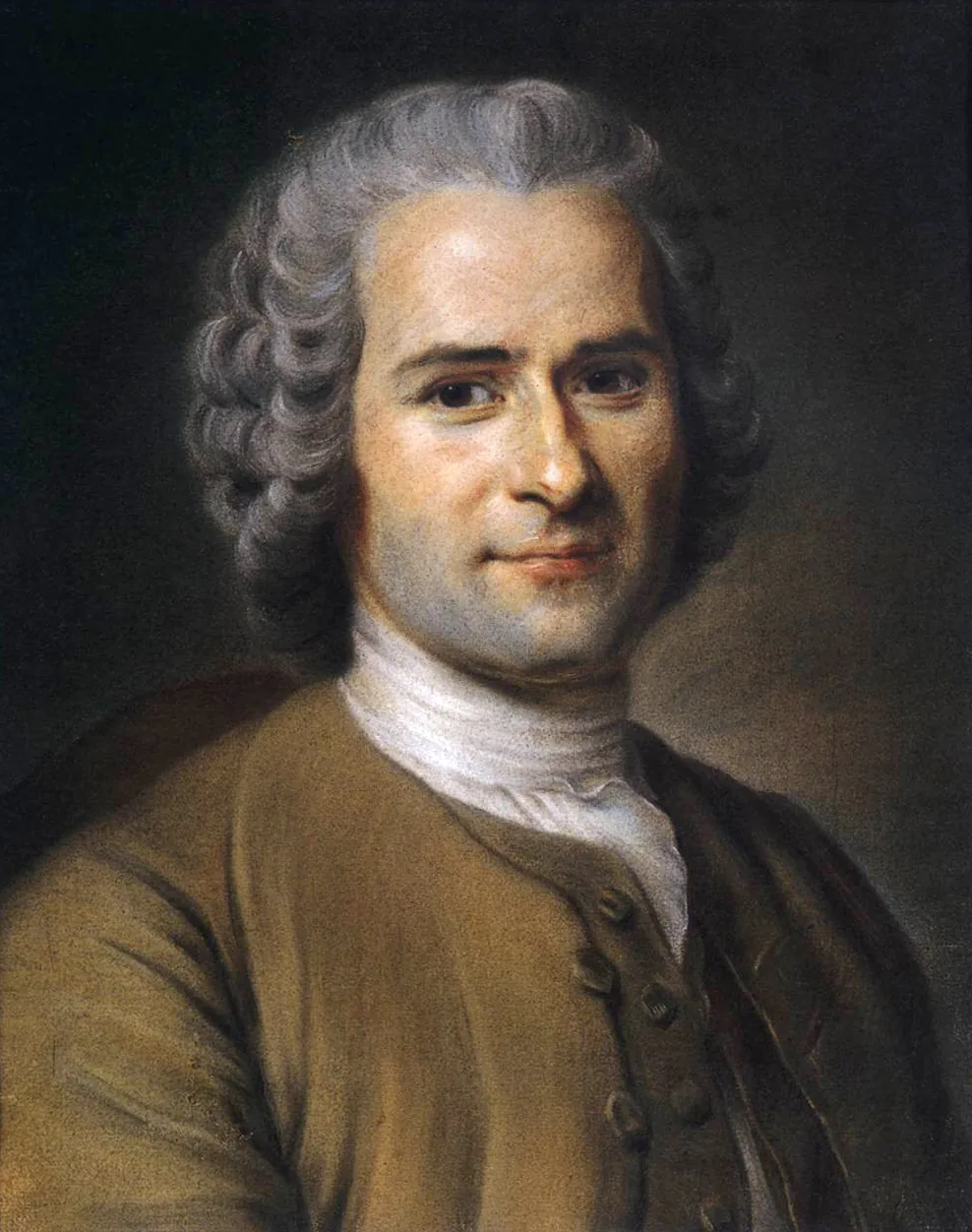
Wikimedia Commons · Creative Commons Public Domain Mark 1.0 · file Rousseau and Thérèse moved into a farmhouse near Grenoble, where he practiced botany and completed the Confessions. The source specifies only a farmhouse near Grenoble; coordinates represent Grenoble.
Lyon residence and musical collaboration
· Lyon, Kingdom of France
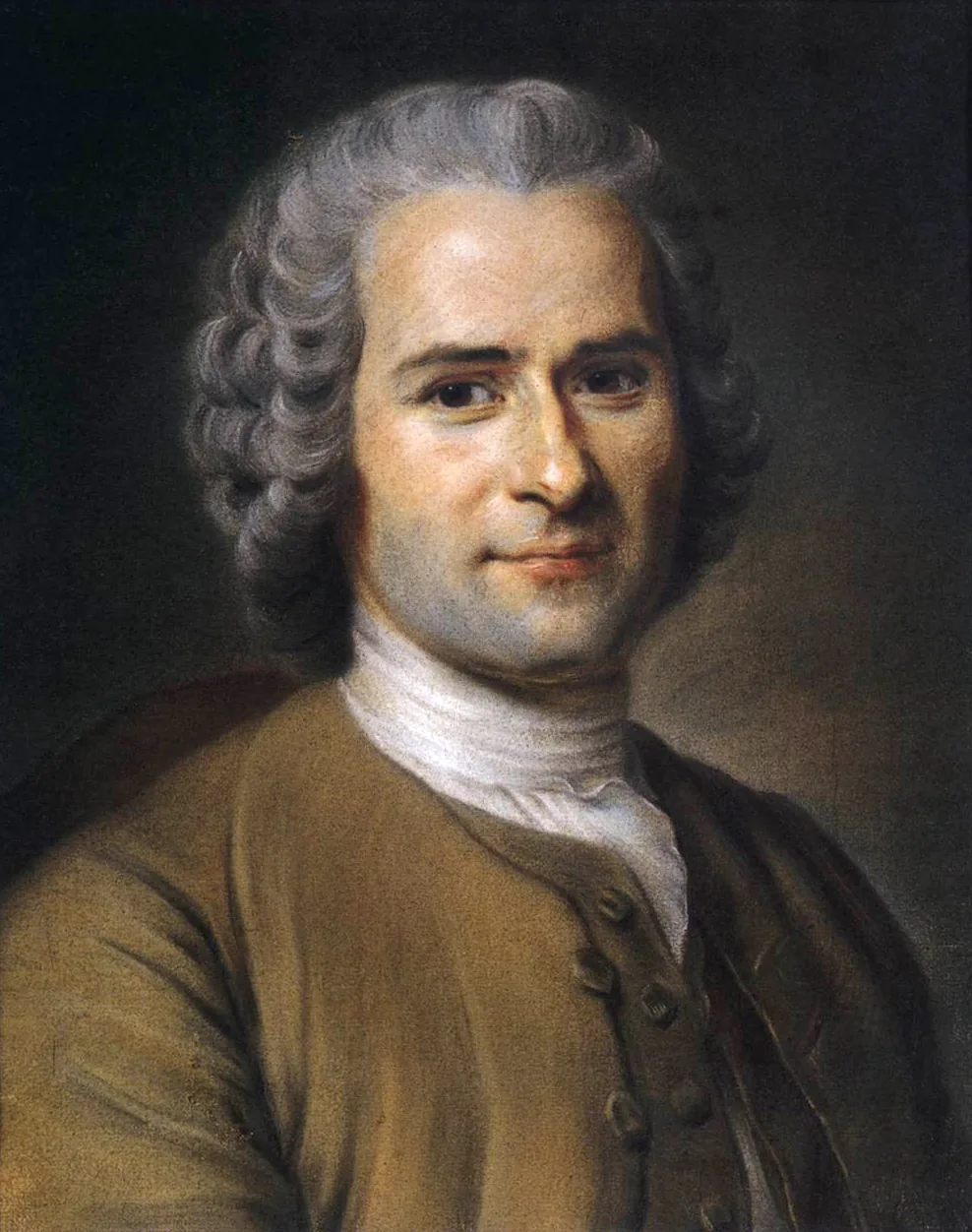
Wikimedia Commons · Creative Commons Public Domain Mark 1.0 · file Rousseau and Thérèse left the Grenoble area for Lyon, where he befriended Horace Coignet and encouraged musical settings linked to Pygmalion.
Final Paris residence on Rue Platrière
· Rue Platrière, Paris, Kingdom of France
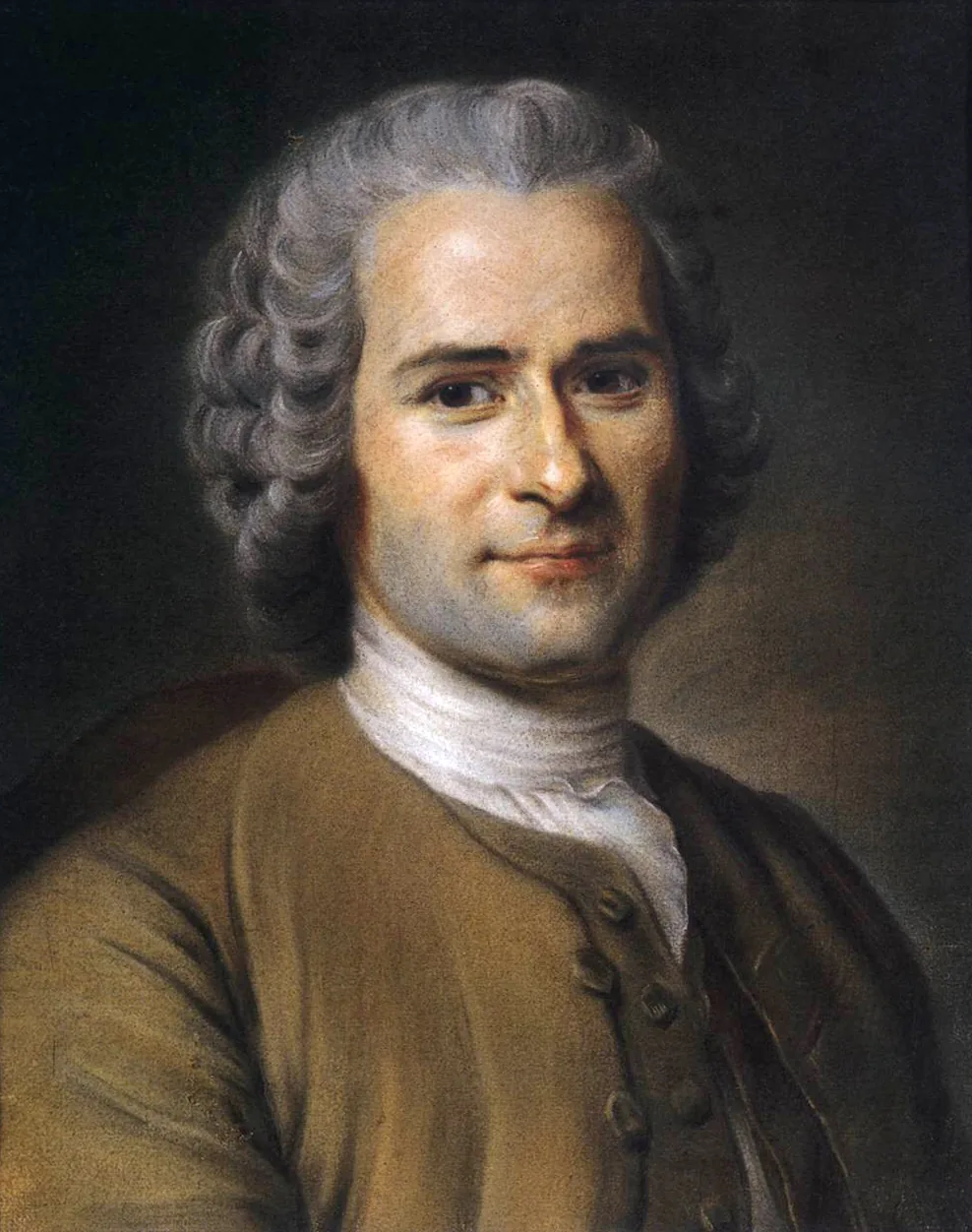
Wikimedia Commons · Creative Commons Public Domain Mark 1.0 · file Rousseau and Thérèse reached Paris and lodged on Rue Platrière, supporting themselves through music copying while Rousseau pursued botany and autobiographical writing. Rue Platrière is now Rue Jean-Jacques-Rousseau; coordinates are a representative point on the historic street.
Carriage accident in Paris
· Paris, Kingdom of France
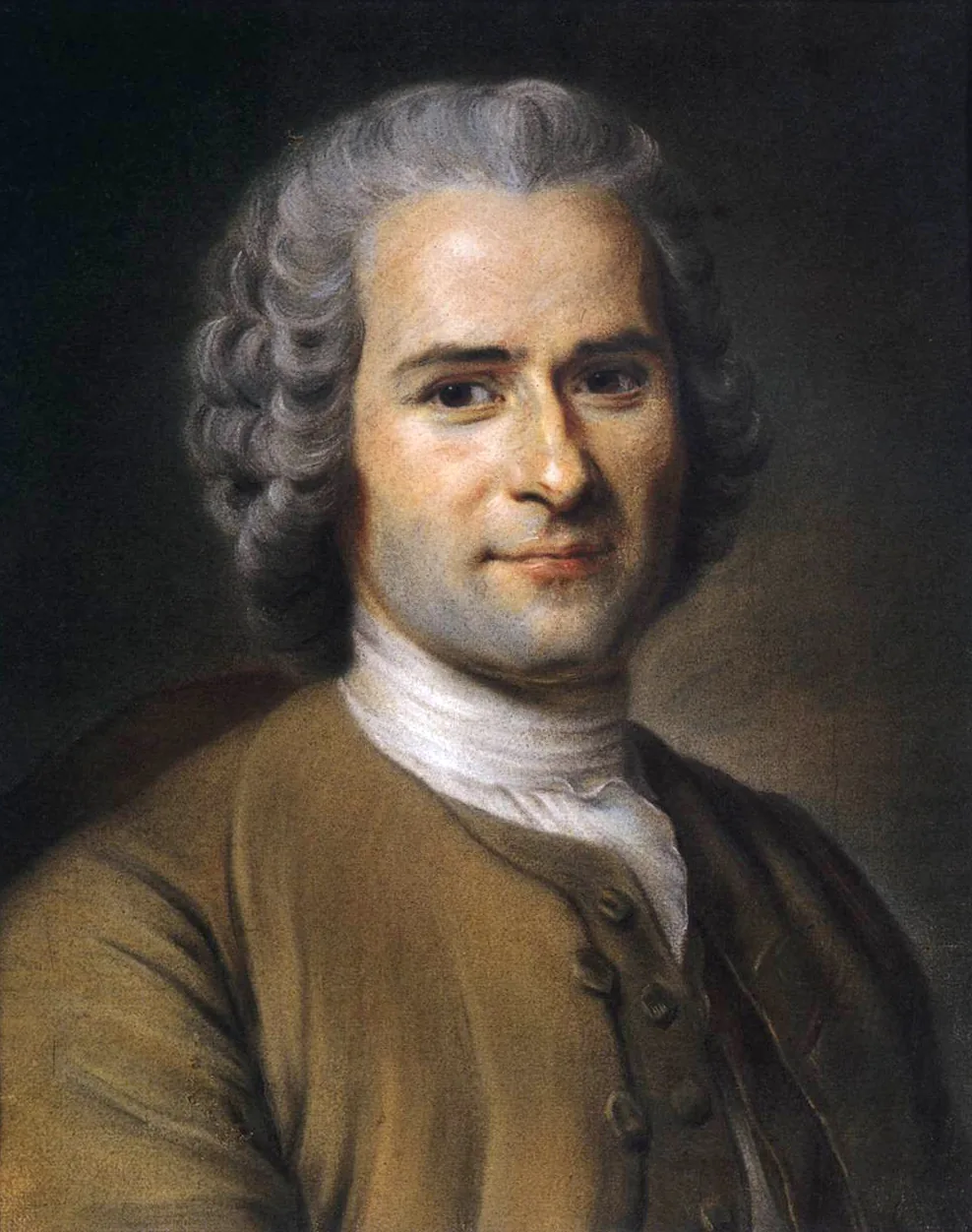
Wikimedia Commons · Creative Commons Public Domain Mark 1.0 · file While walking in Paris, Rousseau was knocked down by a nobleman’s Great Dane alongside a passing carriage; the incident was followed by declining health. The source does not identify the street; coordinates represent central Paris.
Move to Ermenonville
· Château d'Ermenonville, Ermenonville, Kingdom of France
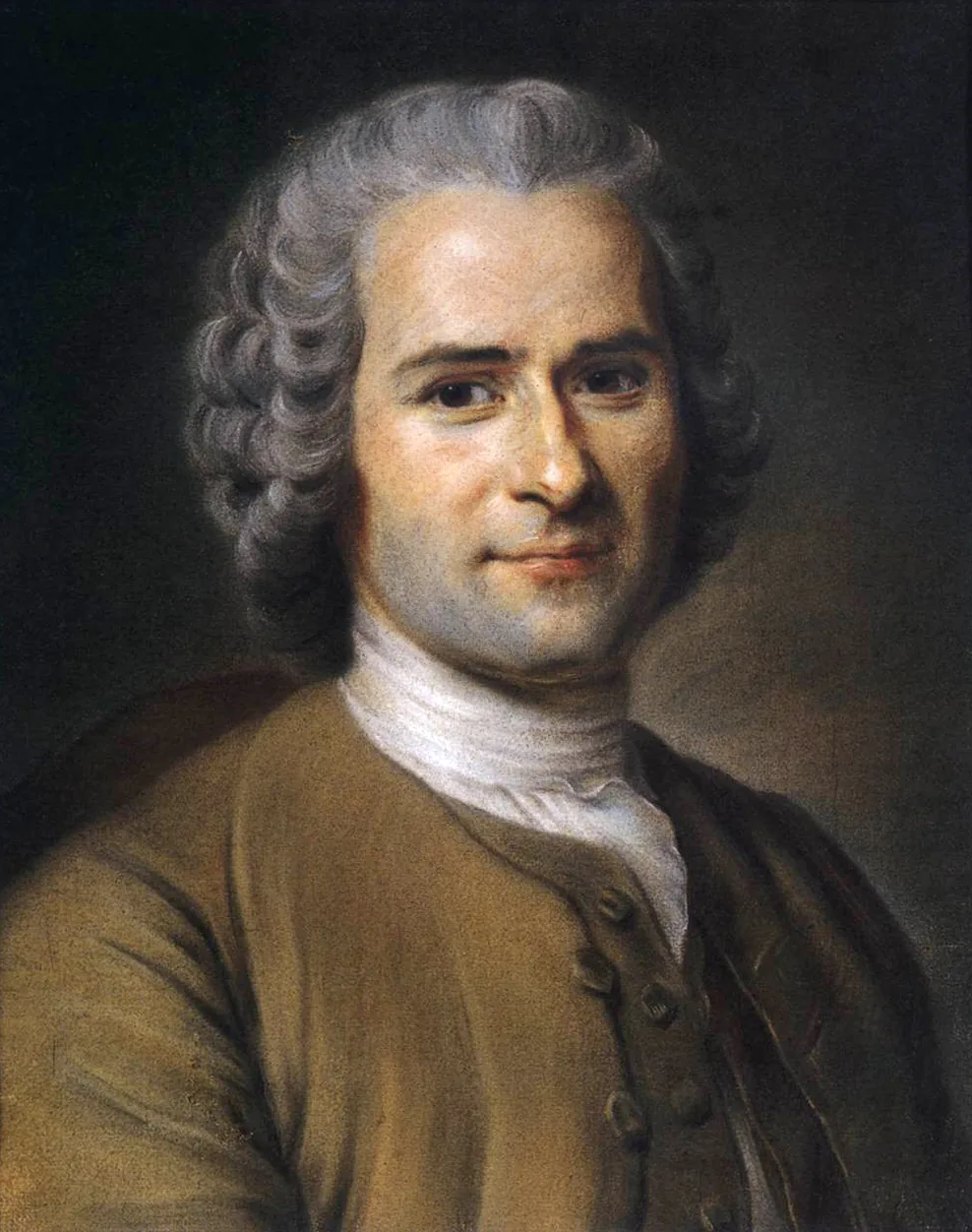
Wikimedia Commons · Creative Commons Public Domain Mark 1.0 · file At the Marquis de Girardin’s invitation, Rousseau and Thérèse moved to a cottage on the Ermenonville estate, where he collected botanical specimens and taught botany. The preceding sentence identifies the destination as a cottage in the château at Ermenonville.
Death at Ermenonville
· Château d'Ermenonville, Ermenonville, Kingdom of France
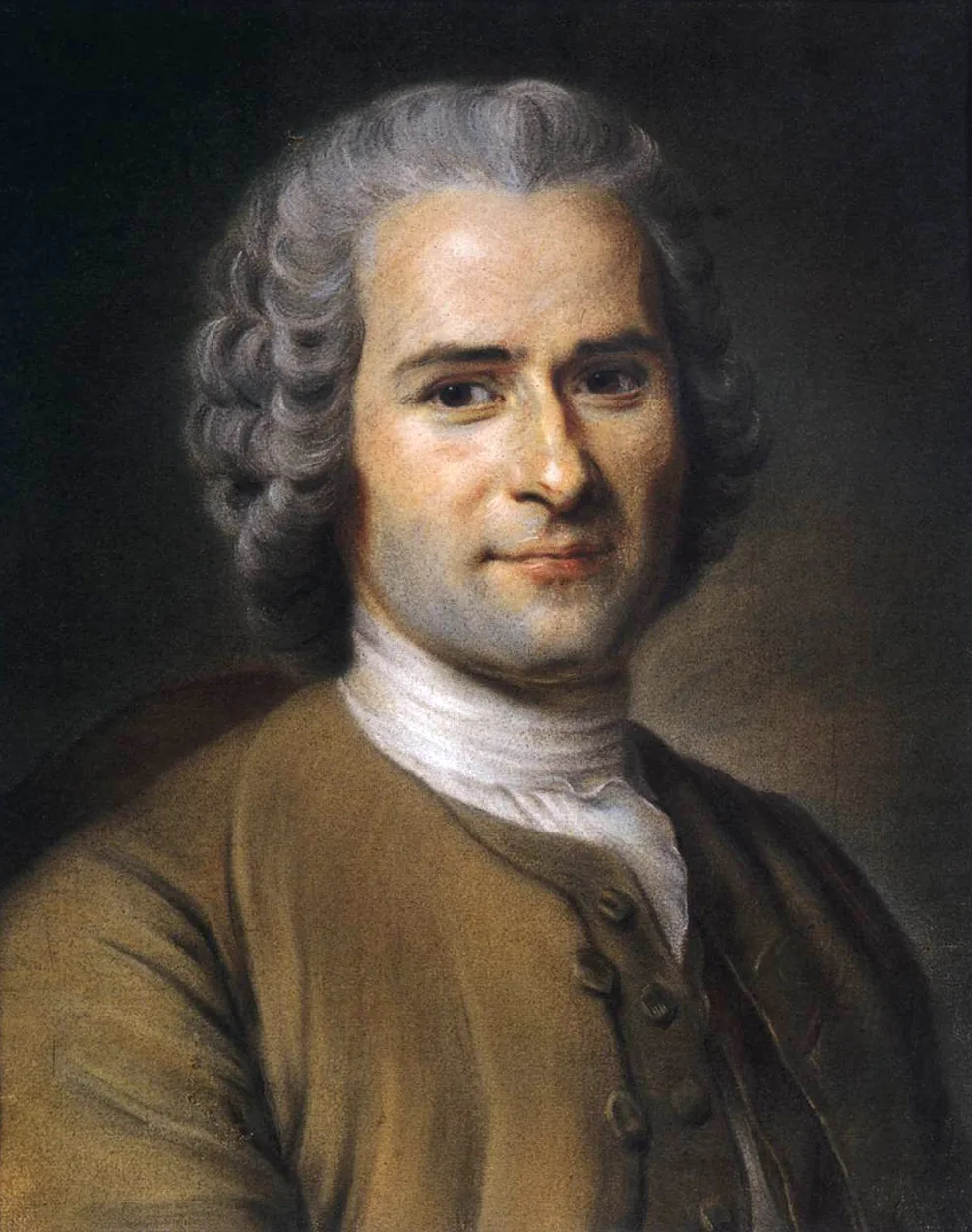
Wikimedia Commons · Creative Commons Public Domain Mark 1.0 · file Rousseau died at Ermenonville while preparing to teach music to Girardin’s daughter, ending his final period of retirement and botanical study. The article infobox gives his death date as 2 July 1778 and place as Ermenonville; the quoted passage follows the account of his final evening at the château.