
31 moments
Birth at Loyola
· Castle of Loyola, Azpeitia, Gipuzkoa, Spain
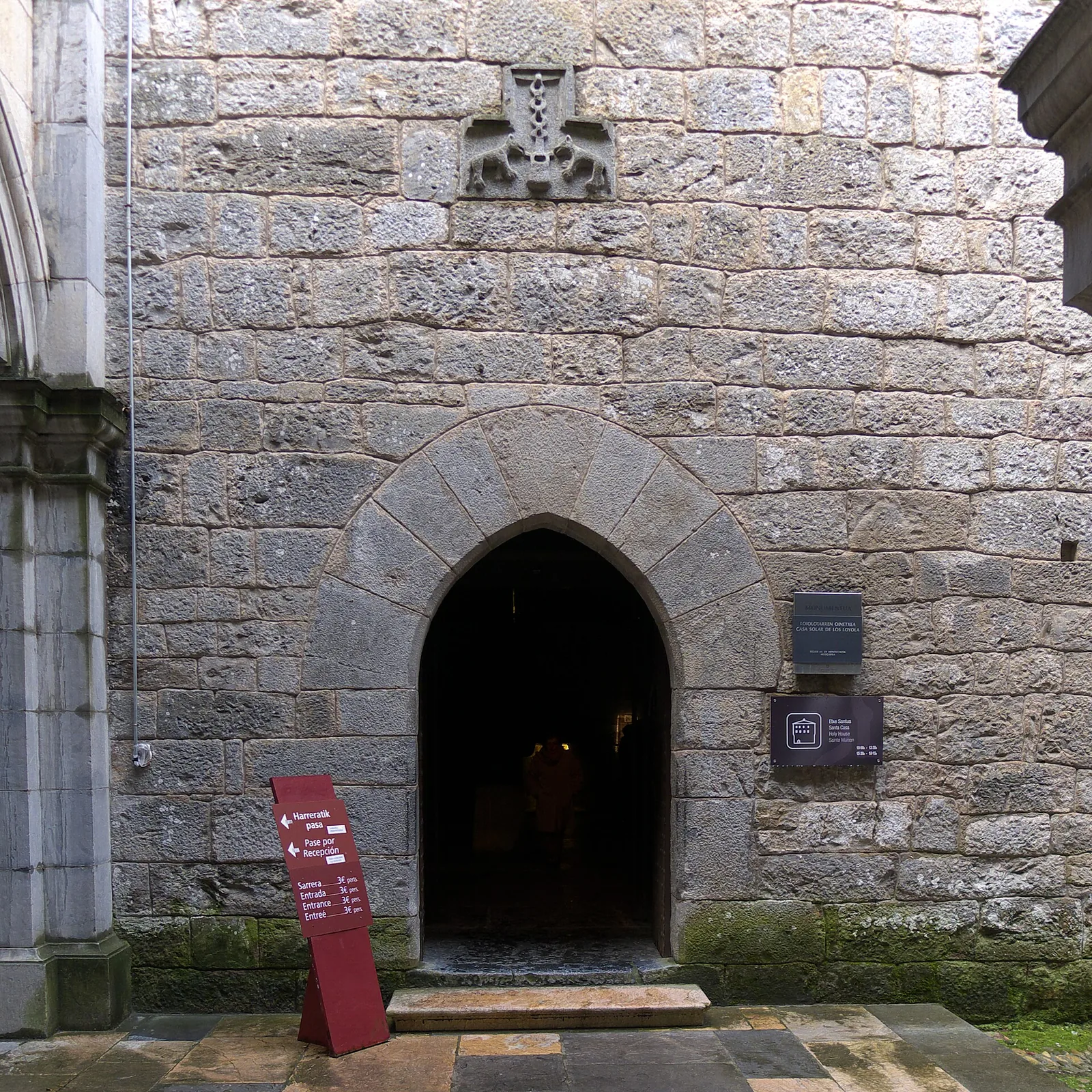
Wikimedia Commons · CC BY 3.0 · file Íñigo López de Oñaz y Loyola was born at the Loyola family castle, the origin point of his later name and identity. Coordinates identify the historic Loyola sanctuary/castle complex.
Return to the family home
· Casa Loyola, Azpeitia, Gipuzkoa, Spain
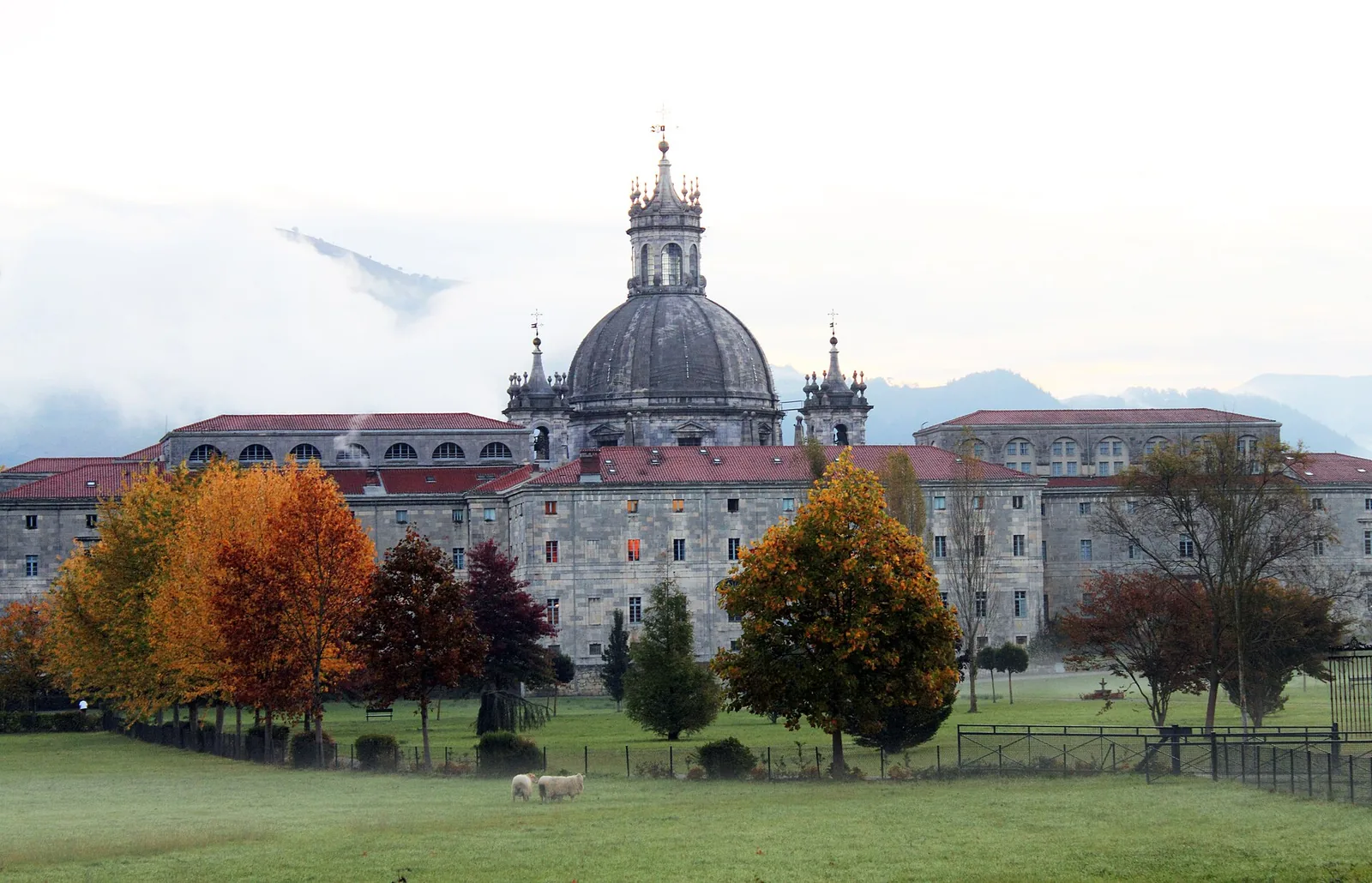
Wikimedia Commons · CC BY-SA 3.0 · file As a child, Íñigo returned to Casa Loyola after his brother Martín established his own household there. The source dates the return by his age rather than a calendar day.
Education as a courtly knight
· Arévalo, Ávila, Spain
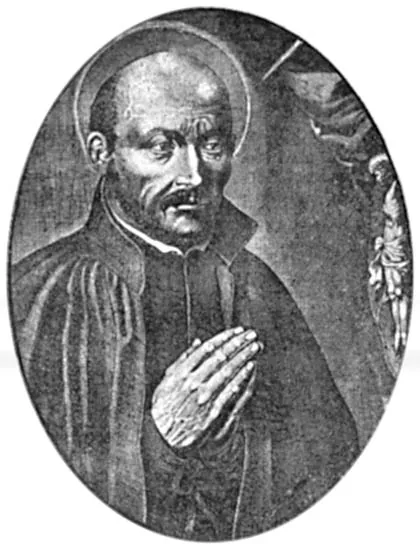
Wikimedia Commons · Public domain · file He began the period of courtly education and service in the household of Juan Velázquez de Cuéllar at Arévalo. The source gives a 1506–1517 residence-and-education period; 1506 marks its documented beginning.
Convalescence at Loyola
· Castle of Loyola, Azpeitia, Gipuzkoa, Spain
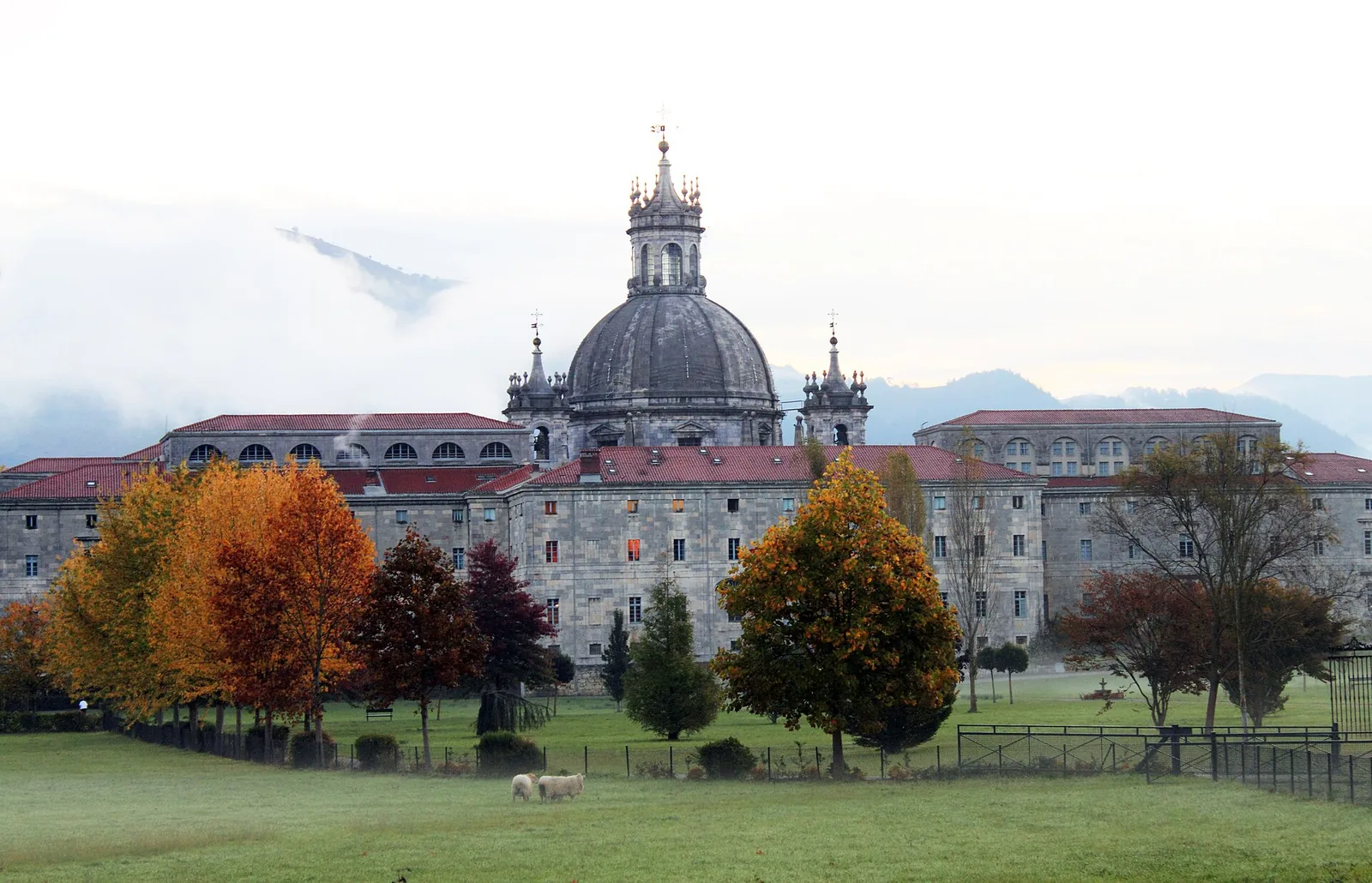
Wikimedia Commons · CC BY-SA 3.0 · file French army physicians treated him at Pamplona before he was carried to Loyola, where his long convalescence and religious conversion began. The source does not give a more precise return date.
Wounded defending Pamplona
· Citadel of Pamplona, Pamplona, Navarre, Spain
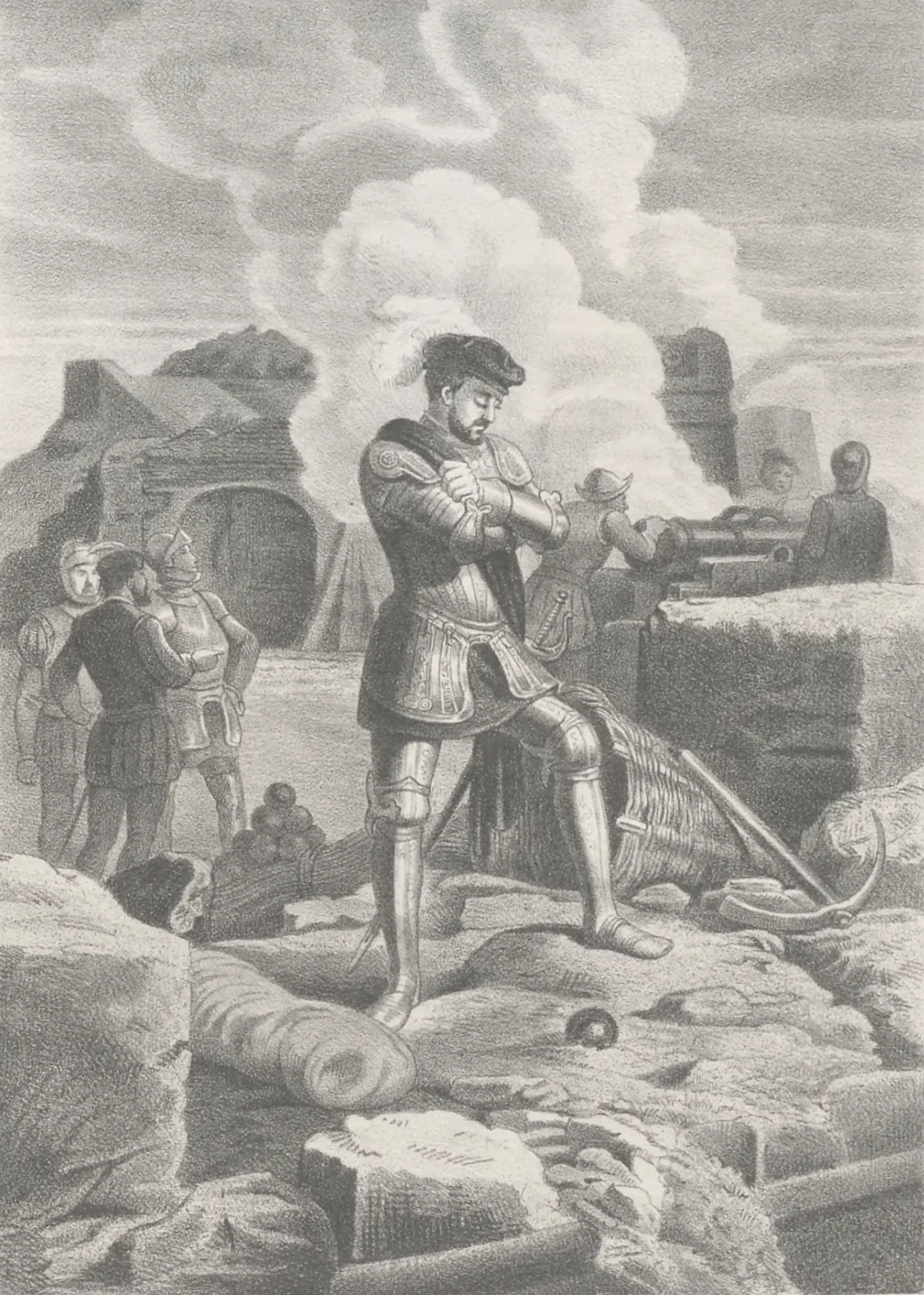
Wikimedia Commons · Public domain · file While defending Pamplona’s fortress against the French-Navarrese assault, he suffered the leg injury that ended his military career. Coordinates mark the present Citadel area, representing the historical fortress site.
Ascetic residence at Manresa
· Manresa, Catalonia, Spain
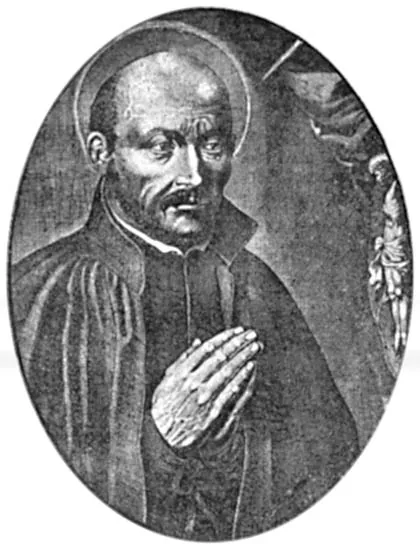
Wikimedia Commons · Public domain · file After Montserrat, he lived in Manresa for roughly a year, praying, begging, serving at a hospital, and developing the foundations of the Spiritual Exercises. The source supports an approximately year-long stay beginning in 1522; the coordinate marks central Manresa.
Vigil at Montserrat
· Santa Maria de Montserrat Abbey, Montserrat, Catalonia, Spain
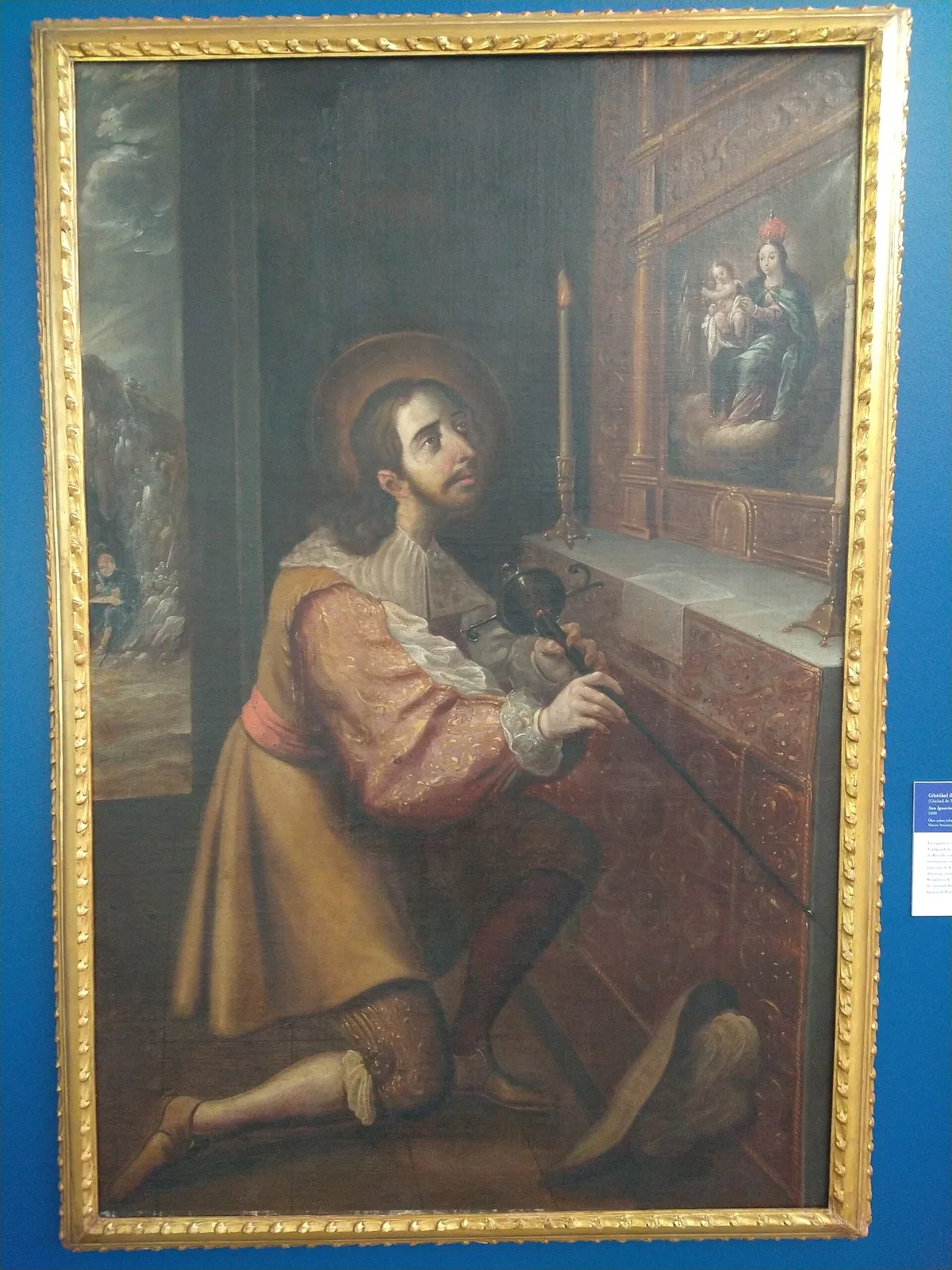
Wikimedia Commons · CC BY-SA 4.0 · file At the shrine of Montserrat, Ignatius made a general confession, gave up his arms, and kept an overnight vigil before departing as a pilgrim. The source specifies the eve of the Annunciation, 24 March 1522.
Departure from Barcelona for pilgrimage
· Port of Barcelona, Barcelona, Catalonia, Spain
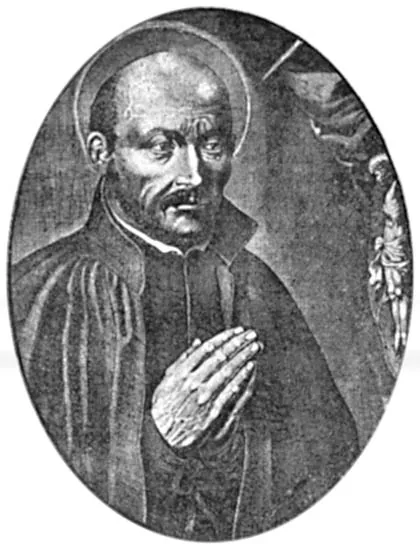
Wikimedia Commons · Public domain · file He began the sea-and-land journey toward Jerusalem from Barcelona after leaving Manresa. The source establishes departure from Barcelona; the itinerary is dated 1523 by the surrounding chronology.
First stay in Venice
· Venice, Veneto, Italy
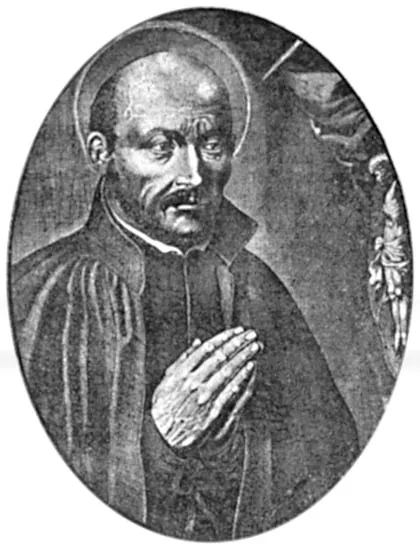
Wikimedia Commons · Public domain · file He stayed in Venice while arranging passage eastward, begging for food and lodging before embarking for Cyprus. The source places him in Venice during the 1523 Holy Land journey.
Landing in Apulia
· Apulia, Italy
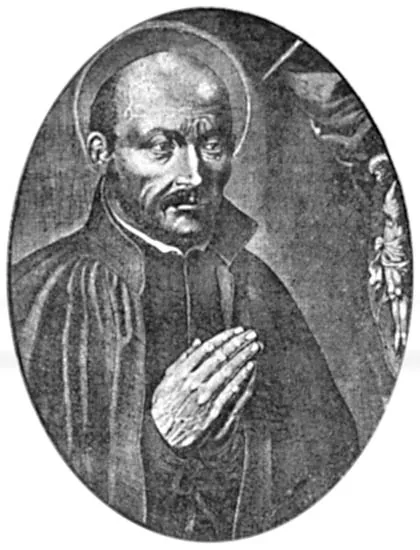
Wikimedia Commons · Public domain · file On the return voyage from Cyprus, his small ship reached the Apulian coast safely after a storm. The evidence supports Apulia broadly; coordinates are a representative regional point.
Pilgrim in Rome
· Rome, Italy
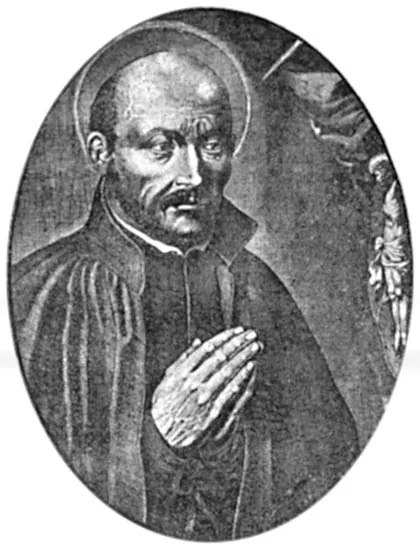
Wikimedia Commons · Public domain · file During his journey to the Holy Land, Ignatius entered Rome on Palm Sunday and secured a papal blessing before continuing toward Venice. The source gives Palm Sunday but not a calendar date in the quoted text.
Transit through Padua
· Padua, Veneto, Italy
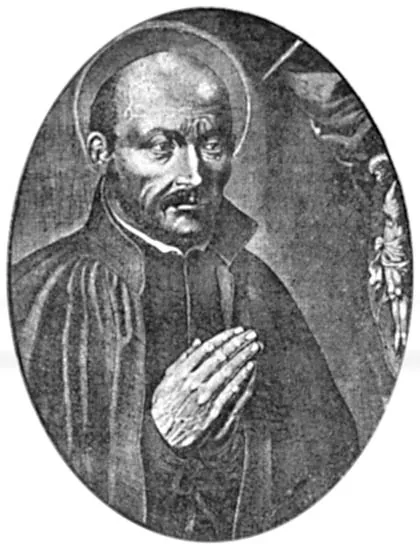
Wikimedia Commons · Public domain · file On the route from Rome to Venice, Ignatius entered Padua despite lacking the plague certificate required of his traveling companions. The immediately preceding text identifies the city as Padua; the source does not provide a more precise date.
Arrival at Jaffa
· Jaffa Port, Tel Aviv–Yafo, Israel
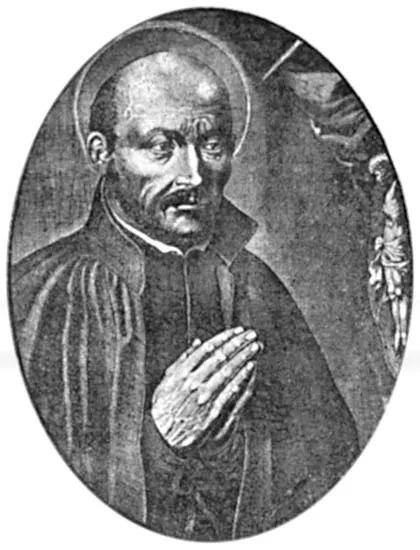
Wikimedia Commons · Public domain · file Ignatius landed at Jaffa with fellow pilgrims before traveling inland to Jerusalem. Coordinates mark Jaffa’s historic harbor area.
Pilgrimage in the Holy Land
· Jerusalem, Israel/Palestine
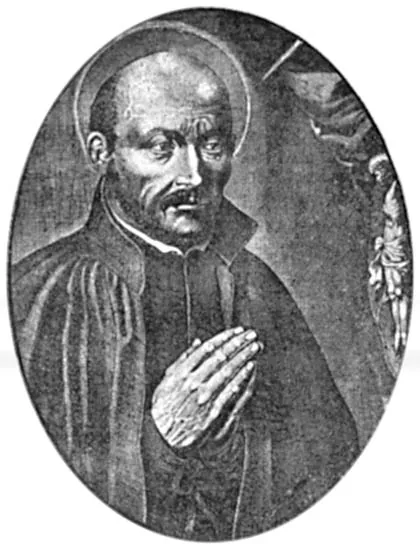
Wikimedia Commons · Public domain · file He remained in the Holy Land for twenty days, intending to settle there before the Franciscans required his return to Europe. The source dates his stay in the Holy Land, rather than each individual site visited; coordinates represent Jerusalem’s Old City.
Passage through Ferrara
· Ferrara, Emilia-Romagna, Italy
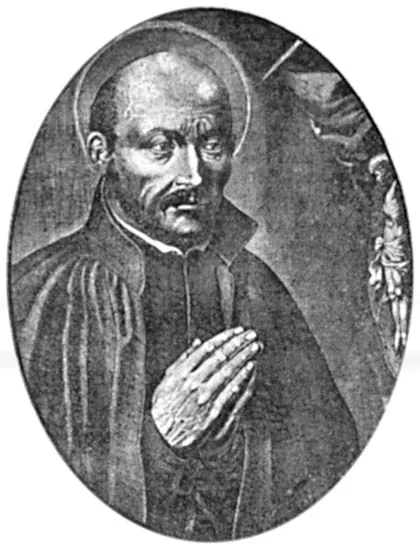
Wikimedia Commons · Public domain · file While traveling from Venice toward Genoa, he stopped at Ferrara and gave away the money he had to beggars outside its principal church. The event falls on his documented return journey to Barcelona in early 1524; the source gives no narrower date.
Passage through Genoa
· Genoa, Liguria, Italy
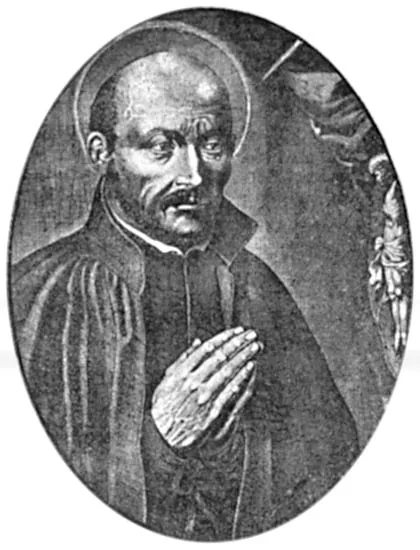
Wikimedia Commons · Public domain · file At Genoa, an acquaintance arranged his passage aboard a ship bound for Barcelona. The event belongs to the documented 1524 return journey; no narrower date is given.
Return to Venice
· Venice, Veneto, Italy
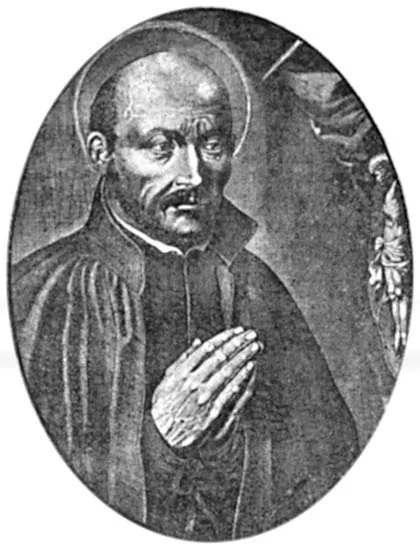
Wikimedia Commons · Public domain · file Ignatius returned to Venice from the eastern Mediterranean and resolved to pursue formal study after being unable to remain in Jerusalem. The source supplies month-level precision only.
Return to Barcelona for study
· Barcelona, Catalonia, Spain
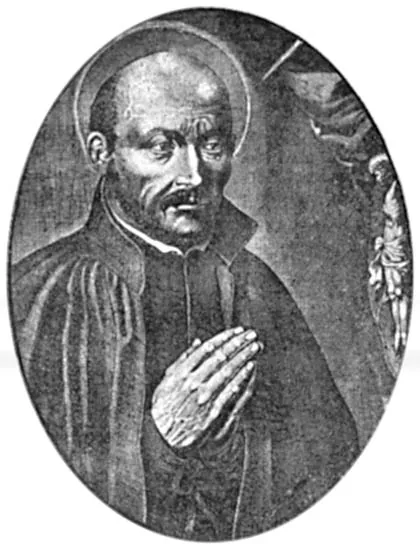
Wikimedia Commons · Public domain · file After returning from the Holy Land, Ignatius reached Barcelona and began the education he considered necessary for future religious work. The source supports month-level precision only.
Studies and imprisonment at Alcalá
· University of Alcalá, Alcalá de Henares, Spain
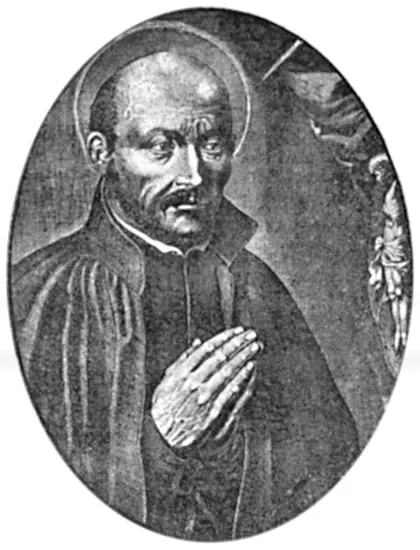
Wikimedia Commons · Public domain · file He attended the University of Alcalá, studying theology and Latin; his unsanctioned preaching led to interrogation and release by the Inquisition. The source supports a 1526–1527 course of study; 1526 marks the documented beginning.
Studies and trial at Salamanca
· Salamanca, Castile and León, Spain
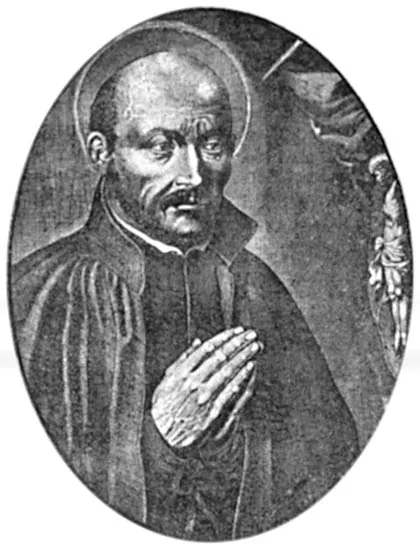
Wikimedia Commons · Public domain · file Ignatius moved to Salamanca for further study, where authorities again investigated and imprisoned him in connection with his religious teaching. Coordinates represent the historic university district.
Arrival for studies in Paris
· Collège de Montaigu site, Paris, France
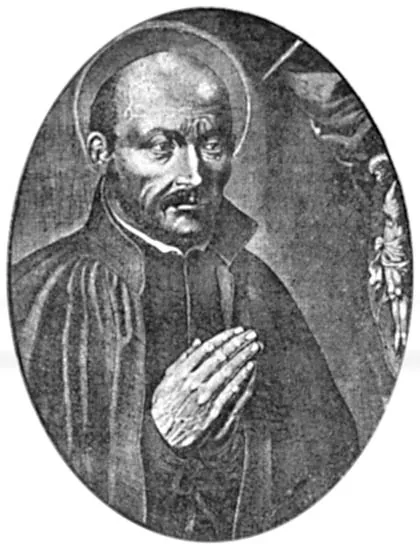
Wikimedia Commons · Public domain · file He arrived in Paris on foot to continue his education, initially attending lectures at the Collège de Montaigu. The Collège de Montaigu no longer survives; coordinates identify its historic Left Bank site.
Vows at Montmartre
· Chapelle des Martyrs, Montmartre, Paris, France
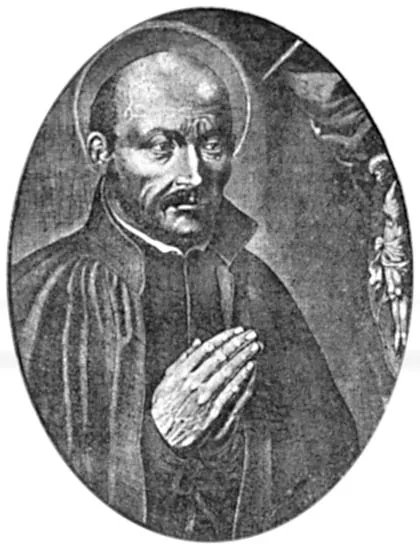
Wikimedia Commons · Public domain · file Ignatius and six university companions took vows in Montmartre, a formative commitment that preceded the Society of Jesus. Coordinates represent the traditional Montmartre martyrdom-chapel area; the exact historical chapel site is uncertain.
Arrival in Venice before reunion
· Venice, Veneto, Italy
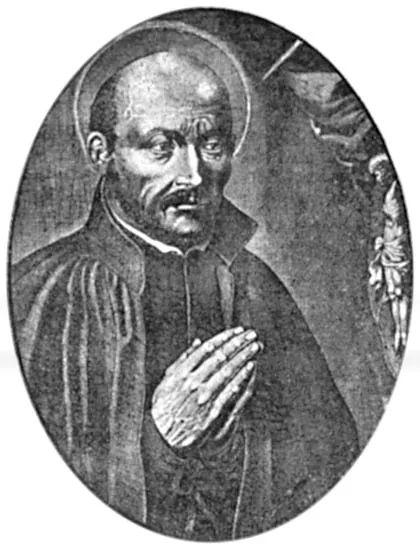
Wikimedia Commons · Public domain · file Leaving Paris because of ill health, Ignatius traveled to Venice, where he waited for his companions and continued theological and spiritual work.
Retreat near Vicenza
· Vicenza, Veneto, Italy
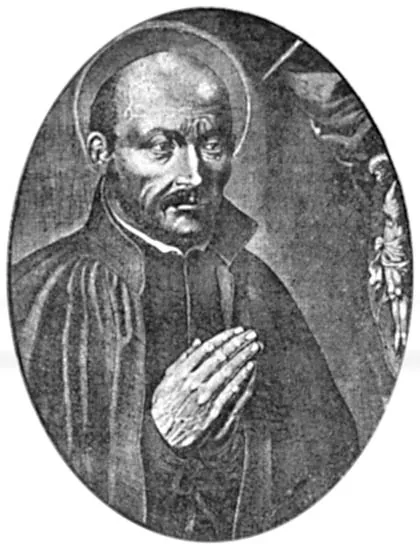
Wikimedia Commons · Public domain · file After ordination, Ignatius withdrew to an abandoned convent in the countryside near Vicenza as preparation before saying his first Mass. The source locates him in countryside near Vicenza rather than at a securely identified surviving convent; coordinates represent Vicenza.
Ordination in Venice
· Venice, Veneto, Italy
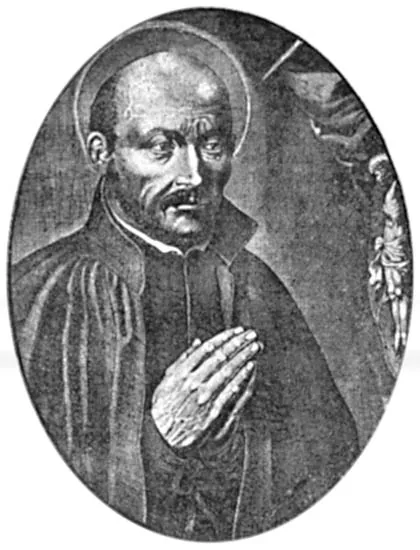
Wikimedia Commons · Public domain · file Ignatius was ordained a priest in Venice with several companions while the group waited for a possible passage to the Holy Land. The preceding sentence dates the Venice reunion to January 1537; “the following June” supports June 1537.
Entry into Rome
· Porta del Popolo, Rome, Italy
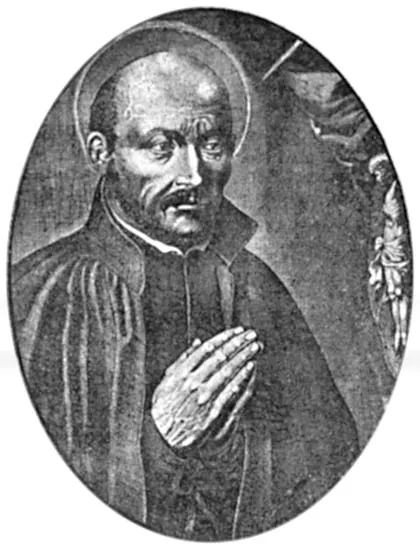
Wikimedia Commons · Public domain · file Ignatius entered Rome with Peter Faber and Diego Laínez after the failure of the planned Jerusalem voyage, beginning the final phase of his life there. Porta Flaminia is the historic Porta del Popolo; the source specifies late November only.
Vision at La Storta
· La Storta, Rome, Italy
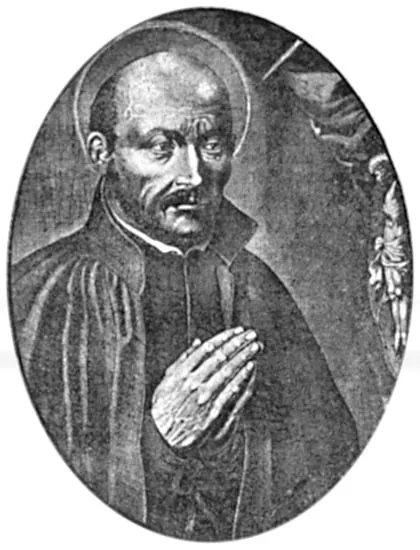
Wikimedia Commons · Public domain · file At the La Storta shrine outside Rome, Ignatius experienced the vision traditionally understood as confirming the group’s future work in Rome. Coordinates identify modern La Storta; the source gives month-level precision.
First Mass at Santa Maria Maggiore
· Basilica di Santa Maria Maggiore, Rome, Italy
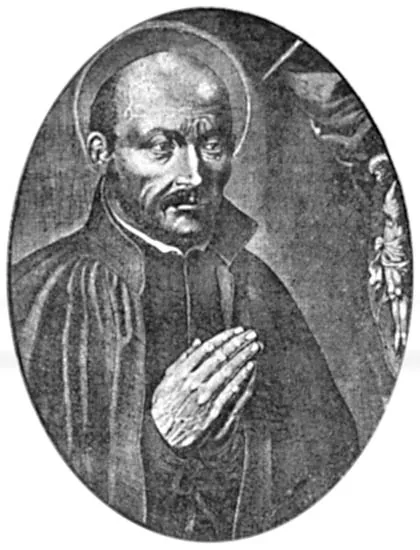
Wikimedia Commons · Public domain · file Ignatius celebrated his first Mass at the Basilica of Santa Maria Maggiore after his extended period of preparation following ordination. The source supplies year-level precision only.
Profession at St Paul Outside the Walls
· Basilica of Saint Paul Outside the Walls, Rome, Italy
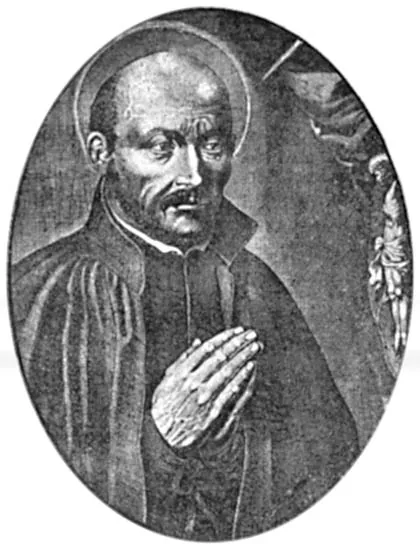
Wikimedia Commons · Public domain · file After being elected superior general, Ignatius joined his companions on pilgrimage to Rome’s stational churches and made solemn profession at St Paul Outside the Walls.
Foundation of the Roman College
· Collegio Romano site, Rome, Italy
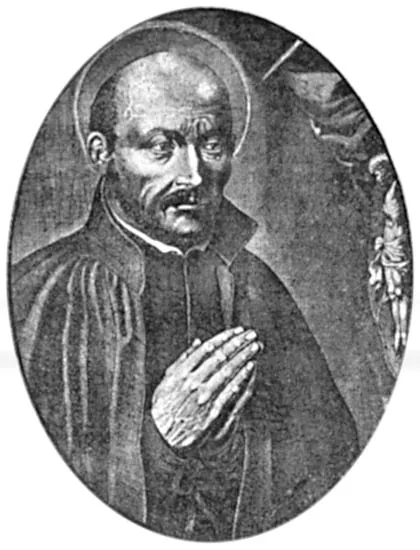
Wikimedia Commons · Public domain · file As Jesuit superior general in Rome, Ignatius founded the Roman College, a free school that became central to Jesuit education. Coordinates identify the historic Collegio Romano area; the source gives month-level precision.
Death in Rome
· Rome, Italy
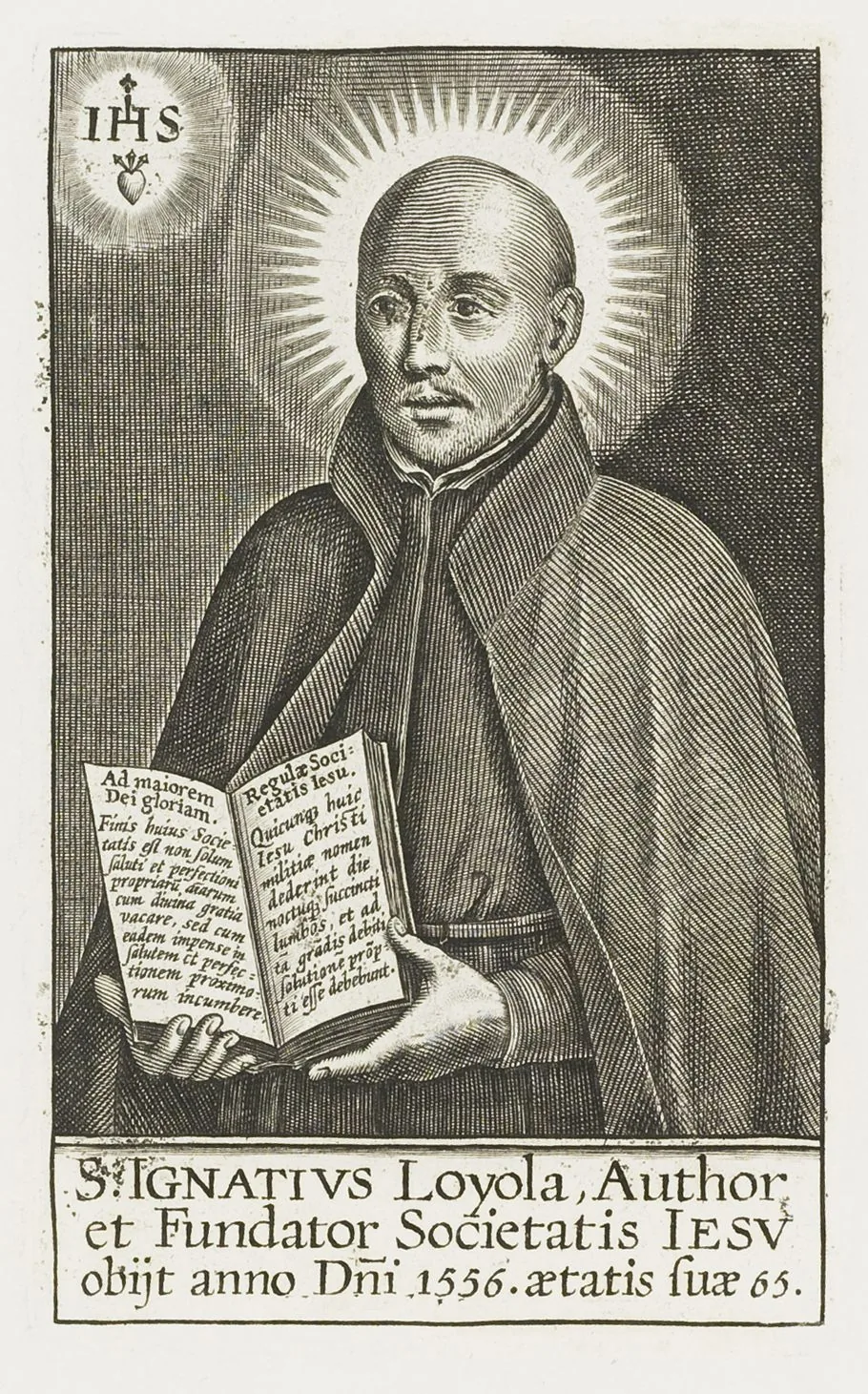
Wikimedia Commons · Public domain · file Ignatius died in Rome after nearly nineteen years based there as founder and superior general of the Society of Jesus. The source identifies Rome but not the exact building of death.