
15 moments
Birth in Tunis
· Tunis, Tunisia
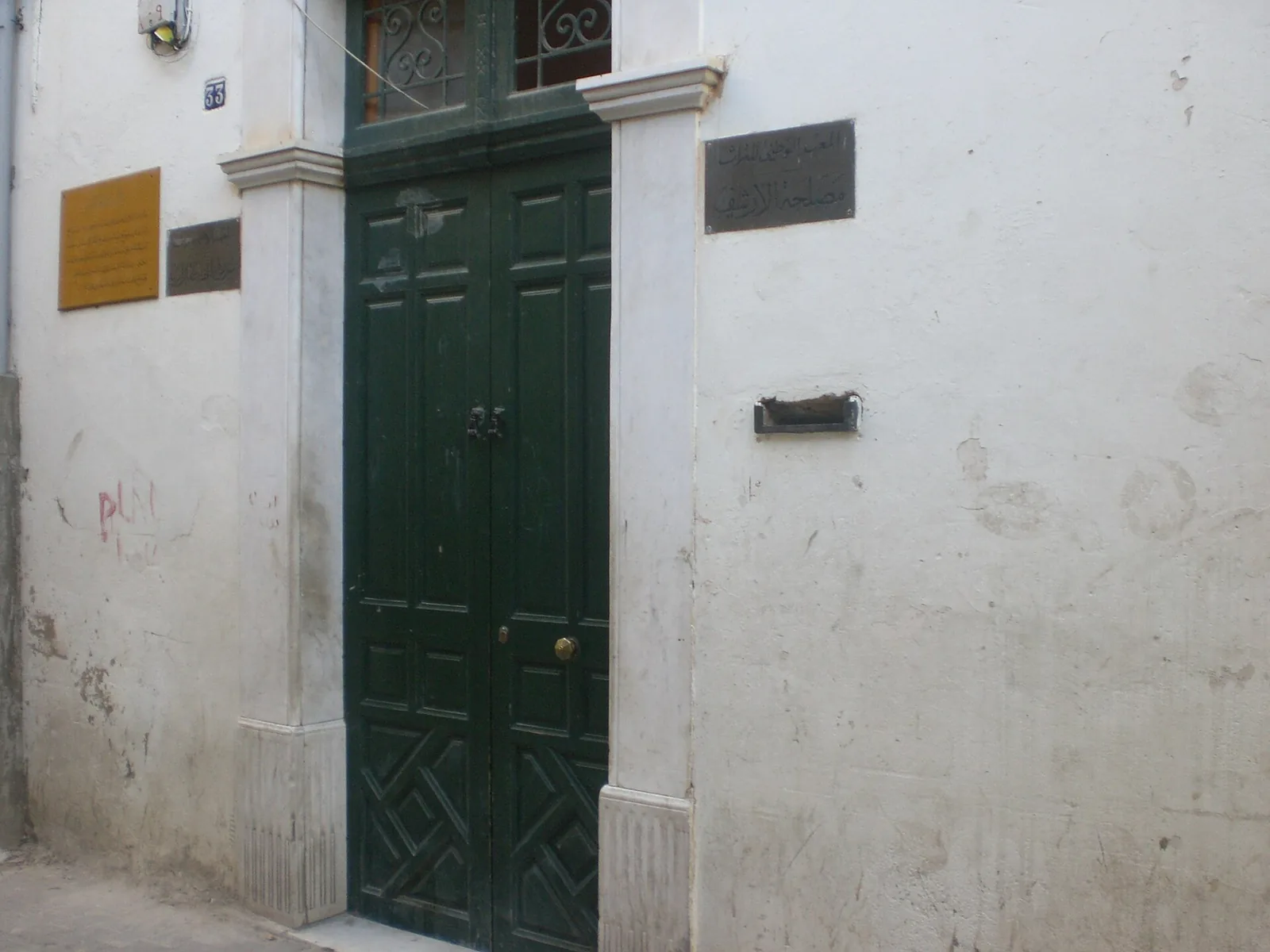
Wikimedia Commons · Creative Commons Attribution-Share Alike 3.0 Unported · file Ibn Khaldun was born in Tunis, where he received his early education before entering political service. Wikipedia's article prose gives 26 May 1332, while its infobox gives 27 May; year-level precision is retained because of that internal discrepancy.
Arrival at the Marinid court
· Fez, Morocco
He arrived in Fez and entered the political and scholarly milieu of the Marinid ruler Abu Inan.
Arrival in Nasrid Granada
· Granada, Spain
After leaving Fez, Ibn Khaldun reached Granada and was welcomed by Muhammad V and his vizier Ibn al-Khatib. The cited source gives December 1362 but not a day.
Diplomatic visit to Seville
· Seville, Spain
Serving Muhammad V of Granada, Ibn Khaldun undertook a peace mission to Castile and visited his ancestral city of Seville.
Political office at Béjaïa
· Béjaïa, Algeria
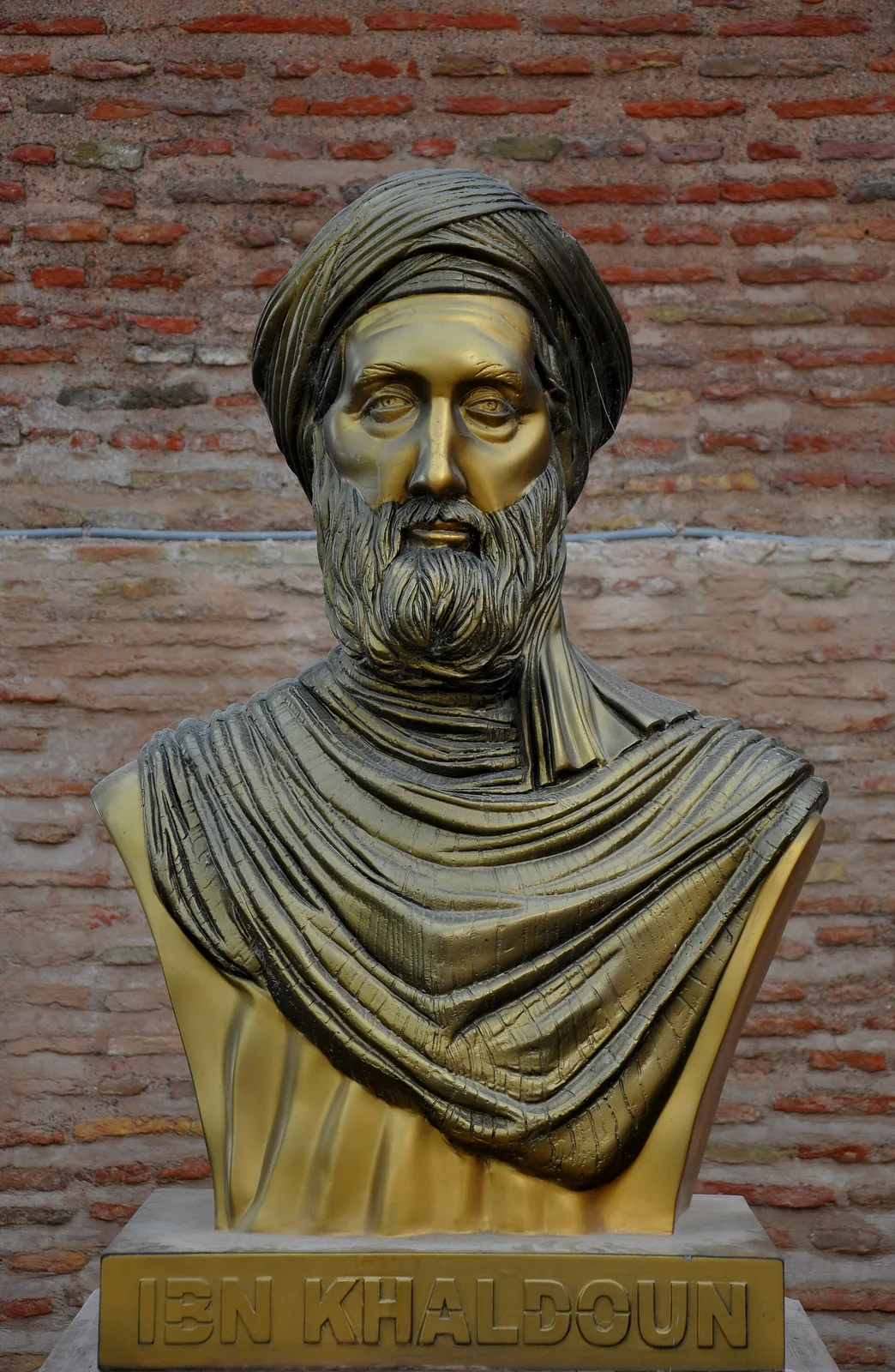
Wikimedia Commons · Creative Commons Attribution-Share Alike 4.0 International · file Ibn Khaldun returned to North Africa and held responsibility for the affairs of Béjaïa under the Hafsid ruler Abu Abdallah. The source uses the historical name Bougie for Béjaïa.
Summoned to Tlemcen
· Tlemcen, Algeria
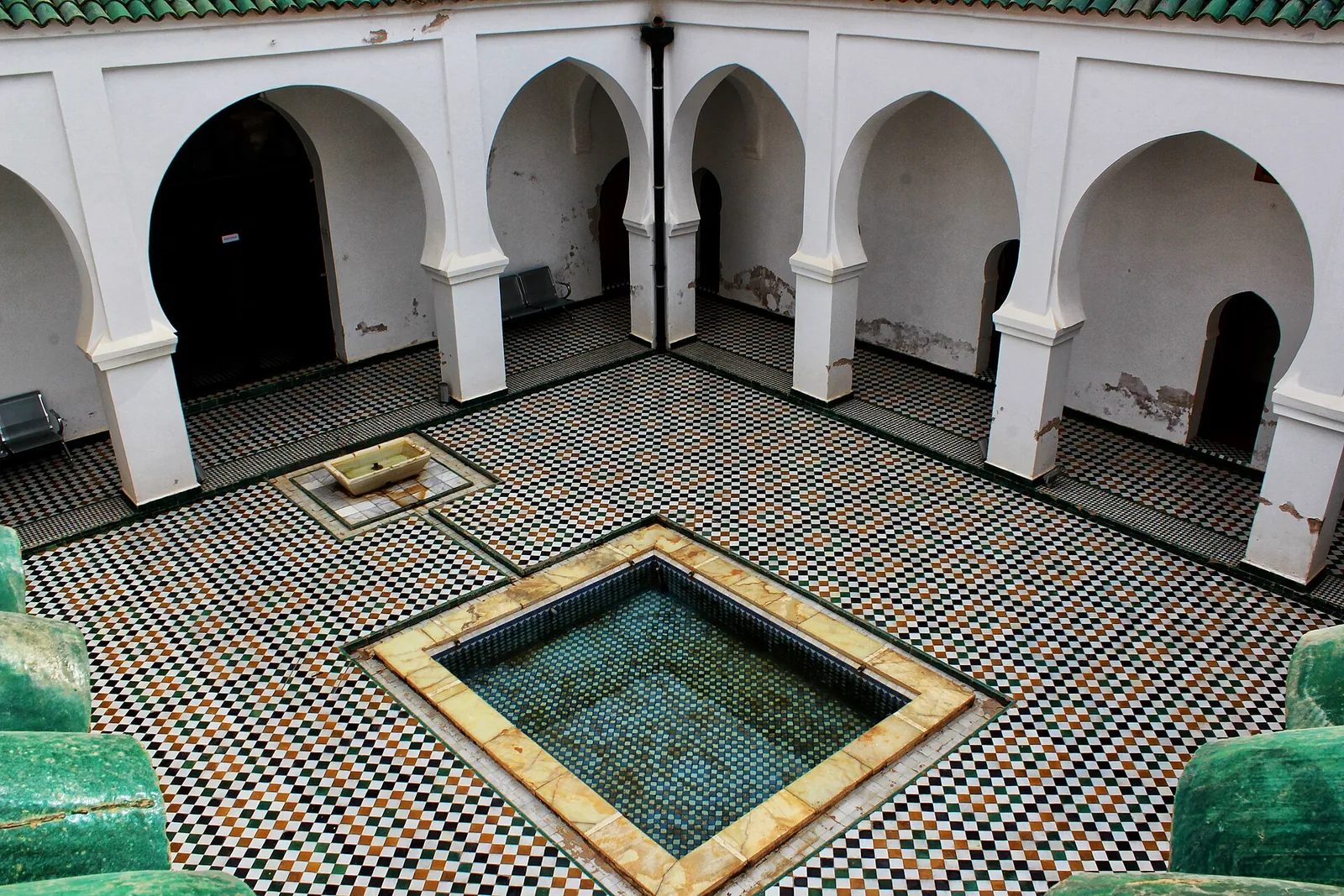
Wikimedia Commons · Creative Commons Attribution-Share Alike 4.0 International · file After a period of scholarly withdrawal, Ibn Khaldun was summoned to Tlemcen by its new ruler. The source identifies the year as 1370.
Mission among the Dawadida near Biskra
· Biskra, Algeria
The Abd al-Wadid ruler Abu Hammu sent Ibn Khaldun on a mission to the Dawadida Arab tribes in the Biskra region. Coordinates represent Biskra, the named regional center; the particular tribal encampment is unspecified.
Retreat at Qal'at Ibn Salama
· Qal'at Ibn Salama, near Taoughazout, Tiaret Province, Algeria
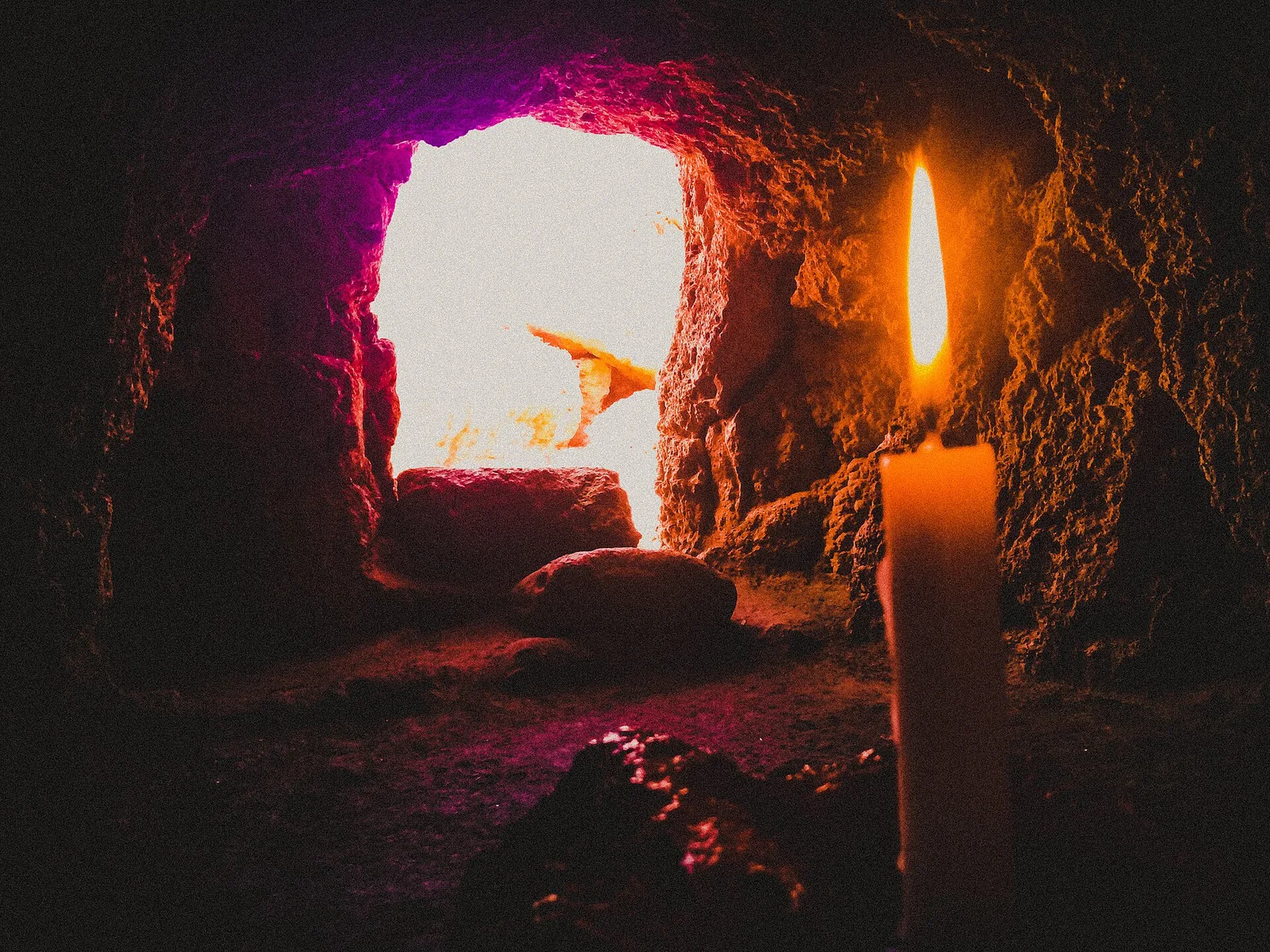
Wikimedia Commons · Creative Commons Attribution-Share Alike 4.0 International · file Ibn Khaldun withdrew from political life at Qal'at Ibn Salama, where he began the world history whose introduction became the Muqaddimah. Coordinates are a representative point for nearby Taoughazout; the fortress is described as near the village and lacks a consistently published exact coordinate.
Return to Tunis for research
· Tunis, Tunisia
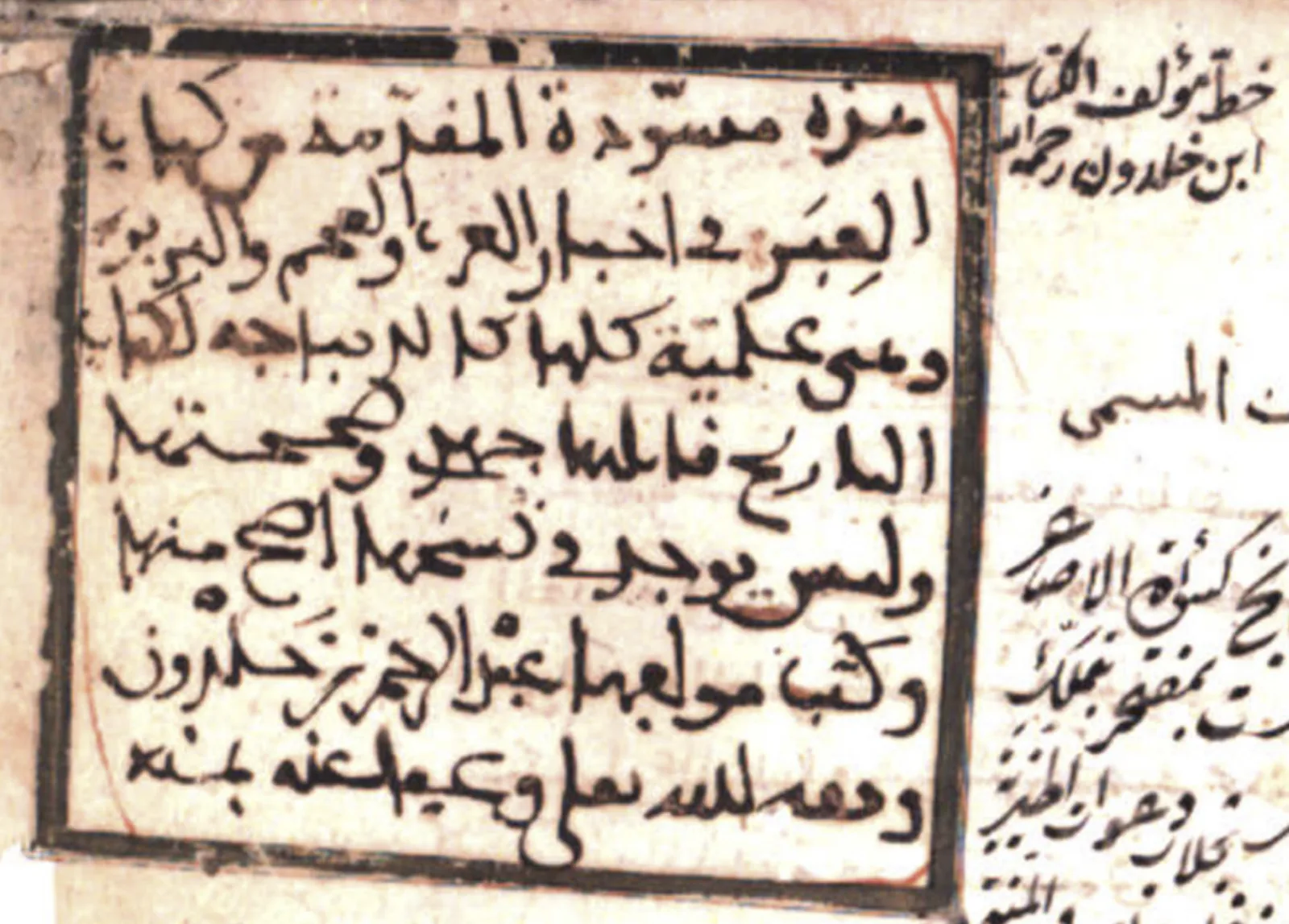
Wikimedia Commons · Public domain · file He left his retreat to return to Tunis, seeking the books and libraries needed to continue his historical work.
Arrival at Alexandria
· Alexandria, Egypt
Leaving Tunis for Egypt, Ibn Khaldun arrived by sea at Alexandria after a hazardous Mediterranean crossing.
Arrival in Cairo
· Cairo, Egypt
After about a month in Alexandria, Ibn Khaldun proceeded to Cairo, which became his principal home for the rest of his life.
Pilgrimage to Mecca
· Mecca, Saudi Arabia
Ibn Khaldun made the pilgrimage to Mecca, one of the short journeys undertaken during his long Cairo residence. The source supplies month and year but not a day.
Meeting Timur outside Damascus
· Damascus, Syria
During the Timurid siege, Ibn Khaldun met and negotiated with Timur outside Damascus, an encounter he later recorded in his autobiography. Coordinates represent Damascus; the cited account places the meeting outside its gates rather than identifying a precise camp location.
Return to Cairo after Damascus
· Cairo, Egypt
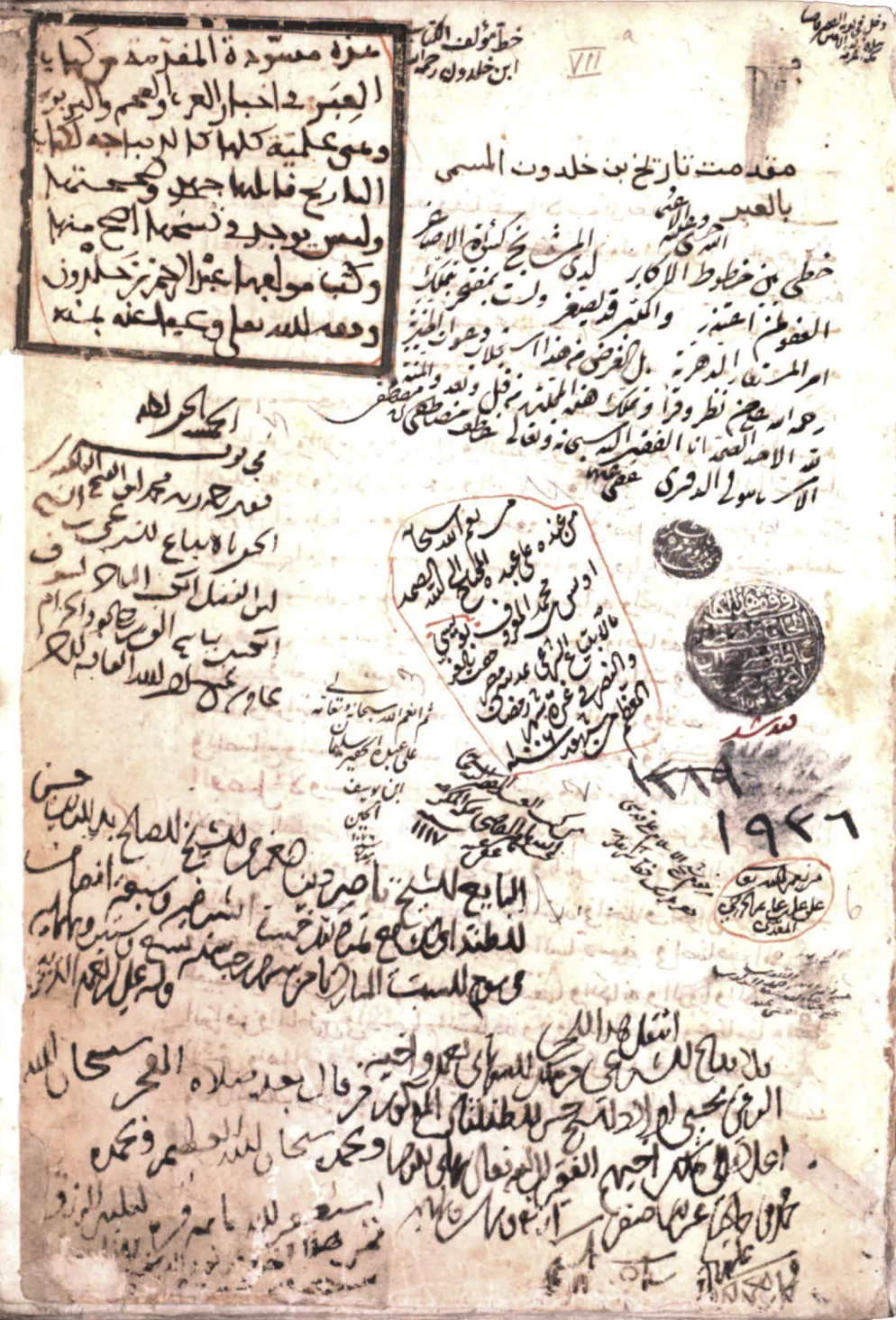
Wikimedia Commons · Public domain · file Ibn Khaldun returned to Cairo after his Damascus mission and soon resumed service as Maliki chief judge.
Death and burial in Cairo
· Cairo, Egypt
Ibn Khaldun died in Cairo shortly after his sixth appointment as Maliki chief judge and was buried in the Sufi cemetery outside Bab al-Nasr. The exact grave site is reported as unknown; coordinates represent Cairo.