
30 moments
Birth in Marbach am Neckar
· Marbach am Neckar, Baden-Württemberg, Germany
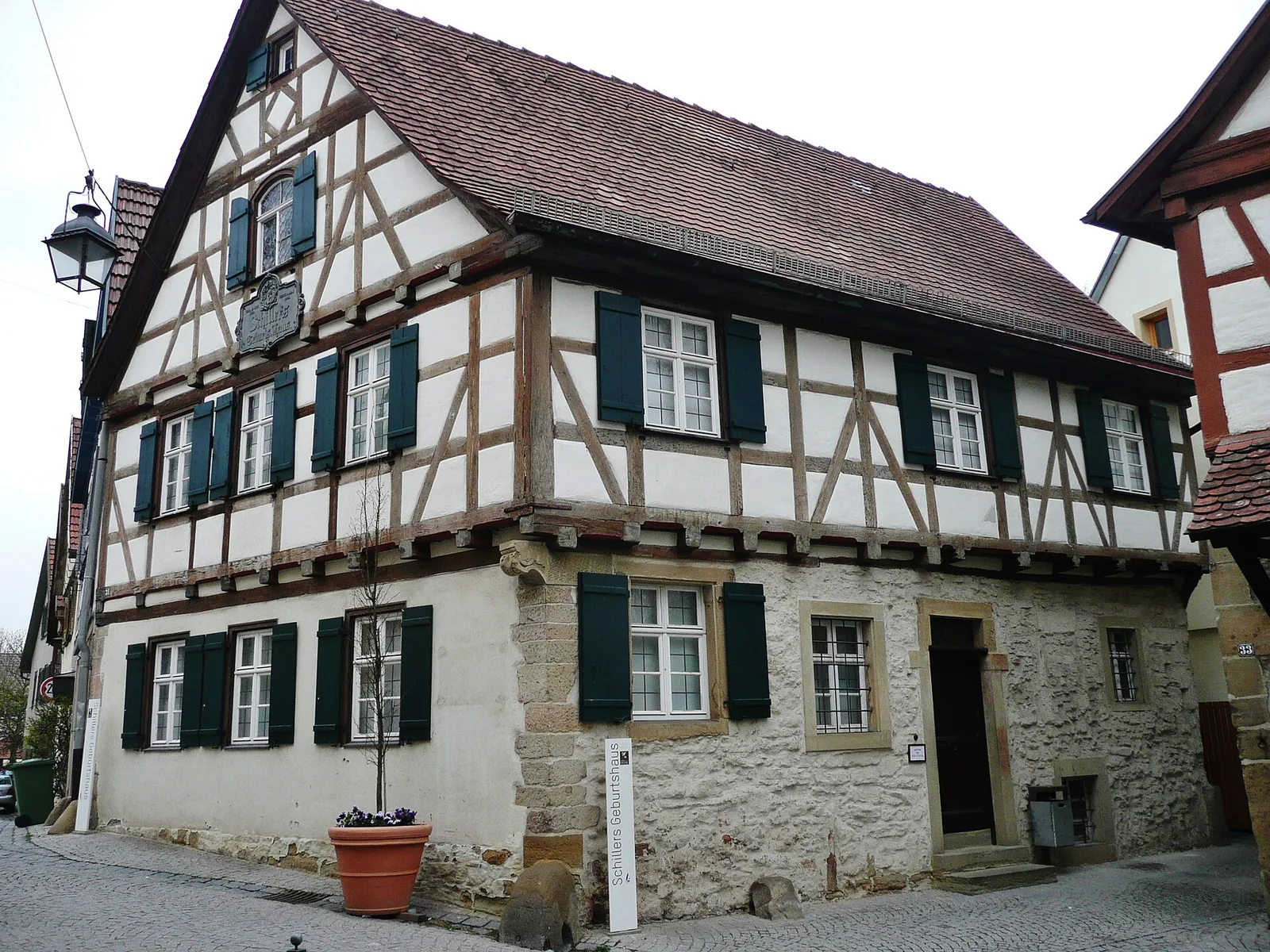
Wikimedia Commons · Creative Commons Attribution 3.0 Unported · file Schiller was born in Marbach am Neckar in the Duchy of Württemberg.
Childhood and primary schooling in Lorch
· Lorch, Baden-Württemberg, Germany
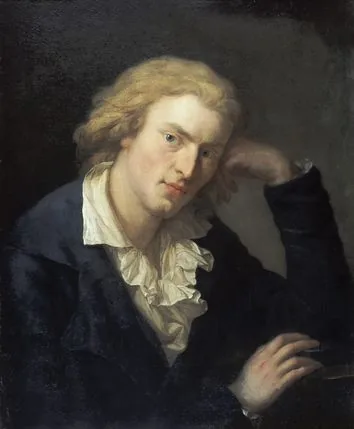
Wikimedia Commons · Public domain · file The family moved from Schwäbisch Gmünd to nearby Lorch, where Schiller received his primary education. The move followed the family's 1763 relocation to Schwäbisch Gmünd; the source does not give a separate precise date.
Family move to Schwäbisch Gmünd
· Schwäbisch Gmünd, Baden-Württemberg, Germany
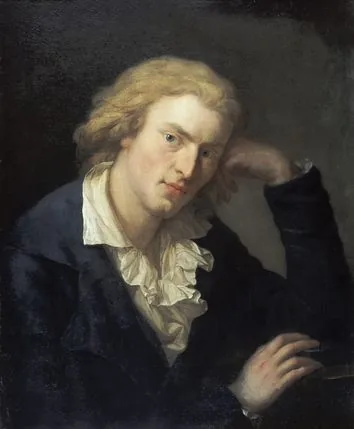
Wikimedia Commons · Public domain · file After the Seven Years' War, Schiller's father was stationed at Schwäbisch Gmünd and the family moved with him. The source supports the year but not a more precise arrival date.
Family relocation to Ludwigsburg
· Ludwigsburg, Baden-Württemberg, Germany
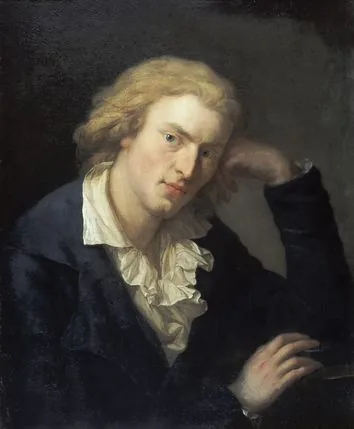
Wikimedia Commons · Public domain · file Schiller moved with his family to Ludwigsburg when his father took an assignment with its garrison.
Entry into the Karlsschule
· Karlsschule Stuttgart, Stuttgart, Baden-Württemberg, Germany
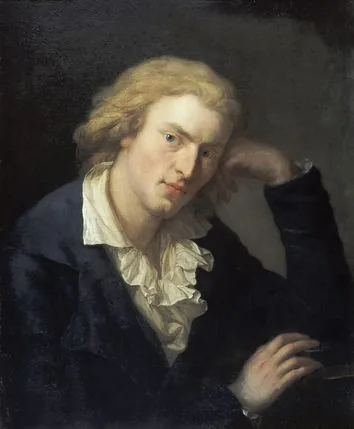
Wikimedia Commons · Public domain · file Schiller entered the Duke of Württemberg's elite military academy in Stuttgart, initially studying law before moving to medicine. Coordinates represent central Stuttgart because the historical academy's precise campus context changed.
Regimental doctor in Stuttgart
· Stuttgart, Baden-Württemberg, Germany
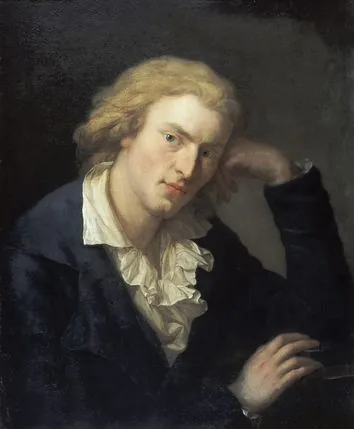
Wikimedia Commons · Public domain · file After graduating in medicine, Schiller took a post as a regimental doctor in Stuttgart.
First performance of The Robbers
· Mannheim, Baden-Württemberg, Germany
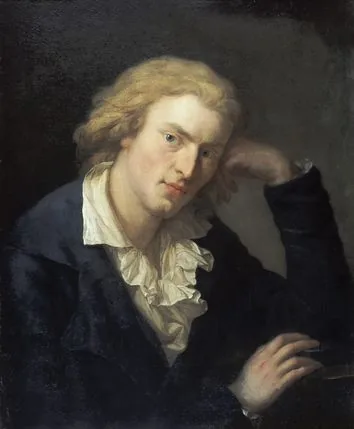
Wikimedia Commons · Public domain · file Schiller travelled without permission from his regiment to attend the Mannheim premiere of The Robbers. Coordinates represent Mannheim's historic central theatre district rather than a surviving original venue.
Second unauthorized journey to Mannheim
· Mannheim, Baden-Württemberg, Germany
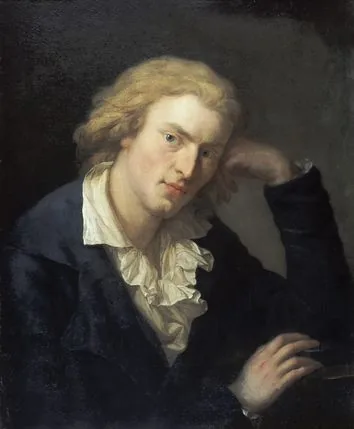
Wikimedia Commons · Public domain · file Schiller made a second unauthorized trip to Mannheim, which contributed to the Duke's disciplinary action against him. The source dates the second journey to late May but gives no exact day.
Arrival in Mannheim after flight
· Mannheim, Baden-Württemberg, Germany
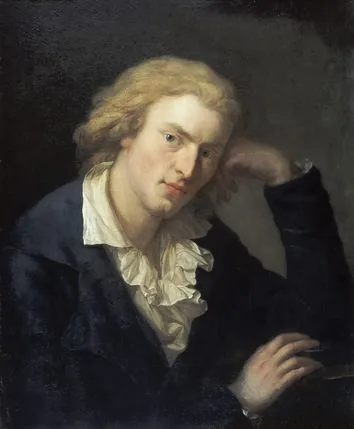
Wikimedia Commons · Public domain · file Schiller's flight from Stuttgart brought him to Mannheim, beginning an important but financially difficult literary period. The quote explicitly establishes both the departure and destination on this date.
Flight from Stuttgart
· Stuttgart, Baden-Württemberg, Germany
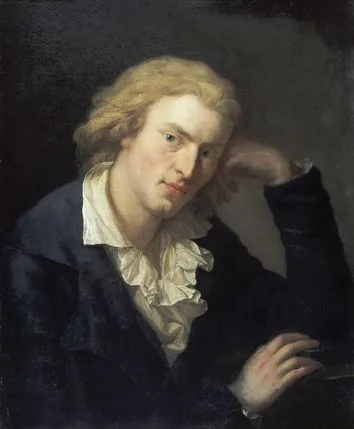
Wikimedia Commons · Public domain · file Schiller fled the Württemberg capital after being ordered to cease writing poetry. This card records Schiller's documented departure point; the same source also establishes Mannheim as his destination.
Retreat to Oggersheim
· Oggersheim, Ludwigshafen am Rhein, Rhineland-Palatinate, Germany
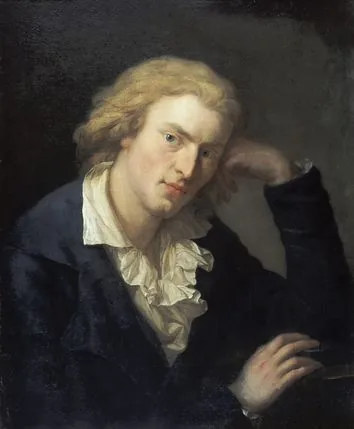
Wikimedia Commons · Public domain · file To evade anticipated pursuit by Württemberg authorities, Schiller withdrew to Oggersheim in the Palatinate. The source supports October 1782 but not a specific day.
Refuge at Bauerbach
· Bauerbach, Grabfeld, Thuringia, Germany
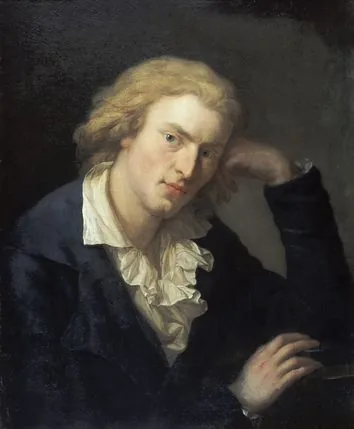
Wikimedia Commons · Public domain · file Schiller went from Oggersheim to Bauerbach, where he lived under the name Dr. Ritter while working on Fiesco, Kabale und Liebe, and preliminary work for Don Karlos. The arrival month is supported; no exact day is supplied.
Literary residence at Bauerbach
· Bauerbach, Grabfeld, Thuringia, Germany
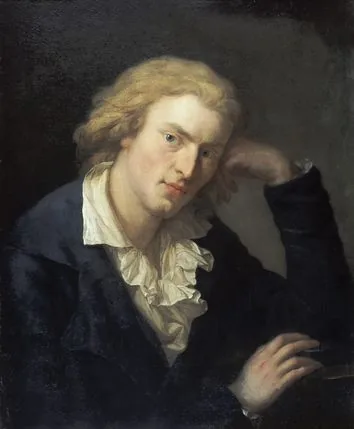
Wikimedia Commons · Public domain · file Schiller remained at the Wolzogen estate in Bauerbach for most of 1783 while developing major early dramas. This is a continuation of the December 1782 to July 1783 Bauerbach residence.
Invitation and move to Leipzig
· Leipzig, Saxony, Germany
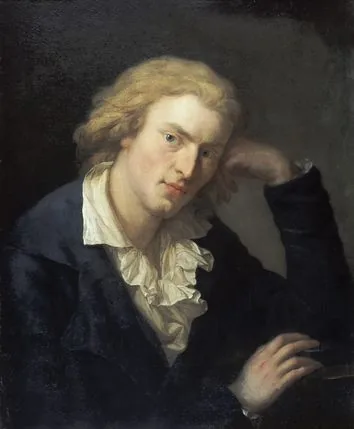
Wikimedia Commons · Public domain · file Schiller accepted Christian Gottfried Körner's invitation to Leipzig, beginning a period divided between Leipzig and the Dresden area.
First arrival in Weimar
· Weimar, Thuringia, Germany
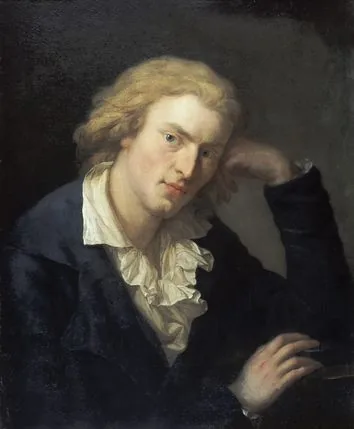
Wikimedia Commons · Public domain · file Schiller arrived in Weimar to seek connections with its leading literary and courtly circle.
Visit to Jena
· Jena, Thuringia, Germany
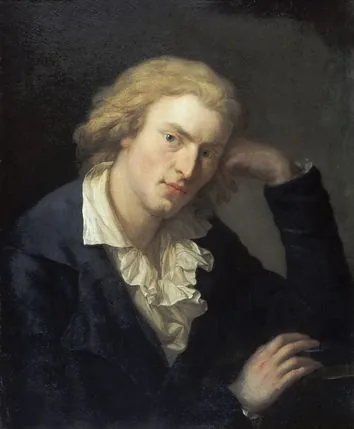
Wikimedia Commons · Public domain · file Schiller visited Jena and met Karl Leonhard Reinhold, Gottlieb Hufeland, and Christian Gottfried Schütz. The source supports August 1787 but no exact day.
Return to Weimar
· Weimar, Thuringia, Germany
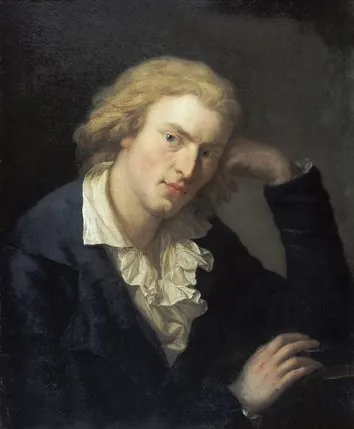
Wikimedia Commons · Public domain · file After his Jena visit, Schiller returned to Weimar and increasingly became part of its intellectual life.
Residence at Volkstedt
· Volkstedt, Rudolstadt, Thuringia, Germany
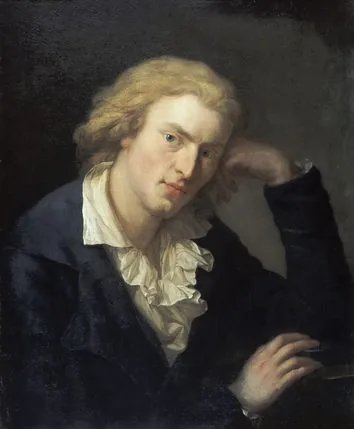
Wikimedia Commons · Public domain · file Schiller took lodgings in Volkstedt near Rudolstadt during the period in which he developed links with the Lengefeld family. Volkstedt is now part of Rudolstadt.
Residence in Rudolstadt
· Rudolstadt, Thuringia, Germany
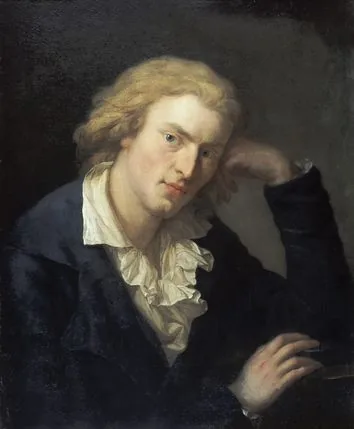
Wikimedia Commons · Public domain · file Schiller moved from Volkstedt into Rudolstadt in August 1788. The quoted phrase is part of the preceding sentence stating that Schiller took up residence first in Volkstedt and then in Rudolstadt.
First meeting with Goethe
· Rudolstadt, Thuringia, Germany
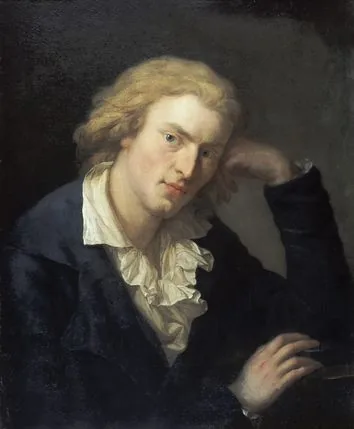
Wikimedia Commons · Public domain · file At the Lengefeld home in Rudolstadt, Schiller met Johann Wolfgang von Goethe for the first time. The specific Lengefeld house is not securely geocoded here; coordinates represent Rudolstadt.
Winter return to Weimar
· Weimar, Thuringia, Germany
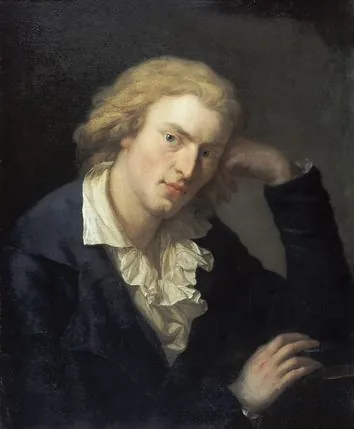
Wikimedia Commons · Public domain · file Schiller left Rudolstadt for a winter stay in Weimar.
Move to Jena for university appointment
· Jena, Thuringia, Germany
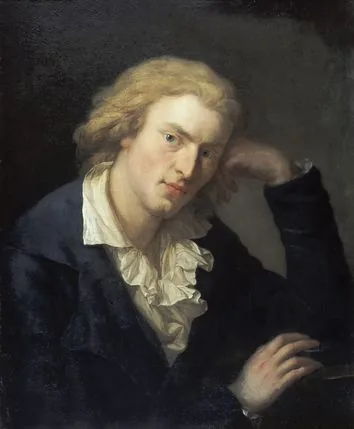
Wikimedia Commons · Public domain · file Following his appointment as an extraordinary professor, Schiller went to Jena in March 1789. The source supports March 1789 but not a specific day.
Return to Jena for inaugural lecture
· Jena, Thuringia, Germany
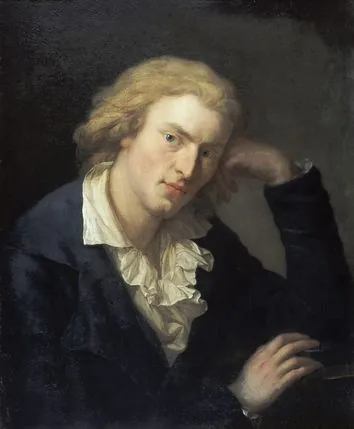
Wikimedia Commons · Public domain · file Schiller returned to Jena to begin his university teaching, culminating in his inaugural lecture later that month.
Inaugural lecture at the University of Jena
· University of Jena, Jena, Thuringia, Germany
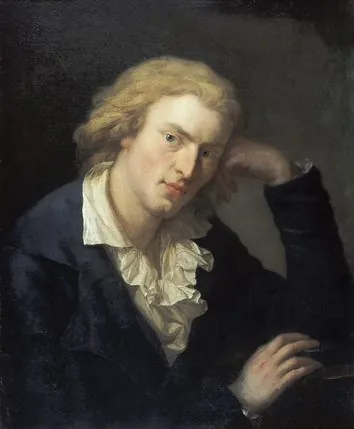
Wikimedia Commons · Public domain · file Schiller delivered his inaugural lecture, “What Is, and to What End Do We Study, Universal History?”, at Jena. Coordinates represent the historic University of Jena area.
Marriage to Charlotte von Lengefeld
· Marienkirche, Wenigenjena, Jena, Thuringia, Germany
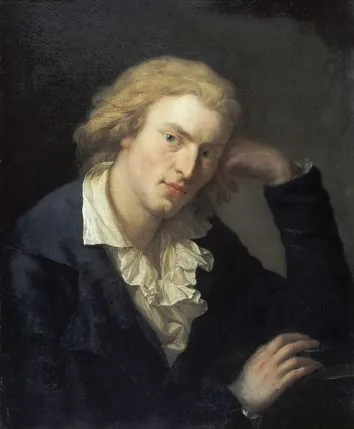
Wikimedia Commons · Public domain · file Schiller married Charlotte von Lengefeld in Wenigenjena, now a district of Jena. Coordinates represent Wenigenjena's Marienkirche area, identified by the Klassik Stiftung Weimar chronology as the wedding church.
Meeting with Goethe in Jena
· Jena, Thuringia, Germany
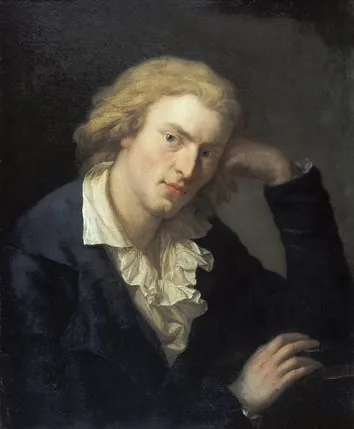
Wikimedia Commons · Public domain · file Schiller and Goethe met and talked following a meeting of the Natural Science Society in Jena; their later friendship became central to Weimar Classicism. The institutional chronology is a Schiller chronology; coordinates represent central Jena.
Guest in Goethe's Weimar home
· Goethe House, Weimar, Thuringia, Germany
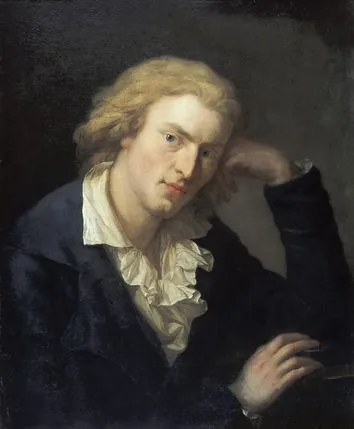
Wikimedia Commons · Public domain · file Schiller stayed as a guest in Goethe's house in Weimar for nearly two weeks. The date records the beginning of the documented stay, which lasted through 27 September.
Move into the Jena garden house
· Schiller Garden House, Jena, Thuringia, Germany
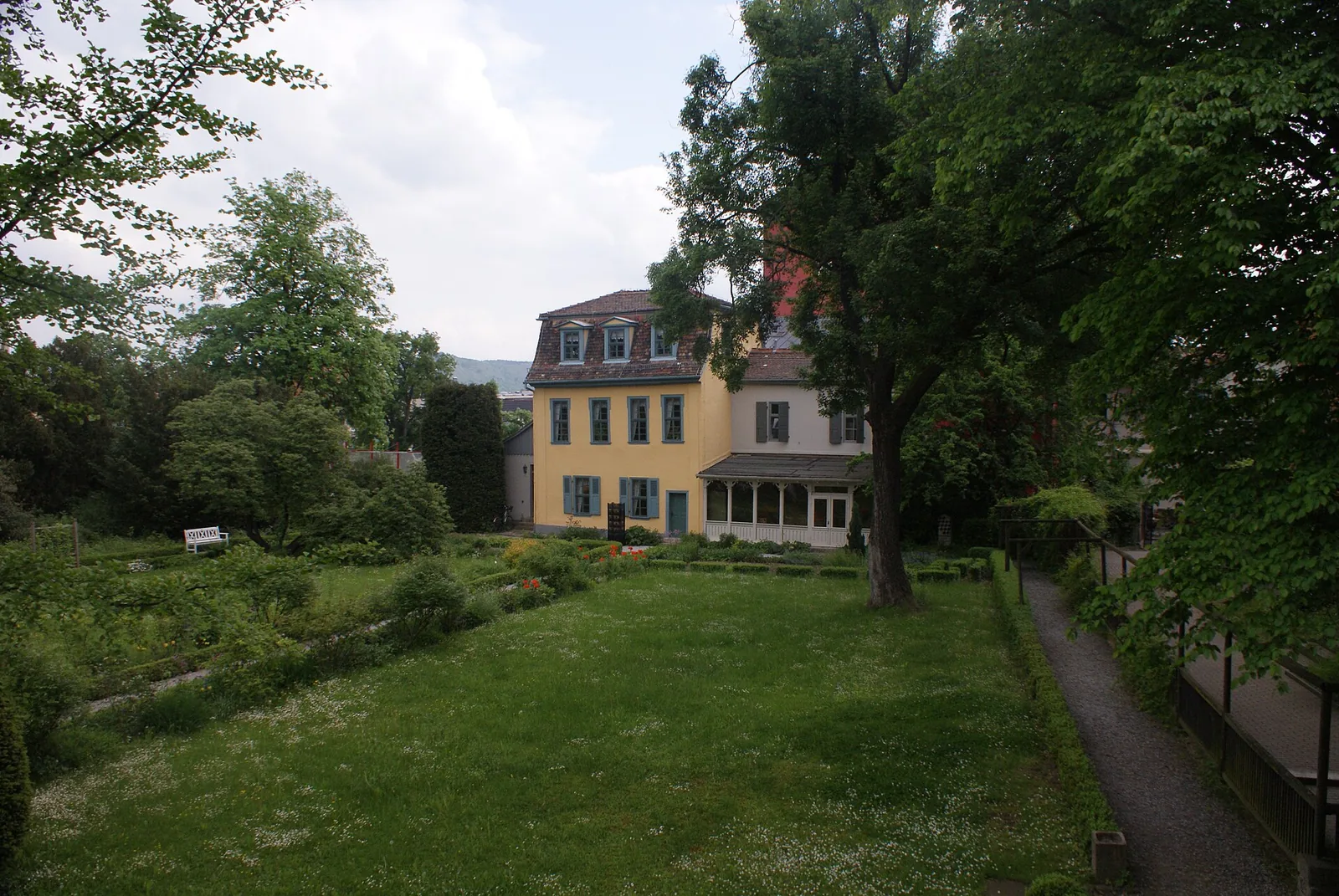
Wikimedia Commons · Creative Commons Attribution-ShareAlike 3.0 Unported · file Schiller moved into his garden house in Jena with his family.
Final move to Weimar
· Weimar, Thuringia, Germany
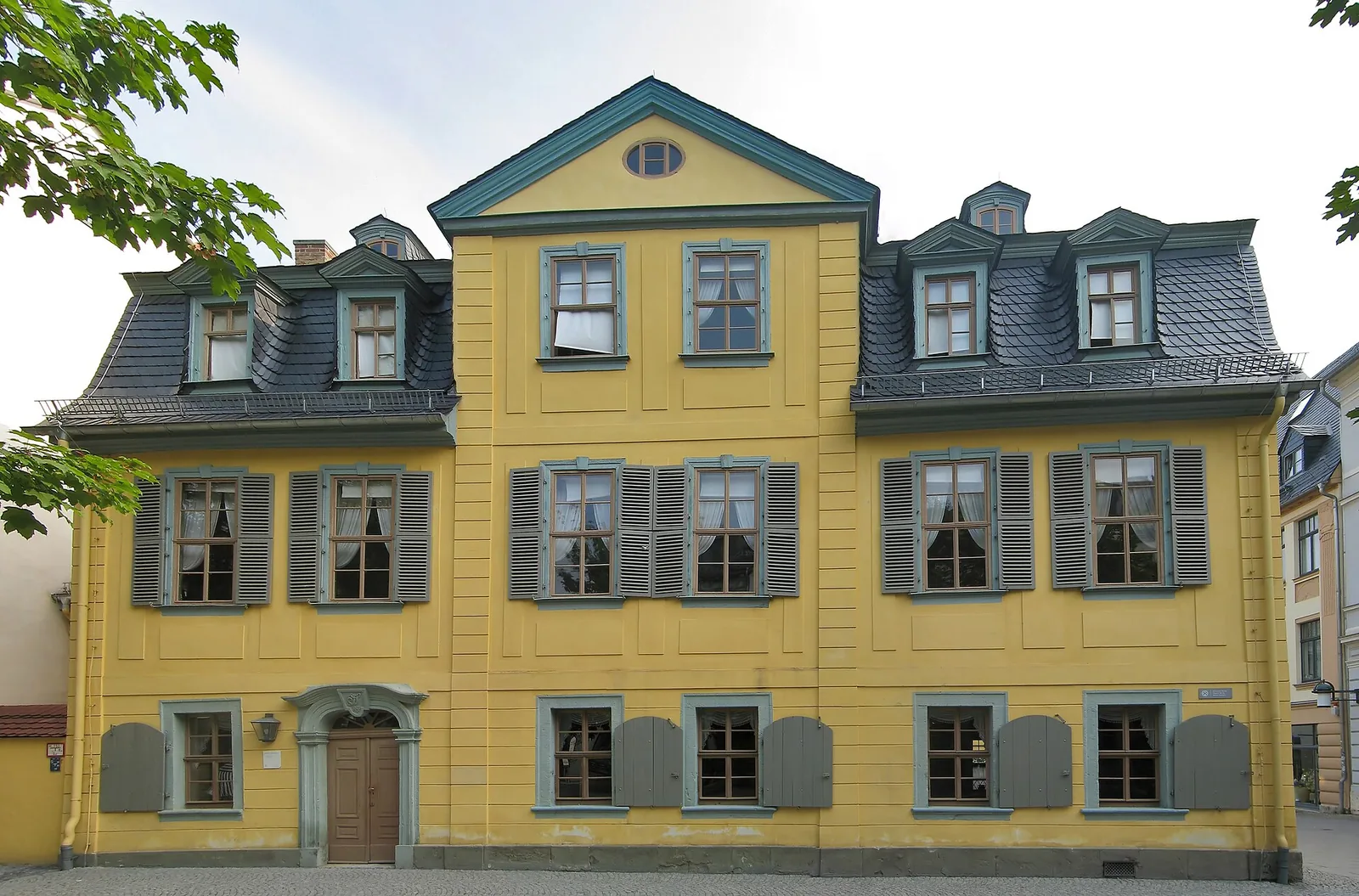
Wikimedia Commons · Creative Commons Attribution-ShareAlike 2.5 Generic · file Schiller returned with his family from Jena to Weimar, where he remained for the rest of his life. The source supports the year but not a more precise return date.
Death in Weimar
· Weimar, Thuringia, Germany
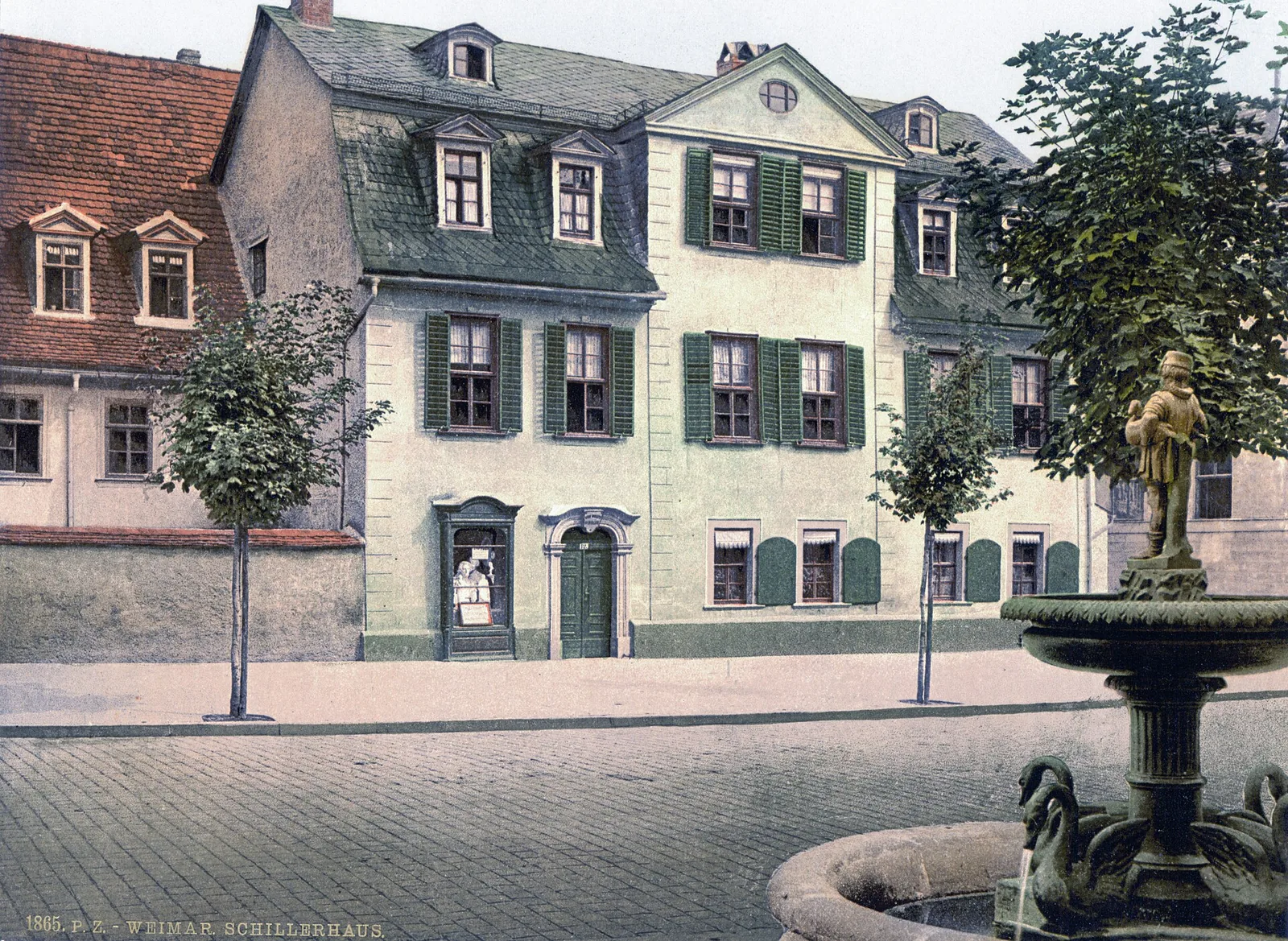
Wikimedia Commons · Public domain · file Schiller died in Weimar at age forty-five after his final years of literary work there. Coordinates represent central Weimar; the infobox establishes the city but not the exact death house.