
28 moments
Birth at Lawnmarket
· Lawnmarket, Edinburgh, Scotland
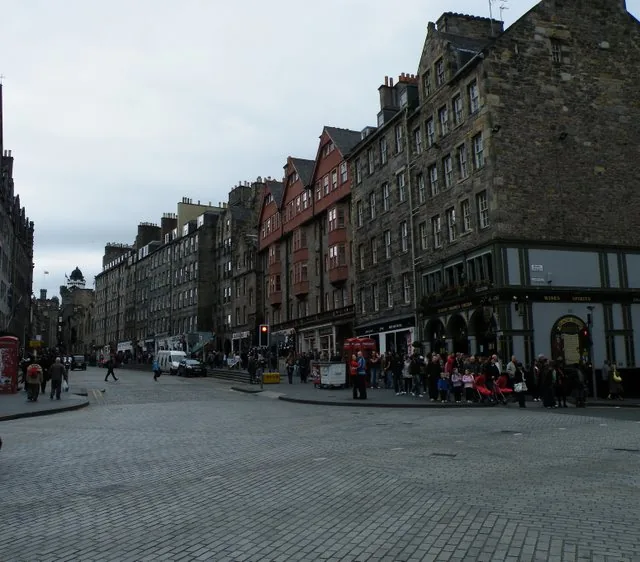
Wikimedia Commons · CC BY-SA 2.0 · file David Hume, born David Home, was born in a tenement on the north side of Edinburgh’s Lawnmarket.
Merchant’s trial in Bristol
· Bristol, England, Great Britain
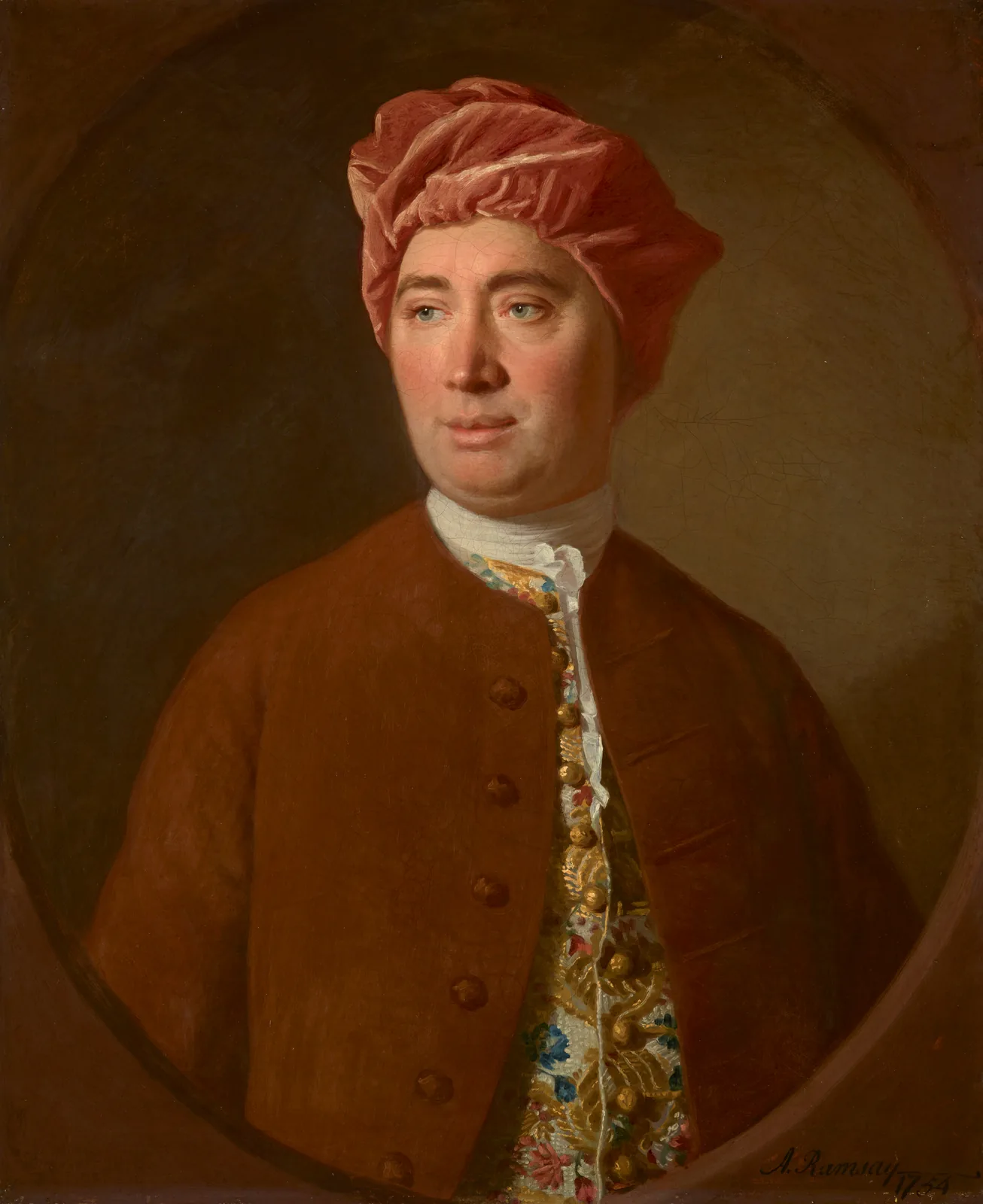
Wikimedia Commons · Public domain · file Hume made a short-lived attempt to enter commercial life in Bristol before abandoning it for study.
Studies in France
· France
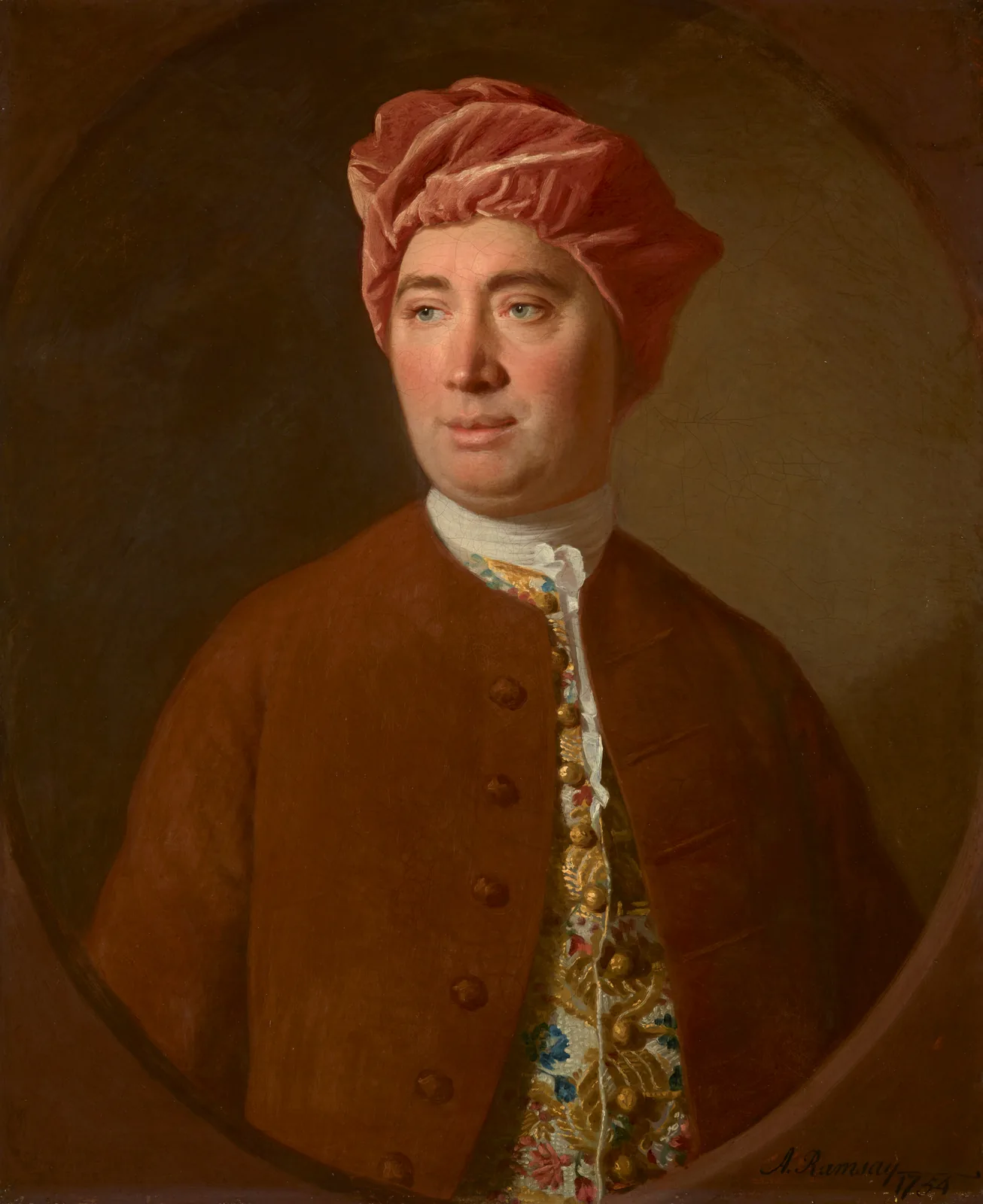
Wikimedia Commons · Public domain · file After leaving Bristol, Hume began the three-year French retreat during which he developed the plan of life and studies that led to A Treatise of Human Nature. The source dates departure to France to 1734 but does not give a date for each French stop; coordinates are a representative point for France.
Arrival in London after French retreat
· London, England, Great Britain
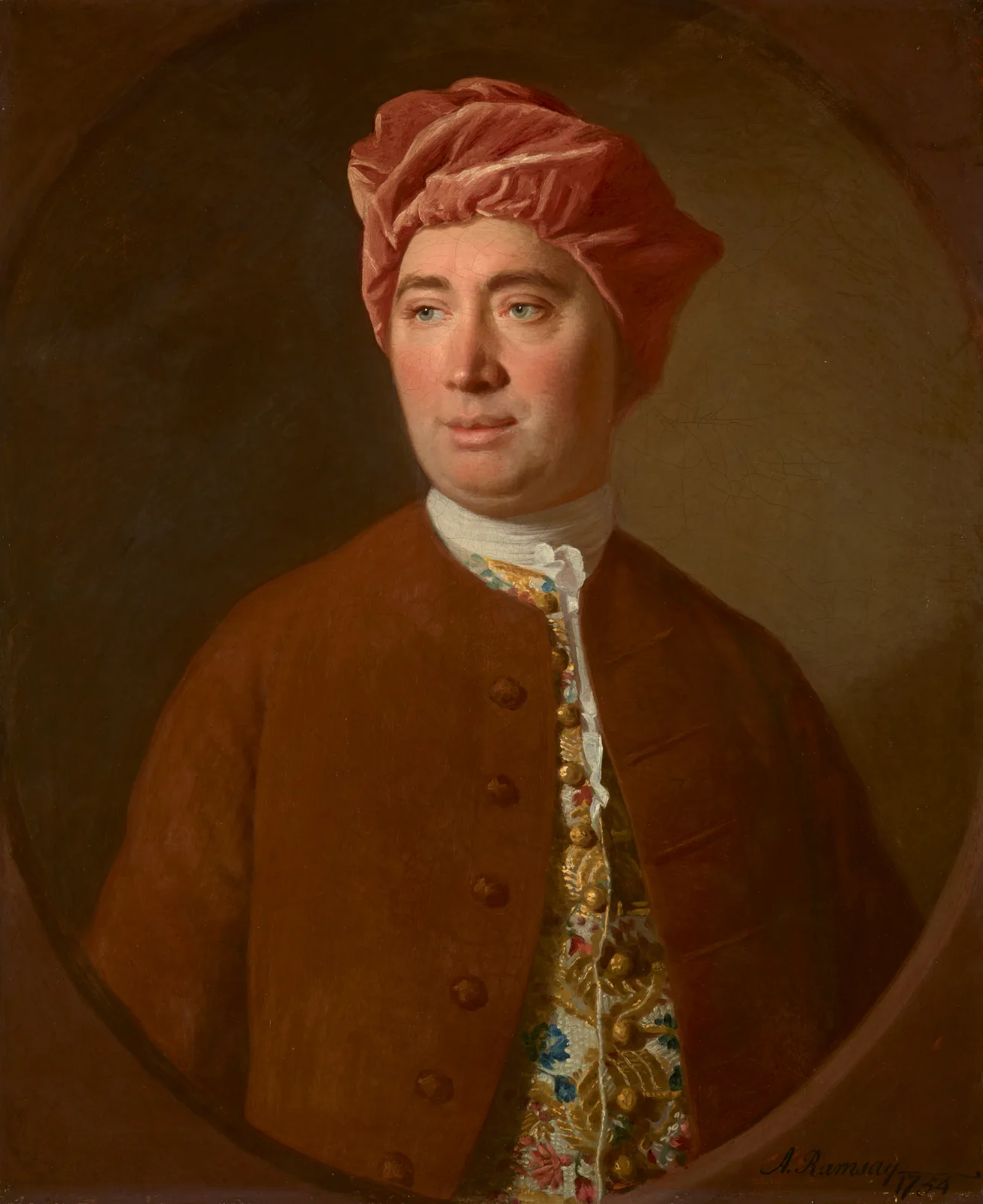
Wikimedia Commons · Public domain · file Hume returned from three years in France to London, where he prepared his Treatise for publication.
Return to Ninewells
· Ninewells, near Chirnside, Berwickshire, Scotland
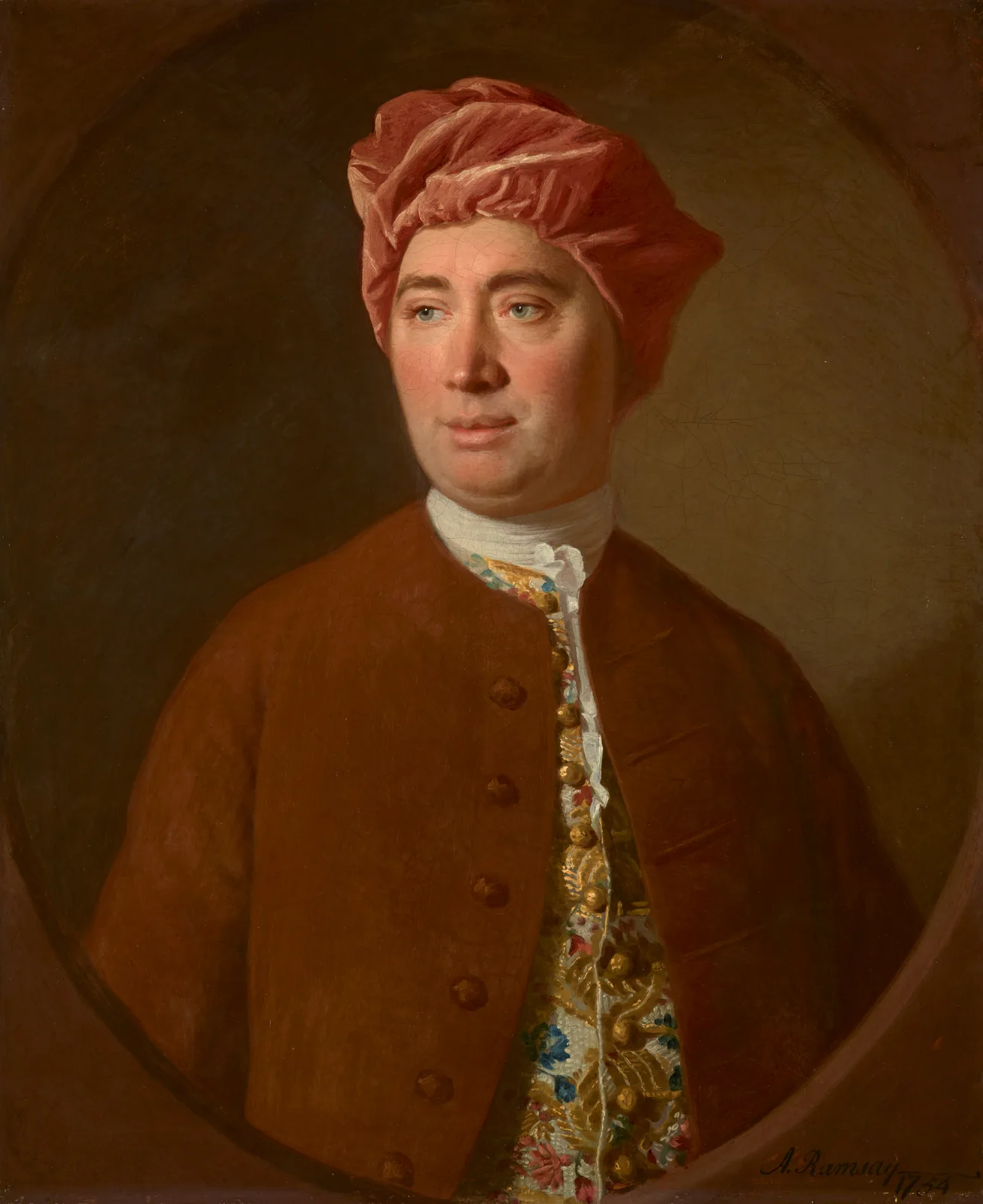
Wikimedia Commons · Public domain · file After the appearance of the Treatise, Hume returned to the family estate at Ninewells in the Scottish Borders. Coordinates are an approximate representative point for the historic Ninewells estate near Chirnside.
Publication of Essays in Edinburgh
· Edinburgh, Scotland
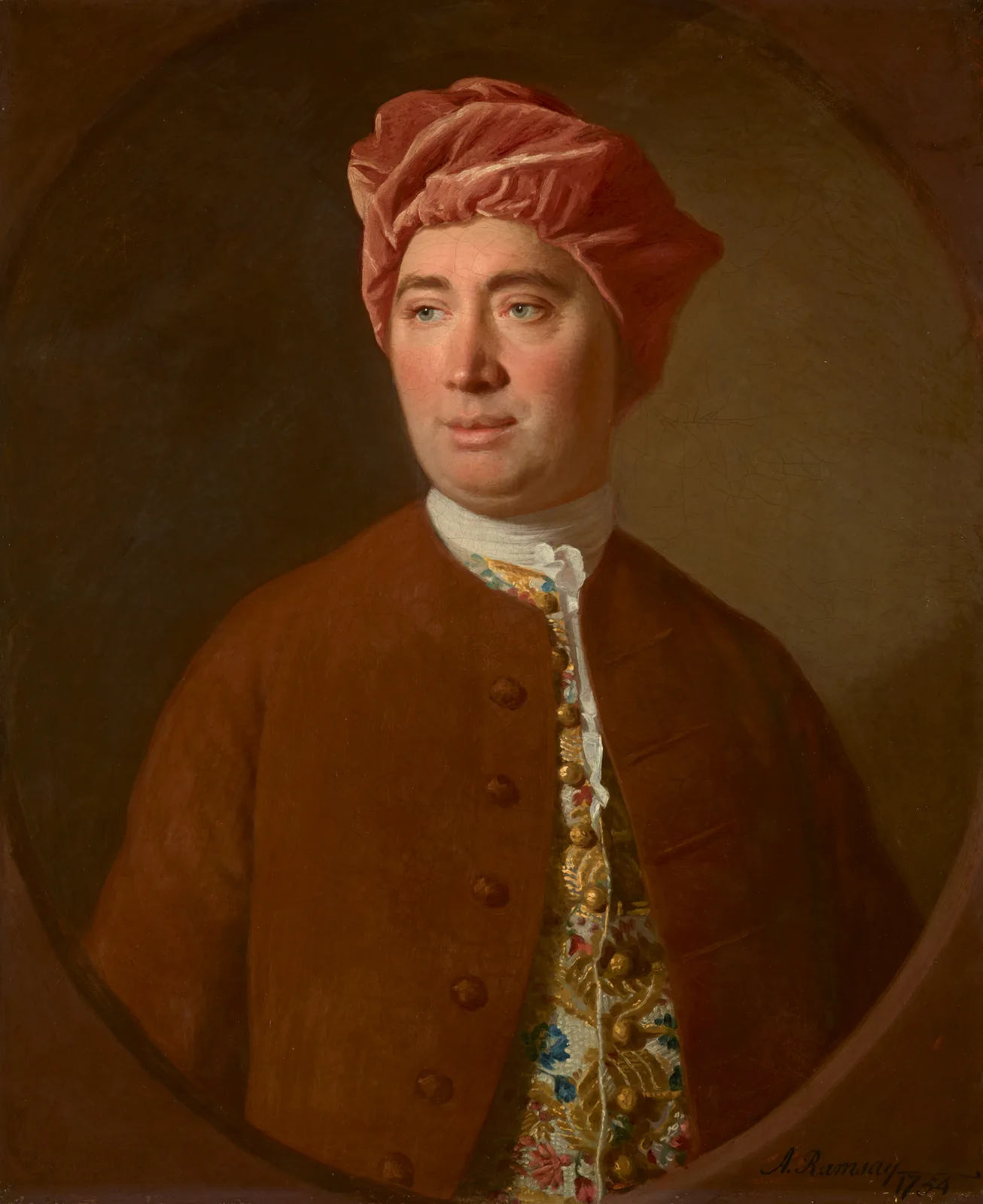
Wikimedia Commons · Public domain · file While living in the country with his family, Hume was physically in Edinburgh to print the first part of his Essays, Moral and Political. The source supports presence in Edinburgh during 1742 but not a more precise date.
Companion to the Marquess of Annandale
· Weldhall, near St Albans, Hertfordshire, England, Great Britain
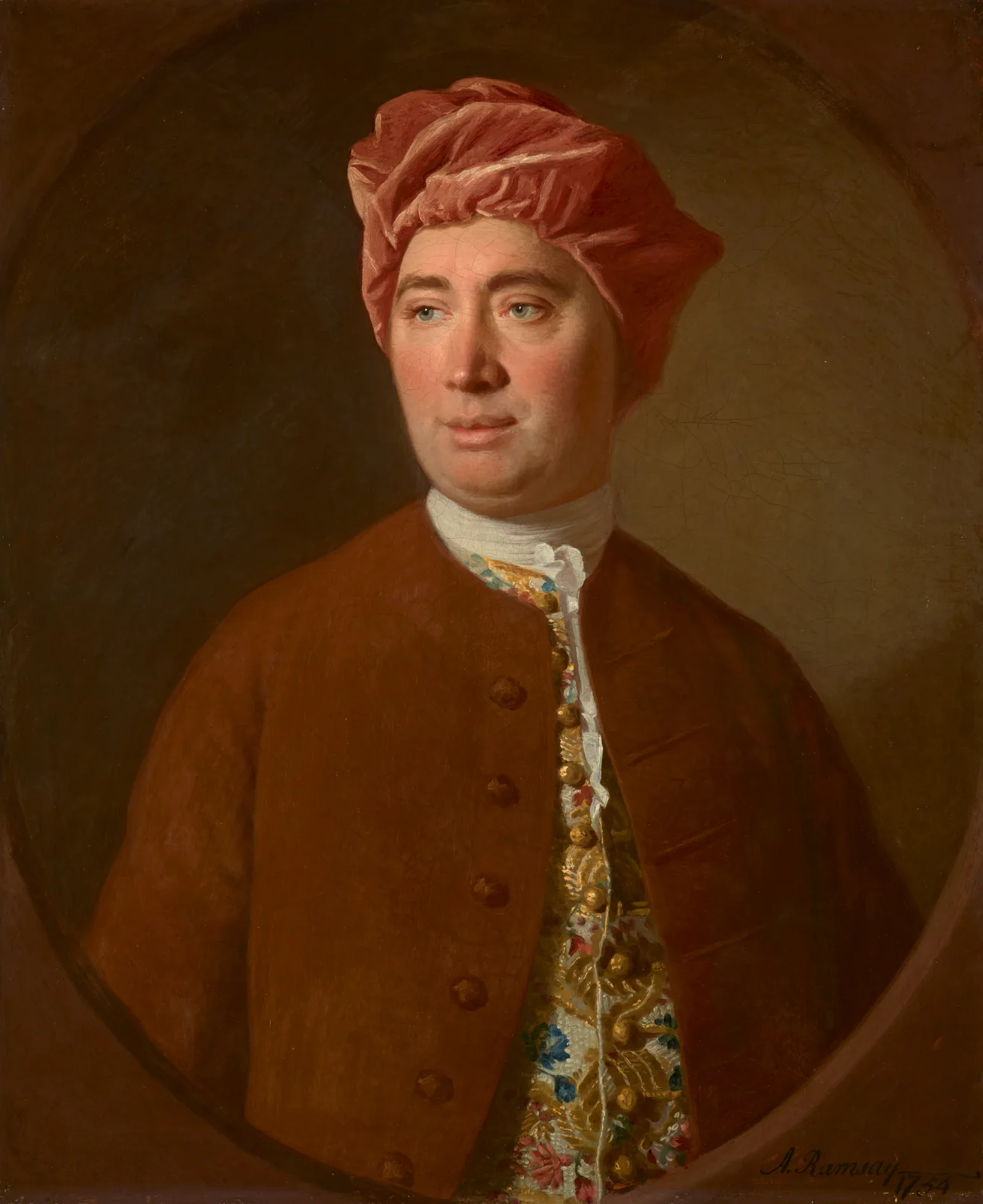
Wikimedia Commons · Public domain · file Hume became companion to the Marquess of Annandale and resided with the family at Weldhall near St Albans. Coordinates use St Albans as a representative point because the precise site of Weldhall is uncertain.
Raid on Lorient
· Lorient, Brittany, France
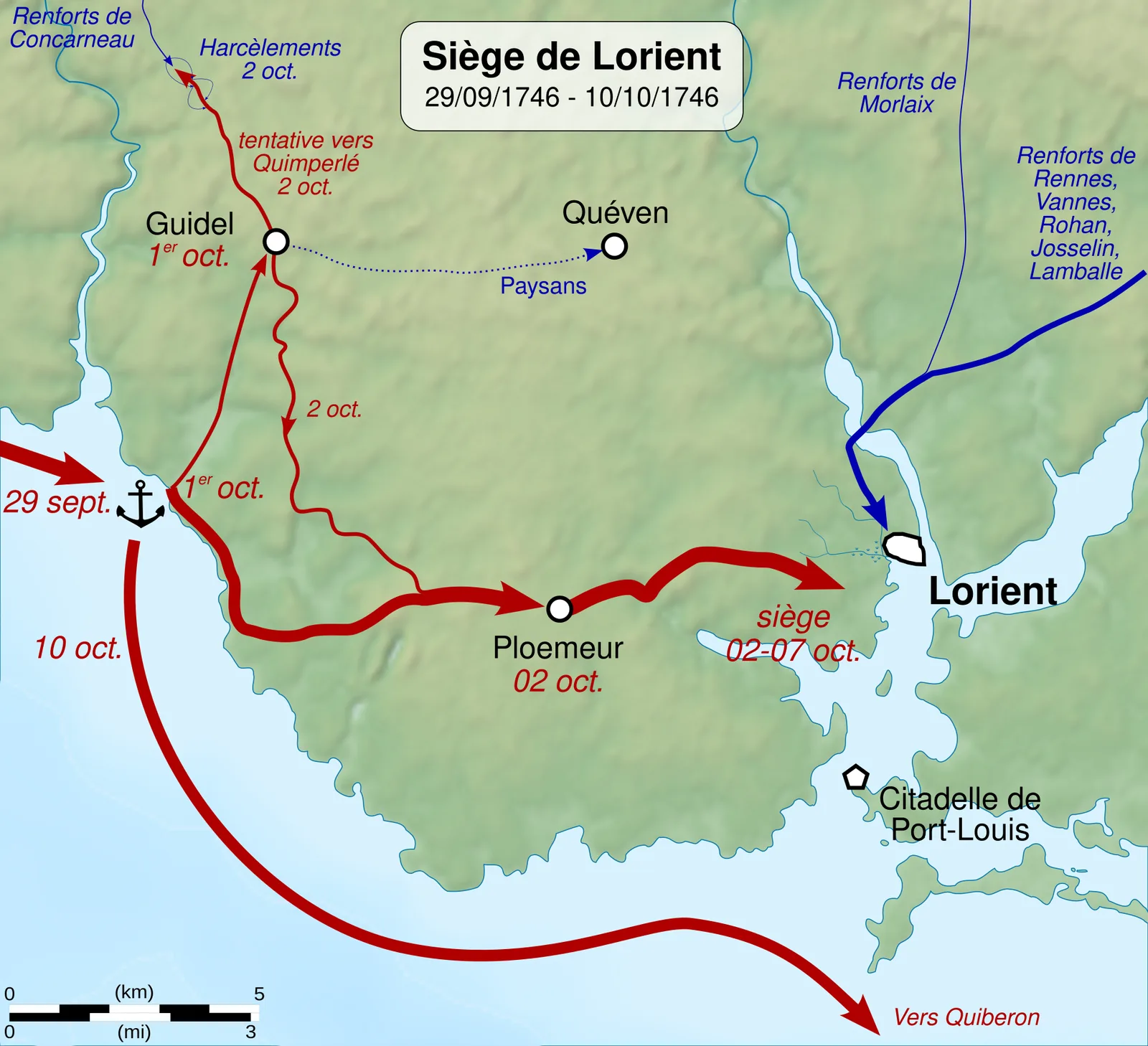
Wikimedia Commons · CC BY-SA 4.0 · file As secretary to Lieutenant-General James St Clair, Hume accompanied the expedition that besieged Lorient in Brittany. The date marks the opening of the raid; the quoted source establishes Hume accompanied the expedition throughout.
Military embassy at Turin
· Turin, Kingdom of Sardinia
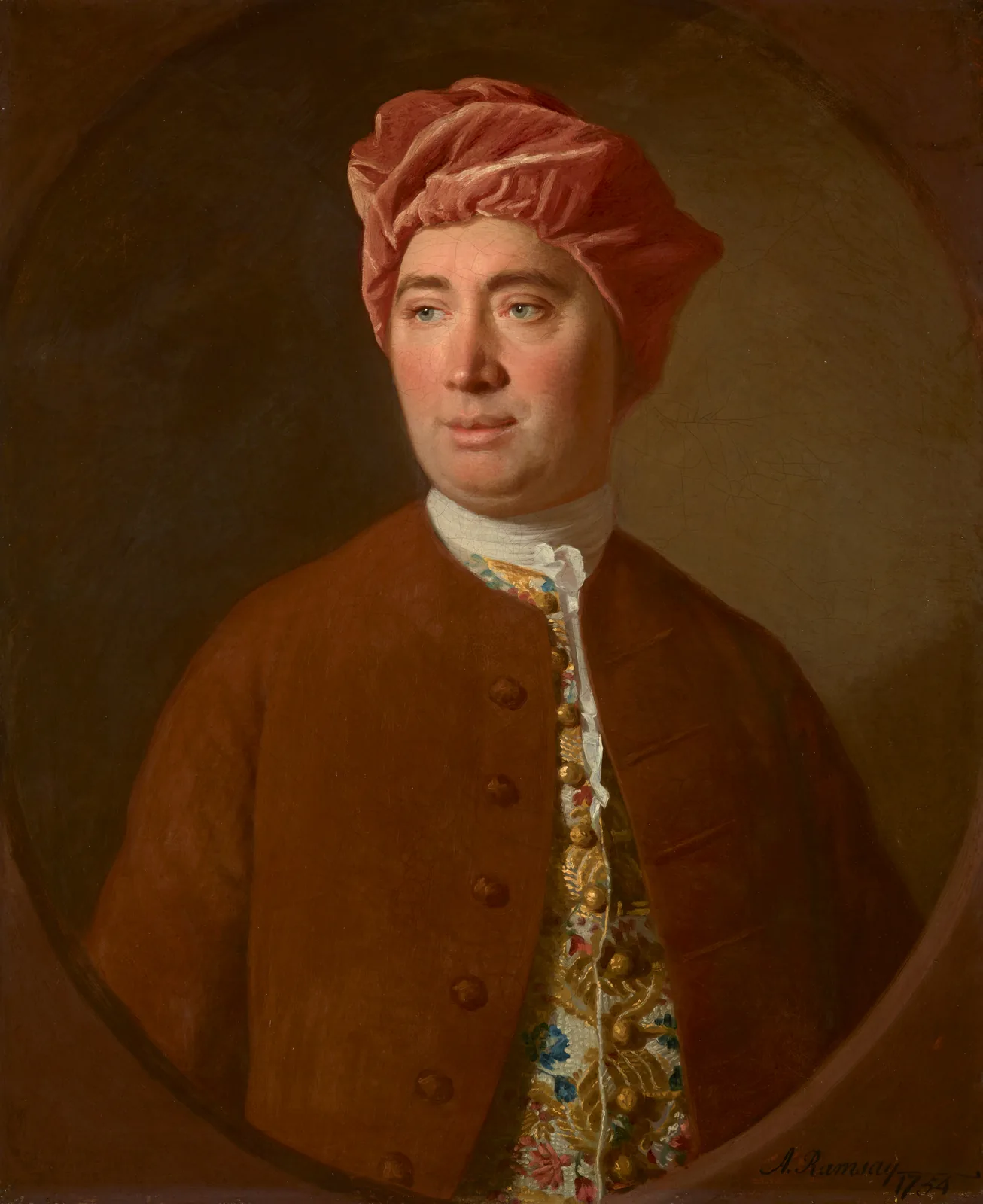
Wikimedia Commons · Public domain · file Hume was introduced as aide-de-camp to James St Clair at the court of Turin during the same diplomatic mission. The source gives the year of the mission but does not date the separate Vienna and Turin appearances more precisely.
Military embassy at Vienna
· Vienna, Habsburg Monarchy
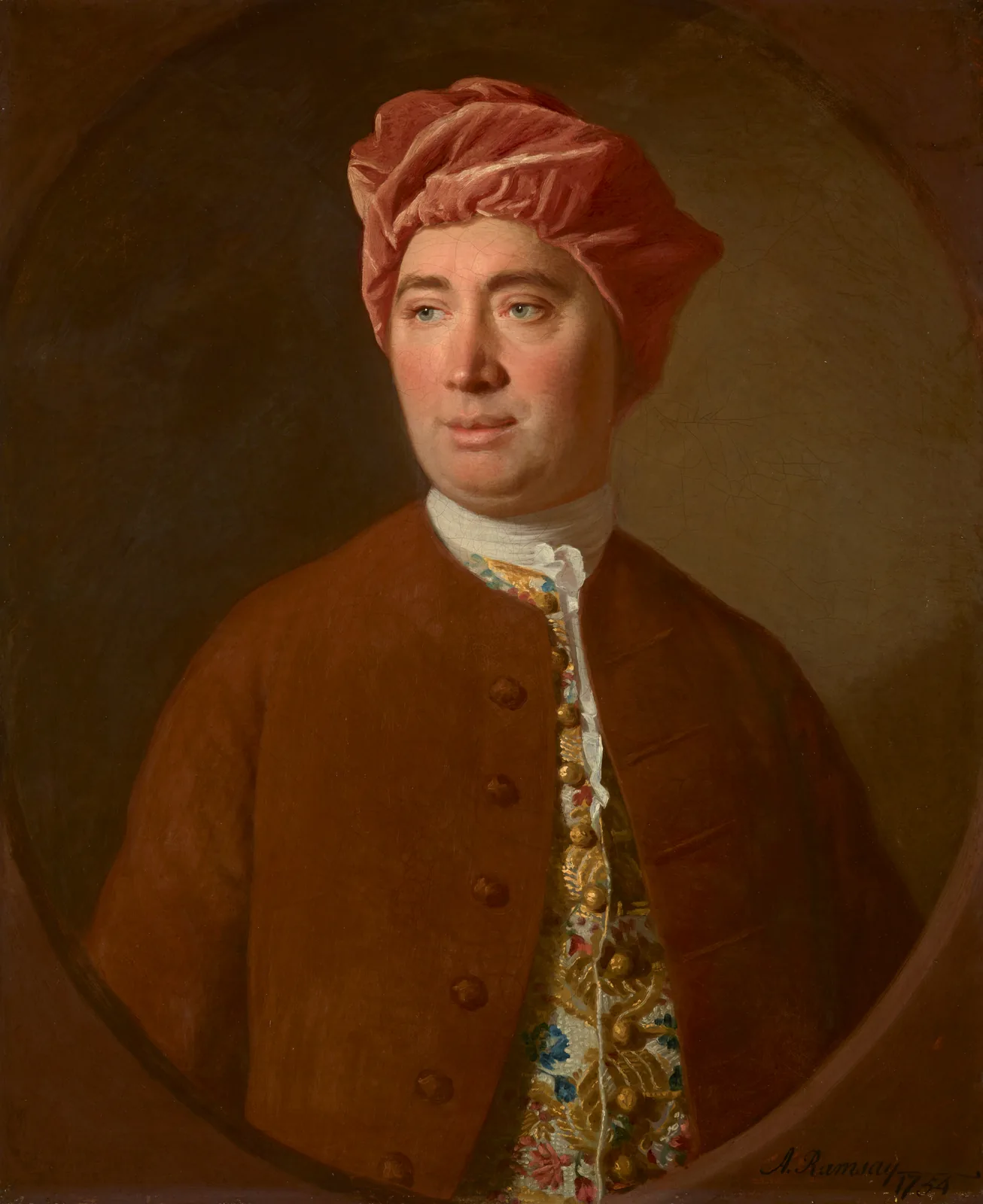
Wikimedia Commons · Public domain · file Hume served as James St Clair’s secretary and aide-de-camp during the military embassy received at the court of Vienna. The source gives the year of the mission but does not date the separate Vienna and Turin appearances more precisely.
Return to Ninewells
· Ninewells, near Chirnside, Berwickshire, Scotland
After returning from Italy, Hume resumed a productive period of study and writing at the Ninewells estate. Coordinates are an approximate representative point for the historic Ninewells estate near Chirnside.
Residence at Riddles Court
· Riddles Court, Lawnmarket, Edinburgh, Scotland
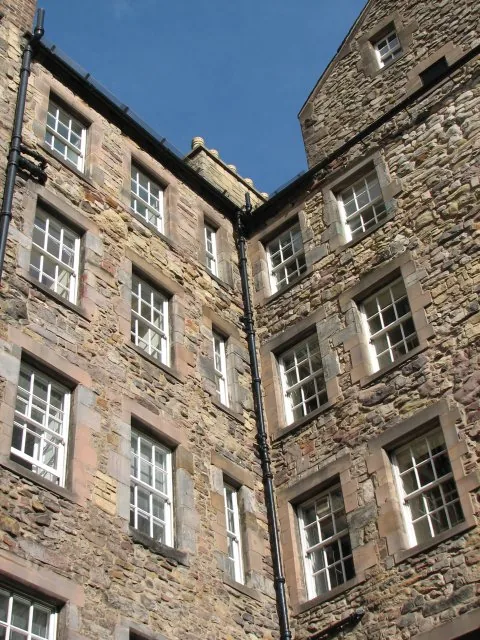
Wikimedia Commons · CC BY-SA 2.0 · file Hume moved from the country to Edinburgh and lived at Riddles Court on the Lawnmarket.
Move to Jack’s Land
· Jack’s Land, Canongate, Edinburgh, Scotland
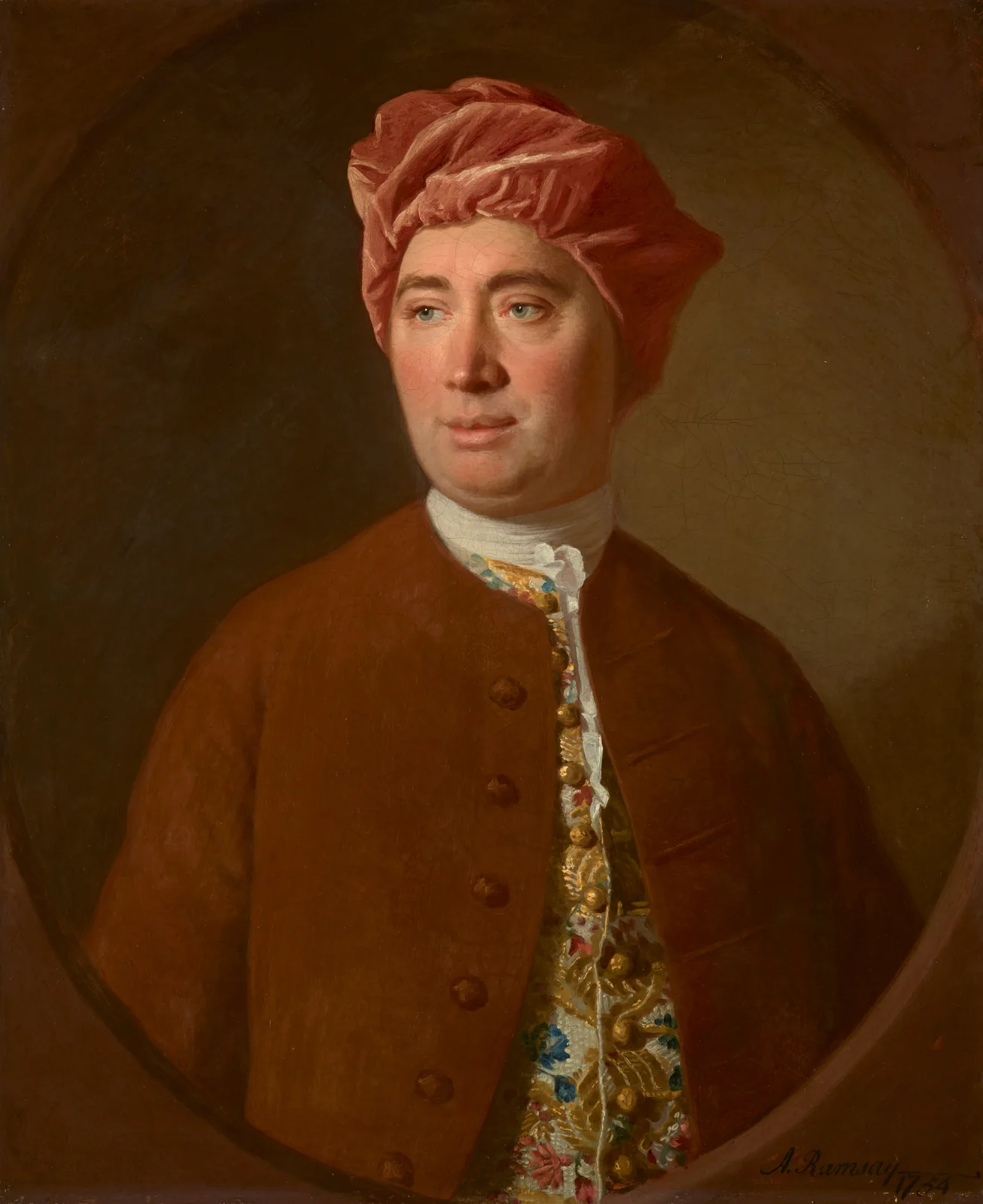
Wikimedia Commons · Public domain · file Hume moved to Jack’s Land in the Canongate, where he lived while undertaking much of his historical writing.
Move to James Court
· James Court, Lawnmarket, Edinburgh, Scotland
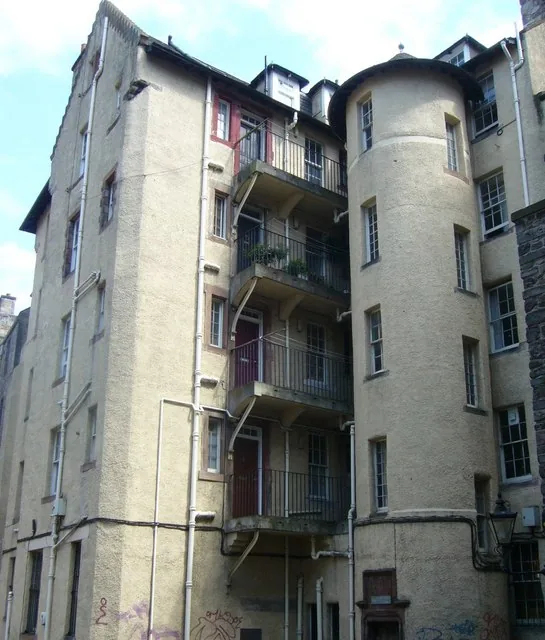
Wikimedia Commons · CC BY-SA 2.0 · file Hume left Jack’s Land and moved to James Court on the Lawnmarket.
Embassy service in Paris
· Paris, France
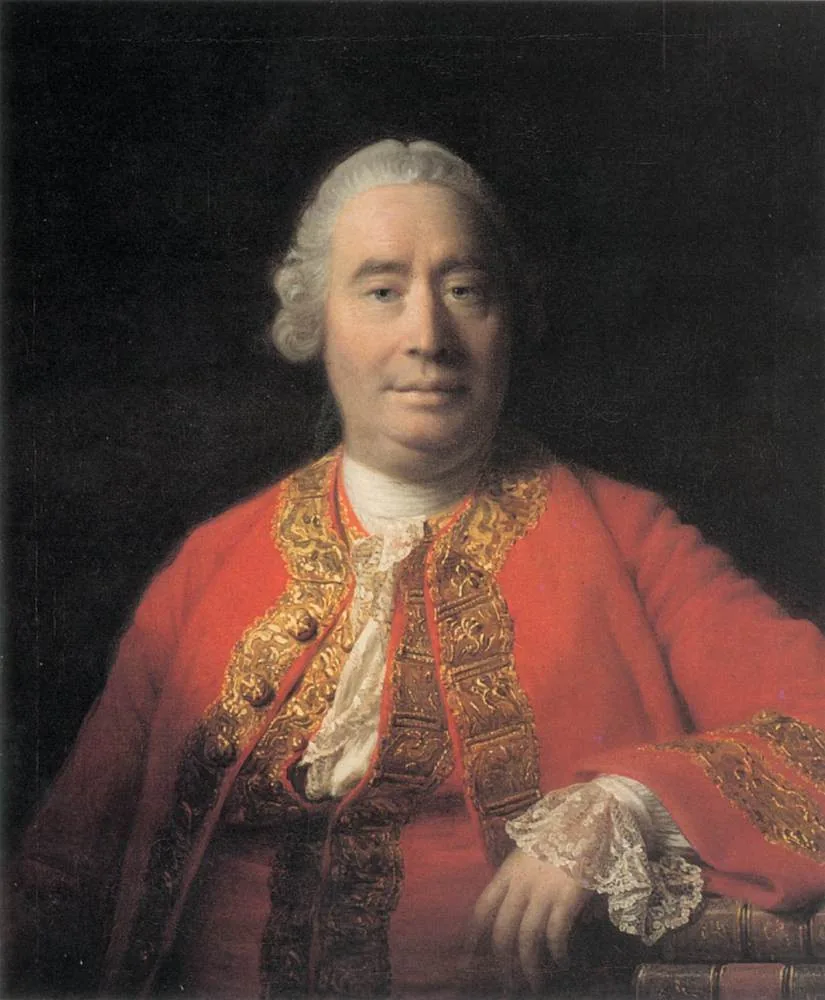
Wikimedia Commons · Public domain · file Hume began attending Lord Hertford in Paris and became secretary to the British embassy in France. Coordinates represent Paris rather than an embassy building.
Letter from Fontainebleau
· Fontainebleau, France
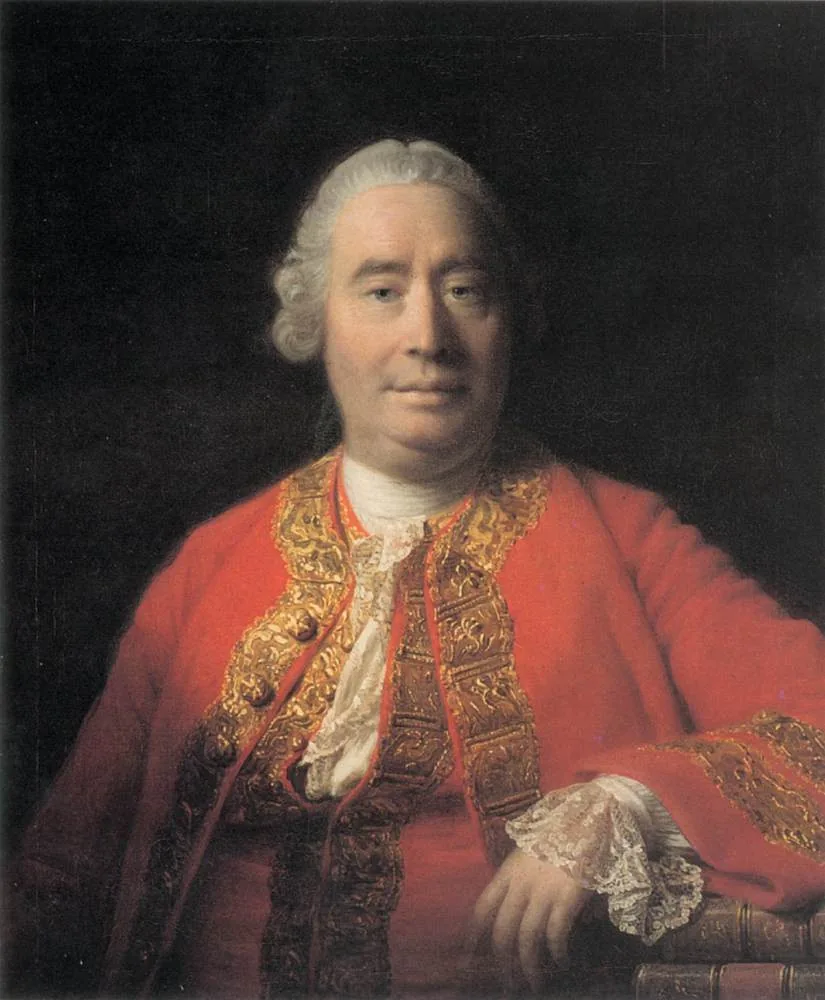
Wikimedia Commons · Public domain · file A surviving Hume letter is catalogued as written from Fontainebleau to the Earl of Halifax during his French embassy service. The source spells the place “Fountainebleau”; the modern gazetteer spelling is Fontainebleau.
Chargé d’affaires in Paris
· Paris, France
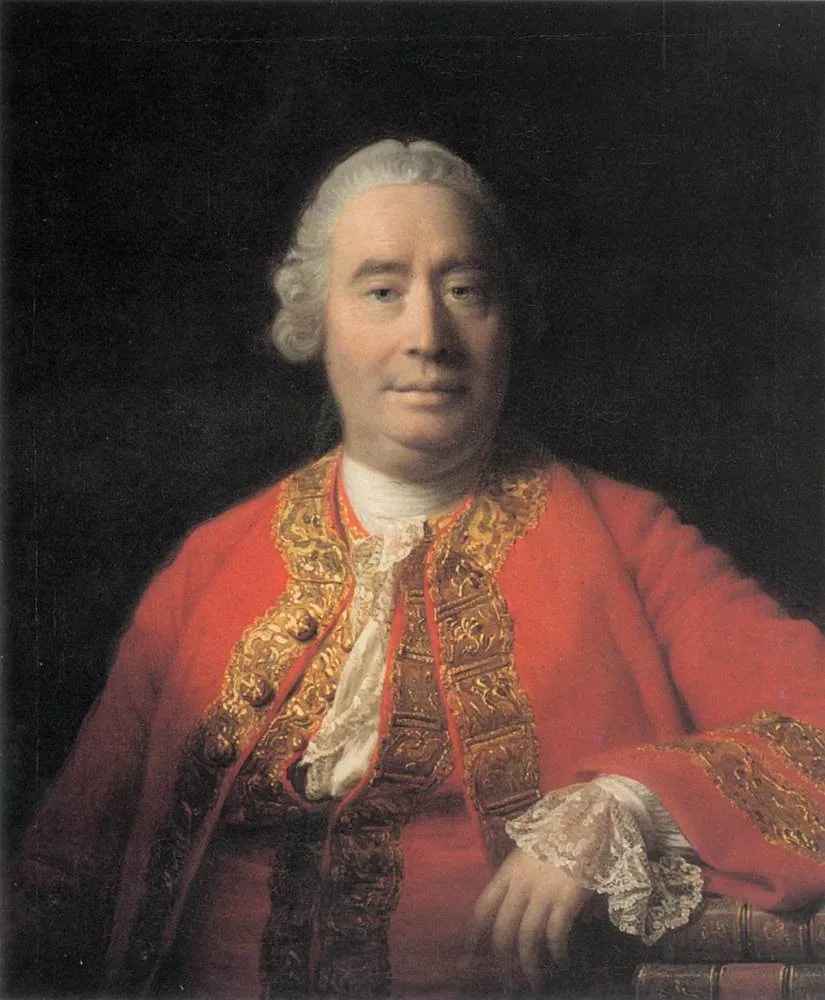
Wikimedia Commons · Public domain · file After Lord Hertford’s departure, Hume served as chargé d’affaires in Paris until the Duke of Richmond arrived later that year. Coordinates represent Paris rather than an embassy building.
Letter from London
· London, England, Great Britain
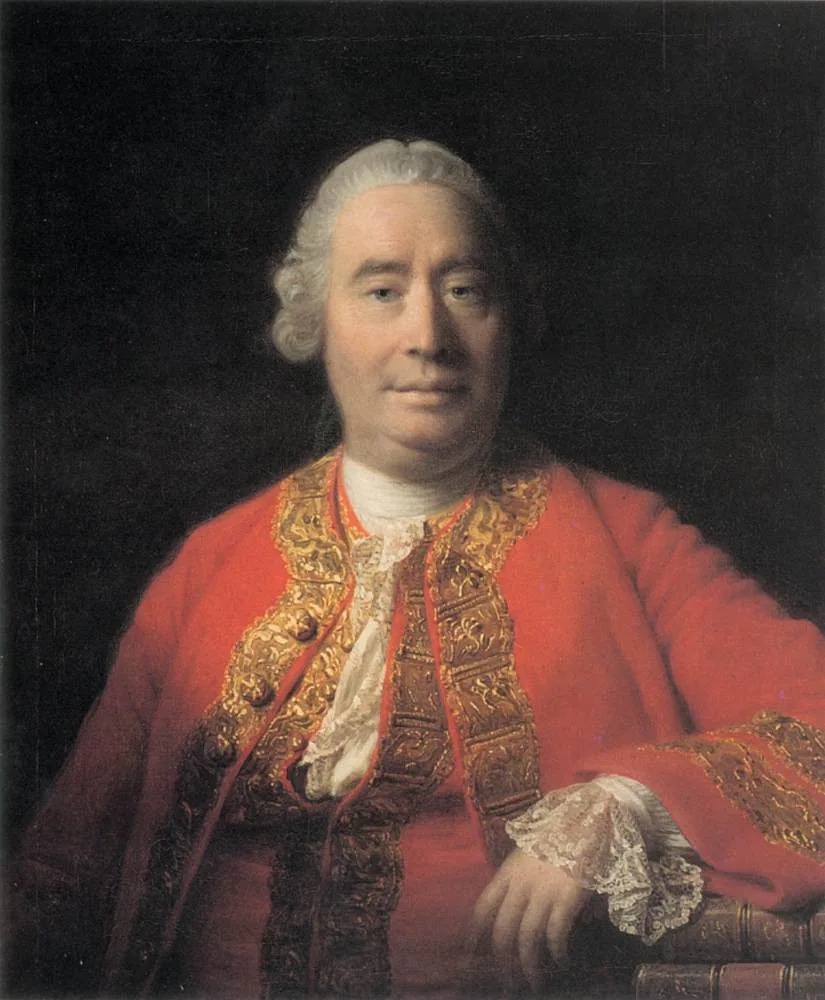
Wikimedia Commons · Public domain · file After leaving Paris, Hume was in London, from where he wrote on behalf of associates connected with a Grenada plantation proposal. The quotation is from Victor-Thérèse Charpentier’s 20 June 1766 reply to Hume and identifies Hume’s letter as written from London on 2 February 1766.
Letter from Edinburgh
· Edinburgh, Scotland
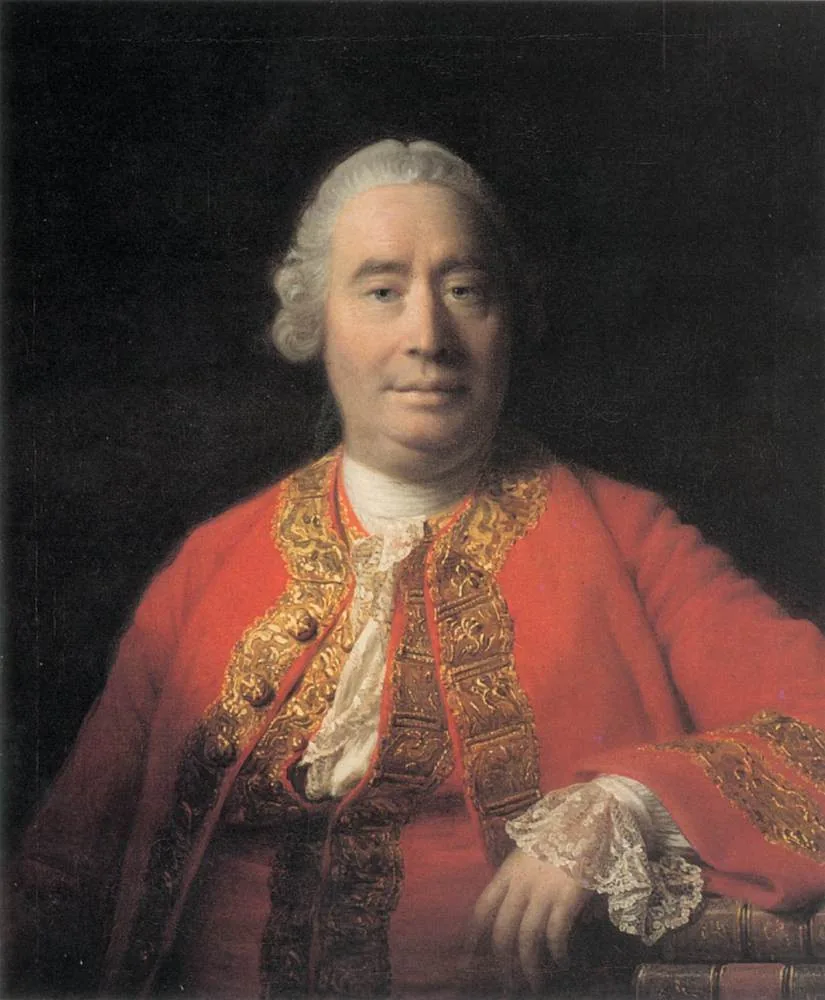
Wikimedia Commons · Public domain · file A surviving letter shows Hume back in Edinburgh by early November after his return from France and England.
Under-secretary in London
· London, England, Great Britain
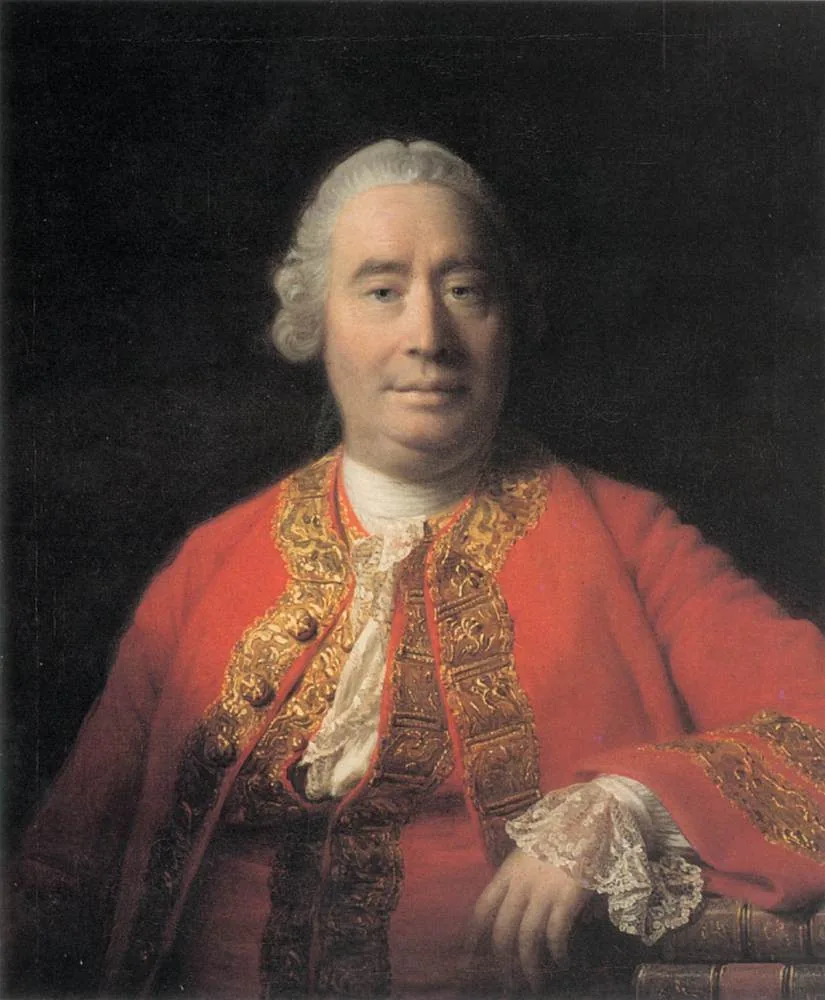
Wikimedia Commons · Public domain · file Hume entered General Conway’s service in London as an under-secretary of state. The source supports the year but not a more precise start date.
Return to Edinburgh
· Edinburgh, Scotland
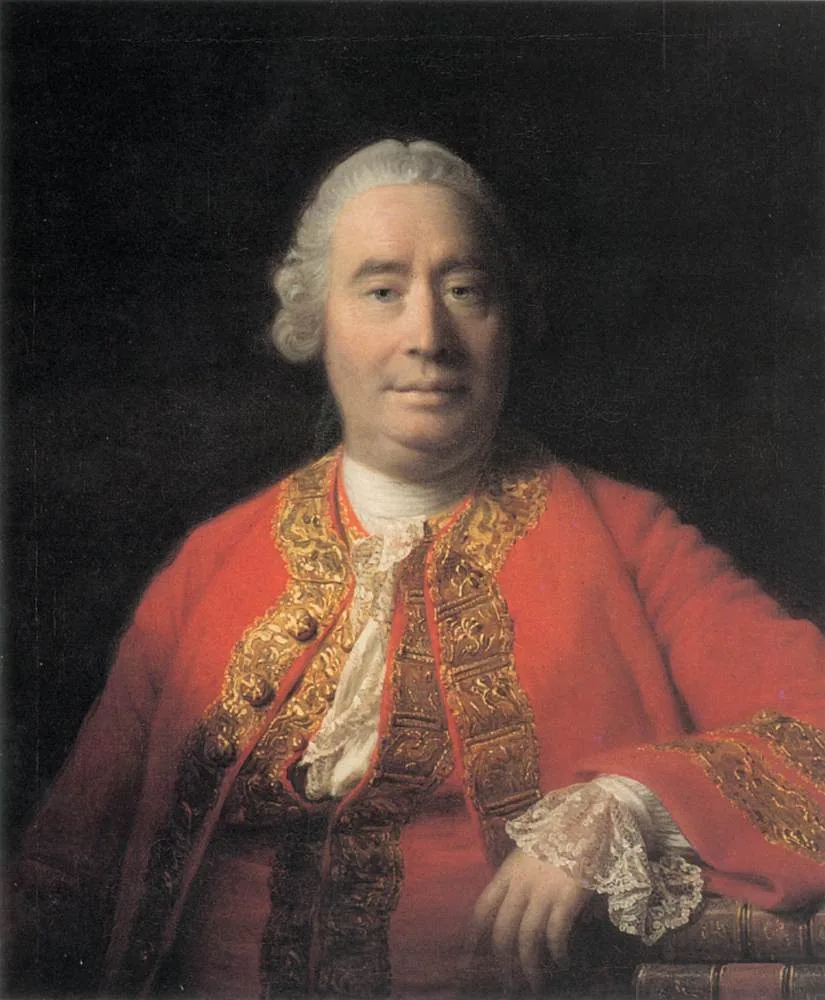
Wikimedia Commons · Public domain · file Hume returned to Edinburgh after his London government service, resuming the settled later phase of his life.
Letter from St Andrew Square
· St Andrew Square, Edinburgh, Scotland
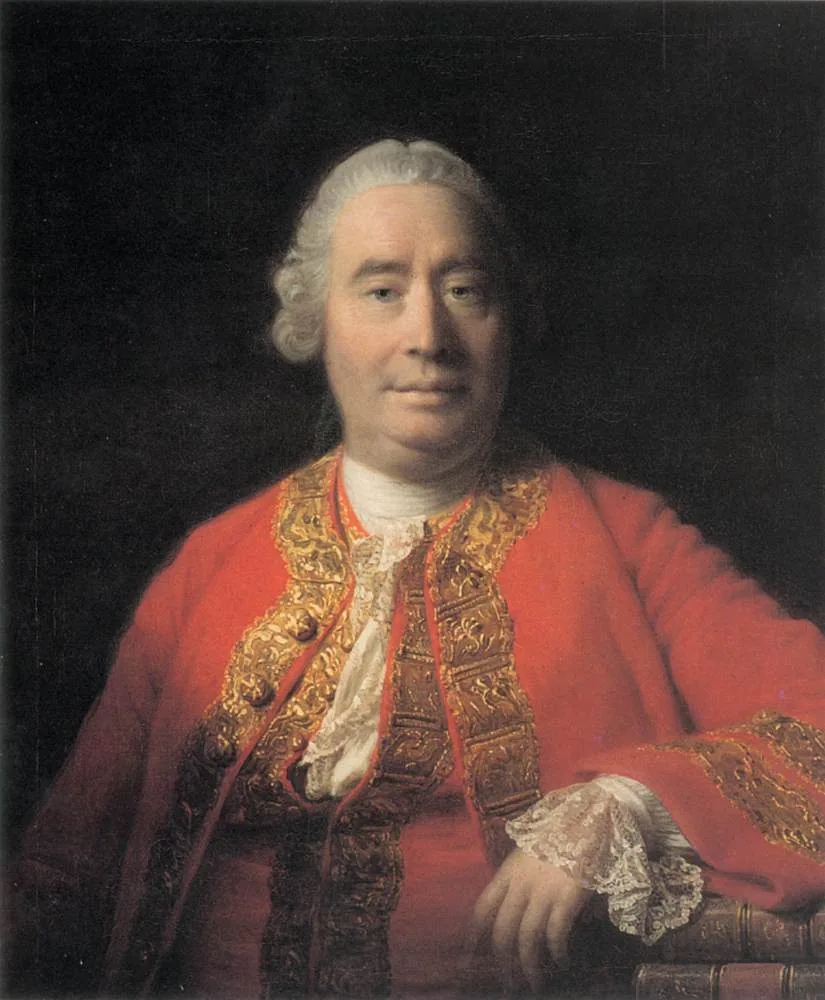
Wikimedia Commons · Public domain · file A surviving letter dates Hume’s presence at St Andrew Square, the New Town residence in which he spent his final years. The source’s “St. Andrews Square” refers to St Andrew Square, Edinburgh.
Last journey: Morpeth
· Morpeth, Northumberland, England, Great Britain
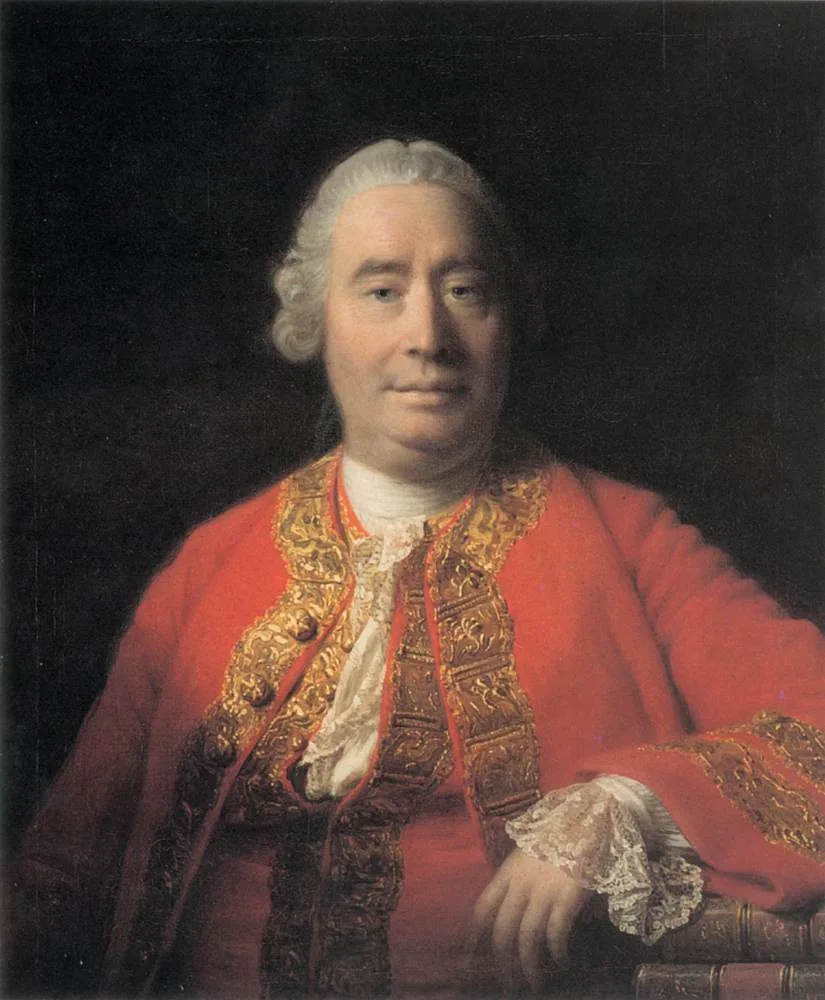
Wikimedia Commons · Public domain · file During his final attempt to improve his health through travel, Hume wrote to his brother from Morpeth en route south. The quoted dateline is from Hume’s letter to his brother John Home.
Last journey: London
· London, England, Great Britain
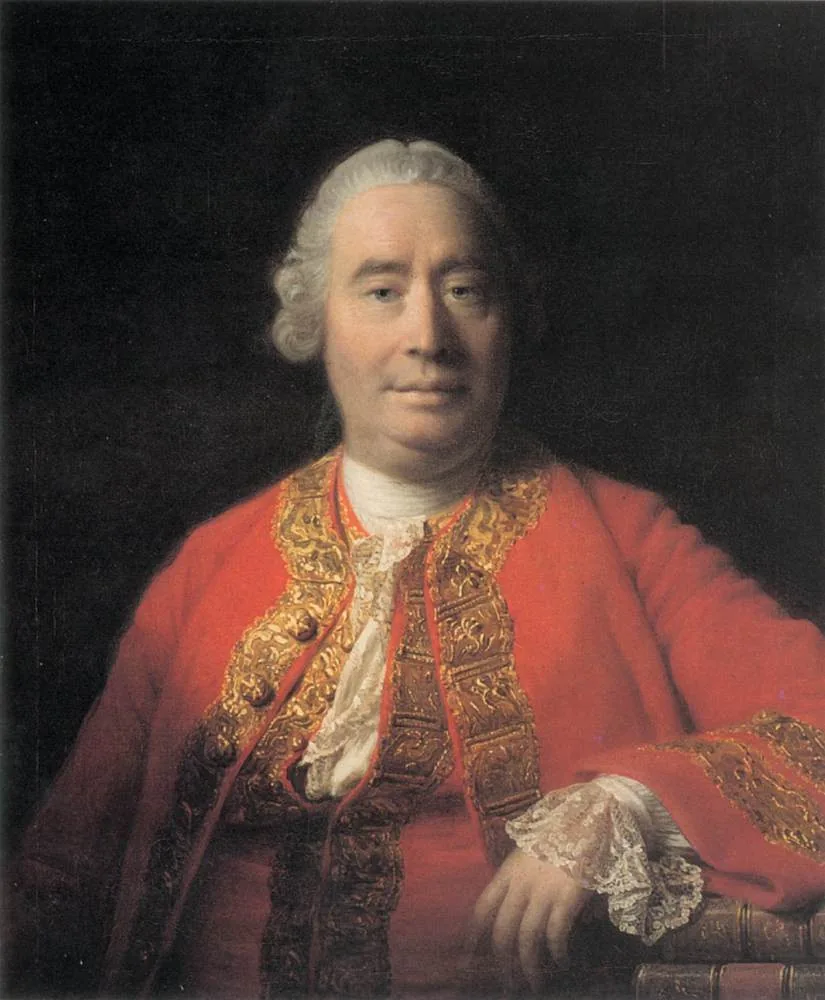
Wikimedia Commons · Public domain · file Hume’s correspondence records him in London during the final health journey that took him south from Edinburgh.
Last journey: Bath
· Bath, Somerset, England, Great Britain
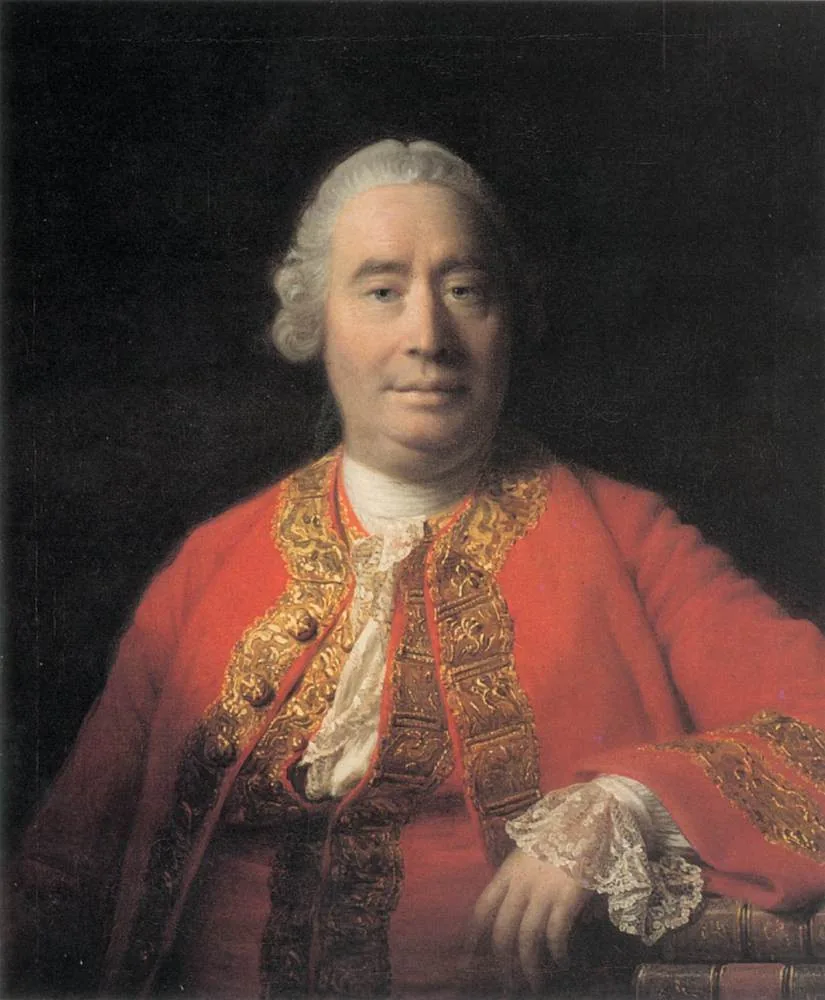
Wikimedia Commons · Public domain · file Hume travelled to Bath to drink the waters on medical advice during his final illness.
Return from Bath to Edinburgh
· Edinburgh, Scotland
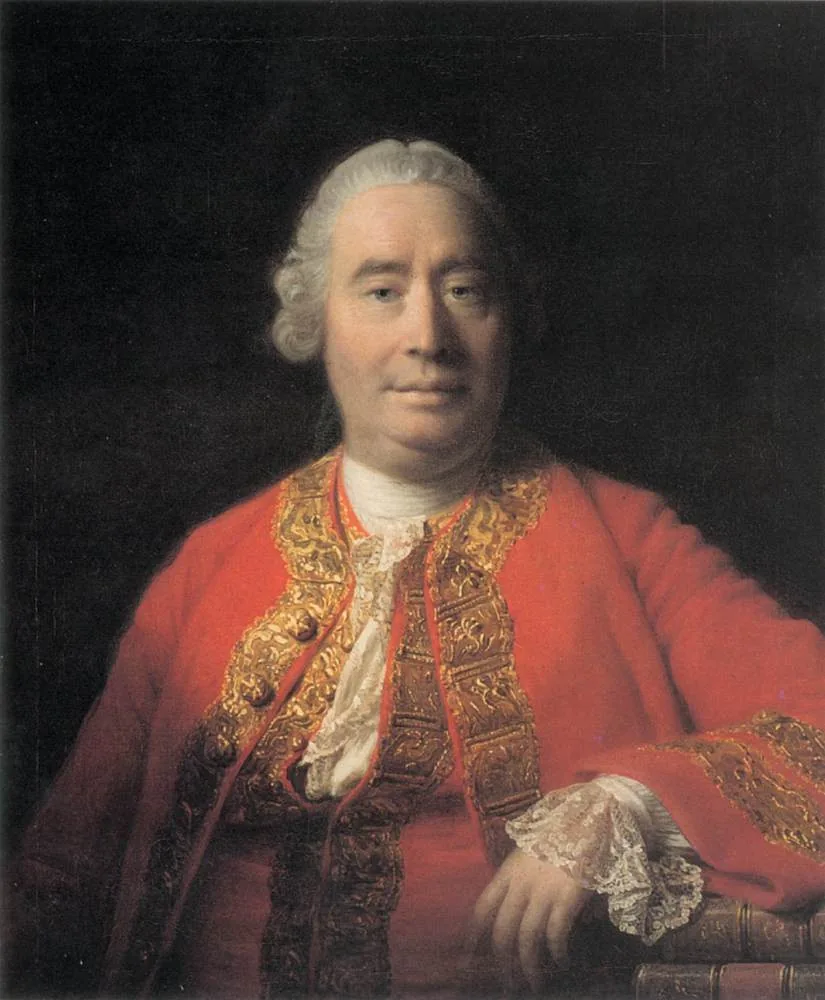
Wikimedia Commons · Public domain · file Hume had returned to Edinburgh after the unsuccessful Bath treatment, as shown by a letter written there to his brother.
Final letter from Edinburgh
· Edinburgh, Scotland
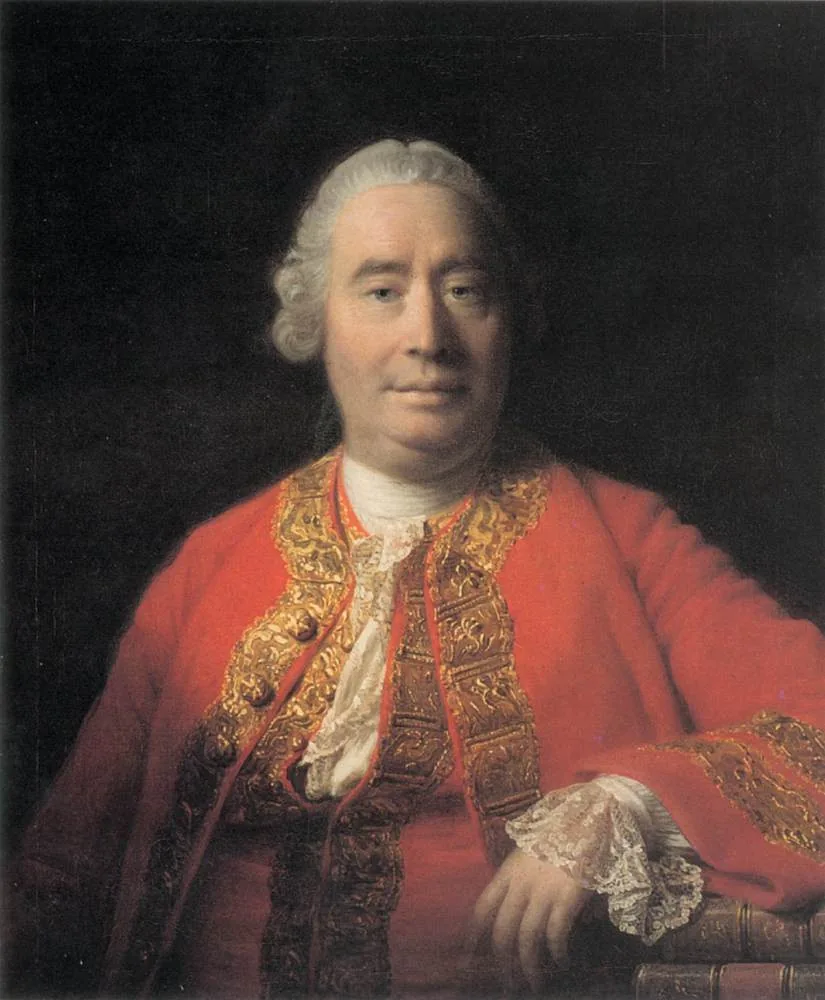
Wikimedia Commons · Public domain · file Two days before his death, Hume wrote to Adam Smith from Edinburgh, explaining that he was too weak to rise. The quoted dateline introduces Hume’s letter to Adam Smith.
Death at St Andrew Square
· 21 Saint David Street, Edinburgh, Scotland
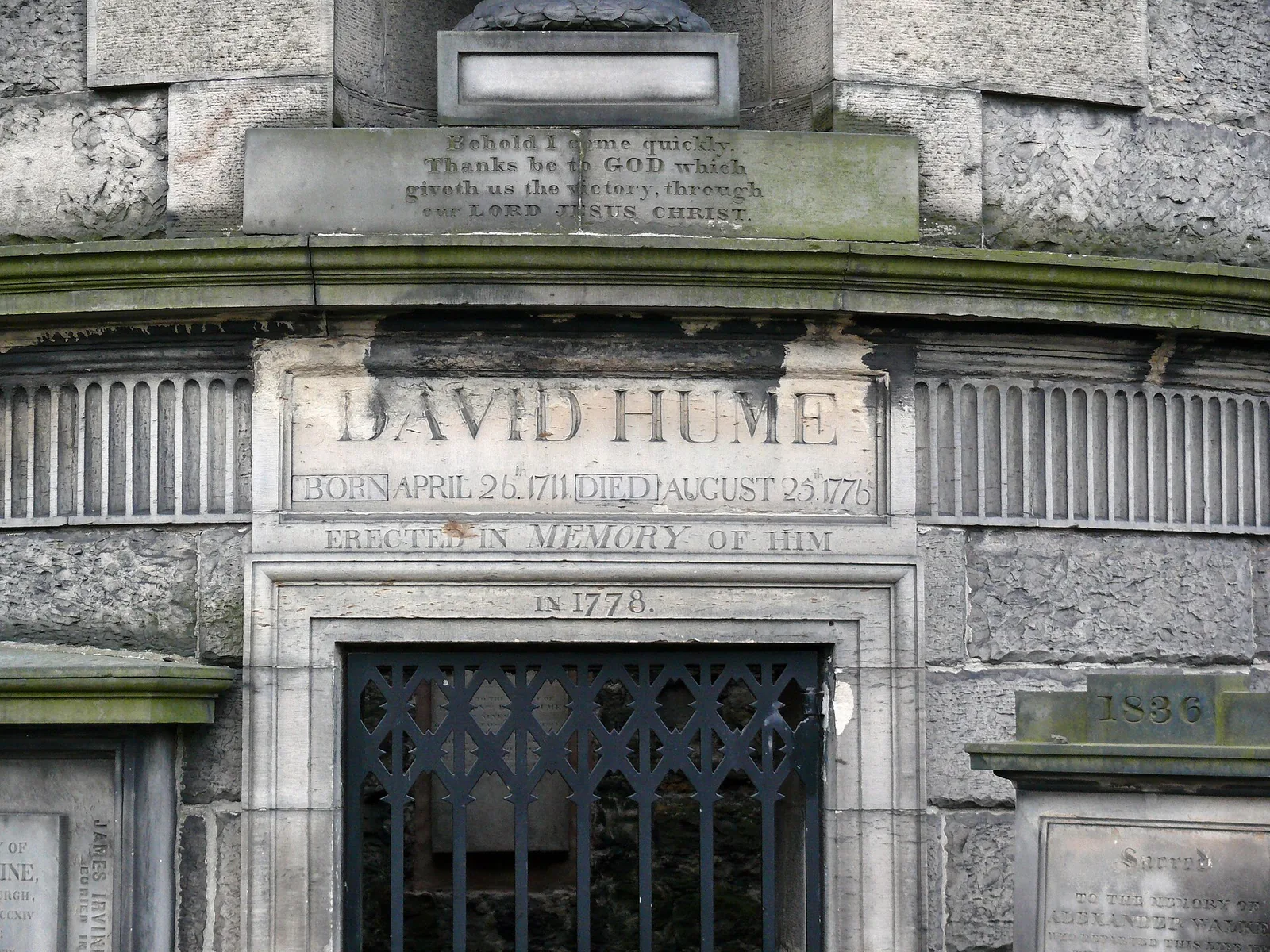
Wikimedia Commons · CC BY-SA 3.0 · file Hume died at the southwest corner of St Andrew Square in Edinburgh’s New Town, at the site now numbered 21 Saint David Street. The article’s infobox gives Hume’s date of death as 25 August 1776; the quoted sentence establishes the exact death location.