
18 moments
Birth in Cripplegate
· Fore Street, Cripplegate, London, England
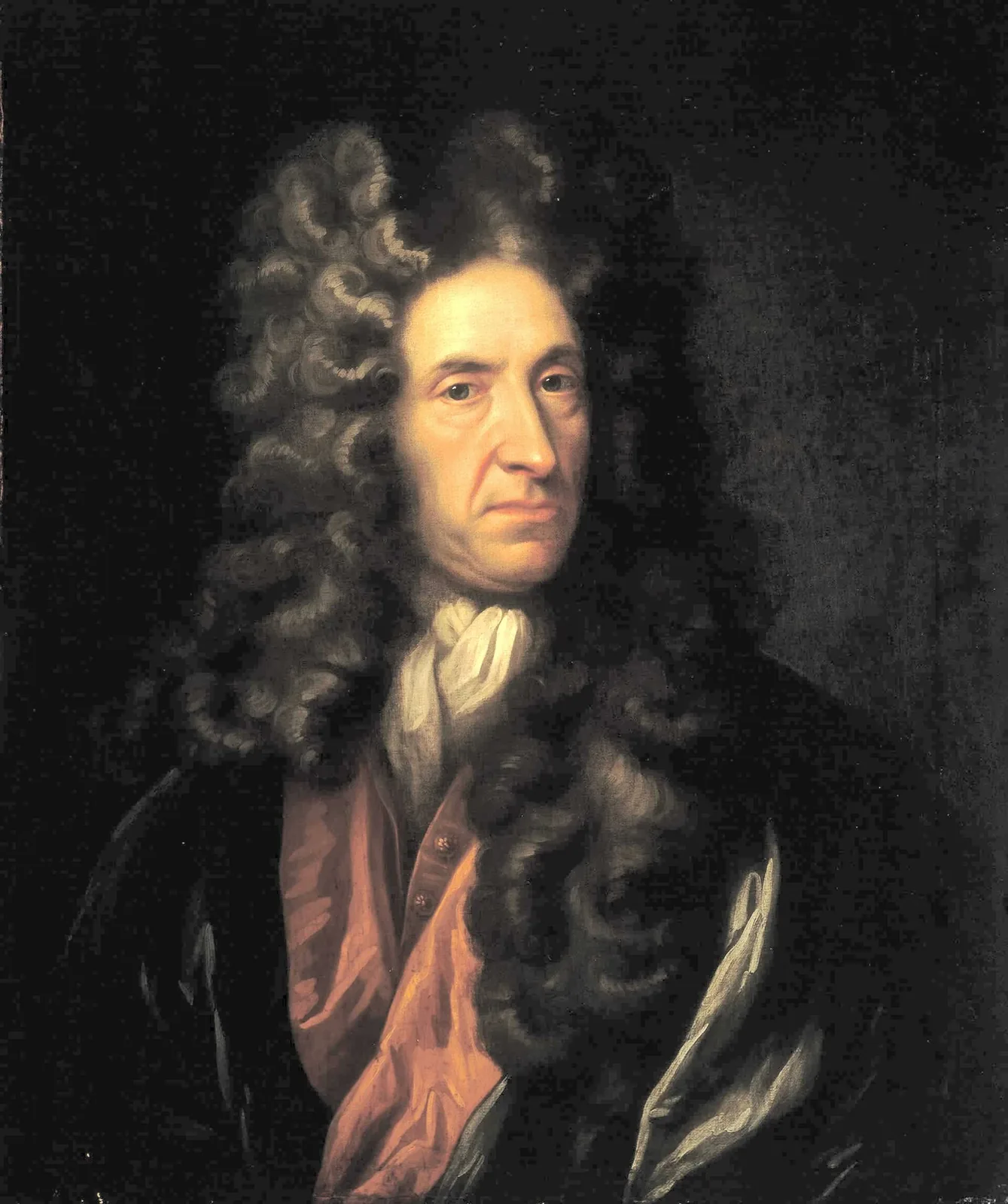
Wikimedia Commons · Public domain · file Daniel Foe, later Daniel Defoe, was probably born on Fore Street in the parish of St Giles, Cripplegate. The birth year and exact birthplace are uncertain; sources cited by the article range from 1659 to 1662, with 1660 considered most likely.
Marriage to Mary Tuffley
· St Botolph without Aldgate, London, England
Defoe married Mary Tuffley at St Botolph's Aldgate, beginning a marriage that lasted forty-seven years.
Monmouth Rebellion involvement
· Lyme Regis, Dorset, England
Defoe appeared on the Duke of Monmouth's side after the landing at Lyme Regis during the unsuccessful rebellion against James II. The duration and precise nature of Defoe's participation are disputed; this card records only the supported association with Monmouth's force at Lyme Regis.
William's army at Henley
· Henley-on-Thames, Oxfordshire, England
Defoe joined William of Orange's army at Henley during William's advance on London in the Glorious Revolution.
Volunteer escort in the City
· City of London, England
As a trooper in a volunteer horse regiment, Defoe escorted William and Mary to a civic banquet after their accession. The contemporary source identifies the City of London but not the banquet venue; coordinates represent the historic civic centre.
Brickworks residence at Chadwell
· Chadwell St Mary, Essex, England
Defoe operated a tile and brick factory at Tilbury and lived in nearby Chadwell St Mary parish. Coordinates represent Chadwell St Mary rather than the now-lost exact house site.
With the Kentish petitioners
· Mercers' Hall, City of London, England
After the Kentish petitioners were released, Defoe stood beside them at their entertainment in Mercers' Hall. Coordinates identify the present Mercers' Hall site, near the historic hall location.
Imprisonment in Newgate
· Newgate Prison, London, England
Following his trial and pillory sentence, Defoe was imprisoned in Newgate, where he continued writing and began A Review of the Affairs of France. The prison was demolished; coordinates represent its historic Old Bailey site.
Seditious-libel trial
· Old Bailey, London, England
Defoe faced trial at the Old Bailey for seditious libel arising from The Shortest-Way with the Dissenters. The source specifies the July sessions but does not give the trial day.
Pilloried at the Royal Exchange
· Royal Exchange, Cornhill, London, England
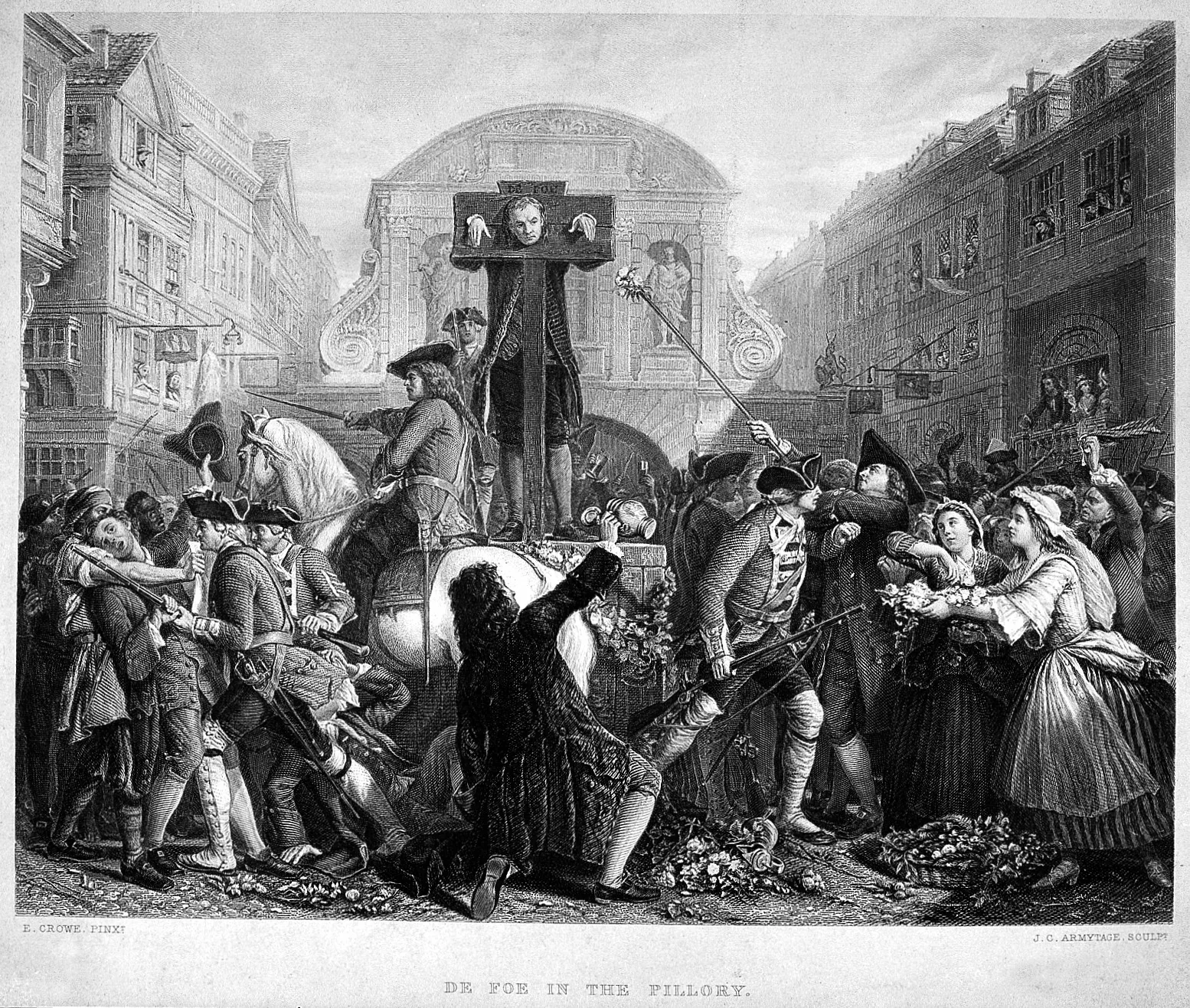
Wikimedia Commons · Creative Commons Attribution 4.0 International · file On the first of three consecutive days in the pillory, Defoe was displayed before the Royal Exchange in Cornhill. The present Royal Exchange occupies the historic site.
Pilloried at Cheapside Conduit
· Cheapside, London, England
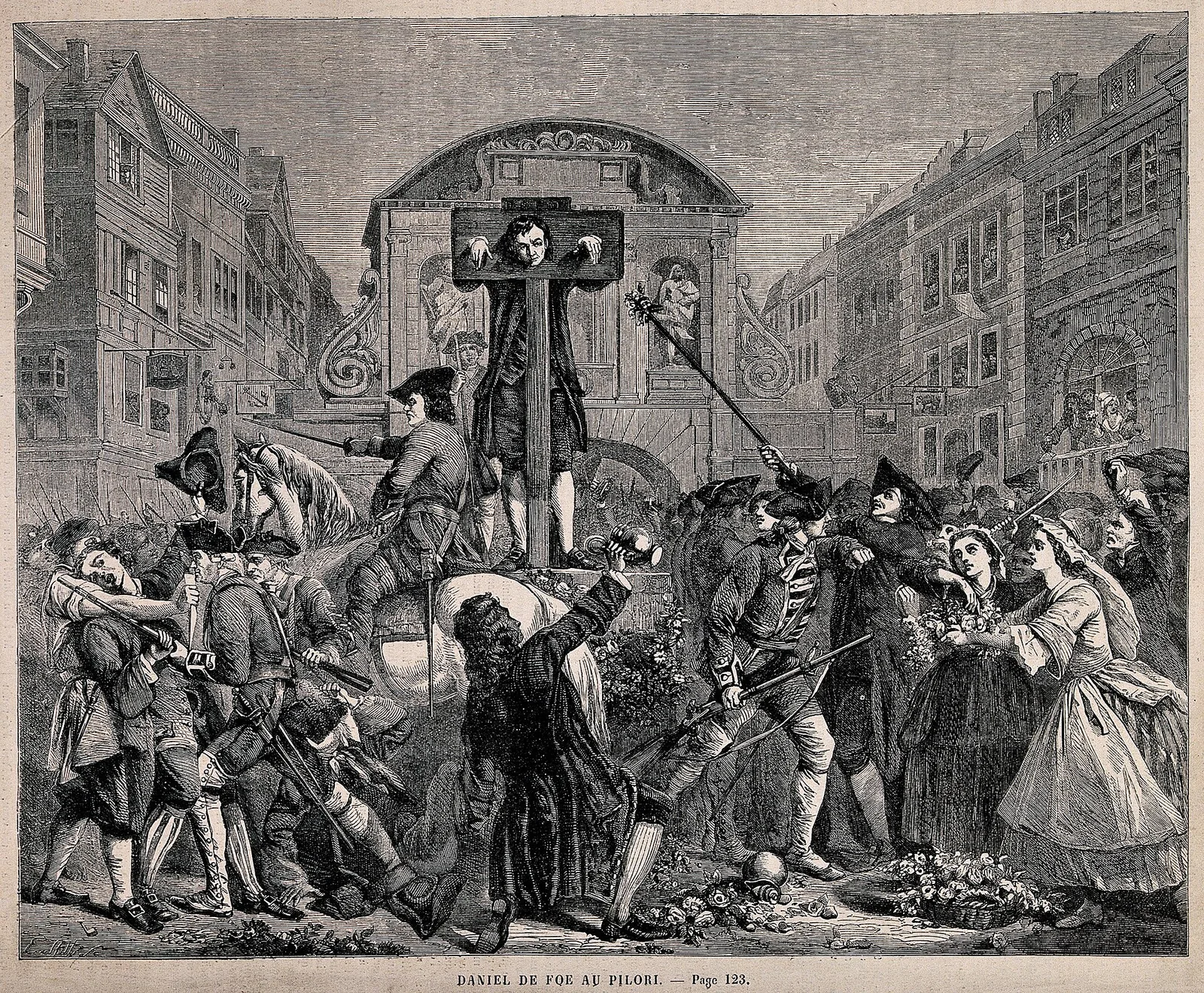
Wikimedia Commons · Creative Commons Attribution 4.0 International · file Defoe underwent the second day of his pillory sentence near the Conduit in Cheapside. The Cheapside conduit no longer survives; coordinates are a representative point on Cheapside.
Pilloried at Temple Bar
· Temple Bar, London, England
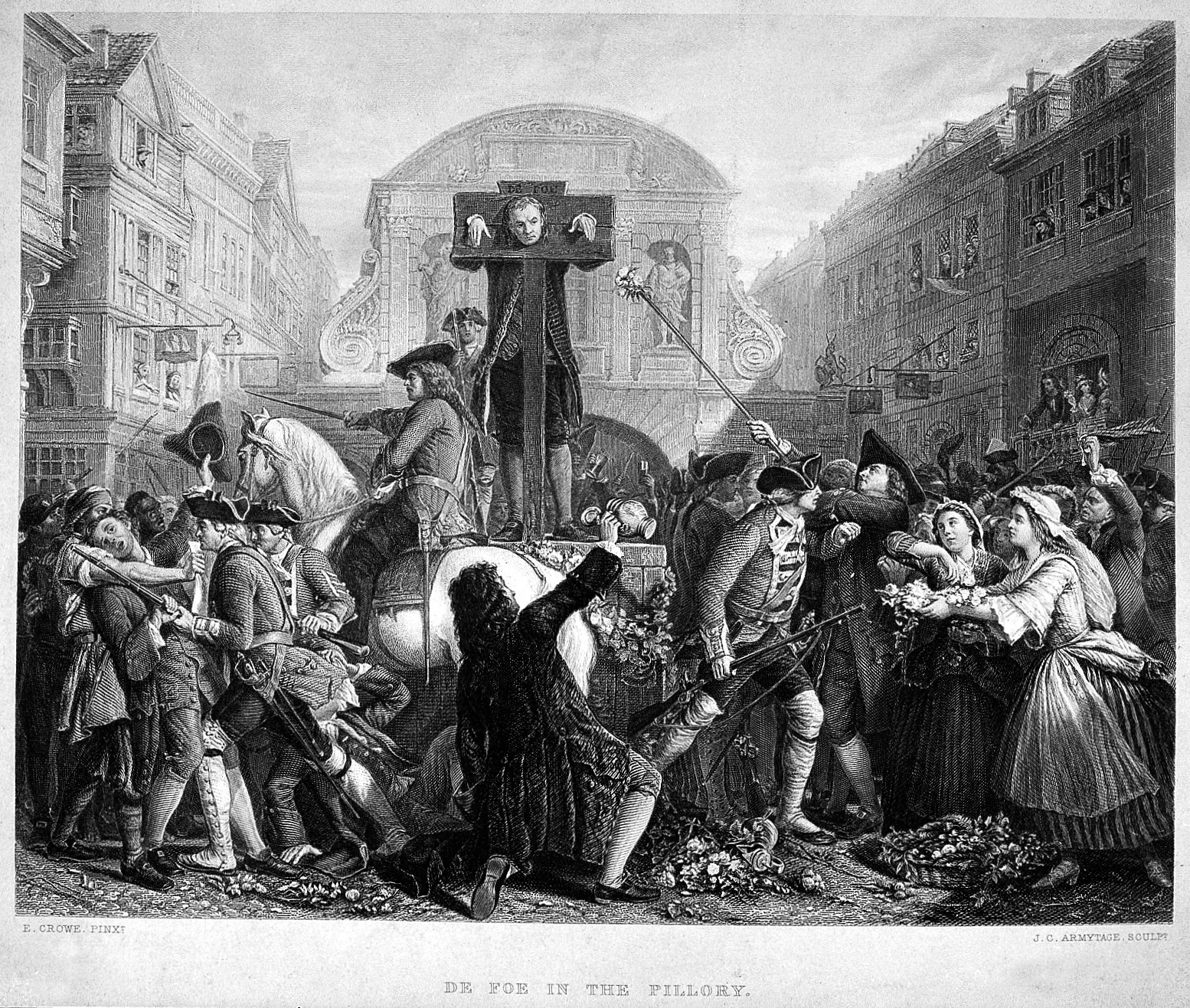
Wikimedia Commons · Creative Commons Attribution 4.0 International · file Defoe underwent the final day of his public pillory punishment at Temple Bar. Coordinates mark the historic Temple Bar location near Fleet Street.
Secret mission to Edinburgh
· Edinburgh, Scotland
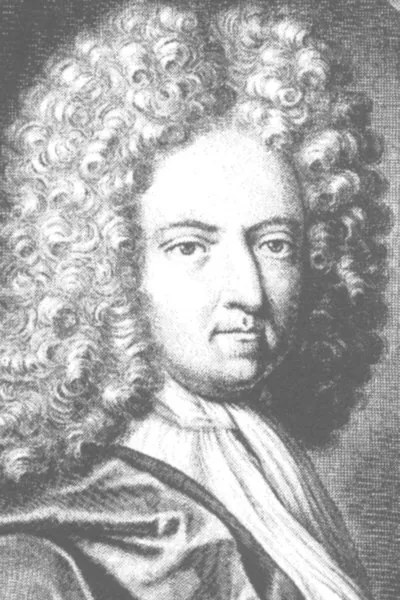
Wikimedia Commons · Public domain · file The ministry sent Defoe to Edinburgh as a secret agent during the campaign for Anglo-Scottish union. The source gives August or September, so the date is recorded at year precision.
Government correspondence from Edinburgh
· Edinburgh, Scotland
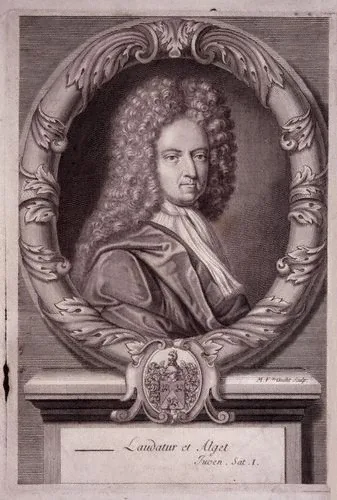
Wikimedia Commons · Public domain · file Defoe was again in Edinburgh on government business; surviving letters from there document his dependence on government support during this mission. This card records the May 1708 presence; the source also independently places him in Edinburgh in August.
Later Scottish mission
· Scotland
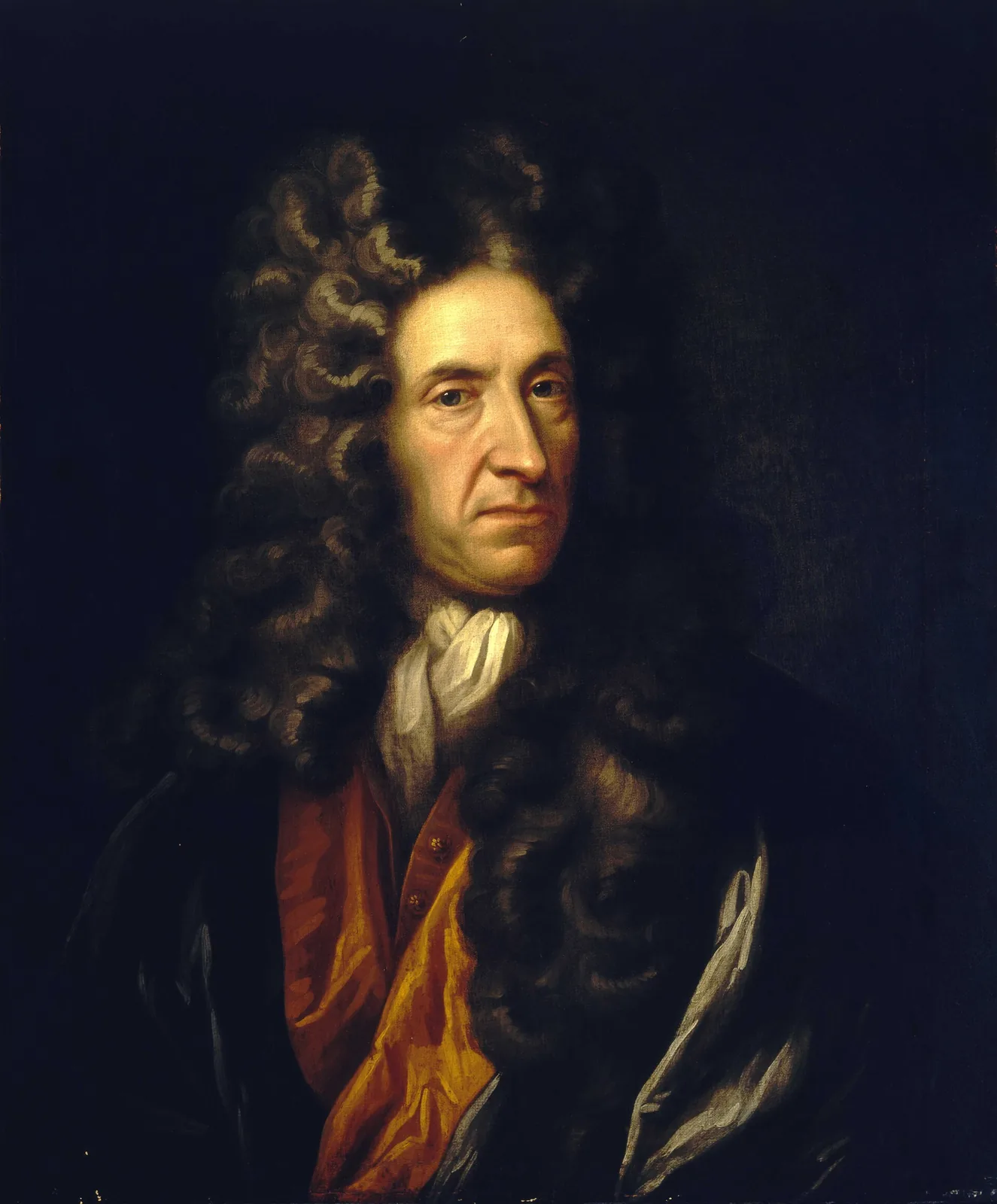
Wikimedia Commons · Public domain · file Defoe returned to Scotland late in 1712 and wrote anti-Jacobite pamphlets there. The source does not identify a Scottish locality; coordinates are a representative point for Scotland.
House at Stoke Newington
· Church Street, Stoke Newington, London, England
By 1724 Defoe had built a substantial house at Stoke Newington, where he pursued studies and gardening while living with his daughters. The house no longer survives; coordinates represent Church Street in Stoke Newington.
Burial at Bunhill Fields
· Bunhill Fields Burial Ground, London, England
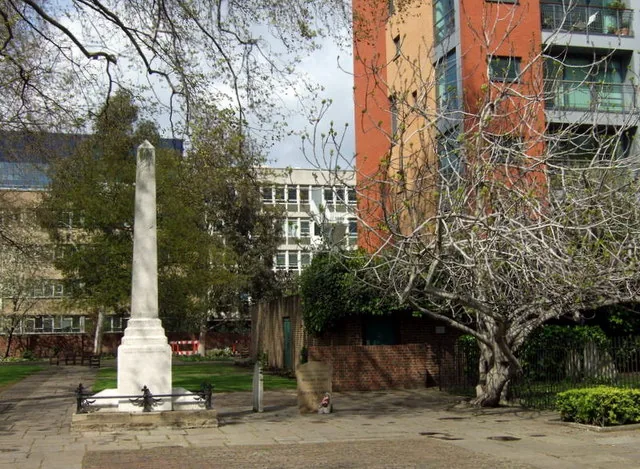
Wikimedia Commons · Creative Commons Attribution-Share Alike 2.0 Generic · file Defoe was interred in Bunhill Fields, the nonconformist burial ground north of the City of London. The source does not state the burial day; the year follows his documented death in 1731.
Death in Ropemakers Alley
· Ropemakers Alley, Moorfields, London, England
Defoe died in Ropemakers Alley near Cripplegate, probably while avoiding creditors. The alley has disappeared; coordinates are an approximate historic Moorfields location.