
26 moments
Born in Florence
· San Martino al Vescovo quarter, Florence, Italy
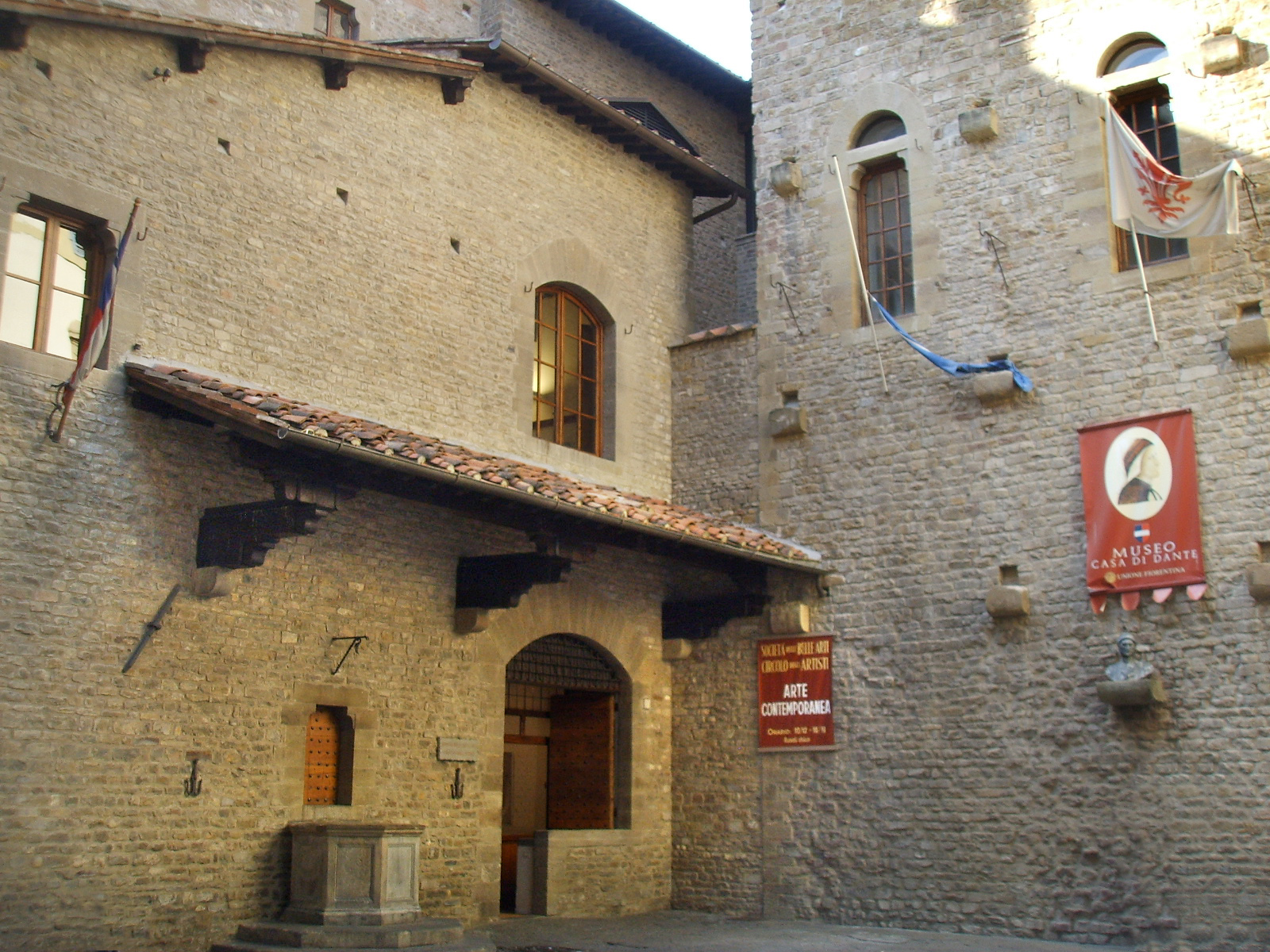
Wikimedia Commons · Creative Commons Attribution-ShareAlike 3.0 Unported; Creative Commons Attribution 2.5 Generic; GNU Free Documentation License, version 1.2 or later · file Dante was born in Florence, probably during the latter part of May 1265, and grew up in the San Martino al Vescovo quarter. The exact day is unknown; the coordinate represents the traditional Alighieri neighborhood rather than a securely identified birth room.
Exchanged greetings with Beatrice in Florence
· Florence, Italy
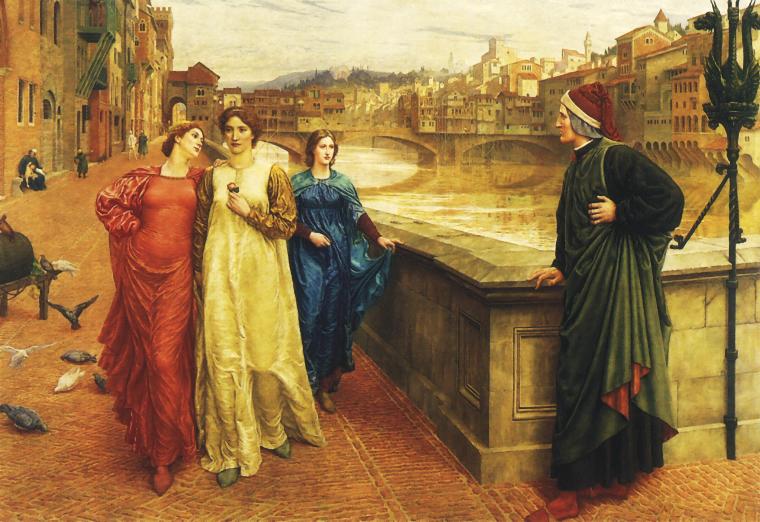
Wikimedia Commons · Public domain · file At about eighteen, Dante repeatedly encountered Beatrice in Florence's streets. These encounters became central to the autobiographical narrative of the Vita Nuova. The year is derived from Dante's approximate 1265 birth and reported age of eighteen; the specific streets are unknown.
Probable stay in Bologna
· Bologna, Italy
Wikimedia Commons · Creative Commons Attribution 2.0 Generic · file A sonnet referring to Bologna's Garisenda tower and copied into a Bolognese notarial record supports a probable visit by Dante around 1287. Presence is a scholarly inference described as reasonable, not a documentary certainty; duration and purpose are unknown.
Fought at Campaldino
· Campaldino battlefield, Casentino, Tuscany, Italy
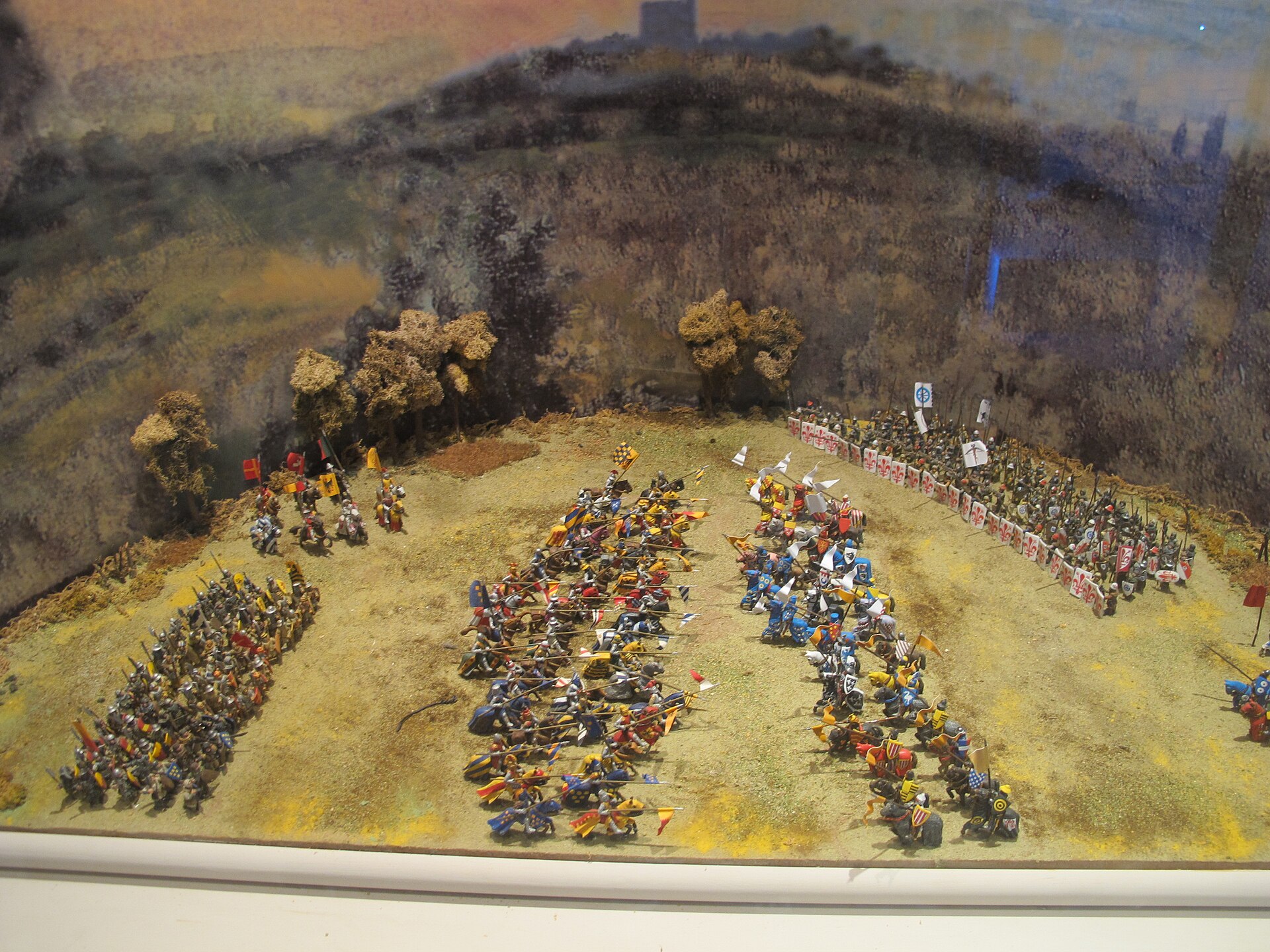
Wikimedia Commons · Creative Commons Attribution-Share Alike 3.0 Unported; GNU Free Documentation License, version 1.2 or later · file Dante fought on horseback in the Florentine Guelph front rank at Campaldino, a decisive victory over the Ghibellines of Arezzo. The English description translates Treccani's Italian account; the coordinate is a representative point on the Campaldino plain.
Witnessed Caprona's capitulation
· Caprona, Vicopisano, Tuscany, Italy
Two months after Campaldino, Dante was present when the Pisan garrison at Caprona capitulated to forces allied with Florence. The source characterizes Dante's role as probably that of a spectator; coordinates represent the settlement and fortress area.
Studied at Santa Maria Novella
· Basilica of Santa Maria Novella, Florence, Italy
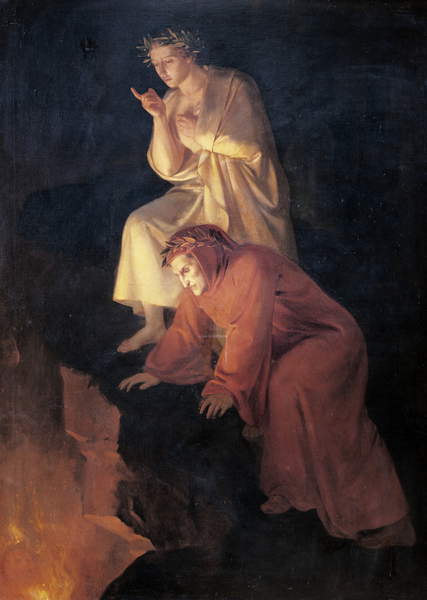
Wikimedia Commons · Public domain · file After Beatrice's death, Dante pursued philosophy at Florentine religious schools, including the Dominican school at Santa Maria Novella. The source places these studies after Beatrice's death in 1290 but does not provide an exact starting date or duration.
Met Charles Martel in Florence
· Florence, Italy
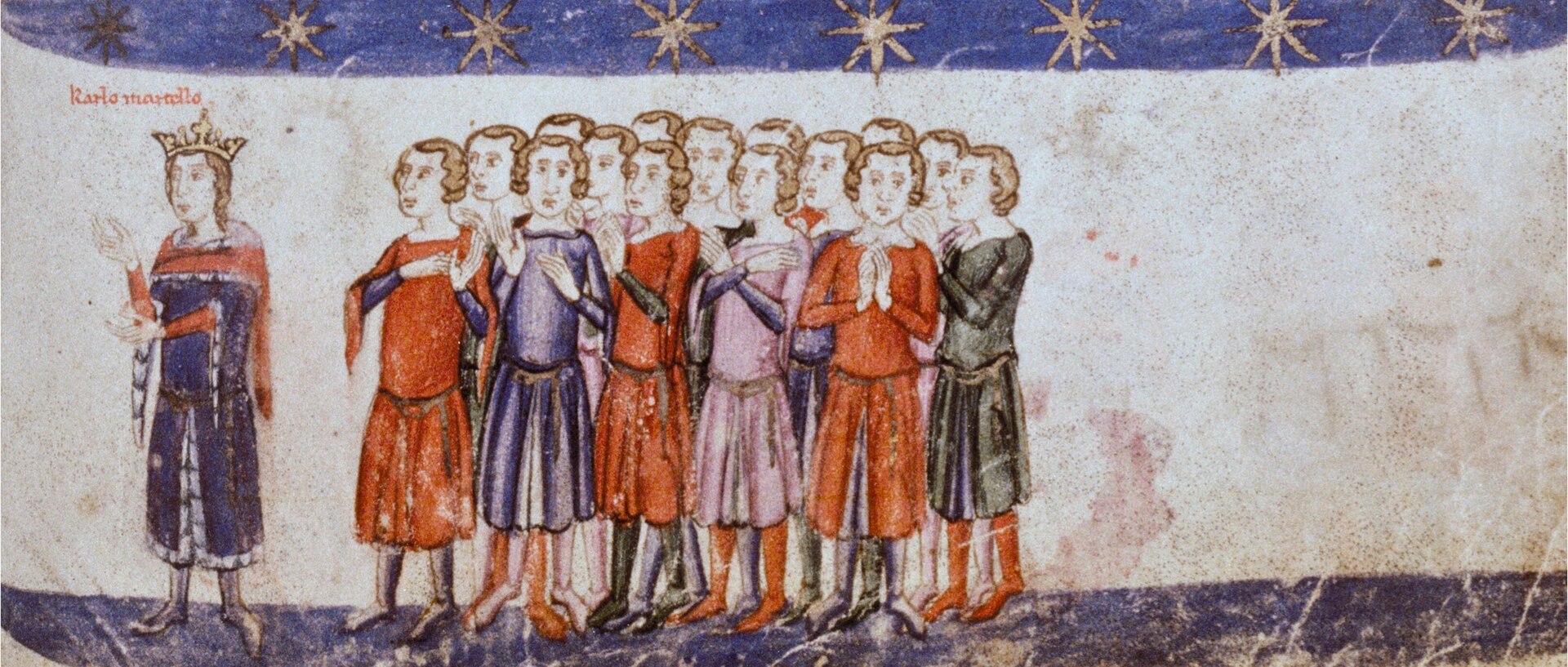
Wikimedia Commons · Public domain · file Dante met Charles Martel, the Angevin prince and claimant to Hungary, during the prince's visit to Florence; Dante later recalled him in Paradiso. No precise Florentine venue or day is established.
Observed Jubilee crowds in Rome
· Ponte Sant'Angelo, Rome, Italy
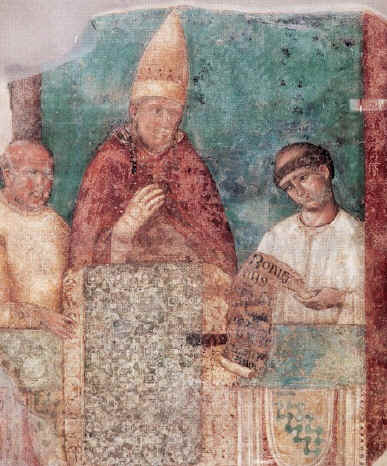
Wikimedia Commons · Public domain · file During the Jubilee proclaimed by Boniface VIII, Dante was in Rome and observed the regulated two-way movement of pilgrims across the bridge leading toward Saint Peter's. The visit is certain according to the source, but its exact date and Dante's precise position on or beside the bridge are unknown.
Embassy to San Gimignano
· Palazzo Comunale, San Gimignano, Tuscany, Italy
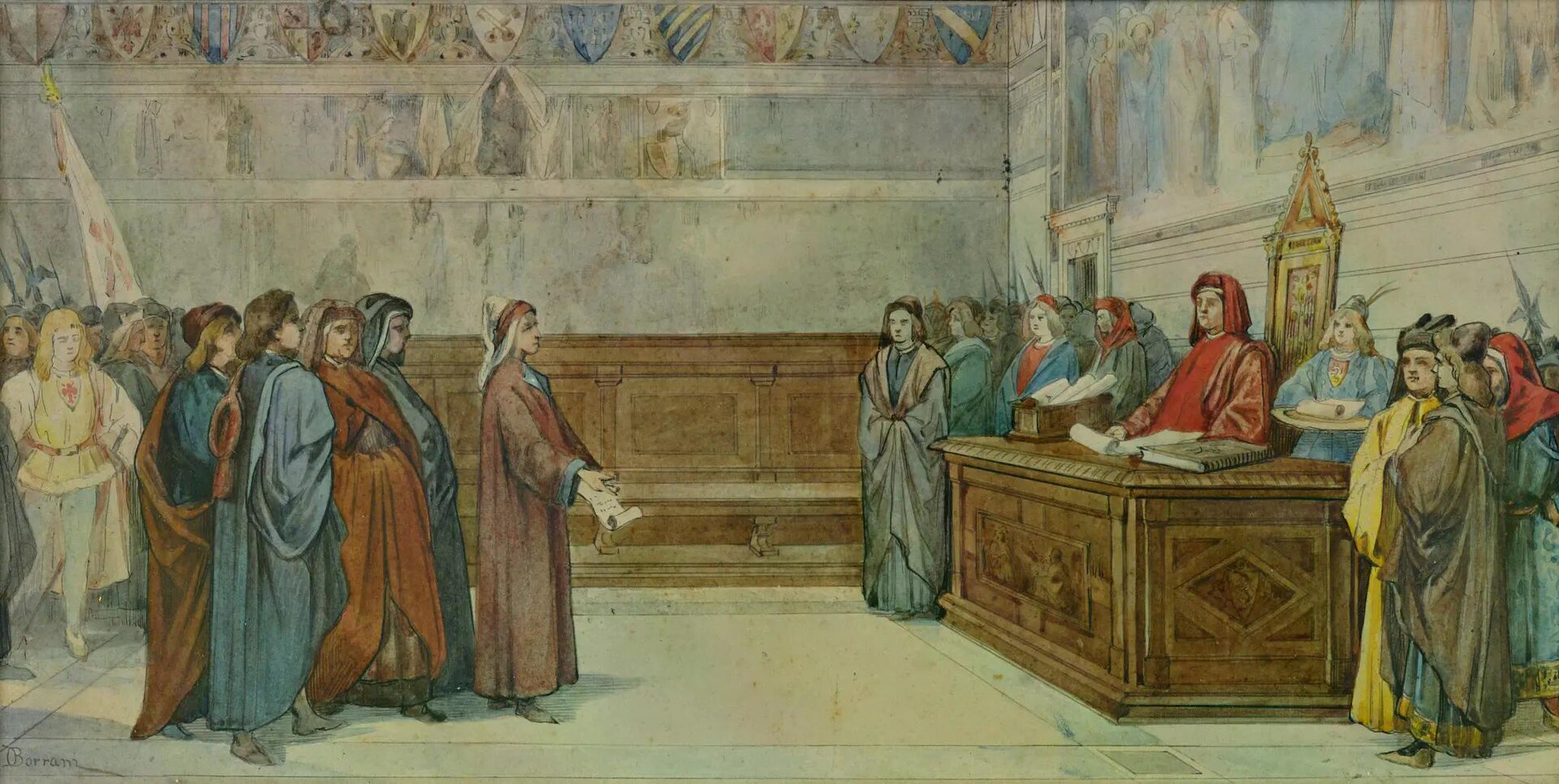
Wikimedia Commons · Public domain · file As a Florentine political representative, Dante went to San Gimignano and addressed its government concerning participation in the Tuscan Guelph league. The Palazzo Comunale is the defensible representative venue for communal business; the quoted source does not name the building.
Resided in the Palazzo della Signoria as prior
· Palazzo Vecchio, Florence, Italy
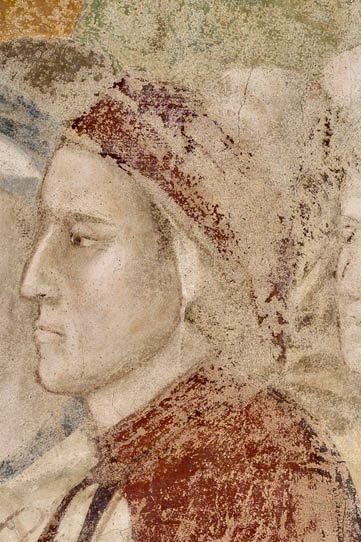
Wikimedia Commons · Creative Commons Attribution-ShareAlike 3.0 Unported; Creative Commons Attribution-ShareAlike 2.5 Generic; Creative Commons Attribution-ShareAlike 2.0 Generic; Creative Commons Attribution-ShareAlike 1.0 Generic; GNU Free Documentation License, version 1.2 or later · file Dante began a two-month term as one of Florence's priors. Priors were required to remain continuously in their official residence, then the Palazzo della Signoria. Some chronologies date the term from June 15; Treccani gives June 16 through August 15. Palazzo della Signoria is now Palazzo Vecchio.
Joined the embassy to Pope Boniface VIII
· Rome, Italy
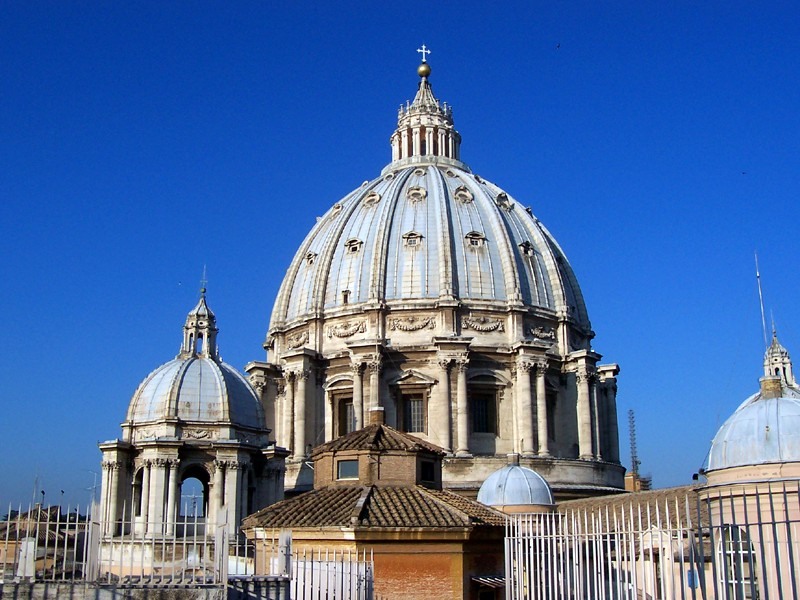
Wikimedia Commons · Creative Commons Attribution-Share Alike 3.0 Unported · file Florence's White Guelph government sent Dante and two colleagues toward Rome to appeal to Pope Boniface VIII as Charles of Valois approached Tuscany. The evidence establishes travel to Rome but does not identify Dante's lodging or the precise audience venue.
Received news of exile in Siena
· Siena, Tuscany, Italy
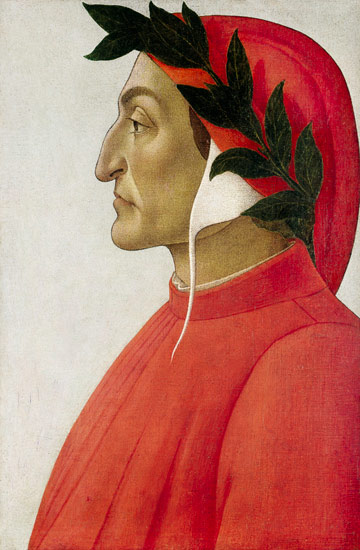
Wikimedia Commons · Public domain · file While away from Florence, Dante learned in Siena of the first sentence against him, which imposed a fine, temporary banishment, and permanent exclusion from office. The source does not identify the building or exact point in Siena where the news reached him.
Met fellow exiles at San Godenzo
· Abbey of San Gaudenzio, San Godenzo, Tuscany, Italy
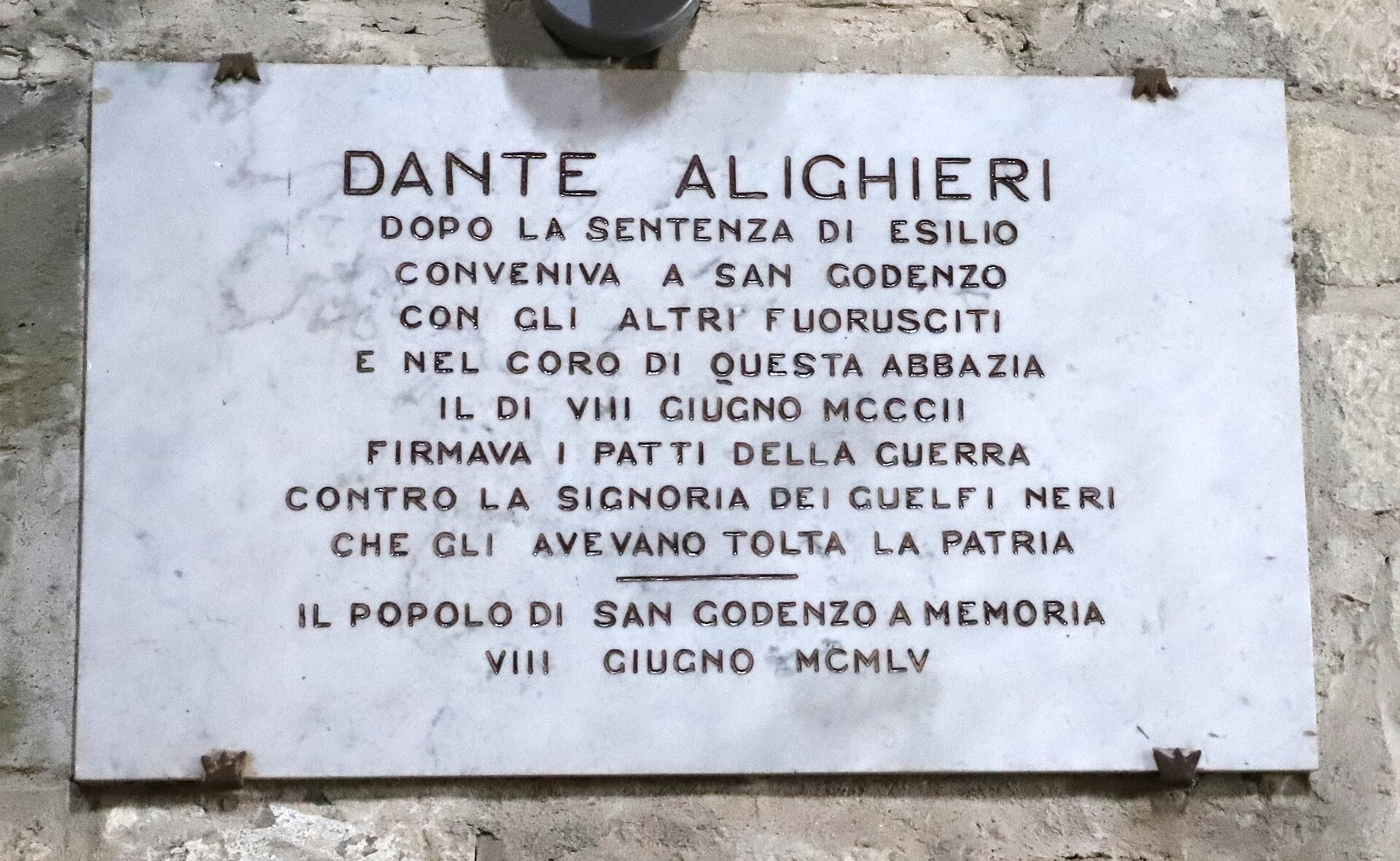
Wikimedia Commons · Creative Commons Attribution-Share Alike 4.0 International · file Dante joined White Guelph and Ghibelline exiles in the church at San Godenzo, where they guaranteed compensation to the Ubaldini for damage arising from operations against Florence. The source considers June 8 probable rather than certain, so the date is limited to the month.
Guest of Bartolomeo della Scala in Verona
· Verona, Veneto, Italy
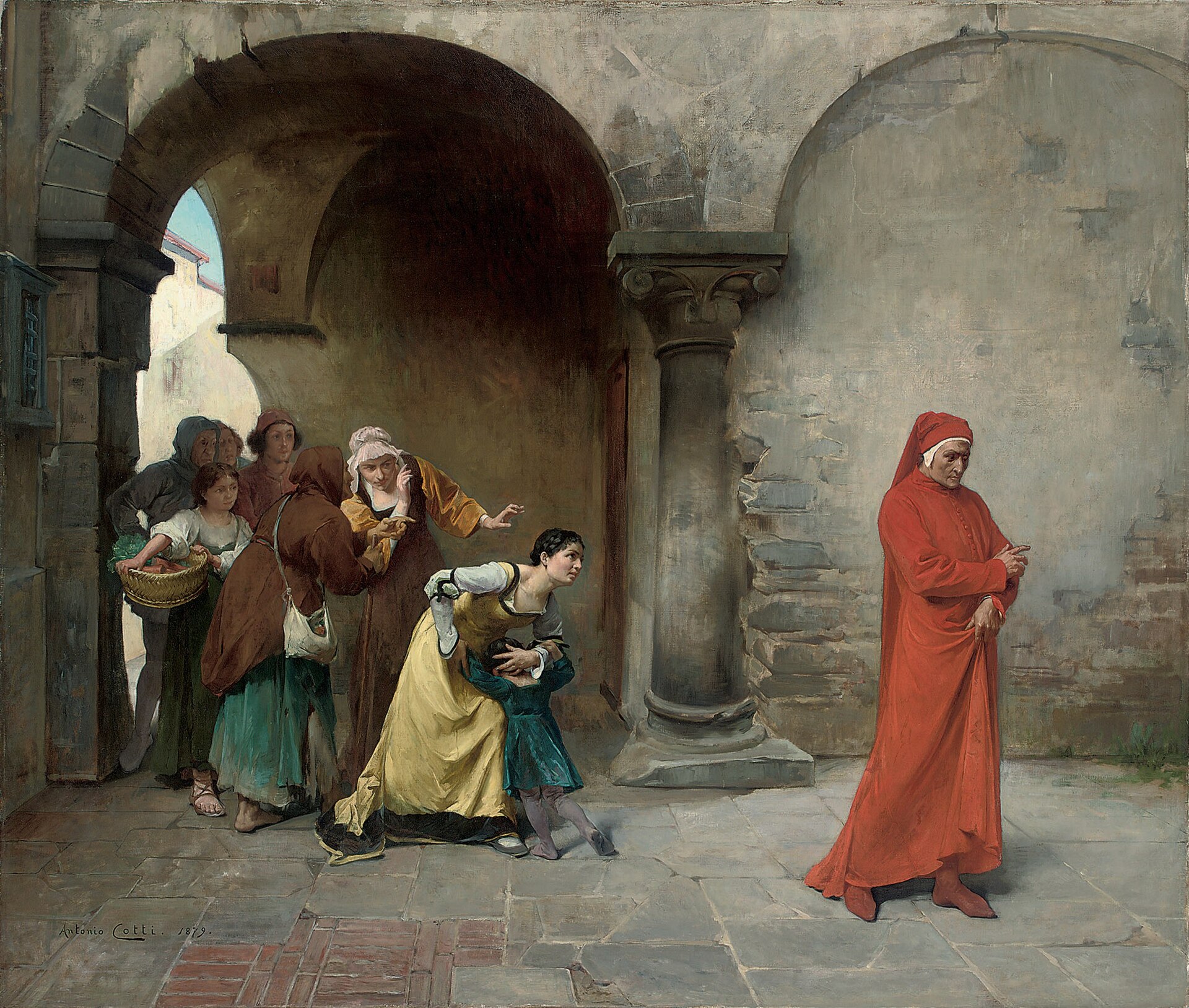
Wikimedia Commons · Public domain · file Dante reached Verona during the early exile and received hospitality from Bartolomeo della Scala, beginning his important association with the Scaliger court. The chronology gives the year but no arrival day, residence, or securely bounded duration.
Served with Scarpetta Ordelaffi in Forlì
· Forlì, Emilia-Romagna, Italy
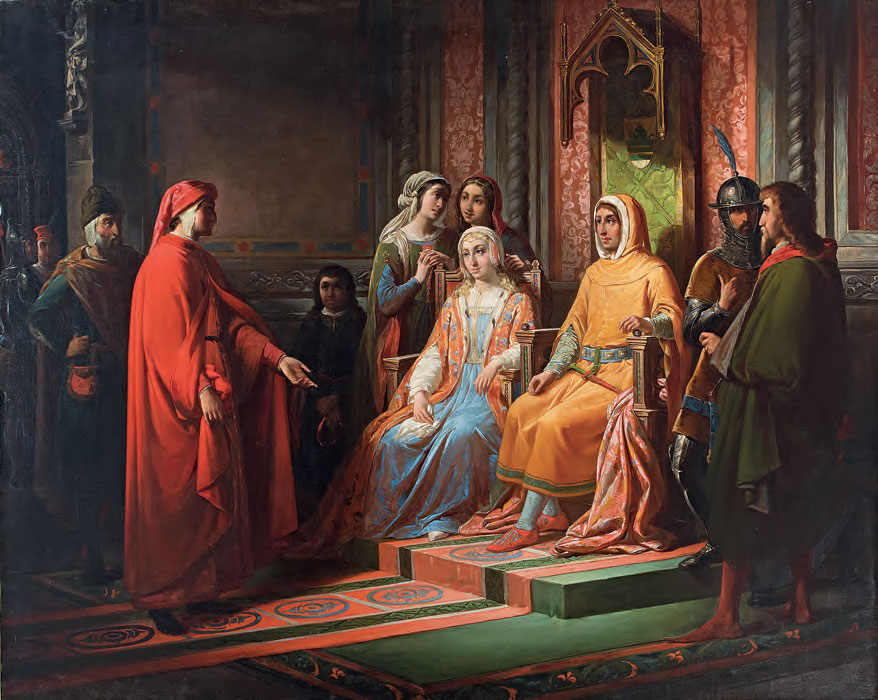
Wikimedia Commons · Public domain · file Dante stayed at Forlì with Scarpetta Ordelaffi, captain of the exiled White Guelph coalition, during the exiles' attempts to recover Florence. The source establishes presence in Forlì but not a precise residence or duration.
Concluded the Peace of Castelnuovo
· Palazzo dei Vescovi di Luni, Castelnuovo Magra, Liguria, Italy
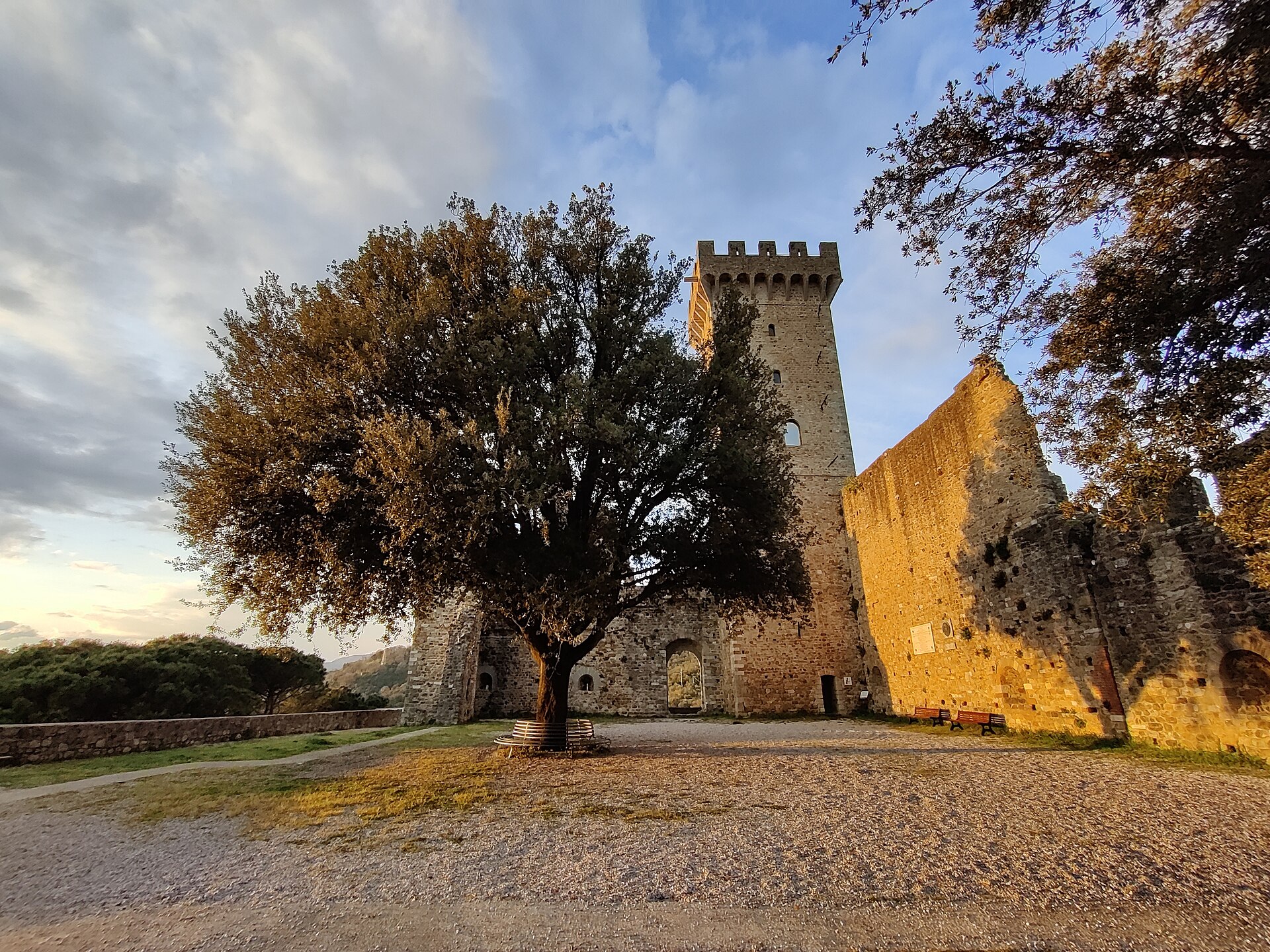
Wikimedia Commons · Creative Commons Attribution-ShareAlike 4.0 International · file Later the same morning, Dante acted as the Malaspina procurator at the episcopal palace in Castelnuovo Magra and concluded an agreement ending a prolonged regional conflict. Coordinates identify the surviving remains of the episcopal castle-palace.
Received Malaspina authority in Sarzana
· Piazza Matteotti, Sarzana, Liguria, Italy
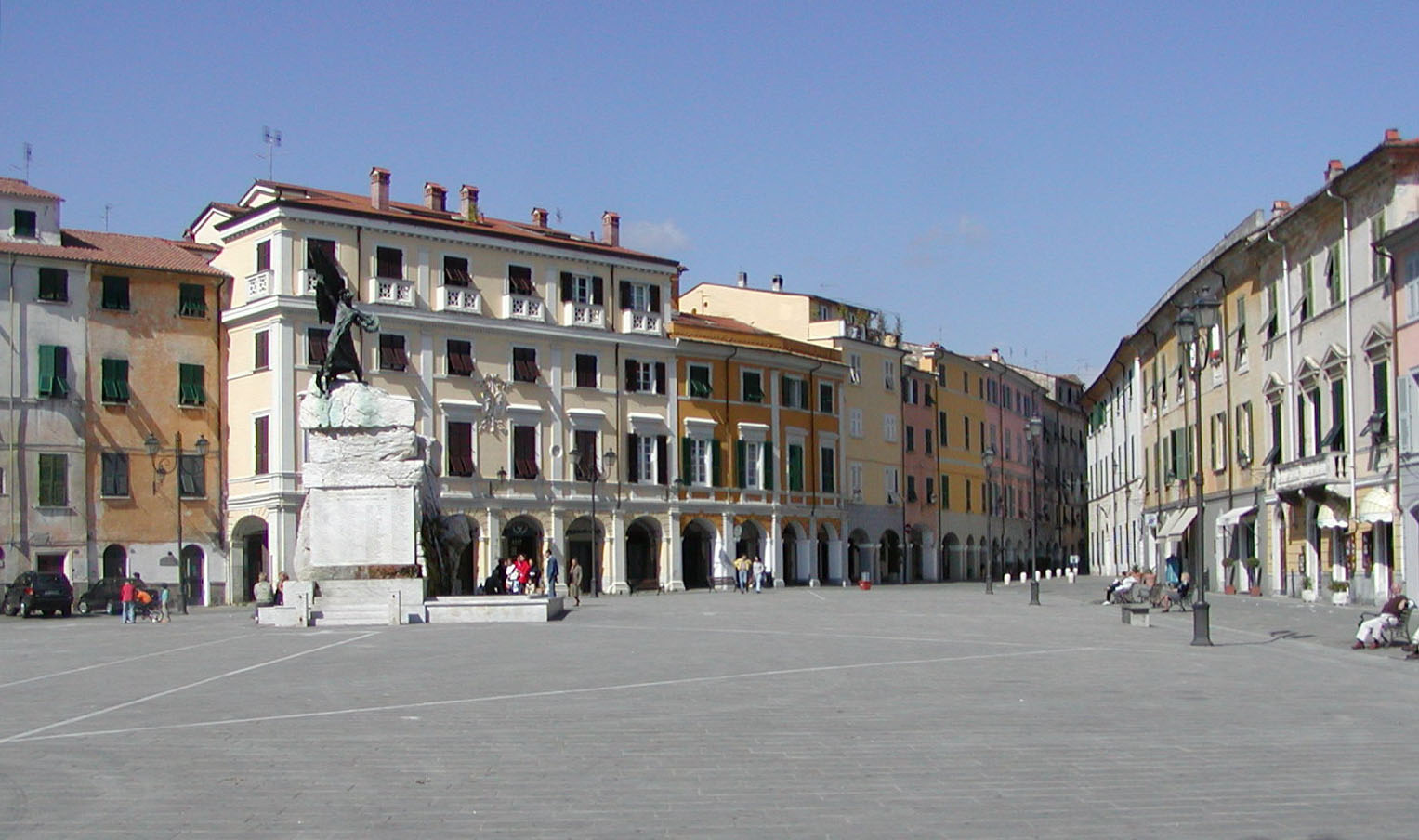
Wikimedia Commons · Creative Commons Attribution-Share Alike 3.0 Unported; GNU Free Documentation License, version 1.2 or later · file In Sarzana's central square, Dante received authority from Franceschino Malaspina to negotiate peace with the bishop-count of Luni. Piazza della Calcandola is the modern Piazza Matteotti.
Stayed with the Guidi in Casentino
· Casentino, Tuscany, Italy
After leaving Lunigiana, Dante moved into the upper Arno valley and stayed under the protection of the Guidi counts. The evidence names the Casentino and the Guidi hosts but does not securely establish which castle; the coordinate is a regional representative point.
Stayed in Lucca
· Lucca, Tuscany, Italy
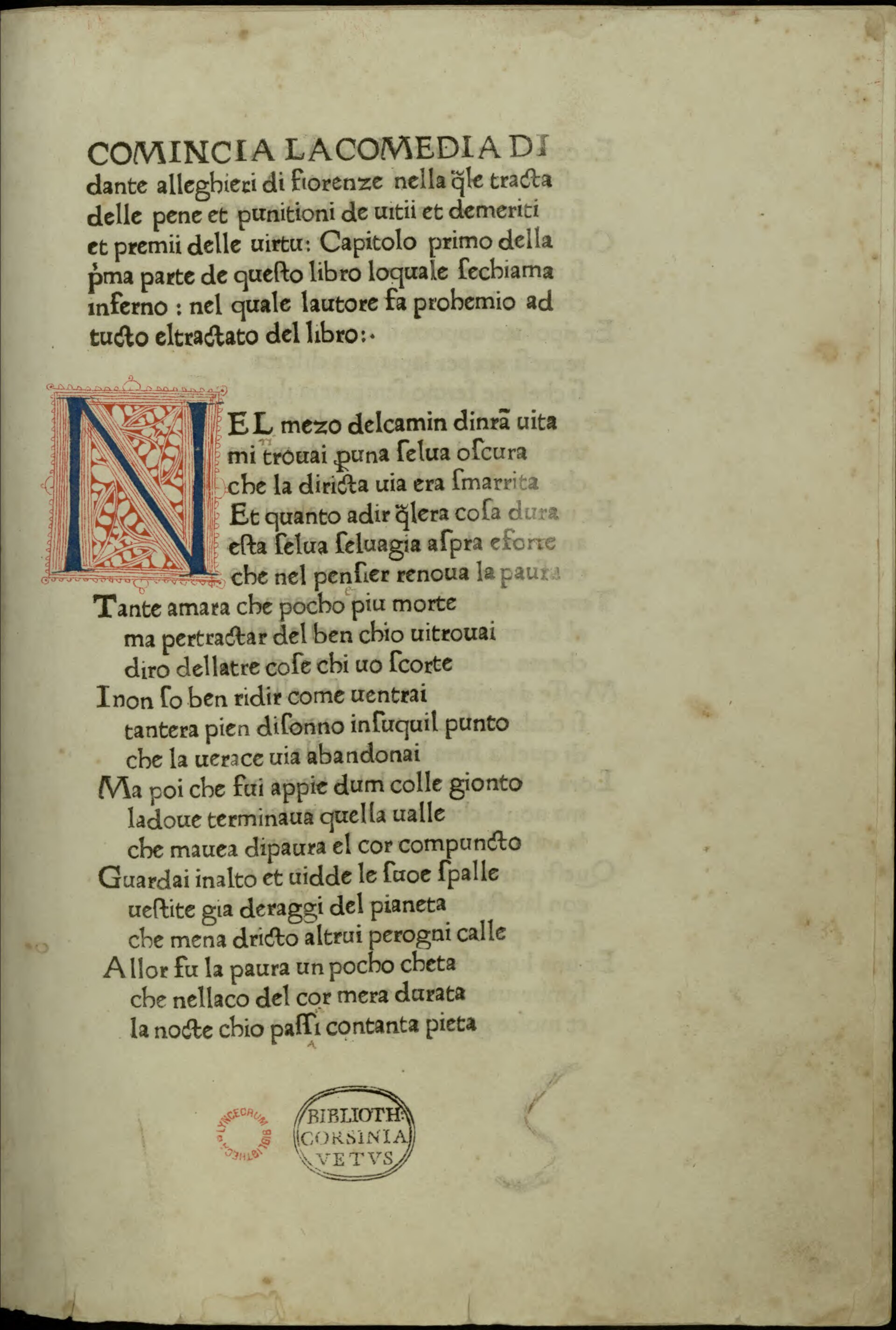
Wikimedia Commons · Public domain · file Dante's own writing alludes to a stay in Lucca made agreeable by a woman named Gentucca; scholarship commonly places the residence in 1308. The stay is supported by Dante's allusion, but its assignment to 1308 is described as very probable rather than certain; no residence is known.
Documented at Poppi Castle
· Castello dei Conti Guidi, Poppi, Tuscany, Italy
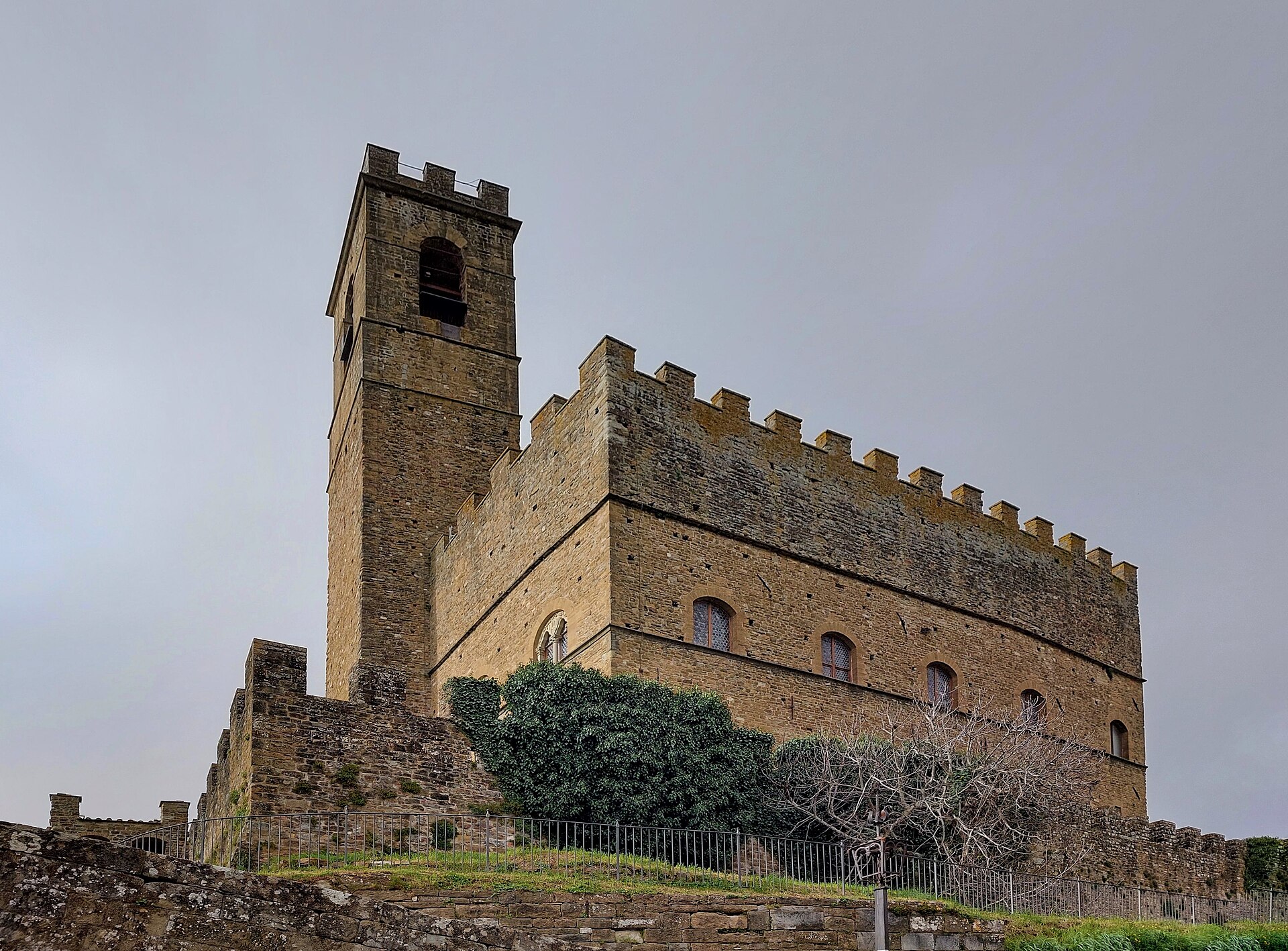
Wikimedia Commons · Creative Commons Attribution-Share Alike 4.0 International · file Dante was still in Casentino at Poppi Castle, associated with Count Guido di Battifolle's household, while drafting letters for the countess to the empress. Presence is established through the place and date attached to a letter attributed to Dante.
Returned to Verona under Cangrande
· Verona, Veneto, Italy
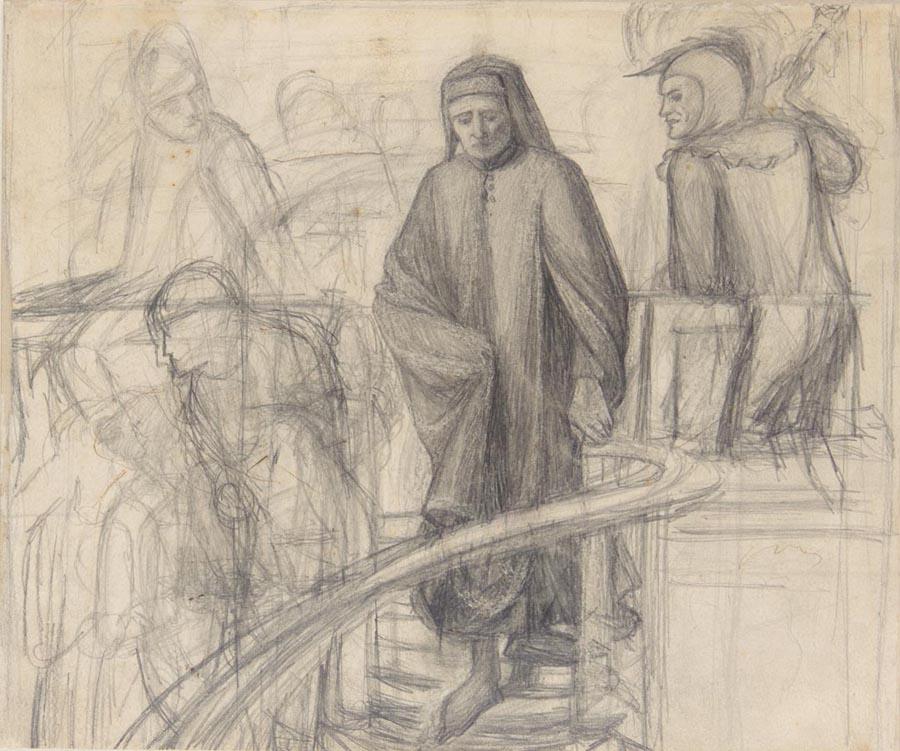
Wikimedia Commons · Public domain · file Dante began an extended second period at Verona as a guest of Cangrande della Scala, whose patronage supported his work during the mature phase of the Comedy. The quoted chronology supplies a conventional date range; this card marks its opening year, not a precisely dated arrival.
Possible later return to Lucca
· Lucca, Tuscany, Italy
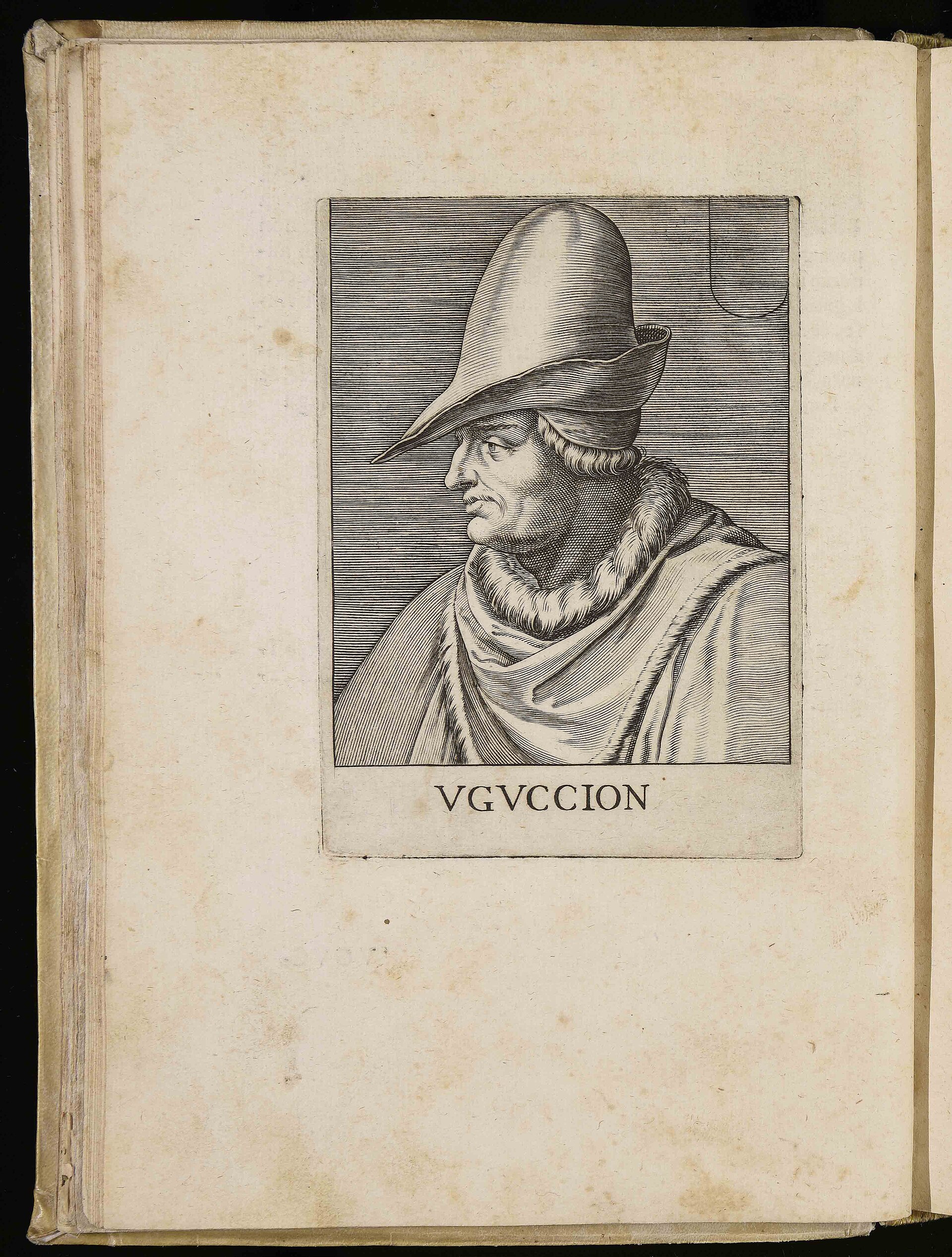
Wikimedia Commons · Creative Commons CC0 1.0 Universal Public Domain Dedication · file Evidence interpreted by the Princeton Dante Project suggests that Dante appeared again in Lucca after its capture by Uguccione della Faggiuola. The source uses cautious wording and gives neither a precise date nor the nature and duration of the apparent stay.
Settled at Guido Novello's court in Ravenna
· Ravenna, Emilia-Romagna, Italy
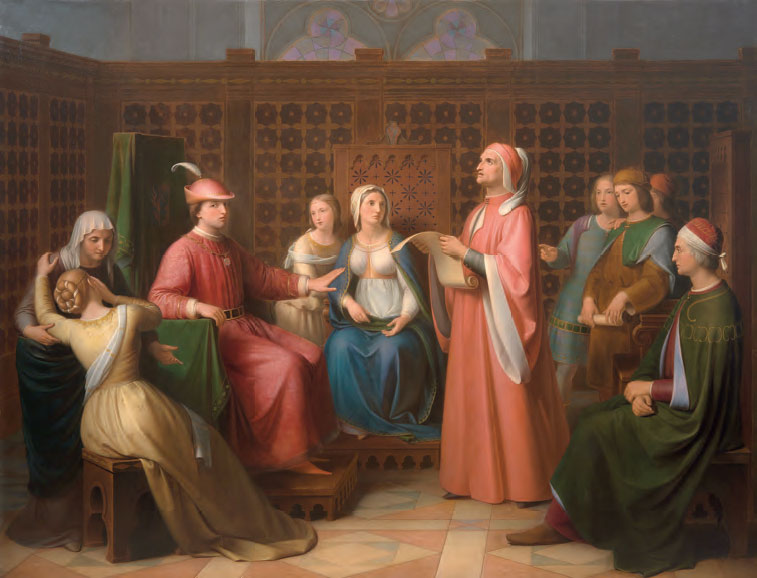
Wikimedia Commons · Public domain · file Dante moved to Ravenna as the guest of Guido Novello da Polenta. There he completed his final literary work and corresponded with Giovanni del Virgilio. Sources variously place the move in 1318 or 1319; this chronology specifies 1319, and the exact residence is unknown.
Undertook an embassy to Venice
· Venice, Veneto, Italy
Guido Novello sent Dante to Venice in an effort to address worsening relations between Venice and Ravenna. Dante became ill during the mission or return journey. The mission is reported by later chroniclers and accepted by many biographies, but the precise Venetian venue and travel dates are unknown.
Returned ill to Ravenna
· Ravenna, Emilia-Romagna, Italy
Dante returned to Ravenna from the Venetian embassy while seriously ill and deteriorated during the final days of his life. The source does not give the exact return date or route; September is inferred from the short interval before his death.
Died in Ravenna
· Ravenna, Emilia-Romagna, Italy
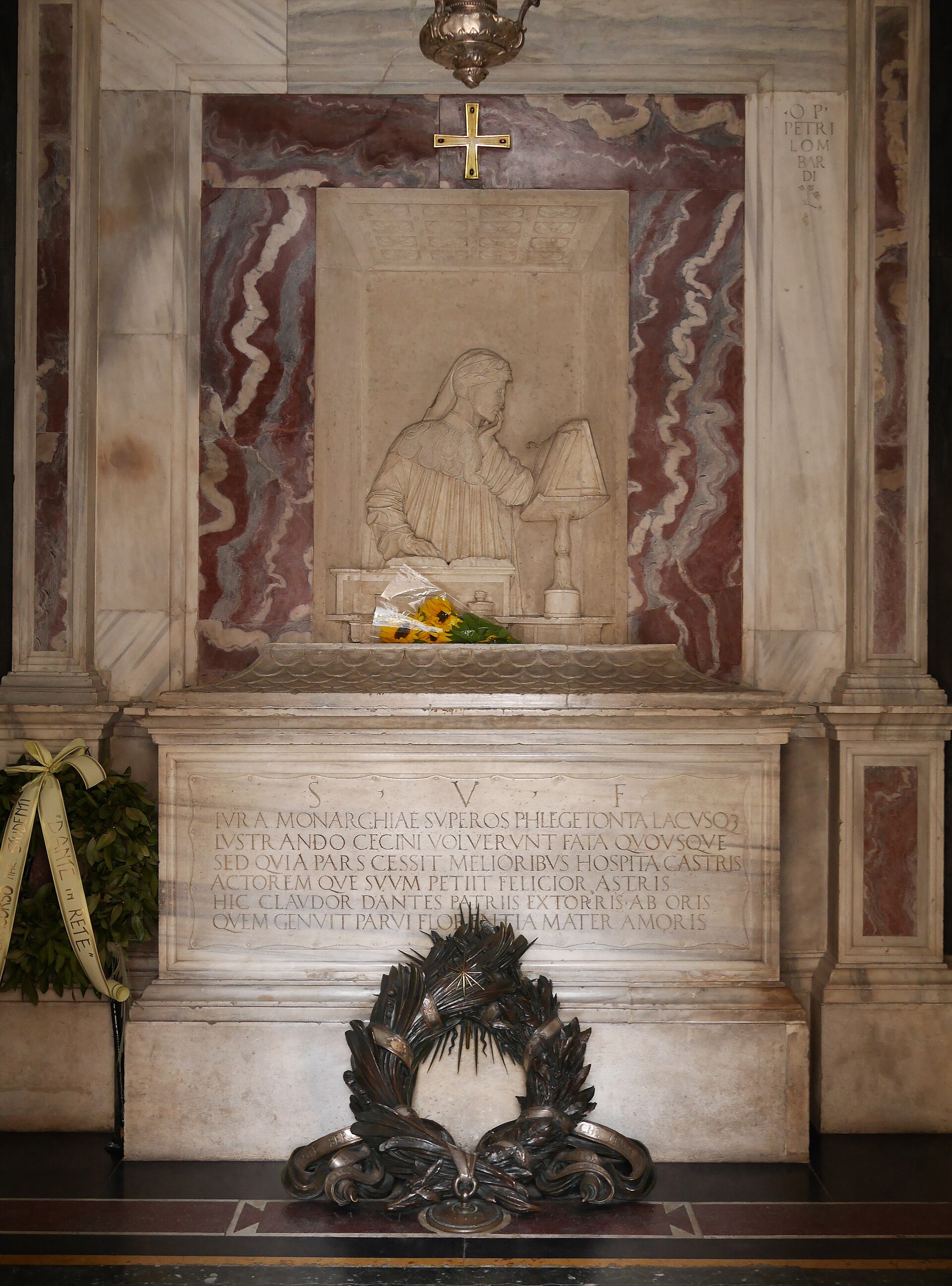
Wikimedia Commons · Creative Commons Attribution-ShareAlike 4.0 International · file Dante died in Ravenna at about fifty-six after contracting malaria while returning from his final diplomatic mission. He was subsequently buried at the Franciscan church there. Some early epitaphs give September 13, while Boccaccio and the canonical modern chronology give September 14. The coordinate represents the San Francesco and tomb precinct rather than a known death room.