
31 moments
Birth at the Prinsenhof
· Prinsenhof, Ghent, Belgium
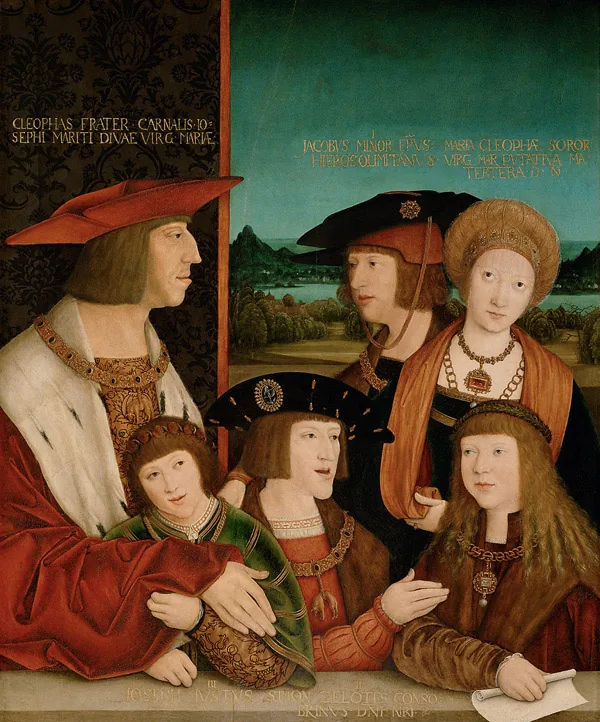
Wikimedia Commons · Public domain · file Charles was born at the Prinsenhof in Ghent, the political and cultural centre of Flanders where his Burgundian-Habsburg upbringing began. Coordinates mark the historic Prinsenhof site.
Childhood residence at Mechelen
· Mechelen, Belgium
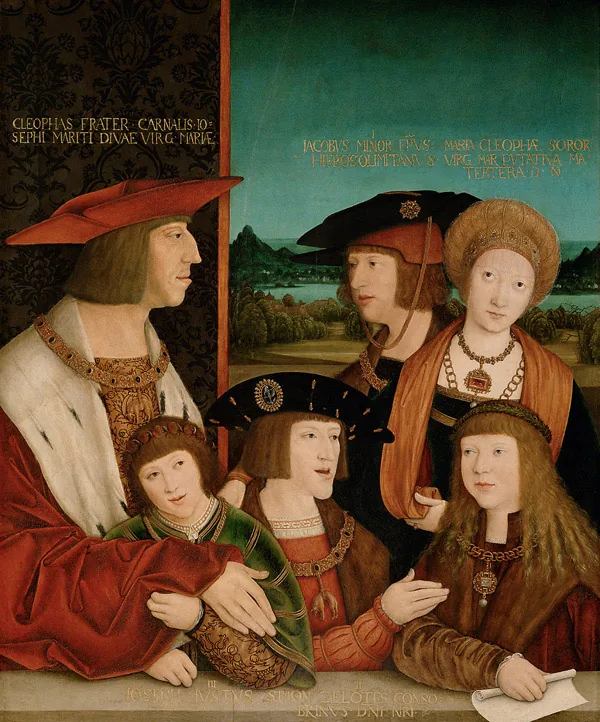
Wikimedia Commons · Public domain · file After his parents left for Spain, Charles was brought up at the court in Mechelen, where his aunt Margaret of Austria and his tutors shaped his early education. The source establishes a childhood-and-adolescence residence but not a precise arrival day; 1501 is the year his parents left him in Mechelen.
Assumption of rule in the Netherlands
· Palace of Coudenberg, Brussels, Belgium
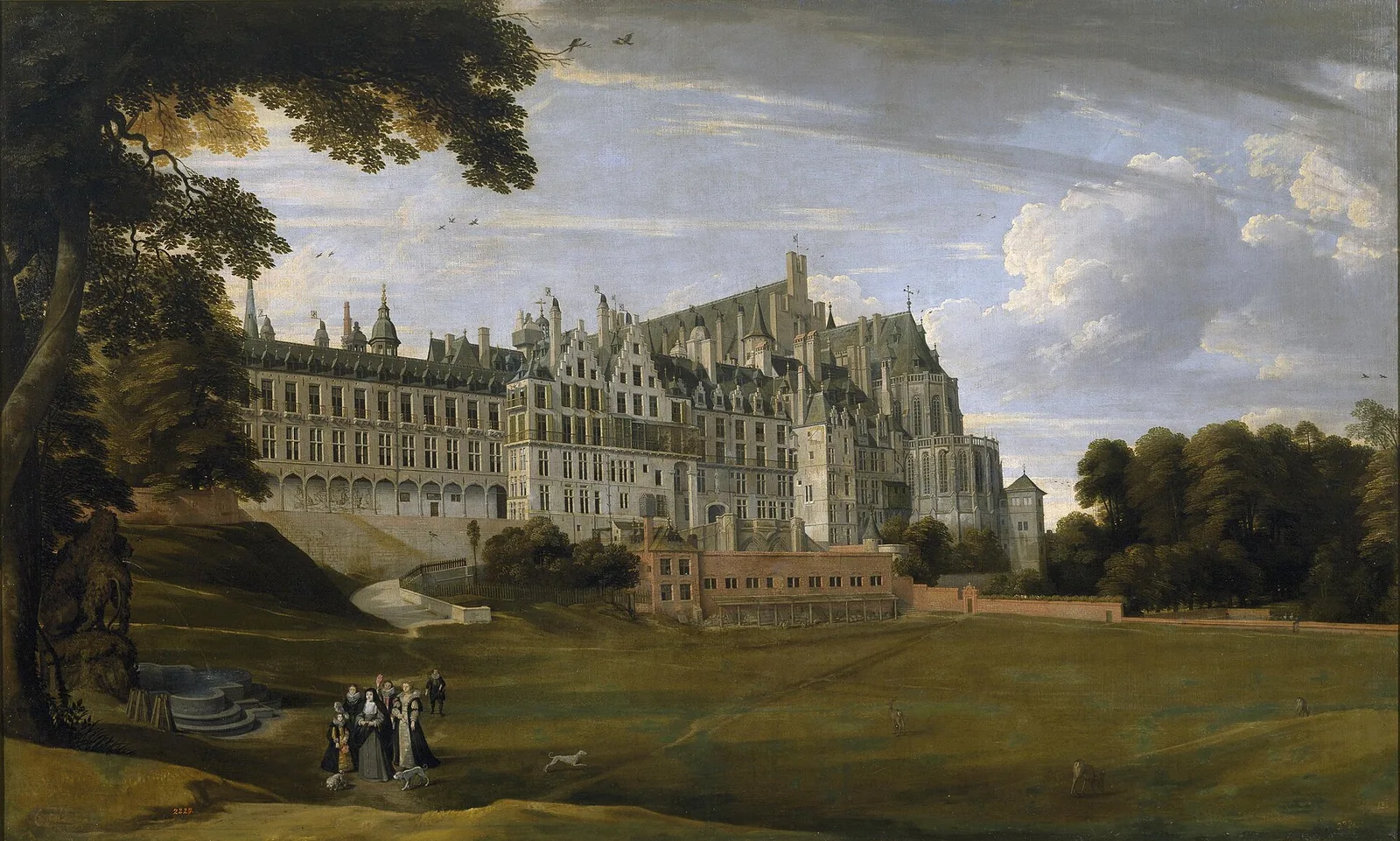
Wikimedia Commons · CC BY-SA 4.0 · file Charles took personal control of the Habsburg Netherlands when Margaret of Austria formally surrendered the regency in the palace's great ceremonial hall. Coordinates mark the former Palace of Coudenberg archaeological site.
Recognition by the Castilian Cortes
· Valladolid, Spain
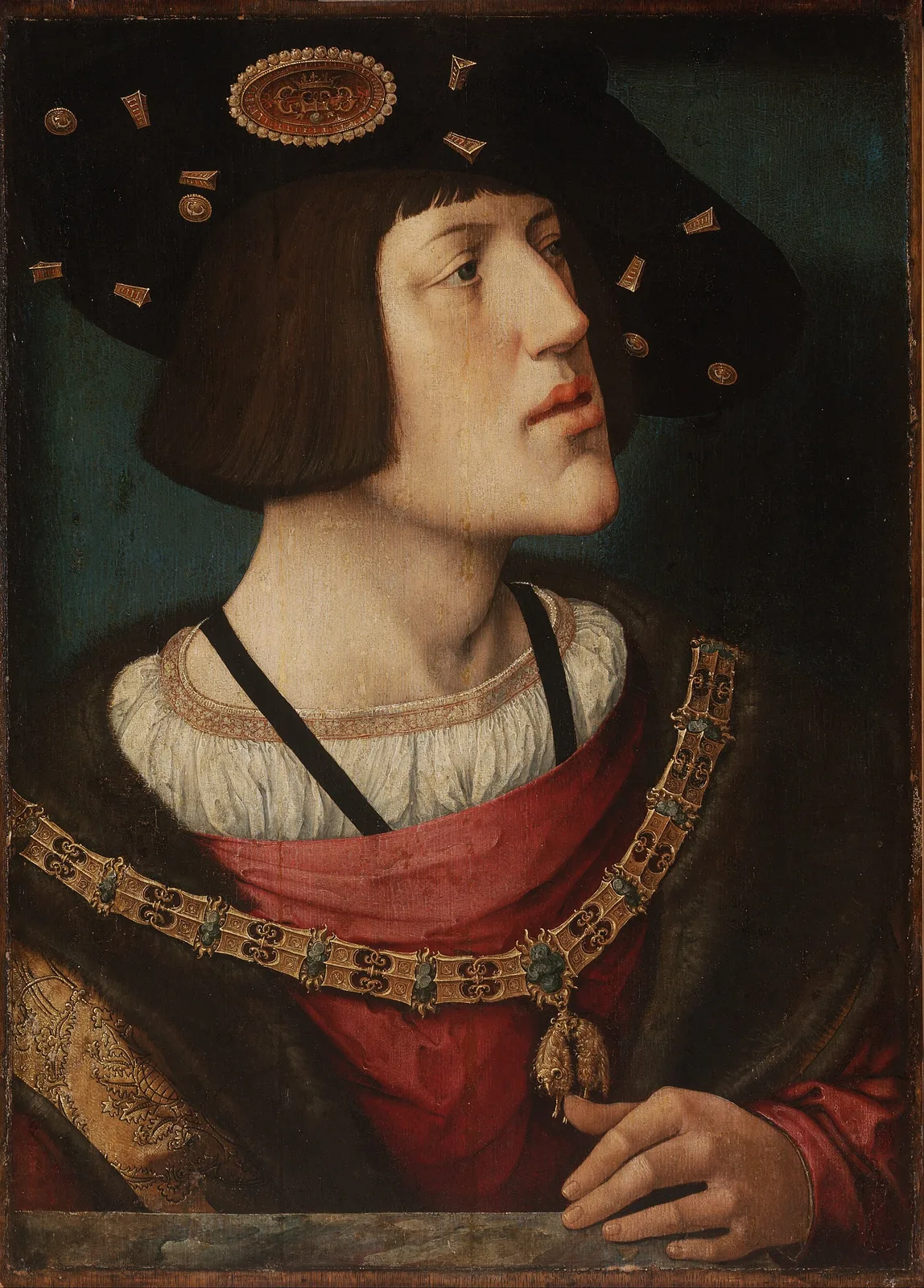
Wikimedia Commons · Public domain · file Charles attended the Cortes at Valladolid, where he secured recognition amid controversy over ruling jointly with his living mother, Joanna. The source supports month-level precision only.
Meeting Henry VIII at Canterbury
· Canterbury, England, United Kingdom
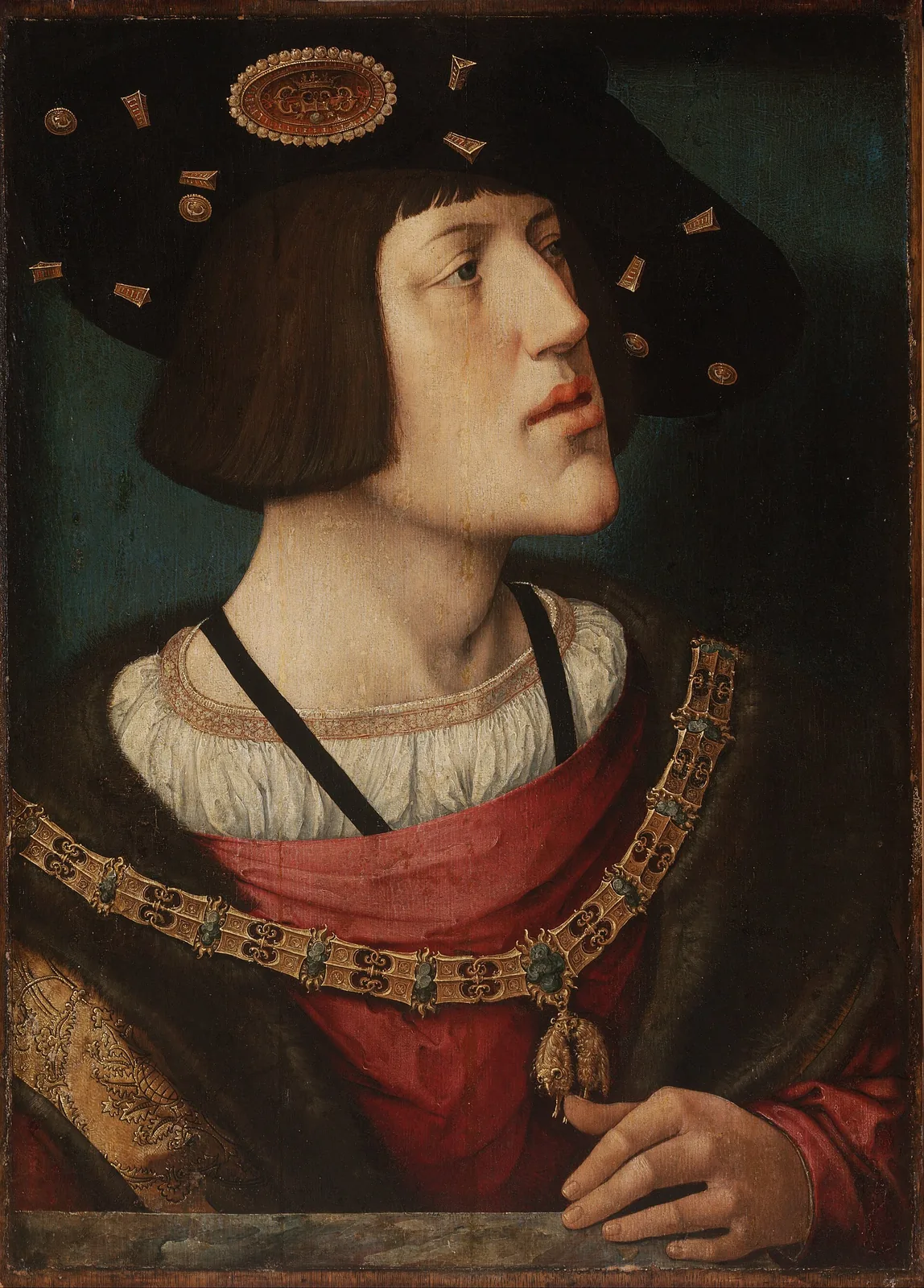
Wikimedia Commons · Public domain · file On his return from Spain to the Low Countries, Charles met Henry VIII at Canterbury to prevent England joining an anti-imperial French alignment. The cited account gives the year but not a more precise date.
Meeting Henry VIII at Gravelines
· Gravelines, France
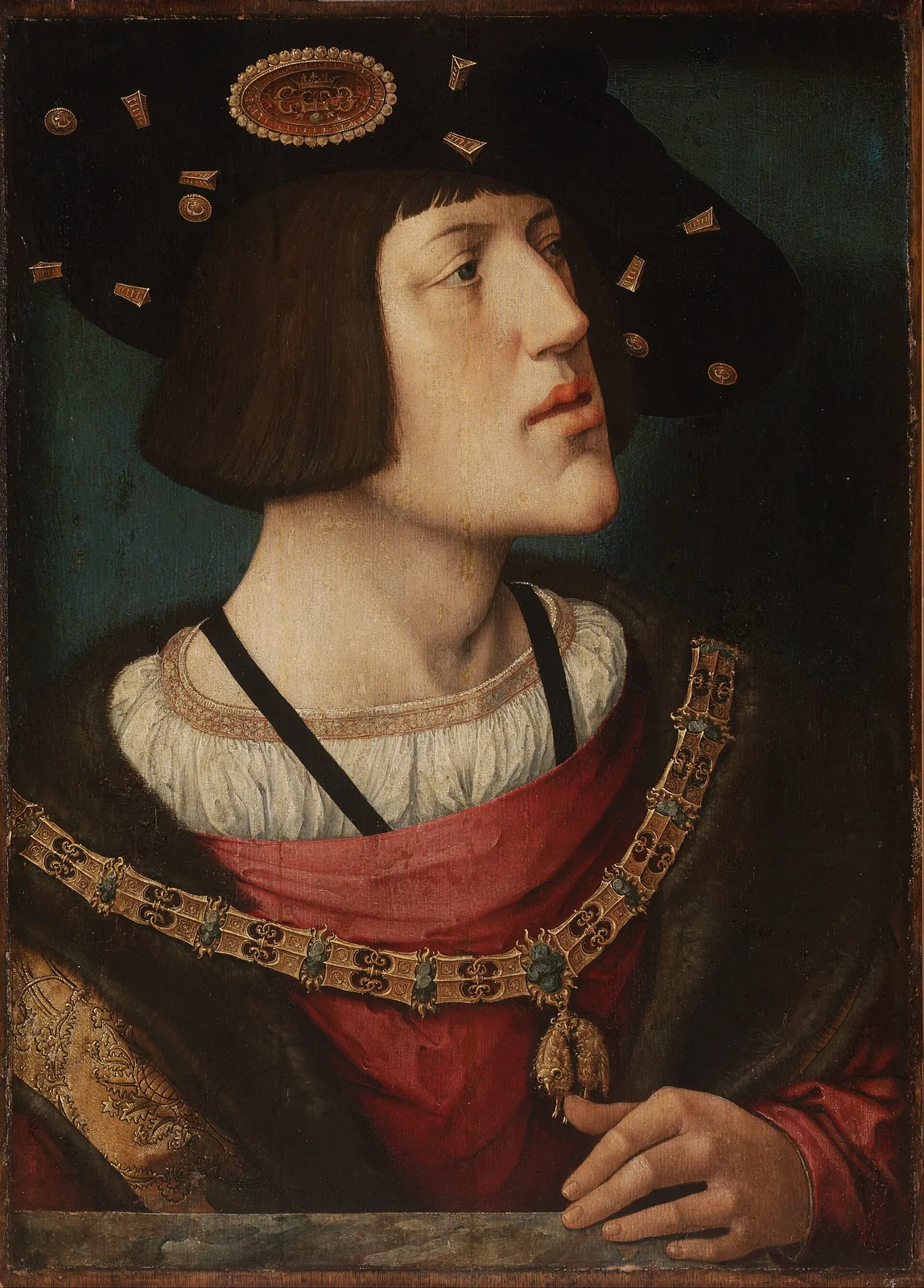
Wikimedia Commons · Public domain · file Charles's second 1520 meeting with Henry VIII took place at Gravelines as he pursued an English alliance against France. The cited account gives the year but not a more precise date.
Coronation as King in Germany
· Palatine Chapel, Aachen Cathedral, Aachen, Germany
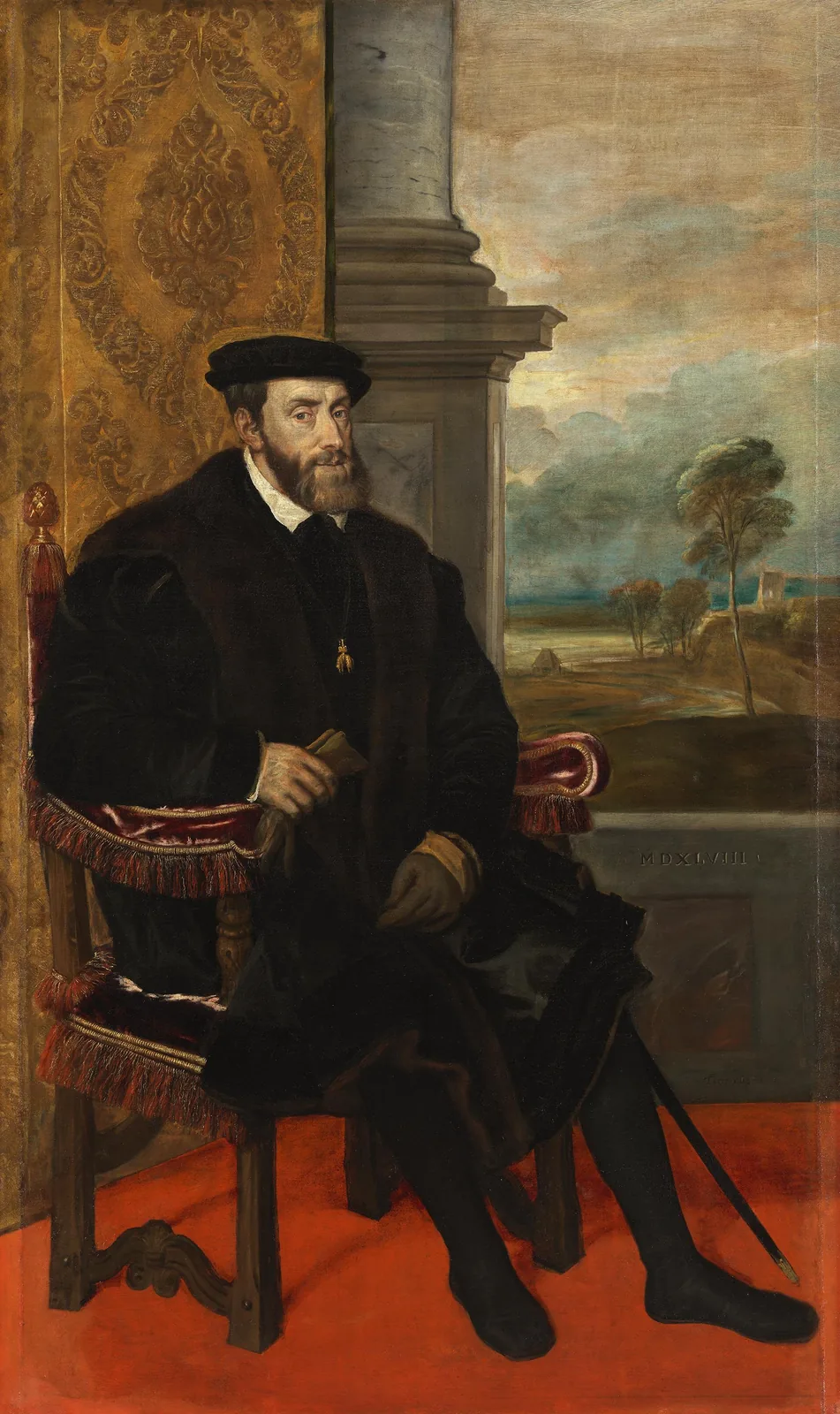
Wikimedia Commons · Public domain · file Charles was crowned King in Germany at Aachen Cathedral, a foundational ceremony in his assumption of imperial authority.
Presiding at the Diet of Worms
· Bischofshof, Worms, Germany
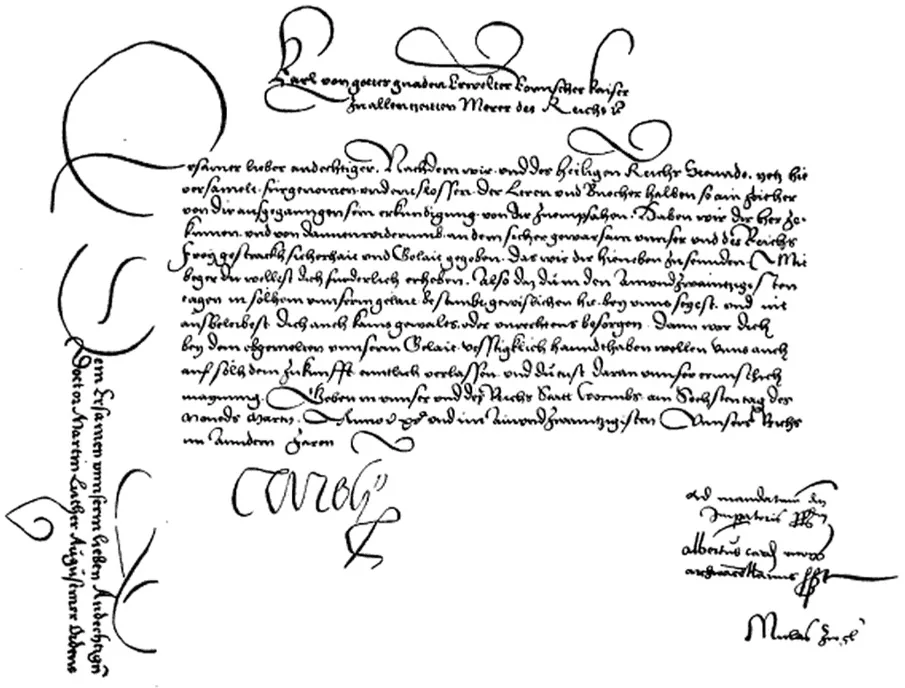
Wikimedia Commons · Public domain · file Charles presided over the imperial diet at Worms, the assembly that produced the Edict of Worms against Martin Luther. The source establishes Charles's presence during a date range; month-level dating is used.
Honeymoon at the Alhambra
· Alhambra, Granada, Spain
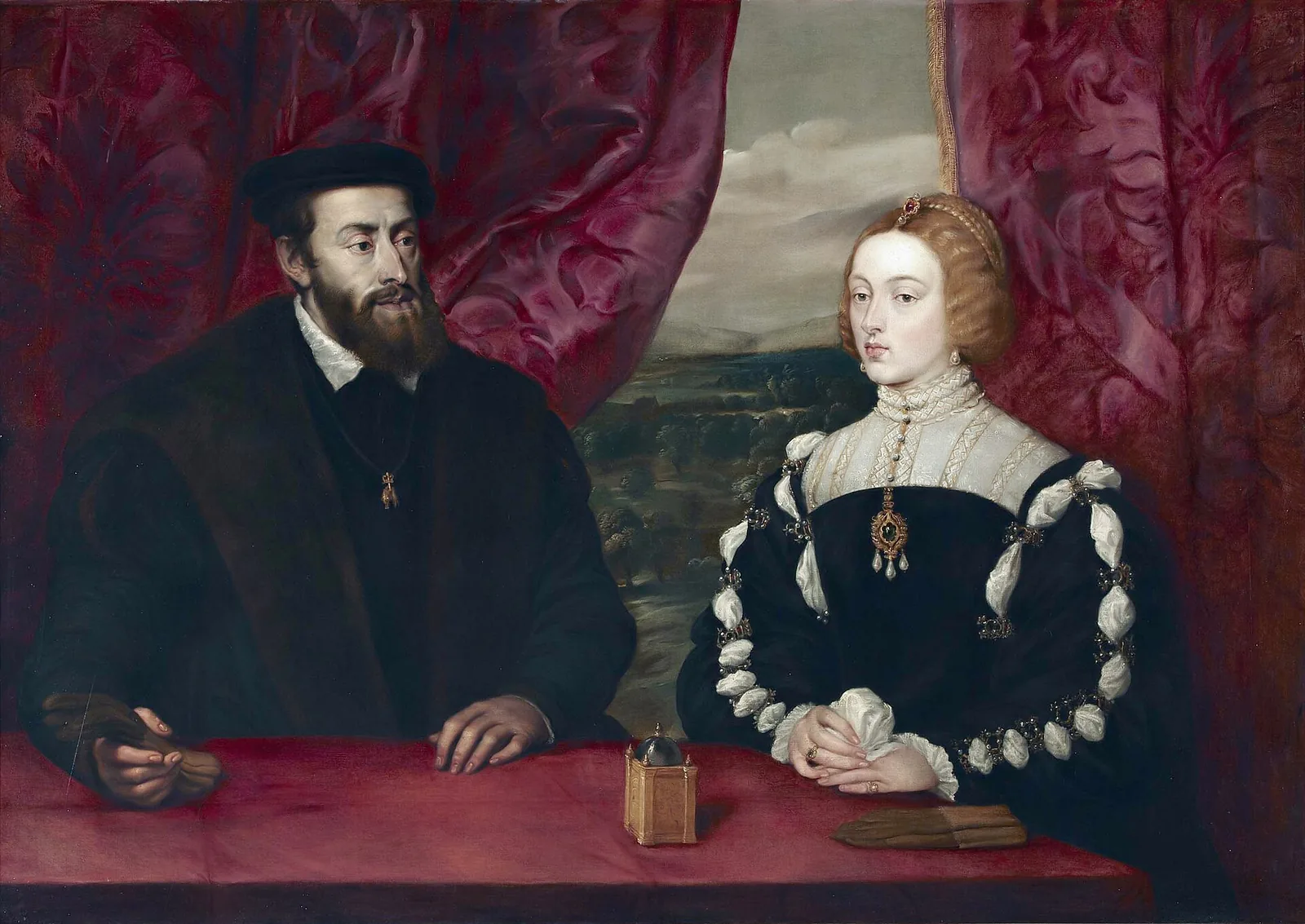
Wikimedia Commons · Public domain · file Following his marriage, Charles stayed with Isabella at the Alhambra in Granada; this experience later informed his decision to build the Palace of Charles V there. The source does not provide a more precise date within 1526.
Marriage to Isabella of Portugal
· Alcázar of Seville, Seville, Spain
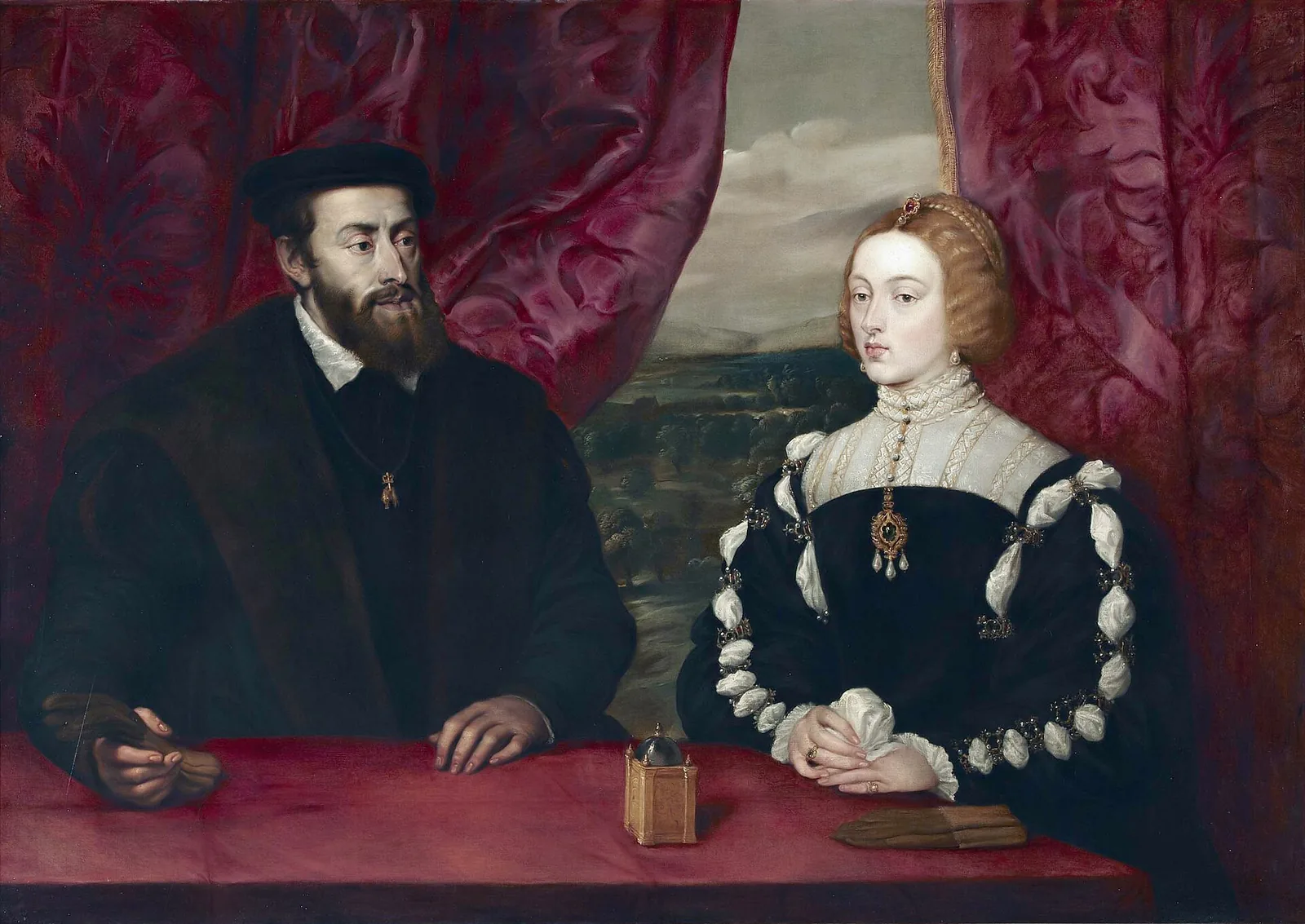
Wikimedia Commons · Public domain · file Charles met Isabella of Portugal at Seville's Alcázar and married her there that night, cementing the Habsburg-Portuguese alliance.
Imperial coronation by Clement VII
· Basilica of San Petronio, Bologna, Italy
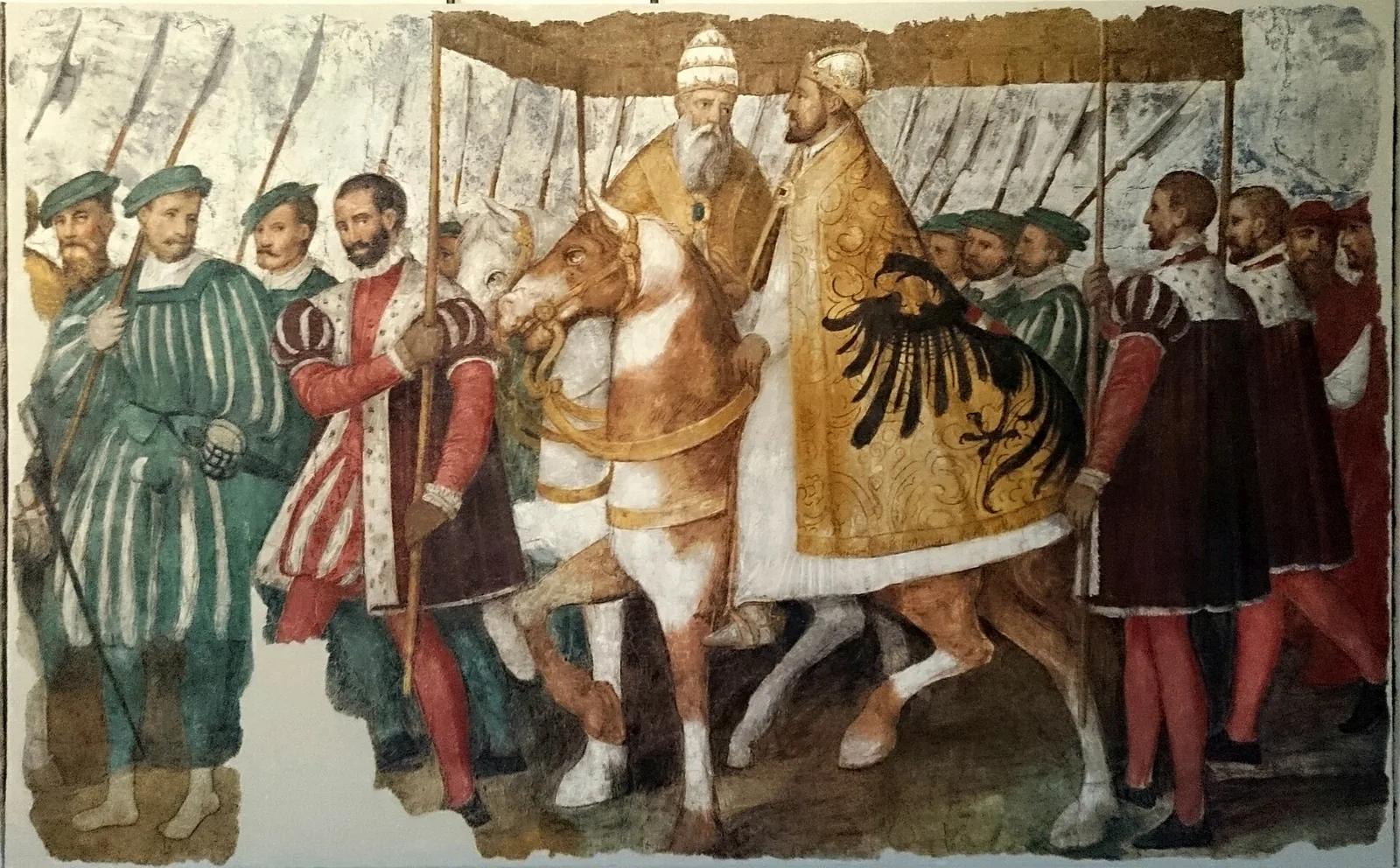
Wikimedia Commons · CC BY-SA 4.0 · file Pope Clement VII crowned Charles Holy Roman Emperor in Bologna, the last papal coronation of a Holy Roman Emperor. The coronation building is identified by the linked historical account as the Basilica of San Petronio.
Opening the Diet of Augsburg
· Augsburg, Germany
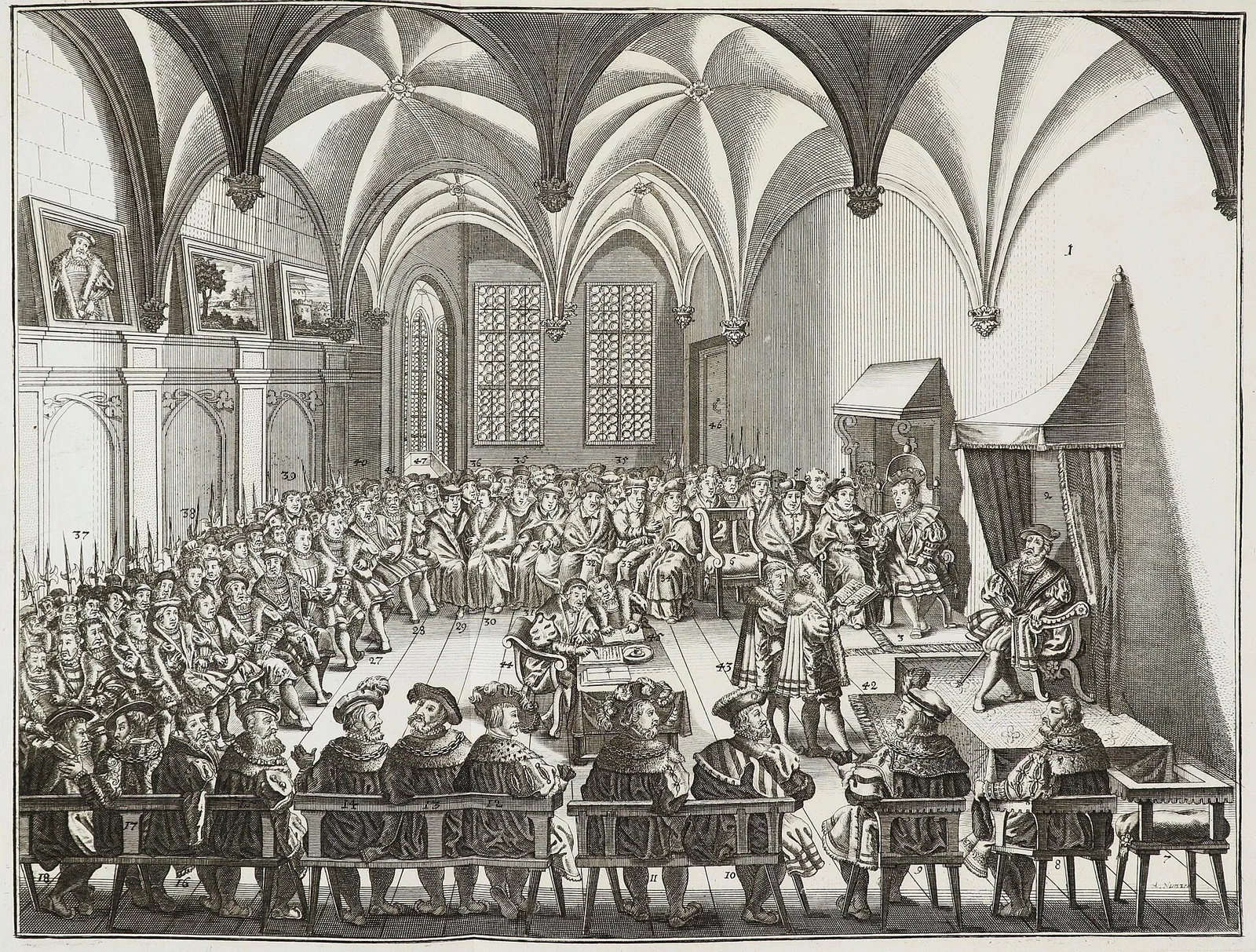
Wikimedia Commons · Public domain · file Charles inaugurated the Diet of Augsburg, convened to address imperial defence and the religious dispute that produced the Augsburg Confession. The surrounding source text identifies this as the 1530 Imperial Diet of Augsburg.
Campaign to reinforce Vienna
· Vienna, Austria
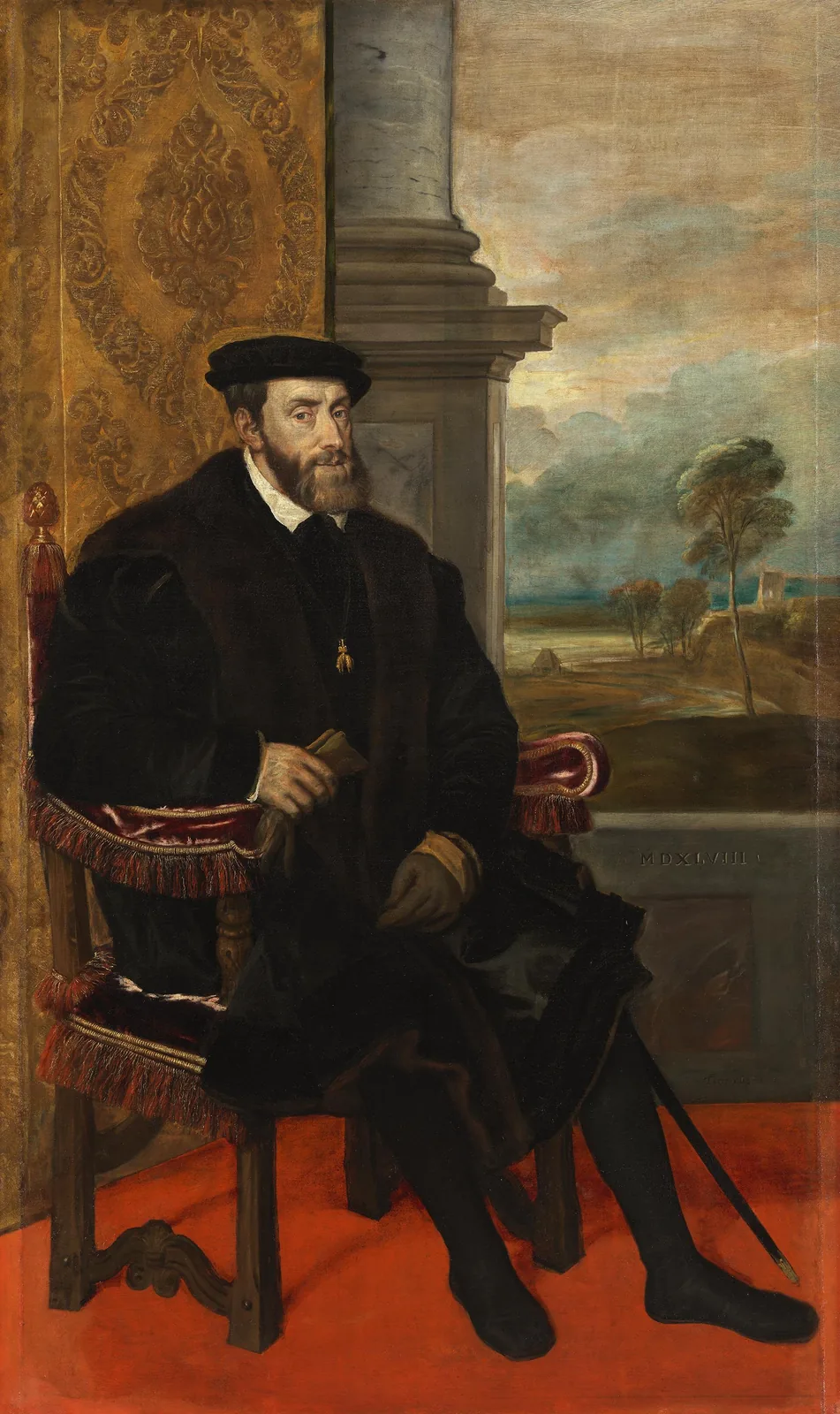
Wikimedia Commons · Public domain · file Charles led imperial forces to Vienna during the Ottoman-Habsburg conflict, reinforcing the city before crossing the Danube. The source gives the campaign year but no more precise arrival date.
Camp at Radès after the conquest
· Radès, Tunisia
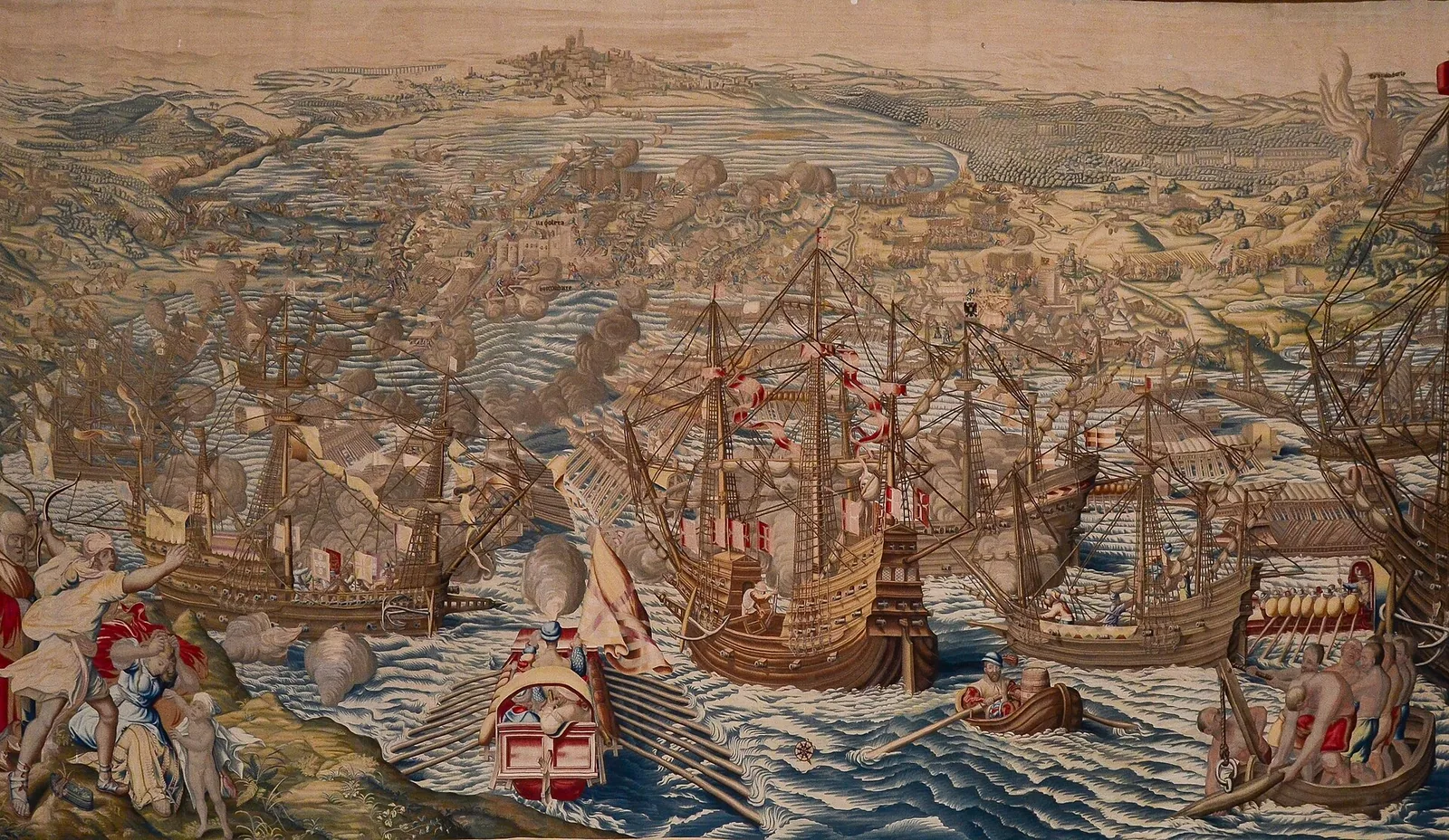
Wikimedia Commons · CC BY-SA 4.0 · file After entering Tunis, Charles moved his camp to Radès during the aftermath of the successful North African expedition. The source does not provide a more precise date within 1535.
Entry into Tunis
· Tunis, Tunisia
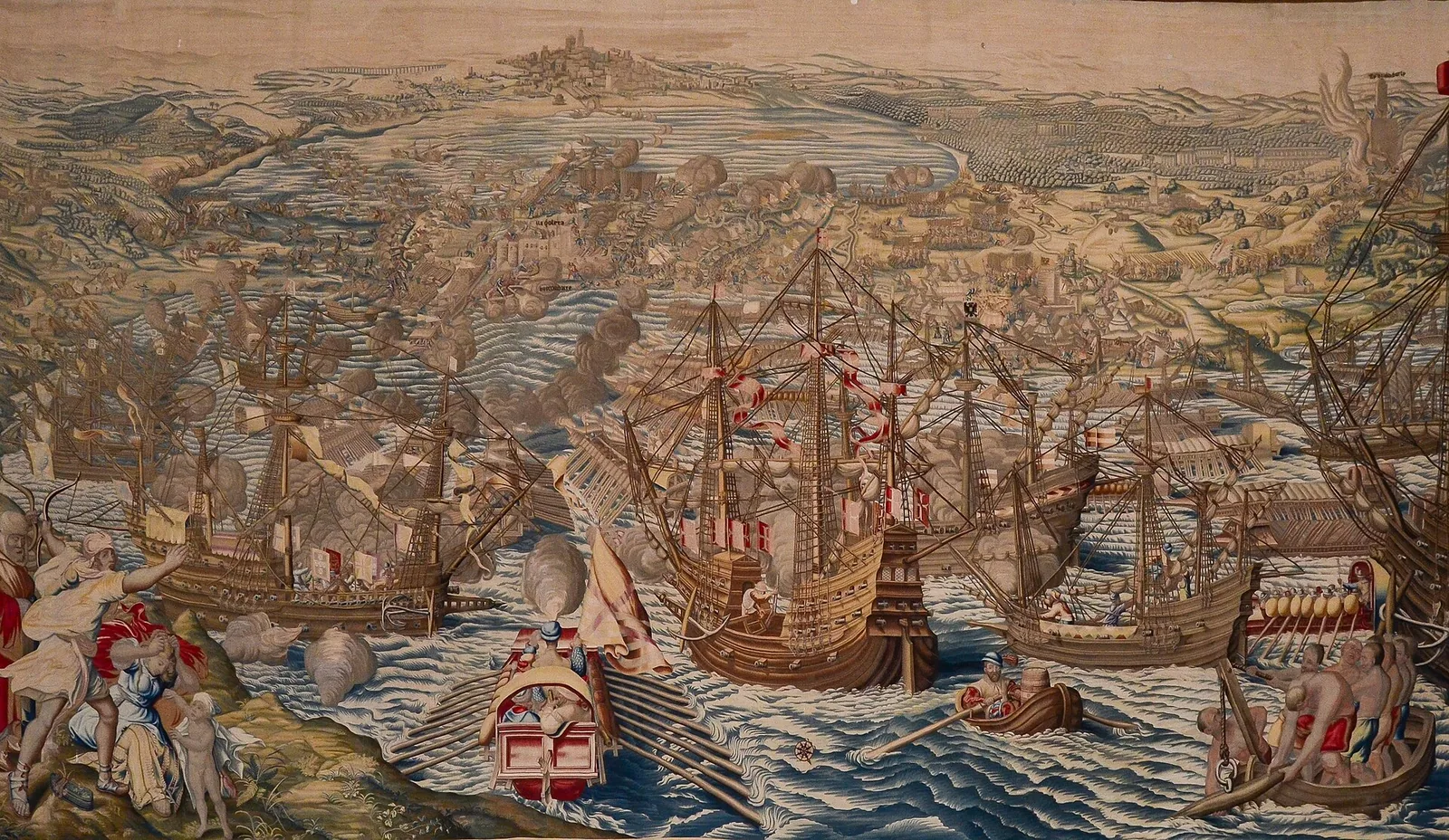
Wikimedia Commons · CC BY-SA 4.0 · file Charles personally entered Tunis after the Habsburg-led conquest displaced the Ottoman-aligned regime of Hayreddin Barbarossa. The caption directly documents entry but gives no more precise date within the 1535 campaign.
Capture of Aix-en-Provence
· Aix-en-Provence, France
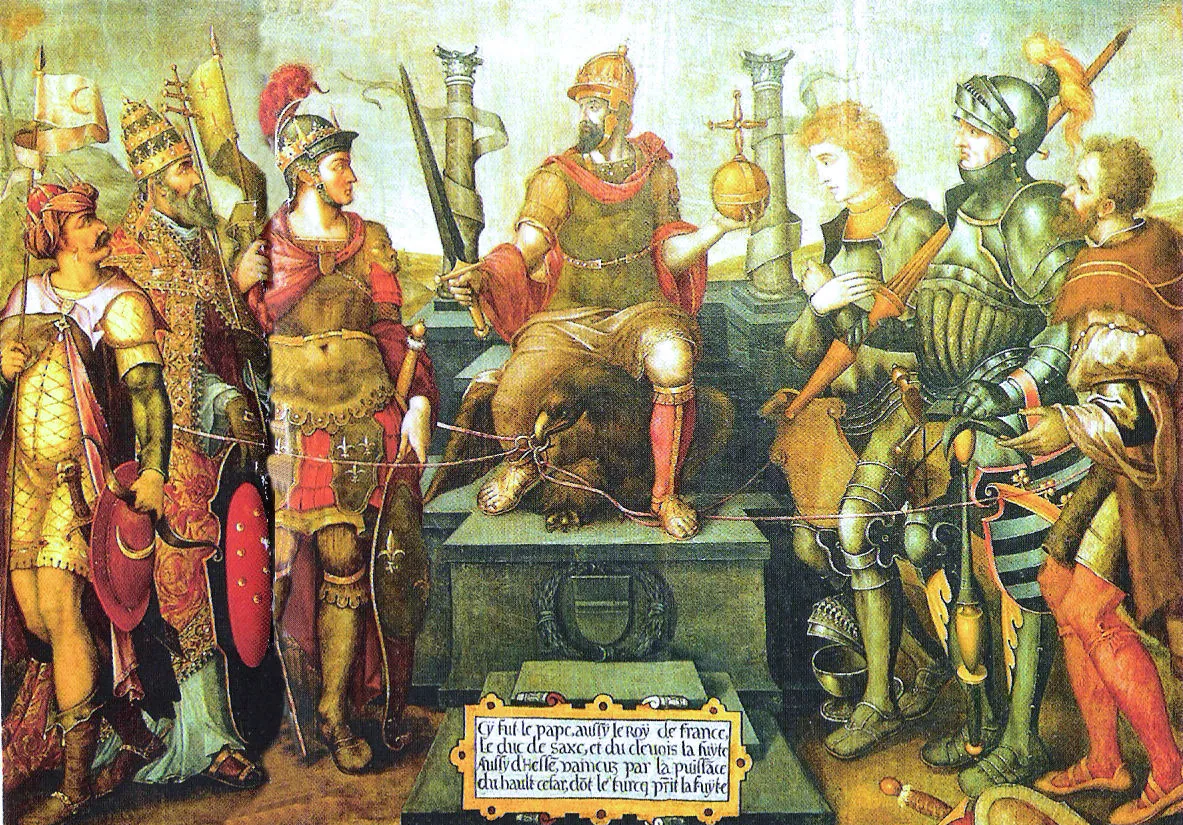
Wikimedia Commons · Public domain · file During his personal invasion of Provence, Charles captured Aix-en-Provence and asserted imperial rights connected with the former Kingdom of Arles.
Entry into rebellious Ghent
· Ghent, Belgium
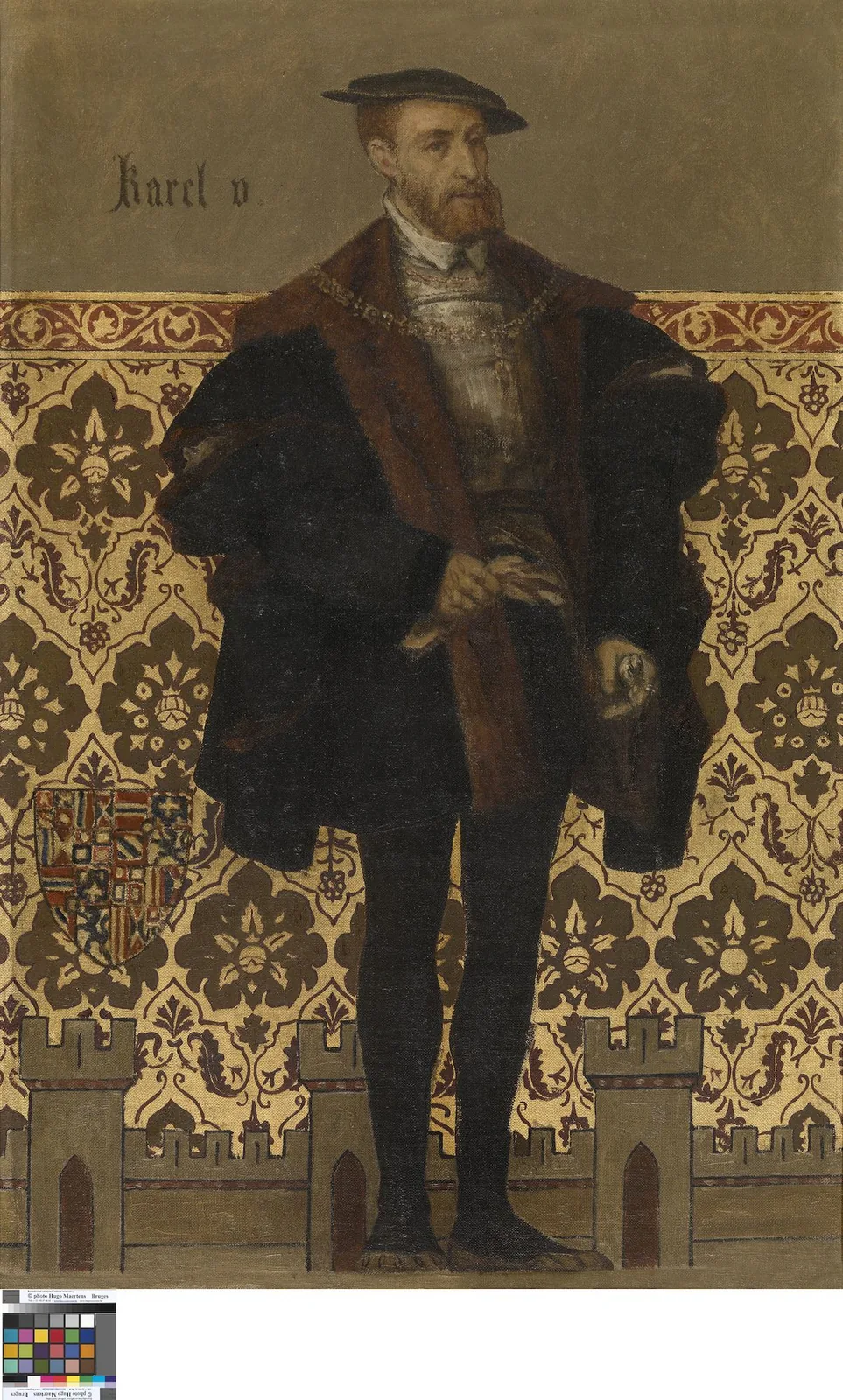
Wikimedia Commons · Public domain · file Charles entered Ghent without resistance and ended the revolt that had challenged his fiscal demands in one of his principal Netherlandish cities.
Arrival for the Regensburg colloquy
· Regensburg, Germany
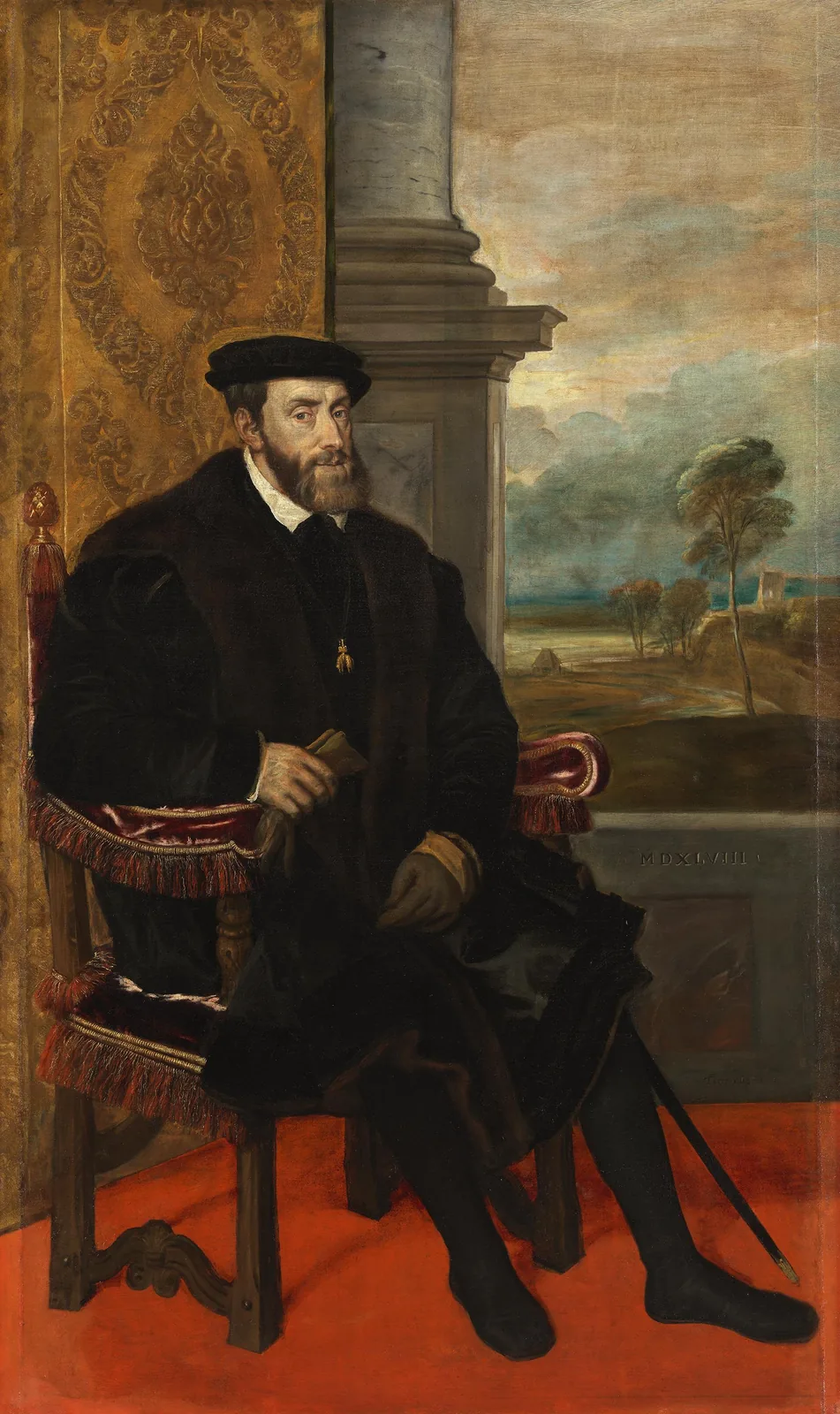
Wikimedia Commons · Public domain · file Charles entered Regensburg to pursue a negotiated religious settlement between Catholic and Protestant representatives.
Embarkation for Algiers
· Bay of Palma, Palma, Mallorca, Spain
Charles embarked with the expedition mounted against Algiers; the fleet had assembled in the Bay of Palma on Majorca. Coordinates represent Palma's harbor area on the Bay of Palma.
Landing at Hamma during the Algiers expedition
· Hamma, Algiers, Algeria
Charles came ashore at Hamma as his multinational force landed for the attempted capture of Algiers. Coordinates are a representative point for the Hamma district.
Landing at Béjaïa after the retreat
· Béjaïa, Algeria
After the expedition's collapse in storms off Algiers, Charles reached the Spanish-held harbor at Béjaïa.
Return to Cartagena
· Cartagena, Murcia, Spain
Charles returned to Spain at Cartagena after the disastrous Algiers expedition.
Battle of Mühlberg
· Mühlberg/Elbe, Germany
Charles was on the battlefield at Mühlberg during the decisive imperial victory over the Schmalkaldic League. The battle account places his arrival at the Elbe on the evening of 23 April and the battle on 24 April.
Imperial court at Innsbruck
· Innsbruck, Austria
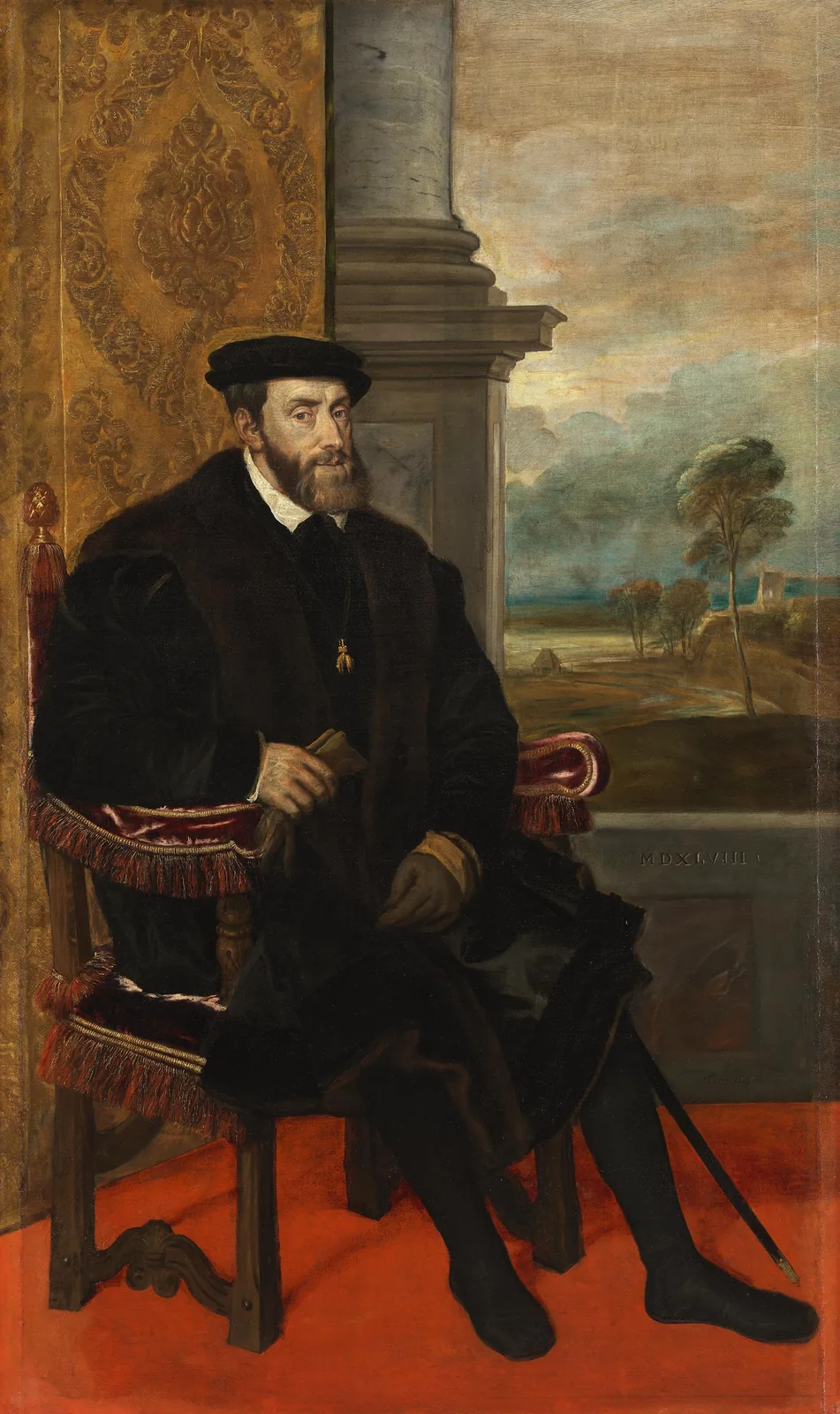
Wikimedia Commons · Public domain · file Charles established his imperial court at Innsbruck so that he could follow the renewed Council of Trent from nearby Austria. The source gives the year but not a more precise date.
Arrival at Villach after escape
· Villach, Austria
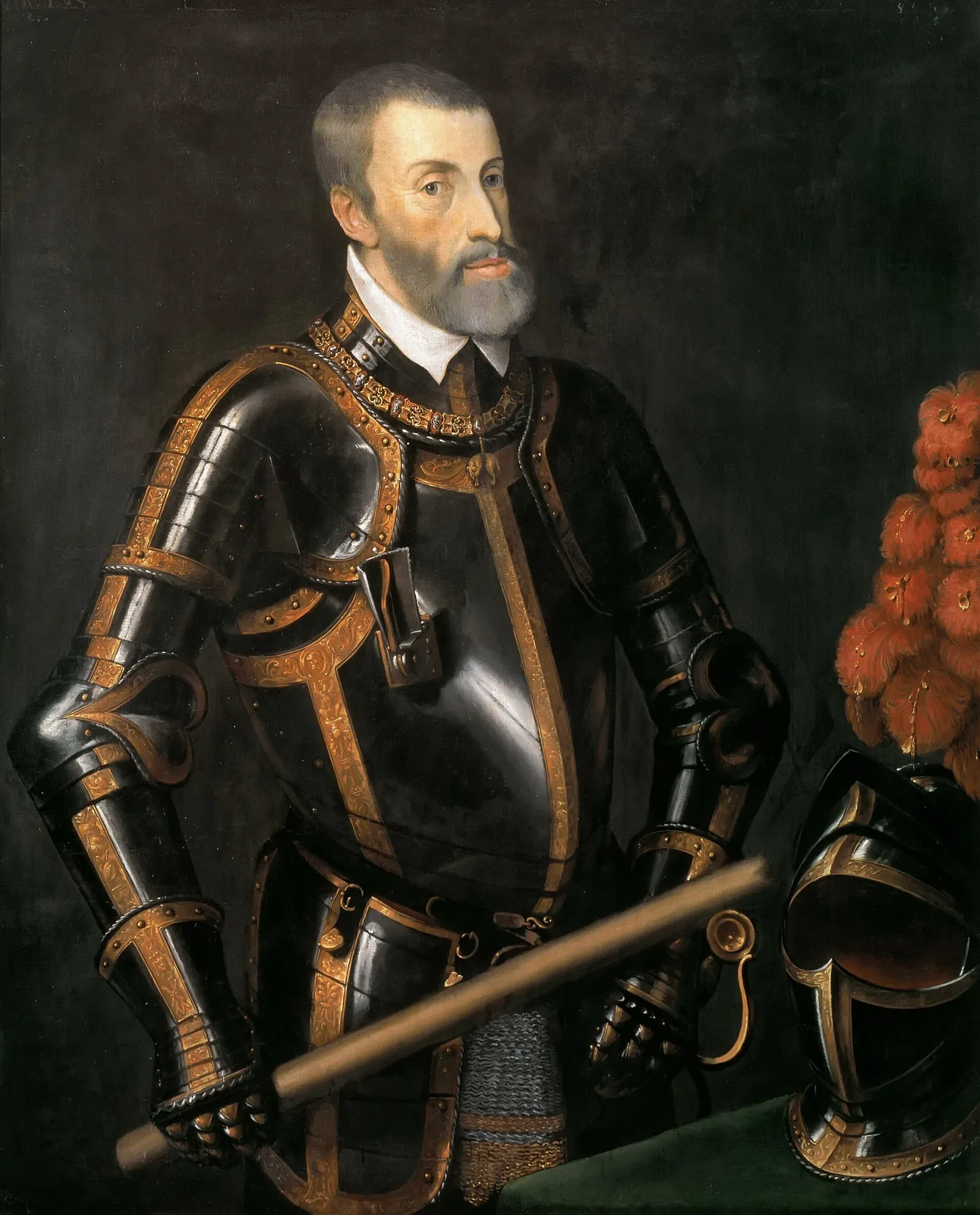
Wikimedia Commons · Public domain · file Charles escaped the threat at Innsbruck and reached Villach in a litter, severely weakened by gout. The source places the arrival in 1552 but does not give a precise date.
Flight from Innsbruck
· Innsbruck, Austria
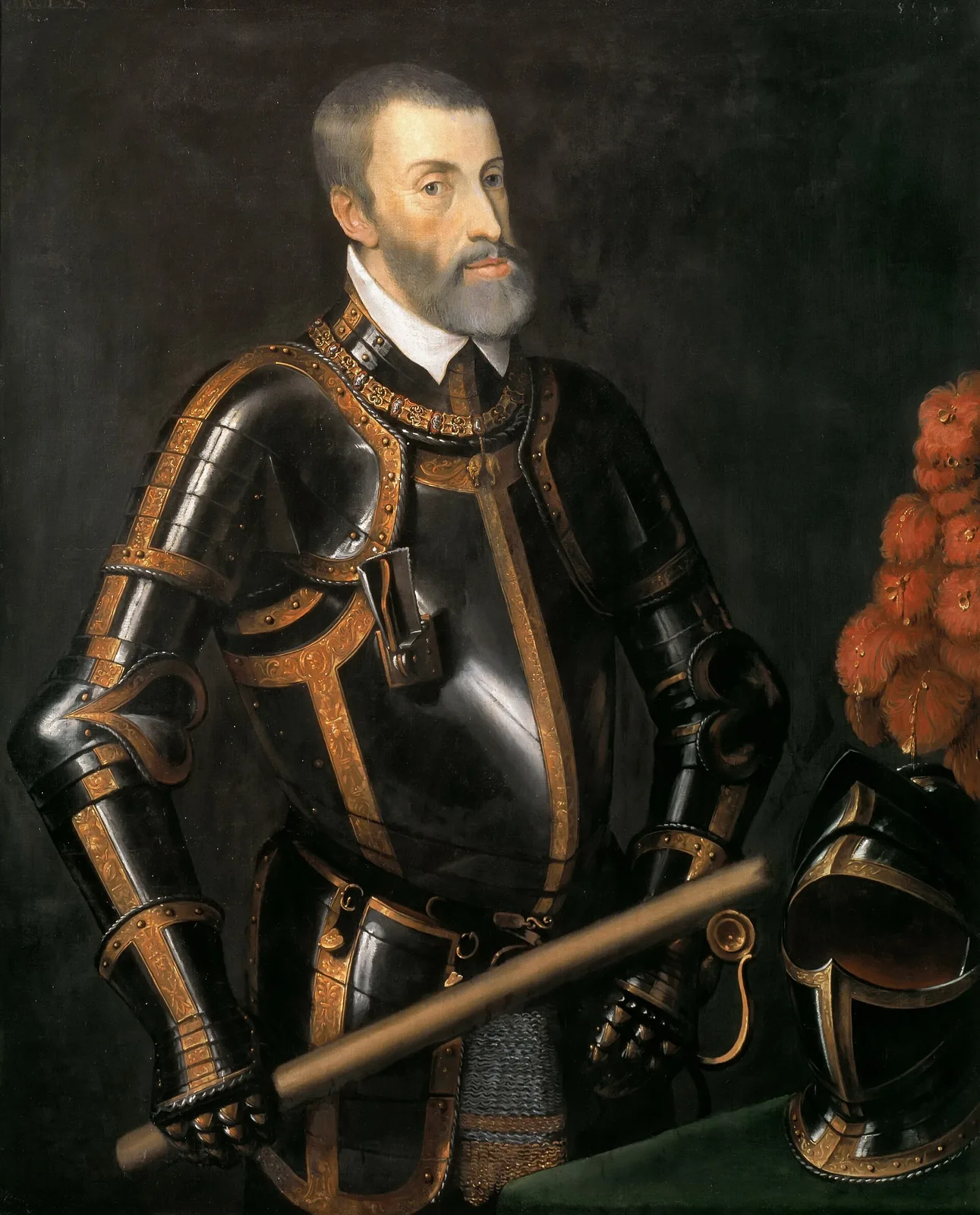
Wikimedia Commons · Public domain · file Facing Maurice of Saxony's advance during the Second Schmalkaldic War, Charles fled Innsbruck while incapacitated by gout. The source places the flight in 1552 but does not give a precise date.
Siege of Metz
· Metz, France
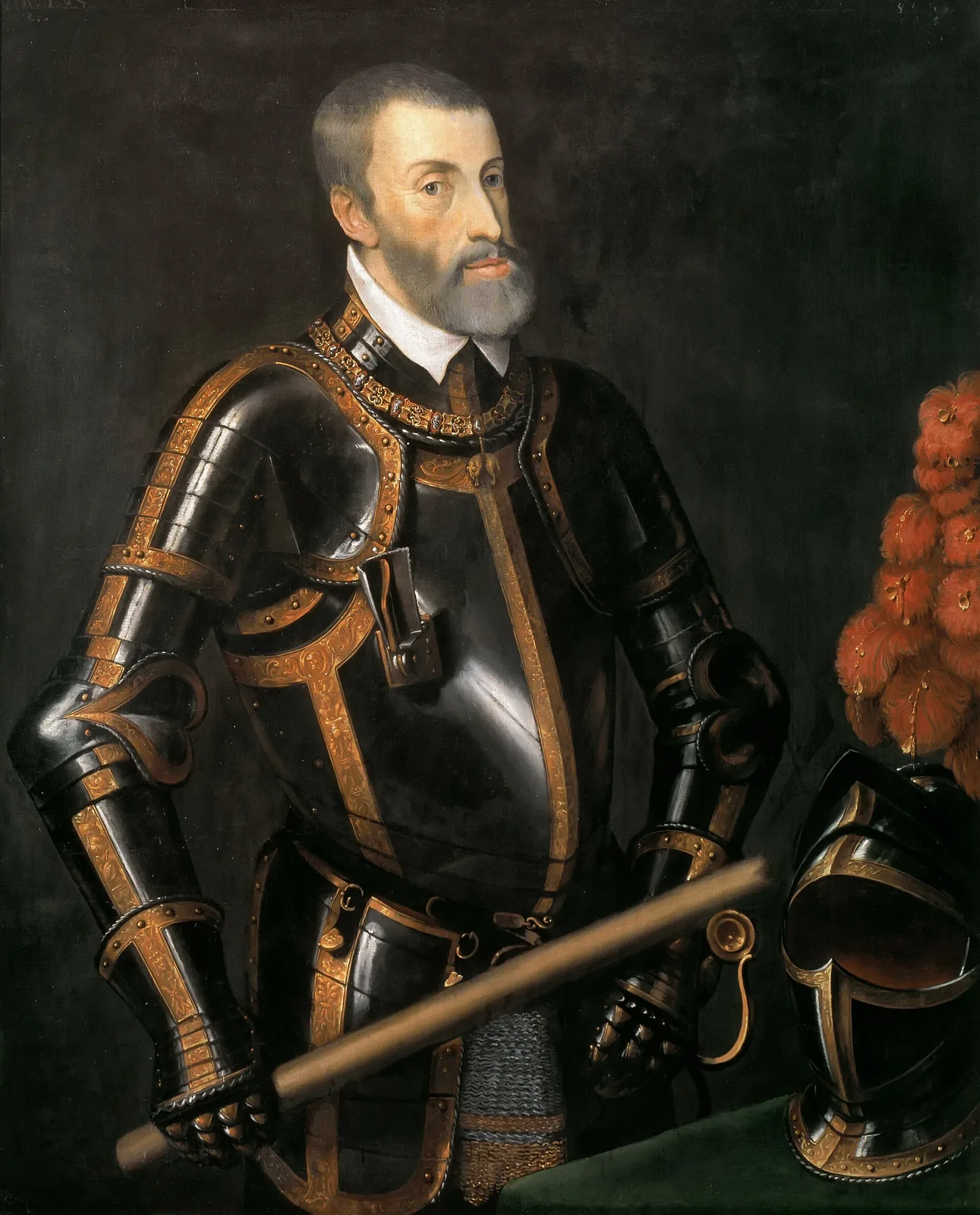
Wikimedia Commons · Public domain · file Charles personally directed the imperial attempt to recover Metz from the French, a failed campaign that helped precipitate his final withdrawal from German affairs. The siege lasted from 19 October 1552 to 2 January 1553; the source does not identify Charles's exact arrival day.
Abdication of Naples, Sicily, and Milan
· Palace of Coudenberg, Brussels, Belgium
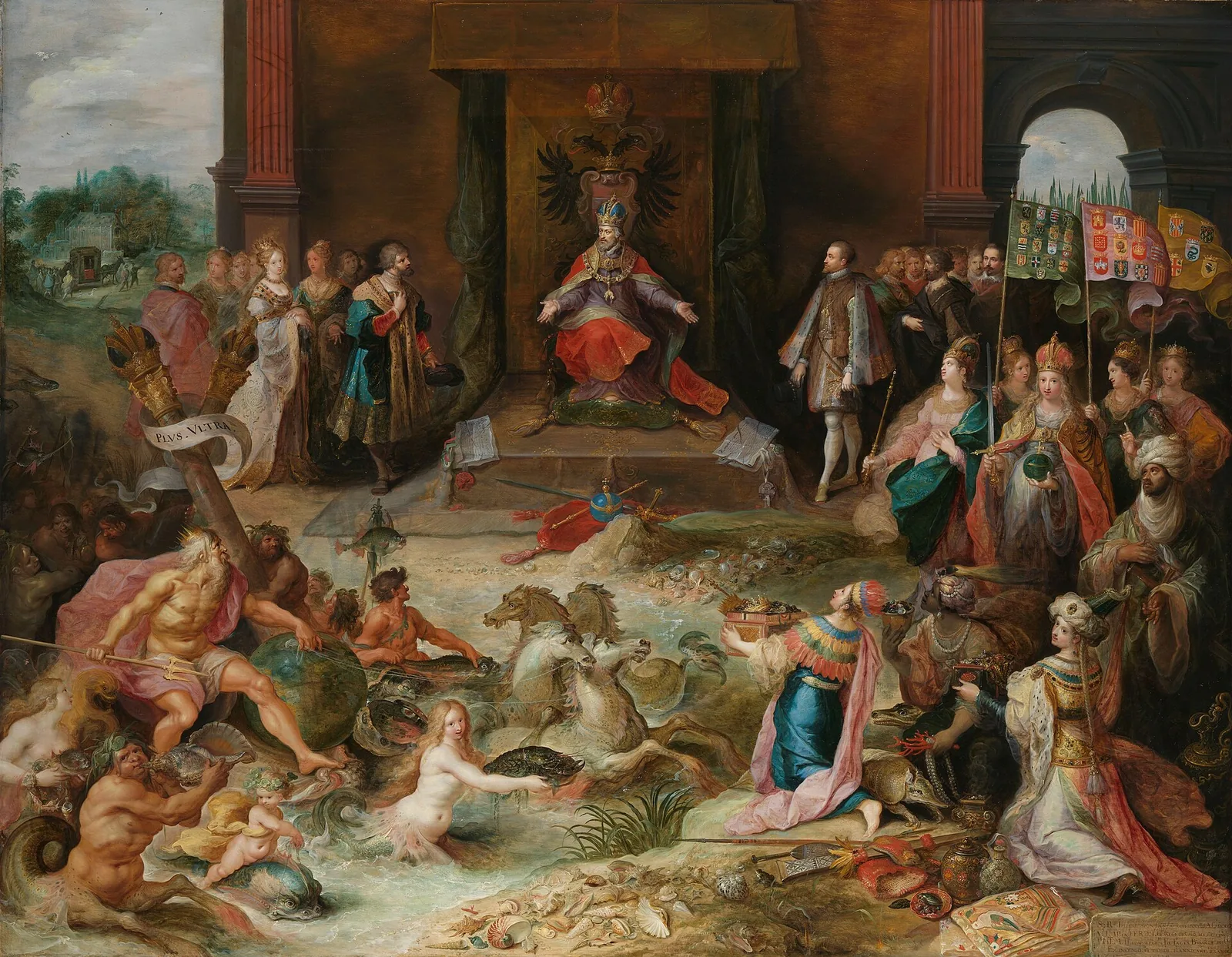
Wikimedia Commons · Public domain · file At Coudenberg, Charles began the public transfer of major Habsburg possessions to his son Philip by abdicating Naples, Sicily, and Milan. Coordinates mark the former palace site.
Public abdication before the States General
· Palace of Coudenberg, Brussels, Belgium
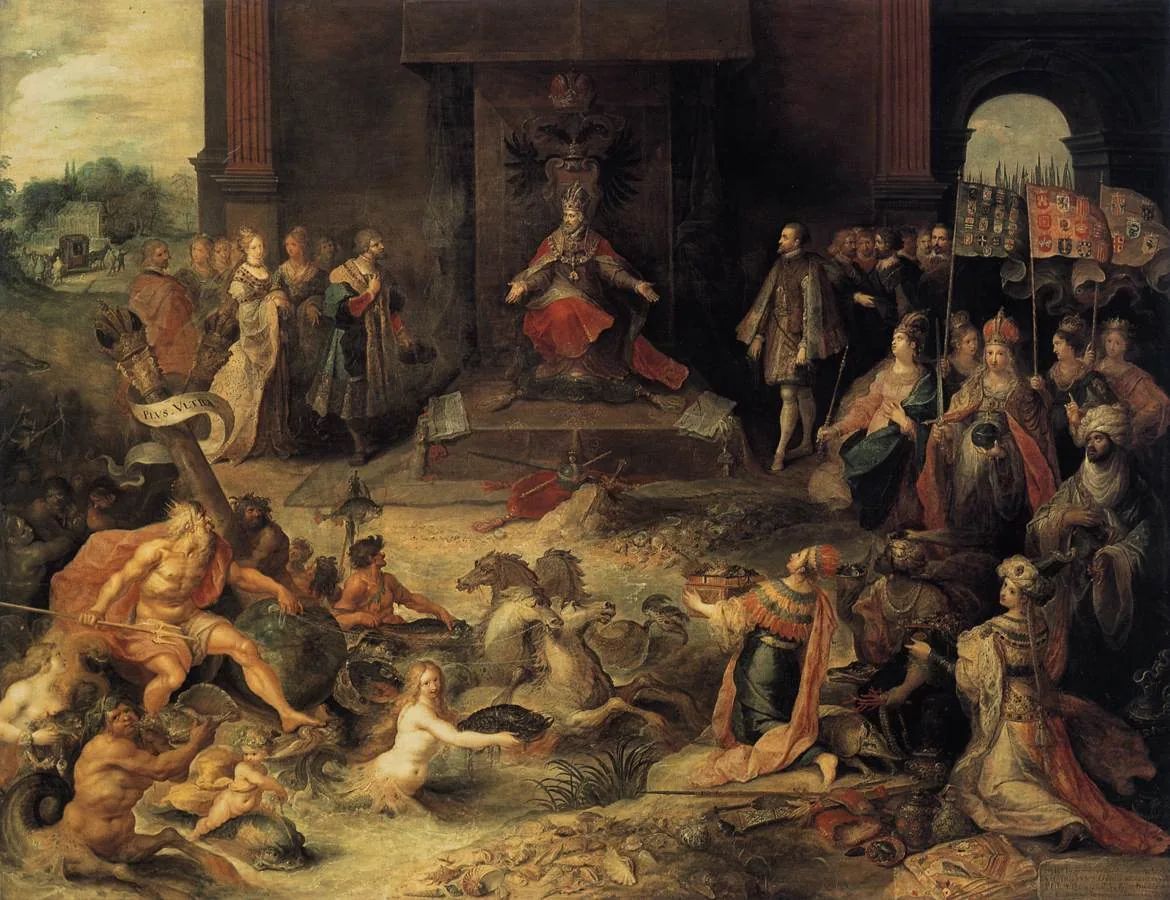
Wikimedia Commons · Public domain · file Charles publicly abdicated the Netherlands at Brussels before the States General, announcing his intention to retire from rule. The same source states that all his abdications occurred at the Palace of Coudenberg.
Retirement at the Monastery of Yuste
· Monastery of Yuste, Cuacos de Yuste, Spain
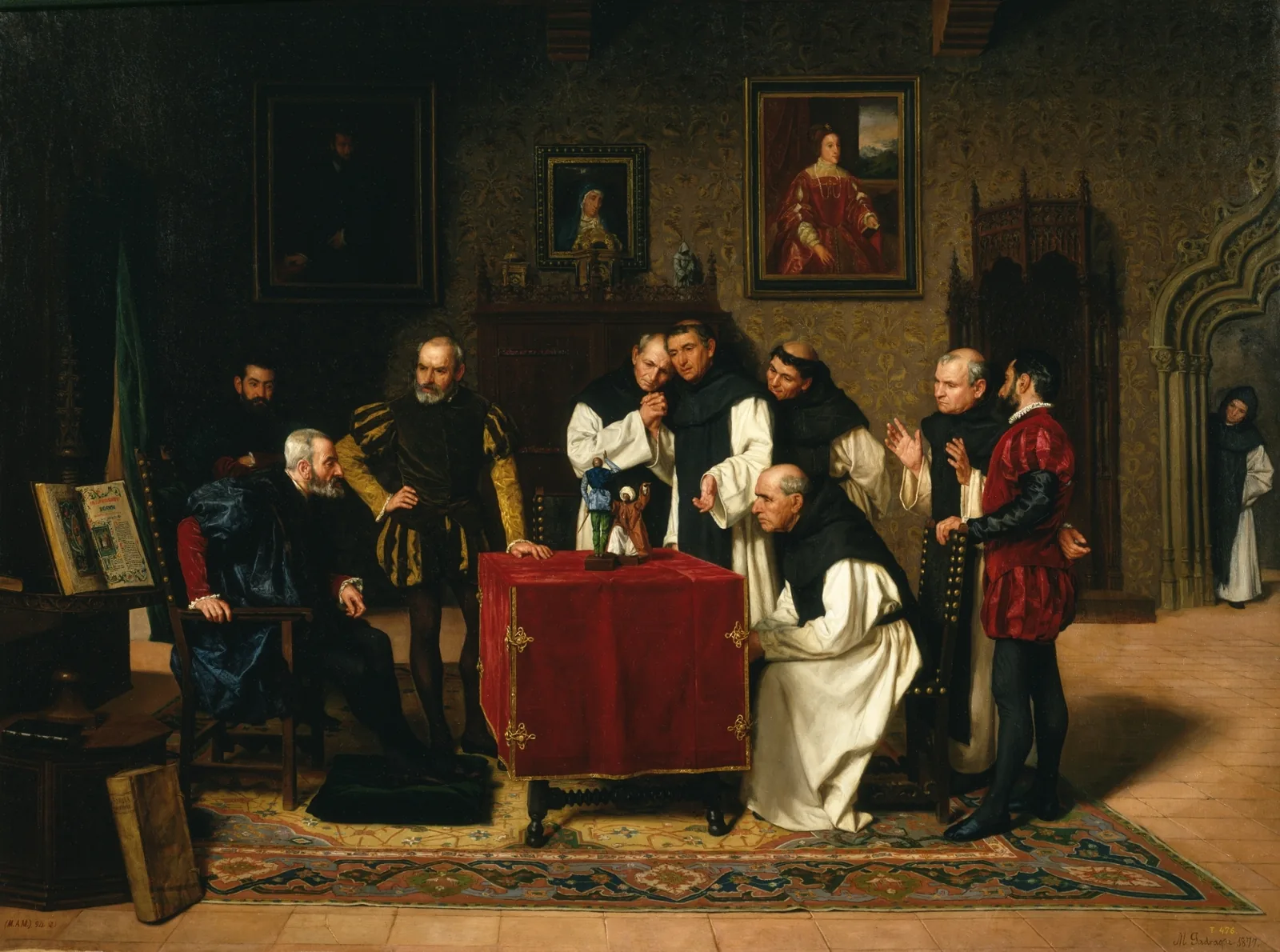
Wikimedia Commons · Public domain · file After leaving the Low Countries and sailing to Spain, Charles arrived at Yuste, where he lived in retirement while still corresponding about imperial affairs.
Death at Yuste
· Monastery of Yuste, Cuacos de Yuste, Spain
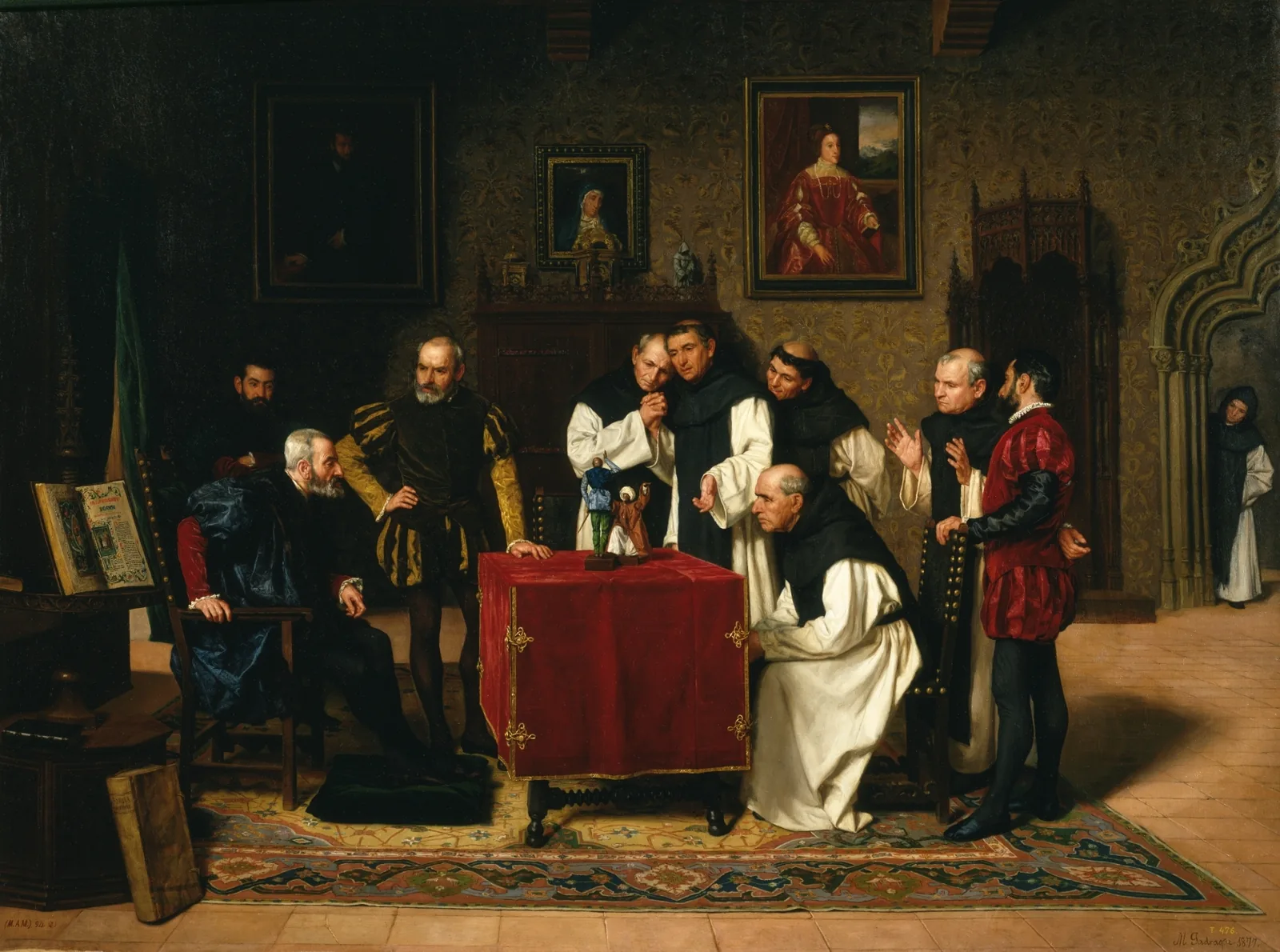
Wikimedia Commons · Public domain · file Charles died at the monastery in which he had retired after the division and abdication of his composite monarchy. The immediately preceding source text identifies the location as the Monastery of Yuste.