
72 moments
Campaigns with Pepin in Aquitaine
· Aquitaine, France
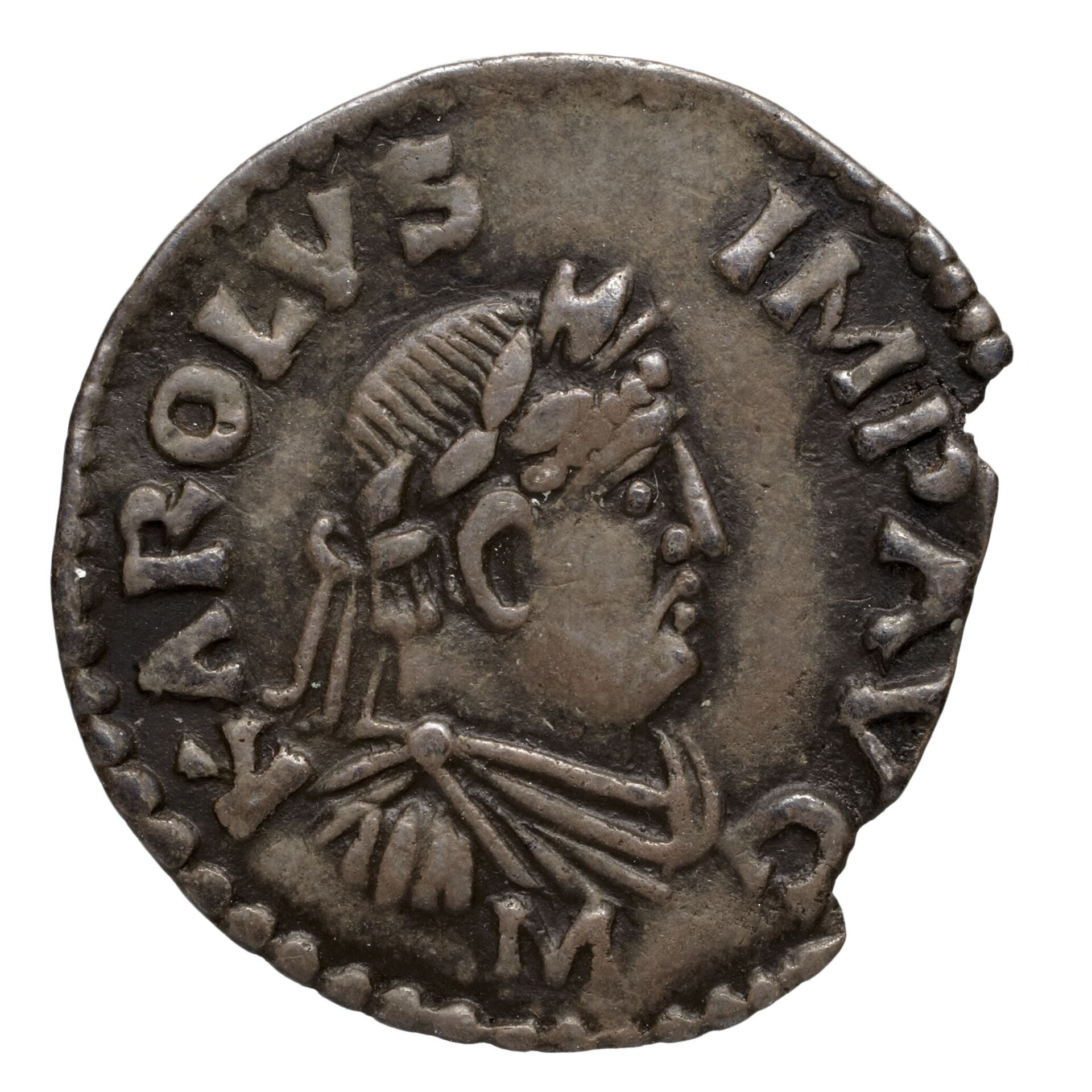
Wikimedia Commons · Creative Commons Attribution-Share Alike 4.0 · file Charlemagne accompanied his father Pepin the Short during the long campaign to reassert Frankish control over Aquitaine. The evidence establishes presence in Aquitaine but not a specific settlement; coordinates represent Bordeaux as a regional reference point.
Crowned king at Noyon
· Noyon, Hauts-de-France, France
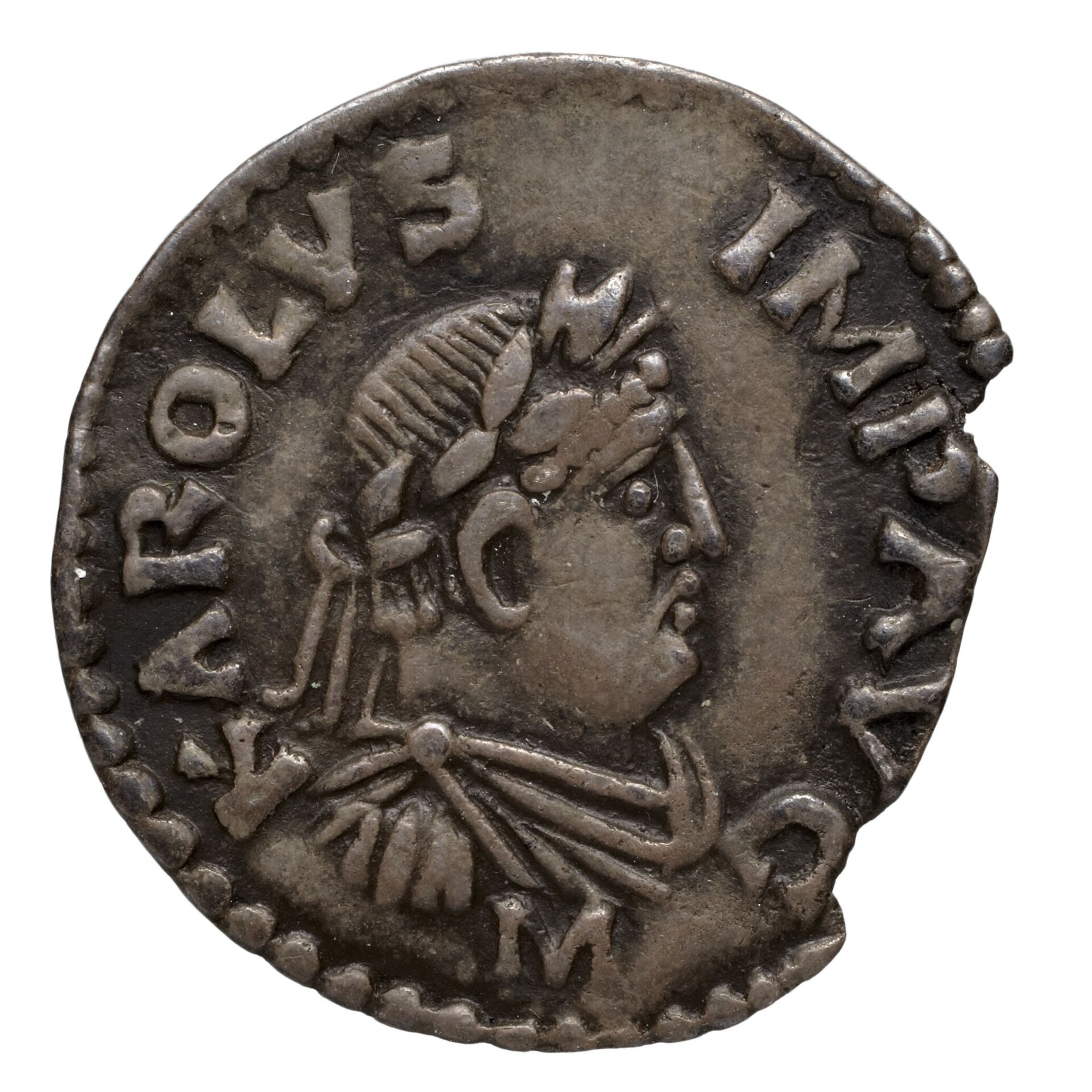
Wikimedia Commons · Creative Commons Attribution-Share Alike 4.0 International · file Following Pepin's death, Charlemagne was separately crowned king while his brother Carloman was crowned at Soissons.
First recorded Christmas at Aachen
· Aachen, North Rhine-Westphalia, Germany
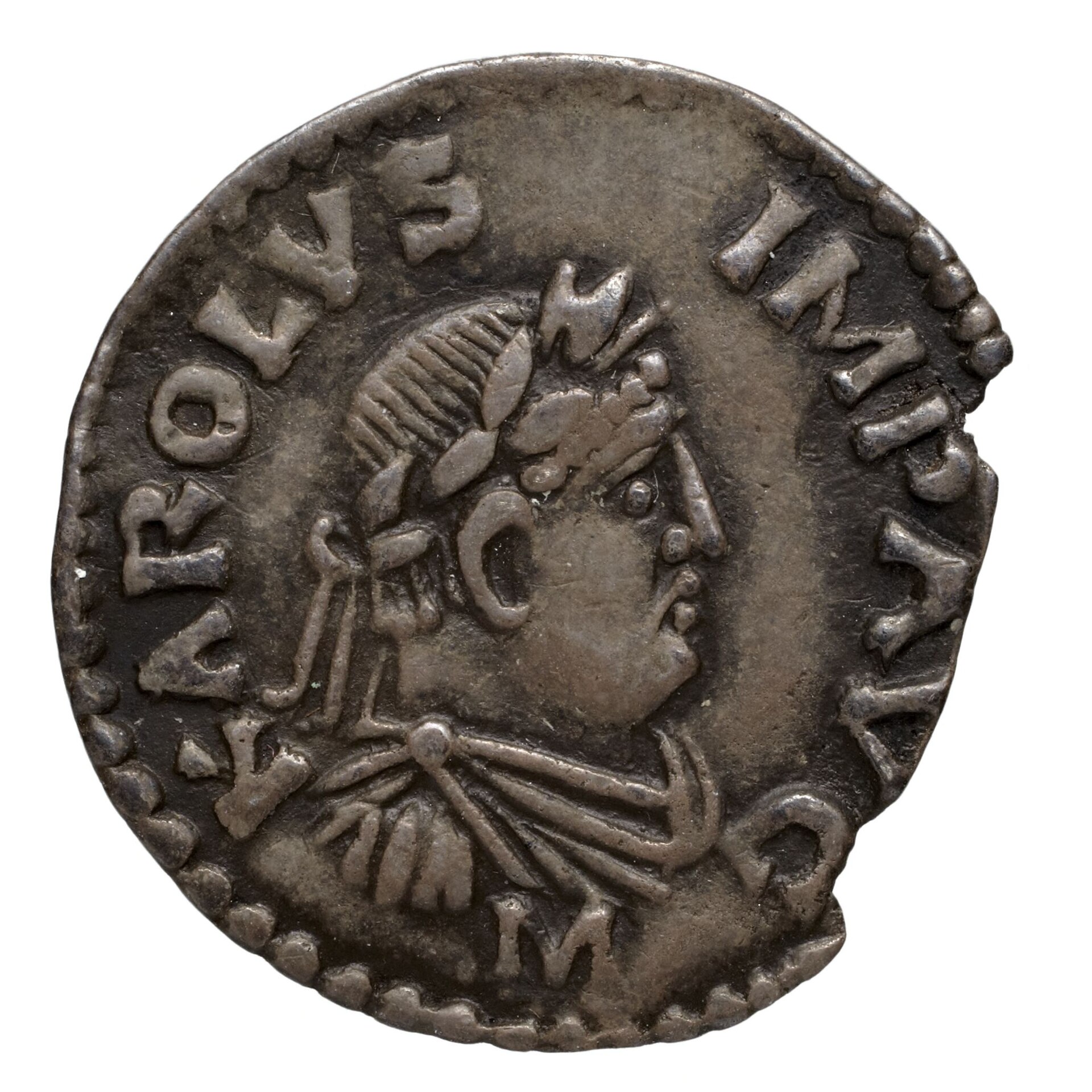
Wikimedia Commons · Creative Commons Attribution-Share Alike 3.0 · file Charlemagne spent Christmas at Aachen in the first year of his reign, an early documented visit to the city that later became his principal residence.
Completed the Aquitanian campaign
· Aquitaine, France
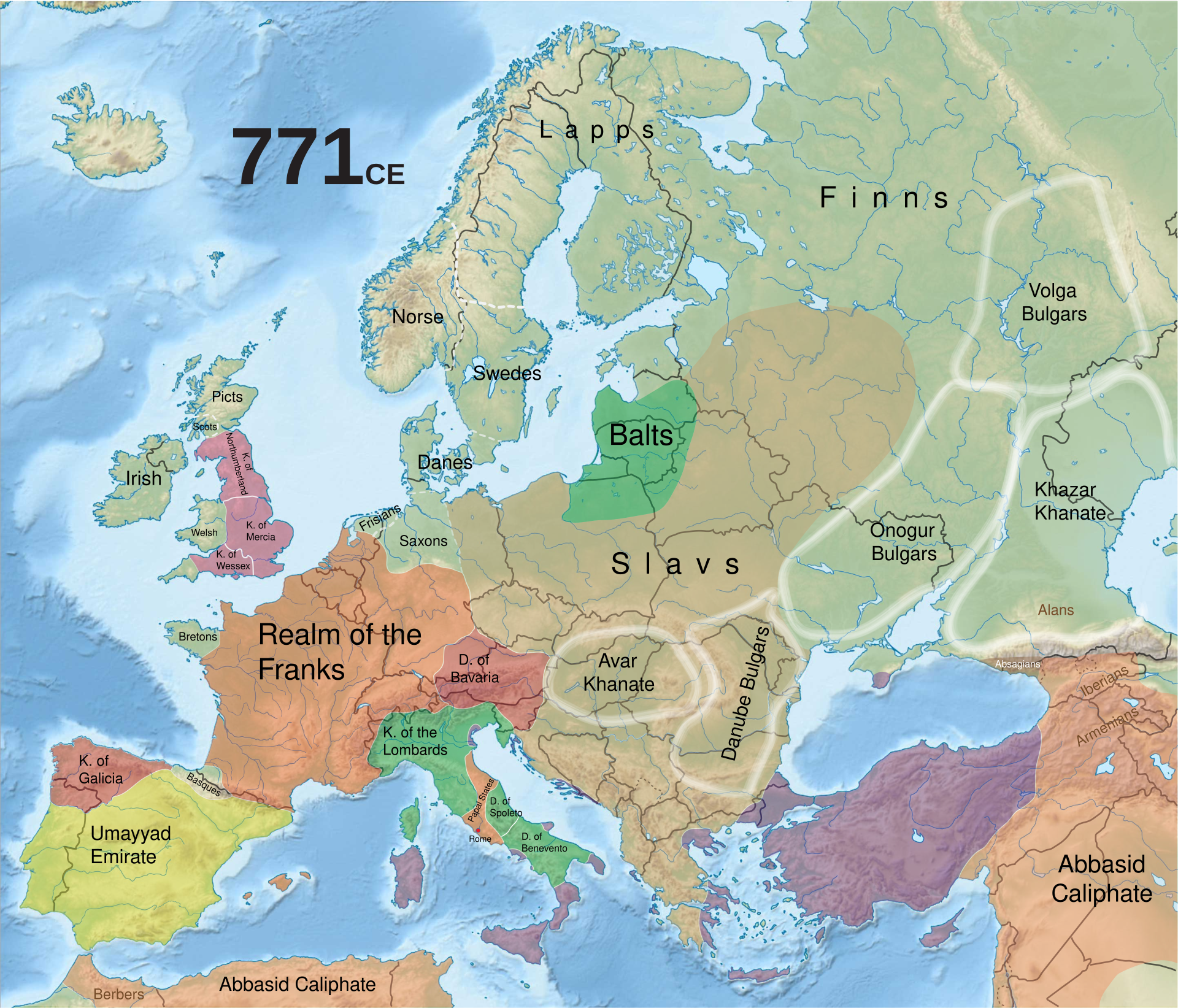
Wikimedia Commons · Creative Commons Attribution-Share Alike 4.0 · file Charlemagne marched into Aquitaine with Carloman and continued alone after his brother withdrew, ending the revolt by capturing Duke Hunald. The campaign covered a broad region; coordinates are representative.
Issued a charter at Aachen
· Palace of Aachen, Aachen, Germany

Wikimedia Commons · Public domain · file At the Aachen palace, Charlemagne issued a grant for Saint-Denis, providing charter evidence for his continuing winter residence. Coordinates represent the former Aachen palace complex.
Captured Eresburg and destroyed the Irminsul
· Eresburg, Marsberg, North Rhine-Westphalia, Germany
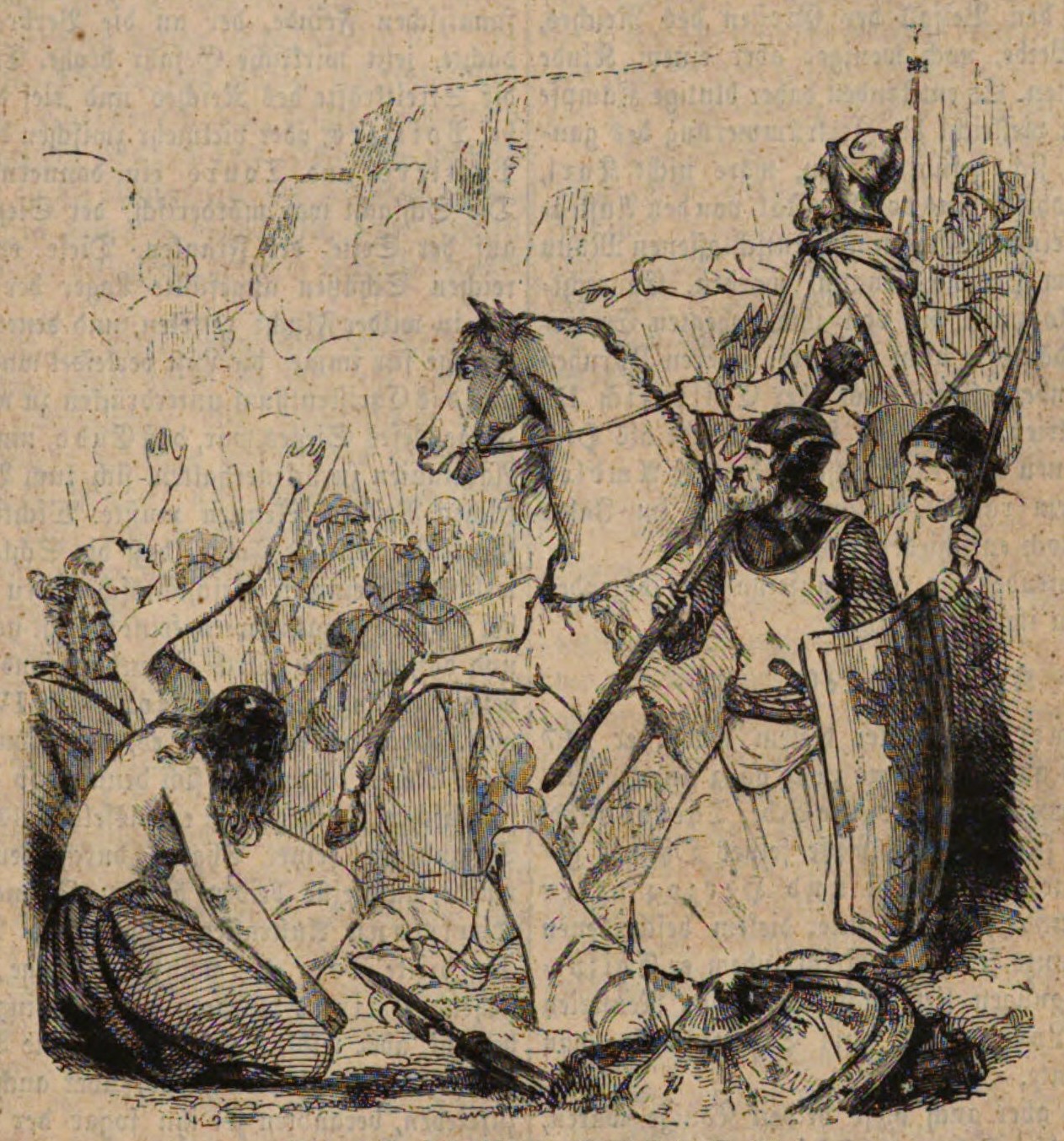
Wikimedia Commons · Public domain · file During his first Saxon campaign, Charlemagne captured Eresburg and destroyed the nearby pagan sanctuary known as the Irminsul. Coordinates represent the Eresburg archaeological area near modern Marsberg.
Held an assembly at Worms
· Worms, Rhineland-Palatinate, Germany
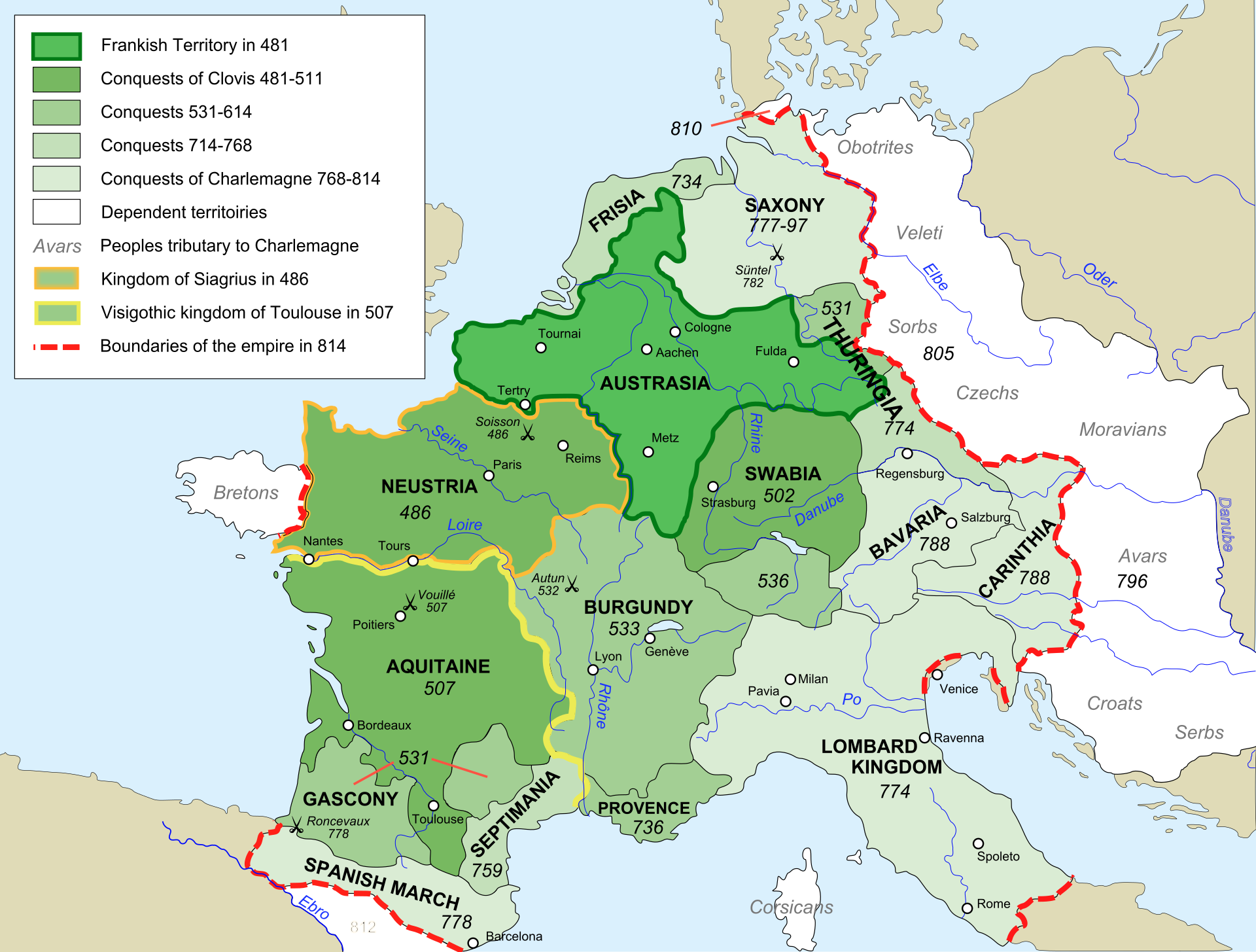
Wikimedia Commons · Creative Commons Attribution-Share Alike 3.0 · file Charlemagne assembled his realm at Worms before the opening phase of his protracted war against the Saxons. Only the year is supported.
Began the siege of Pavia
· Pavia, Lombardy, Italy
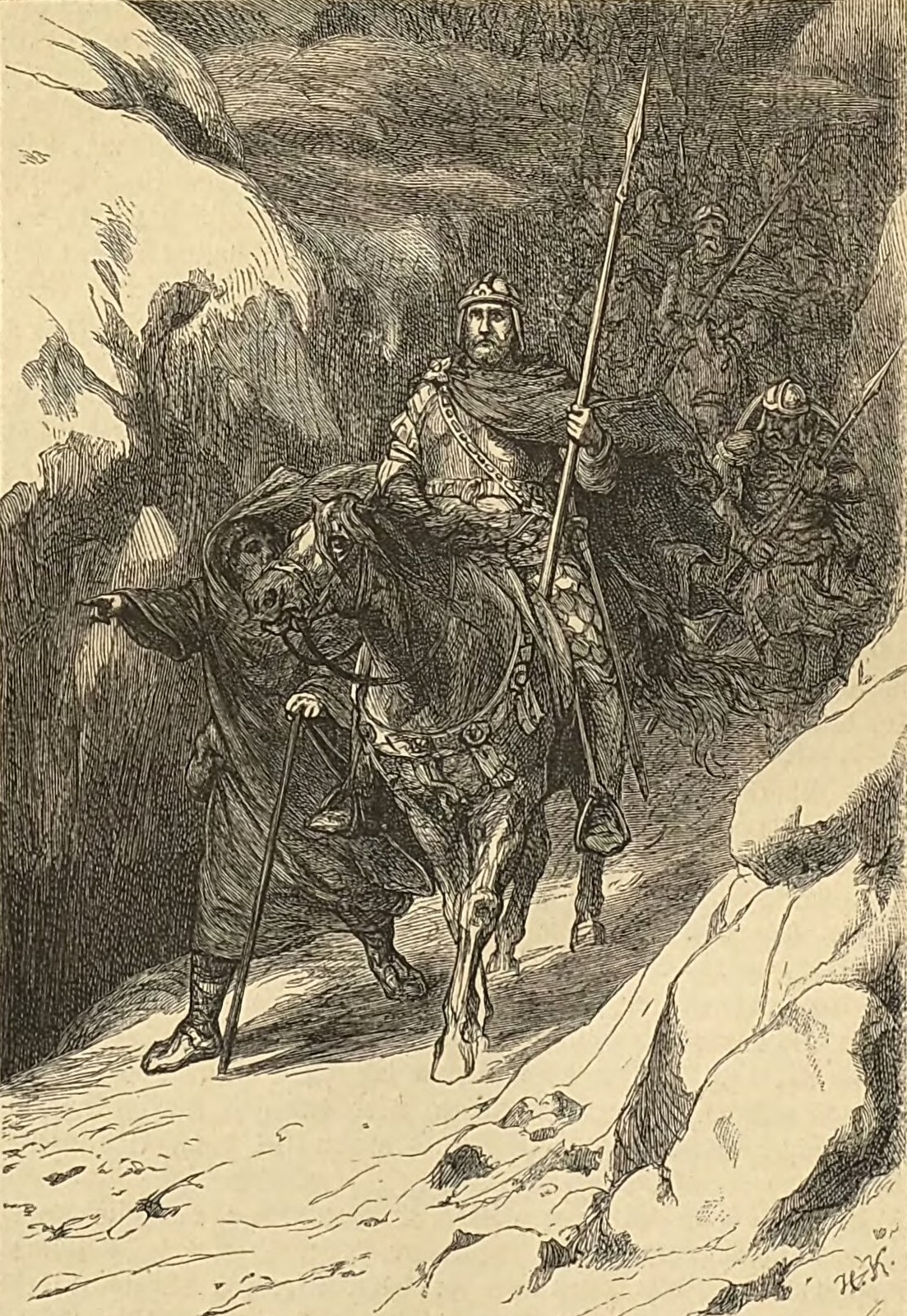
Wikimedia Commons · Public domain · file Charlemagne crossed the Alps and personally commanded the siege that ultimately ended the Lombard kingdom of Desiderius. Only the year is encoded because the source gives 'late 773' rather than a specific month.
Captured Verona
· Verona, Veneto, Italy
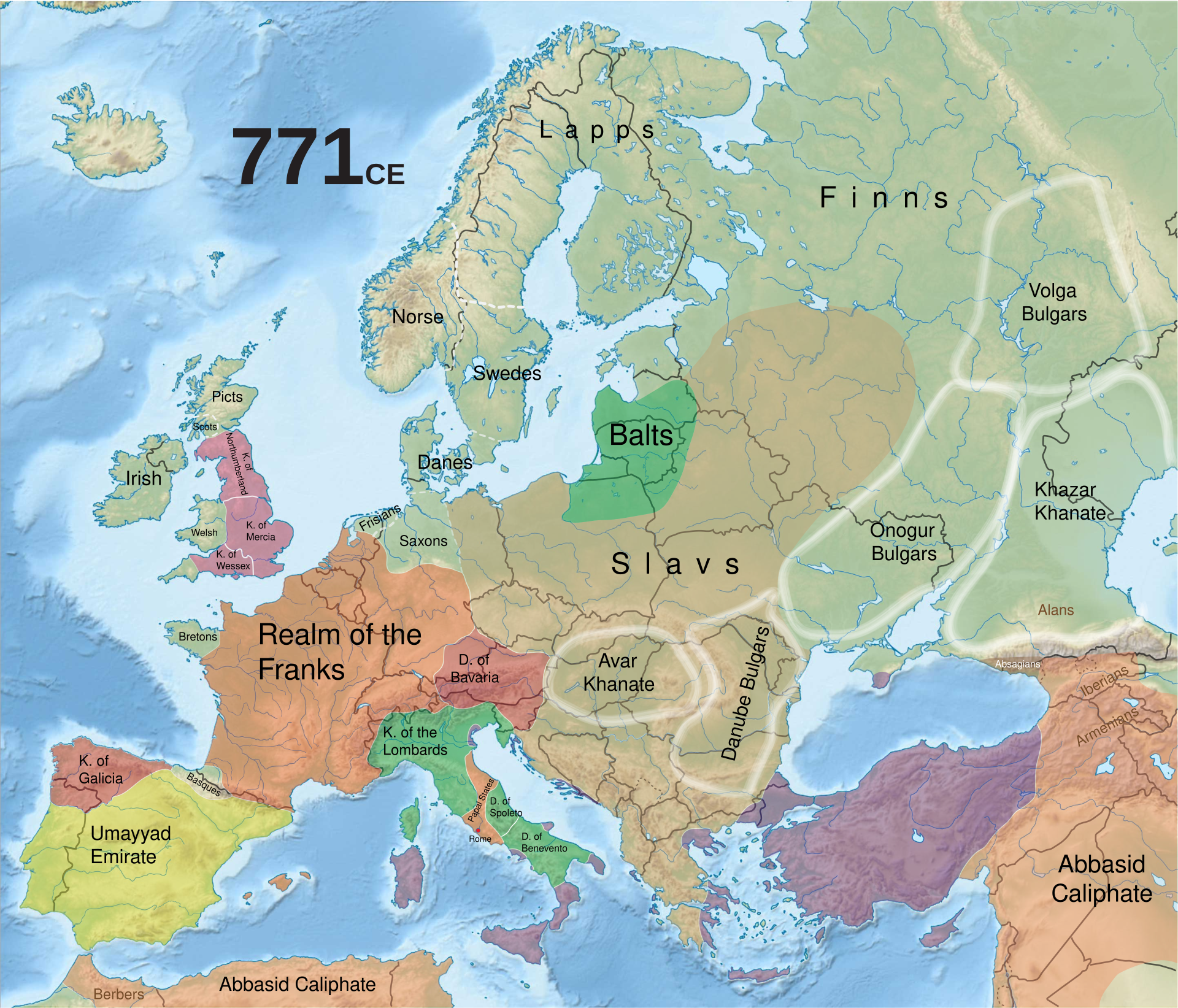
Wikimedia Commons · Creative Commons Attribution-Share Alike 4.0 · file Leaving a force to maintain the siege of Pavia, Charlemagne went to Verona and captured the city where Carloman's family had taken refuge. The source does not provide a more precise date within the Pavia campaign.
Received the abbot of Lorsch at Speyer
· Speyer, Rhineland-Palatinate, Germany
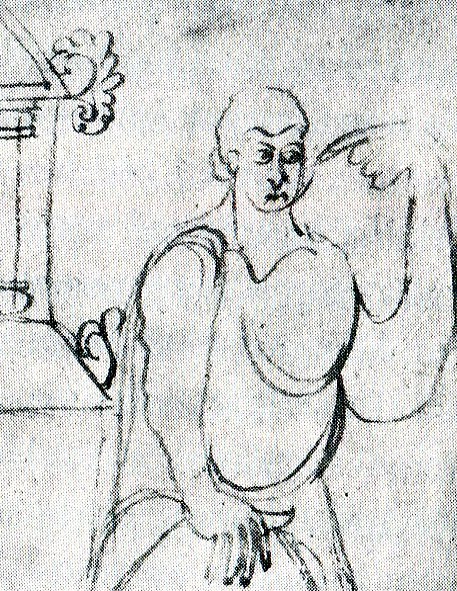
Wikimedia Commons · Public domain · file On his return from Italy, Charlemagne was met at Speyer by Abbot Gundeland, who invited him to attend the dedication of Lorsch's new church. Only the year is supported.
Celebrated Easter in Rome
· Rome, Lazio, Italy
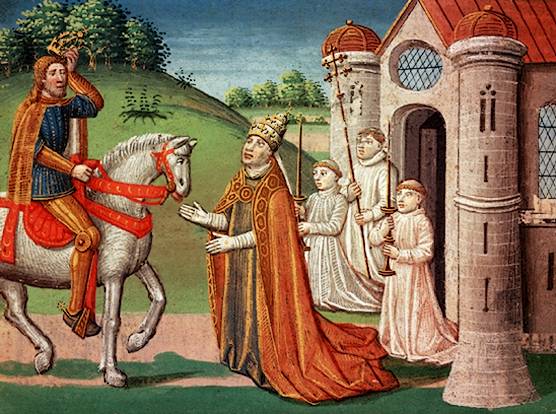
Wikimedia Commons · Public domain · file Charlemagne temporarily left the siege of Pavia for his first recorded visit to Rome, where Pope Adrian I formally received him. The source supports April but not a specific day.
Swore oaths at Saint Peter's
· Old St. Peter's Basilica, Rome, Italy
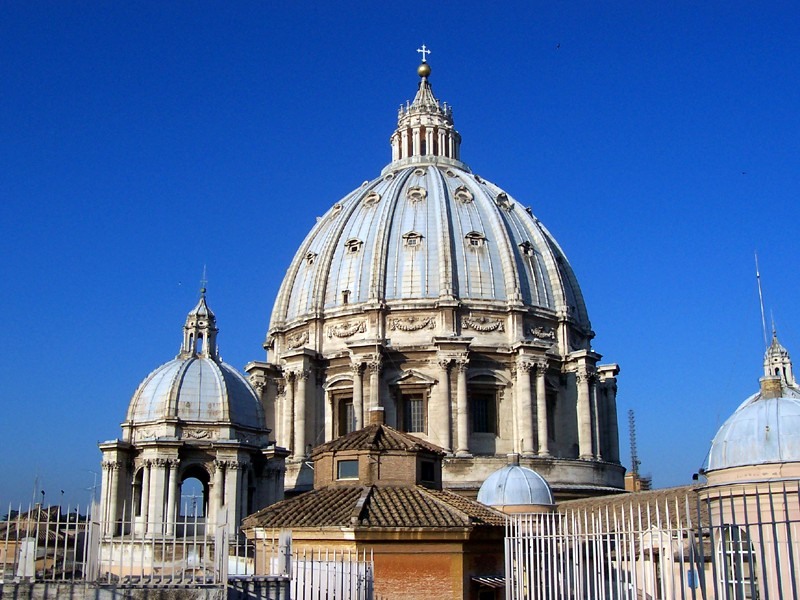
Wikimedia Commons · Creative Commons Attribution-Share Alike 3.0 · file During his Roman visit, Charlemagne and Pope Adrian swore mutual oaths over Saint Peter's relics, reinforcing the Frankish-papal alliance. The medieval basilica occupied the site of the present Saint Peter's Basilica.
Returned to Pavia and accepted its surrender
· Pavia, Lombardy, Italy
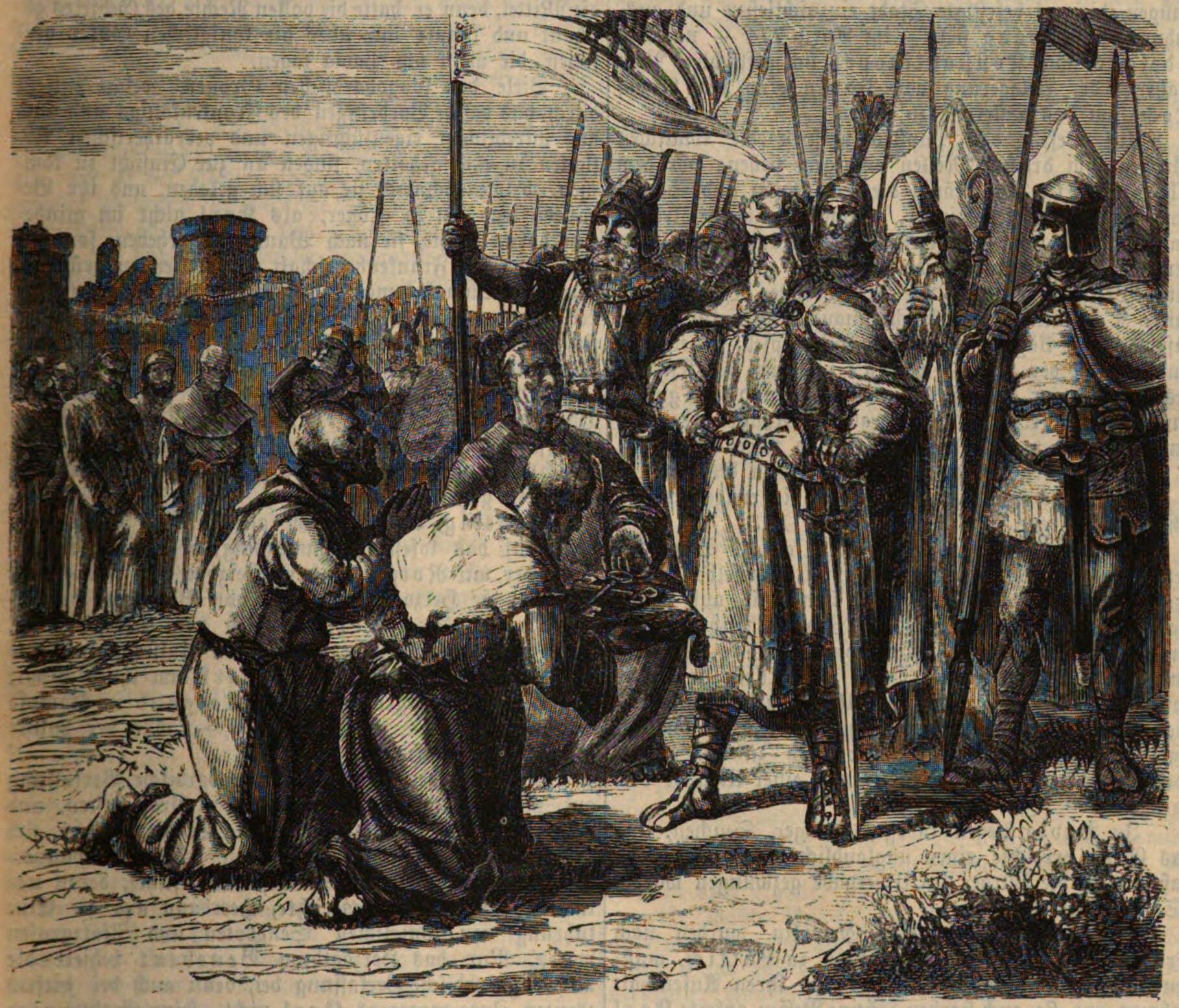
Wikimedia Commons · Public domain · file After returning from Rome, Charlemagne remained at Pavia until disease and the continuing siege forced the Lombard capital to surrender. The source supports surrender by June, not a precise day.
Campaigned through Saxony
· Old Saxony, Germany
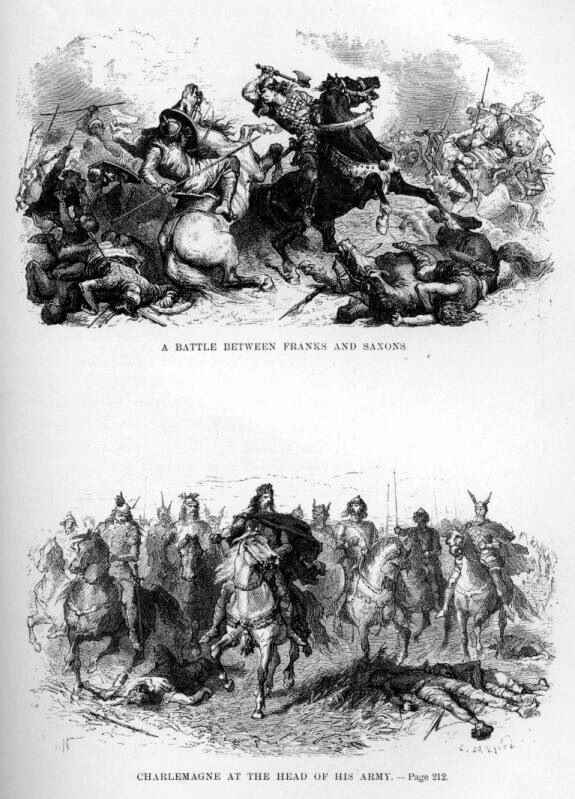
Wikimedia Commons · Public domain · file Charlemagne personally traversed Westphalia, Engria, and Eastphalia, capturing strongholds and receiving submissions during his second Saxon campaign. Coordinates represent Paderborn as a central reference point for a geographically extensive campaign.
Held an assembly at Düren
· Düren, North Rhine-Westphalia, Germany
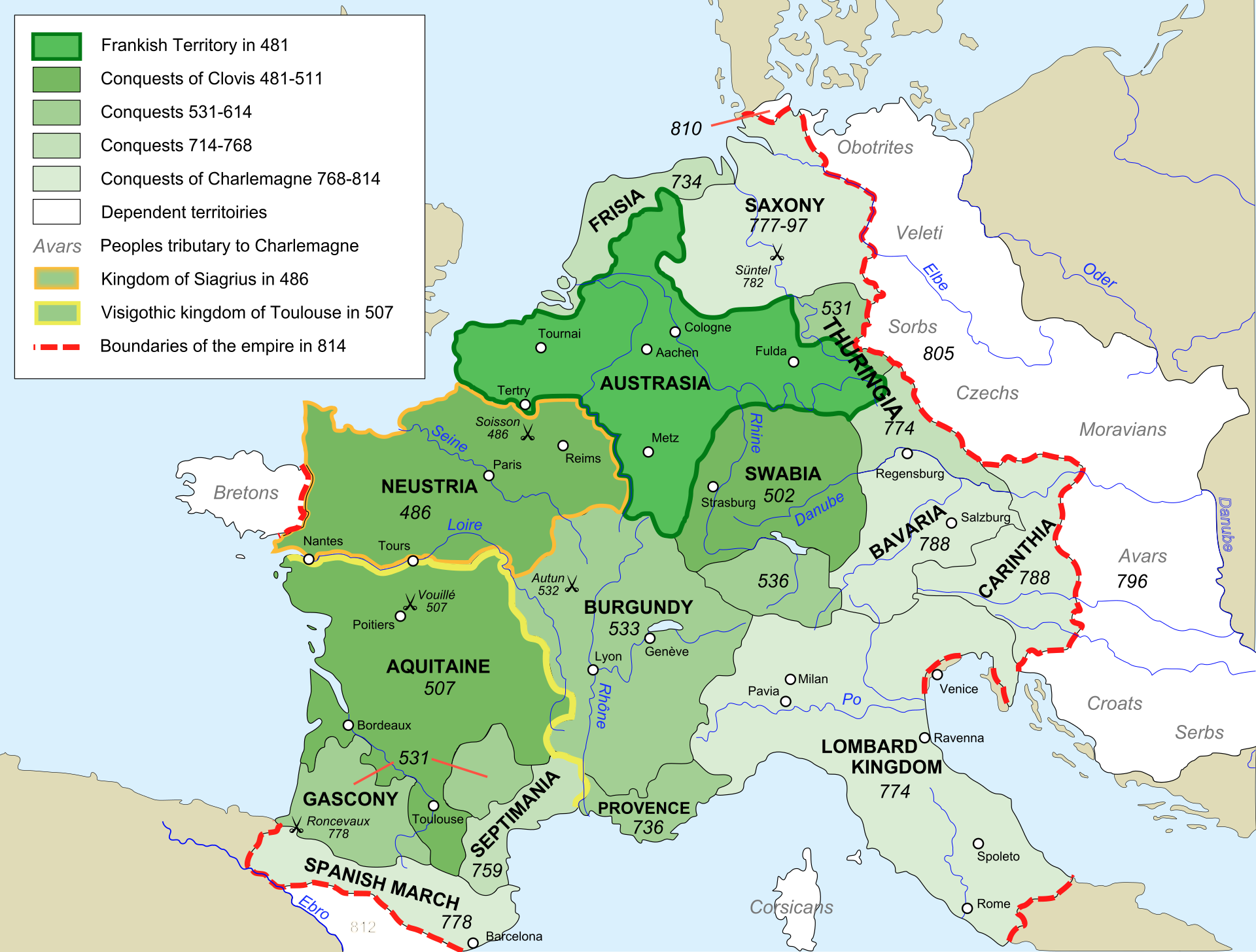
Wikimedia Commons · Creative Commons Attribution-Share Alike 3.0 · file Charlemagne convened a royal assembly at Düren during a year of renewed operations against Saxony. Only the year is supported.
Issued judgment at the Düren palace
· Royal palace site, Düren, Germany

Wikimedia Commons · Public domain · file Charlemagne presided at his palace in Düren over a property dispute involving the bishop of Paris and Abbot Fulrad of Saint-Denis. The precise location of the Carolingian palace within modern Düren is uncertain.
Returned rapidly to the Lippe frontier
· Lippe region, North Rhine-Westphalia, Germany
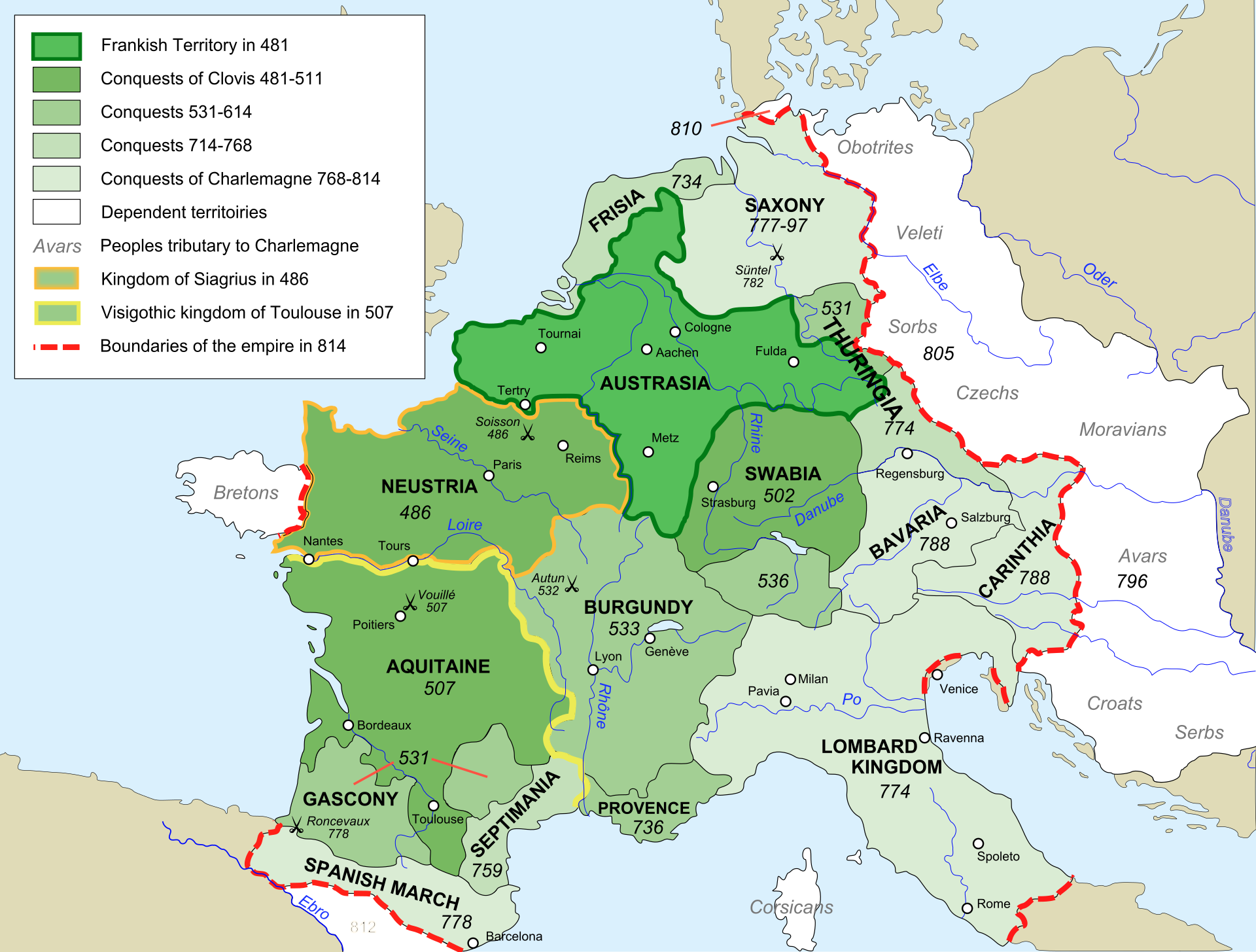
Wikimedia Commons · Creative Commons Attribution-Share Alike 3.0 · file After suppressing rebellion in Italy, Charlemagne returned to Saxony and reached the Lippe before the Saxons learned that he had left Italy. The source names the Lippe region rather than a specific settlement; coordinates represent Bad Lippspringe.
Convened the Paderborn assembly
· Paderborn, North Rhine-Westphalia, Germany
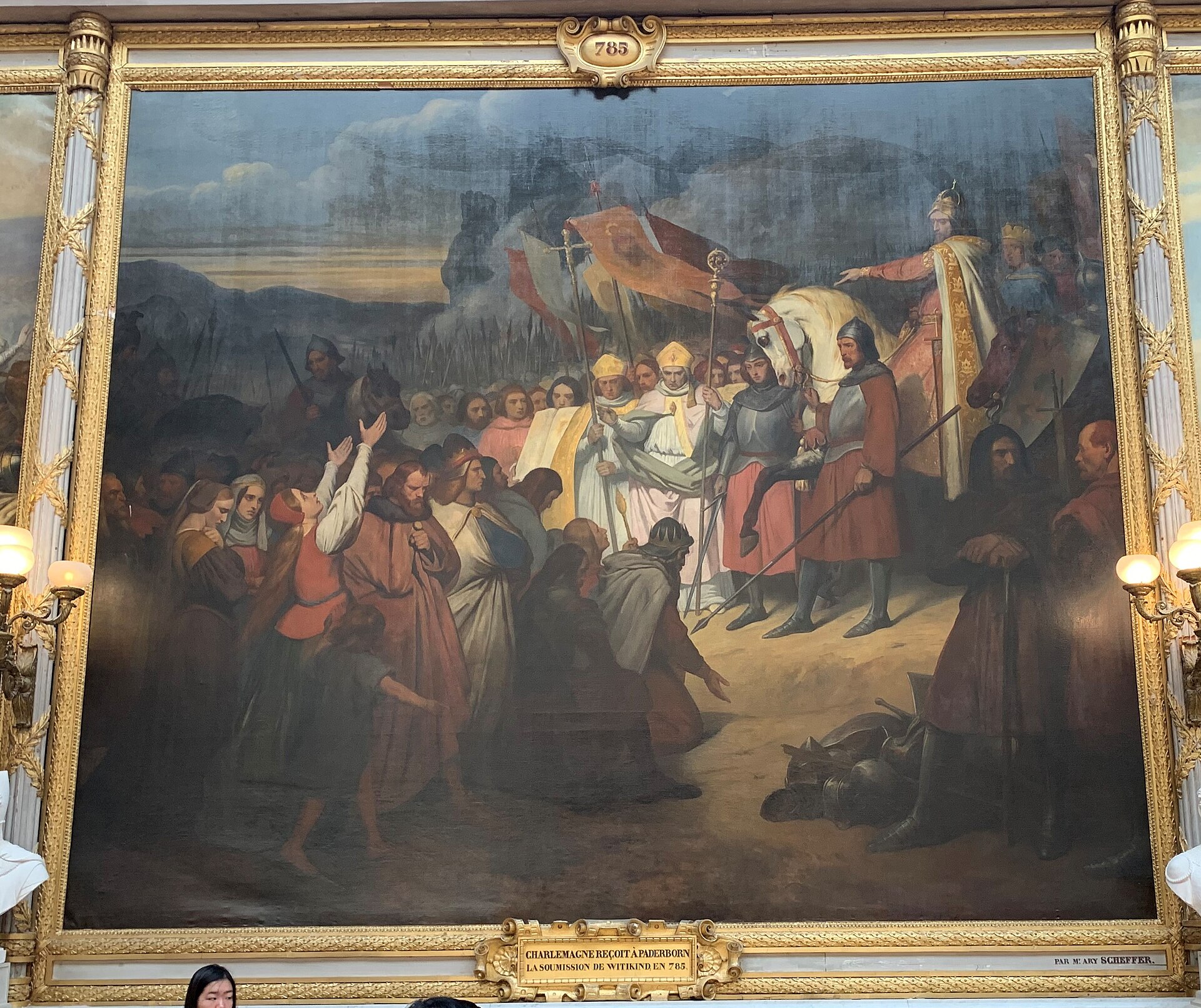
Wikimedia Commons · Public domain · file Charlemagne held a major assembly at Paderborn, receiving Saxon submissions and delegations from dissident leaders in al-Andalus.
Crossed the Pyrenees into Spain
· Pyrenees, France-Spain border
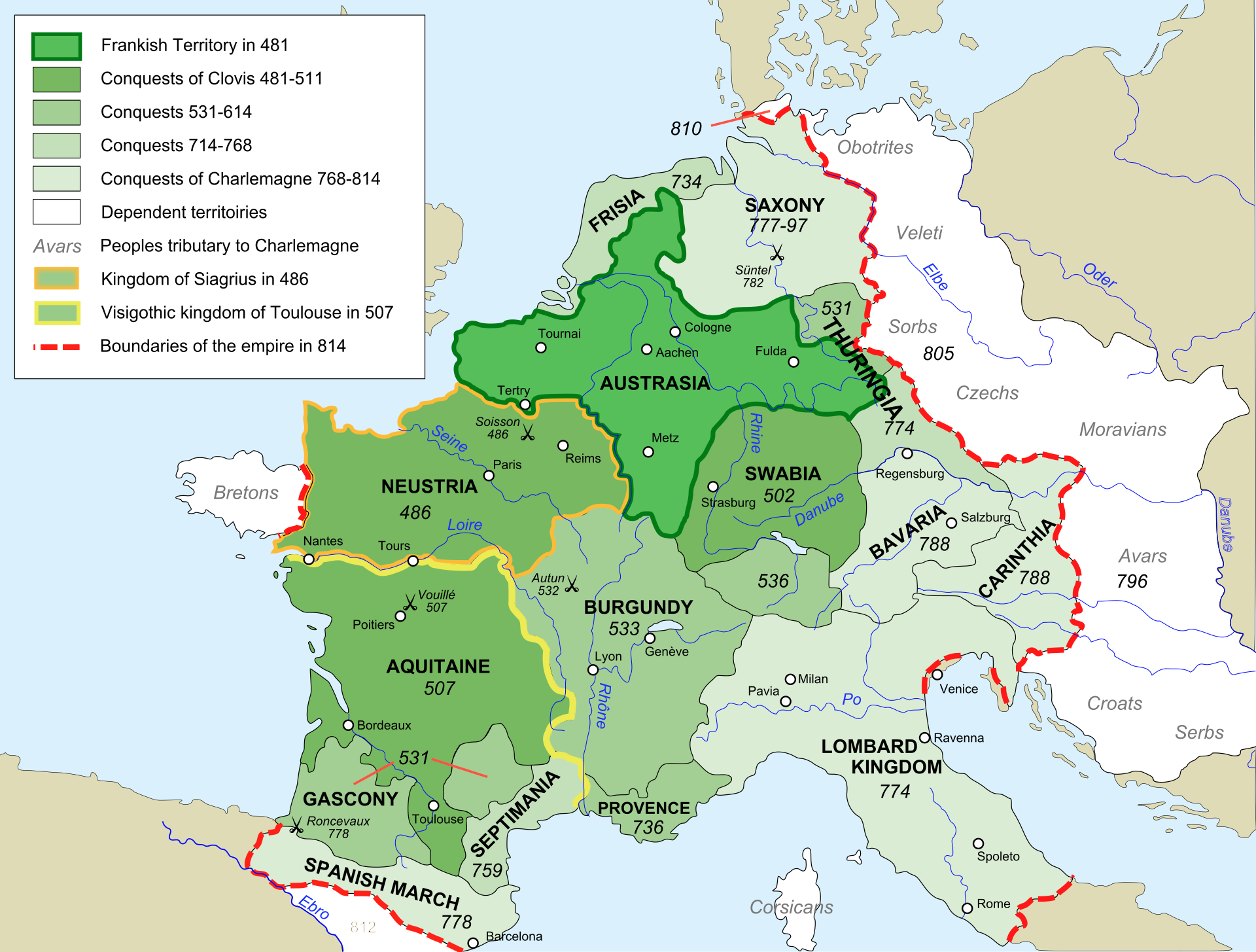
Wikimedia Commons · Creative Commons Attribution-Share Alike 3.0 · file Charlemagne led the Frankish expedition into northern Iberia after agreeing at Paderborn to support dissident Muslim governors. Coordinates are a representative central-Pyrenean point; the precise crossing route is not stated.
Retreated through Roncevaux Pass
· Roncevaux Pass, Navarre, Spain
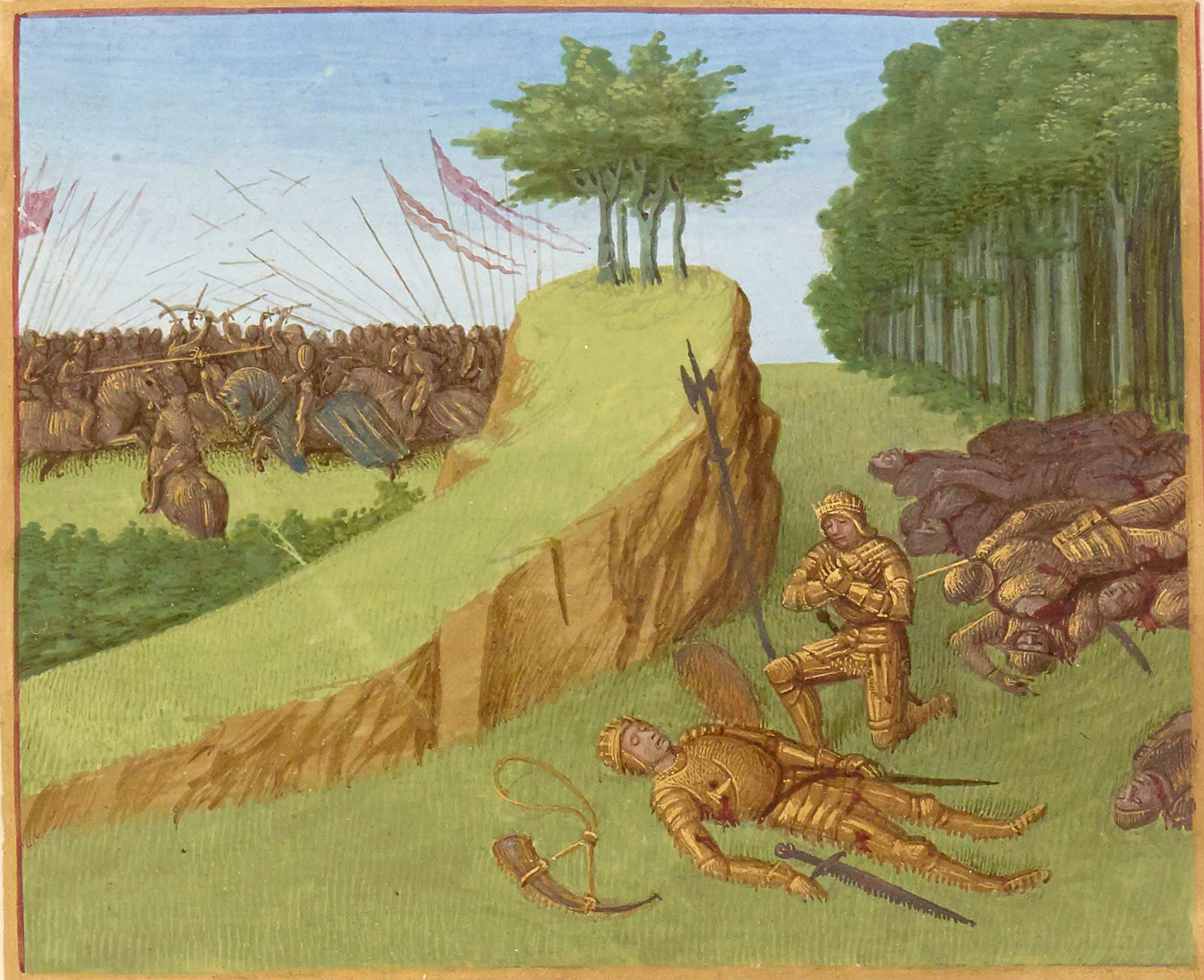
Wikimedia Commons · Public domain · file Charlemagne's returning army passed through Roncevaux, where its rear guard was destroyed in the Basque ambush later memorialized in the Song of Roland. The source establishes the army's retreat through the pass; Charlemagne's personal leadership of the expedition is established by the broader campaign record.
Reached Eresburg again
· Eresburg, Marsberg, North Rhine-Westphalia, Germany
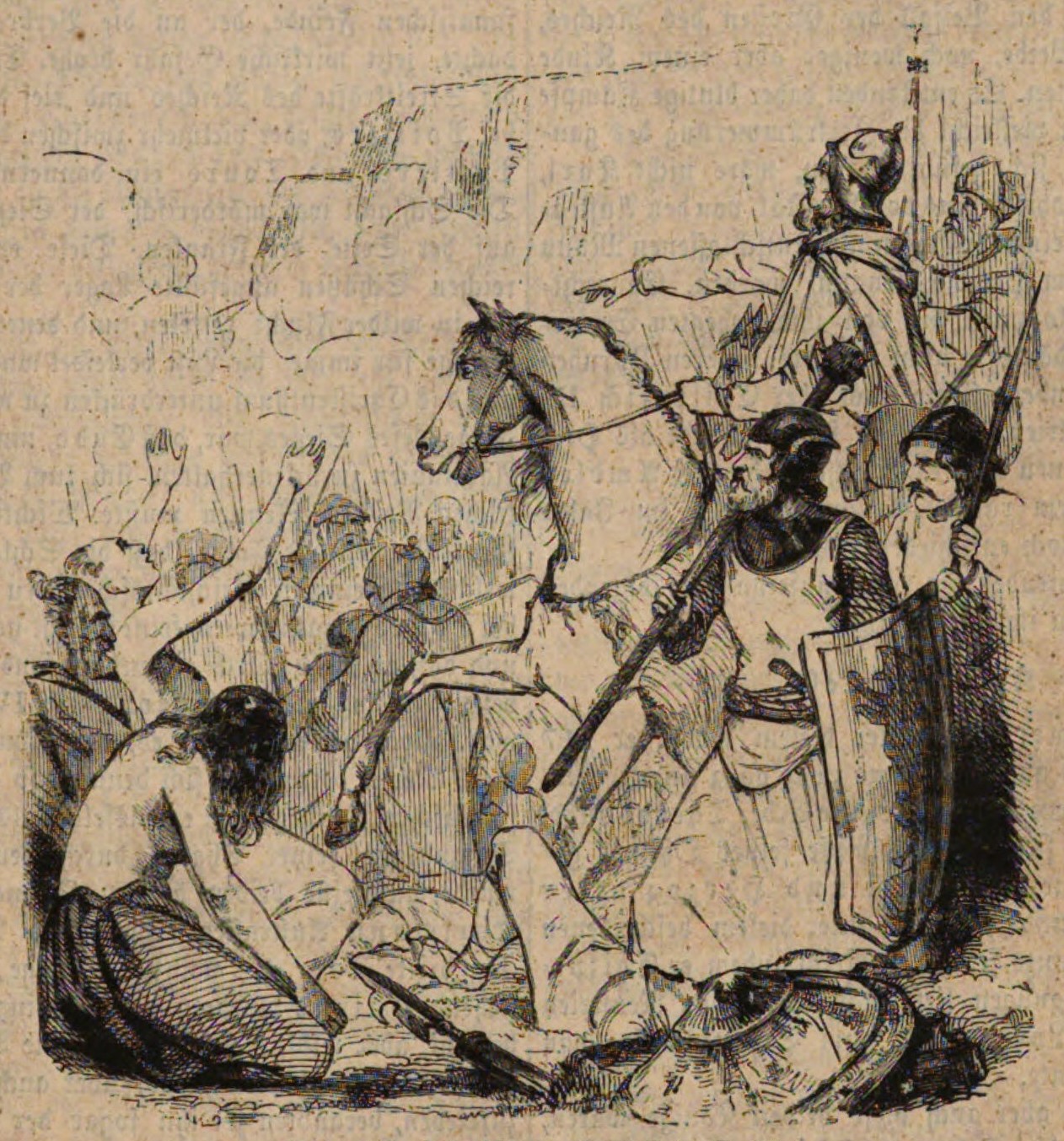
Wikimedia Commons · Public domain · file During the 780 campaign Charlemagne reached the Eresburg stronghold, a recurring base for Frankish operations in Saxony. Only the year is supported.
Returned to Saxony
· Old Saxony, Germany
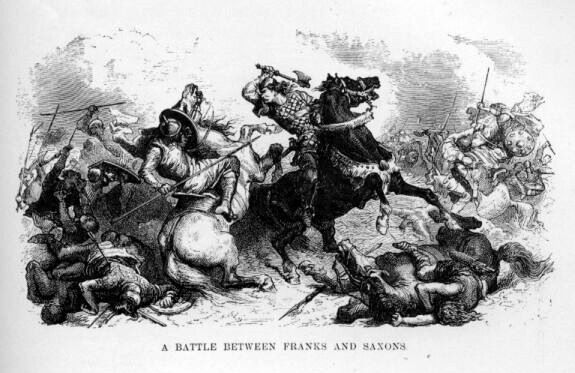
Wikimedia Commons · Public domain · file Charlemagne again entered Saxony with a large army to organize the conquered territory and receive further submissions. Broad regional presence; coordinates represent Paderborn.
Stayed at Bad Lippspringe
· Bad Lippspringe, North Rhine-Westphalia, Germany
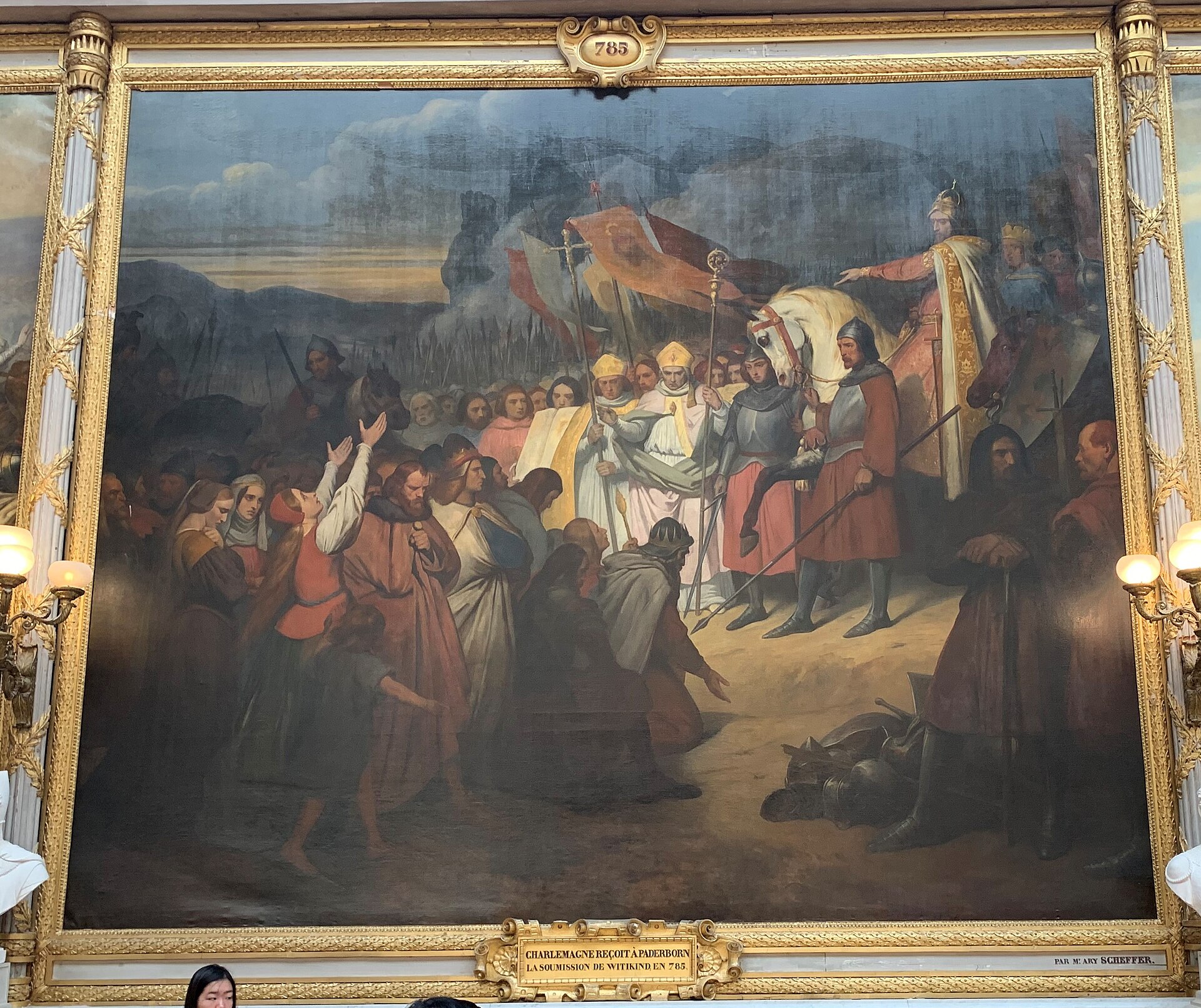
Wikimedia Commons · Public domain · file Charlemagne held an assembly and remained for several days near the source of the Lippe while arranging Saxon affairs. Only the year is supported.
Traveled to Rome with his family
· Rome, Lazio, Italy
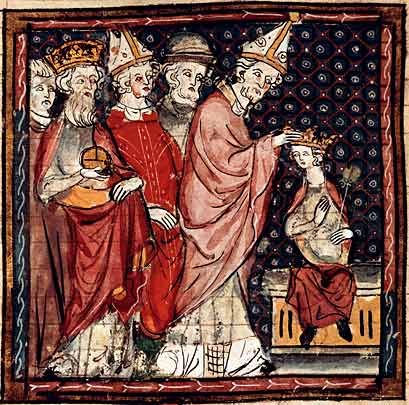
Wikimedia Commons · Public domain · file Charlemagne and Queen Hildegard brought four younger children to Rome, where Pope Adrian baptized and crowned their sons Pepin and Louis. The source supports spring 781 but not a particular month.
Arrived at Verden after the Süntel defeat
· Verden an der Aller, Lower Saxony, Germany
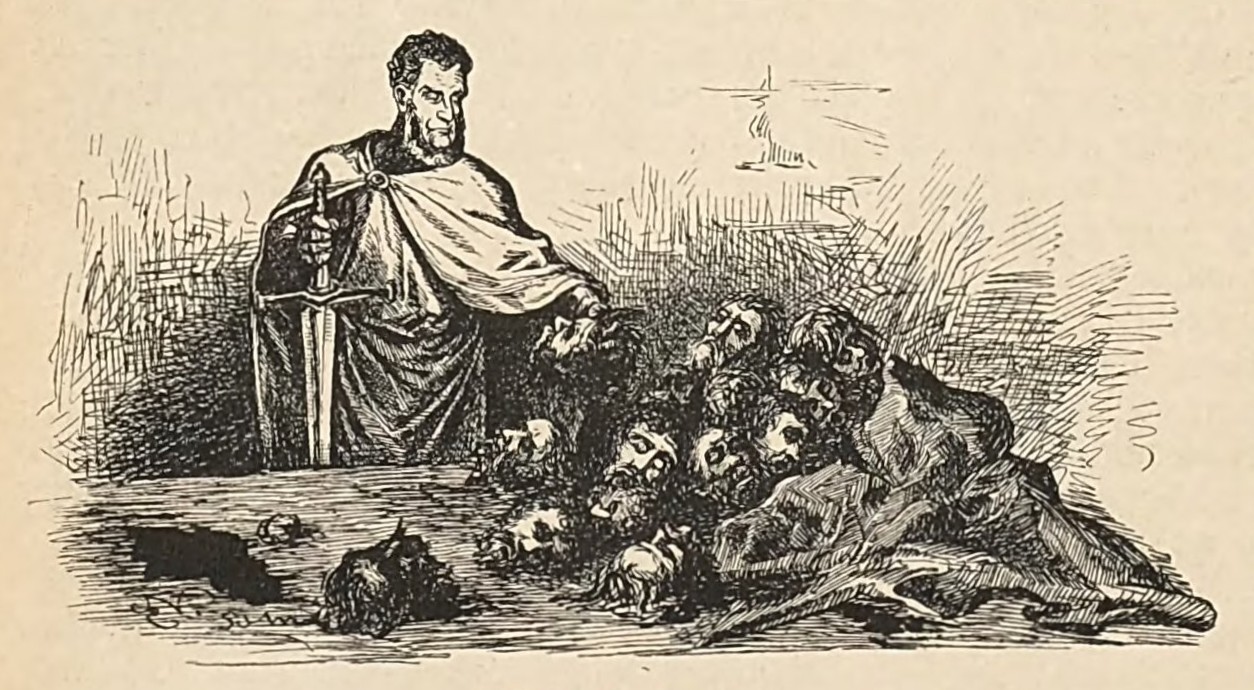
Wikimedia Commons · Creative Commons Public Domain Mark 1.0 · file Charlemagne came to Verden after learning that Widukind's forces had defeated a Frankish army; he then summoned Saxon magnates and conducted the mass execution recorded by the annals.
Held an assembly at the Lippe source
· Bad Lippspringe, North Rhine-Westphalia, Germany
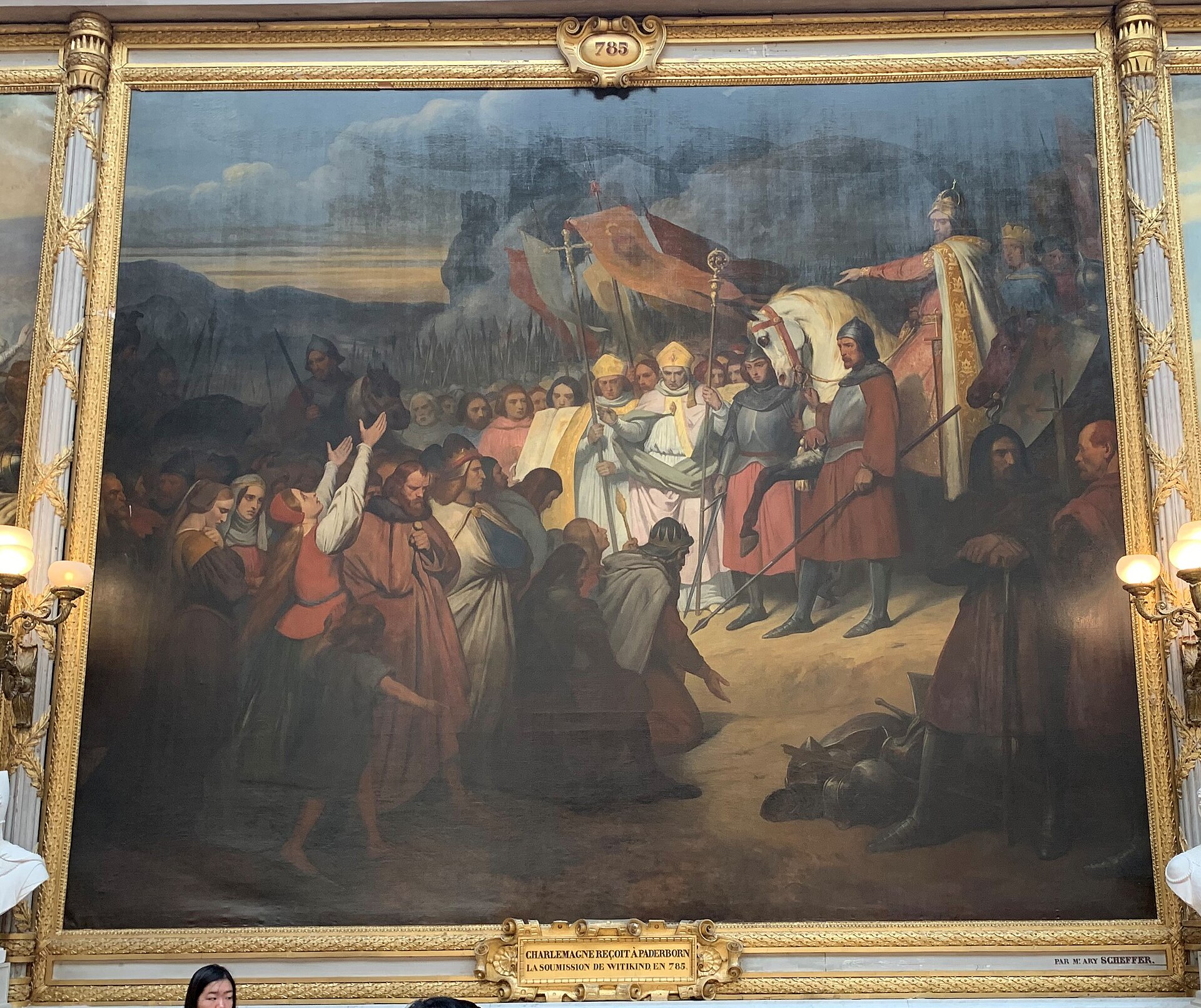
Wikimedia Commons · Public domain · file Charlemagne camped for several days at Bad Lippspringe and held a general assembly attended by Saxon leaders and foreign delegations. Only the year is supported.
Campaigned in Westphalia
· Westphalia, Germany
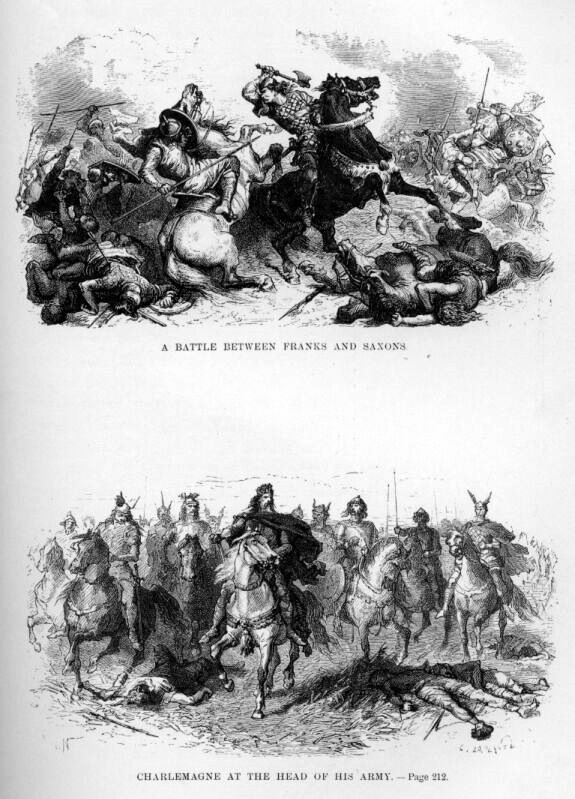
Wikimedia Commons · Public domain · file Charlemagne concentrated the renewed Saxon war in Westphalia after the rebellion and executions of 782. The evidence is regional; coordinates represent Dortmund.
Prepared a winter offensive at Worms
· Worms, Rhineland-Palatinate, Germany
At Worms, Charlemagne received news of his son's victory and resolved to continue the Saxon campaign through the winter. Only the year is supported.
Pushed into Thuringia
· Thuringia, Germany
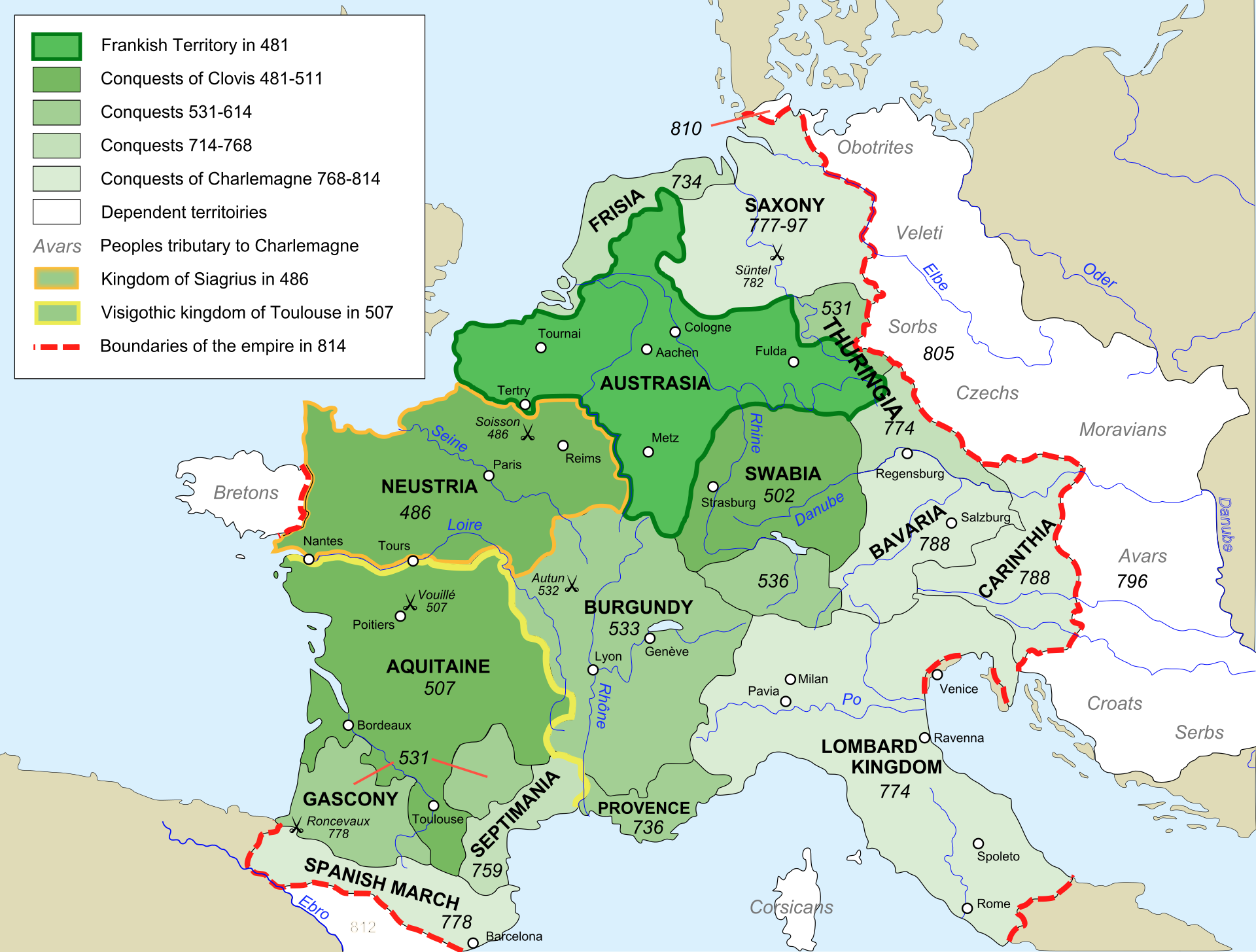
Wikimedia Commons · Creative Commons Attribution-Share Alike 3.0 · file Charlemagne extended the winter campaigning eastward into Thuringia while Charles the Younger operated farther west. Coordinates represent Erfurt as a regional reference point.
Spent Christmas in a Saxon field camp
· Lügde, North Rhine-Westphalia, Germany
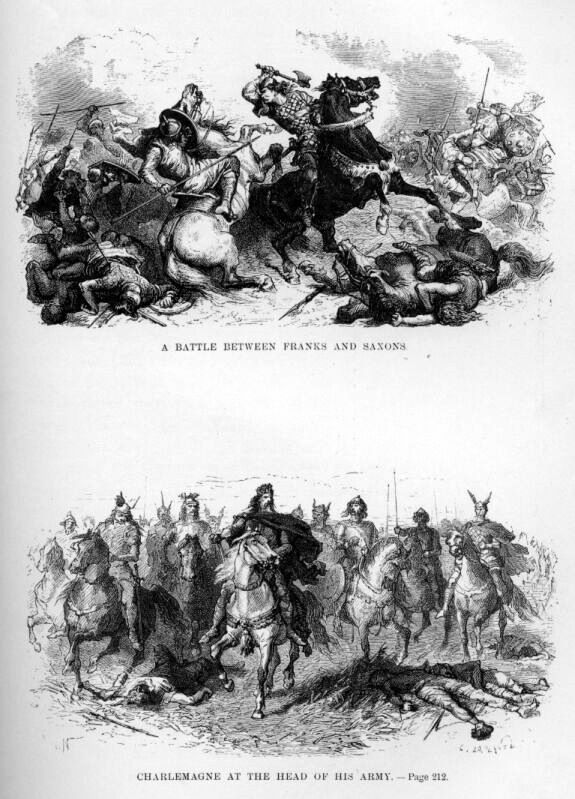
Wikimedia Commons · Public domain · file Breaking with the normal seasonal rhythm of campaigning, Charlemagne celebrated Christmas in a military camp near Lügde and Schiederburg. Coordinates represent modern Lügde; the camp was described as near Schiederburg on the Emmer.
Based operations at Eresburg
· Eresburg, Marsberg, North Rhine-Westphalia, Germany
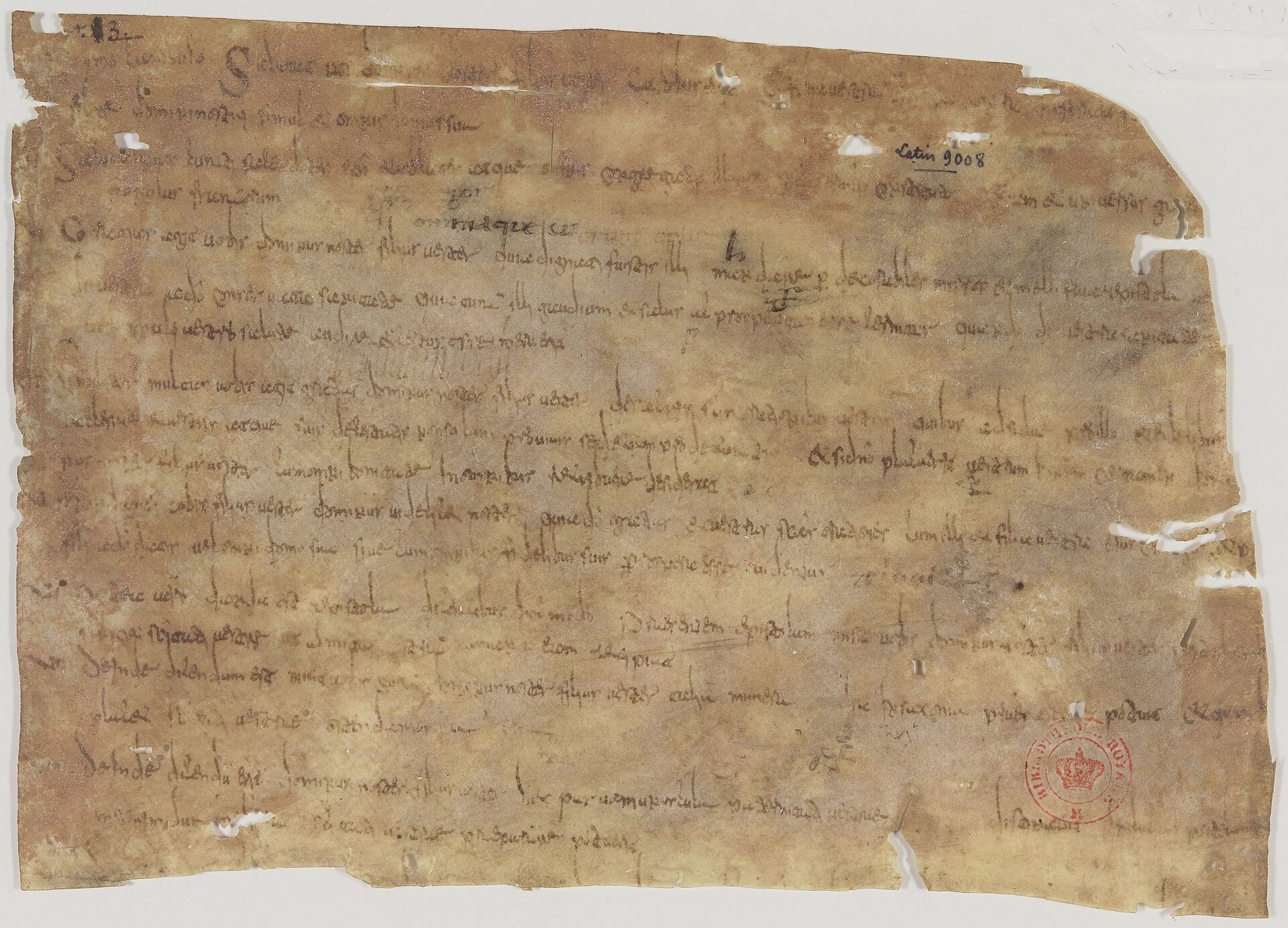
Wikimedia Commons · Public domain · file Charlemagne summoned his wife and children to Eresburg and used the stronghold as a base for destructive raids against remaining Saxon resistance. Only the year is supported.
Wintered in central Saxony
· Minden, North Rhine-Westphalia, Germany
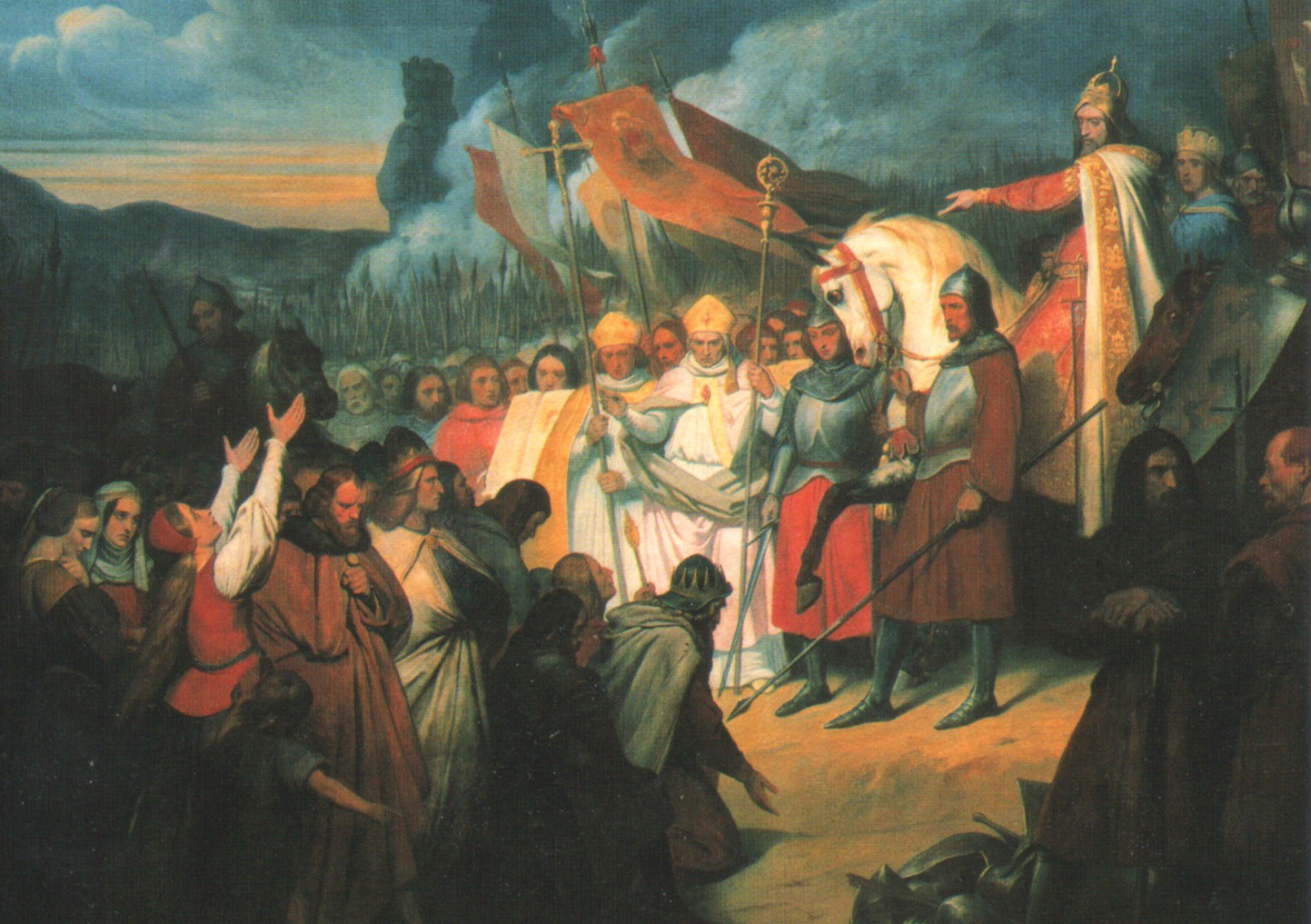
Wikimedia Commons · Public domain · file Charlemagne maintained unusual year-round pressure on the Saxon resistance by wintering with his forces around Minden. The source gives no narrower date within the 783–785 warfare.
Camped near Augsburg against Bavaria
· Augsburg, Bavaria, Germany
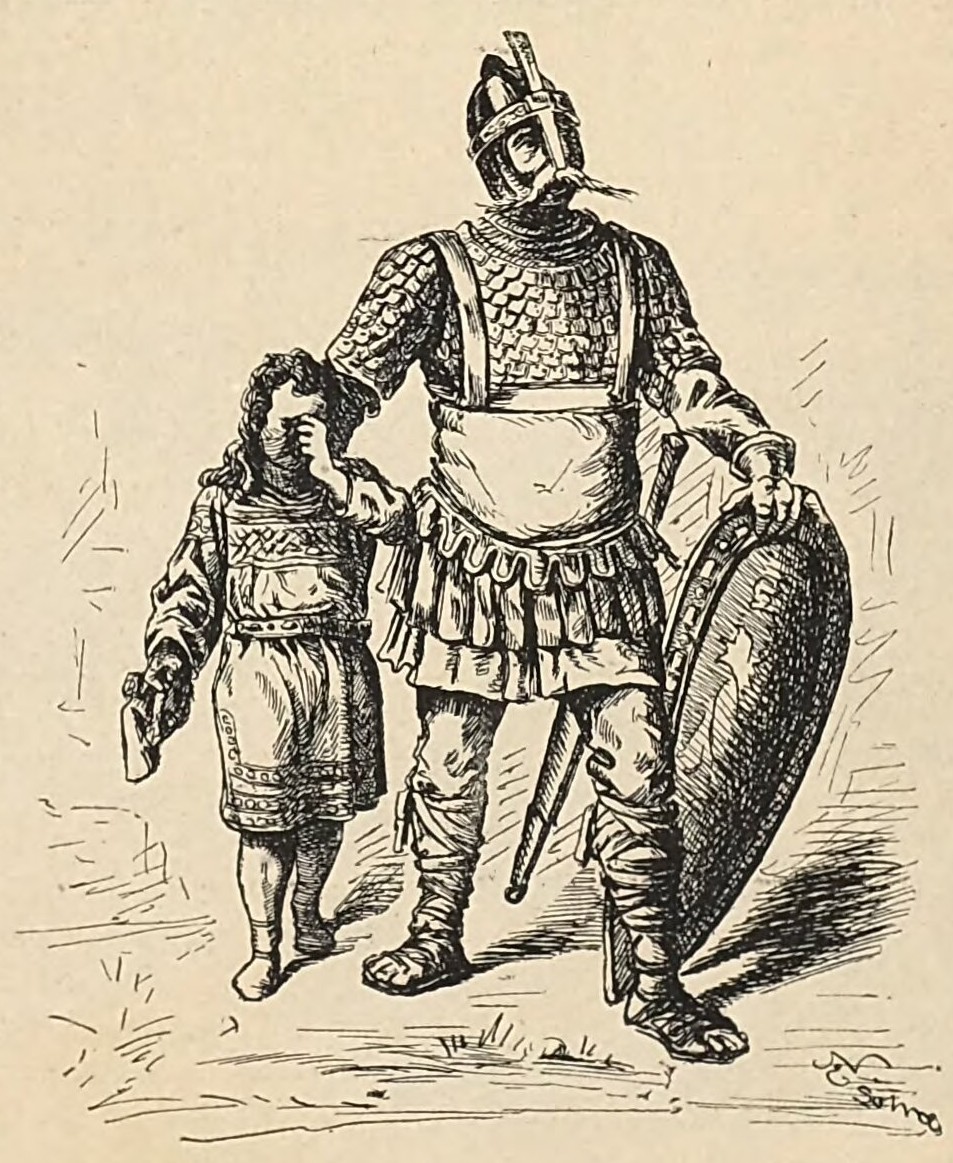
Wikimedia Commons · Public domain · file Charlemagne led the central Frankish army through Alamannia to the Lech and camped outside Augsburg while pressuring Duke Tassilo into submission. The exact field camp is uncertain; coordinates represent Augsburg.
Marched into Benevento
· Benevento, Campania, Italy
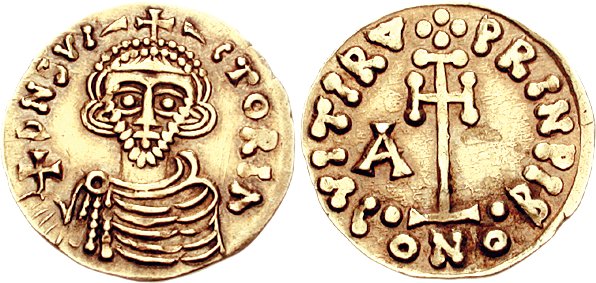
Wikimedia Commons · GNU Free Documentation License, Version 1.2 or any later version · file After reaching Italy during the winter of 786–787, Charlemagne advanced into the southern Lombard Duchy of Benevento and compelled Duke Arechis to submit. The march occurred during the Italian expedition spanning 786–787; the card uses 787 because the southern operations and surviving charters belong to that year.
Returned to Worms
· Worms, Rhineland-Palatinate, Germany
After Tassilo's submission and the Bavarian demonstration of force, Charlemagne returned to Worms. Only the year is supported.
Issued a charter at Capua
· Capua, Campania, Italy

Wikimedia Commons · Public domain · file Charlemagne confirmed the property and immunity of the church of Benevento while at Capua during his southern Italian expedition.
Established a base at Regensburg
· Regensburg, Bavaria, Germany
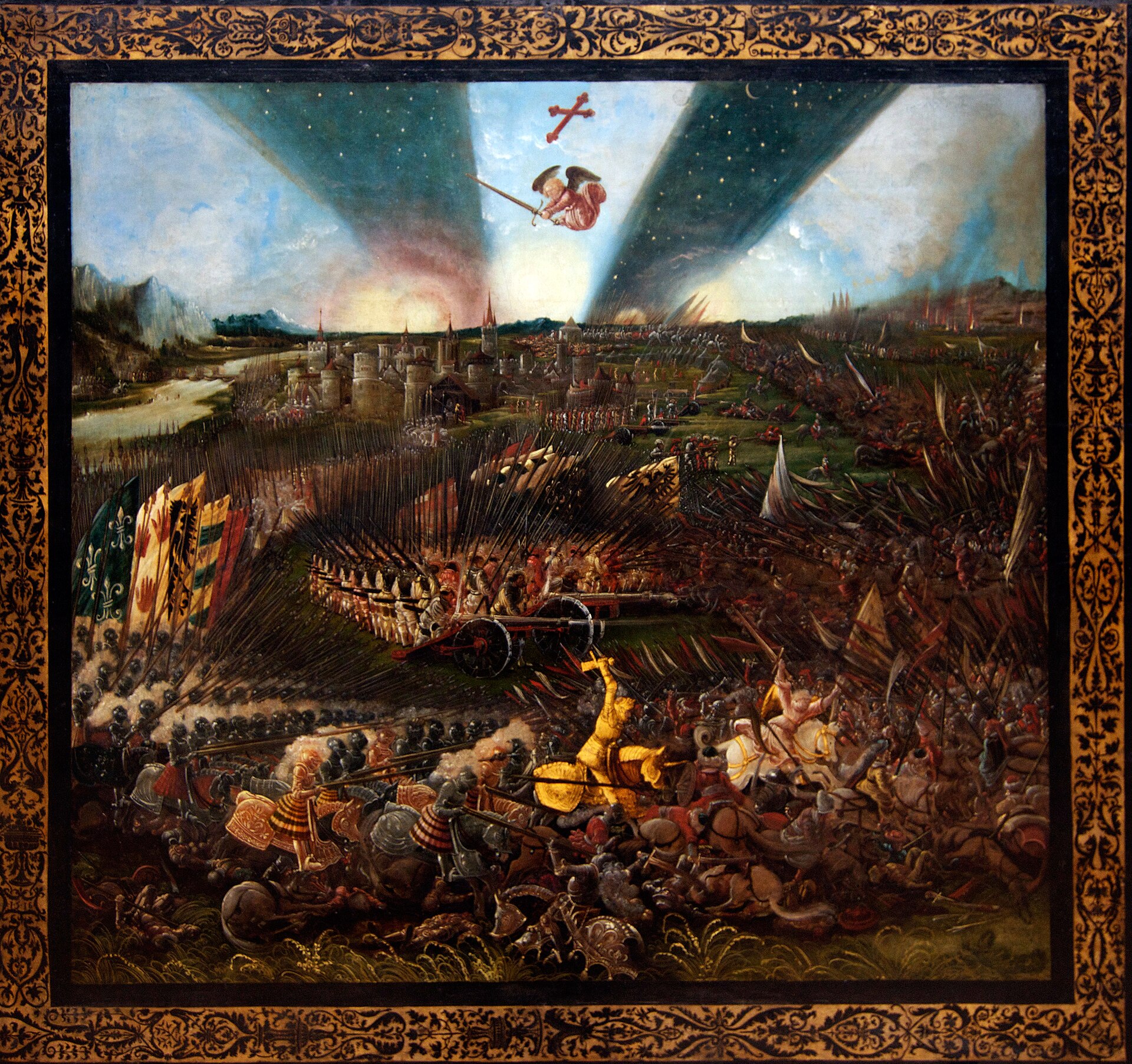
Wikimedia Commons · Public domain · file Following Tassilo's deposition and Bavaria's incorporation, Charlemagne based himself at Regensburg while consolidating the duchy and preparing operations against the Avars. The source describes a multi-year base beginning after Bavaria's absorption in 788.
Issued charters at Worms before the palace fire
· Worms, Rhineland-Palatinate, Germany

Wikimedia Commons · Public domain · file Charlemagne was at Worms in early 790, shortly before the royal palace there burned and ceased to function as a principal residence. The itinerary database uses day 1 where only the month is securely assigned; date is therefore given as March 790.
Invaded the Avar realm along the Danube
· Enns River frontier, Upper Austria, Austria
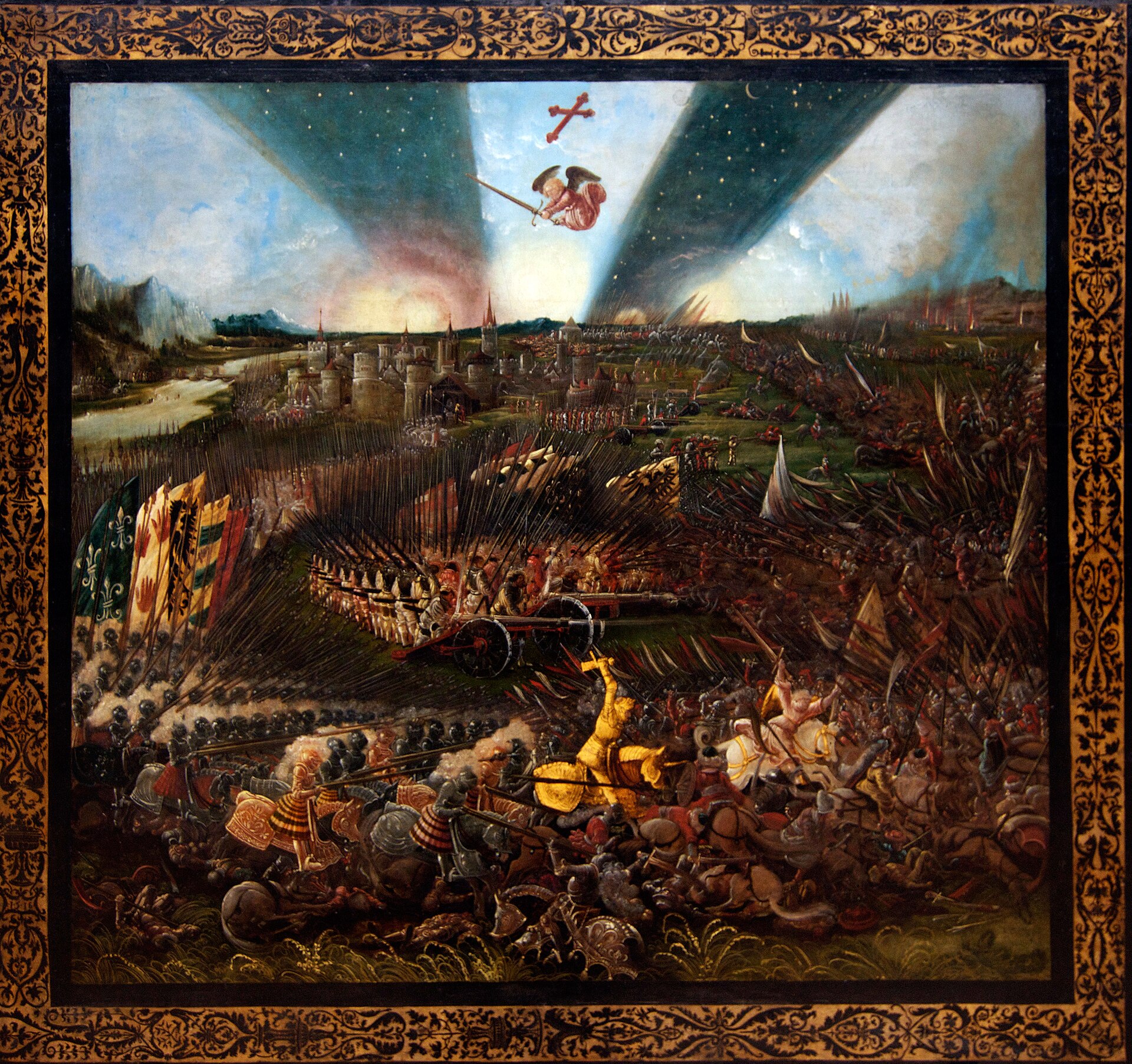
Wikimedia Commons · Public domain · file Charlemagne personally led the main Frankish army eastward along the Danube and crossed the Enns frontier into Avar territory. Coordinates represent the Danube-Enns confluence, a defensible point on the documented invasion route.
Held a council at Regensburg
· Regensburg, Bavaria, Germany

Wikimedia Commons · Public domain · file Charlemagne summoned a council at Regensburg to address Spanish Adoptionism and formulate a Frankish response to the Second Council of Nicaea.
Spent Easter at Regensburg
· Regensburg, Bavaria, Germany
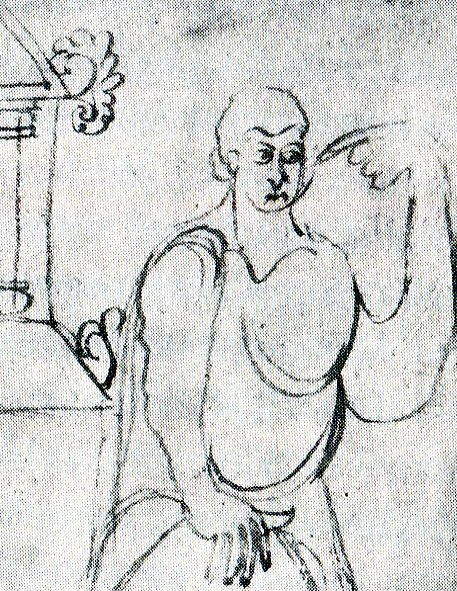
Wikimedia Commons · Public domain · file Charlemagne celebrated Easter at Regensburg while the Bavarian capital remained his principal base for Avar policy and court business.
Convened the Council of Frankfurt
· Frankfurt am Main, Hesse, Germany
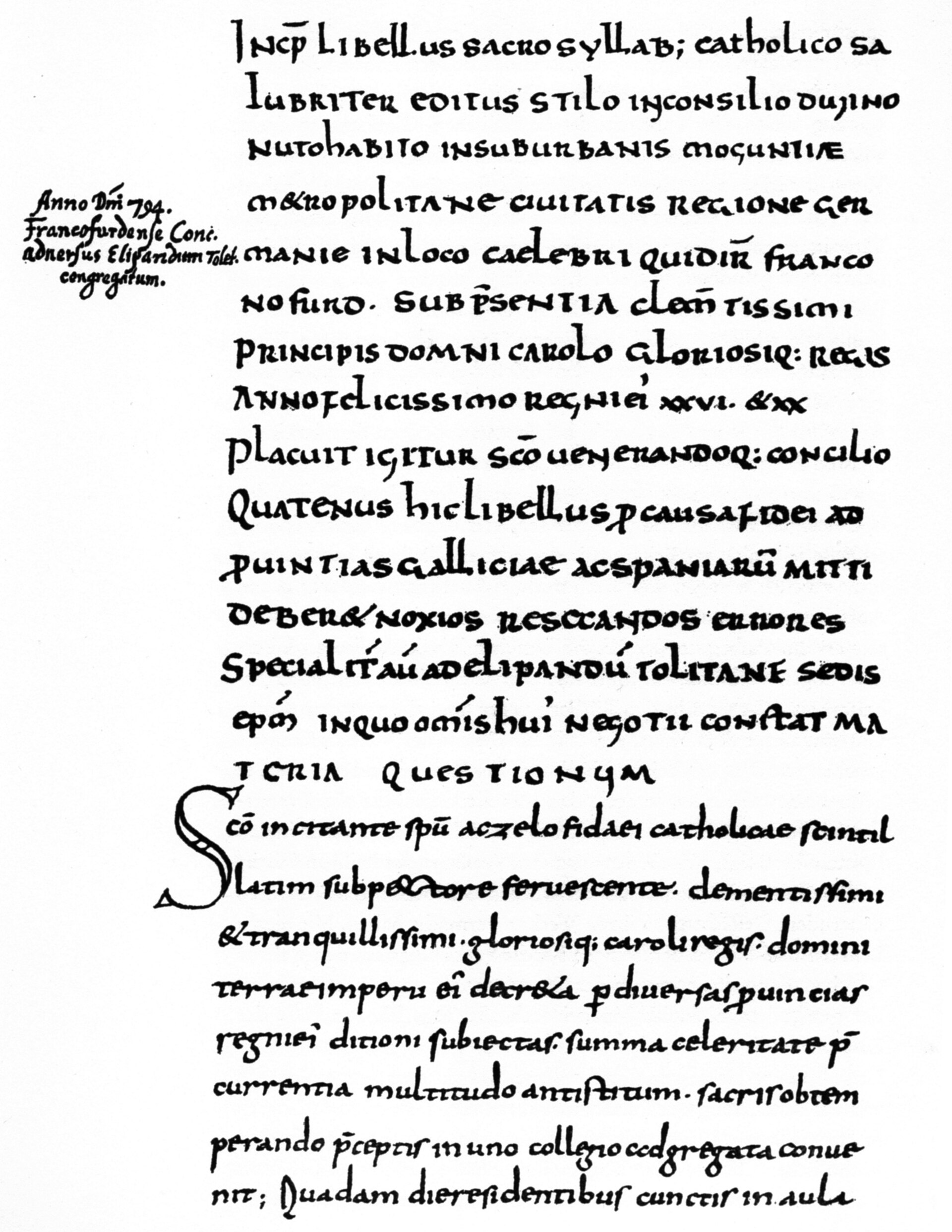
Wikimedia Commons · Public domain · file Charlemagne presided over the major Frankfurt council, which addressed theology, Tassilo's deposition, monetary reform, grain prices, and ecclesiastical discipline.
Spent Christmas at Aachen
· Palace of Aachen, Aachen, Germany
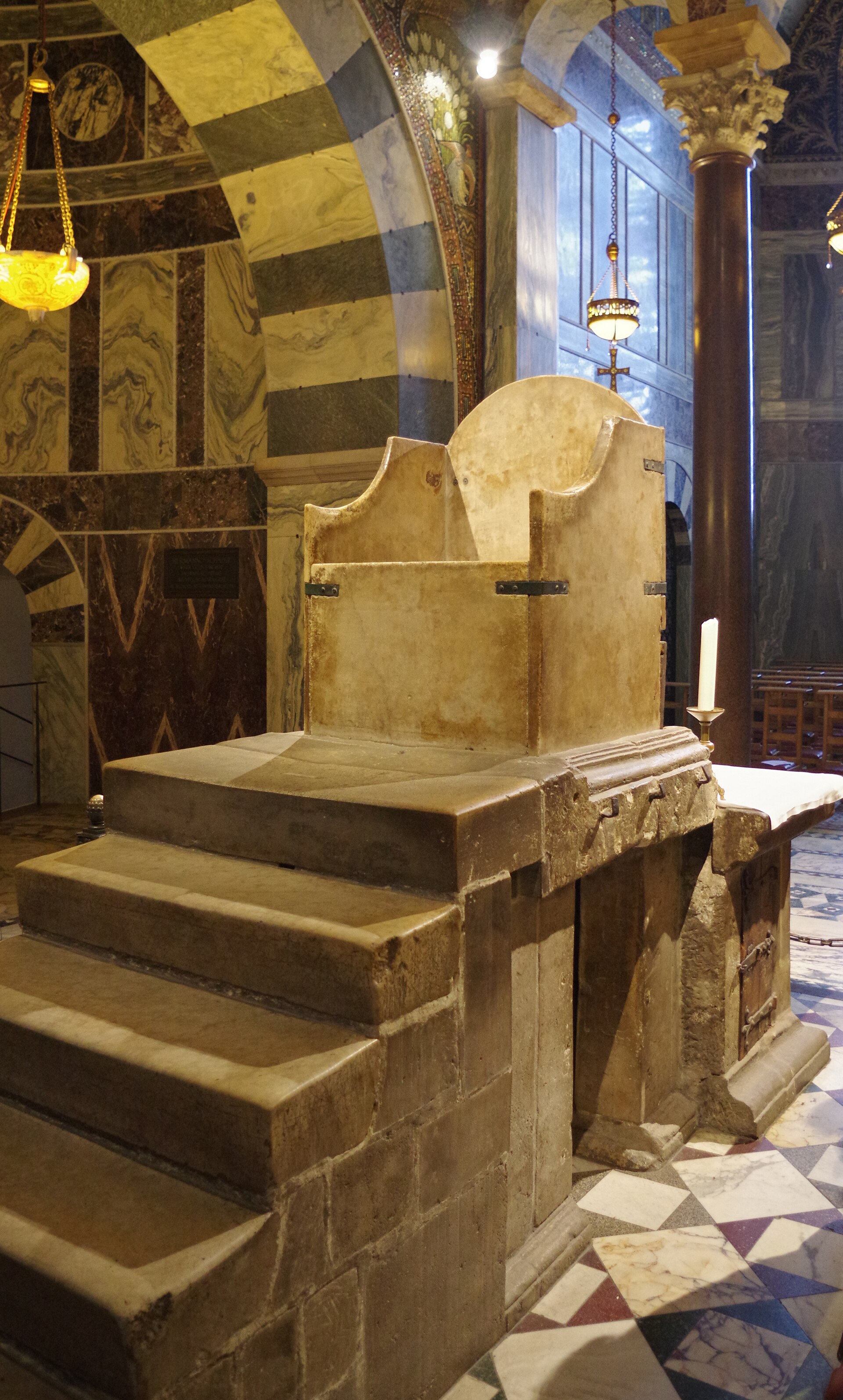
Wikimedia Commons · Creative Commons Attribution-Share Alike 3.0 · file After the Frankfurt council and renewed Saxon campaigning, Charlemagne celebrated Christmas at his increasingly important Aachen palace.
Maintained residence at Aachen
· Palace of Aachen, Aachen, Germany
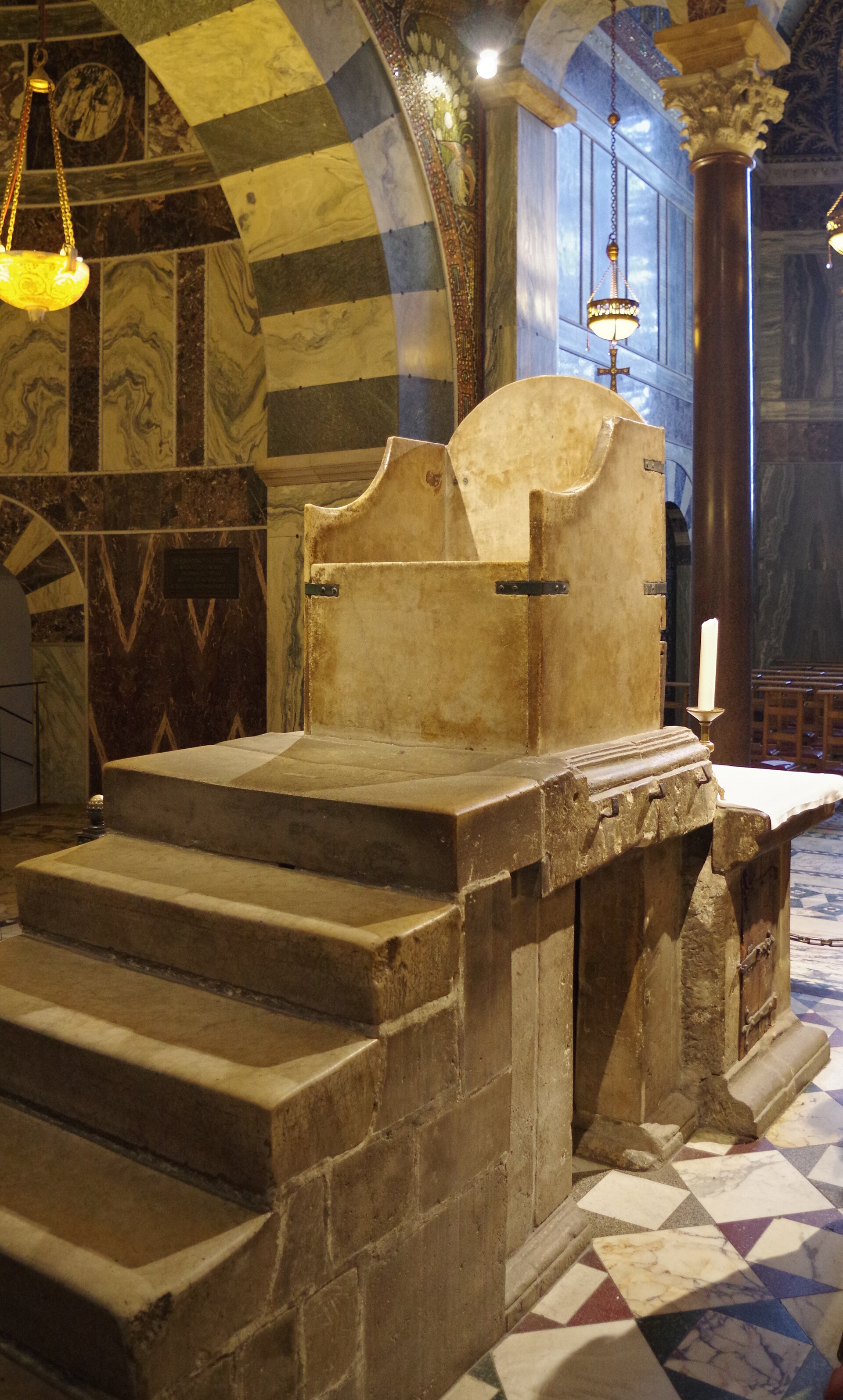
Wikimedia Commons · Creative Commons Attribution-Share Alike 3.0 · file Charlemagne remained at Aachen for an extended period as the palace developed into the principal center of his court. The row indicates residence through the end of the year but does not define its starting date.
Crossed the Weser during the Saxon campaign
· Elsfleth, Lower Saxony, Germany
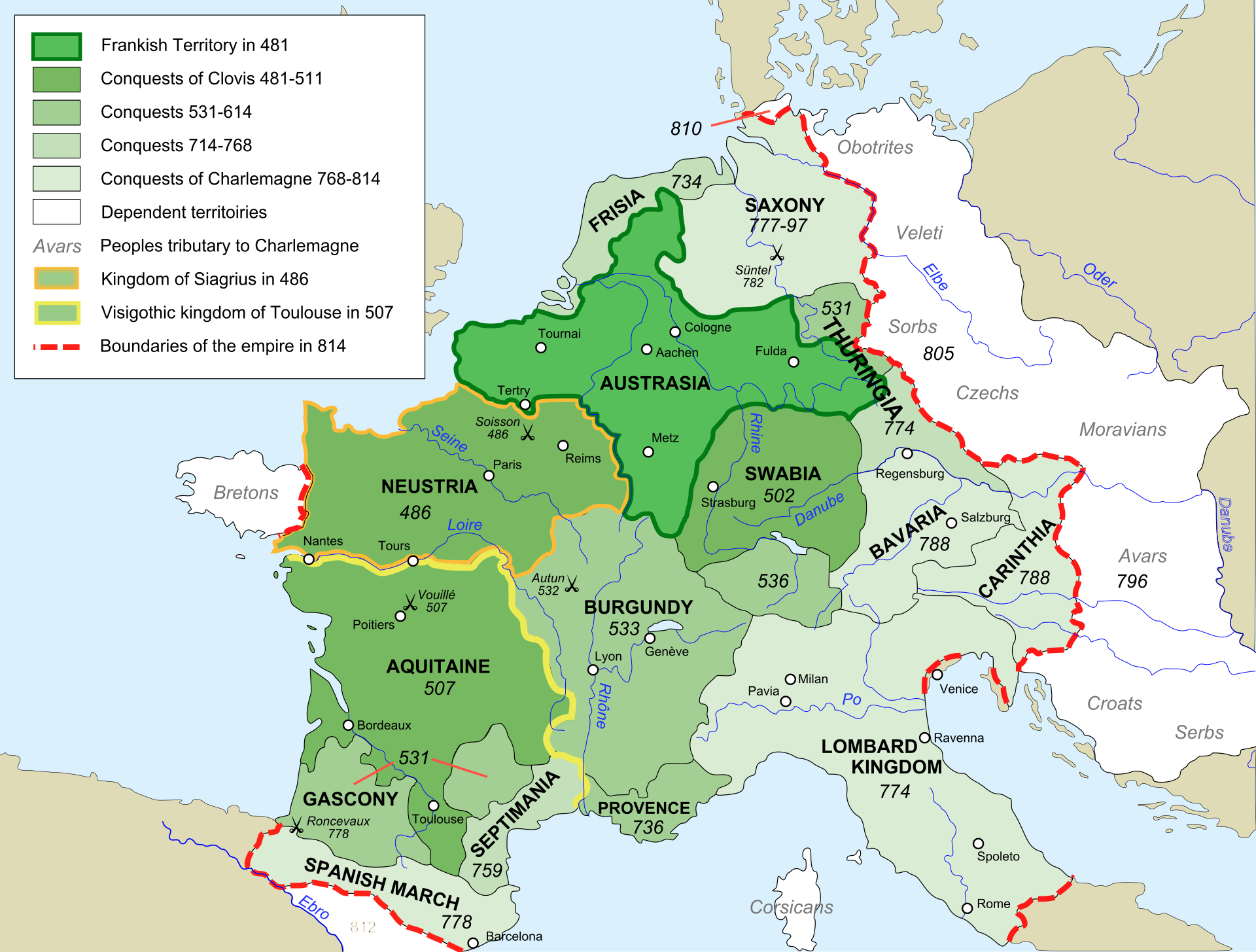
Wikimedia Commons · Creative Commons Attribution-Share Alike 3.0 · file Charlemagne's itinerary records a Weser crossing and bridge construction during his northern expedition, though the precise identification of the site remains disputed. The source discusses competing identifications, including Elsfleth, Leese, and Alsen; coordinates follow the database's modern identification.
Returned personally to Saxony
· Old Saxony, Germany
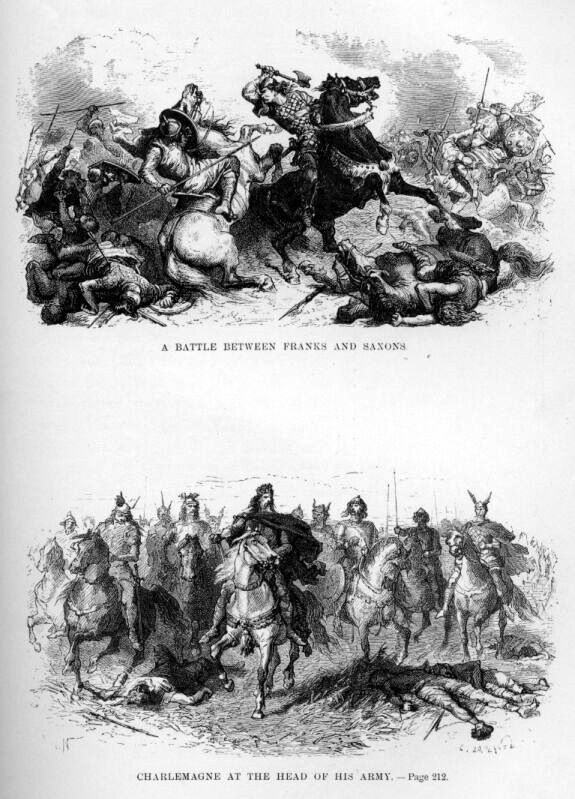
Wikimedia Commons · Public domain · file Charlemagne led another expedition into Saxony while simultaneous armies operated against the Avars and Muslim frontier territories. Broad regional presence; coordinates represent Minden.
Reached the North Sea at Hadeln
· Cuxhaven, Lower Saxony, Germany
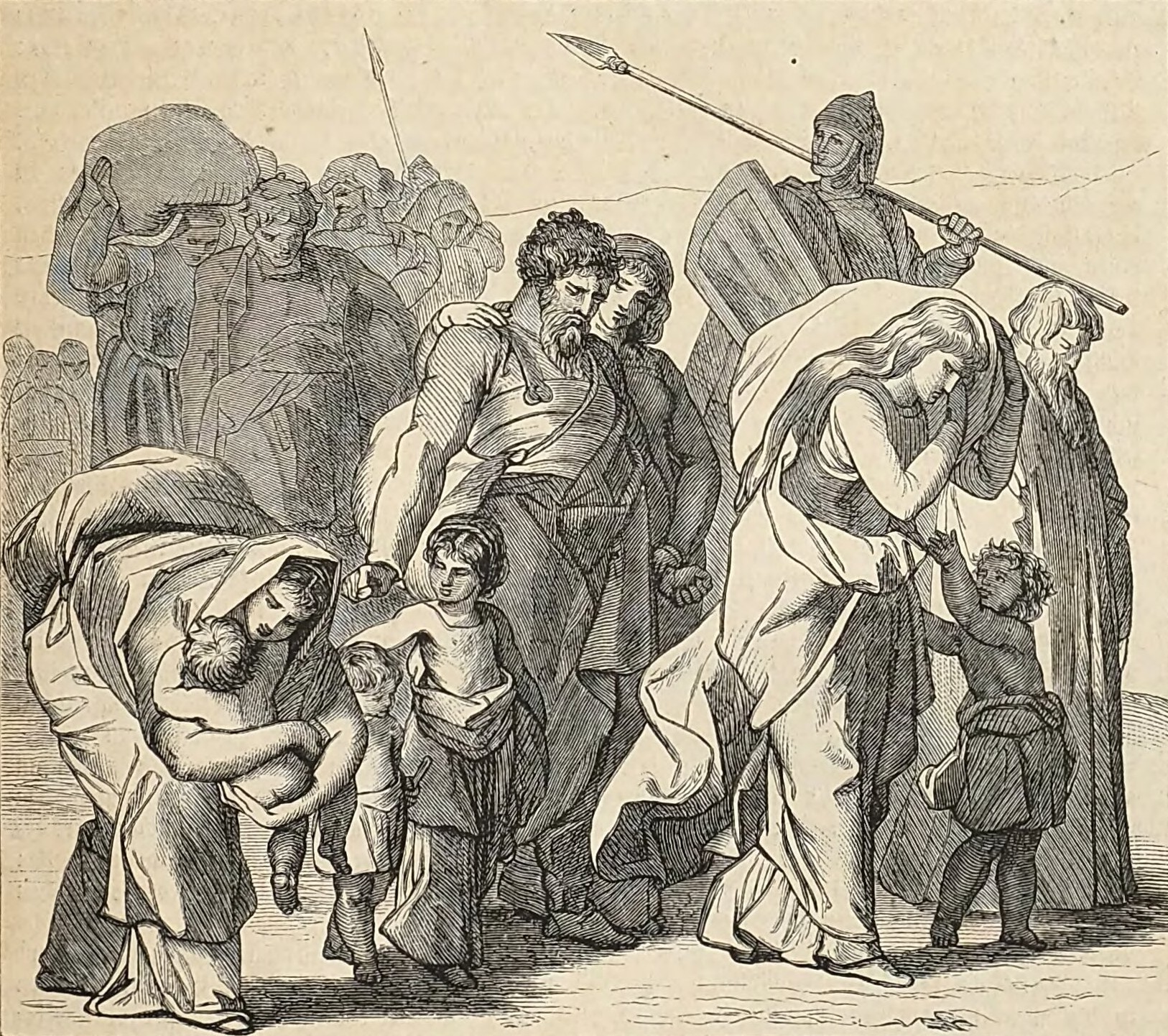
Wikimedia Commons · Public domain · file Charlemagne advanced through difficult marshland to the North Sea coast and received renewed submissions from Saxons and Frisians. The historical district was Hadeln near the Elbe estuary; coordinates represent Cuxhaven.
Returned to Aachen from the North Sea
· Palace of Aachen, Aachen, Germany
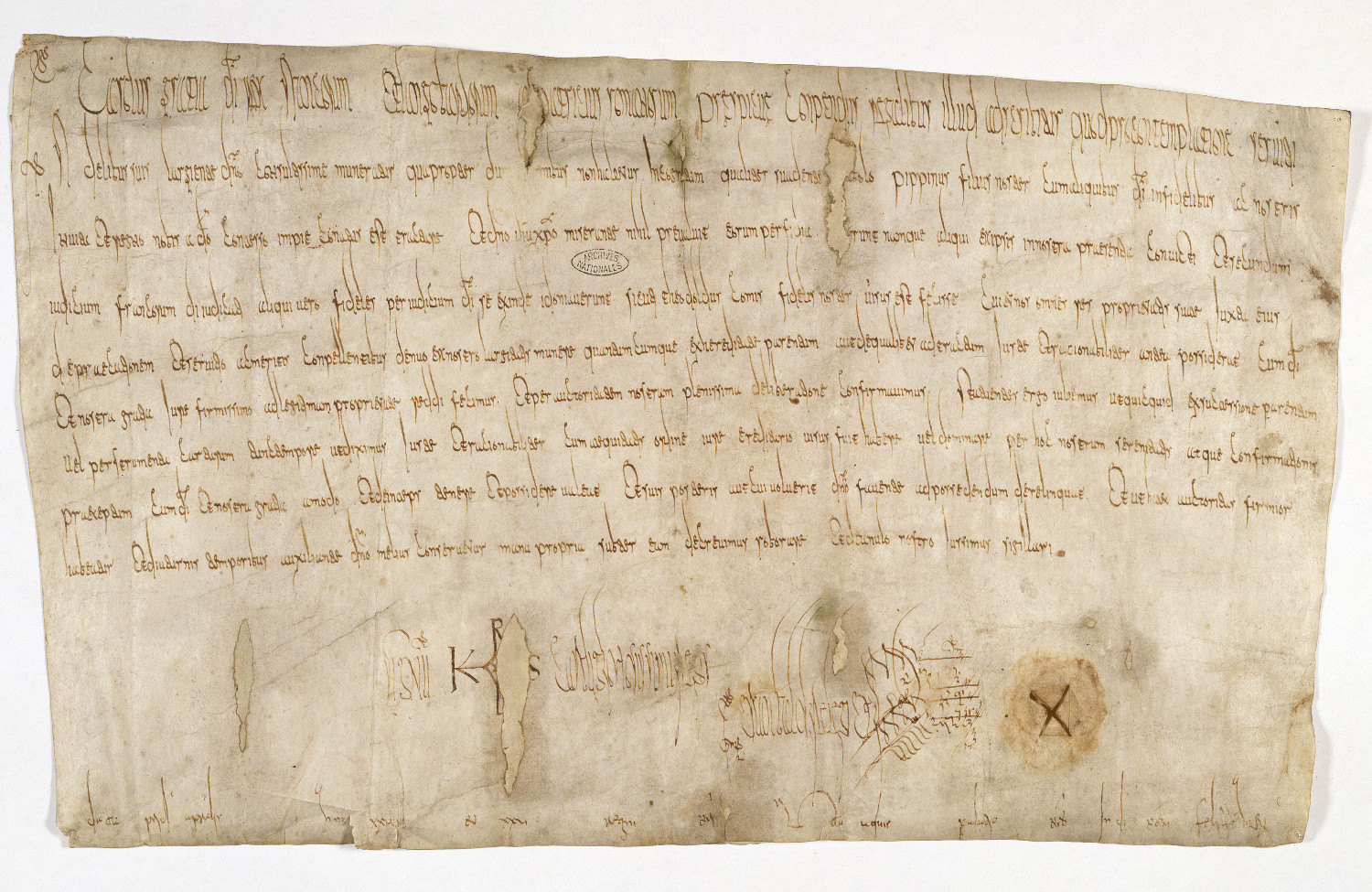
Wikimedia Commons · Public domain · file After the Hadeln expedition, Charlemagne returned to Aachen and received Muslim and Byzantine diplomatic representatives. Only the year is supported.
Wintered at Aachen after the Saxon campaign
· Palace of Aachen, Aachen, Germany
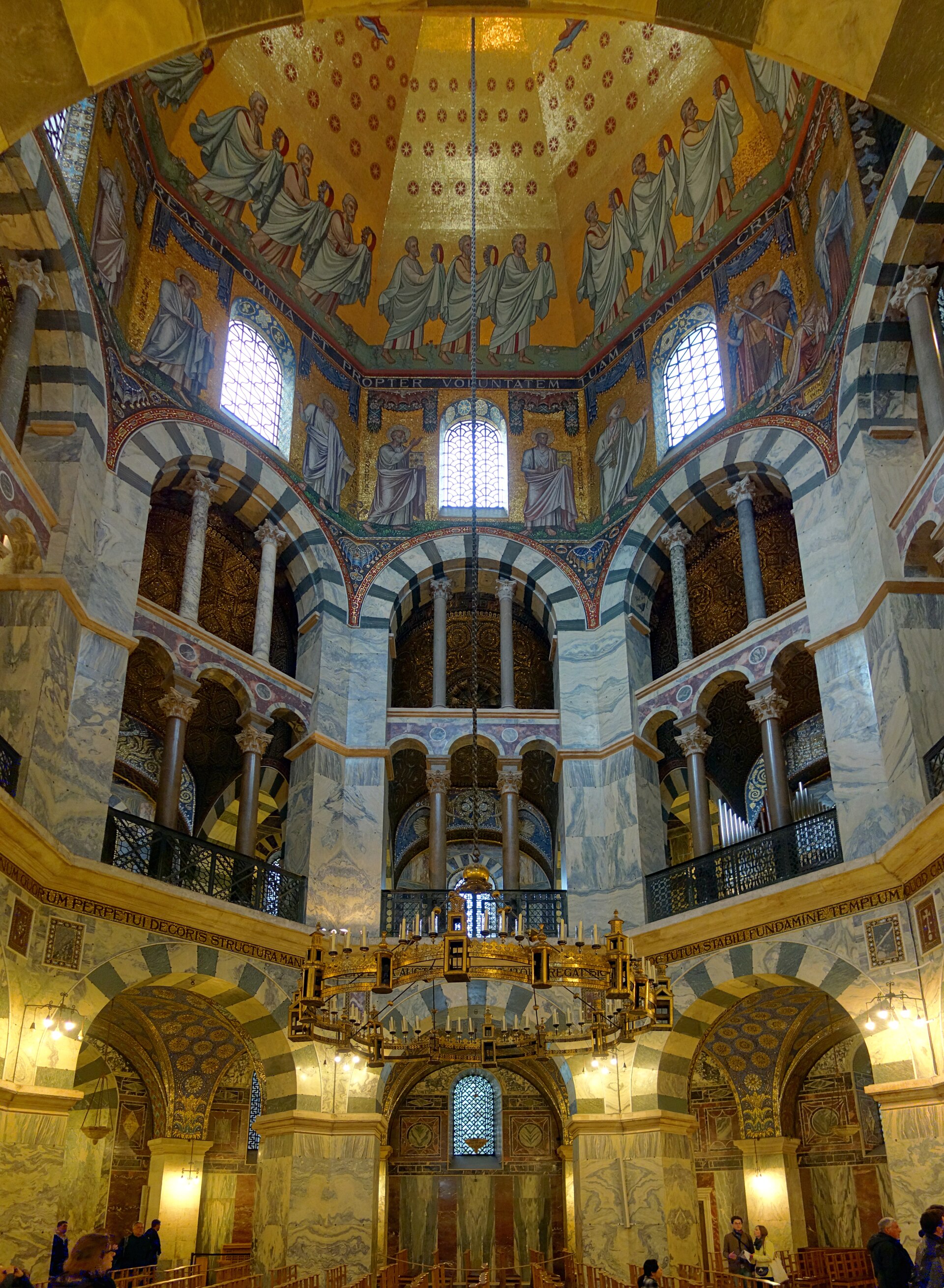
Wikimedia Commons · Creative Commons Attribution-Share Alike 3.0 · file Charlemagne returned from Saxony and spent the winter at Aachen while preparing the intervention that would take him to Rome.
Met Pope Leo III at Paderborn
· Paderborn, North Rhine-Westphalia, Germany
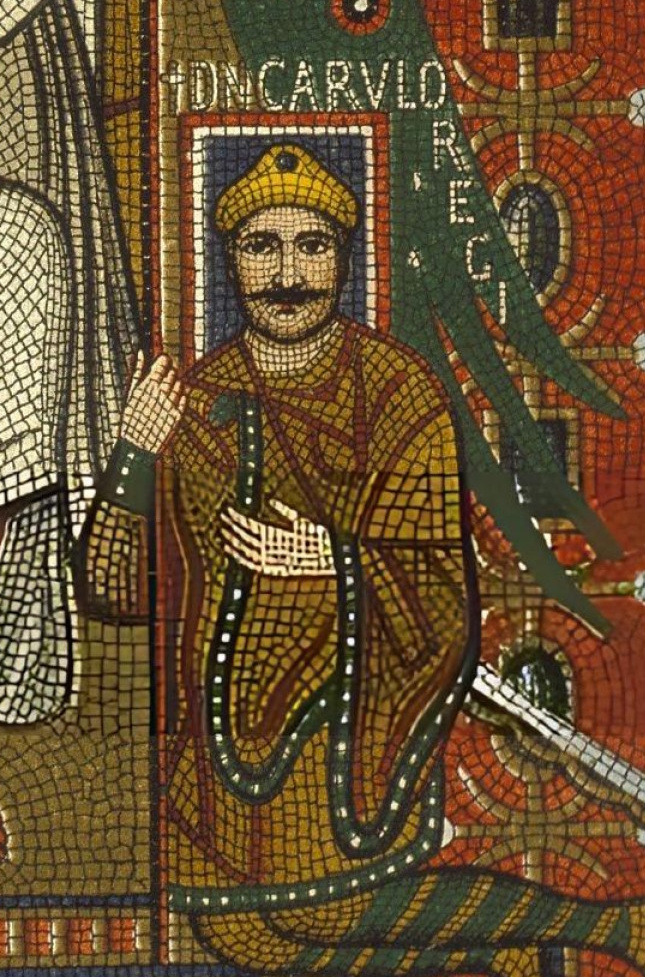
Wikimedia Commons · Public domain · file Charlemagne interrupted his Saxon campaign to receive the fugitive Pope Leo III and hear accounts of the violent opposition Leo faced in Rome. Context identifies the year as 799.
Made an extended devotional stay at Tours
· Basilica of Saint Martin, Tours, France
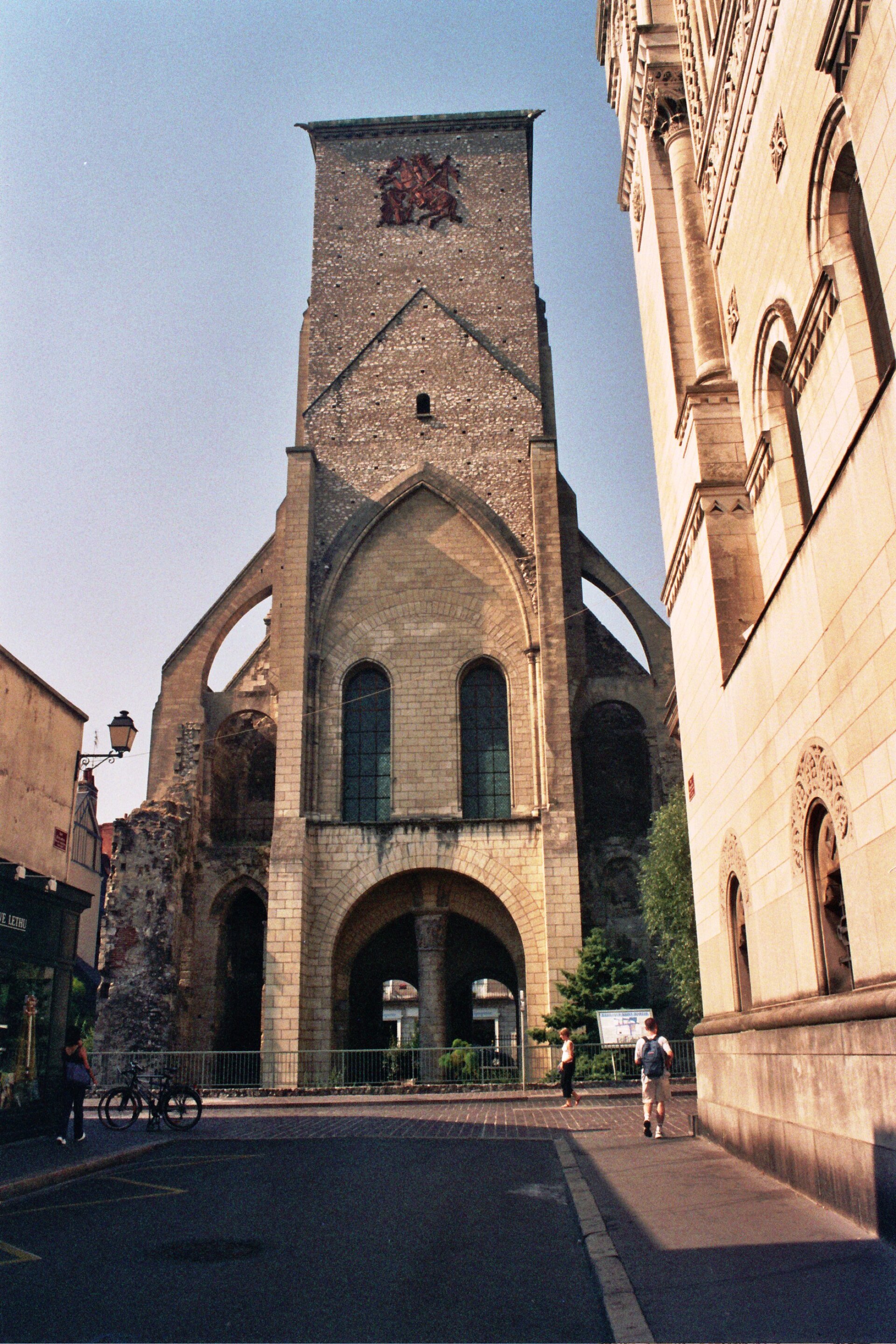
Wikimedia Commons · Creative Commons Attribution-Share Alike 3.0 · file Charlemagne stayed at Tours to pray at Saint Martin's shrine; his sons Charles, Pepin, and Louis were also present. Only the year is supported; coordinates represent the later basilica at the traditional shrine site.
Passed through Paris on the return journey
· Paris, Île-de-France, France
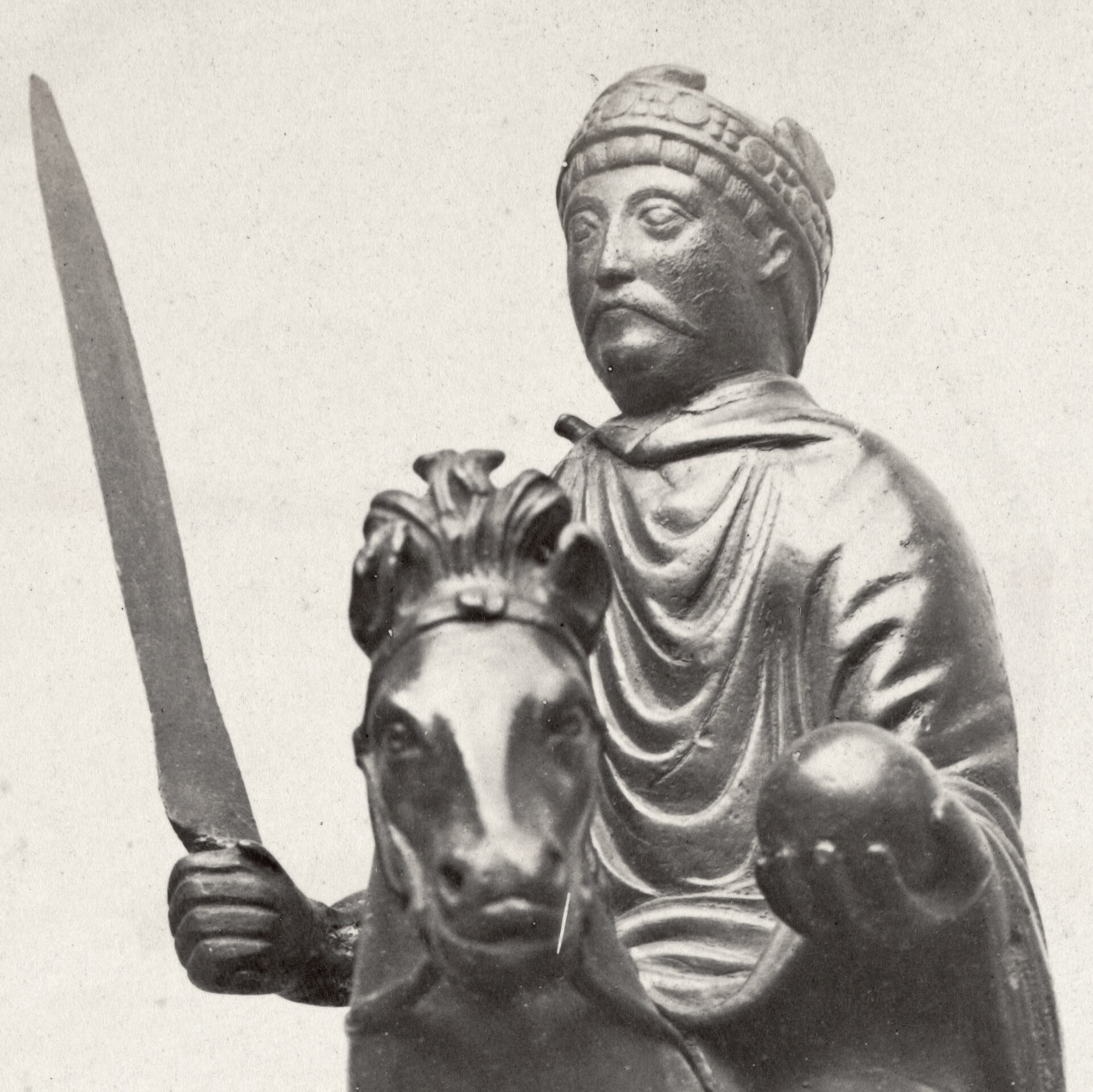
Wikimedia Commons · Public domain · file Charlemagne traveled through Paris while returning from his tour of western and northern Francia before setting out for Italy. Only the year is supported.
Celebrated Easter at Saint-Riquier
· Abbey of Saint-Riquier, Saint-Riquier, France
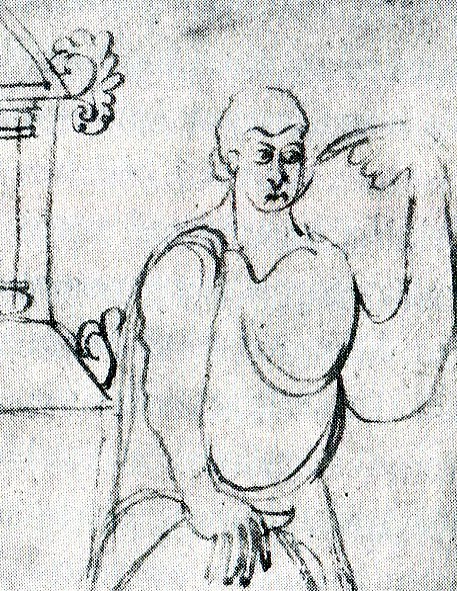
Wikimedia Commons · Public domain · file During a tour of Neustria before his final journey to Rome, Charlemagne celebrated Easter at the monastery of Saint-Riquier. Coordinates represent the abbey complex.
Mourned Queen Luitgard at Tours
· Tours, Centre-Val de Loire, France
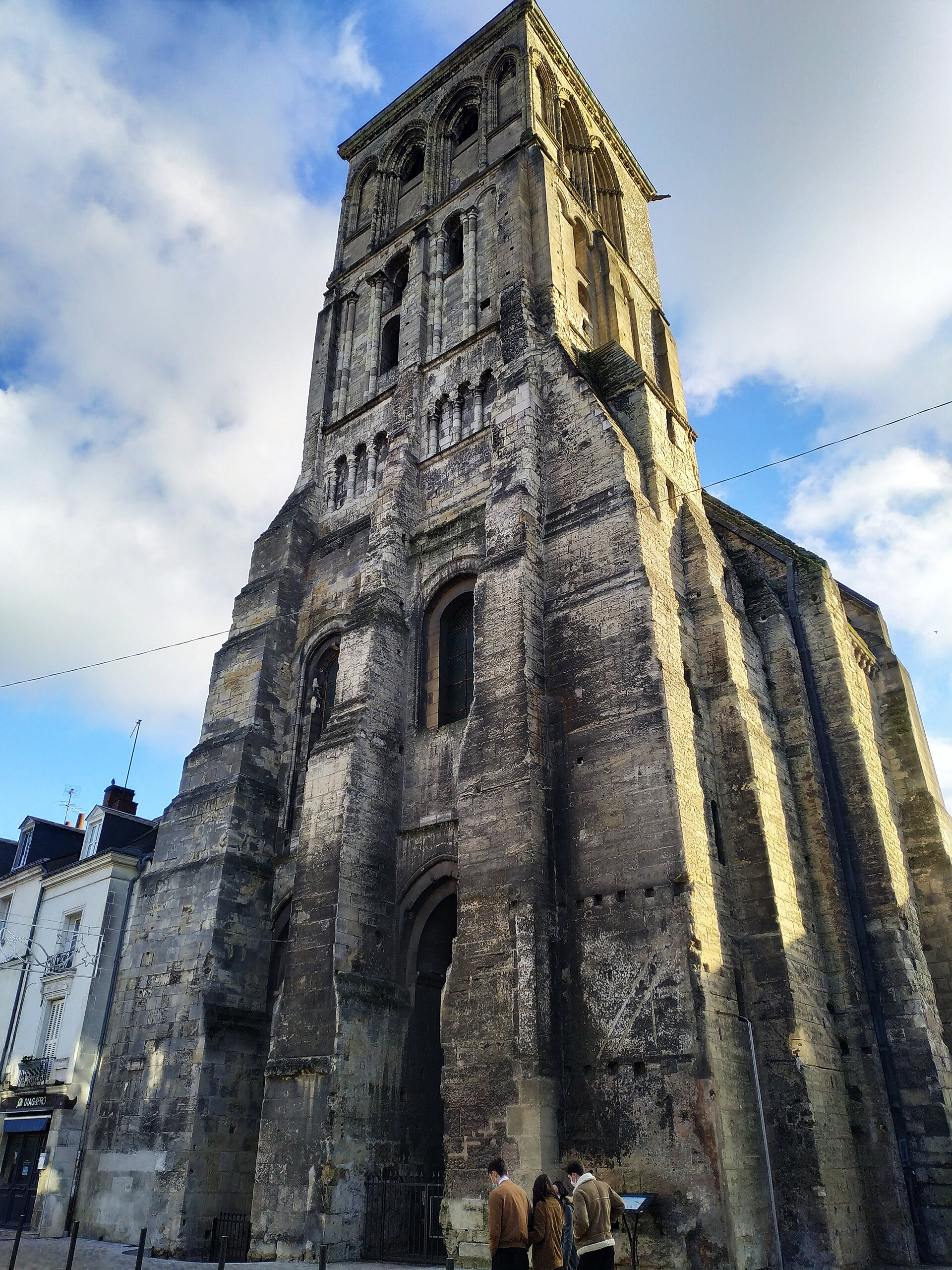
Wikimedia Commons · Creative Commons Attribution-Share Alike 4.0 · file Charlemagne was still at Tours when his wife Luitgard died and was buried there, a personal loss during his western tour. Presence follows from the itinerary entry and the associated event.
Met Leo III outside Rome
· Mentana, Lazio, Italy
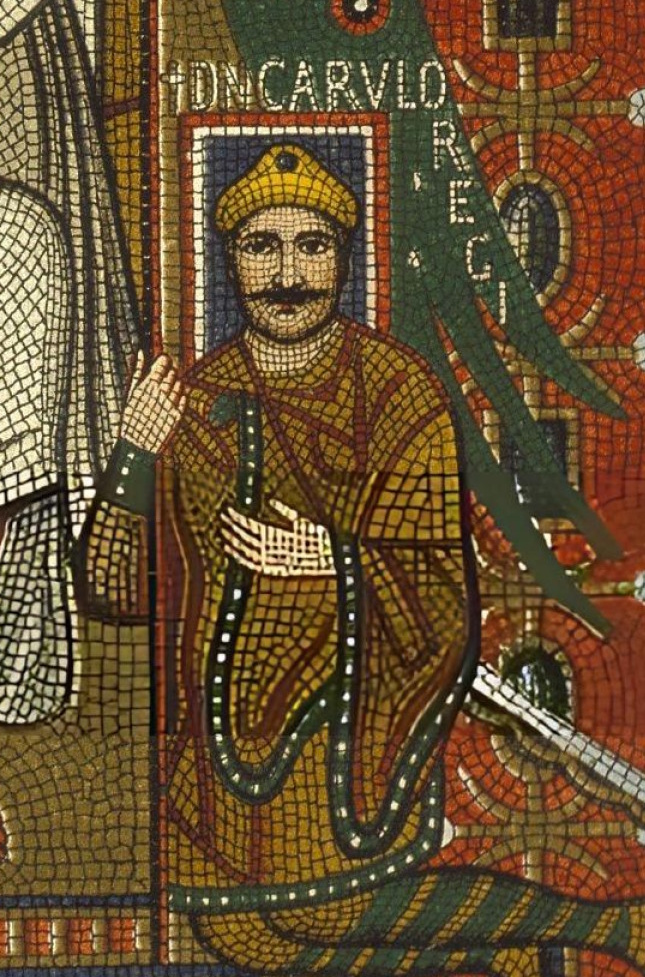
Wikimedia Commons · Public domain · file Approaching Rome, Charlemagne met Pope Leo at the traditional twelfth milestone near Mentana before making his formal entry into the city. Context places the meeting in November 800; the exact milestone location is not securely identified.
Crowned emperor at Saint Peter's
· Old St. Peter's Basilica, Rome, Italy
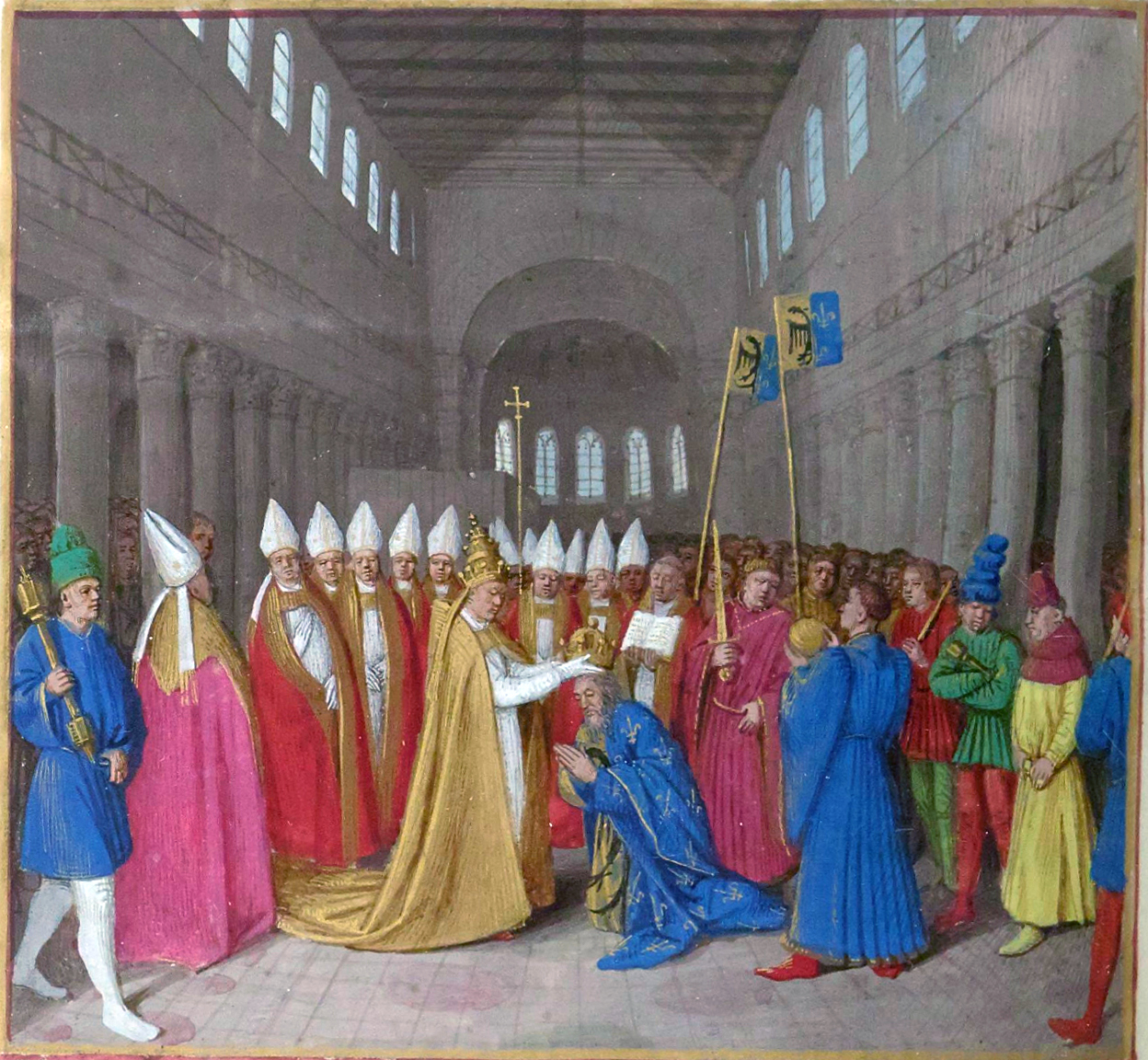
Wikimedia Commons · Public domain · file During Christmas Mass, Pope Leo III placed a crown on Charlemagne's head and acclaimed him emperor, transforming his formal political status in western Christendom. The medieval basilica occupied the site of the present Saint Peter's Basilica.
Experienced the Spoleto earthquake
· Spoleto, Umbria, Italy
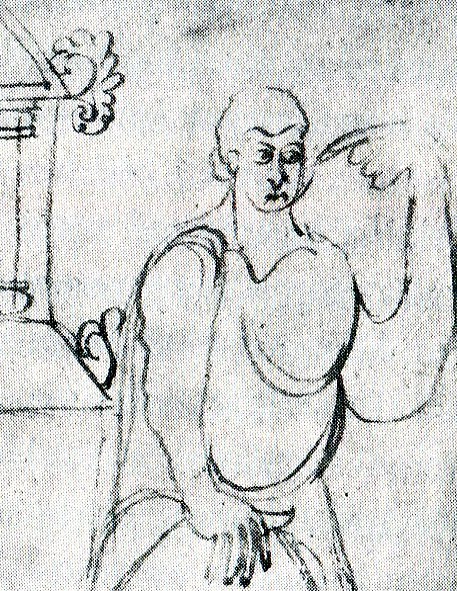
Wikimedia Commons · Public domain · file While leaving Italy after adjudicating ecclesiastical disputes in Rome, Charlemagne experienced an earthquake at Spoleto. The source gives the year and season but not a specific date.
Spent Christmas at Aachen
· Palace of Aachen, Aachen, Germany
Back north after his final Italian journey, Charlemagne celebrated Christmas at Aachen and increasingly governed from there.
Held court and synod at Aachen
· Palace of Aachen, Aachen, Germany
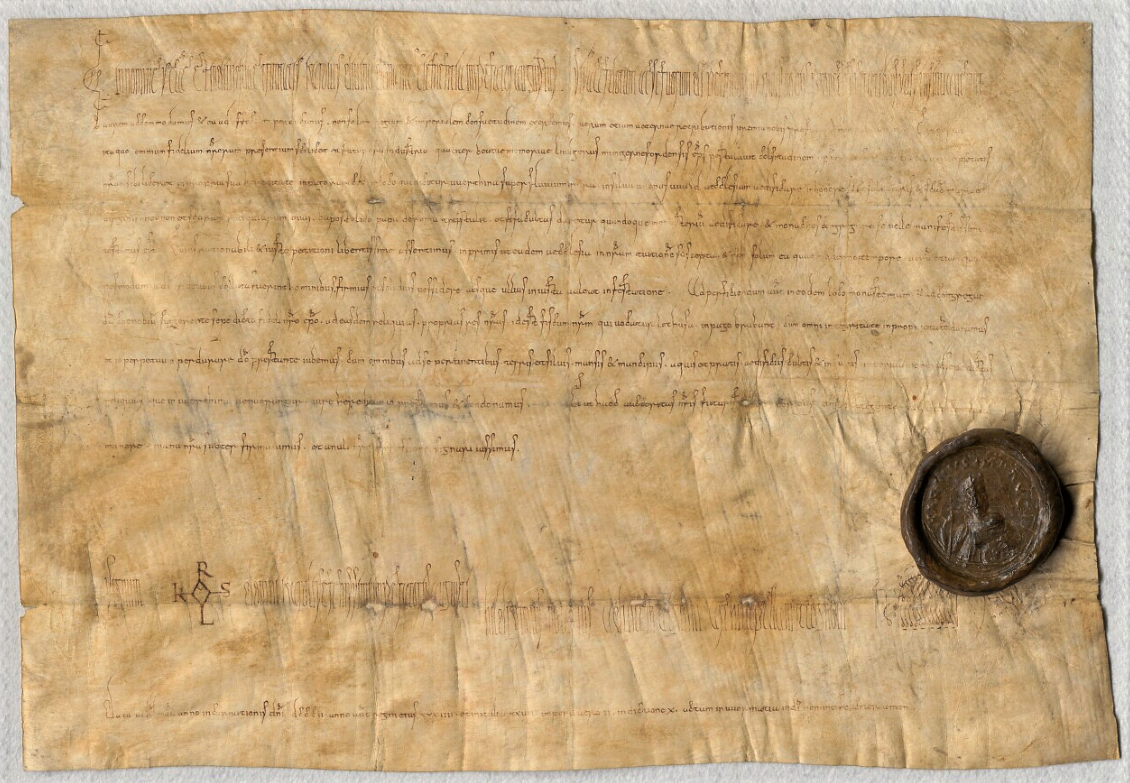
Wikimedia Commons · Public domain · file Charlemagne remained at Aachen while a synod and administrative reforms addressed justice, officials, and the governance of the empire. The database supplies March with a placeholder day; maximum supported precision is the month.
Visited Salzburg
· Salzburg, Austria
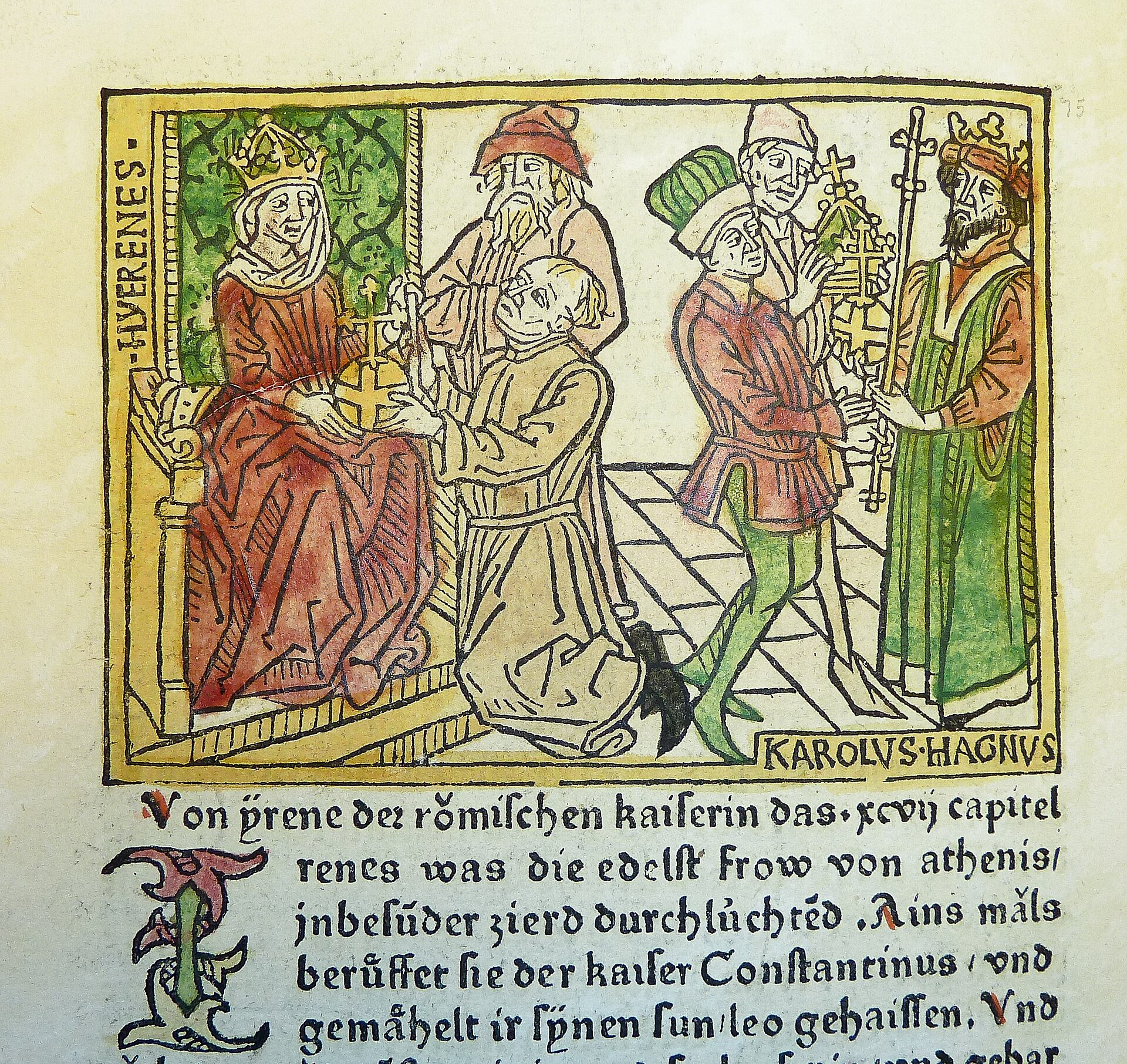
Wikimedia Commons · Creative Commons Attribution 2.0 · file Charlemagne traveled to Salzburg with envoys from Jerusalem and confirmed the city's missionary responsibility for Avar lands between the Rába and Drava rivers. The database's day appears conventional; the card therefore uses month precision.
Returned to Aachen for winter
· Palace of Aachen, Aachen, Germany
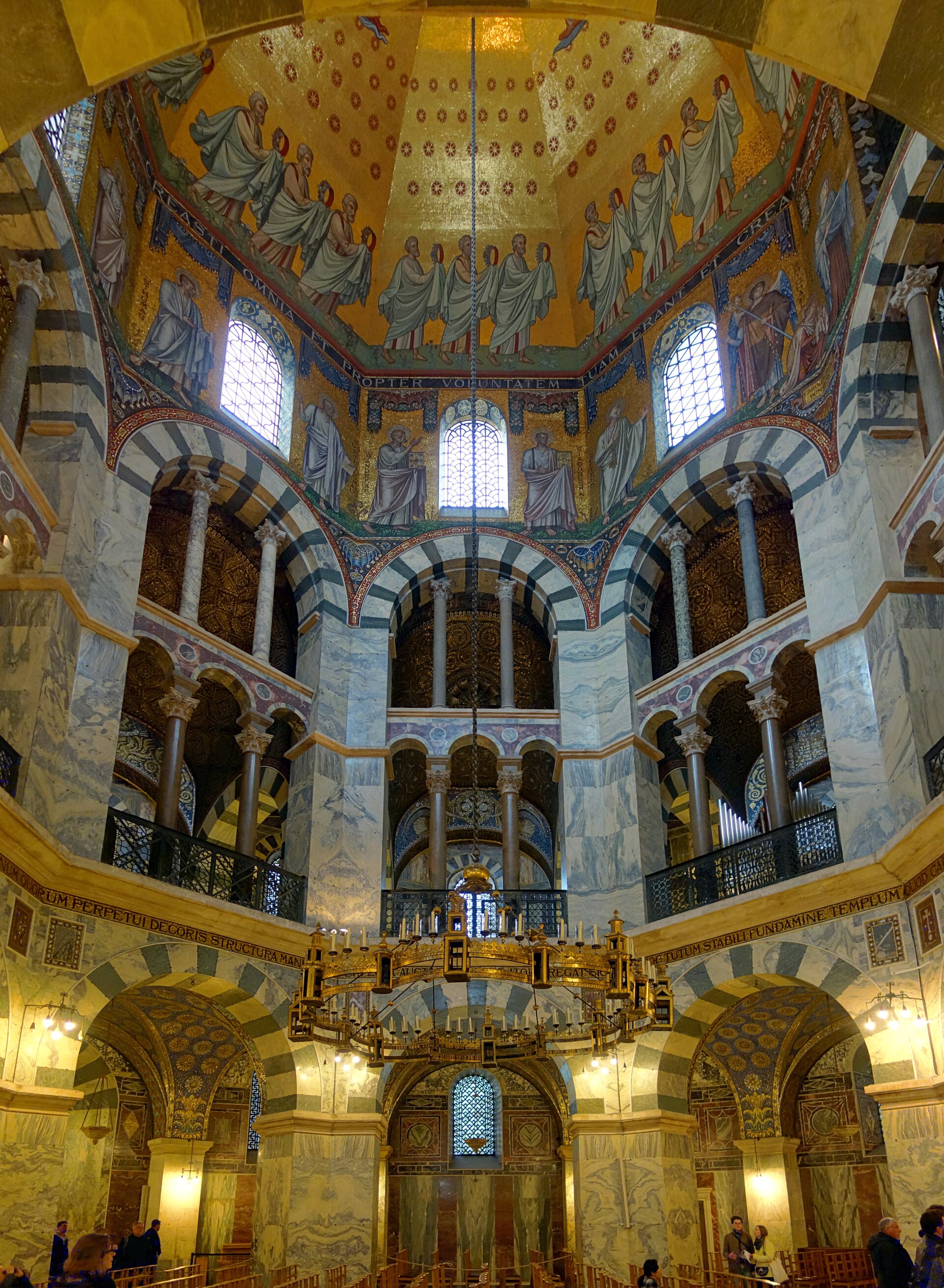
Wikimedia Commons · Creative Commons Attribution-Share Alike 3.0 · file After his eastern journey, Charlemagne returned to Aachen for the winter court. The evidence supports December or winter, not a securely exact day.
Led his final Saxon campaign beyond the Elbe
· Lower Elbe region, Germany
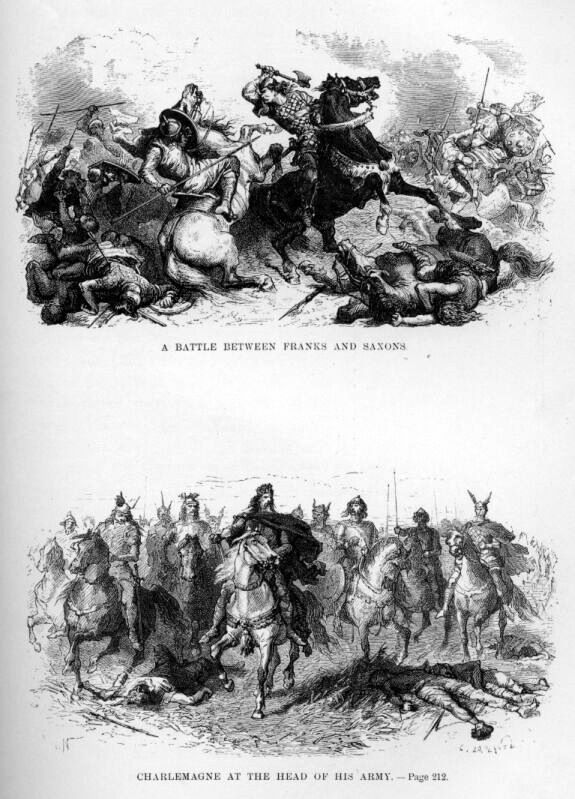
Wikimedia Commons · Public domain · file Charlemagne personally conducted his last Saxon campaign, extending operations east of the Elbe and removing the population from conquered territory. Coordinates represent Lauenburg on the lower Elbe as a regional reference point; the campaign covered a broad area.
Held a winter court at Thionville
· Thionville, Grand Est, France

Wikimedia Commons · Public domain · file Charlemagne was at the Thionville palace when a capitulary addressed education, liturgy, notaries, medicine, and monastic discipline. Diedenhofen is the German name for Thionville; the exact day is not secure, so month precision is used.
Issued a diploma at Ingelheim
· Imperial Palace, Ingelheim am Rhein, Germany
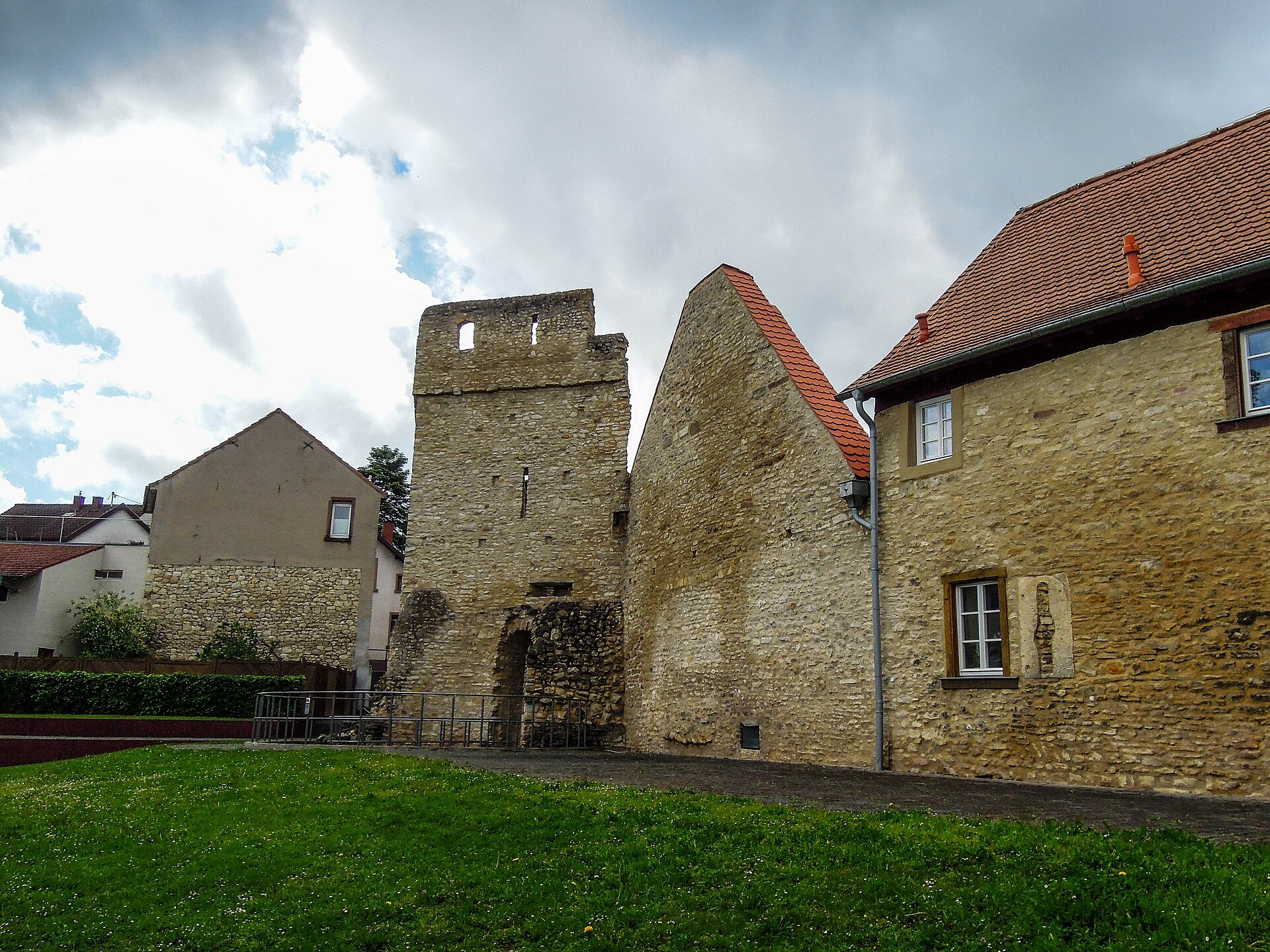
Wikimedia Commons · Creative Commons Attribution-Share Alike 4.0 · file At the Ingelheim palace, Charlemagne confirmed an exchange of churches and estates involving the bishop of Würzburg and Count Audulf. Coordinates represent the Ingelheim imperial palace archaeological zone.
Returned from Nijmegen to Aachen
· Palace of Aachen, Aachen, Germany
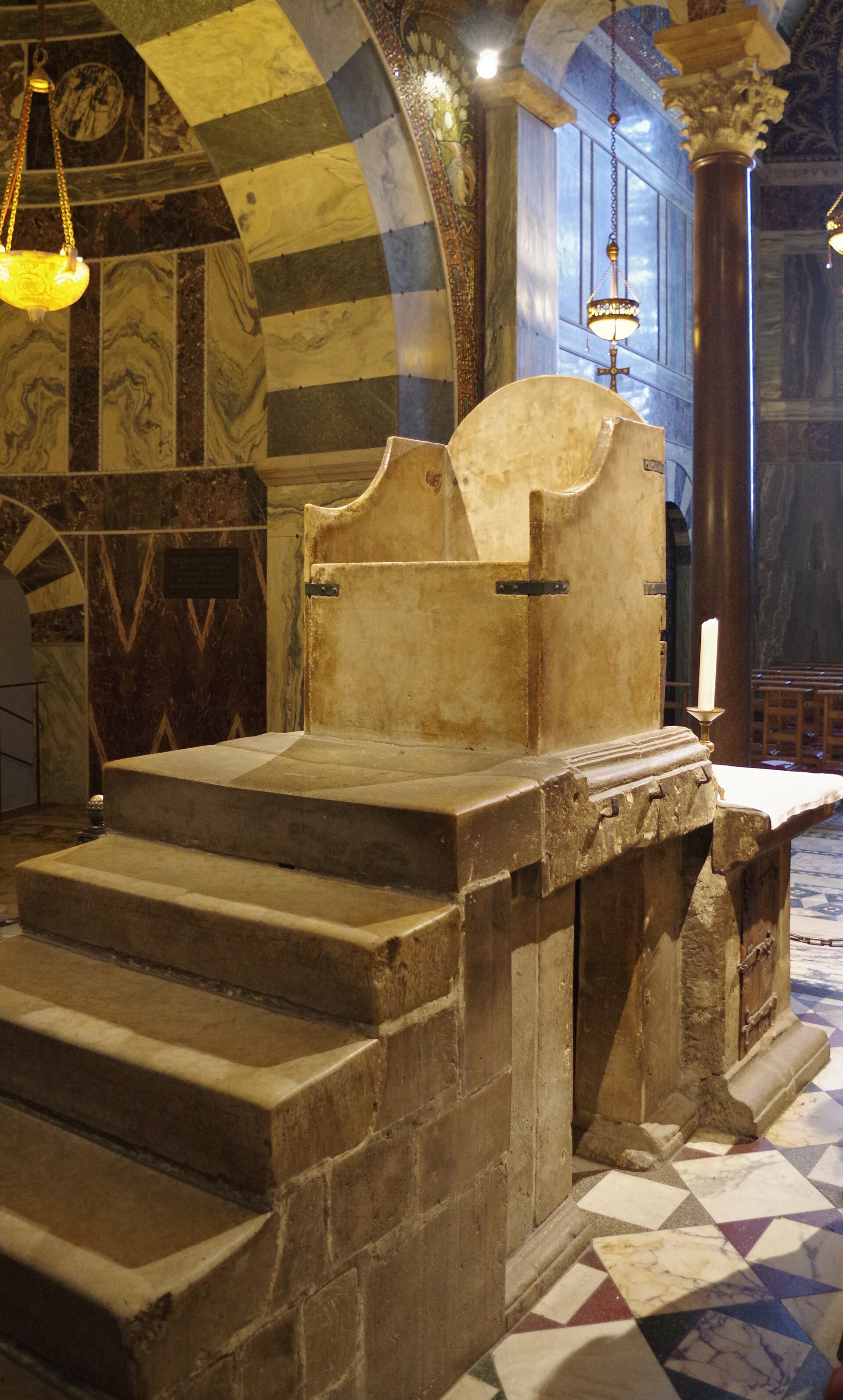
Wikimedia Commons · Creative Commons Attribution-Share Alike 3.0 · file Charlemagne returned to Aachen after his stay at Nijmegen and continued governing from his principal palace. Only the year is supported.
Celebrated Easter at Nijmegen
· Nijmegen, Gelderland, Netherlands
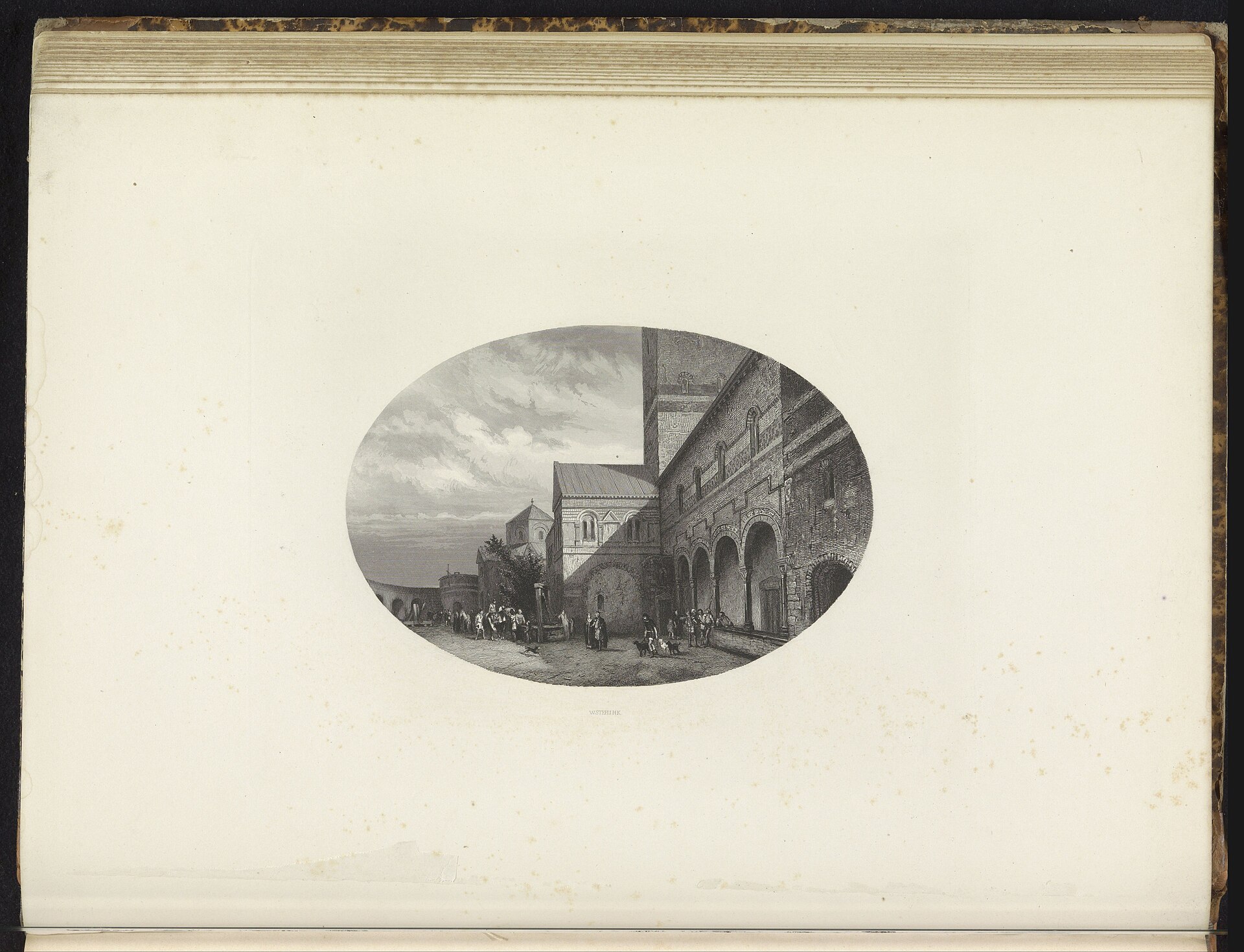
Wikimedia Commons · Public domain · file Charlemagne celebrated Easter at the royal residence in Nijmegen during a year of renewed Danish and Slavic pressure on the northern frontier.
Summoned the Filioque council at Aachen
· Palace of Aachen, Aachen, Germany
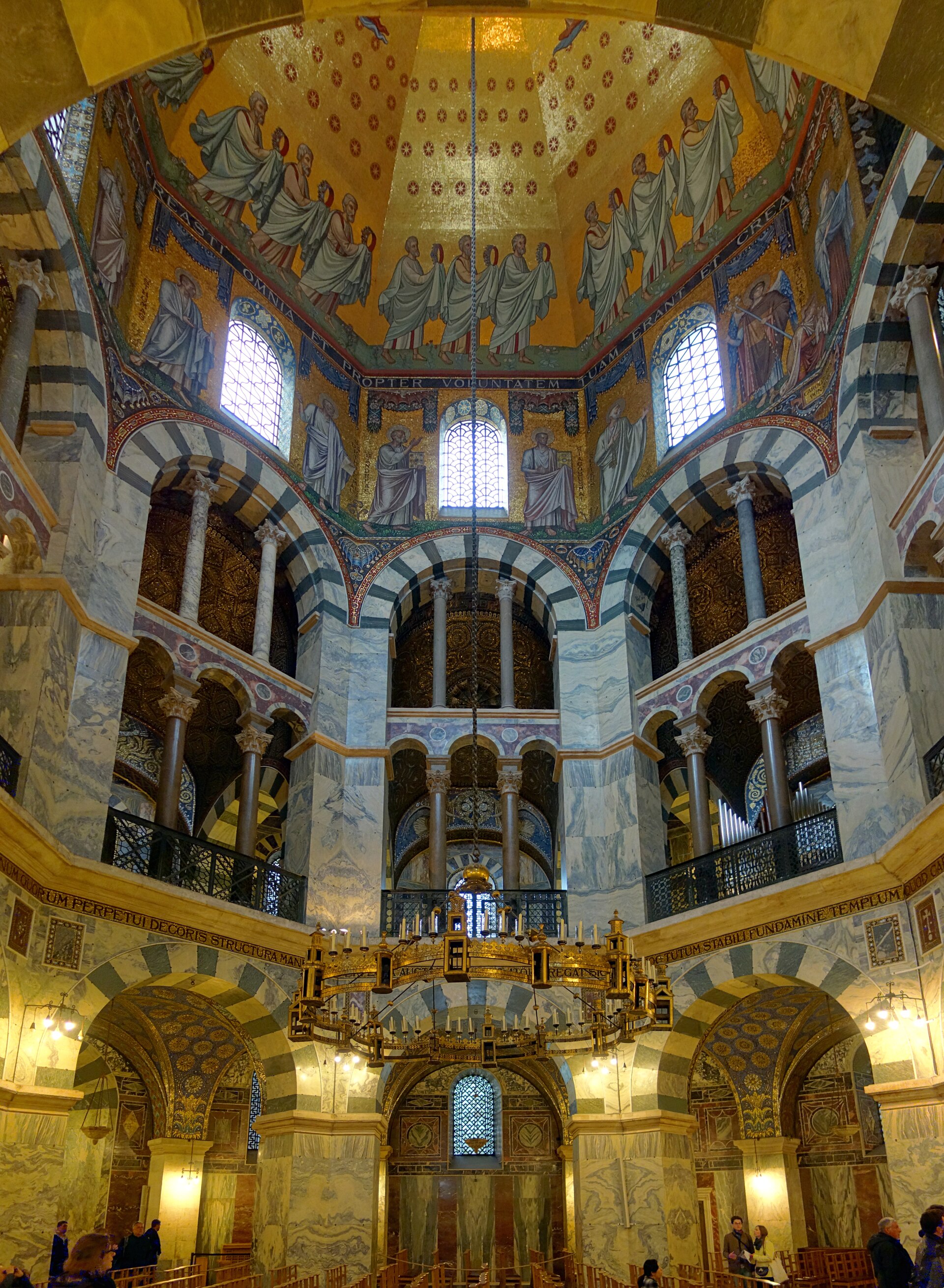
Wikimedia Commons · Creative Commons Attribution-Share Alike 3.0 · file Charlemagne convened a theological council at Aachen that defended the western use of the filioque clause and sent its decision to Rome.
Held Easter court at Aachen
· Palace of Aachen, Aachen, Germany
Charlemagne was at Aachen during Easter shortly before personally mobilizing in response to the Danish threat. The cited diploma is identified in the regest as a forgery, reducing confidence in the exact date, though Charlemagne's wider Aachen residence is independently well established.
Returned to Aachen after northern operations
· Palace of Aachen, Aachen, Germany
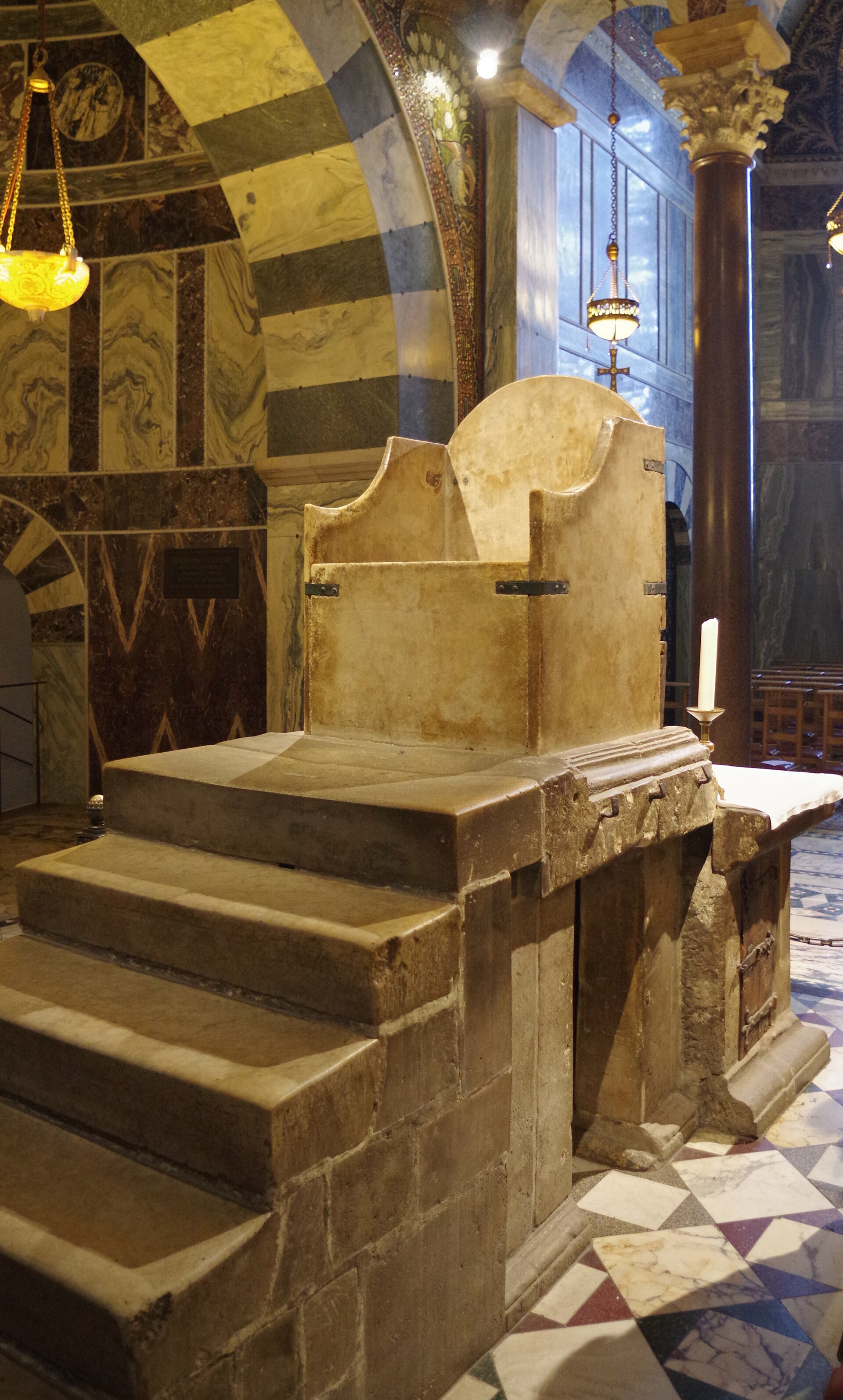
Wikimedia Commons · Creative Commons Attribution-Share Alike 3.0 · file Charlemagne returned to Aachen around mid-November, meeting Danish envoys on the road and receiving Avar and Slavic leaders at the palace. The annal specifies approximately mid-November; no exact day is asserted.
Received Byzantine recognition at Aachen
· Palace of Aachen, Aachen, Germany
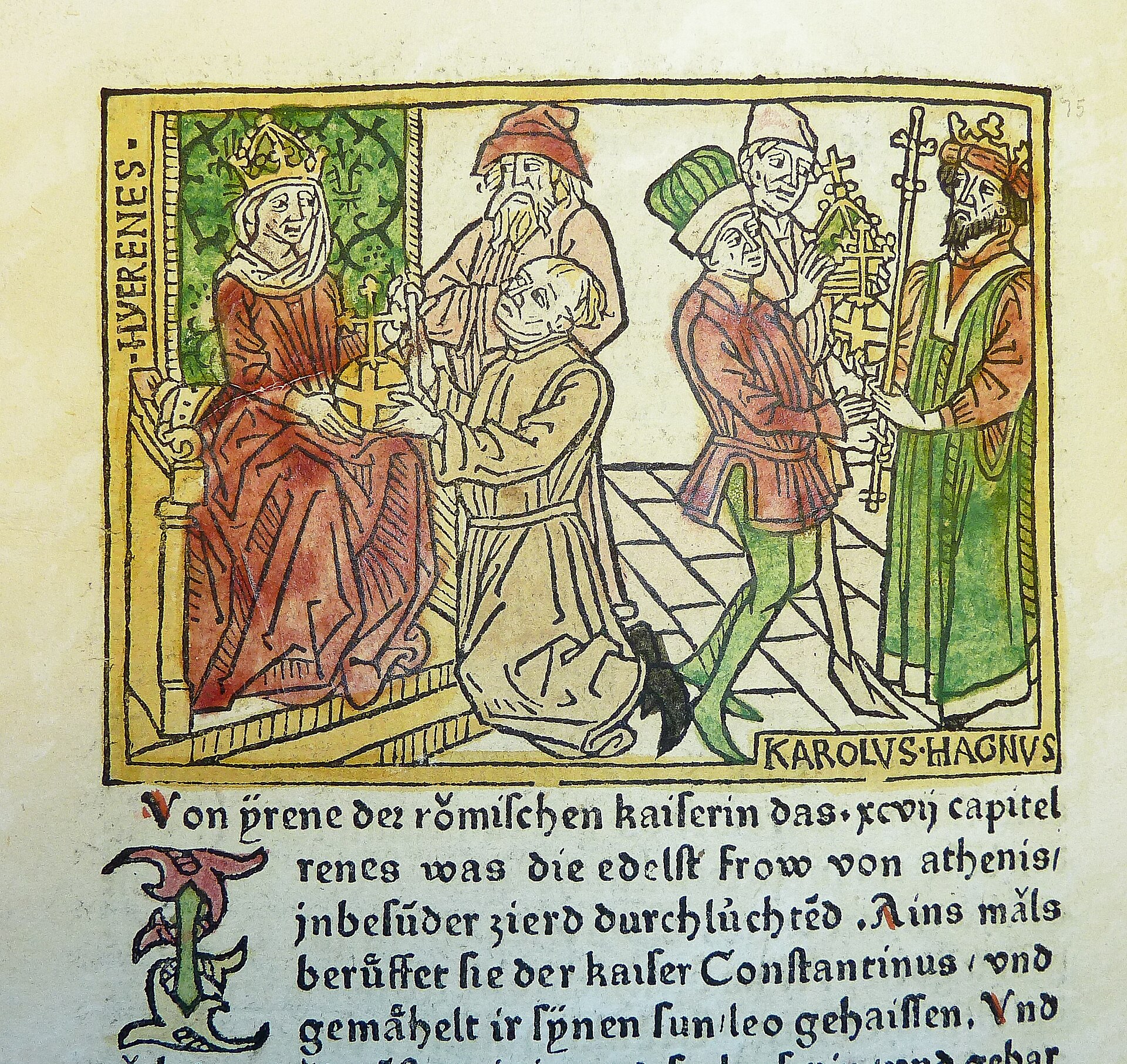
Wikimedia Commons · Creative Commons Attribution 2.0 · file At Aachen, Charlemagne received Emperor Michael I's envoys, who acclaimed him emperor and basileus as part of the settlement between the Carolingian and Byzantine empires. Only the year is supported.
Crowned Louis co-emperor at Aachen
· Palatine Chapel, Aachen, Germany
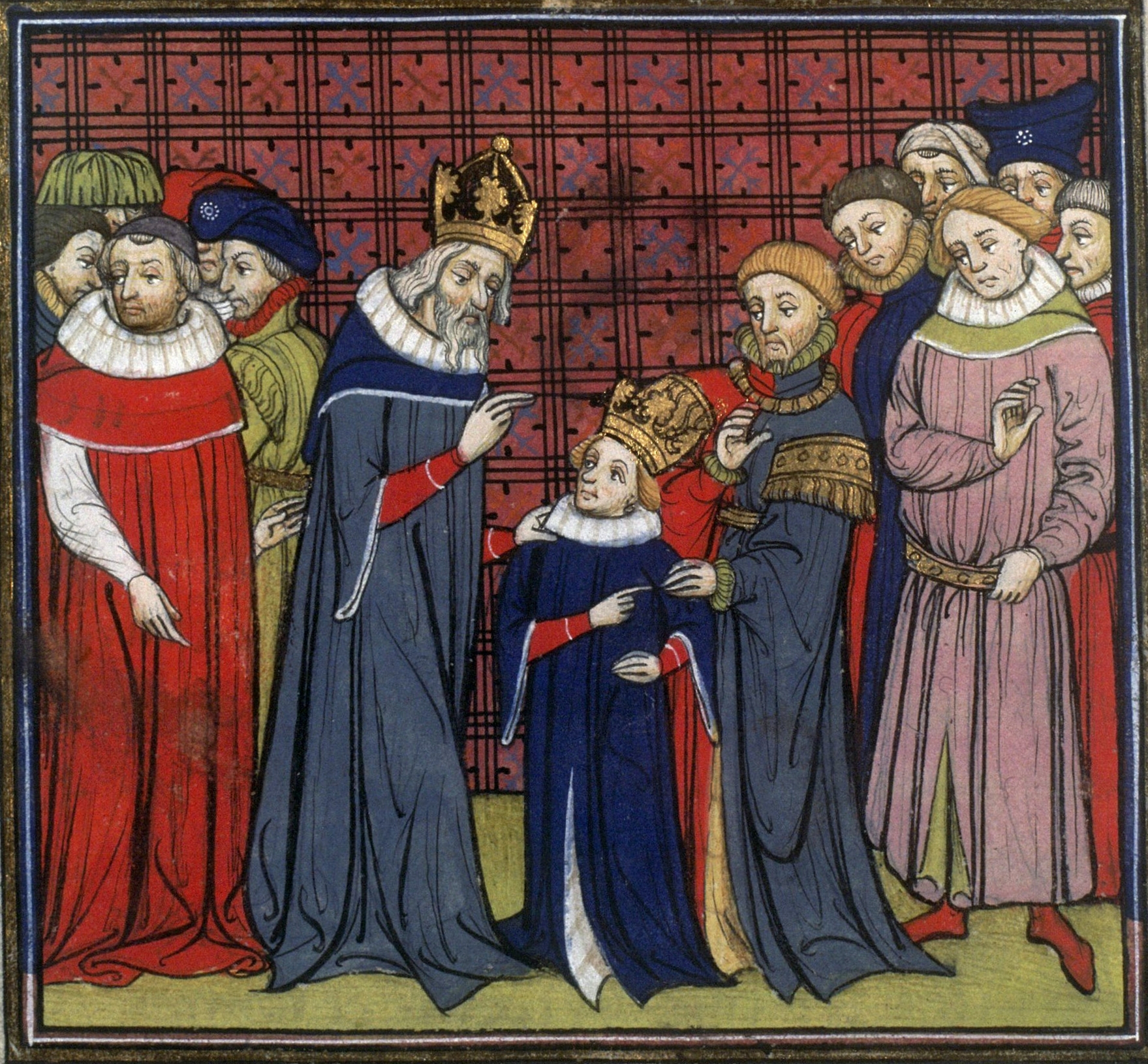
Wikimedia Commons · Public domain · file At a large Aachen assembly, Charlemagne placed the imperial crown on his surviving son Louis and crowned his grandson Bernard king of Italy. Coordinates represent the Palatine Chapel within Aachen Cathedral.
Died at Aachen
· Palace of Aachen, Aachen, Germany
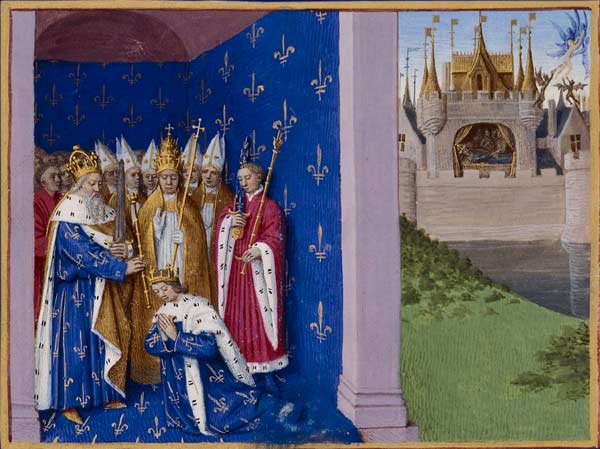
Wikimedia Commons · Public domain · file After becoming ill and bedridden with pleurisy, Charlemagne died at his Aachen palace and was buried in the Palatine Chapel the same day. Coordinates represent the palace and Palatine Chapel complex; the exact room of death is unknown.