
12 moments
Born at Pataliputra
· Pataliputra archaeological area, Patna, Bihar, India
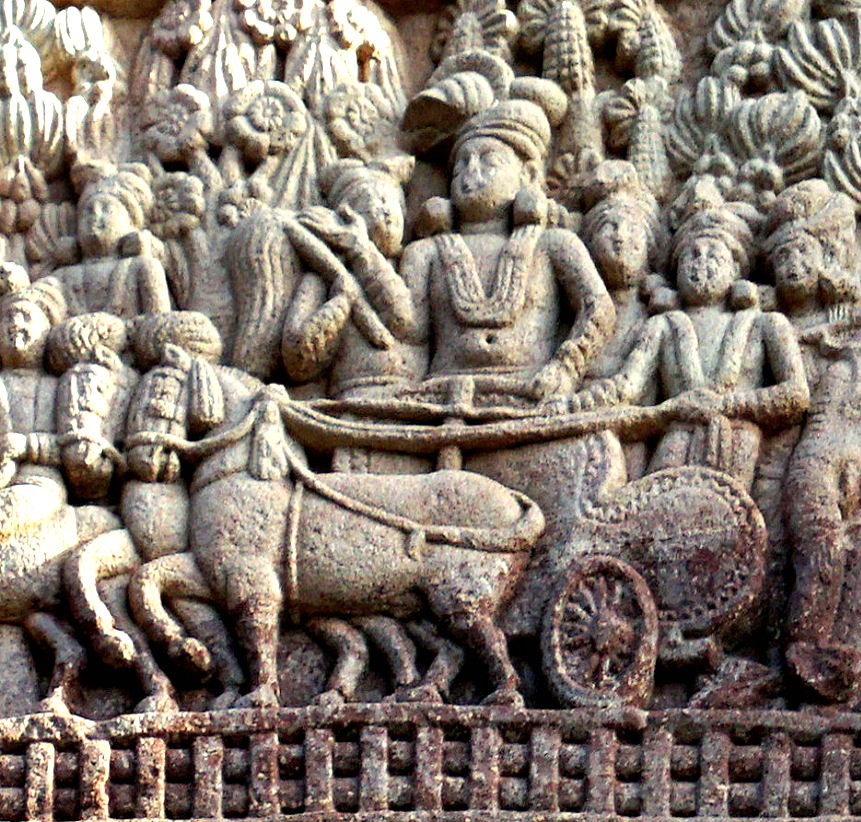
Wikimedia Commons · Public domain · file Ashoka was probably born at the Mauryan capital, Pataliputra, now represented by archaeological remains within Patna. Both the year and birthplace are approximate. Approximately 304 BCE; the exact birth date and precise location within Pataliputra are unknown. Coordinates represent the Kumhrar archaeological area.
Returns to Pataliputra and takes power
· Pataliputra archaeological area, Patna, Bihar, India
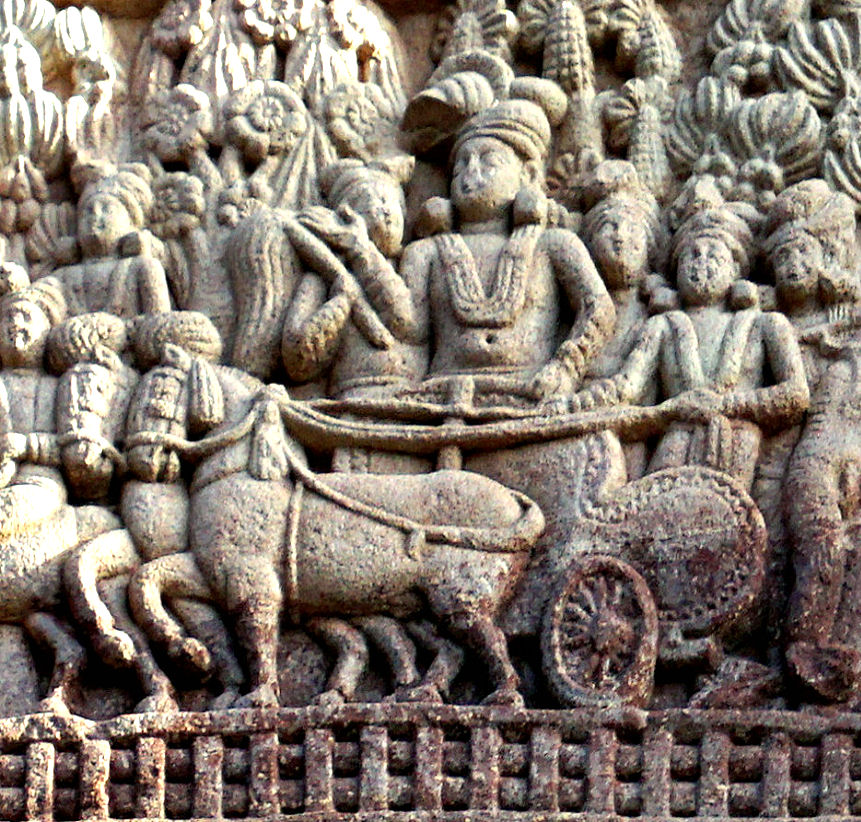
Wikimedia Commons · Creative Commons Attribution-Share Alike 4.0 · file Ashoka returned from Ujjain during Bindusara's final illness and secured the imperial capital, a decisive movement in his disputed accession to the Mauryan throne. Accession is variously dated to 269 or 268 BCE. Coordinates represent the Kumhrar archaeological area of ancient Pataliputra.
Serves as viceroy at Ujjain
· Ujjain, Madhya Pradesh, India
Wikimedia Commons · Creative Commons Attribution-Share Alike 4.0 · file Sri Lankan tradition places Ashoka at Ujjain as viceroy before his accession. He departed the city for Pataliputra when Bindusara became ill. The viceroyalty began earlier; 268 BCE is an approximate accession-year date for Ashoka's departure from Ujjain.
Pilgrimage to the Bodhi Tree
· Mahabodhi Temple, Bodh Gaya, Bihar, India
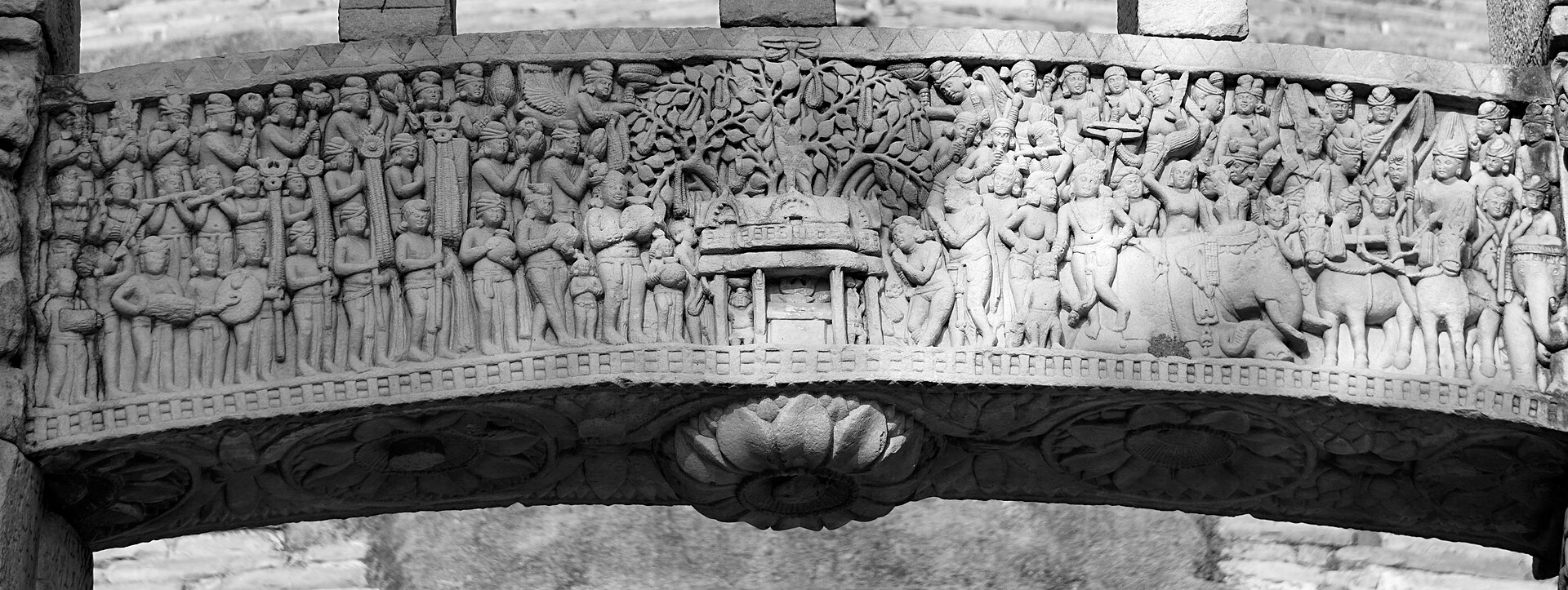
Wikimedia Commons · Public domain · file Ten regnal years after his consecration, Ashoka traveled to Sambodhi, identified with Bodh Gaya. His own Major Rock Edict VIII presents this journey as the beginning of royal tours centered on morality rather than pleasure. 258 BCE is calculated approximately from a coronation around 268 BCE; Sambodhi is identified with Bodh Gaya.
Attends the Third Buddhist Council
· Pataliputra archaeological area, Patna, Bihar, India
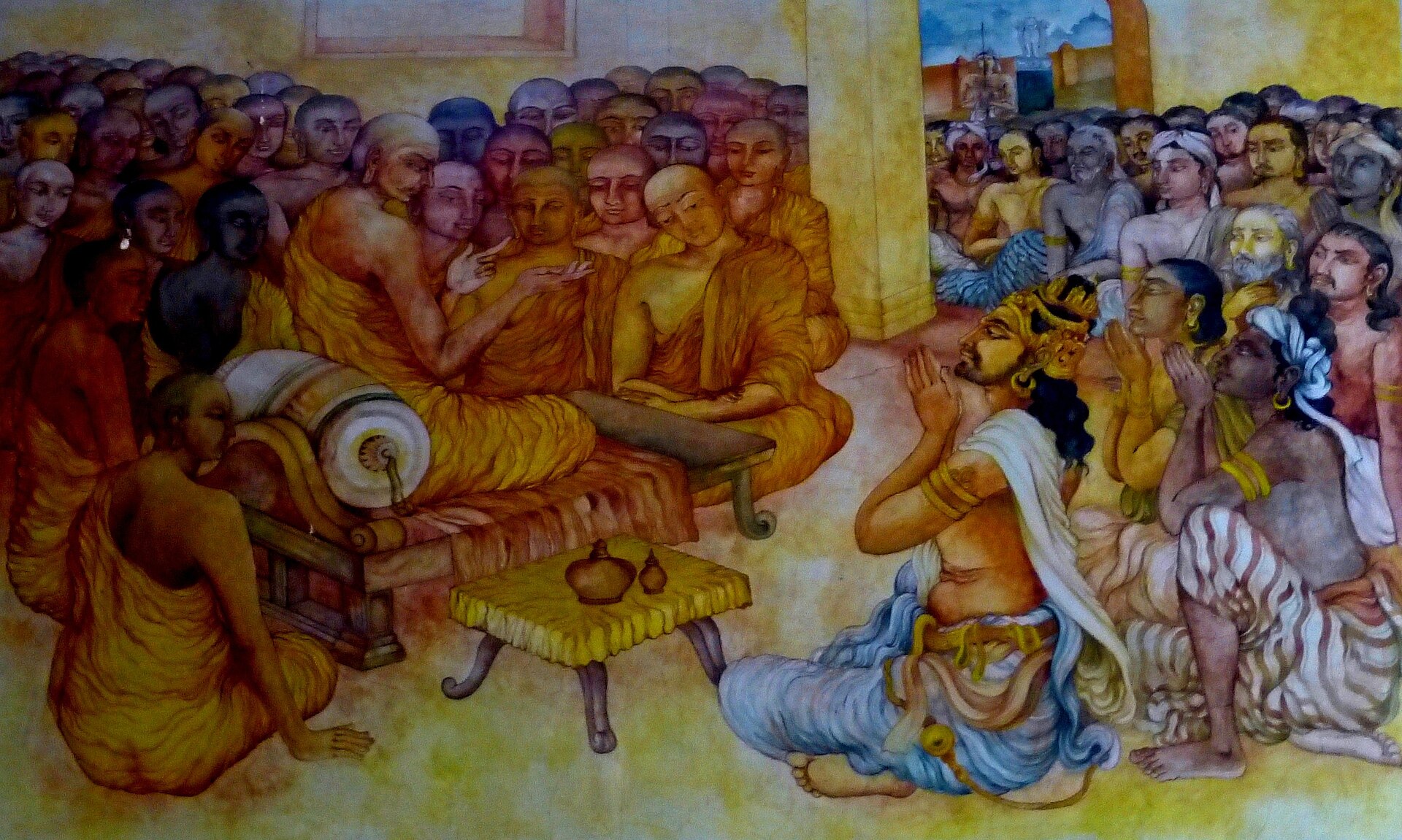
Wikimedia Commons · Creative Commons Attribution 2.0 · file Theravada chronicles state that Ashoka convened and personally attended a council at Pataliputra under Moggaliputta Tissa. The council's historicity and details remain debated because it is absent from North Indian traditions. Traditional date, approximately 250 BCE; the event is reported by Theravada sources and is historically disputed.
Pays homage at Jetavana
· Jetavana Monastery, Saheth, Shravasti, Uttar Pradesh, India
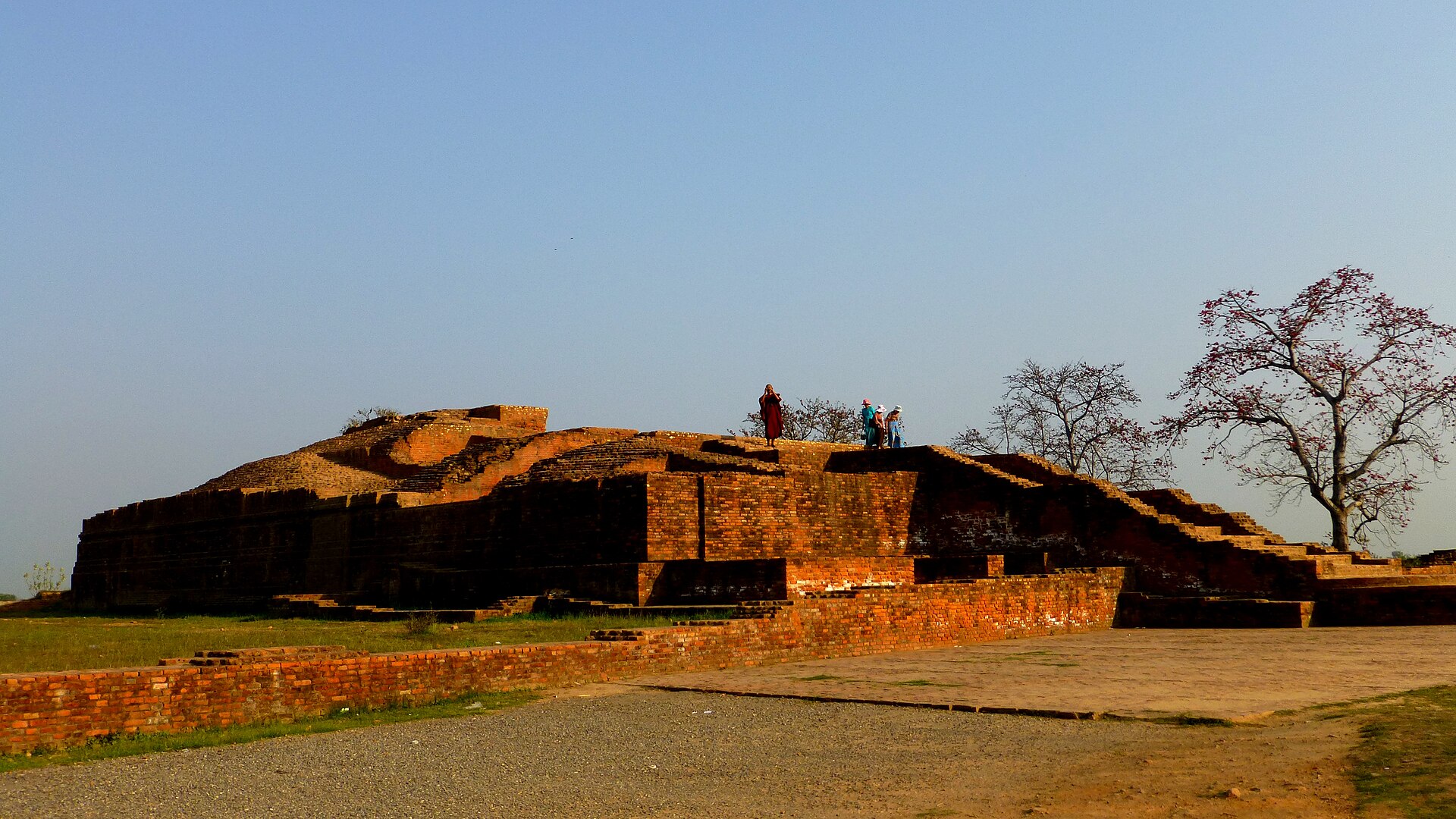
Wikimedia Commons · Creative Commons Attribution 2.0 · file After visiting sites associated with the Buddha's life, the Ashokavadana depicts Upagupta taking Ashoka to Jetavana, where the emperor honored stupas of prominent disciples. This visit is legendary and not independently dated. The 249 BCE placement follows the conventional association of the pilgrimage narrative with Ashoka's twentieth regnal year.
Personally worships at Lumbini
· Ashoka Pillar, Lumbini Sacred Garden, Lumbini, Nepal
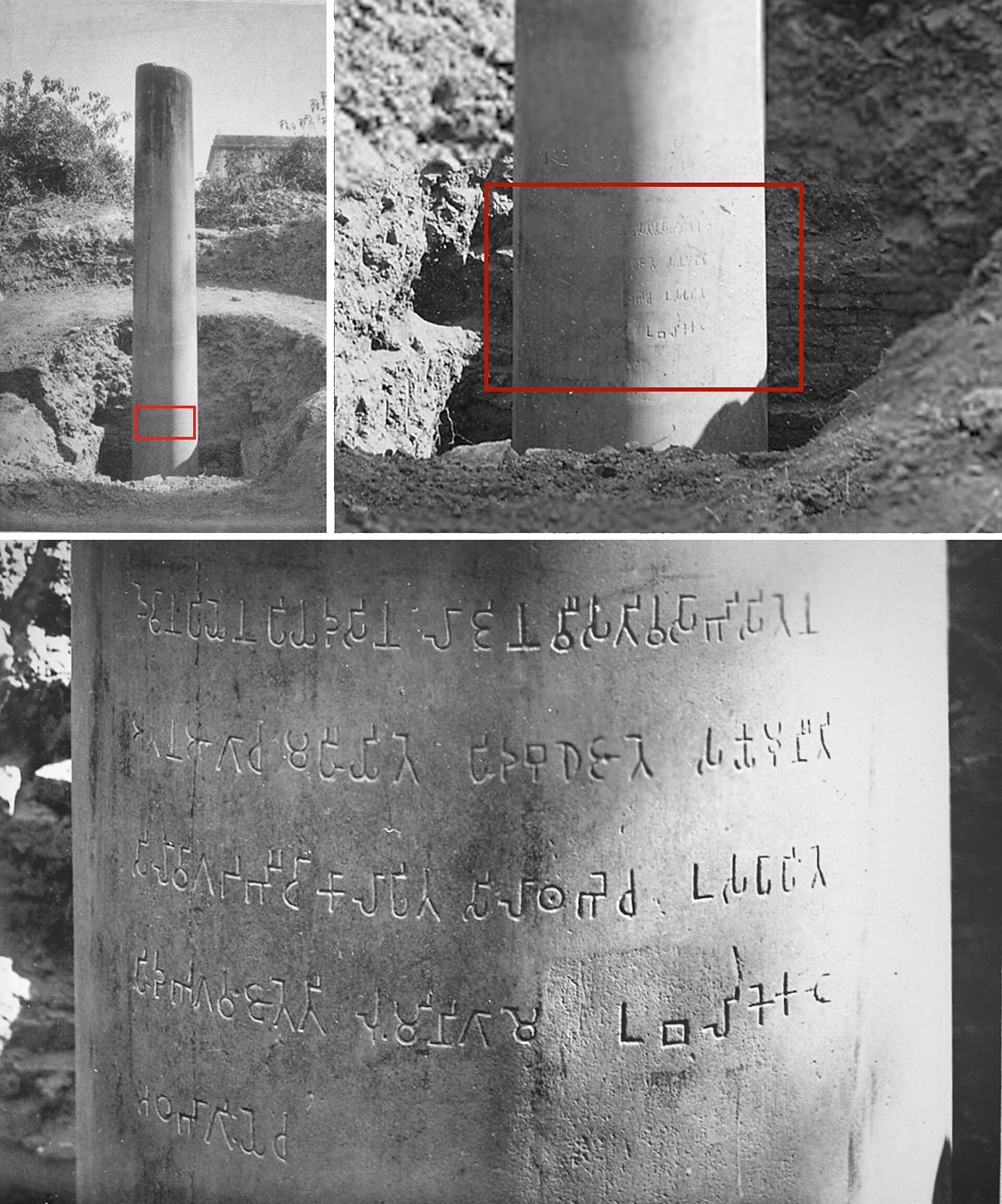
Wikimedia Commons · Public domain · file Ashoka's Lumbini pillar inscription directly records his personal arrival and worship at the place identified as the Buddha's birthplace. He commemorated the visit with a pillar and granted the village fiscal privileges. The year follows the conventional conversion of Ashoka's twentieth regnal year to 249 BCE.
Revisits the Bodhi Tree in pilgrimage tradition
· Mahabodhi Temple, Bodh Gaya, Bihar, India
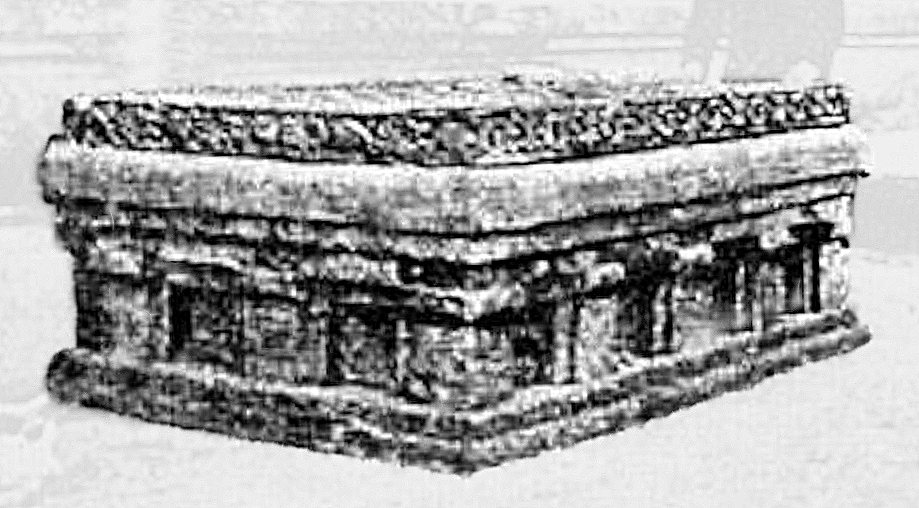
Wikimedia Commons · Public domain · file The Ashokavadana portrays Ashoka and Upagupta visiting the Bodhi Tree as part of a broader commemorative pilgrimage. This may represent a later literary elaboration distinct from the securely attested earlier visit. The literary pilgrimage is not independently dated; 249 BCE is a conventional association with Ashoka's documented twentieth-regnal-year northern pilgrimage.
Visits Kapilavastu on traditional pilgrimage
· Tilaurakot archaeological site, Kapilvastu District, Nepal
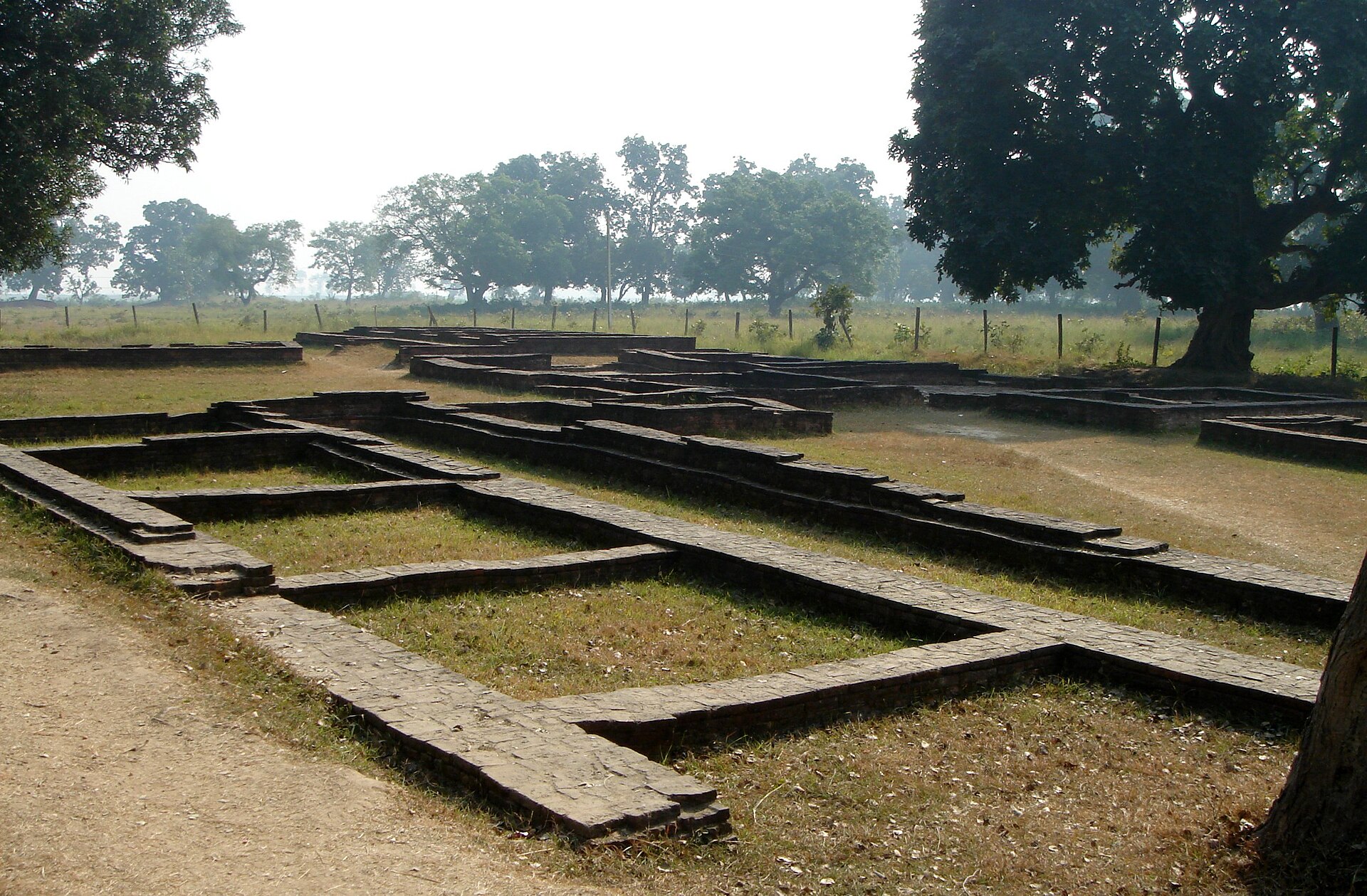
Wikimedia Commons · Creative Commons Attribution-Share Alike 2.5 Generic · file Later Buddhist literary tradition describes Upagupta guiding Ashoka to Kapilavastu during a pilgrimage through places associated with the Buddha's life. The Ashokavadana pilgrimage is legendary and not independently dated. Its placement in 249 BCE reflects its conventional association with the documented twentieth-regnal-year Lumbini journey. Kapilavastu's archaeological identification remains disputed; coordinates represent Tilaurakot.
Visits Rishipattana at Sarnath
· Deer Park archaeological complex, Sarnath, Uttar Pradesh, India
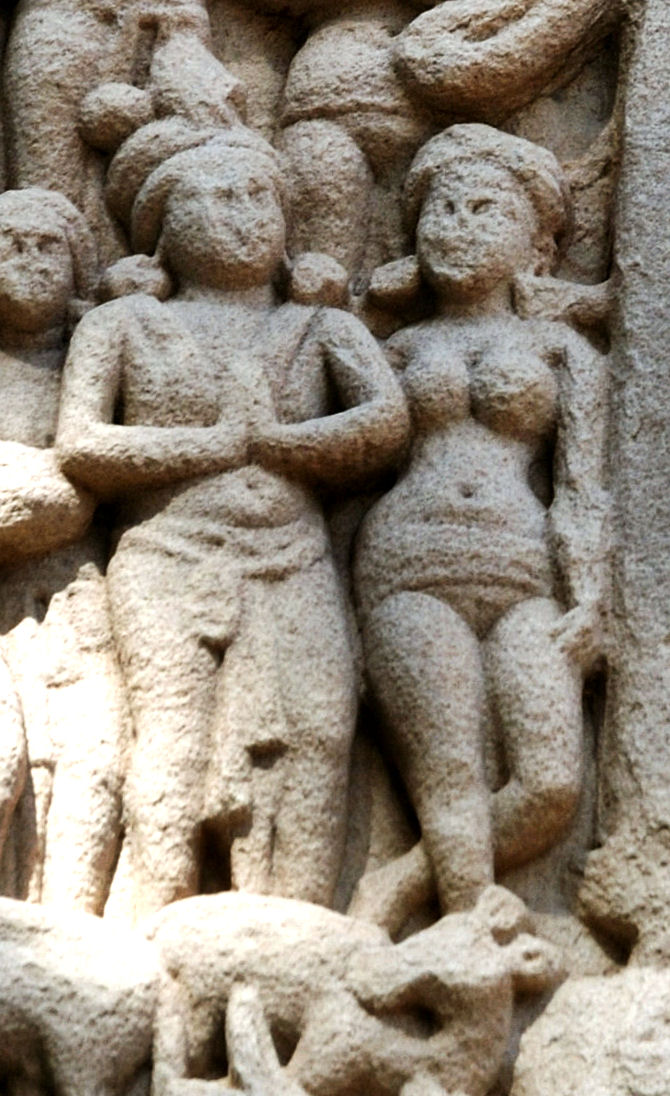
Wikimedia Commons · Creative Commons Attribution 3.0 Unported · file In the Ashokavadana pilgrimage narrative, Upagupta led Ashoka to Rishipattana, the ancient name associated with Sarnath and the Buddha's first sermon. The event comes from a later Buddhist legend. The date is conventionally associated with the twentieth-regnal-year pilgrimage and is not independently fixed.
Visits the Buddha's parinirvana site
· Mahaparinirvana Temple area, Kushinagar, Uttar Pradesh, India
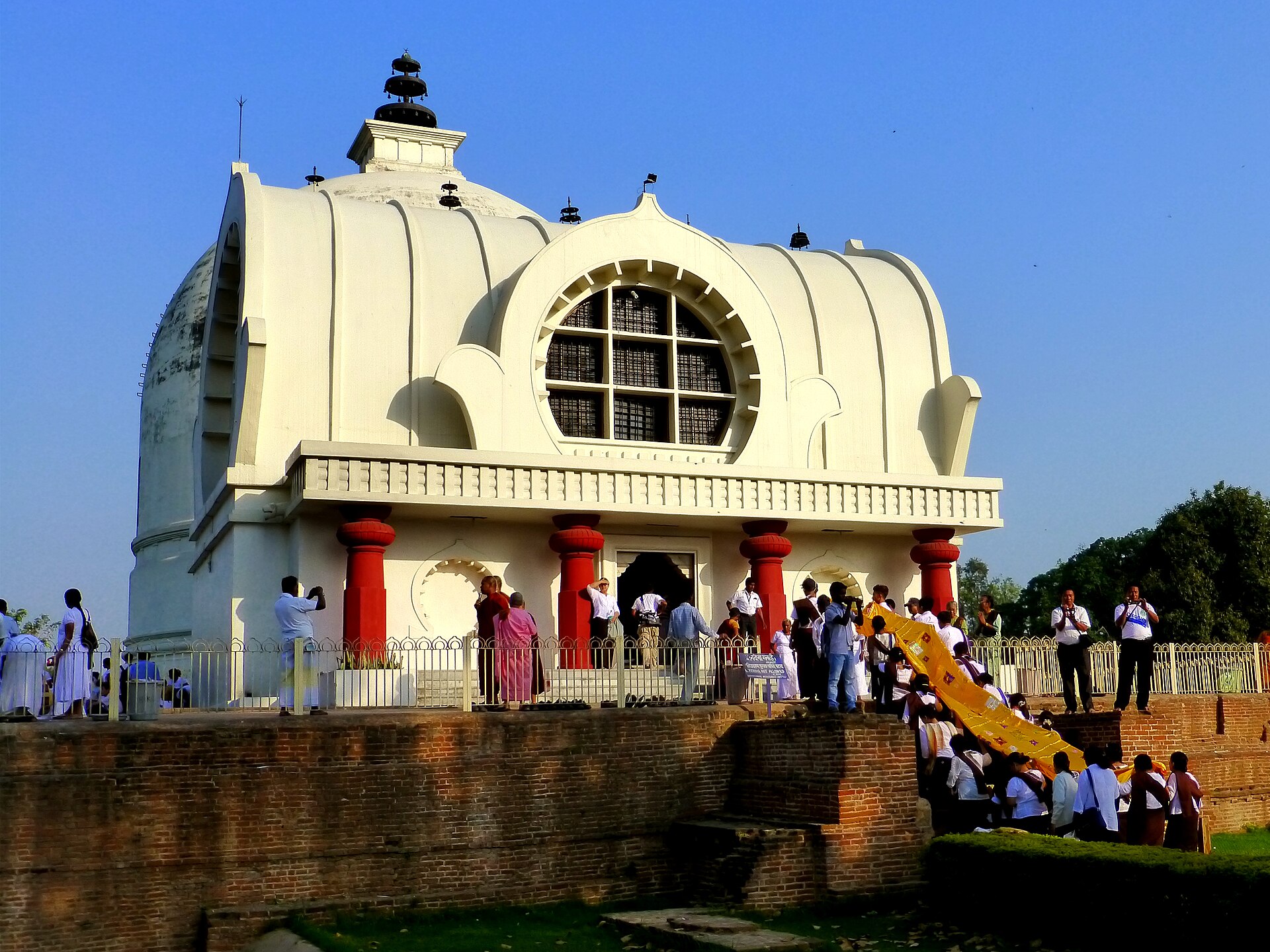
Wikimedia Commons · Creative Commons Attribution 2.0 · file The Ashokavadana states that Upagupta took Ashoka to Kusinagari, where the emperor honored the place associated with the Buddha's final nirvana. The event is preserved in later Buddhist literature. Its assignment to 249 BCE is conventional rather than independently epigraphically dated.
Worships at the Kanakamuni Buddha site
· Nigali Sagar pillar, Nigalihawa, Kapilvastu District, Nepal
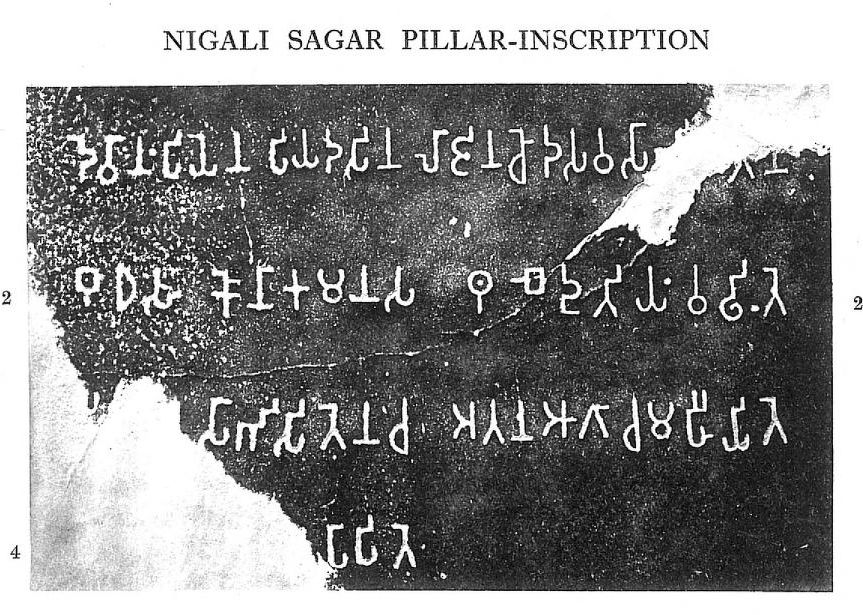
Wikimedia Commons · Public domain · file The Nigali Sagar inscription records that Ashoka came personally, paid reverence, and erected a pillar at a stupa associated with the earlier Buddha Kanakamuni. The inscribed pillar was apparently moved from its original position by an uncertain distance; coordinates mark its present archaeological location.