
58 moments
Infancy in Saint Petersburg
· Saint Petersburg, Russia
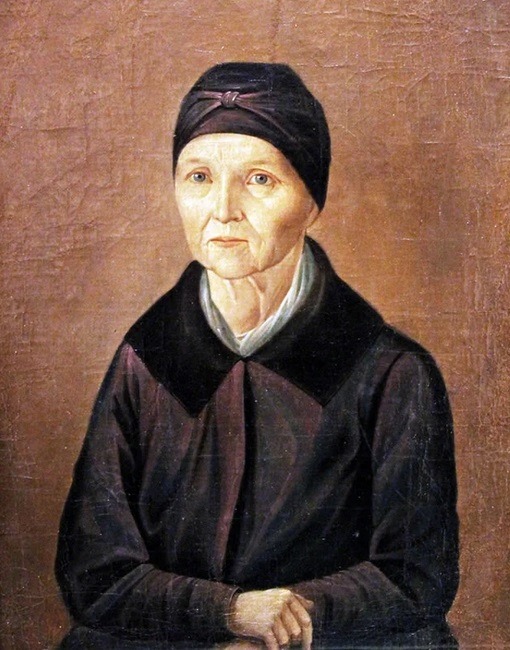
Wikimedia Commons · Public domain · file After an early journey from Moscow, the infant Pushkin lived with his family in Saint Petersburg until spring 1801. Year-level dating reflects a residence extending from 1799 or 1800 to spring 1801.
Born in Moscow
· German Quarter, Moscow, Russia
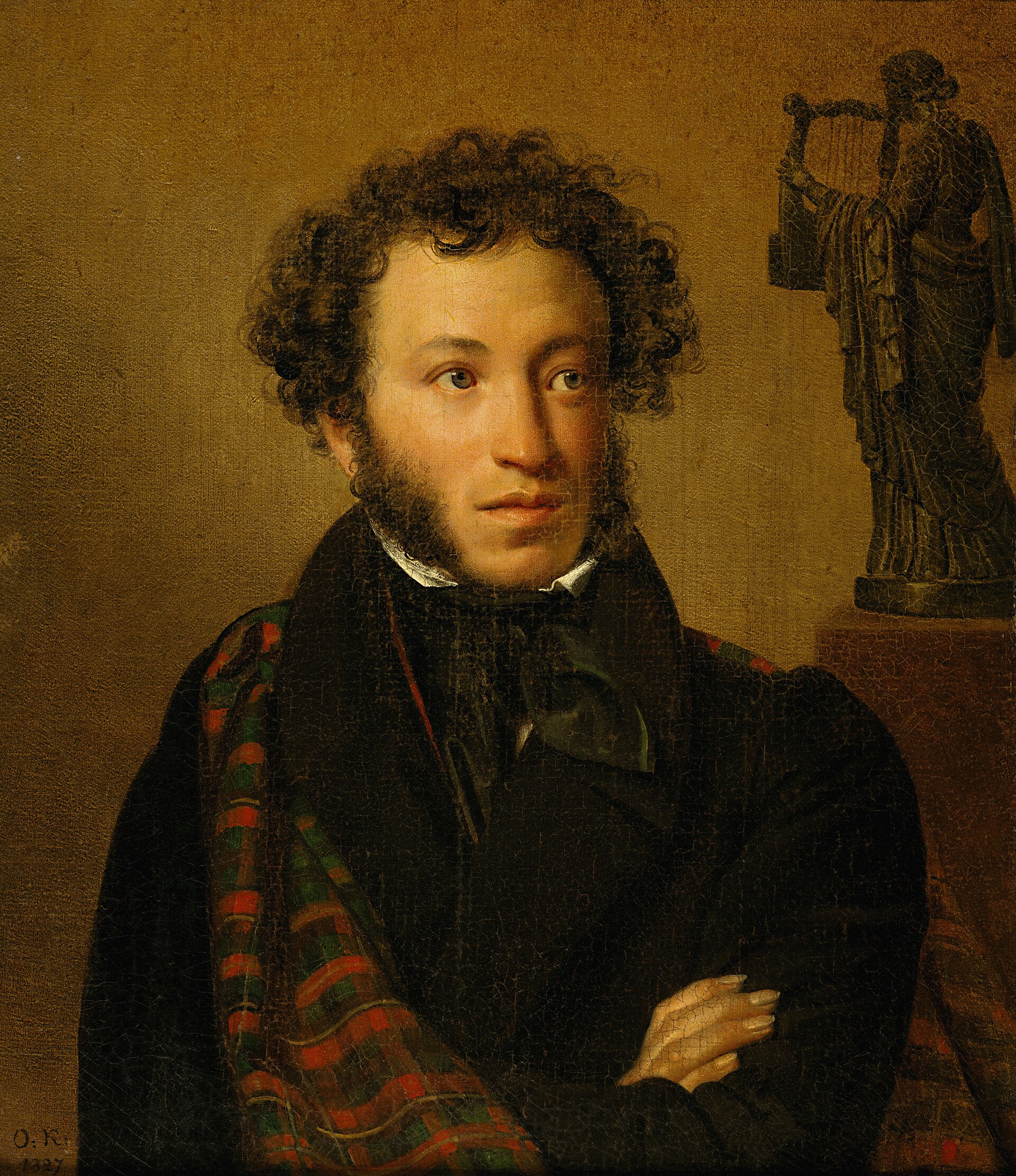
Wikimedia Commons · Public domain · file Pushkin was born in Moscow's German Quarter into a noble family. Coordinates represent Moscow's historic German Quarter; the precise birth house remains disputed.
Childhood summers at Zakharovo
· Zakharovo Estate, Zakharovo, Moscow Oblast, Russia
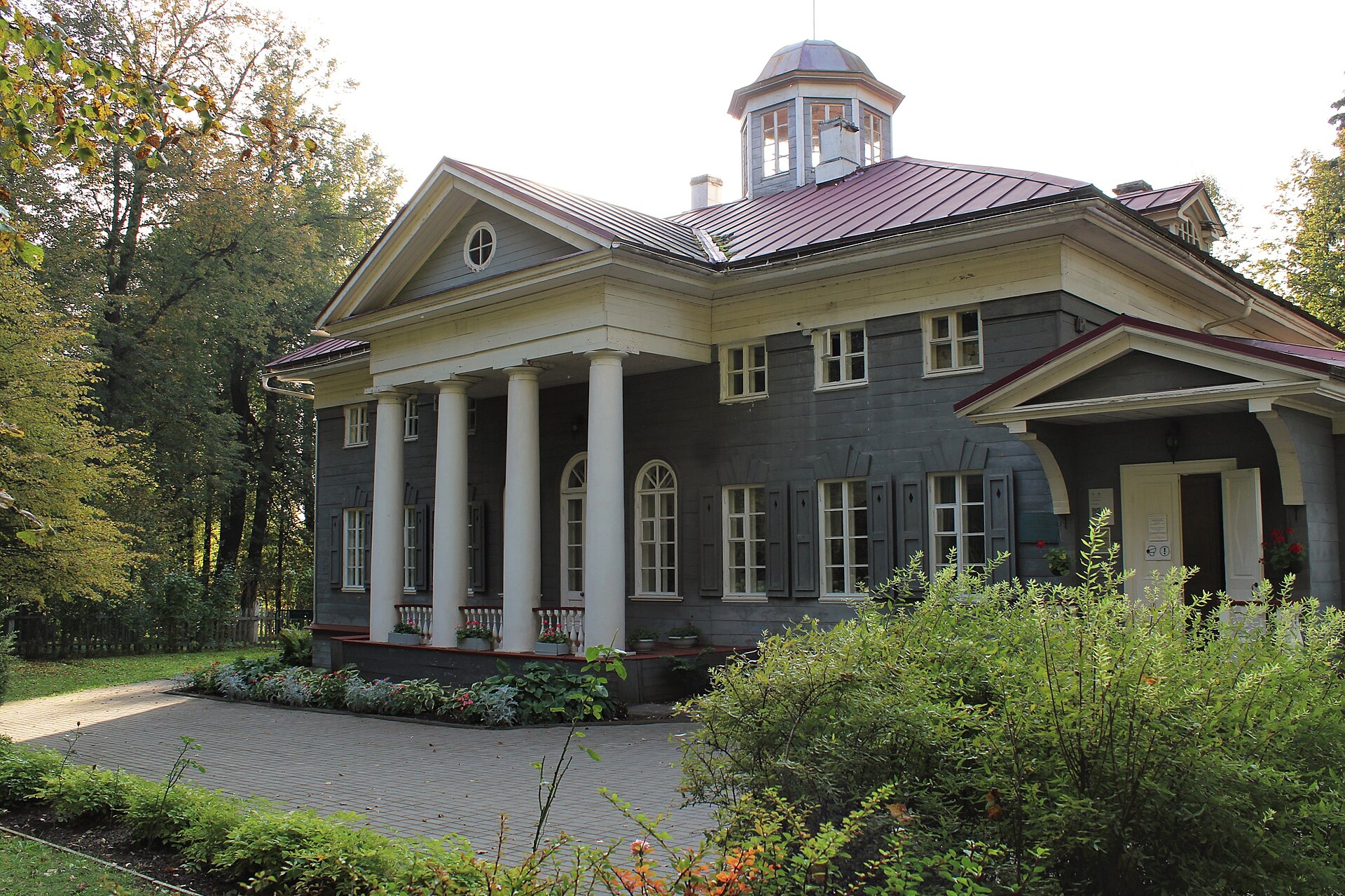
Wikimedia Commons · Creative Commons Attribution-Share Alike 4.0 International · file Zakharovo, his maternal grandmother's estate near Moscow, became Pushkin's recurring summer home during childhood. The date marks the beginning of documented recurring summer residence, 1805–1809.
Entered the Imperial Lyceum
· Imperial Lyceum, Tsarskoye Selo, Saint Petersburg, Russia
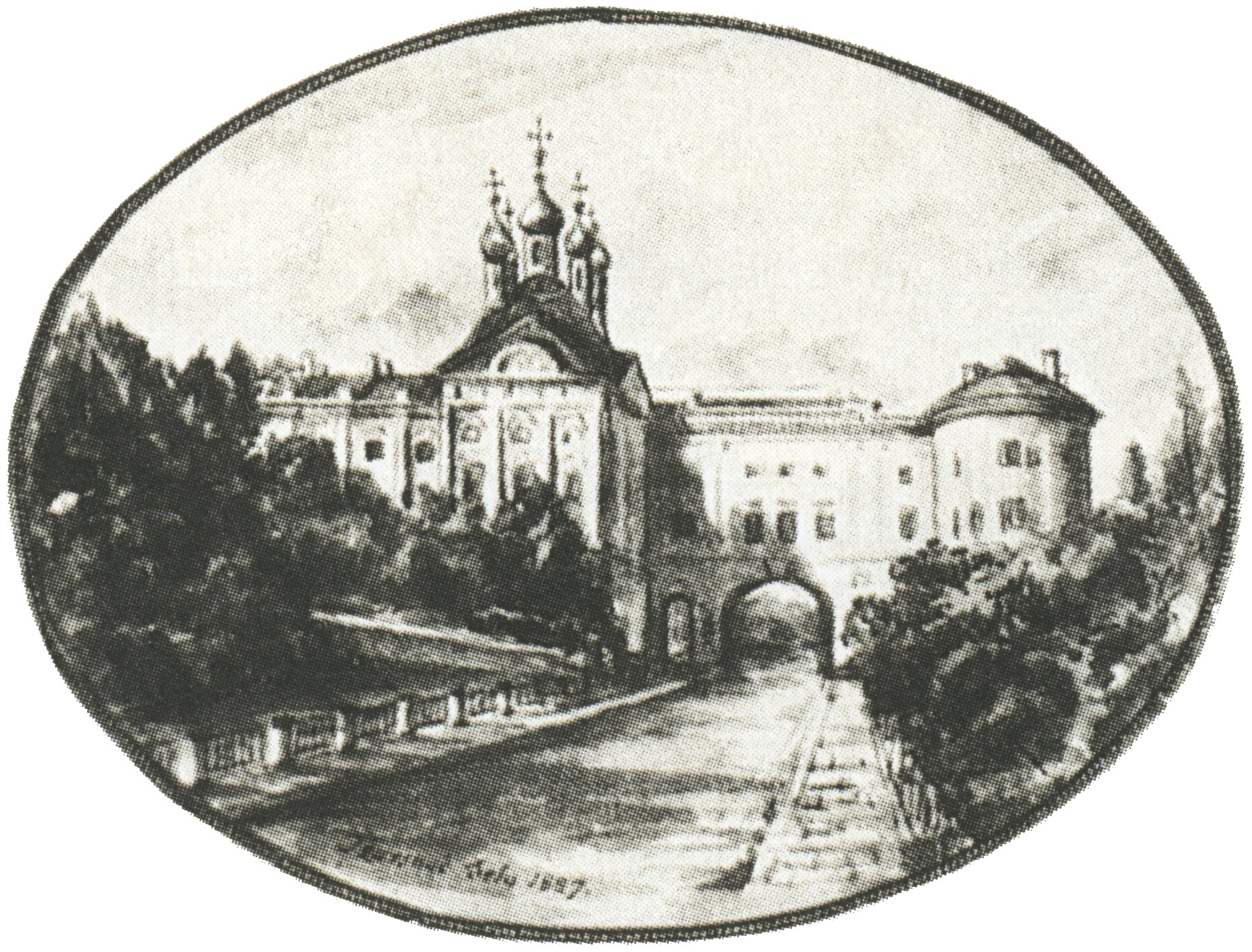
Wikimedia Commons · Public domain · file Pushkin began six formative years at the Imperial Lyceum in Tsarskoye Selo. October 19 is the contemporary Russian Old Style date used by the source.
Recited before Derzhavin
· Great Hall, Imperial Lyceum, Tsarskoye Selo, Saint Petersburg, Russia
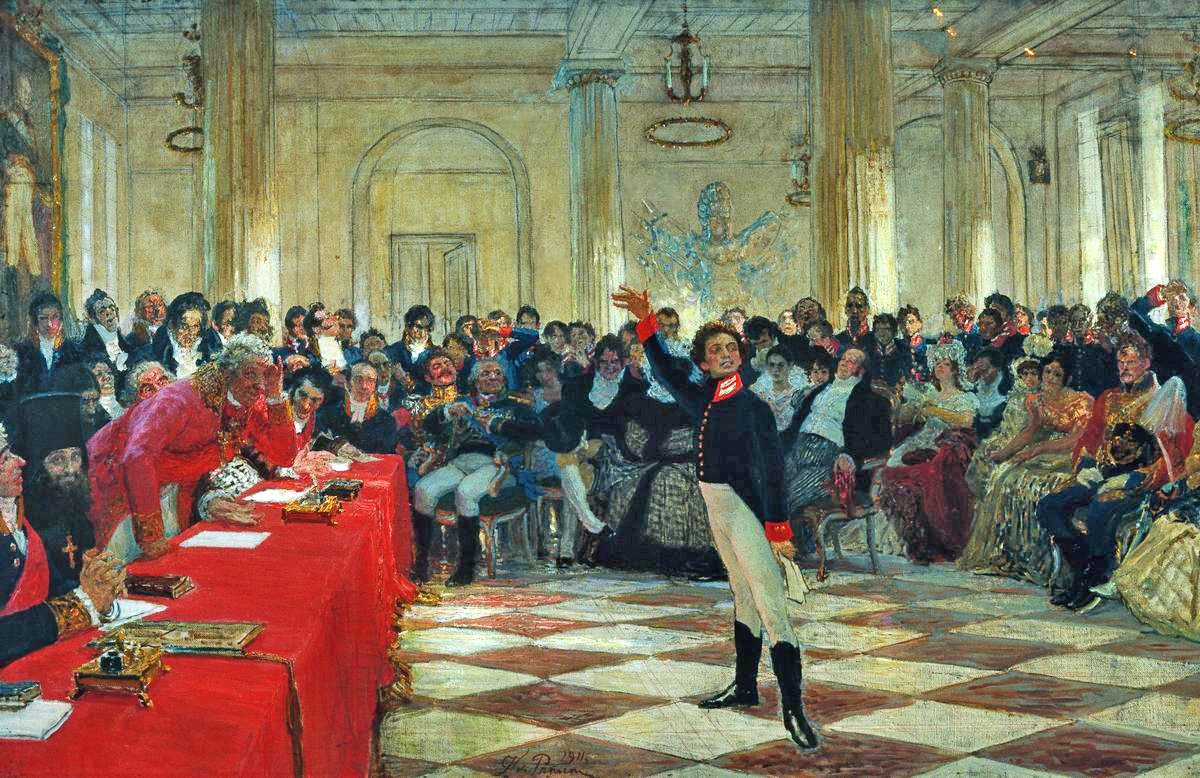
Wikimedia Commons · Public domain · file During a public Lyceum examination, Pushkin recited “Recollections at Tsarskoye Selo” before the eminent poet Gavrila Derzhavin. Date follows the source's historical Russian dating.
First adult stay at Mikhailovskoye
· Mikhailovskoye Estate, Pushkinskiye Gory, Pskov Oblast, Russia
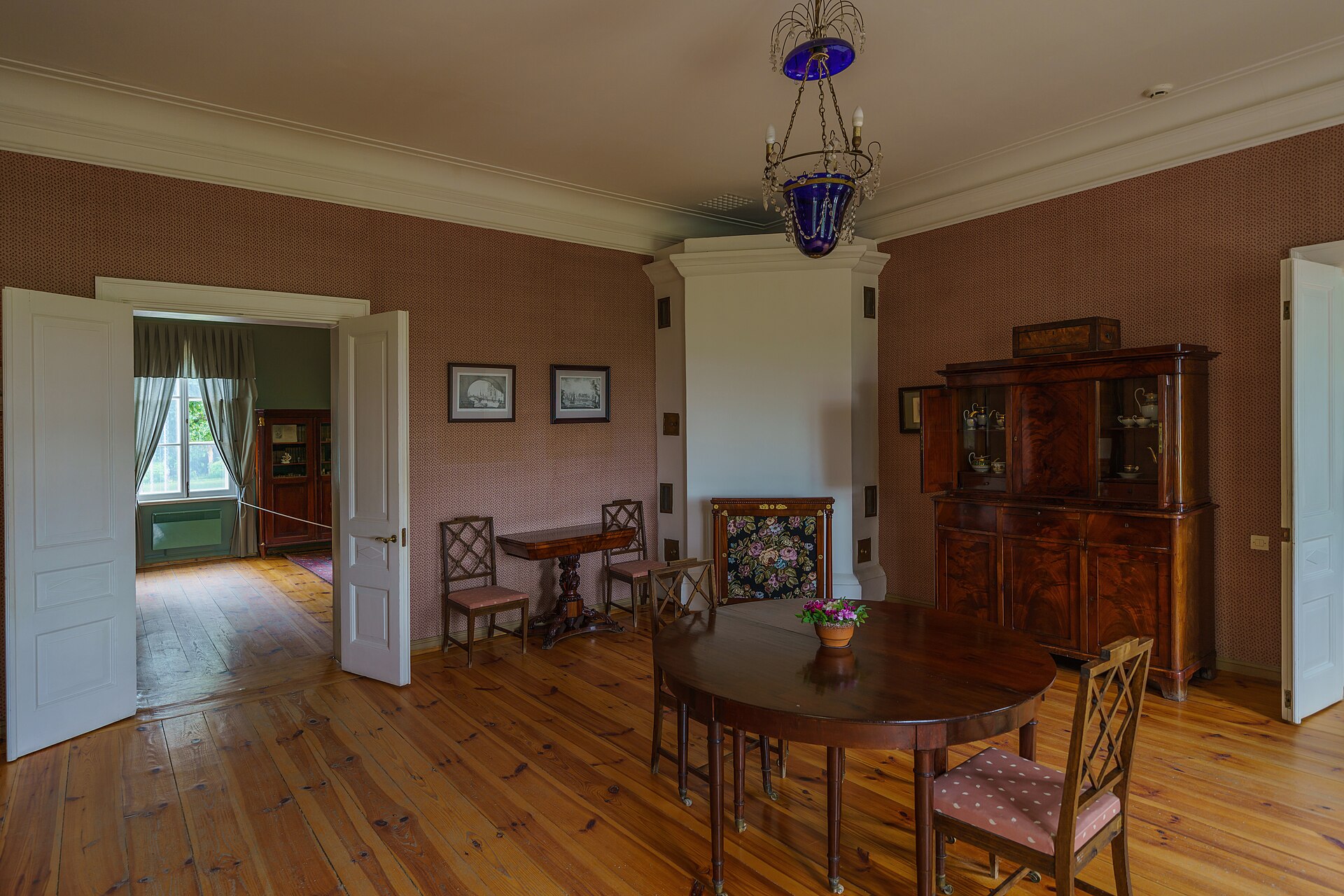
Wikimedia Commons · Free Art License · file Soon after graduating, Pushkin visited his family's Pskov-region estate, later the principal site of his exile and rural writing.
Joined Petersburg literary life
· Saint Petersburg, Russia
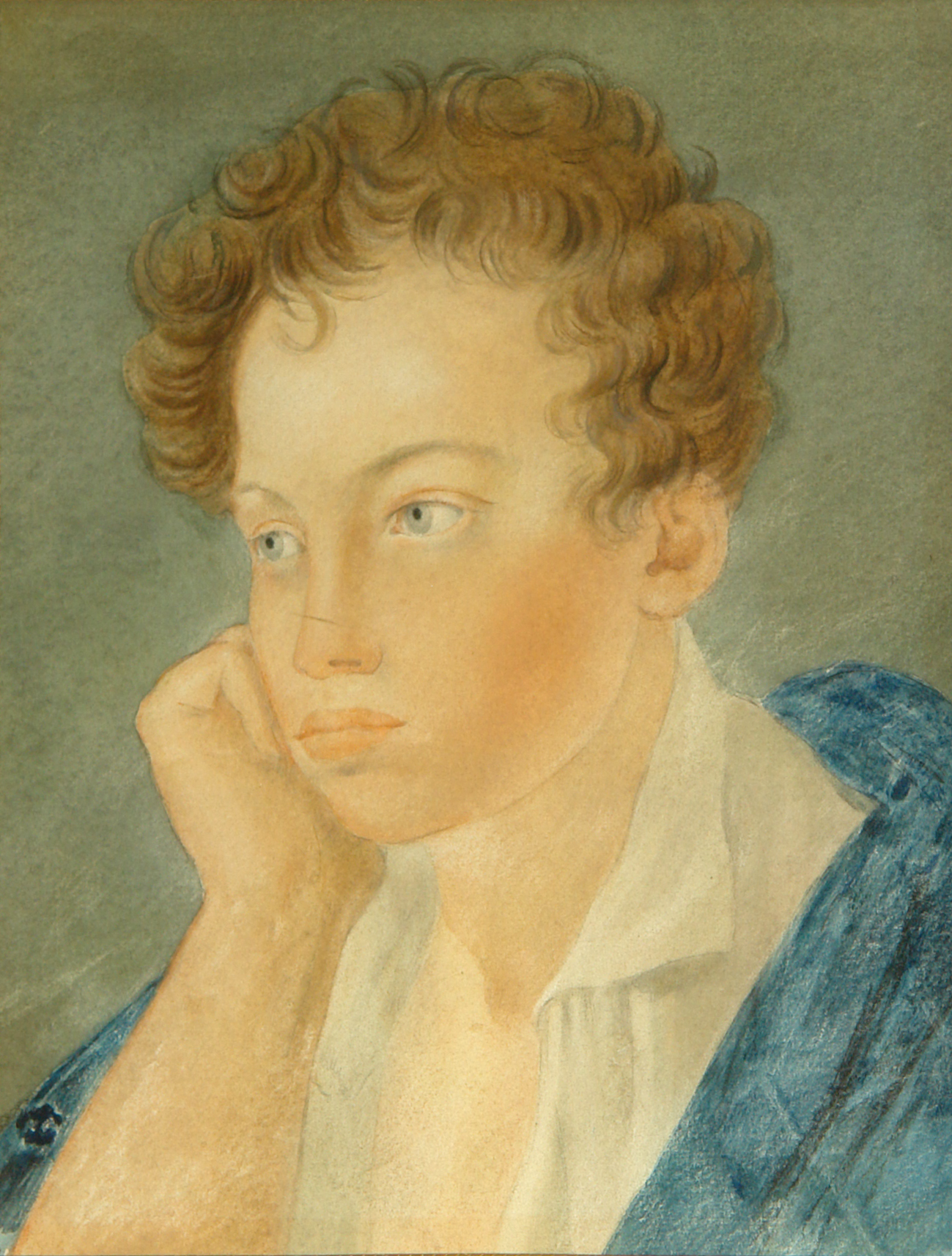
Wikimedia Commons · Public domain · file After school, Pushkin lived amid the theaters, salons, and literary societies of the imperial capital. The source supports a general 1817–1820 Petersburg period rather than one address.
Graduated from the Lyceum
· Imperial Lyceum, Tsarskoye Selo, Saint Petersburg, Russia
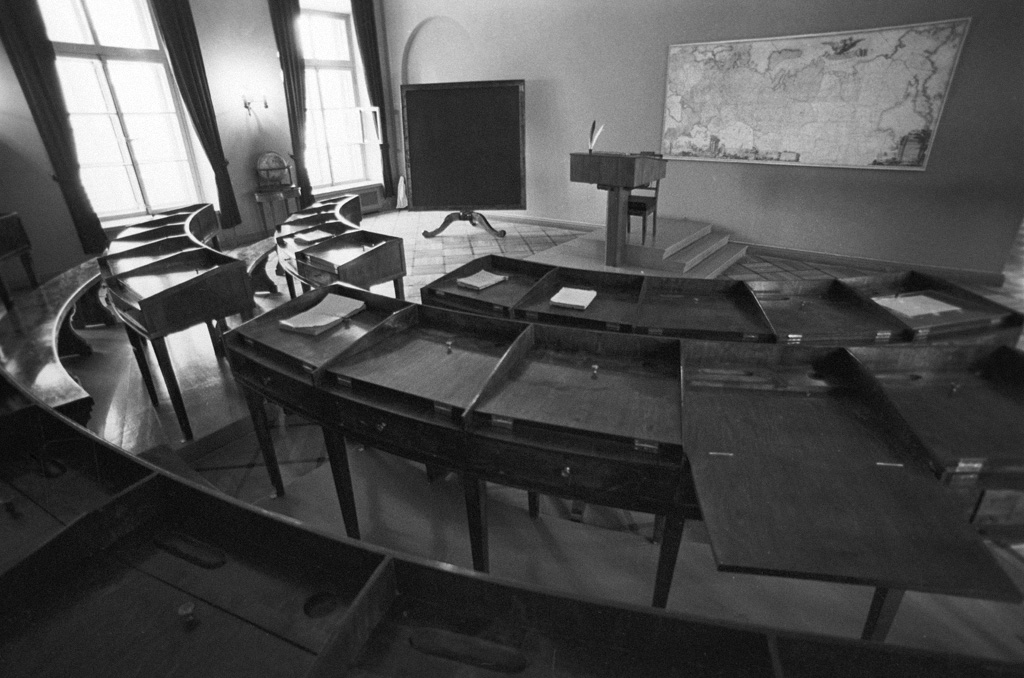
Wikimedia Commons · Creative Commons Attribution-Share Alike 3.0 Unported · file Pushkin left the Lyceum with the civil rank of collegiate secretary, beginning his adult literary and official life. Date is Old Style as used by the source.
Returned to Mikhailovskoye
· Mikhailovskoye Estate, Pushkinskiye Gory, Pskov Oblast, Russia
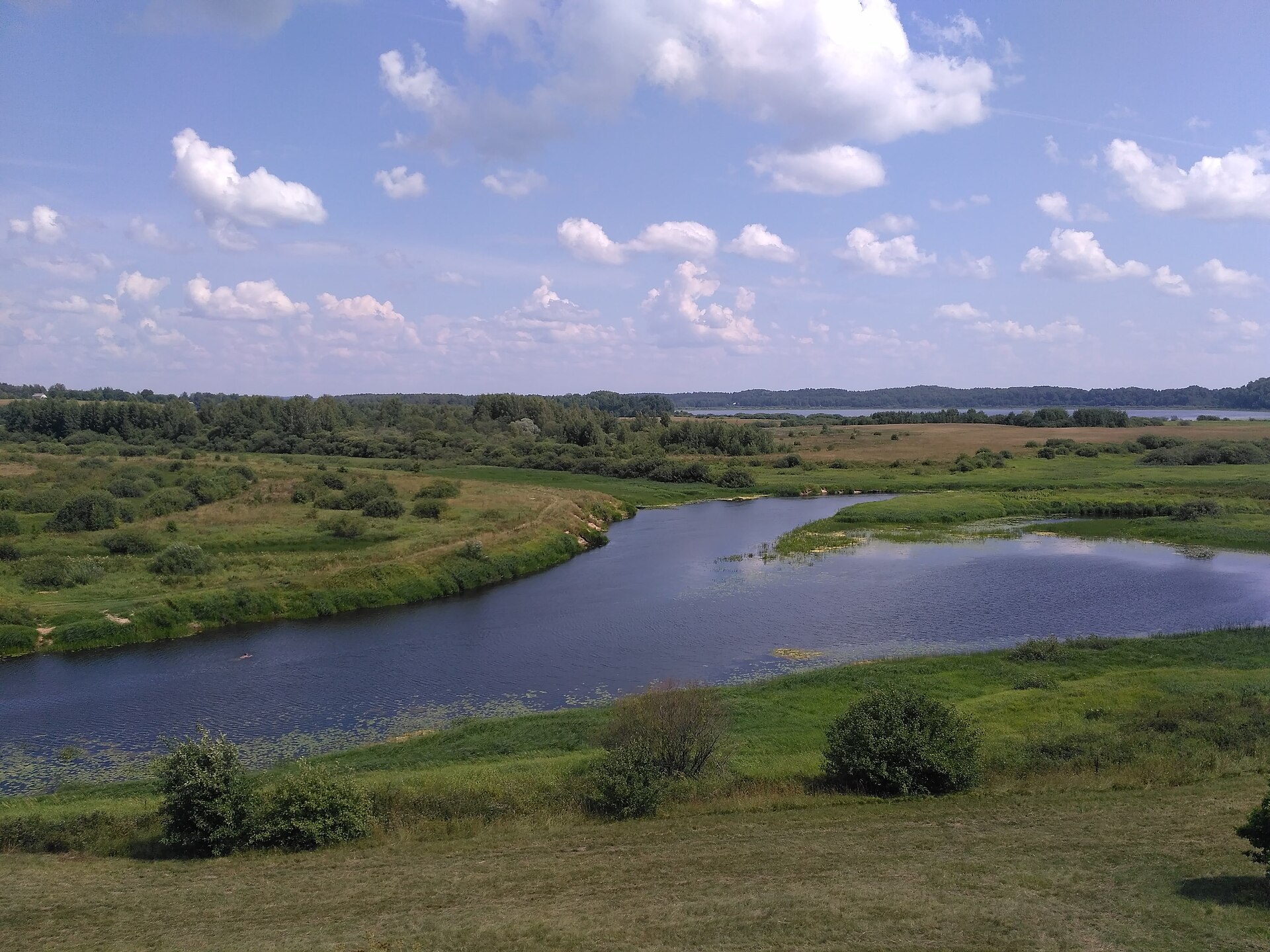
Wikimedia Commons · Creative Commons Attribution-Share Alike 4.0 International · file Pushkin spent another summer at Mikhailovskoye, where he wrote “The Village” and “To the House Spirit.”
Rode toward Ayu-Dag
· Ayu-Dag, Crimea, Ukraine
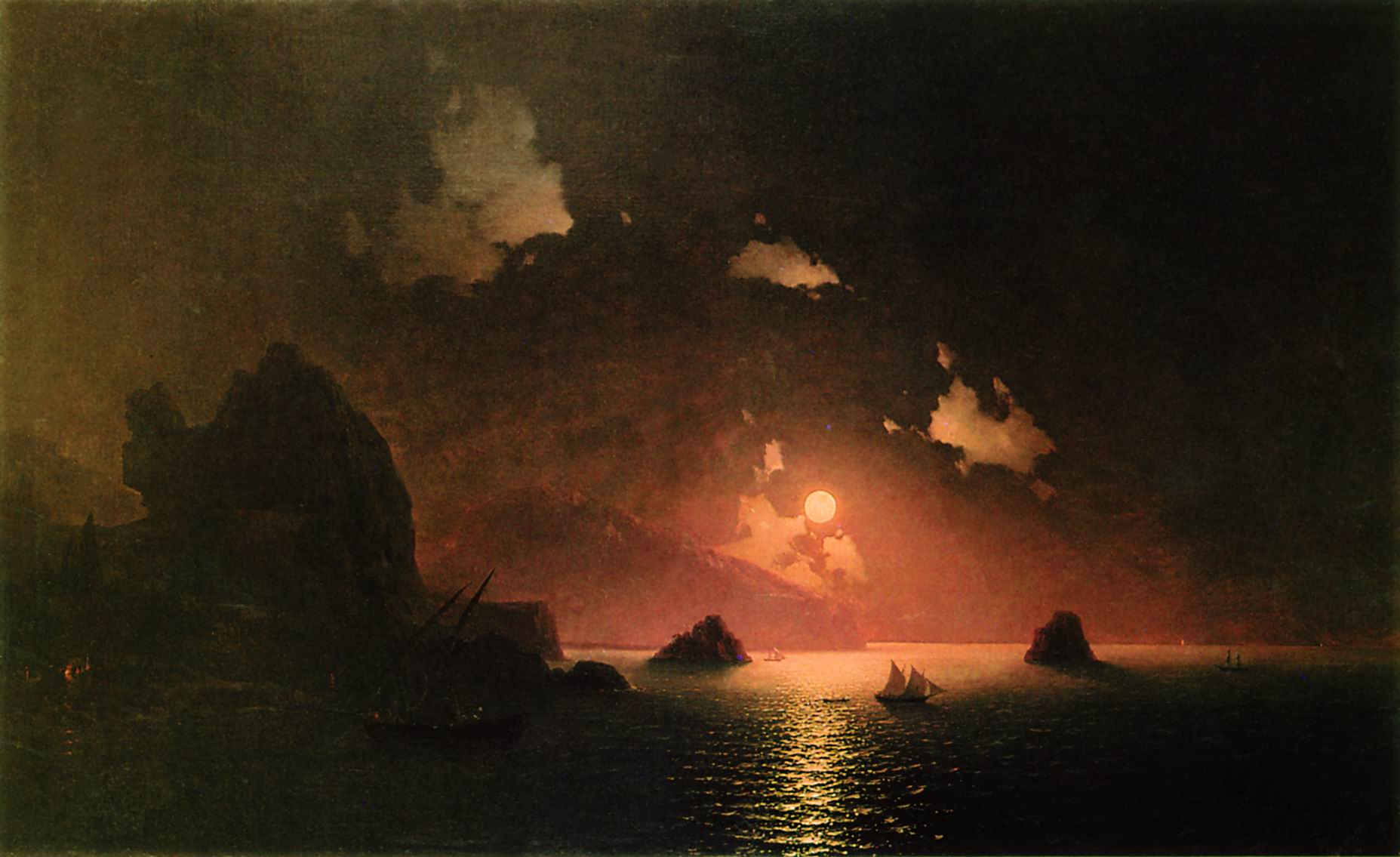
Wikimedia Commons · Public domain · file During his Gurzuf stay, Pushkin made a horseback excursion toward the summit of Ayu-Dag, one of his documented Crimean outings. The evidence establishes an excursion toward the summit, not necessarily attainment of the precise summit point.
Wintered at Kamianka
· Kamianka, Cherkasy Oblast, Ukraine
Inzov permitted Pushkin to spend extended periods with friends at Kamianka, an important gathering place for future Decembrists. Year marks the beginning of a winter 1820–1821 stay.
Exiled to Yekaterinoslav
· Dnipro, Ukraine
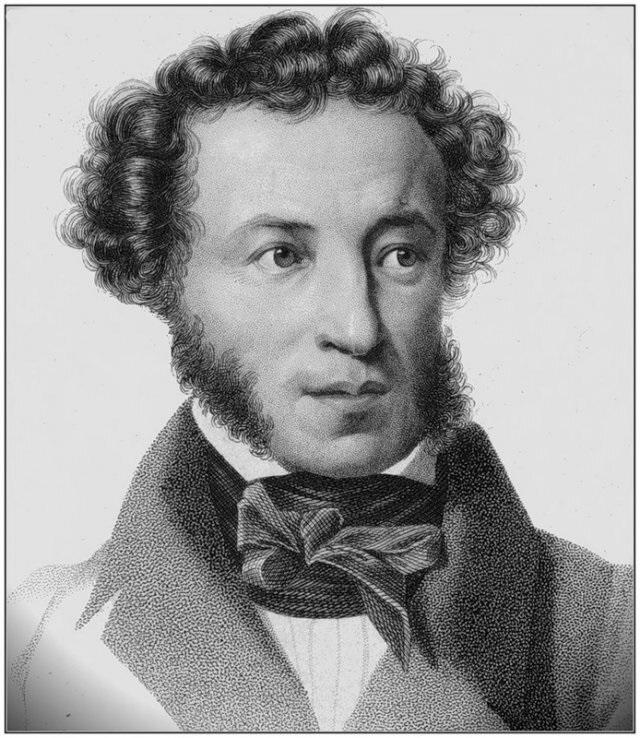
Wikimedia Commons · Public domain · file Government punishment removed Pushkin from Saint Petersburg and sent him south to Yekaterinoslav, now Dnipro. Settlement coordinates are used because the documented lodging site is not established here.
Stopped in Taganrog
· Former Papkov House, 40 Grecheskaya Street, Taganrog, Russia
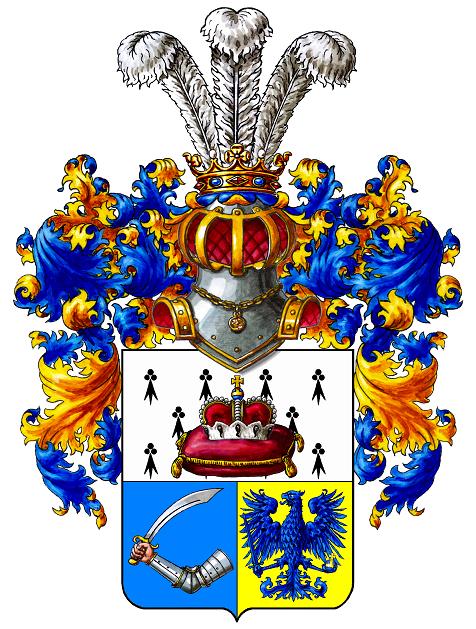
Wikimedia Commons · Public domain · file Traveling with General Nikolay Raevsky's family toward the Caucasus, Pushkin stayed at the former Papkov residence in Taganrog. Month is retained because the exact date is calendar-sensitive across sources.
Recovered at the Caucasian Mineral Waters
· Caucasian Mineral Waters, Pyatigorsk, Stavropol Krai, Russia
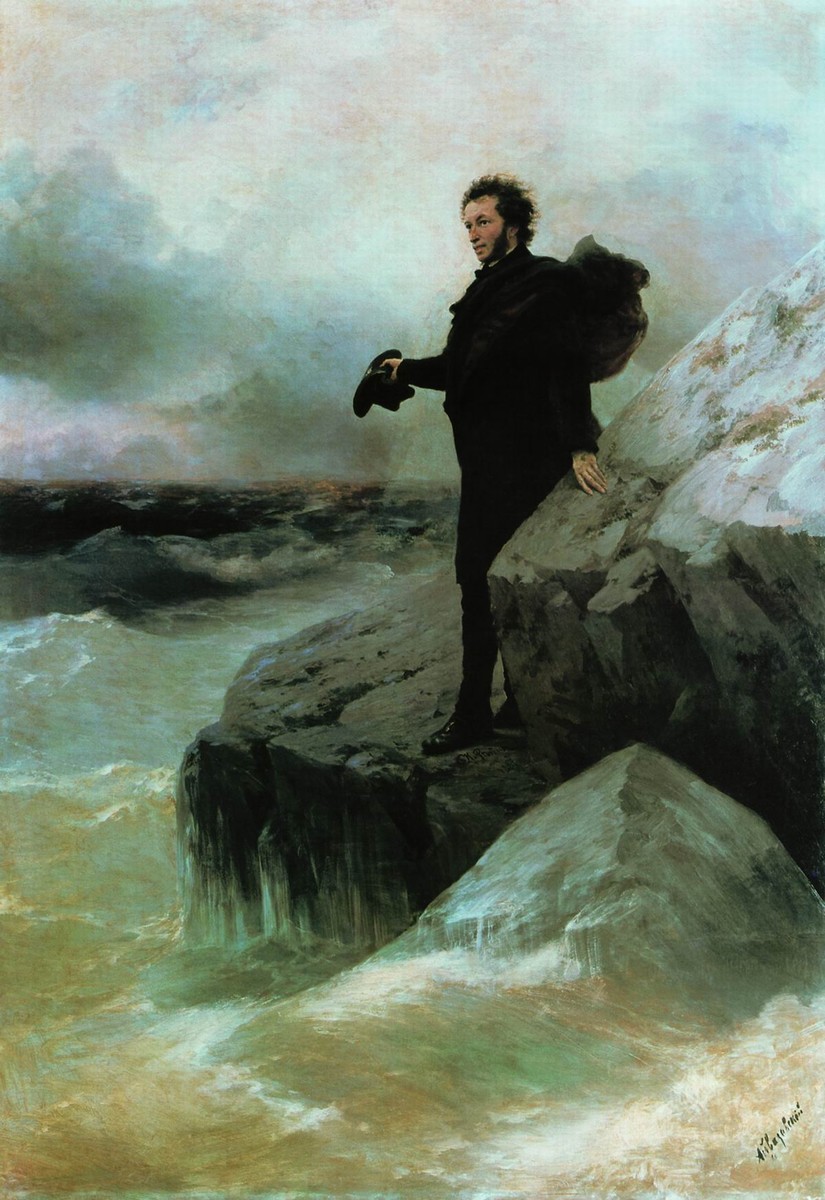
Wikimedia Commons · Public domain · file Pushkin stayed at A. F. Rebrov's estate while recovering his health during his first Caucasian journey. Date is the New Style equivalent explicitly supplied by the source; coordinates represent Pyatigorsk within the broader resort region.
Arrived in Feodosia
· Feodosia, Crimea, Ukraine
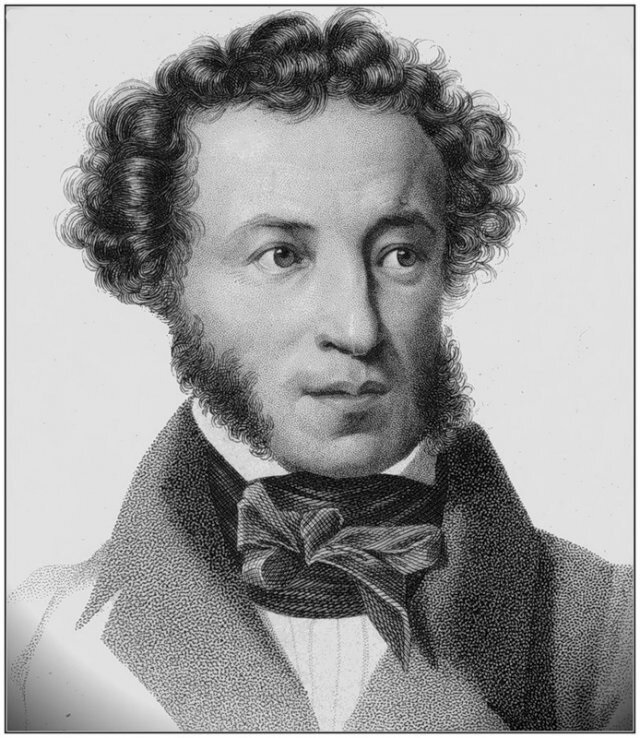
Wikimedia Commons · Public domain · file After traveling from Kerch, Pushkin stayed with the retired official Semyon Bronevsky at Feodosia, historically called Kafa. Month precision avoids ambiguity between Old Style August 16 and its New Style equivalent.
Stayed at Gurzuf
· Richelieu House, Gurzuf, Crimea, Ukraine
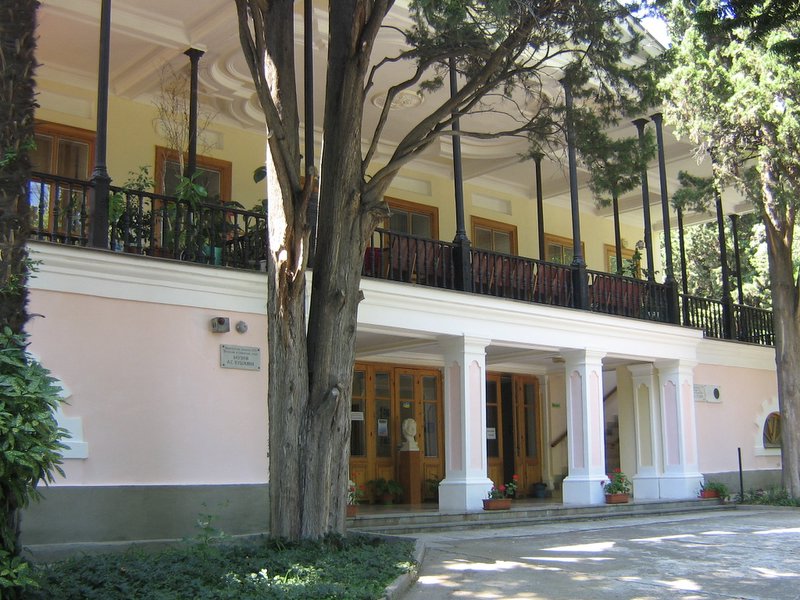
Wikimedia Commons · Creative Commons Attribution-Share Alike 4.0 International · file Pushkin spent several weeks with the Raevsky family in the former Richelieu house at Gurzuf, writing and exploring Crimea's southern coast.
Crossed into Crimea at Kerch
· Kerch, Crimea, Ukraine
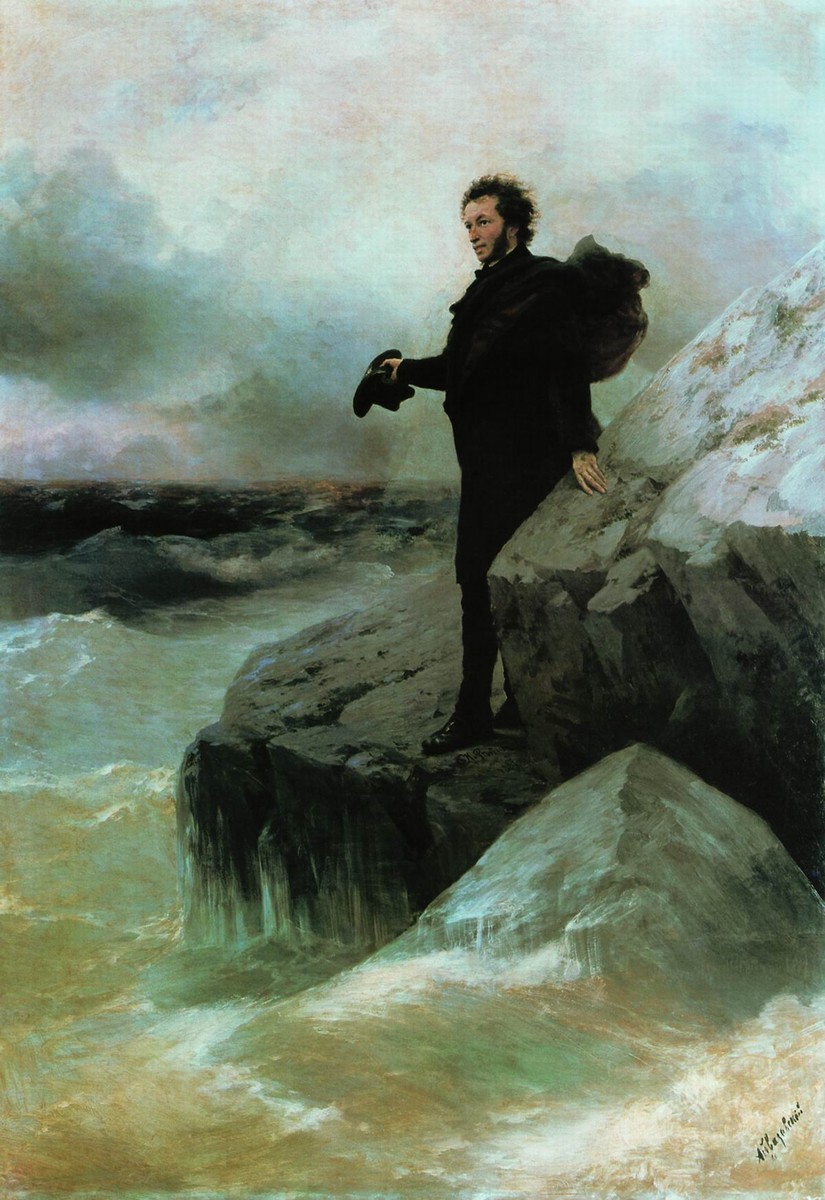
Wikimedia Commons · Public domain · file Pushkin crossed the Kerch Strait and entered Crimea, beginning the journey that strongly shaped his southern poetry. Coordinates represent Kerch, the documented gateway across the strait.
Stayed in Simferopol
· Simferopol, Crimea, Ukraine
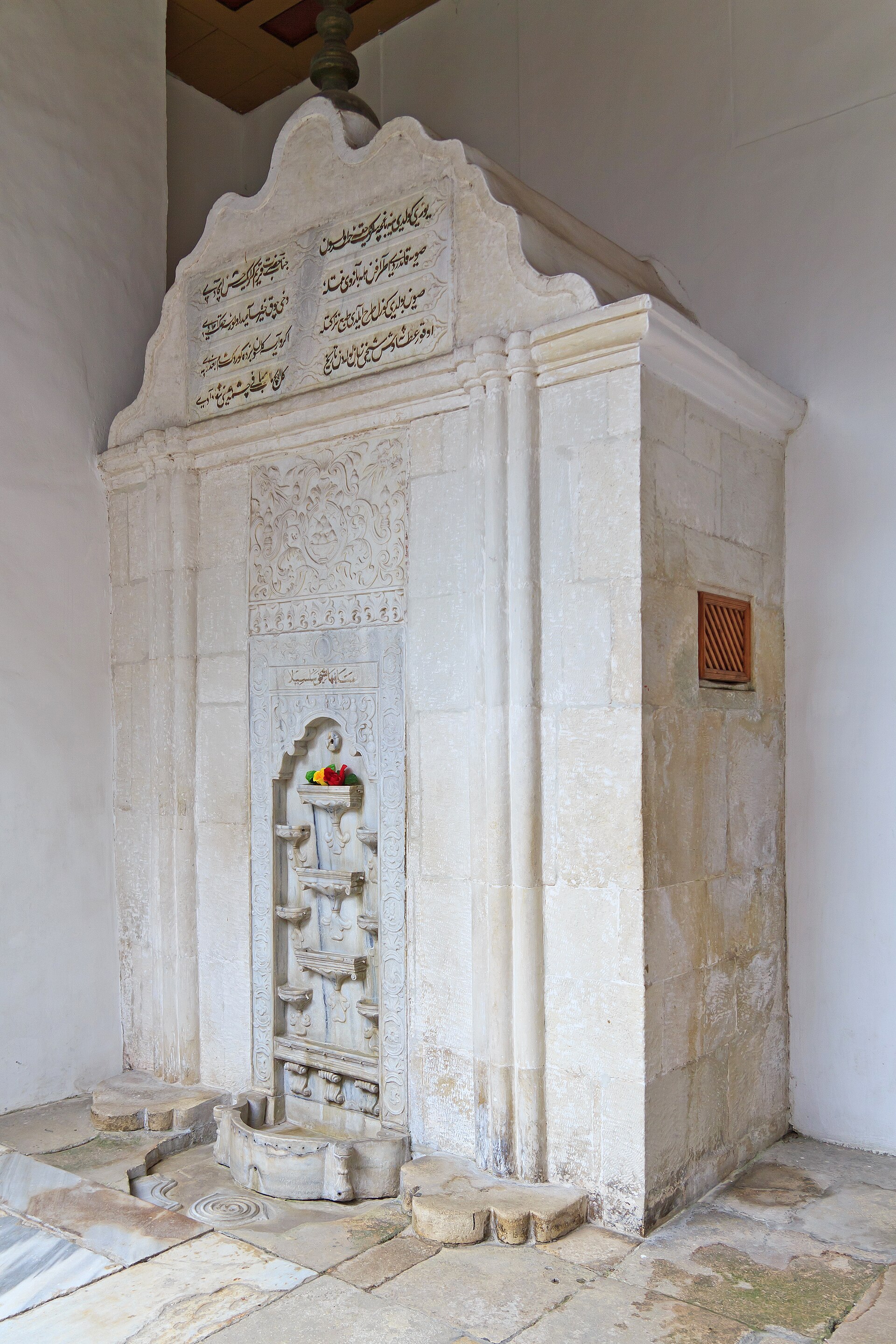
Wikimedia Commons · Free Art License · file Pushkin spent approximately a week in Simferopol near the end of his Crimean journey. The proposed governor's-house lodging is uncertain, so settlement coordinates are used.
Visited the Khan's Palace
· Khan's Palace, Bakhchisarai, Crimea, Ukraine
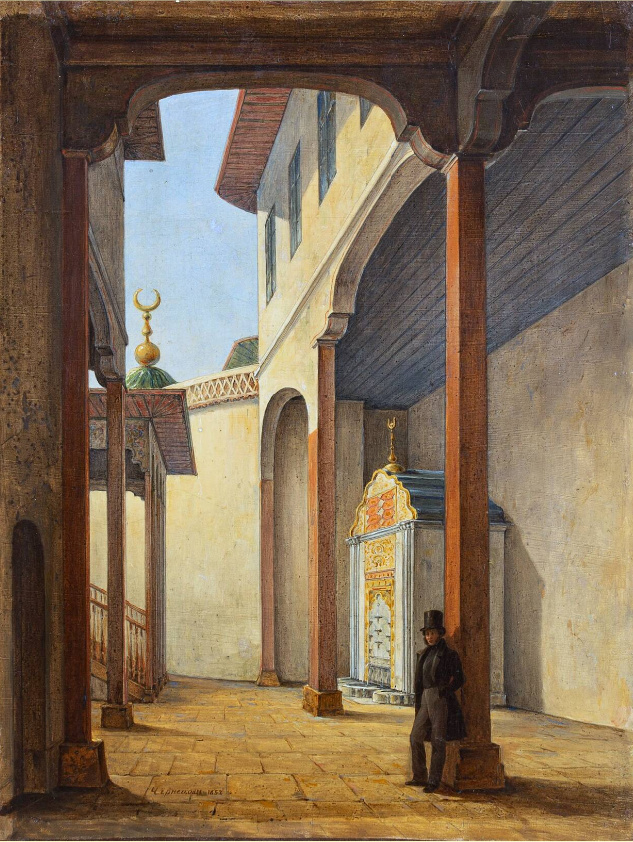
Wikimedia Commons · Public domain · file Pushkin visited Bakhchisarai and inspected the palace and Fountain of Tears, inspiring his later narrative poem. Coordinates identify the Khan's Palace, directly described in Pushkin's account.
Arrived in Chișinău
· Chișinău, Moldova
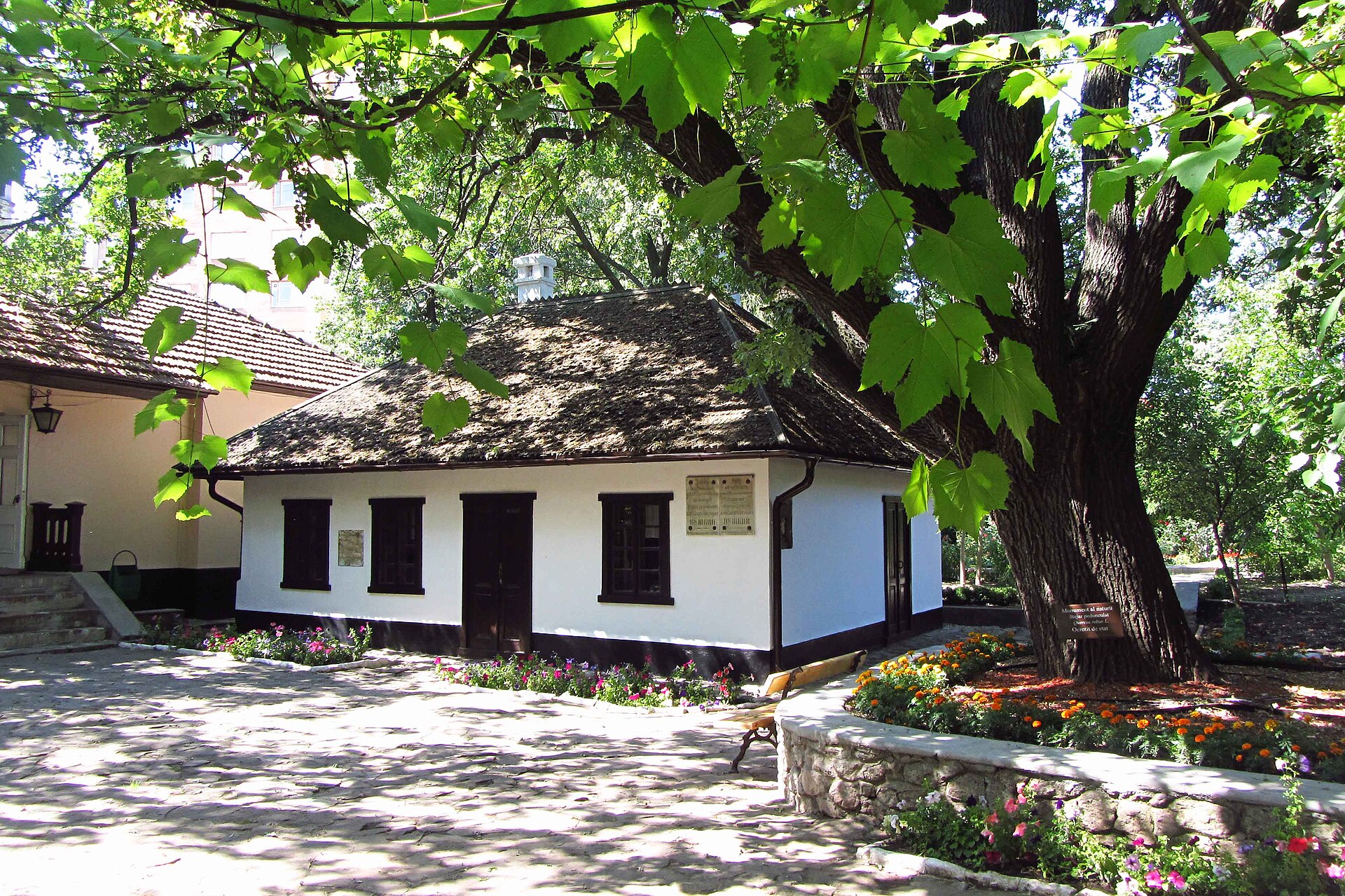
Wikimedia Commons · Creative Commons Attribution-Share Alike 3.0 Unported · file Pushkin reached Chișinău to serve under General Ivan Inzov and remained based there during most of his southern exile through 1823. Date is Old Style as used by the source.
First documented Odessa visit
· Odesa, Ukraine
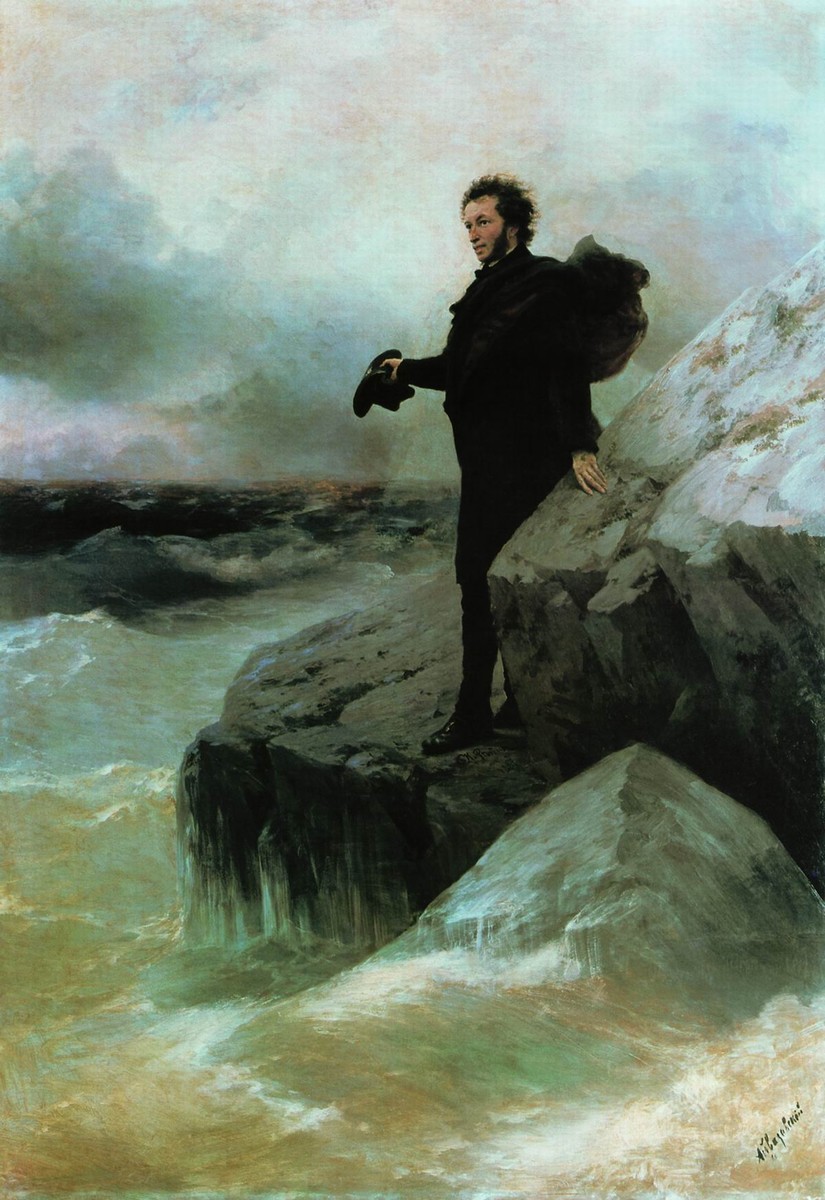
Wikimedia Commons · Public domain · file Pushkin visited the Black Sea port of Odessa near the end of 1821, before his later official transfer there. Date is limited to the year because the evidence says only late 1821.
Visited Kyiv
· Kyiv, Ukraine
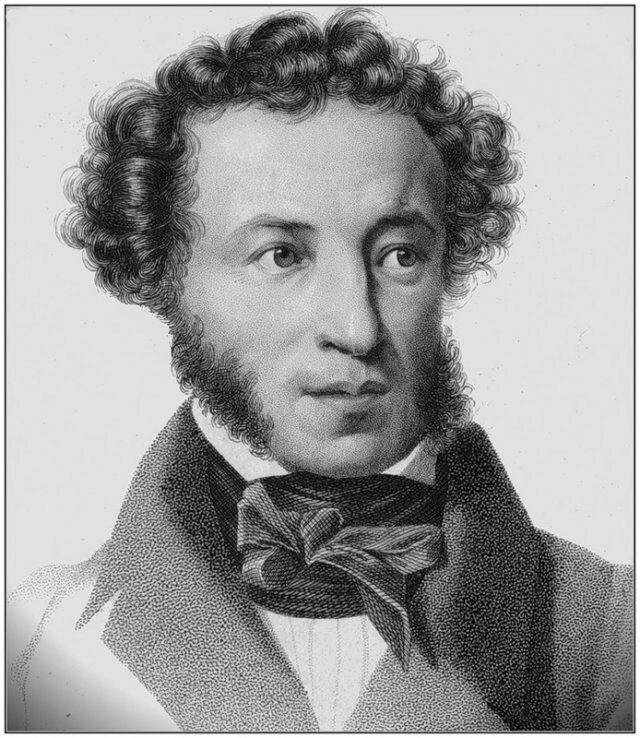
Wikimedia Commons · Public domain · file While nominally based in Chișinău, Pushkin was allowed to travel to Kyiv. The source does not provide a more precise date or Kyiv venue.
Began Onegin in Chișinău
· Chișinău, Moldova
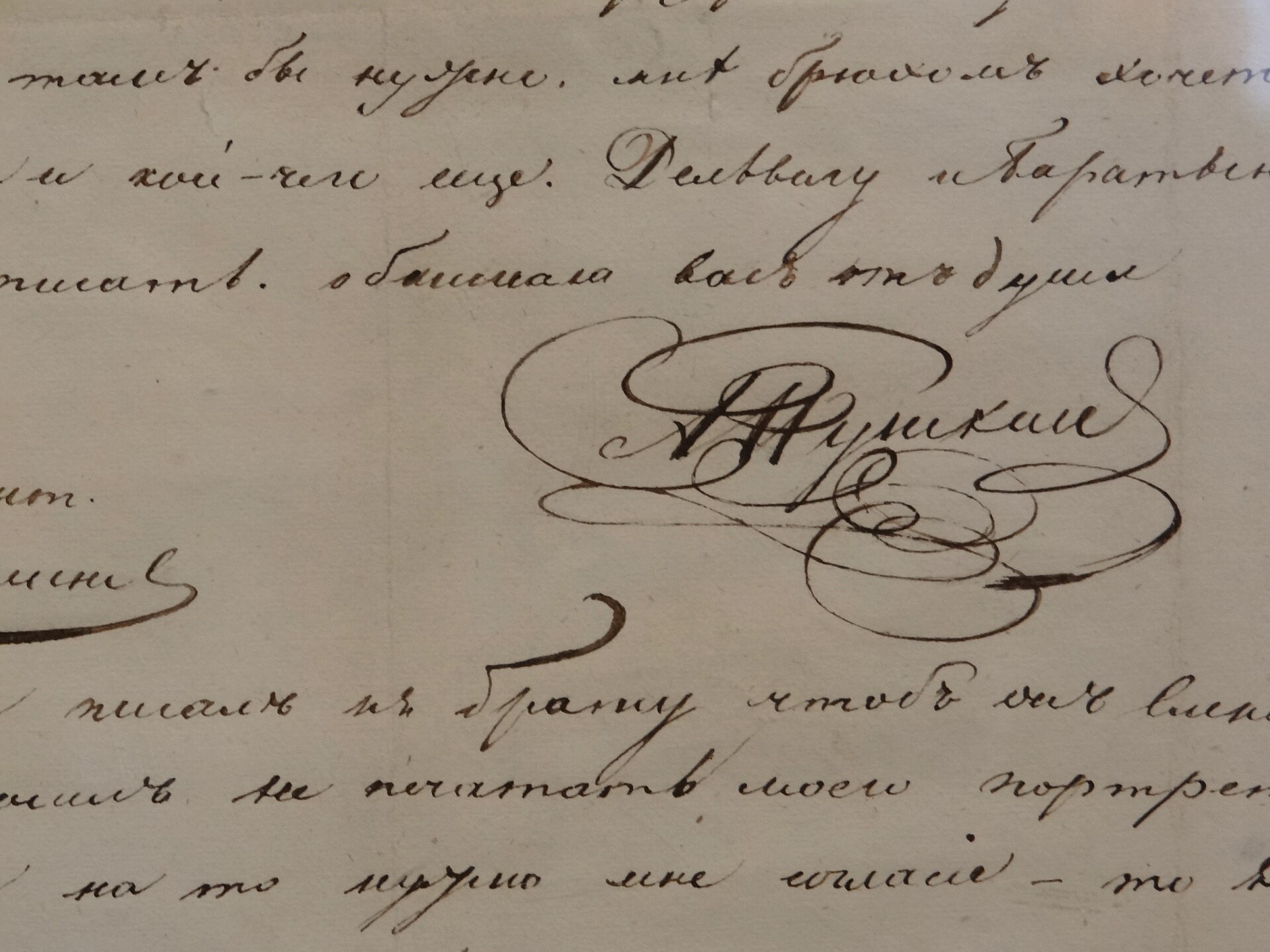
Wikimedia Commons · Creative Commons Attribution 2.0 Generic · file While still in Chișinău, Pushkin began the verse novel “Eugene Onegin,” which occupied him for much of the following decade.
Transferred to Odessa
· Odesa, Ukraine
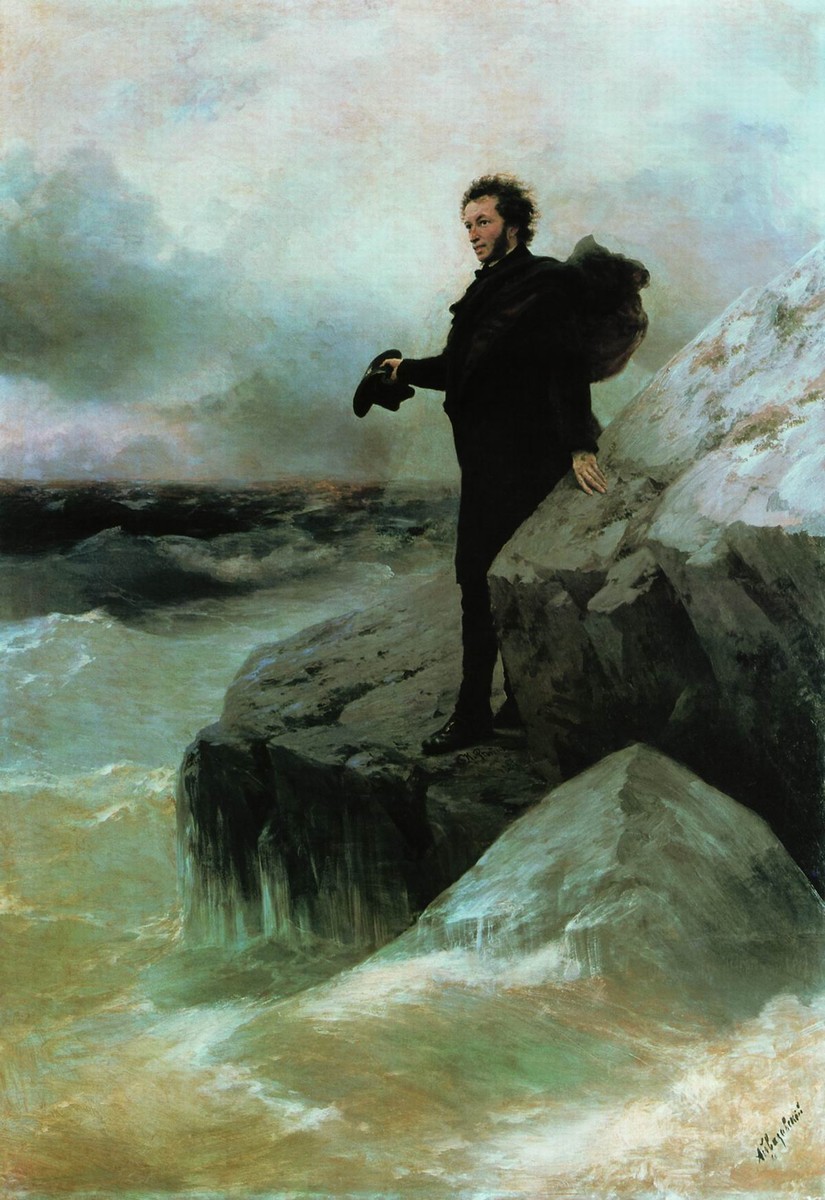
Wikimedia Commons · Public domain · file Pushkin moved from Chișinău to Odessa to work in Governor-General Mikhail Vorontsov's administration.
Departed Odessa for Pskov exile
· Odesa, Ukraine
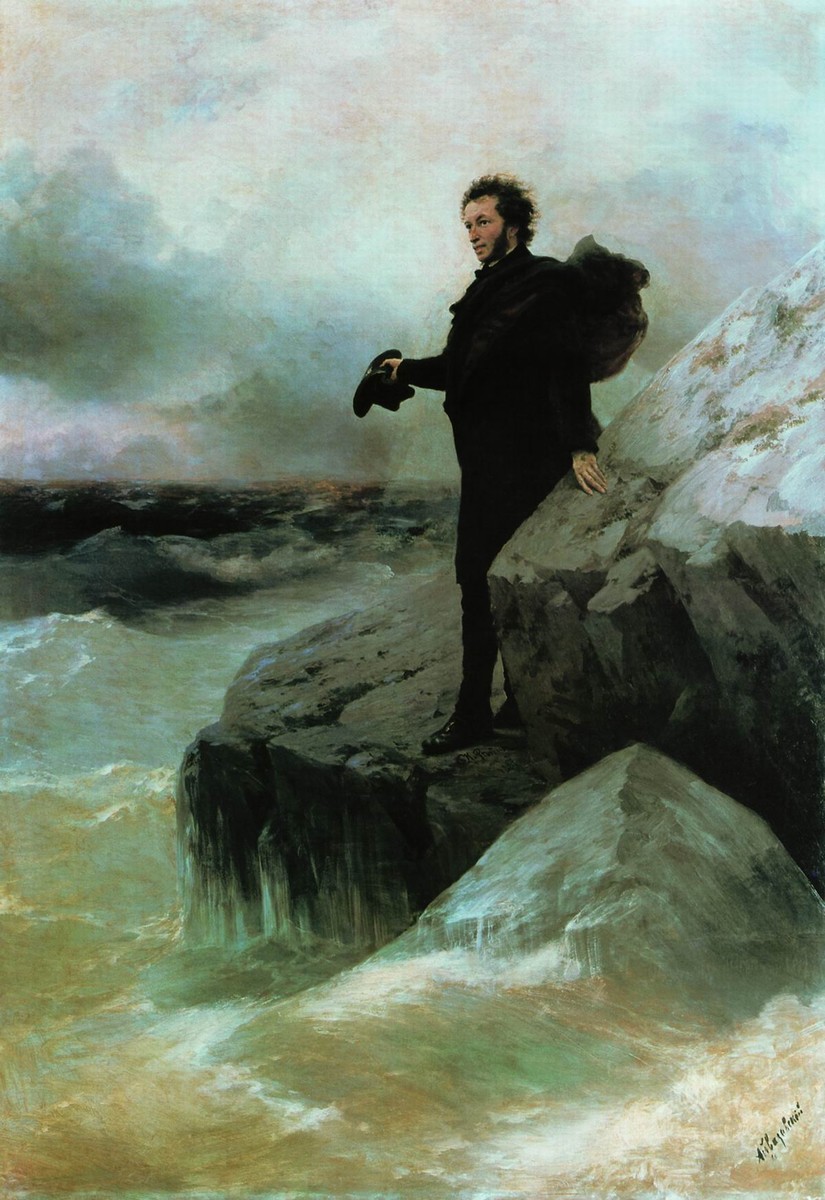
Wikimedia Commons · Public domain · file Dismissed from government service, Pushkin left Odessa under orders to reside under supervision in Pskov province. Date is Old Style as used by the source.
Confined at Mikhailovskoye
· Mikhailovskoye Estate, Pushkinskiye Gory, Pskov Oblast, Russia
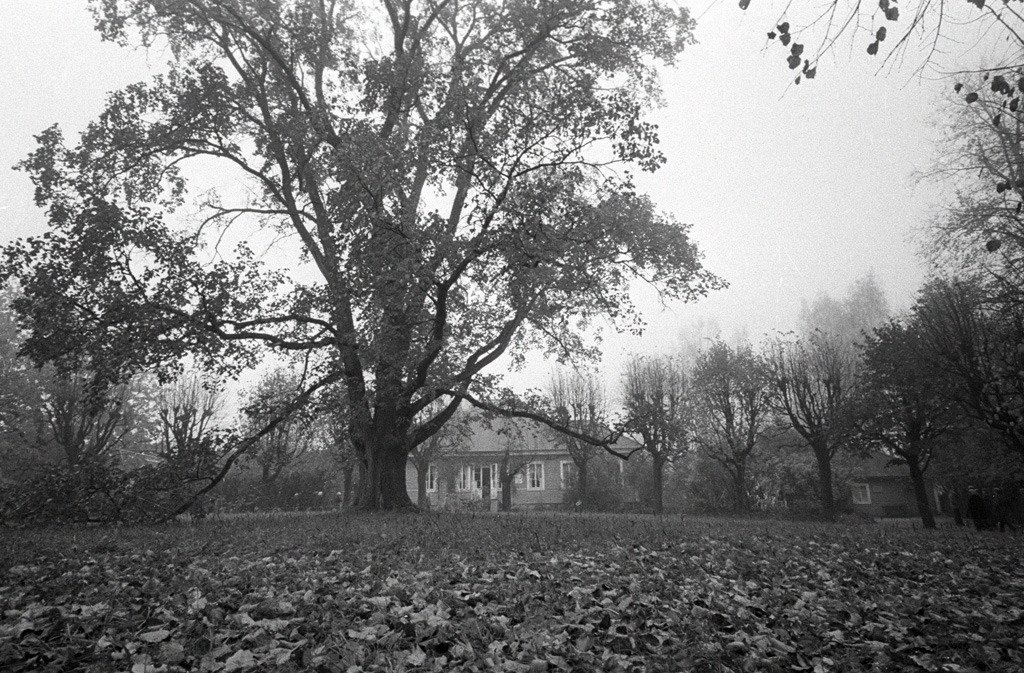
Wikimedia Commons · Creative Commons Attribution-Share Alike 3.0 Unported · file Pushkin began nearly two years of rural exile at his mother's estate, a period of intense reading and major literary production.
Visited Anna Kern at Trigorskoye
· Trigorskoye Estate, Pushkinskiye Gory, Pskov Oblast, Russia

Wikimedia Commons · Public domain · file During exile, Pushkin met Anna Kern at neighboring Trigorskoye, an encounter associated with one of his best-known lyric poems.
Summoned to the Moscow Kremlin
· Site of the Small Nicholas Palace, Moscow Kremlin, Moscow, Russia
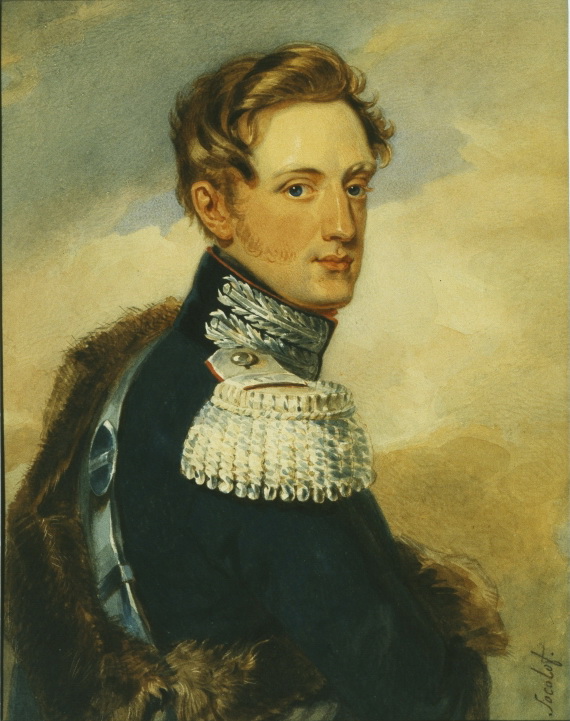
Wikimedia Commons · Public domain · file Immediately after reaching Moscow from exile, Pushkin was taken to a private audience with Emperor Nicholas I in the Kremlin. Date is Old Style; the Small Nicholas Palace was later demolished, so coordinates represent its Kremlin site.
Returned freely to Mikhailovskoye
· Mikhailovskoye Estate, Pushkinskiye Gory, Pskov Oblast, Russia
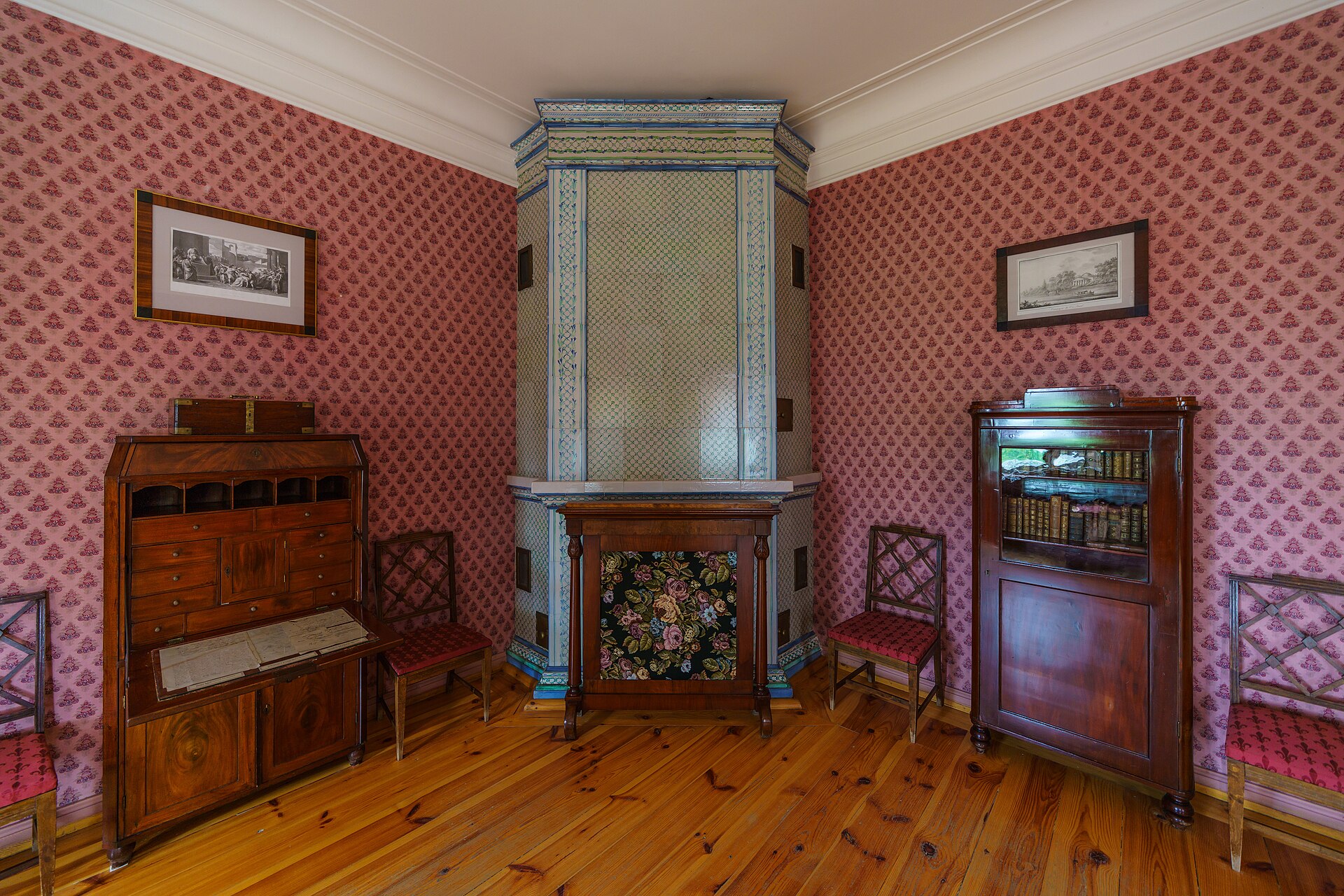
Wikimedia Commons · Free Art License · file About a month after his release from exile, Pushkin voluntarily returned to Mikhailovskoye and stayed for roughly a month. Month is derived from the stated interval after the September 1826 release.
Wrote at Mikhailovskoye again
· Mikhailovskoye Estate, Pushkinskiye Gory, Pskov Oblast, Russia
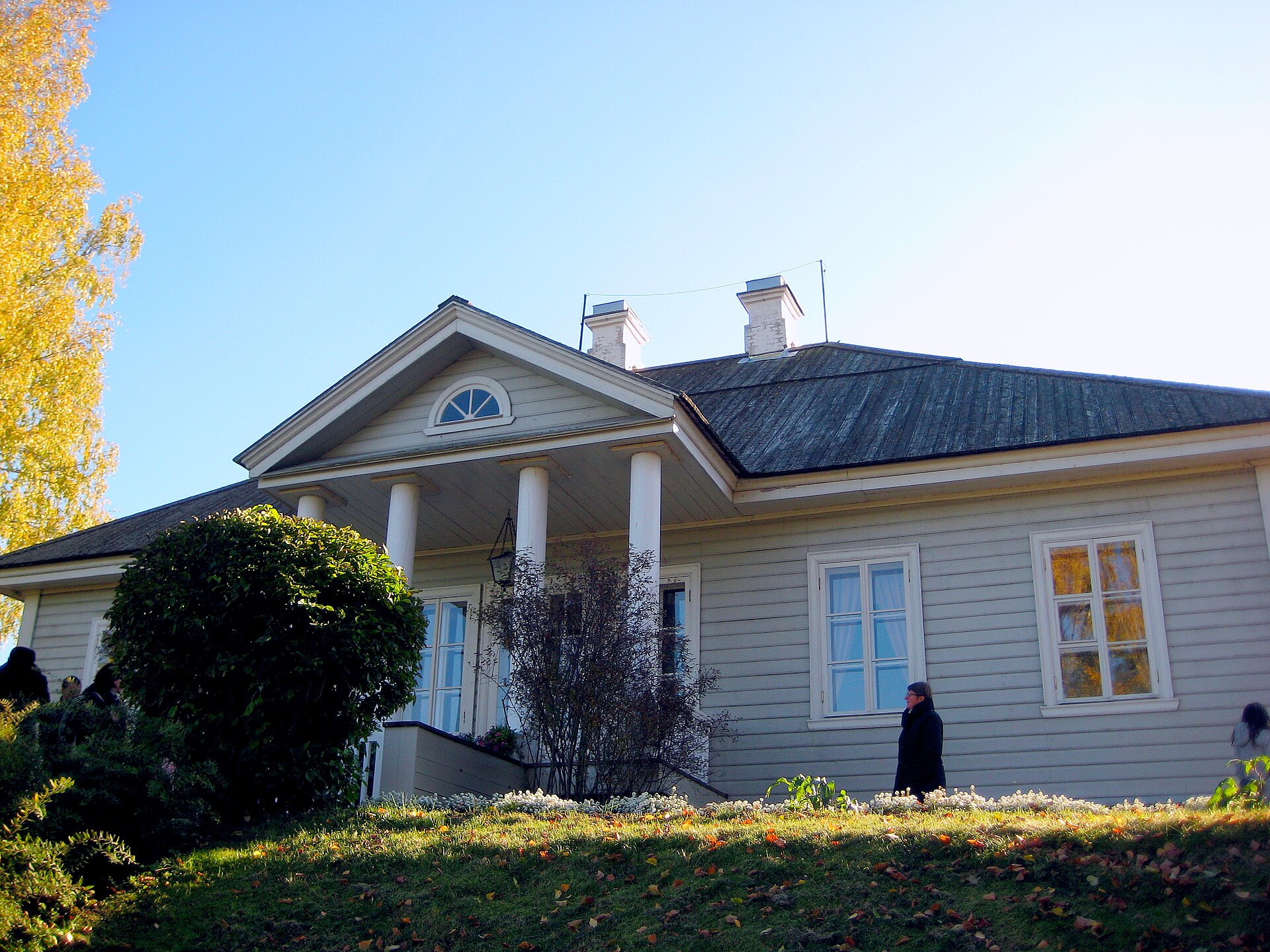
Wikimedia Commons · Creative Commons Attribution-Share Alike 4.0 International · file Pushkin returned to rural seclusion and began his unfinished historical novel about his ancestor Abram Gannibal. The source dates the arrival to an uncertain interval, July 24–29 Old Style.
Met Natalia Goncharova in Moscow
· Moscow, Russia
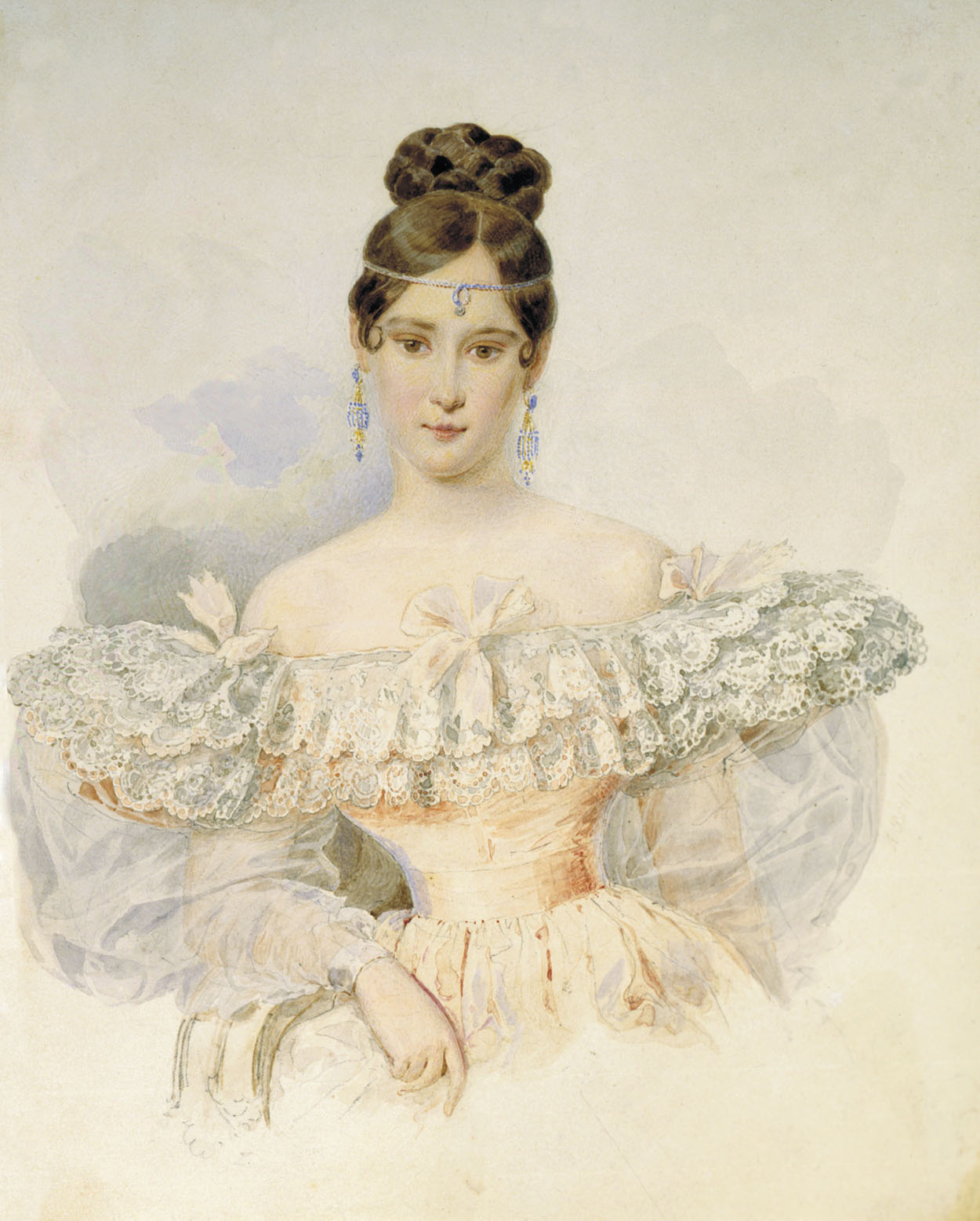
Wikimedia Commons · Public domain · file Pushkin met sixteen-year-old Natalia Goncharova in Moscow; their relationship led to his 1831 marriage. The specific Moscow venue is not securely identified in the cited text.
Returned to Moscow from the war journey
· Moscow, Russia
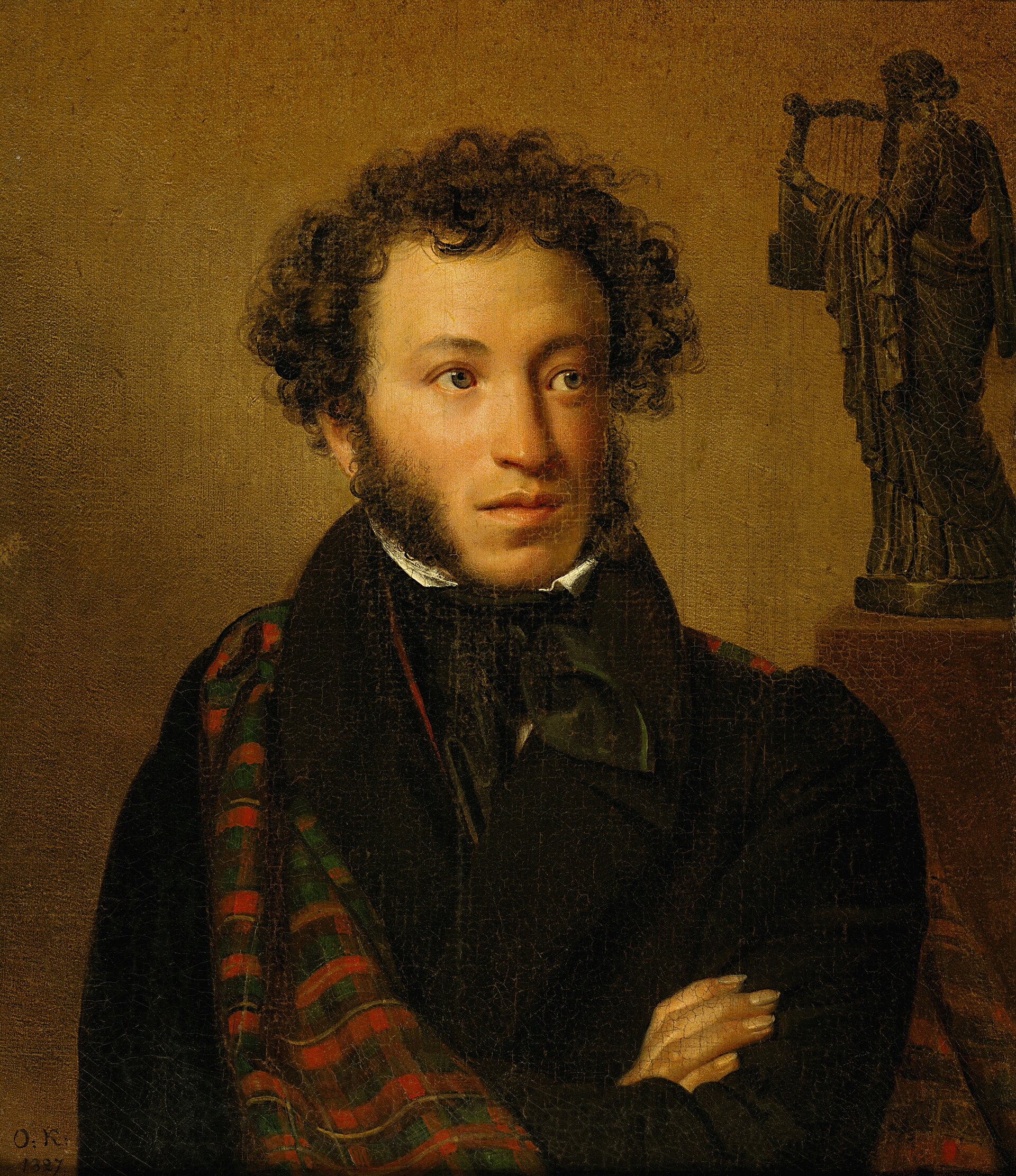
Wikimedia Commons · Public domain · file Pushkin completed his Caucasian and Ottoman journey by returning to Moscow, where the Goncharov family received him coolly. The cited passage does not provide a more precise return date.
Left Petersburg for the Caucasus
· Saint Petersburg, Russia
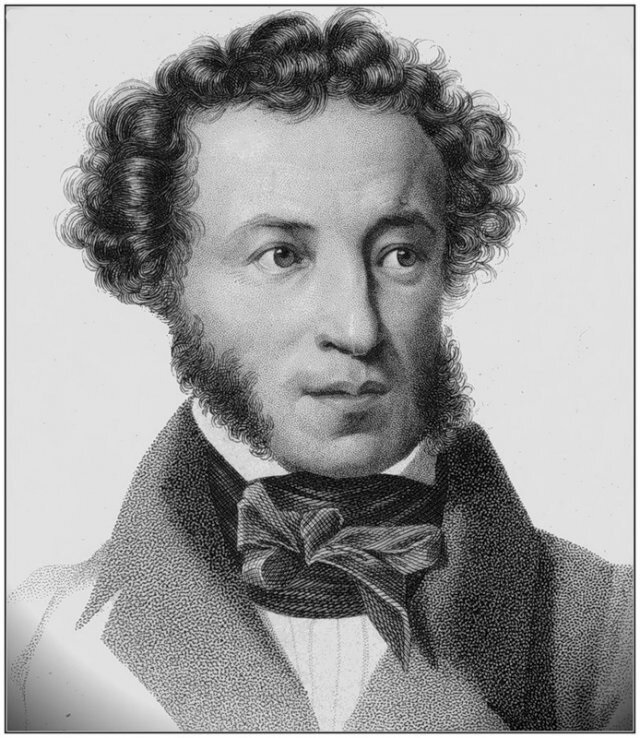
Wikimedia Commons · Public domain · file Pushkin departed Saint Petersburg for Moscow, the first stage of his unauthorized journey toward the Caucasian war zone. Date is Old Style as used by the historical chronology.
Departed Moscow for Tiflis
· Moscow, Russia
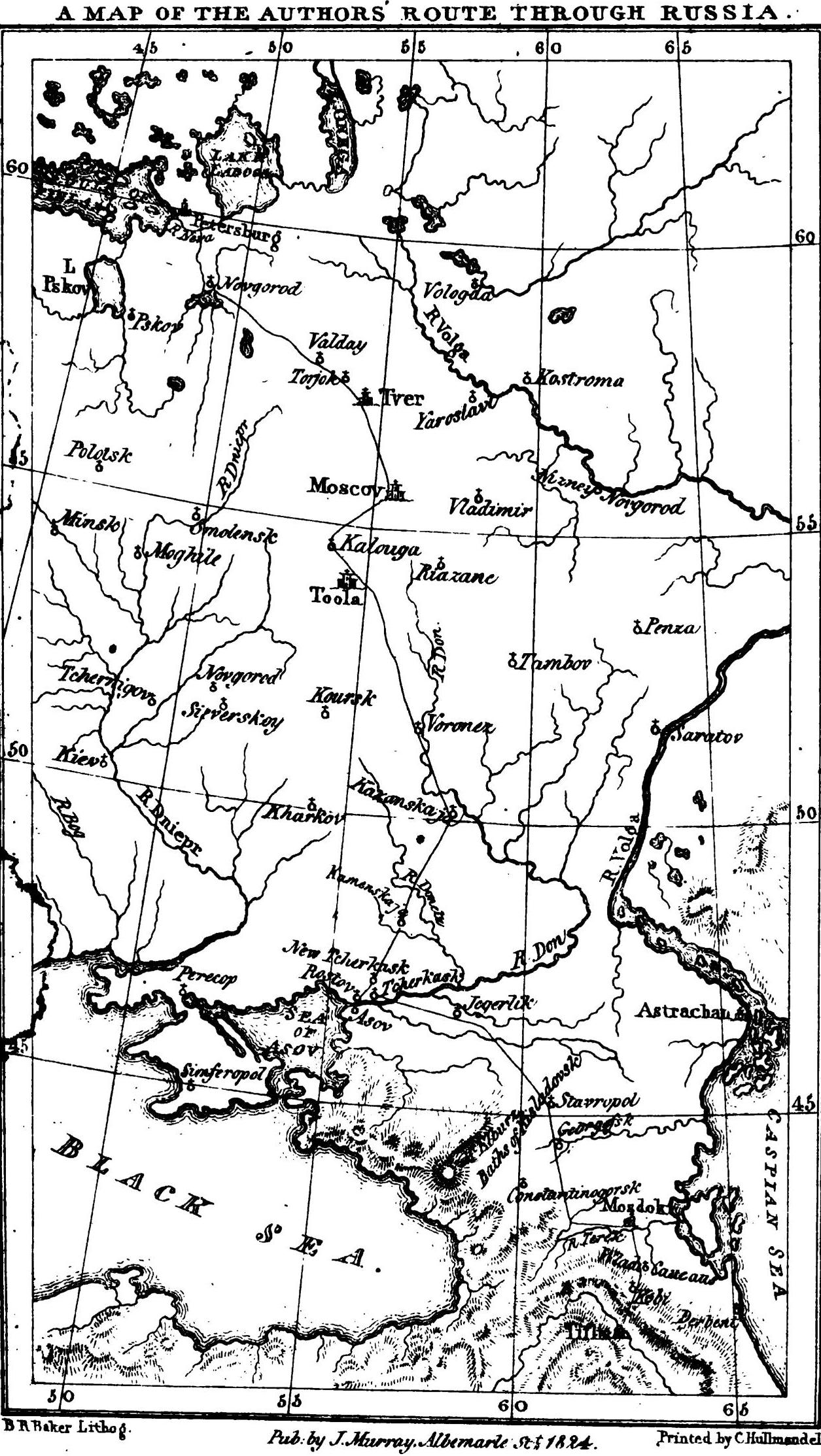
Wikimedia Commons · Public domain · file Pushkin left Moscow and traveled south through central Russia, the Don region, and the North Caucasus. Date is Old Style.
Reached Vladikavkaz
· Vladikavkaz, North Ossetia–Alania, Russia
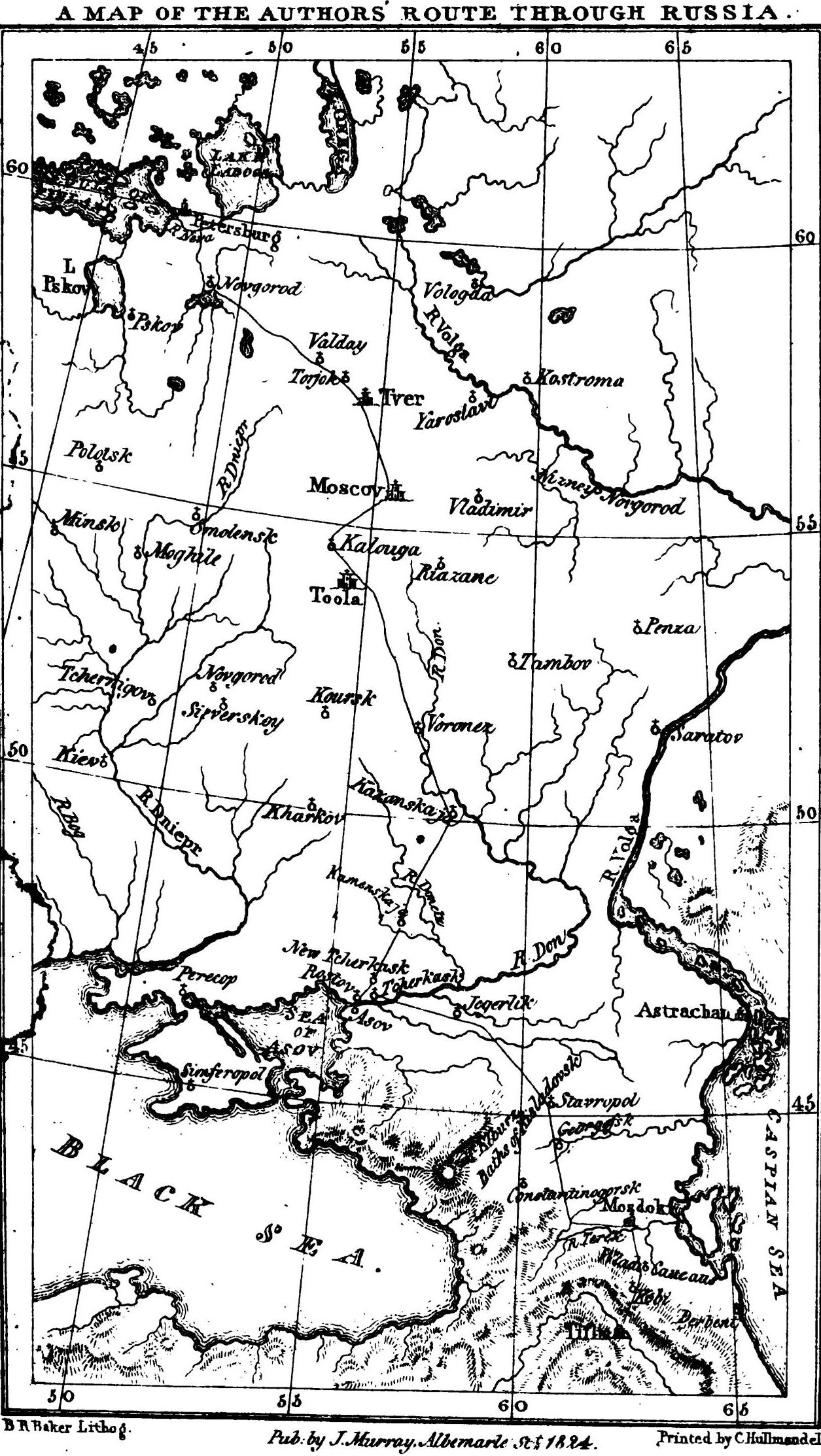
Wikimedia Commons · Public domain · file Pushkin arrived at Vladikavkaz before crossing the central Caucasus on the Georgian Military Road. Date is Old Style.
Arrived in Tiflis
· Tbilisi, Georgia
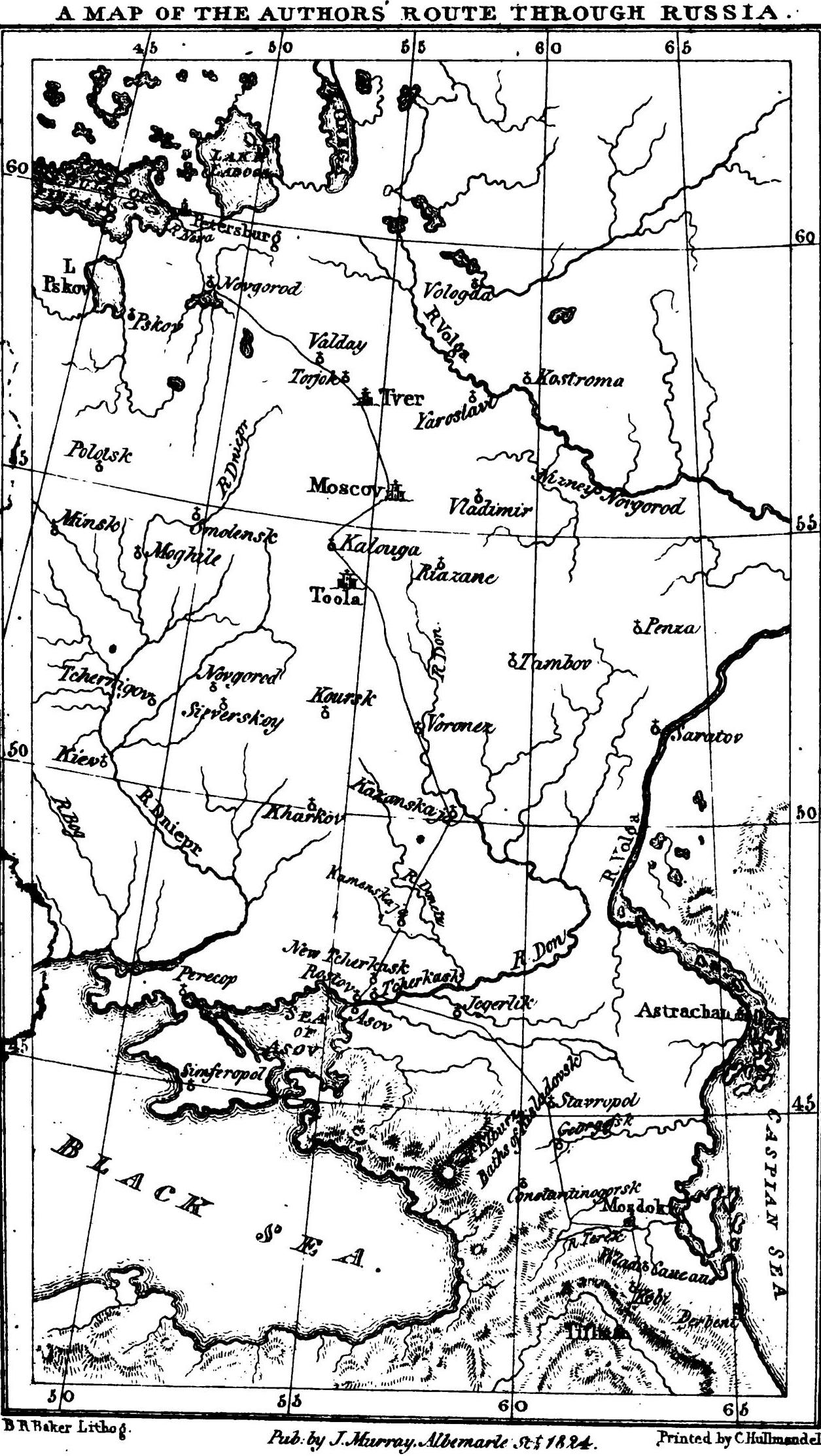
Wikimedia Commons · Public domain · file After traversing the Georgian Military Road, Pushkin arrived in Tiflis and remained there for roughly two weeks. Date is Old Style; Tiflis is modern Tbilisi.
Inspected Kars fortress
· Kars Citadel, Kars, Turkey
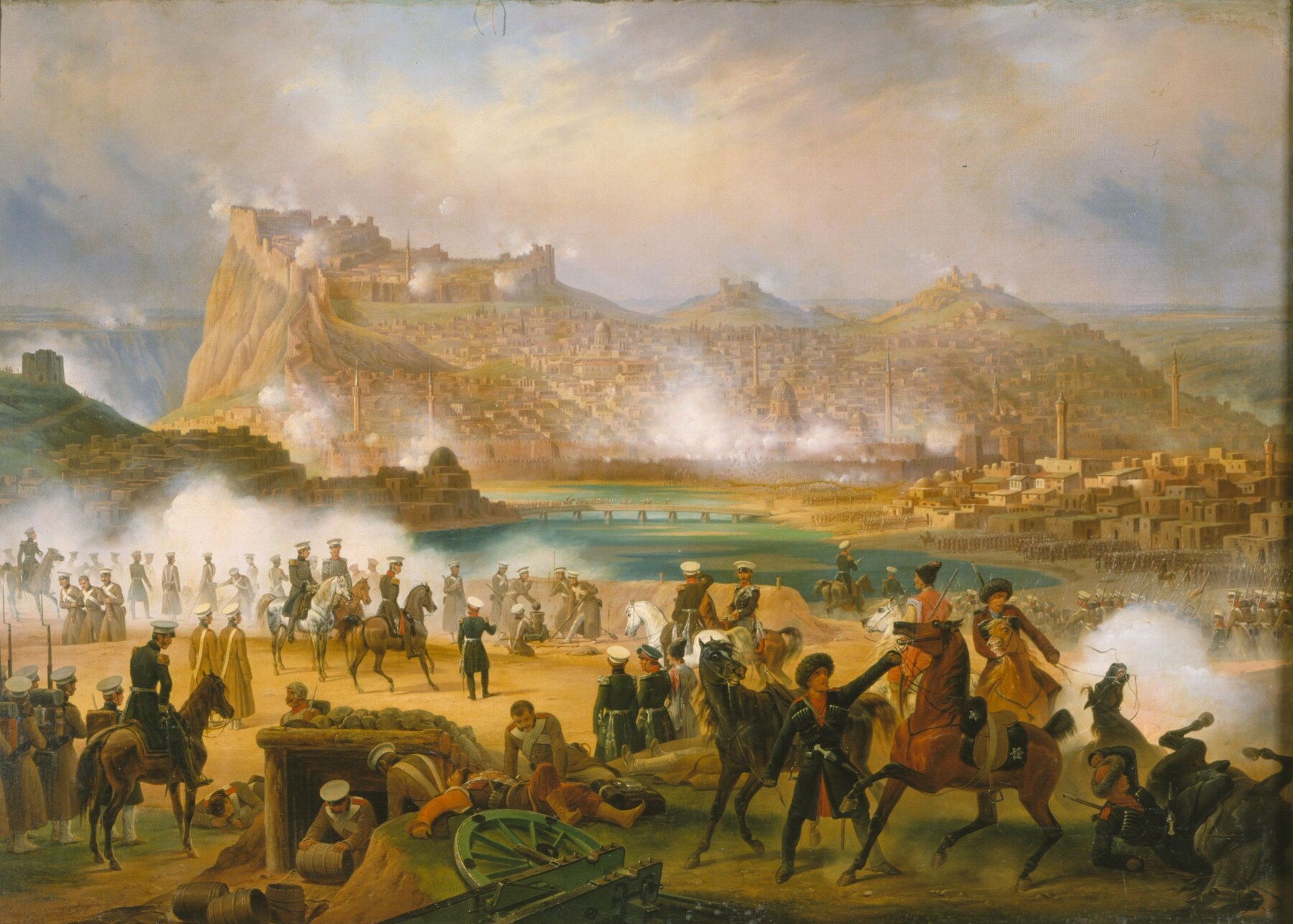
Wikimedia Commons · Public domain · file On his way to the active Russian army, Pushkin visited Kars and examined its formidable fortress and citadel. Date is Old Style; the card uses the first day of the documented June 12–13 visit.
Entered Erzurum with the army
· Erzurum, Turkey
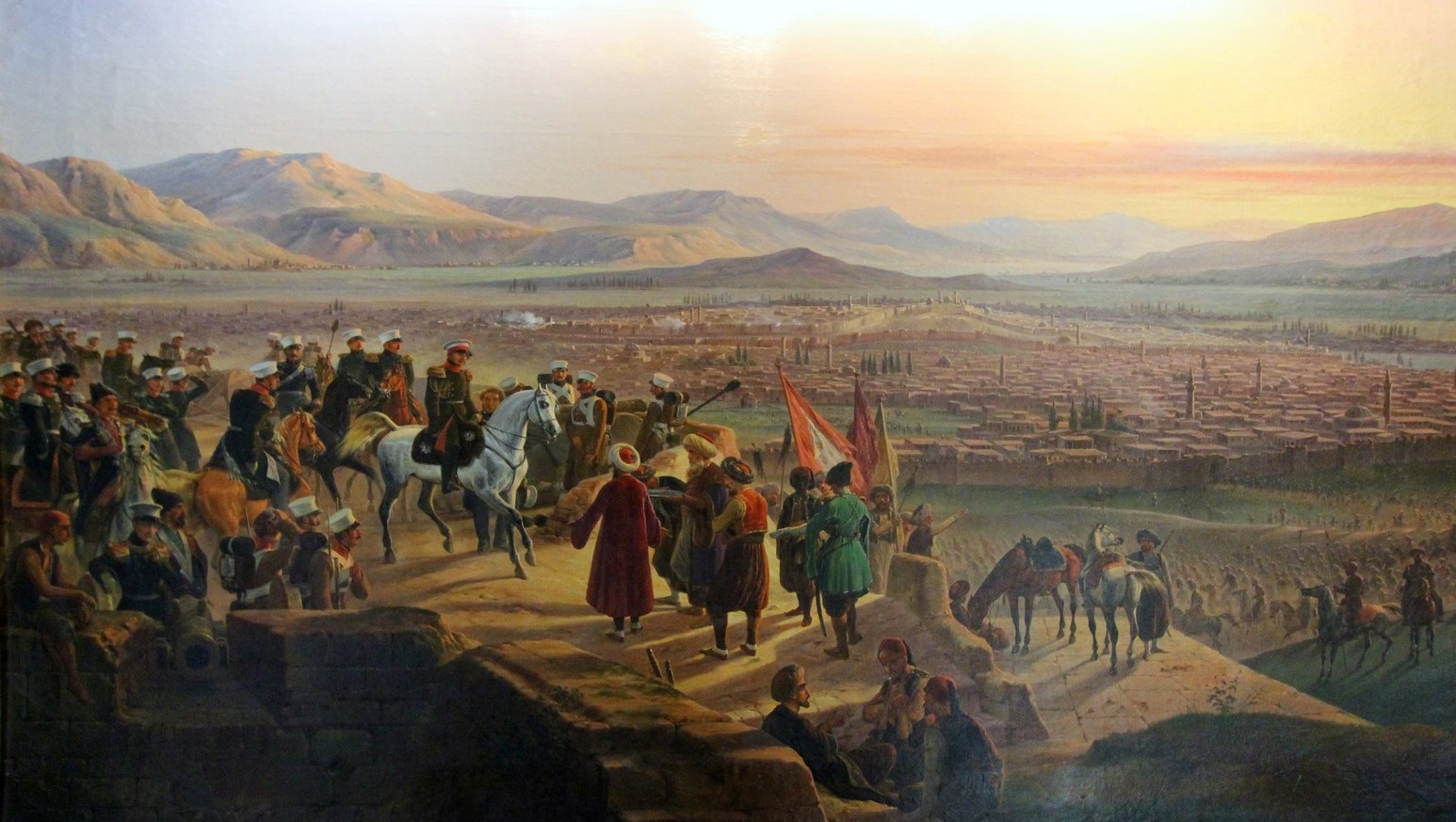
Wikimedia Commons · Public domain · file Pushkin crossed beyond his authorized destination and entered Ottoman Erzurum with Russian forces after the city's capitulation. Date is Old Style.
Returned to Tiflis
· Tbilisi, Georgia
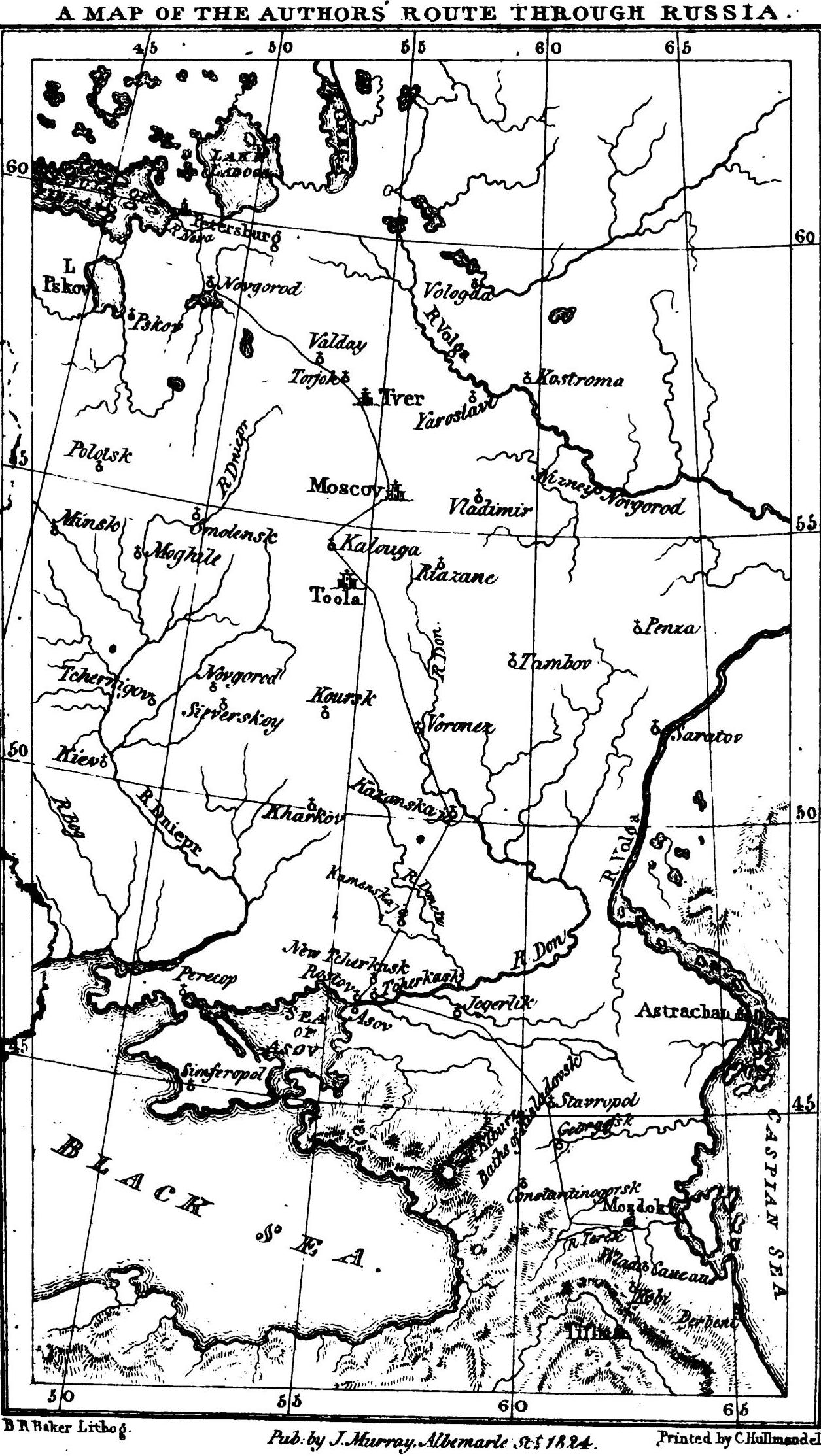
Wikimedia Commons · Public domain · file After leaving the Russian field army, Pushkin again stayed in Tiflis on his return journey. Month precision is used because the exact arrival date back in Tiflis is not stated.
Began the first Boldino autumn
· Bolshoye Boldino, Nizhny Novgorod Oblast, Russia
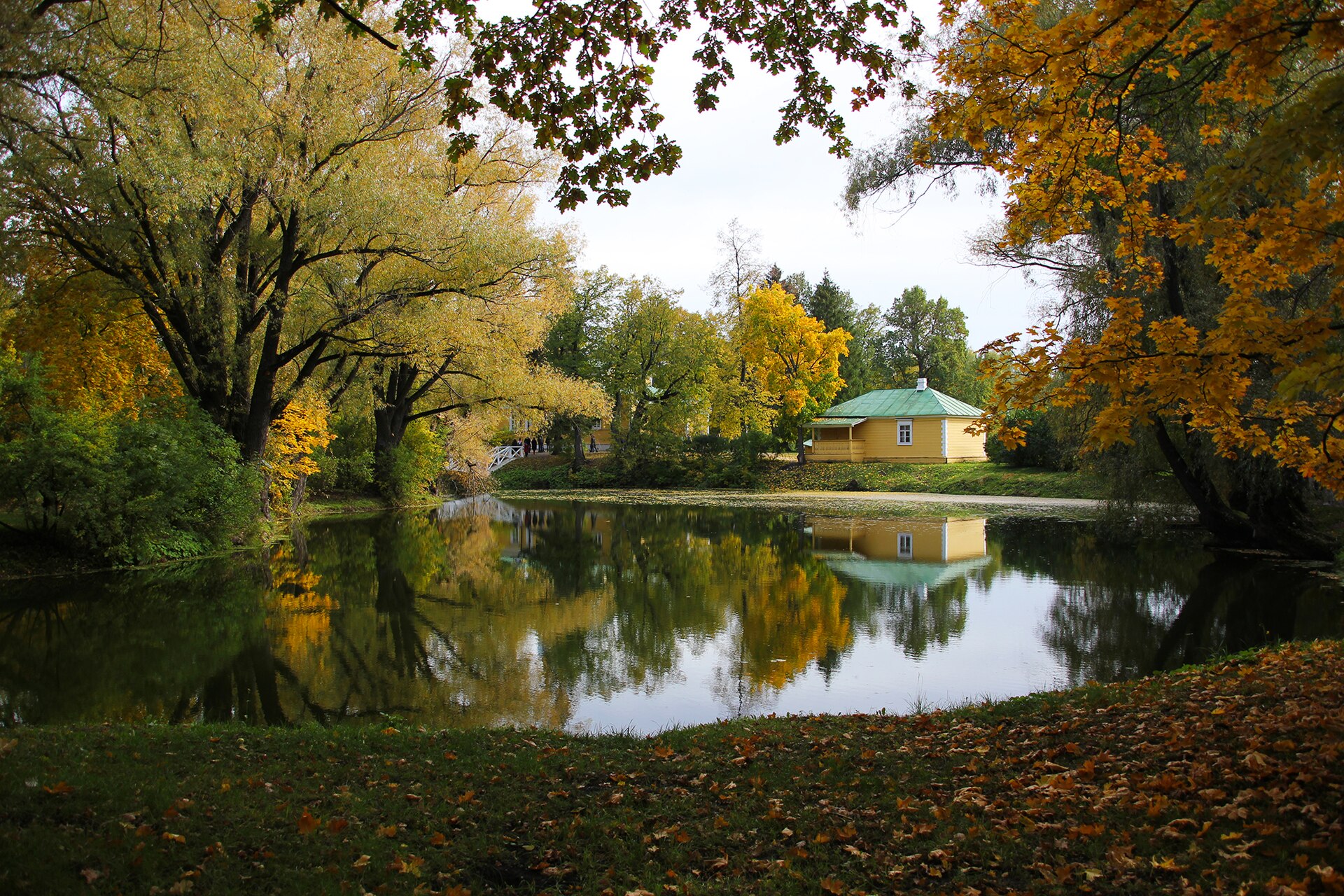
Wikimedia Commons · Creative Commons Attribution-Share Alike 4.0 International · file Pushkin left Moscow for his family's Boldino estate; cholera quarantines prolonged the visit into his most celebrated burst of creativity. Date is Old Style.
Returned to Moscow after quarantine
· Moscow, Russia
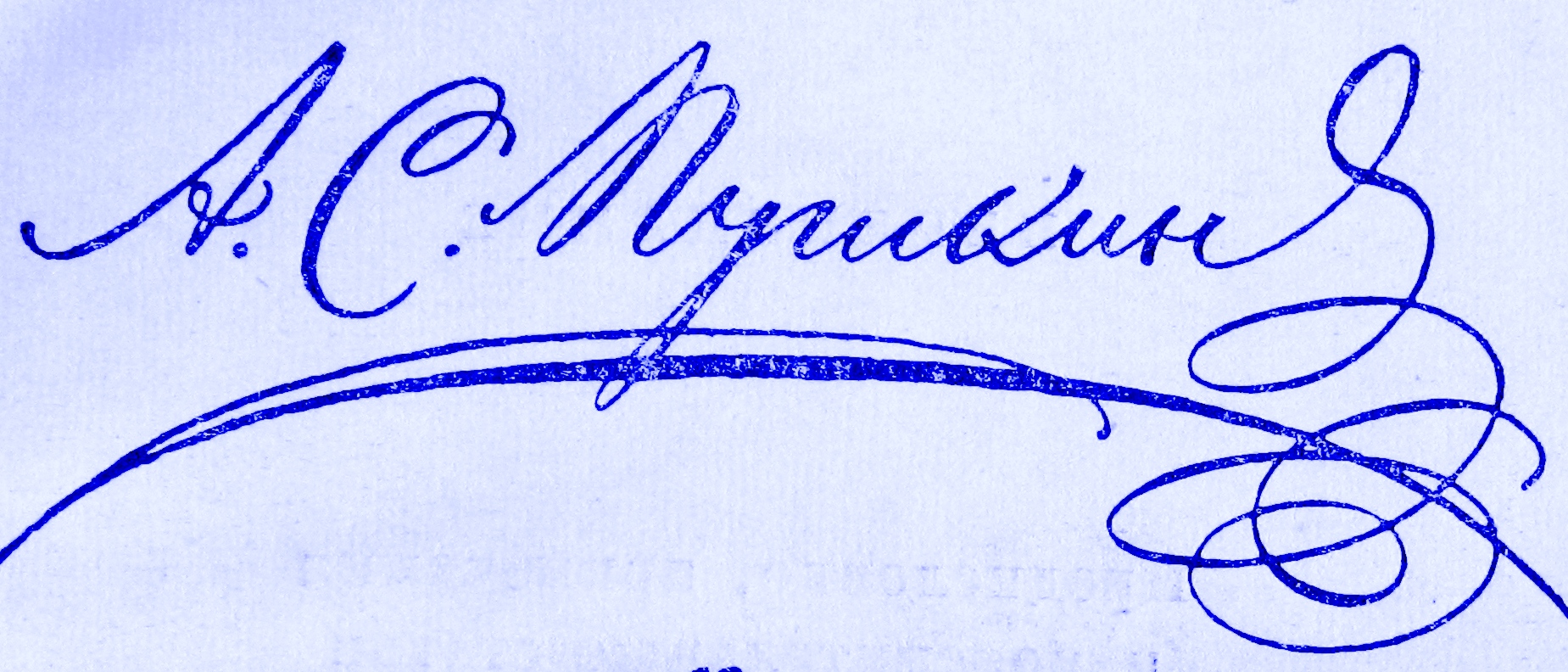
Wikimedia Commons · Public domain · file After repeated failed attempts to cross cholera cordons, Pushkin finally returned from Boldino to Moscow. Date is Old Style.
Summered at Tsarskoye Selo
· Pushkin Memorial Dacha, Tsarskoye Selo, Saint Petersburg, Russia
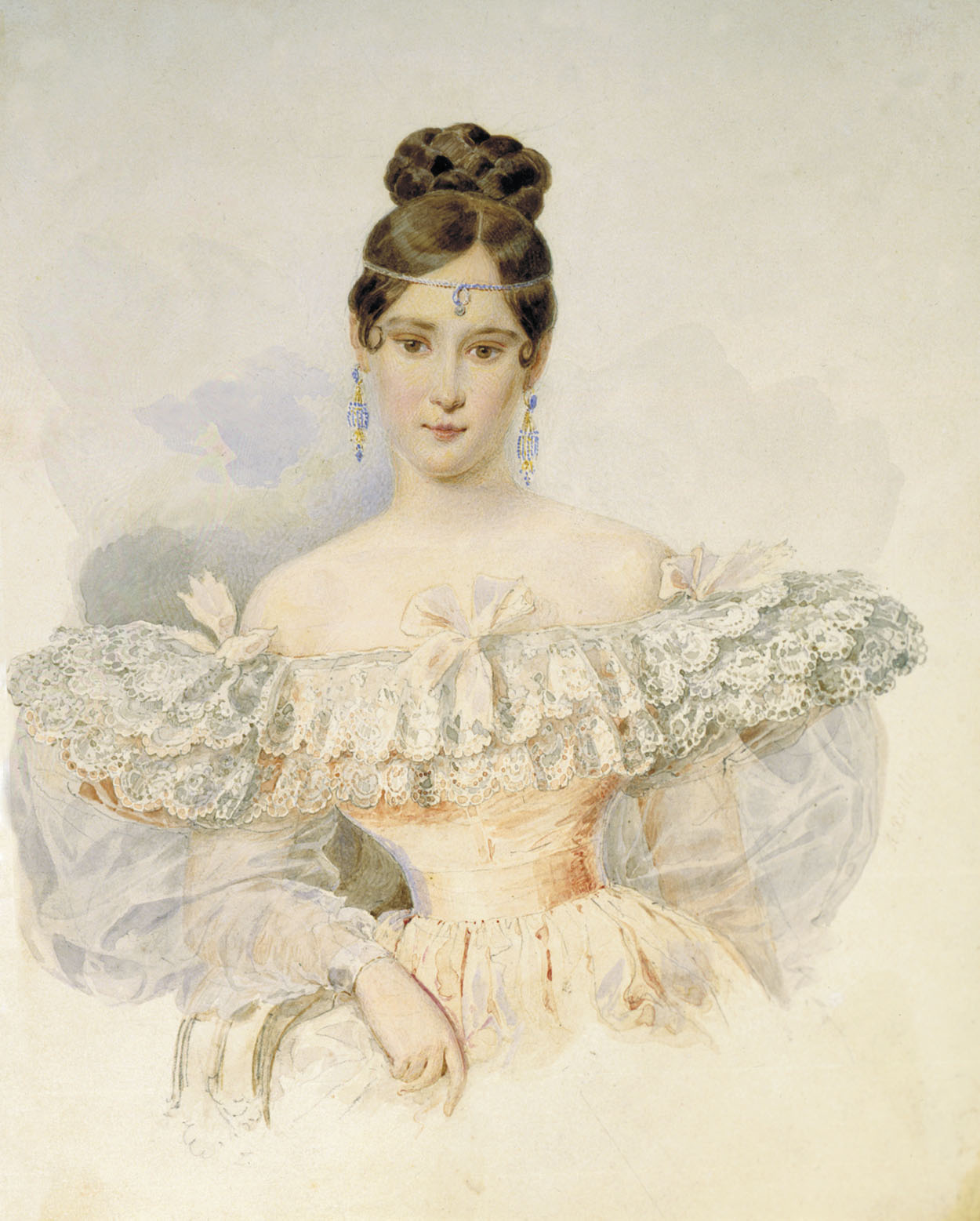
Wikimedia Commons · Public domain · file Pushkin rented a summer cottage at Tsarskoye Selo, where he completed the letter of Onegin and brought his long verse novel toward completion. Coordinates represent the surviving memorial dacha; the source gives only summer-level dating.
Established a home on the Arbat
· Pushkin Memorial Apartment, 53 Arbat Street, Moscow, Russia
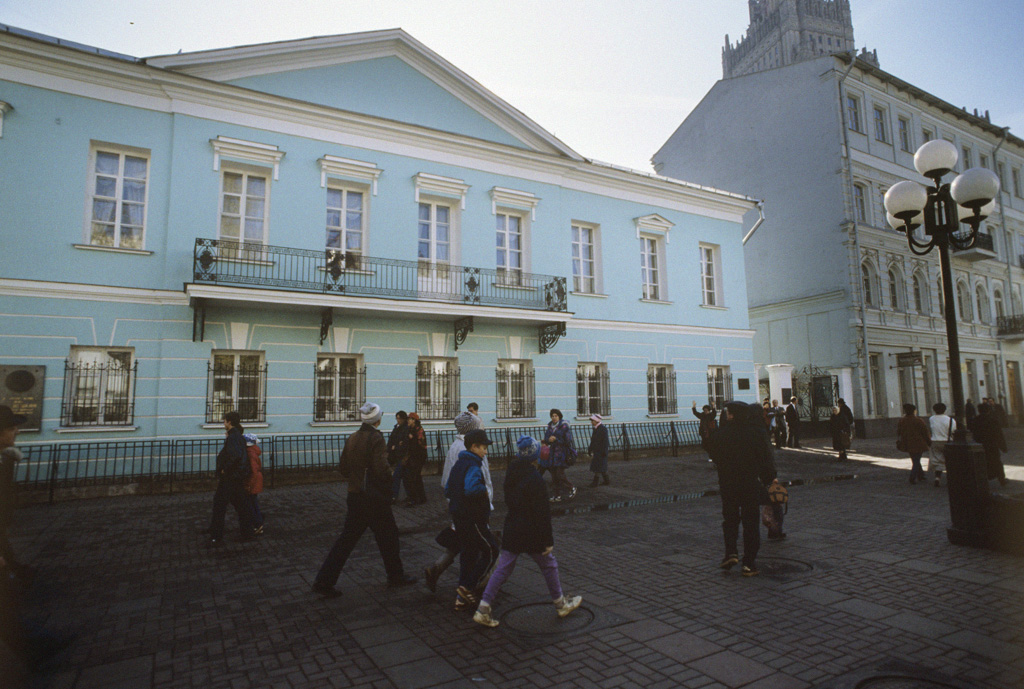
Wikimedia Commons · Creative Commons Attribution-Share Alike 3.0 Unported · file Immediately after their wedding, Pushkin and Natalia began married life in a rented apartment at modern 53 Arbat Street. The couple remained until mid-May 1831.
Married at Great Ascension Church
· Great Ascension Church, Bolshaya Nikitskaya Street, Moscow, Russia
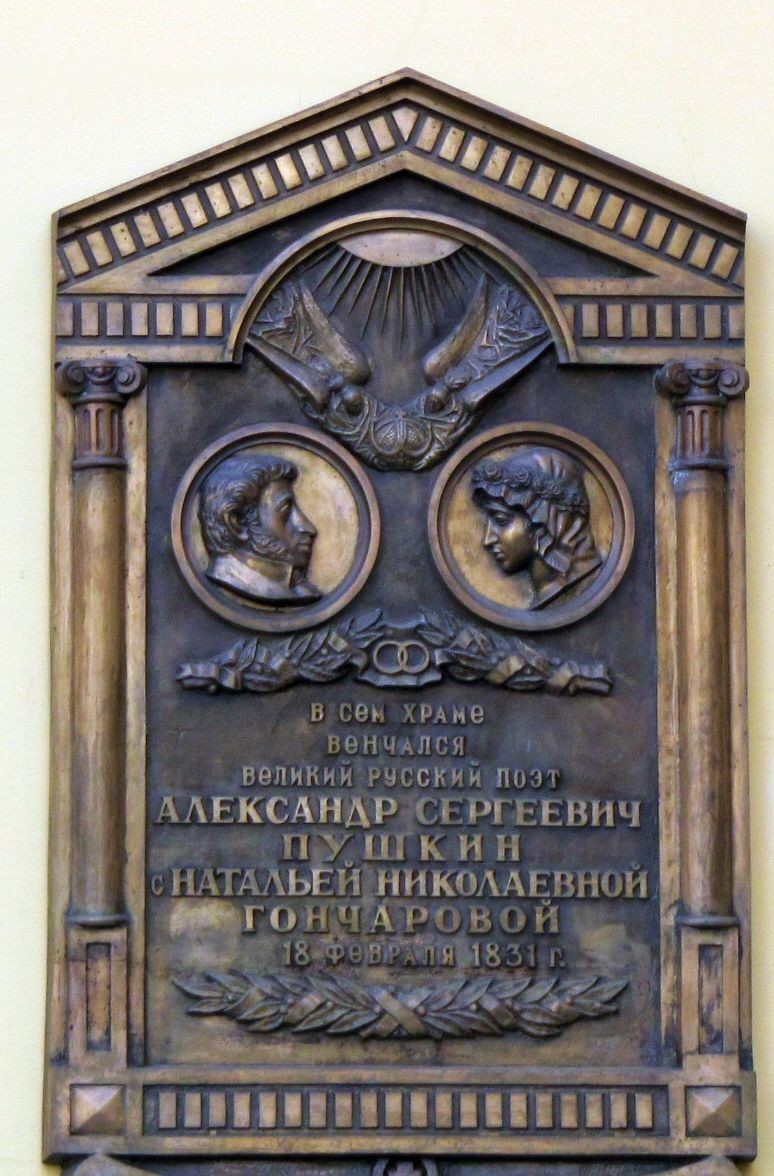
Wikimedia Commons · Public domain · file Pushkin married Natalia Goncharova in Moscow's Great Ascension Church. Date field uses the New Style date supplied parenthetically by the source.
Passed through Cheboksary
· Cheboksary, Chuvashia, Russia
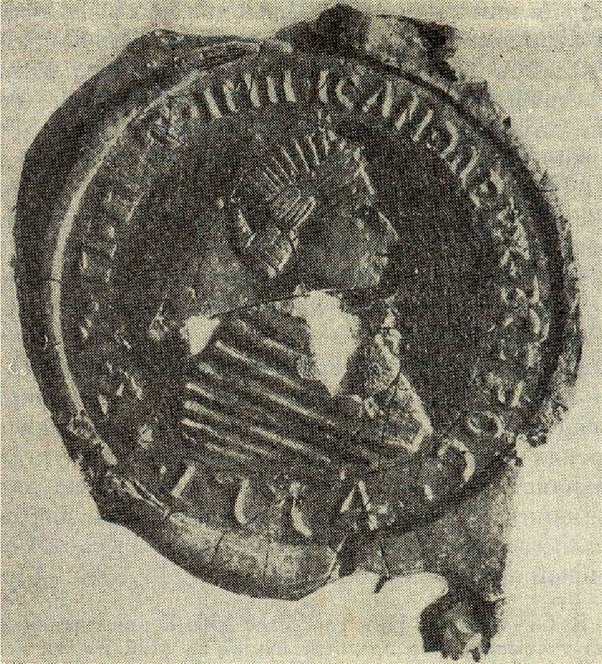
Wikimedia Commons · Public domain · file Pushkin's eastward research journey followed the Volga route through Cheboksary toward Kazan. No more precise date or stopping place is established by the cited passage.
Reached Nizhny Novgorod
· Nizhny Novgorod, Russia
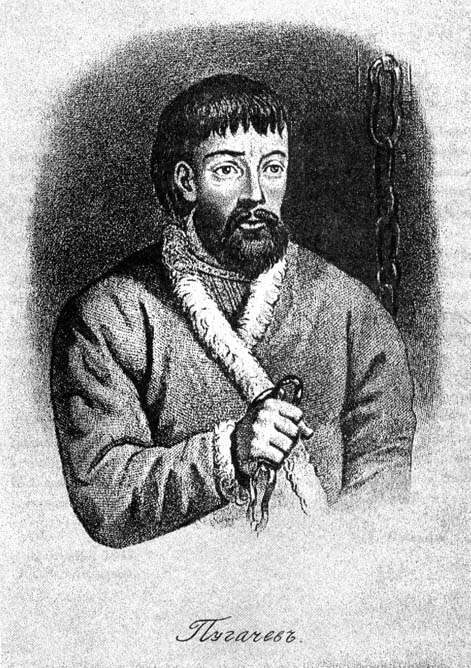
Wikimedia Commons · Public domain · file Traveling to gather firsthand material on Pugachev's rebellion, Pushkin stopped in Nizhny Novgorod. Date is Old Style, as explicitly stated by the source.
Investigated Pugachev sites in Kazan
· Kazan, Tatarstan, Russia
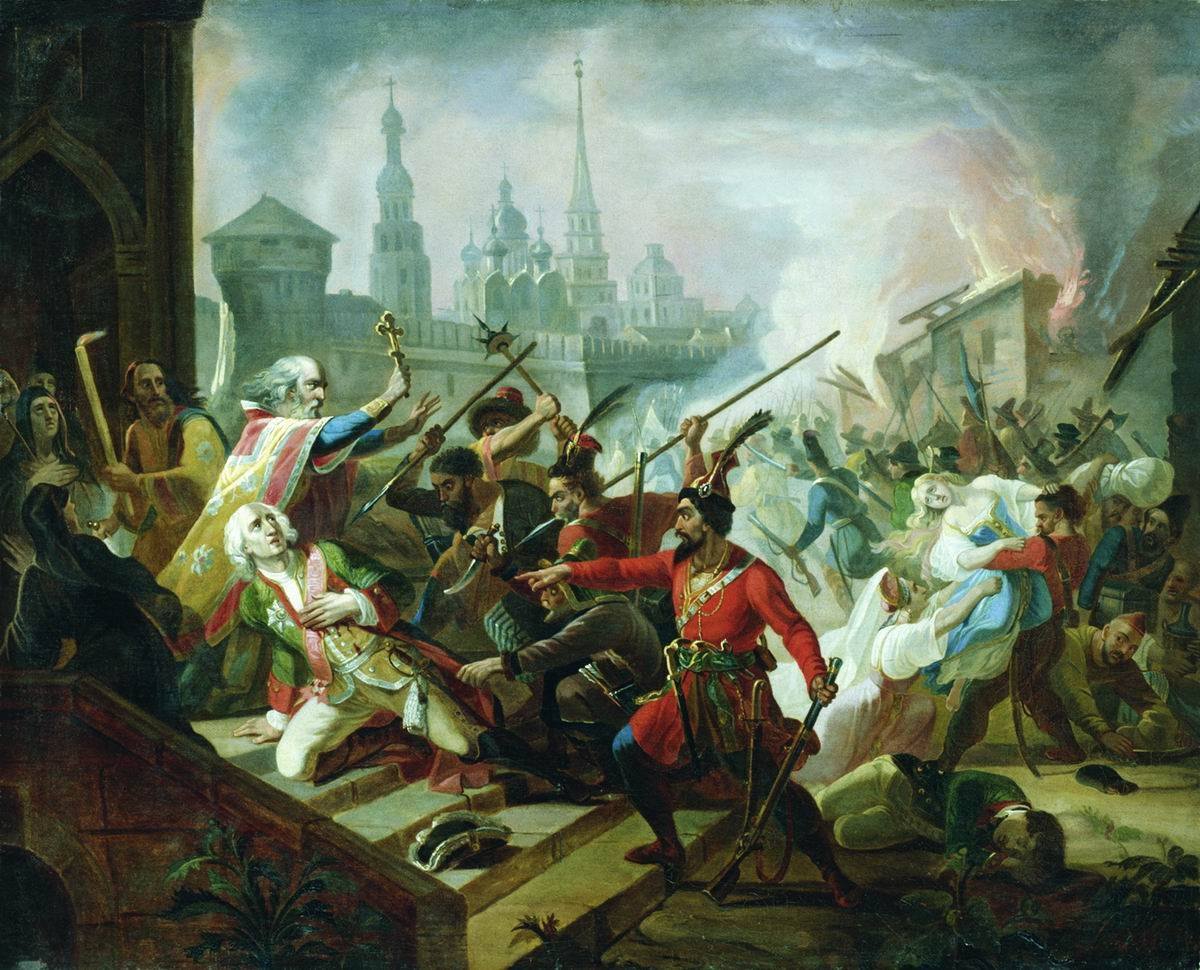
Wikimedia Commons · Public domain · file Pushkin arrived in Kazan, interviewed elderly witnesses, and inspected nearby sites associated with Pugachev's campaign. Date is Old Style and comes from Pushkin's own letter.
Arrived in Simbirsk
· Ulyanovsk, Russia
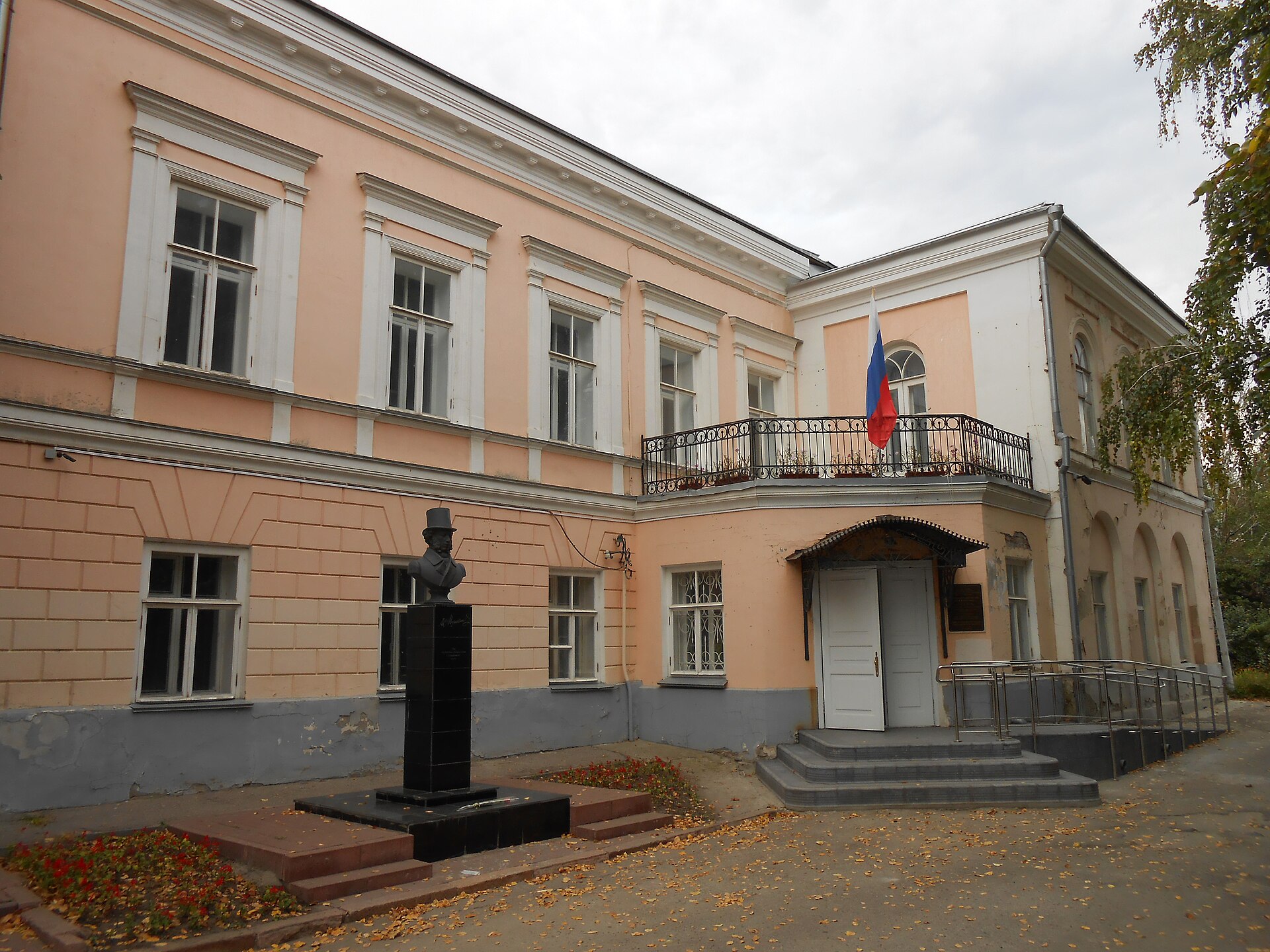
Wikimedia Commons · Creative Commons Attribution-Share Alike 4.0 International · file Pushkin continued his historical fieldwork through Simbirsk, now Ulyanovsk, before crossing the steppe toward Orenburg. Date is Old Style; Simbirsk was renamed Ulyanovsk in 1924.
Reached Orenburg
· Orenburg, Russia
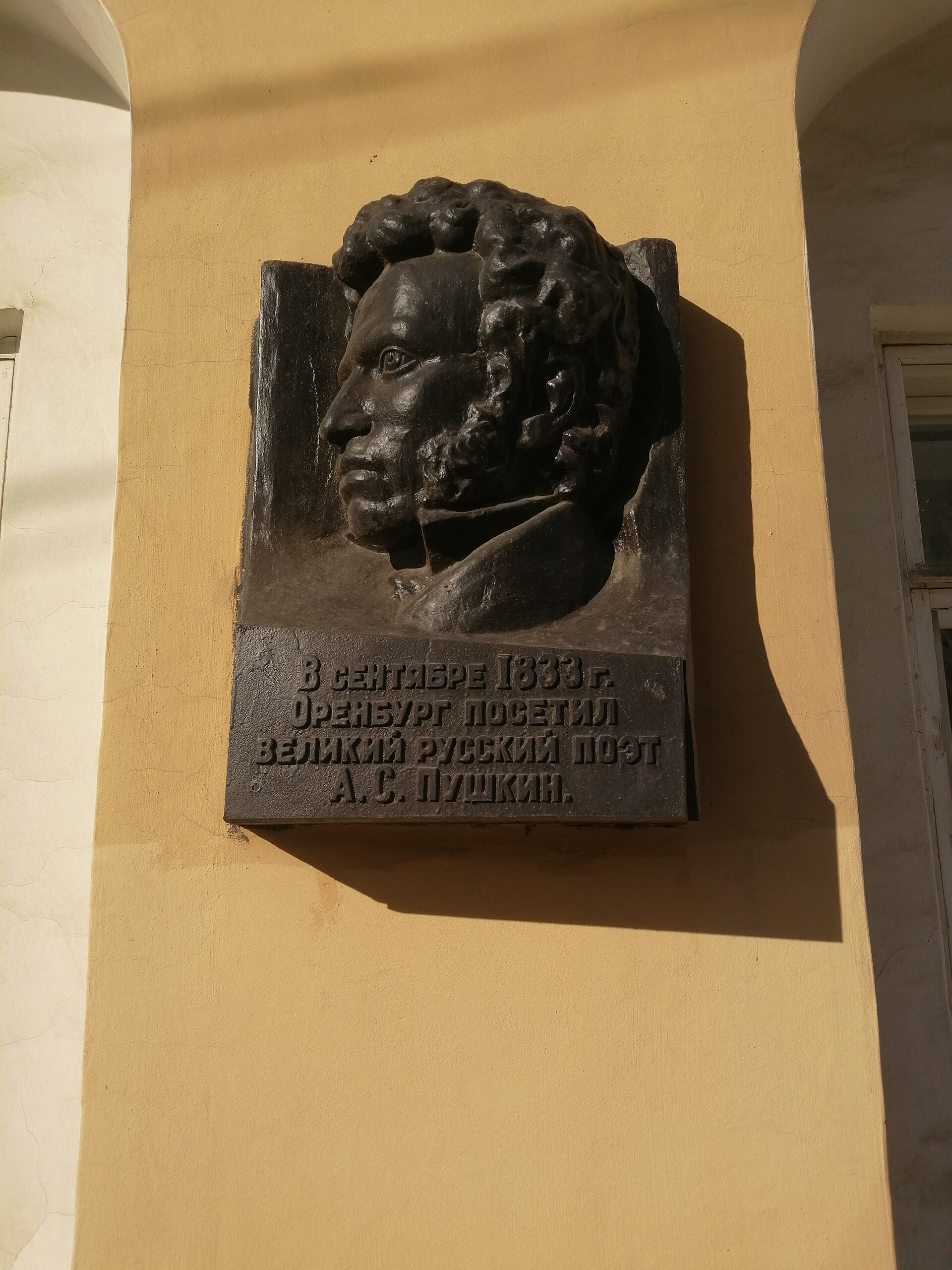
Wikimedia Commons · Creative Commons Attribution-Share Alike 4.0 International · file Pushkin arrived in Orenburg to consult local knowledge and investigate landscapes central to his Pugachev history and later fiction. Date is Old Style.
Continued to Uralsk
· Oral, Kazakhstan
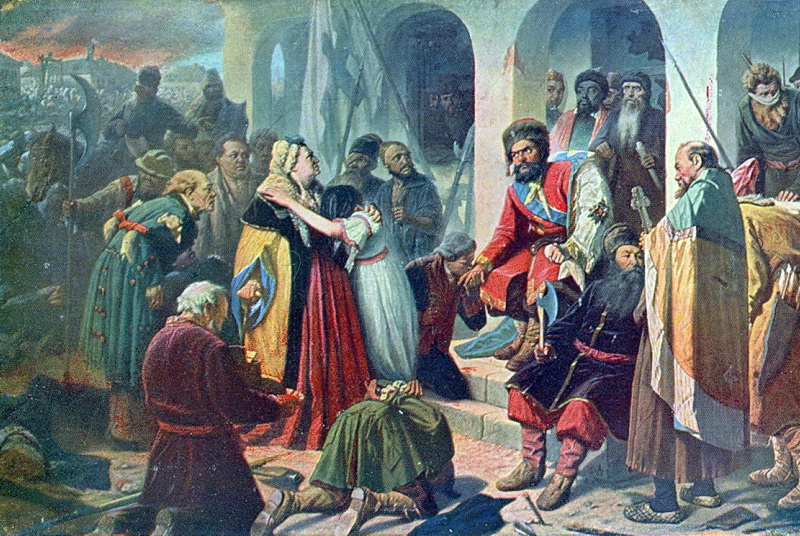
Wikimedia Commons · Public domain · file After visiting Orenburg, Pushkin traveled onward to Uralsk, the former Yaik Cossack center closely connected with Pugachev's revolt. Date is Old Style and marks departure toward Uralsk; Oral is the modern name.
Returned to Boldino
· Bolshoye Boldino, Nizhny Novgorod Oblast, Russia
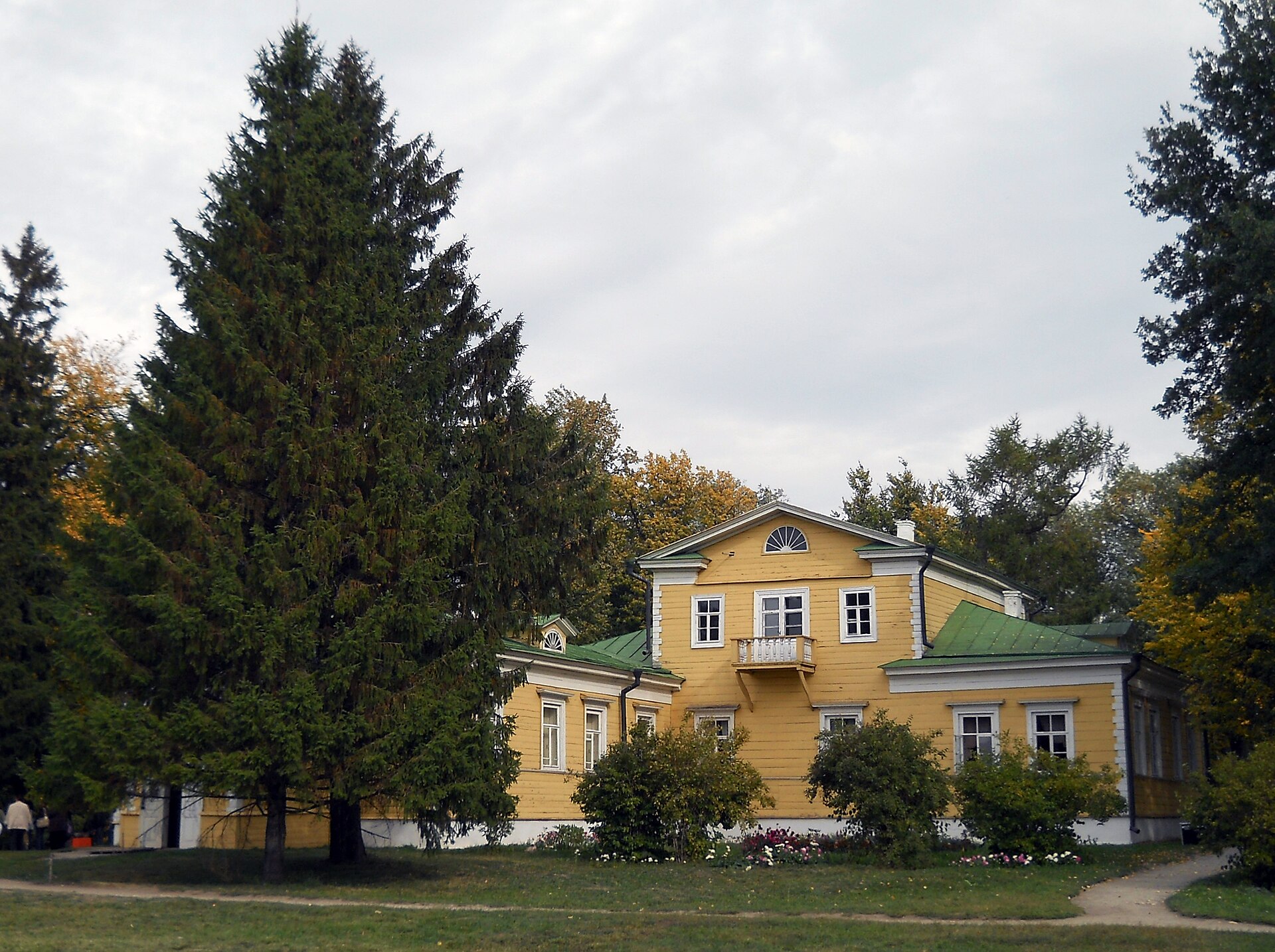
Wikimedia Commons · Creative Commons Attribution-Share Alike 3.0 Unported · file Pushkin reached Boldino after his Volga-Ural research journey and completed major historical and literary works during a second productive autumn. Date is Old Style.
Returned to Saint Petersburg
· Saint Petersburg, Russia
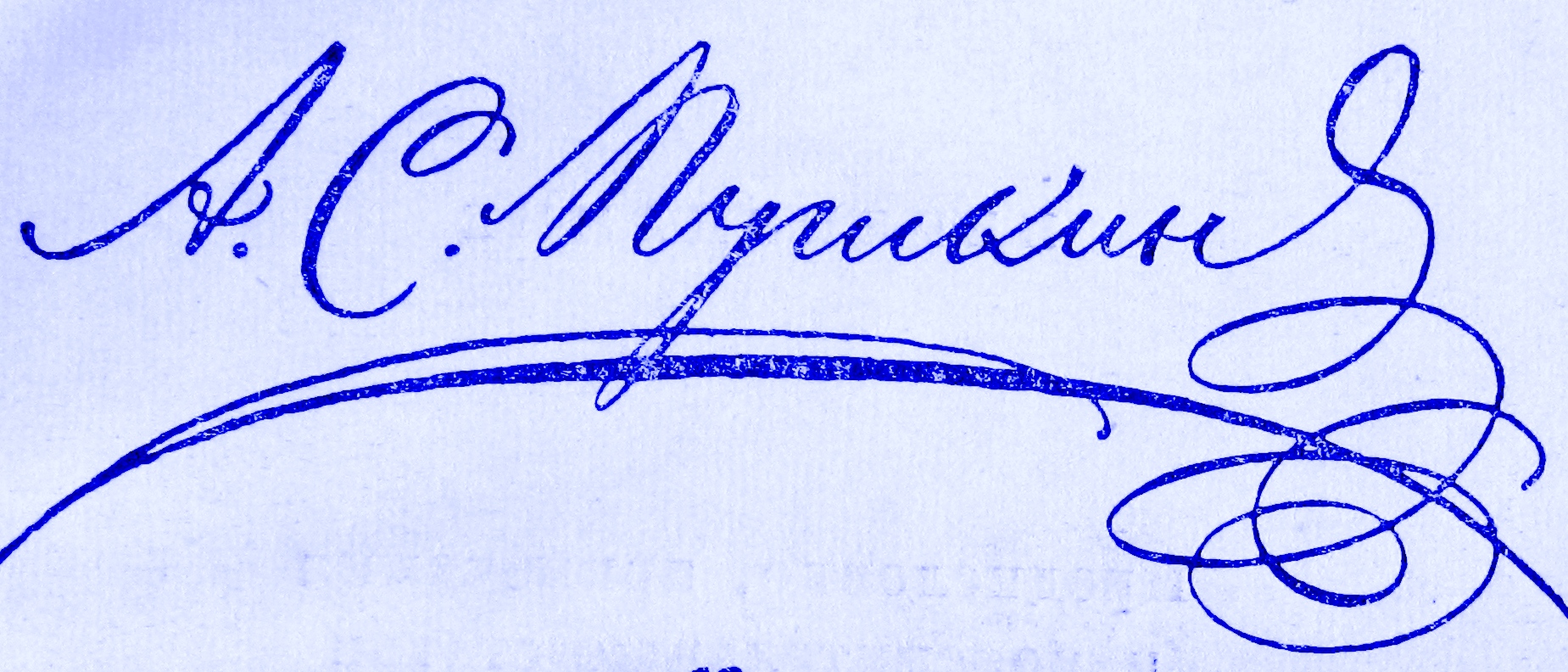
Wikimedia Commons · Public domain · file After the second Boldino autumn, Pushkin returned to the imperial capital and resumed court, archival, and literary obligations.
Third autumn at Boldino
· Bolshoye Boldino, Nizhny Novgorod Oblast, Russia
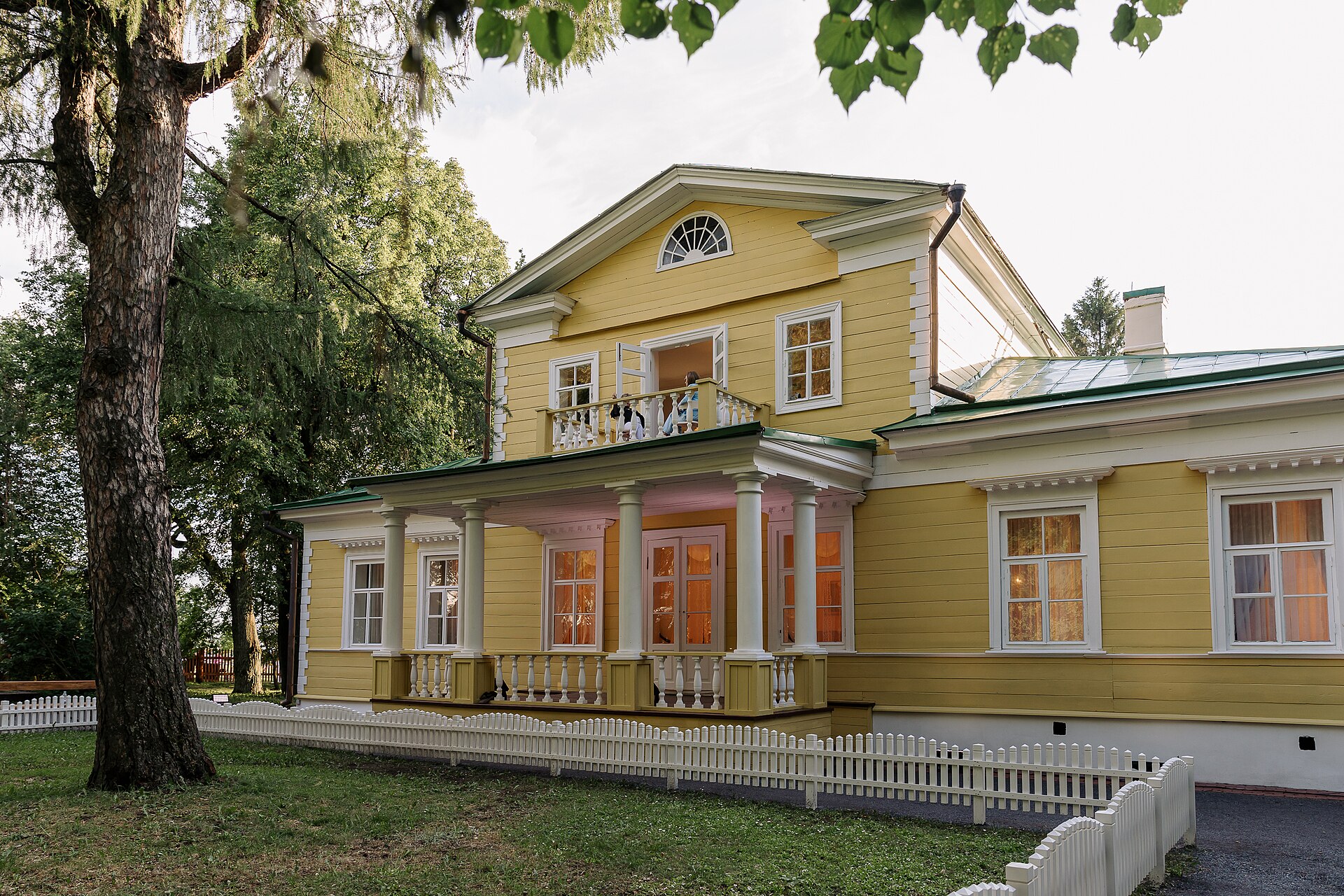
Wikimedia Commons · Creative Commons CC0 1.0 Universal Public Domain Dedication · file Pushkin returned to Boldino for estate business and remained about a month, writing “The Tale of the Golden Cockerel.” The source supports only an autumn date.
Final creative return to Mikhailovskoye
· Mikhailovskoye Estate, Pushkinskiye Gory, Pskov Oblast, Russia
Pushkin again worked at Mikhailovskoye, where he wrote “Again I Visited,” reflecting on the estate and the passage of time. The visit occurred in autumn 1835; no exact date is asserted.
Wrote on Kamenny Island
· Kamenny Island, Saint Petersburg, Russia
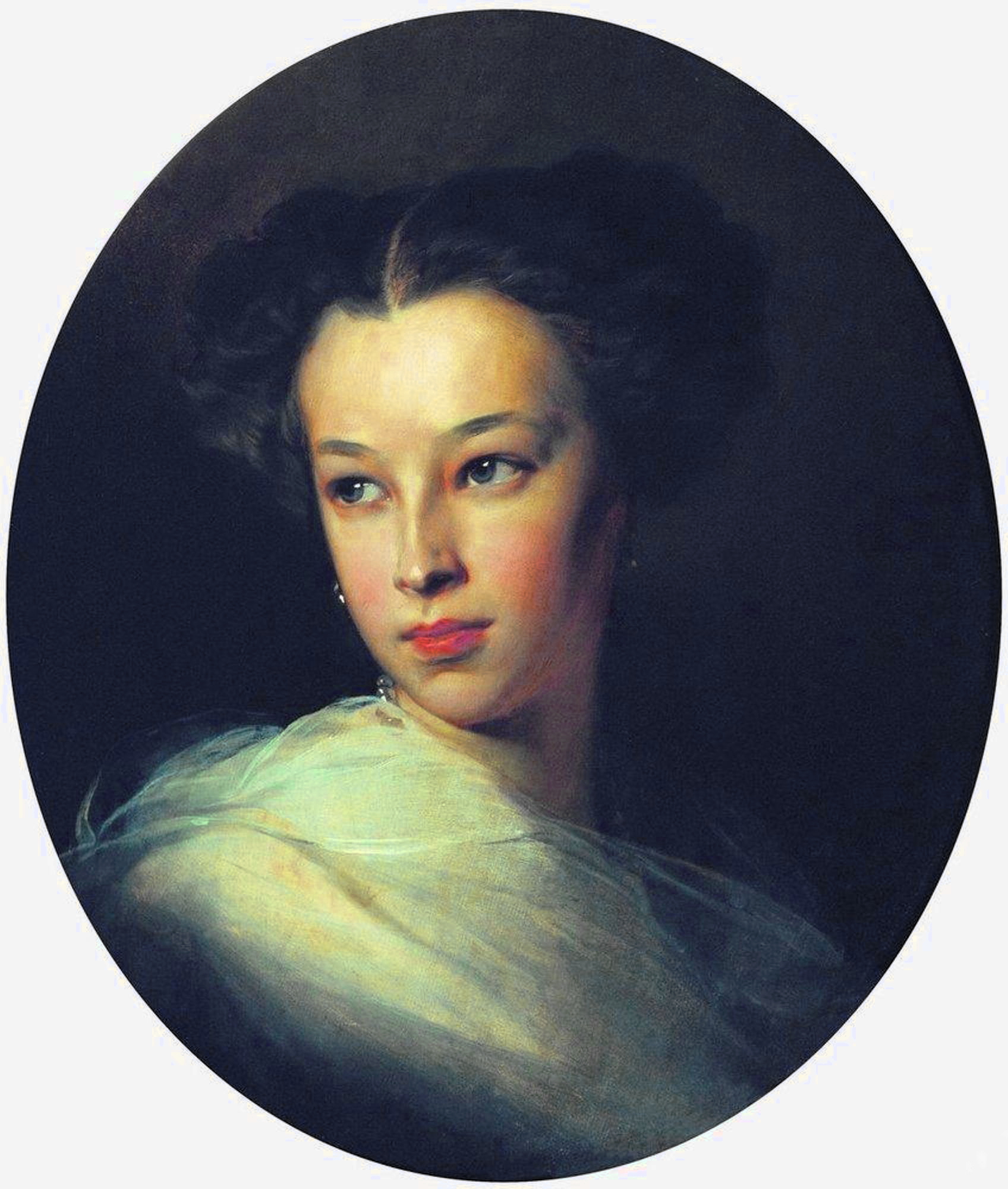
Wikimedia Commons · Public domain · file At a summer dacha on Kamenny Island, Pushkin composed the late poems conventionally known as the Kamenny Island cycle. Coordinates represent Kamenny Island; the exact dacha location is not specified in the cited passage.
Moved into the Moika apartment
· Pushkin Apartment, 12 Moika Embankment, Saint Petersburg, Russia
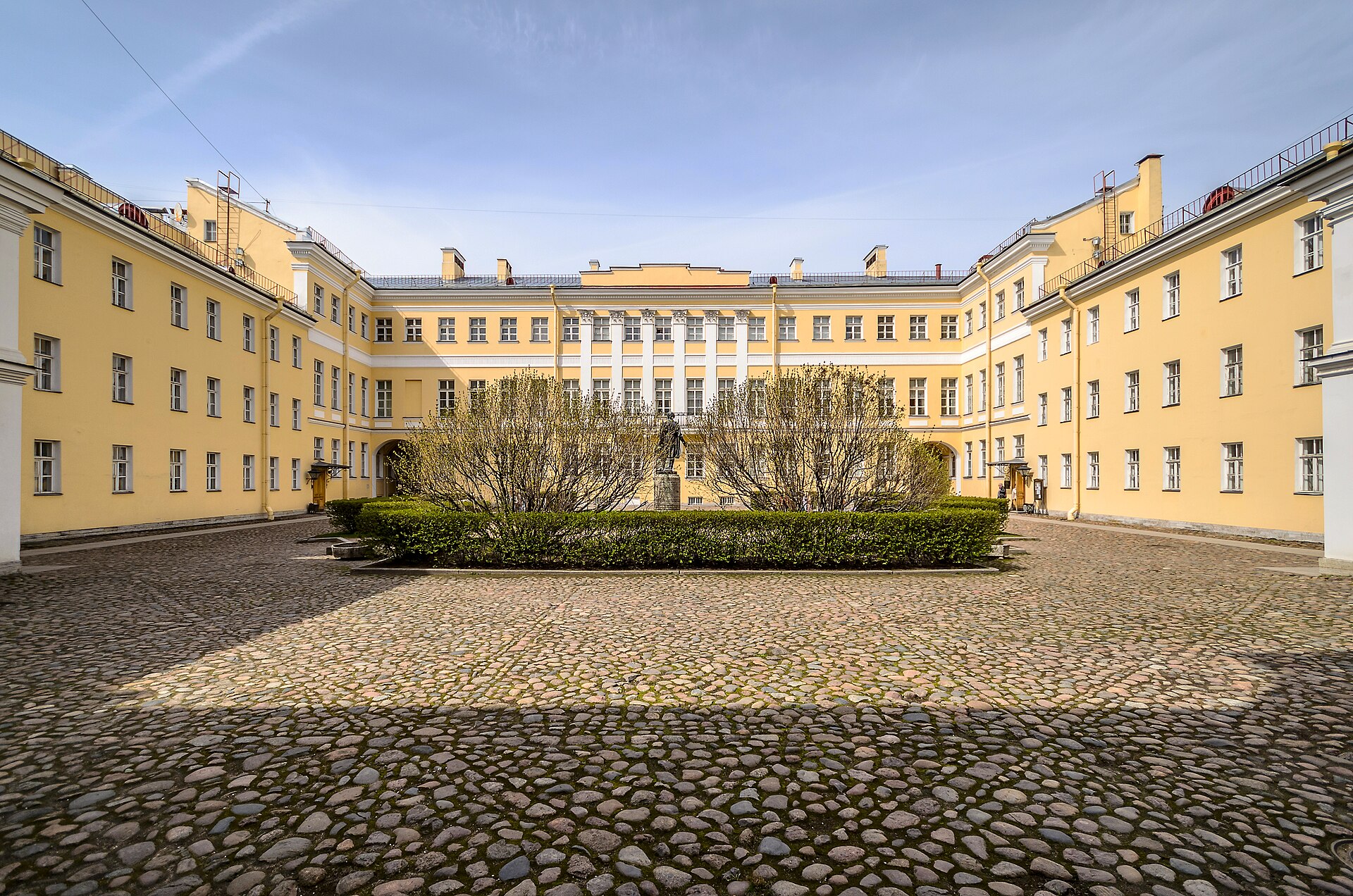
Wikimedia Commons · Creative Commons Attribution-Share Alike 4.0 International · file Pushkin rented the ground-floor apartment in the Volkonsky house that became his final residence.
Fought the fatal duel
· Pushkin Duel Site, Black River, Saint Petersburg, Russia
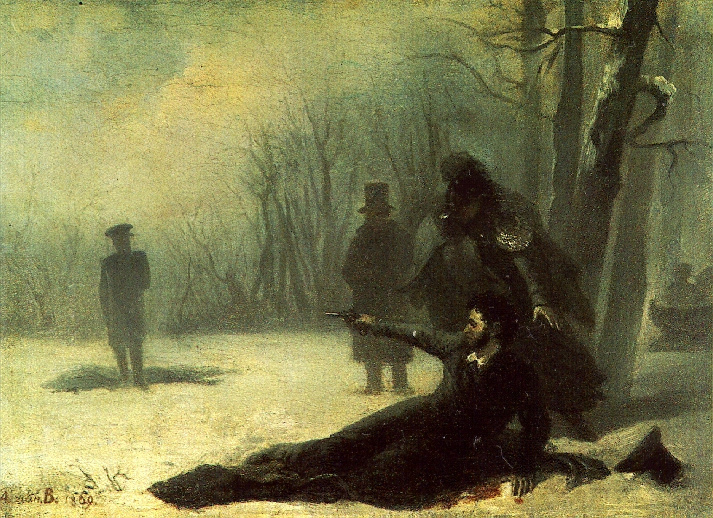
Wikimedia Commons · Public domain · file Pushkin fought Georges d'Anthès beside the Black River and received the abdominal wound that proved fatal two days later. Date field uses the Gregorian date supplied by the source; coordinates identify the commemorated duel site.
Died in his Moika apartment
· Pushkin Apartment, 12 Moika Embankment, Saint Petersburg, Russia
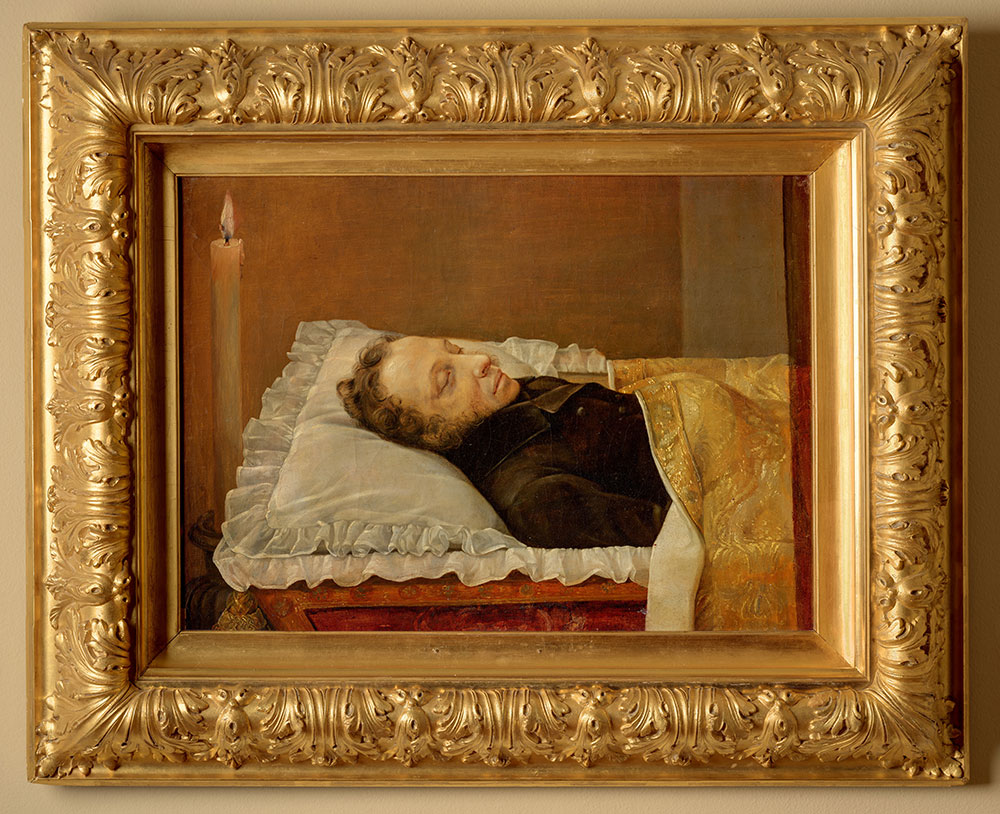
Wikimedia Commons · Public domain · file After being brought home mortally wounded, Pushkin died in his study at the Volkonsky house on the Moika. The museum states that he died at 2:45 p.m.; date field uses New Style.