
29 moments
Birth at Okazaki Castle
· Okazaki Castle, Okazaki, Aichi Prefecture, Japan
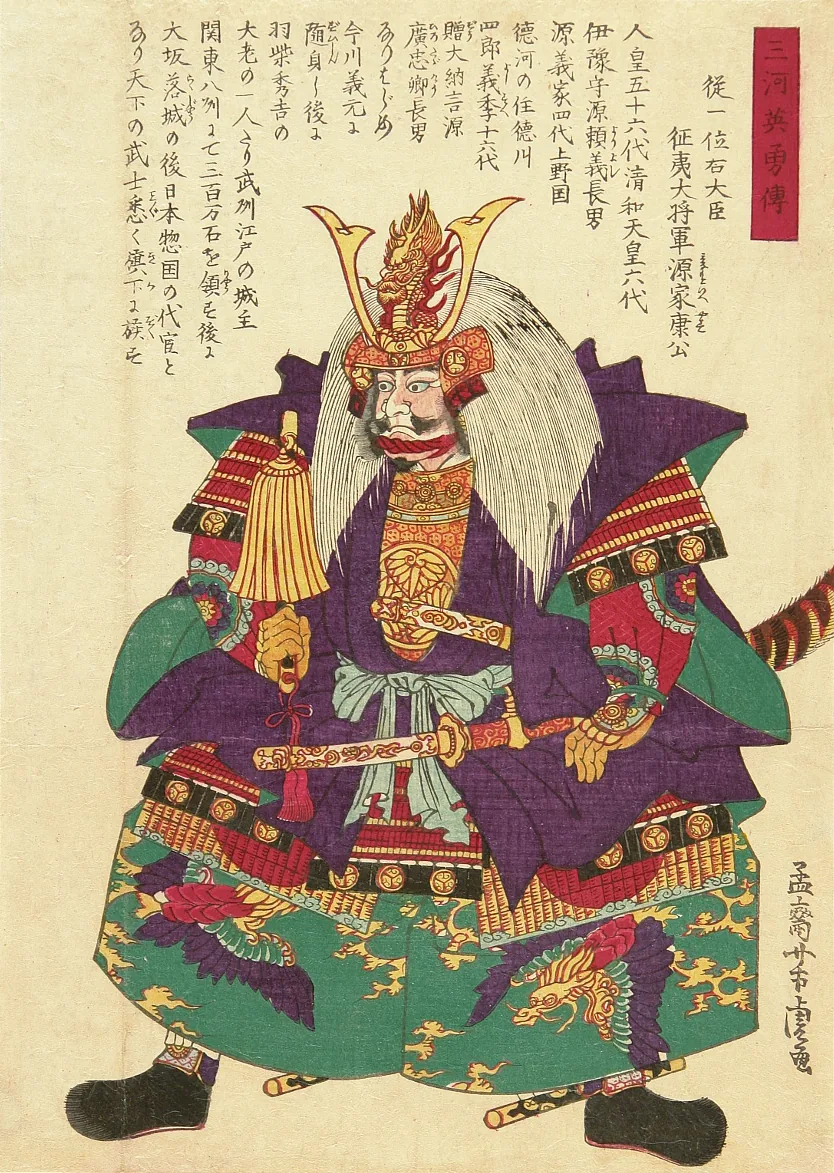
Wikimedia Commons · Public domain (Creative Commons Public Domain Mark 1.0) · file Ieyasu, then named Matsudaira Takechiyo, was born at the Matsudaira stronghold of Okazaki Castle.
Hostage in Sunpu
· Sunpu, present-day Shizuoka, Shizuoka Prefecture, Japan
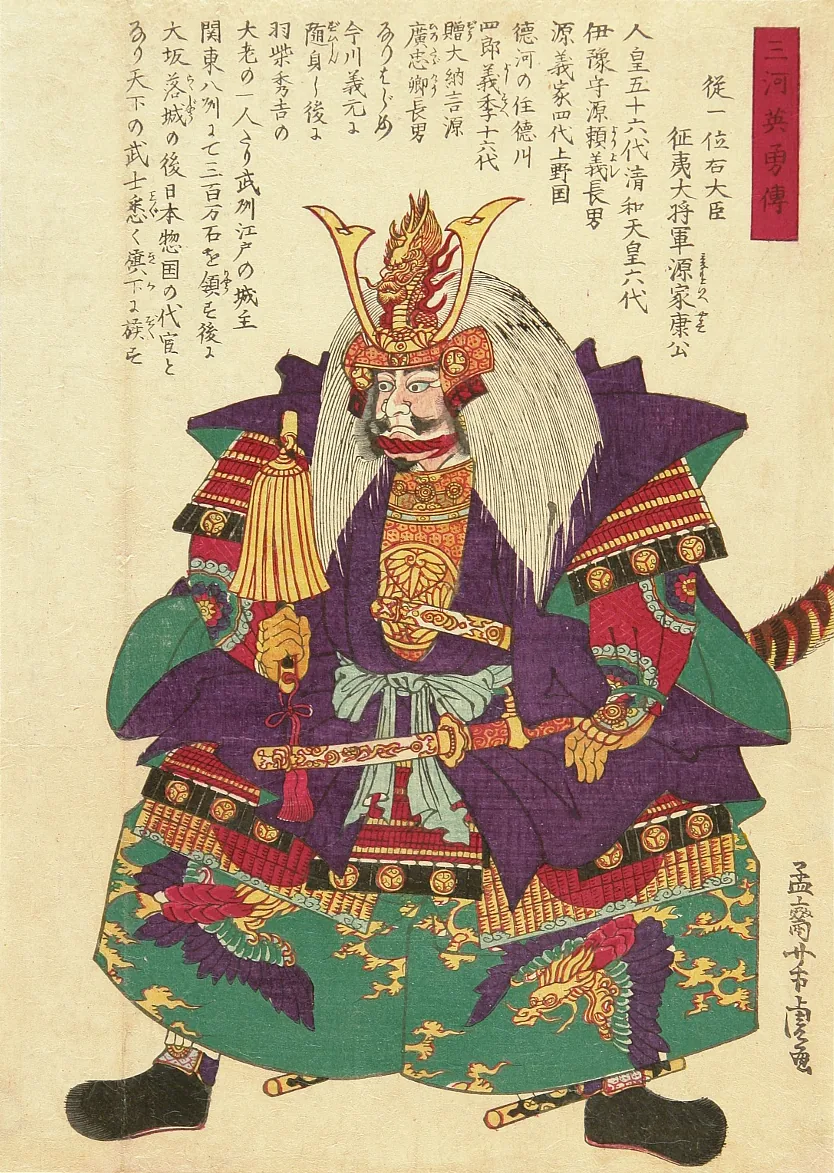
Wikimedia Commons · Public domain (Creative Commons Public Domain Mark 1.0) · file After his exchange from Oda custody, the young Takechiyo was taken to Sunpu as an Imagawa hostage. The date is supported to year precision.
Visit to Okazaki
· Okazaki Castle, Okazaki, Aichi Prefecture, Japan
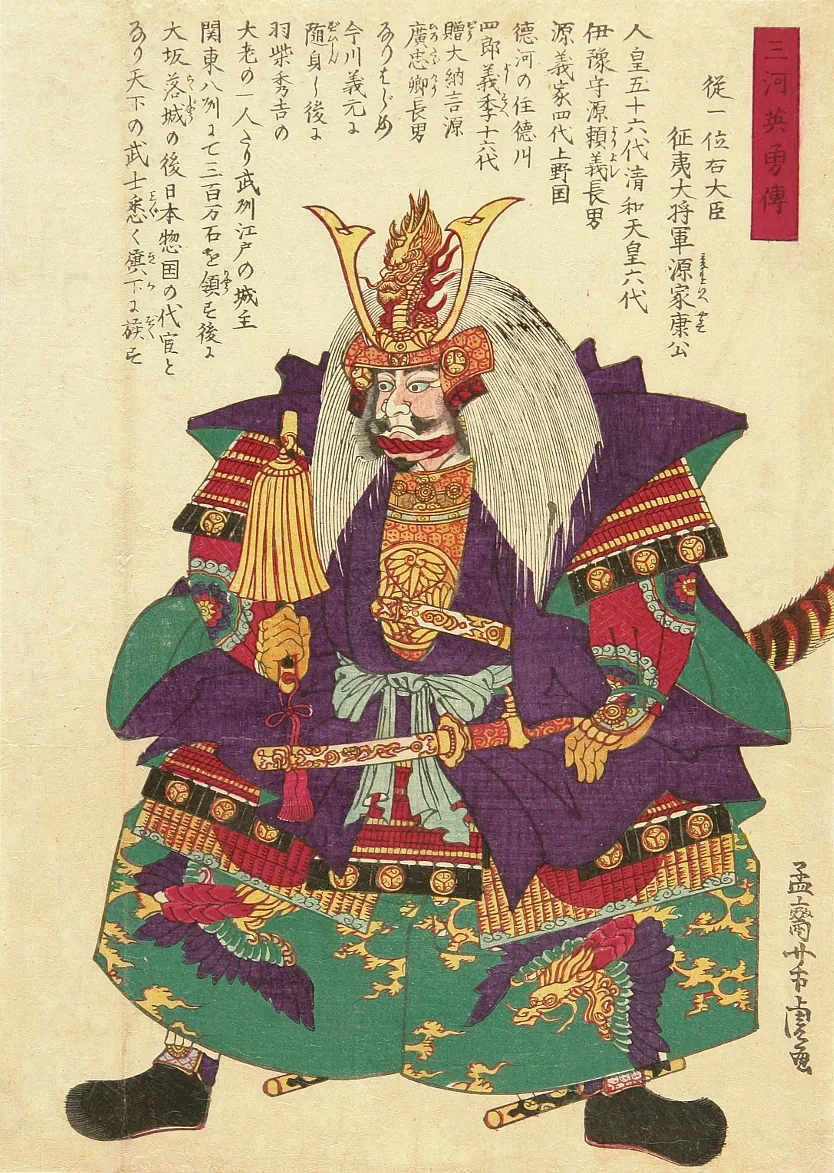
Wikimedia Commons · Public domain (Creative Commons Public Domain Mark 1.0) · file At his coming-of-age, he was briefly permitted to visit his ancestral center, pay respects at his father’s tomb, and receive retainers’ homage. The source supports the year but not a more precise date.
First battle at Terabe Castle
· Terabe Castle, Nishio, Aichi Prefecture, Japan
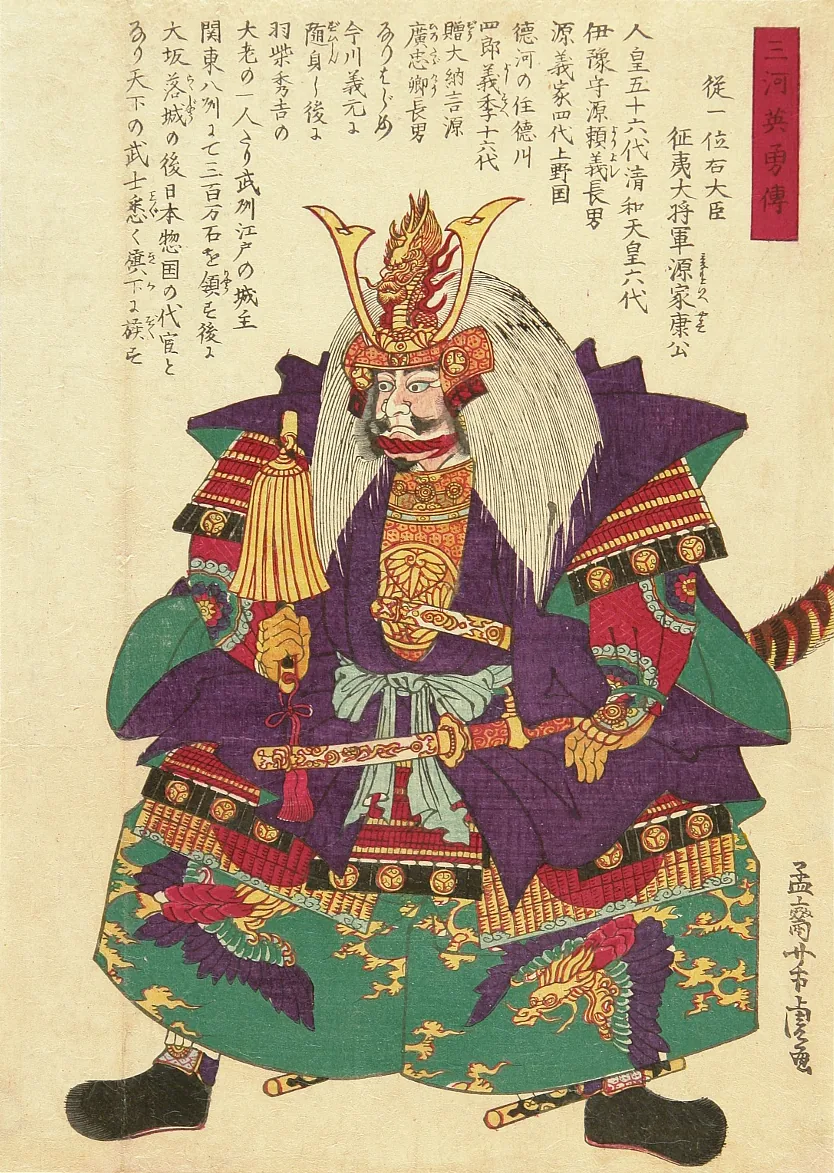
Wikimedia Commons · Public domain (Creative Commons Public Domain Mark 1.0) · file As Matsudaira Motoyasu, Ieyasu personally led his first recorded battle at Terabe Castle while serving the Imagawa. The siege is dated May–June 1558; the card uses year precision because the required date format does not permit a date range.
Reoccupation of Okazaki Castle
· Okazaki Castle, Okazaki, Aichi Prefecture, Japan
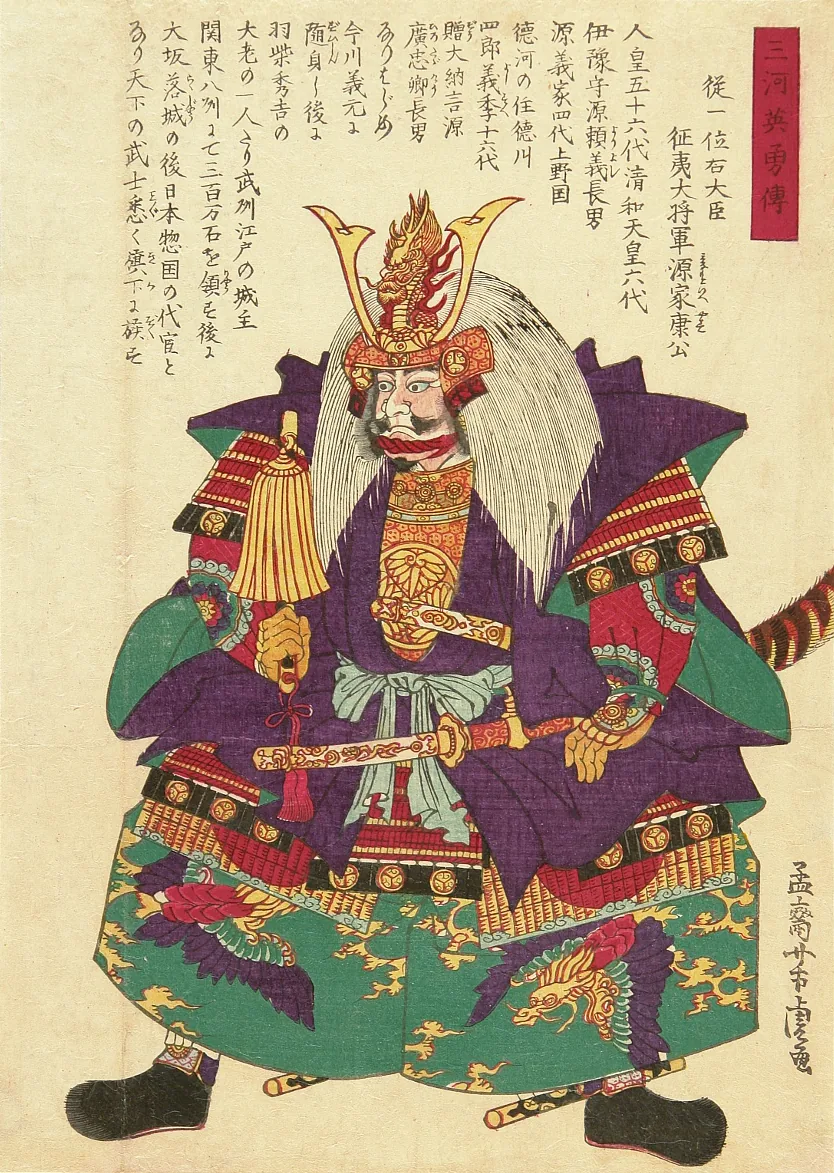
Wikimedia Commons · Public domain (Creative Commons Public Domain Mark 1.0) · file Motoyasu returned to the abandoned family castle and re-established his independent power base in Mikawa. The source supports the year, not a more precise date.
Return to Daijuji Temple
· Daijuji Temple, Okazaki, Aichi Prefecture, Japan
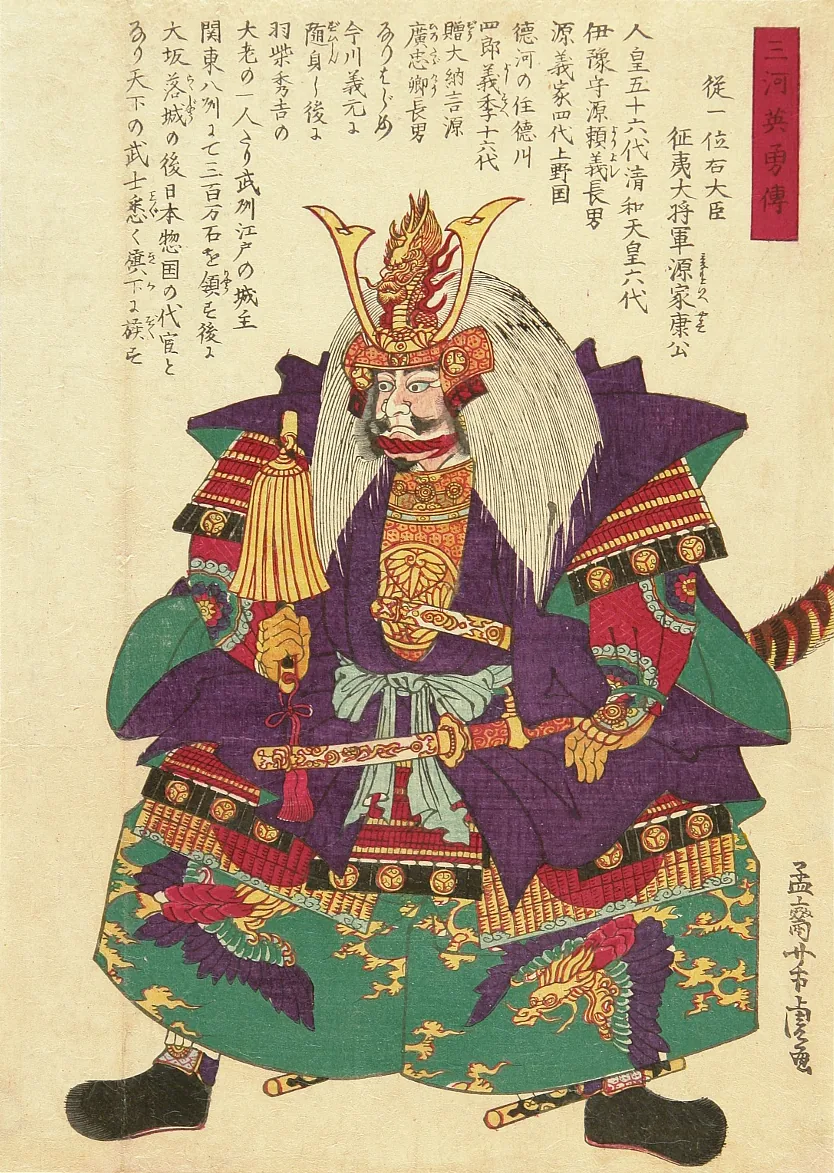
Wikimedia Commons · Public domain (Creative Commons Public Domain Mark 1.0) · file Following the collapse of Imagawa power after Okehazama, Motoyasu reached Daijuji Temple outside Okazaki on his return toward his ancestral base. The source supports the year, but not a Western-calendar day.
Battle of Azukizaka
· Azukizaka Battlefield, Okazaki, Aichi Prefecture, Japan
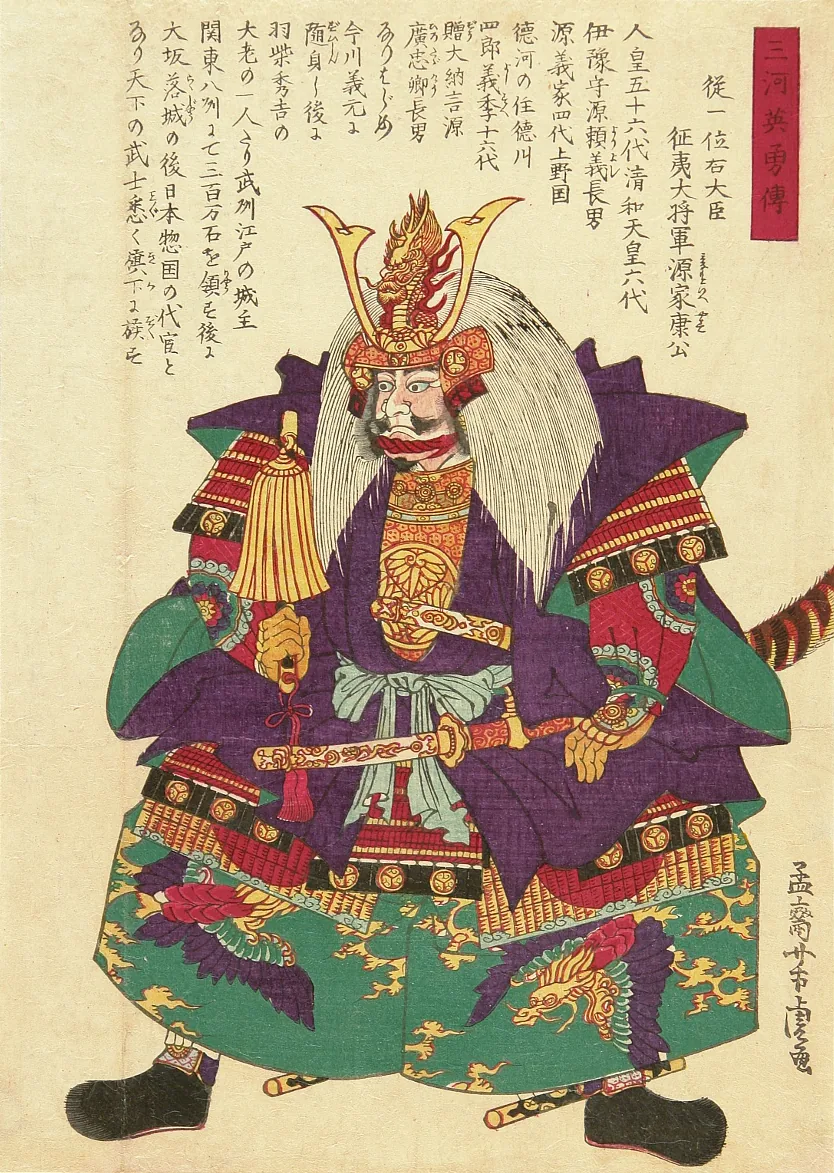
Wikimedia Commons · Public domain (Creative Commons Public Domain Mark 1.0) · file Ieyasu personally fought against the Ikkō-ikki at Azukizaka during his consolidation of Mikawa.
Battle of Mikatagahara
· Mikatagahara, Hamamatsu, Shizuoka Prefecture, Japan
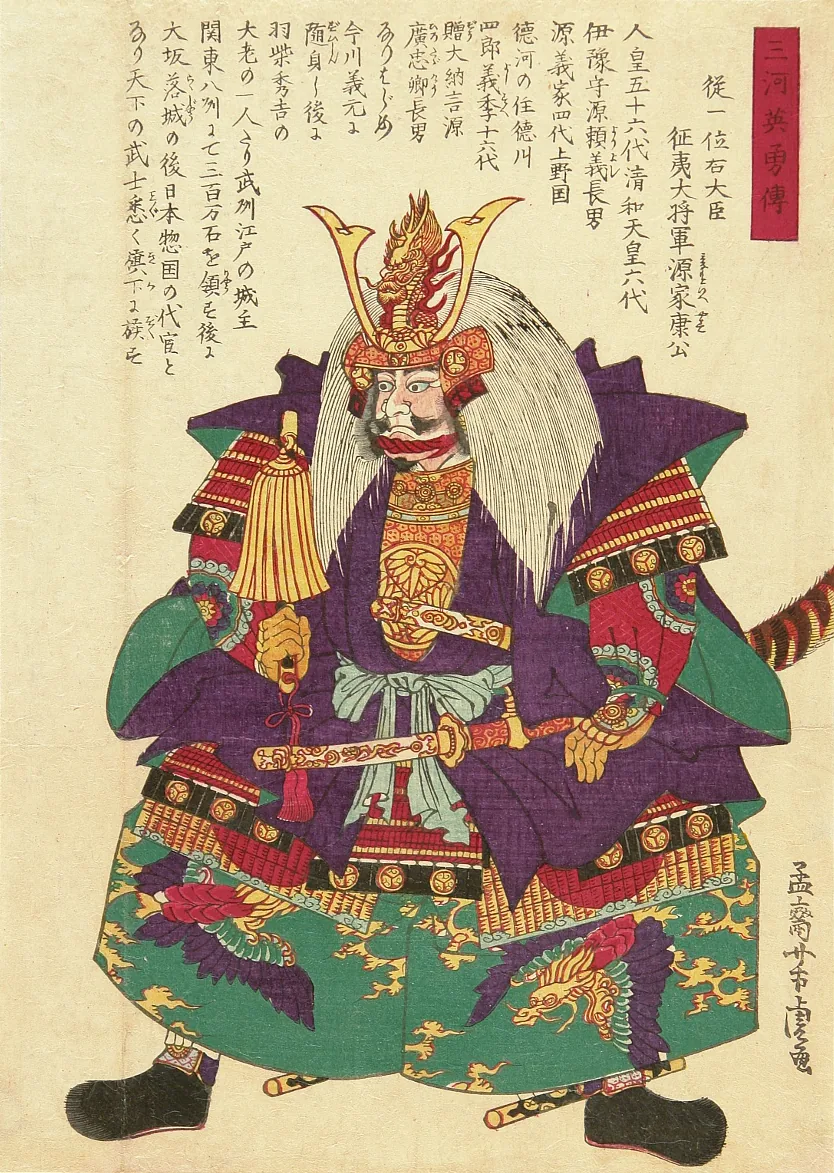
Wikimedia Commons · Public domain (Creative Commons Public Domain Mark 1.0) · file Ieyasu commanded Tokugawa forces against Takeda Shingen at Mikatagahara, suffering a major defeat before escaping back toward Hamamatsu.
Return to Hamamatsu Castle
· Hamamatsu Castle, Hamamatsu, Shizuoka Prefecture, Japan
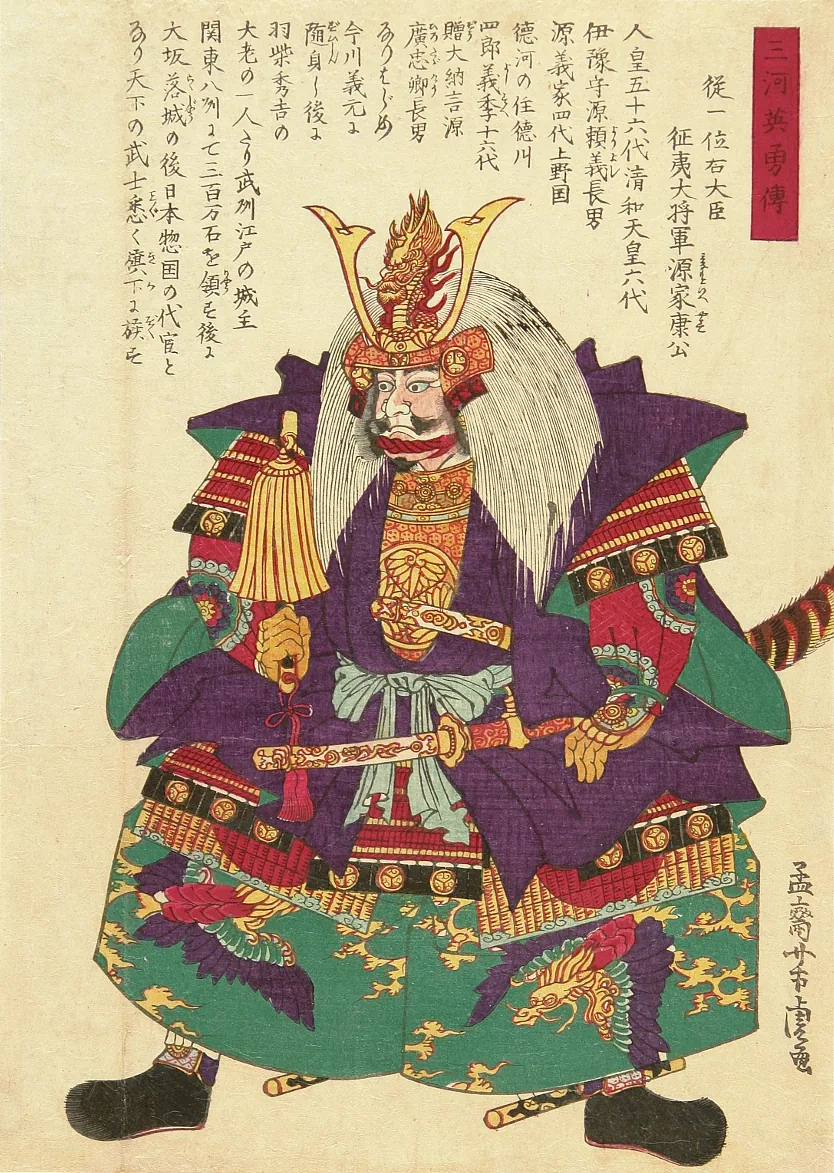
Wikimedia Commons · Public domain (Creative Commons Public Domain Mark 1.0) · file After Mikatagahara, Ieyasu returned to Hamamatsu Castle with only a small remnant of his force.
Battle of Nagashino
· Nagashino Castle, Shinshiro, Aichi Prefecture, Japan
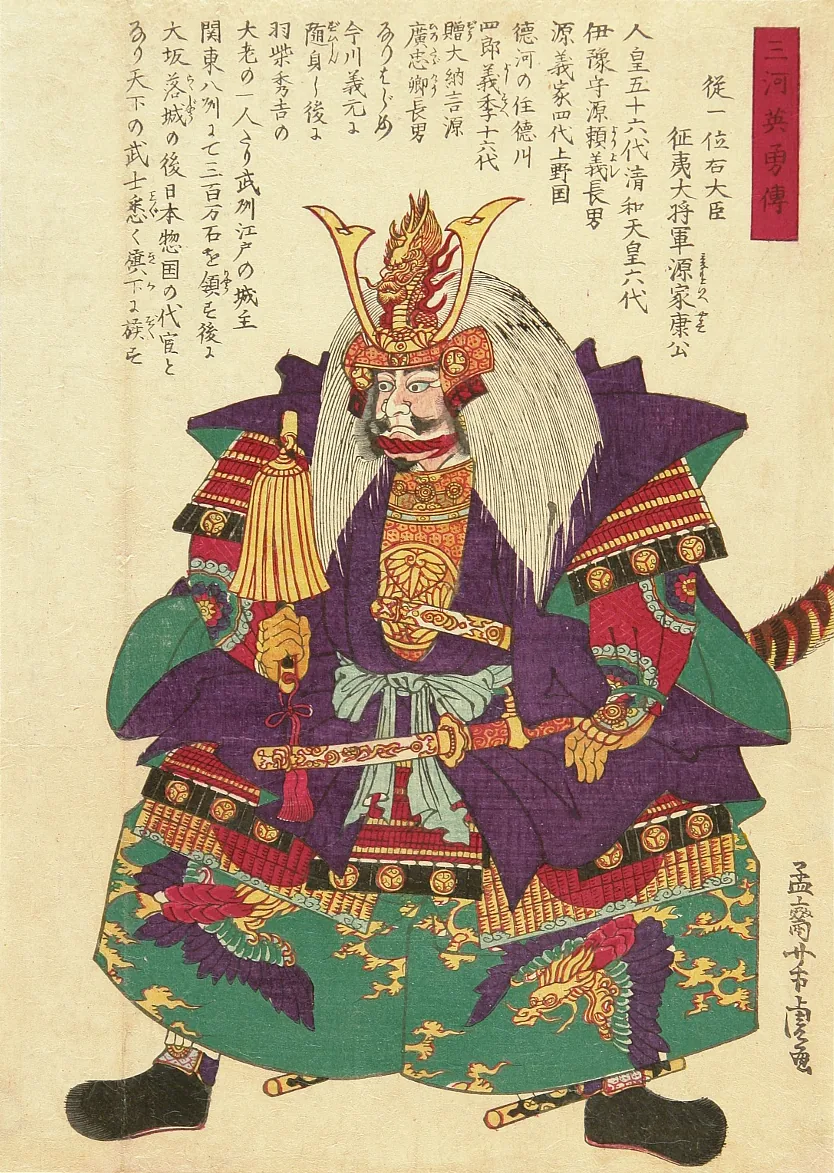
Wikimedia Commons · Public domain (Creative Commons Public Domain Mark 1.0) · file Ieyasu was a commander of the Oda–Tokugawa army at the battle that relieved the pressure on Nagashino Castle and defeated Takeda forces. The infobox identifies Ieyasu as a commander at the dated battle location.
Escape route through Iga
· Iga Province, present-day Mie Prefecture, Japan
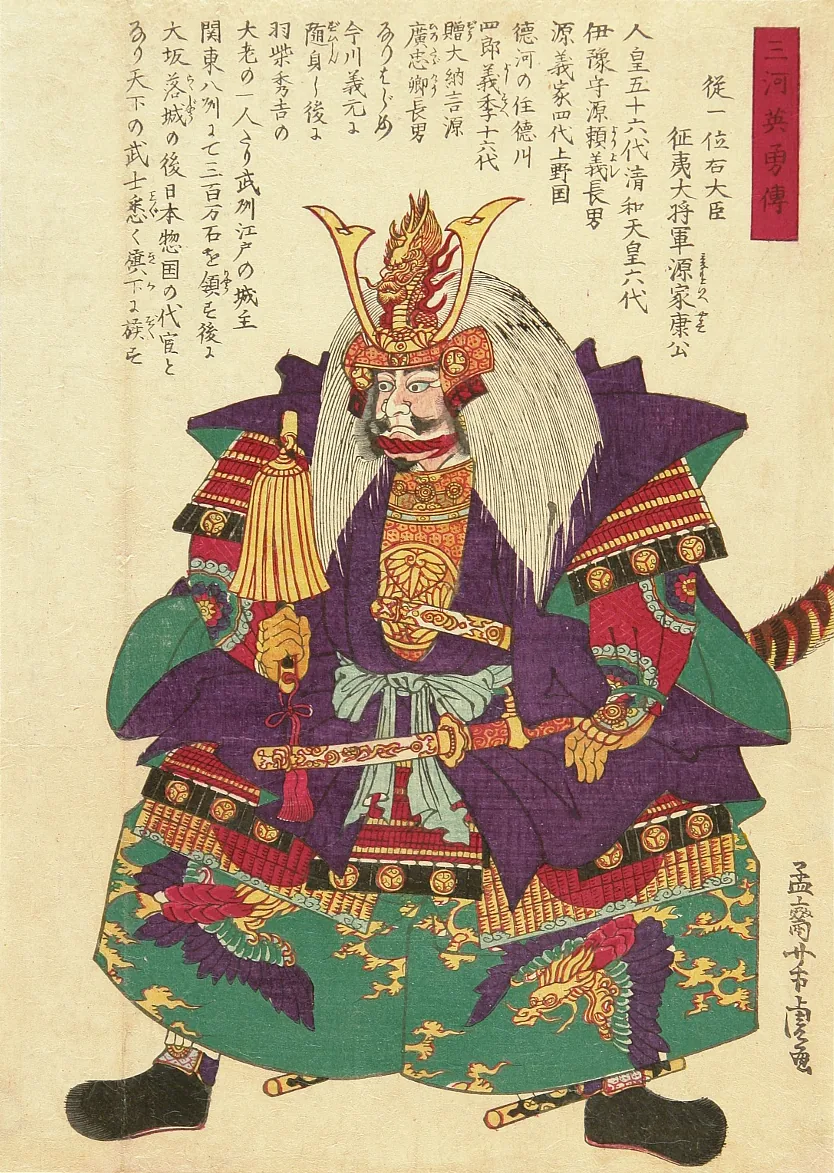
Wikimedia Commons · Public domain (Creative Commons Public Domain Mark 1.0) · file After learning of Oda Nobunaga’s death, Ieyasu and a small party crossed Iga on their dangerous return journey toward Mikawa. The precise route through Iga is disputed; coordinates represent central Iga Province.
Journey from Sakai after Honnō-ji
· Sakai, Osaka Prefecture, Japan
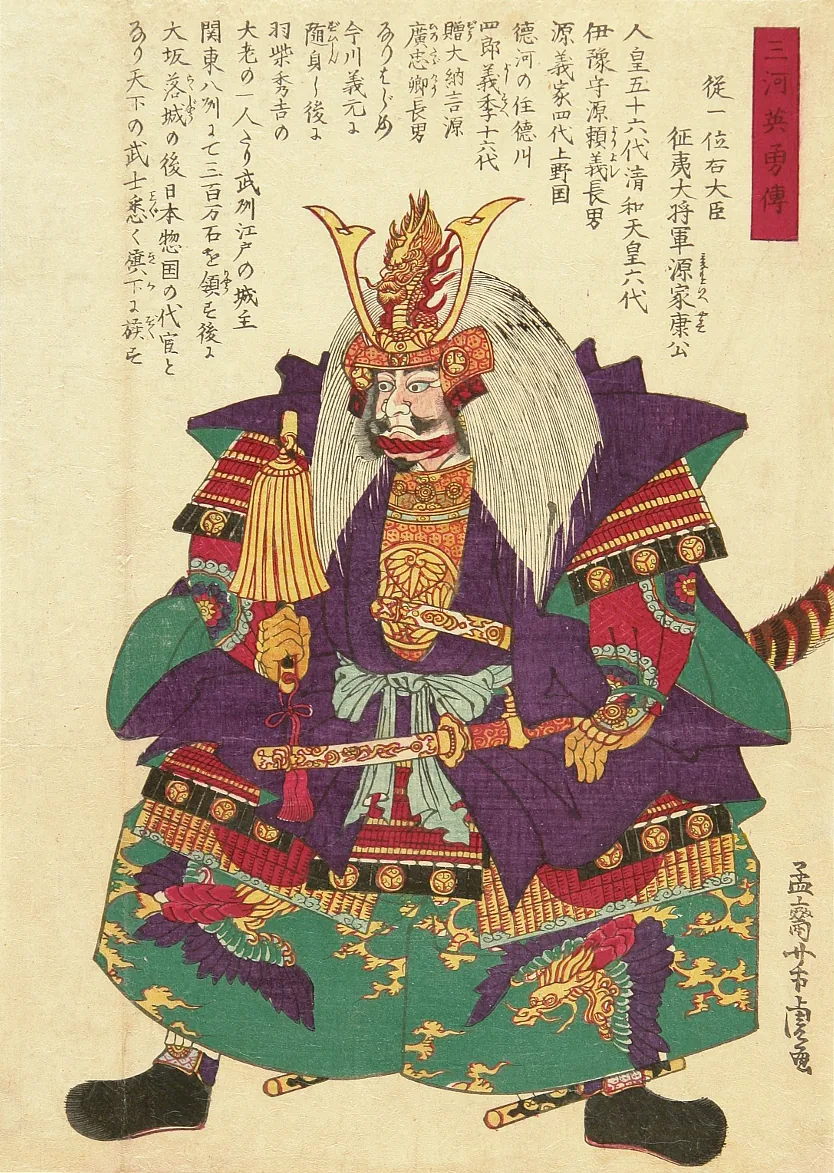
Wikimedia Commons · Public domain (Creative Commons Public Domain Mark 1.0) · file Sakai was Ieyasu’s documented starting position when he began the emergency return to Mikawa after the Honnō-ji Incident. The account places him in Sakai during the 1582 escape journey but does not supply an exact day.
Meeting at Kiyosu Castle
· Kiyosu Castle, Kiyosu, Aichi Prefecture, Japan
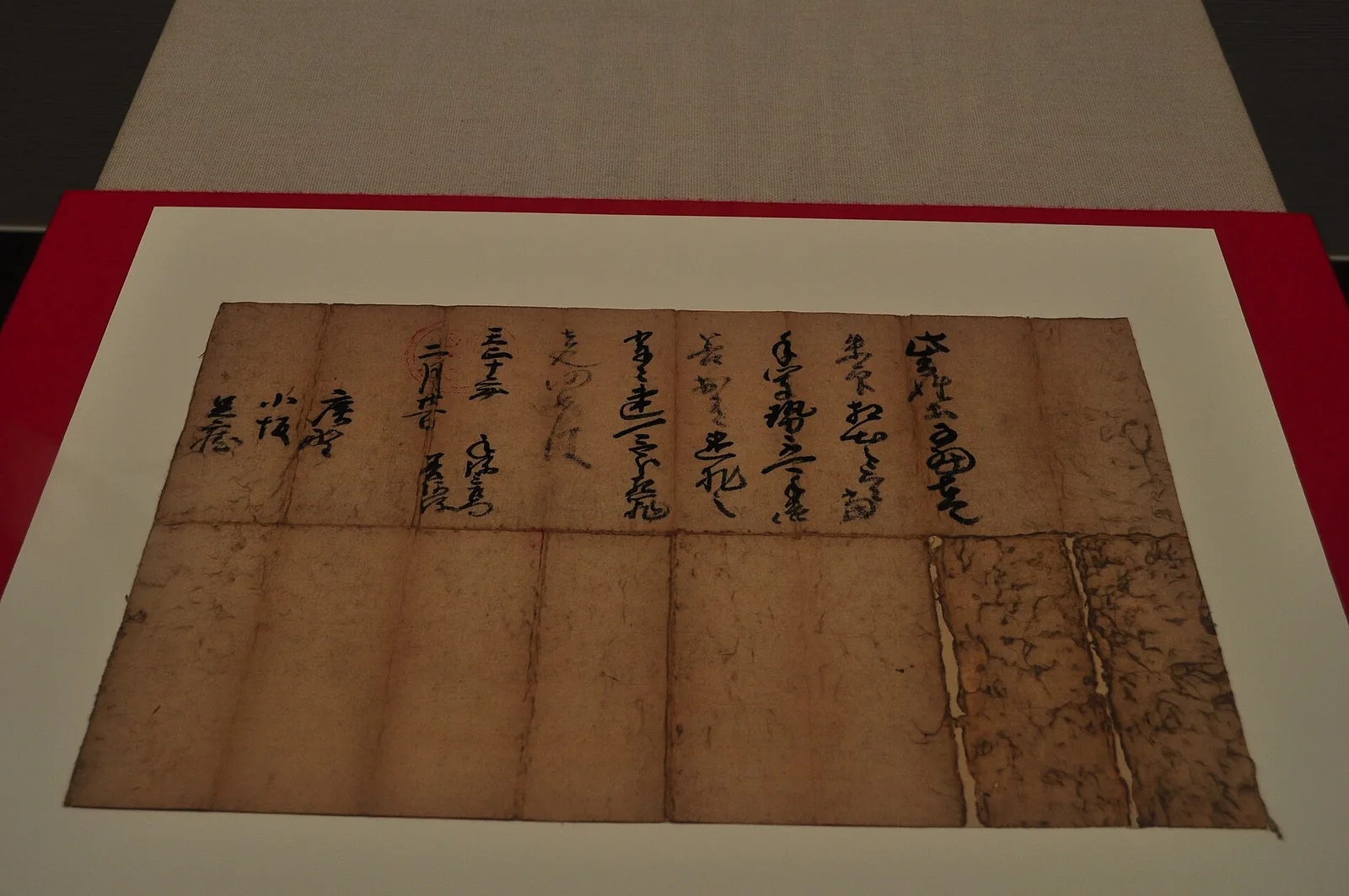
Wikimedia Commons · CC BY 2.0 · file During the Komaki and Nagakute conflict, Ieyasu met Oda Nobukatsu at Kiyosu Castle for a strategic meeting. The source places the meeting during the 1584 campaign but does not give a day.
Trip to Kyoto
· Kyoto, Japan
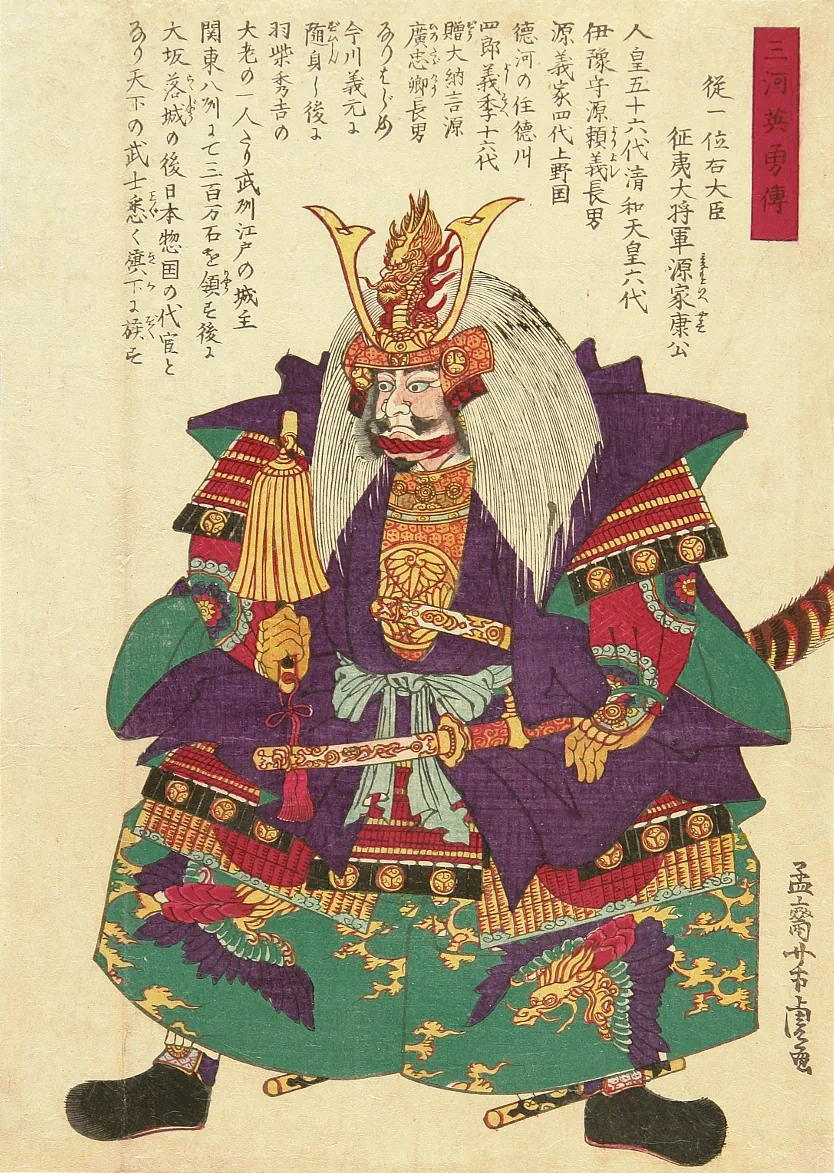
Wikimedia Commons · Public domain (Creative Commons Public Domain Mark 1.0) · file After peace with Toyotomi Hideyoshi, Ieyasu traveled to Kyoto accompanied by leading Tokugawa retainers. The source supports the year but not a precise month or day.
Establishment of seat in Edo
· Edo Castle, Edo, present-day Chiyoda, Tokyo, Japan
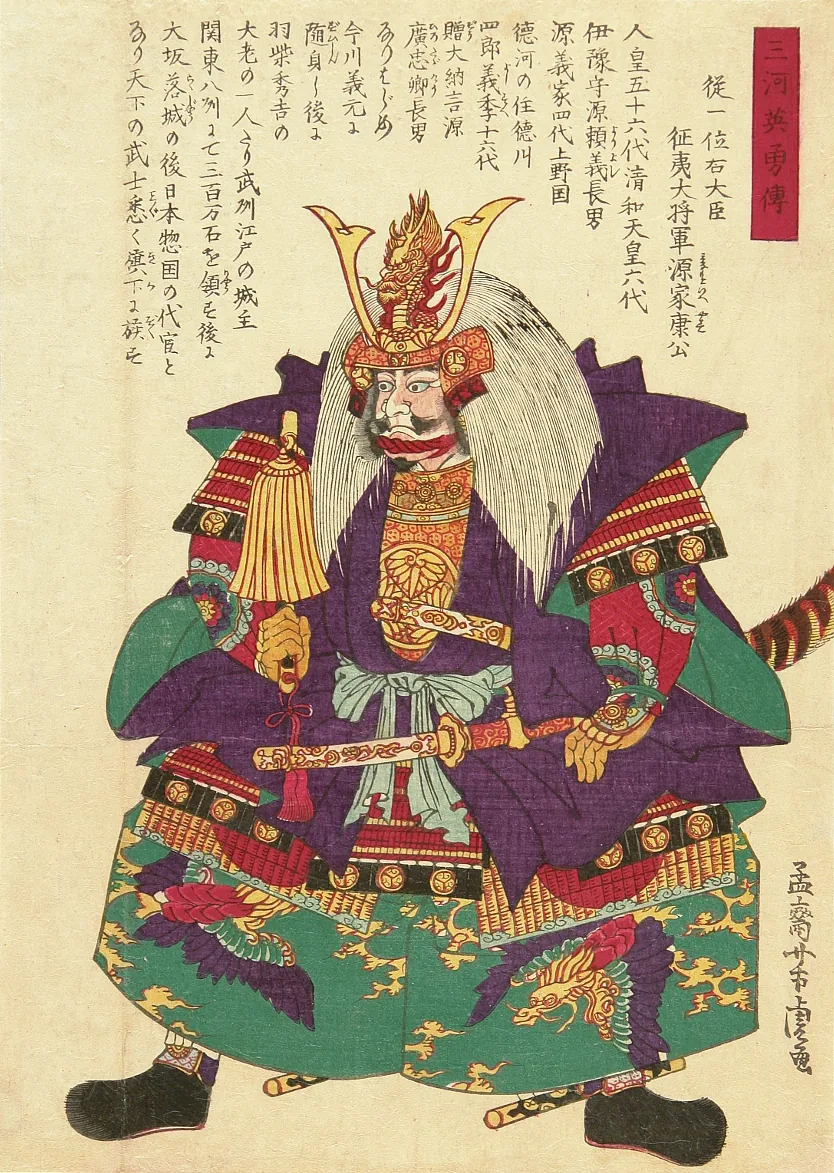
Wikimedia Commons · Public domain (Creative Commons Public Domain Mark 1.0) · file After a northern punitive operation, Ieyasu returned to Edo and began administering the Kantō territory that became the core of Tokugawa rule.
Military advisory stay at Nagoya
· Nagoya, Karatsu, Saga Prefecture, Japan
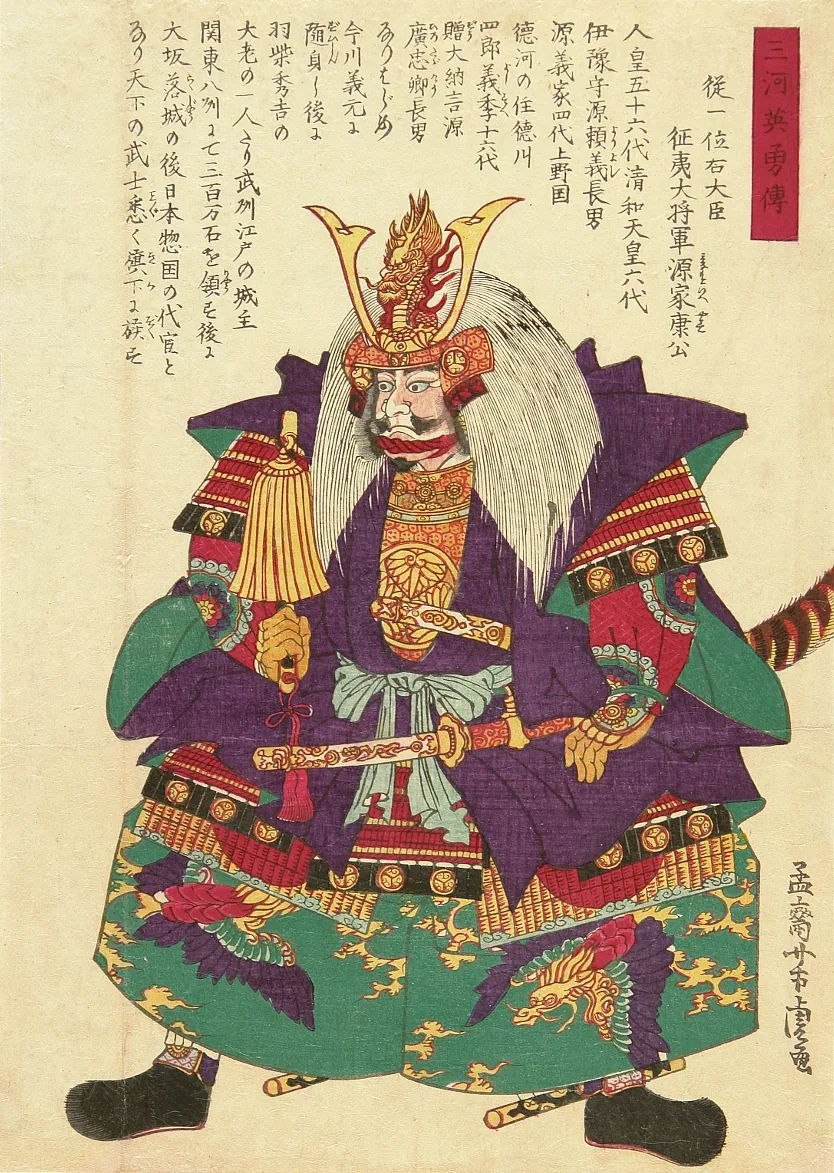
Wikimedia Commons · Public domain (Creative Commons Public Domain Mark 1.0) · file Ieyasu was summoned to Hideyoshi’s court at Nagoya in Kyushu as a military adviser for the Korean campaign and stayed there intermittently thereafter. This is Nagoya in Kyushu, not Nagoya in Owari; coordinates are a representative point for the historic Nagoya Castle area.
Residence at Fushimi Castle
· Fushimi Castle, Kyoto, Japan
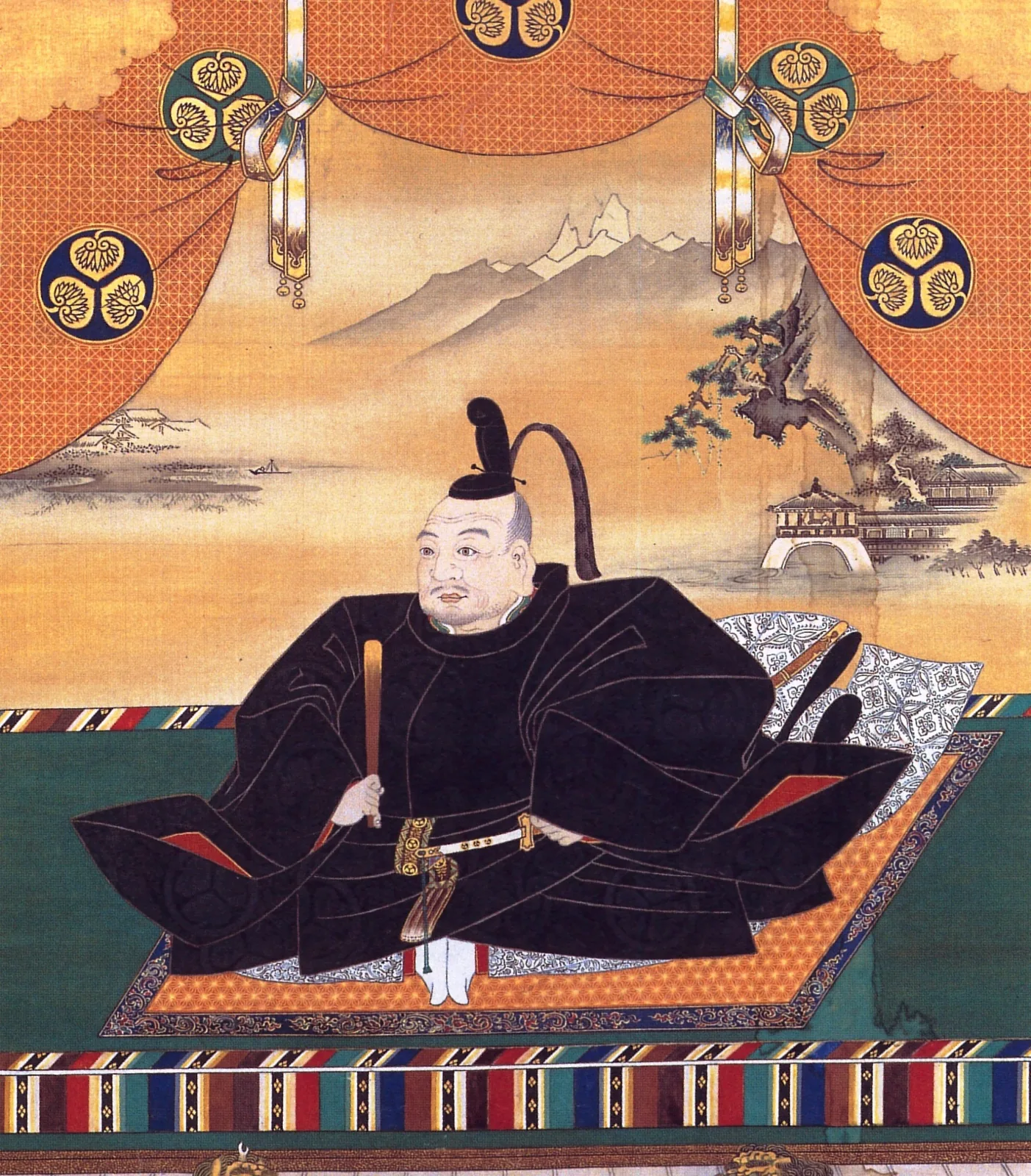
Wikimedia Commons · Public domain (PD-Japan) · file From the 1595 political crisis onward, Ieyasu spent increasingly long periods at Fushimi Castle rather than at Edo. The source begins this pattern after July 1595 but gives no exact first-arrival date.
Ordered visit to Kyoto
· Kyoto, Japan
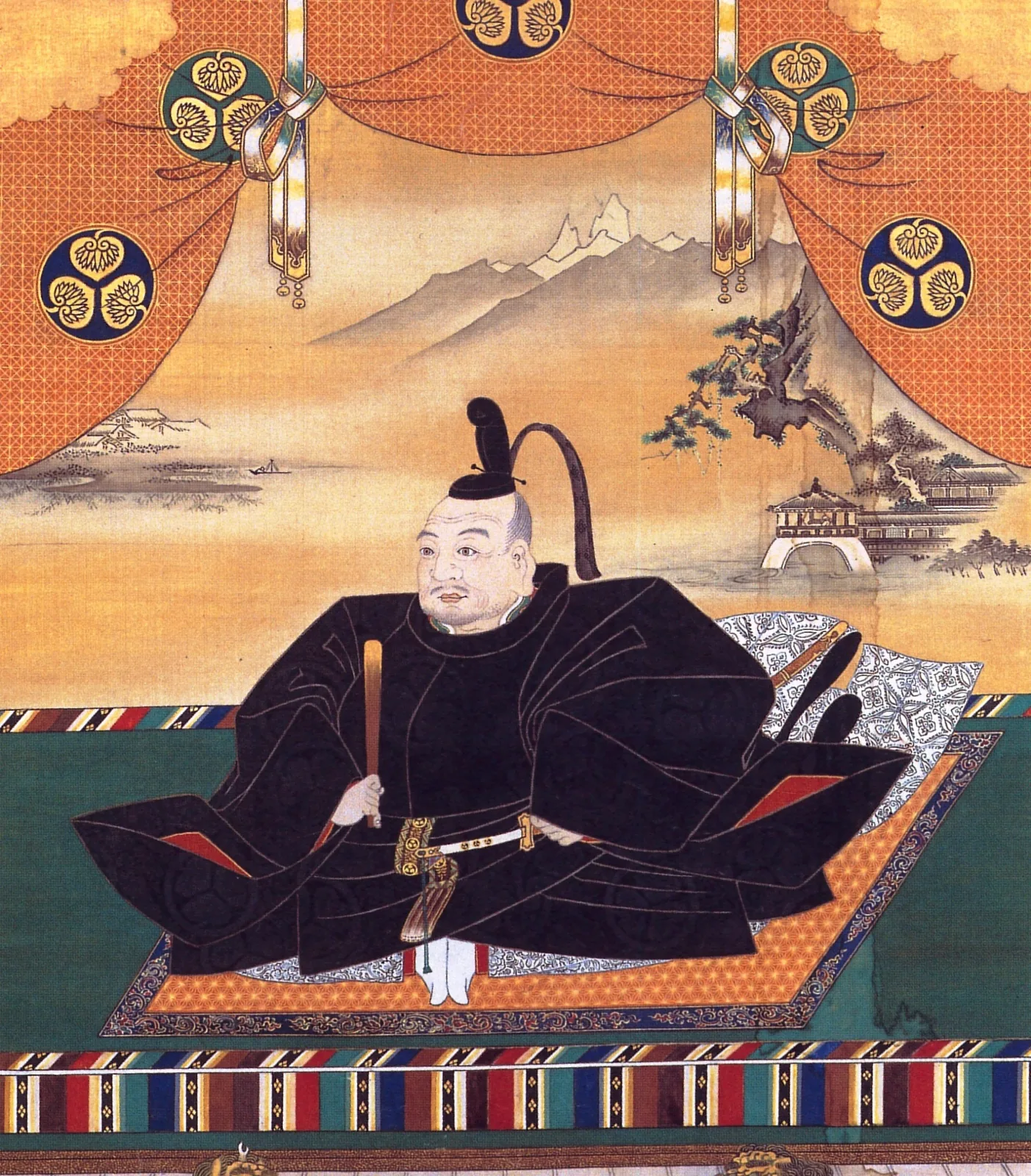
Wikimedia Commons · Public domain (PD-Japan) · file Ieyasu came to Kyoto in response to Hideyoshi’s summons during the Toyotomi Hidetsugu incident.
Return to Fushimi Castle
· Fushimi Castle, Kyoto, Japan
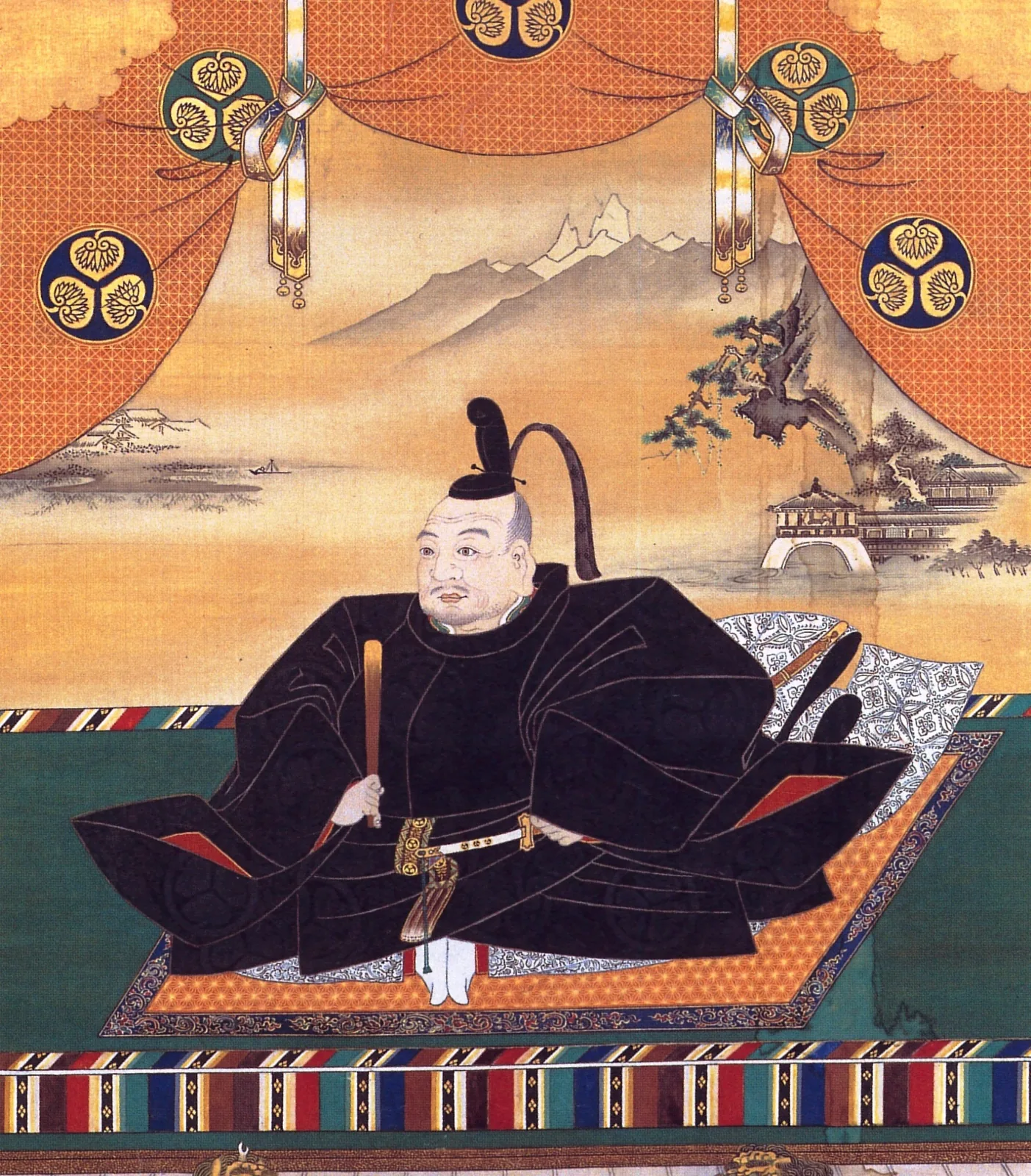
Wikimedia Commons · Public domain (PD-Japan) · file Ieyasu returned from Osaka Castle to Fushimi Castle amid an alleged assassination attempt by Toyotomi retainers.
March to Osaka Castle after Sekigahara
· Osaka Castle, Osaka, Japan
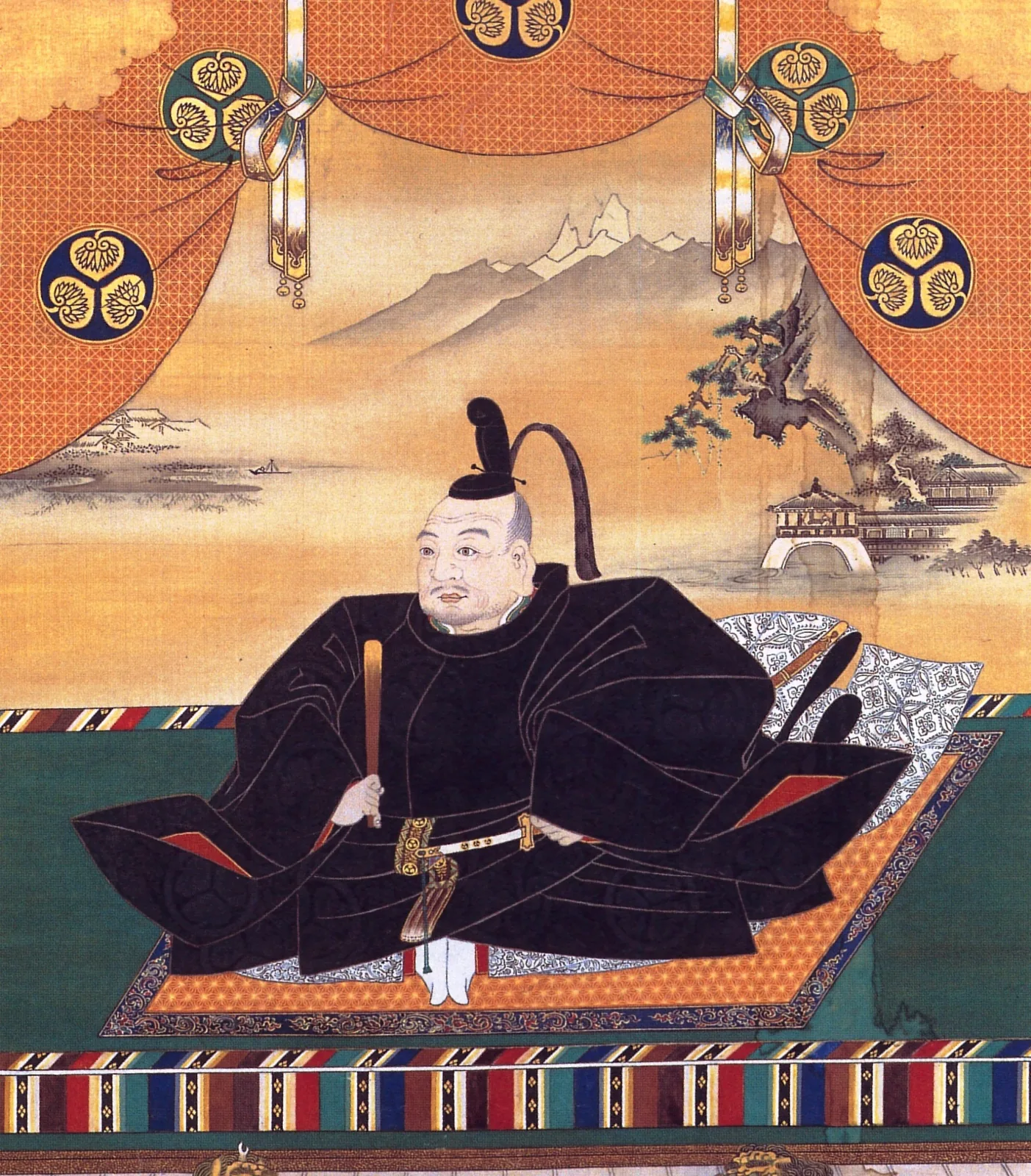
Wikimedia Commons · Public domain (PD-Japan) · file After the victory at Sekigahara, Ieyasu marched to Osaka Castle, where Mōri Terumoto surrendered to him. The march occurred after October 21, 1600; the source does not give an exact arrival date.
Eastern Army meeting in Edo
· Edo Castle, Edo, present-day Chiyoda, Tokyo, Japan
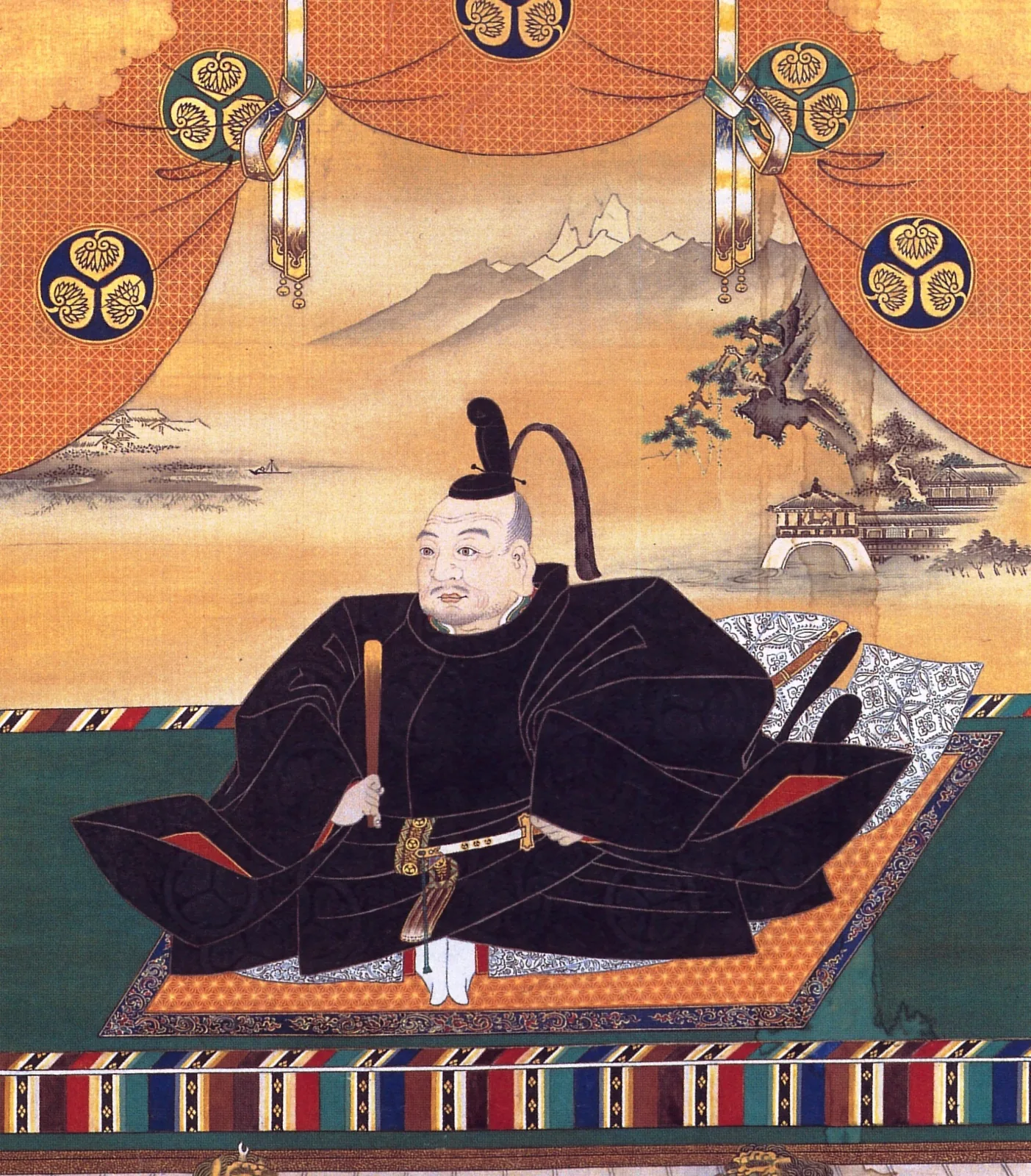
Wikimedia Commons · Public domain (PD-Japan) · file Ieyasu was back in Edo as he mobilized his allies against Uesugi Kagekatsu before the Sekigahara campaign. The source supports month precision only.
Battle of Sekigahara
· Sekigahara, Gifu Prefecture, Japan
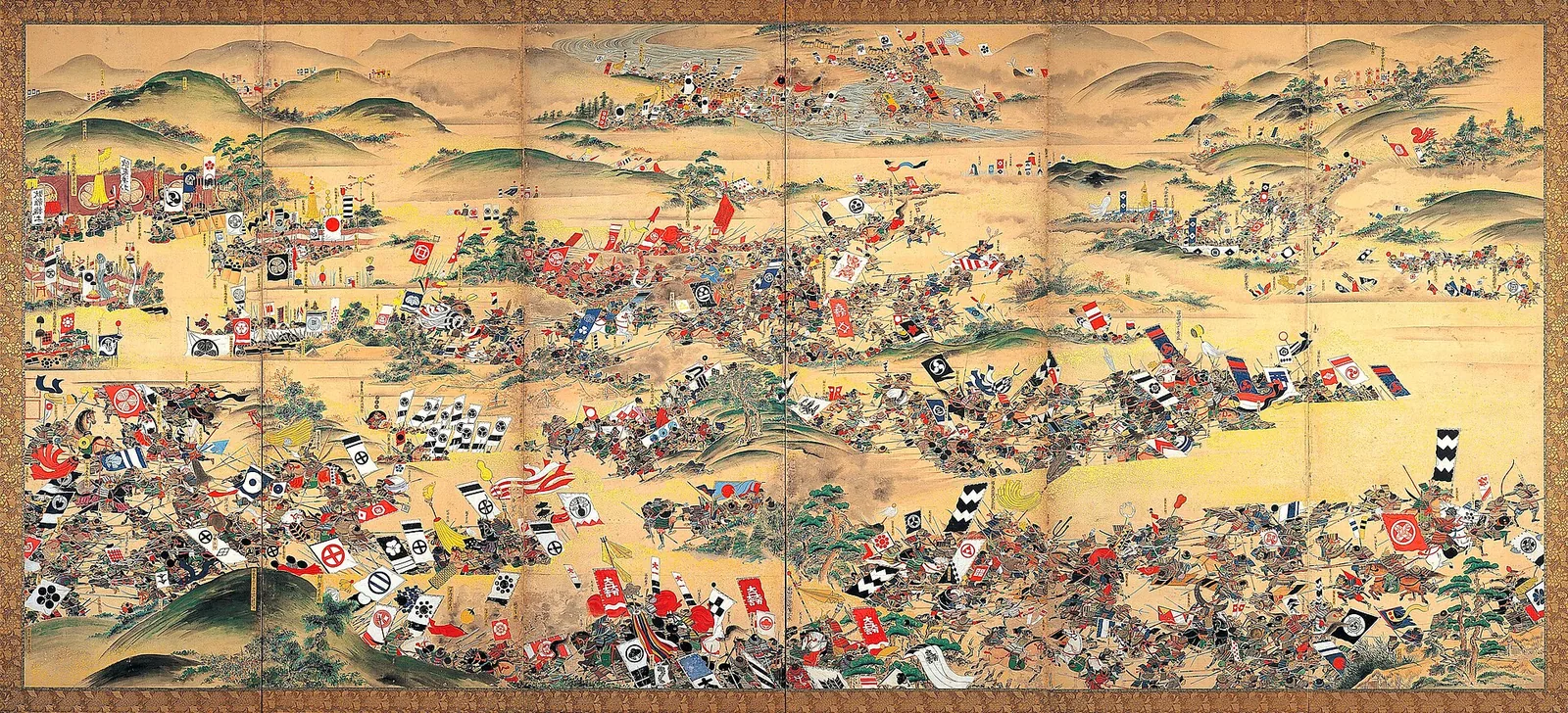
Wikimedia Commons · Public domain · file Ieyasu led the Eastern Army in the decisive battle at Sekigahara, defeating Ishida Mitsunari’s coalition.
Retirement to Sunpu Castle
· Sunpu Castle, Shizuoka, Shizuoka Prefecture, Japan
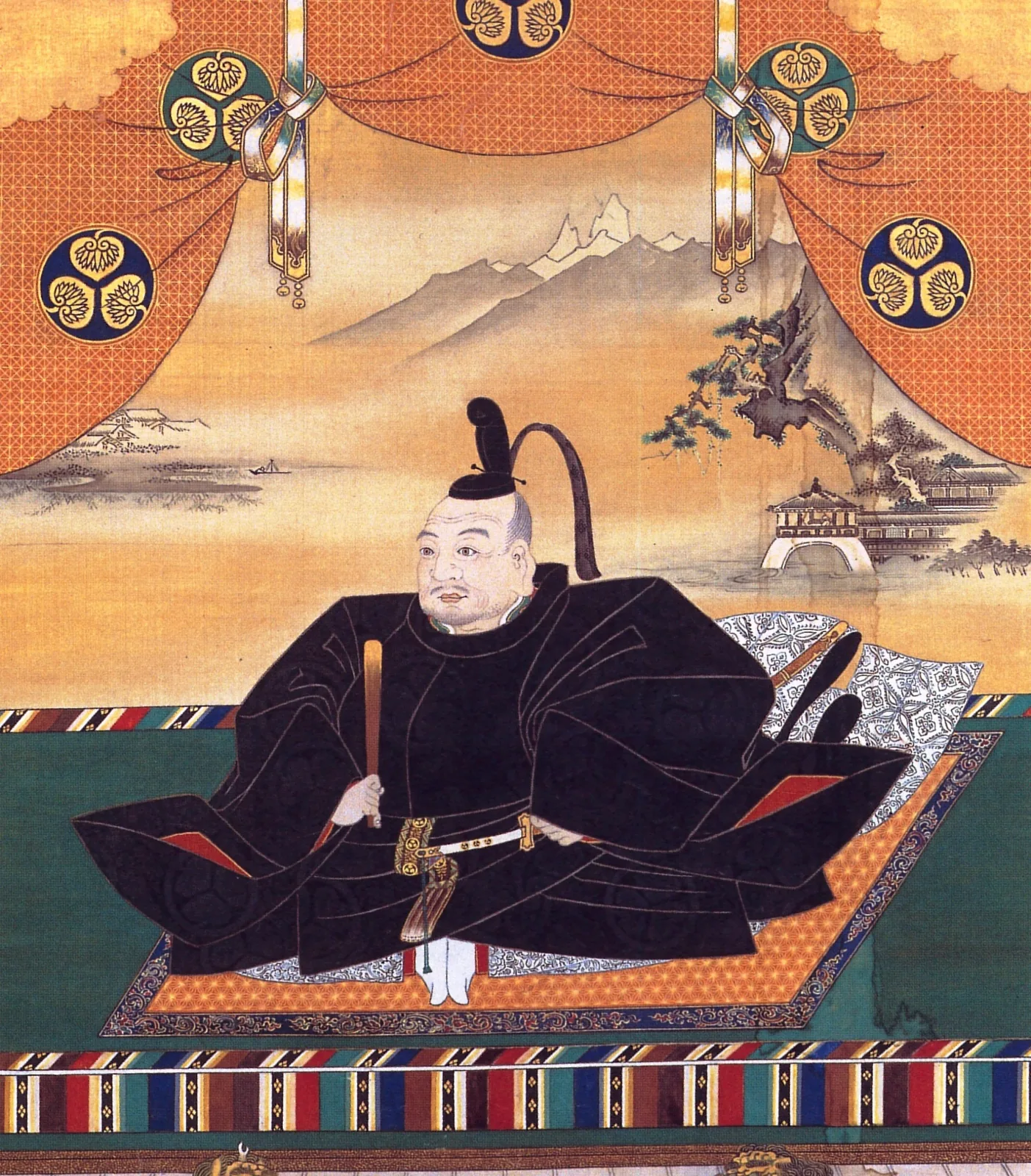
Wikimedia Commons · Public domain (PD-Japan) · file After relinquishing the formal shogunate, Ieyasu retired to Sunpu Castle while continuing to exercise effective rule over Japan. The source describes his retirement from 1605 onward.
Meeting with Hideyori at Nijō Castle
· Nijō Castle, Kyoto, Japan
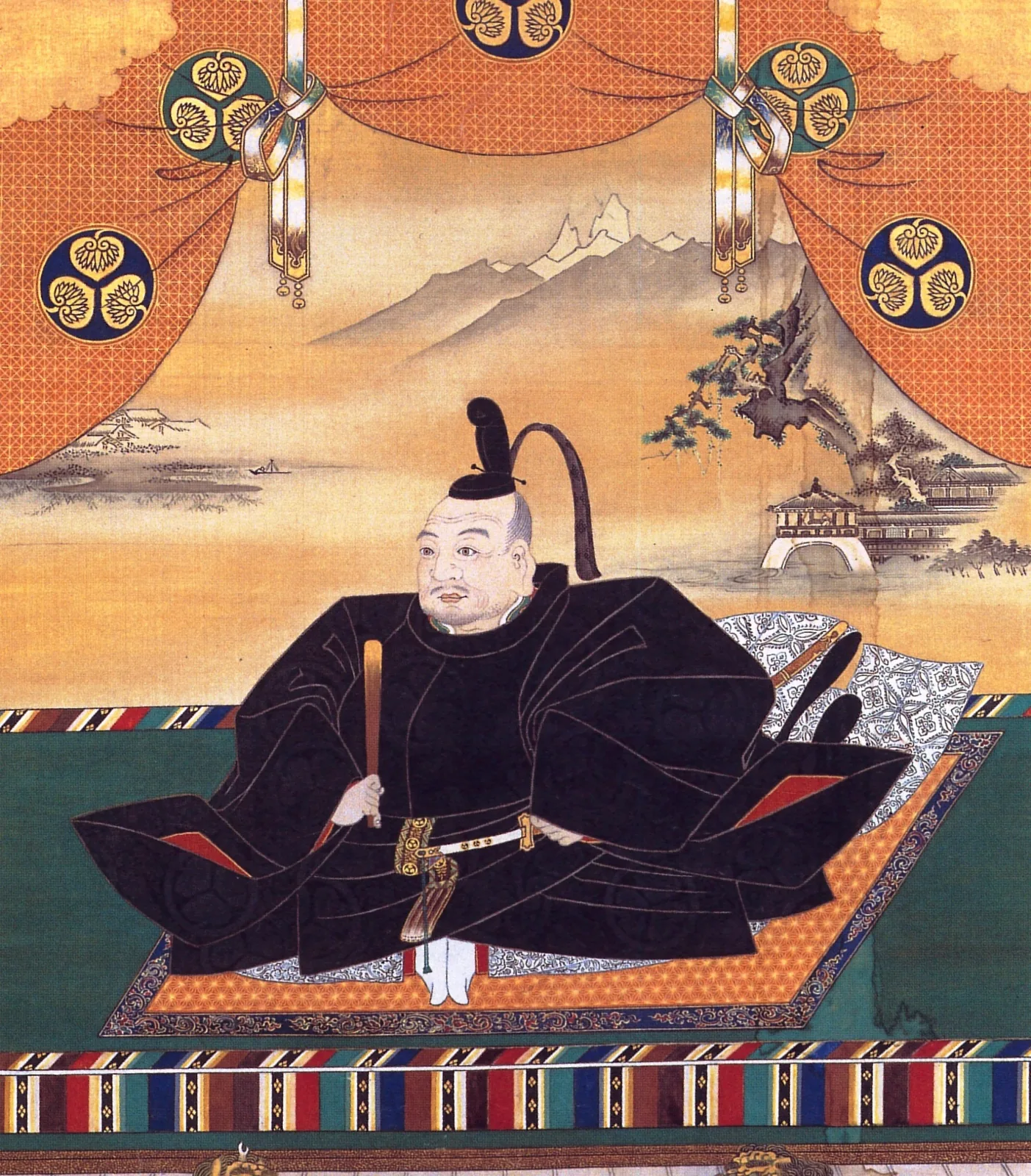
Wikimedia Commons · Public domain (PD-Japan) · file Toyotomi Hideyori met Ieyasu for two hours at Nijō Castle, an important personal encounter before the Osaka campaign. The source supports year precision only.
Winter Siege of Osaka
· Osaka Castle, Osaka, Japan
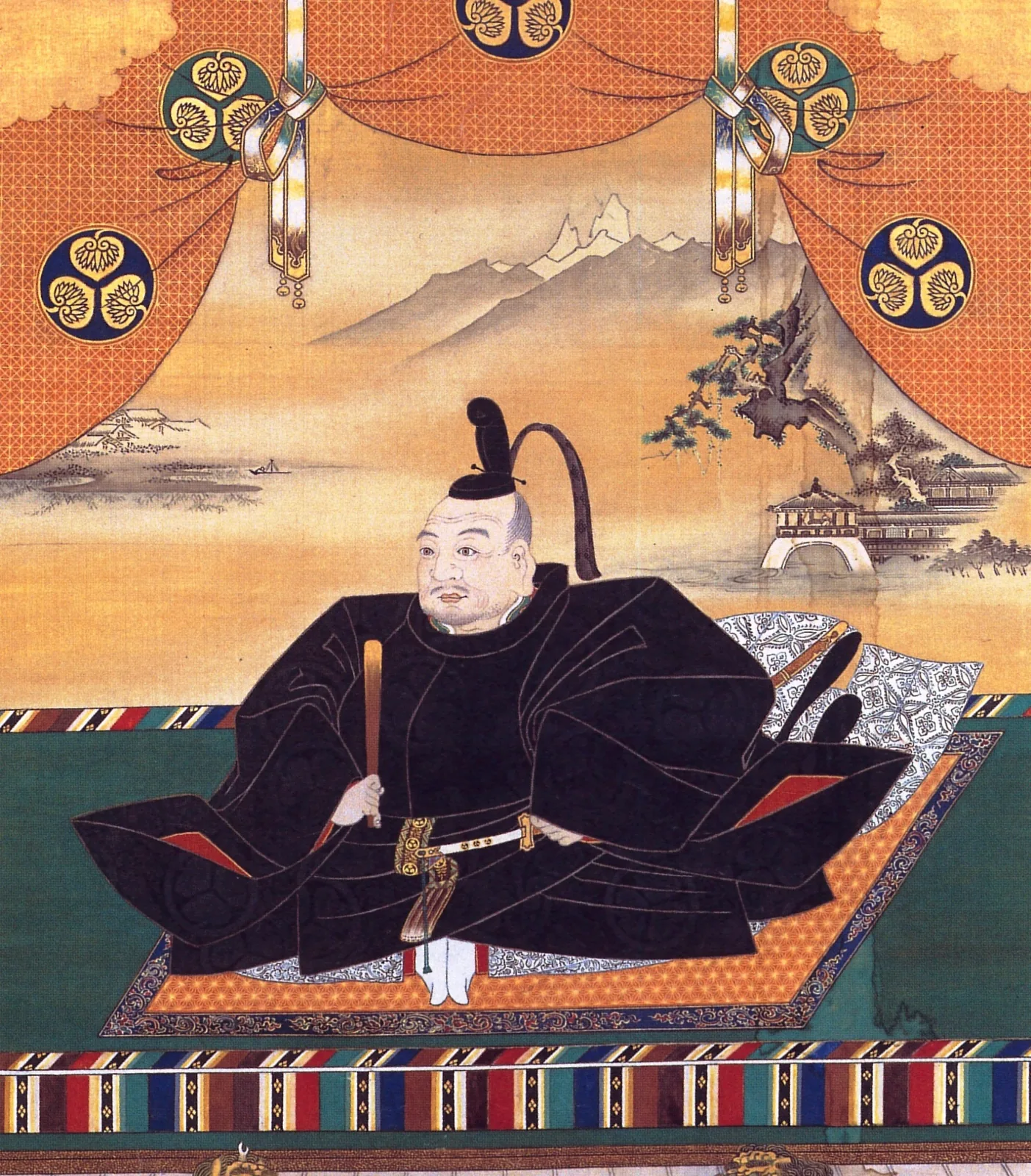
Wikimedia Commons · Public domain (PD-Japan) · file Ieyasu led the Tokugawa army to Osaka, opening the Winter Siege against Toyotomi Hideyori’s defenders. The source supports month precision; the siege began on November 19.
Summer Siege of Osaka
· Osaka Castle, Osaka, Japan
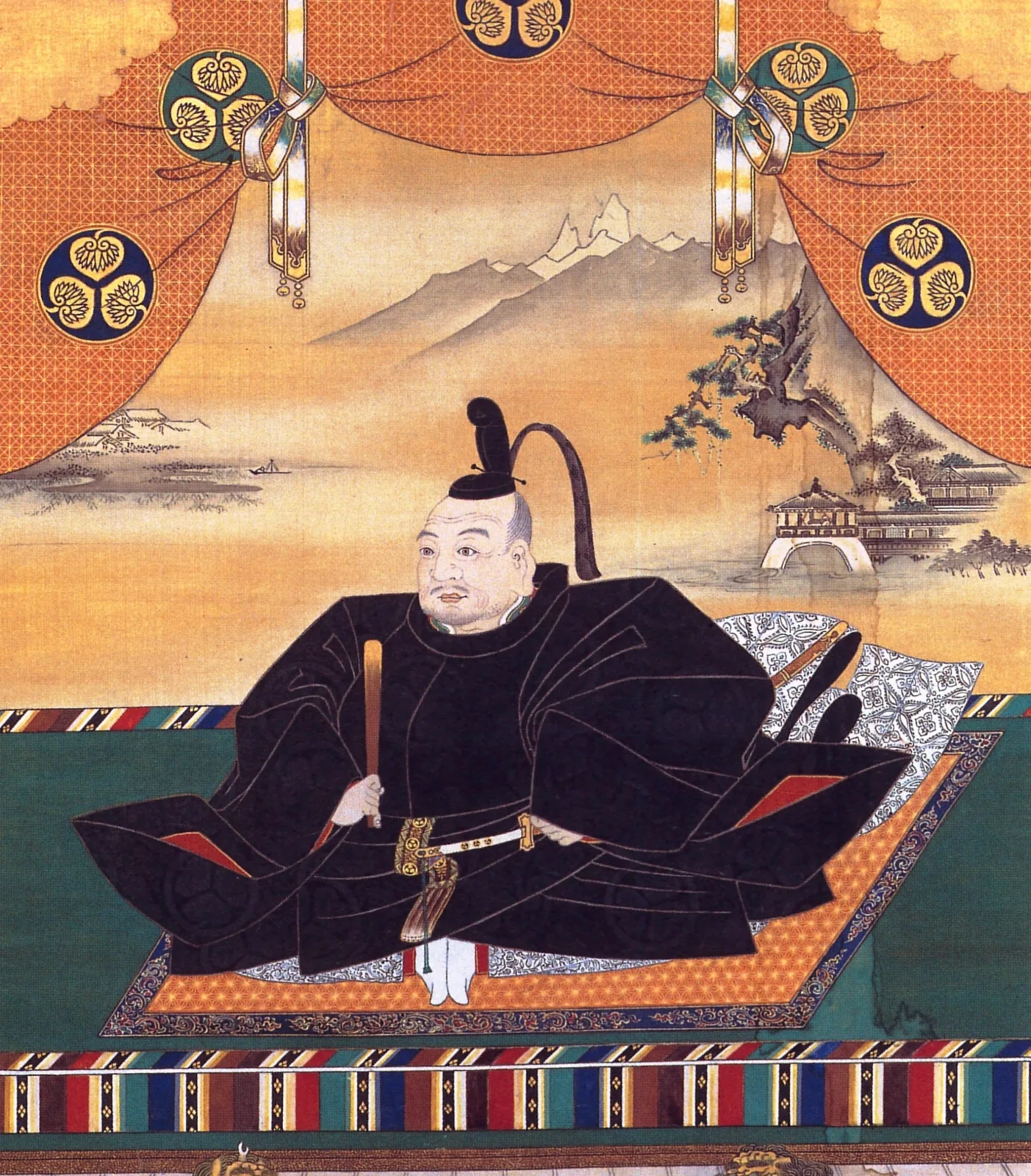
Wikimedia Commons · Public domain (PD-Japan) · file After Hideyori rejected a further order to leave Osaka, Ieyasu and his allied army attacked Osaka Castle again in the Summer Siege. The Summer Siege occurred in May–June 1615; the card uses year precision because the required date format does not permit a range.
Audience with Emperor Go-Mizunoo
· Kyoto, Japan
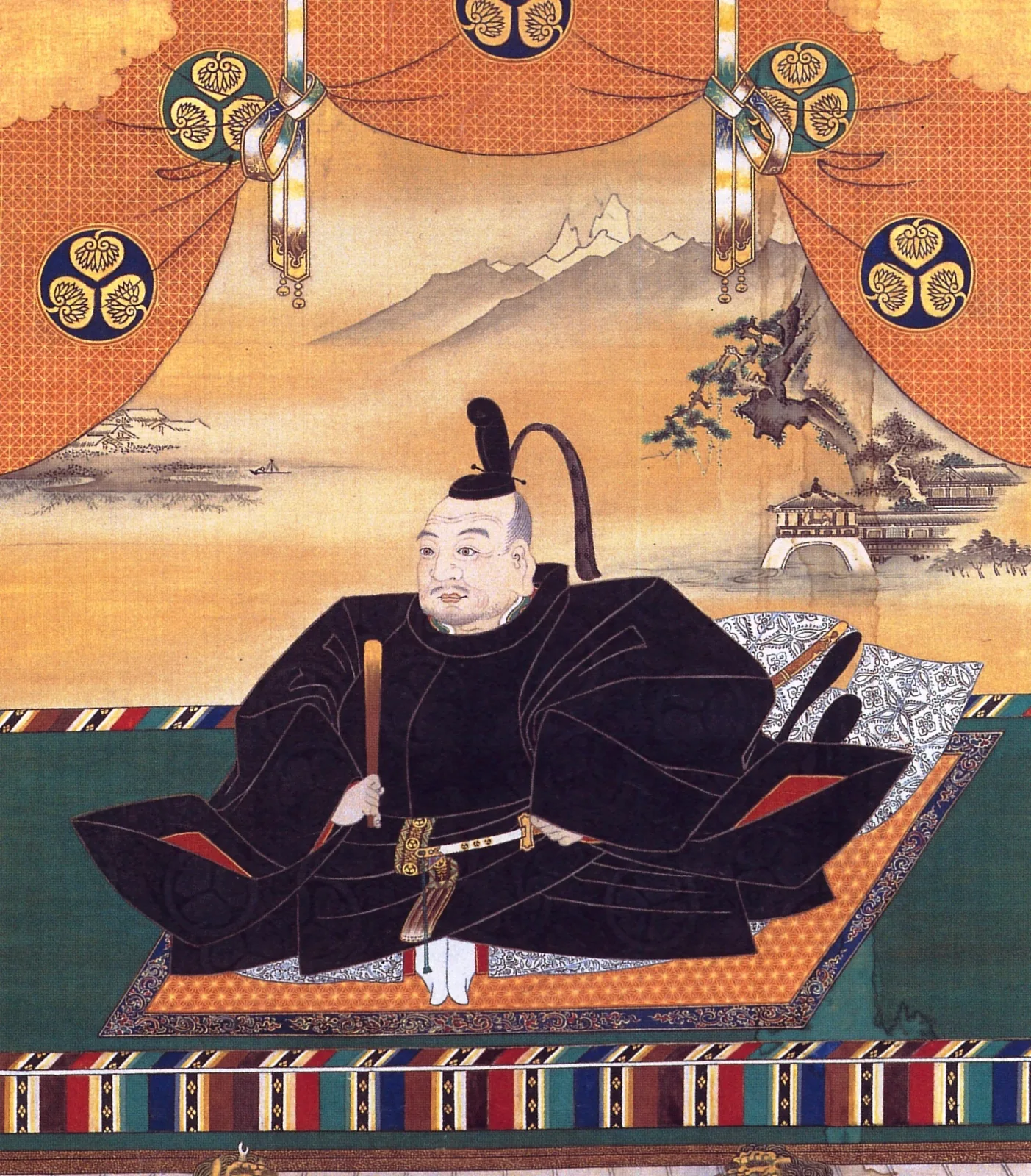
Wikimedia Commons · Public domain (PD-Japan) · file After the Winter Siege settlement, Ieyasu was in Kyoto for a formal audience with Emperor Go-Mizunoo.
Journey to Nagoya before the Summer Siege
· Nagoya, Aichi Prefecture, Japan
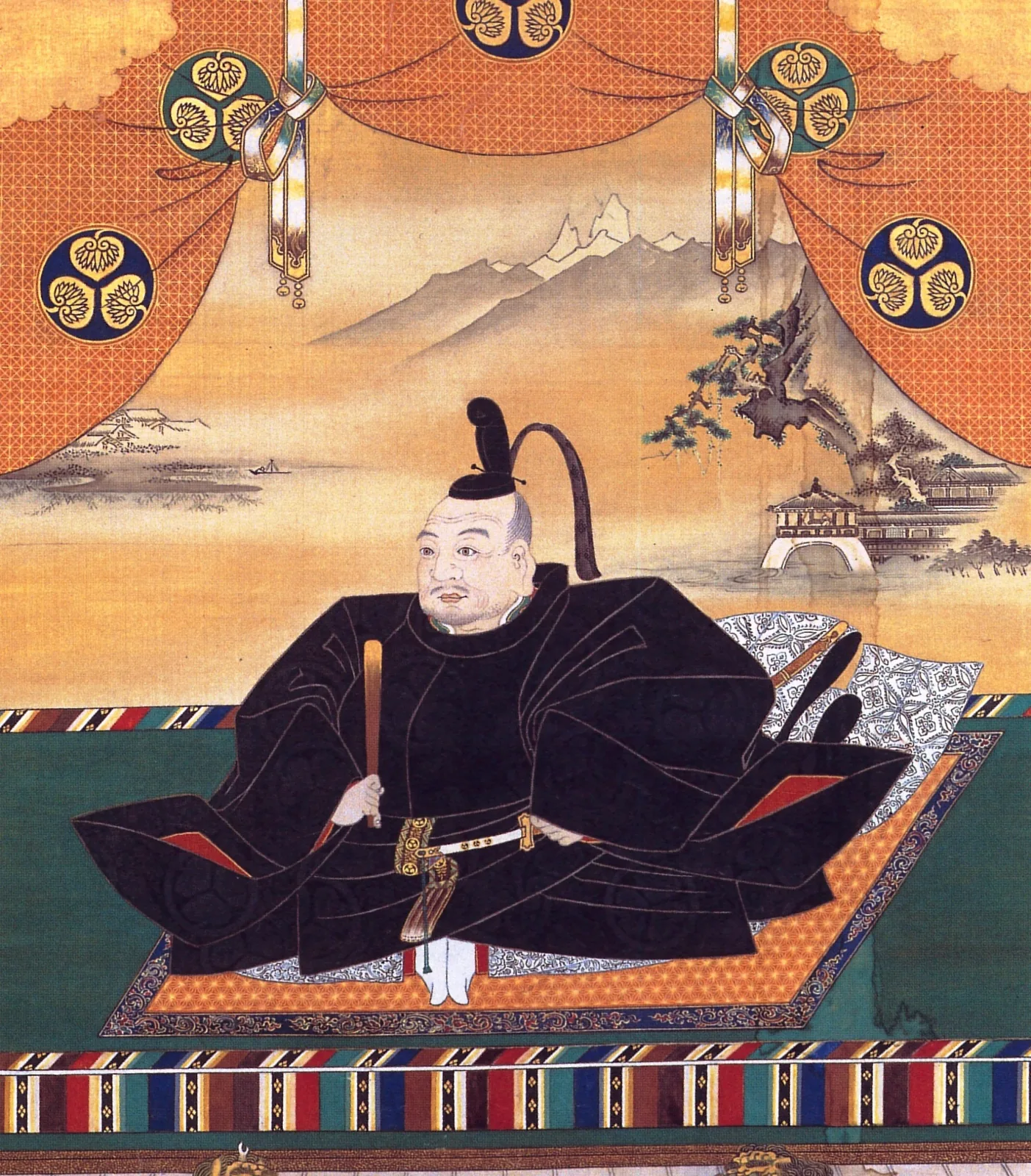
Wikimedia Commons · Public domain (PD-Japan) · file Ieyasu left Shizuoka for Nagoya in the renewed Osaka campaign and was there when his son’s marriage was held at the city’s castle. The source supports May 1615 but does not explicitly state Ieyasu’s exact location on the 11th.
Death at Sunpu Castle
· Sunpu Castle, Shizuoka, Shizuoka Prefecture, Japan
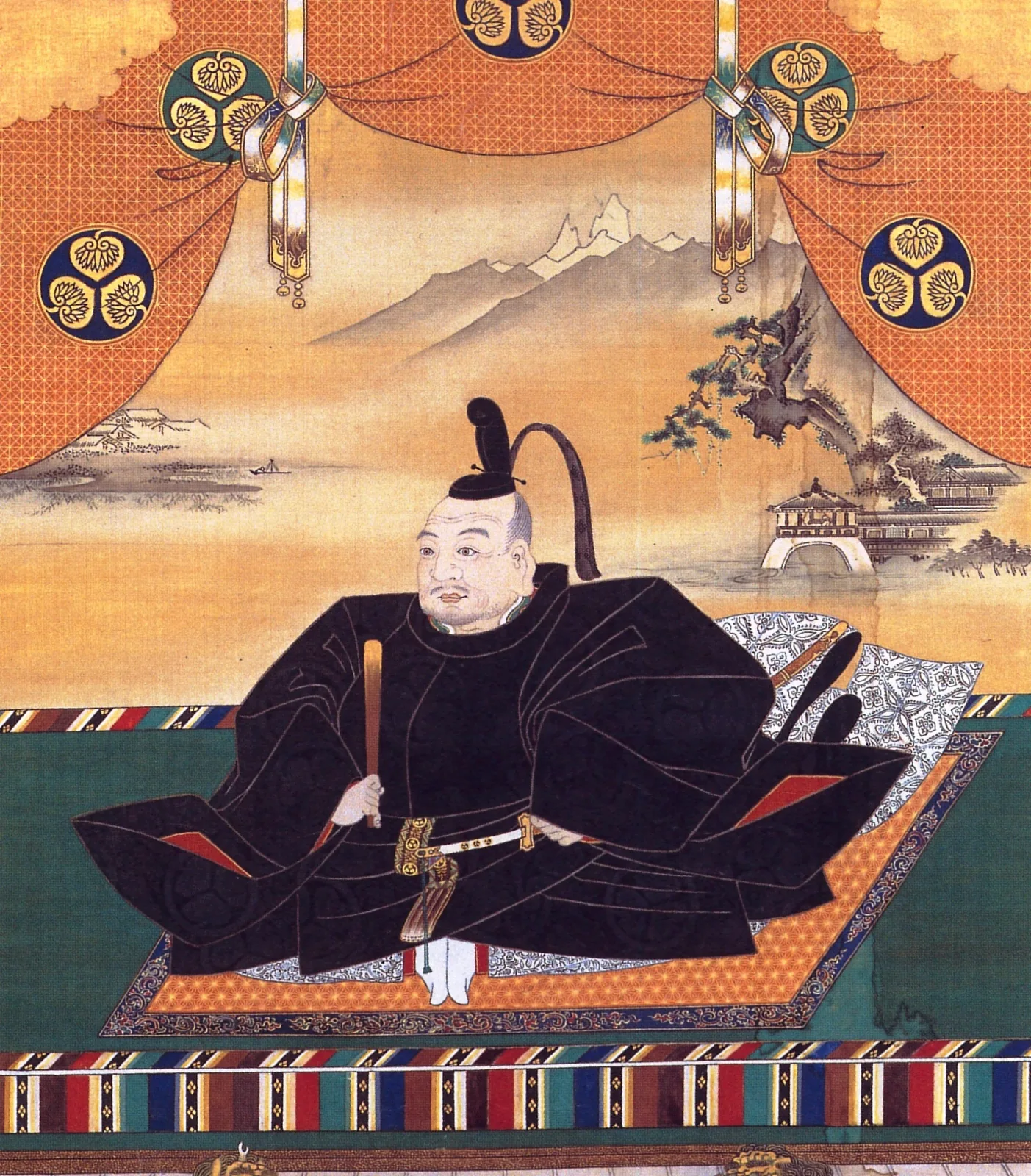
Wikimedia Commons · Public domain (PD-Japan) · file Ieyasu died at Sunpu Castle after more than a decade directing government from Sunpu as retired shōgun.