
11 moments
Birth in Calcutta
· Calcutta, Bengal Presidency, British India
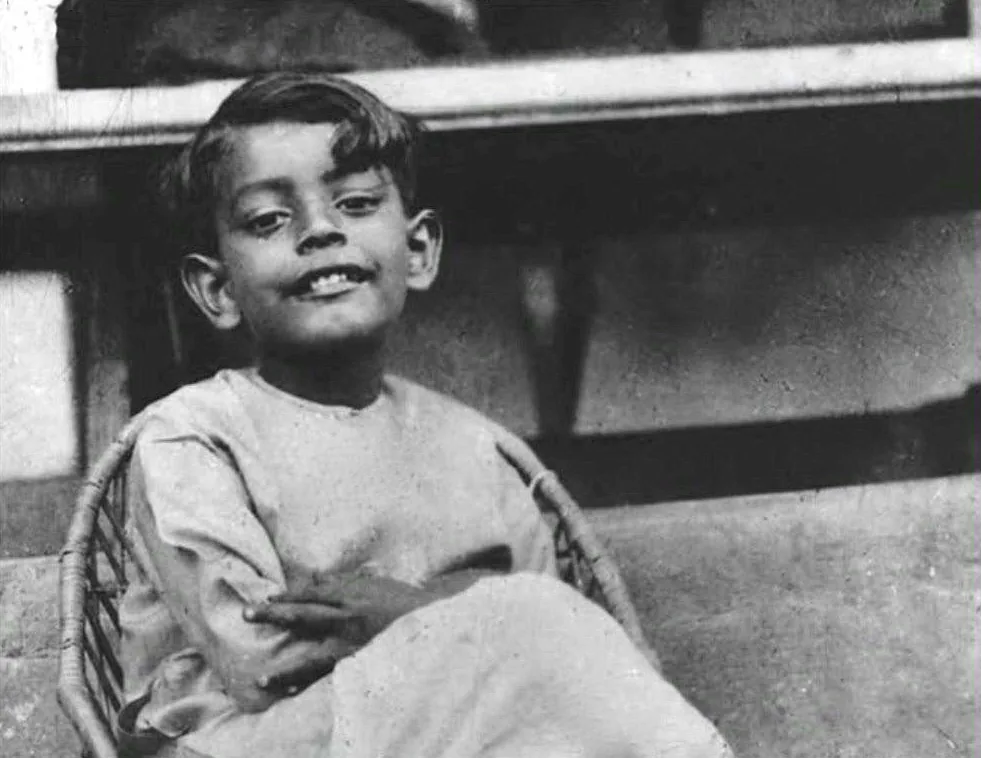
Wikimedia Commons · Public domain in India; this work may not be in the public domain in the United States because its U.S. copyright was restored by the URAA. · file Ray was born in Calcutta, then in the Bengal Presidency of British India. Coordinates represent central present-day Kolkata.
Fine-art study at Visva-Bharati
· Visva-Bharati University, Santiniketan, West Bengal, India
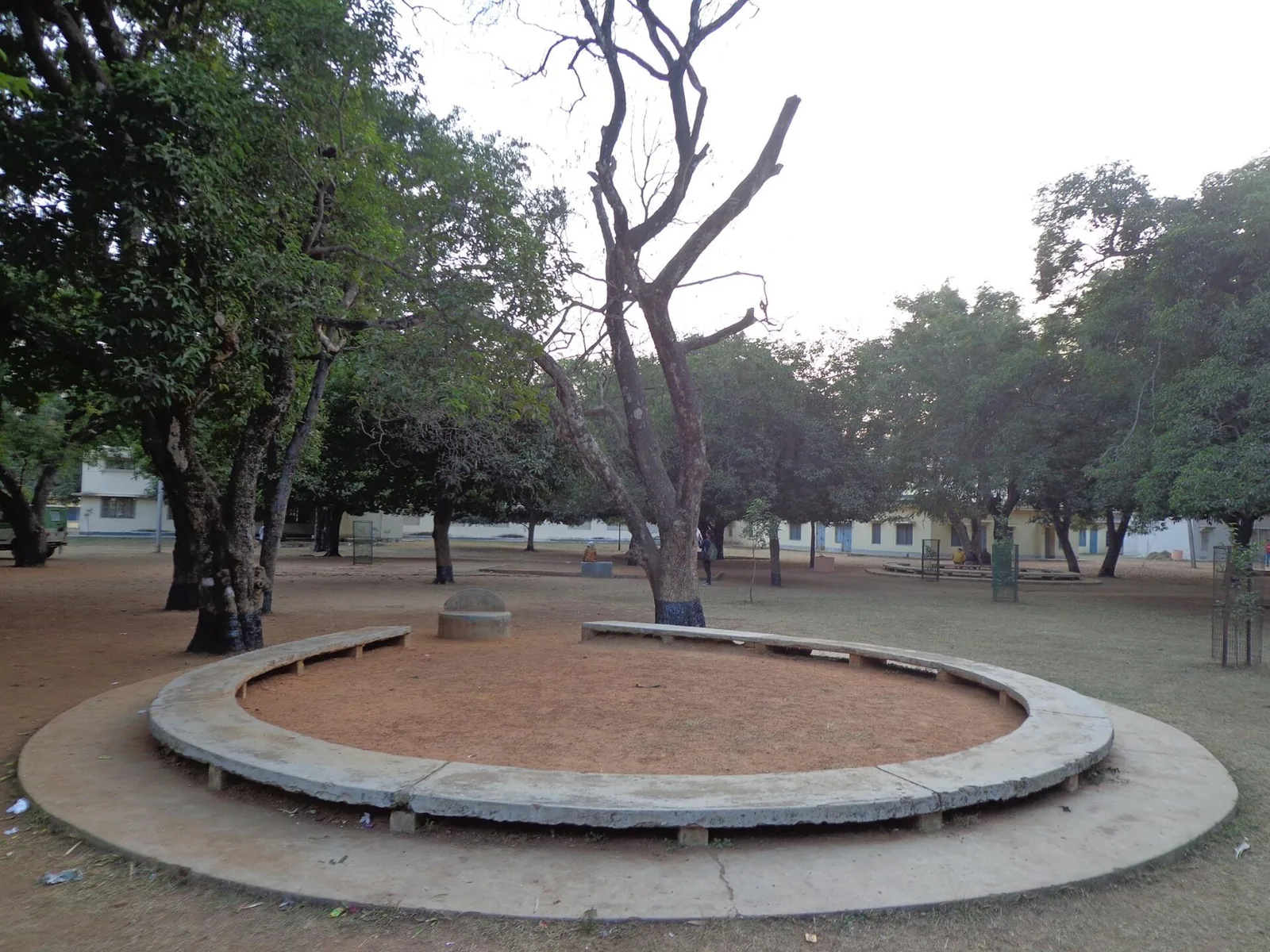
Wikimedia Commons · Creative Commons Attribution-Share Alike 4.0 International · file At his mother's urging, Ray entered Visva-Bharati University for higher study in fine art; his period at Santiniketan became formative for his engagement with Oriental art.
Advertising work in Calcutta
· Calcutta, Bengal Presidency, British India
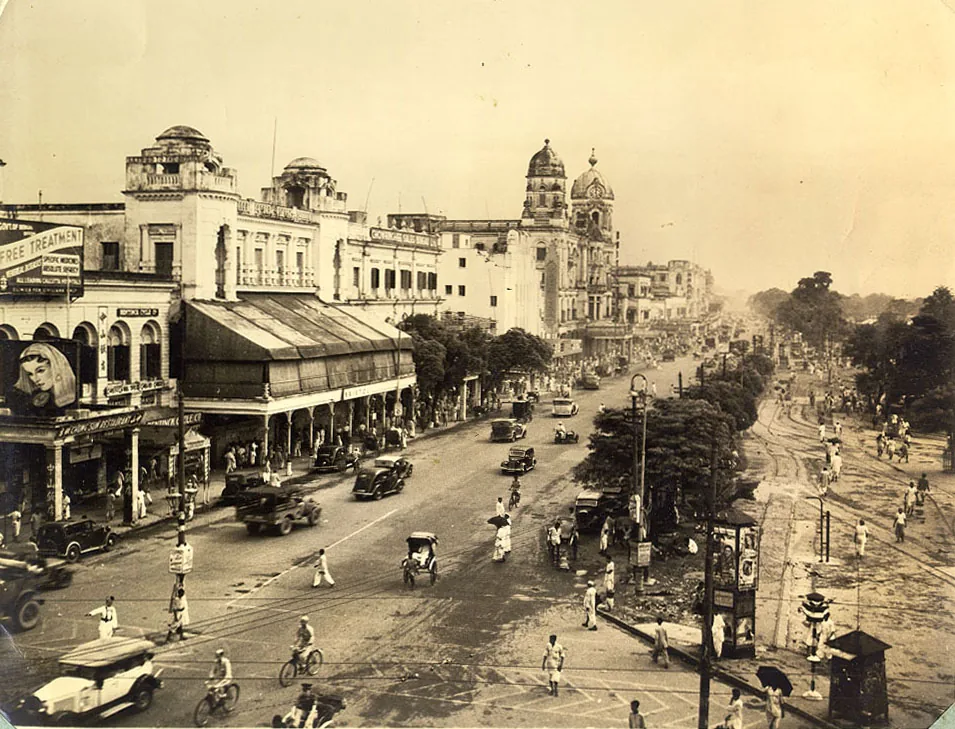
Wikimedia Commons · Public domain in the United States · file Ray began his professional career as a graphic artist at a British-based advertising firm in Calcutta, alongside his growing work as an illustrator and designer. Coordinates represent central present-day Kolkata.
London business assignment
· London, England, United Kingdom
D.J. Keymer sent Ray to work at its London headquarters. During the six-month stay he watched films intensively, including Bicycle Thieves, an experience central to his decision to make films. The source supports the year but not a more precise arrival or departure date.
Pather Panchali production begins
· Boral, Kolkata, West Bengal, India
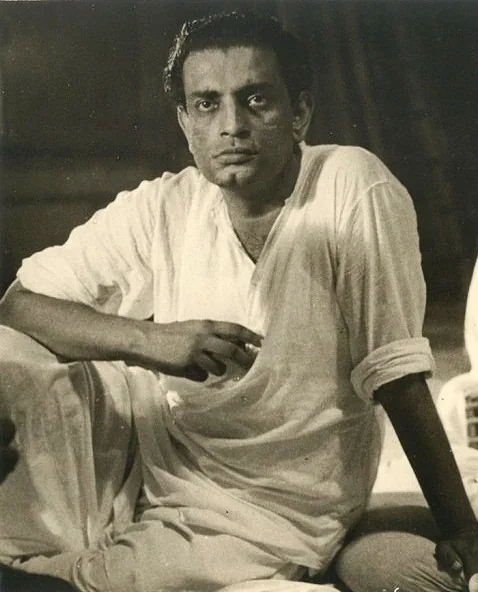
Wikimedia Commons · Public domain in India · file Ray and cinematographer Subrata Mitra arrived in Boral to begin work on Pather Panchali, Ray's first feature and the opening film of the Apu Trilogy. Coordinates are a representative point for Boral; the source gives only the year.
Apu Trilogy discussion at Venice Film Festival
· Venice, Veneto, Italy
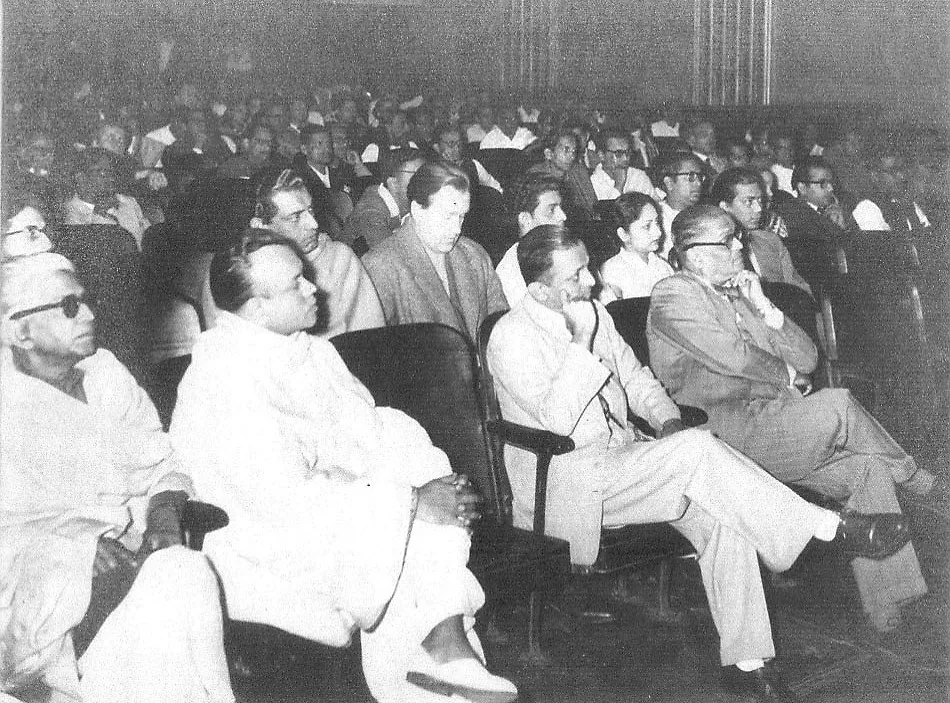
Wikimedia Commons · Public domain in India; this file may not be in the public domain outside India. · file Ray attended the Venice International Film Festival with Aparajito. A press-conference question there prompted his commitment to making the Apu films as a trilogy. Coordinates represent Venice rather than a specific festival venue.
Jalshaghar filming at Nimtita Rajbari
· Nimtita Rajbari, Nimtita, Murshidabad, West Bengal, India
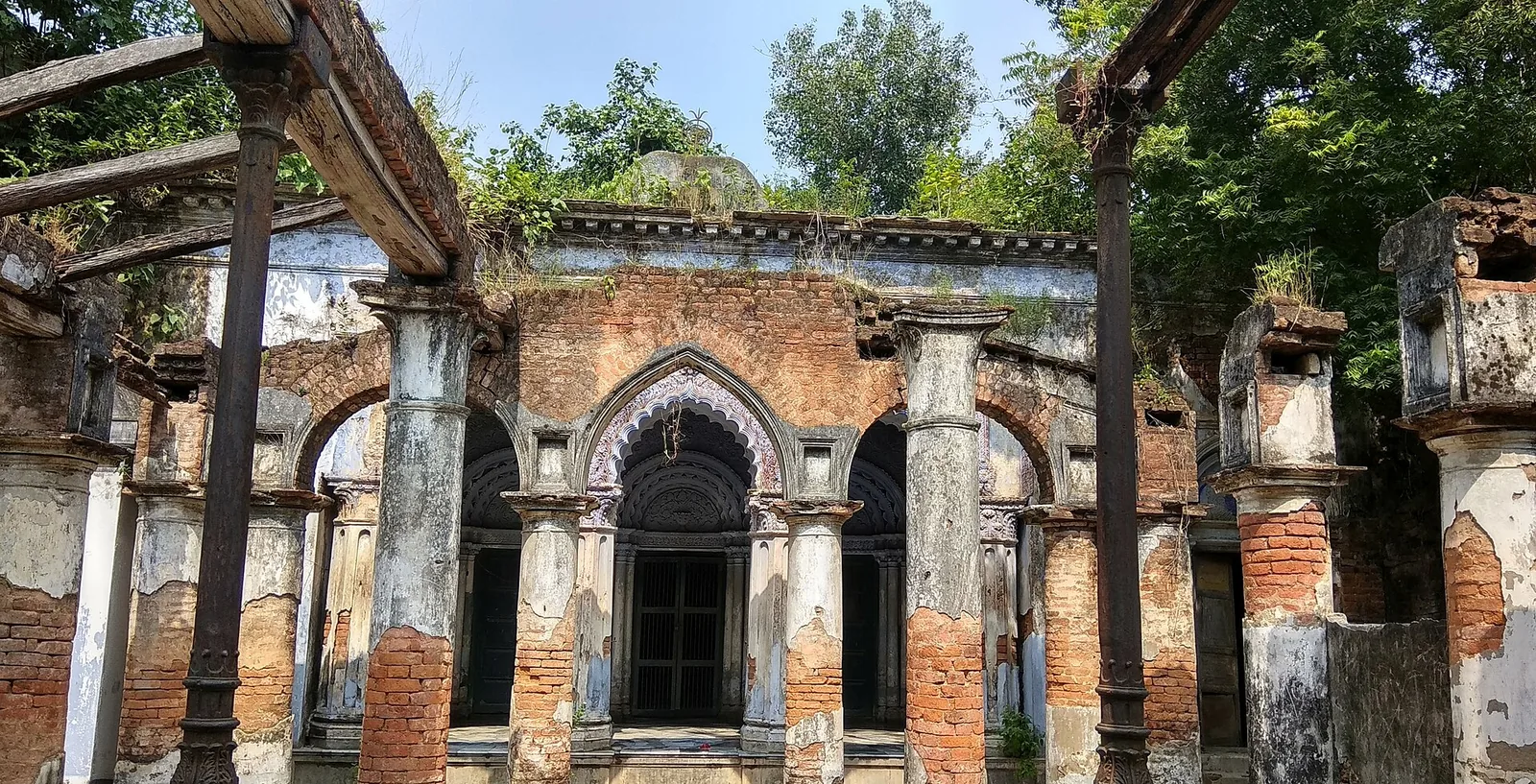
Wikimedia Commons · Creative Commons Attribution-Share Alike 4.0 International · file Ray filmed Jalshaghar against the backdrop of Nimtita Rajbari, using the decaying palace to serve the film's story of an aristocratic household in decline. Coordinates are for Nimtita Rajbari.
Kanchenjungha filming in Darjeeling
· Darjeeling, West Bengal, India
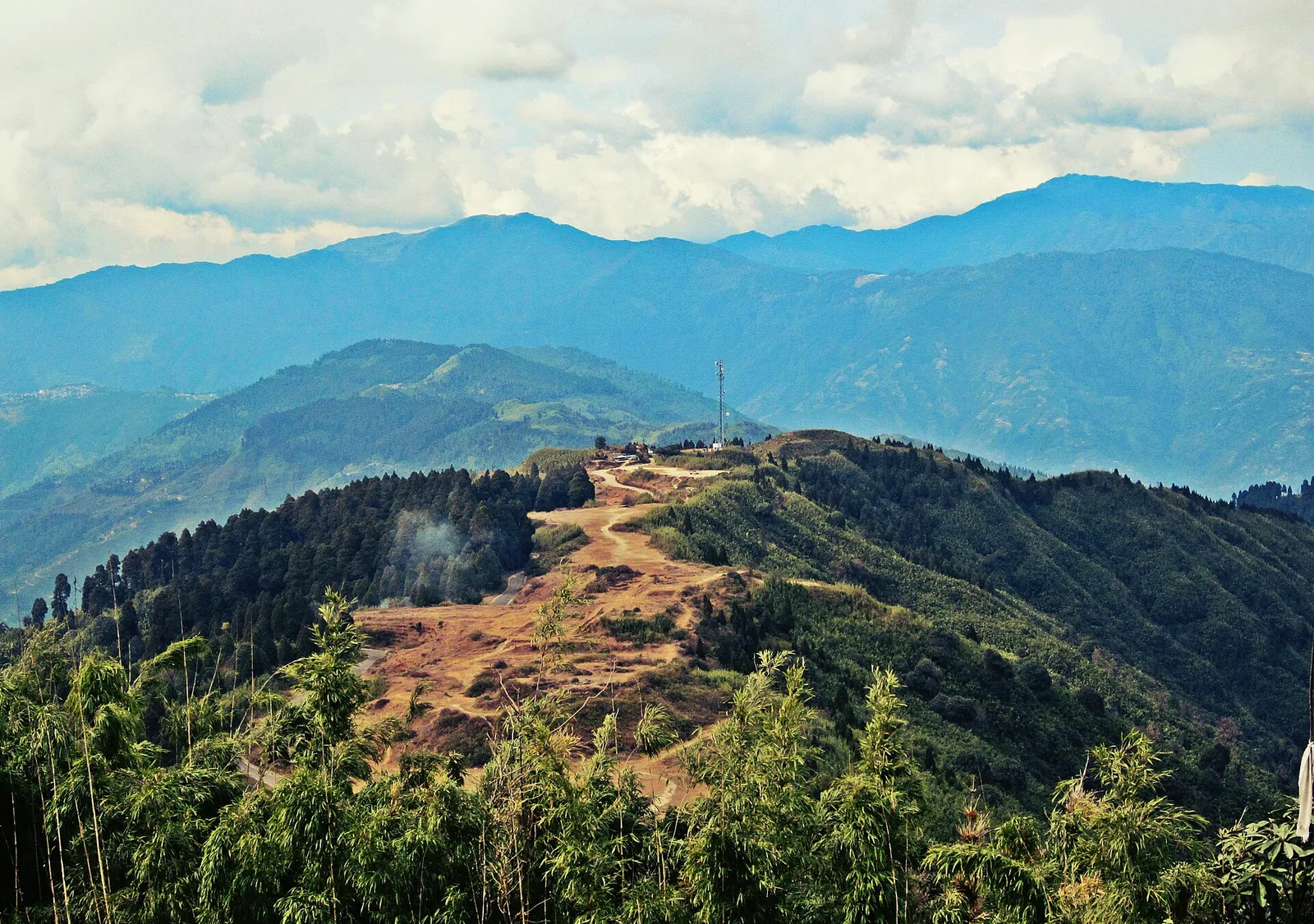
Wikimedia Commons · Creative Commons Attribution-Share Alike 4.0 International · file For his first colour feature and first original screenplay, Ray chose to film Kanchenjungha in Darjeeling, using the town's changing light and mist as dramatic elements. The source identifies Darjeeling as the town; the date is the film's 1962 release year and is not a precise shooting date.
Shatranj Ke Khilari studio work
· Indrapuri Studios, Kolkata, West Bengal, India
Ray directed Shatranj Ke Khilari at Indrapuri Studios, working directly with the camera and actors during production of his first non-Bengali feature. The article identifies the production's studio as Indrapuri Studios; coordinates are a representative point for the studio area in Kolkata.
Photographed in New York
· New York City, New York, United States
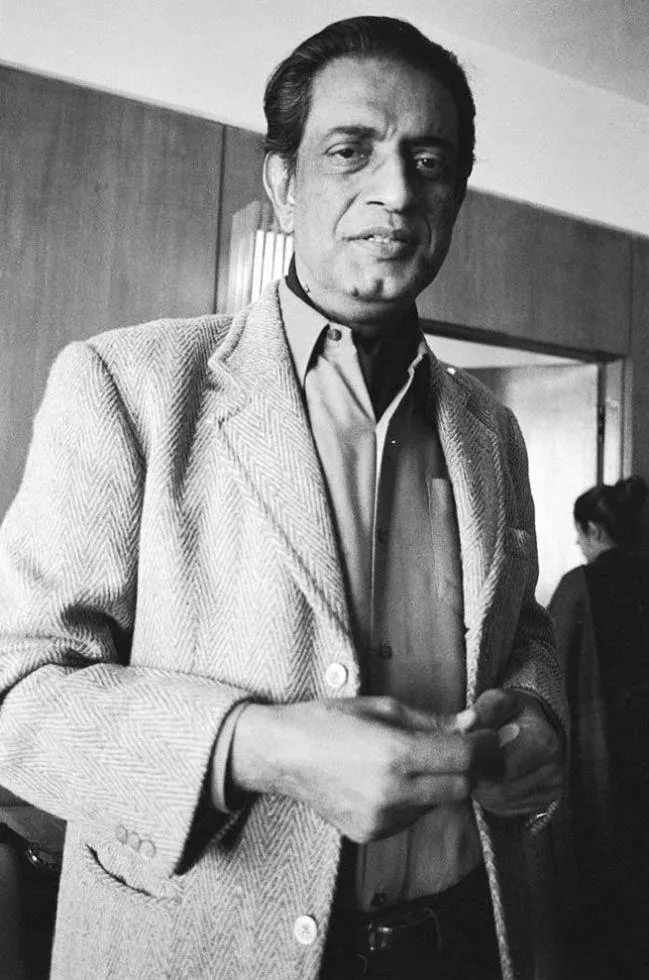
Wikimedia Commons · Creative Commons Attribution-Share Alike 4.0 International · file Ray was photographed in New York during 1981, documenting one of his later international visits. Coordinates represent central New York City; the photograph's metadata does not identify a more specific location.
Death at Calcutta clinic
· Calcutta, West Bengal, India
After prolonged illness and hospitalization, Ray died at a Calcutta clinic at age 70, shortly after receiving an Honorary Academy Award by video link. The reporting identifies only a hospital in Calcutta; coordinates represent central present-day Kolkata.