
22 moments
Placed with the Akutagawa family
· Koizumichō, Honjo Ward (present Ryōgoku), Sumida, Tokyo, Japan
At about seven months old, he was placed with and raised by his maternal family in Koizumichō, Honjo Ward. The source gives his age as about seven months; only the year is retained.
Birth in Irifune
· Irifune 8-chōme (present Akashi), Chūō, Tokyo, Japan
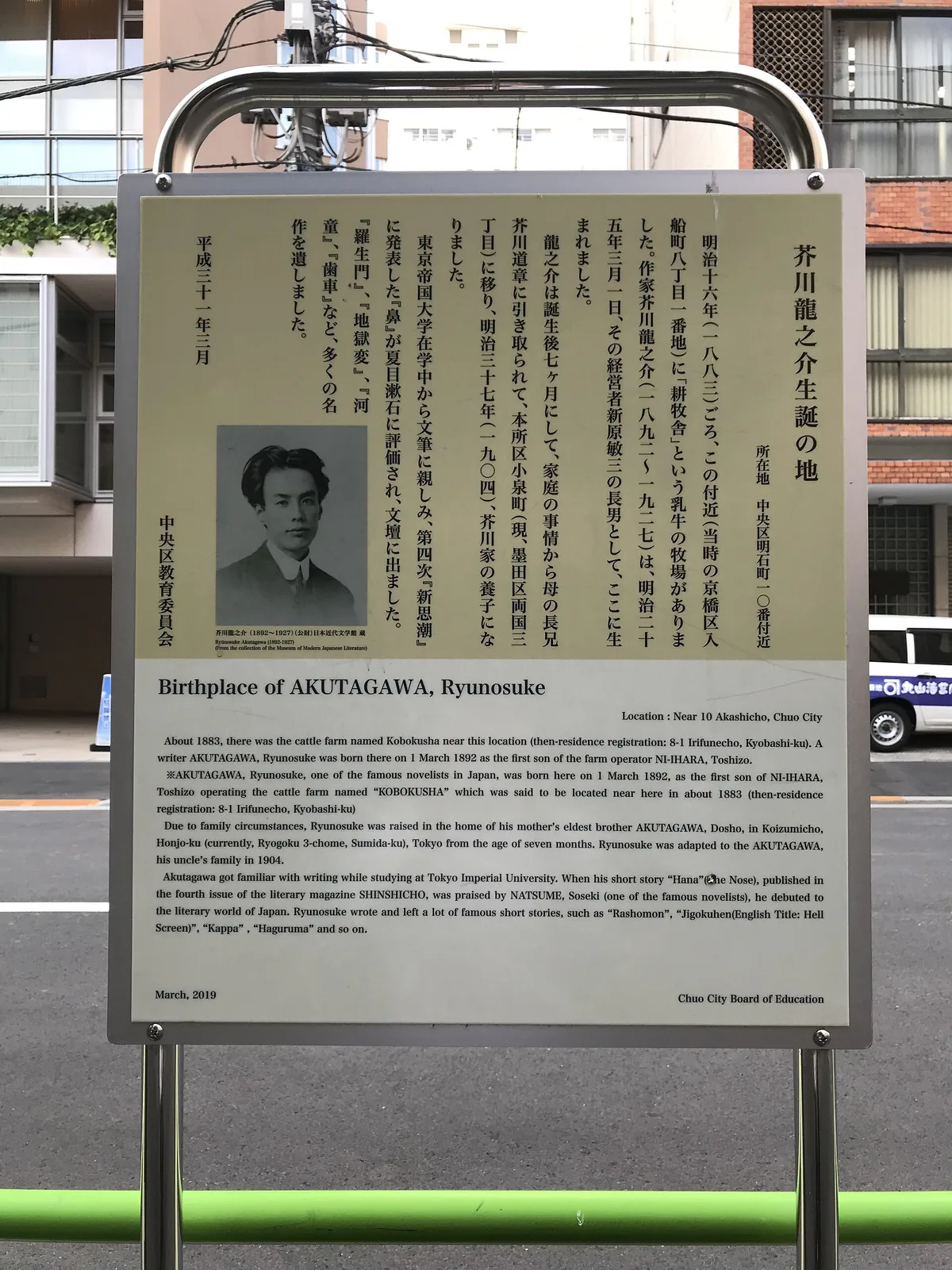
Wikimedia Commons · Creative Commons Attribution-Share Alike 4.0 International · file Akutagawa was born in the Irifune district of Kyōbashi, now Akashi in Chūō, Tokyo. Coordinate is a representative point for present-day Akashi, the successor locality named by the source.
Entered Kōtō Elementary School
· Kōtō Elementary School (now Ryōgoku Elementary School), Sumida, Tokyo, Japan
He began elementary education at Kōtō Elementary School, the predecessor of present-day Ryōgoku Elementary School. Coordinate represents the present successor school identified in the source.
Entered First Higher School
· First Higher School, Komaba, Tokyo, Japan
Akutagawa entered the English division of First Higher School, where he formed friendships with several future writers. Coordinate represents the historic Komaba campus area of First Higher School.
Entered Tokyo Imperial University
· Tokyo Imperial University, Hongo, Tokyo, Japan
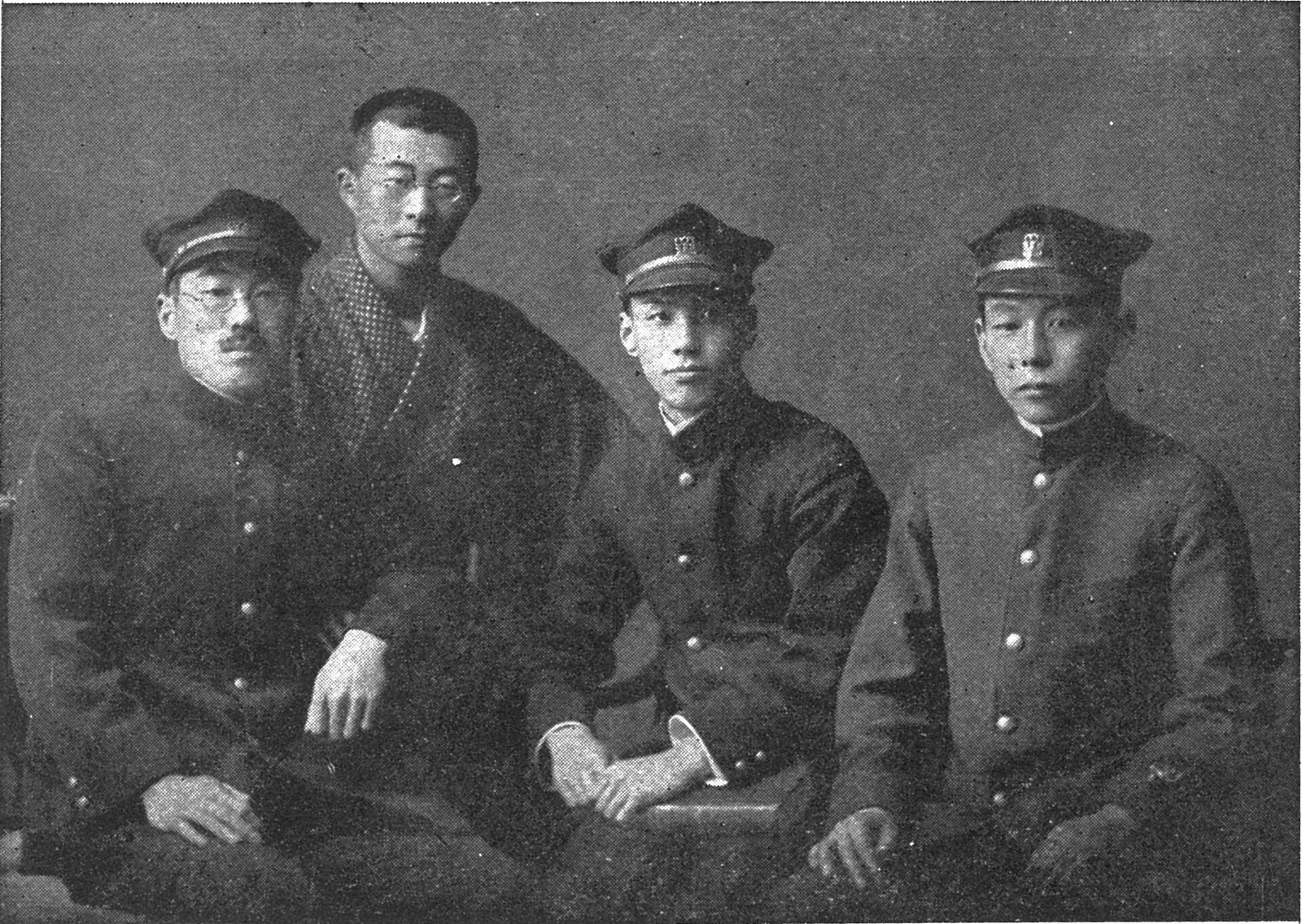
Wikimedia Commons · Public domain · file After graduating from First Higher School, he entered the English-literature department at Tokyo Imperial University. Coordinate is the Hongo campus of the present University of Tokyo.
Began teaching at the Naval Engineering School
· Naval Engineering School, Yokosuka, Kanagawa, Japan
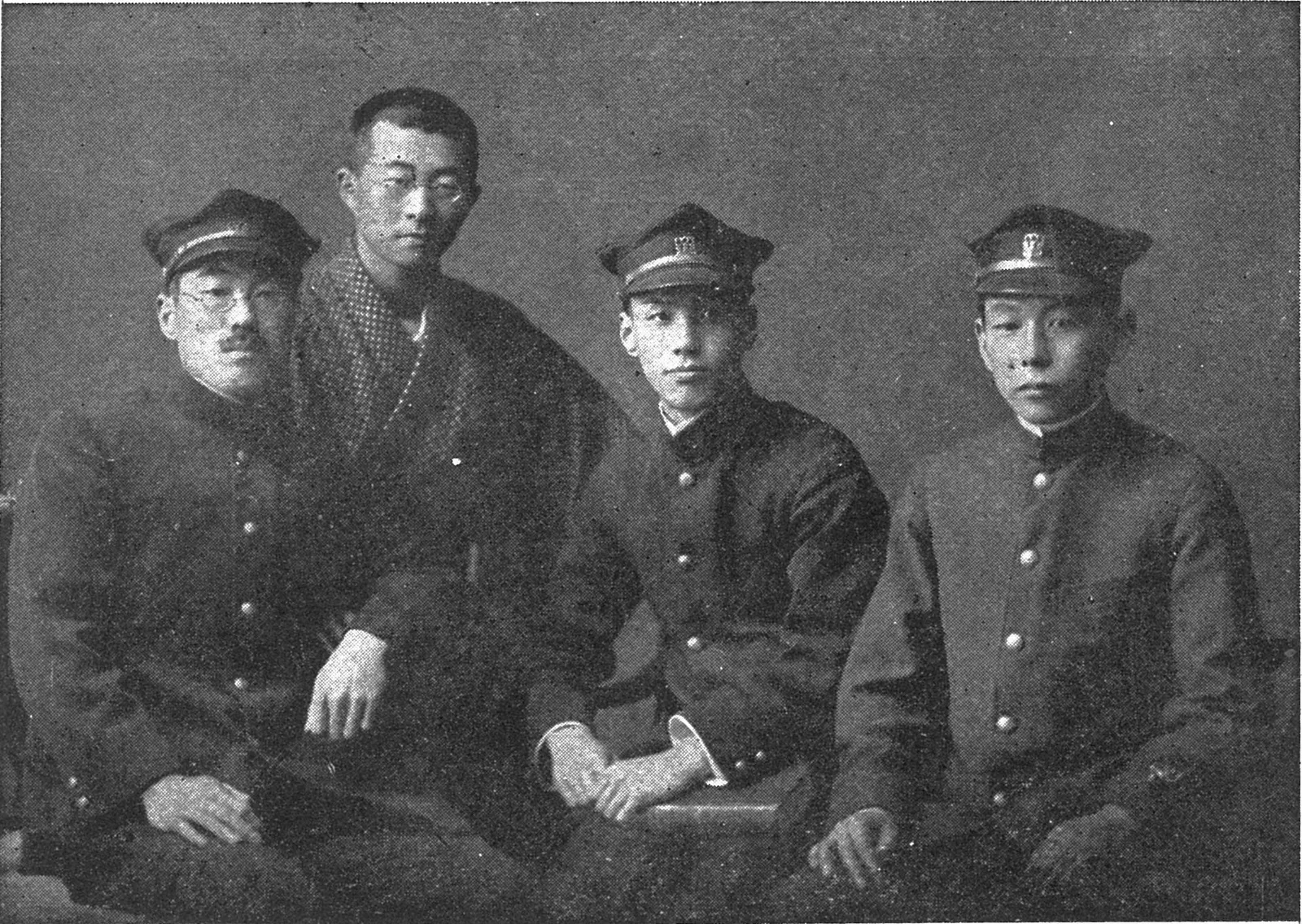
Wikimedia Commons · Public domain · file Akutagawa began a roughly two-year appointment teaching English at the Naval Engineering School in Yokosuka while continuing his literary work. Coordinate represents the former school-site area in Yokosuka.
Returned to the Tabata home
· Tabata, Kita, Tokyo, Japan
After leaving the Naval Engineering School, Akutagawa ended his Kamakura residence and returned to his home in Tabata. Coordinate represents the Tabata residential area; the original house no longer survives.
First visit to Nagasaki
· Nagasaki, Nagasaki, Japan
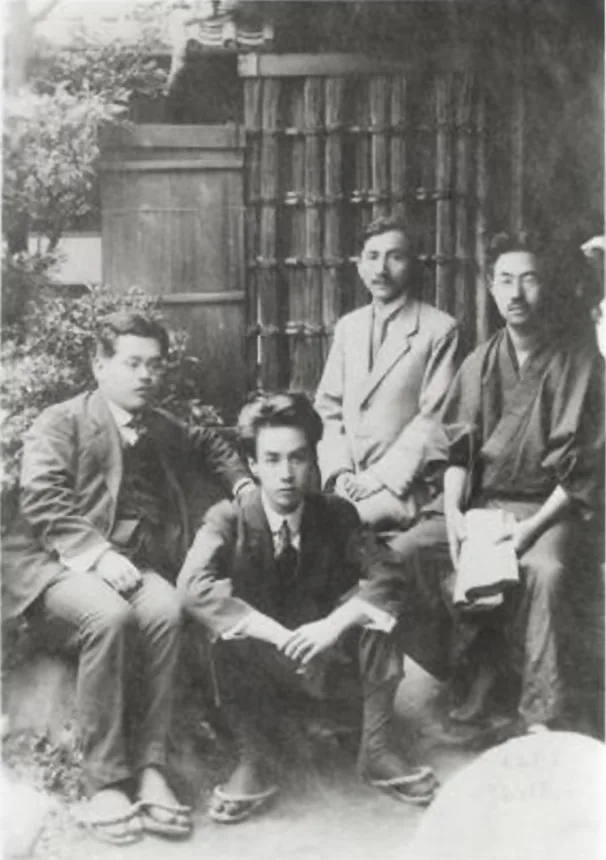
Wikimedia Commons · Public domain · file Akutagawa made his first documented visit to Nagasaki, traveling with fellow writer Kan Kikuchi. The municipal source supports month-level precision only.
Departed Tokyo for China
· Tokyo, Japan
As an Osaka Mainichi Shinbun correspondent, Akutagawa began his journey to China by train from Tokyo. Coordinate is a representative point for Tokyo because the departure station is not specified.
Stopped in Osaka en route to China
· Osaka, Osaka, Japan
During his China assignment journey, he reached Osaka, where he recovered from a high fever before continuing west. Coordinate is a representative point for central Osaka.
Reached Moji before embarkation
· Moji, Kitakyushu, Fukuoka, Japan
Akutagawa arrived at Moji and boarded the Chikugomaru for the crossing to China. Coordinate represents the Moji port area.
Arrived in Shanghai
· Shanghai, China
He arrived in Shanghai at the start of the four-month reporting trip that informed his China travel writing. Coordinate is a representative point for central Shanghai.
Visited Hangzhou
· Hangzhou, Zhejiang, China
After leaving Shanghai, Akutagawa spent several days in Hangzhou during the Jiangnan portion of his China journey. The source supports a stay from May 2 through May 5; month precision is used because its wording is syntactically ambiguous in translation.
Visited Nanjing
· Nanjing, Jiangsu, China
He visited Nanjing in the final stage of the May Jiangnan journey before returning to Shanghai. The cited itinerary gives May 12–14; month precision is used to avoid asserting a single-day arrival date.
Visited Suzhou
· Suzhou, Jiangsu, China
Akutagawa traveled to Suzhou during the Jiangnan itinerary after returning to Shanghai from Hangzhou. Coordinate is a representative point for central Suzhou.
Stayed at Nakaniya in Yugawara
· Nakaniya, Yugawara Onsen, Yugawara, Kanagawa, Japan
Following his return from China, Akutagawa stayed at the Nakaniya inn in the Yugawara hot-spring area through October 20. Coordinate represents the Yugawara Onsen area; the historic inn's precise site is not established here.
Month-long stay in Nagasaki
· Nagasaki, Nagasaki, Japan
Akutagawa returned to Nagasaki and remained there for more than a month, accompanied locally by literary and cultural contacts. The stay ran from April 25 to May 30; April is used for chronological ordering without inventing a one-day event date.
Convalescence at Nakaniya in Yugawara
· Nakaniya, Yugawara Onsen, Yugawara, Kanagawa, Japan
He returned to Yugawara for a convalescent stay at Nakaniya amid worsening health. The source records a stay beginning March 1 and lasting until mid-April; month precision is retained.
Joined the Tabata neighborhood vigil
· Tabata, Kita, Tokyo, Japan
During the aftermath of the Great Kantō Earthquake, Akutagawa participated in the neighborhood vigil of his Tabata community. The source associates his participation with the September 1923 earthquake aftermath but does not give a particular day of vigil duty.
Stayed at Azumaya in Kugenuma
· Azumaya Inn, Kugenuma, Fujisawa, Kanagawa, Japan
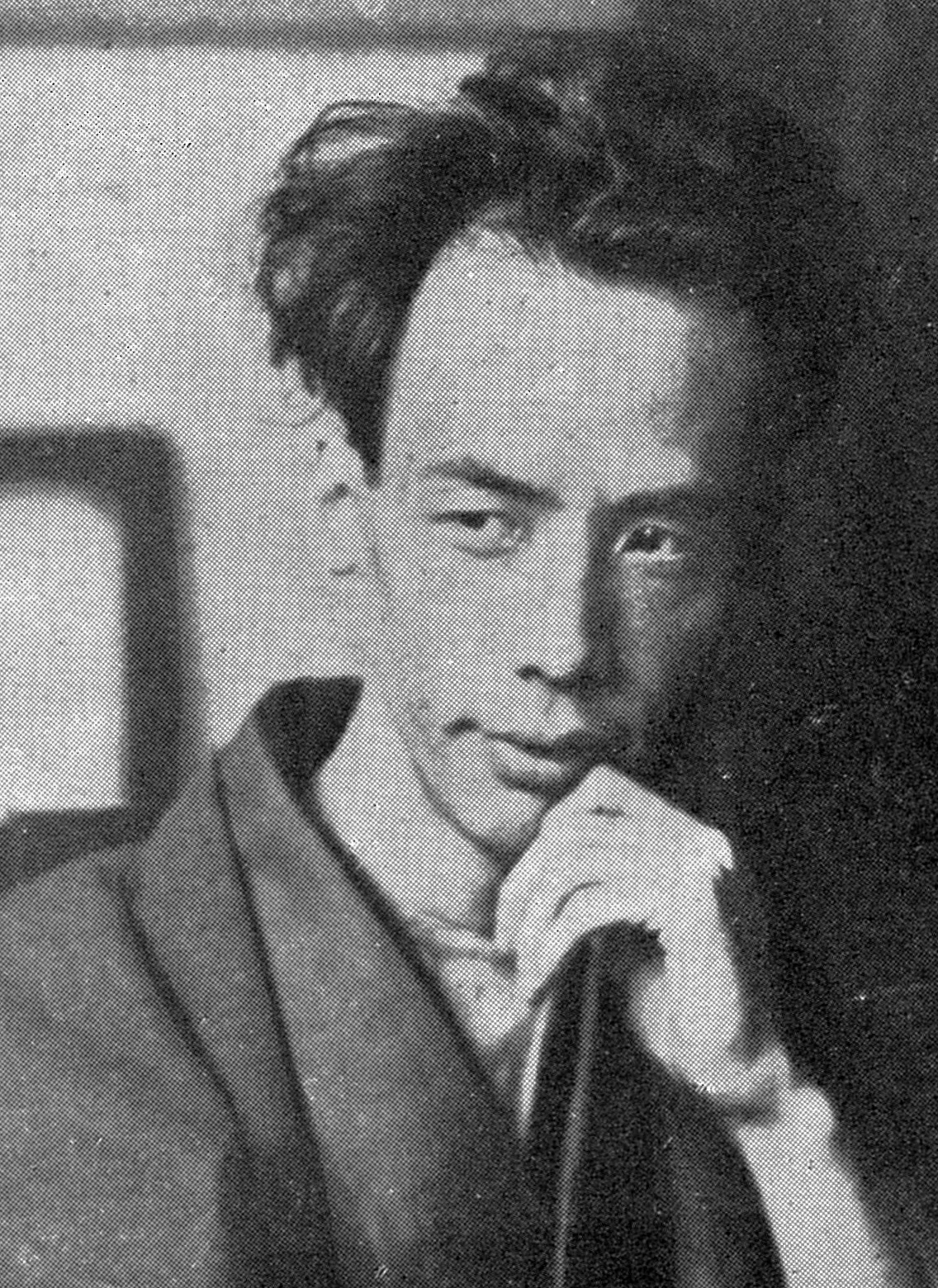
Wikimedia Commons · Public domain · file Akutagawa stayed at the Azumaya inn in Kugenuma before bringing his wife and children to join him. Coordinate represents the Kugenuma coastal area; the historic inn's exact site is not independently fixed here.
Lived in a rented Kugenuma villa
· Azumaya I-4 rented villa, Kugenuma, Fujisawa, Kanagawa, Japan
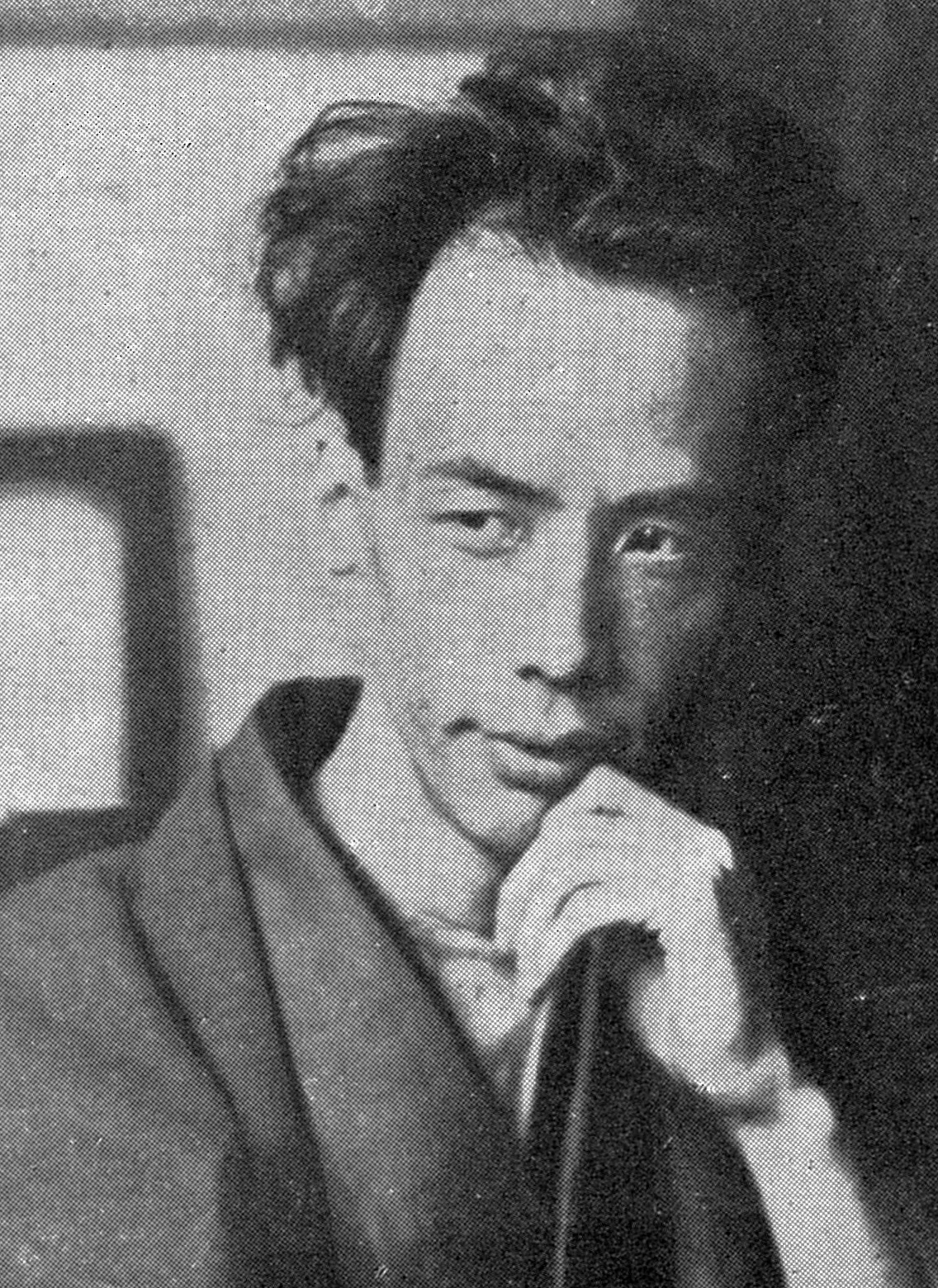
Wikimedia Commons · Public domain · file Akutagawa rented the I-4 villa from Azumaya and lived there with his wife Fumi and youngest son Yasushi during the summer. Coordinate represents Kugenuma; the source identifies the villa by its historic rental designation rather than a mappable street address.
Death at the Tabata home
· Tabata, Kita, Tokyo, Japan
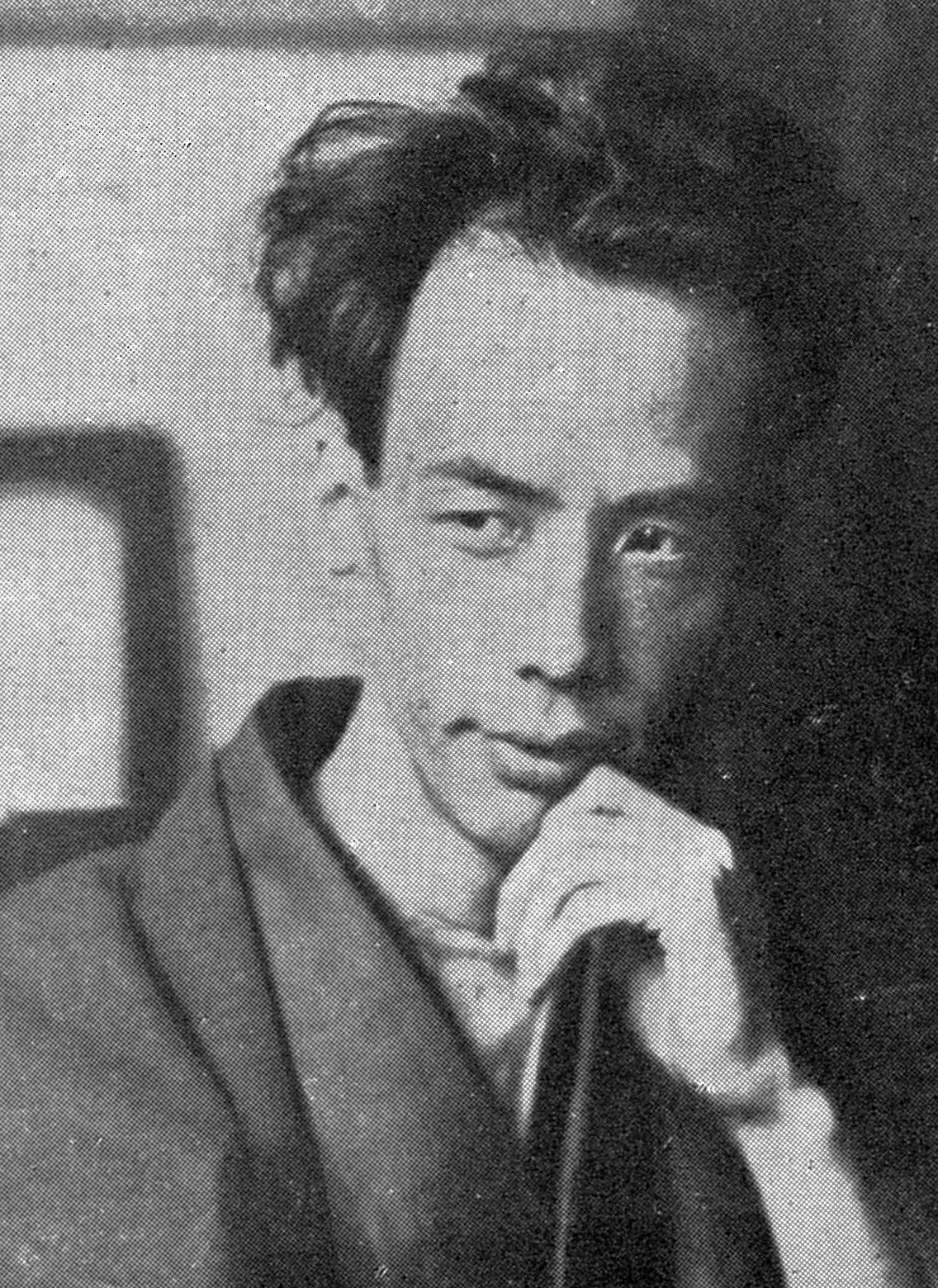
Wikimedia Commons · Public domain · file After completing Zoku Saihō no Hito, Akutagawa died by self-administered overdose at his home in Tabata. The Japanese Wikipedia infobox identifies his death location as Takino-gawa, present-day Tabata, Kita, Tokyo.