
5 moments
Birth and early years on Samos
· Samos, North Aegean, Greece
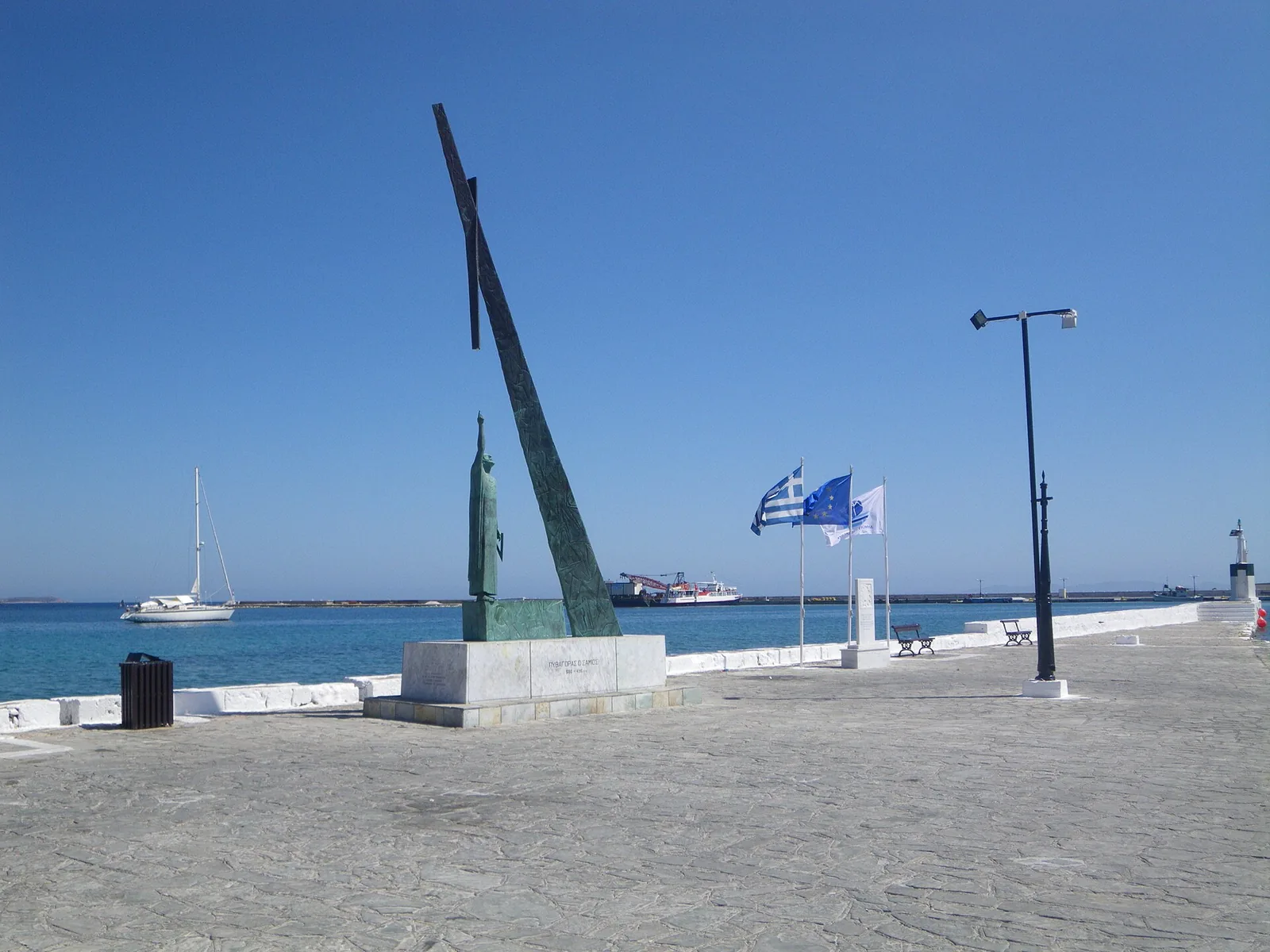
Wikimedia Commons · Creative Commons Attribution-Share Alike 3.0 Unported · file Pythagoras was born about 570 BC and spent his early years on the Aegean island of Samos, his formative home before emigration to southern Italy. Date is approximate; the source gives ca. 570 BCE.
Emigration to Croton
· Croton, Calabria, Italy
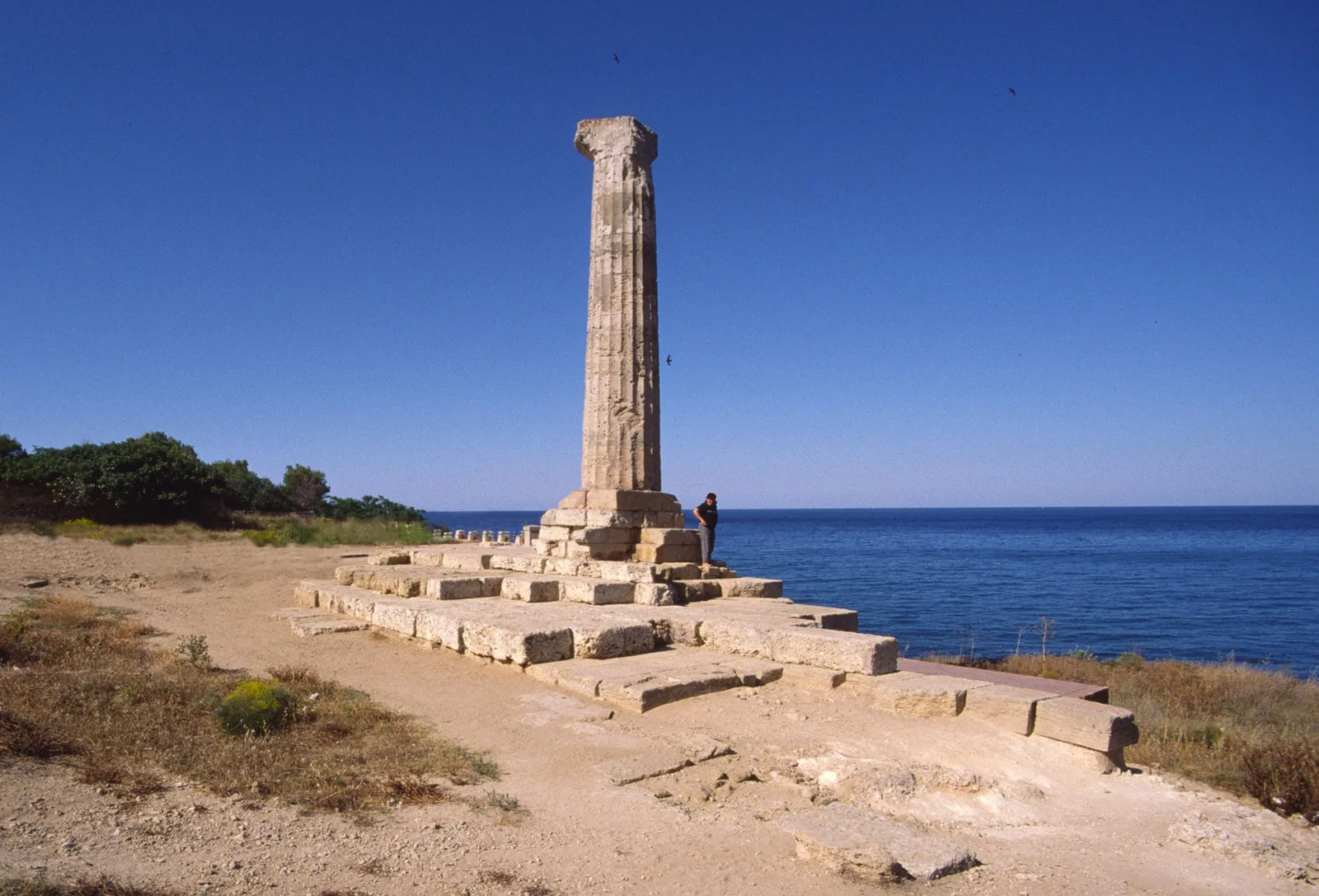
Wikimedia Commons · Public domain · file At about age forty, Pythagoras emigrated from Samos to Croton, where most of his philosophical activity occurred and where he attracted followers to his way of life. Date is approximate; the scholarly chronology dates his emigration to ca. 530 BCE.
Departure from Croton amid anti-Pythagorean violence
· Croton, Calabria, Italy
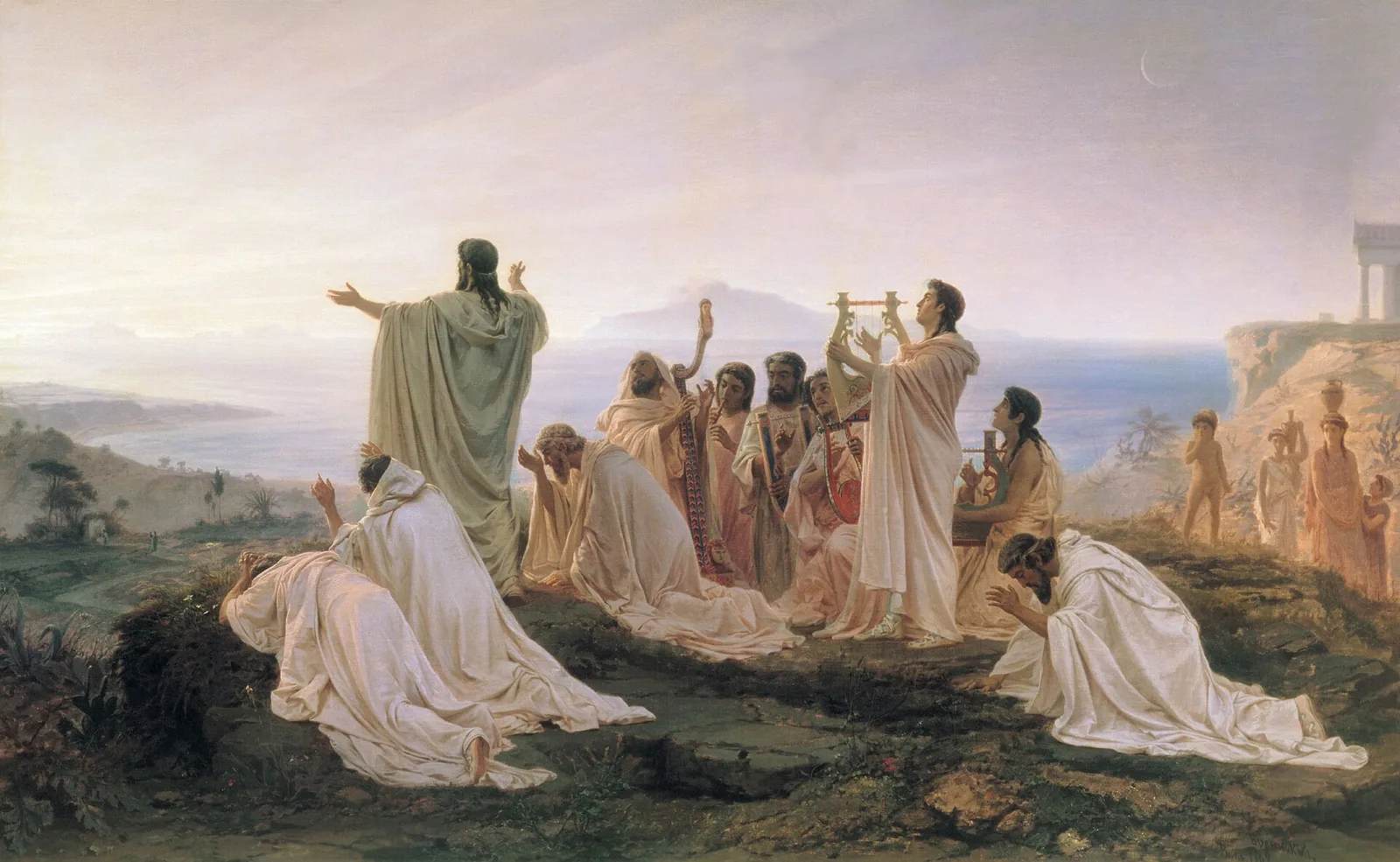
Wikimedia Commons · Public domain · file Violence against Pythagoras and his followers in Croton around 510 BC prompted his flight from the city, ending the principal period of his activity there. Date and circumstances are approximate; the source identifies this reconstruction as the most reliable available evidence.
Flight to Metapontum
· Metapontum, Bernalda, Basilicata, Italy
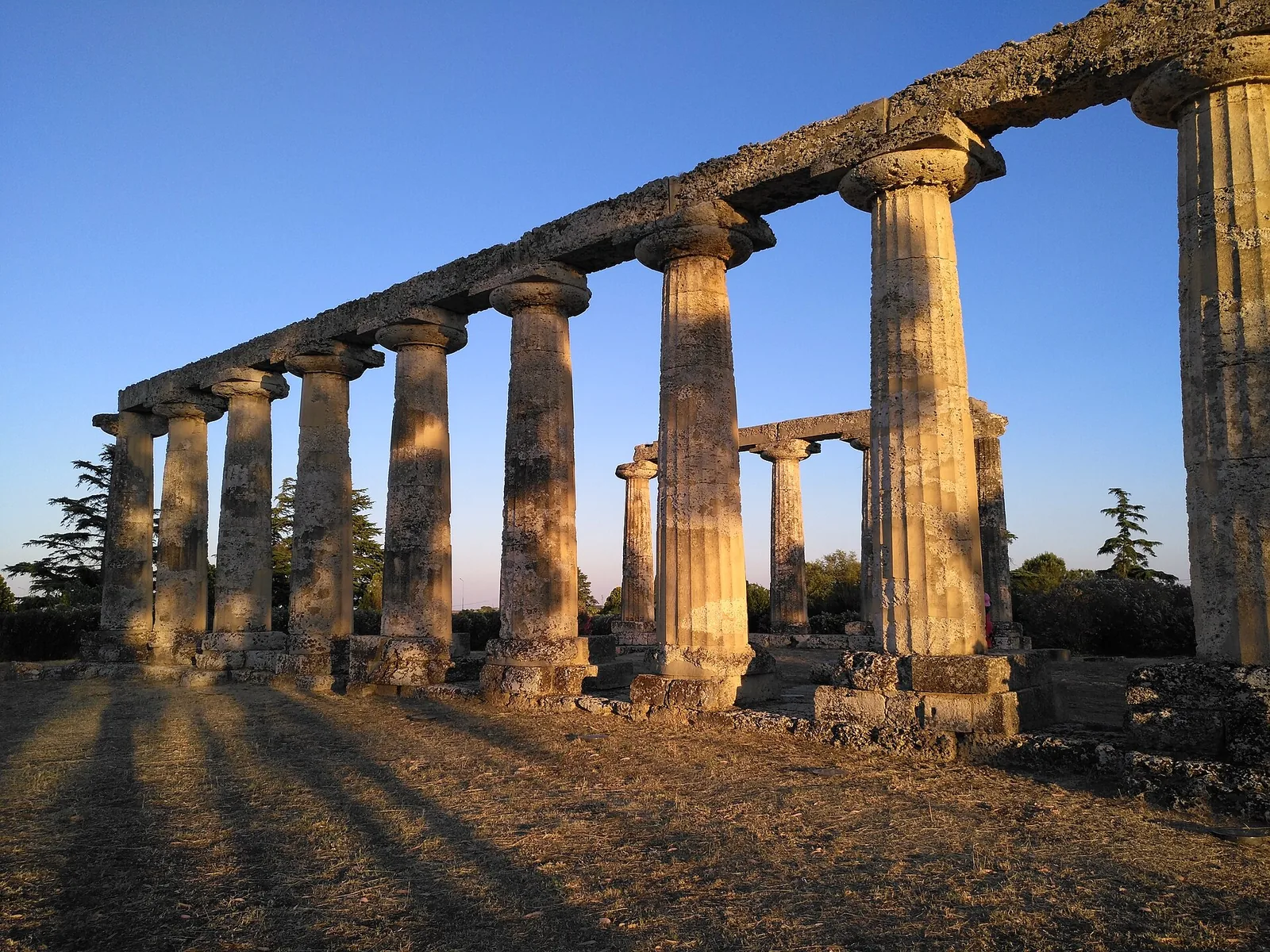
Wikimedia Commons · Creative Commons Attribution-Share Alike 4.0 International · file After the violence in Croton, Pythagoras fled to Metapontum in southern Italy, the final securely reconstructed location of his life. Date and circumstances are approximate; coordinates represent the ancient Metapontum archaeological area.
Death at Metapontum
· Metapontum, Bernalda, Basilicata, Italy
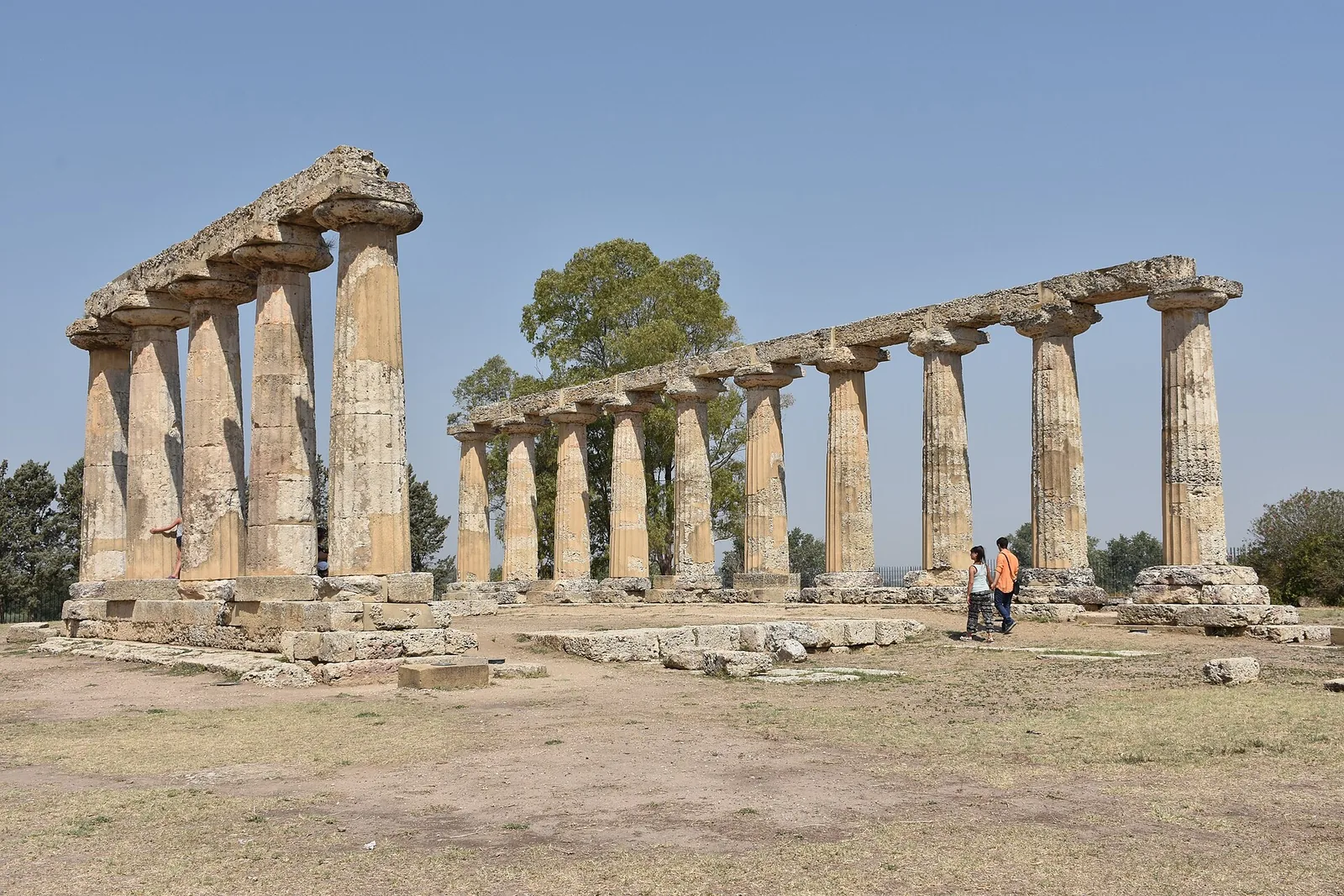
Wikimedia Commons · Creative Commons Attribution-Share Alike 4.0 International · file The best-supported reconstruction places Pythagoras's death at Metapontum around 490 BC, after his flight from Croton. Date is approximate and ancient biographical traditions conflict; coordinates represent the ancient Metapontum archaeological area.