
19 moments
Birth at Antium
· Antium (modern Anzio), Italy
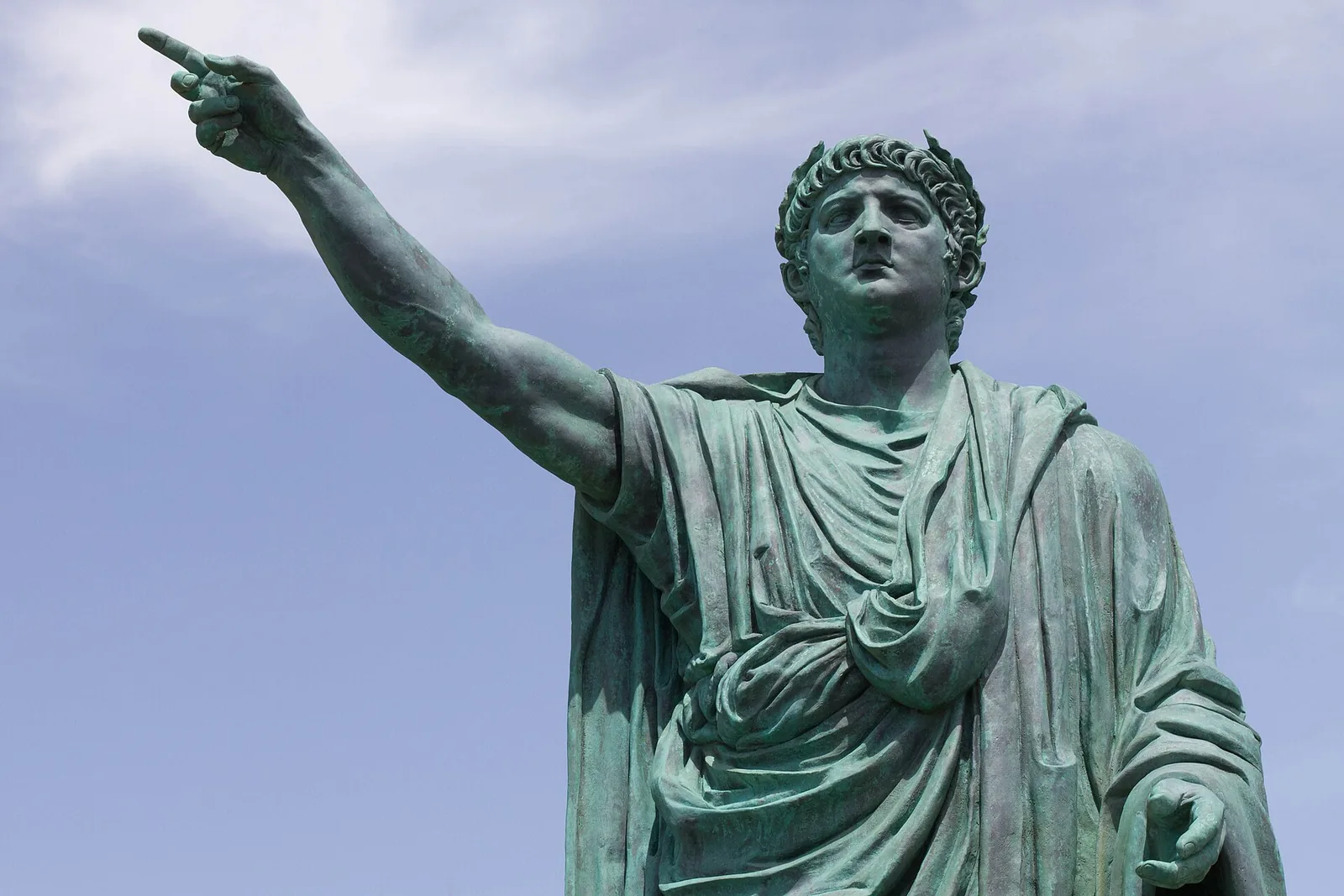
Wikimedia Commons · Creative Commons Attribution-Share Alike 2.0 Generic · file Nero was born Lucius Domitius Ahenobarbus at Antium, the coastal town now called Anzio.
Accession before the Praetorian cohort
· Rome, Italy
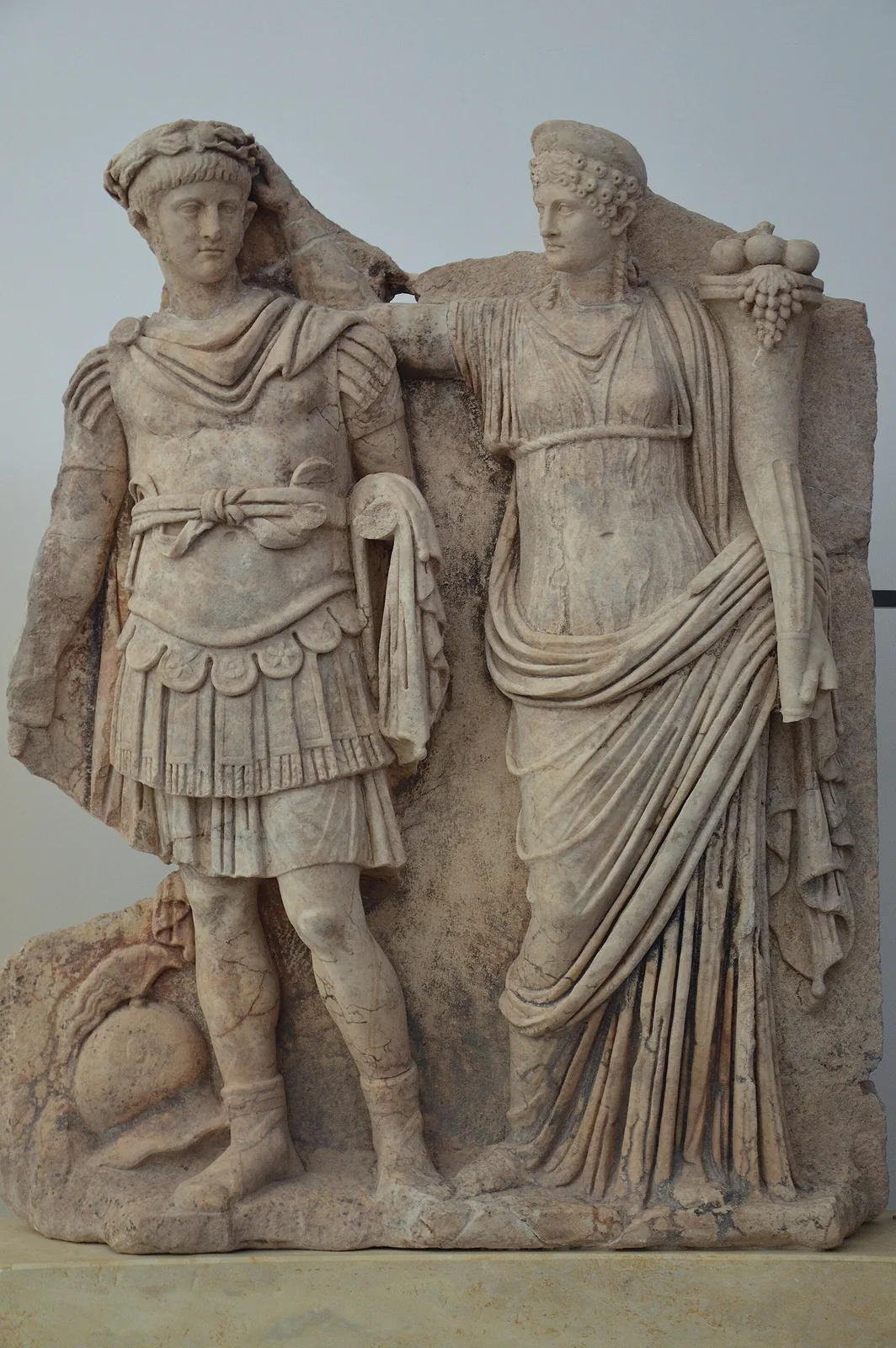
Wikimedia Commons · Creative Commons Attribution-Share Alike 2.0 Generic · file Following Claudius's death, Nero emerged from the palace, was taken to the guard's camp, and was acclaimed imperator. The source identifies a palace and the guard cohort but not a surviving exact building; coordinates represent central Rome.
Festival stay at Baiae
· Baiae, Campania, Italy
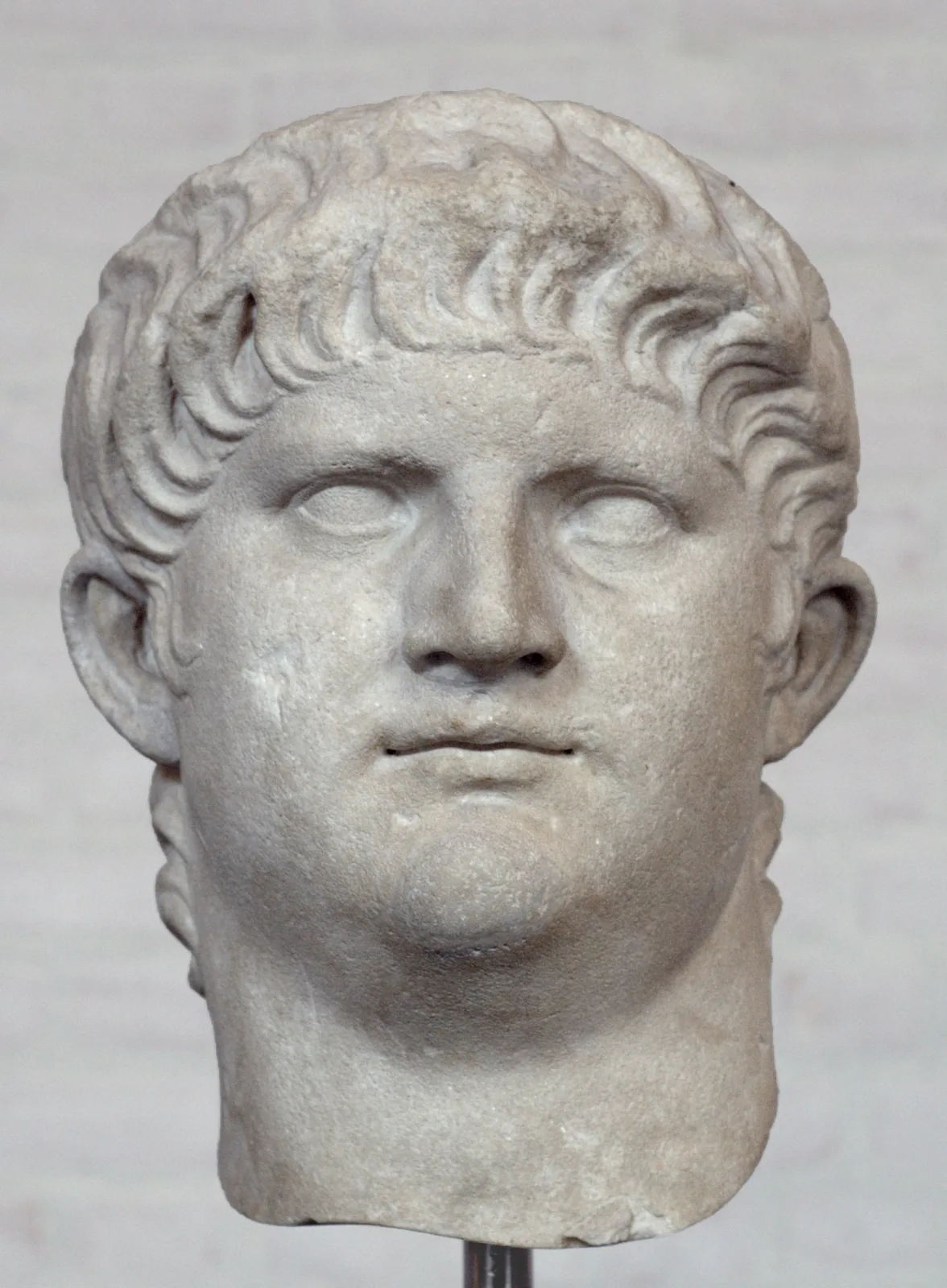
Wikimedia Commons · Public domain · file During the Minerva festival, Nero was at the Campanian resort of Baiae before luring Agrippina there in the episode preceding her murder. Tacitus's Book XIV narrative is dated AD 59; the source does not support a single day for Nero's stay.
Meeting Agrippina at Bauli
· Bauli (modern Bacoli), Campania, Italy
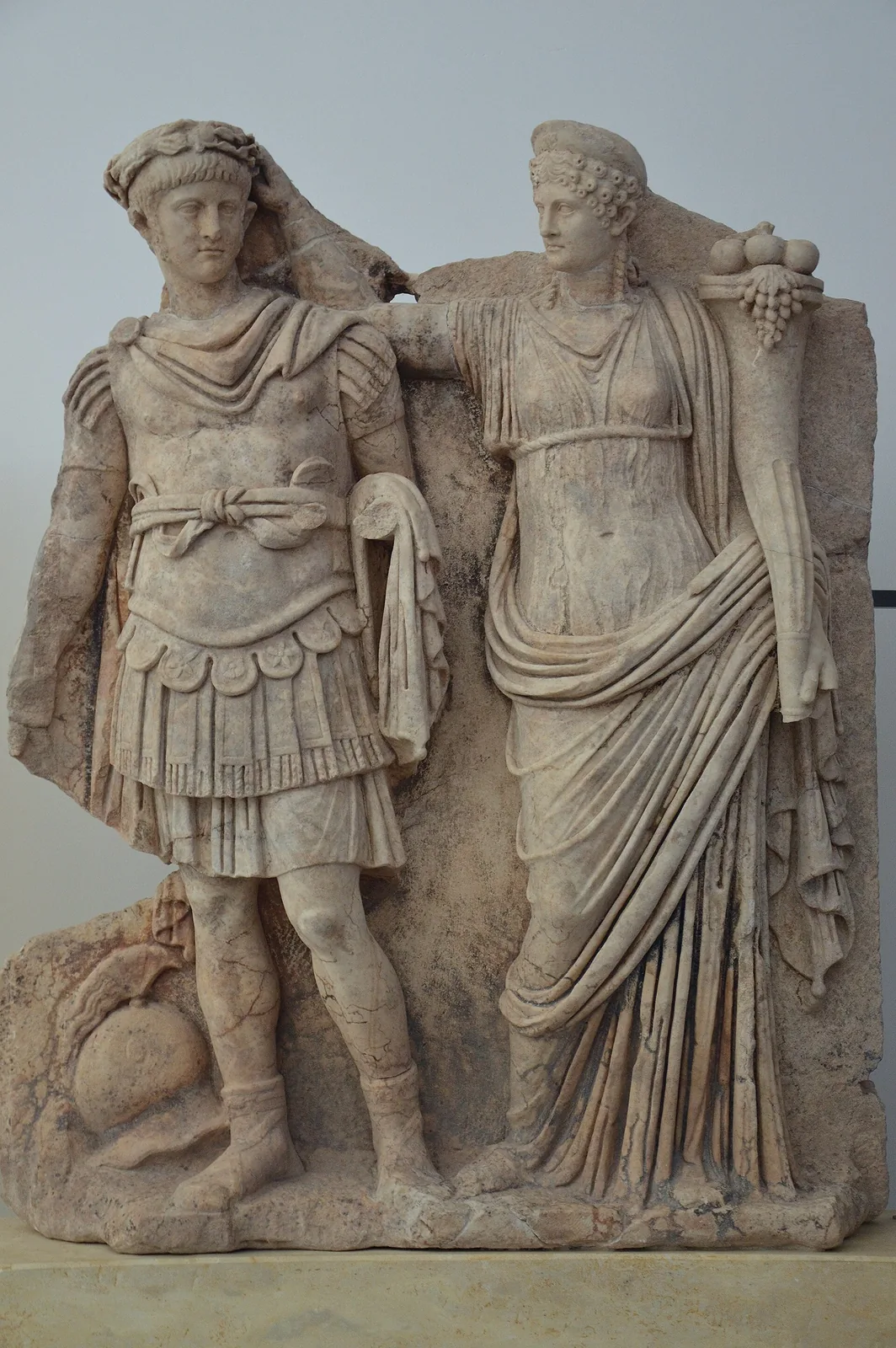
Wikimedia Commons · Creative Commons Attribution-Share Alike 2.0 Generic · file Nero went to the shore to meet Agrippina and escorted her to Bauli, a villa settlement beside the Bay of Baiae. Tacitus's Book XIV narrative is dated AD 59; Bauli's ancient site is represented by modern Bacoli.
Stop at Beneventum
· Beneventum (modern Benevento), Campania, Italy
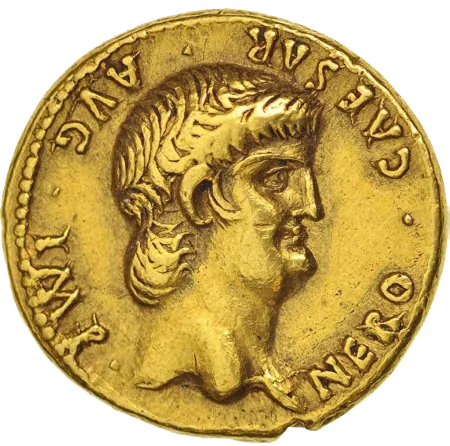
Wikimedia Commons · Public Domain Mark 1.0 · file After his first public performance at Naples, Nero paused at Beneventum while planning to cross the Adriatic for Achaia. Tacitus dates this episode to the consulship of Gaius Laecanius and Marcus Licinius, AD 64.
Return to fire-stricken Rome
· Rome, Italy
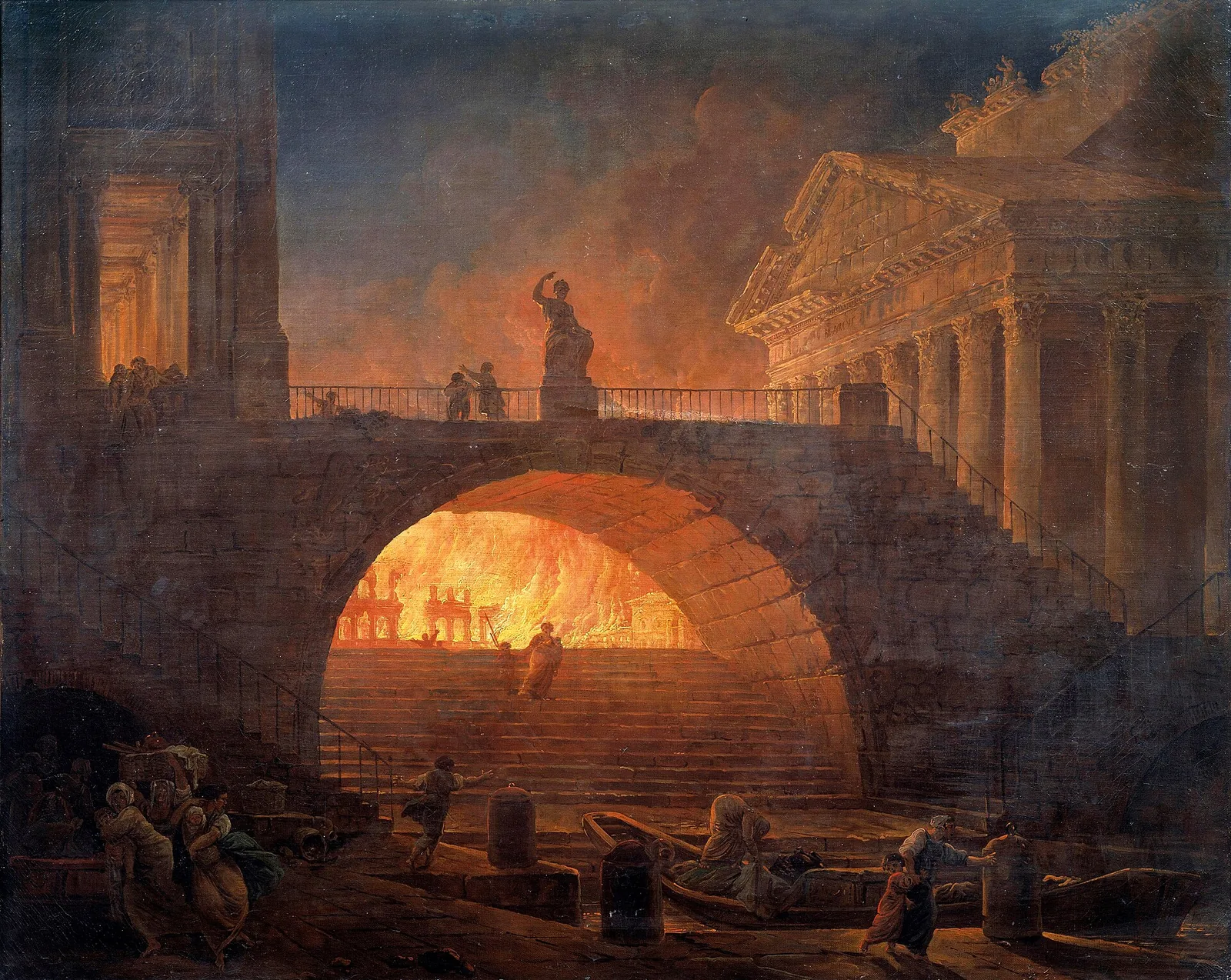
Wikimedia Commons · Public Domain Mark 1.0 · file Nero returned from Antium to Rome and organized relief after the Great Fire, including shelter and supplies for survivors. The return occurred during the July AD 64 fire emergency; a day is not supported.
At Antium when the Great Fire began
· Antium (modern Anzio), Italy
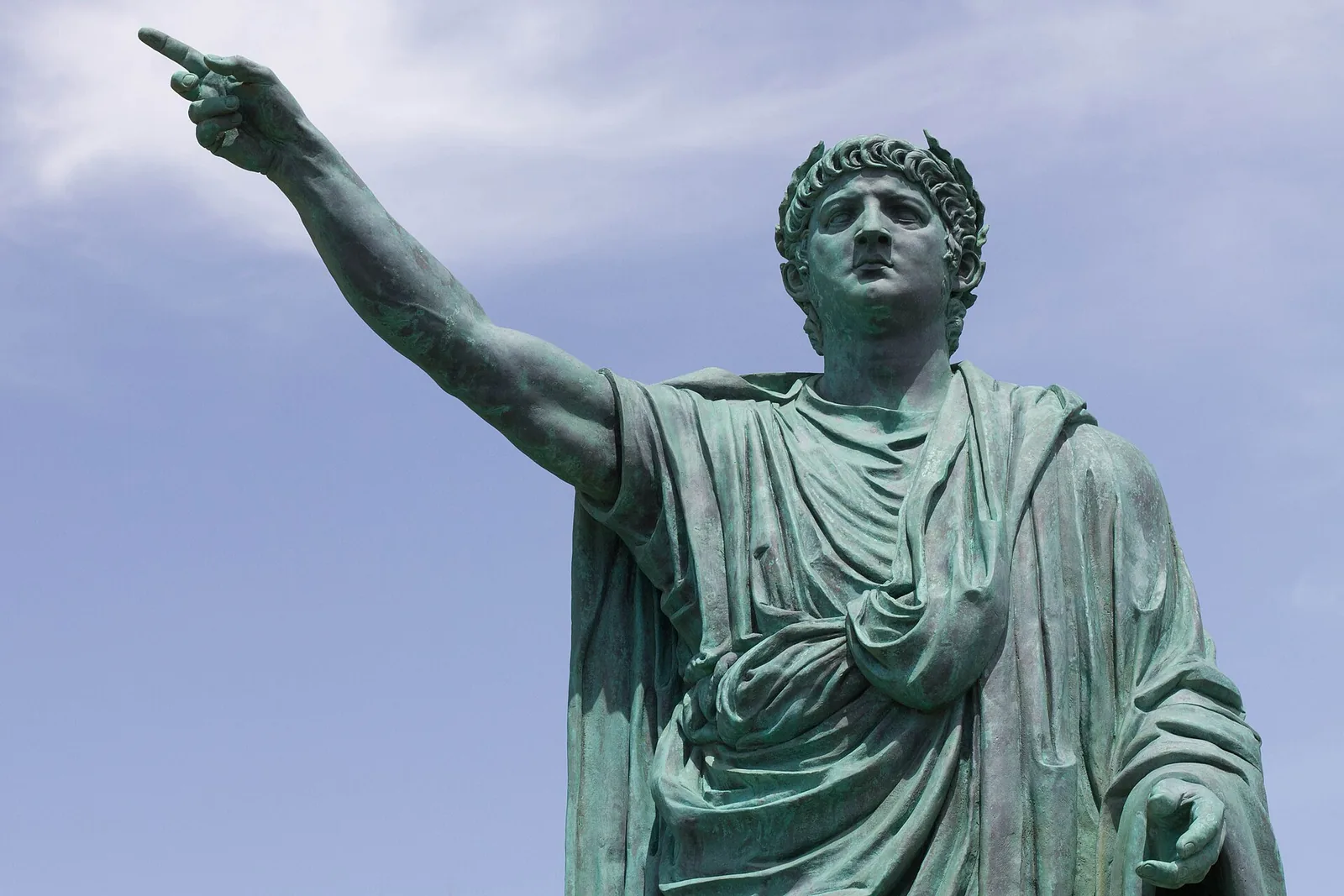
Wikimedia Commons · Creative Commons Attribution-Share Alike 2.0 Generic · file Tacitus's account places Nero at Antium when the Great Fire of Rome began; he subsequently returned to direct relief measures. The fire began during the night of 18–19 July AD 64; the source supports Nero's presence at Antium at its outbreak.
Arrival at Cassiope
· Cassiope (modern Kassiopi), Corfu, Greece
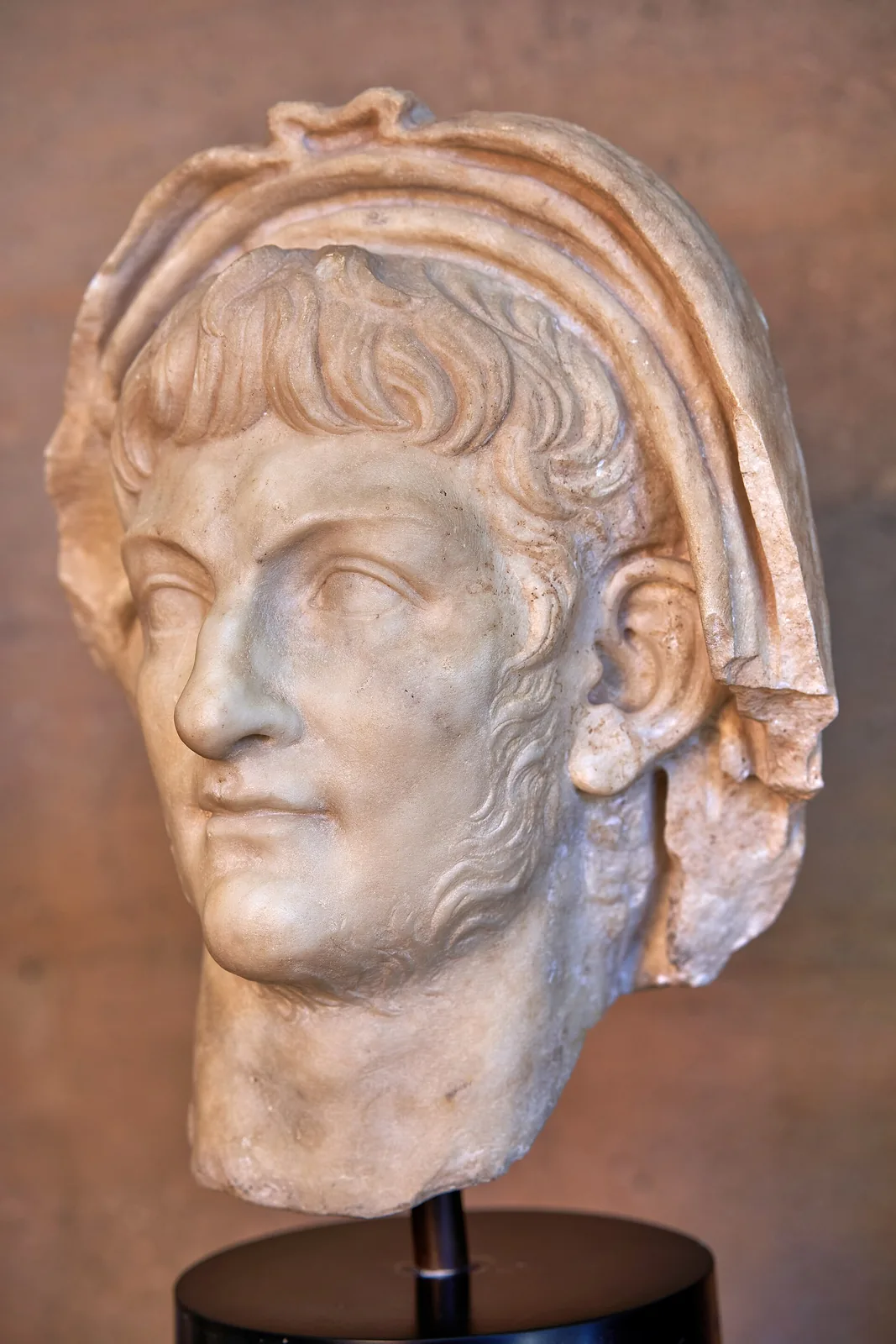
Wikimedia Commons · Creative Commons Attribution-ShareAlike 4.0 International · file Beginning his Greek tour, Nero landed at Cassiope on Corfu and made a preliminary musical appearance at the altar of Jupiter Cassius. The Greek tour began in AD 66; the surviving passage does not supply a more precise arrival date.
Coronation of Tiridates in the Roman Forum
· Roman Forum, Rome, Italy
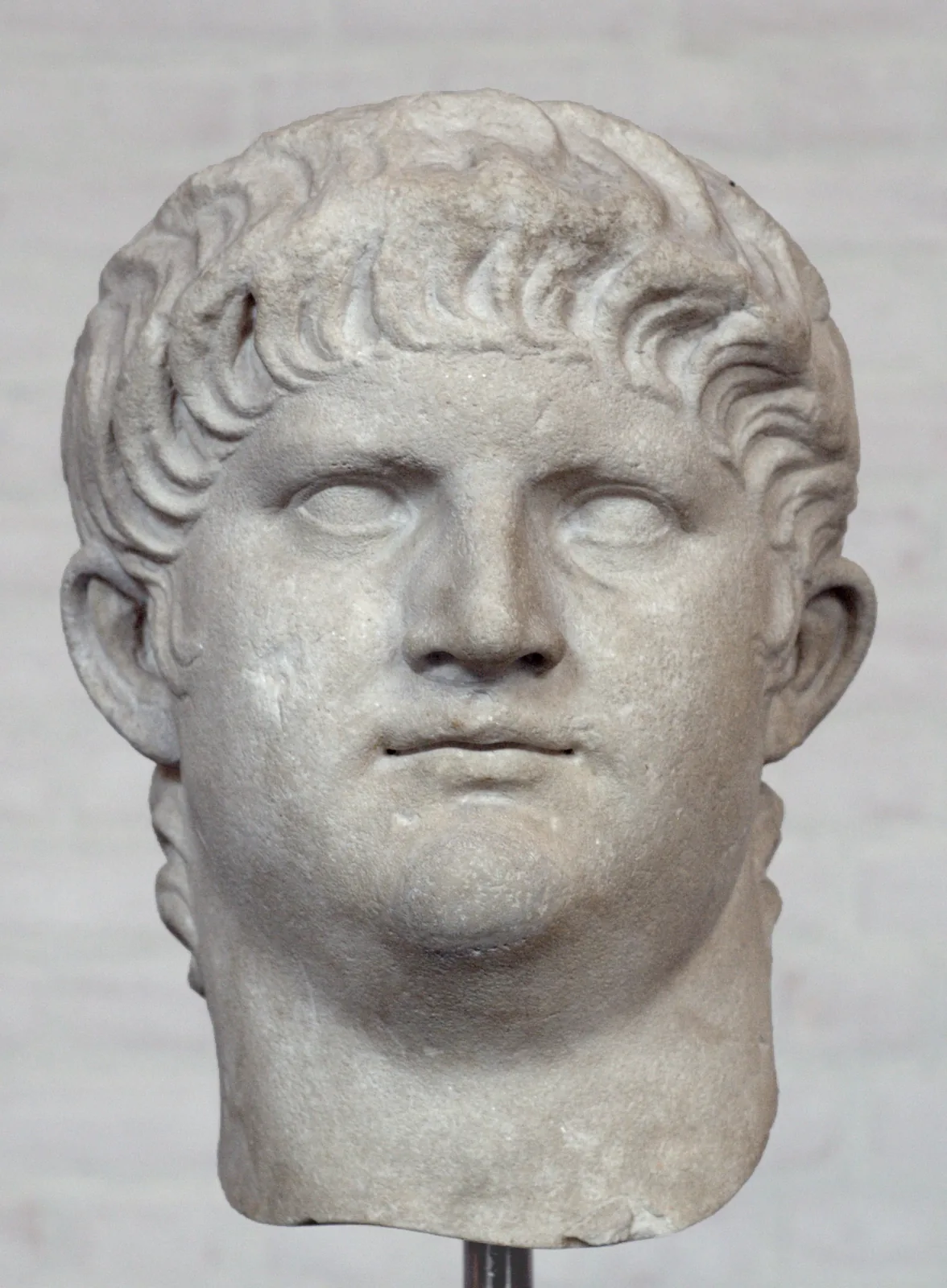
Wikimedia Commons · Public domain · file Nero received Tiridates of Armenia in Rome, placed the diadem on him, and thereby staged the settlement of the Armenian kingship before a public audience. The Tiridates coronation ceremony is dated AD 66; coordinates represent the Rostra in the Roman Forum.
Isthmian proclamation at Corinth
· Sanctuary of Poseidon, Isthmia, Greece
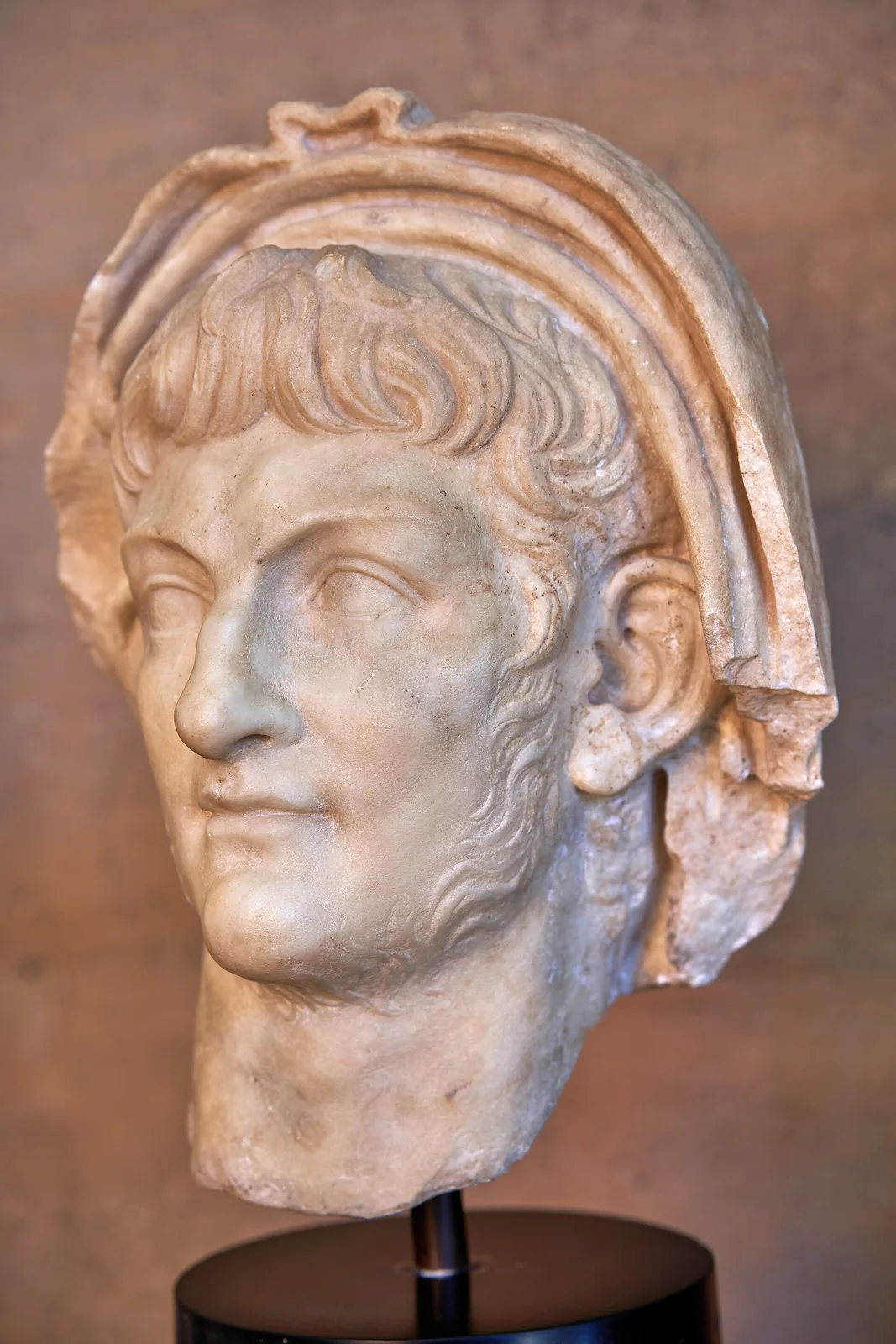
Wikimedia Commons · Creative Commons Attribution-ShareAlike 4.0 International · file Nero personally proclaimed privileges for Achaia in the stadium during the Isthmian Games, one of the major public acts of his Greek journey. The Isthmian Games venue lay at Isthmia near Corinth; the proclamation is dated AD 67.
Olympic chariot competition
· Sanctuary of Olympia, Elis, Greece
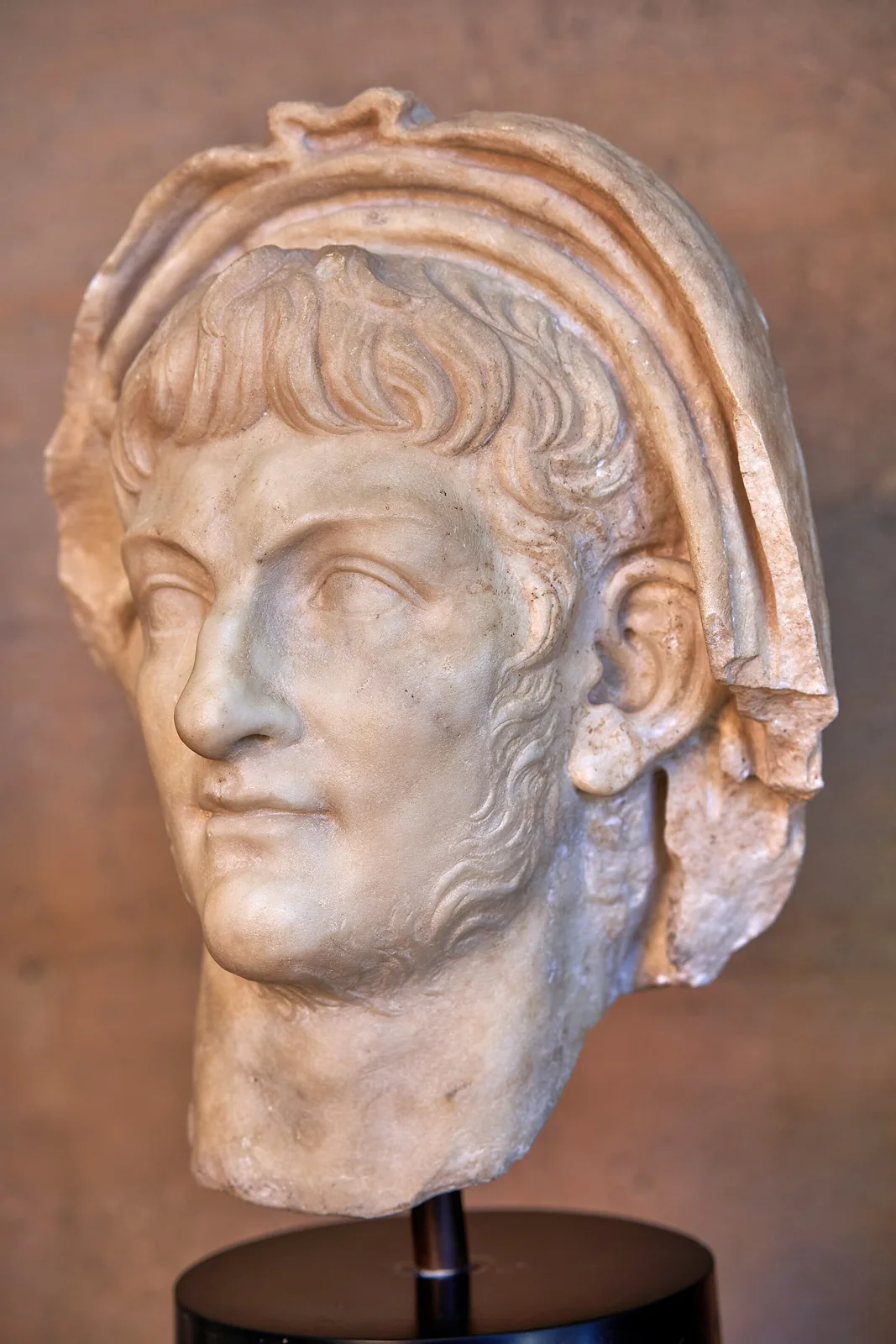
Wikimedia Commons · Creative Commons Attribution-ShareAlike 4.0 International · file At Olympia, Nero drove a ten-horse chariot team during the rescheduled Olympic contests and received the crown despite failing to complete the course. Nero's Olympic participation is conventionally dated AD 67; coordinates represent the ancient sanctuary and stadium area.
Triumphal-style return to Rome
· Rome, Italy
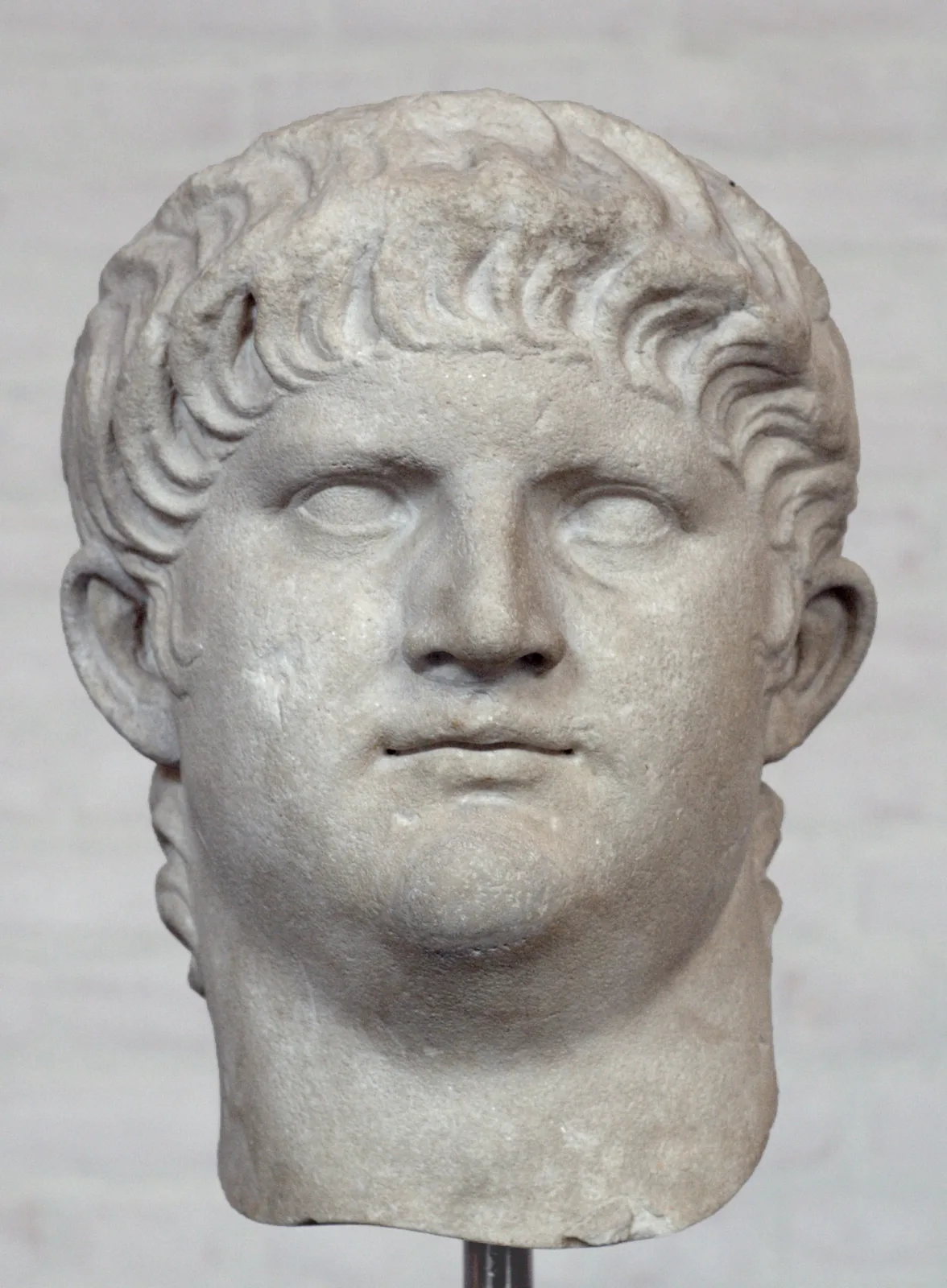
Wikimedia Commons · Public domain · file Nero completed his Greek-victory procession at Rome, riding through the Circus Maximus arch, Velabrum, and Forum toward the Palatine. The arrival is generally placed in late AD 67; coordinates represent the Roman Forum segment of the recorded route.
Victors' entry into Albanum
· Albanum (modern Castel Gandolfo area), Lazio, Italy
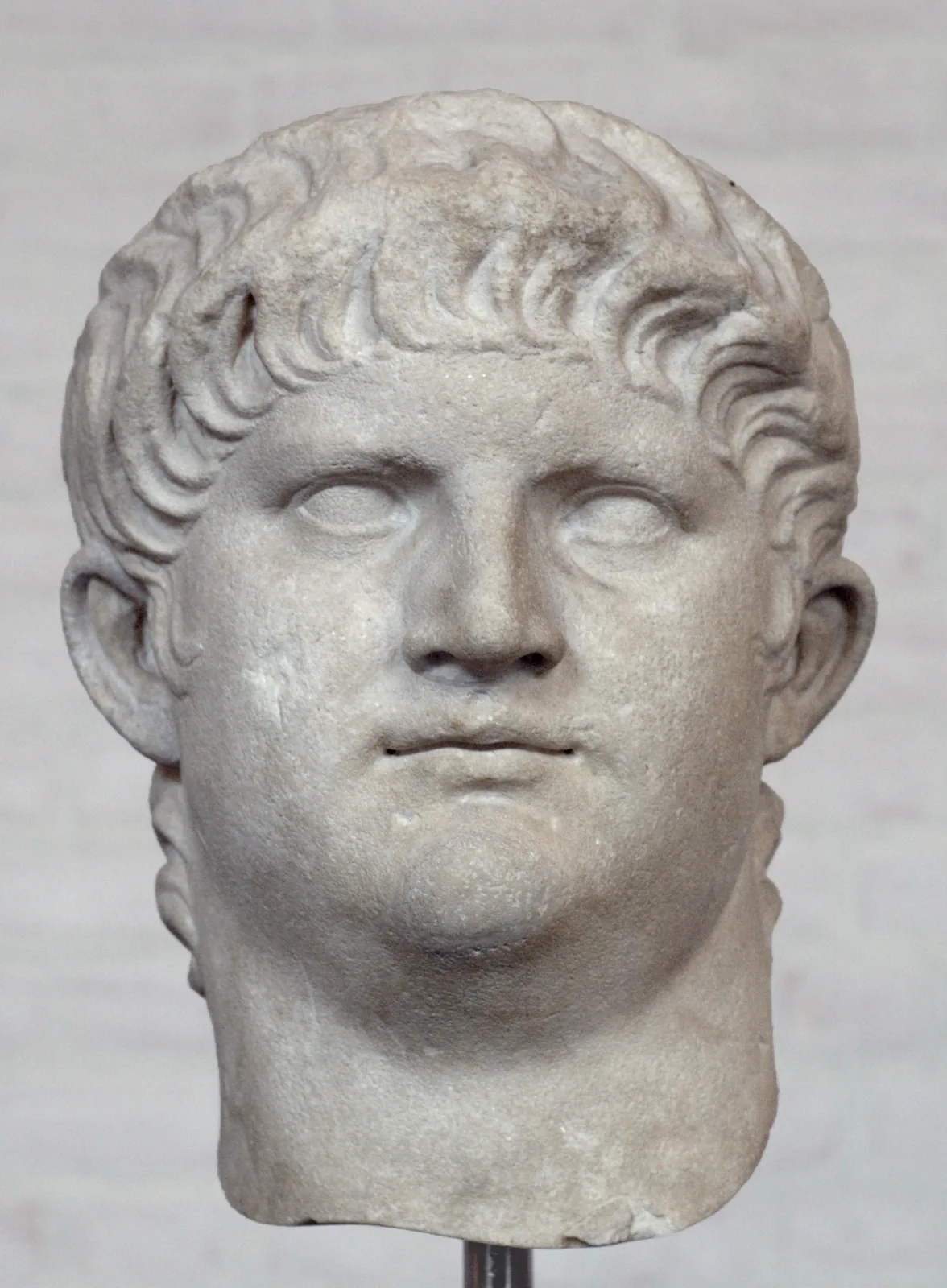
Wikimedia Commons · Public domain · file Nero continued his return procession through Albanum, the imperial Alban estate in the Alban Hills. Albanum refers to Nero's Alban estate; coordinates represent the Castel Gandolfo area. This entry followed his Greek return in late AD 67.
Victors' entry into Antium
· Antium (modern Anzio), Italy
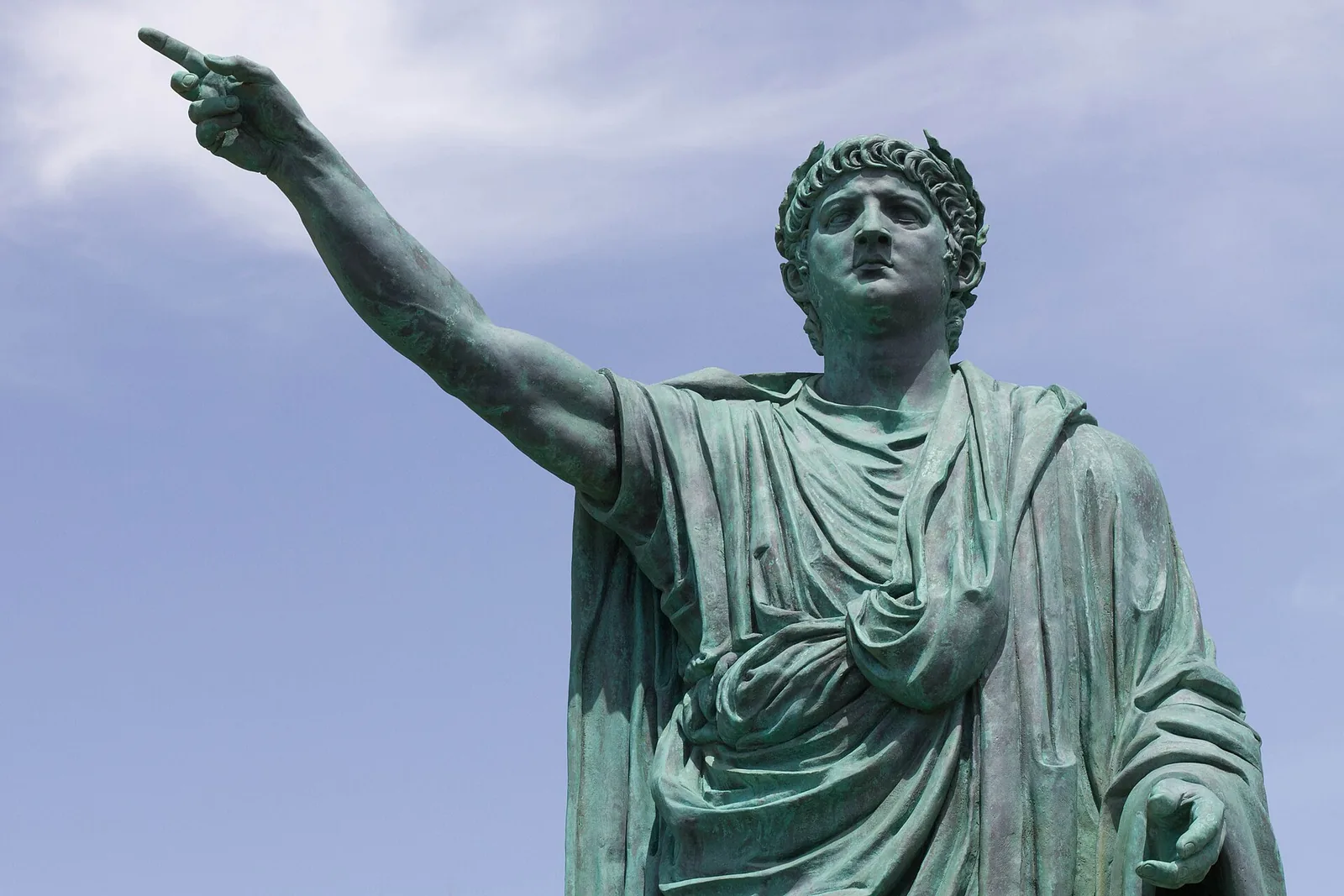
Wikimedia Commons · Creative Commons Attribution-Share Alike 2.0 Generic · file On the return procession from Greece, Nero entered his birthplace of Antium after Naples. This entry followed Nero's return from Greece, generally placed in late AD 67.
Victors' entry into Naples
· Naples, Campania, Italy
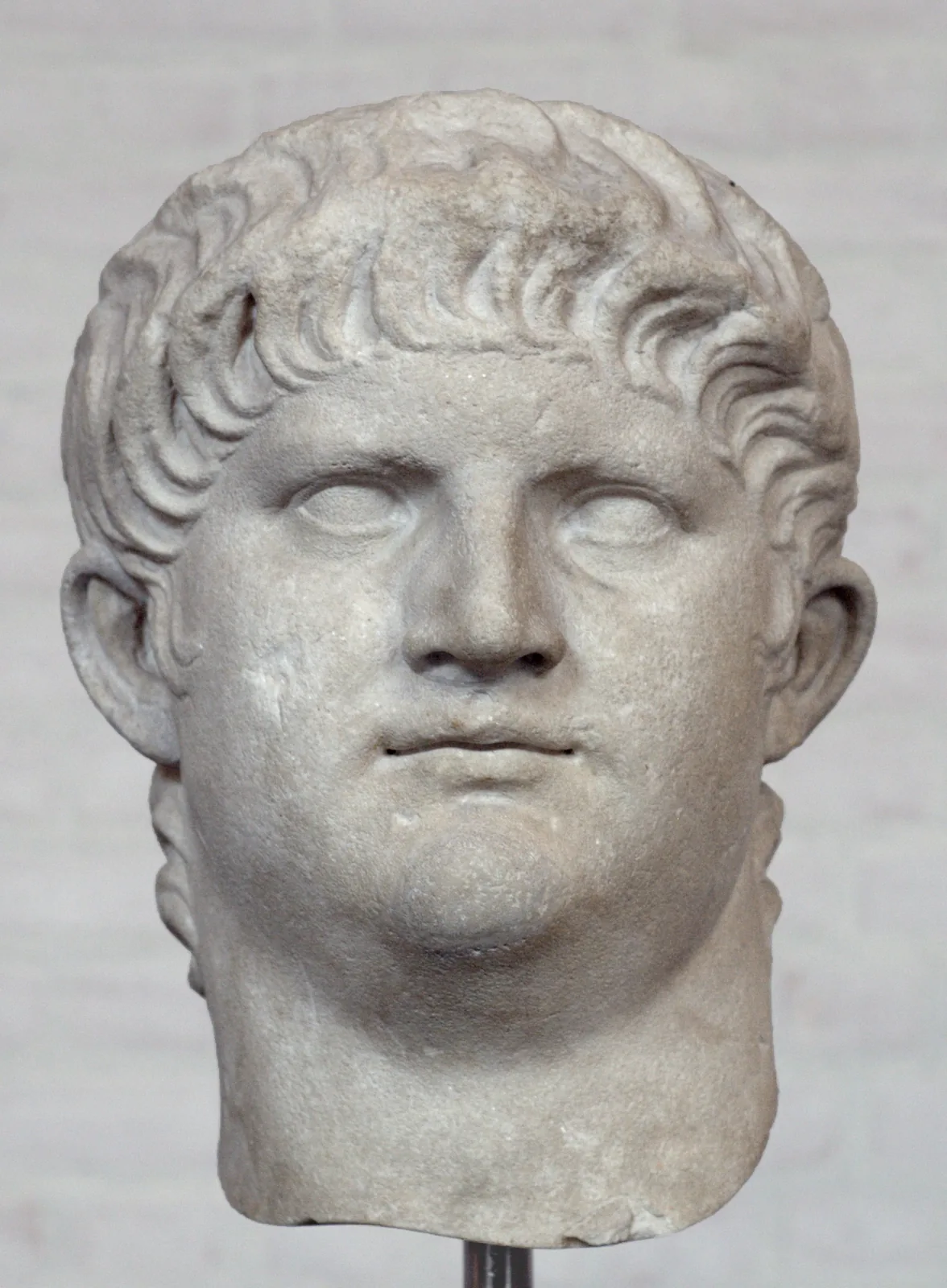
Wikimedia Commons · Public domain · file Returning from Greece, Nero made a ceremonial entry into Naples in the manner of a sacred-games victor. The return is generally placed in late AD 67; the ancient source supplies the sequence but not a calendar day.
Visit to Delphi
· Sanctuary of Apollo, Delphi, Greece
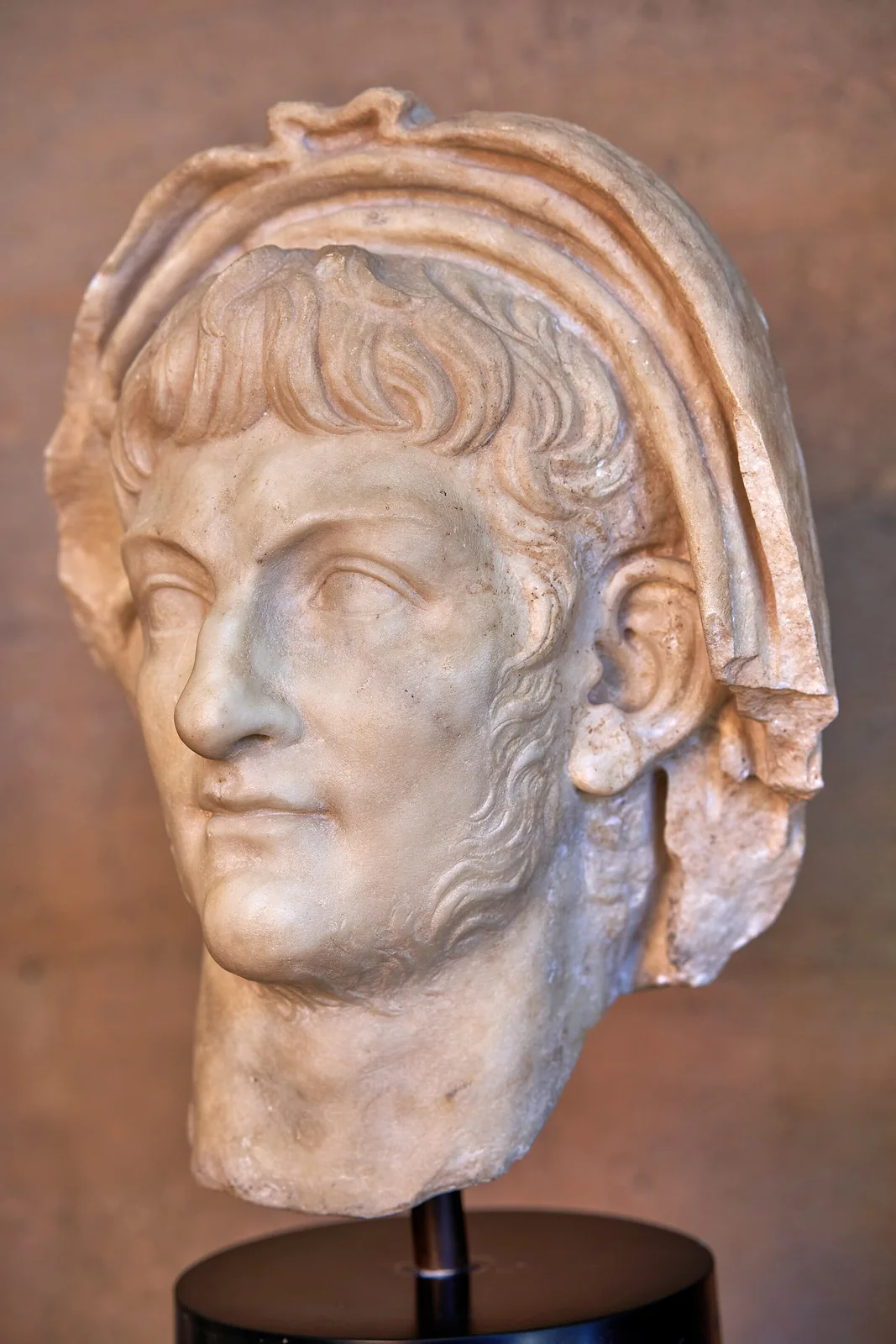
Wikimedia Commons · Creative Commons Attribution-ShareAlike 4.0 International · file During the Greek tour, Nero visited Delphi, where he consulted Apollo's oracle. The cited biographical reference places the Delphi visit in AD 67; exact timing is not supplied.
At Naples when news of revolt arrived
· Naples, Campania, Italy
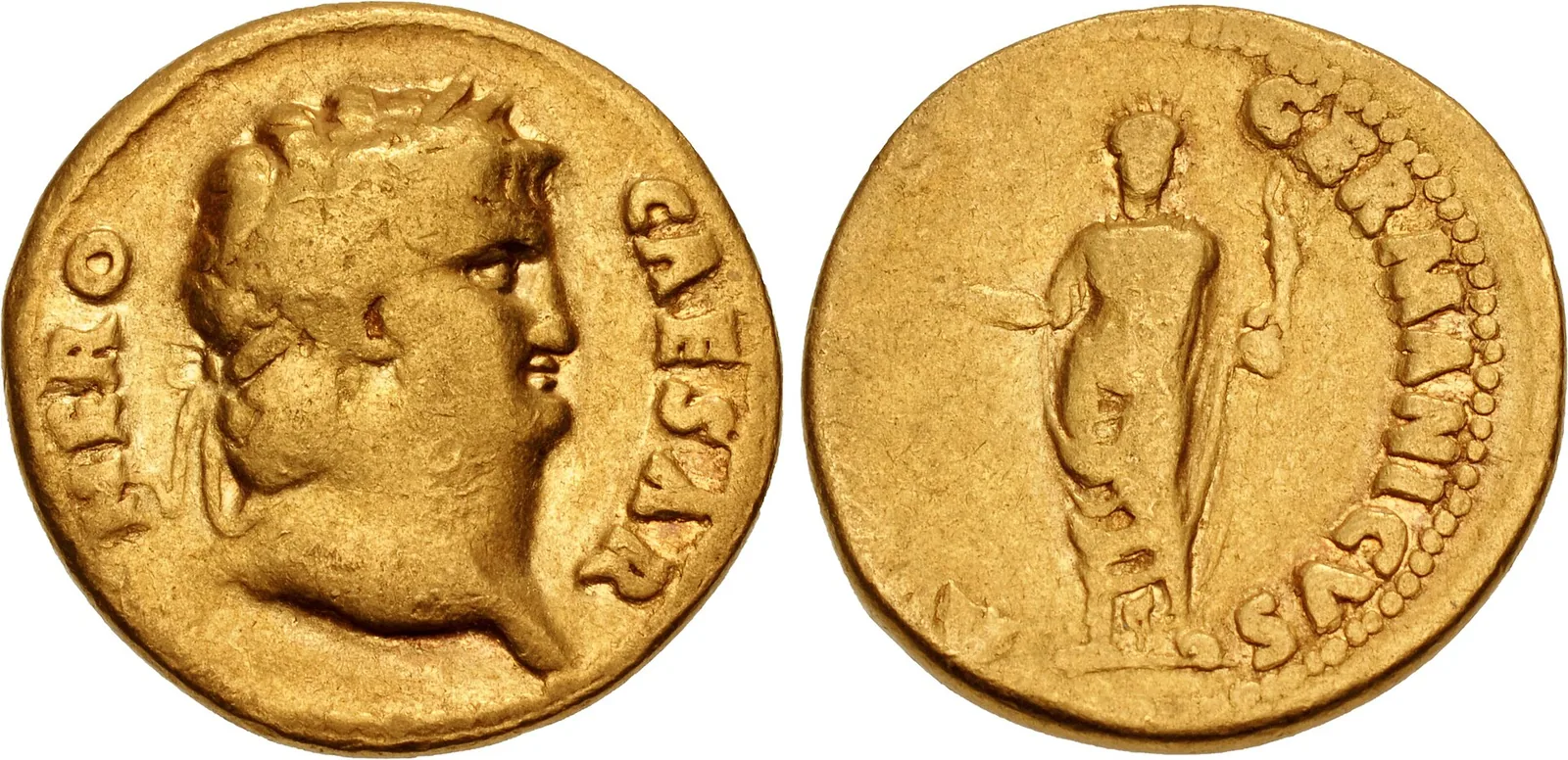
Wikimedia Commons · Creative Commons Attribution-Share Alike 2.5 Generic · file Nero was at Naples when he learned of the Gallic revolt led by Vindex, a crisis that precipitated his return to Rome. Vindex's revolt began in AD 68; Suetonius dates Nero's receipt of the news to the anniversary of Agrippina's murder.
Panic return to Rome
· Rome, Italy
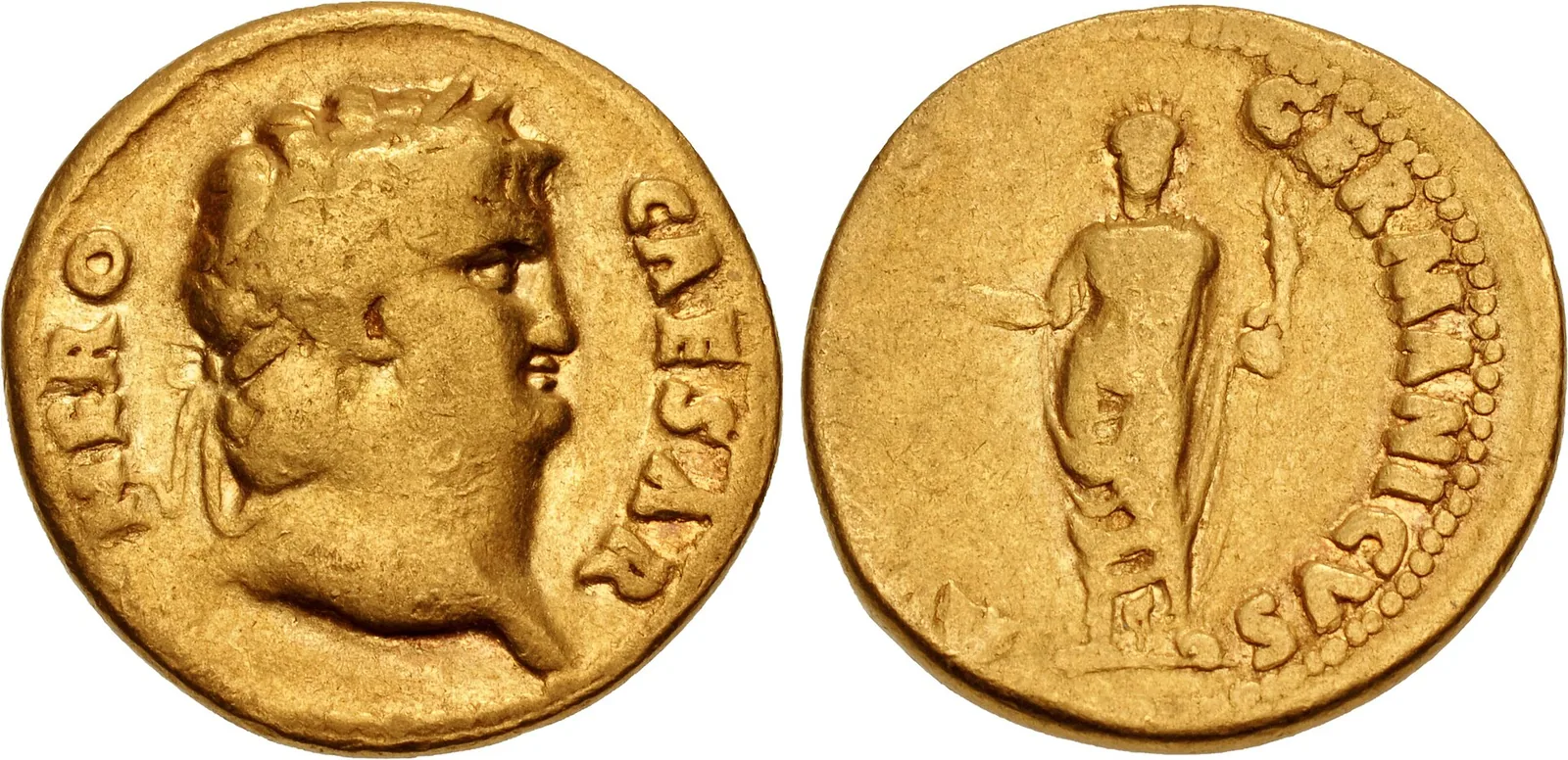
Wikimedia Commons · Creative Commons Attribution-Share Alike 2.5 Generic · file As the revolt widened, Nero returned to Rome, where he consulted leading men rather than appearing personally before the Senate or people. The source places this return during the AD 68 rebellion crisis but does not support a specific day.
Flight to Phaon's villa and death
· Phaon's villa, outside Rome, Italy
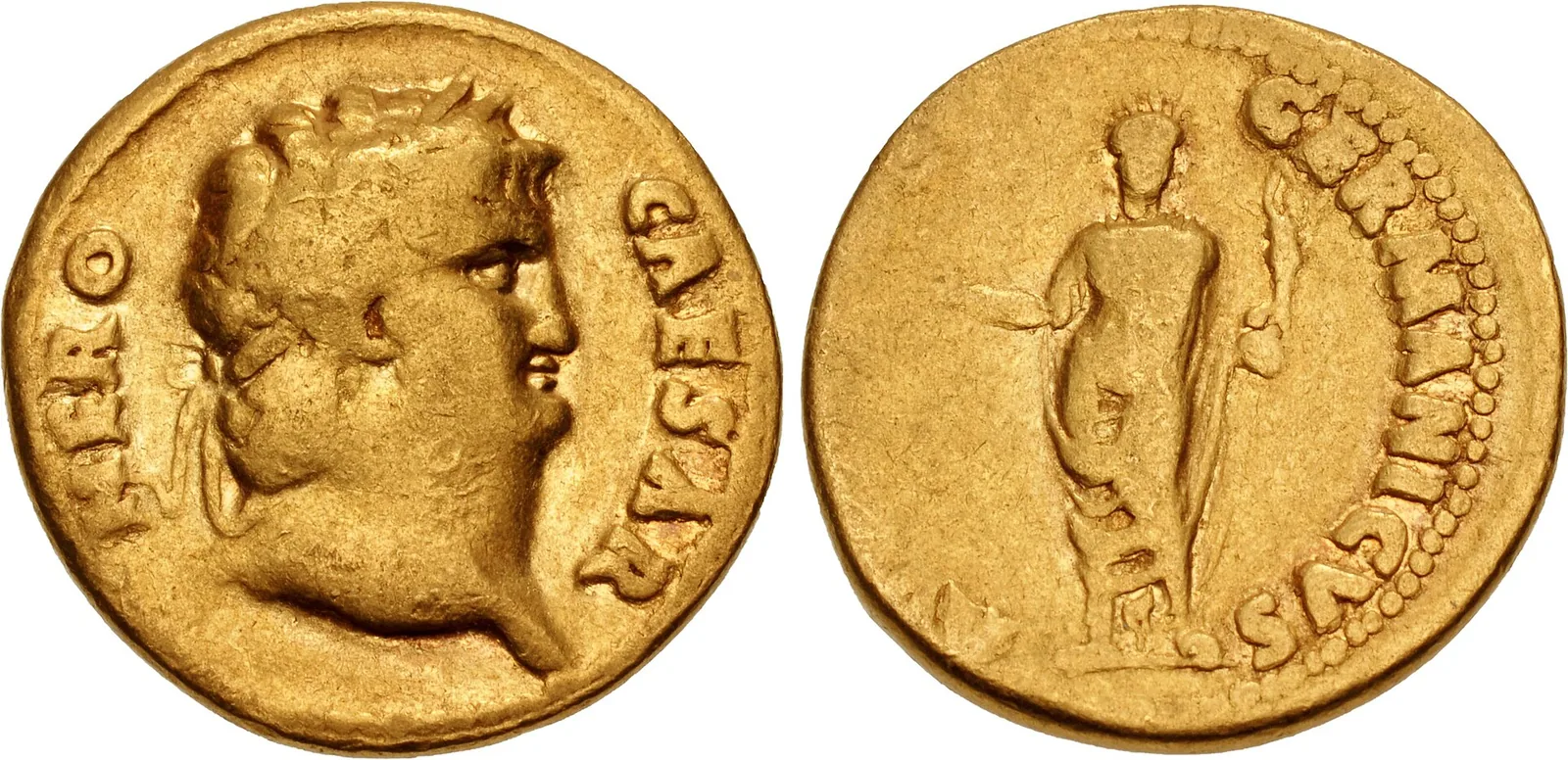
Wikimedia Commons · Creative Commons Attribution-Share Alike 2.5 Generic · file After fleeing Rome in disguise with four loyal freedmen, Nero reached Phaon's villa outside the city and died there by suicide. Nero died on 9 June AD 68 at Phaon's villa, said to be about 4 Roman miles outside Rome. The exact archaeological site is uncertain; coordinates are a representative point northeast of ancient Rome.