
18 moments
Birth on the Caelian Hill
· Caelian Hill, Rome, Italy
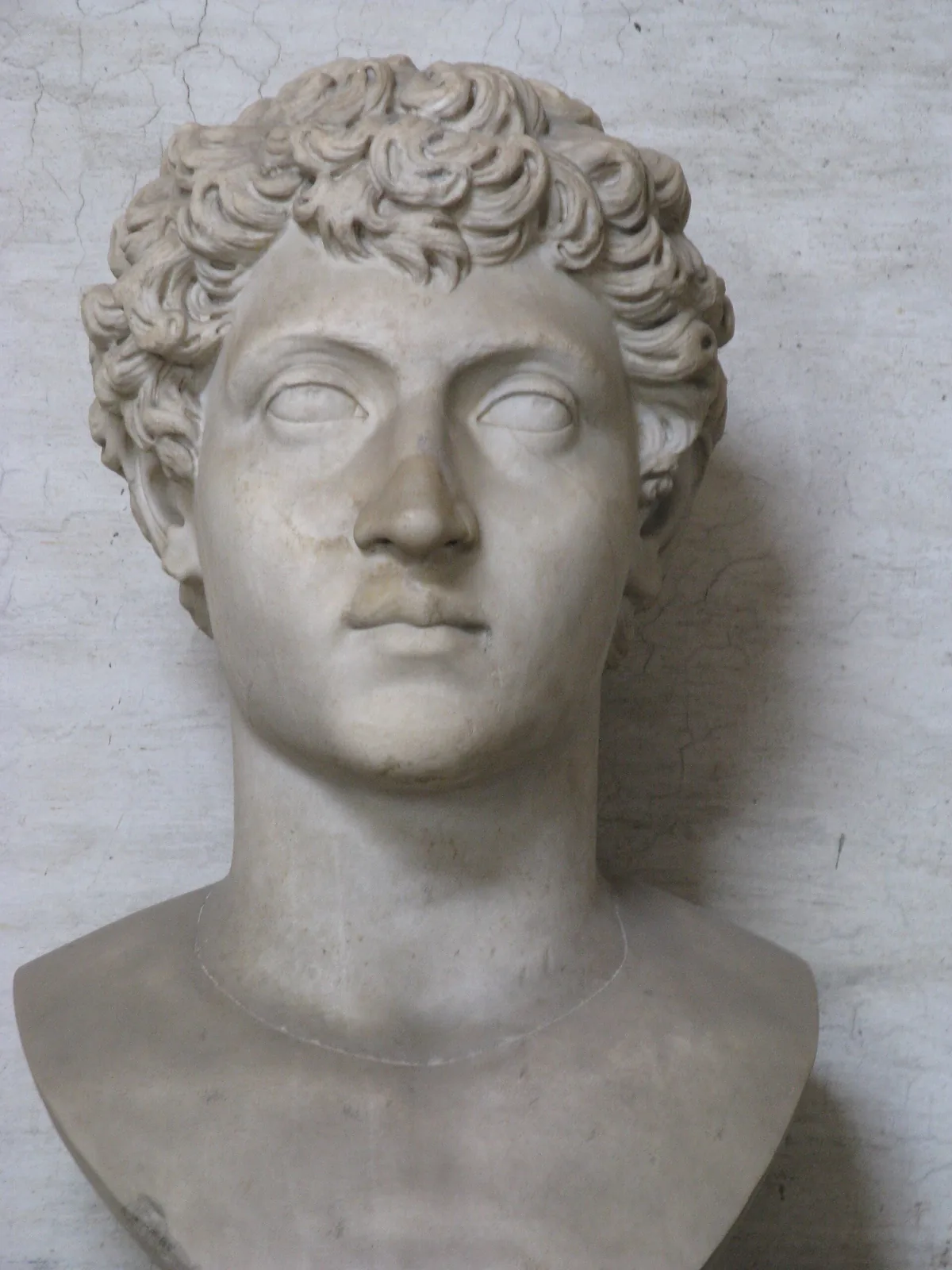
Wikimedia Commons · Creative Commons Attribution-Share Alike 4.0 International · file Marcus Aurelius was born in a villa on Rome's Caelian Hill, the aristocratic district where he was also raised. The Roman calendar date corresponds to 26 April 121.
Move into Hadrian's imperial residence
· House of Tiberius, Palatine Hill, Rome, Italy
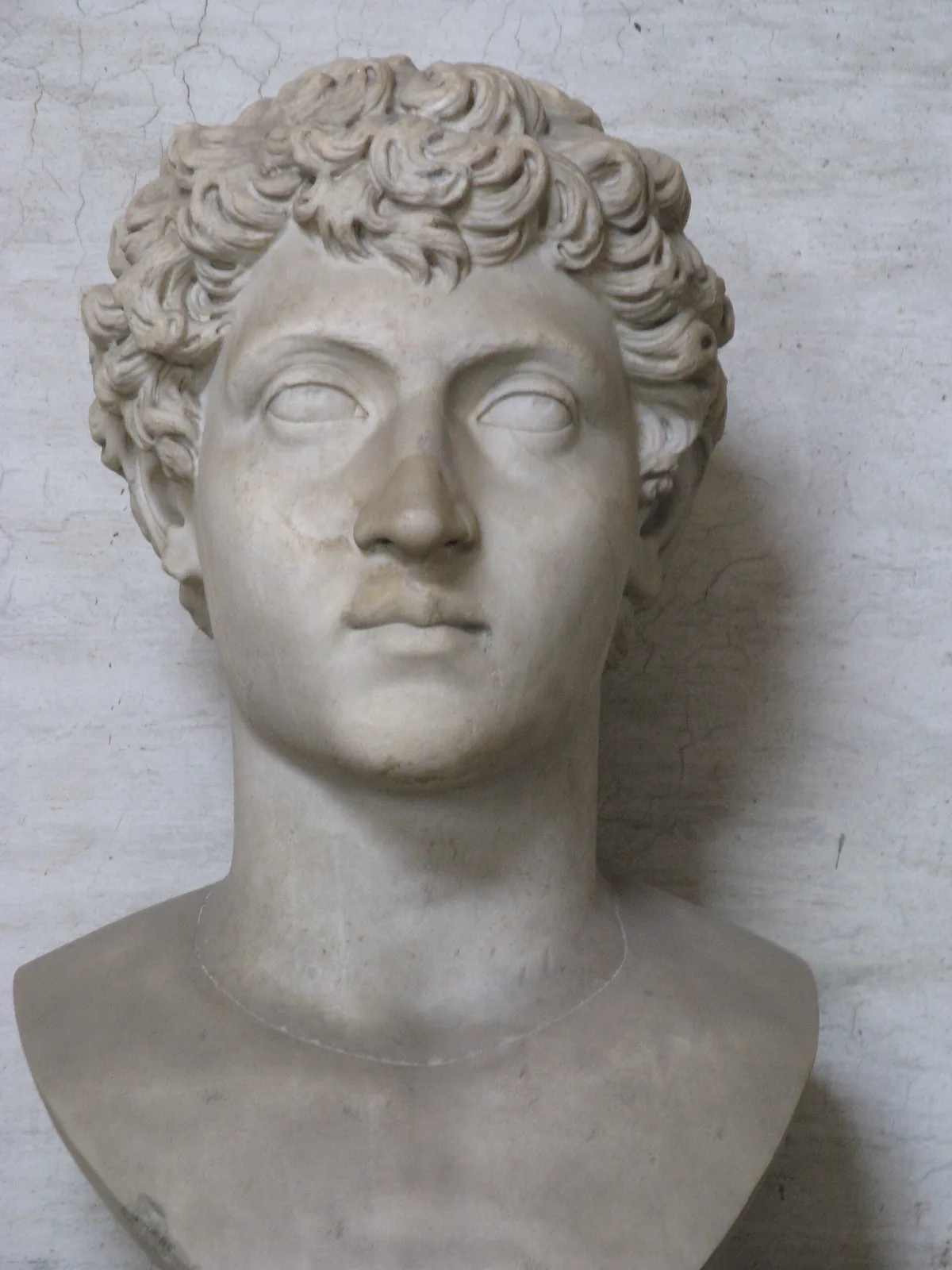
Wikimedia Commons · Creative Commons Attribution-Share Alike 4.0 International · file After his adoption into the imperial succession, Marcus left his mother's Caelian home and took up residence in Hadrian's private house in Rome. The source identifies Hadrian's private home but not its exact surviving footprint; coordinates represent the imperial Palatine residence conventionally identified as the House of Tiberius.
Residence as imperial heir
· House of Tiberius, Palatine Hill, Rome, Italy
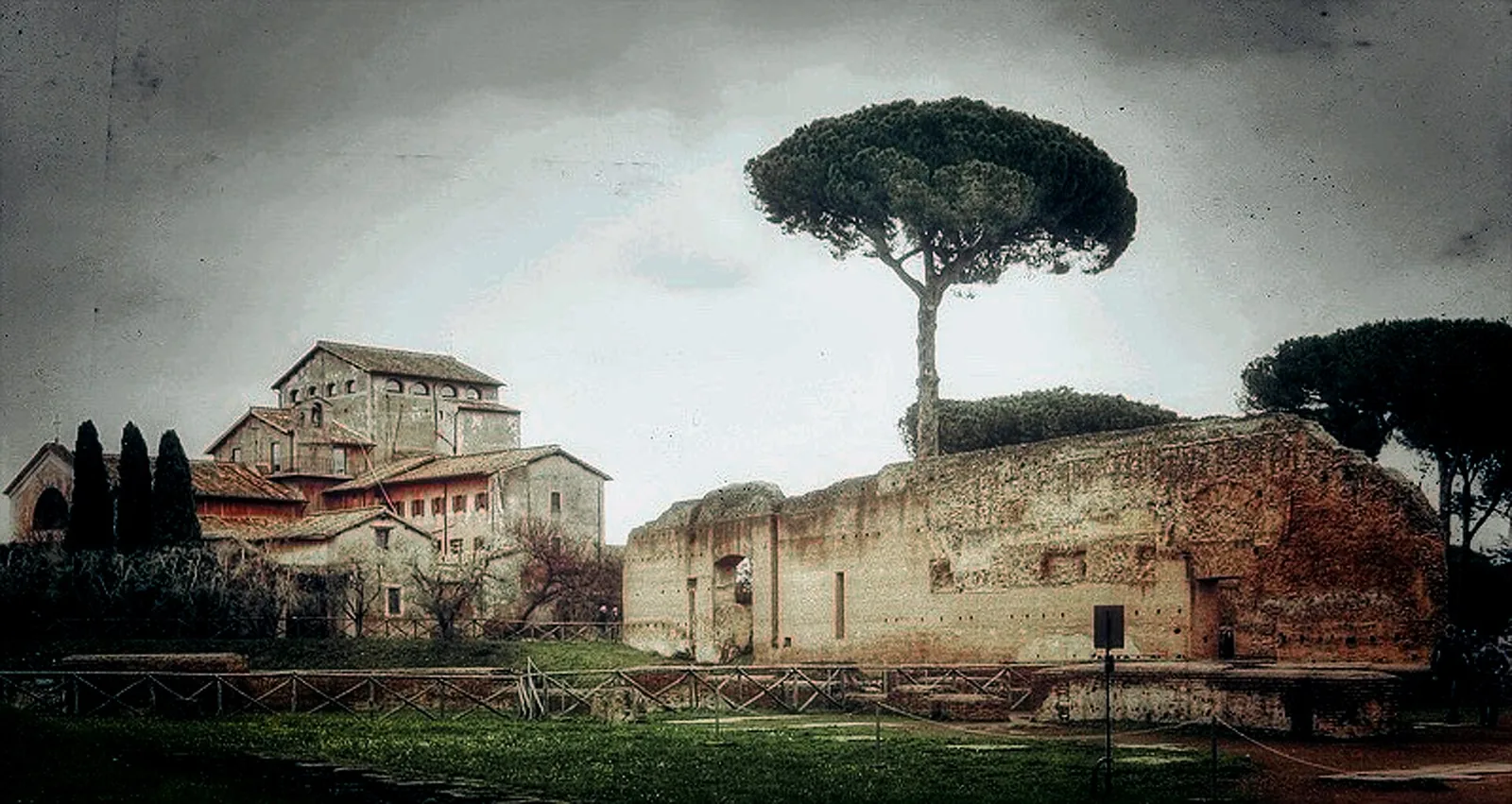
Wikimedia Commons · file Antoninus Pius required Marcus, then heir apparent, to live in the House of Tiberius on the Palatine. This continues the relocation following his adoption; the date is supported to year precision.
Accession ceremony at the Praetorian camp
· Castra Praetoria, Rome, Italy
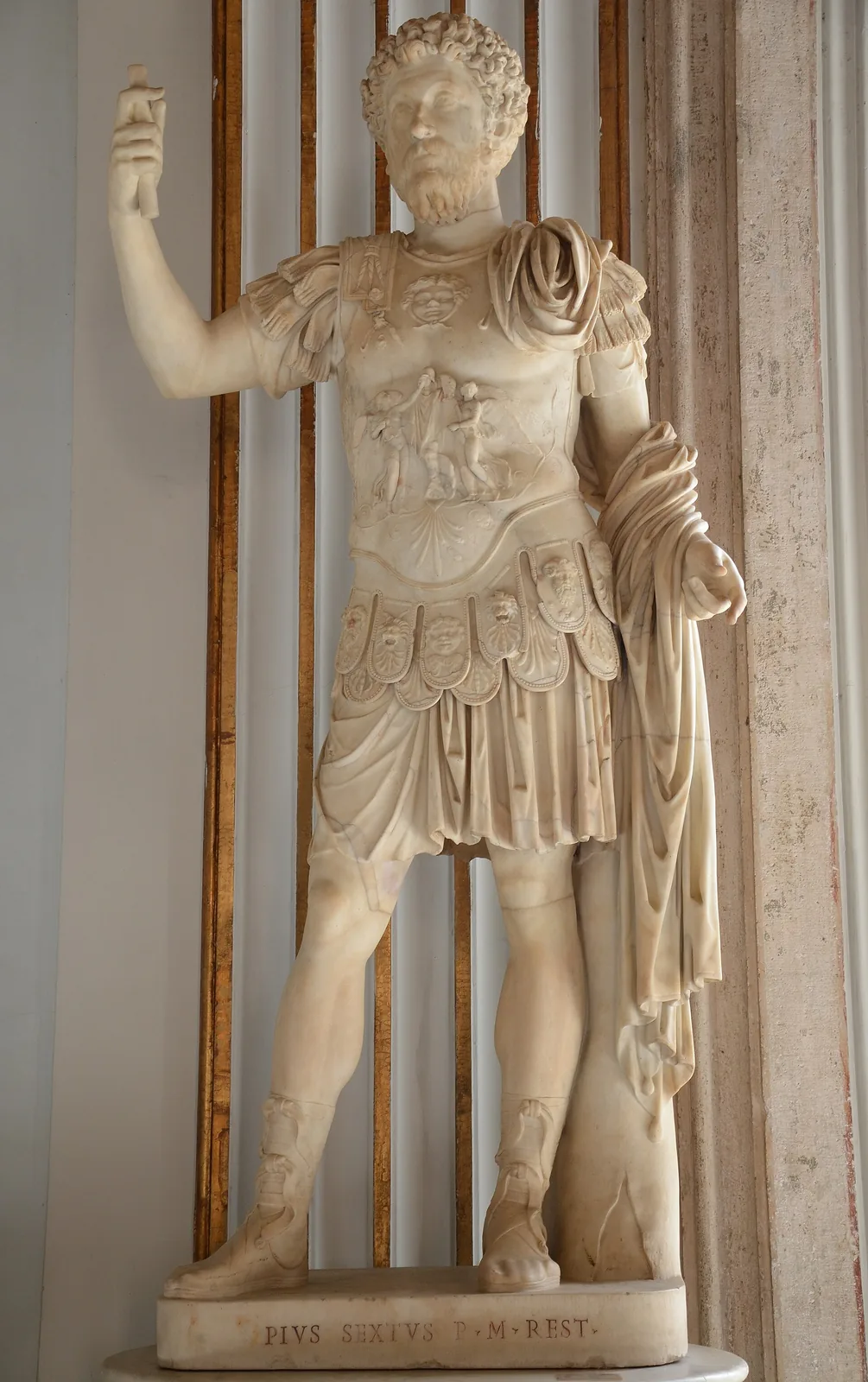
Wikimedia Commons · Creative Commons Attribution-Share Alike 2.0 Generic · file Following Senate confirmation as co-emperor with Lucius Verus, Marcus went to the Praetorian Guard's camp for the accession ceremony. Marcus and Lucius became co-emperors on 7 March 161; the source quotation establishes the camp appearance.
Escort of Lucius Verus
· Capua, Campania, Italy
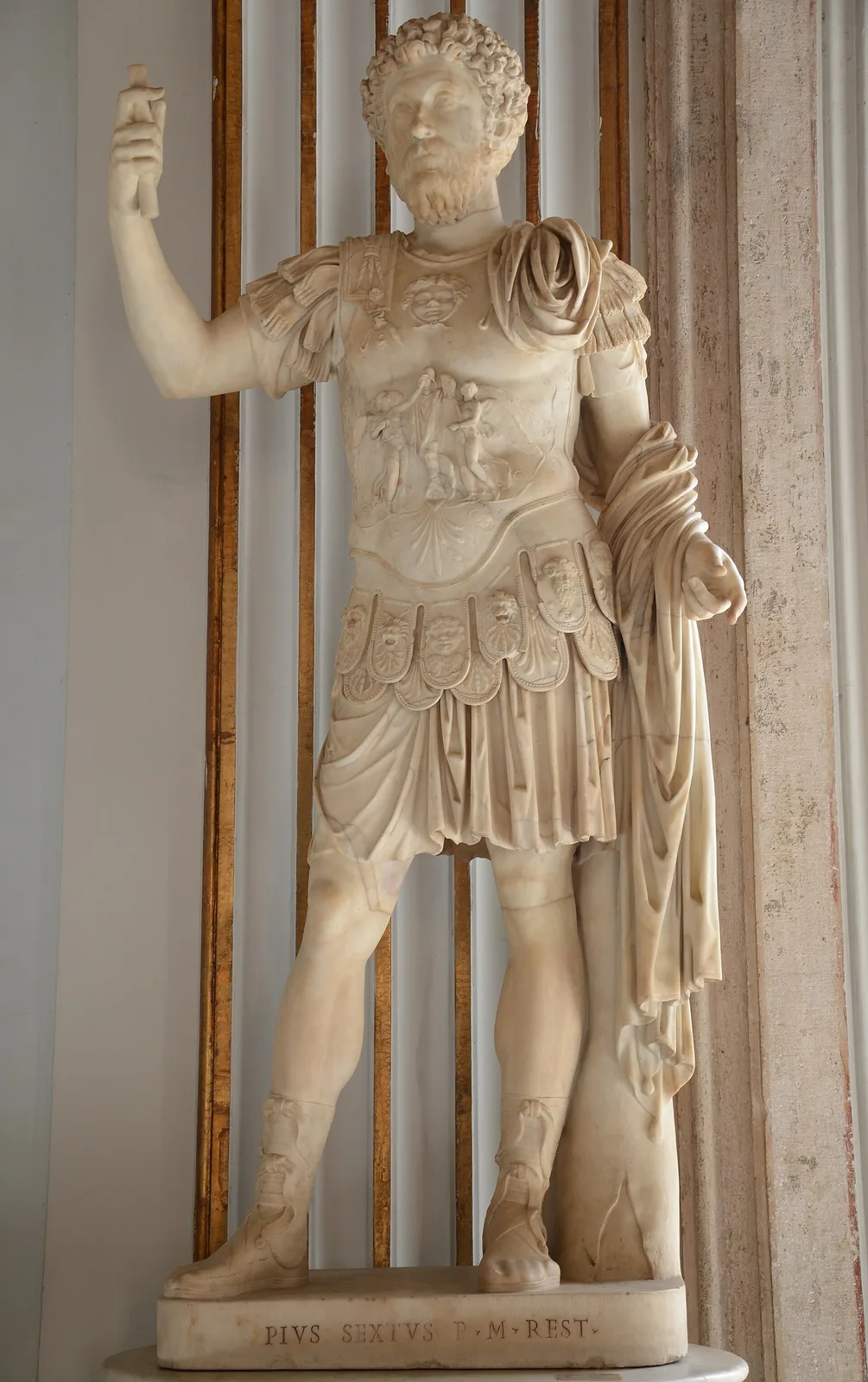
Wikimedia Commons · Creative Commons Attribution-Share Alike 2.0 Generic · file Marcus personally escorted his co-emperor Lucius Verus as Verus departed to direct the Parthian war, reaching Capua with him. The departure is dated to summer 162 in the modern synthesis on Marcus Aurelius's reign.
Seeing Lucilla's party off east
· Brundisium, Italy
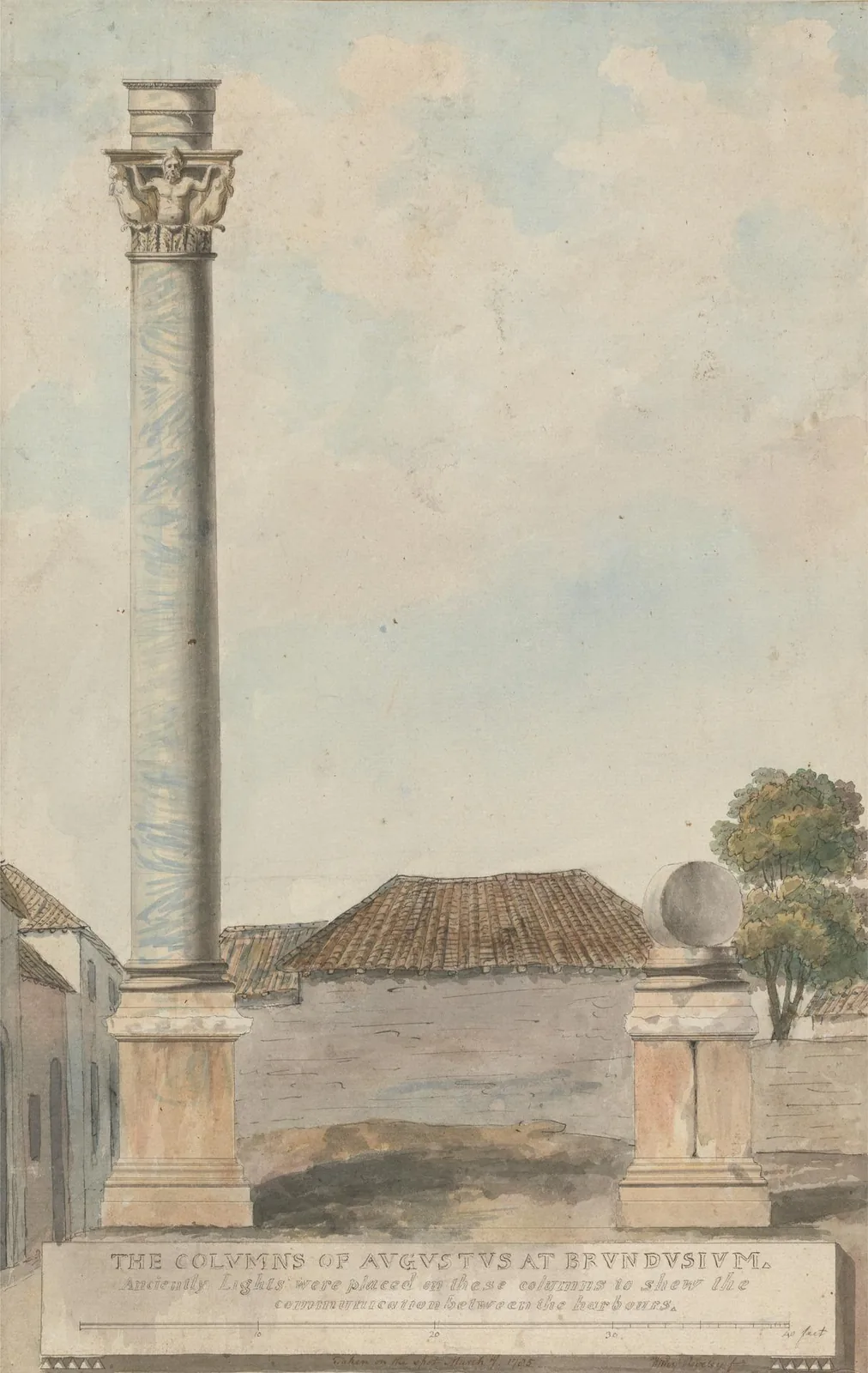
Wikimedia Commons · CC0 1.0 Universal Public Domain Dedication · file Marcus escorted his daughter Lucilla's marriage party to Brundisium before her sea voyage to Lucius Verus in the eastern empire. The journey is placed approximately in autumn 163 or early 164; year precision is therefore uncertain.
Danubian headquarters at Aquileia
· Aquileia, Friuli-Venezia Giulia, Italy
Marcus and Lucius Verus departed Rome for the northern emergency and established their headquarters at Aquileia before crossing the Alps toward Pannonia.
Retreat at Praeneste
· Praeneste, Latium, Italy
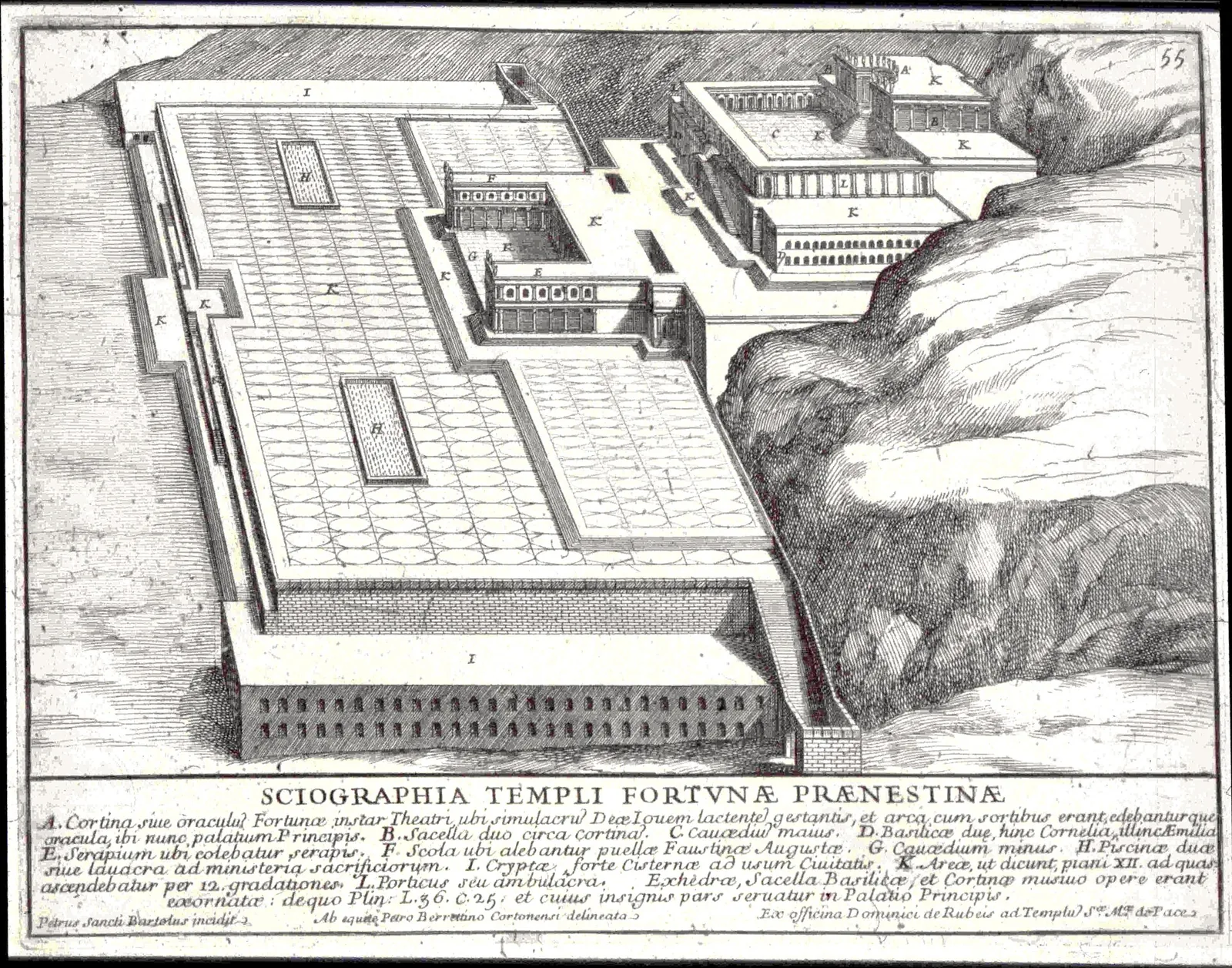
Wikimedia Commons · Public domain · file Before departing on the renewed Germanic and Sarmatian war, Marcus was living in retreat at Praeneste when his son Verus Caesar died. The event is conventionally dated to 169.
Return with Lucius Verus's body
· Rome, Italy
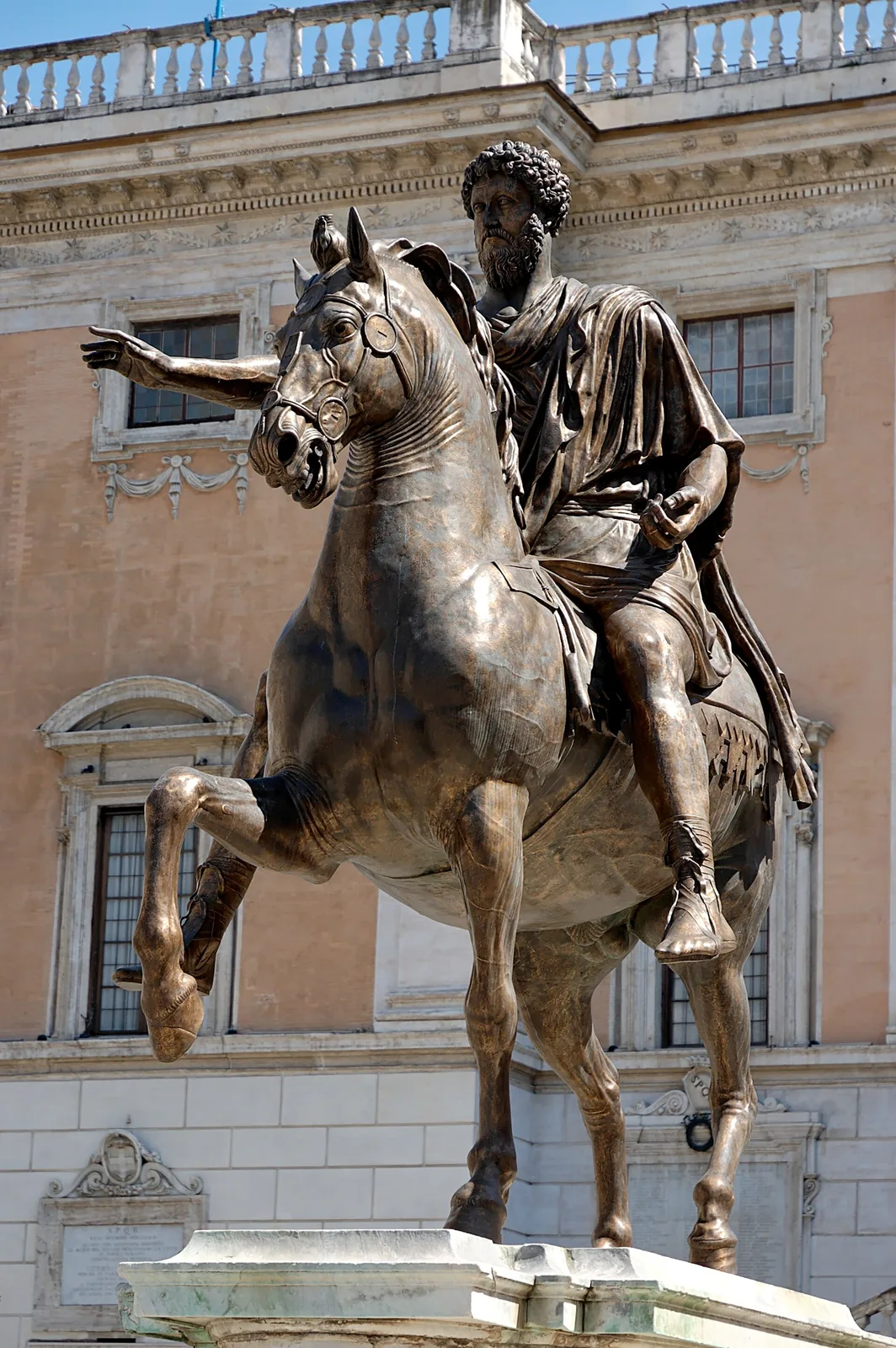
Wikimedia Commons · Public domain · file After Lucius Verus died during the return from the northern campaign, Marcus brought his brother's body back to Rome and arranged his burial and deification.
Command on the Pannonian frontier
· Pannonia, Roman Empire
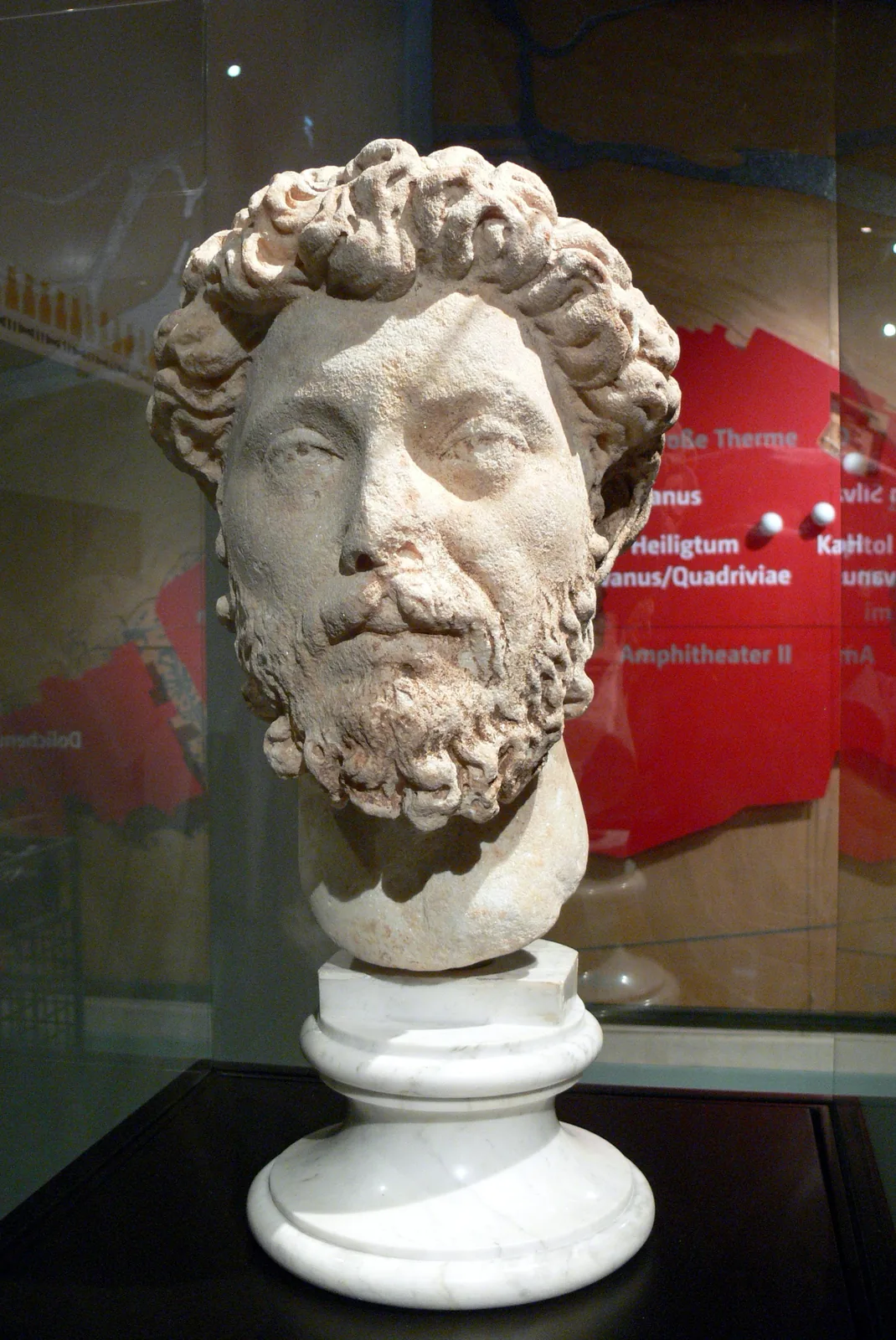
Wikimedia Commons · file Marcus was leading troops in Pannonia during the Marcomannic War when Avidius Cassius proclaimed himself emperor in the East. Coordinates are a representative point for the Roman province, not a documented individual camp.
Faustina's death at Halala
· Halala (Faustinopolis), Cappadocia, Turkey
During Marcus's eastern journey after the Cassius revolt, his wife Faustina died at Halala in the Taurus foothills; he subsequently elevated the settlement as a colony. The exact year is disputed in modern reconstructions, which place Faustina's death in late 175 or 176; coordinates represent the identified site of Faustinopolis near modern Başmakçı.
Stay in Alexandria
· Alexandria, Egypt
Marcus stayed at Alexandria during his eastern tour and adopted a deliberately restrained public manner despite the city's previous support for Avidius Cassius. The stay belongs to the eastern tour of 175–176; the surviving narrative does not securely fix the year within that itinerary.
Initiation at Athens
· Athens, Greece
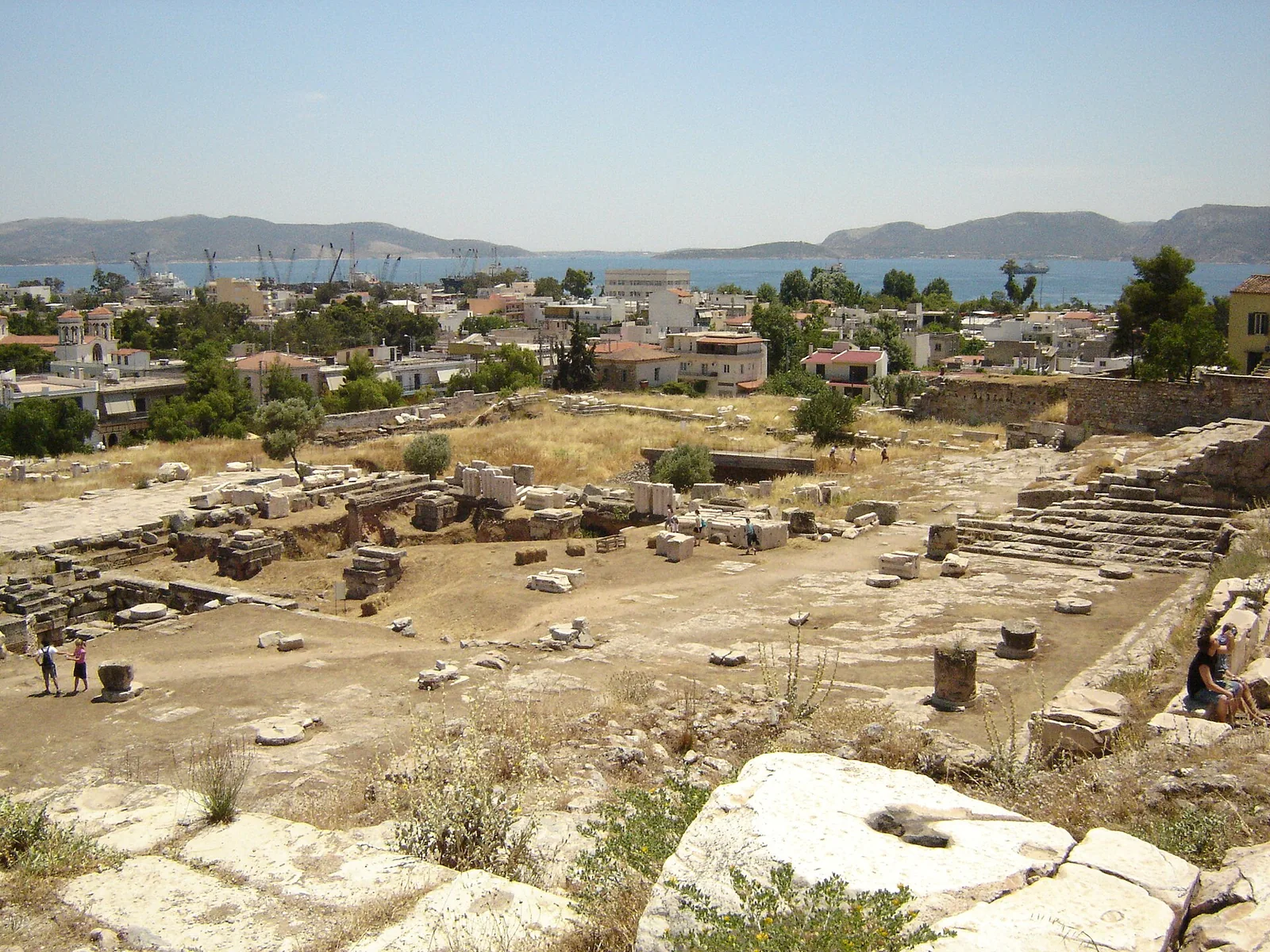
Wikimedia Commons · Public domain · file After settling eastern affairs, Marcus came to Athens and underwent initiation in the Eleusinian Mysteries. The visit is conventionally dated to 176 during his return from the eastern provinces.
Landfall at Brundisium
· Brundisium, Italy
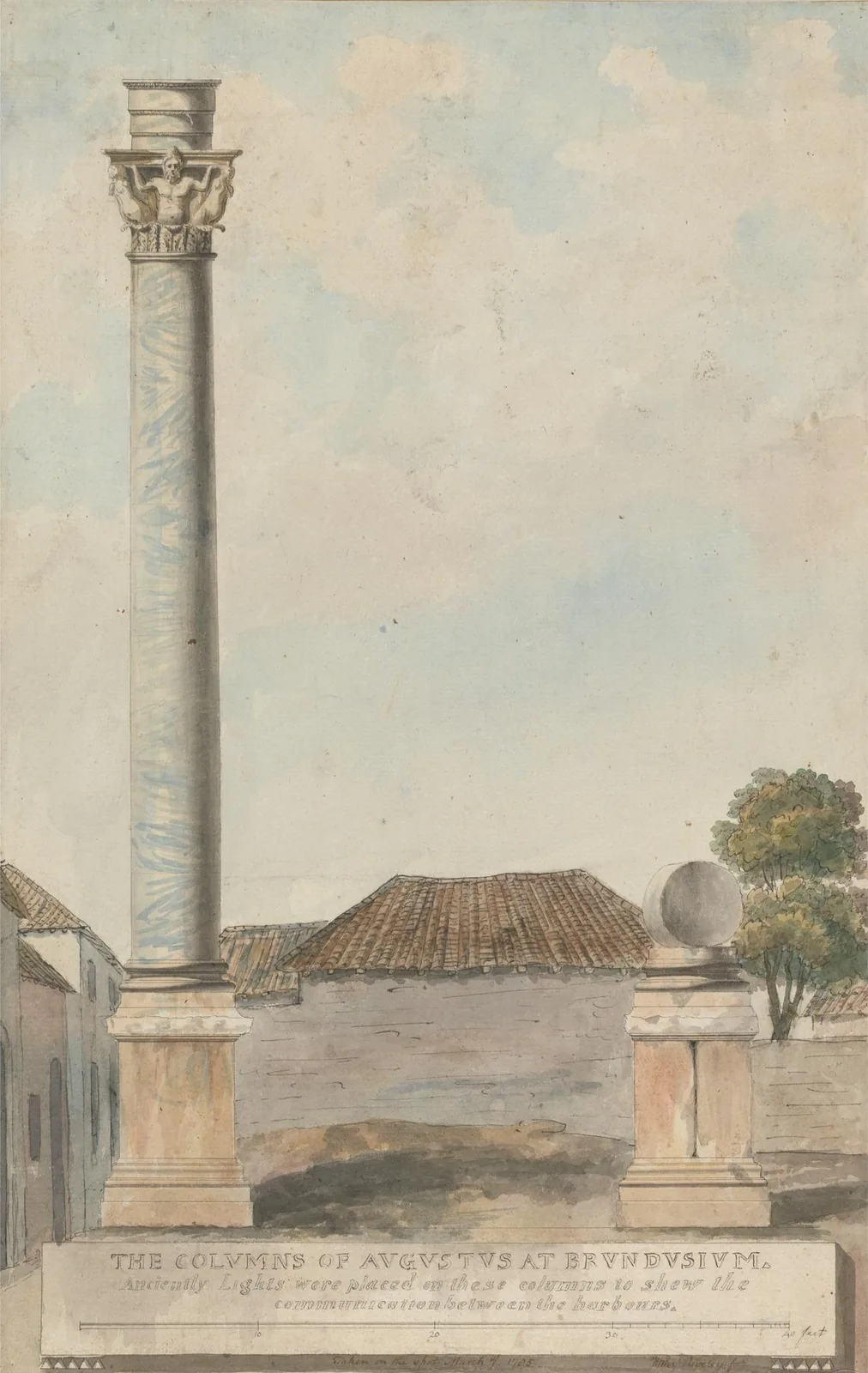
Wikimedia Commons · CC0 1.0 Universal Public Domain Dedication · file Returning from the East, Marcus reached Italy through Brundisium and symbolically exchanged military dress for civilian dress.
Triumph after the eastern tour
· Rome, Italy
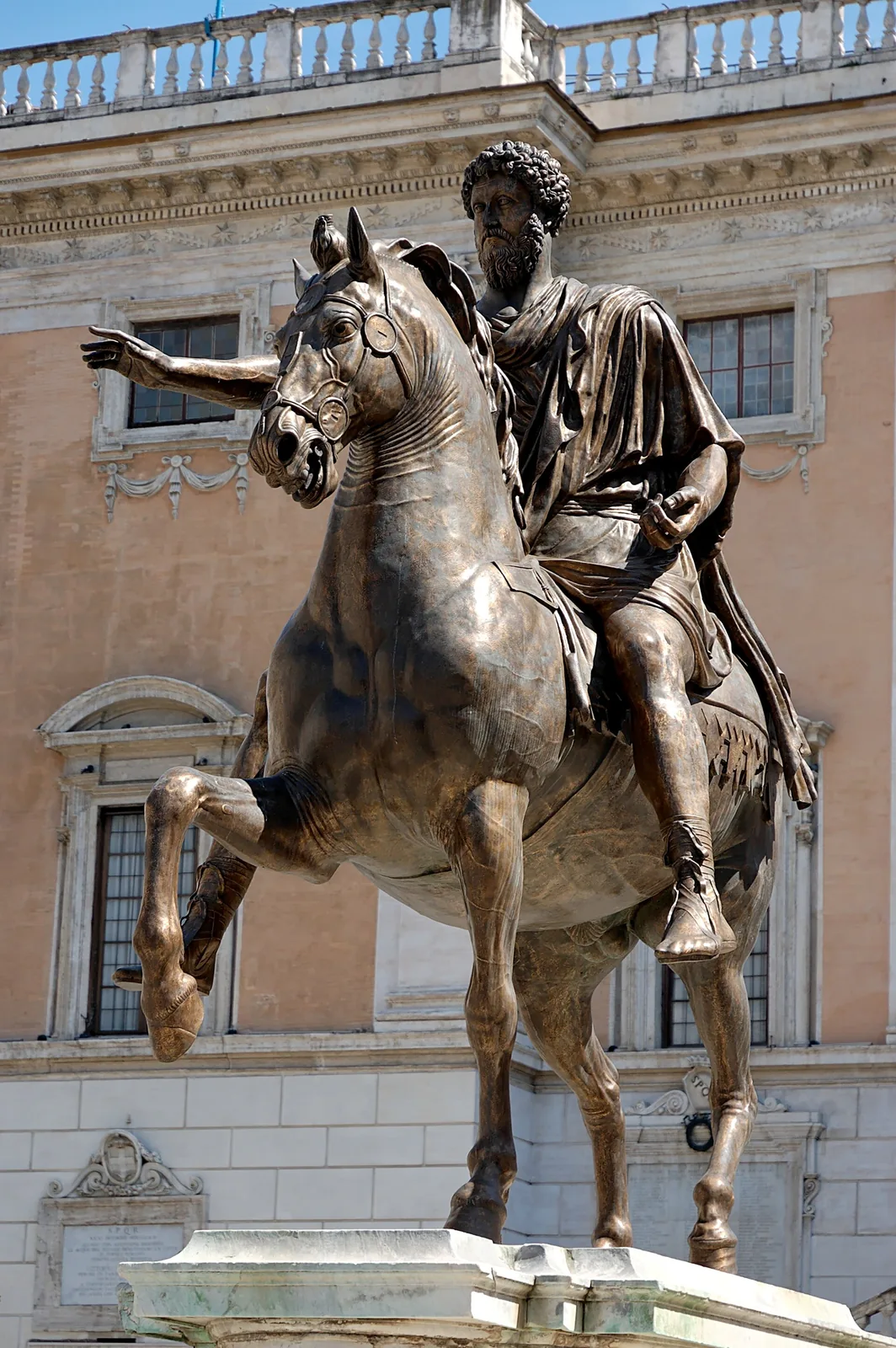
Wikimedia Commons · Public domain · file Marcus returned to Rome after his eastern journey and celebrated a triumph with Commodus for victories over Germanic and Sarmatian enemies. The joint triumph of Marcus and Commodus is dated 23 December 176.
Visit to Lavinium
· Lavinium, Latium, Italy
Immediately after reaching Rome and triumphing, Marcus went on to Lavinium. Coordinates represent ancient Lavinium at Pratica di Mare.
Second Germanic campaign at Carnuntum
· Carnuntum, Austria
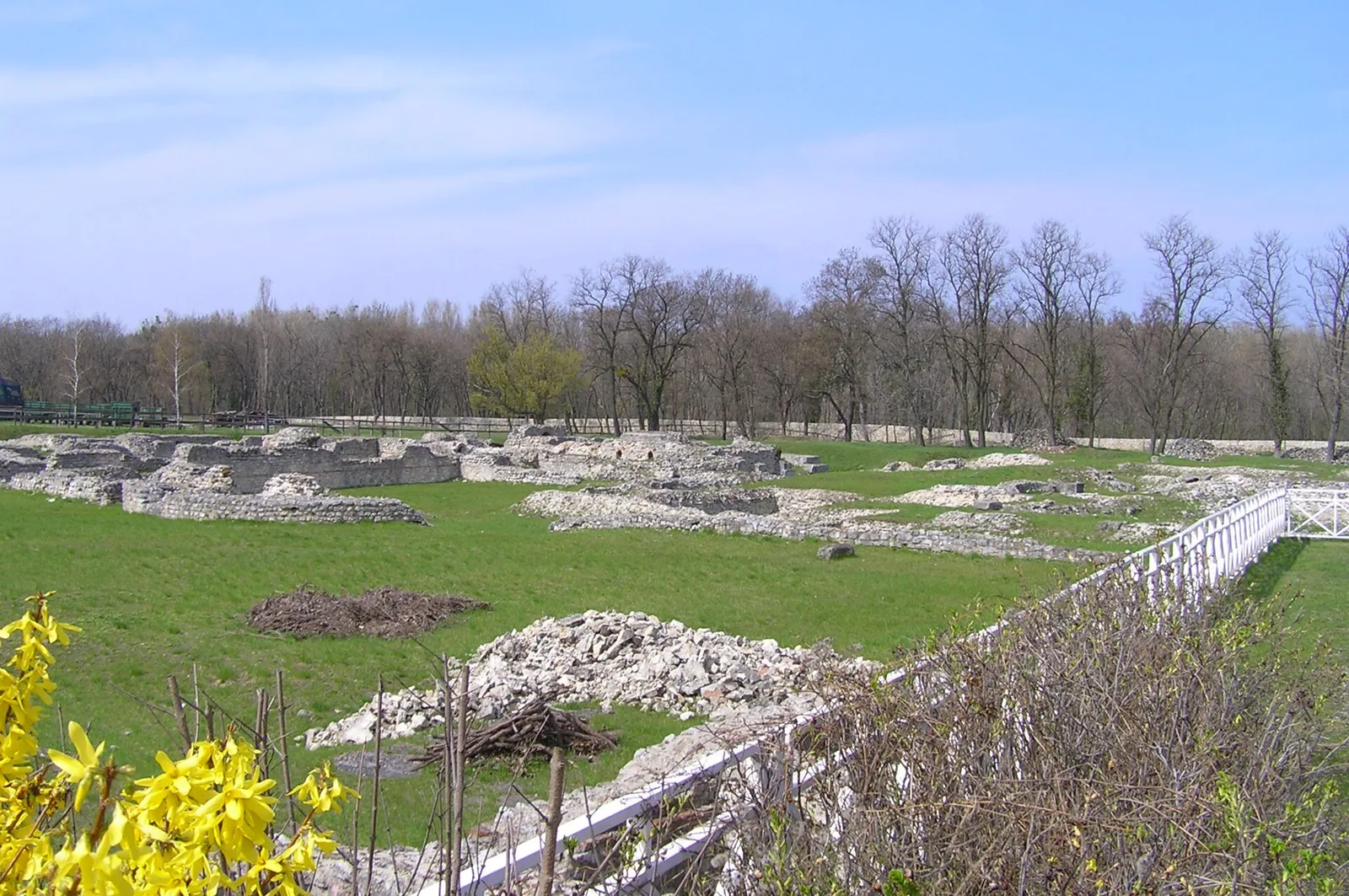
Wikimedia Commons · Public domain · file Marcus arrived at Carnuntum to lead the second Germanic expedition against the Marcomanni and Quadi.
Death in the Vindobona military quarters
· Vindobona, Vienna, Austria
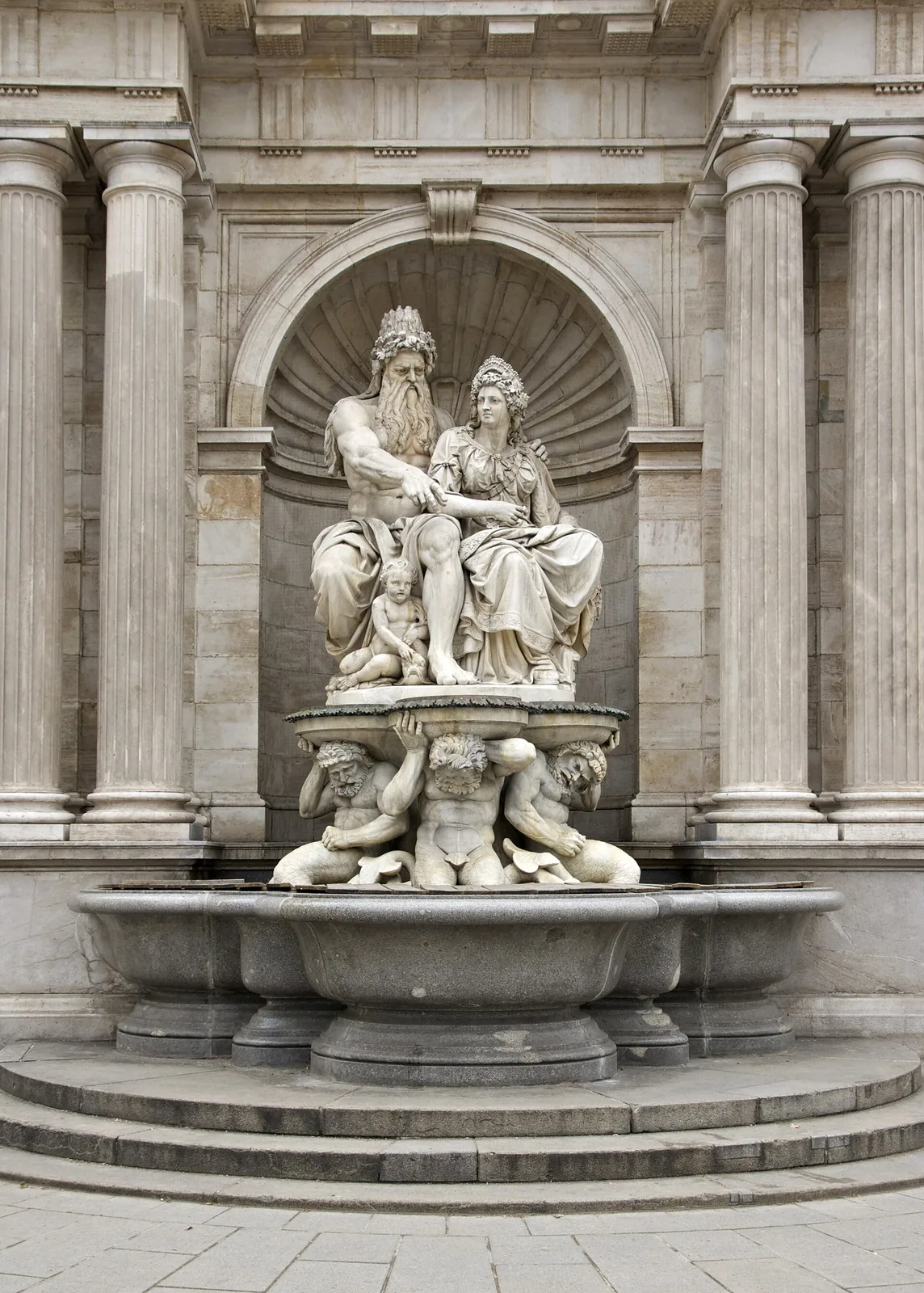
Wikimedia Commons · Public domain · file Marcus died while the second Danubian campaign was still under way, traditionally located at Vindobona, the Roman military settlement beneath modern Vienna. The death location is contested: other ancient testimony places it near Sirmium; Vindobona is the traditional and widely accepted attribution.