
15 moments
First hunt near the Ili River
· Ili River vicinity, Yili, Xinjiang, China
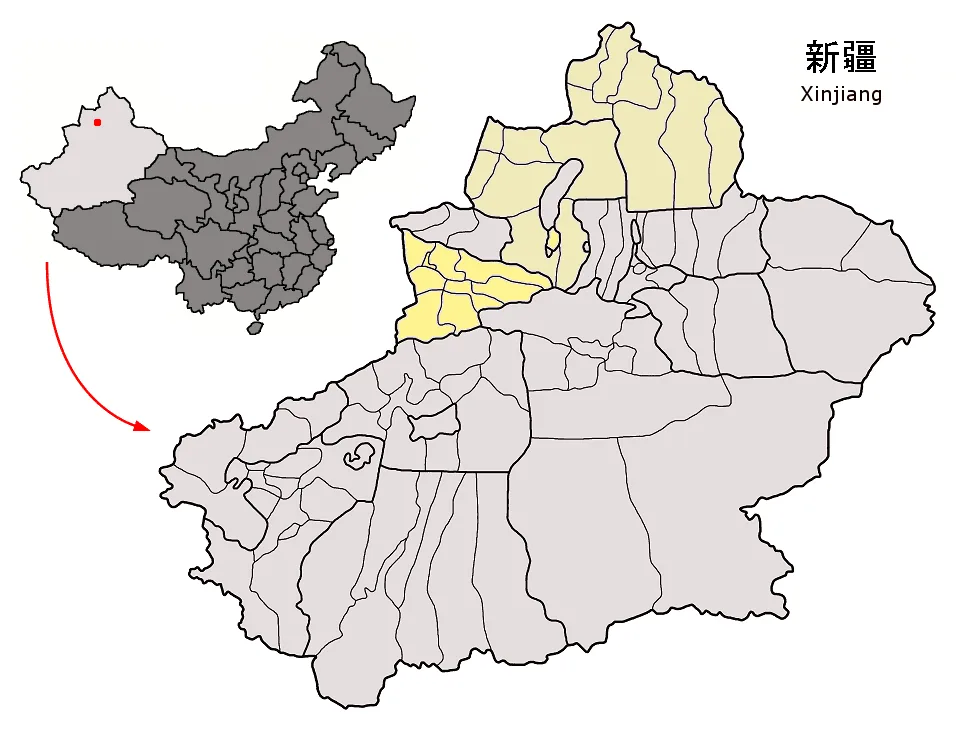
Wikimedia Commons · CC BY 3.0 · file As a child, Kublai took part in a hunt with his elder brother Möngke; Genghis Khan then performed a ceremony for them. This is the earliest specifically located presence in the available chronology. The source specifies only a location near the Ili River; coordinates are a representative point in the Yili valley.
Arrival at his Hebei appanage
· Hebei, China
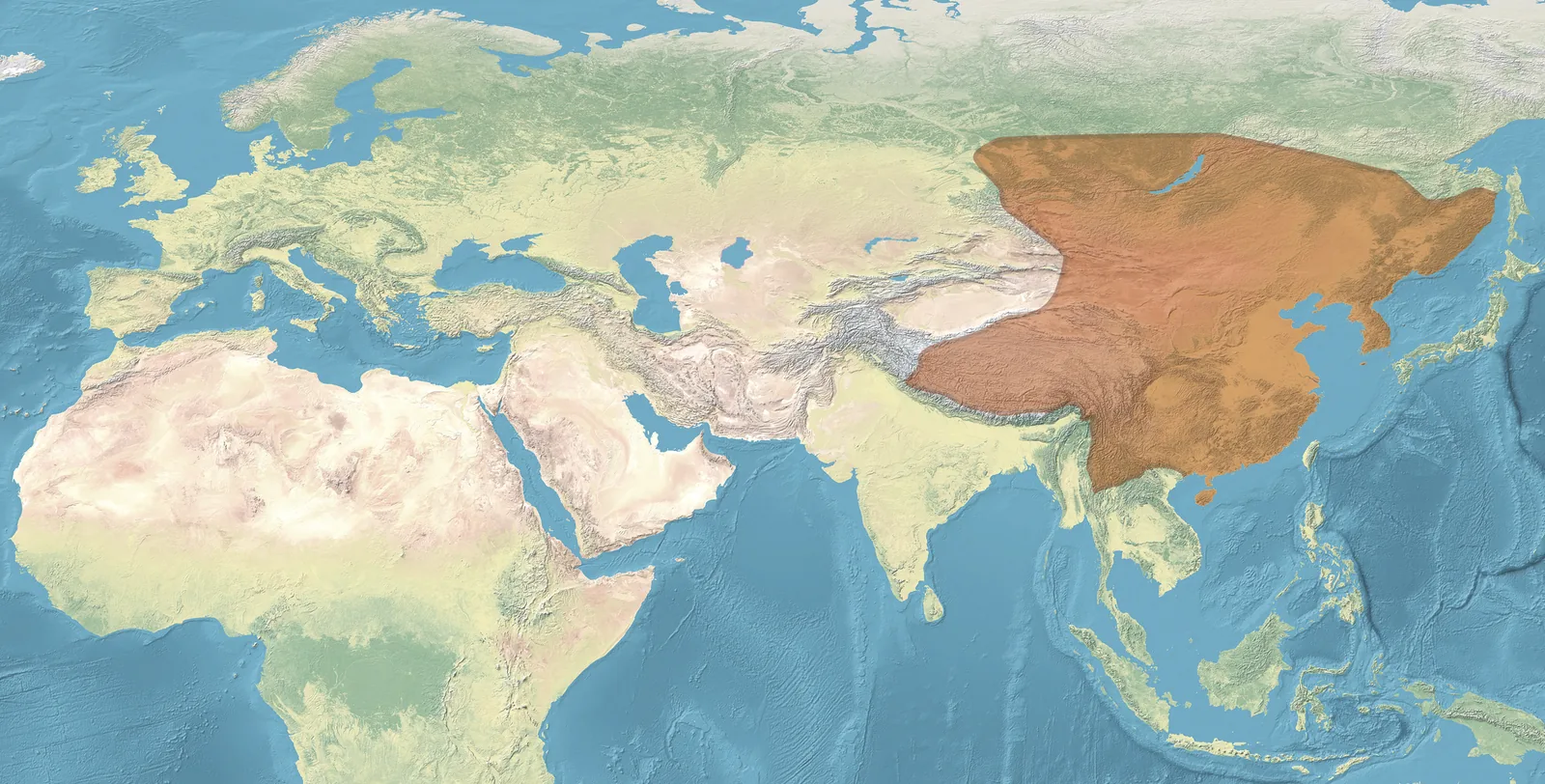
Wikimedia Commons · CC0 1.0 Universal Public Domain Dedication · file After Ögedei assigned Tolui's family households in Hebei, Kublai went to his own estate and began reforms of its administration and taxation. The source places his arrival shortly after the 1236 grant but gives no more precise date or estate location; coordinates represent central Hebei.
Meeting Haiyun at Karakorum
· Karakorum, Övörkhangai Province, Mongolia
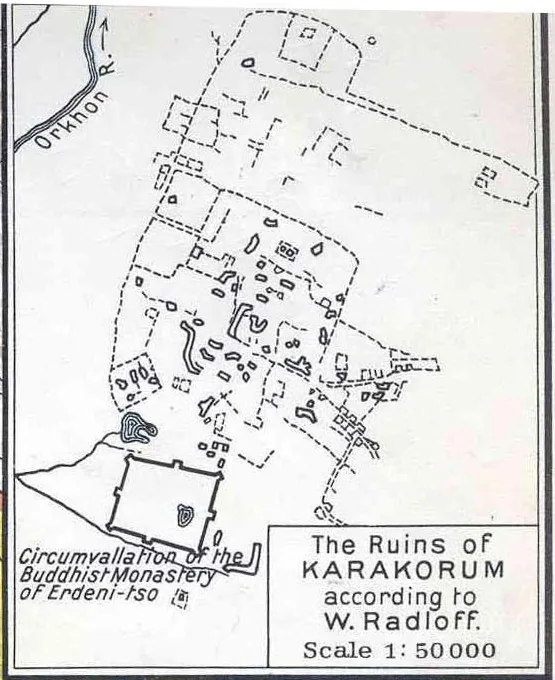
Wikimedia Commons · Public domain · file Kublai met the Buddhist monk Haiyun at Karakorum, an encounter associated with Kublai's early interest in Buddhism and Han Chinese culture.
Viceroy in central Inner Mongolia
· Central Inner Mongolia, China
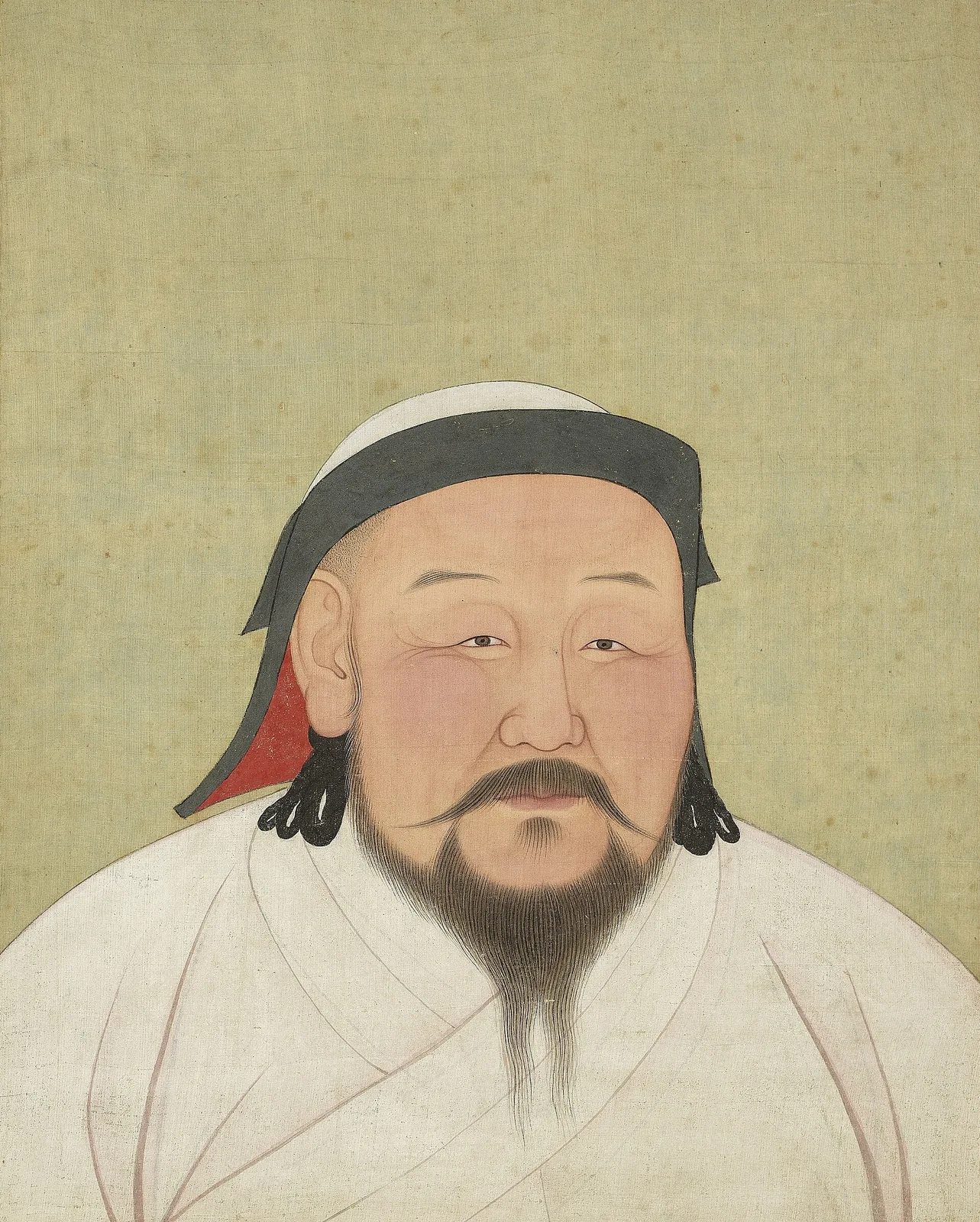
Wikimedia Commons · Public domain · file After Möngke became khan, Kublai was assigned the viceroyalty of northern China and relocated his mobile court to central Inner Mongolia. The source identifies central Inner Mongolia rather than a named encampment; coordinates are representative.
Capture of Dali
· Dali, Yunnan, China
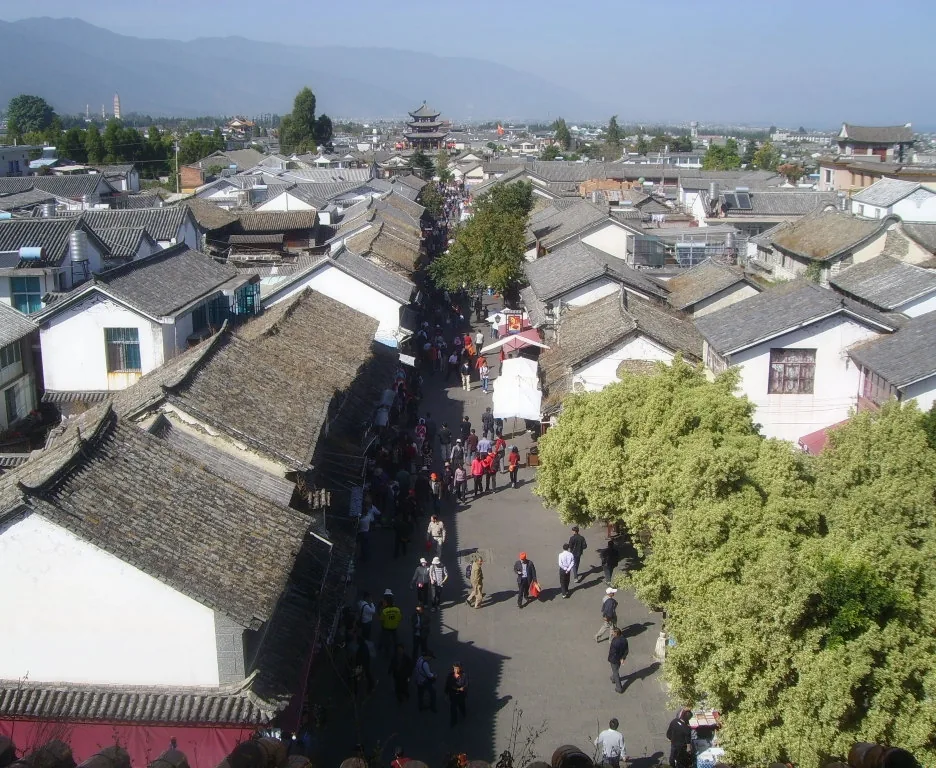
Wikimedia Commons · CC BY-SA 3.0 · file During the Mongol campaign in Yunnan, Kublai reached and took the Dali capital; the account says he spared its inhabitants after the killing of Mongol envoys. The article dates Kublai's Yunnan campaign to 1253 but does not provide a more precise capture date.
Return to Mongolia from Yunnan
· Mongolia
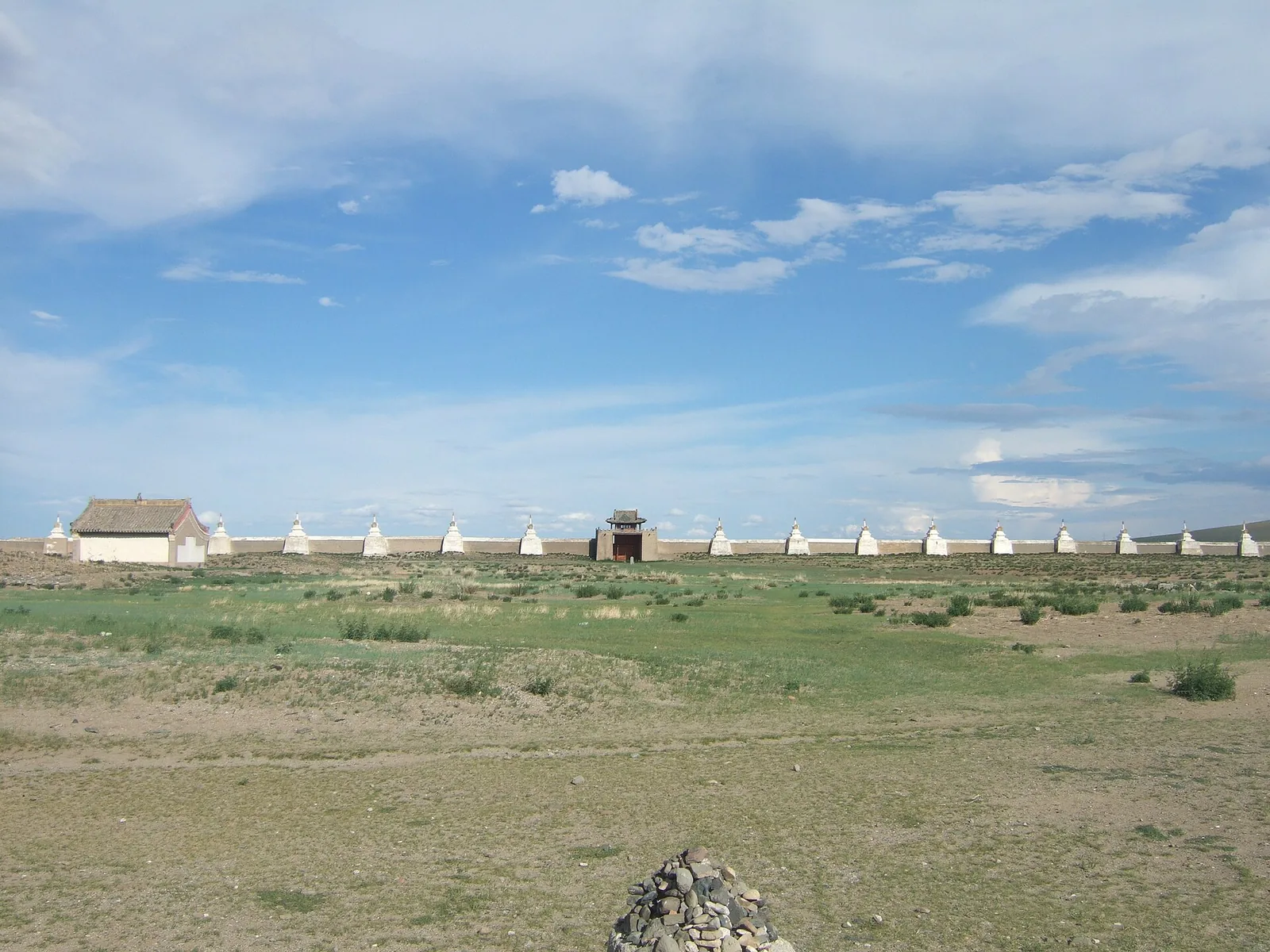
Wikimedia Commons · CC BY 2.5 · file Following the conquest of the Dali Kingdom, Kublai returned north to Mongolia in winter, leaving Uriyangkhadai to continue operations against local Yi groups. The timeline specifies winter 1254 but the required date format permits year precision only; coordinates represent Mongolia broadly.
Return to Mongolia to placate Möngke
· Mongolia
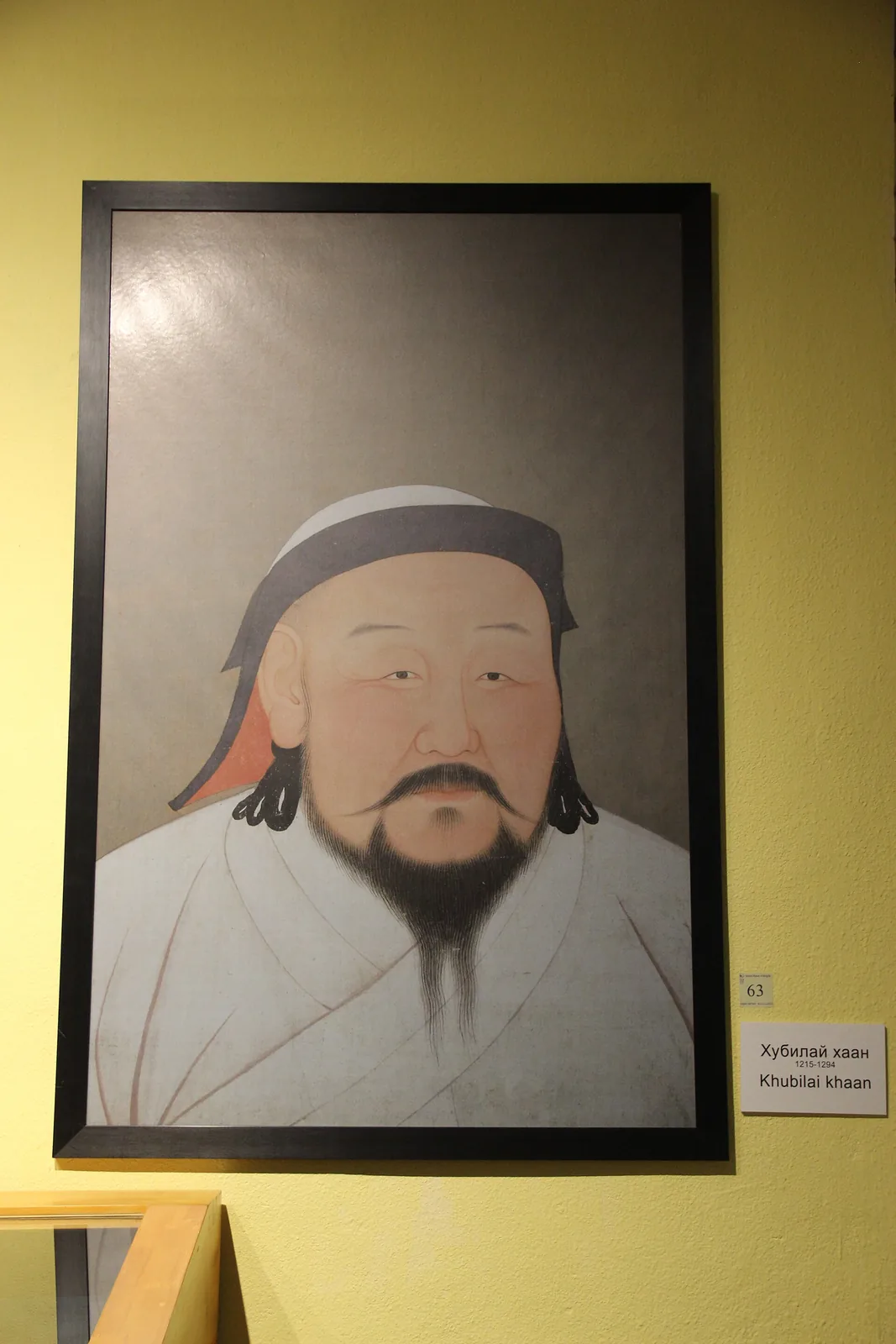
Wikimedia Commons · CC0 1.0 Universal Public Domain Dedication · file Amid the investigation of his administration by Möngke, Kublai returned to Mongolia to reconcile with his brother. No more specific location in Mongolia is supplied; coordinates are representative.
Song campaign at Wuchang
· Wuchang, Wuhan, Hubei, China
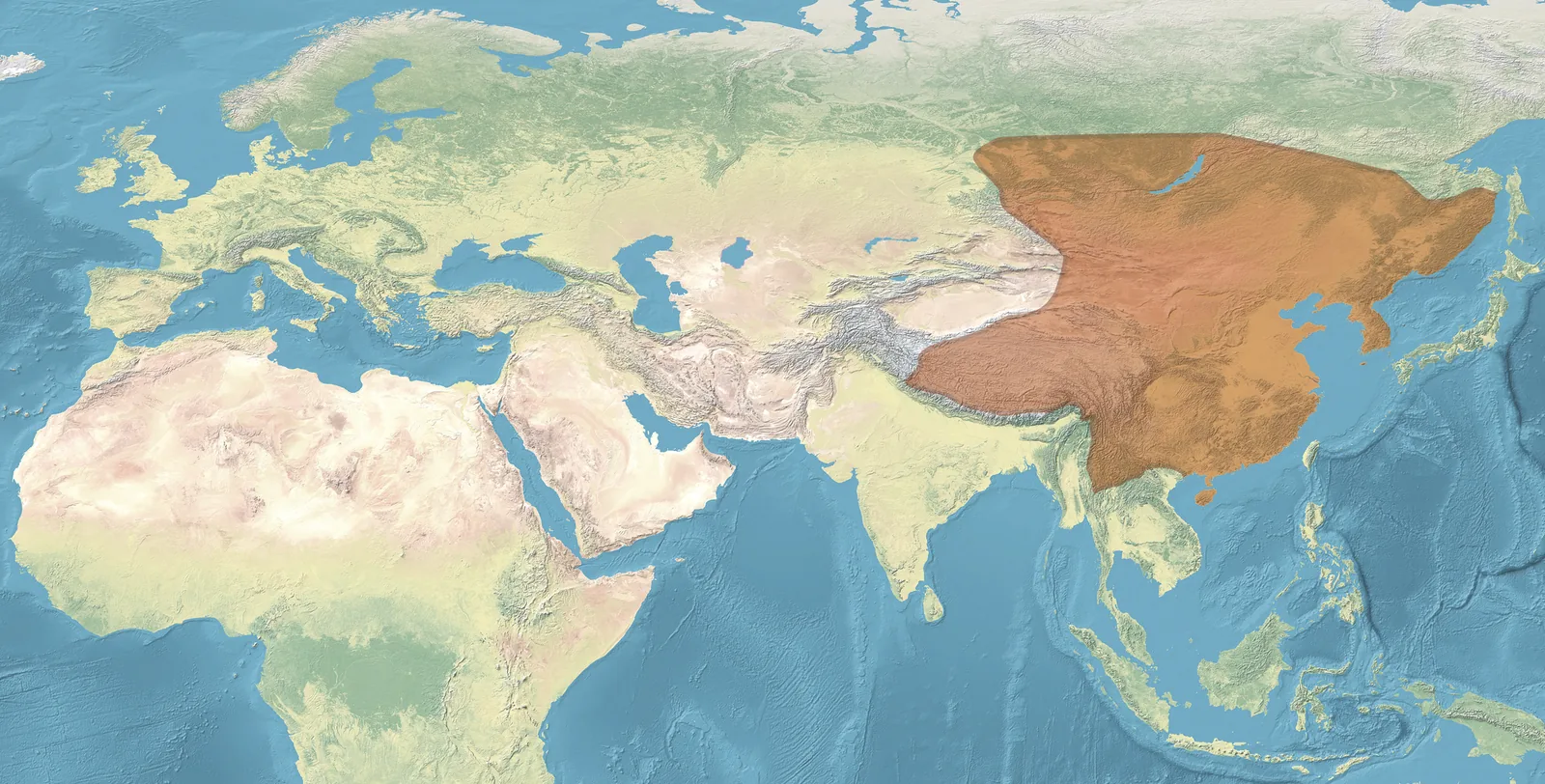
Wikimedia Commons · CC0 1.0 Universal Public Domain Dedication · file After learning of Möngke's death, Kublai continued the southern campaign around Wuhan; Uriyangkhadai joined him while Kublai's force besieged Wuchang. The source uses both Wuhan and Wuchang; the coordinate is for historic Wuchang, now part of Wuhan.
Enthronement at Shangdu
· Shangdu (Xanadu), Zhenglan Banner, Inner Mongolia, China
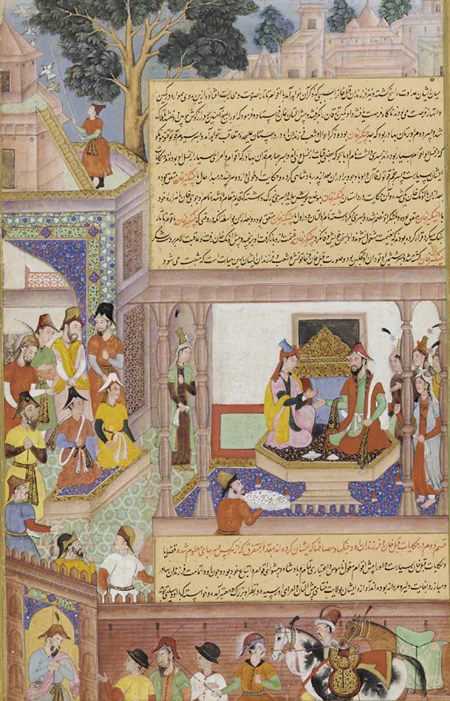
Wikimedia Commons · Public domain · file Kublai was proclaimed Khagan at his Shangdu residence and began organizing the state from this court center.
Ariq Böke's surrender at Xanadu
· Shangdu (Xanadu), Zhenglan Banner, Inner Mongolia, China
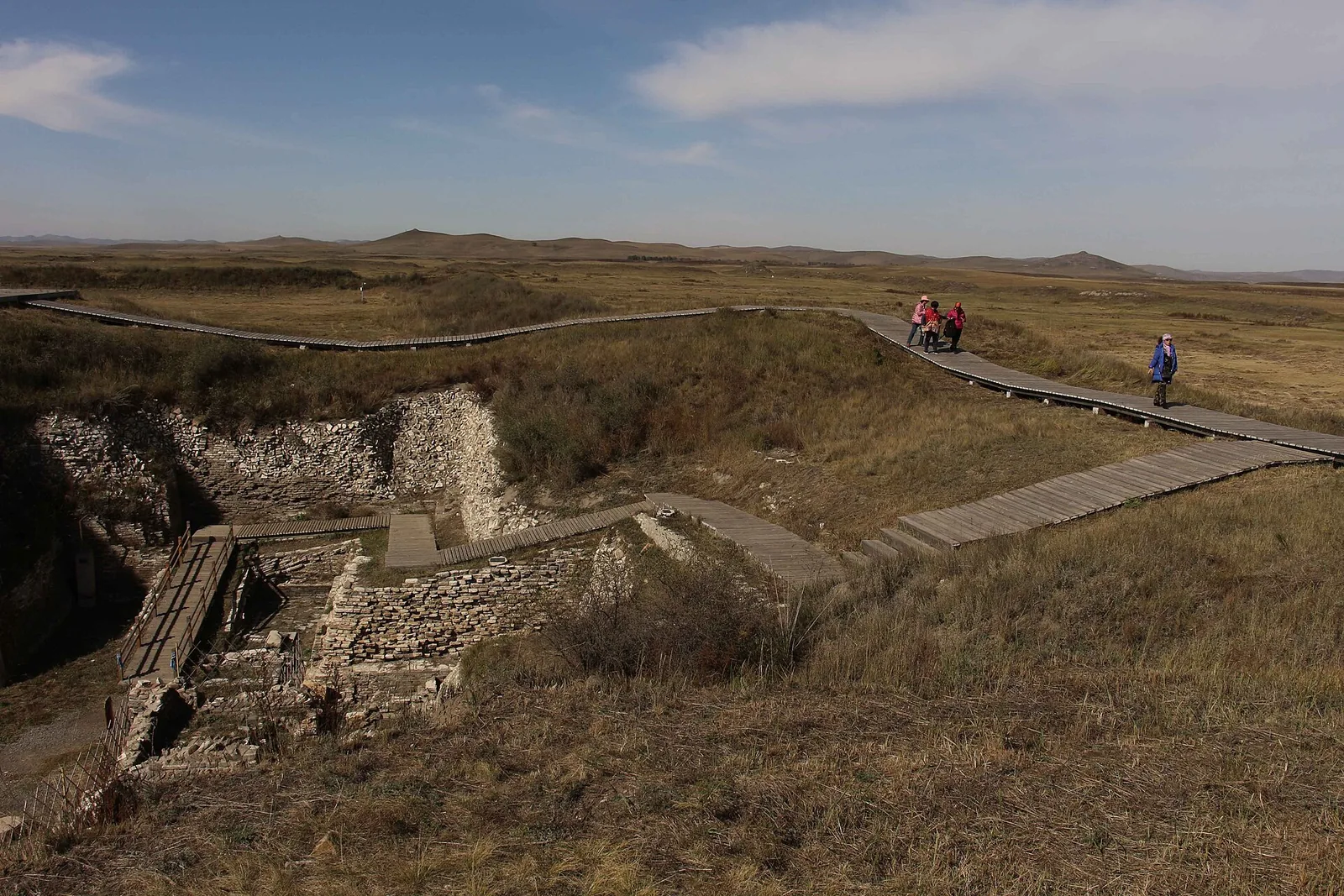
Wikimedia Commons · CC BY-SA 4.0 · file The surrender of Kublai's rival brother Ariq Böke at Xanadu ended the main phase of the Toluid Civil War and confirmed Kublai's position. Xanadu is the alternate name of Shangdu.
Move of headquarters to Khanbaliq
· Dadu (Khanbaliq; modern Beijing), China
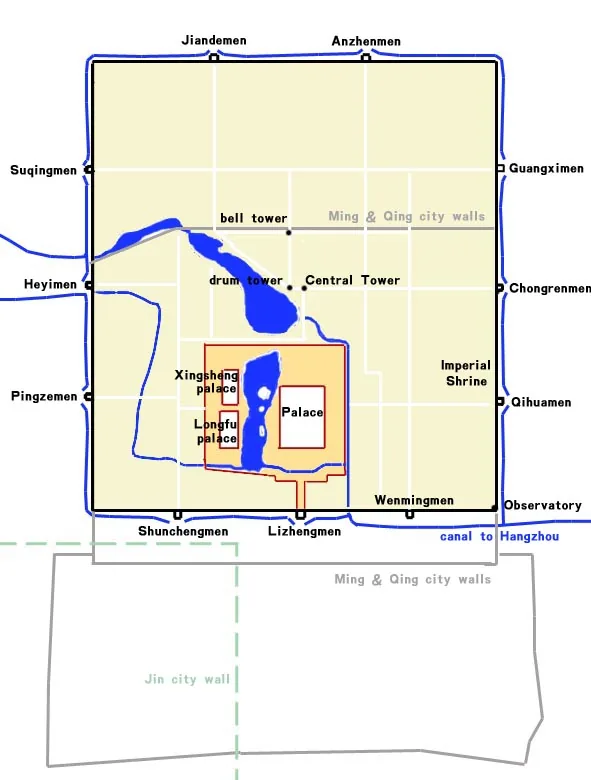
Wikimedia Commons · Public domain · file Kublai transferred his headquarters to Khanbaliq (Dadu), making the site of modern Beijing the central seat of his Yuan government. The source gives the year 1271 in the preceding sentence but not a more precise date; coordinates represent historic Dadu within modern Beijing.
Meeting the Polos at his summer seat
· Shangdu (K'ai-ping-fu/Xanadu), Zhenglan Banner, Inner Mongolia, China
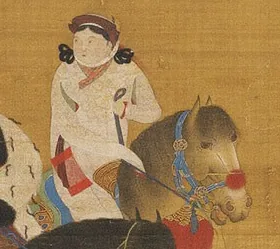
Wikimedia Commons · Public domain · file Kublai received Niccolò, Maffeo, and Marco Polo at his summer seat of K'ai-ping-fu, another name for Shangdu, where they delivered Pope Gregory X's letter. K'ai-ping-fu is the historical name of Shangdu.
Departure from Shangdu for the Nayan campaign
· Shangdu (Xanadu), Zhenglan Banner, Inner Mongolia, China
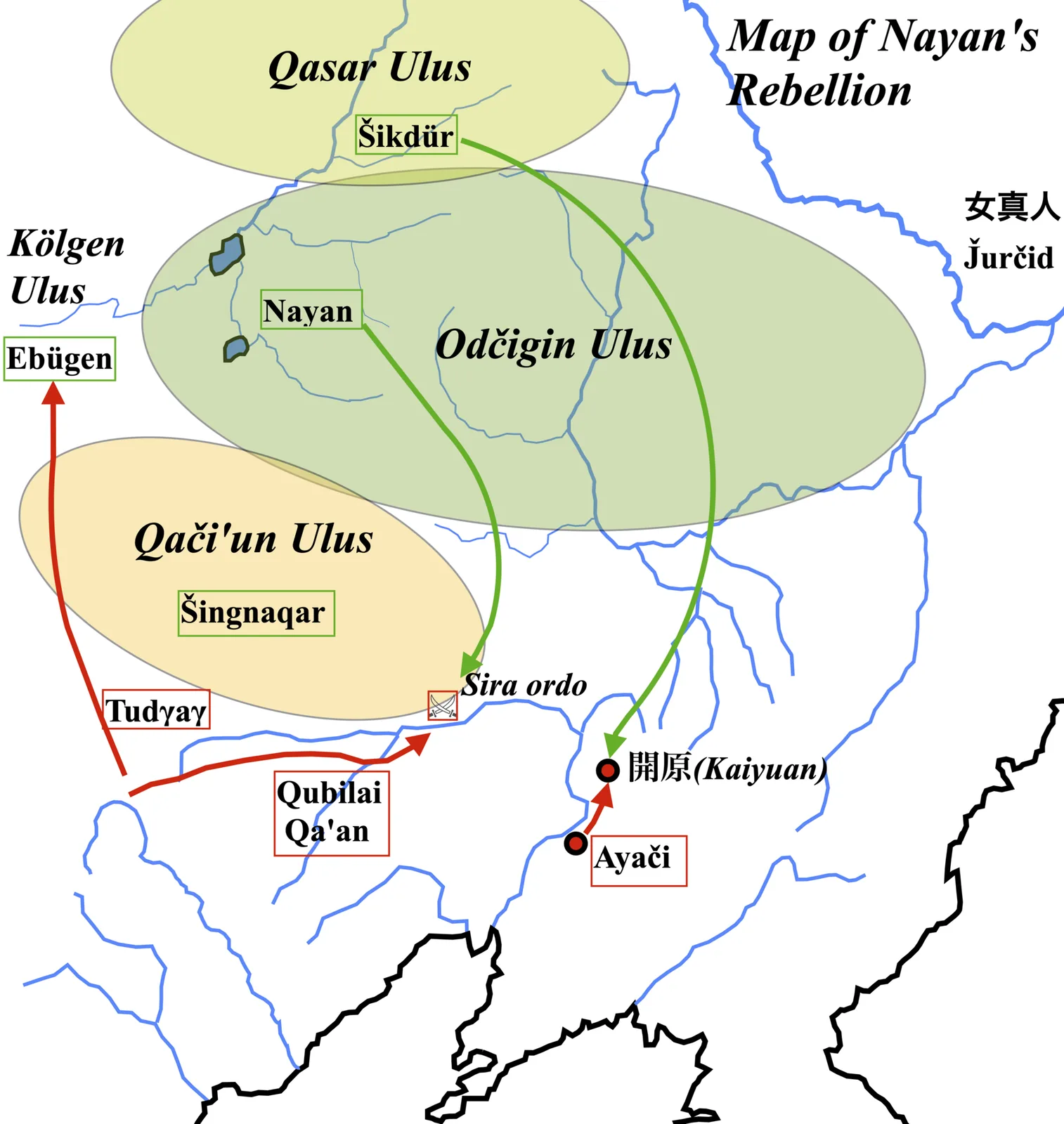
Wikimedia Commons · CC0 1.0 Universal Public Domain Dedication · file During Nayan's rebellion, Kublai left Shangdu in late June to lead the campaign against the rebels in Manchuria. The departure day is uncertain between 24 and 25 June; date is recorded at month precision.
Return to Shangdu after the Nayan campaign
· Shangdu (Xanadu), Zhenglan Banner, Inner Mongolia, China
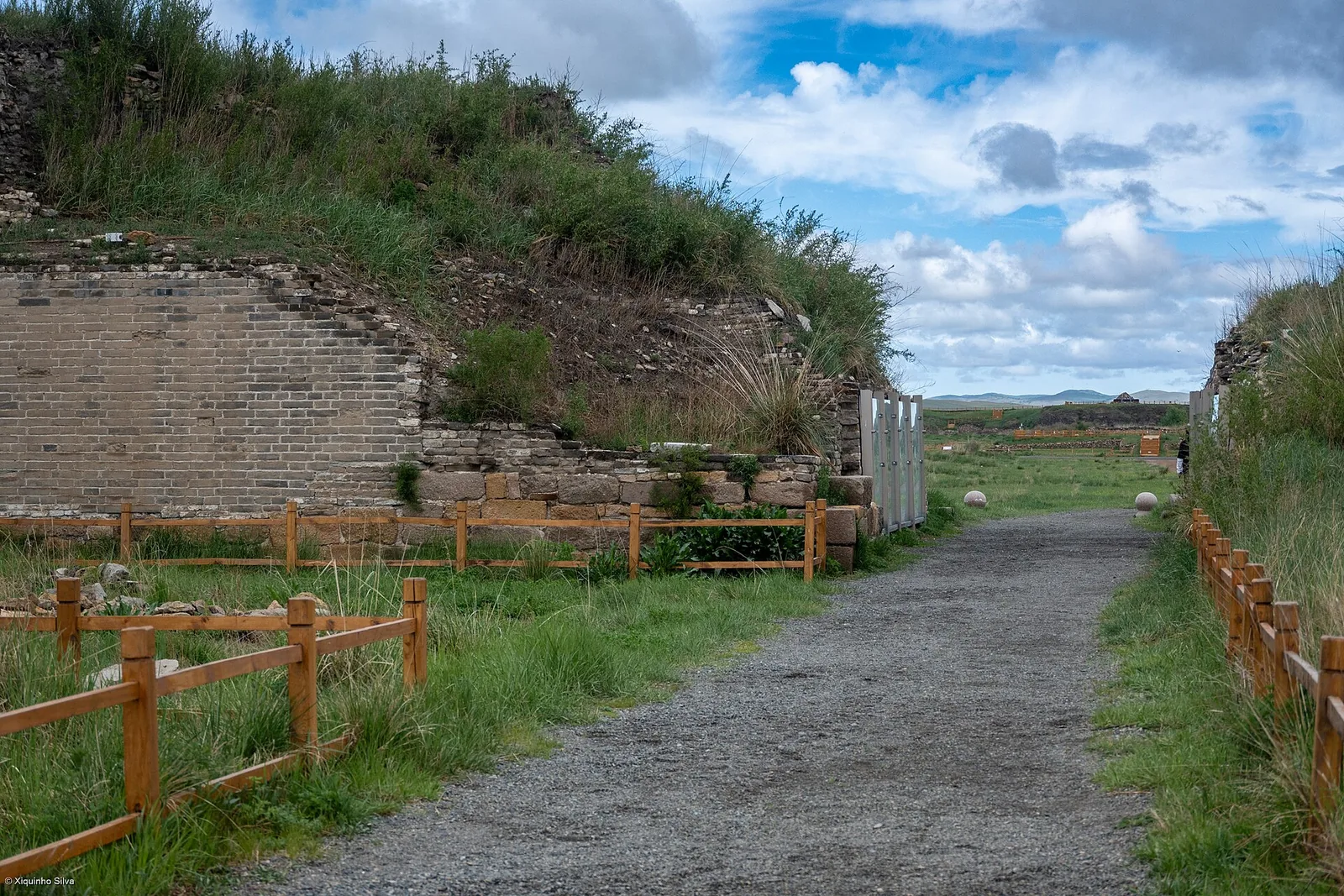
Wikimedia Commons · CC BY 2.0 · file After the fighting against Nayan's associates continued, Kublai returned to Shangdu in September 1287.
Death at Dadu
· Dadu (Khanbaliq; modern Beijing), China
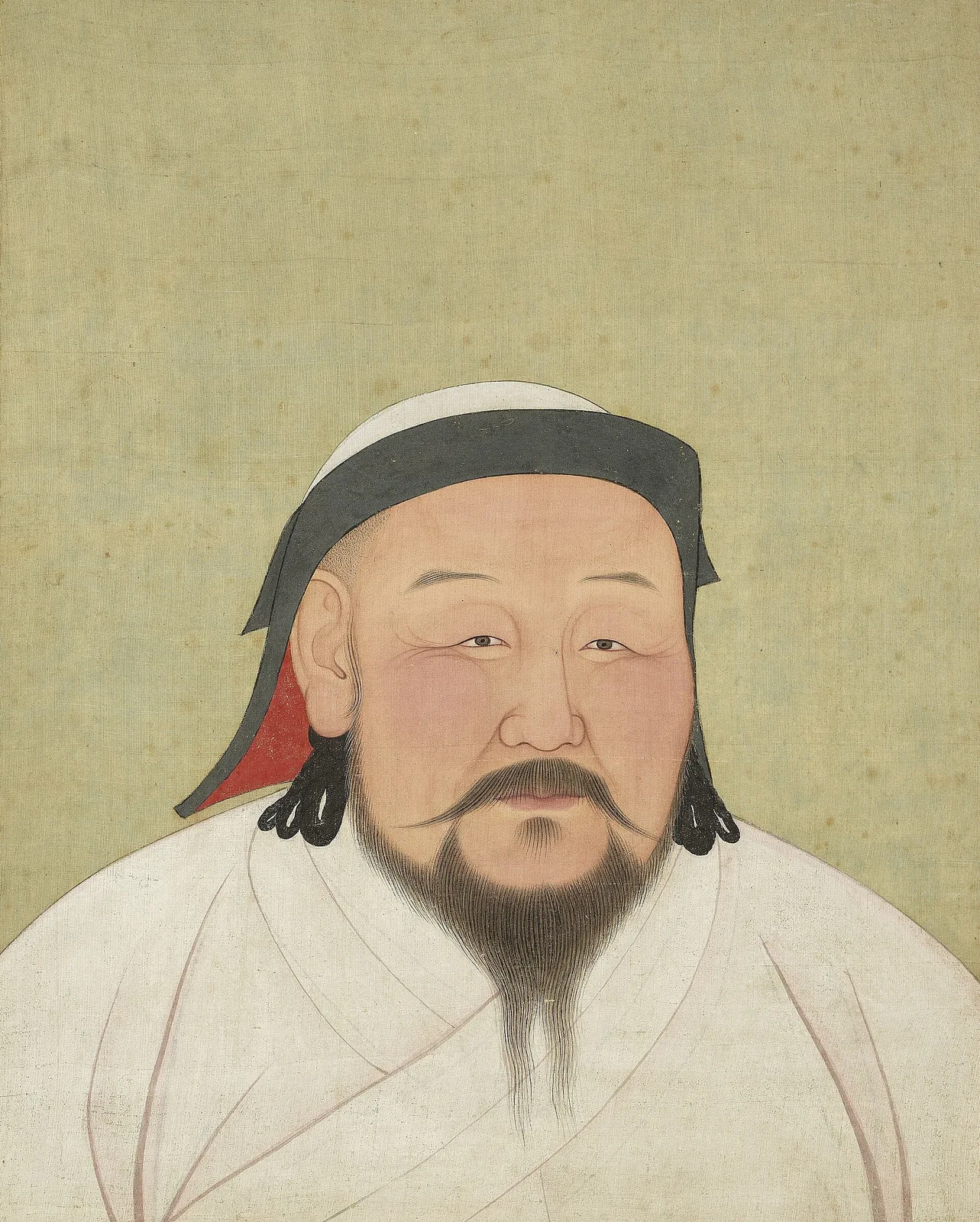
Wikimedia Commons · Public domain · file Kublai died at Dadu after a final period of illness; the Yuan capital was the location of his death. Coordinates represent historic Dadu within modern Beijing.