
11 moments
Birth in Sydney
· Sydney, New South Wales, Australia
John Warcup Cornforth was born in Sydney, beginning a career that would later span Australian and British scientific institutions. Coordinate is a representative central point for Sydney; the birth site is not specified.
Graduation from Sydney Boys' High School
· Sydney Boys High School, Moore Park, Sydney, New South Wales, Australia
Cornforth completed secondary school as dux of Sydney Boys' High School, where his interest in chemistry was encouraged.
Matriculation at the University of Sydney
· University of Sydney, Camperdown, Sydney, New South Wales, Australia
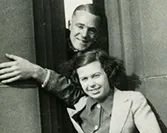
Wikimedia Commons · Public domain · file Cornforth began studying organic chemistry at the University of Sydney, where he later earned first-class honours and the University Medal.
Doctoral research with Robert Robinson
· University of Oxford, Oxford, England, United Kingdom
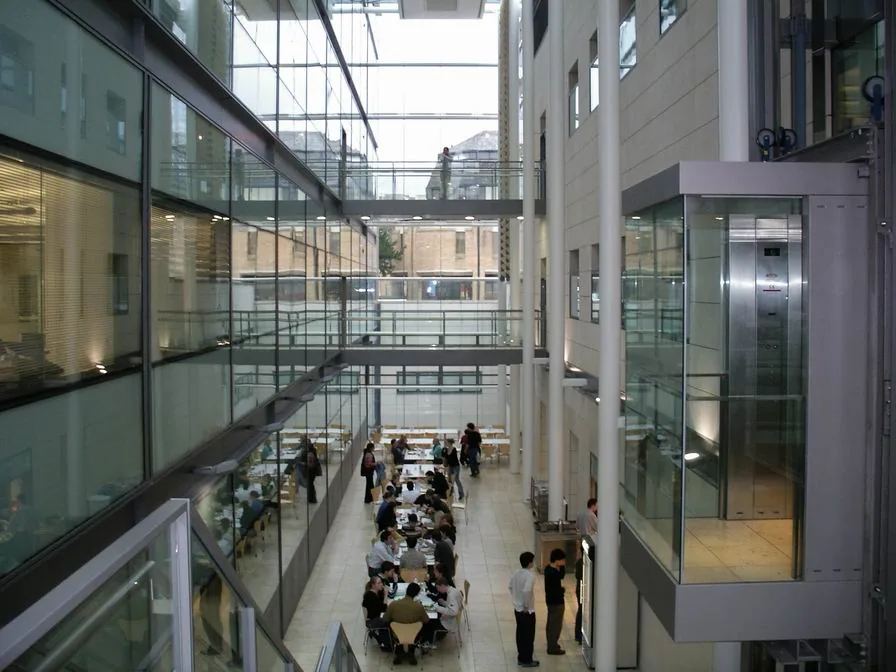
Wikimedia Commons · Creative Commons Attribution-Share Alike 3.0 Unported · file After moving to Oxford on an overseas scholarship, Cornforth joined Robert Robinson's research group and began the work that led to his DPhil. Coordinate is a representative point for the University of Oxford; the cited account does not identify a particular laboratory building.
Departure for Britain aboard SS Orama
· Sydney Harbour, Sydney, New South Wales, Australia
Cornforth and Rita Harradence left Sydney after receiving 1851 Research Fellowships to undertake doctoral study at Oxford. Coordinate is a representative point for Sydney Harbour; the ship's exact berth is not specified.
Medical Research Council work at Hampstead
· National Institute for Medical Research, Hampstead, London, England, United Kingdom
After the Second World War, Cornforth moved to Hampstead and worked in Medical Research Council laboratories, continuing his research in steroid chemistry. Coordinate represents the former Hampstead National Institute for Medical Research premises; the exact date of his later transfer to Mill Hill is not specified in this source.
Steroid synthesis at NIMR, Mill Hill
· National Institute for Medical Research, Mill Hill, London, England, United Kingdom
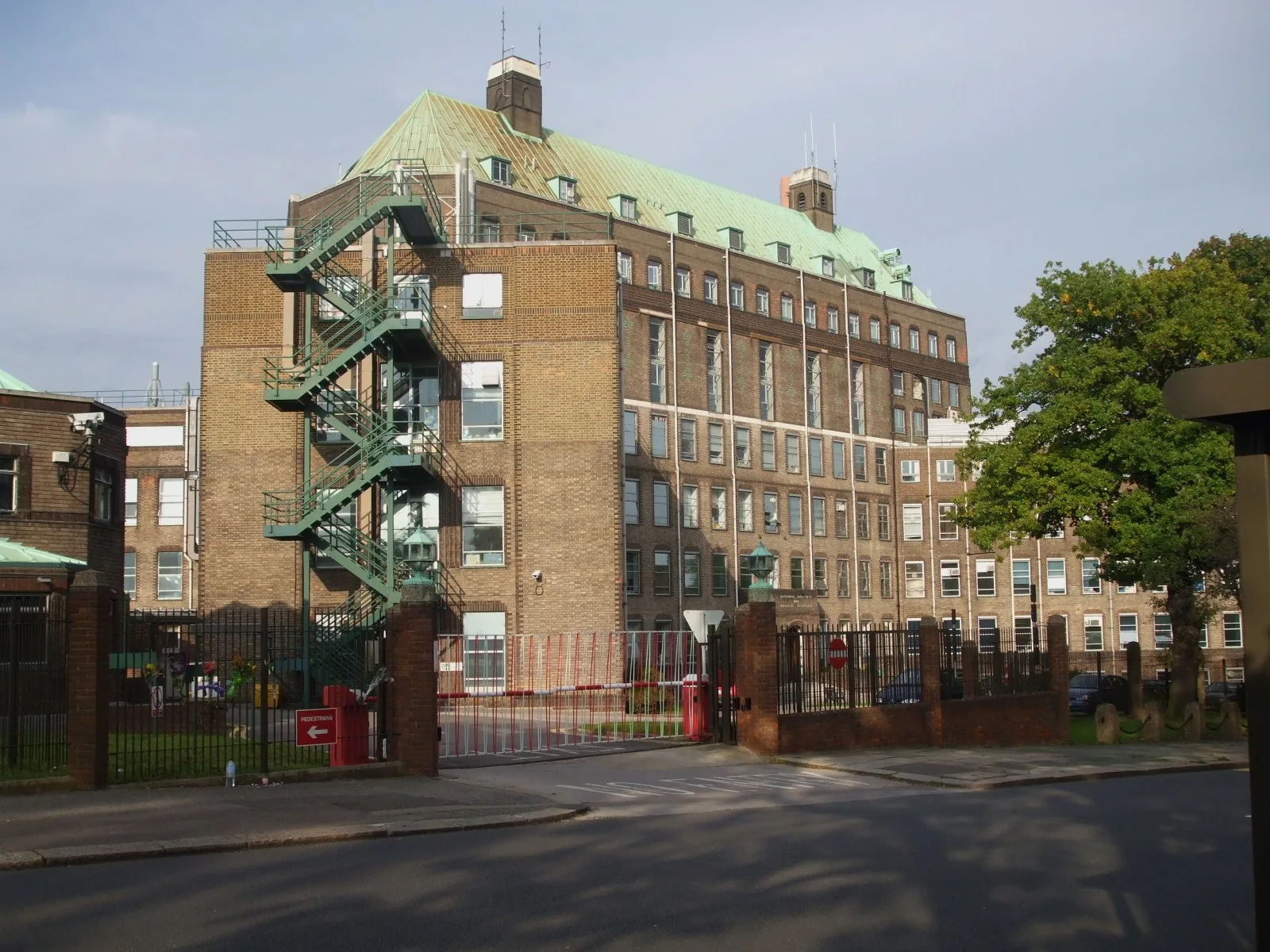
Wikimedia Commons · Creative Commons Attribution-Share Alike 3.0 Unported · file While based at the National Institute for Medical Research, Cornforth completed the total synthesis of a non-aromatic steroid, a major achievement in his early postwar research. NIMR had moved to Mill Hill in 1950; coordinate is the former Mill Hill NIMR site.
Co-directorship of the Milstead Laboratory
· Milstead Laboratory of Chemical Enzymology, Sittingbourne, Kent, England, United Kingdom
Cornforth moved from the MRC to Shell's Milstead Laboratory of Chemical Enzymology at Sittingbourne, where his enzyme-mechanism research developed further. Coordinate is a representative point for the former Shell/Kent Science Park laboratory area in Sittingbourne.
Professor at the University of Warwick
· University of Warwick, Coventry, England, United Kingdom
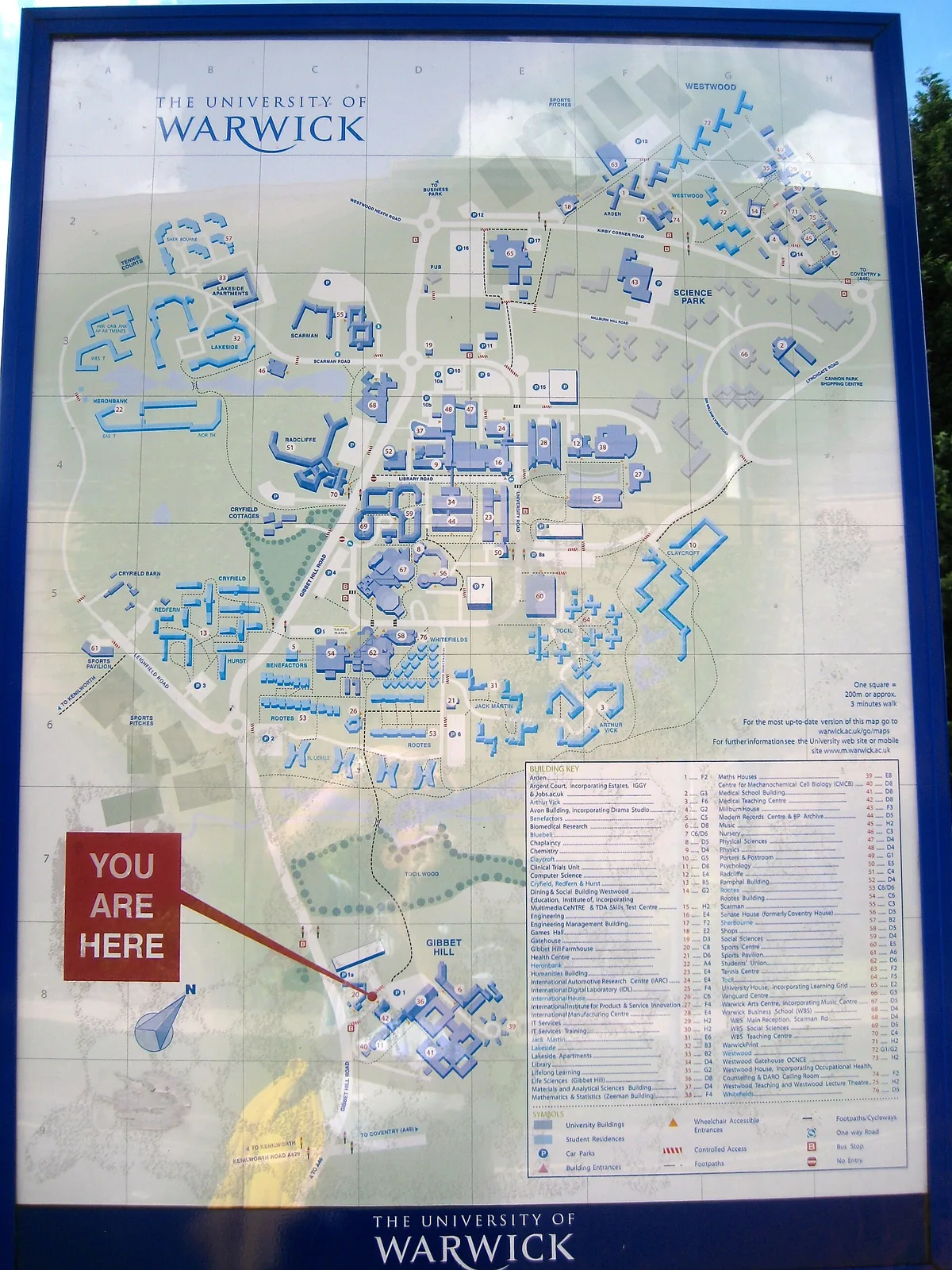
Wikimedia Commons · Creative Commons Attribution-ShareAlike 2.0 Generic · file While continuing MRC-associated research, Cornforth held a professorship at the University of Warwick from 1965 to 1971.
Royal Society Research Professorship at Sussex
· University of Sussex, Falmer, Brighton, England, United Kingdom
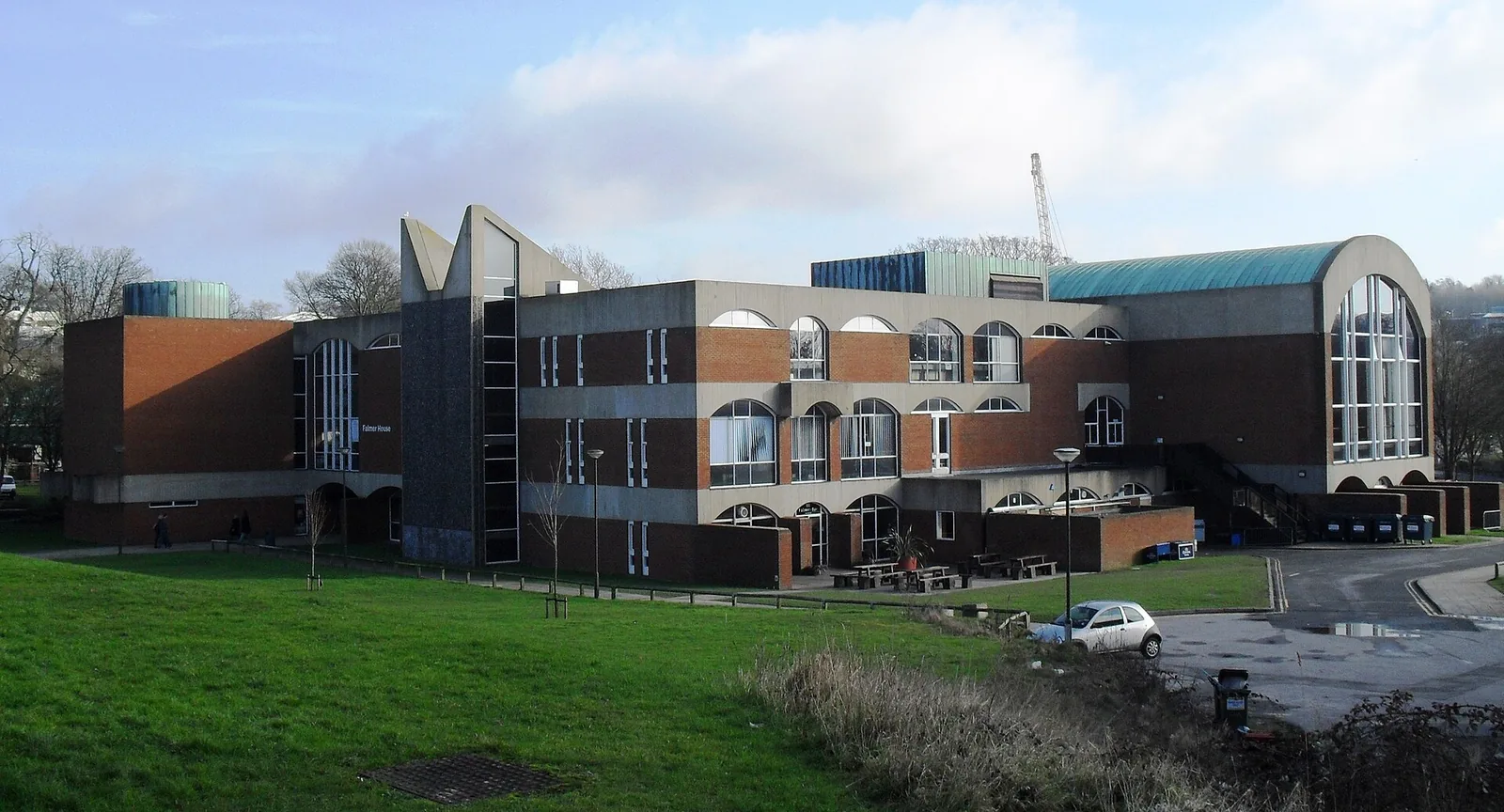
Wikimedia Commons · Public domain · file In the year he received the Nobel Prize in Chemistry, Cornforth moved to the University of Sussex in Brighton as a Royal Society Research Professor.
Death in Sussex
· Sussex, England, United Kingdom
Cornforth died in Sussex at age 96, after remaining associated with the University of Sussex for the latter part of his career. The source identifies Sussex but not a more precise death location; coordinate is a representative point for Sussex.