
16 moments
Birth in Greenock
· Greenock, Renfrewshire, Scotland
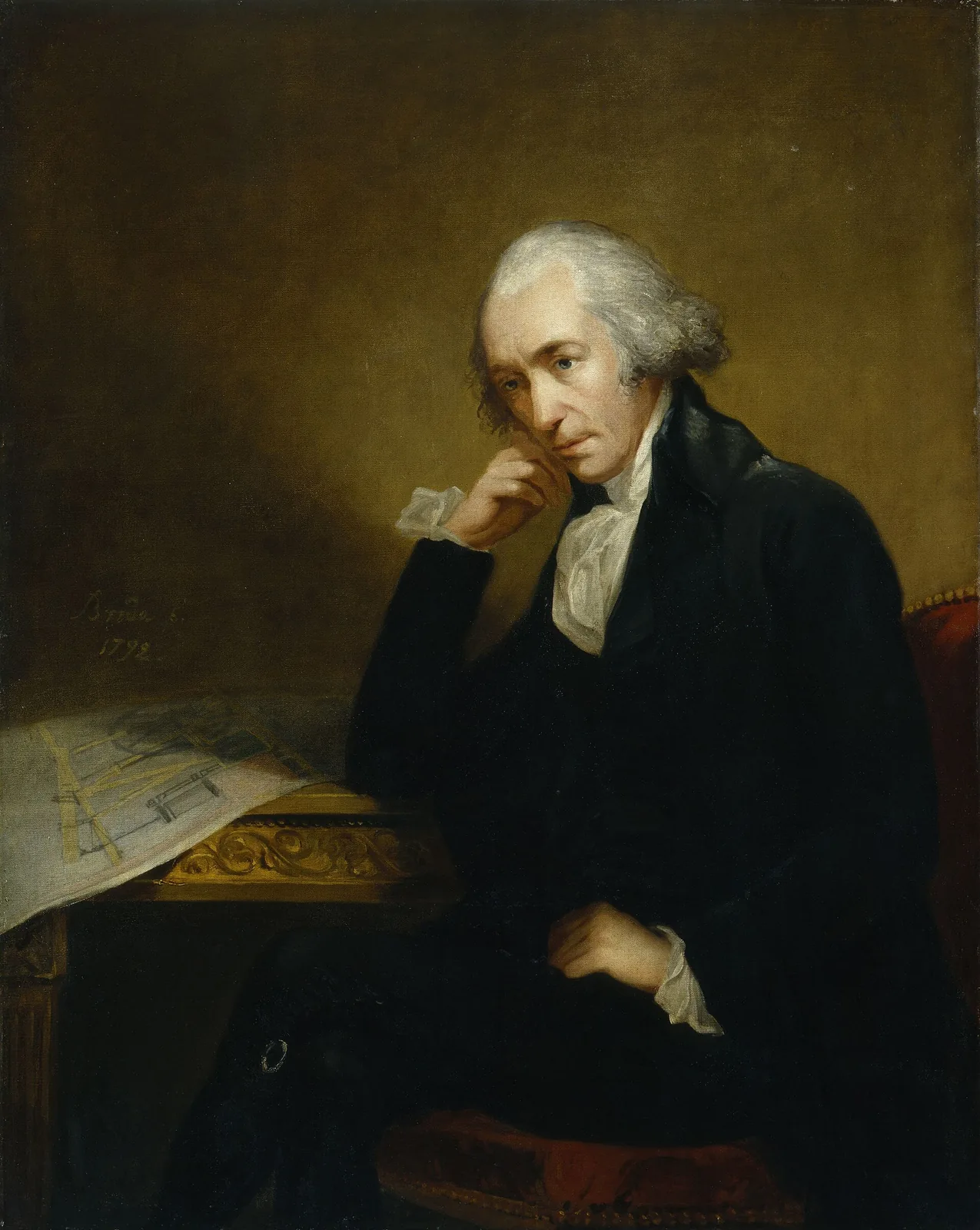
Wikimedia Commons · Public domain · file James Watt was born in Greenock, Renfrewshire, beginning a life that would connect Scottish scientific work with industrial engineering in Britain. Coordinates represent central Greenock; the precise birth-house location is not established by this source.
Instrument-making training in London
· London, England
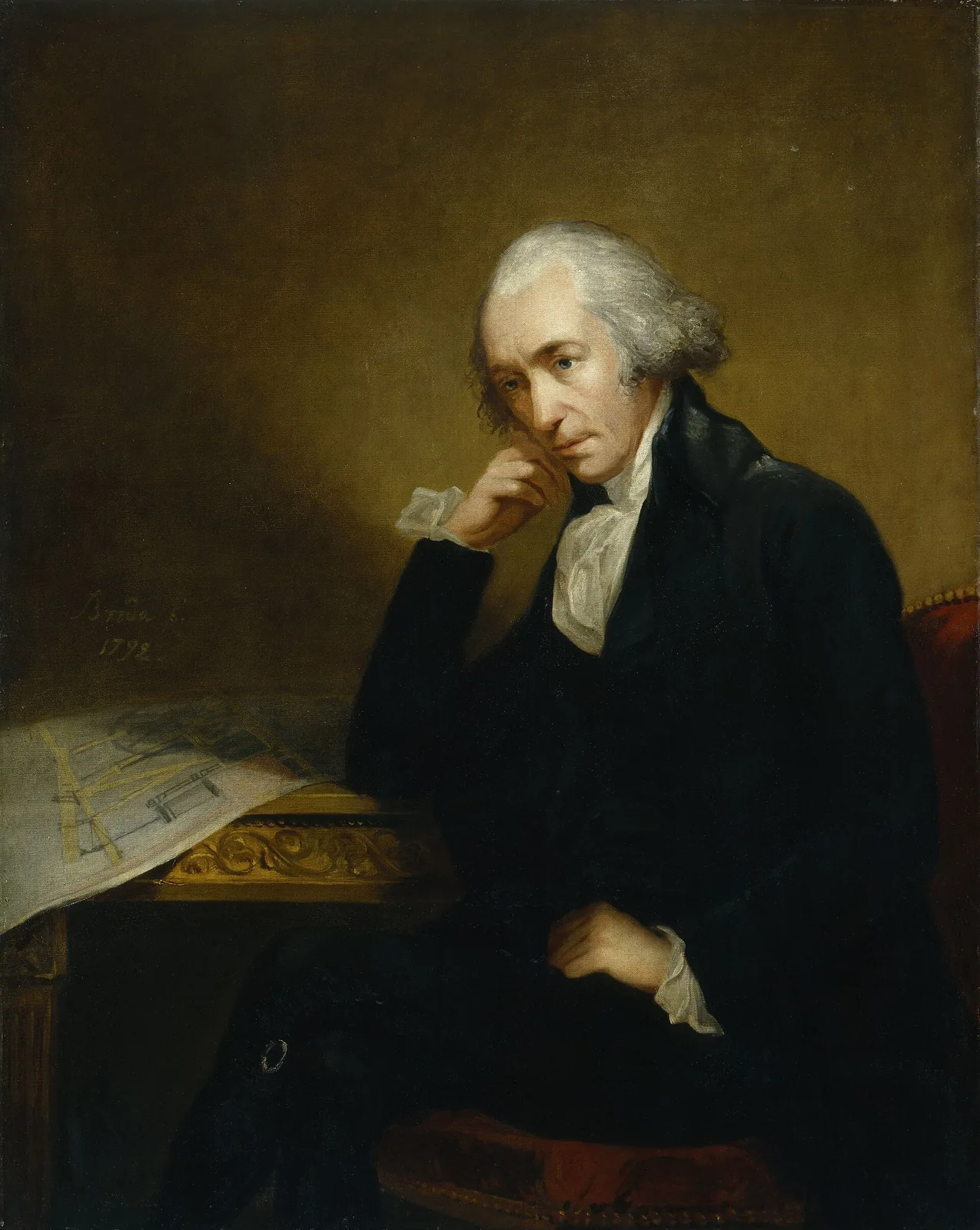
Wikimedia Commons · Public domain · file At age eighteen, Watt travelled to London for a year of instrument-maker training before returning to Scotland. The source supports a training period spanning 1755–1756; the card date marks its documented beginning.
Settlement in Glasgow
· Glasgow, Scotland
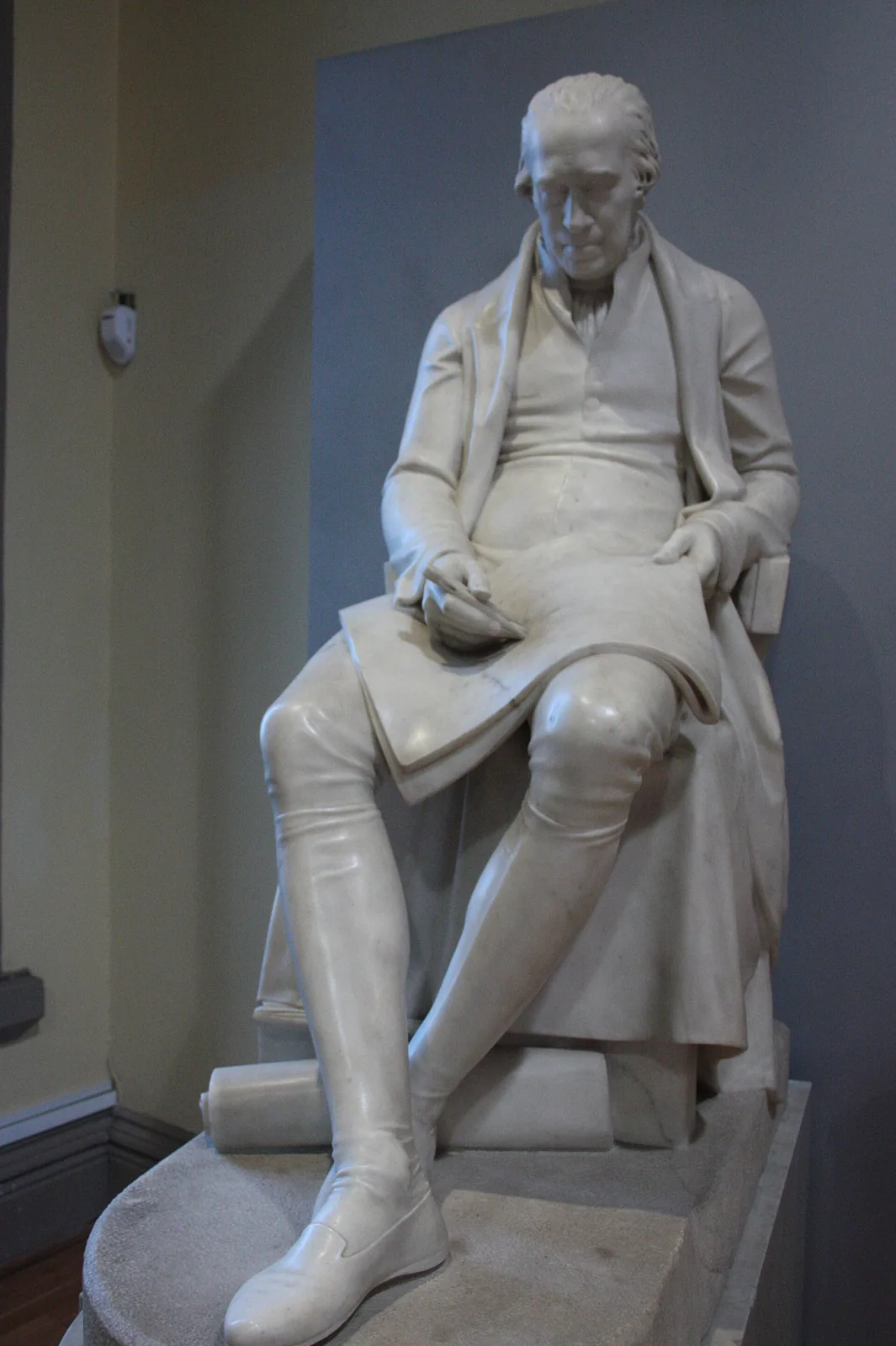
Wikimedia Commons · CC BY-SA 4.0 · file After his London training, Watt returned to Scotland and settled in Glasgow to establish an instrument-making business. Coordinates represent central Glasgow.
University of Glasgow workshop
· University of Glasgow, Glasgow, Scotland
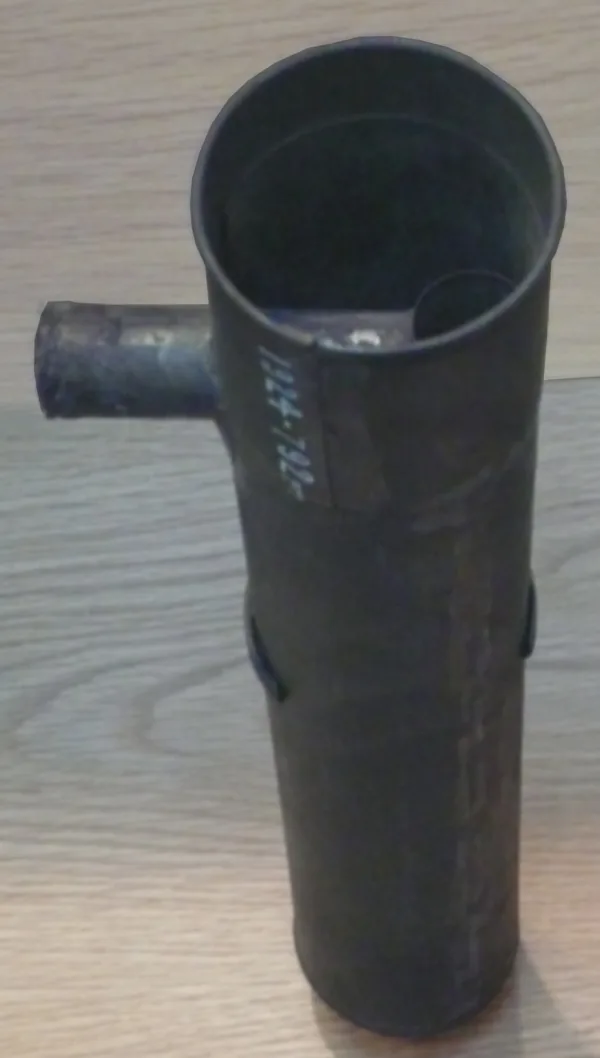
Wikimedia Commons · CC BY 3.0 · file Watt began operating a small workshop within the University of Glasgow, maintaining and making scientific instruments and building relationships with Joseph Black and Adam Smith. The eighteenth-century university site was on High Street; coordinates represent Glasgow because the source does not specify the workshop's exact position.
Initiation at Glasgow Royal Arch Lodge
· Glasgow Royal Arch Lodge, Glasgow, Scotland
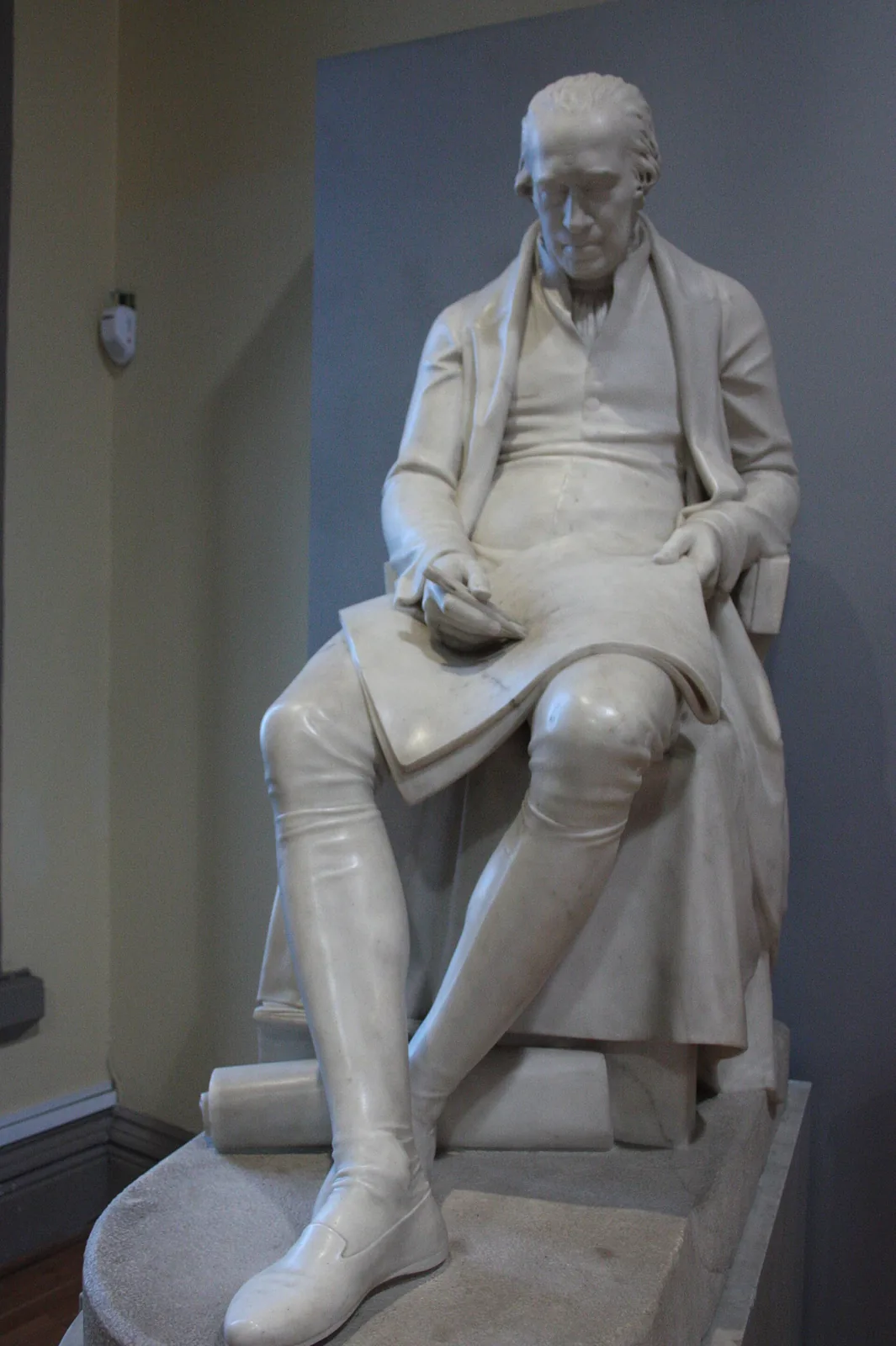
Wikimedia Commons · CC BY-SA 4.0 · file Watt was initiated into Scottish Freemasonry at the Glasgow Royal Arch Lodge, a documented appearance in Glasgow during his instrument-making years. The lodge's precise eighteenth-century meeting location is not specified; coordinates represent central Glasgow.
Separate-condenser insight at Glasgow Green
· Glasgow Green, Glasgow, Scotland
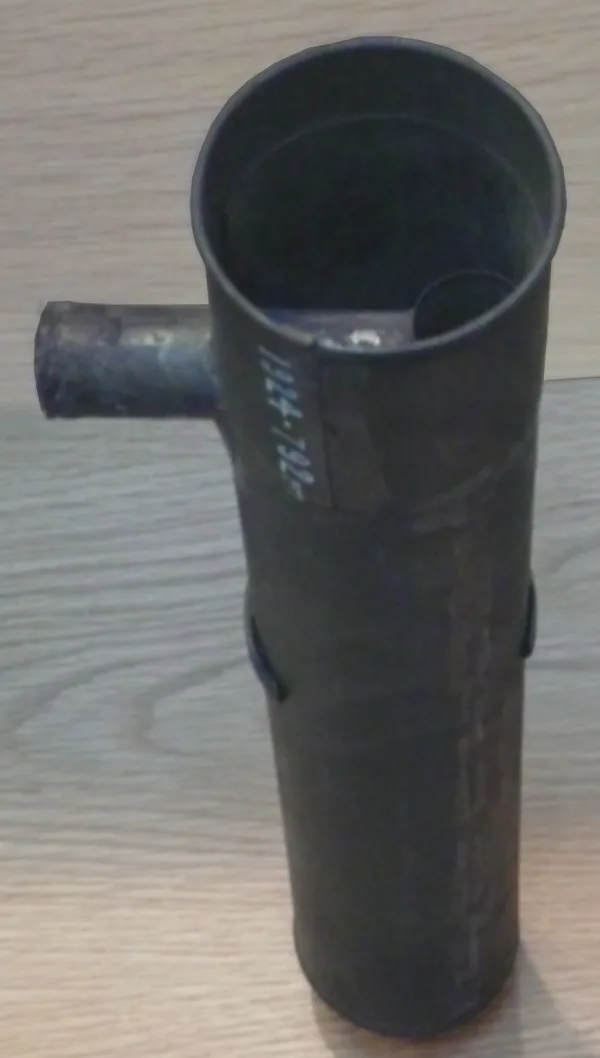
Wikimedia Commons · CC BY 3.0 · file While crossing Glasgow Green, Watt conceived the separate condenser, the crucial principle behind his improved steam engine.
Steam-engine experiments at Kinneil
· James Watt's Cottage, Kinneil Estate, Bo'ness, Scotland
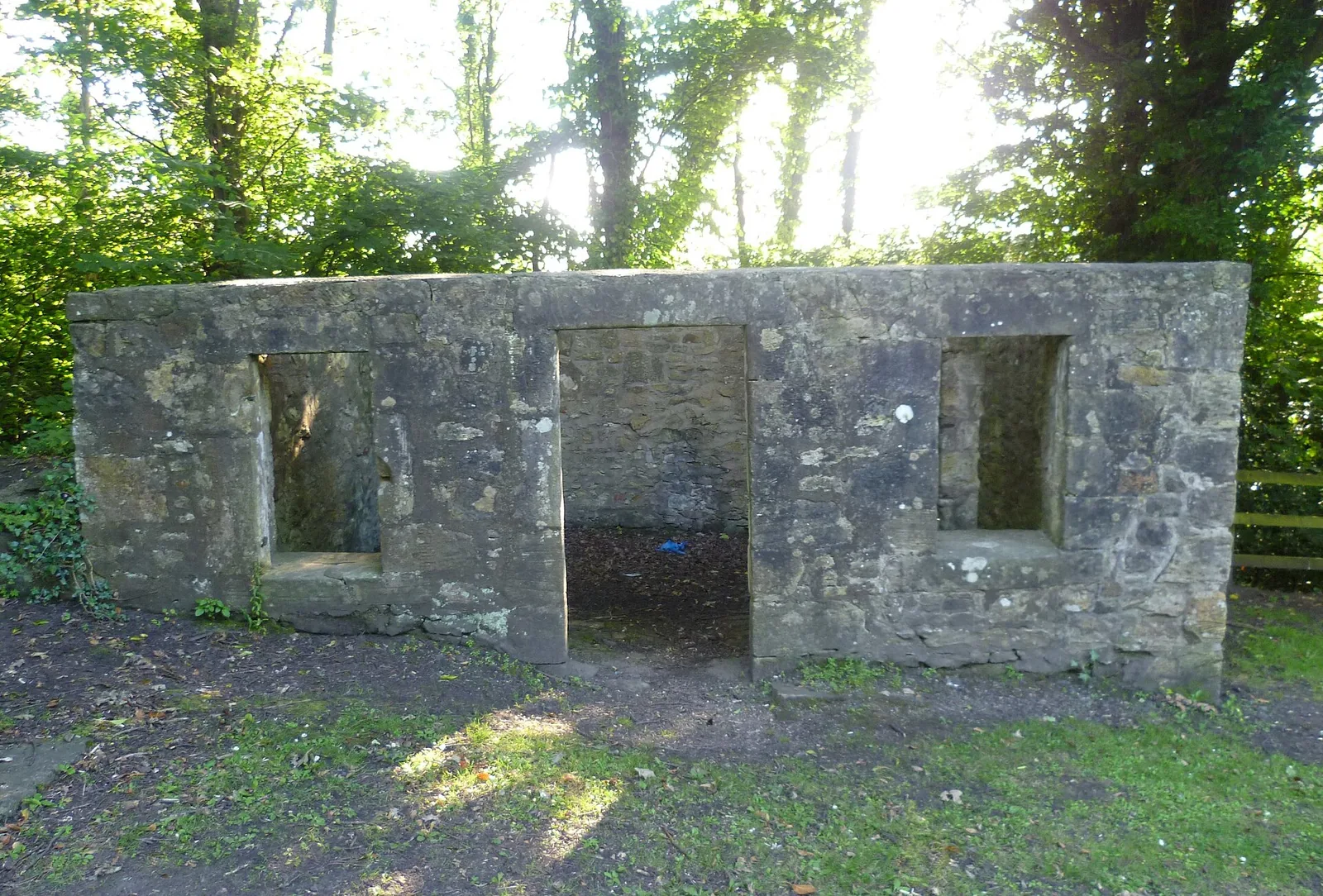
Wikimedia Commons · CC BY-SA 3.0 · file Watt occupied a workshop behind Kinneil House, where he developed and tested his prototype engine with its separate condenser. The source supports continuous occupation from 1769 to 1773; this card is dated to the beginning of that documented period.
Surveying work in the Scottish Highlands
· Scottish Highlands, Scotland
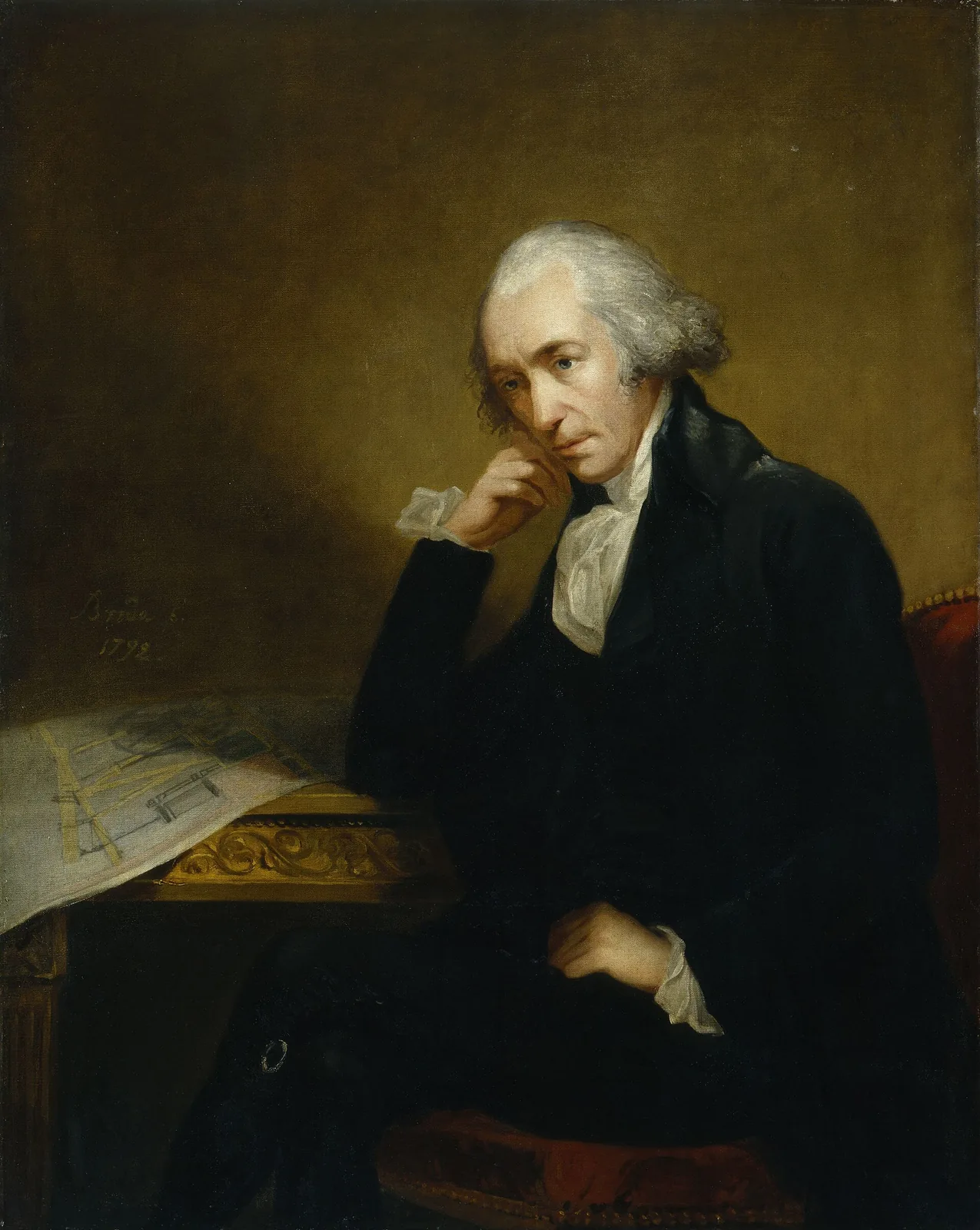
Wikimedia Commons · Public domain · file While working in the Scottish Highlands, Watt learned that his first wife was gravely ill and immediately returned home. The source identifies only the Scottish Highlands, not a specific worksite; coordinates are a representative point for the region.
First Cornwall engine-erection visit
· Chacewater, Cornwall, England
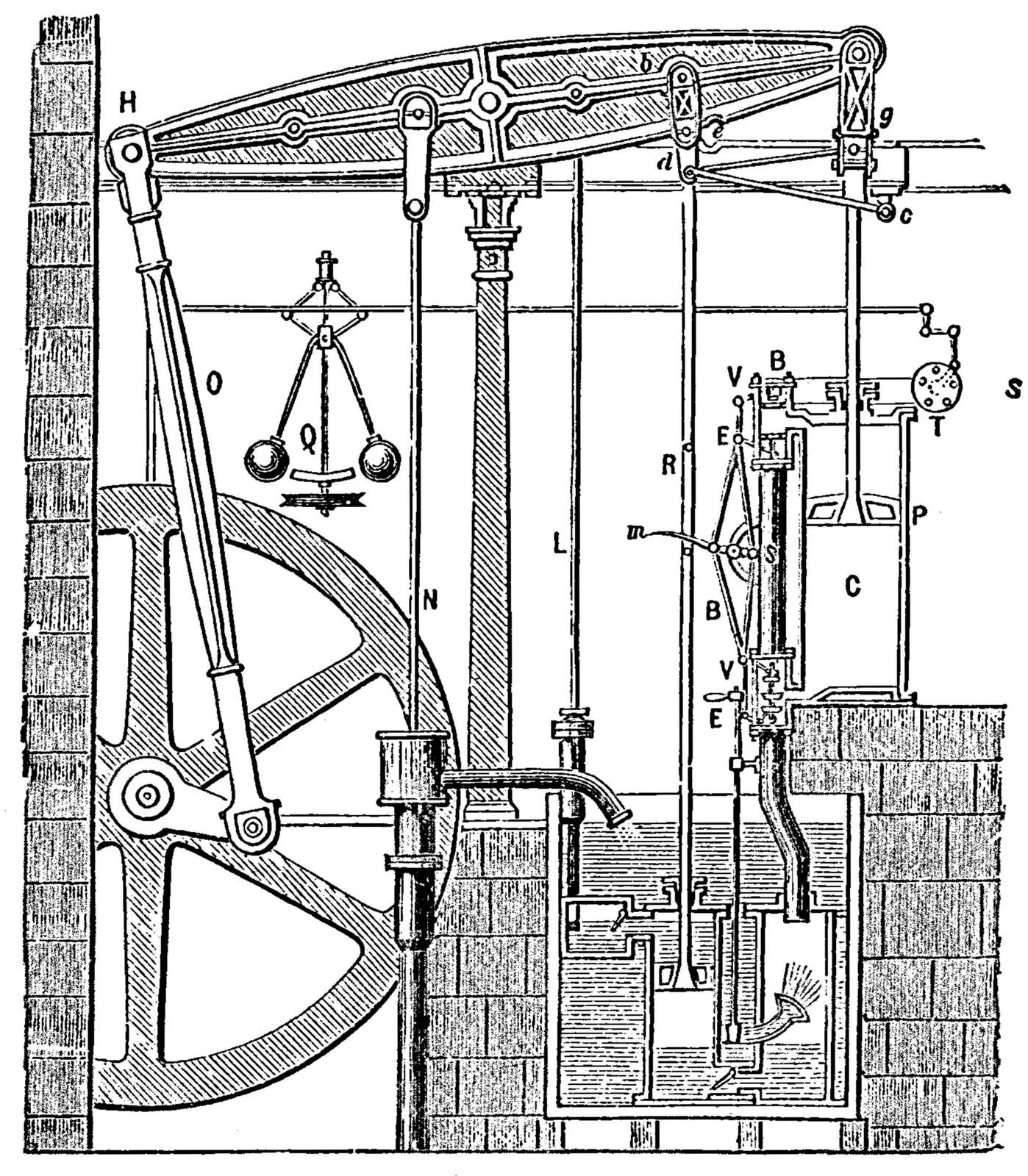
Wikimedia Commons · Public domain · file Watt personally travelled to Cornwall to supervise erection of the first Boulton and Watt pumping engines, arriving at Chacewater to oversee the Wheal Busy installation. The source places this visit after materials were shipped in mid-1777; it does not supply a precise arrival date.
Residence at Regent Place
· Regent Place, Jewellery Quarter, Birmingham, England
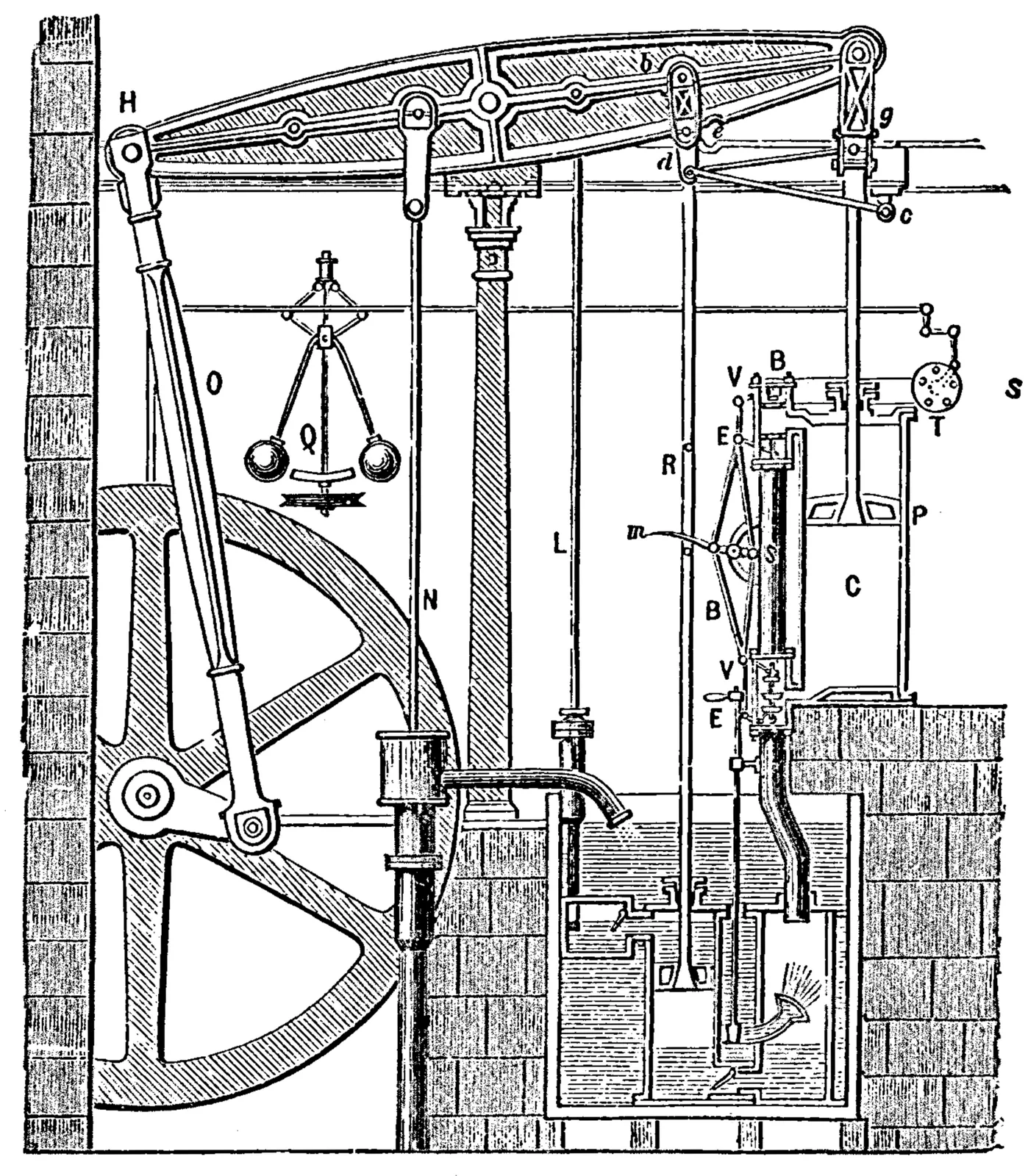
Wikimedia Commons · Public domain · file Watt lived at Regent Place in Birmingham during the formative years of the Boulton and Watt partnership and development of rotary steam-engine technology. The original house has been demolished; coordinates mark Regent Place in the Jewellery Quarter.
Residence at Redruth during second Cornwall visit
· Redruth, Cornwall, England
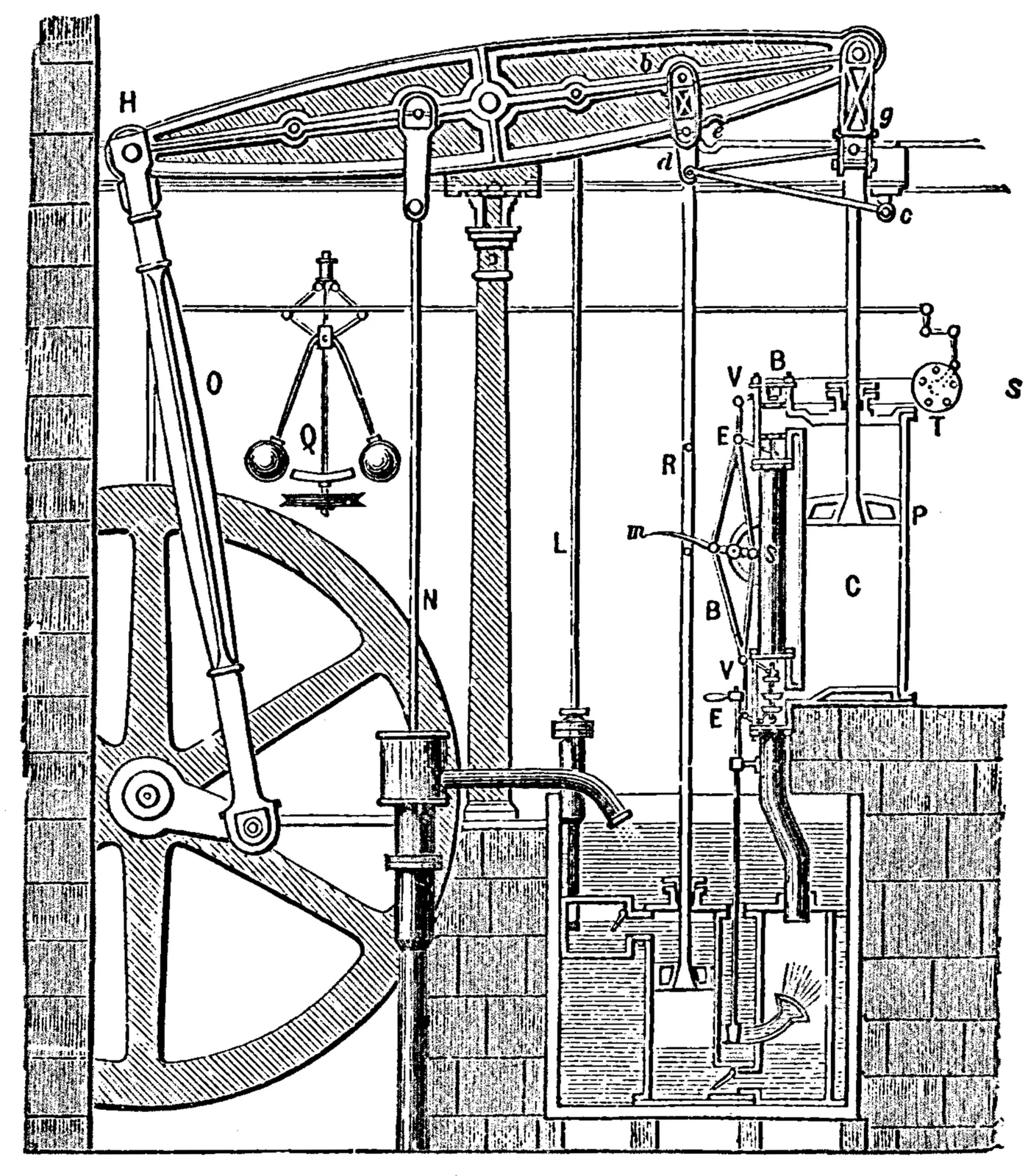
Wikimedia Commons · Public domain · file On a further Cornwall journey to attend to the Tingtang engine, Watt reached the district in early June and established himself at Redruth. The source gives only 'the beginning of June'; month-level precision is used.
Chlorine experiment in Paris
· Paris, France
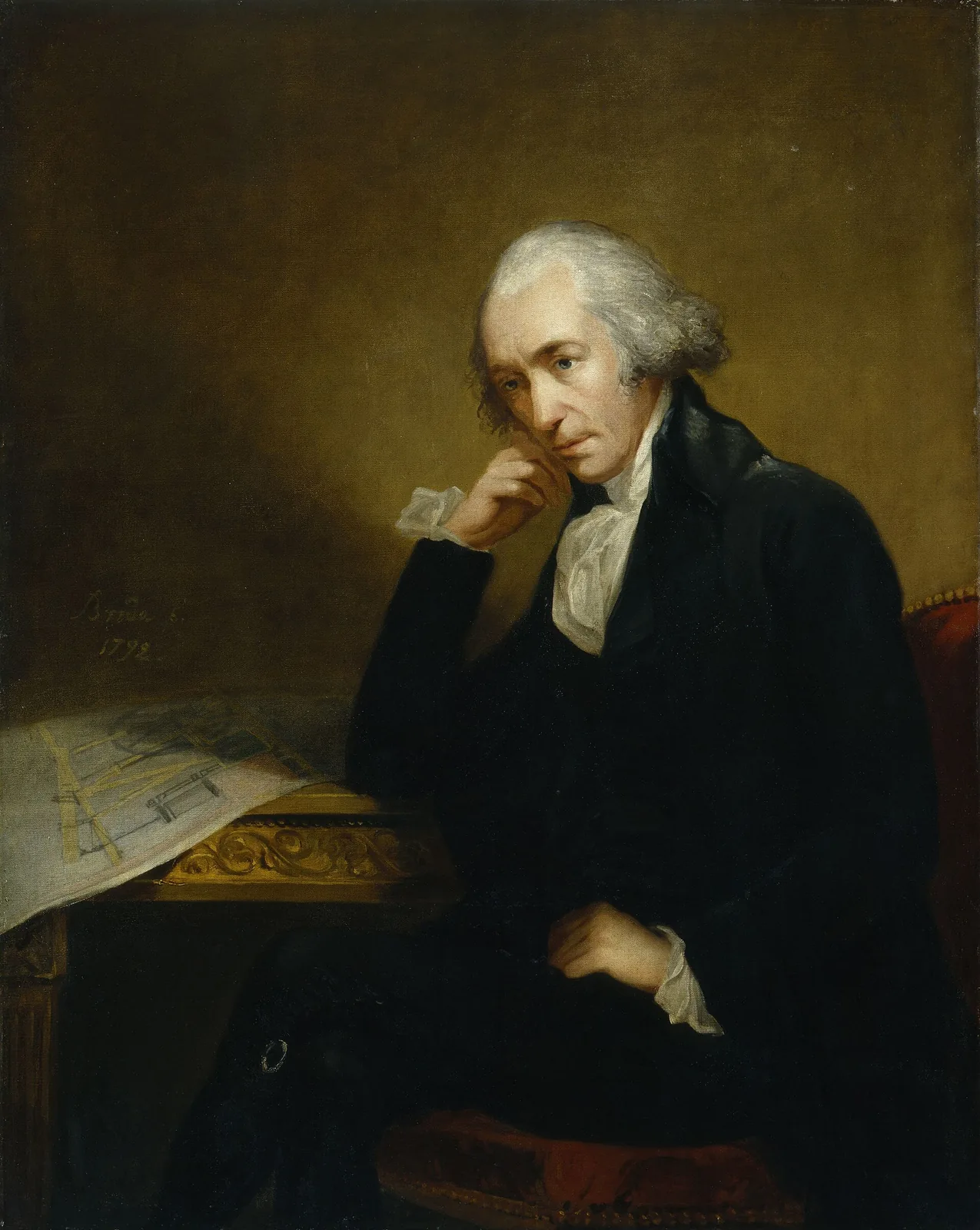
Wikimedia Commons · Public domain · file During a late-1786 stay in Paris, Watt witnessed Claude Louis Berthollet produce chlorine, informing Watt's subsequent bleaching experiments in Britain. The source supports late 1786 but not a more precise date.
Move to Heathfield
· Heathfield Hall (former site), Handsworth, Birmingham, England
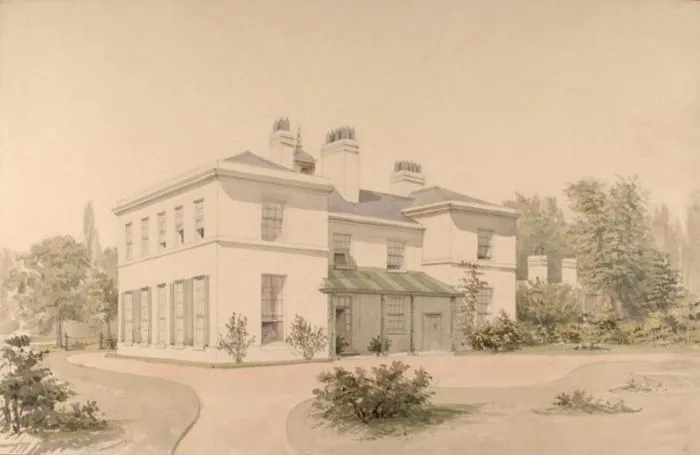
Wikimedia Commons · Public domain · file James and Ann Watt moved from their Birmingham house at Harper's Hill to Heathfield in Handsworth, which became Watt's principal later-life home and workshop site. Heathfield Hall was demolished; coordinates are an approximate representative point for its former site.
Return voyage to Greenock on Comet
· Greenock, Renfrewshire, Scotland
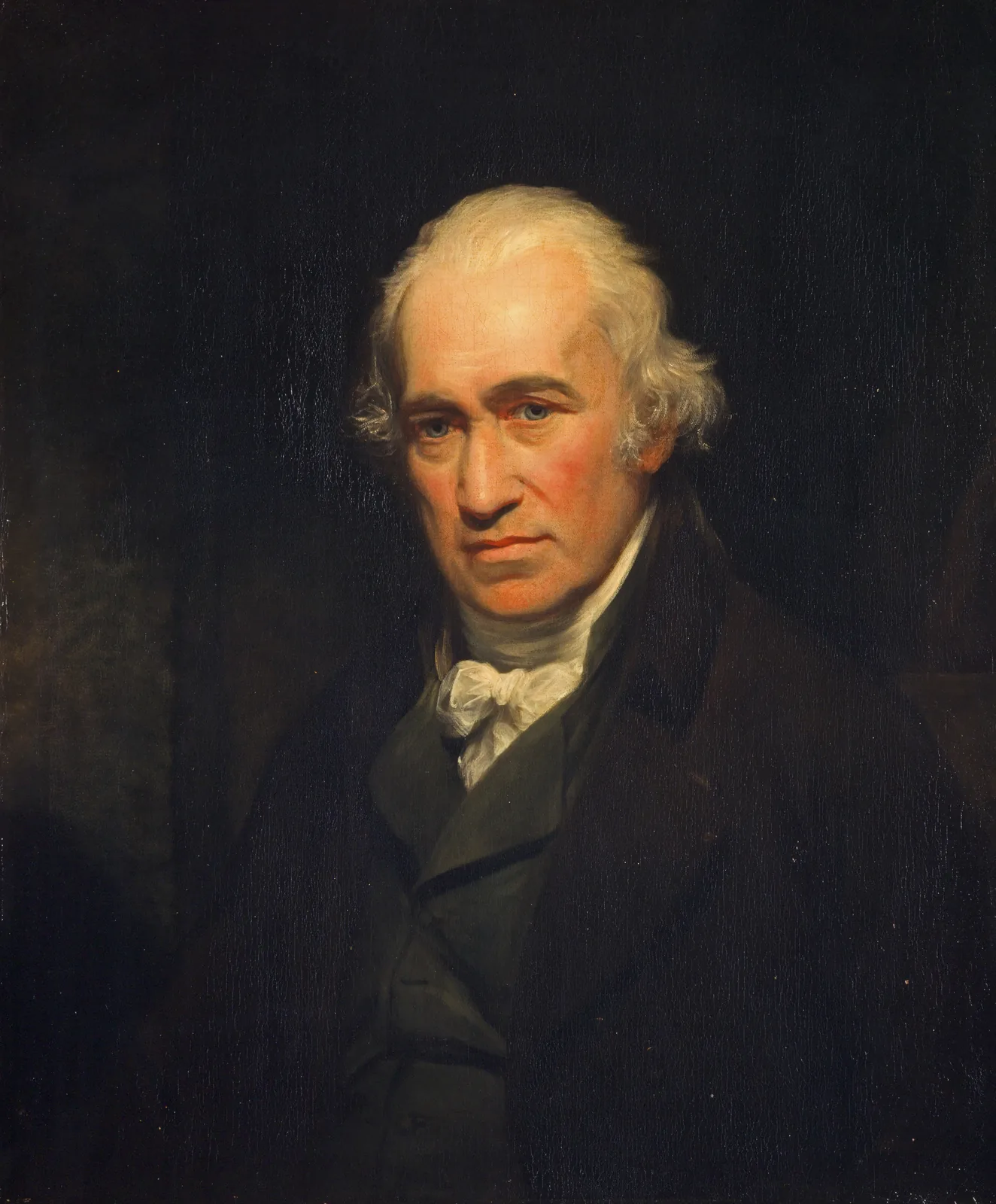
Wikimedia Commons · Public domain · file Watt travelled on the paddle steamer Comet to revisit Greenock, his home town, late in life. The source supplies the year but not a more precise voyage date or landing location.
Death at Heathfield Hall
· Heathfield Hall (former site), Handsworth, Birmingham, England
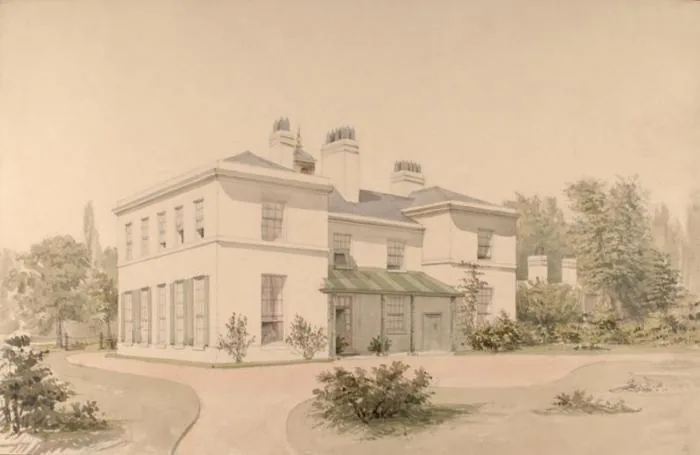
Wikimedia Commons · Public domain · file Watt died at his home, Heathfield Hall, near Handsworth, after a retirement spent continuing mechanical experiments. Heathfield Hall was demolished; coordinates are an approximate representative point for its former site.
Burial at St Mary's Church
· St Mary's Church, Handsworth, Birmingham, England
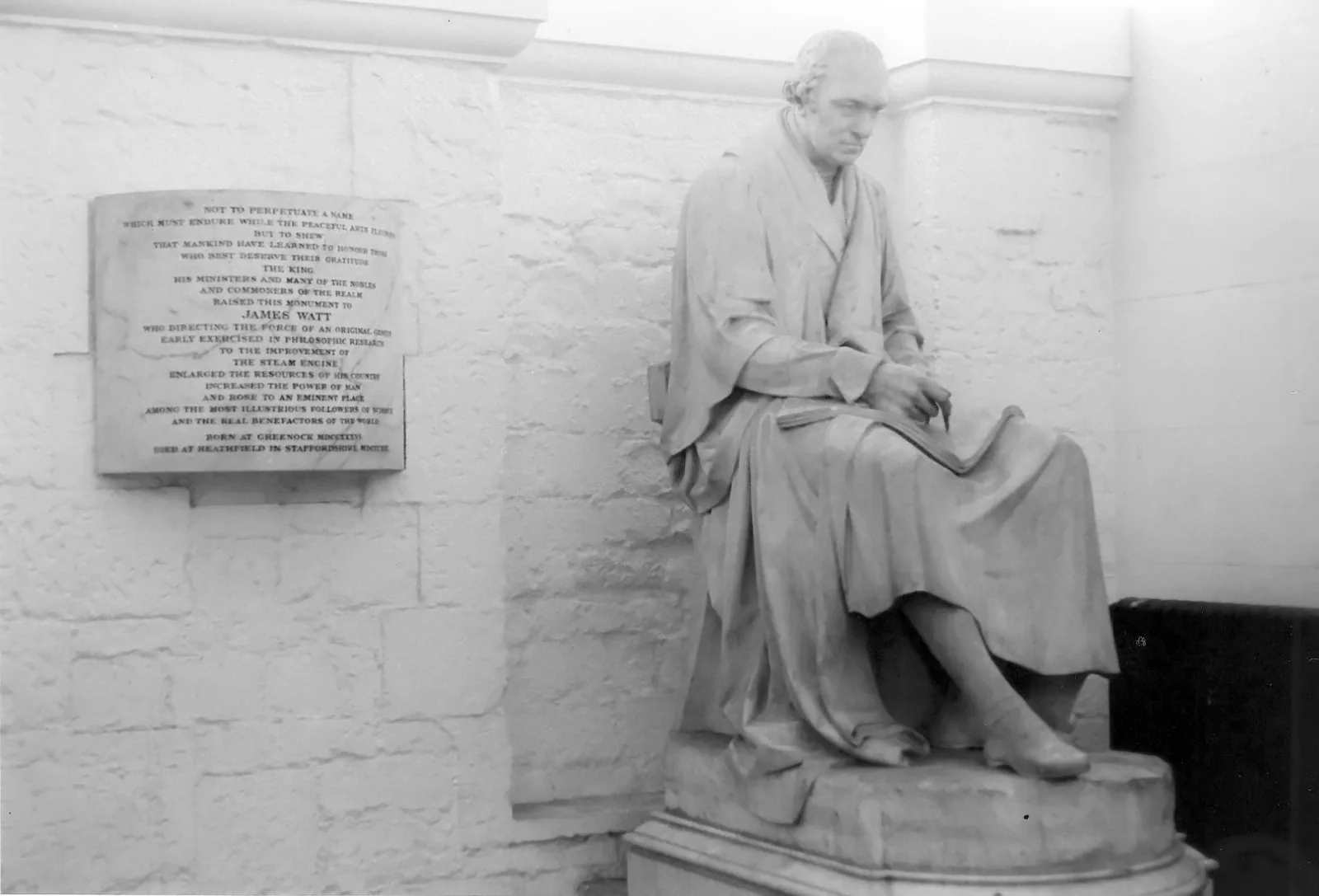
Wikimedia Commons · Public domain · file Watt was buried in the graveyard of St Mary's Church, Handsworth, following his death at Heathfield Hall. The grave is now inside the enlarged church.